Art Deco Architecture Art
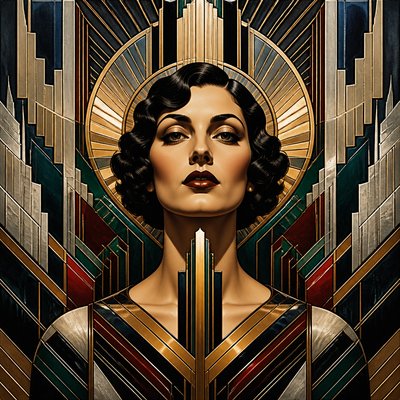
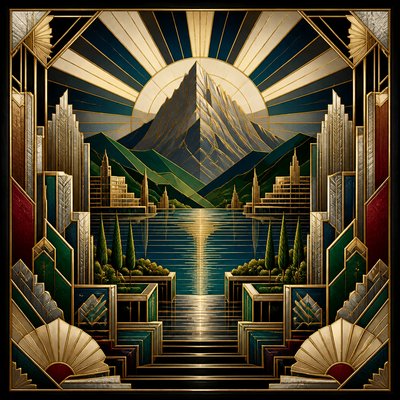
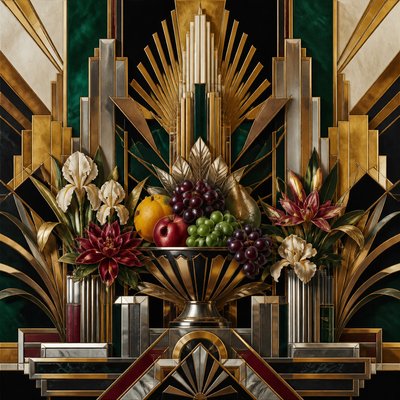
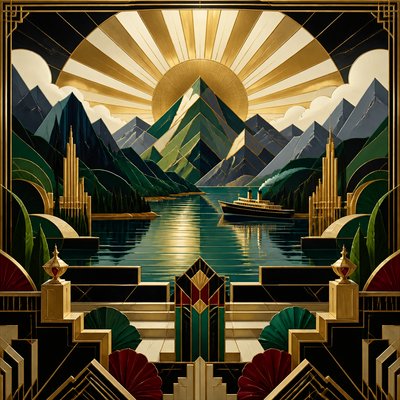
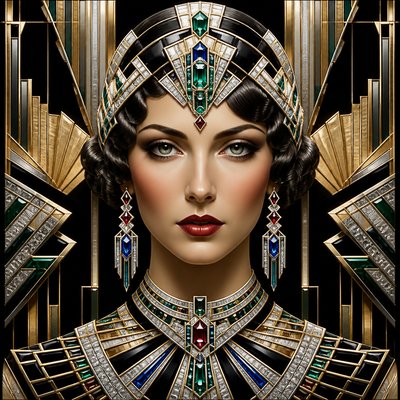
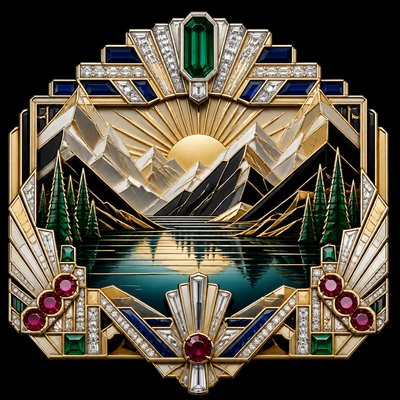
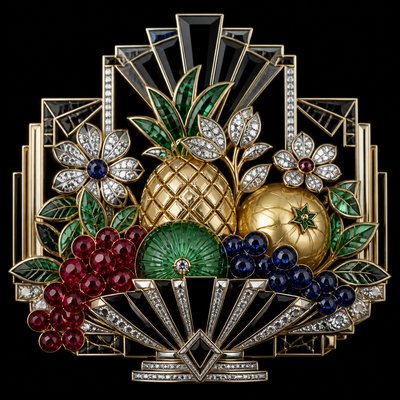
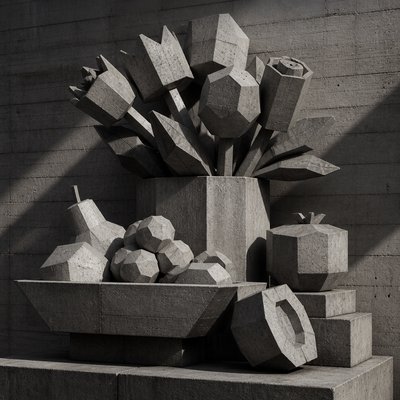
Geometric 1920s–30s architecture with metallic glamour, stepped forms, zigzags, sunbursts, and streamlined luxury.
Instantly rendered in Art Deco Architecture — or transform a photo
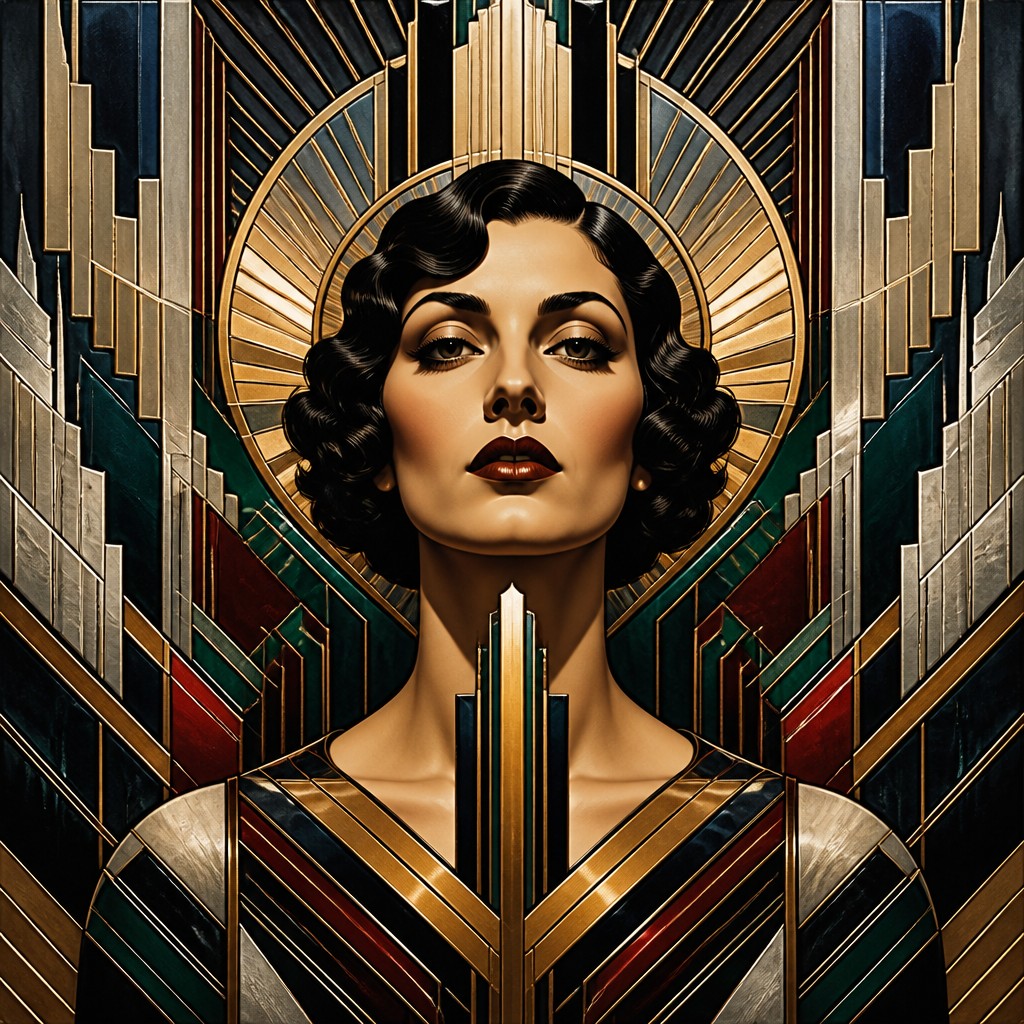
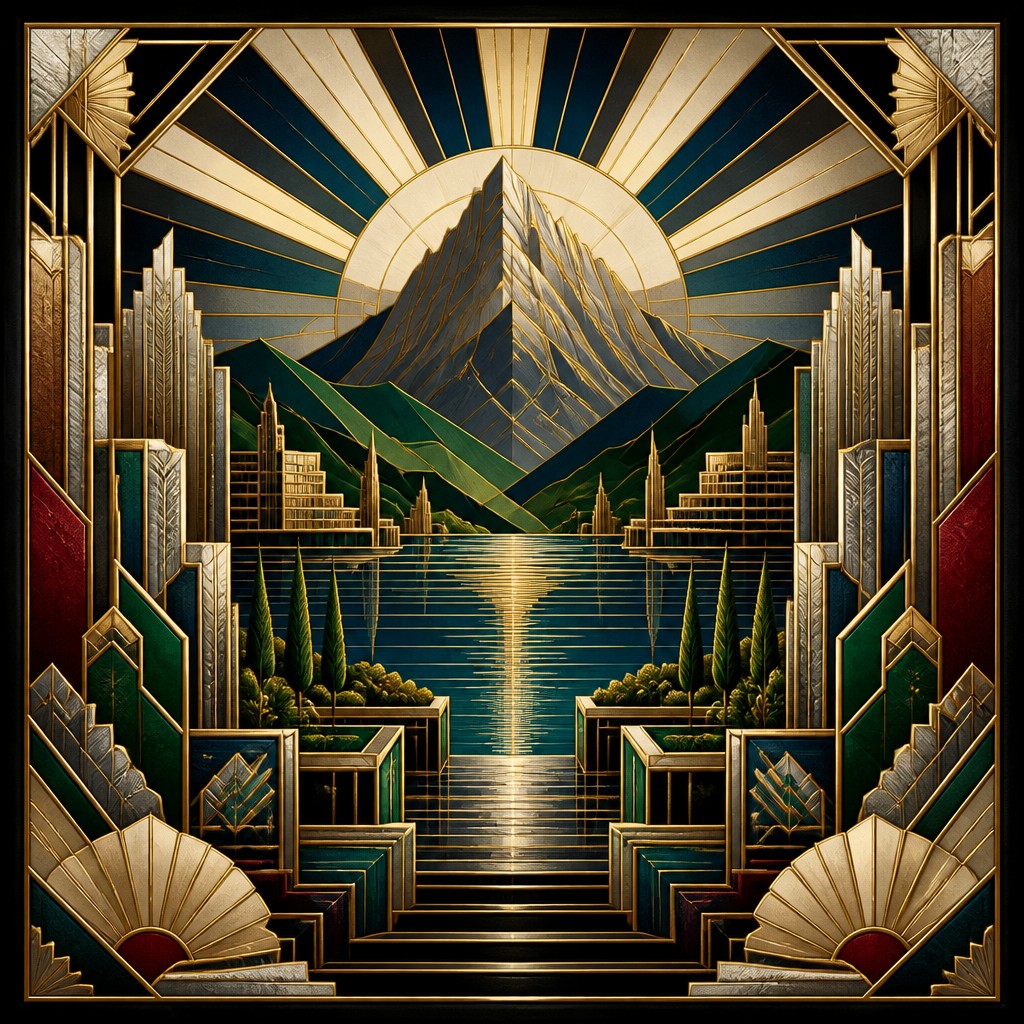
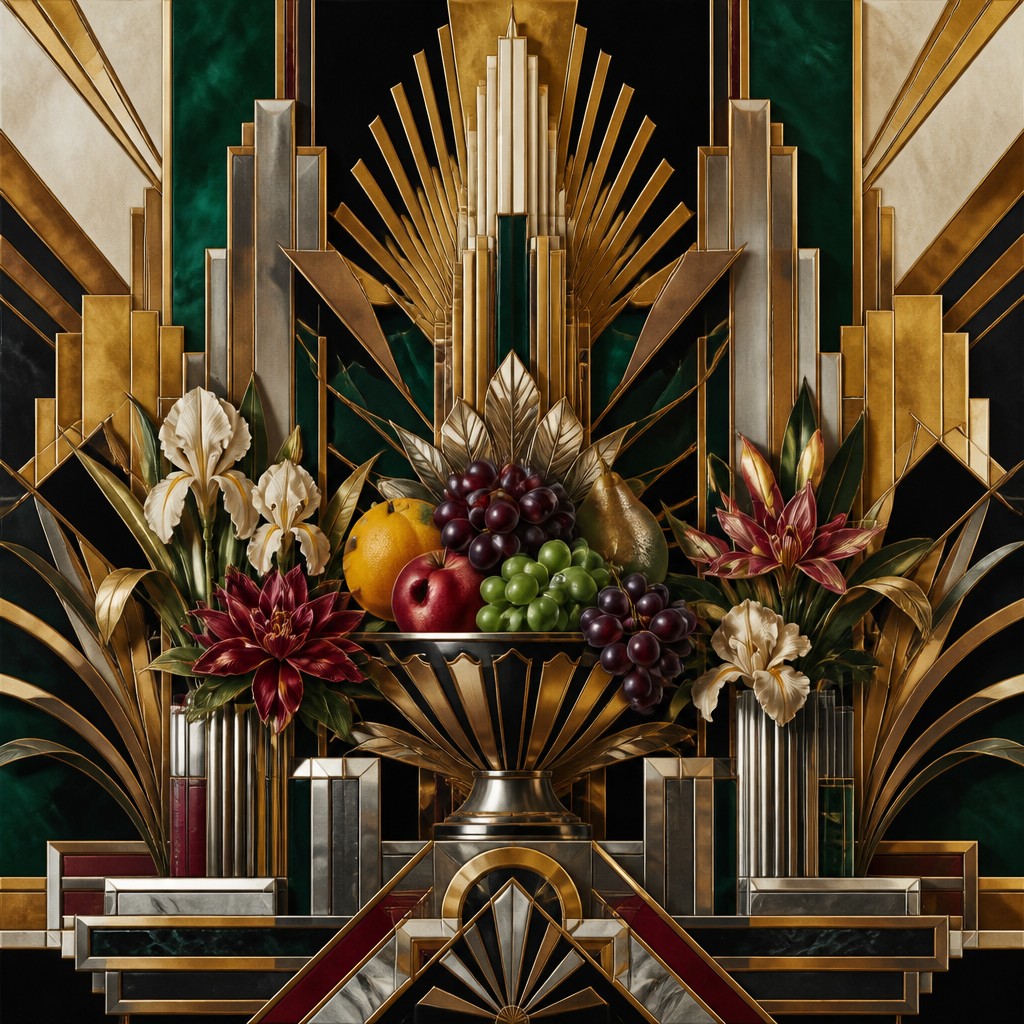
Art Deco Architecture Gallery
Tap any artwork to explore it

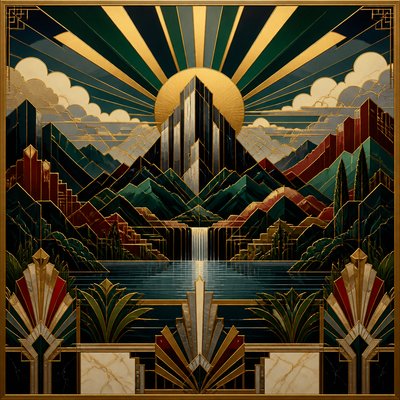
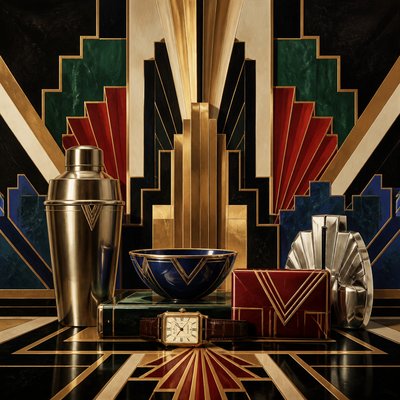
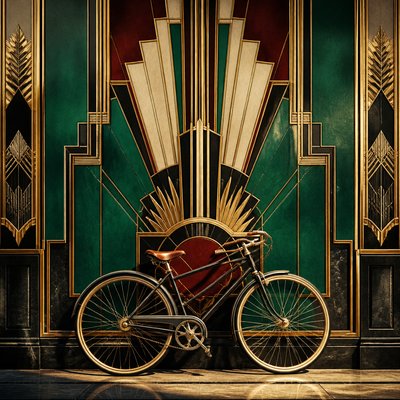
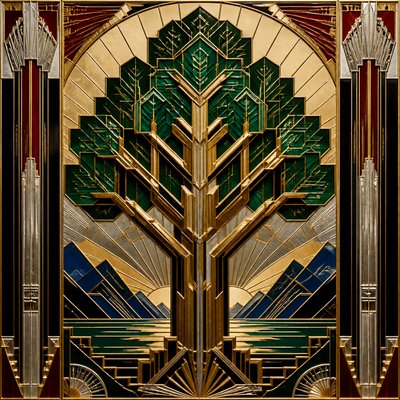
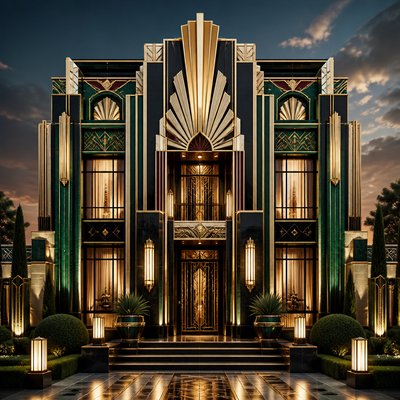
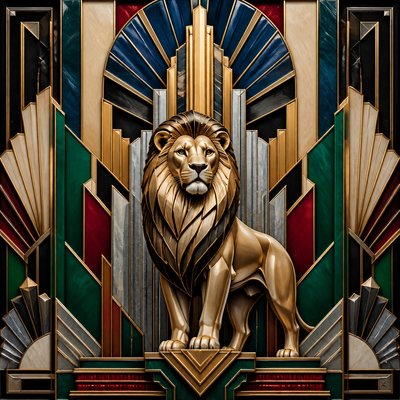
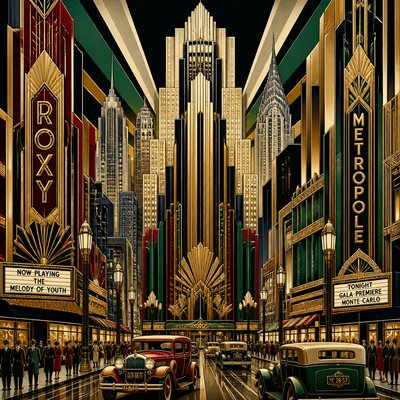
What is Art Deco Architecture Art?
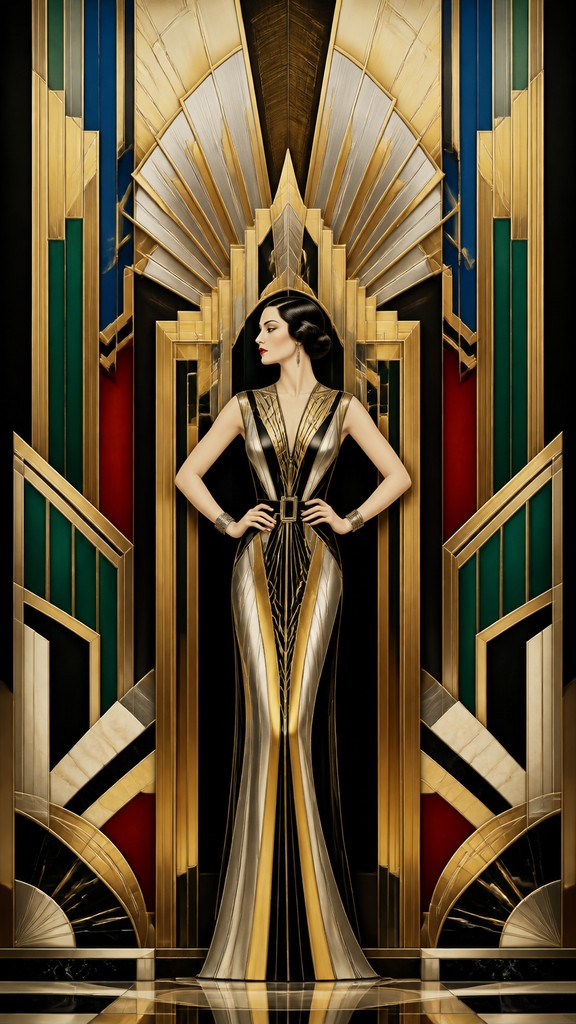
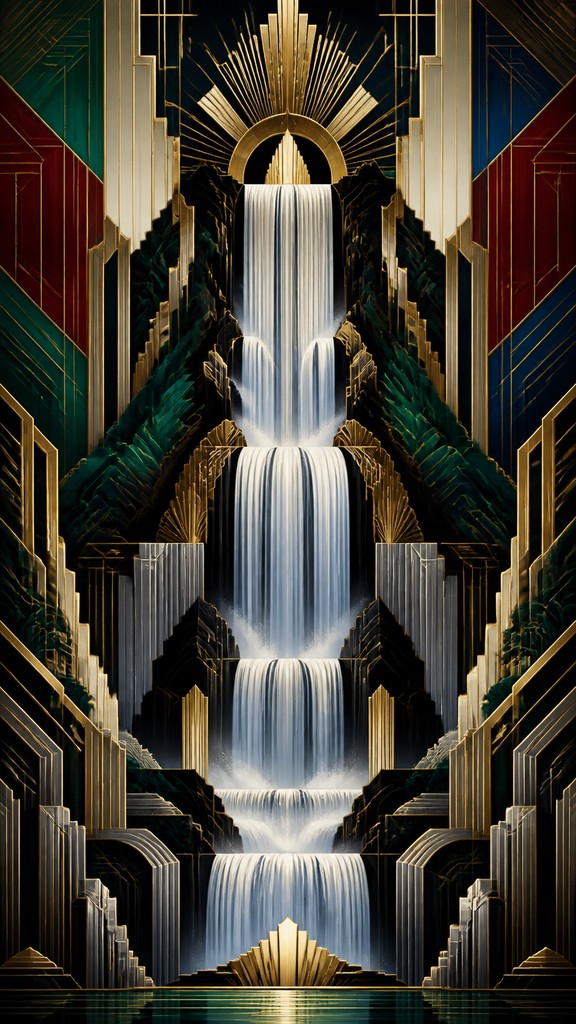
Art Deco Architecture Art is a visual style based on the architectural language of the 1920s and 1930s, when designers sought to express modernity, luxury, and technological confidence through bold geometry and lavish ornament. It combines strong symmetry, vertical emphasis, stepped profiles, chevrons, sunbursts, polished metals, and rich contrasting color schemes to create buildings that feel elegant, monumental, and machine-age refined.
Its visual identity comes from a meeting of influences: the streamlined optimism of industrial design, the decorative richness of earlier luxury traditions, and the clean geometry of modern abstraction. The result is a style that appears simultaneously ornamental and disciplined, with crisp edges, theatrical lighting, and a sense of engineered precision that makes facades, towers, interiors, and signage feel like symbols of progress.

Try It On Your Photos
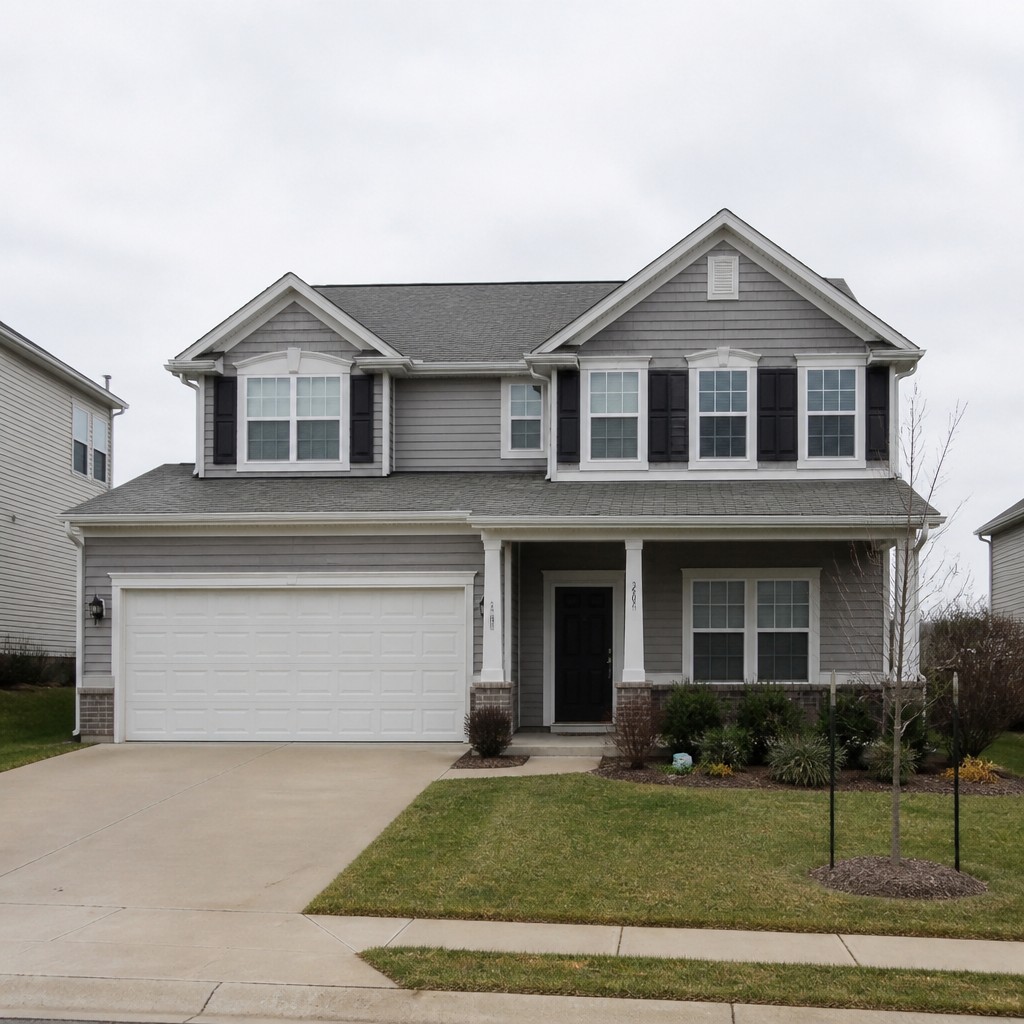
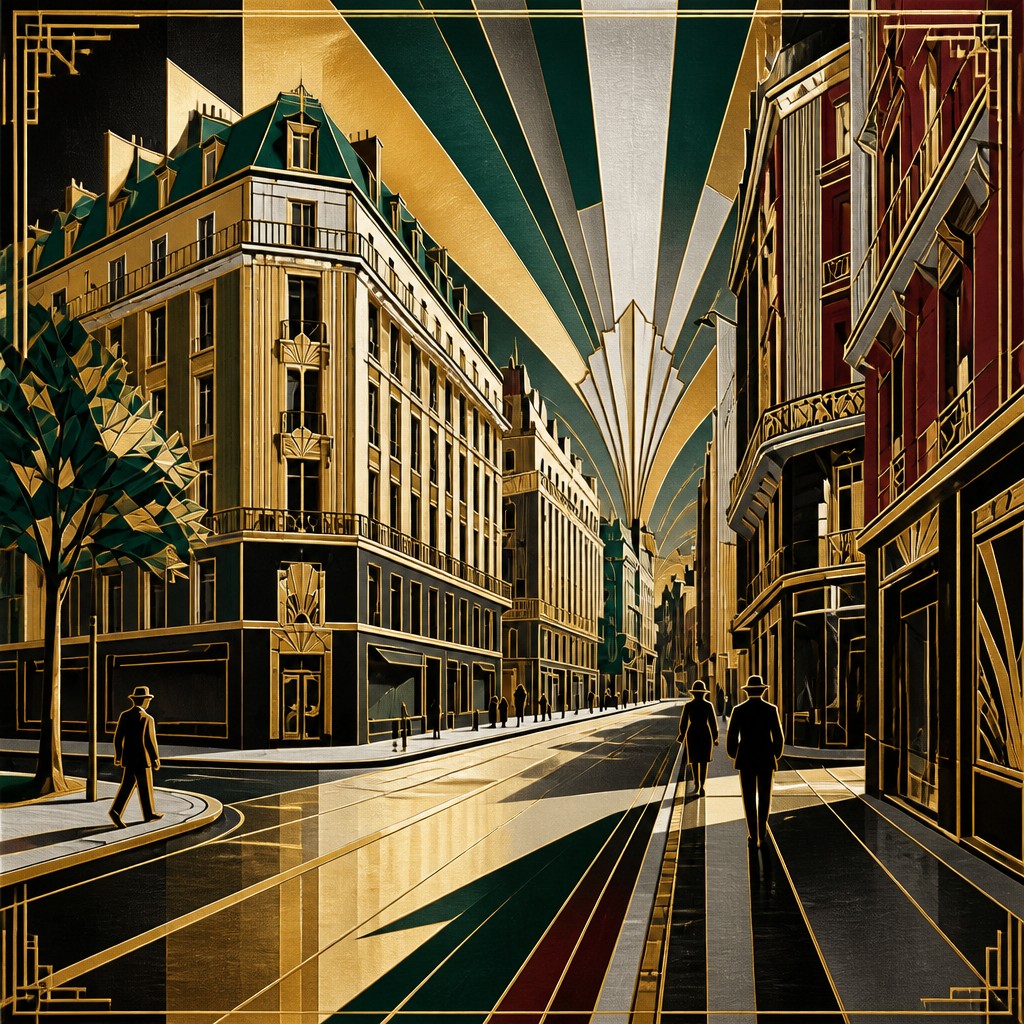
Upload any photo and convert it into Art Deco Architecture Art — drag the sliders to compare before and after.
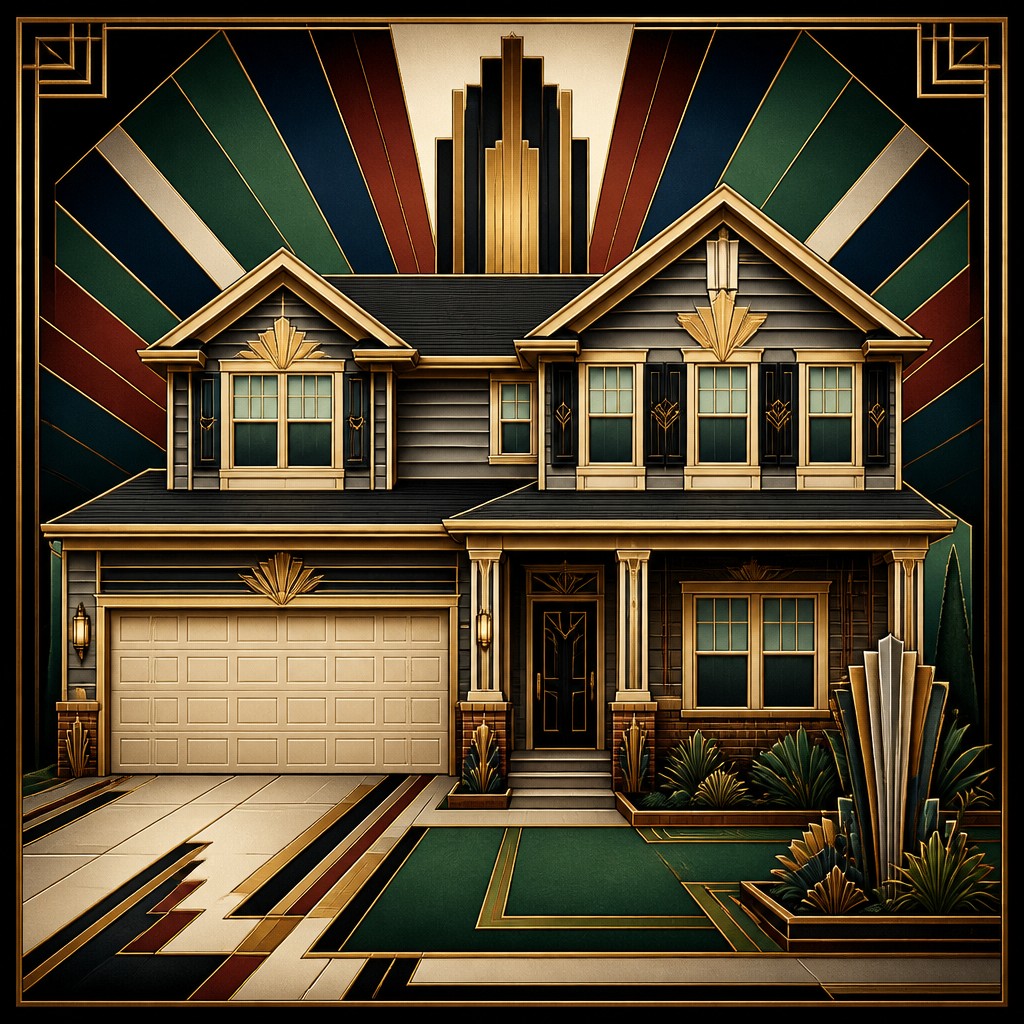



What Defines Art Deco Architecture Art
The signature details, up close
Stepped silhouette
Buildings often rise in tiered setbacks or stacked levels, creating a strong vertical profile. This gives the composition a sense of upward momentum and urban grandeur.
Geometric ornament
Zigzags, chevrons, zigzag bands, and repeated angular motifs are used instead of naturalistic decoration. The ornament feels precise, rhythmic, and mechanically organized.
Sunburst and fan motifs
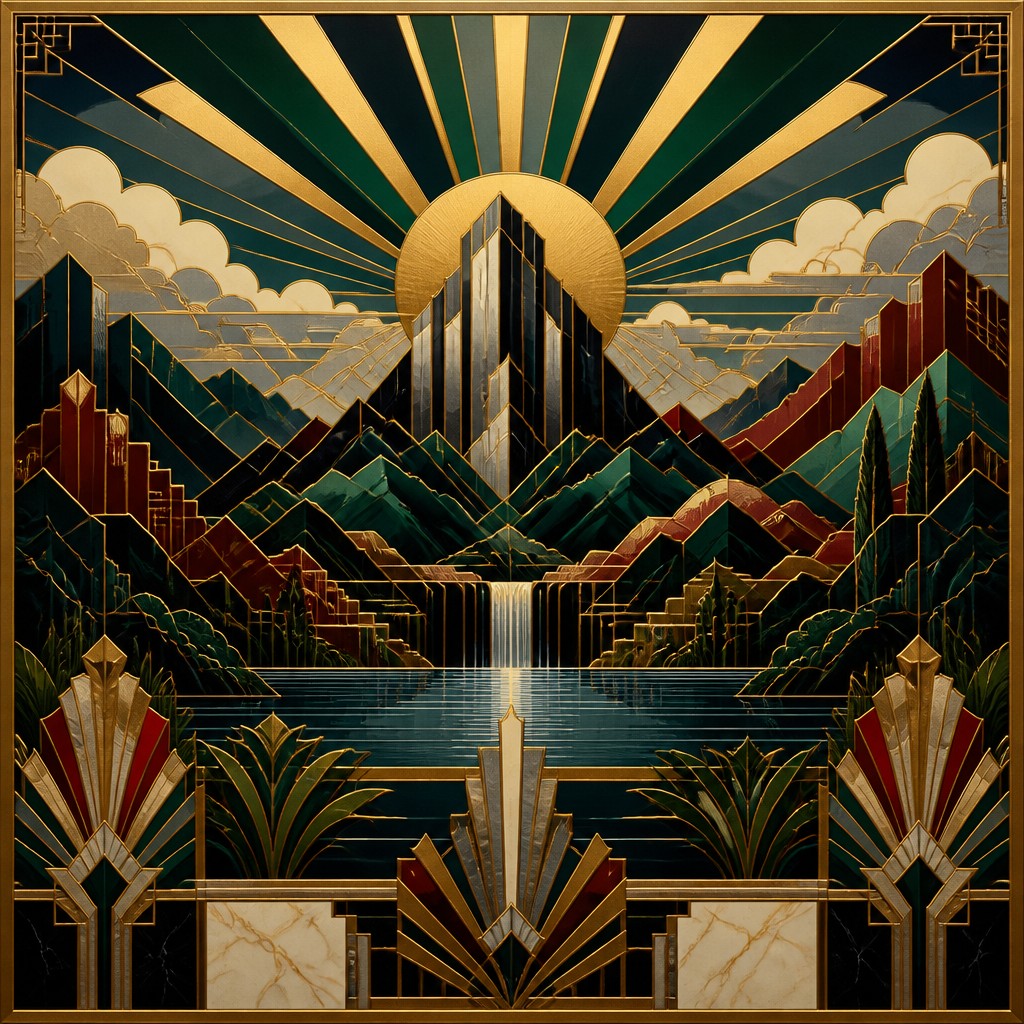
Radiating sunbursts, spoked fans, and halo-like forms are common focal points. They add movement and theatrical emphasis while reinforcing the style's celebratory tone.
Metallic luxury
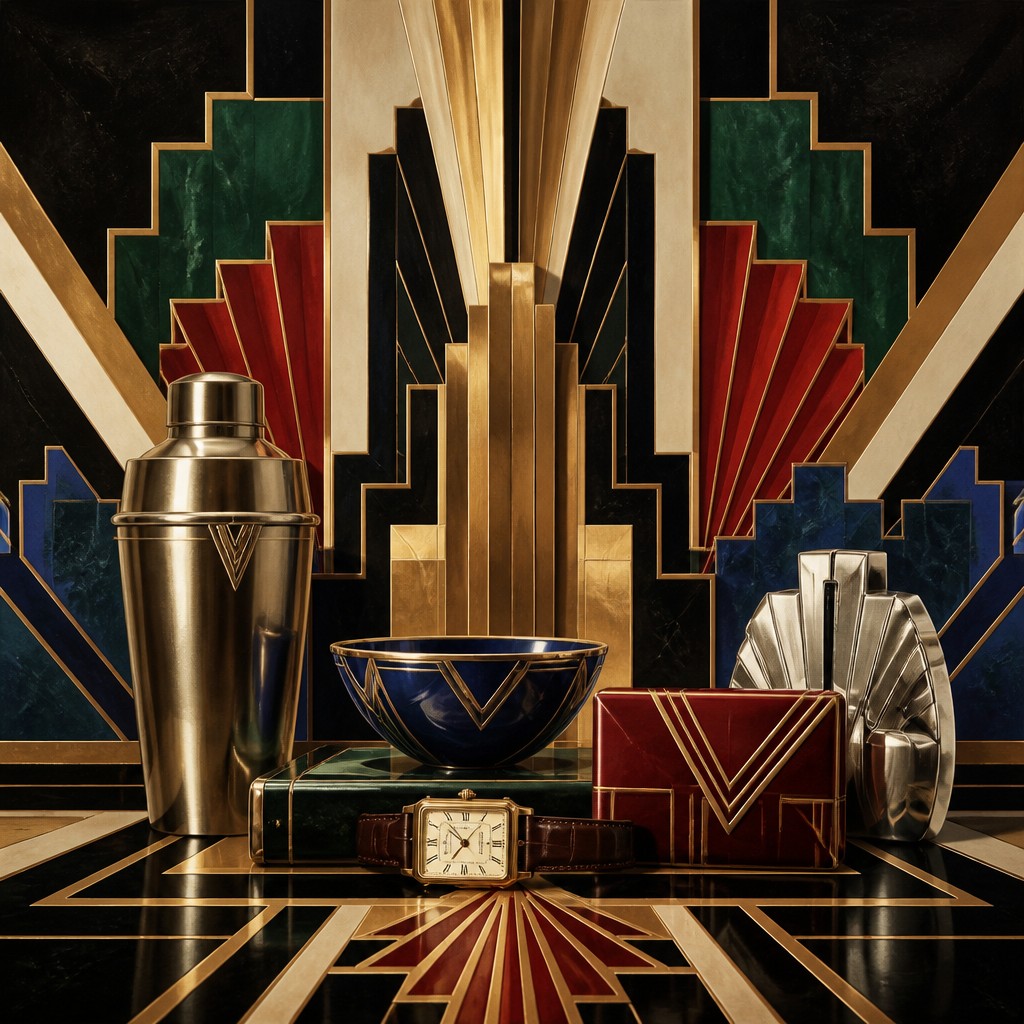
Gold, silver, bronze, chrome, and polished stone surfaces suggest refinement and modern wealth. These finishes make the style feel glamorous and materially rich.
Strong symmetry and axial balance
Facade elements are usually arranged around a central axis with clear bilateral balance. The orderliness creates a monumental, ceremonial effect.
Streamlined edges
Even when ornament is abundant, forms remain crisp and controlled. Rounded corners, smooth facades, and linear accents hint at speed, efficiency, and technology.
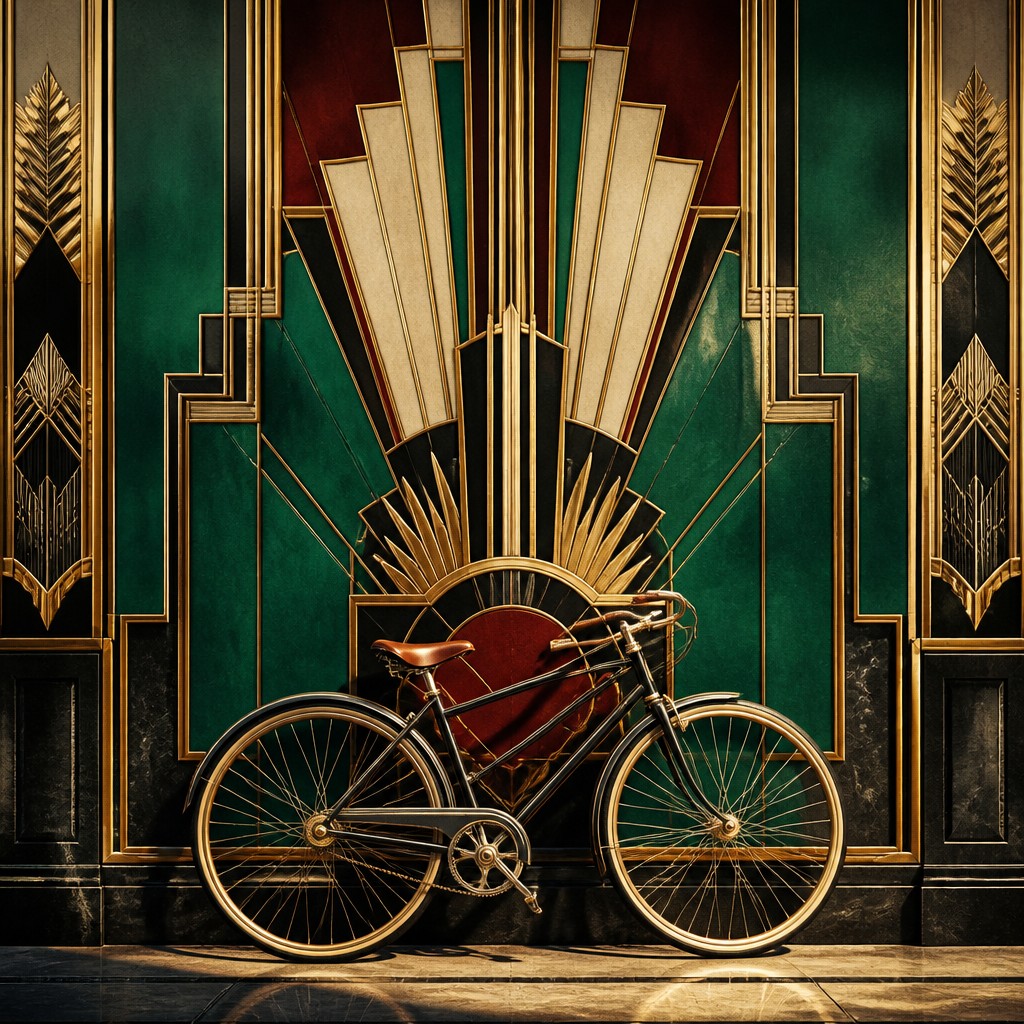
High-contrast palette
Black, cream, emerald, sapphire, ruby, and metallic accents are often paired for dramatic contrast. This palette heightens the sense of sophistication and stage-like lighting.
Try It
Create Videos in Art Deco Architecture Art
Styles aren't just for stills — describe a scene or animate an image and get a short video rendered in Art Deco Architecture. Press play to see this pond come to life.
Make a VideoArt Deco Architecture Prompt Ideas
Start from an idea — each one opens the generator with the style ready to go. See all 40 Art Deco Architecture prompts →
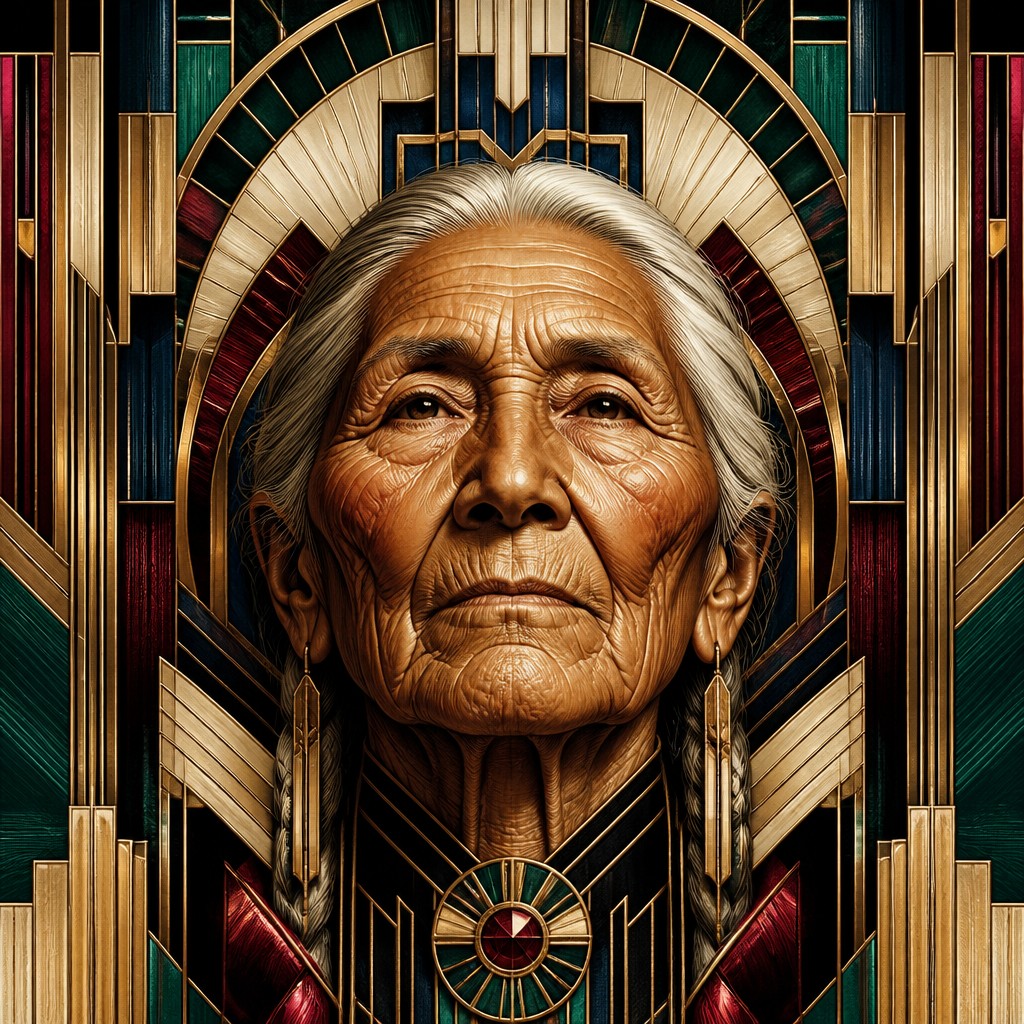
“close-up portrait of an elderly person with expressive weathered features”

“a cat lounging in a sunlit window”
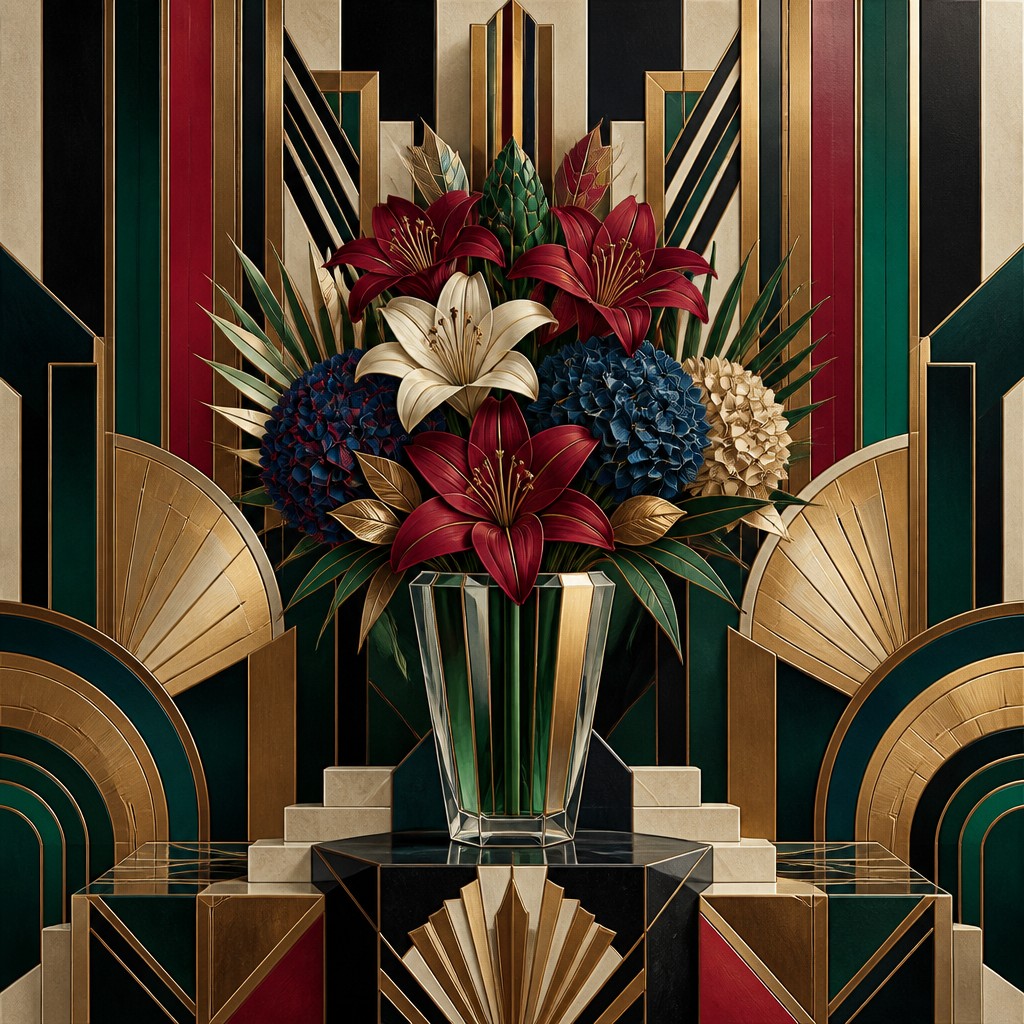
“bouquet of flowers in a glass vase”
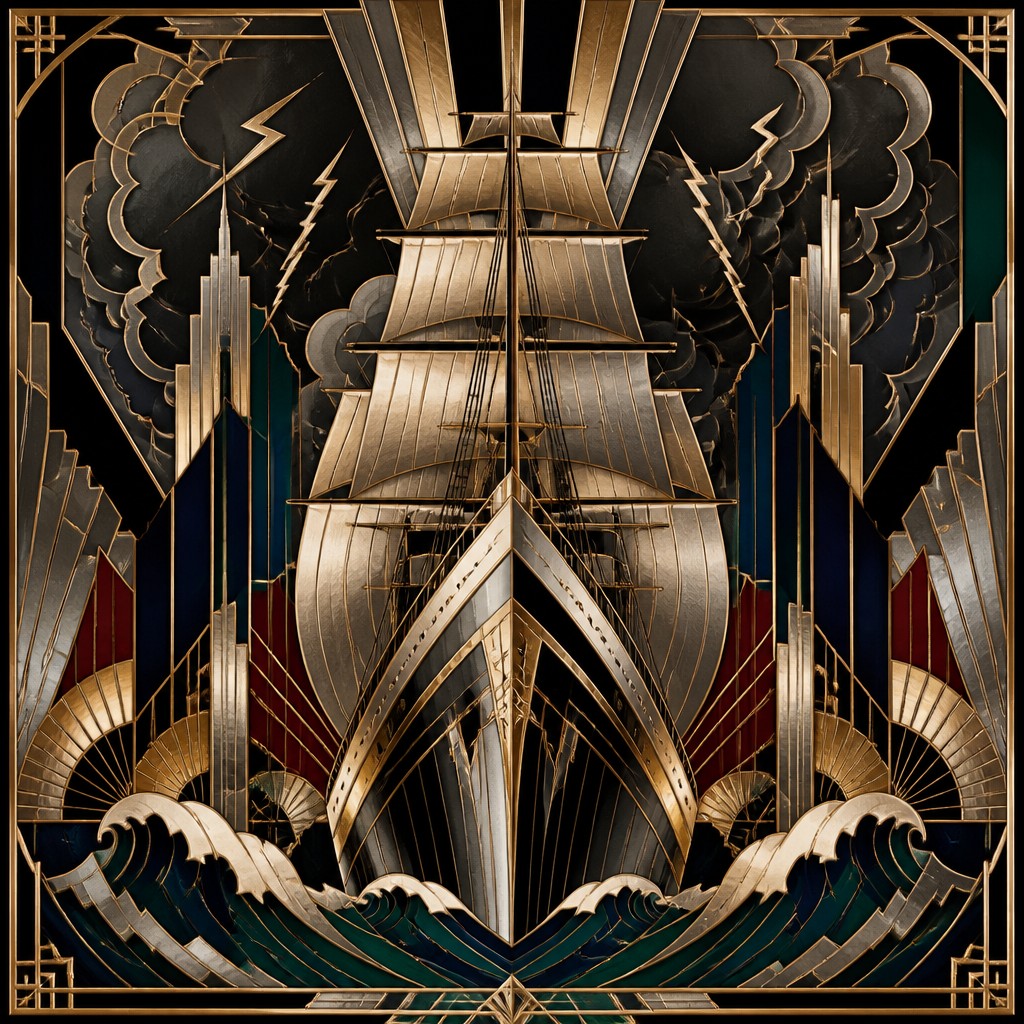
“sailing ship on a stormy sea”
How to Create Art Deco Architecture Art
Master the craft step by step — or skip straight to creating. Read the full guide →
- 1
Build the silhouette first
Start with a symmetrical composition and a clear vertical hierarchy: towers, setbacks, entrance pylons, or layered facades. In drawing or digital painting, use clean perspective and keep major forms geometric before adding ornament.
- 2
Use ornament as structure, not clutter
Place chevrons, sunbursts, fluting, and repeating bands where they reinforce the architecture's lines. The decoration should follow the building's geometry, emphasizing entrances, spires, cornices, and edges.
- 3
Choose a luxe material language
Render surfaces as polished stone, lacquer, chrome, brass, or gilded metal, with sharp highlights and deep shadows. Digital workflows can benefit from glossy reflections and controlled rim light; traditional media can mimic this with ink, gouache, metallic paint, or layered shading.
- 4
Keep the palette restrained but dramatic
Use a limited combination of black, cream, and one or two jewel tones, then punctuate with metallic accents. Strong contrast helps the form read clearly and gives the scene its characteristic theatrical elegance.
- 5
Prompt with architectural specificity
When generating images, describe the subject and setting in concrete terms such as 'theater facade,' 'skyscraper lobby,' 'elevated train station,' or 'hotel entrance.' Add details like stepped forms, sunburst panels, bronze trim, and symmetrical geometric ornament to anchor the result in the style.
The Story
History & Origins of Art Deco Architecture
Art Deco emerged in France and was internationally recognized after the 1925 Exposition Internationale des Arts Décoratifs et Industriels Modernes in Paris, from which the style takes its name. It developed through the 1920s and 1930s as architects and designers responded to modern urban life, mass production, new materials, and the glamour of the machine age. In architecture, it was especially visible in skyscrapers, cinemas, hotels, transport buildings, and commercial interiors.
The style absorbed a wide range of sources, including Cubism, Fauvism, Egyptian and Mesoamerican motifs, and the streamlined aesthetics of industrial design. By the late 1930s it evolved in some directions toward the sleeker, aerodynamic look often called Streamline Moderne, but Art Deco's most recognizable architectural language remained the same: geometric ornament, symmetrical composition, and an emphasis on luxury rendered through modern form.
Influences: Art Deco Architecture Art draws from French decorative arts, Cubism's fractured geometry, ancient Egyptian and Mesoamerican revival motifs, and the sleek optimism of early industrial design. In architecture it is closely associated with leading early 20th-century American skyscraper and commercial architects, and it relates to the broader modernist turn while remaining more ornamental than the Bauhaus or International Style.
Frequently Asked Questions
What defines Art Deco architecture?
Its defining features are symmetry, geometric ornament, stepped forms, and luxurious materials or finishes. It often uses vertical emphasis, sunbursts, chevrons, and metallic detailing to create a sense of modern glamour.
How is it different from Art Nouveau?
Art Nouveau favors flowing, organic lines inspired by plants and natural curves, while Art Deco uses angular geometry and machine-age precision. Art Nouveau feels sinuous and handcrafted; Art Deco feels polished, structured, and urban.
How is it different from Streamline Moderne?
Streamline Moderne is a later, sleeker offshoot that emphasizes aerodynamic curves and horizontal movement. Art Deco more often uses richer ornament, sharper geometry, and more elaborate surface decoration.
What kinds of buildings use this style?
It is especially common in theaters, hotels, skyscrapers, department stores, train stations, cinemas, and public interiors. It was also used in residential buildings, signage, furniture, and decorative objects.
How can I make an image look authentic in this style?
Use a symmetrical composition, crisp geometry, and a limited palette with metallic accents. Include architectural details like setbacks, fluting, chevrons, and sunbursts, and avoid overly organic or rustic textures.
Is this style only for architecture?
No. Although architecture is one of its most recognizable applications, the same visual language appears in posters, fashion, furniture, interiors, and graphic design. The style is especially effective wherever elegance and modernity need to be communicated together.

Create your first Art Deco Architecture artwork
Describe anything — or upload a photo — and see it in Art Deco Architecture Art in seconds.
Make Something with Art Deco Architecture
Compare Art Deco Architecture
Related Styles
Discover similar art styles