Biopunk Sci-Fi Art
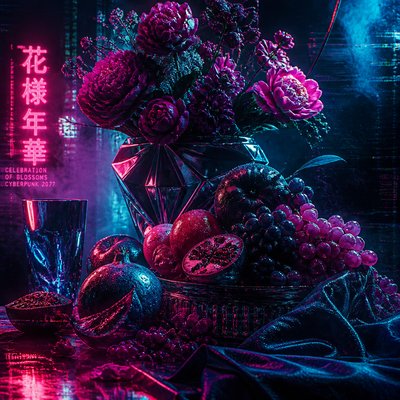
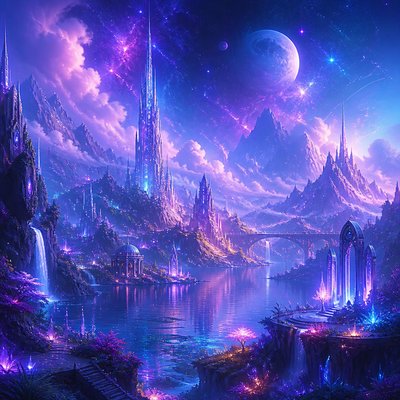
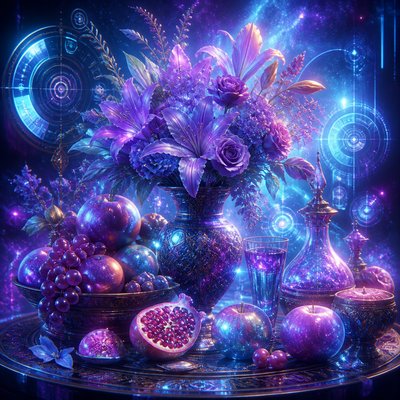
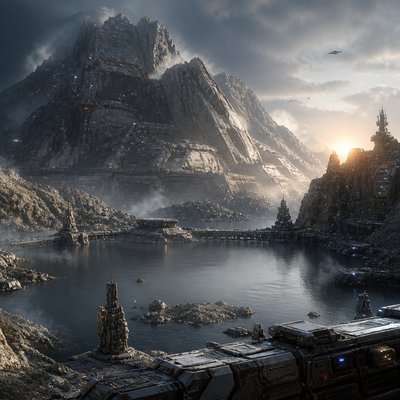
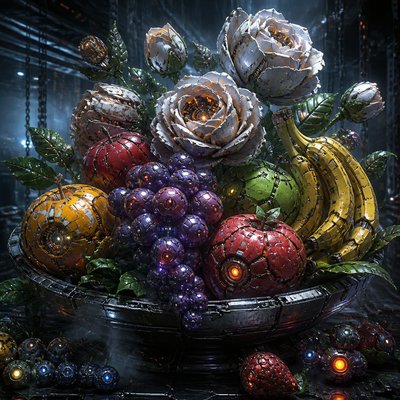
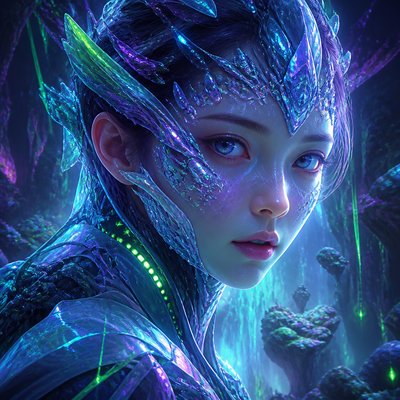
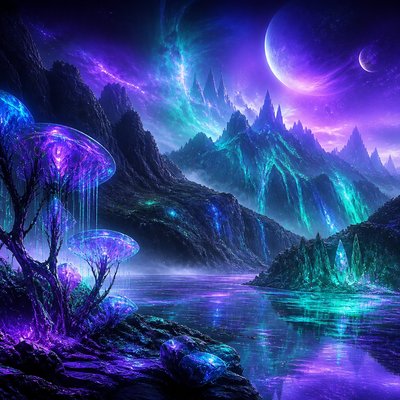
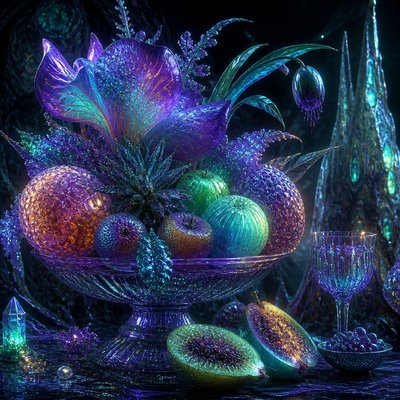
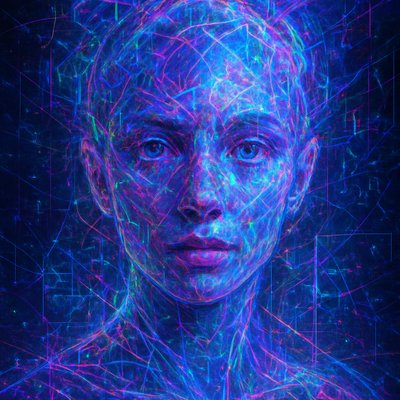
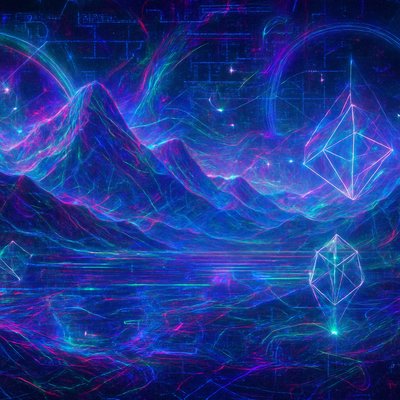
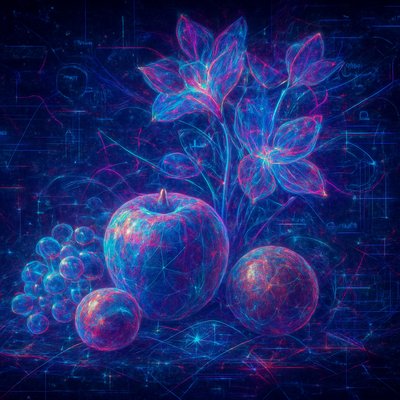
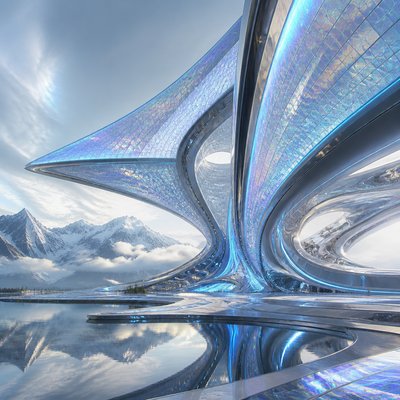
Organic tech, genetic mutation, and flesh-machine hybrids in a dark sci-fi aesthetic of bioluminescent, living forms.
Instantly rendered in Biopunk Sci-Fi — or transform a photo
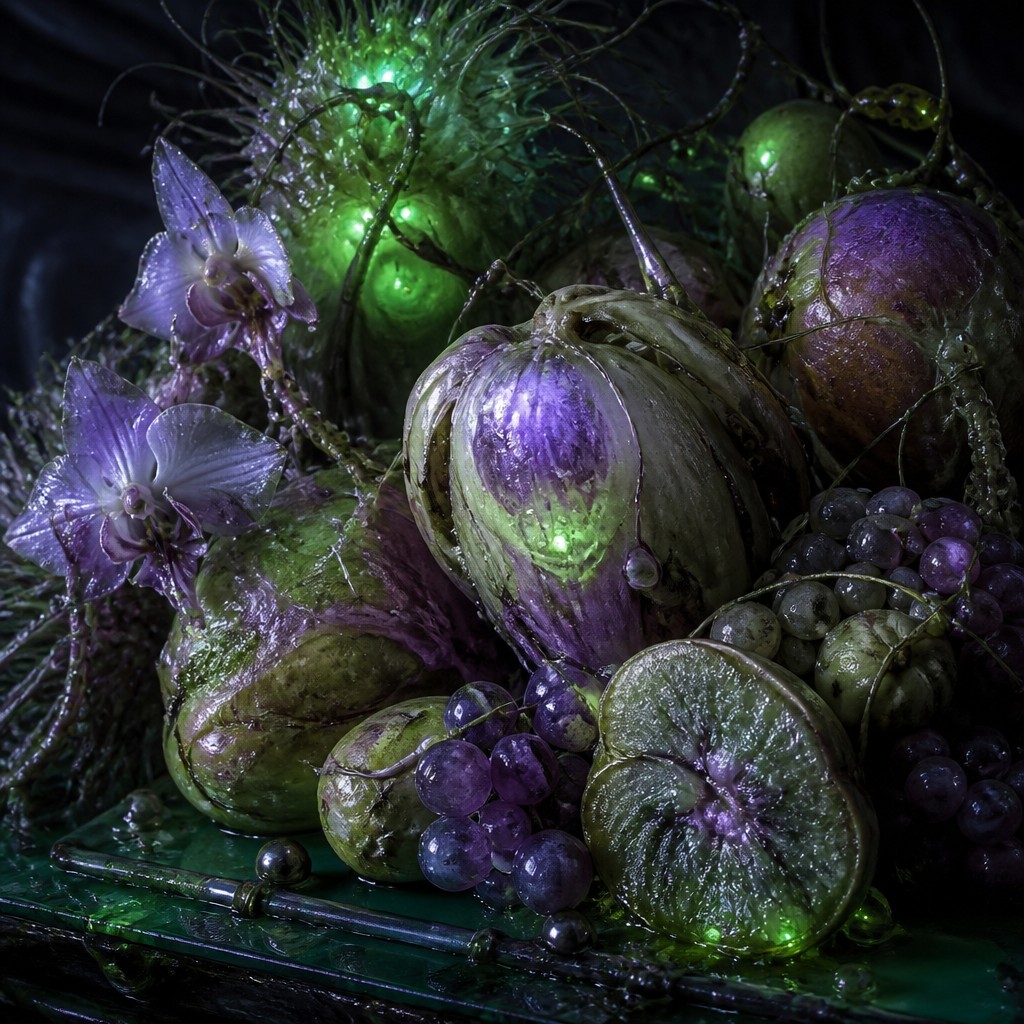
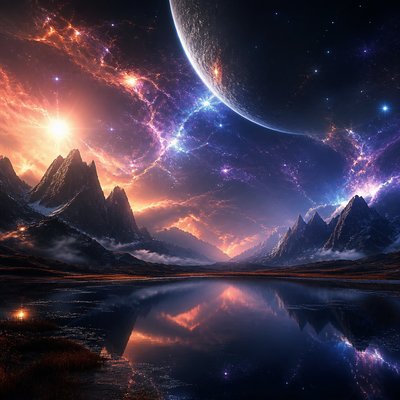
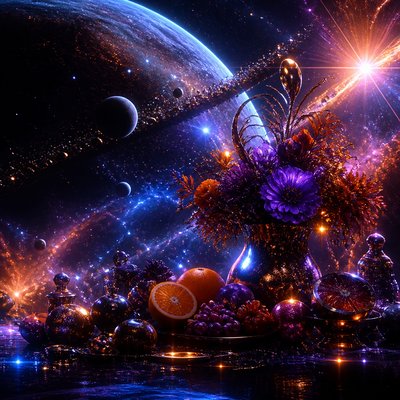
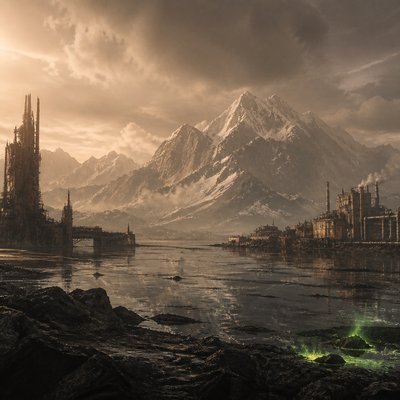
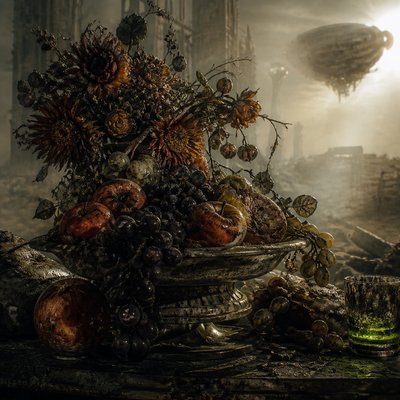
Biopunk Sci-Fi Gallery
Tap any artwork to explore it
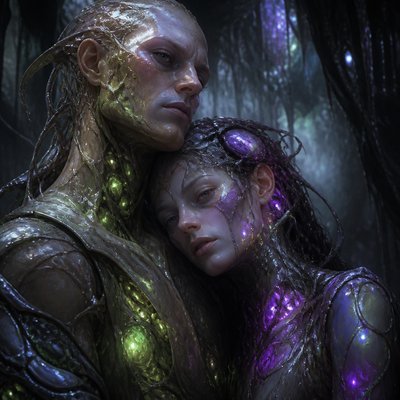
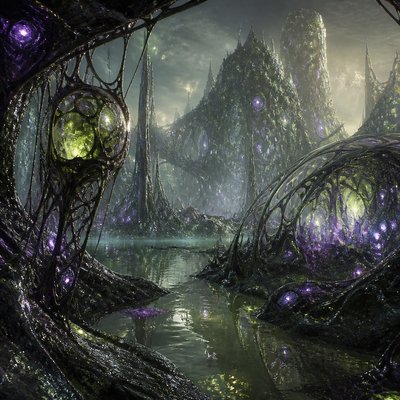
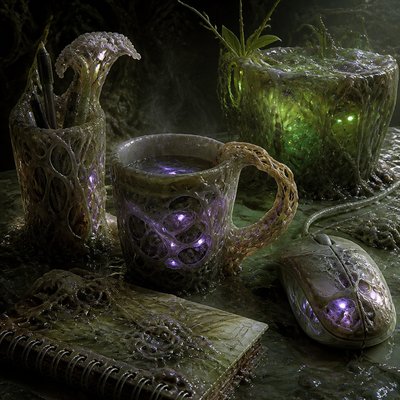
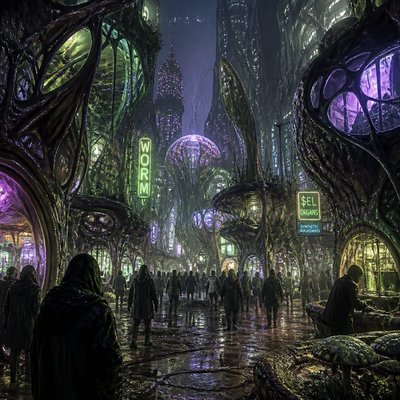
What is Biopunk Sci-Fi Art?
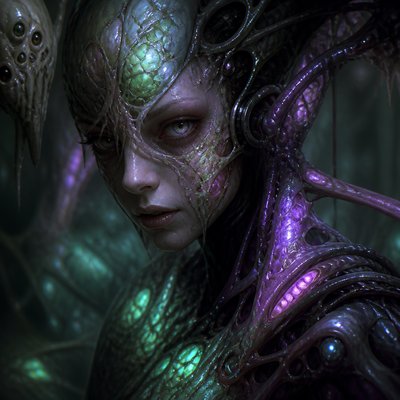
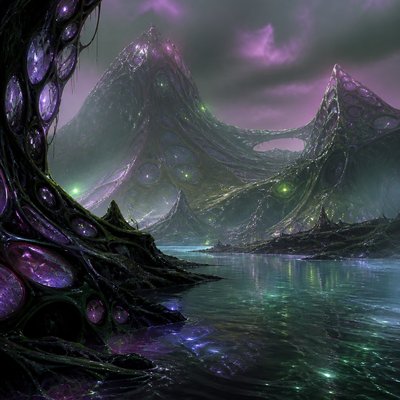
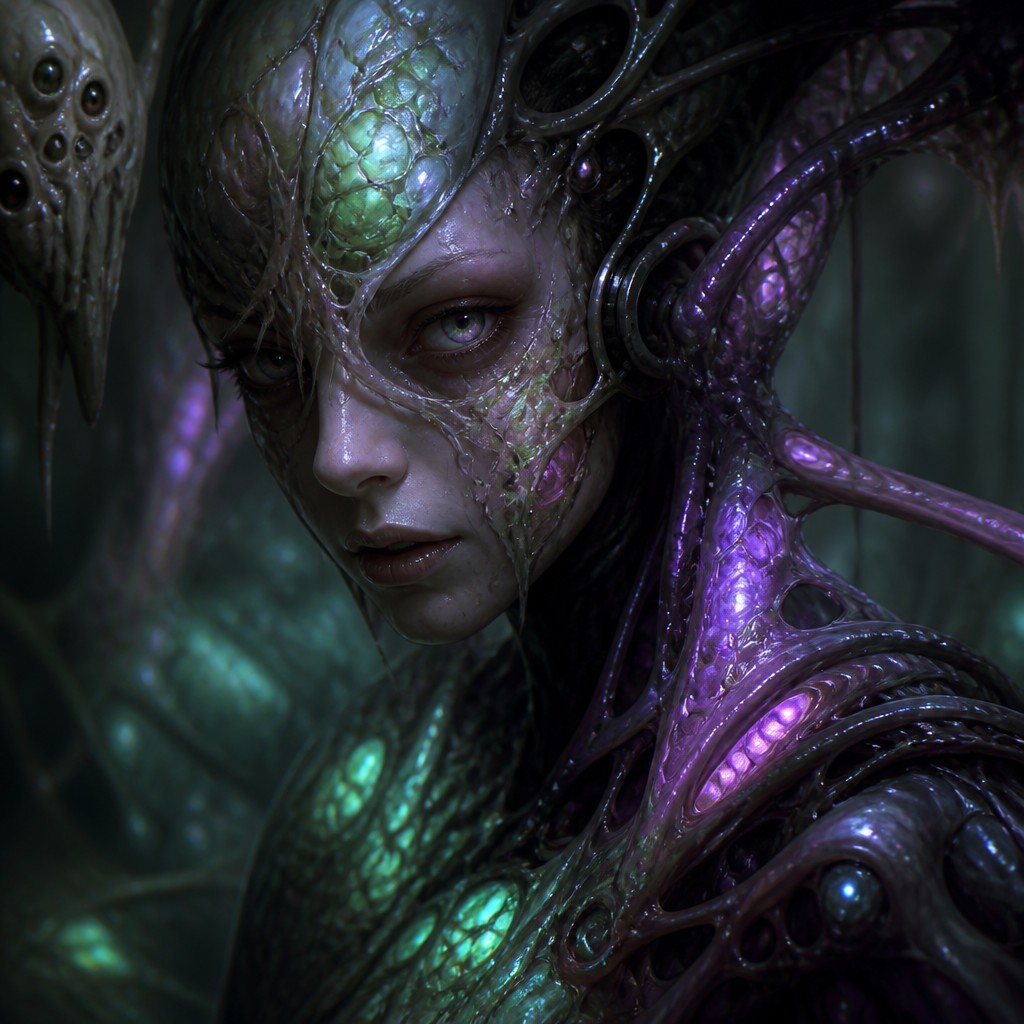
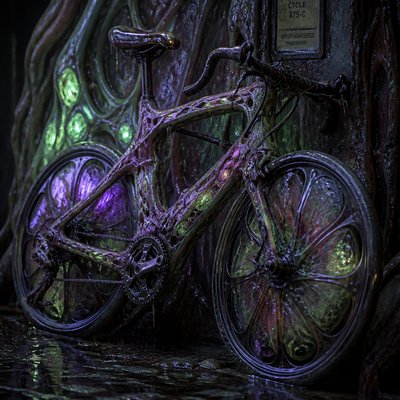
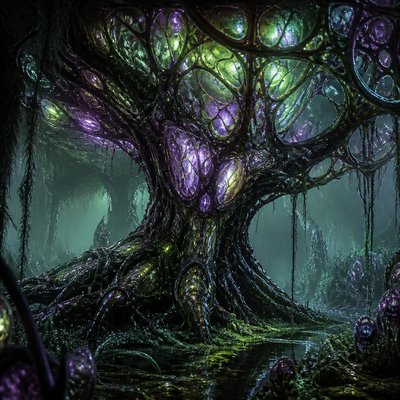
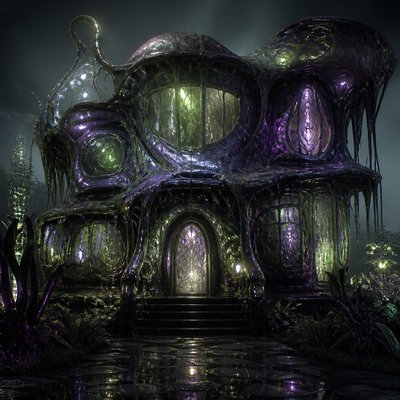
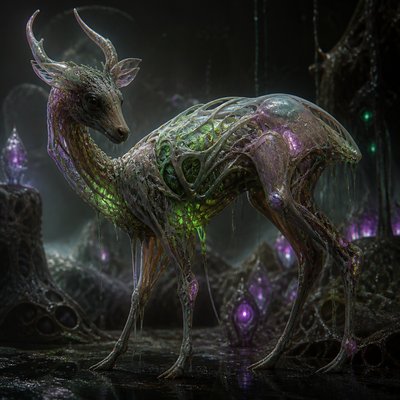
Biopunk sci-fi art is a speculative visual style centered on organic technology, genetic engineering, and the uneasy merger of flesh with machinery. Its imagery often features bio-engineered creatures, living architecture, translucent membranes, tubes, pods, tendrils, and asymmetrical forms that feel grown rather than manufactured.
The style is defined by a tension between attraction and repulsion: glossy wet surfaces, iridescent bio-film, and bioluminescent glows make the forms visually seductive, while exposed tissues, hybrid anatomy, and industrial structures make them unsettling. The result is a world that feels biologically advanced but morally ambiguous, where evolution appears engineered and machines seem to have become organisms.
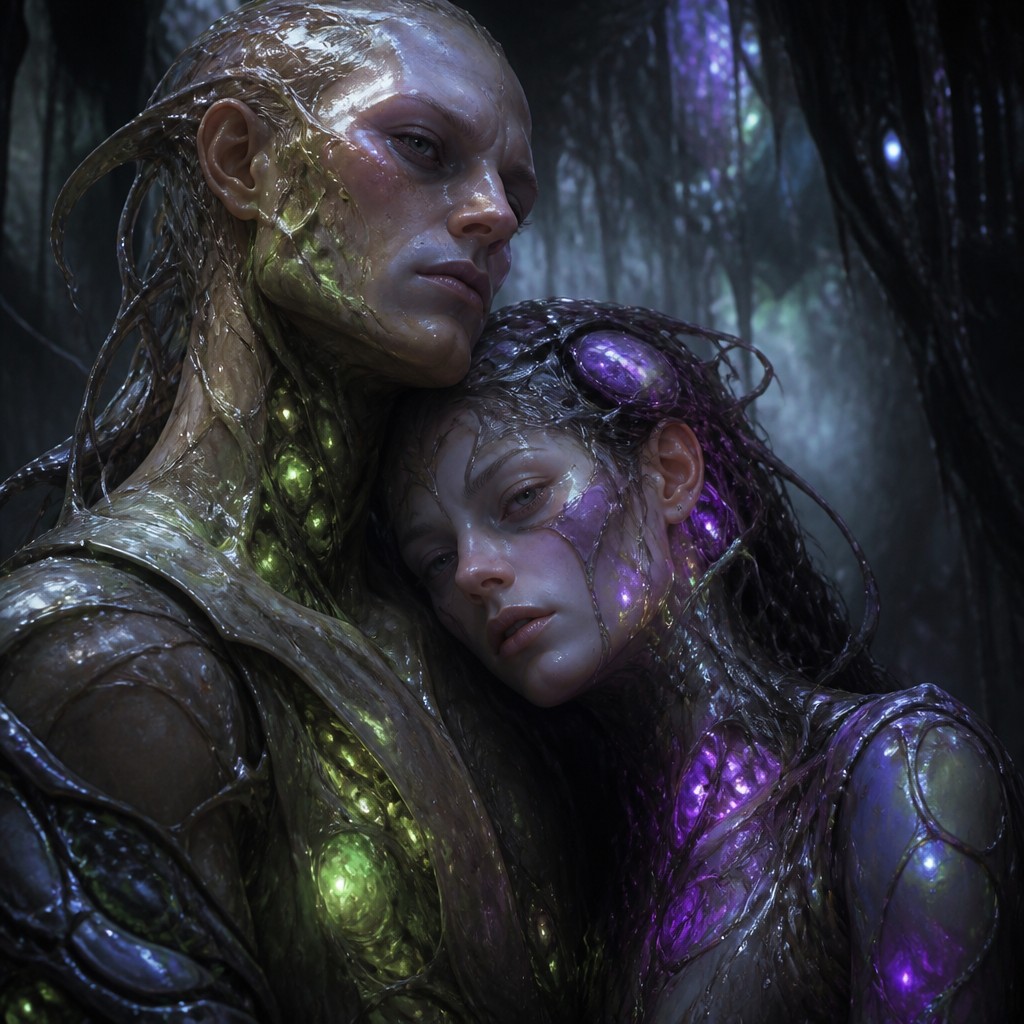
Try It On Your Photos
Upload any photo and convert it into Biopunk Sci-Fi Art — drag the sliders to compare before and after.
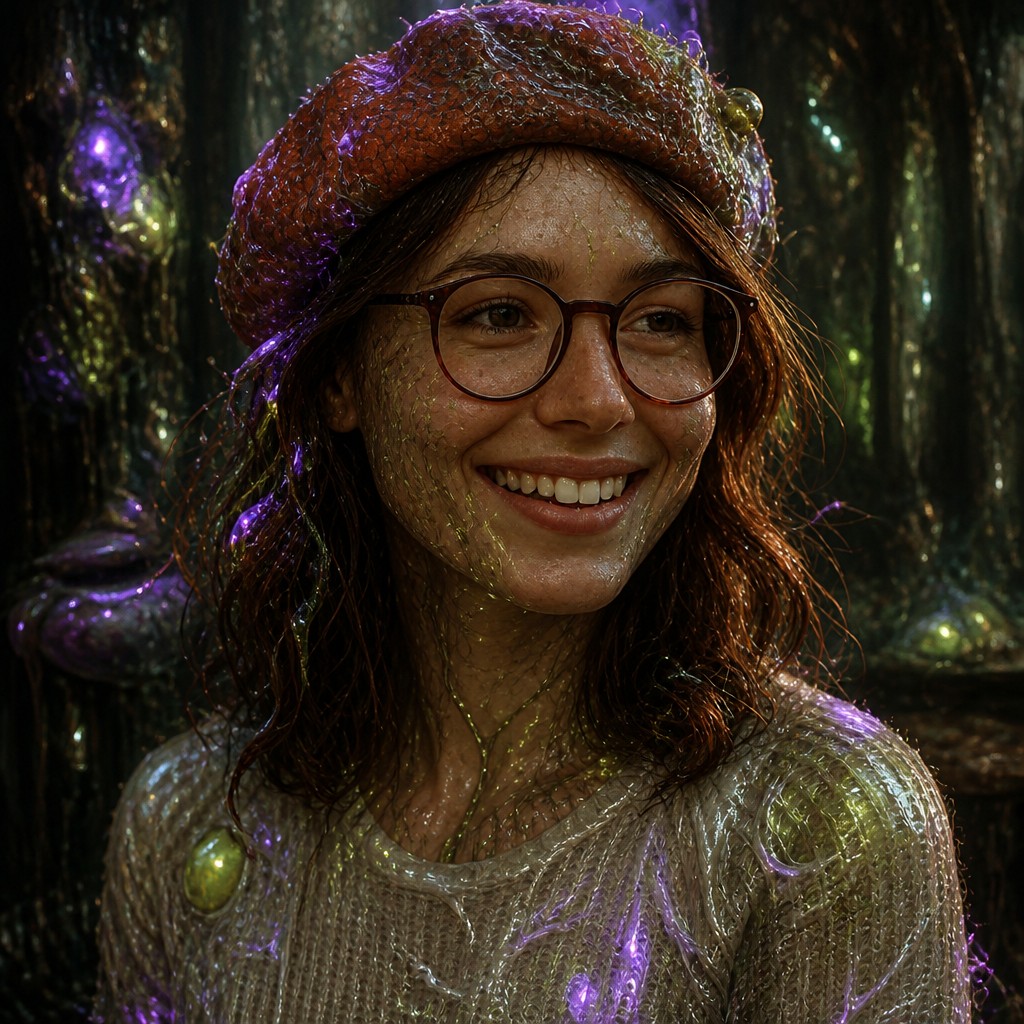

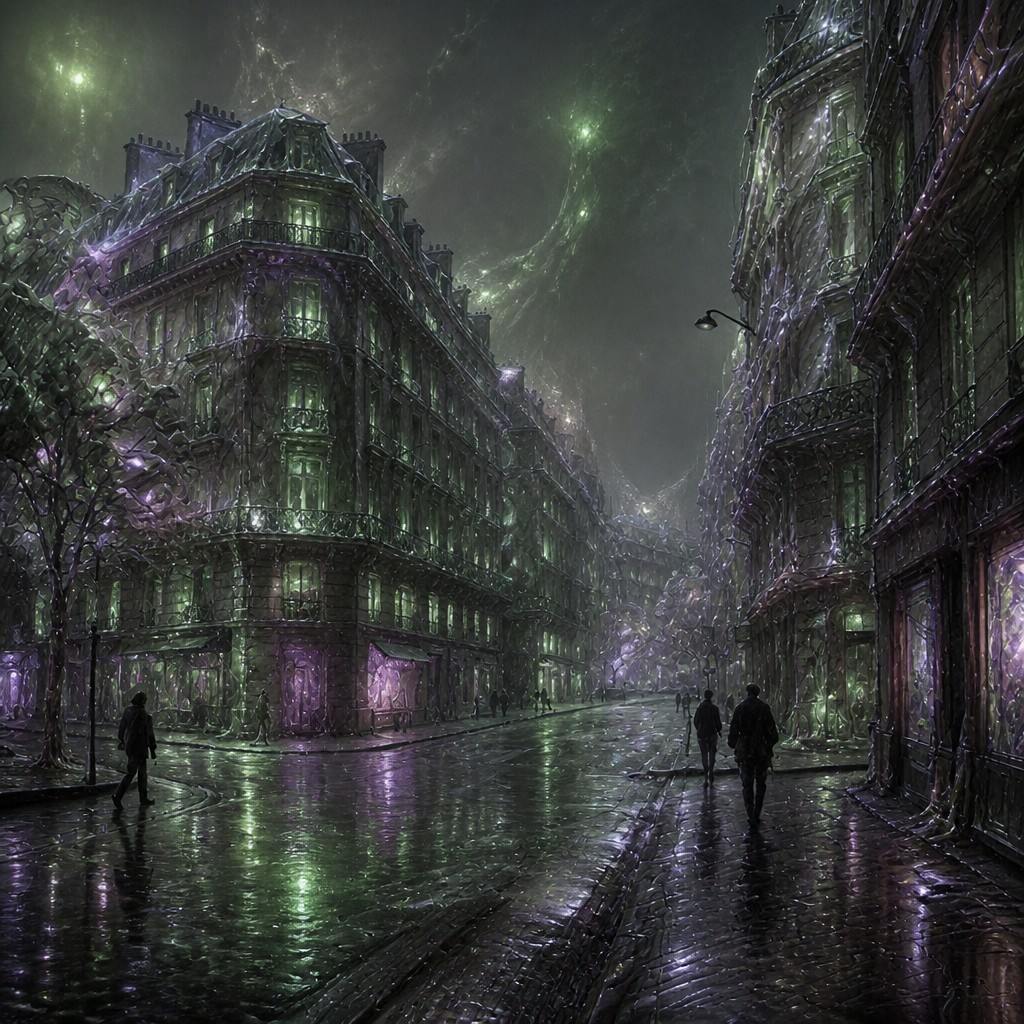

What Defines Biopunk Sci-Fi Art
The signature details, up close
Flesh-machine hybrids
A defining trait is the fusion of biological and mechanical elements into single continuous forms. Pipes, cables, and plating may appear embedded in tissue, as if technology has been grown into the body.
Wet, glossy surfaces
Materials often look moist, reflective, and organic, with slick highlights and translucent membranes. This sheen helps distinguish the style from clean hard-surface sci-fi.
Bioluminescent accents
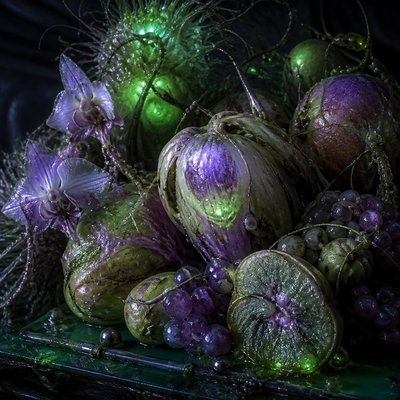
Sickly greens, violets, cyans, and other alien glows often emanate from within organs, vats, seams, or veins. These lights suggest engineered life processes or active metabolic systems.
Grown architecture and asymmetry
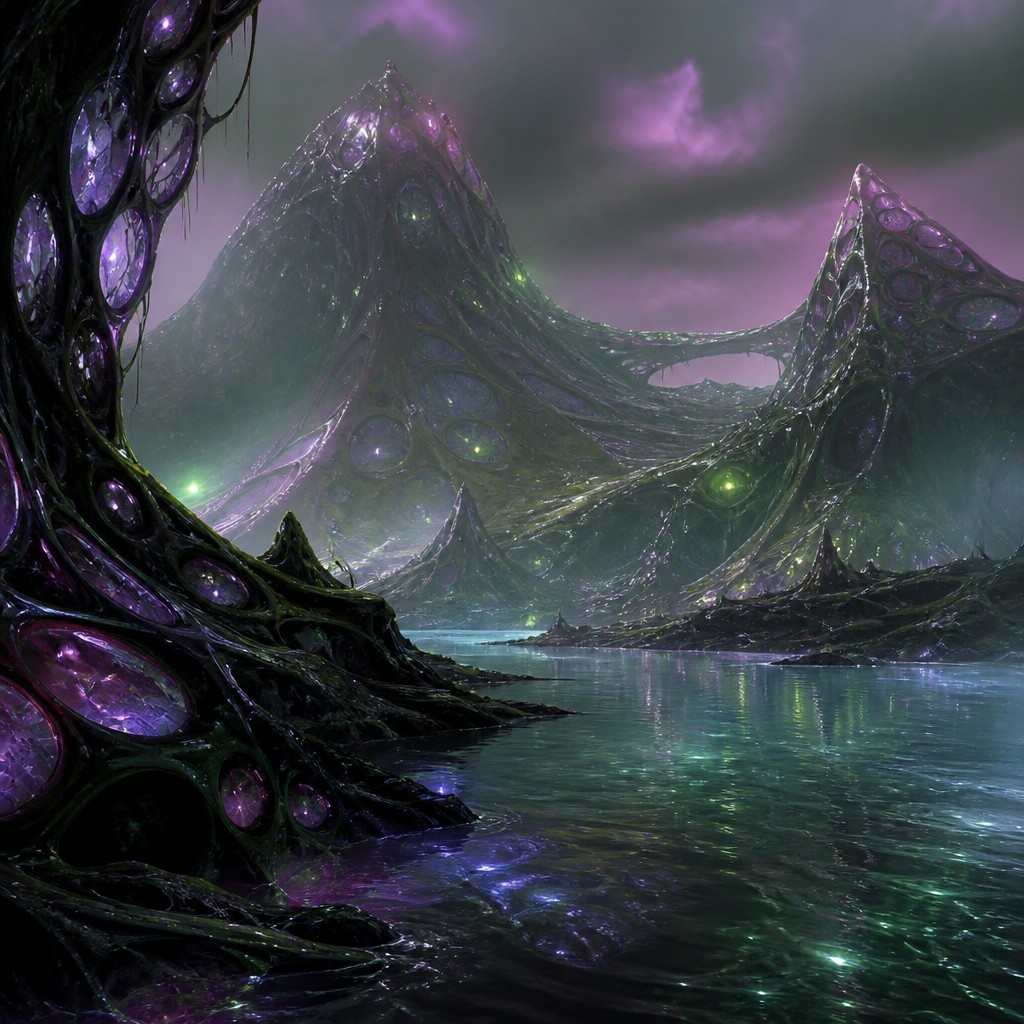
Buildings, interiors, and machines frequently feel cultivated or evolved rather than assembled. Organic asymmetry, branching structures, and tendon-like supports replace the symmetry of conventional industrial design.
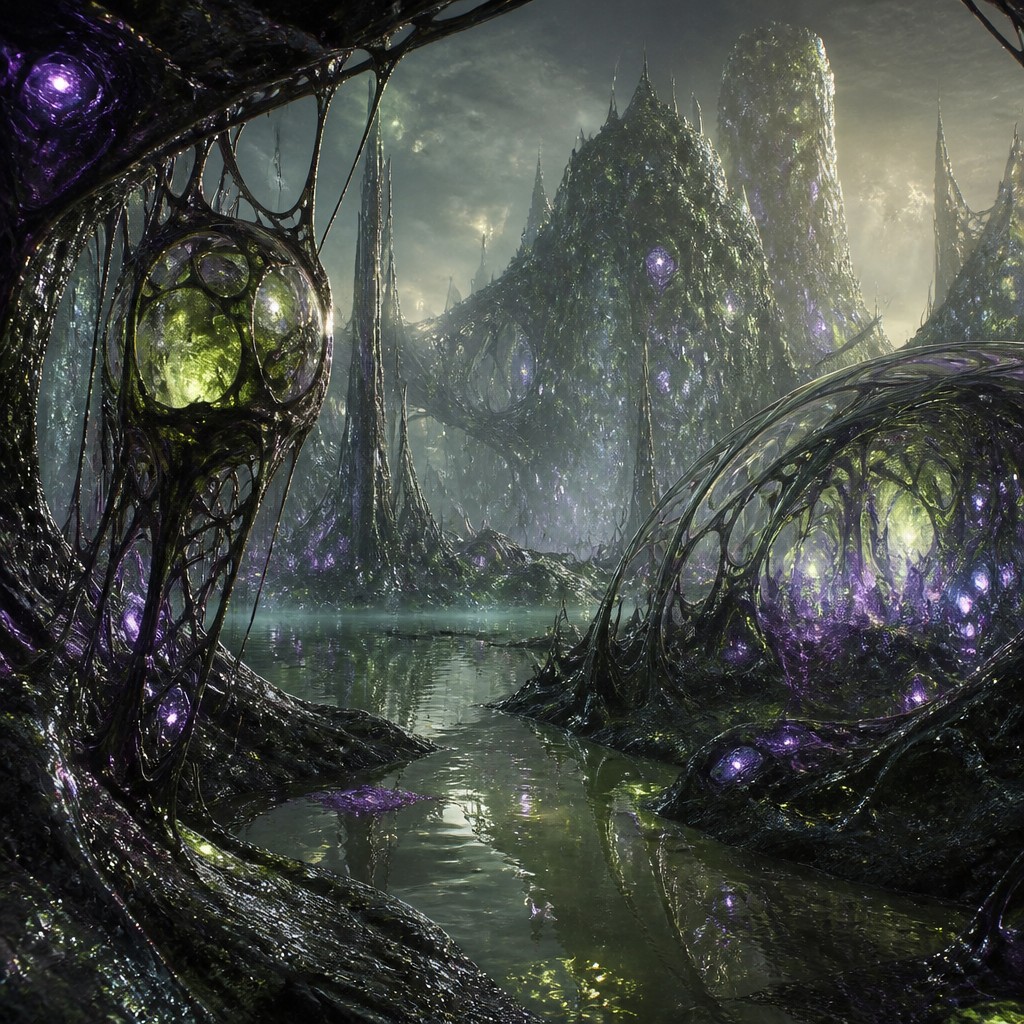
Translucency and internal complexity
Semi-transparent skins, exposed innards, layered shells, and visible conduits create depth and anatomical detail. The viewer is often invited to see what is happening inside the form, not just on its surface.
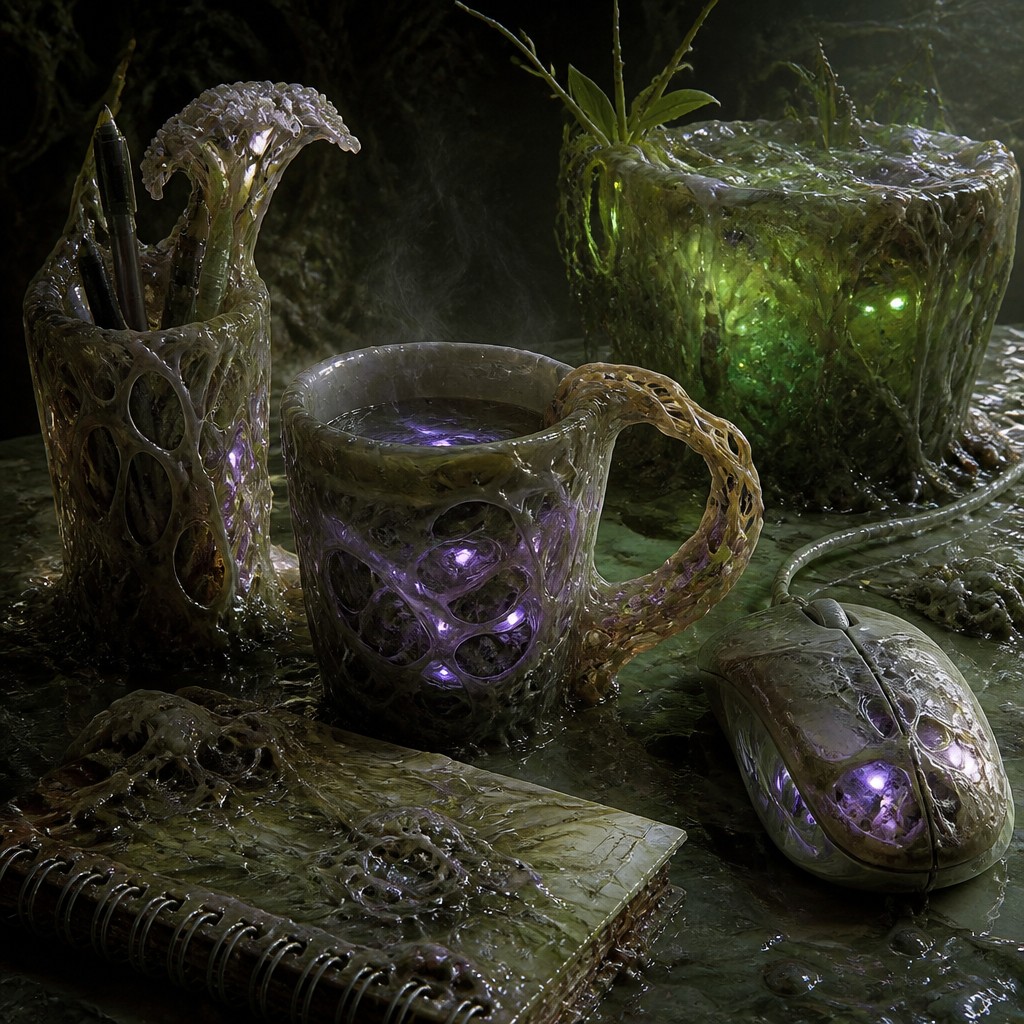
Atmosphere of humidity and decay
The setting commonly feels damp, enclosed, and biologically active, with dark shadows and phosphorescent highlights. This environmental mood reinforces the sense that the world is alive.
Try It
Create Videos in Biopunk Sci-Fi Art
Styles aren't just for stills — describe a scene or animate an image and get a short video rendered in Biopunk Sci-Fi. Press play to see this pond come to life.
Make a VideoBiopunk Sci-Fi Prompt Ideas
Start from an idea — each one opens the generator with the style ready to go. See all 40 Biopunk Sci-Fi prompts →
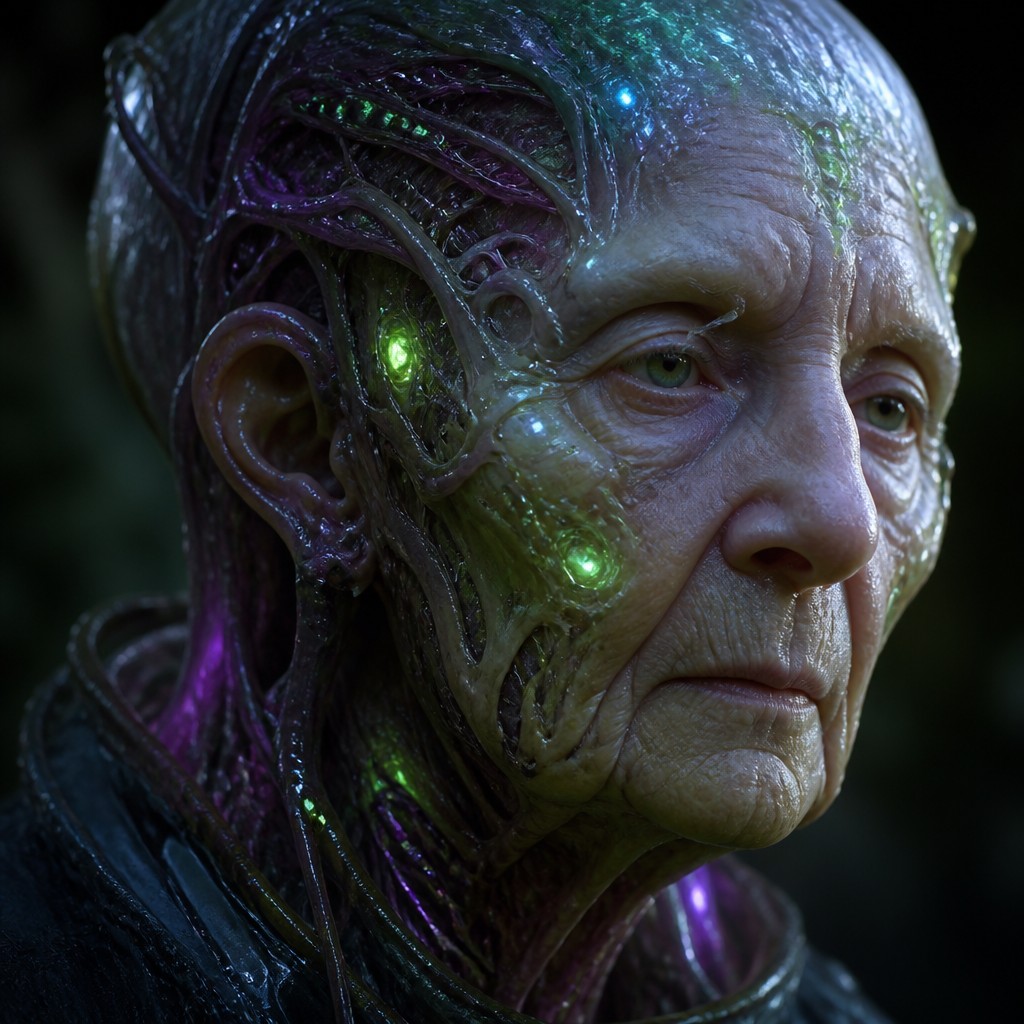
“close-up portrait of an elderly person with expressive weathered features”
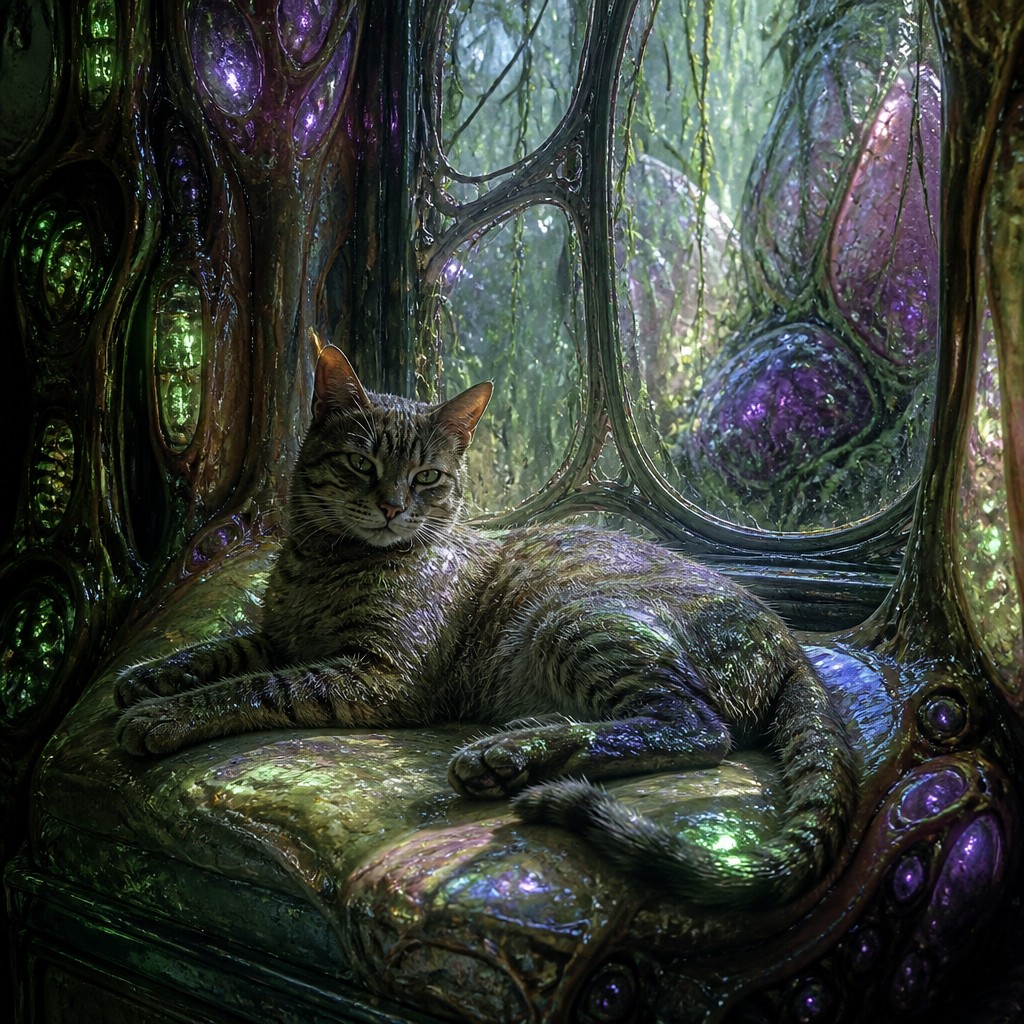
“a cat lounging in a sunlit window”
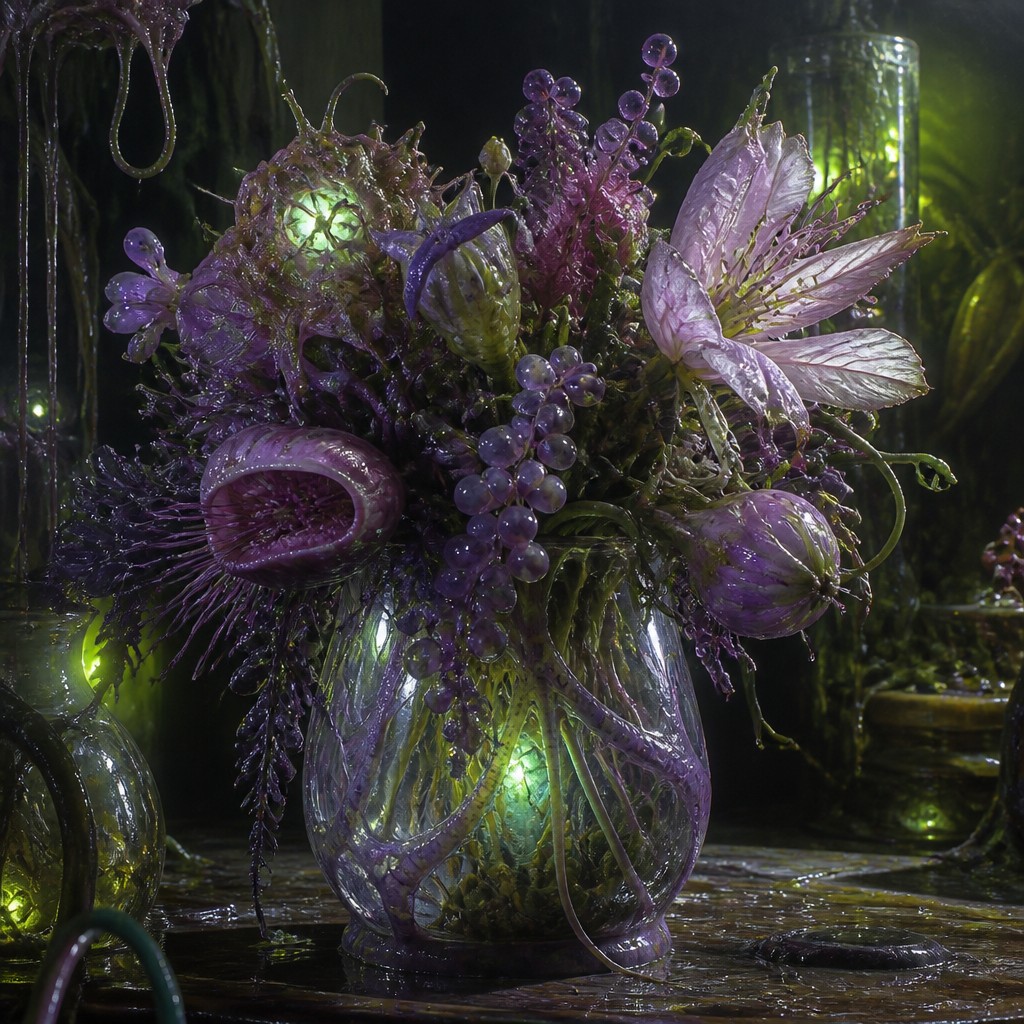
“bouquet of flowers in a glass vase”
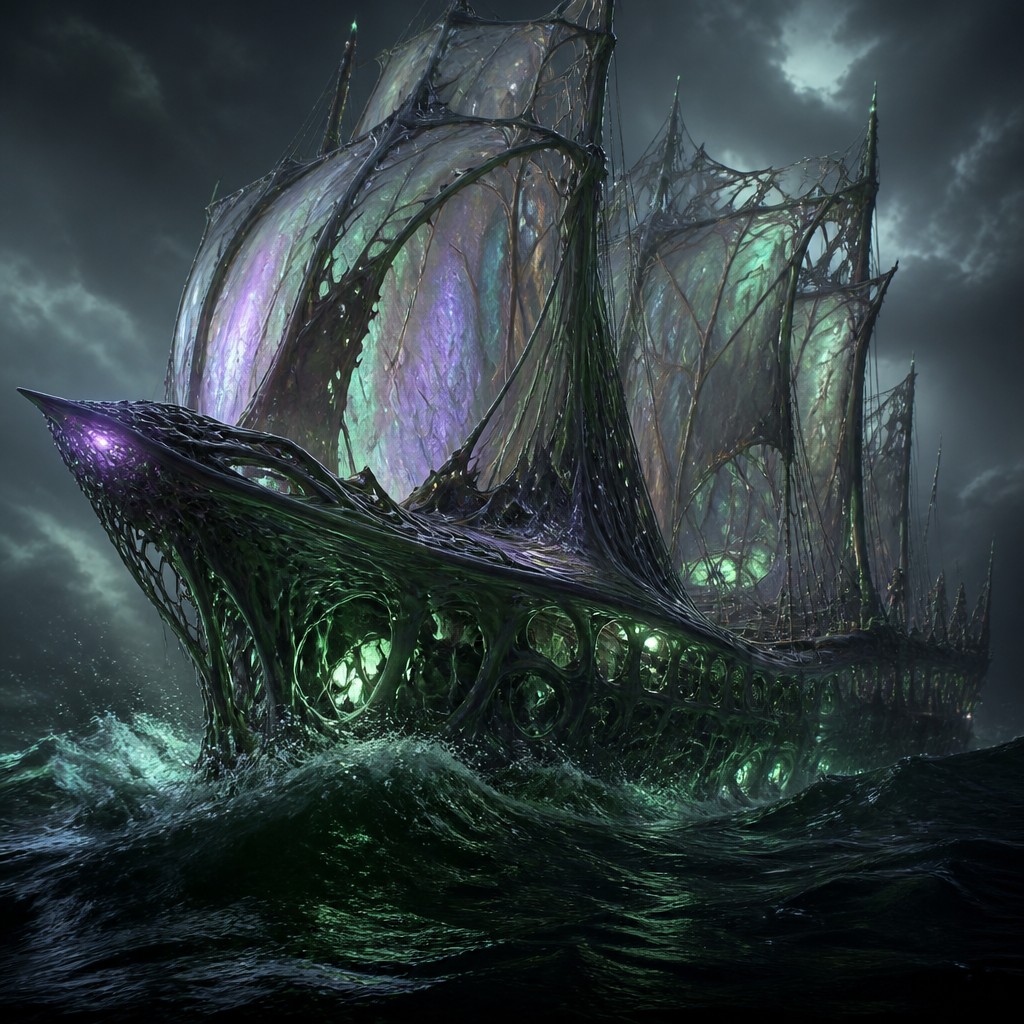
“sailing ship on a stormy sea”
How to Create Biopunk Sci-Fi Art
Master the craft step by step — or skip straight to creating. Read the full guide →
- 1
Start from anatomy, not machinery
Design the silhouette as if it were a creature or tissue system first, then integrate mechanical parts as implants, grafts, or structural supports. In traditional media, rough in an organic framework before adding hard-surface details.
- 2
Use a limited alien palette
Build most of the image from dark neutrals, then introduce one or two luminous accent colors such as toxic green, violet, or blue. This makes bioluminescent elements feel internally powered.
- 3
Emphasize material contrast
Pair slick membranes, wet highlights, and soft tissue with rigid frames, ribs, or industrial components. Digital painters can separate these with different brush behavior; prompt-based generation should mention glossy organic surfaces, translucent flesh, and embedded metal.
- 4
Shape the environment as an organism
Instead of placing the subject in a generic sci-fi room, design the surrounding space as a living system of pods, tubes, roots, sacs, or coral-like structures. This helps the entire image read as biotechnological rather than merely decorative.
- 5
Control the horror level
Biopunk can be clinical, grotesque, or elegant depending on the balance of body detail and composition. For a cleaner result, specify engineered biology and luminous membranes; for a more unsettling one, add exposed tissue, mutation, and asymmetrical fusion.
- 6
When generating, describe function and texture
Prompts work best when they specify what the organism or device is for, how it grows, and what it feels like visually. Phrases like 'living research pod,' 'bioengineered sentinel,' or 'wet translucent exoskeleton' usually produce stronger results than abstract mood words alone.

The Story
History & Origins of Biopunk Sci-Fi
Biopunk is a science-fiction subgenre that emerged in dialogue with cyberpunk, but shifted focus from computers and networks toward biotechnology, cloning, genetics, and synthetic life. In visual art, it draws from late-20th-century science fiction illustration, horror imagery, speculative design, and medical or anatomical illustration, especially where those traditions emphasize bodies under pressure or transformation.
Its visual language also reflects the influence of surrealism, biomechanical design, and creature concept art for film and games. Artists working in this territory often combine natural history forms with industrial design, creating ecosystems of engineered organisms, living weapons, and architecture that behaves like tissue rather than stone or steel.
Influences: Biopunk sci-fi art grows out of cyberpunk’s distrust of technological systems, but replaces neon circuitry with biotechnology and bodily transformation. It also overlaps with biomechanical imagery associated with a major Swiss-born surrealist and designer, with creature design traditions in film concept art, and with speculative biology illustration that imagines plausible alien life. Surrealism, medical illustration, and natural history drawing all contribute to its fascination with the body as a site of mutation, adaptation, and engineered design.

Frequently Asked Questions
What defines biopunk sci-fi art?
It is defined by the fusion of biology and technology: living machines, genetic modification, engineered organisms, and flesh-like surfaces. The style usually feels humid, organic, and somewhat unsettling, with forms that appear grown rather than fabricated.
How is it different from cyberpunk?
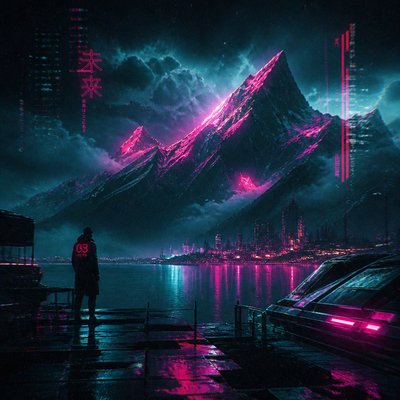
Cyberpunk usually emphasizes computers, neon urbanism, hardware, and digital networks, while biopunk focuses on genetics, cells, tissue, cloning, and bioengineering. Visually, biopunk tends to look more wet, soft, translucent, and bodily.
Is biopunk the same as biomechanical art?
They overlap, but biomechanical art is broader and can refer to any fusion of organic and mechanical forms. Biopunk is more specifically tied to science-fiction ideas about biotechnology, mutation, and engineered life systems.
What subjects work well in this style?
Bioengineered creatures, medical pods, living cities, hybrid weapons, mutant plants, research facilities, and alien ecosystems are all strong choices. Subjects with clear anatomy or functional structure usually translate best because the style depends on believable biological integration.
How can I make a biopunk image feel more believable?
Give the organism or device a clear purpose, consistent materials, and repeated design motifs such as membranes, veins, nodes, or shell plates. Believability comes from internal logic: the viewer should sense how the hybrid system grows, moves, or sustains itself.
Where is biopunk sci-fi art commonly used?
It is common in book covers, concept art, game art, film design, and editorial illustration for science-fiction or horror themes. It is especially effective when a project needs a biological future that feels advanced but ethically unsettling.
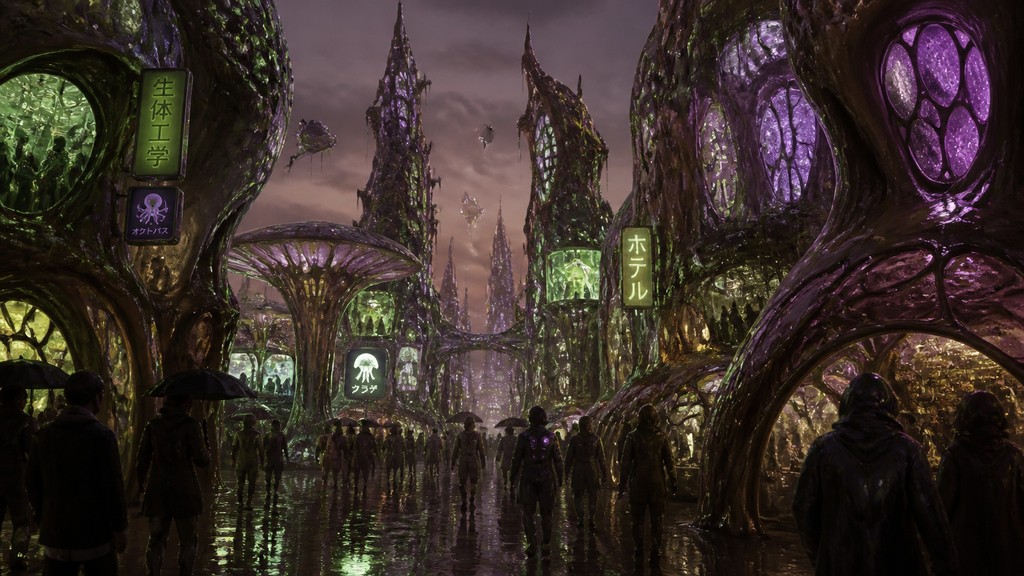
Create your first Biopunk Sci-Fi artwork
Describe anything — or upload a photo — and see it in Biopunk Sci-Fi Art in seconds.
Make Something with Biopunk Sci-Fi
Related Styles
Discover similar art styles