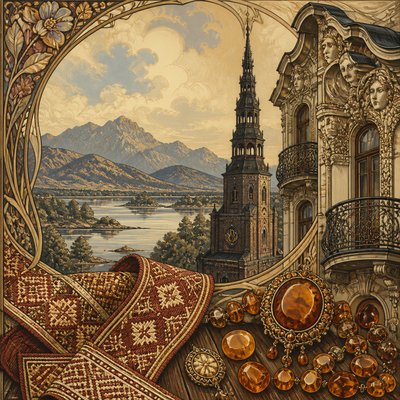
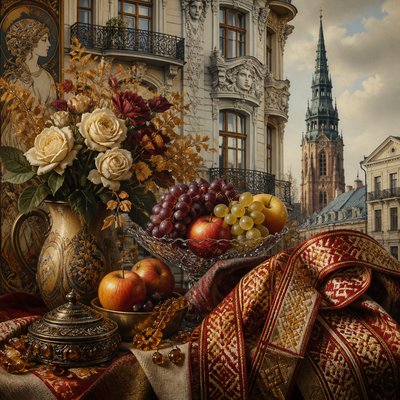
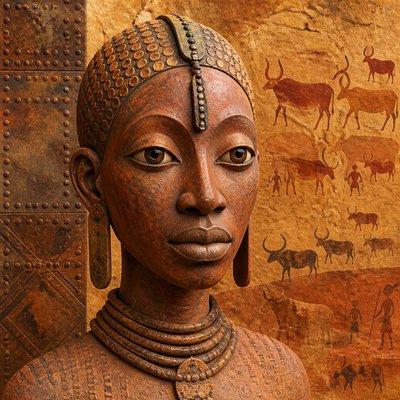
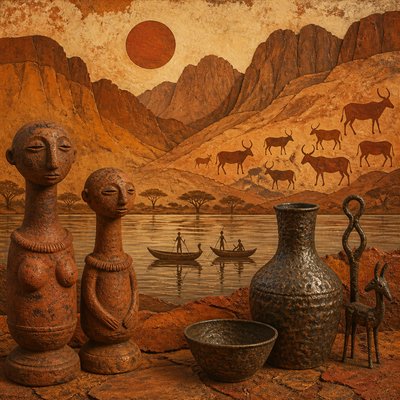
Sci-Fi Fantasy Art
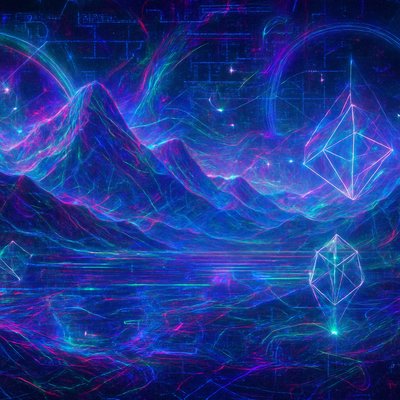
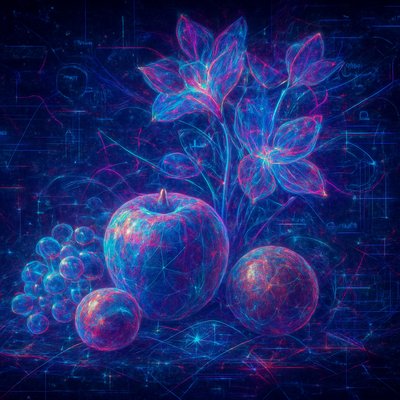
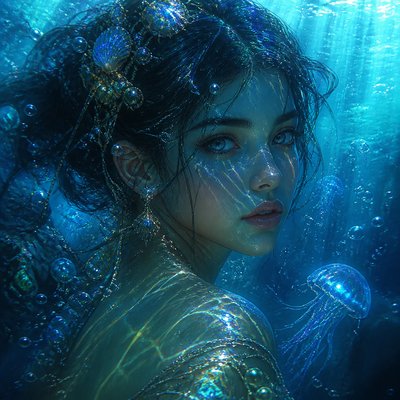
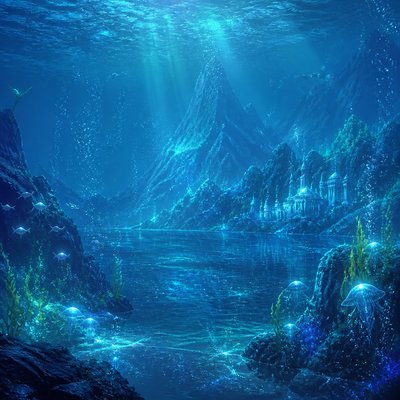
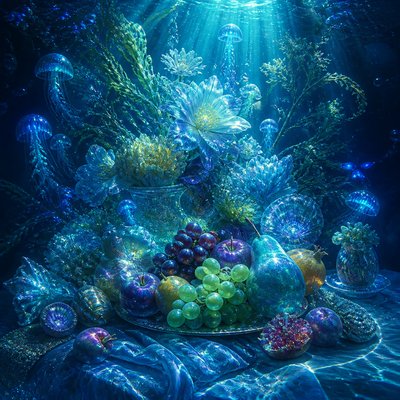
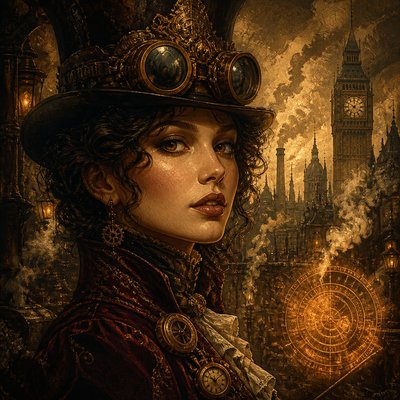
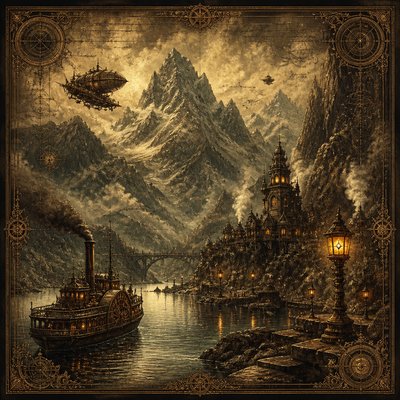
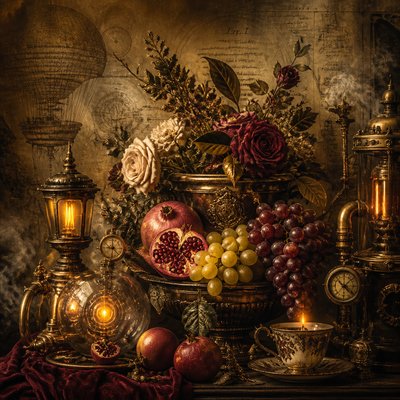
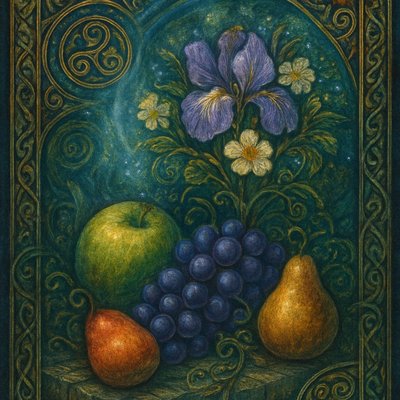
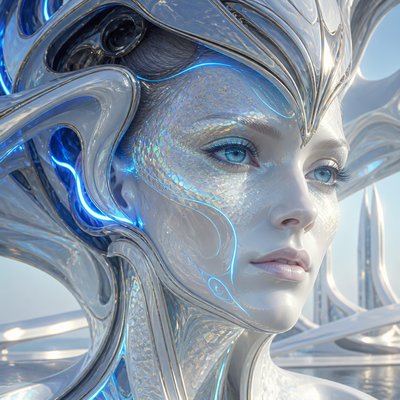
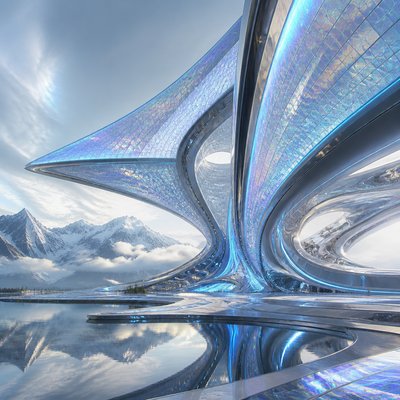
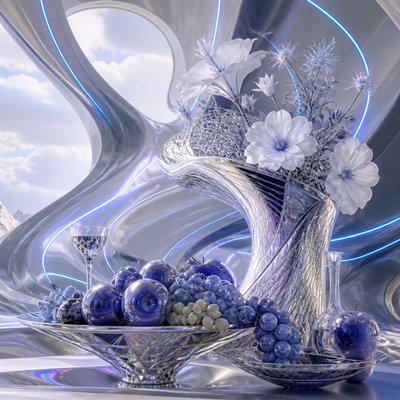
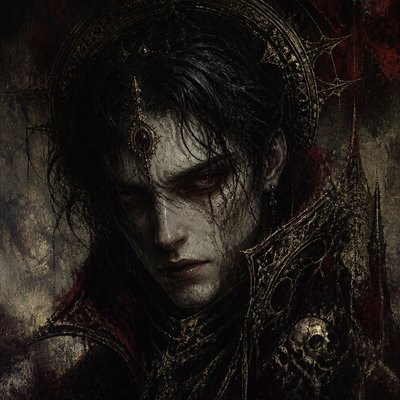
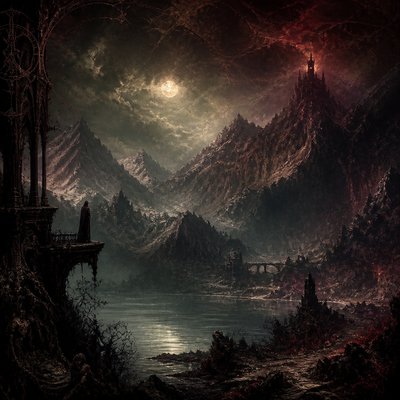
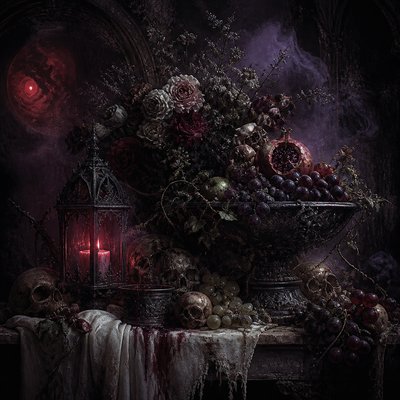
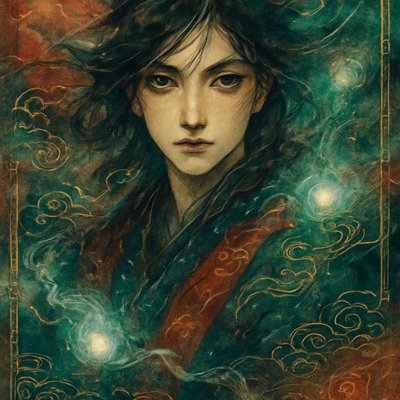
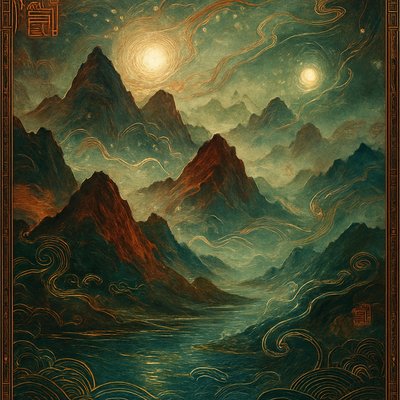
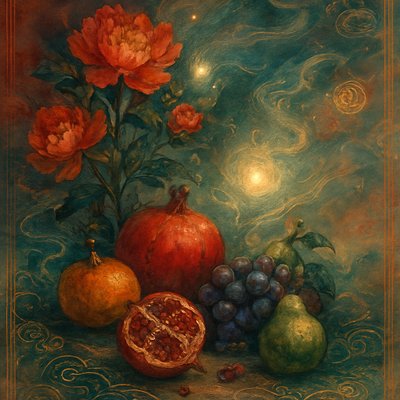
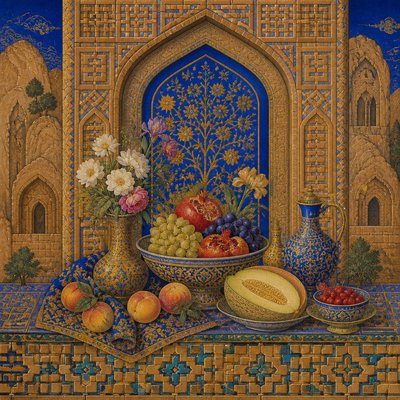
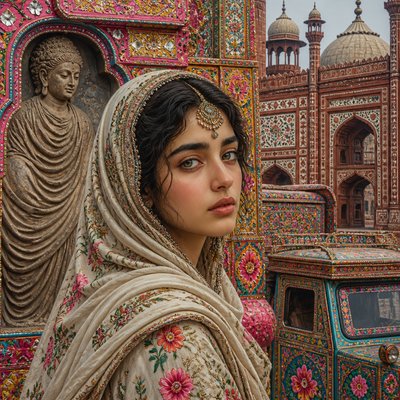
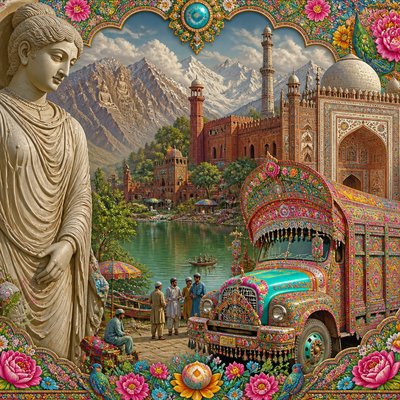
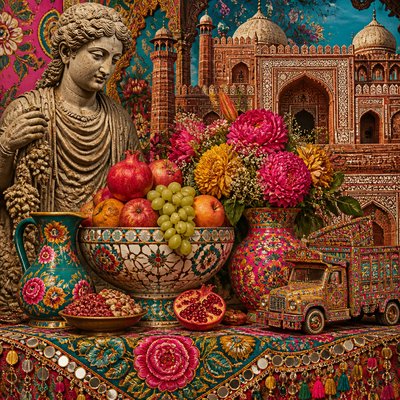
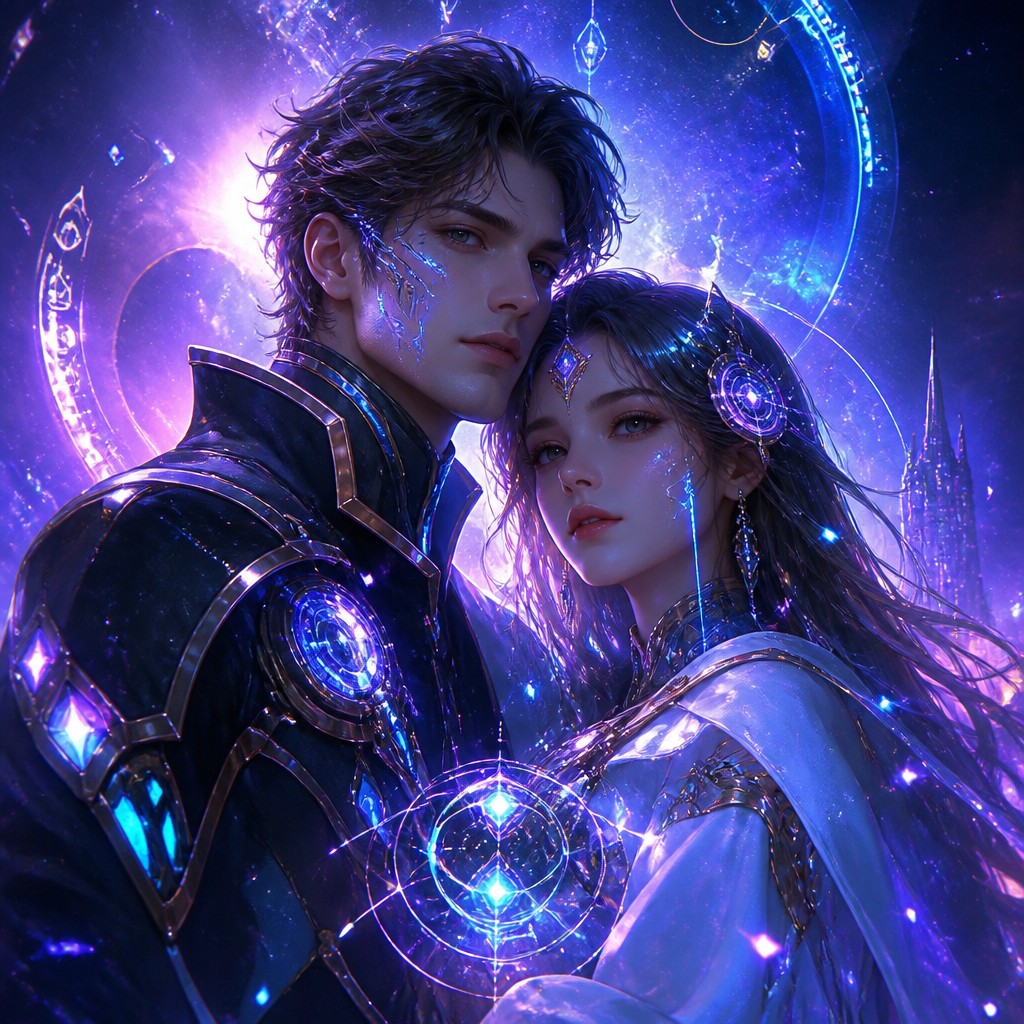
Cosmic fantasy art blending magic and technology with alien worlds, luminous energy, and painterly sci-fi spectacle.
Instantly rendered in Sci-Fi Fantasy — or transform a photo
Sci-Fi Fantasy Gallery
Tap any artwork to explore it
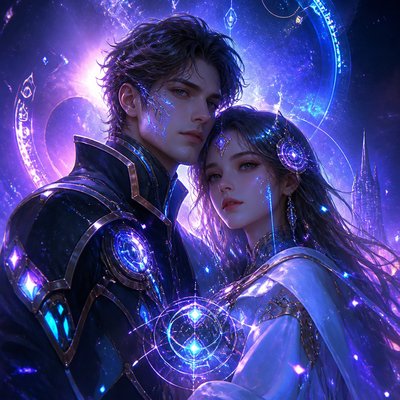
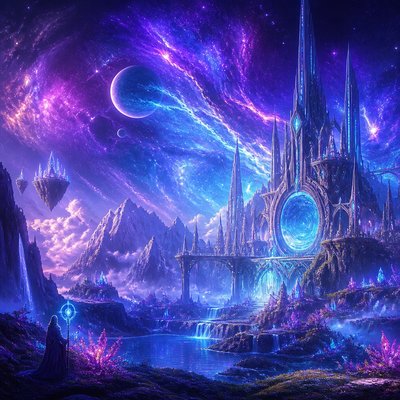
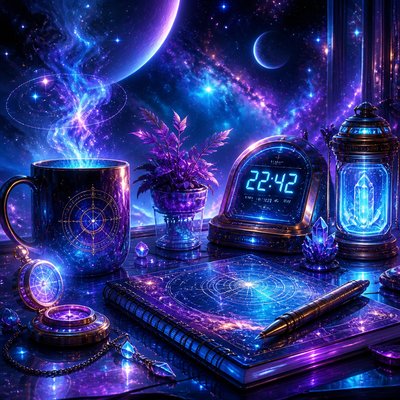
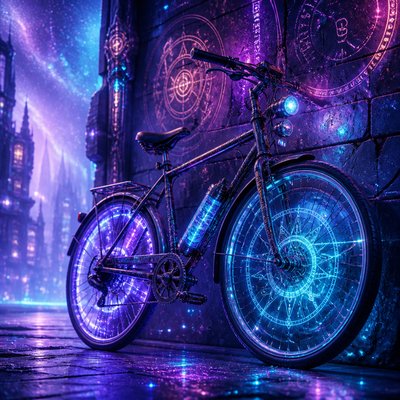
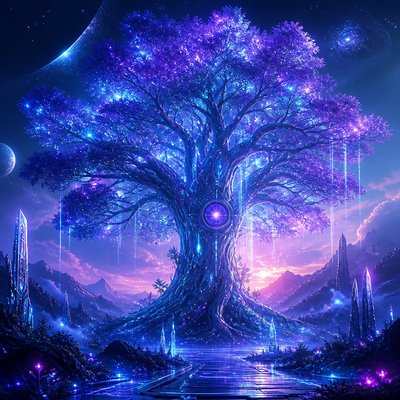
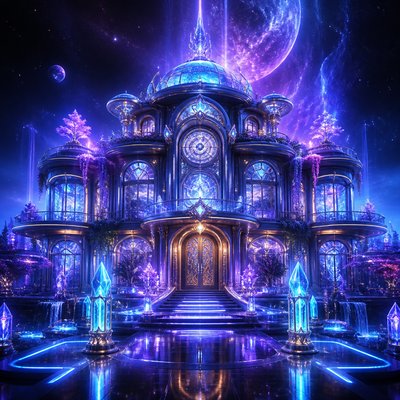
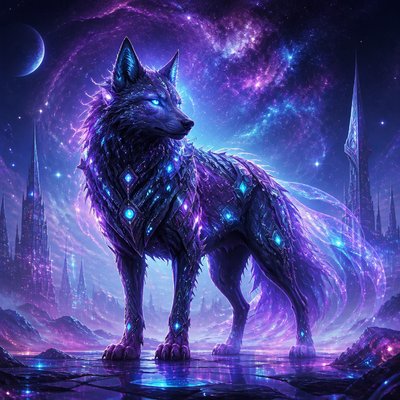
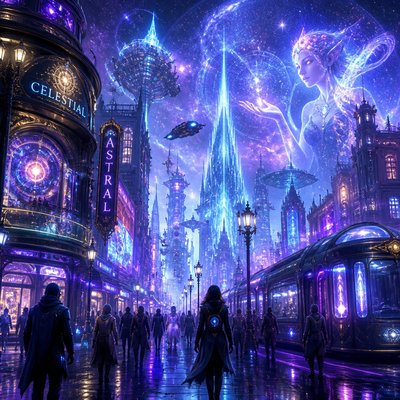
What is Sci-Fi Fantasy Art?
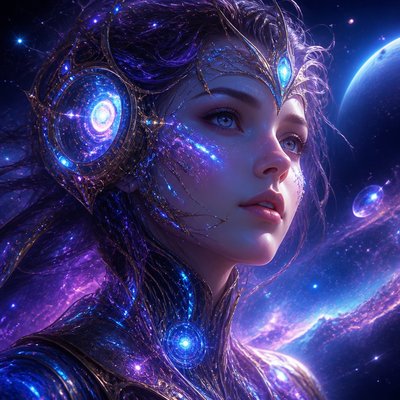
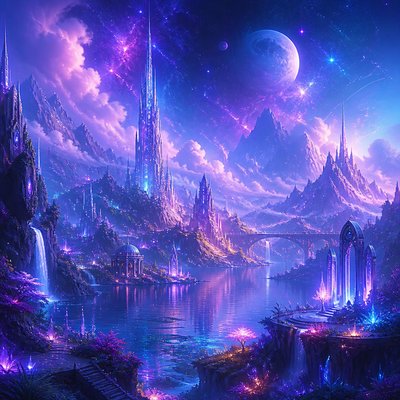
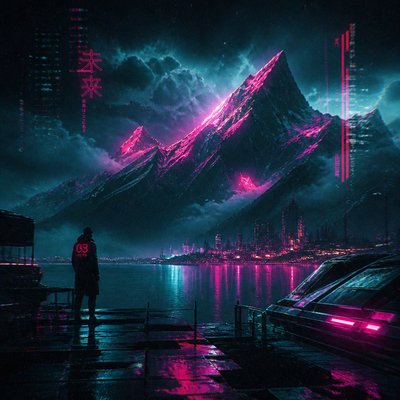
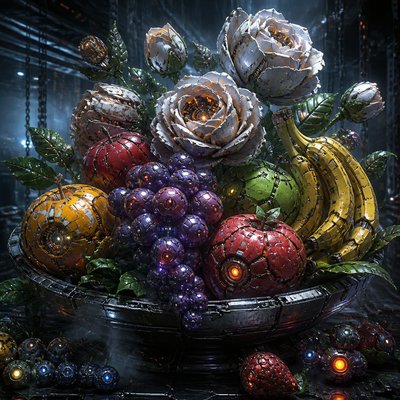
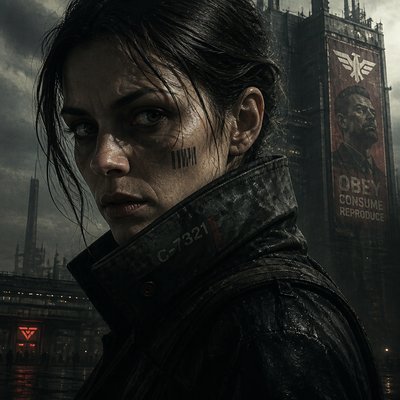
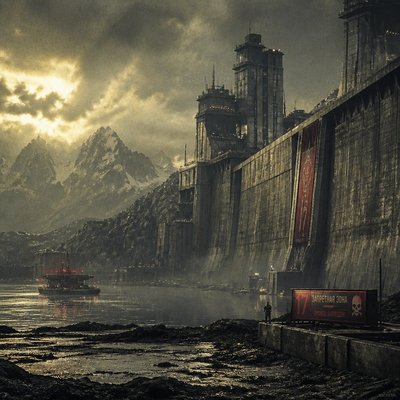
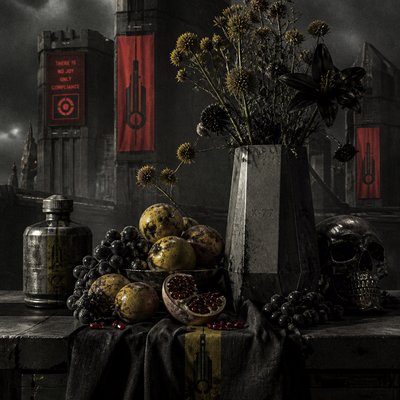
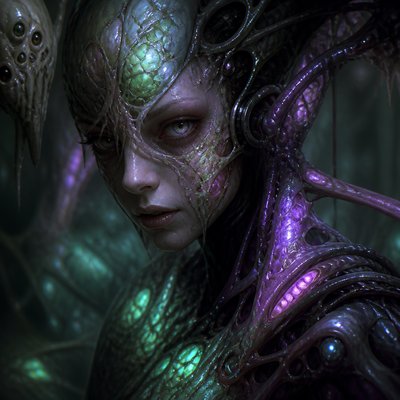
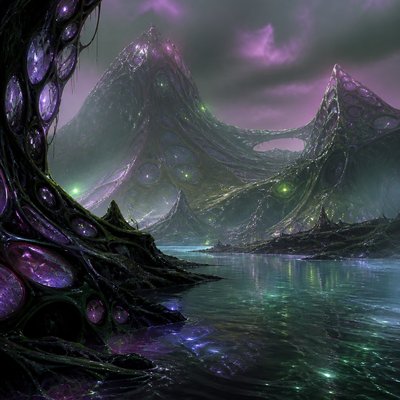
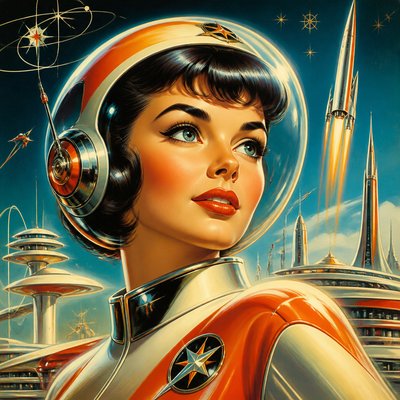
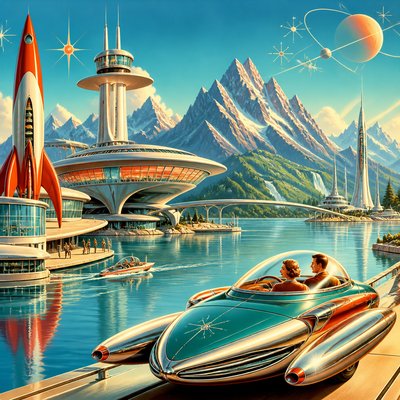
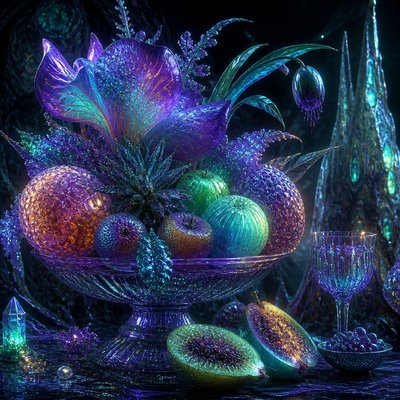
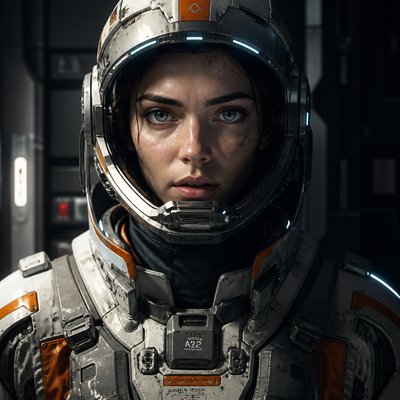
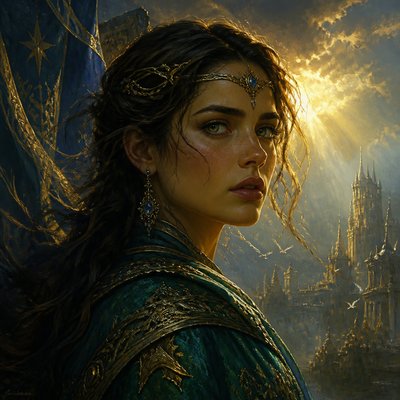
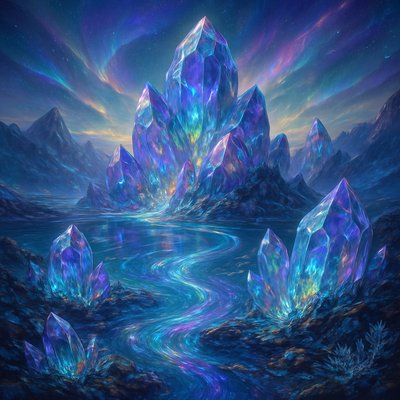
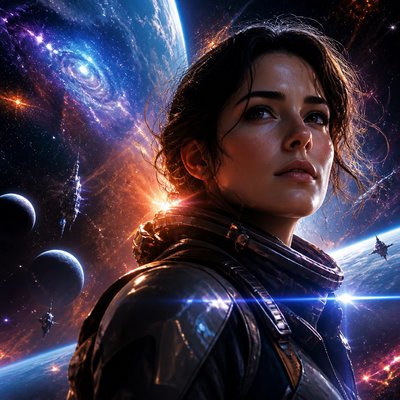
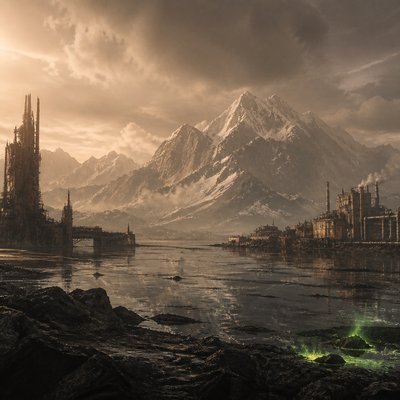
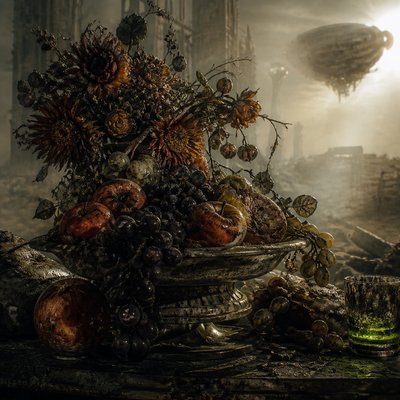
Sci-Fi Fantasy Art blends the visual languages of science fiction and high fantasy into a single world where advanced technology, arcane power, and cosmic settings feel inseparable. It often depicts space wizards, alien civilizations, enchanted starships, relics that look both ancient and engineered, and landscapes shaped by nebulae, glowing minerals, or otherworldly skies. The result is a genre image that feels simultaneously futuristic and mythic.
Its visual identity is usually defined by luminous color, polished painterly rendering, and a strong sense of atmosphere. Metallic surfaces may shimmer like magical artifacts rather than pure machinery, while energy effects, holograms, constellations, and volumetric light create a sense of vast scale. The style looks this way because it borrows from concept art, classic fantasy illustration, pulp space opera, and digital painting techniques that favor dramatic lighting and rich surface effects.
Try It On Your Photos
Upload any photo and convert it into Sci-Fi Fantasy Art — drag the sliders to compare before and after.


What Defines Sci-Fi Fantasy Art
The signature details, up close
Magic and machinery in the same visual system
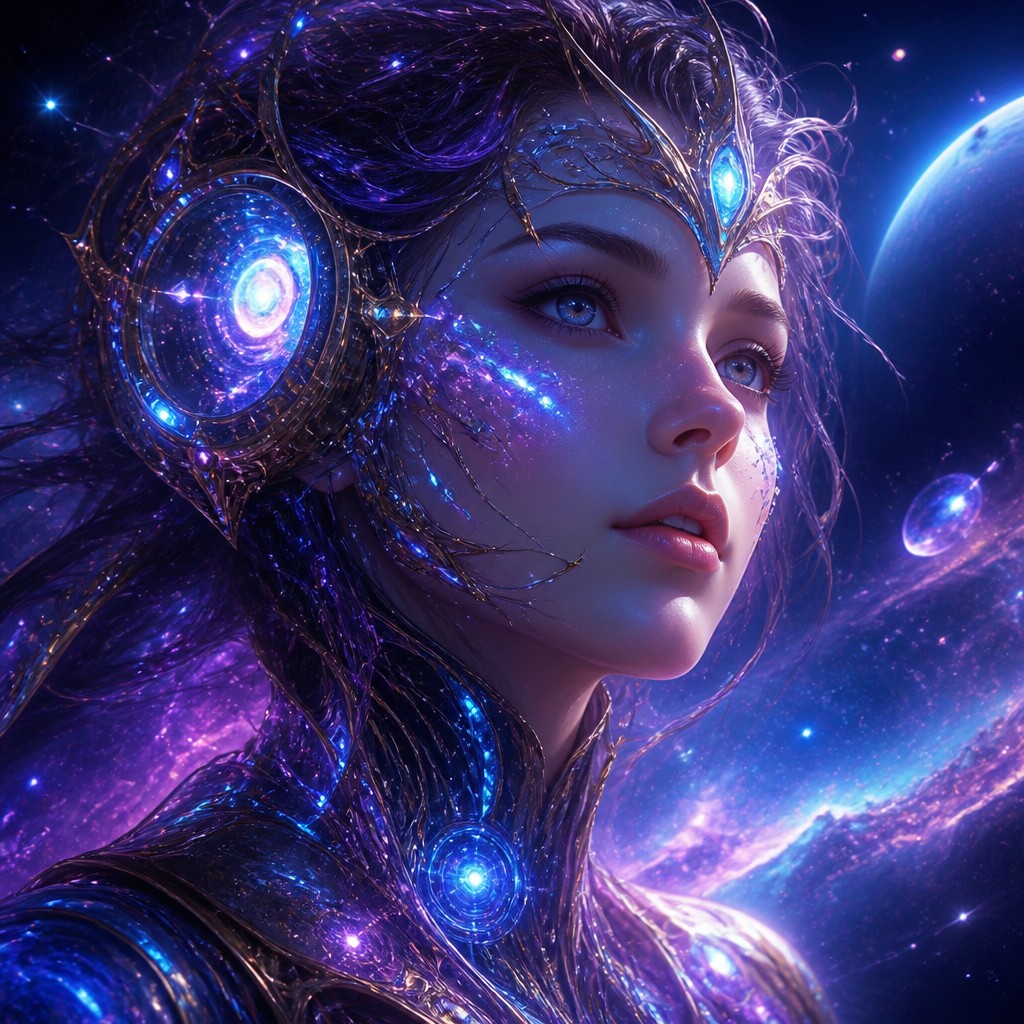
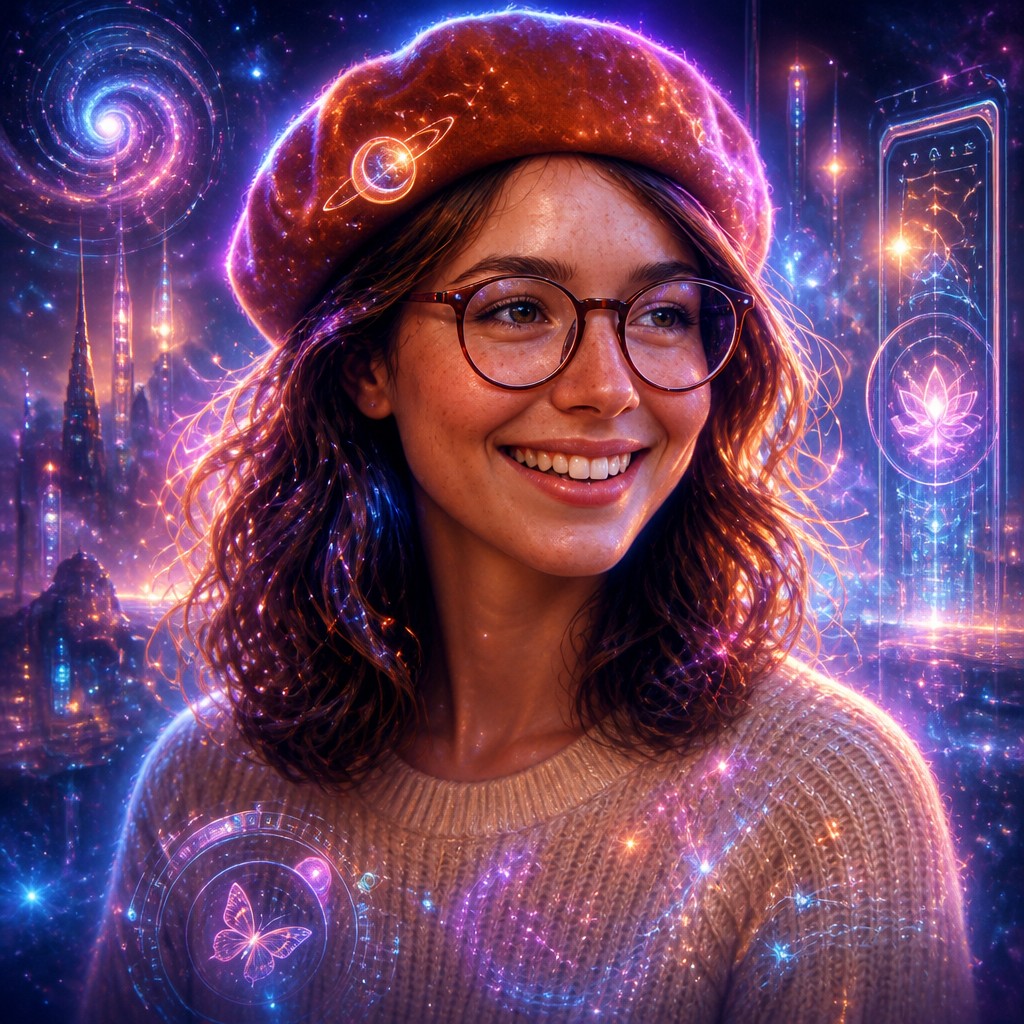
Devices, armor, and architecture often mix hard-edged engineering with glowing runes, crystals, sigils, or energy conduits. The effect is not a contrast between science and magic, but a fusion of both into one invented technology.
Cosmic color palettes
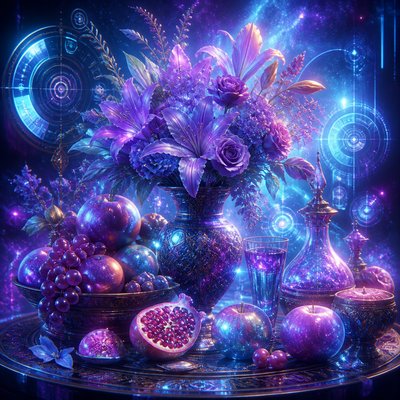
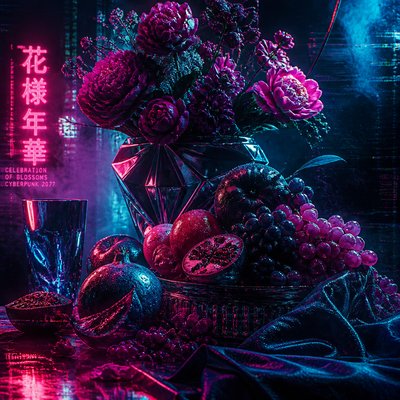
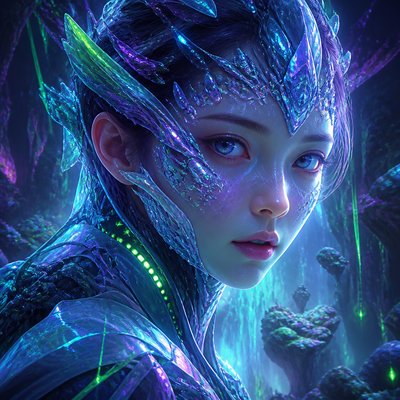
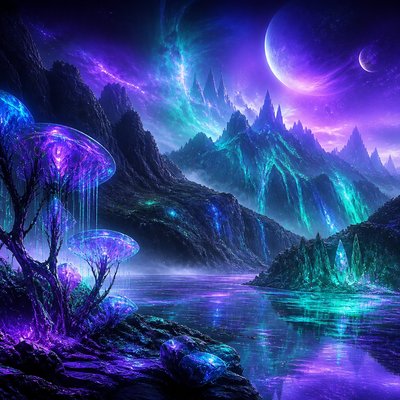
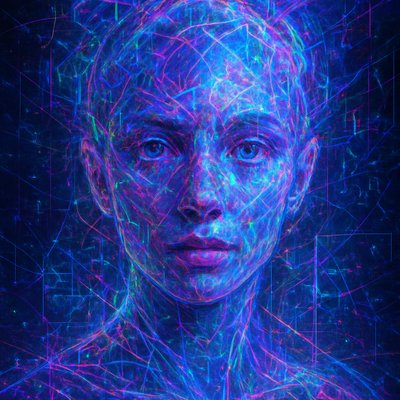
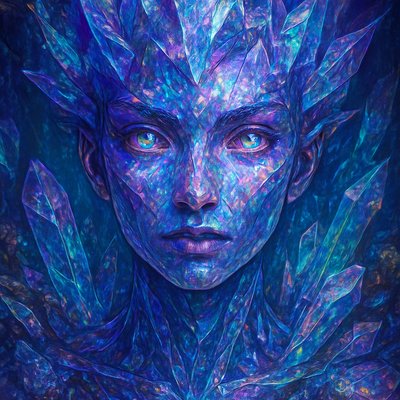
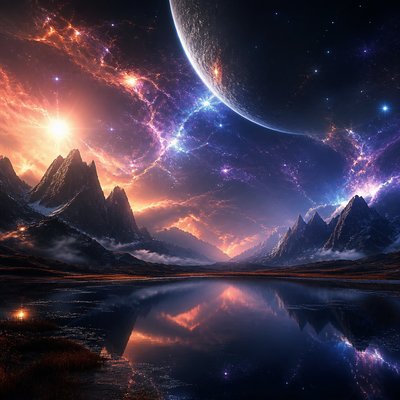
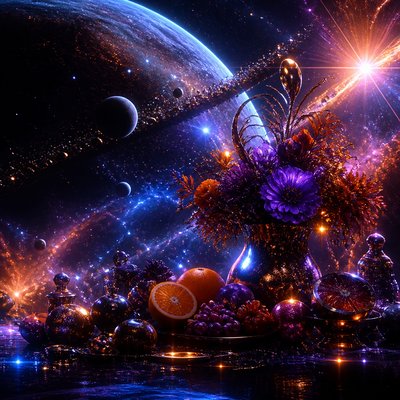
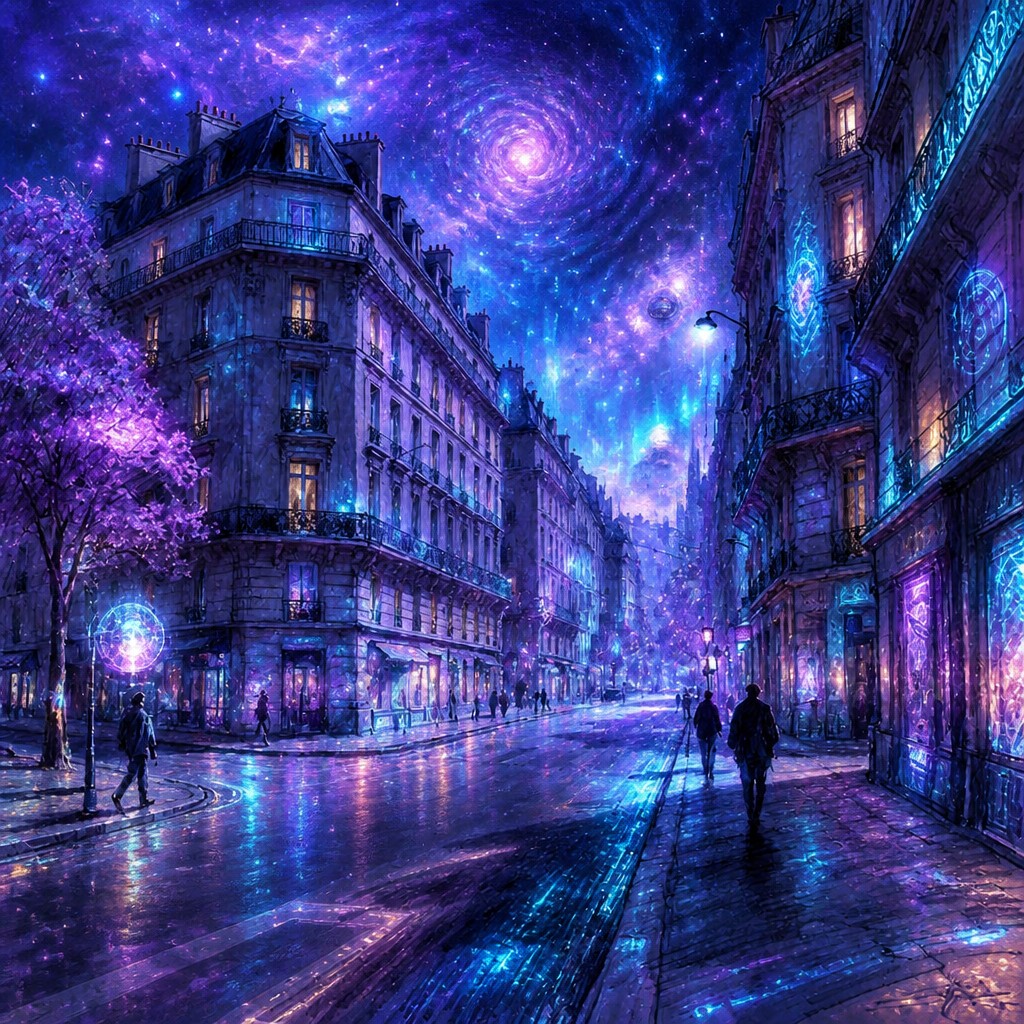
Nebula purples, electric blues, cyan highlights, magenta glows, and deep-space blacks are common. These colors create a sense of outer-space scale while keeping the image saturated and dreamlike.
Luminous energy effects
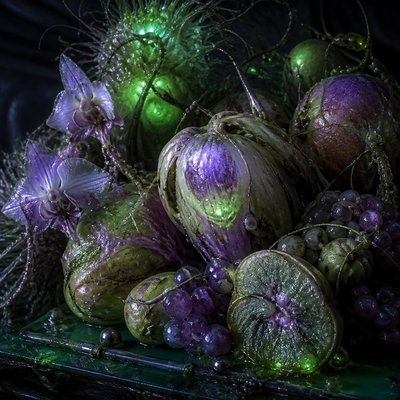
Light beams, auras, particles, starfields, and bioluminescent accents help define figures and environments. These effects make magical power feel physically present in the scene.
Iridescent and metallic surfaces
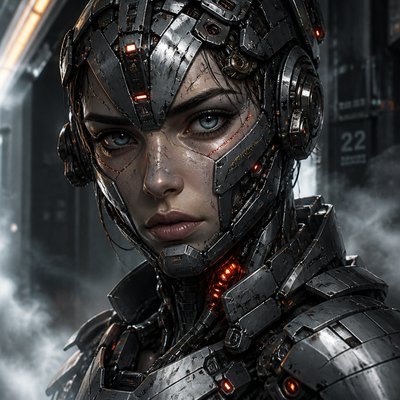
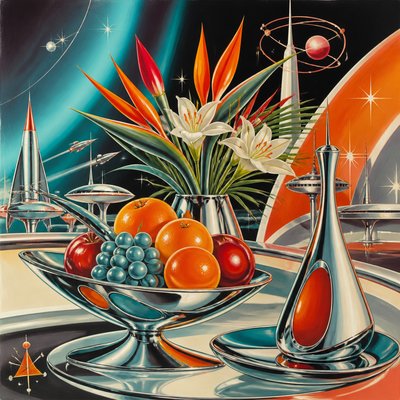
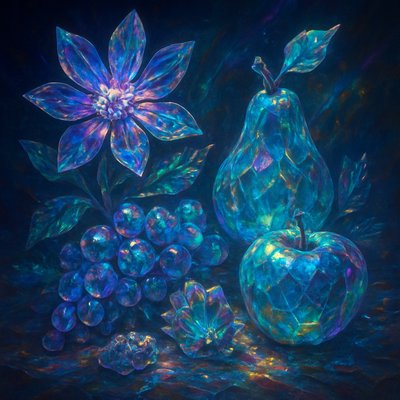
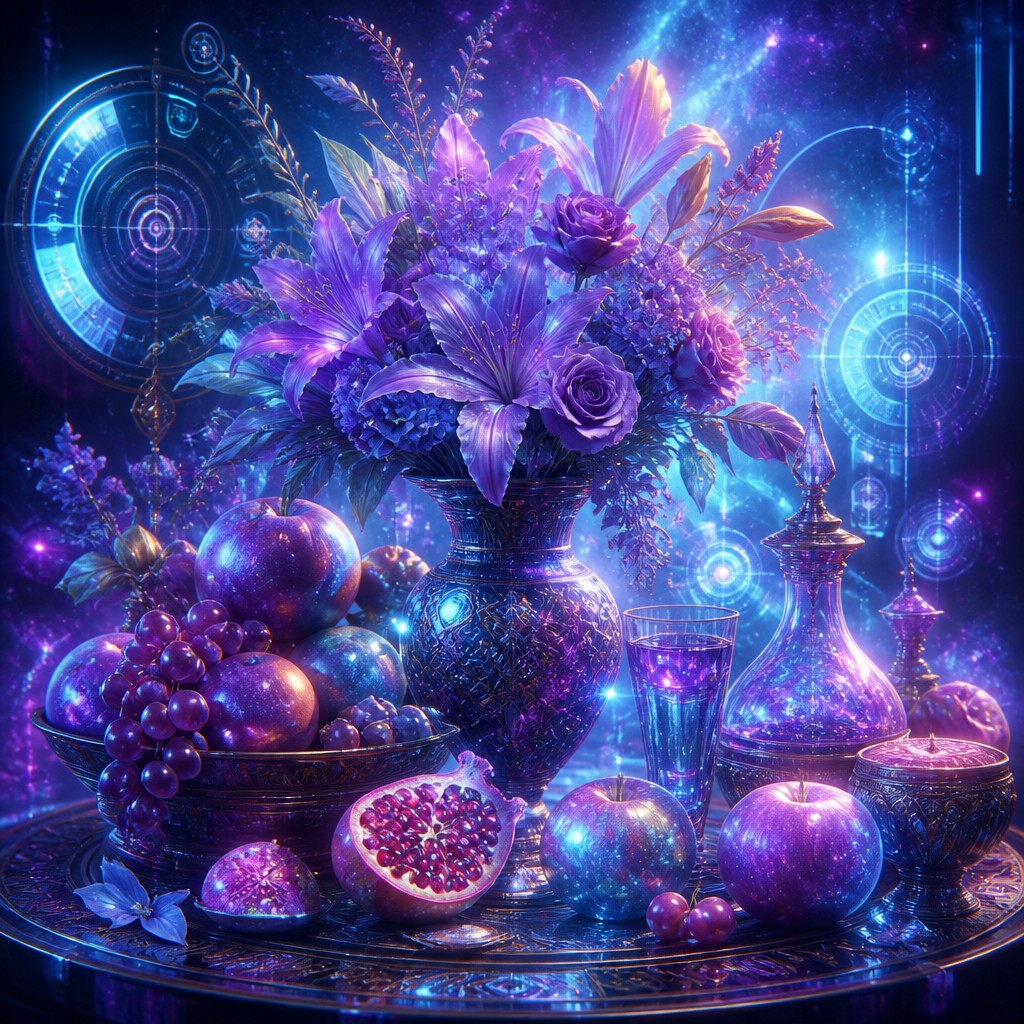
Armor, relics, ships, and architecture often have reflective, shifting finishes that suggest both futuristic material science and enchanted sheen. Surfaces tend to be highly rendered, with crisp specular highlights.
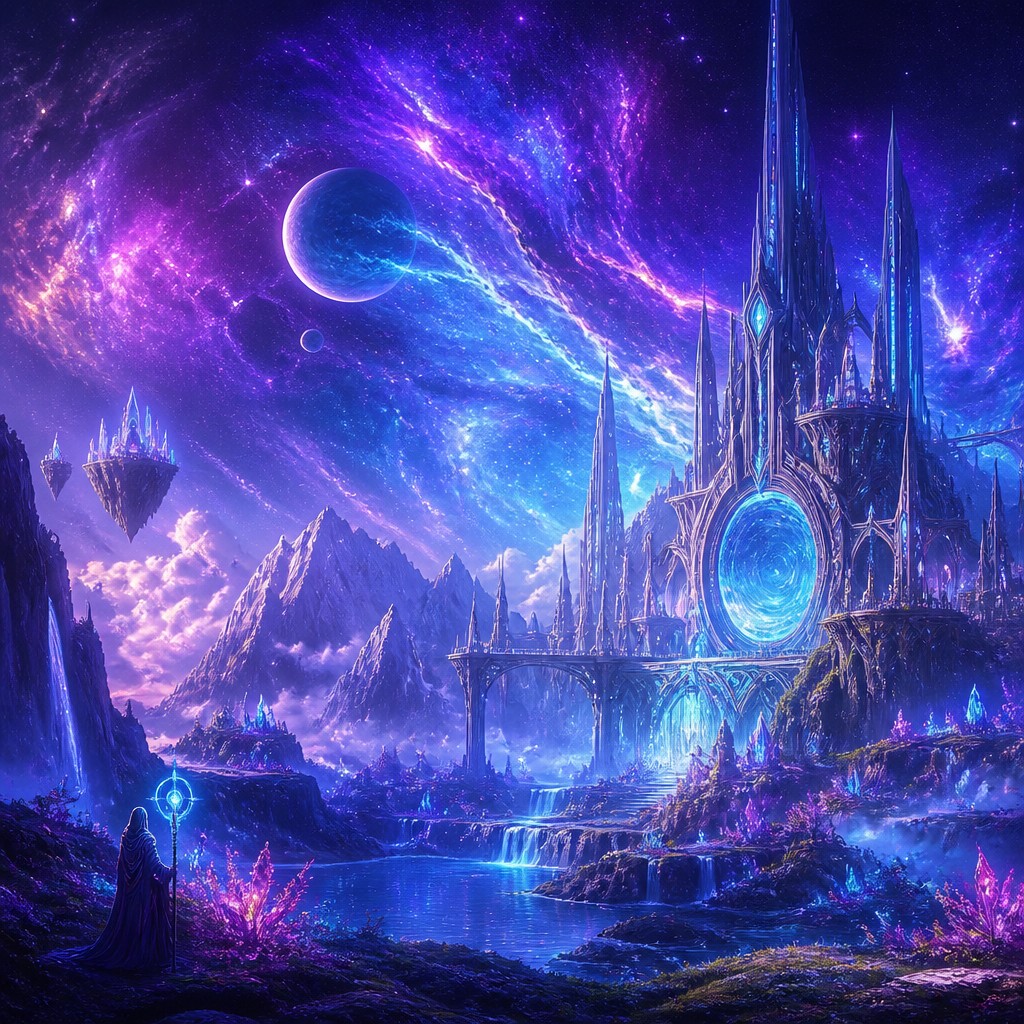
Epic scale and worldbuilding
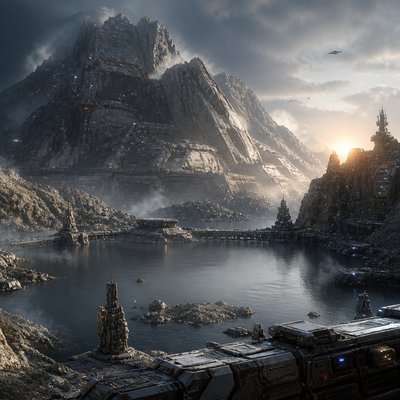
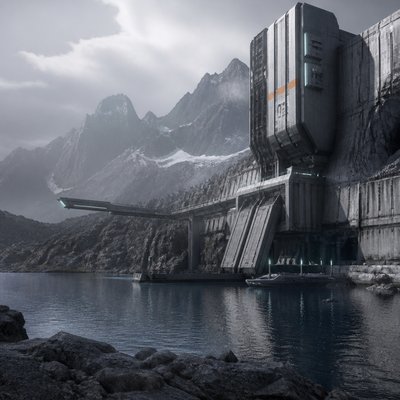
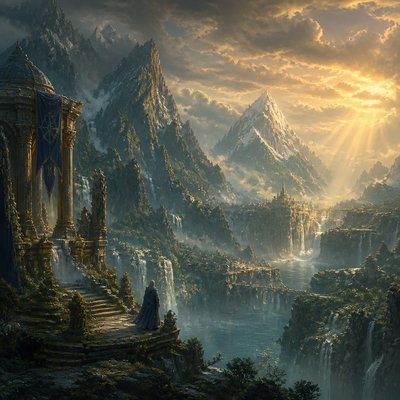
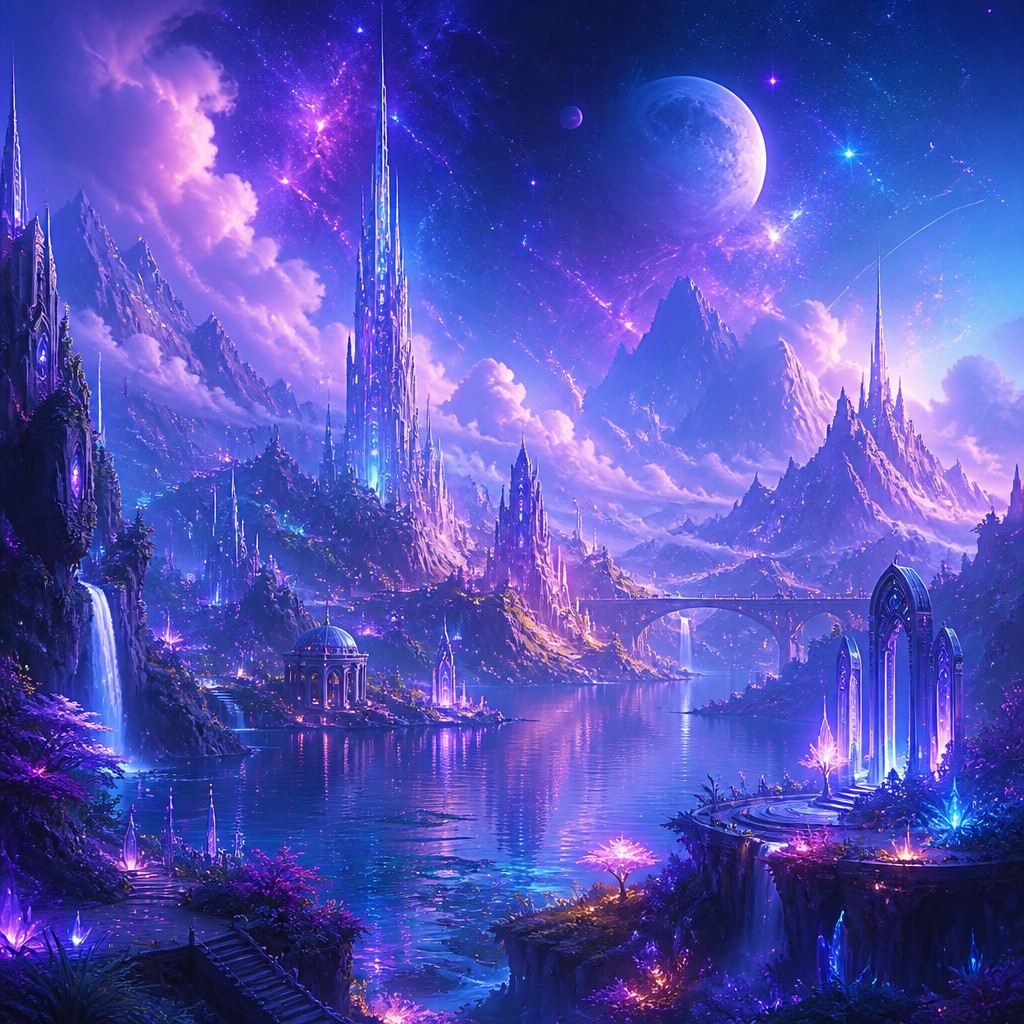
Scenes often show vast alien horizons, floating structures, ruins, planetary vistas, or monumental characters. Even small compositions usually imply a larger fictional universe beyond the frame.
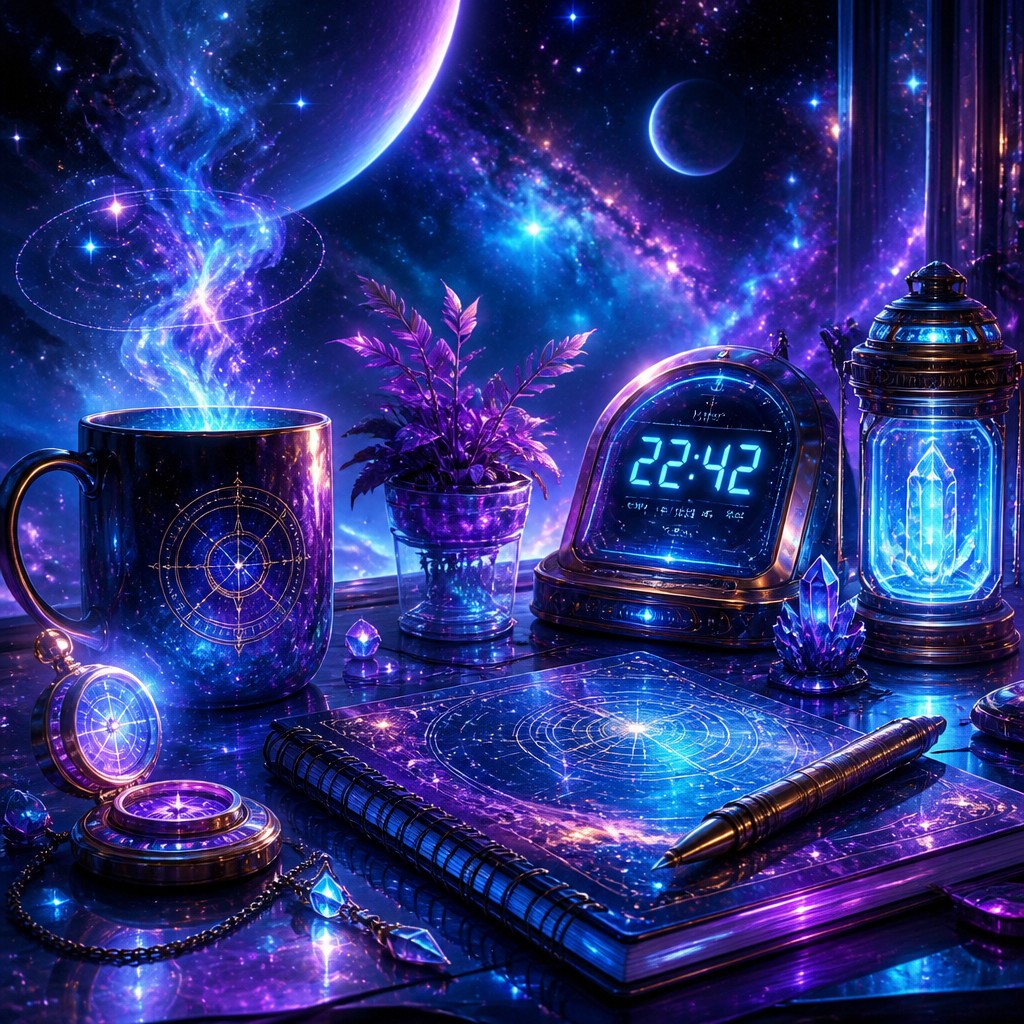
Painterly digital finish
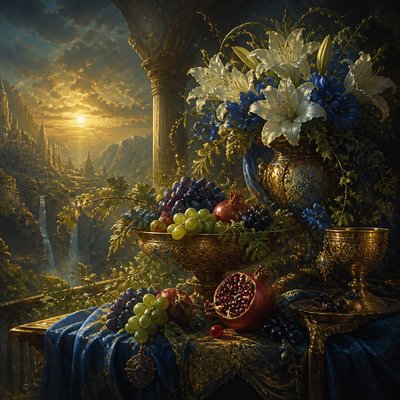
The style usually favors smooth blending, controlled texture, and cinematic lighting over flat graphic shapes. Details are crisp, but atmospheric haze keeps the image from feeling overly mechanical.
Try It
Create Videos in Sci-Fi Fantasy Art
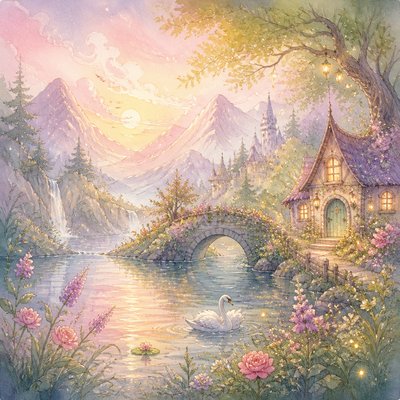
Styles aren't just for stills — describe a scene or animate an image and get a short video rendered in Sci-Fi Fantasy. Press play to see this pond come to life.
Make a VideoSci-Fi Fantasy Prompt Ideas
Start from an idea — each one opens the generator with the style ready to go. See all 40 Sci-Fi Fantasy prompts →
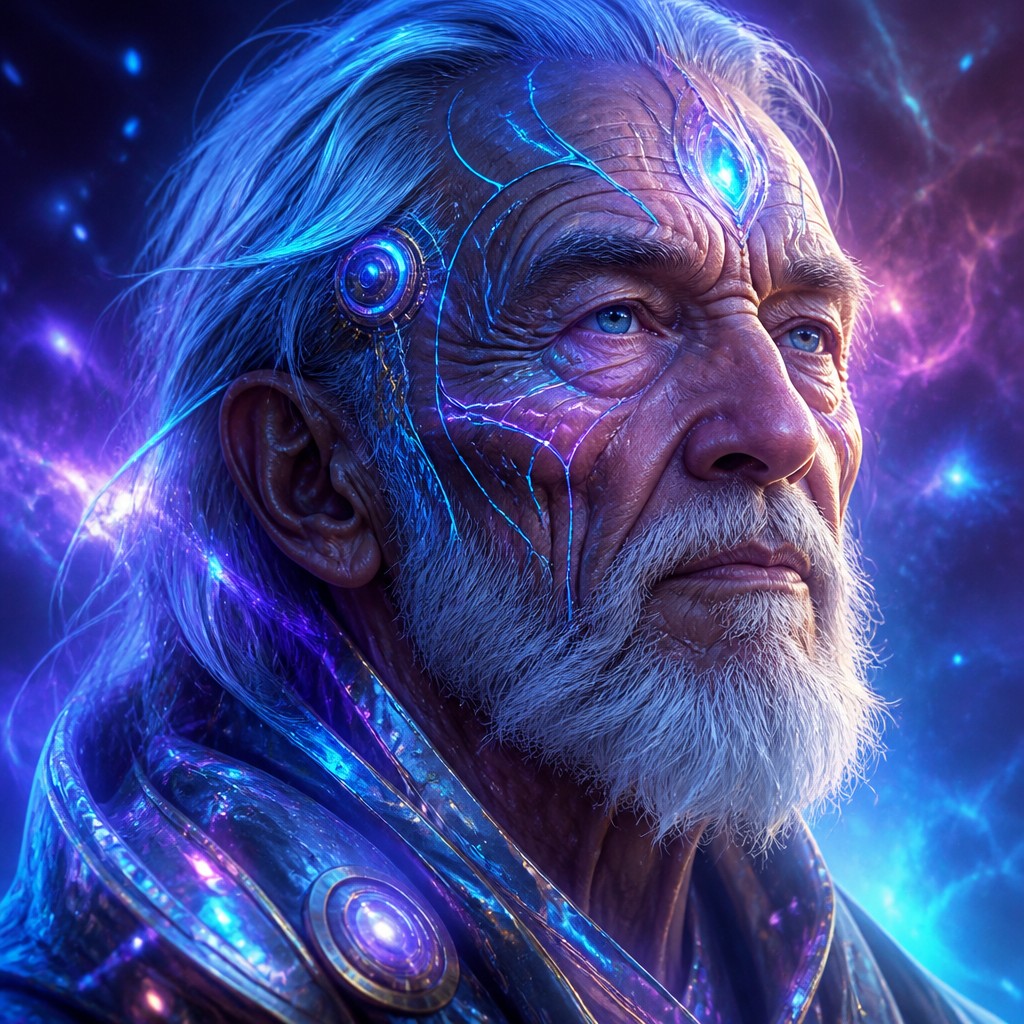
“close-up portrait of an elderly person with expressive weathered features”
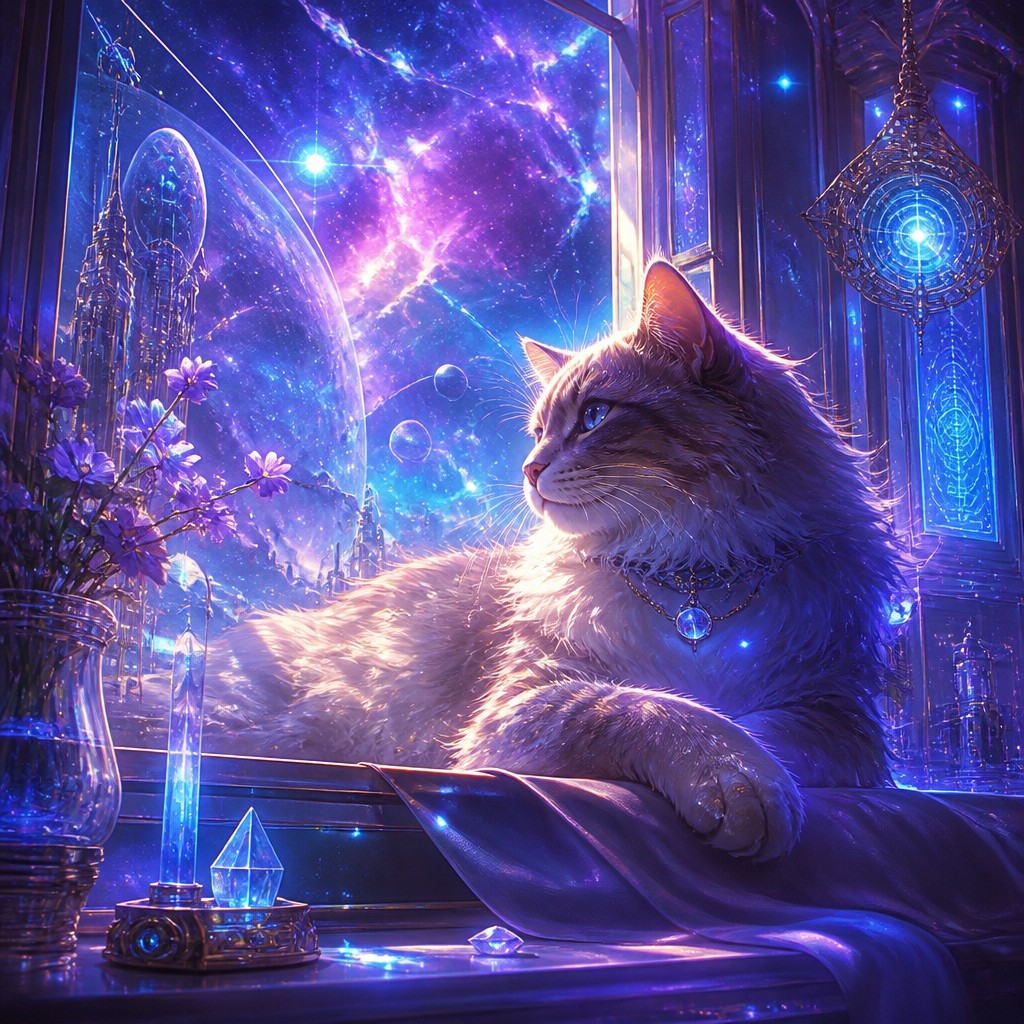
“a cat lounging in a sunlit window”
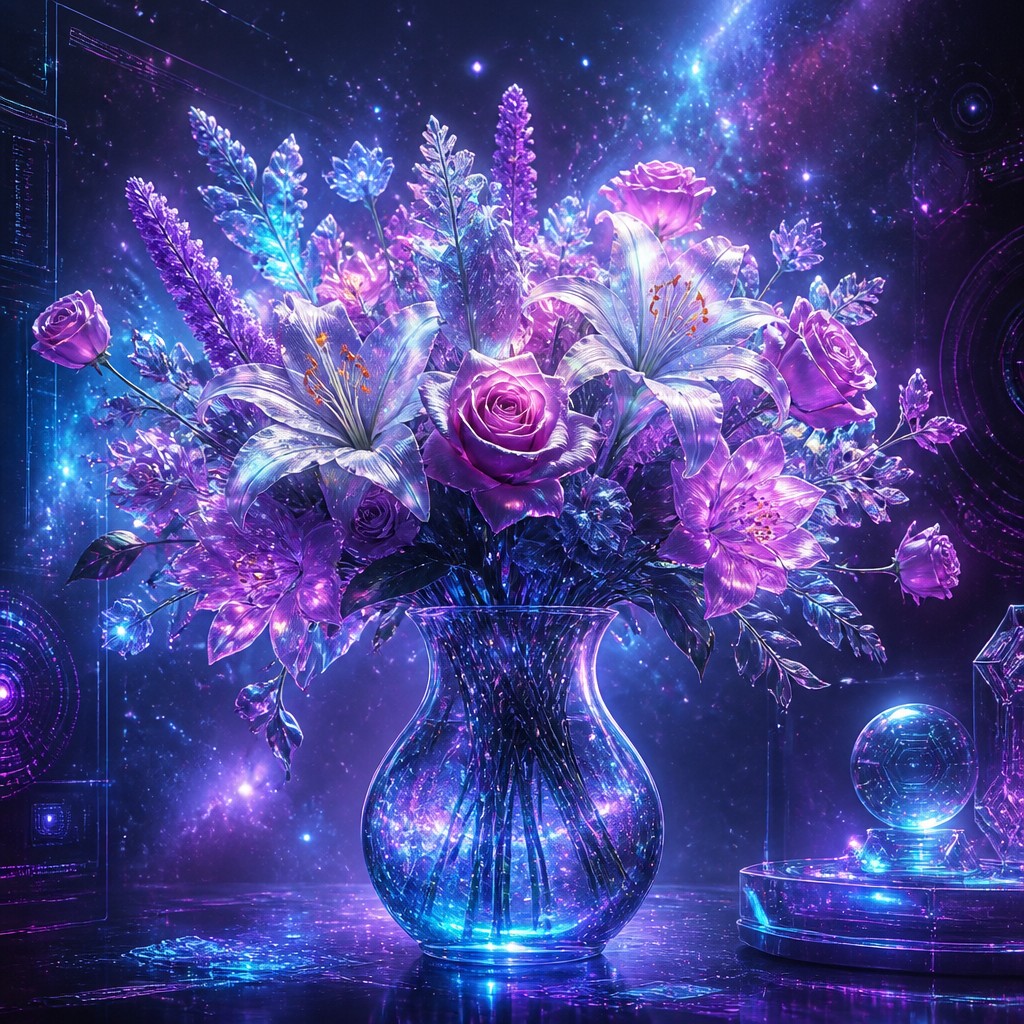
“bouquet of flowers in a glass vase”
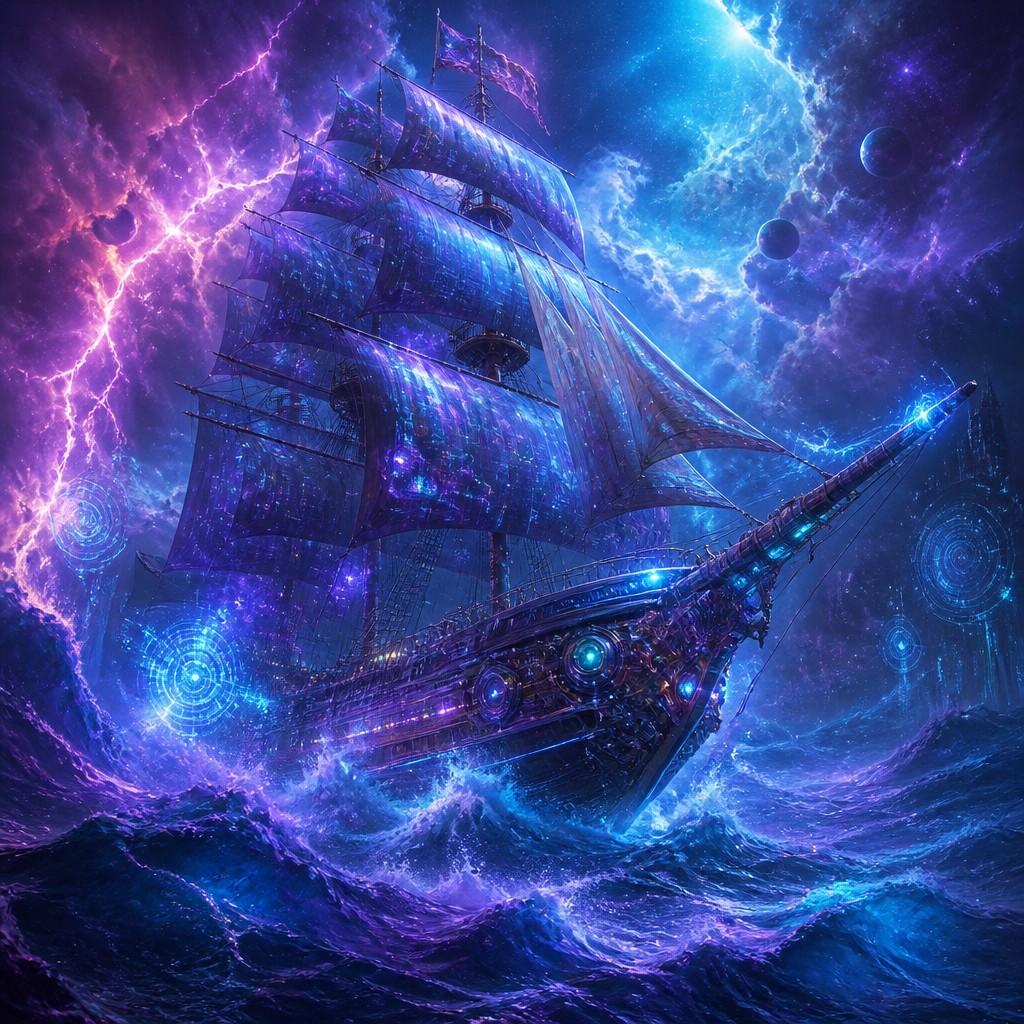
“sailing ship on a stormy sea”
How to Create Sci-Fi Fantasy Art
Master the craft step by step — or skip straight to creating. Read the full guide →
- 1
Build a hybrid design language
Combine recognizable sci-fi forms such as starships, helmets, drones, and interfaces with fantasy elements like robes, staffs, glyphs, and relics. Repeating materials and motifs across both categories helps the world feel unified rather than pasted together.
- 2
Use light as a storytelling tool
Rim light, glow effects, and volumetric beams can separate forms and establish mood. In digital painting, layer soft atmospheric light over sharper edges; in traditional media, use glazing, colored pencil highlights, or metallic inks to suggest the same effect.
- 3
Design surfaces with contrast
Pair clean mechanical geometry with organic shimmer, smoke, mist, or crystalline texture. The tension between precision and haze is central to the style, so avoid making every object equally hard-edged.
- 4
Choose a cosmic palette and limit the accents
Anchor the image in dark blues, violets, or charcoal, then reserve cyan, magenta, or white for energy sources and focal points. This keeps the composition readable while preserving the signature luminous look.
- 5
When prompting, specify both subject and atmosphere
Include the character or scene, then add descriptors for glow, nebula colors, metallic shimmer, and painterly rendering. Strong prompts often mention the emotional tone too, such as mystical, epic, serene, or ominous.
- 6
For image-to-image, preserve the silhouette and transform the material language
Keep the original pose or composition, but reinterpret clothing, props, and backgrounds as alien, arcane, or techno-mystical forms. Adding glow, particulate light, and iridescent textures is often enough to shift an ordinary photo into the style.

The Story
History & Origins of Sci-Fi Fantasy
Sci-Fi Fantasy Art is not a single historical movement so much as a modern hybrid that grew from two long visual traditions: fantasy illustration and science-fiction illustration. Its roots can be traced to early 20th-century adventure pulps, mid-century paperback cover art, and the rise of cinematic concept art, where artists developed visual worlds that could suggest both advanced technology and mythic storytelling. As digital painting matured, artists increasingly combined these traditions into settings where magic and machinery shared the same design logic.
The style also reflects broader influences from speculative illustration, game art, anime, and contemporary film design. In practice, it developed less through a formal school than through recurring motifs in book covers, trading card art, role-playing games, video games, and blockbuster concept art. Today it remains a flexible umbrella style for imagery that fuses cosmic scale, enchanted technology, and imaginative worldbuilding.
Influences: This style draws from the visual traditions of fantasy illustration, science-fiction illustration, and cinematic concept art, with clear echoes of pulp cover art, role-playing game imagery, and modern digital matte painting. Among canonical historical influences, it often sits in the broad afterlife of leading heroic fantasy painters and prominent science-fiction worldbuilding and design artists, though the style itself is a contemporary synthesis rather than a direct continuation of any single school.
Frequently Asked Questions
What defines Sci-Fi Fantasy Art?
It is defined by the fusion of magical and futuristic imagery into a single coherent world. Instead of treating fantasy and science fiction as separate genres, it combines them through shared materials, glowing effects, and cosmic environments. The result usually feels grand, luminous, and otherworldly.
How is it different from pure science fiction art?
Pure science fiction usually emphasizes plausible technology, industrial design, or futurism grounded in engineering logic. Sci-Fi Fantasy Art is less concerned with realism and more interested in mysticism, symbolism, and spectacle, so devices may look enchanted, ritualistic, or mythic even when they are clearly technological.
How is it different from high fantasy art?
High fantasy art usually centers on medieval or premodern settings, dragons, castles, and folkloric magic. Sci-Fi Fantasy Art keeps the magical tone but places it in space-age, alien, or technological contexts, often with holograms, starships, and advanced materials replacing traditional fantasy settings.
What subjects work best in this style?
Characters with a strong silhouette, such as space wizards, armored sorcerers, alien queens, and techno-knights, work especially well. Environments like nebula skies, ruined temples on strange planets, crystal caverns, and floating cities also suit the style because they amplify its sense of scale and wonder.
What techniques help make the style convincing?
Strong lighting, layered atmosphere, and carefully designed glowing accents are essential. Whether working traditionally or digitally, the image should balance hard technological edges with soft magical haze so that the world feels both engineered and enchanted.
Where is this style commonly used?
It appears often in book covers, game art, poster illustration, concept art, and fandom imagery. It is especially common wherever creators want to suggest a large fictional universe with both mythic depth and futuristic spectacle.
Create your first Sci-Fi Fantasy artwork
Describe anything — or upload a photo — and see it in Sci-Fi Fantasy Art in seconds.
Make Something with Sci-Fi Fantasy
Compare Sci-Fi Fantasy
Related Styles
Discover similar art styles