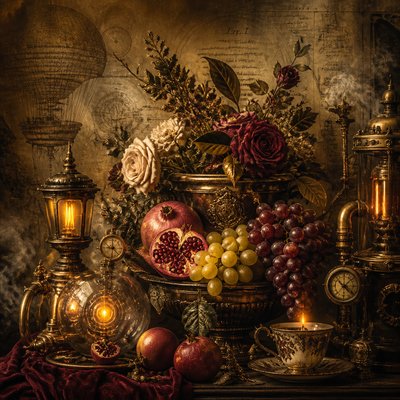
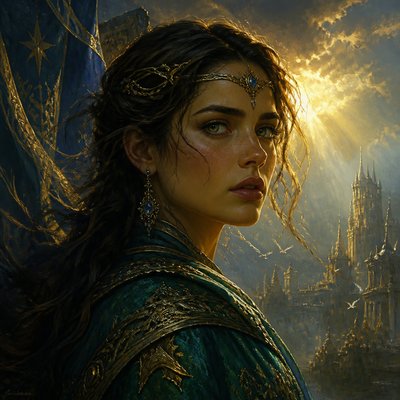
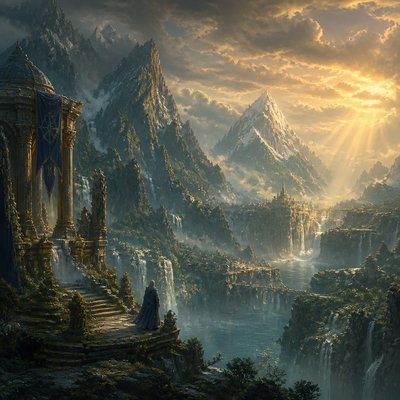
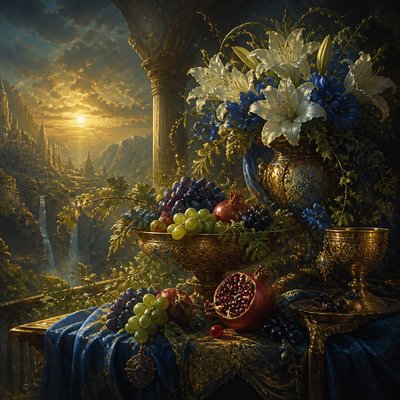
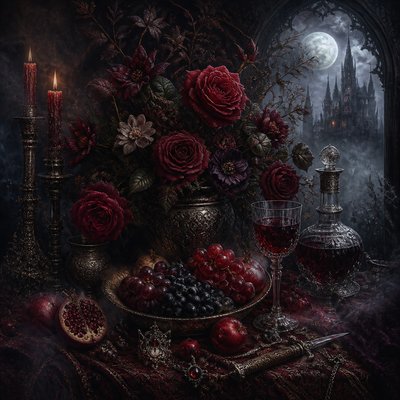
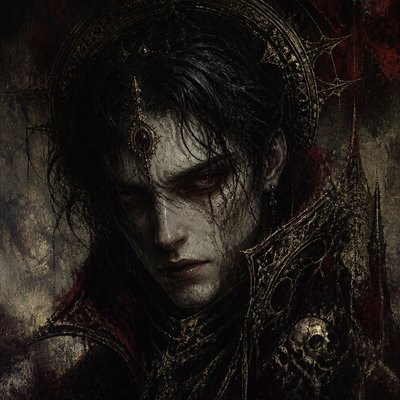
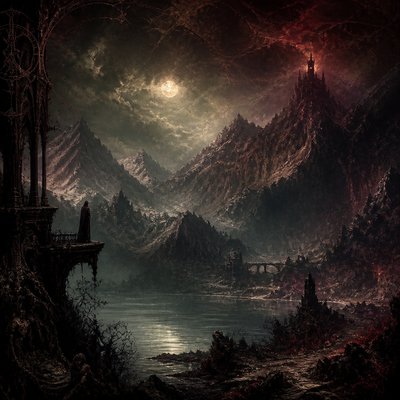
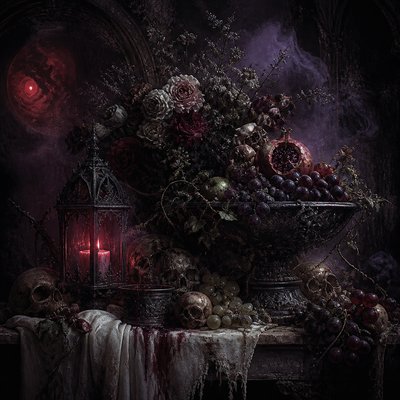
Norse Fantasy Art
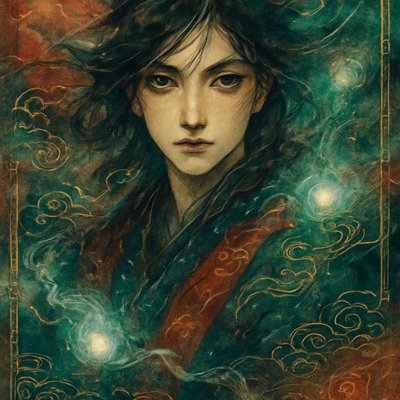
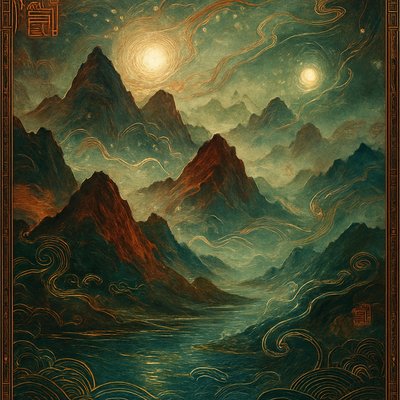
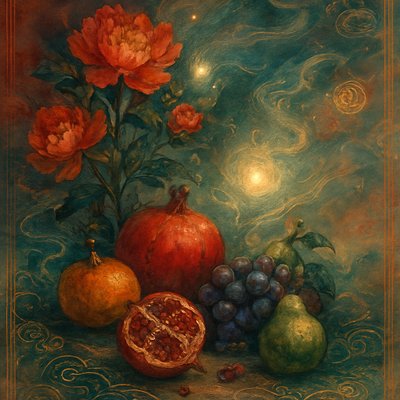
Epic Viking-inspired fantasy art with gods, runes, valkyries, frost giants, auroras, and mythic Nordic atmosphere.
Instantly rendered in Norse Fantasy — or transform a photo
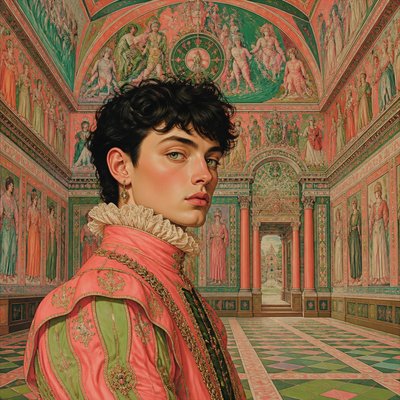
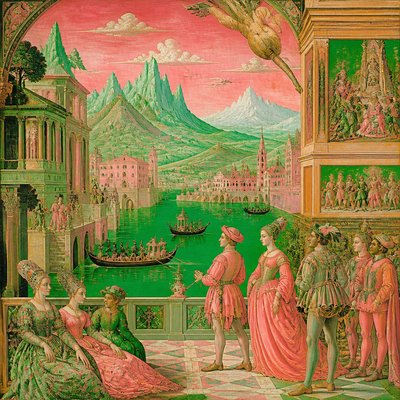
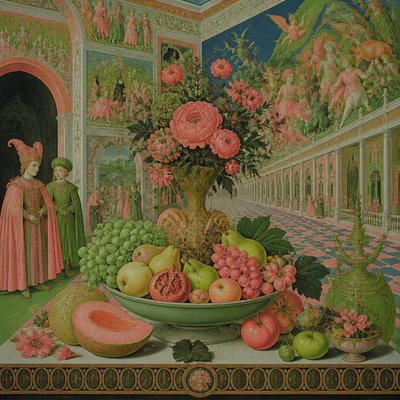
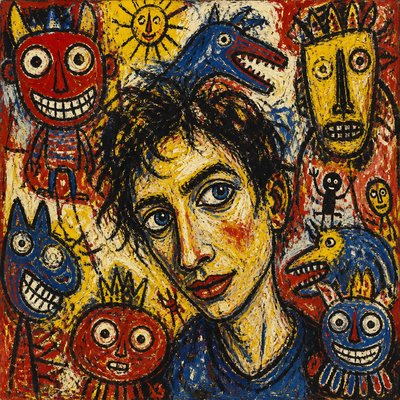
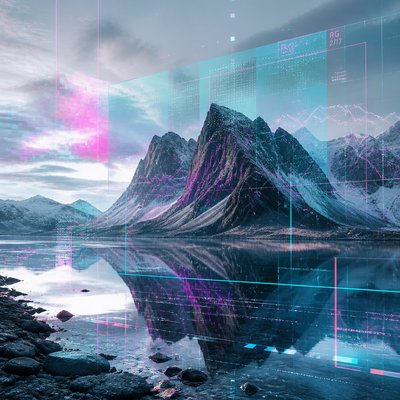
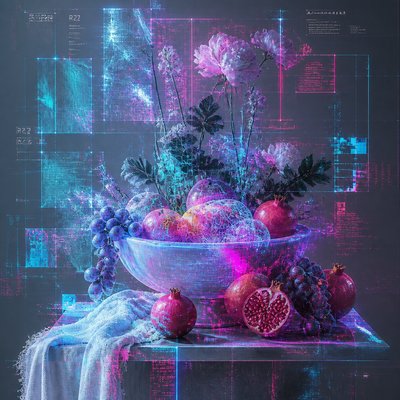
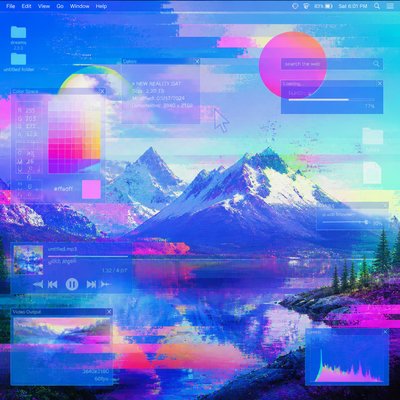
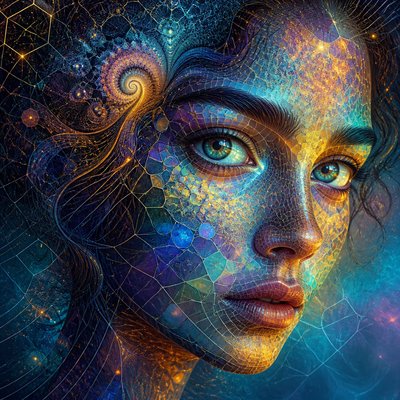
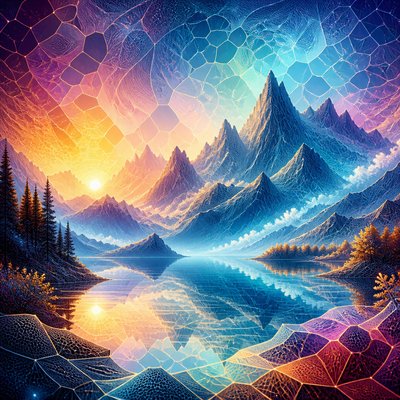
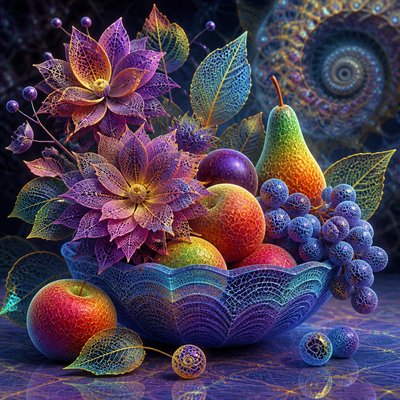
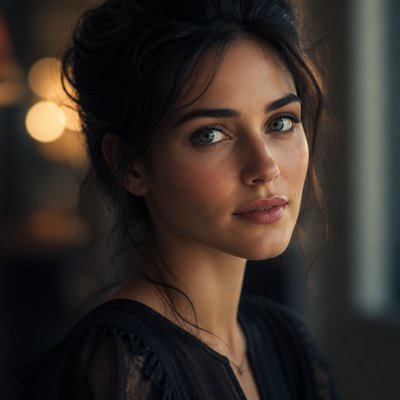
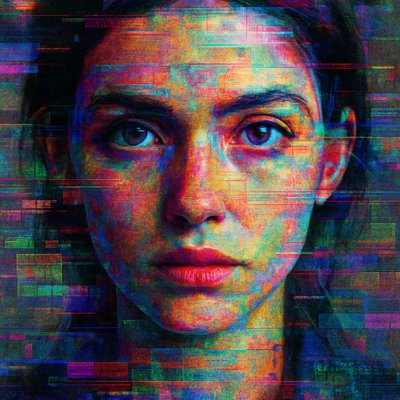
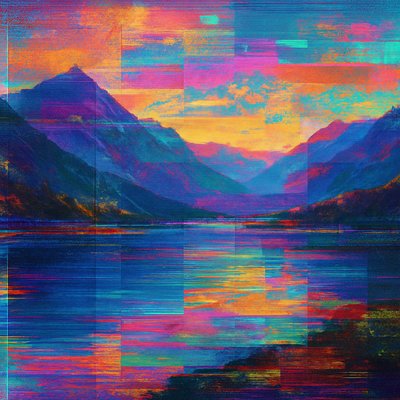
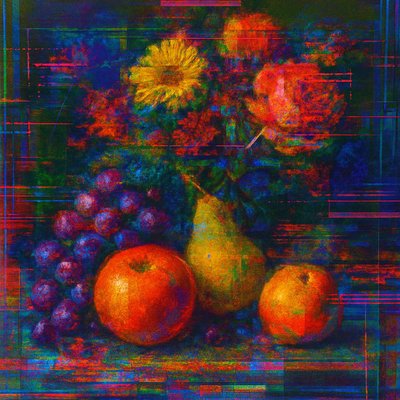
Norse Fantasy Gallery
Tap any artwork to explore it
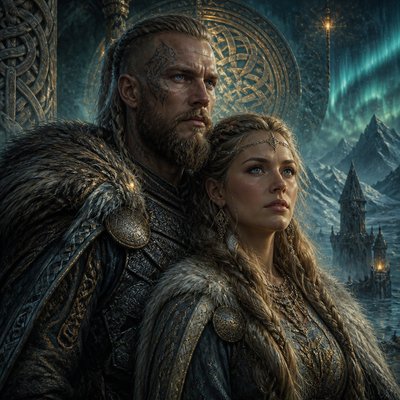
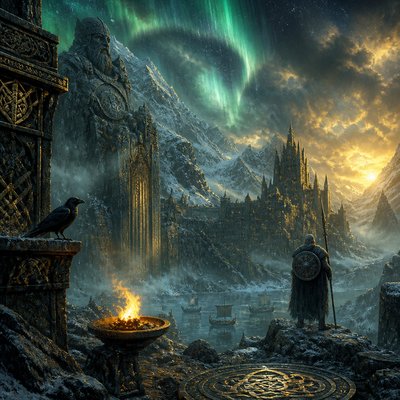
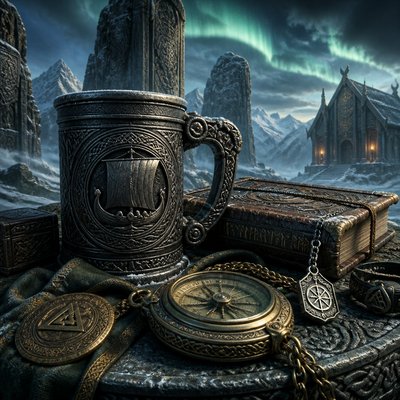
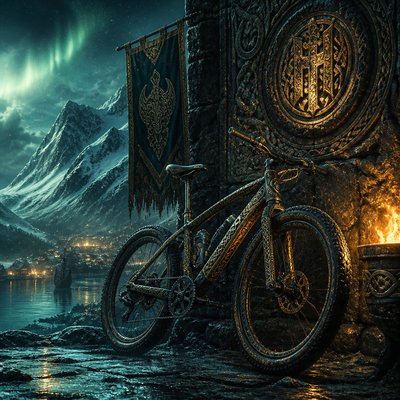
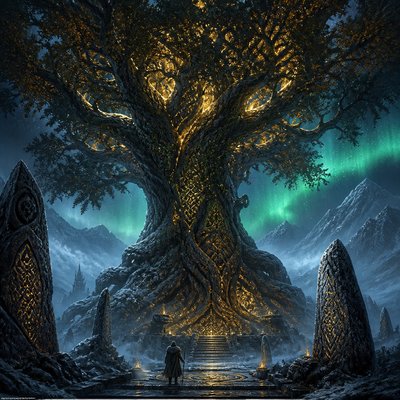
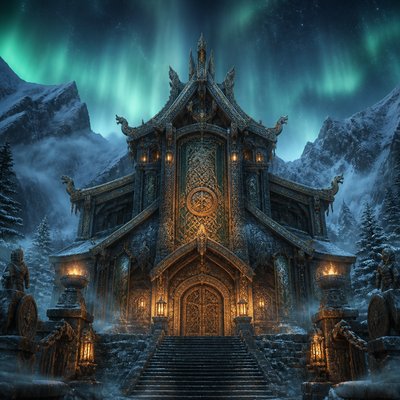
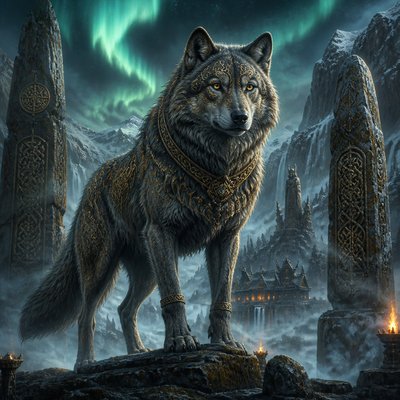
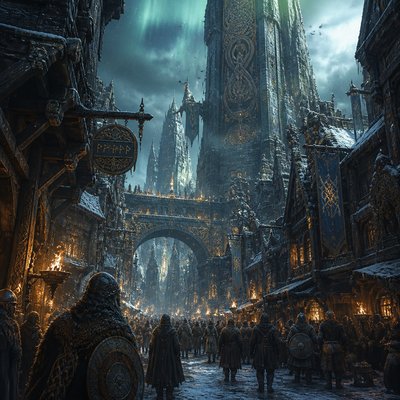
What is Norse Fantasy Art?
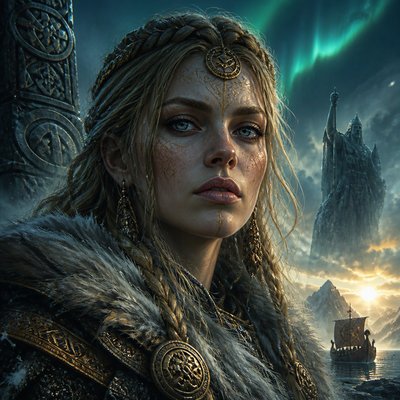
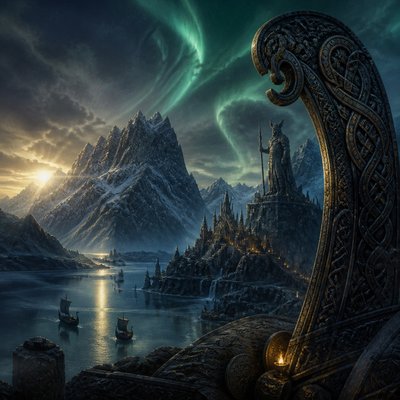
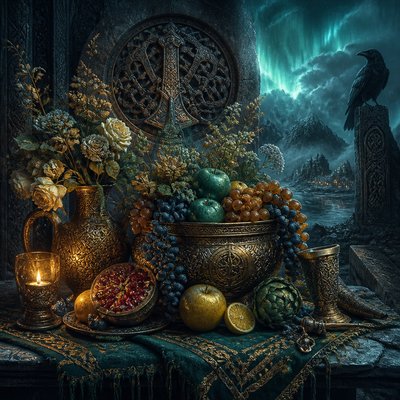
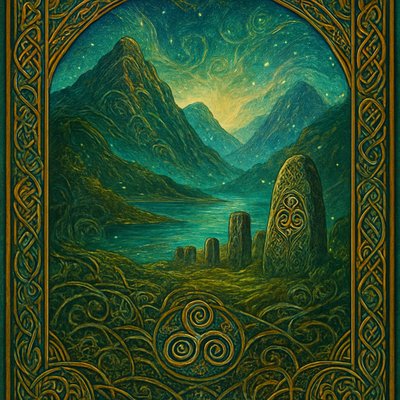
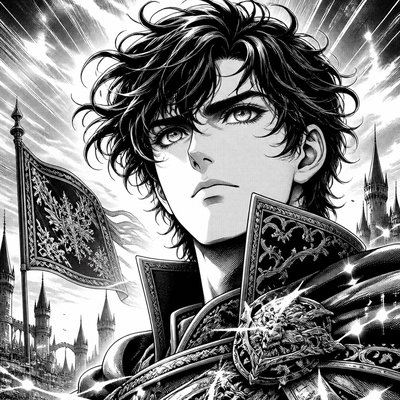
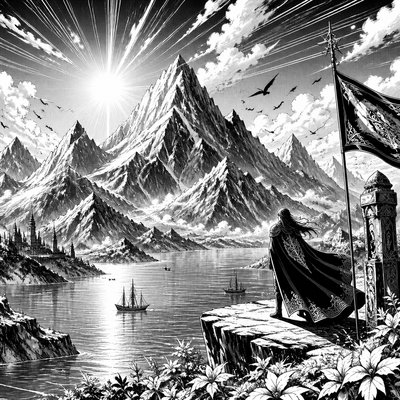
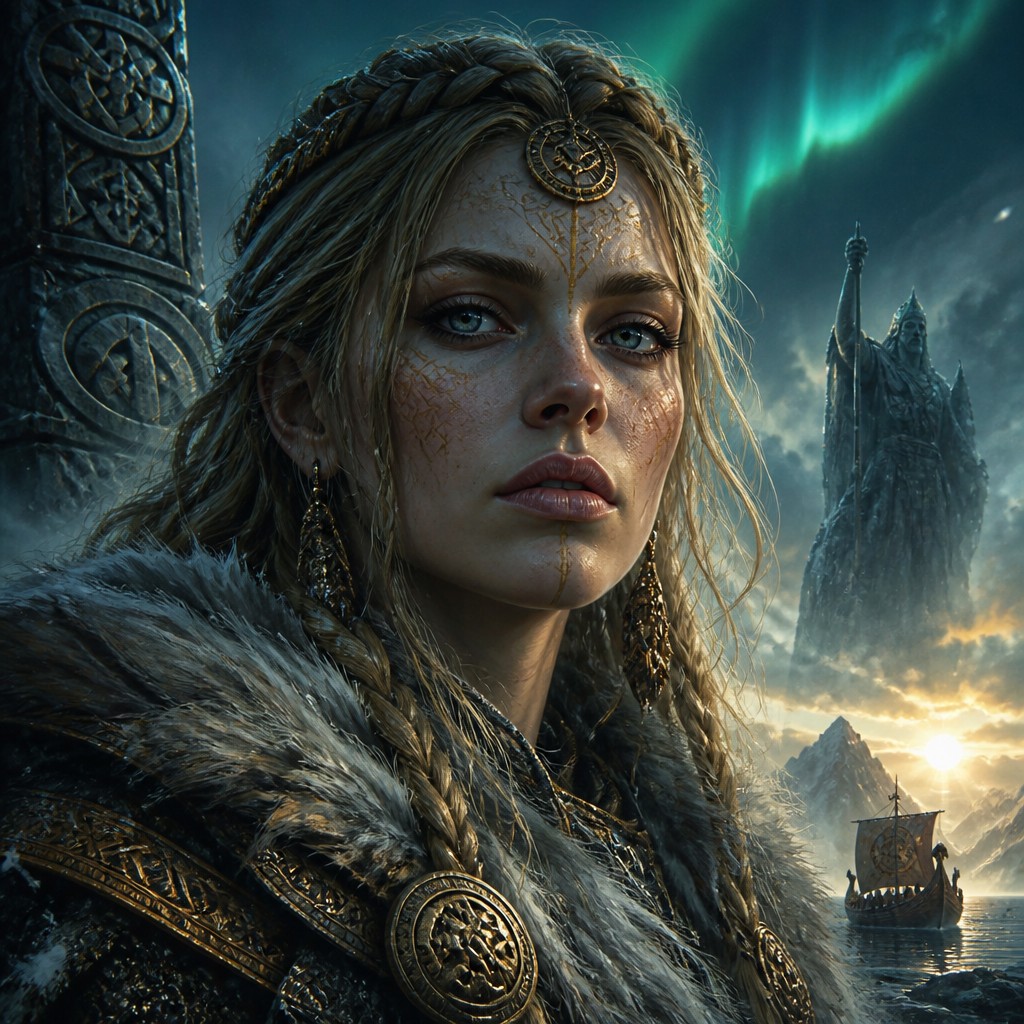
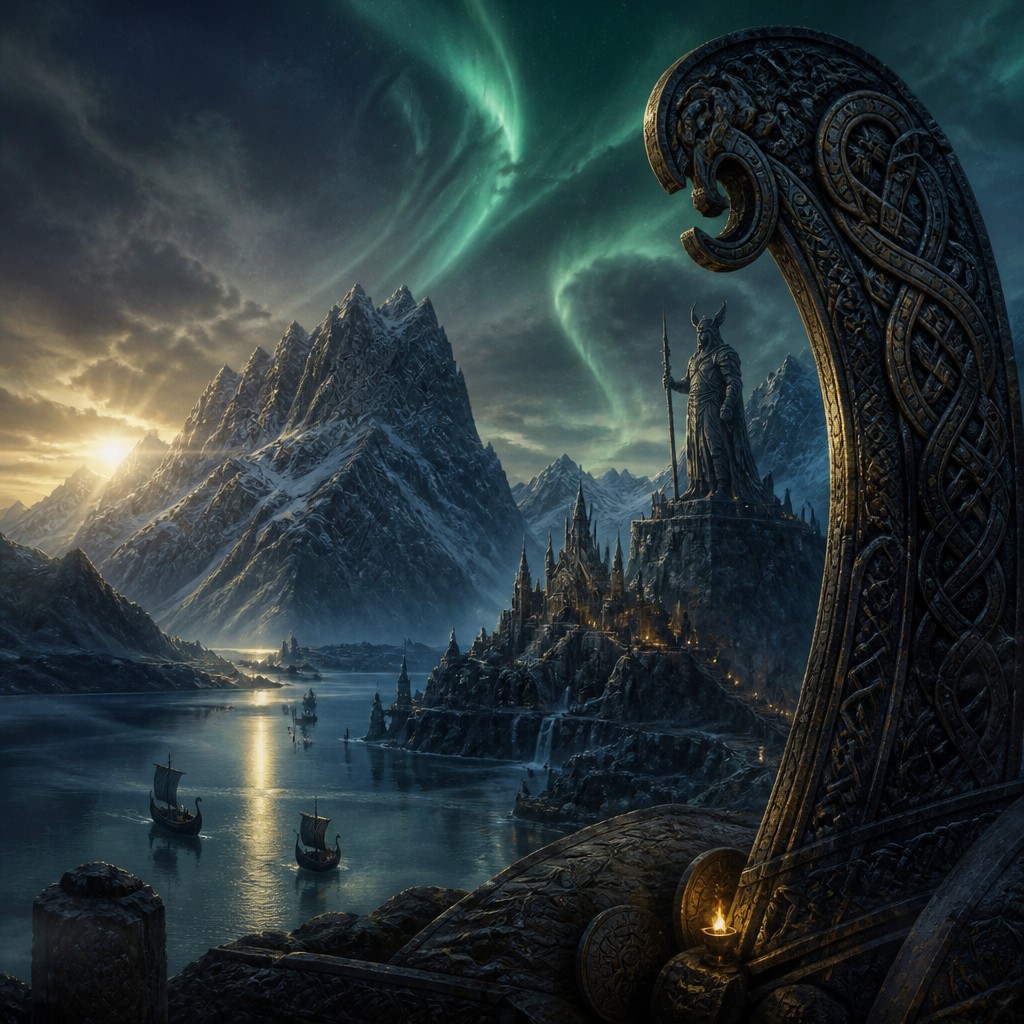
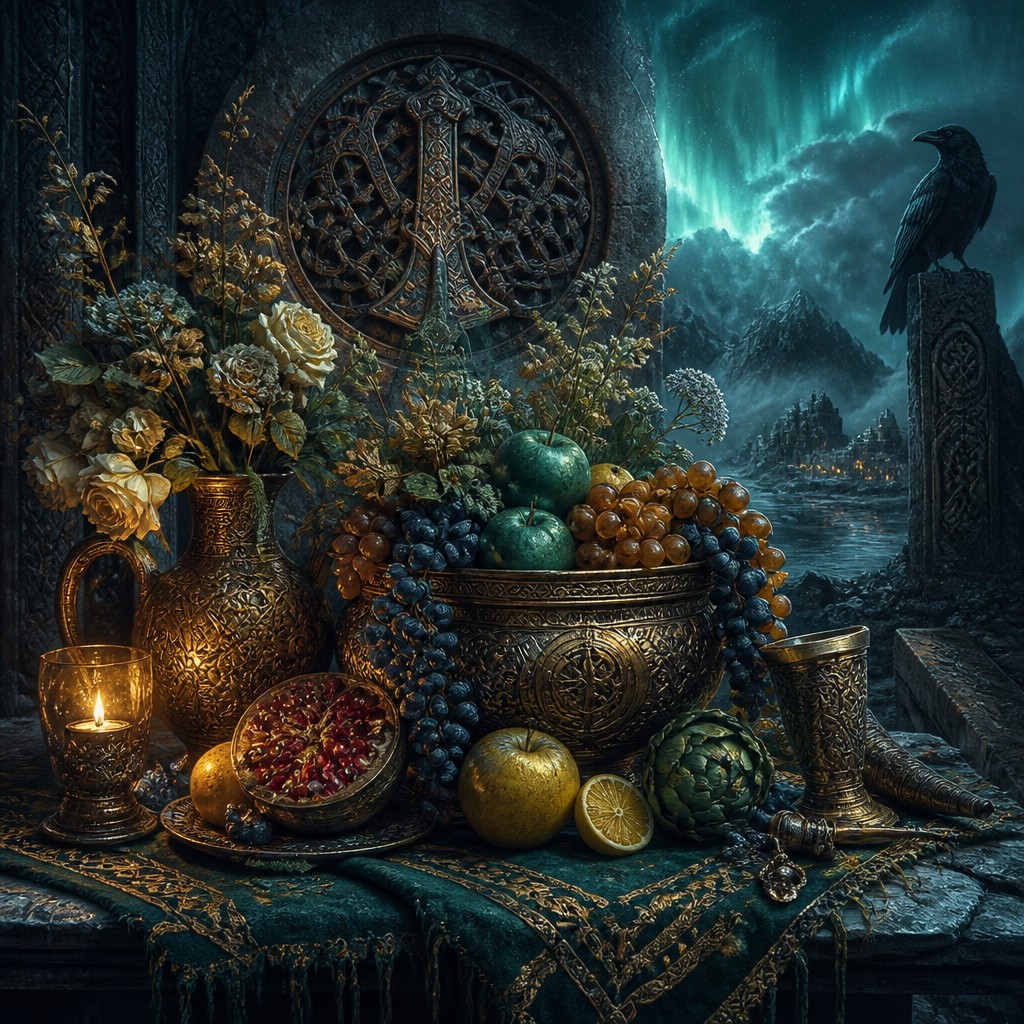
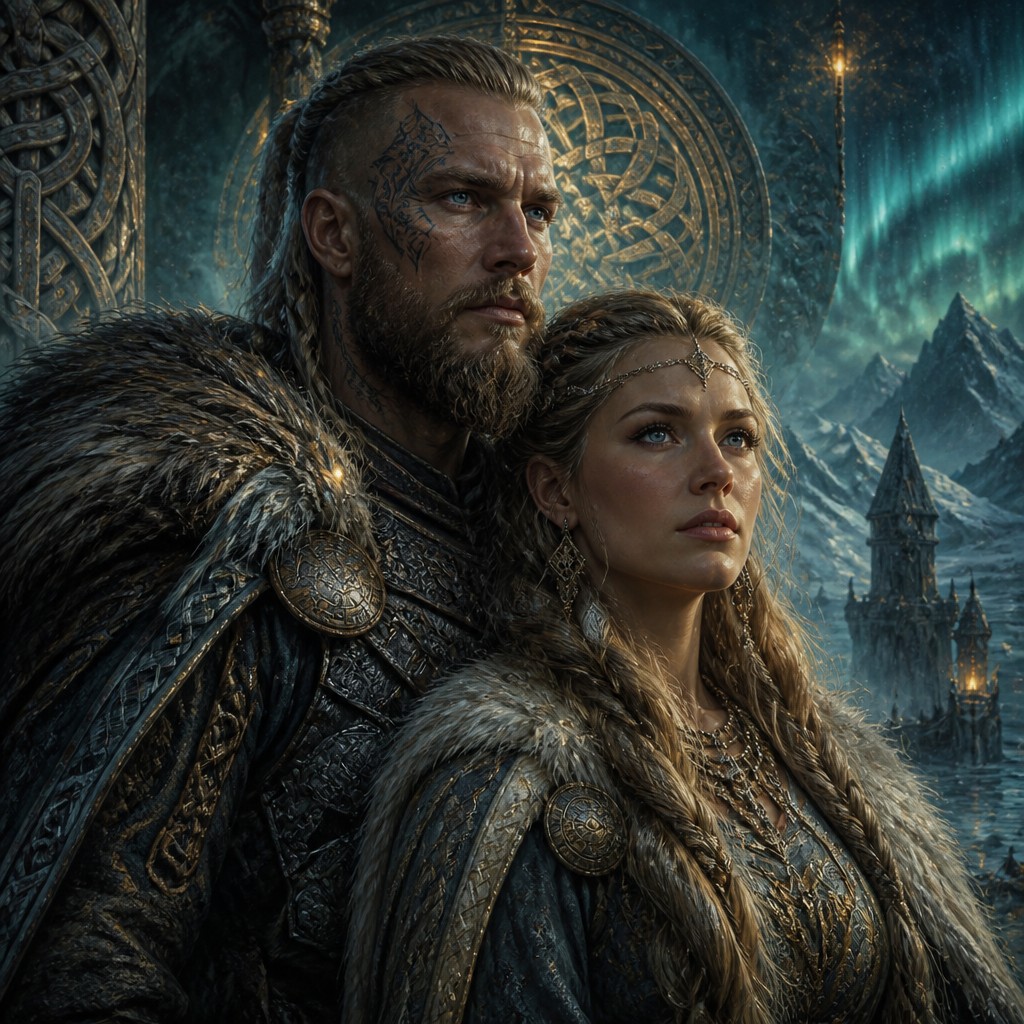
Norse Fantasy Art is a modern fantasy style built from Viking-age visual culture, Norse mythology, and the broader language of heroic fantasy illustration. It typically depicts gods, valkyries, giants, rune magic, longships, snowy fjords, horned or helmeted warriors, and monumental halls set beneath stormy skies or aurora-lit horizons.
Its visual identity comes from the collision of myth and material culture: carved wood, weathered iron, knotwork, stone, fur, bone, and runes are rendered with painterly depth and dramatic atmosphere. The result is a world that feels ancient, cold, and sacred, with a strong emphasis on twilight lighting, vast landscapes, and an elevated, ritualized sense of scale.
Try It On Your Photos
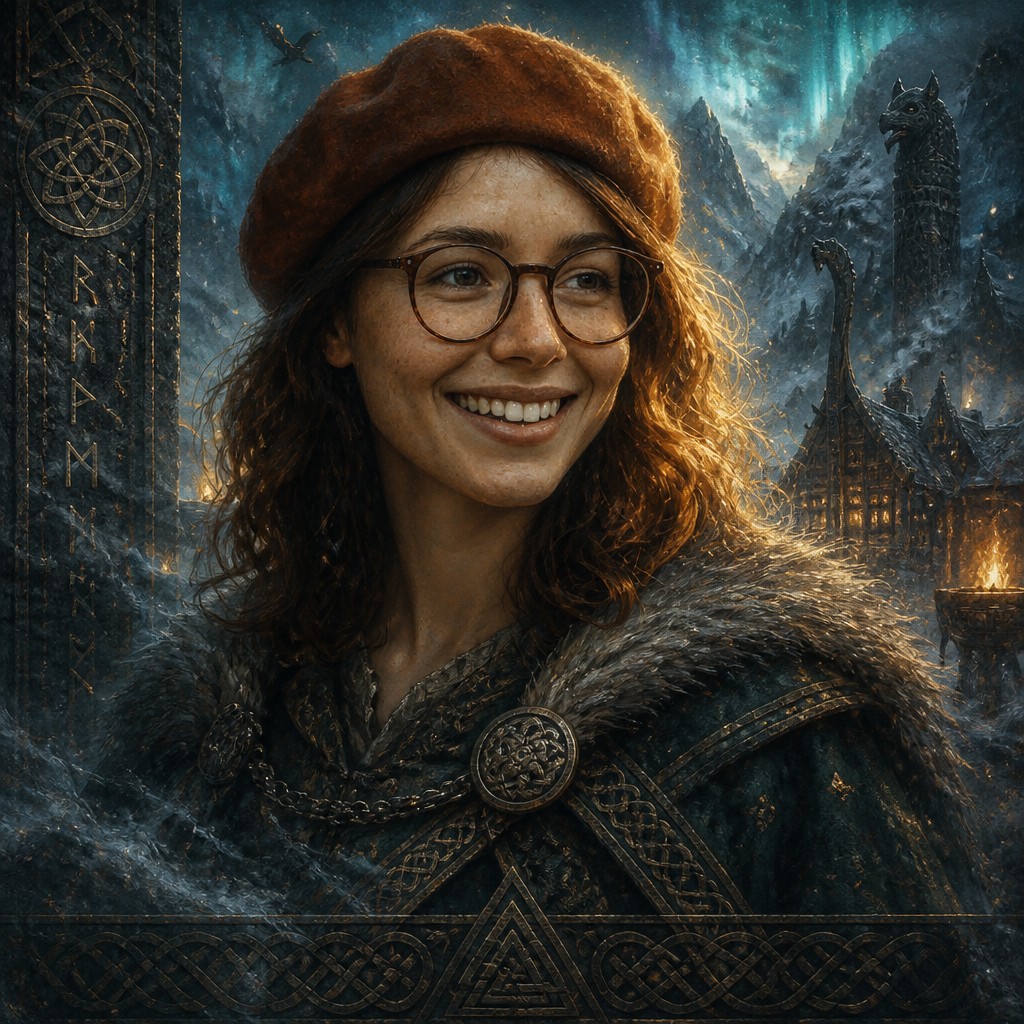
Upload any photo and convert it into Norse Fantasy Art — drag the sliders to compare before and after.


What Defines Norse Fantasy Art
The signature details, up close
Mythic nordic subject matter
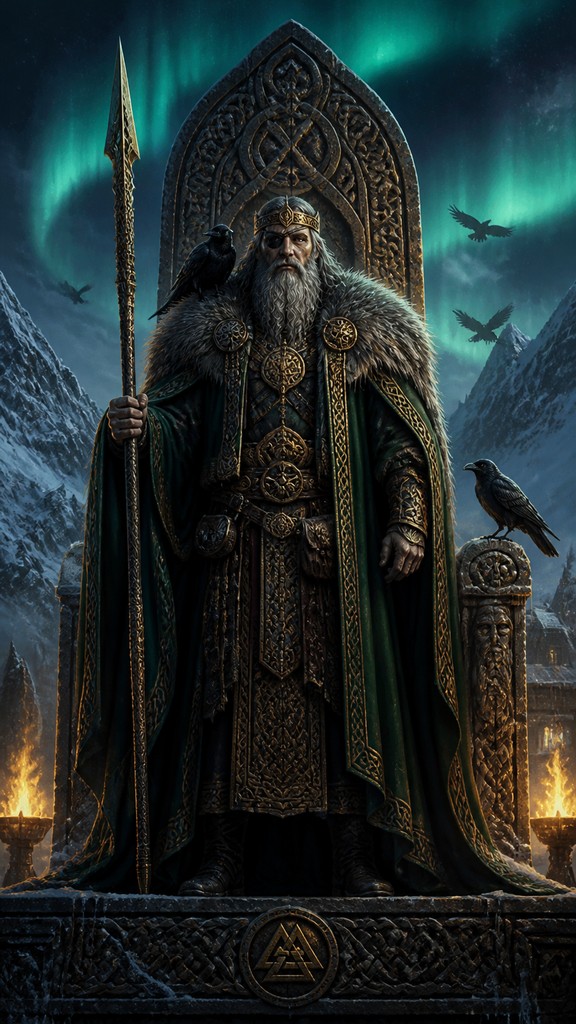
Common subjects include Odin, Thor, Freyja, Loki, valkyries, frost giants, wolves, ravens, longships, and the world tree. Scenes often reference the nine realms, prophecy, battle, death, and divine travel between worlds.
Cold atmospheric palette
Icy blues, storm grays, slate, pine green, and white frost dominate the image, often accented with gold, amber, or blood-red highlights. The color design reinforces the feeling of winter, distance, and sacred fire.
Runes and knotwork ornament
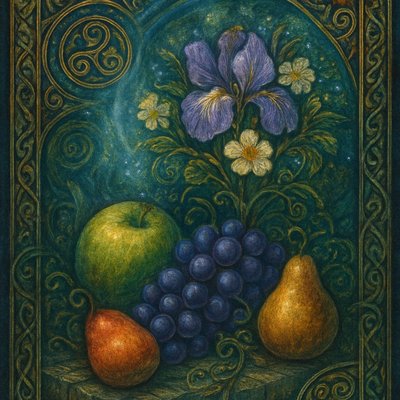
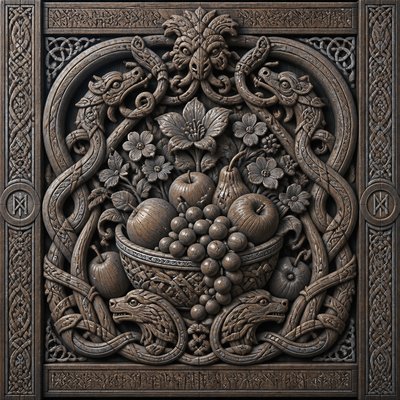
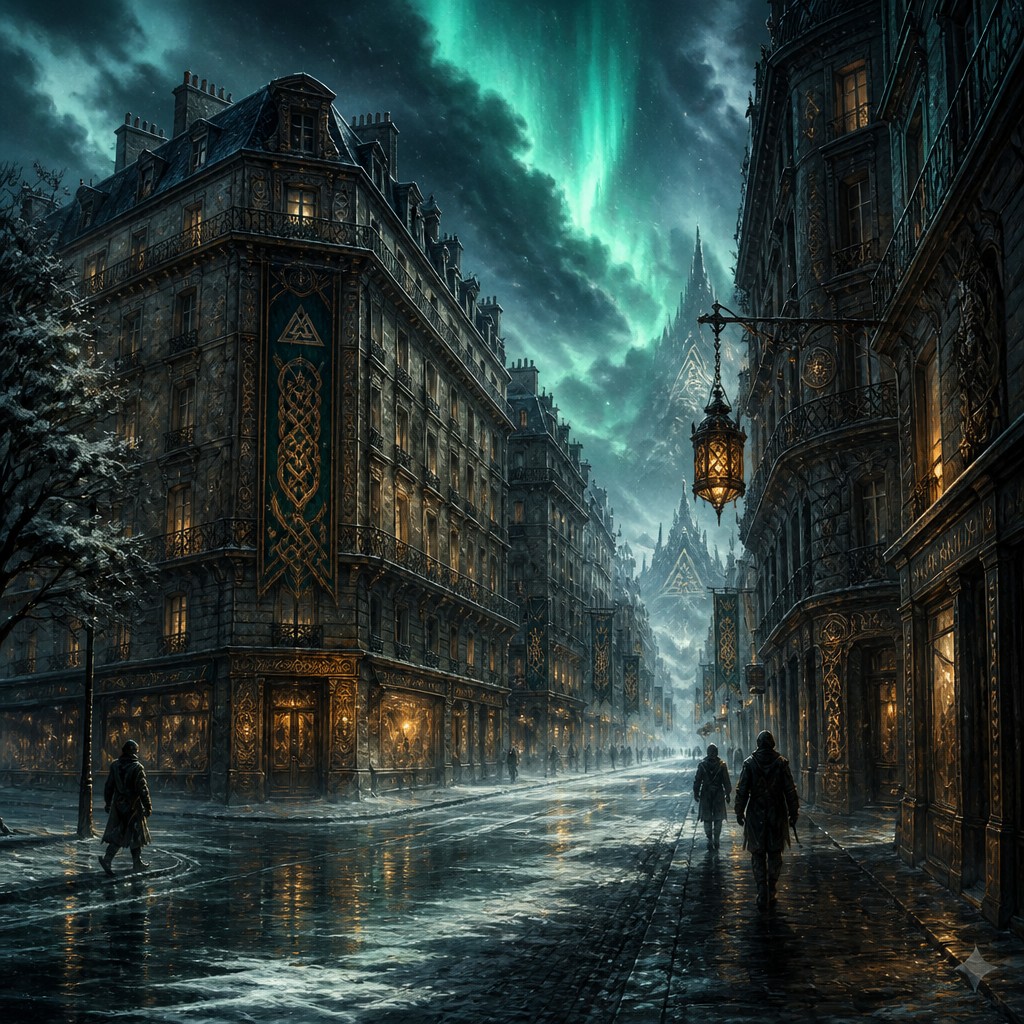
Runic inscriptions, interlaced bands, and carved geometric patterns appear as decoration, magic sigils, or framing devices. These motifs help anchor the fantasy image in a recognizably Nordic visual vocabulary.
Weathered material realism
Surfaces are usually painted to look aged and tactile: rough stone, oxidized iron, worn leather, fur, carved wood, and frost-encrusted metal. This physical detail makes the world feel ancient and inhabited.
Dramatic aurora lighting
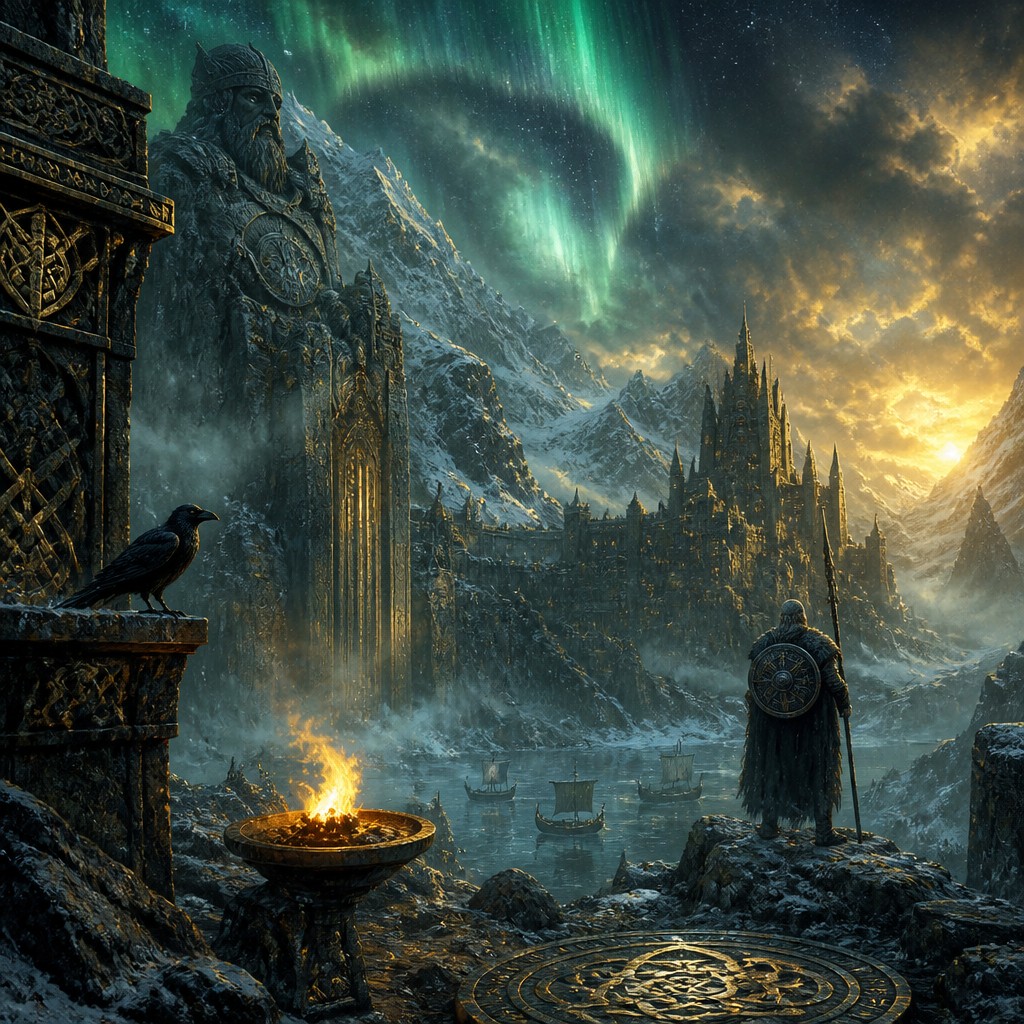
Lighting often uses chiaroscuro, moonlight, firelight, or aurora-like glow to create contrast and ritual mood. Figures are frequently silhouetted against mist, snow, or a stormy sky for heightened mythic drama.
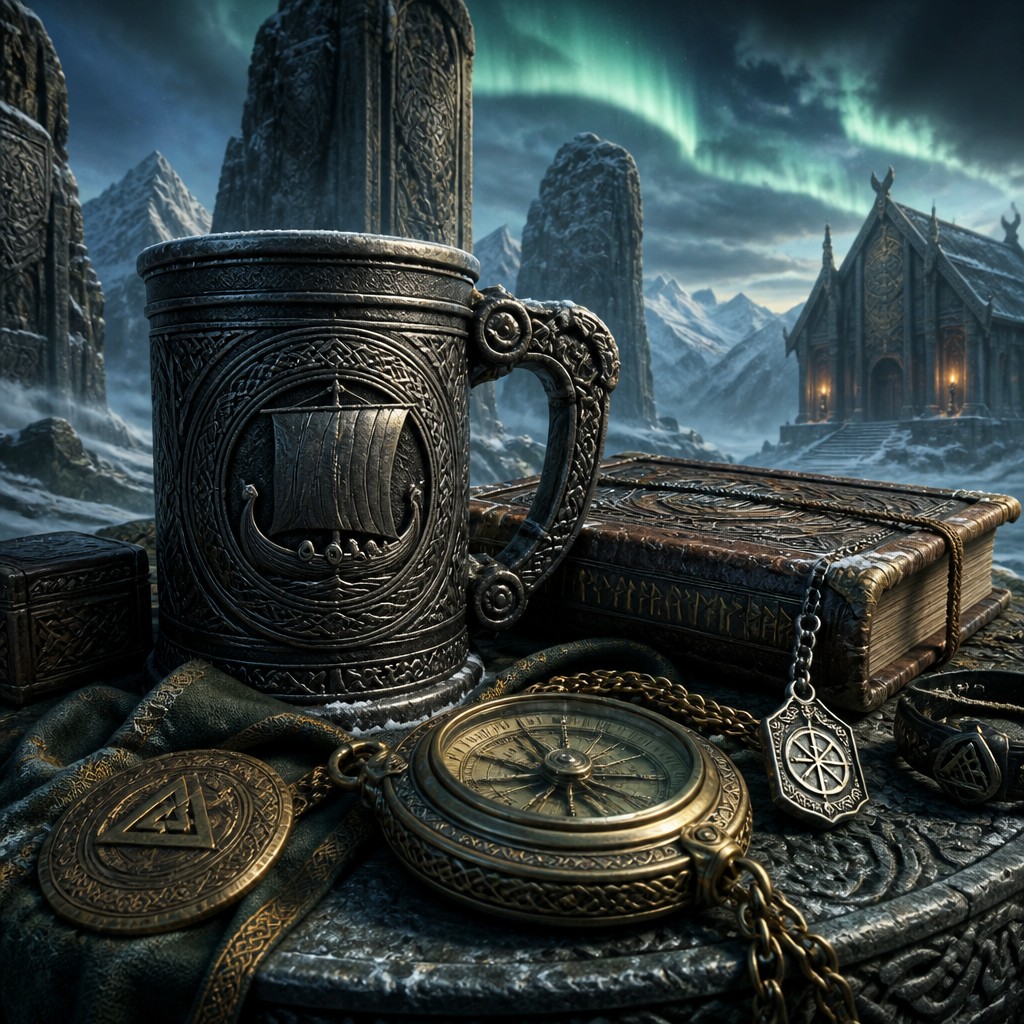
Monumental composition
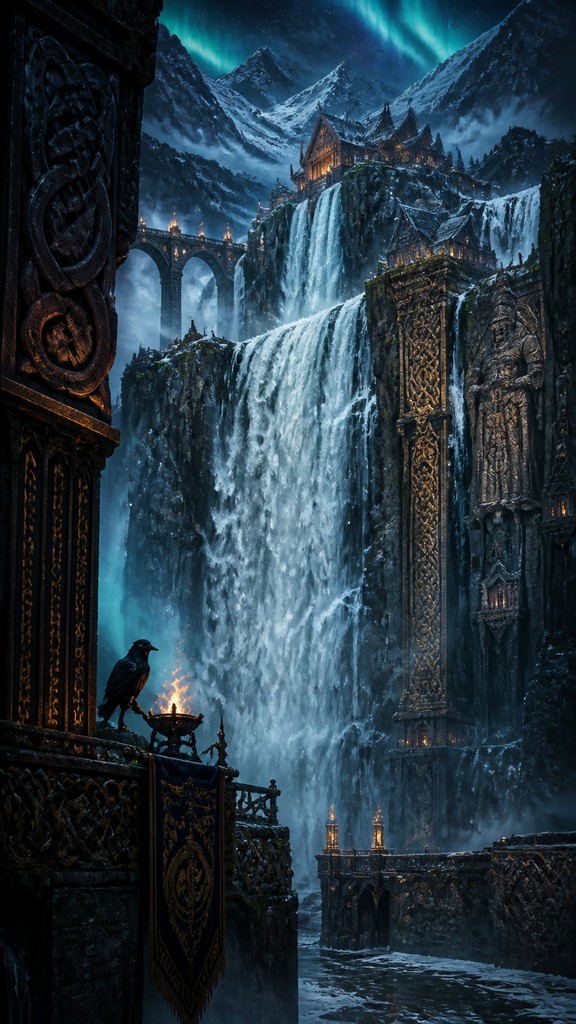
Characters and structures are depicted at grand scale, with mountains, halls, ships, and gods overwhelming the frame. The composition favors epic distance, verticality, and a sense of cosmic significance.
Try It
Create Videos in Norse Fantasy Art
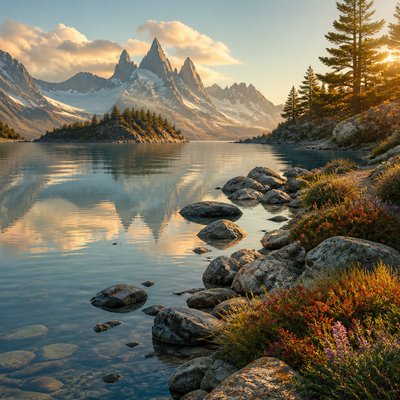
Styles aren't just for stills — describe a scene or animate an image and get a short video rendered in Norse Fantasy. Press play to see this pond come to life.
Make a VideoNorse Fantasy Prompt Ideas
Start from an idea — each one opens the generator with the style ready to go. See all 40 Norse Fantasy prompts →
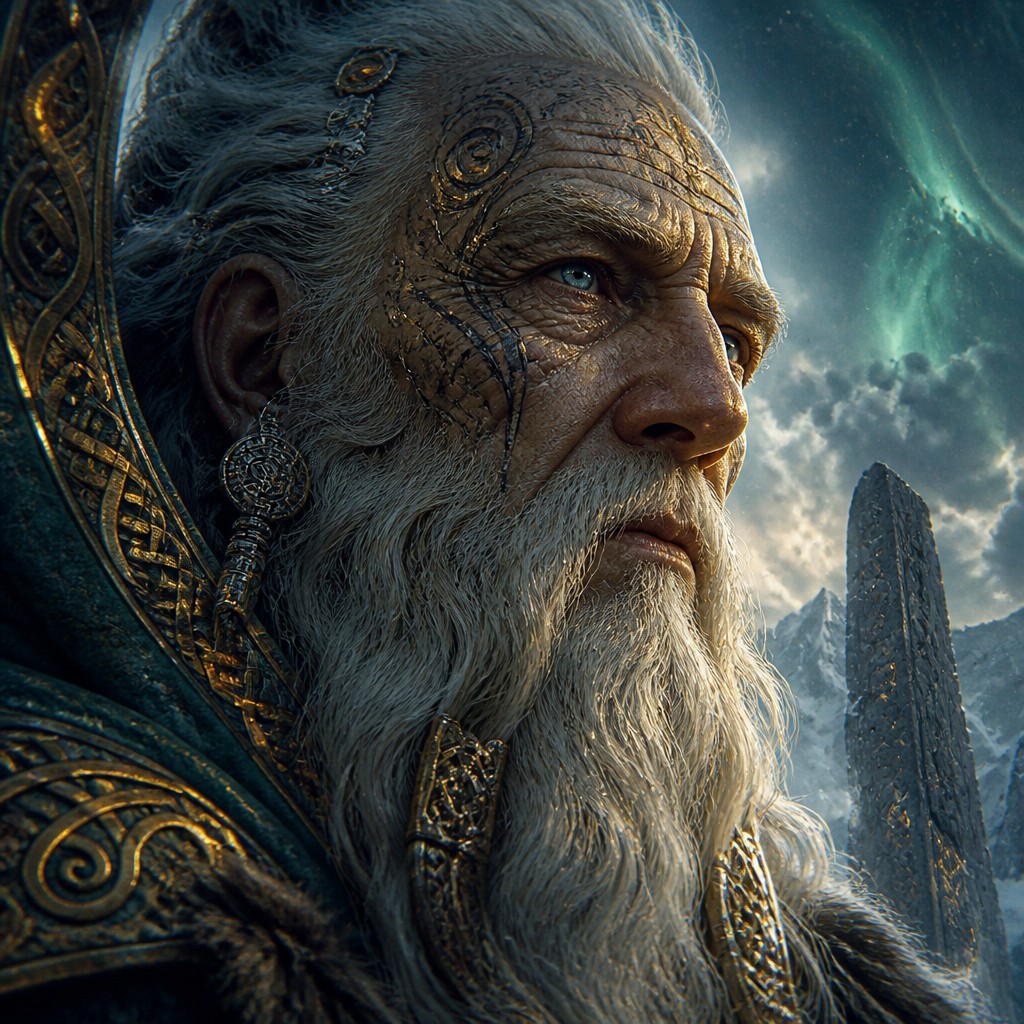
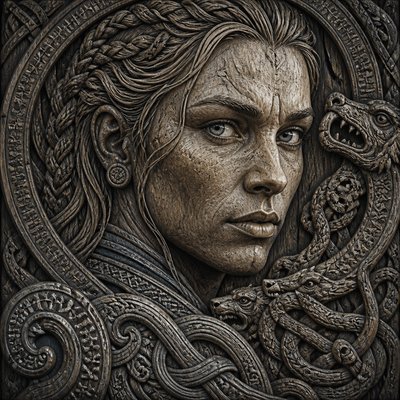
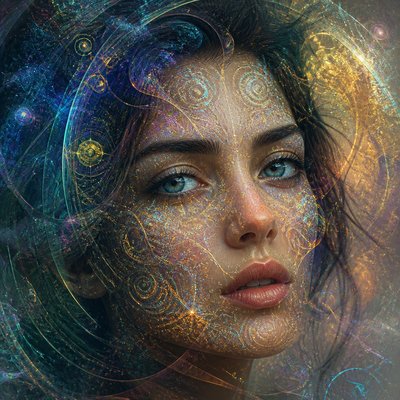
“close-up portrait of an elderly person with expressive weathered features”
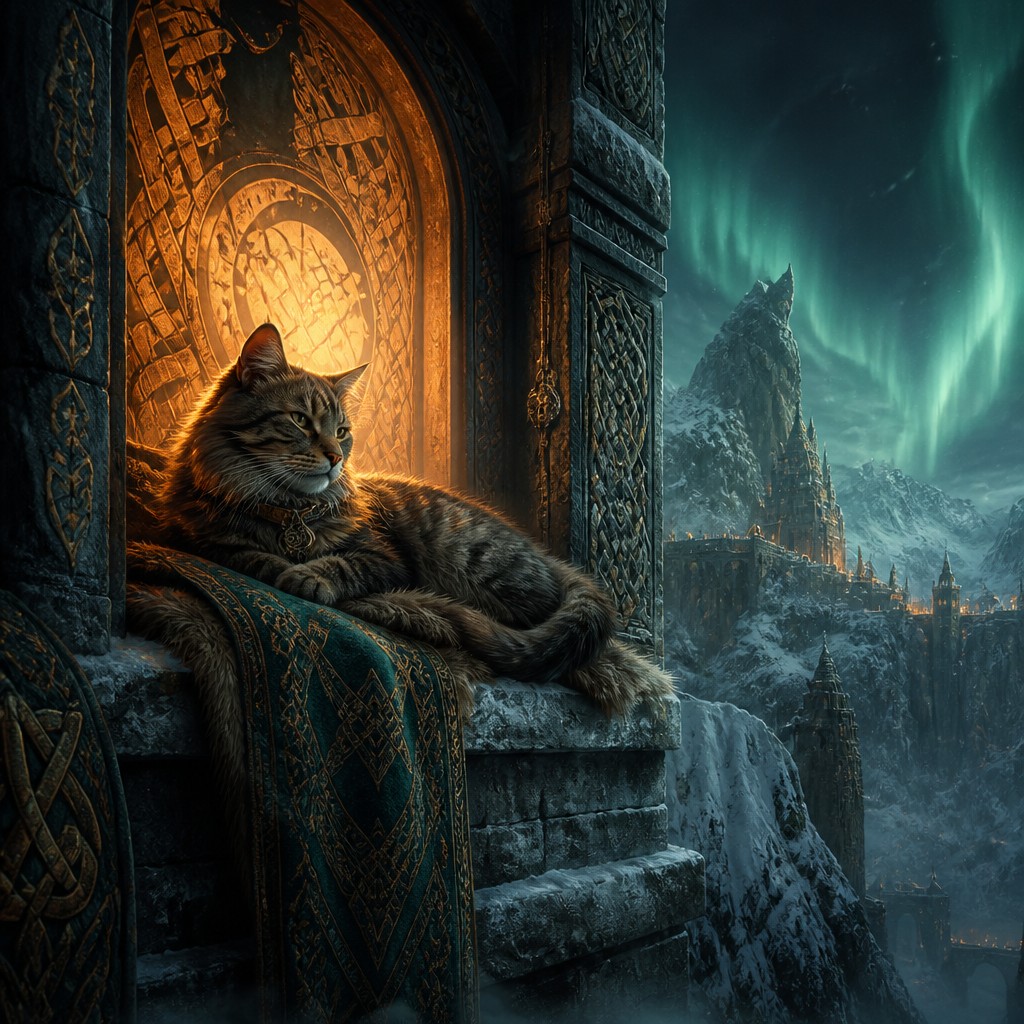
“a cat lounging in a sunlit window”
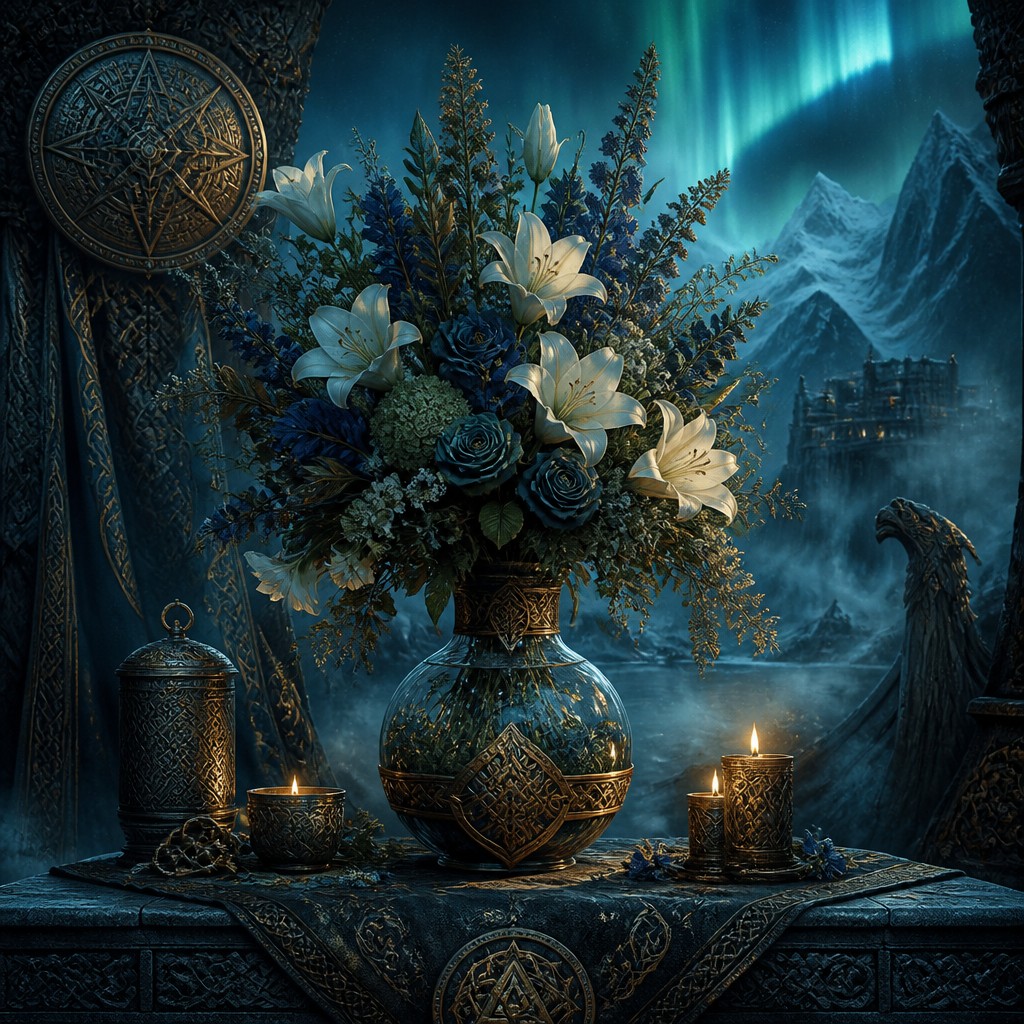
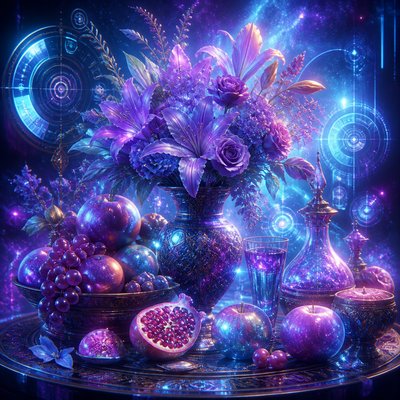
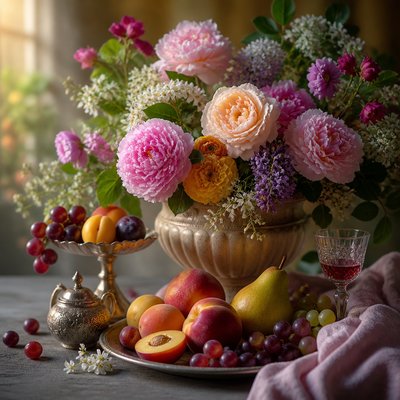
“bouquet of flowers in a glass vase”
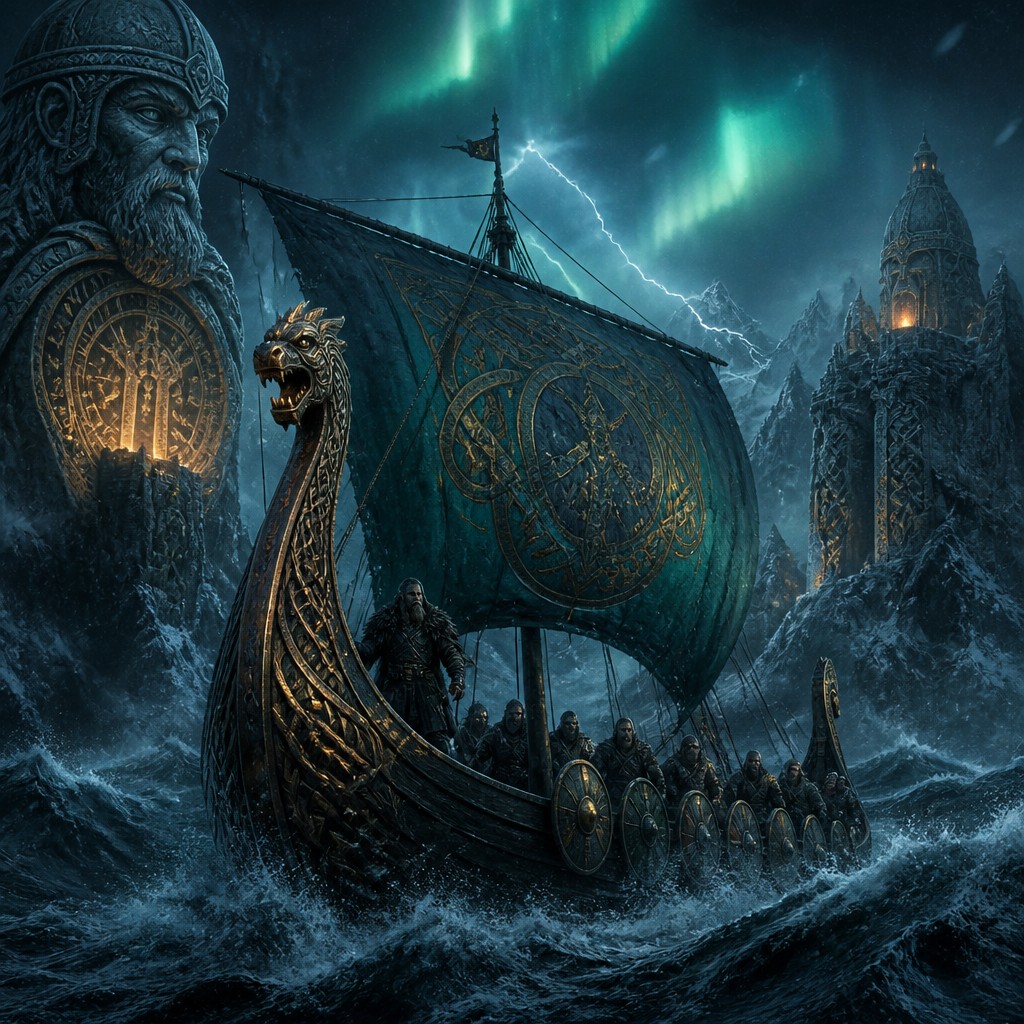
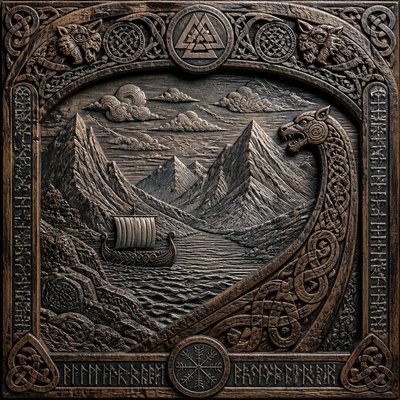
“sailing ship on a stormy sea”
How to Create Norse Fantasy Art
Master the craft step by step — or skip straight to creating. Read the full guide →
- 1
Build the image from mythic materials
Start with recognizable Norse elements such as runes, longships, fur, iron, stone, and knotwork, then combine them with a fantastical subject. Whether drawing by hand or digitally, texture and ornament are key to making the scene feel rooted in the North.
- 2
Use cold light and strong value contrast
Design the scene around moonlit snow, aurora glow, firelight, or storm backlight so the forms read clearly against dark, misty environments. A limited palette with one warm accent color often gives the strongest atmospheric result.
- 3
Paint surfaces as if they have age and weight
Add scratches, corrosion, frost, smoke staining, and worn edges to costumes, weapons, and architecture. In digital work, layered texture brushes and controlled edge variation help create the weathered, tactile finish associated with the style.
- 4
Compose for scale and legend
Frame figures against cliffs, vast skies, enormous trees, or sacred halls to emphasize epic narrative scale. Low angles, central symmetry, and strong silhouettes can make the scene feel ceremonial and heroic.
- 5
Describe specific mythic imagery in prompts
When generating images, include subject, environment, lighting, and material details: for example, a shieldmaiden under aurora light, a rune-carved stone gate, or a frost giant in a blizzard. Specific visual nouns tend to produce more coherent results than broad mood words alone.
- 6
Balance history with fantasy
For a more grounded look, reference Viking-age clothing, weapons, and architecture without making everything strictly archaeological. For a more fantastical look, add glowing runes, divine beings, impossible scale, and surreal celestial effects.
The Story
History & Origins of Norse Fantasy
Norse Fantasy Art is not a historical art movement in the strict sense, but an aesthetic lineage that draws from several sources: the medieval Norse visual tradition, nineteenth-century Romantic depictions of the North, and twentieth-century fantasy illustration. Its imagery is rooted in surviving Viking-age ornament such as animal interlace, rune stones, carved ships, and metalwork, while its narrative content comes primarily from the Eddas, sagas, and modern retellings of Norse myth.
The style also reflects the influence of cinematic fantasy, role-playing game art, and concept art, where mythic subjects are staged with dramatic lighting, textured surfaces, and large-scale worldbuilding. Contemporary versions often blend historical motifs with high-fantasy conventions, using atmospheric painting, cinematic composition, and symbolic color to create a world that feels both archaic and vividly imagined.
Influences: Norse Fantasy Art draws from medieval Norse ornament and storytelling, especially the Eddas and sagas, as well as later Romantic visions of the North. Its painterly drama also owes much to nineteenth-century fantasy and history painting, including leading Scandinavian fairy-tale and fantasy illustrators and a major British fairy-tale illustrator, and to modern fantasy illustration and concept art. It often overlaps with Celtic-inspired fantasy, barbarian fantasy, and cinematic epic fantasy, while remaining distinct through its preference for runes, knotwork, fjord landscapes, and the mythic vocabulary of the Viking world.
Frequently Asked Questions
What defines Norse Fantasy Art?
It is defined by a fusion of Norse myth, Viking-era visual motifs, and dramatic fantasy painting. Common markers include runes, valkyries, gods, frost giants, knotwork, longships, and cold northern landscapes. The style usually emphasizes mythic scale and atmospheric winter lighting.
How is it different from generic fantasy art?
Generic fantasy can include any invented world, while Norse Fantasy Art has a clear northern visual identity. It uses specific cultural references—such as rune stones, sagas, auroras, and Viking ornament—rather than vague medieval imagery. That makes it feel more grounded in a particular mythological tradition.
Is it historically accurate Viking art?
Not usually. It may borrow authentic Viking-age motifs, but the genre freely mixes history with legend, modern fantasy conventions, and cinematic spectacle. Many images are inspired by how people imagine the Norse world rather than by strict archaeology.
What colors work best in this style?
Cold, muted palettes work especially well: icy blue, slate gray, deep green, black, and white, with restrained accents of gold, amber, or red. These colors help create the winter atmosphere and make magical elements stand out. Strong contrast between warm firelight and cold surroundings is especially effective.
How can I make my own art in this style?
Focus on a mythic subject, a northern environment, and tactile materials like stone, iron, fur, and carved wood. In traditional art, layer texture and value contrast; in digital work, use atmospheric brushes and glowing highlights; in text-to-image prompting, specify the subject, setting, lighting, and Norse details clearly.
Where is this style commonly used?
It is widely used in book covers, game art, film concept art, album art, posters, and tabletop role-playing imagery. It also appears in editorial illustration and fan art for Norse-inspired stories. Its strong symbols and atmospheric mood make it effective for narrative and promotional imagery.
Create your first Norse Fantasy artwork
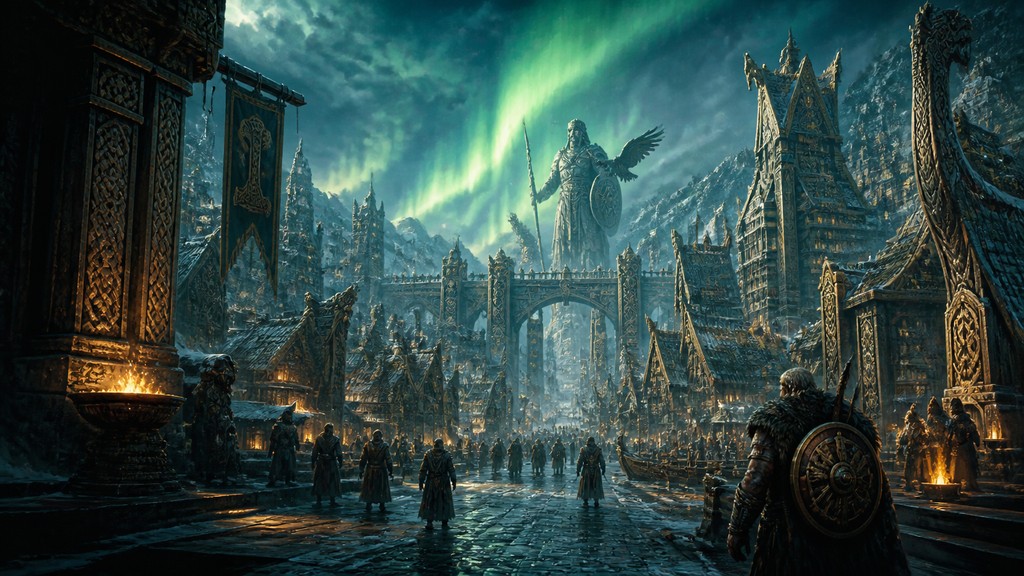
Describe anything — or upload a photo — and see it in Norse Fantasy Art in seconds.
Make Something with Norse Fantasy
Related Styles
Discover similar art styles