Procedural Digital Art Style
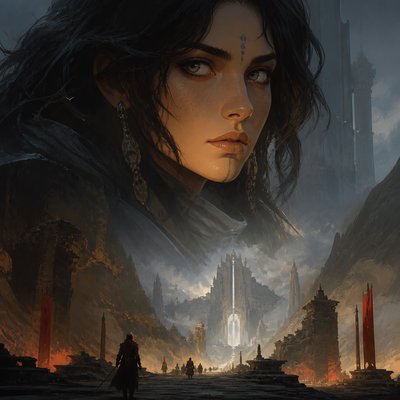
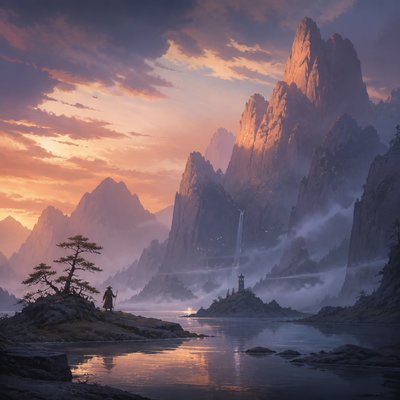
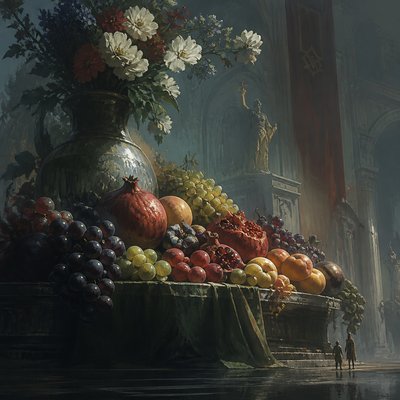
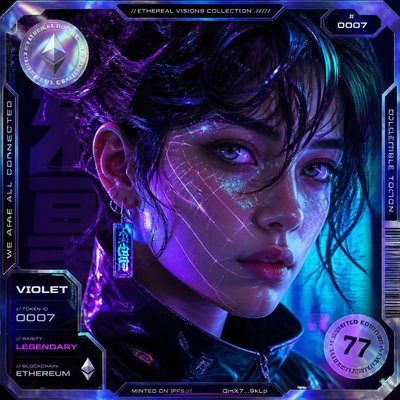
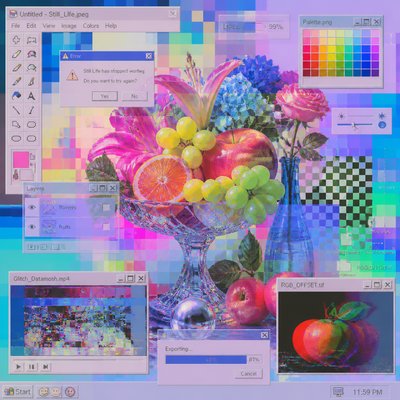
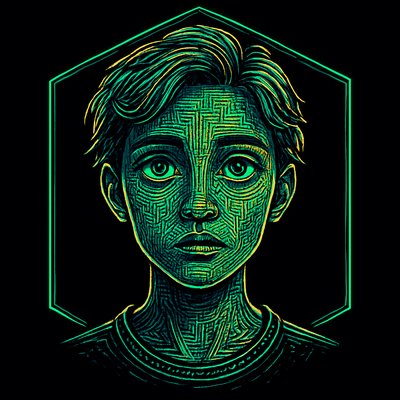
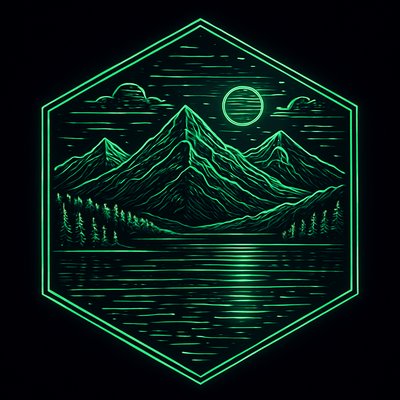
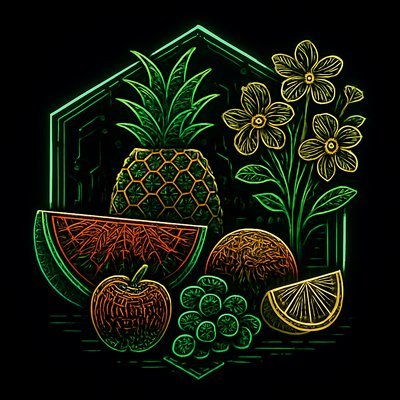
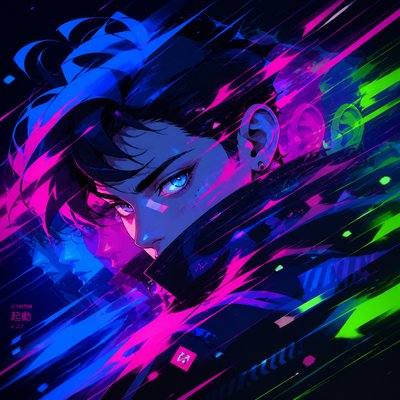
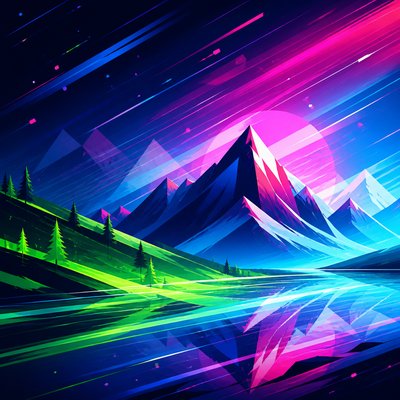
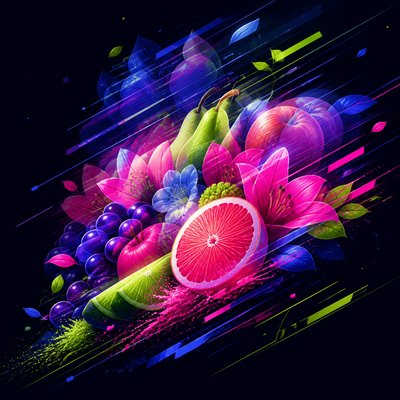
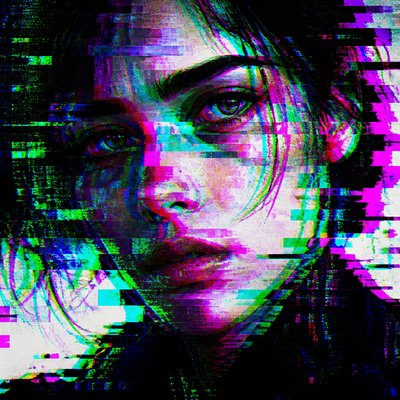
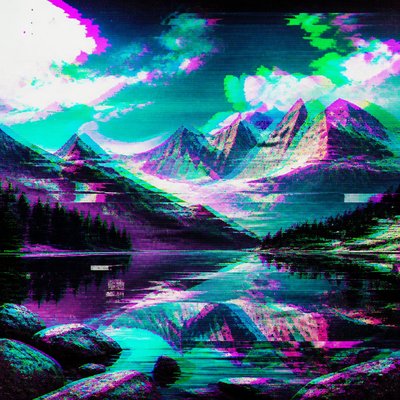
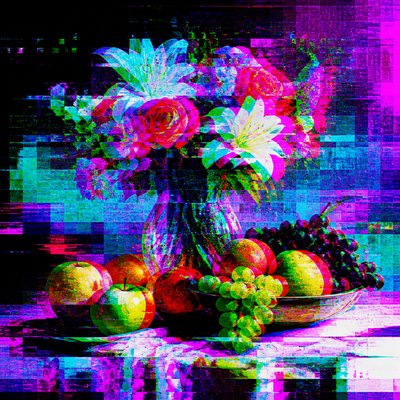
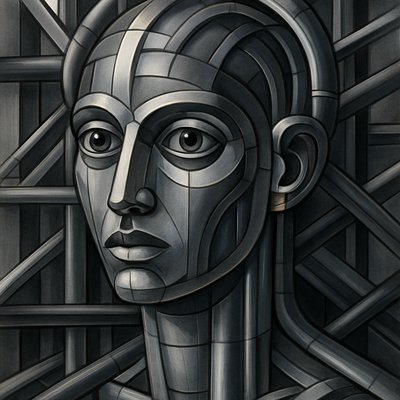
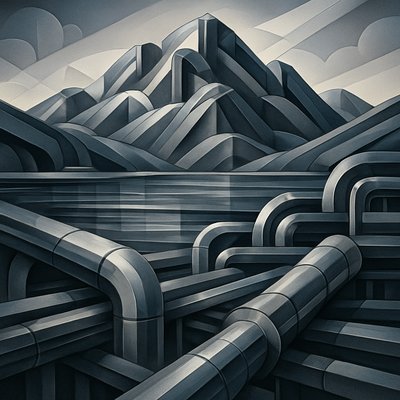
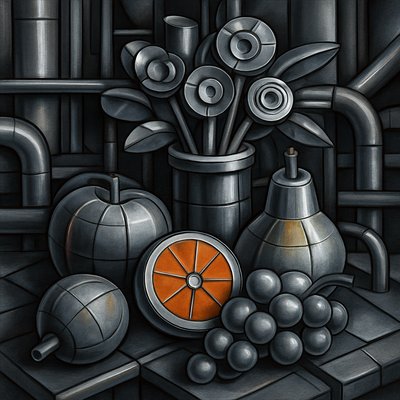
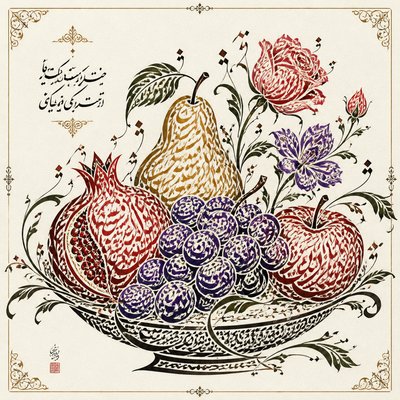
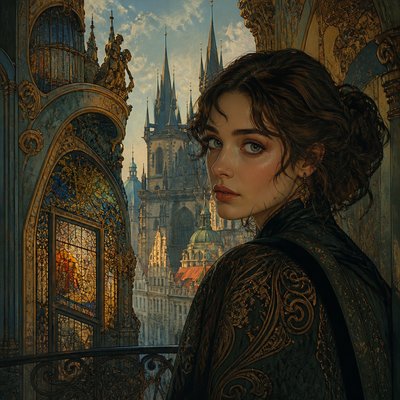
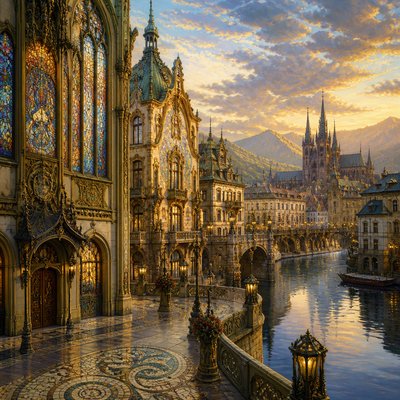
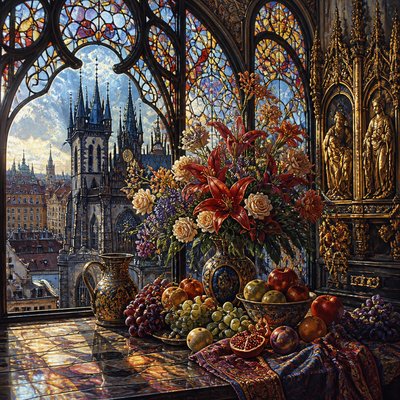
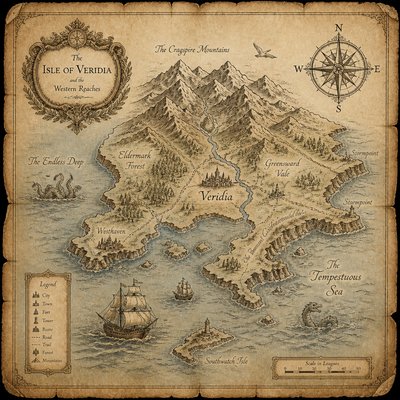
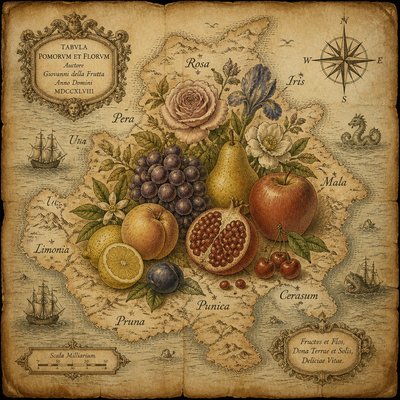
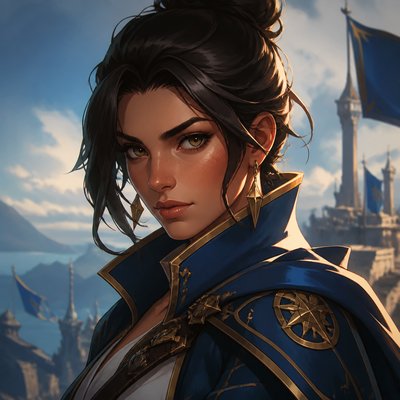
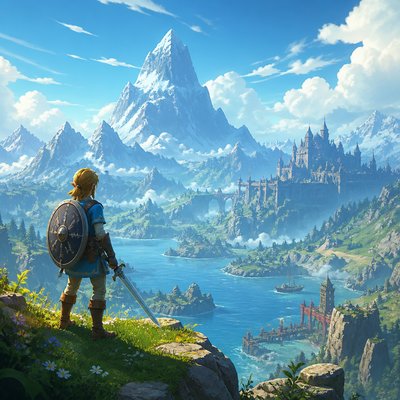
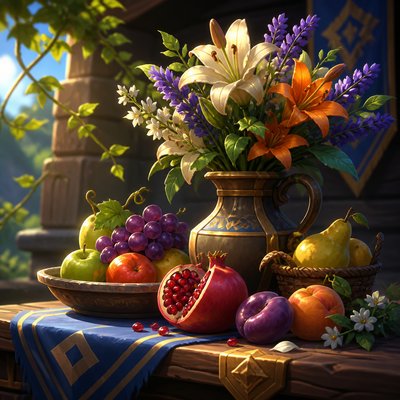
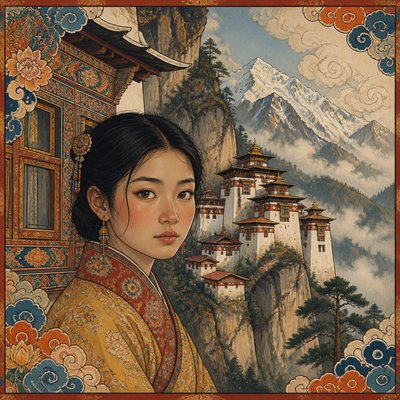
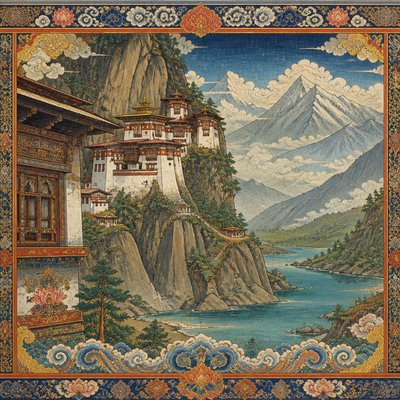
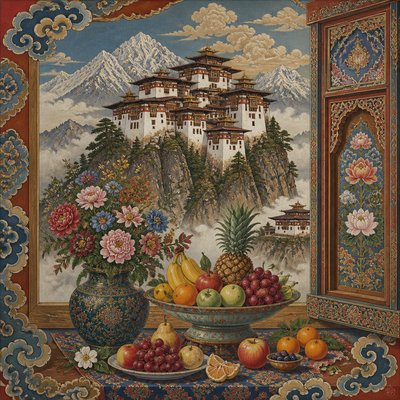
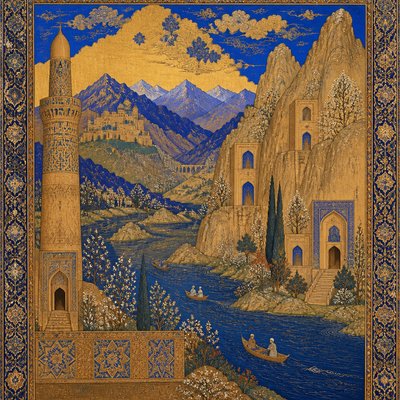
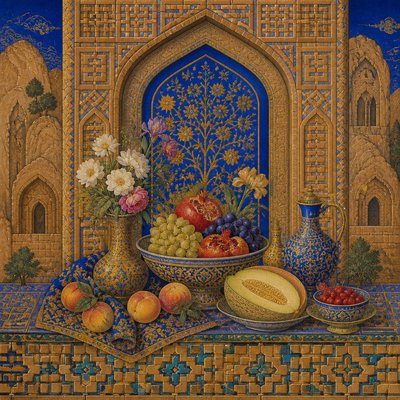
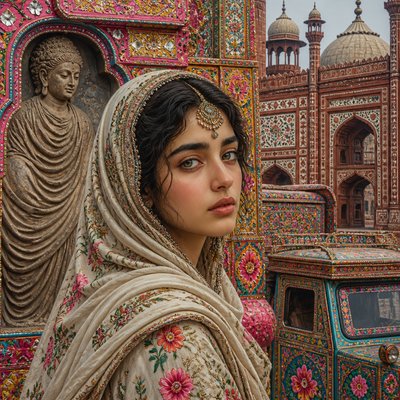
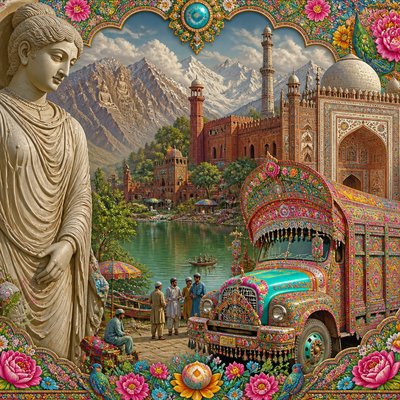
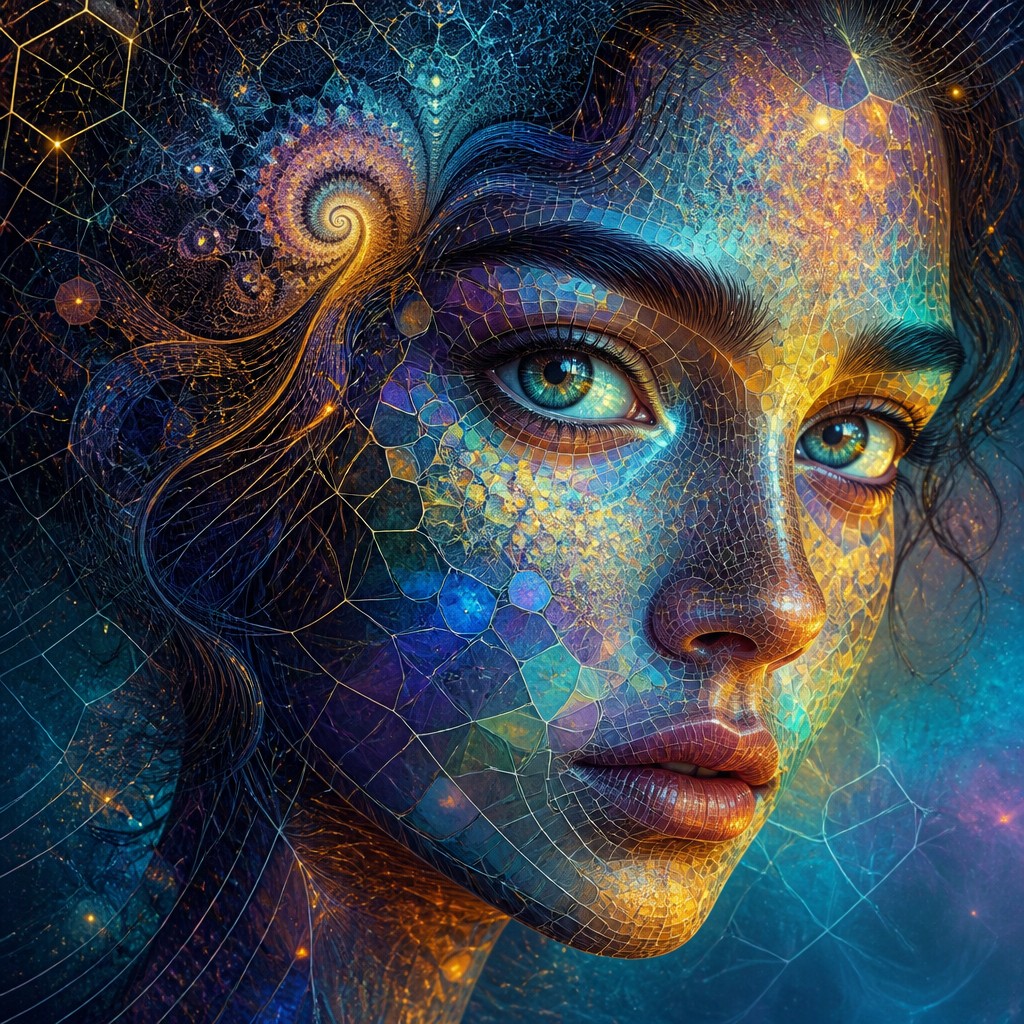
Algorithm-driven digital art built from fractals, grids, noise fields, and procedural geometry with luminous synthetic depth.
Instantly rendered in Procedural Digital — or transform a photo
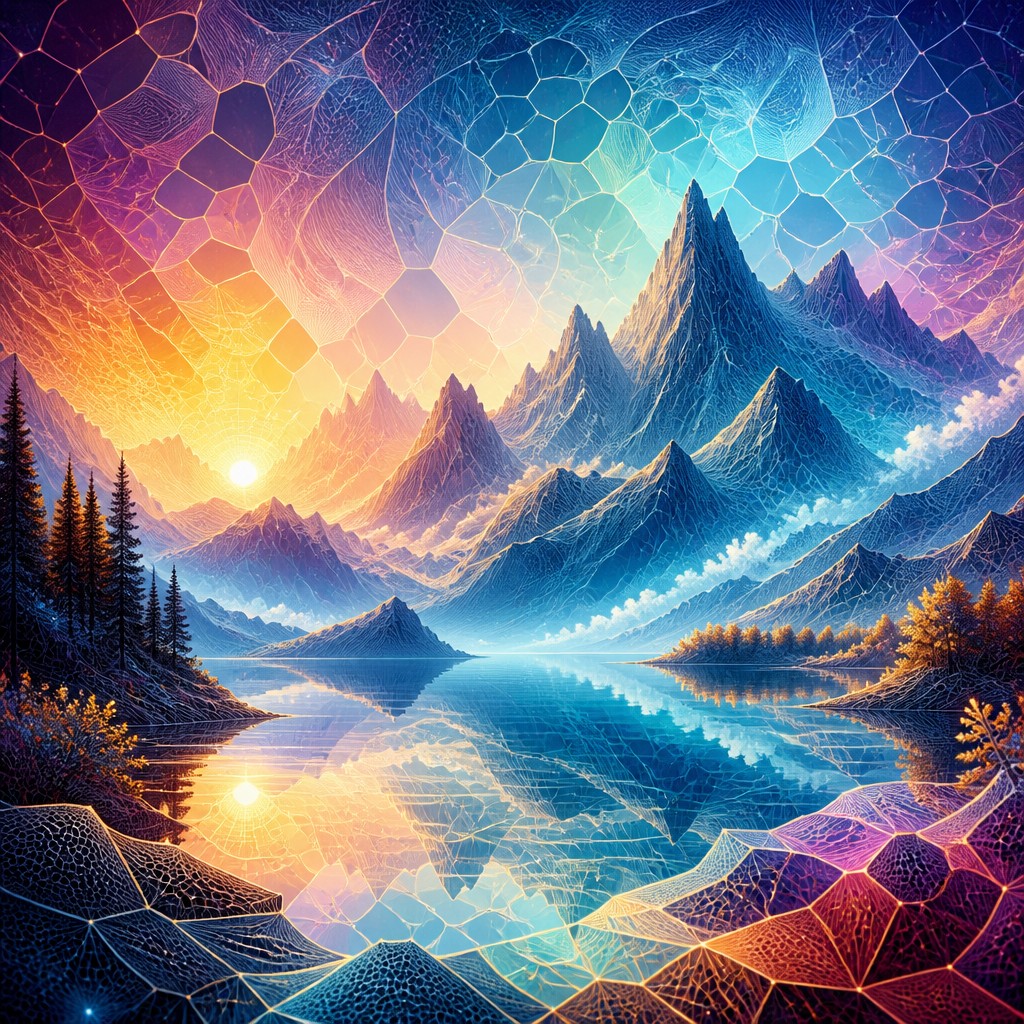
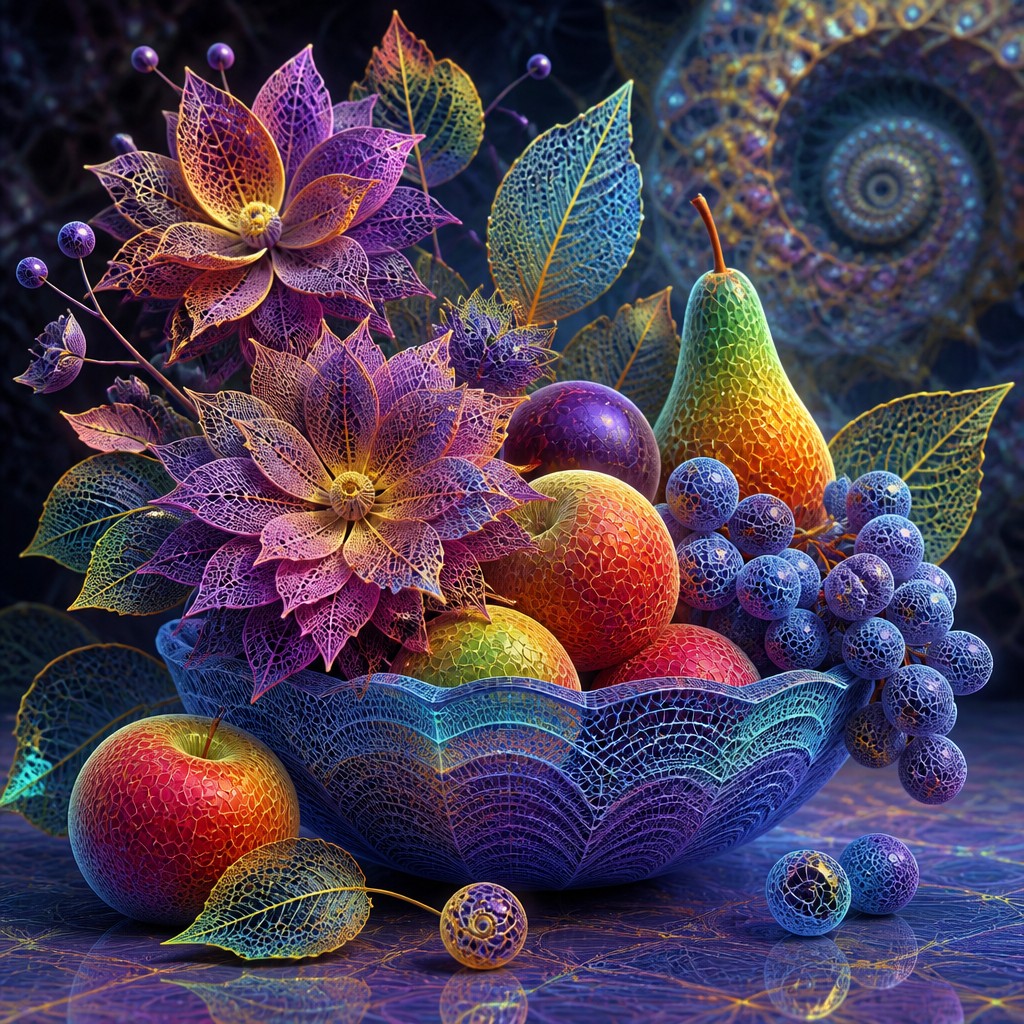
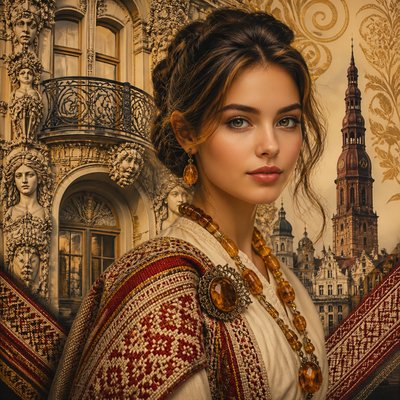
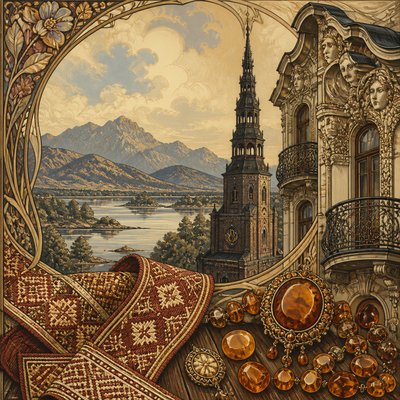
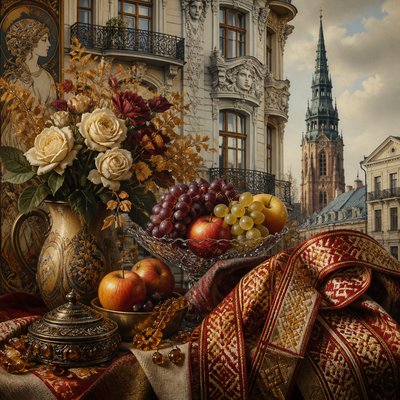
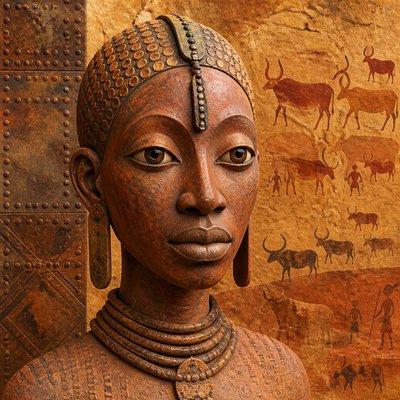
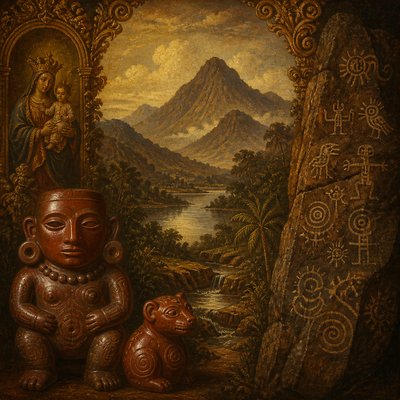
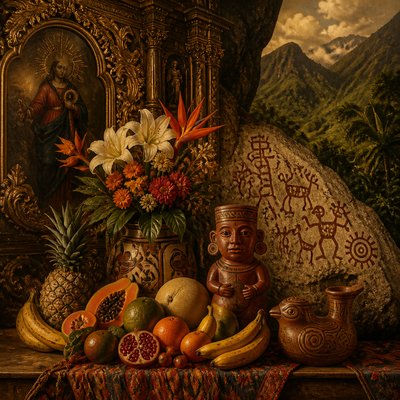
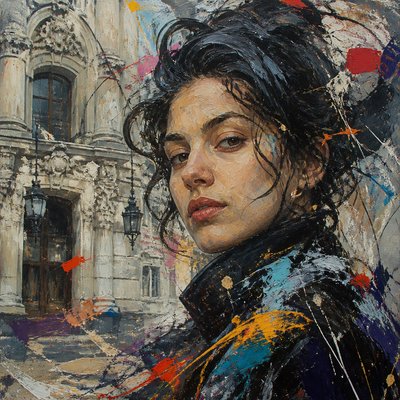
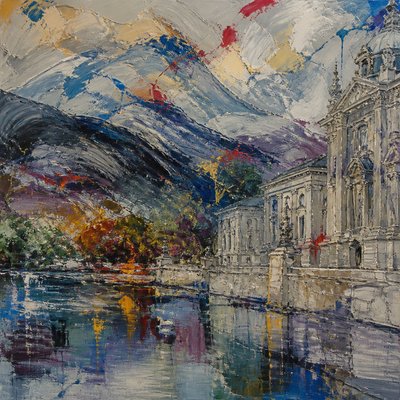
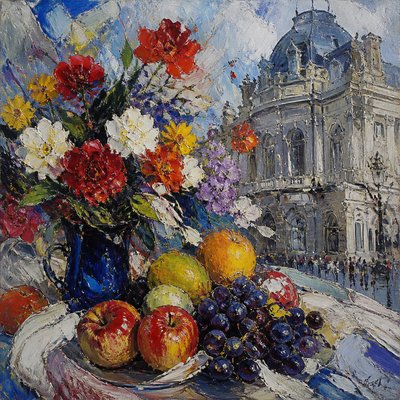
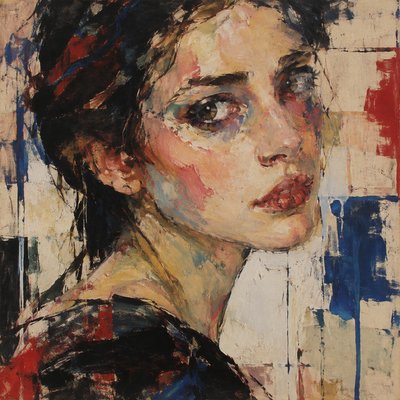
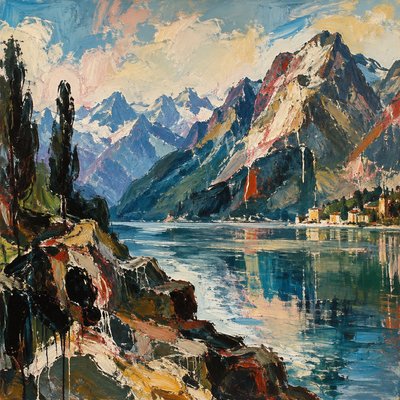
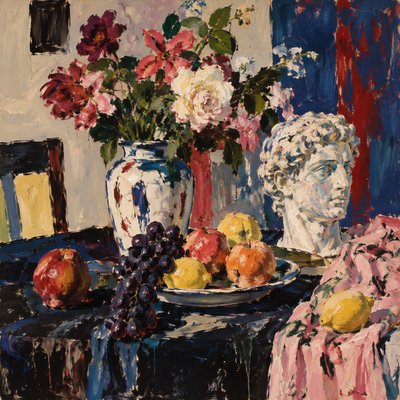
Procedural Digital Gallery
Tap any artwork to explore it
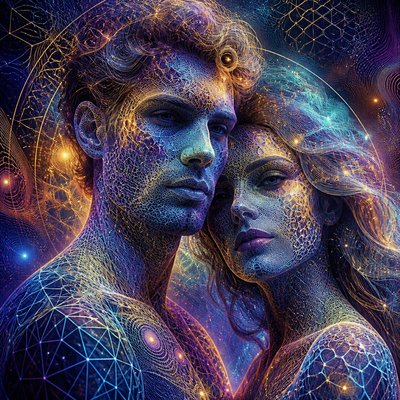
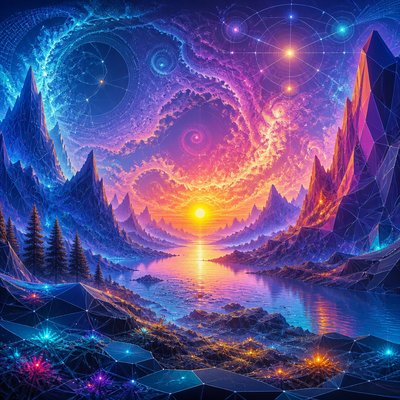
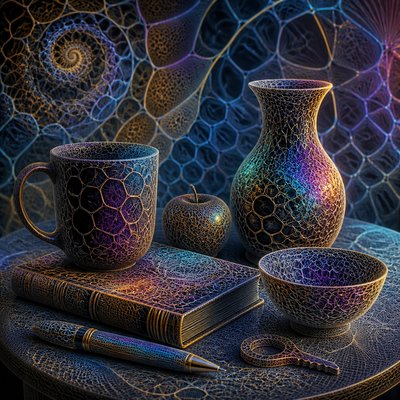
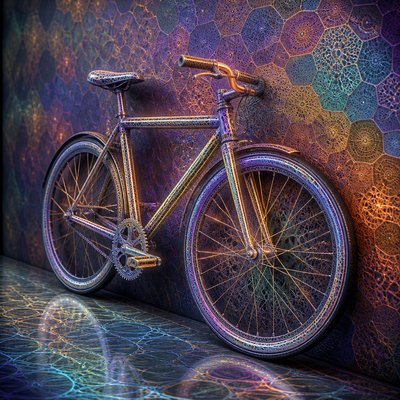
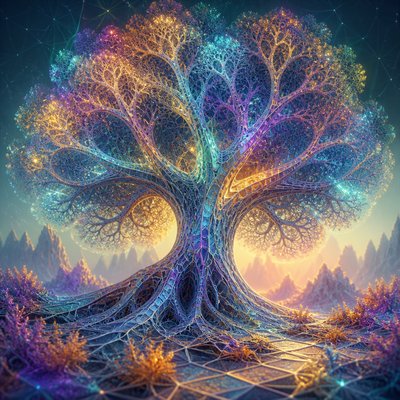
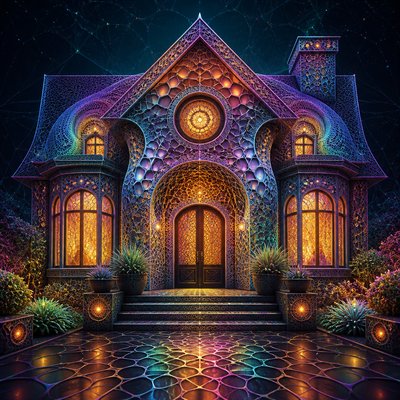
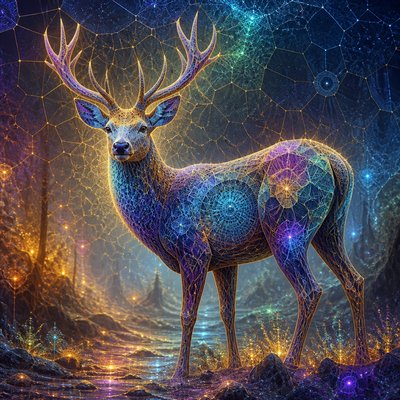
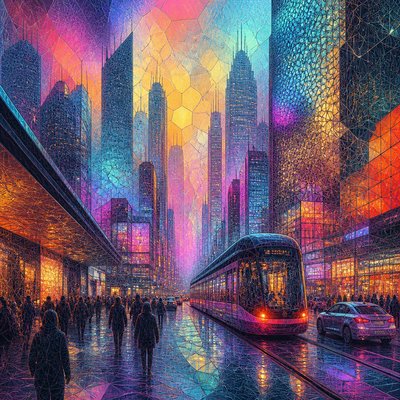
What is Procedural Digital Art Style?
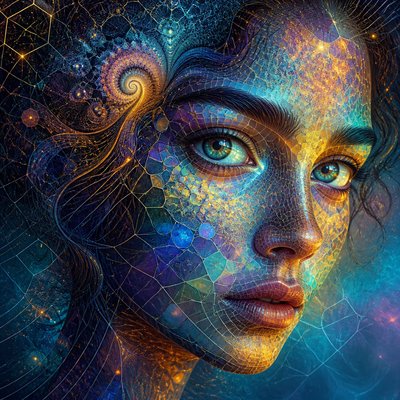
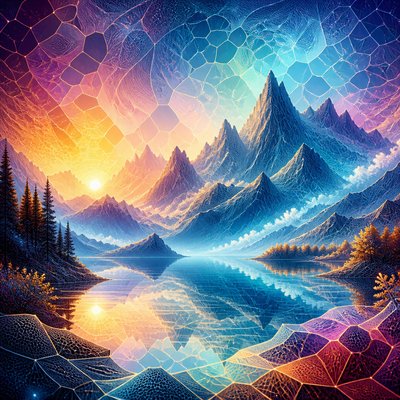
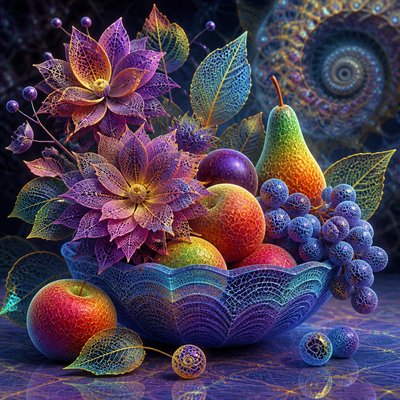
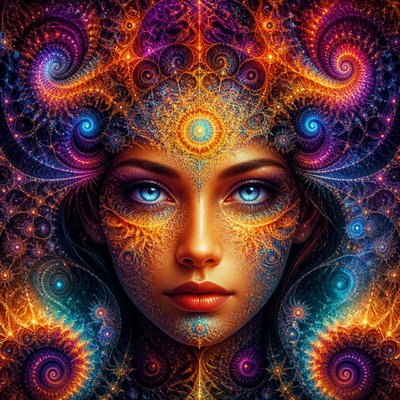
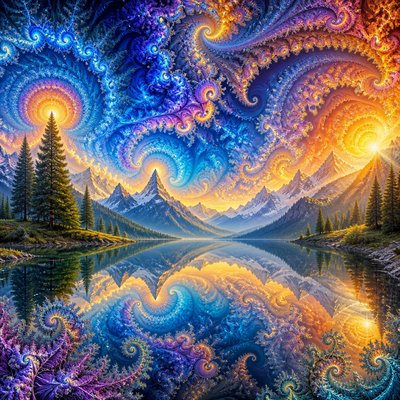
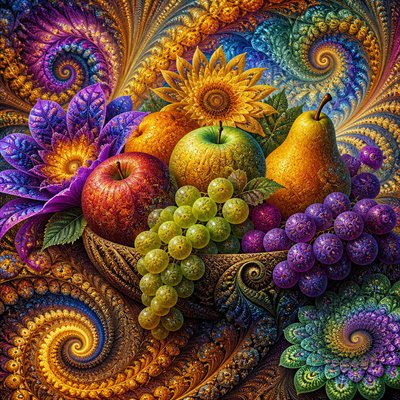
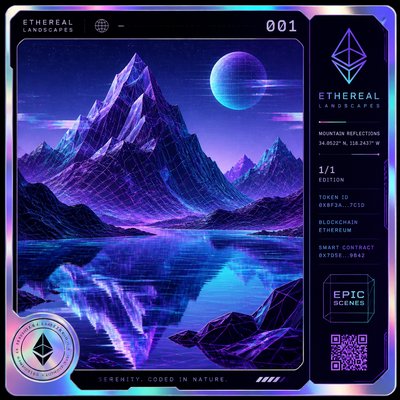
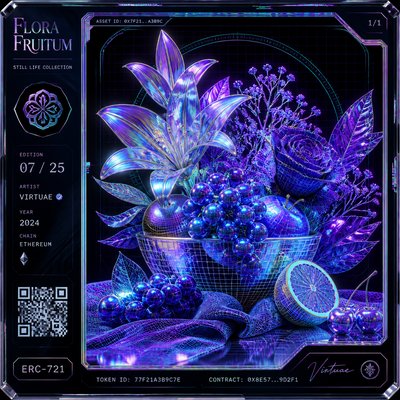
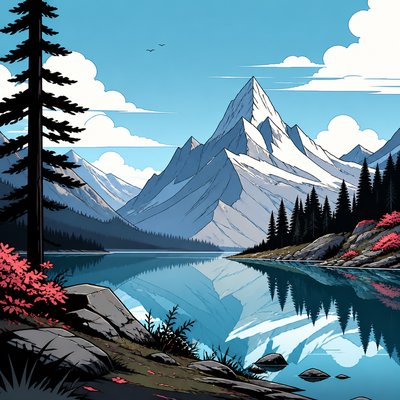
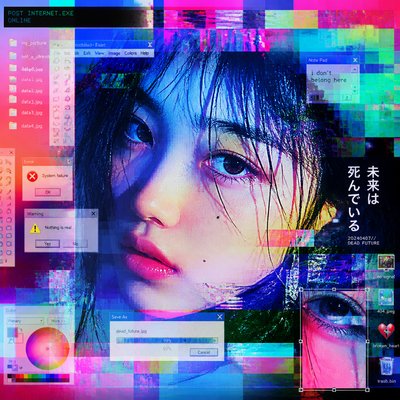
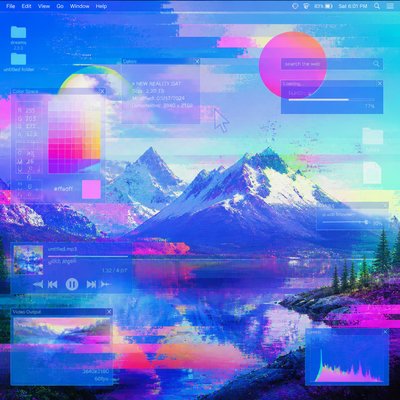
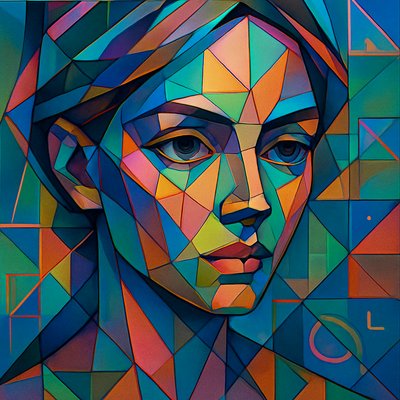
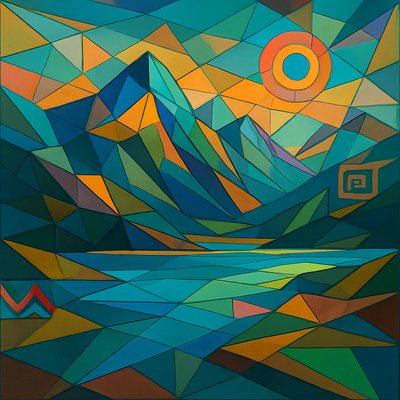
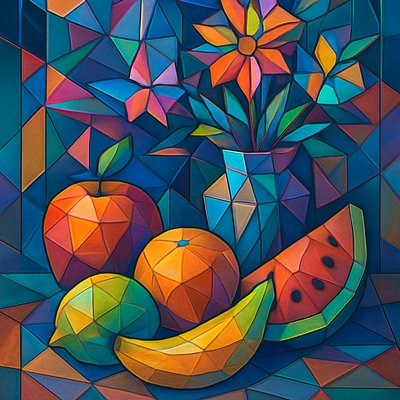
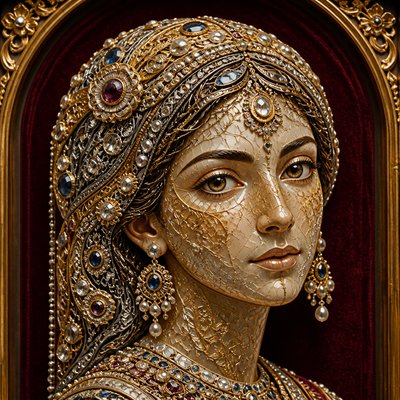
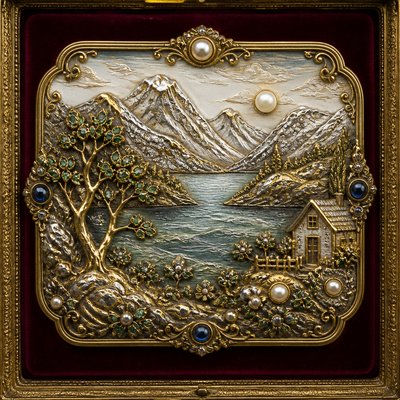
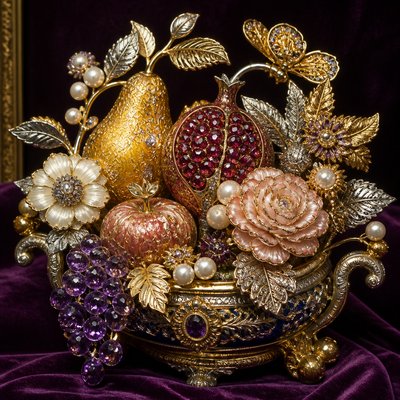
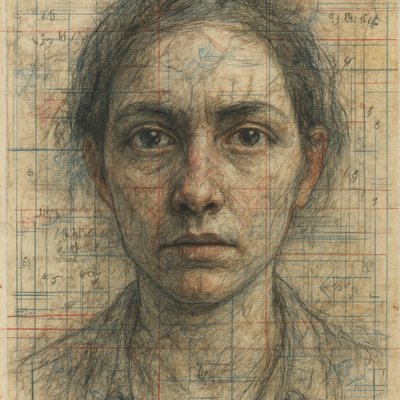
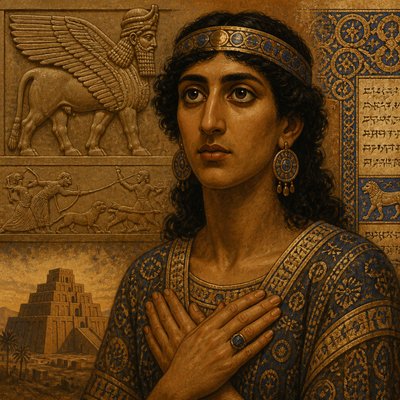
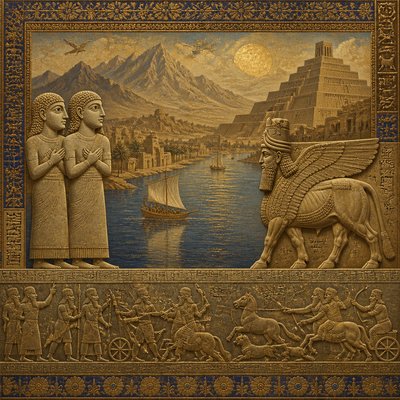
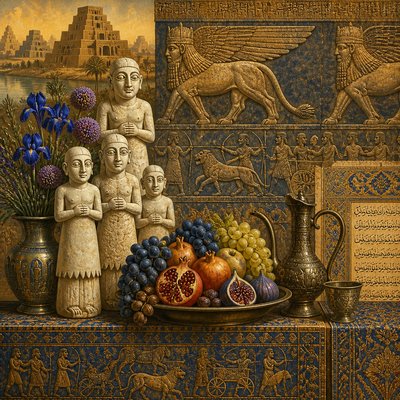
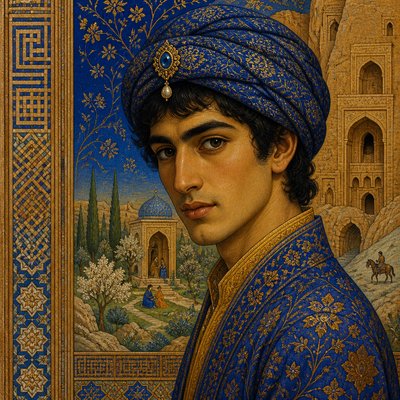
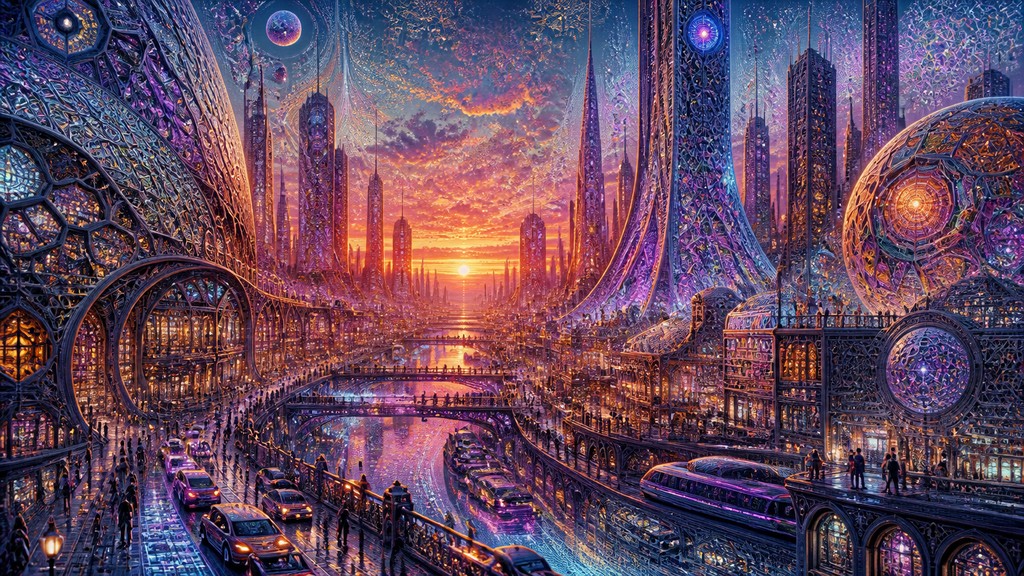
Procedural digital art is an image-making approach in which form, pattern, and color are generated through rules, algorithms, and mathematical systems rather than drawn entirely by hand. Its visual identity is defined by self-similar fractal detail, tessellated surfaces, wireframe structures, smooth gradient fields, and complex shapes that feel computationally organized yet visually organic.
The style often looks intricate, polished, and spatially deep because it borrows from mathematics, simulation, and 3D rendering. Repetition across scales, noise-driven variation, and parametric geometry produce images that can resemble living systems, synthetic landscapes, alien architecture, or abstract data made visible. The result is an aesthetic of controlled complexity: precise enough to feel engineered, but rich enough to suggest natural growth or cosmic formation.
Try It On Your Photos
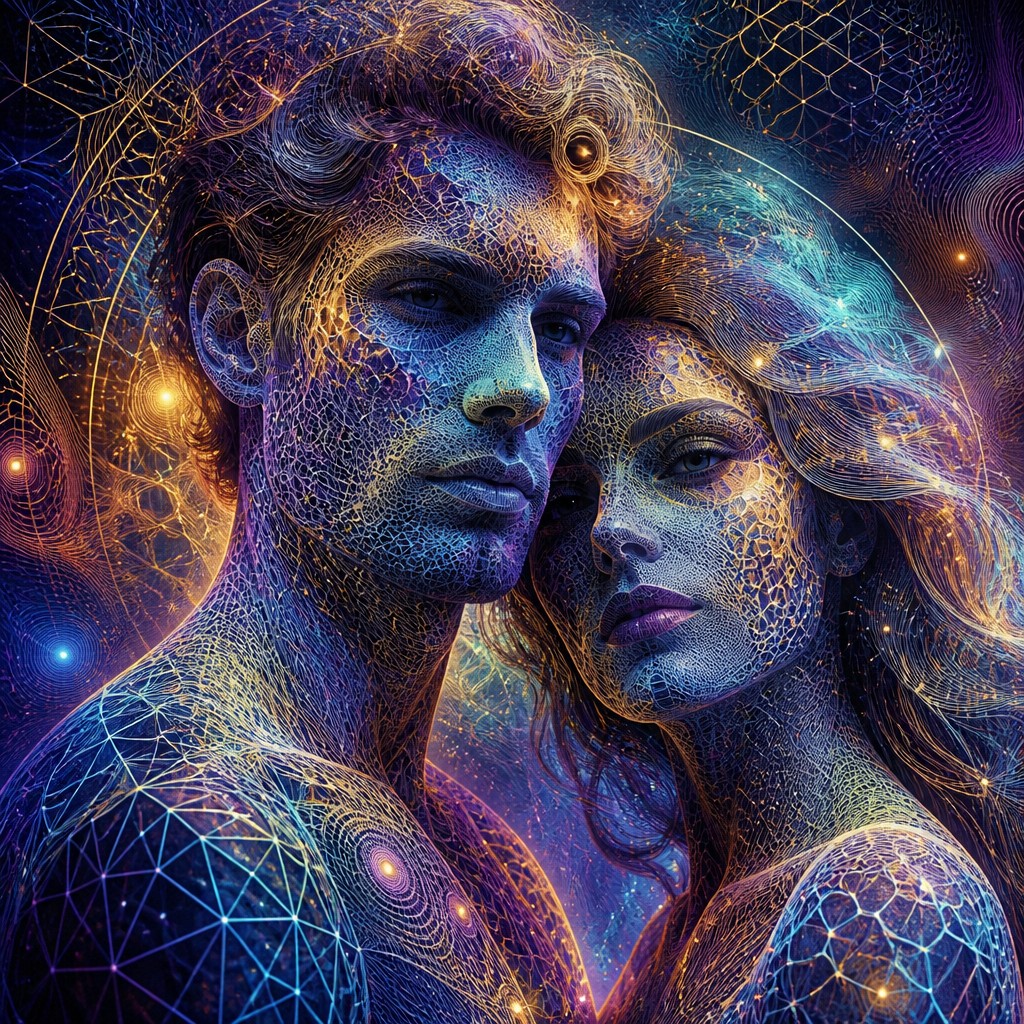
Upload any photo and convert it into Procedural Digital Art Style — drag the sliders to compare before and after.

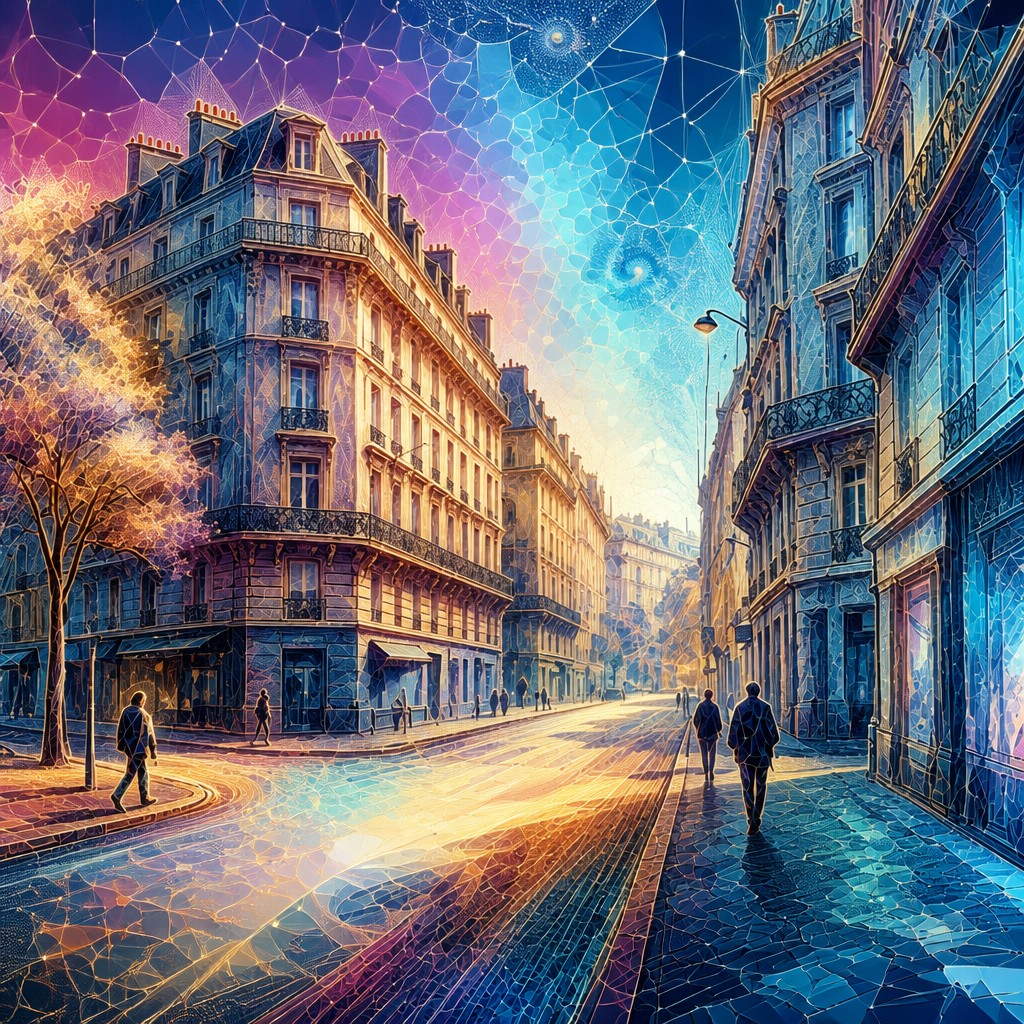

What Defines Procedural Digital Art Style
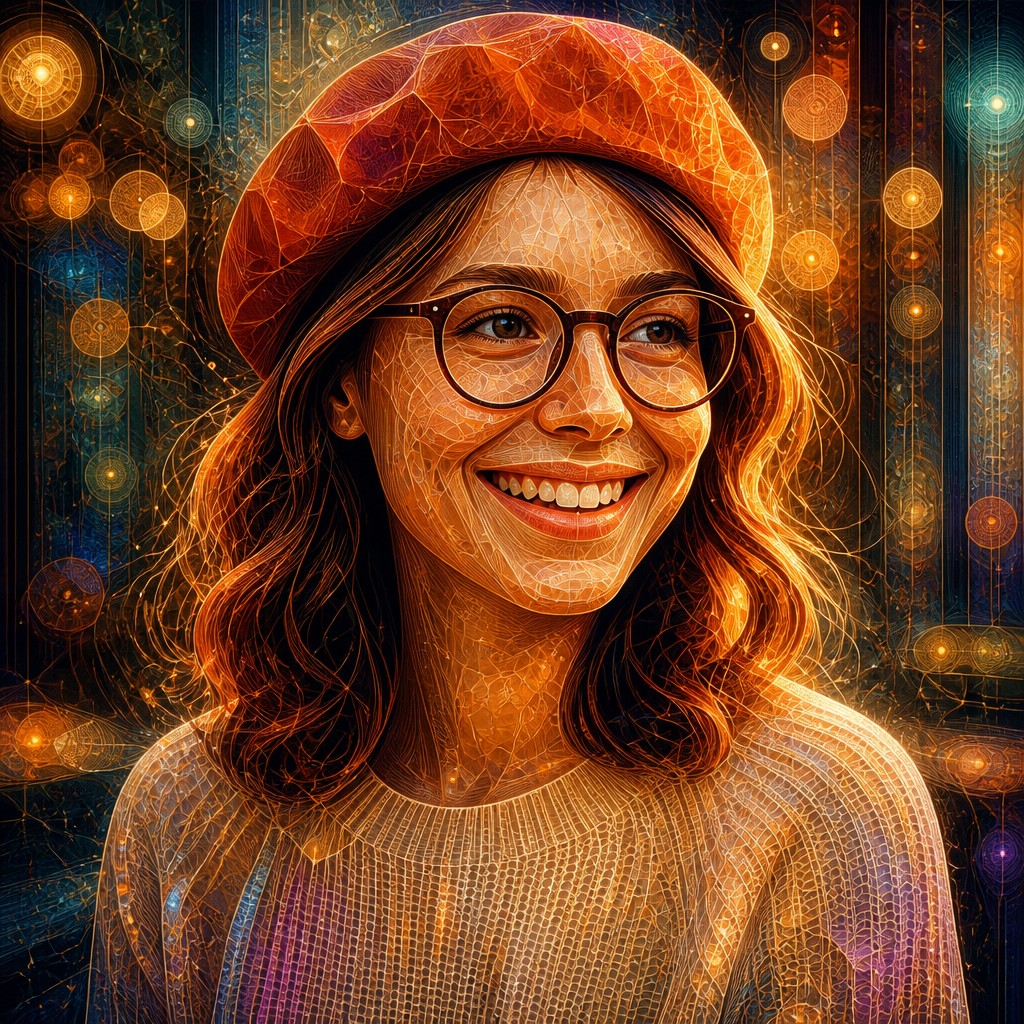
The signature details, up close
Algorithmic structure
Images are organized by rules, formulas, or node-based systems rather than direct freehand depiction. This gives the work a sense of internal logic and repeatable structure.
Fractal repetition
Self-similar detail appears at multiple scales, so small elements echo the larger composition. This creates density without losing cohesion.
Voronoi and lattice geometry
Surfaces often look divided into cells, meshes, or wireframe frameworks. These computational structures make the image feel both technical and spatial.
Noise-based flow
Perlin noise, turbulence, and similar fields produce smooth irregularity, drift, and natural-looking variation. The result often resembles clouds, terrain, energy fields, or fluid motion.
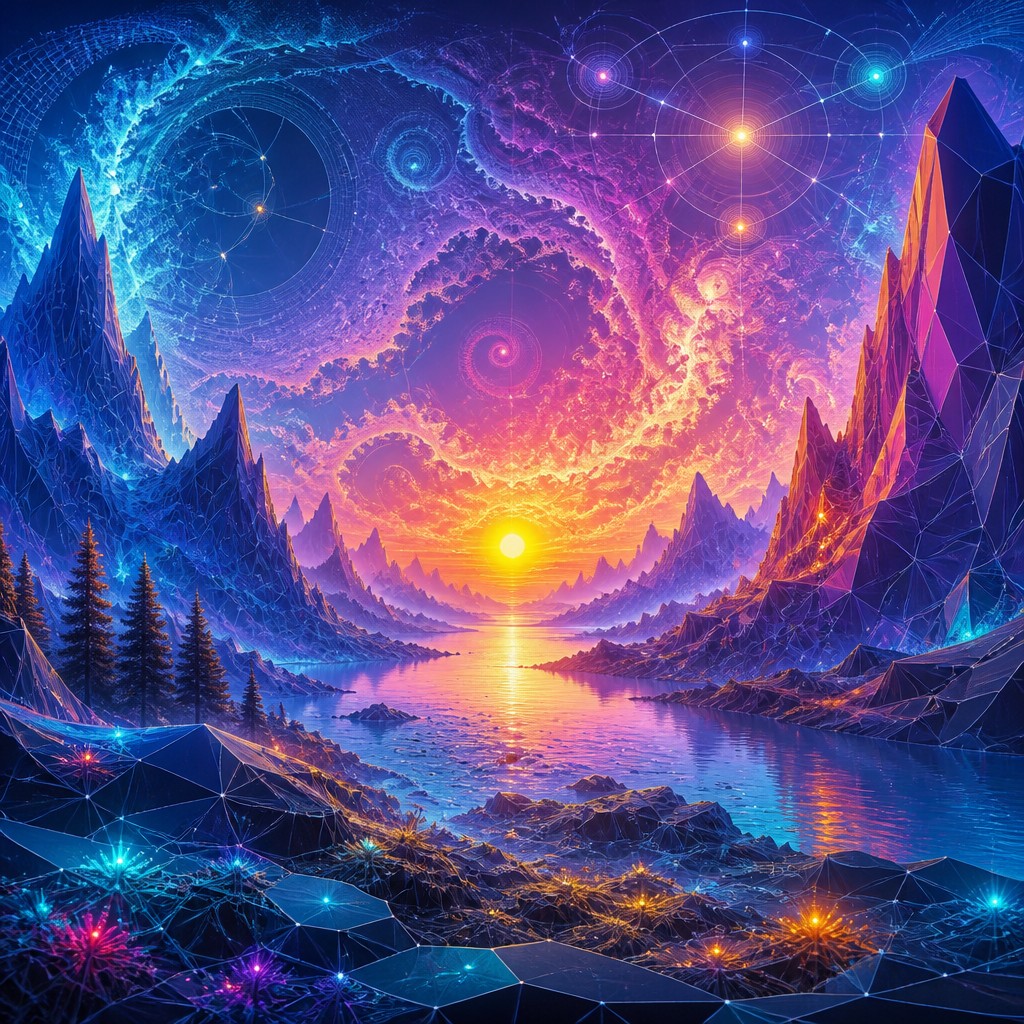
Synthetic color logic
Color transitions tend to be highly controlled, with iridescent gradients, programmable palettes, and luminous blends. The chroma often feels engineered rather than painterly.
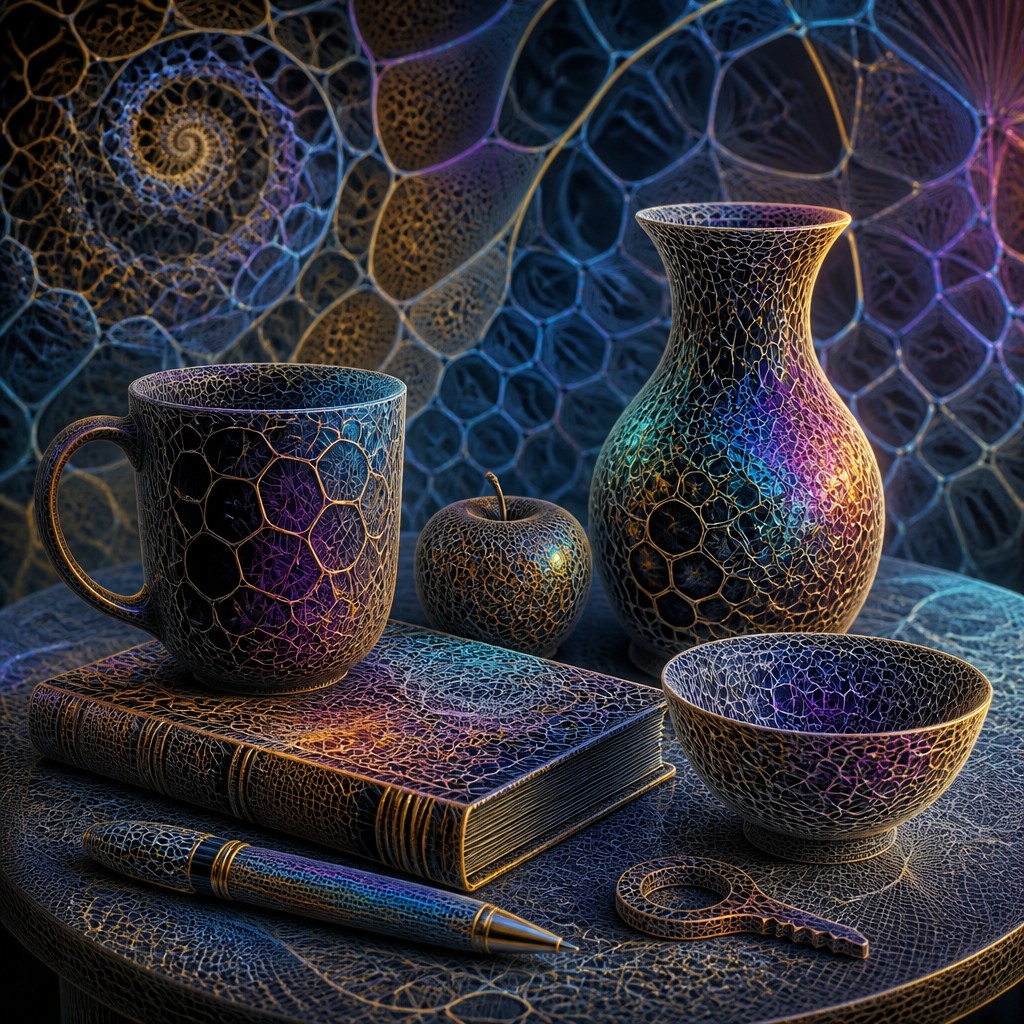
Precise yet immersive rendering
Curves, edges, and surfaces are usually crisp, mathematically clean, and polished. Volumetric light, glow, and depth cues make the forms feel dimensional and computationally rendered.
Try It
Create Videos in Procedural Digital Art Style
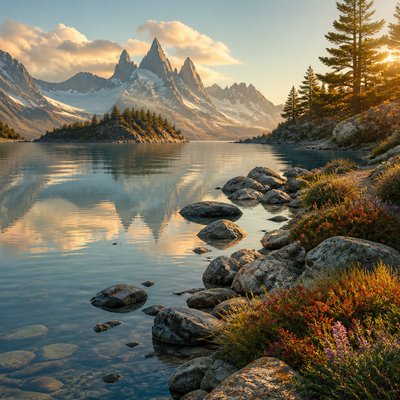
Styles aren't just for stills — describe a scene or animate an image and get a short video rendered in Procedural Digital. Press play to see this pond come to life.
Make a VideoProcedural Digital Prompt Ideas
Start from an idea — each one opens the generator with the style ready to go. See all 40 Procedural Digital prompts →
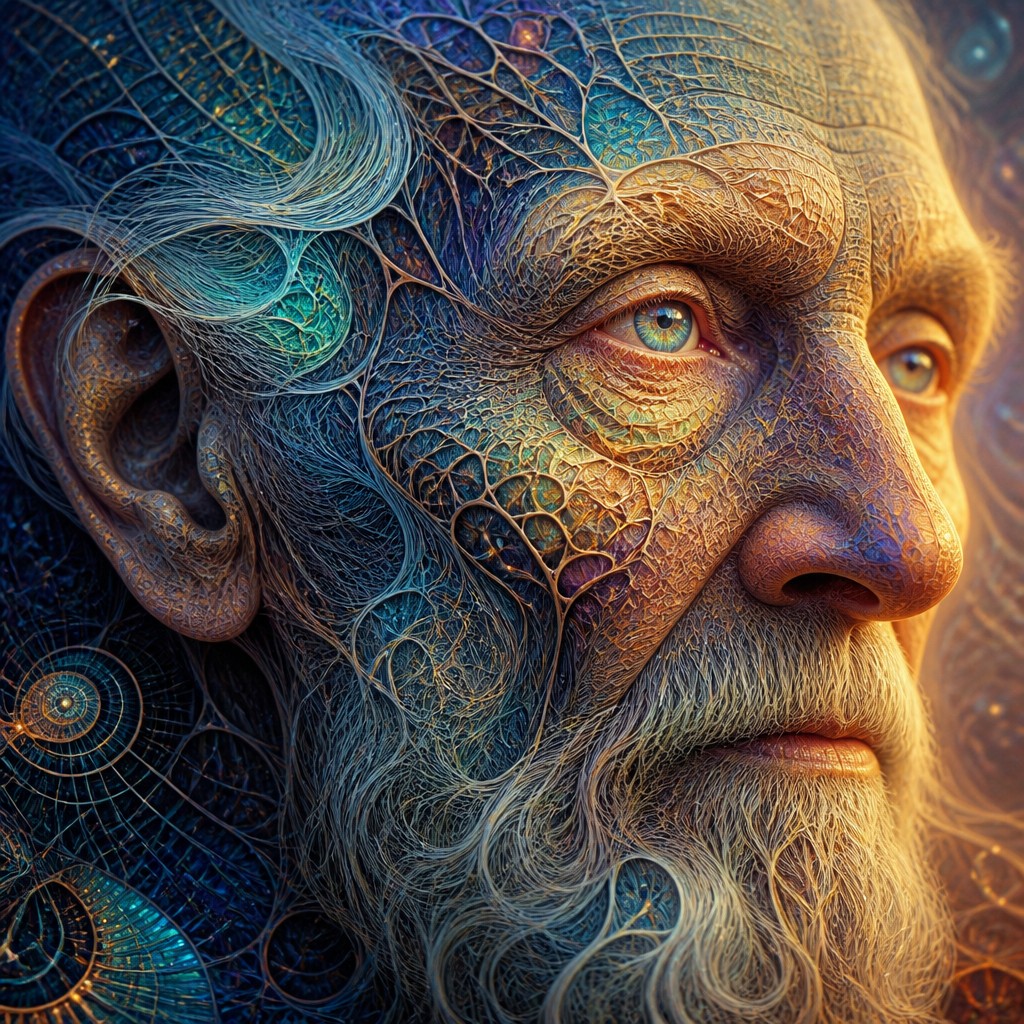
“close-up portrait of an elderly person with expressive weathered features”
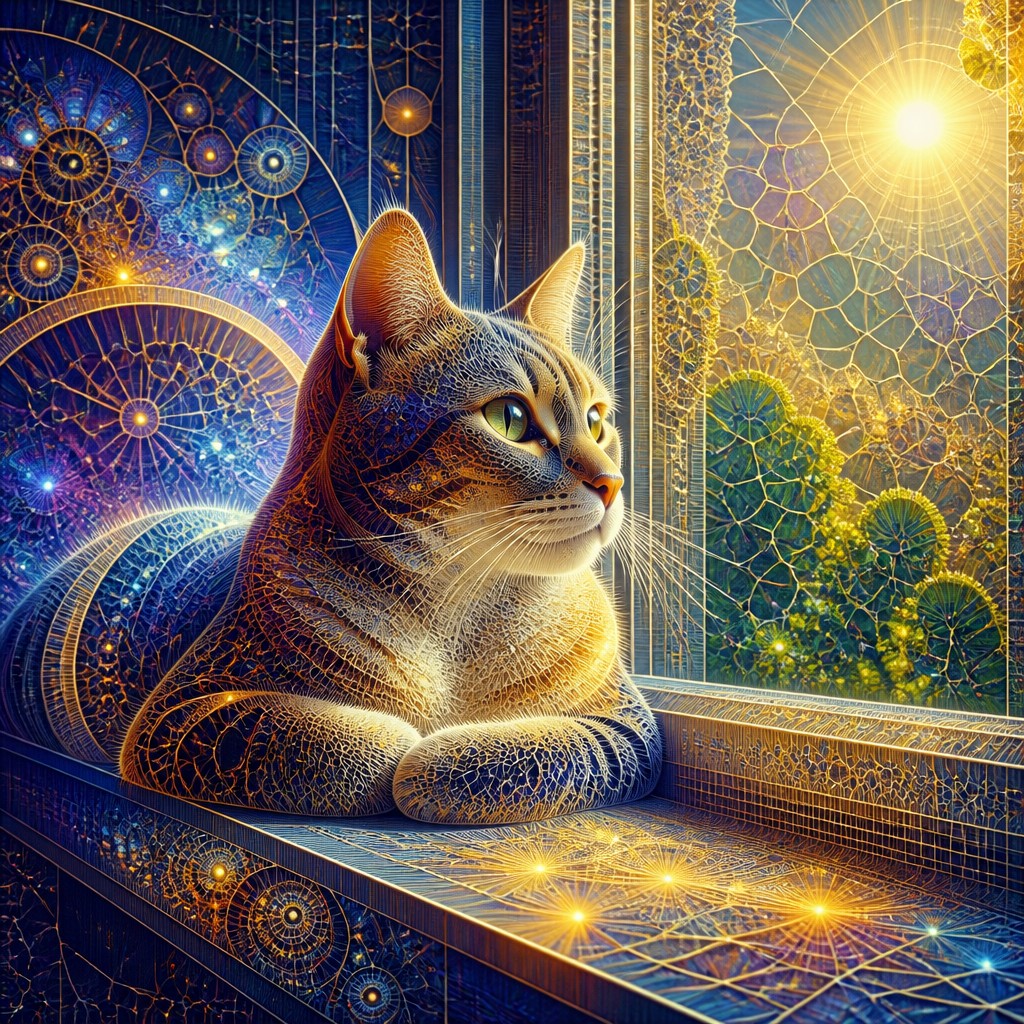
“a cat lounging in a sunlit window”
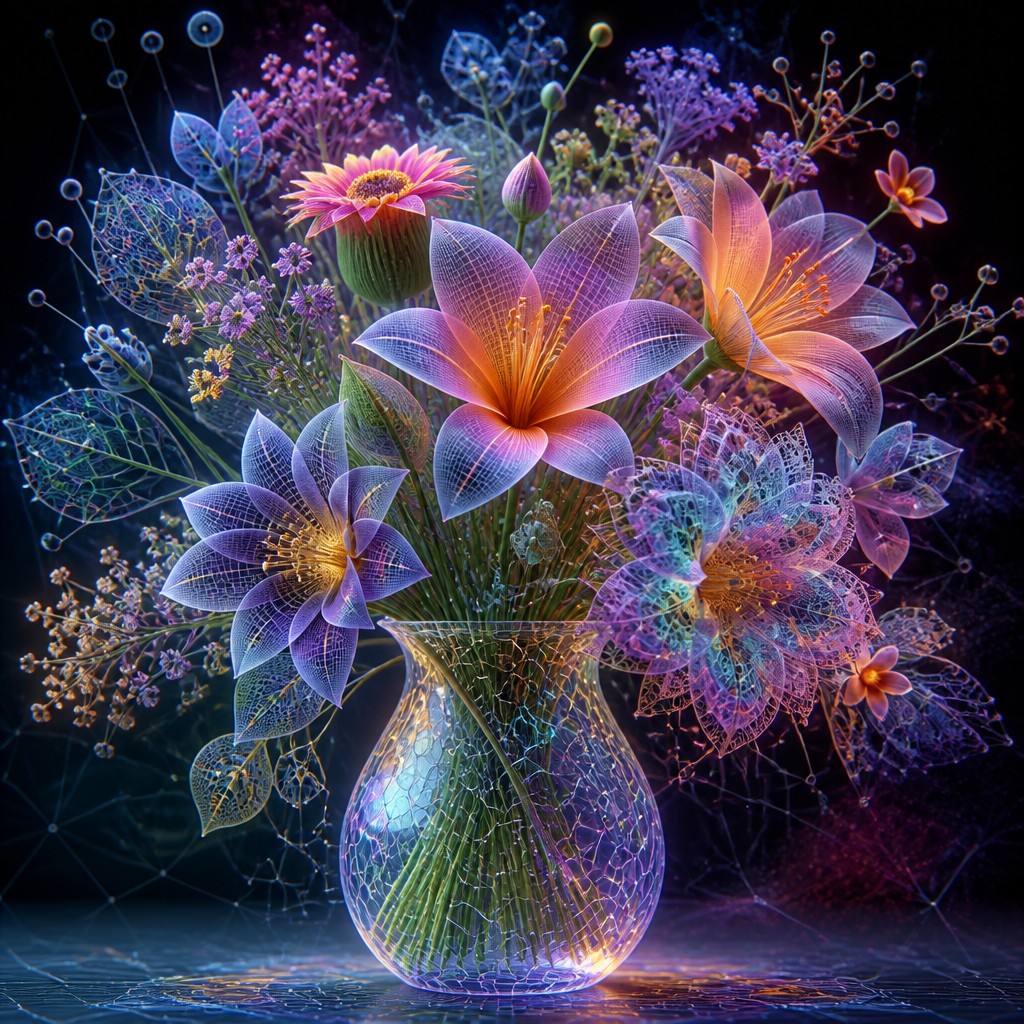
“bouquet of flowers in a glass vase”
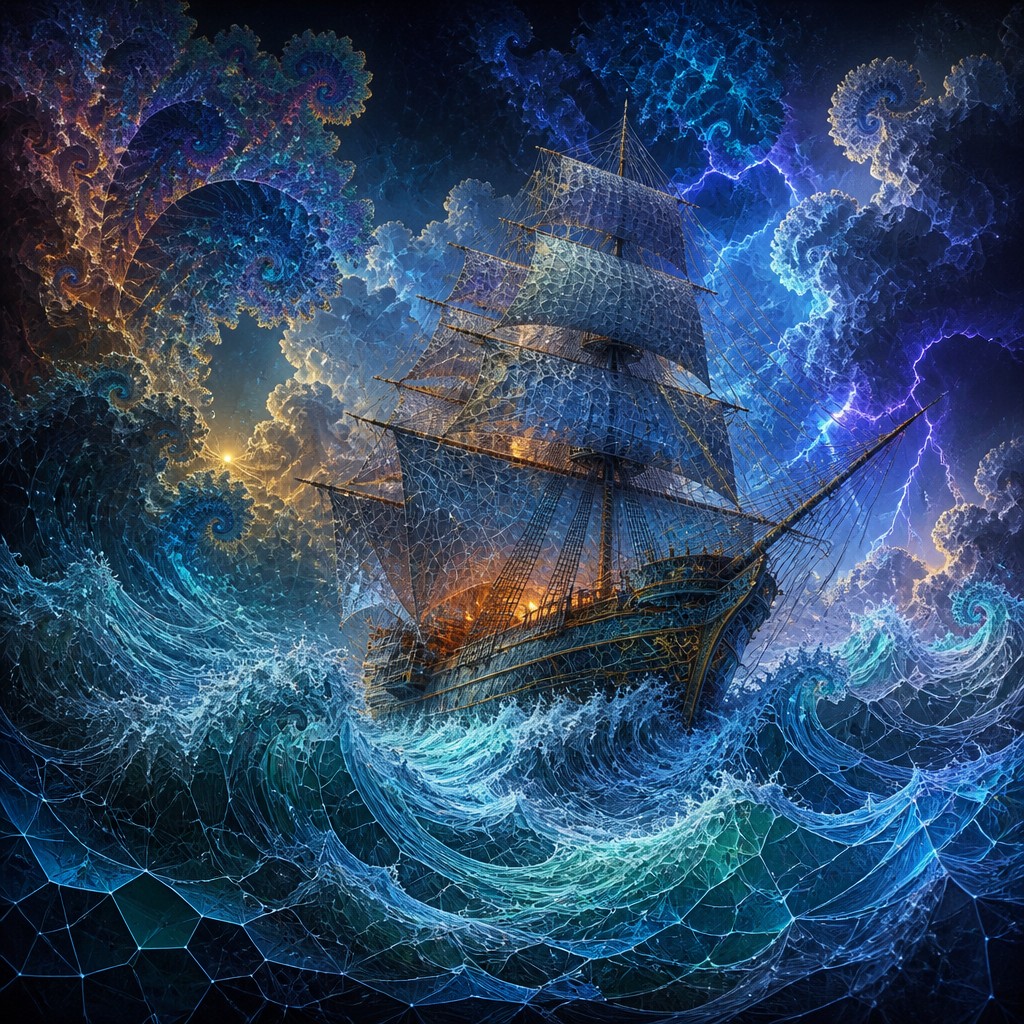
“sailing ship on a stormy sea”
How to Create Procedural Digital Art
Master the craft step by step — or skip straight to creating. Read the full guide →
- 1
Build from rules, not sketches
Start with a system: a grid, a fractal recursion, a particle simulation, a noise field, or a parametric form. Let the structure generate variation, then refine the parameters until the composition feels intentional.
- 2
Use layered geometry
Combine meshes, lattices, cells, curves, and repeated modules to create complexity. In traditional practice this can be approximated through meticulous drafting; digitally it is most often built with procedural modeling, generative design software, or node graphs.
- 3
Control color mathematically
Choose a limited palette and map it to depth, motion, or surface variation. Smooth interpolations, iridescent shifts, and temperature gradients help the work feel computational rather than illustrative.
- 4
Introduce organic randomness
Balance precision with controlled irregularity using noise functions, distortion, and recursive variation. This prevents the image from becoming sterile while preserving the underlying logic.
- 5
Finish with render quality
Add specular highlights, ambient glow, volumetric depth, and clean shading so the forms read as resolved objects or environments. For prompt-based generation, specify algorithmic structure, fractal detail, Voronoi cells, wireframe lattices, noise gradients, and polished synthetic lighting.
The Story
History & Origins of Procedural Digital
Procedural digital art emerged from the broader history of computer graphics, algorithmic art, and generative design. Its lineage includes early experiments in rule-based image making, the use of fractals and recursive systems in the late 20th century, and the growth of software environments that let artists build images from nodes, functions, simulations, and parameterized forms.
As digital tools became more sophisticated, procedural methods spread across game design, motion graphics, architectural visualization, and experimental fine art. The style draws aesthetically from abstract geometry, mathematical visualization, scientific imaging, and techno-futurist digital rendering, but it is not a single historical movement with a fixed canon; rather, it is a contemporary mode of image construction rooted in computational process.
Influences: Procedural digital art is closely related to generative art, algorithmic art, computer graphics, motion design, and parametric architecture. Visually it overlaps with mathematical abstraction and the digital aesthetics of sci-fi environments, while also echoing the precision of constructivist geometry and the systematic experimentation seen in leading pioneers of algorithmic and computer-based art. Its broader visual vocabulary also draws from scientific visualization, 3D rendering, and simulation-based media.

Frequently Asked Questions
What defines procedural digital art?
It is defined by the use of algorithms, parameters, and generative rules to construct the image. Instead of describing every detail manually, the artist designs a system that produces structure, repetition, and variation.
How is it different from regular digital art?
Regular digital art may be drawn or painted directly with software tools, while procedural art depends on mathematical generation or rule-based processes. The final image often has a more systematic, intricate, and repeatable quality.
Is procedural art always abstract?
No. It can be abstract, but it is also widely used for landscapes, organisms, architecture, sci-fi scenes, and decorative patterns. The key feature is how the image is made, not whether it depicts a recognizable subject.
What software or methods are commonly used to make it?
Artists often use node-based 3D software, shader systems, generative design tools, code-based frameworks, or simulation environments. Traditional artists can approximate the look through careful drafting and pattern systems, but the style is most naturally suited to digital workflows.
Why does this style often look so complex?
Complexity comes from recursion, repetition across scales, and the combination of multiple procedural layers. Small variations introduced by noise or simulation can produce very rich surfaces without requiring every detail to be manually drawn.
Where is procedural digital art used?
It appears in concept art, motion graphics, game environments, abstract illustration, album art, and experimental design. It is especially useful when a project needs a futuristic, technical, or otherworldly visual language.
Create your first Procedural Digital artwork
Describe anything — or upload a photo — and see it in Procedural Digital Art Style in seconds.
Make Something with Procedural Digital
Related Styles
Discover similar art styles