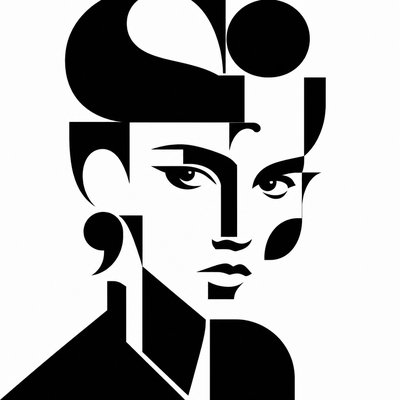
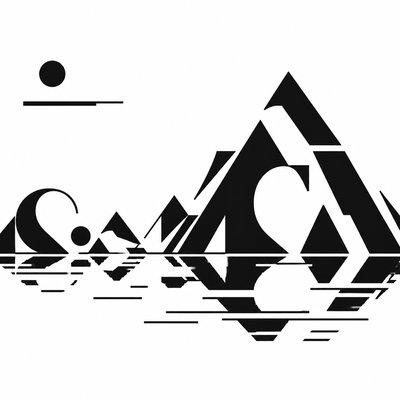
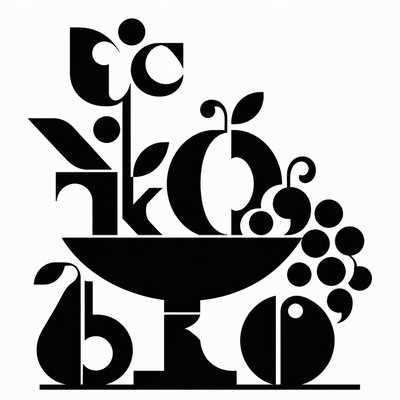
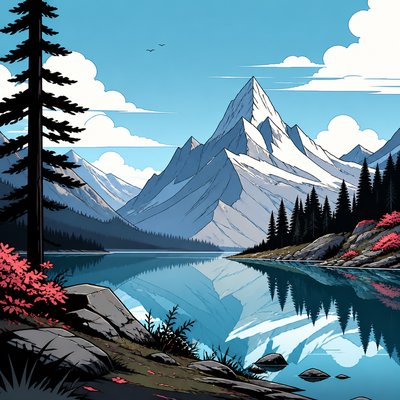
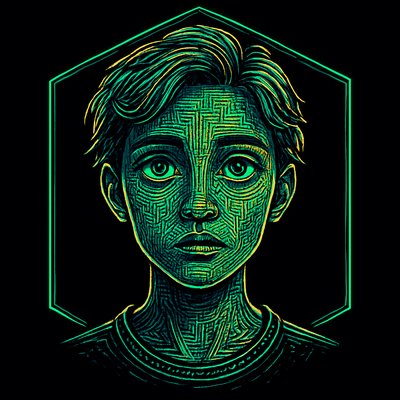
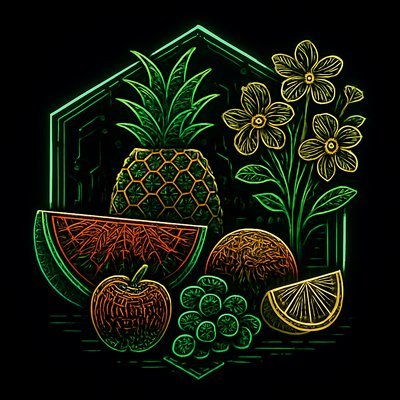
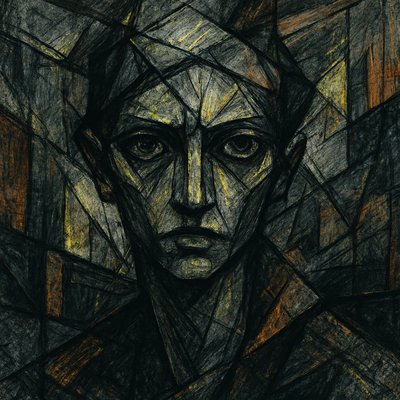
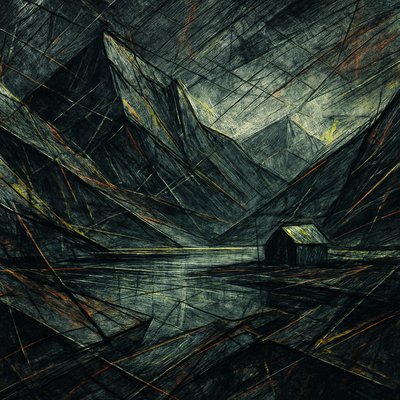
Digital Glitch Abstract Art Style
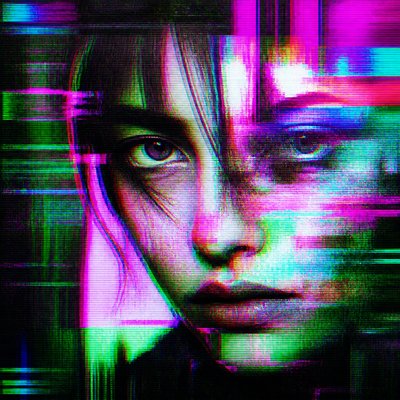
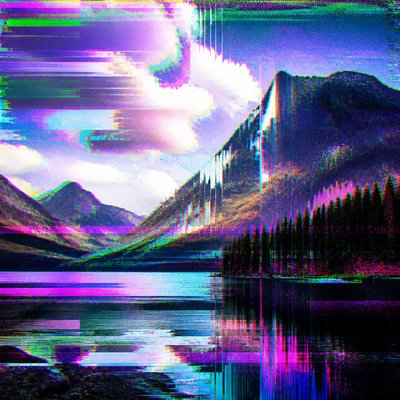
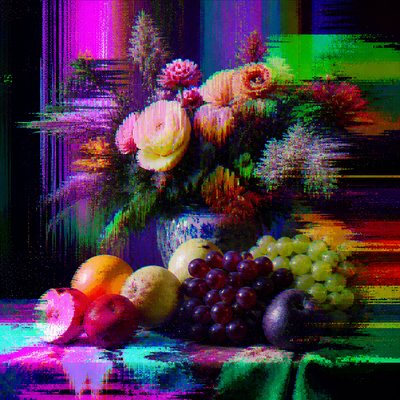
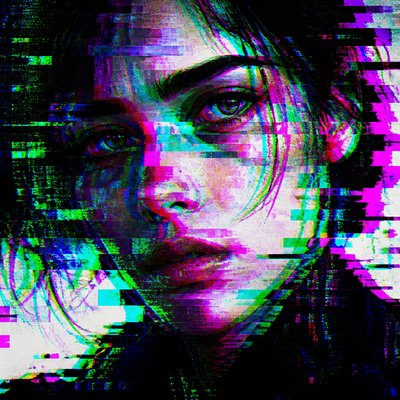
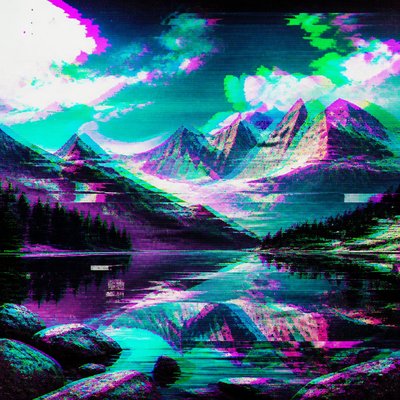
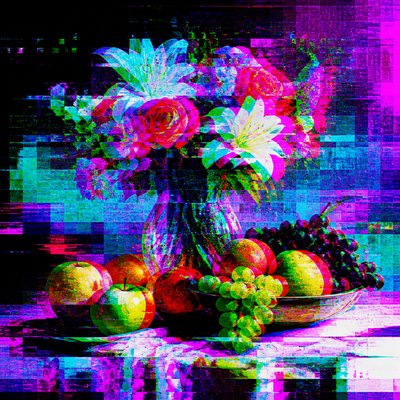
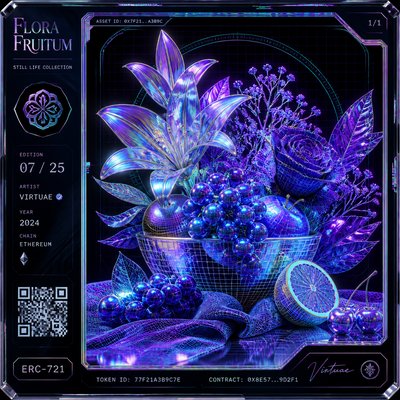
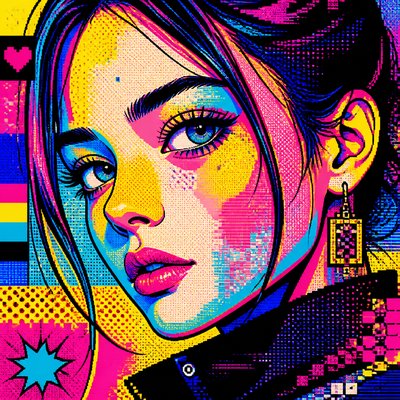
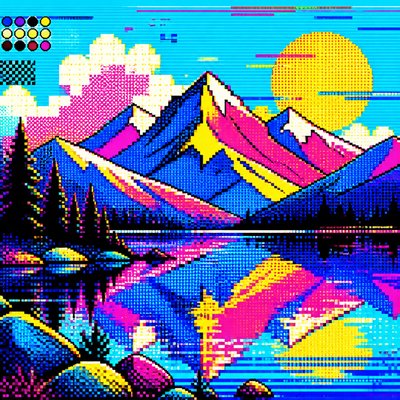
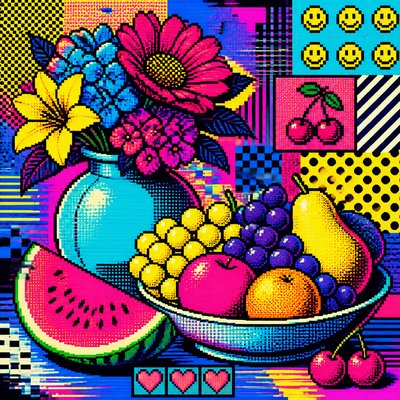
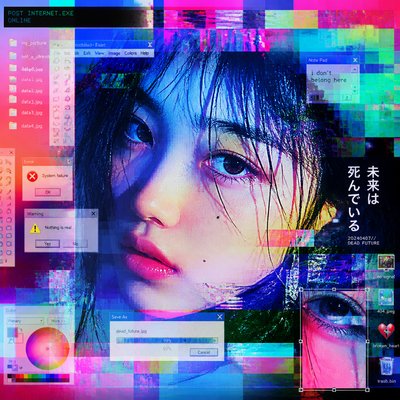
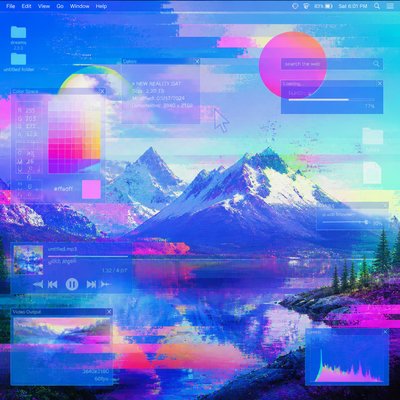
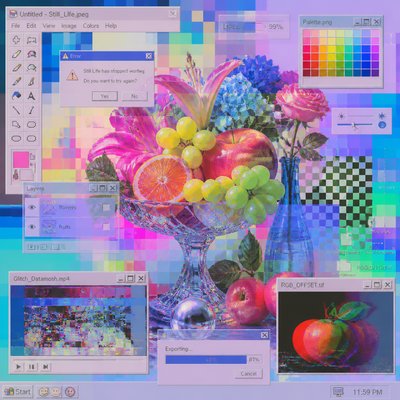
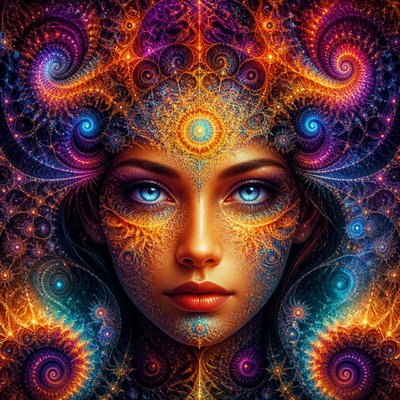
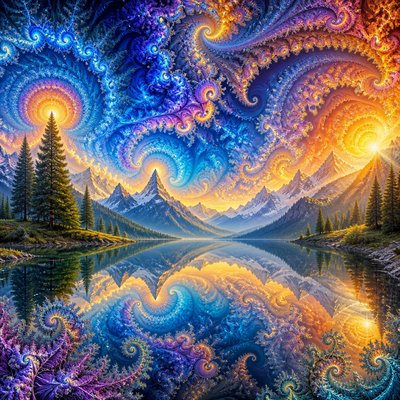
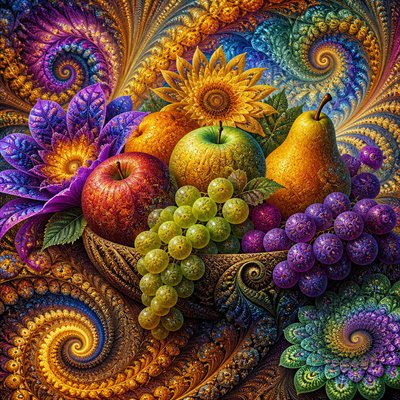
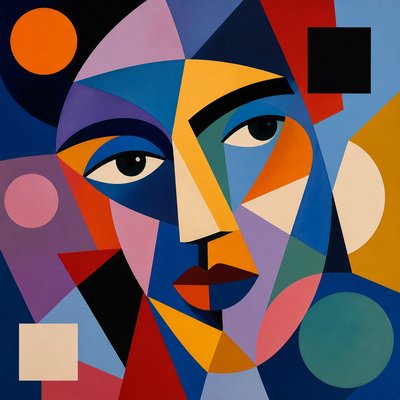
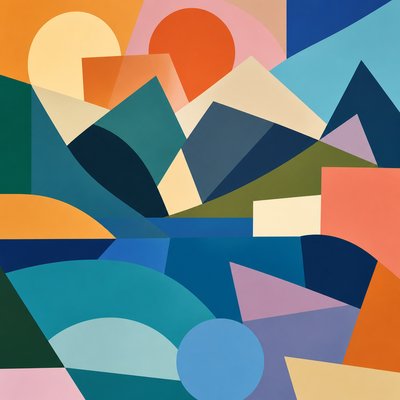
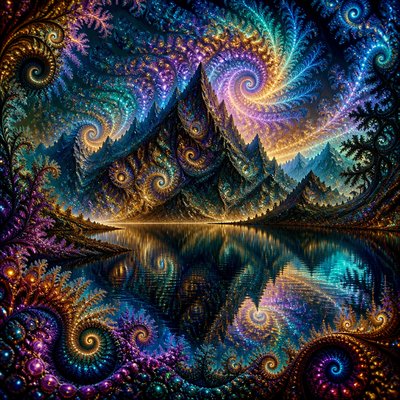
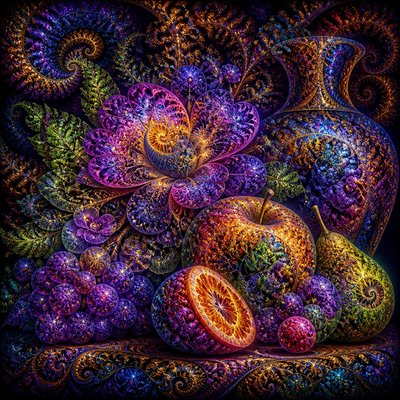
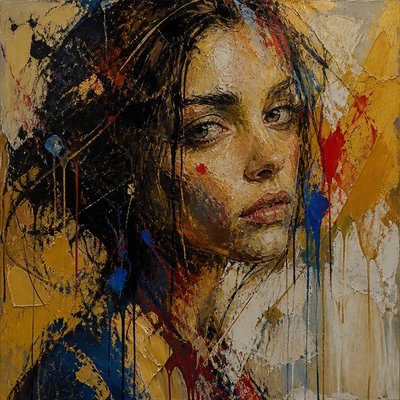
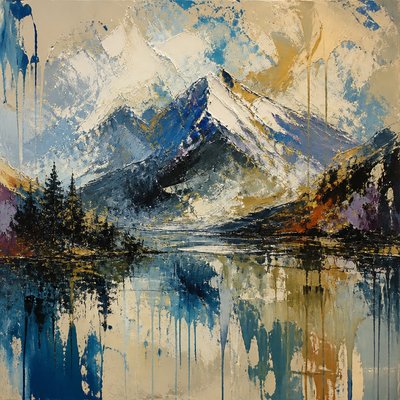
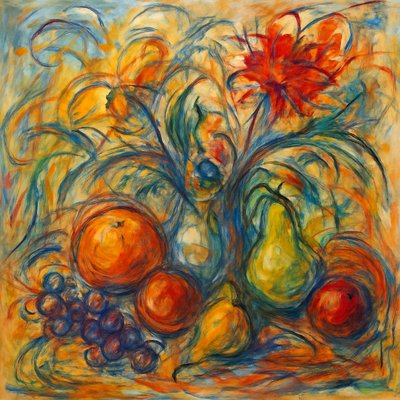
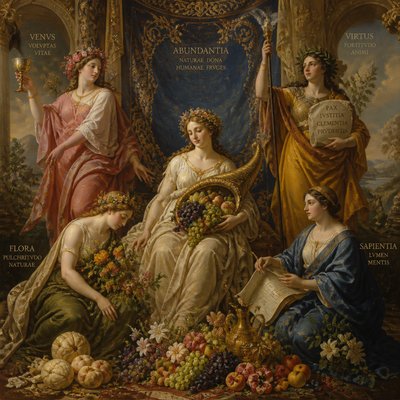
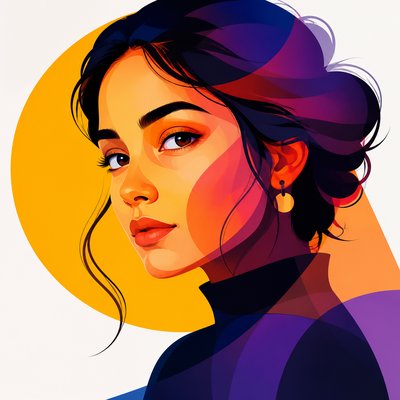
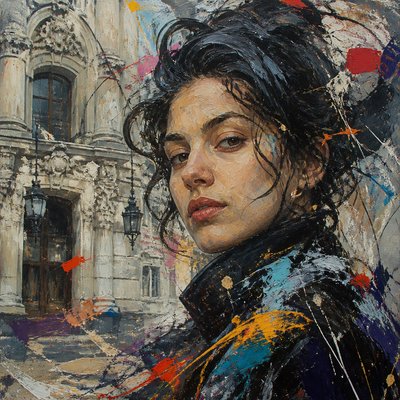
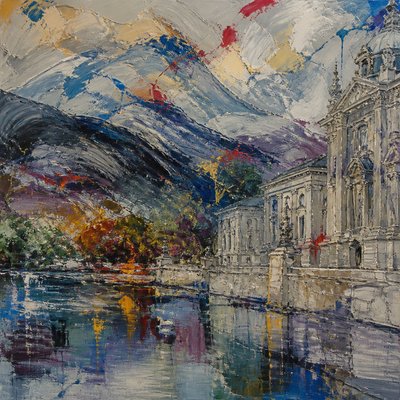
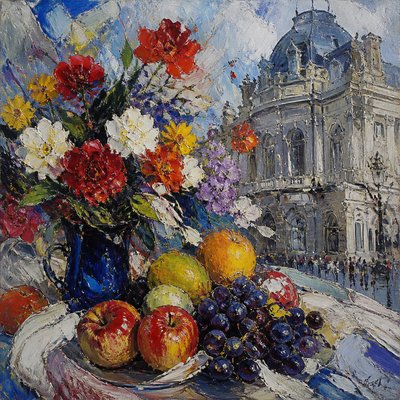
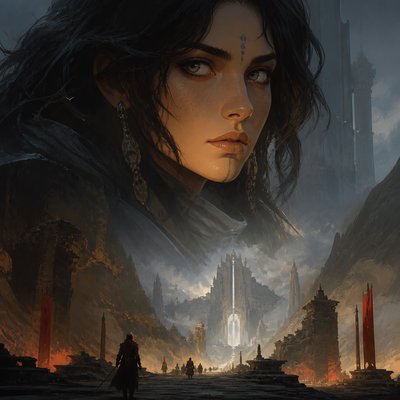
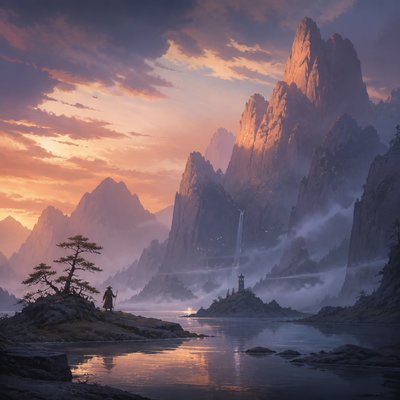
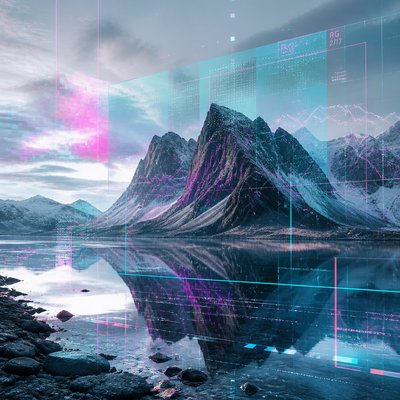
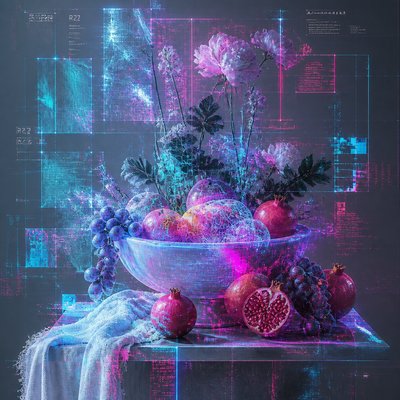
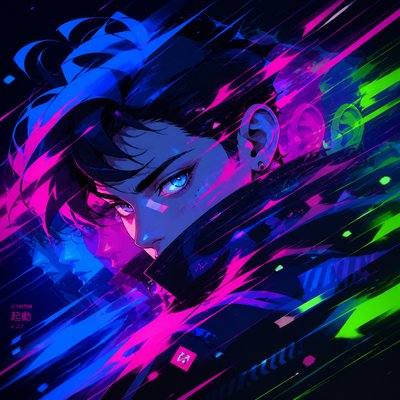
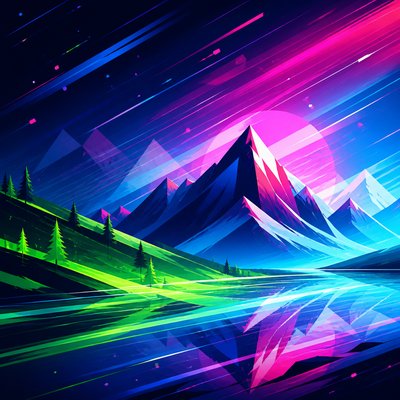
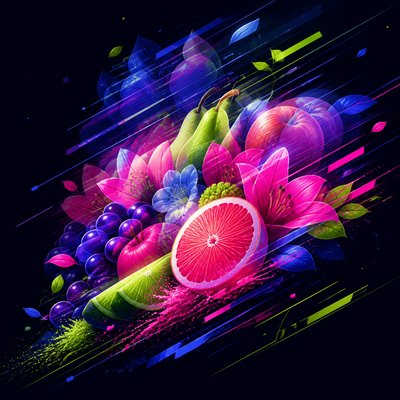
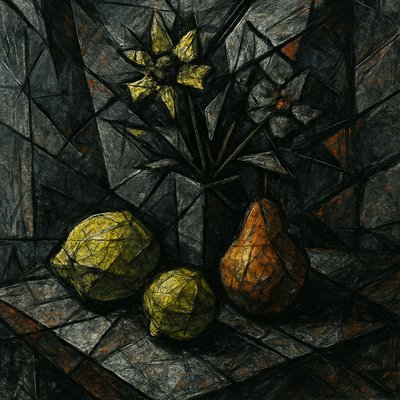
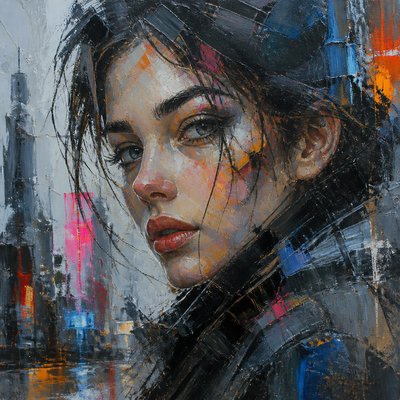
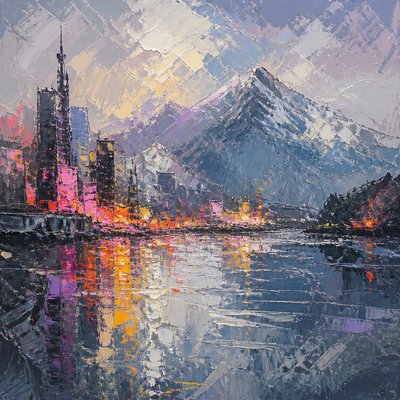
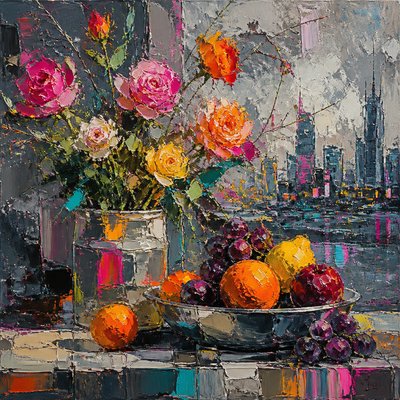
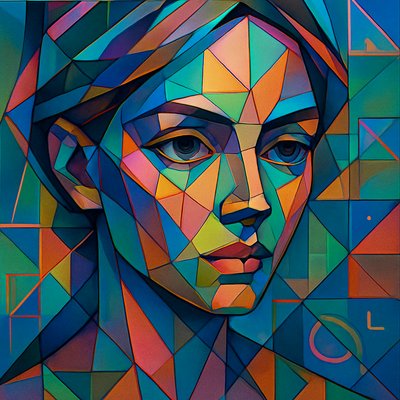
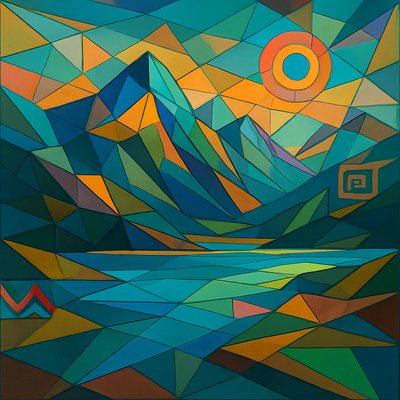
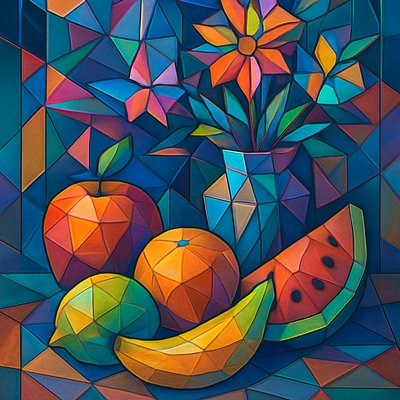
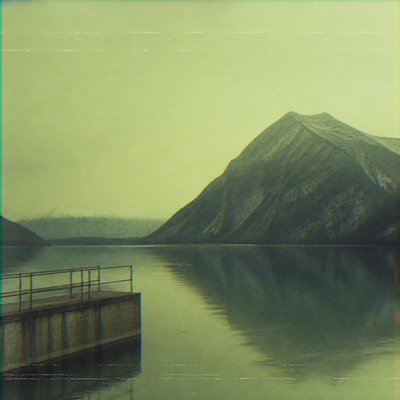
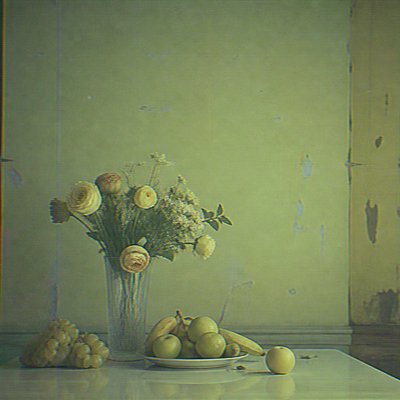
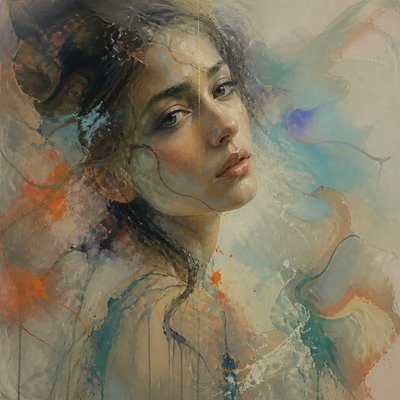
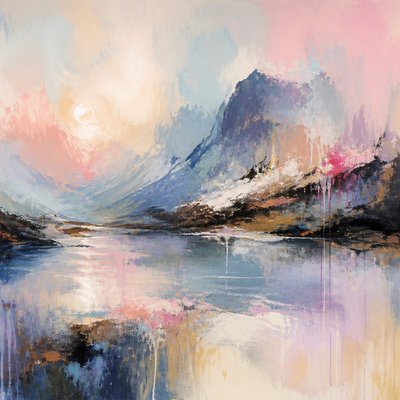
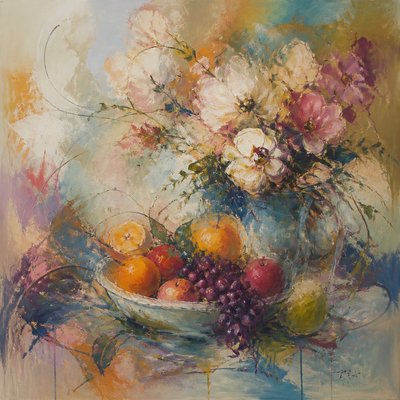
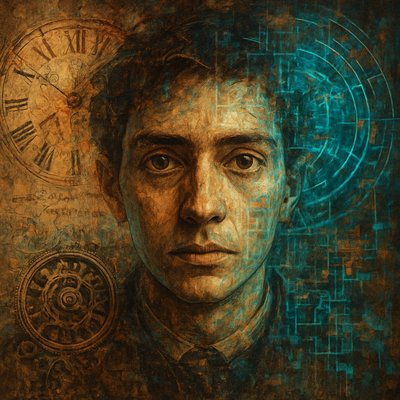
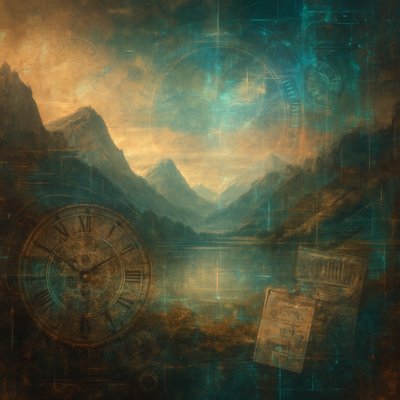
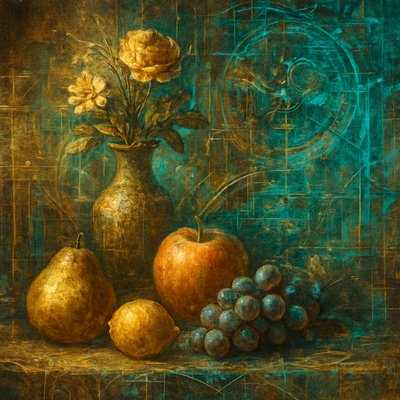
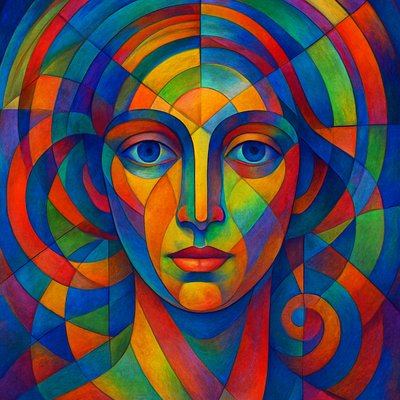
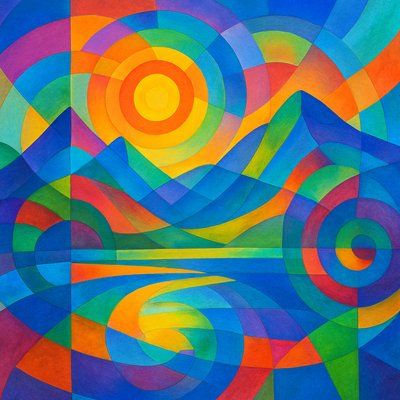
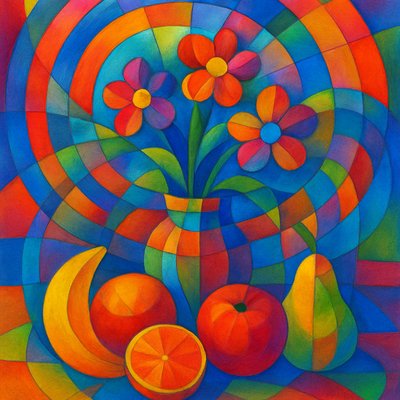
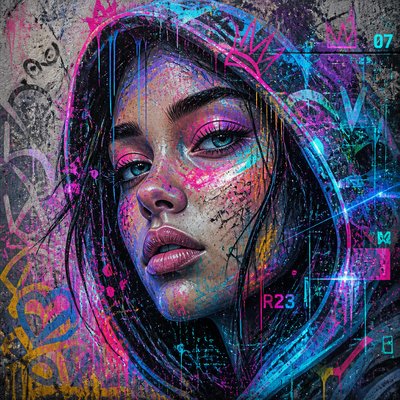
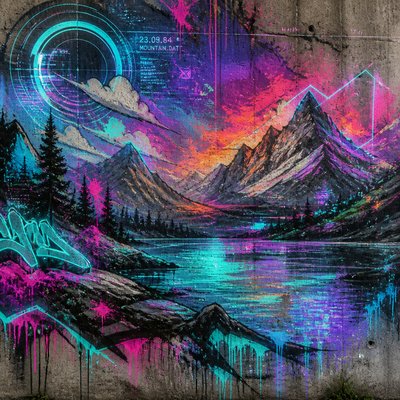
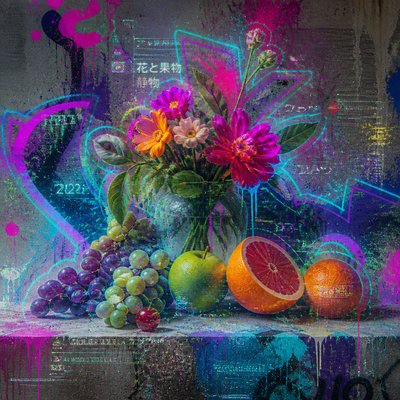
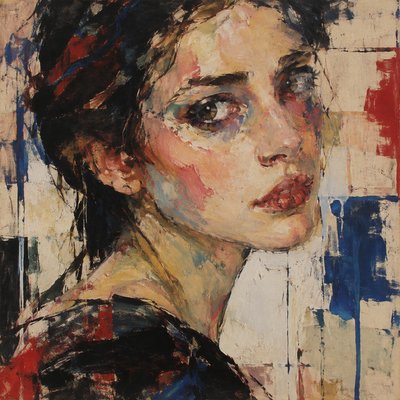
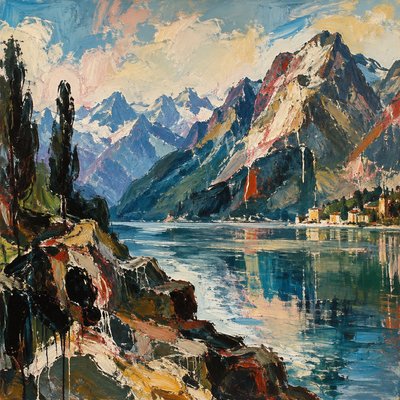
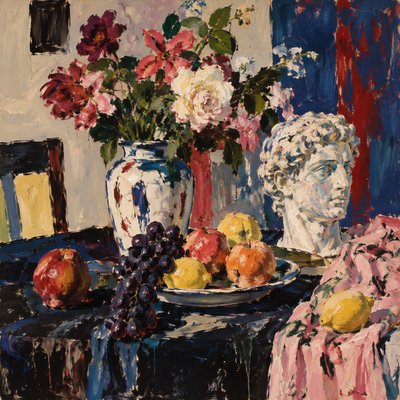
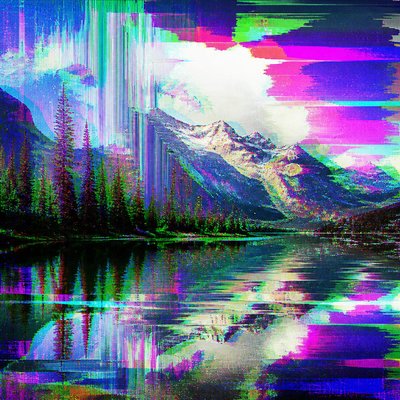
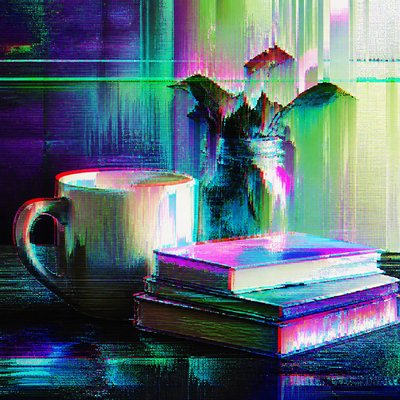
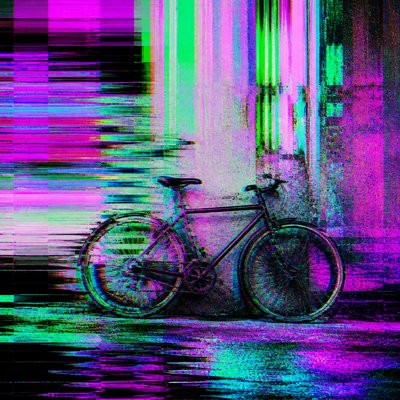
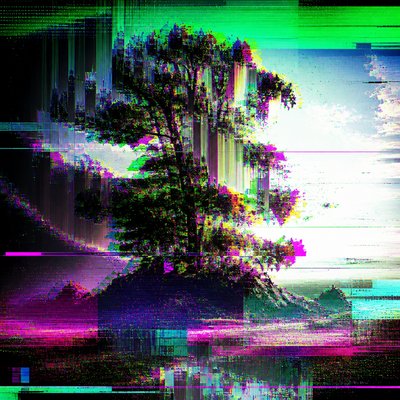
Abstract digital art built from glitch effects, pixel sorting, compression artifacts, RGB shifts, scan lines, and datamoshed color distortion.
Instantly rendered in Digital Glitch Abstract — or transform a photo
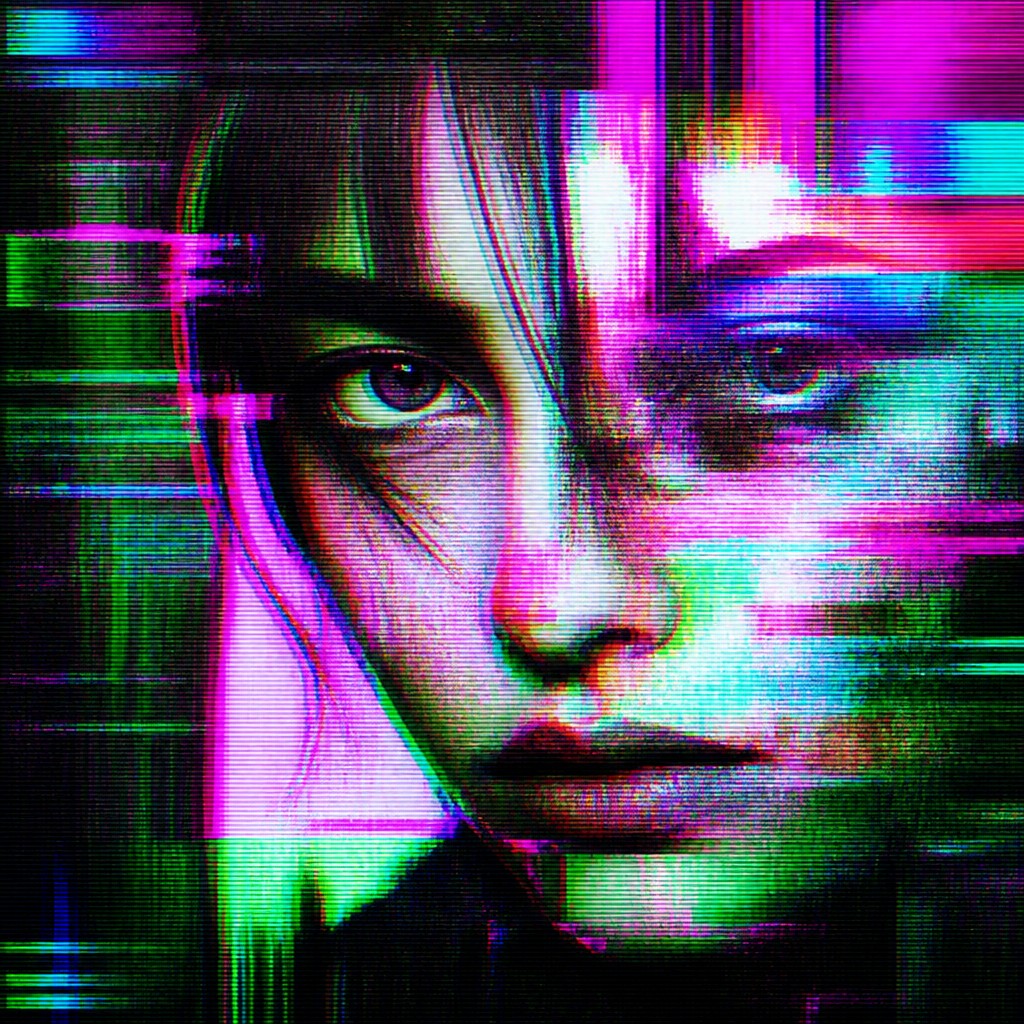
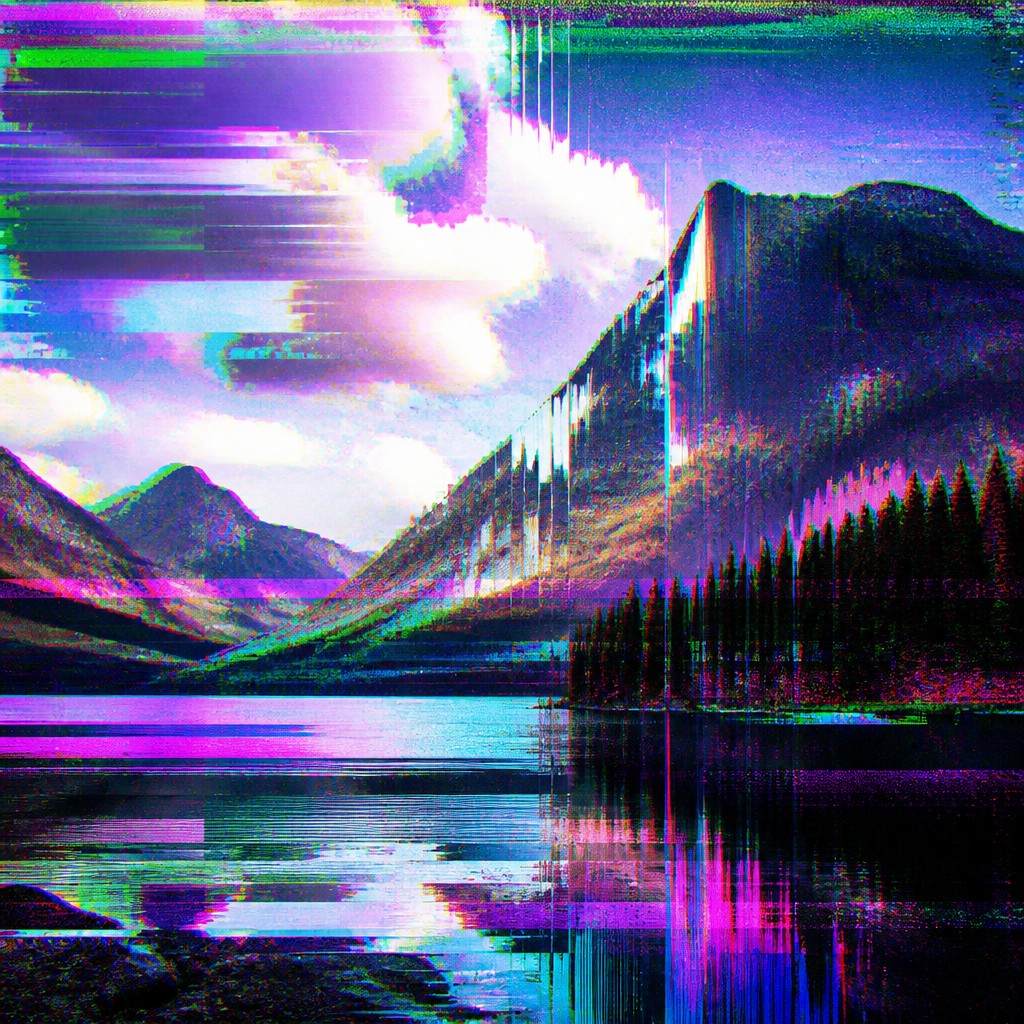
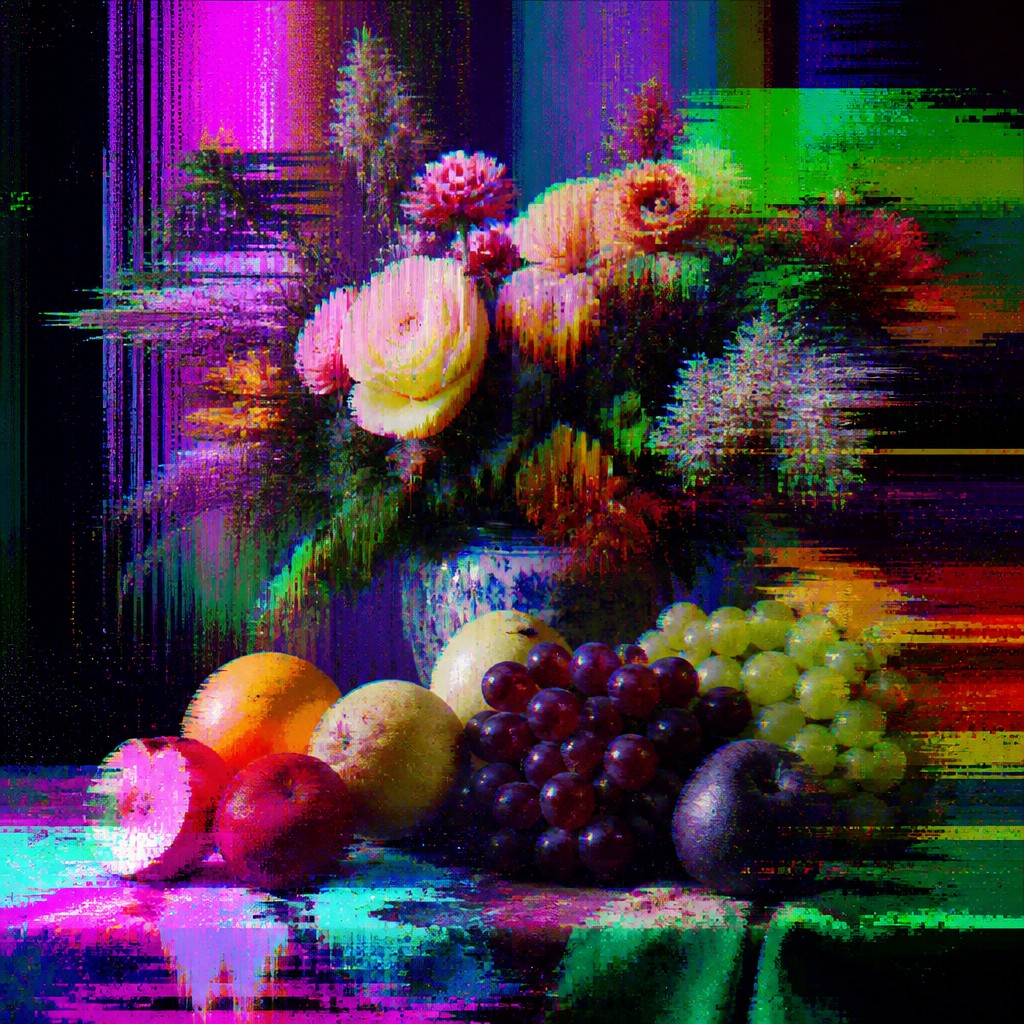
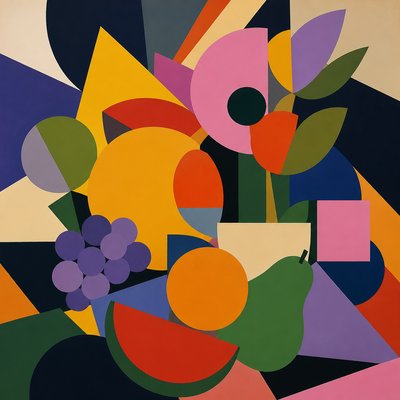
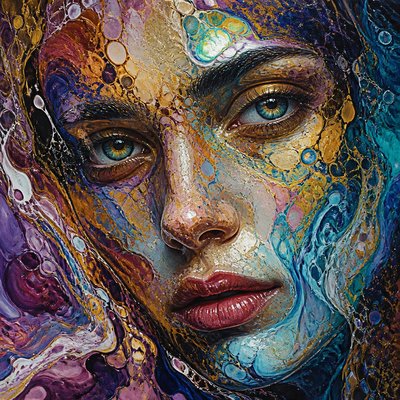
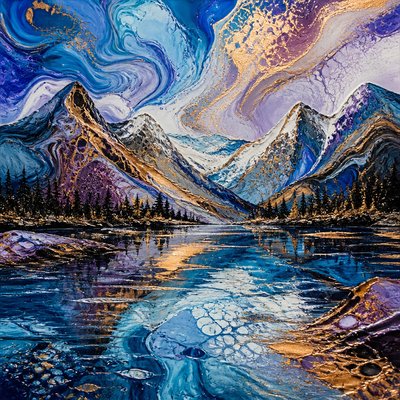
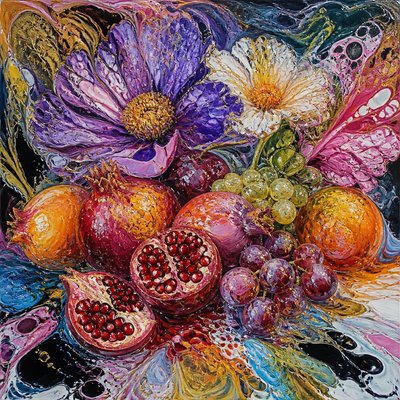
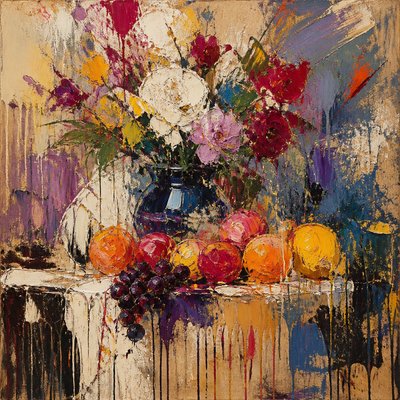
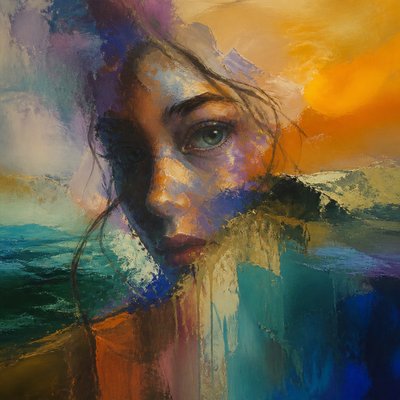
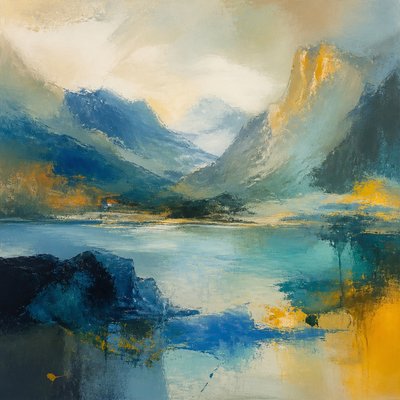
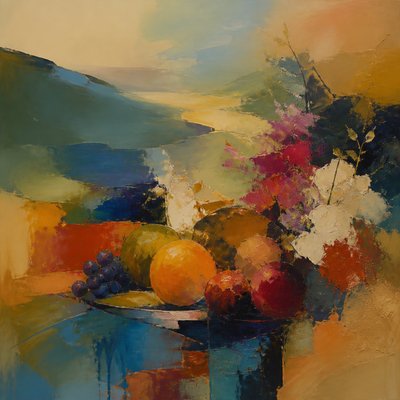
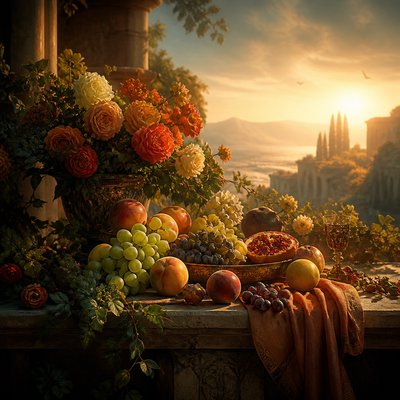
Digital Glitch Abstract Gallery
Tap any artwork to explore it
What is Digital Glitch Abstract Art Style?
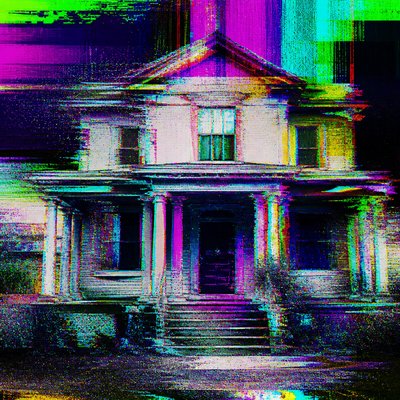
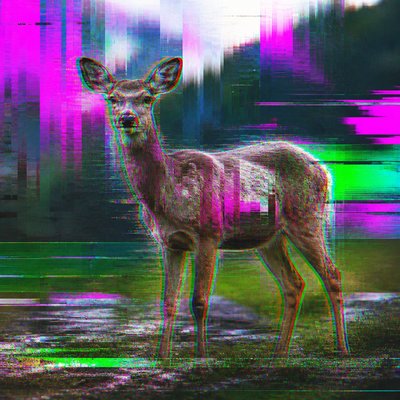
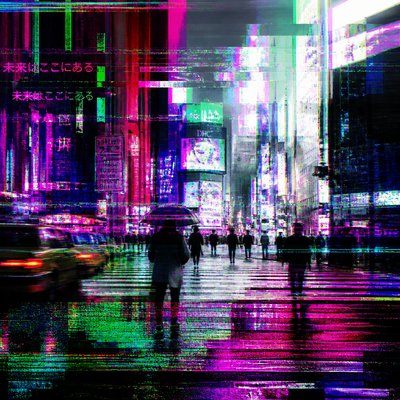
Digital Glitch Abstract Art is an image style that treats digital failure as a compositional language. Instead of hiding errors such as pixel breakup, compression artifacts, scan-line tearing, or channel misalignment, it foregrounds them as the subject matter, building abstract images from distortion, fragmentation, and unstable color.
Its visual identity is defined by smeared bands of corrupted detail, blocky compression loss, chromatic fringes from RGB separation, and noisy fields that feel both mechanical and unstable. The style often looks synthetic, luminous, and broken at once because it borrows the look of damaged video files, malfunctioning displays, and databent media, then arranges those faults into deliberate abstract compositions.
Try It On Your Photos
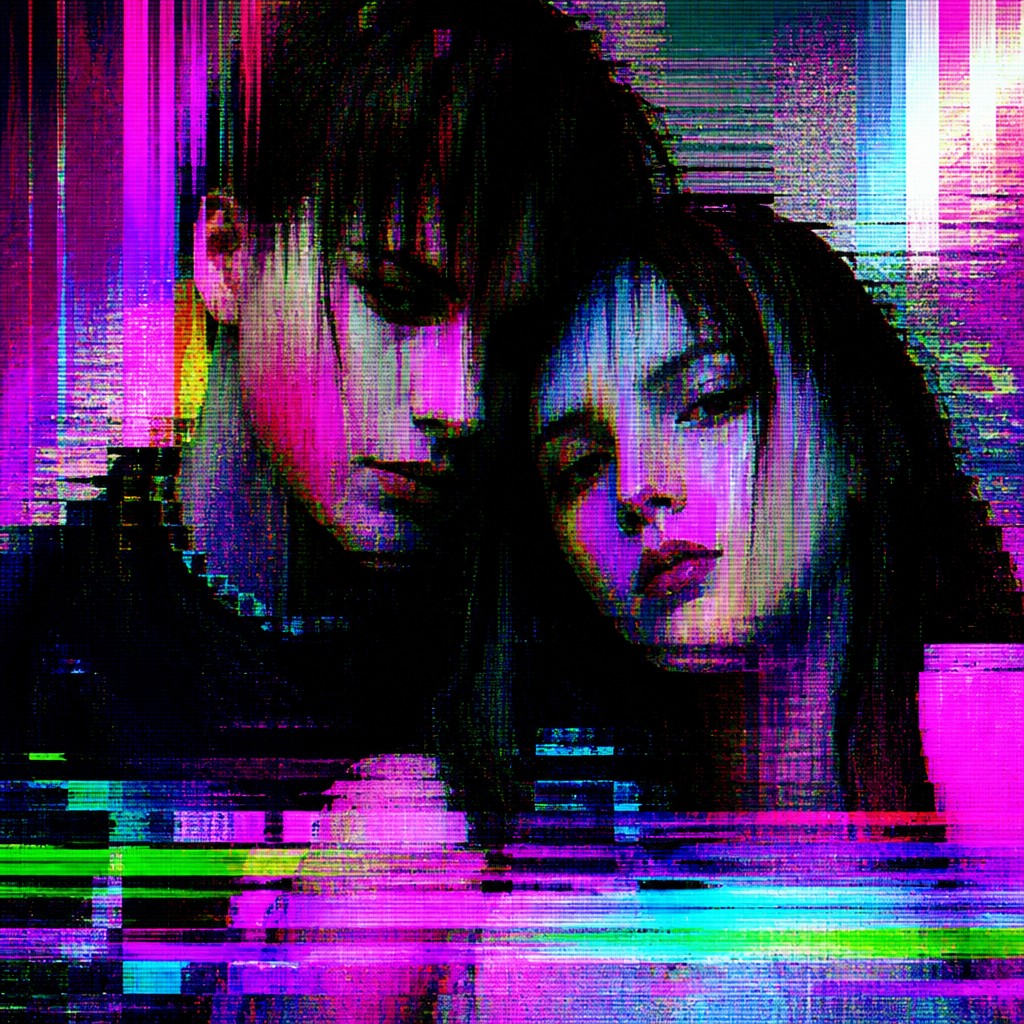
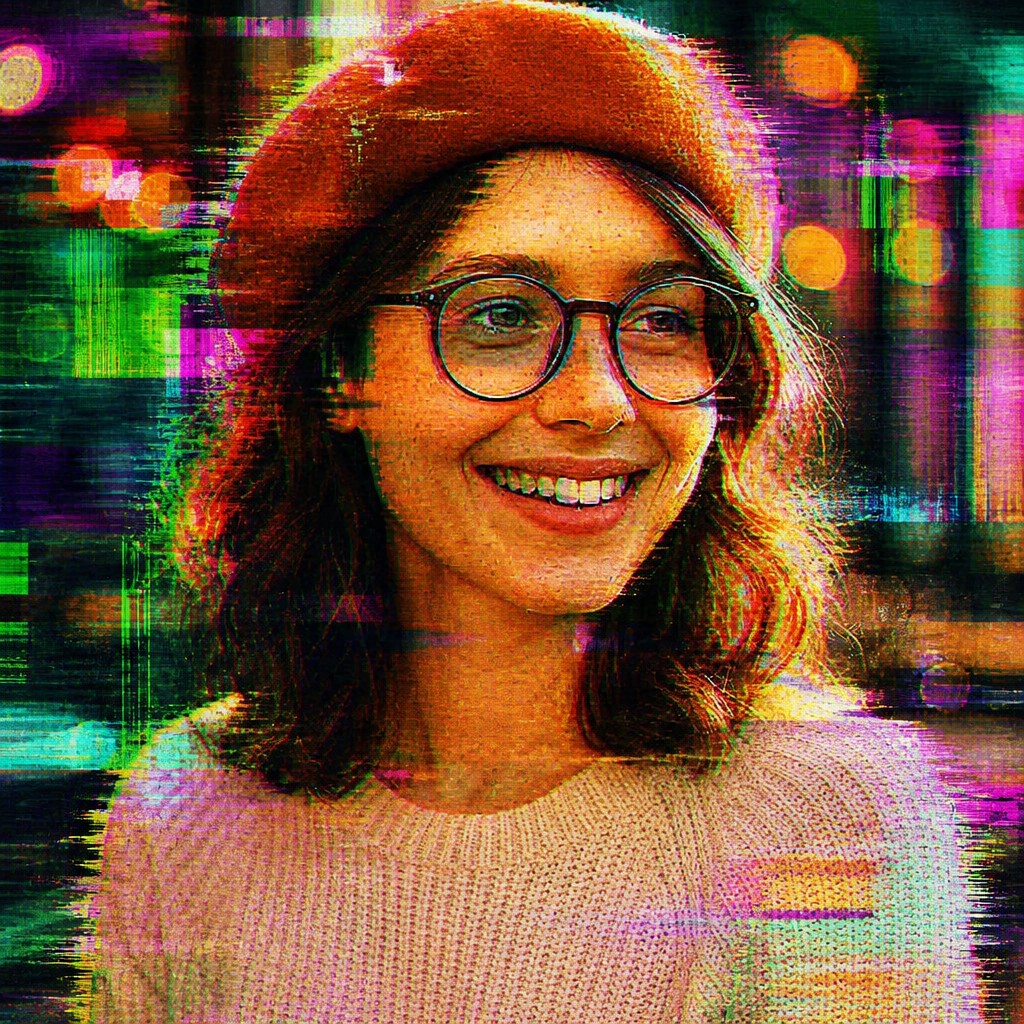
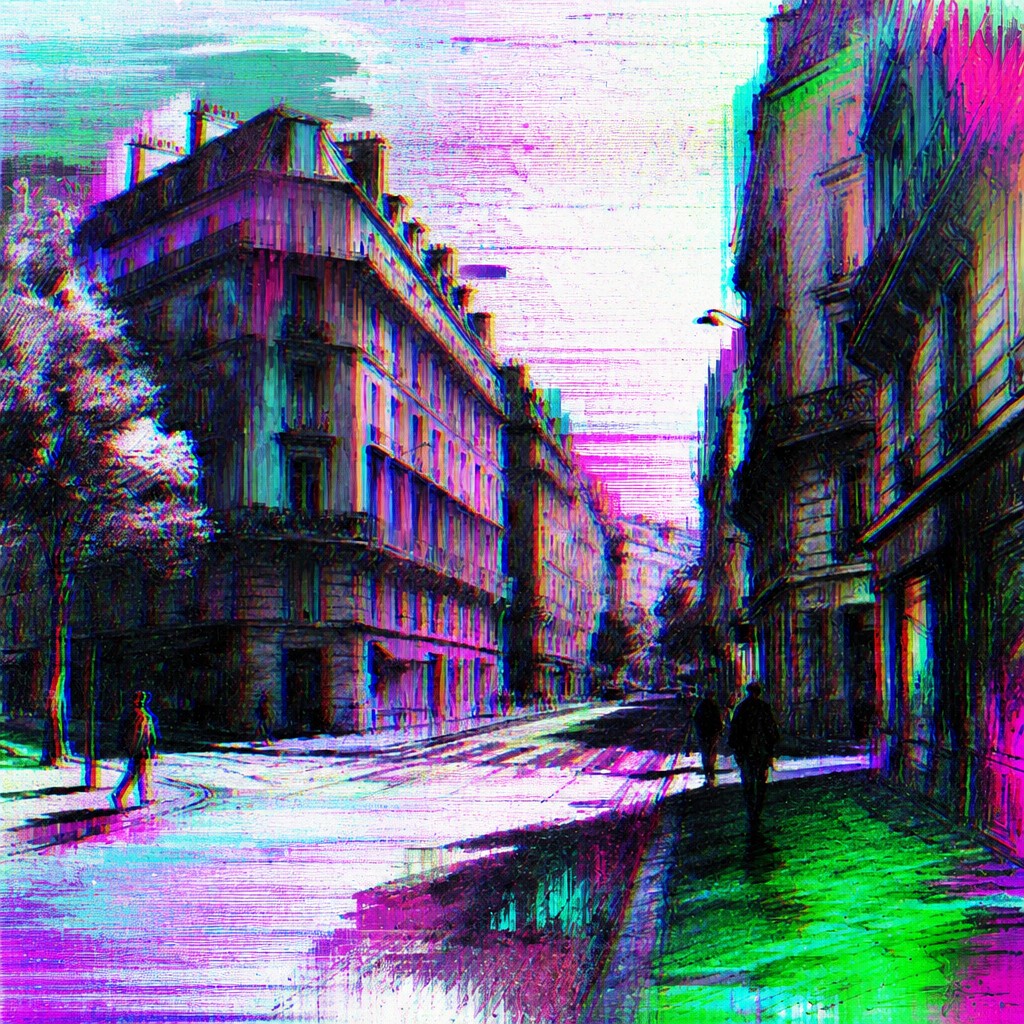
Upload any photo and convert it into Digital Glitch Abstract Art Style — drag the sliders to compare before and after.


What Defines Digital Glitch Abstract Art Style
The signature details, up close
Pixel-sorting streaks
Detail is pulled into elongated vertical or horizontal bands, as if the image were dragged through a faulty sorting algorithm. This creates a sense of motion, collapse, and digital erosion.
Compression artifacts
Blocky edges, macroblocking, and posterized gradients are common. These defects imitate over-compressed video or images, giving the work a broken but intentional surface.
RGB channel separation
Color channels shift out of alignment, producing red, green, and blue halos around forms. The result is a chromatic vibration that makes edges feel unstable.
Datamoshed transitions
Coherent areas slide into corrupted passages where forms seem to melt or smear across the frame. This gives the composition a continuous tension between structure and error.
Static and scan-line noise
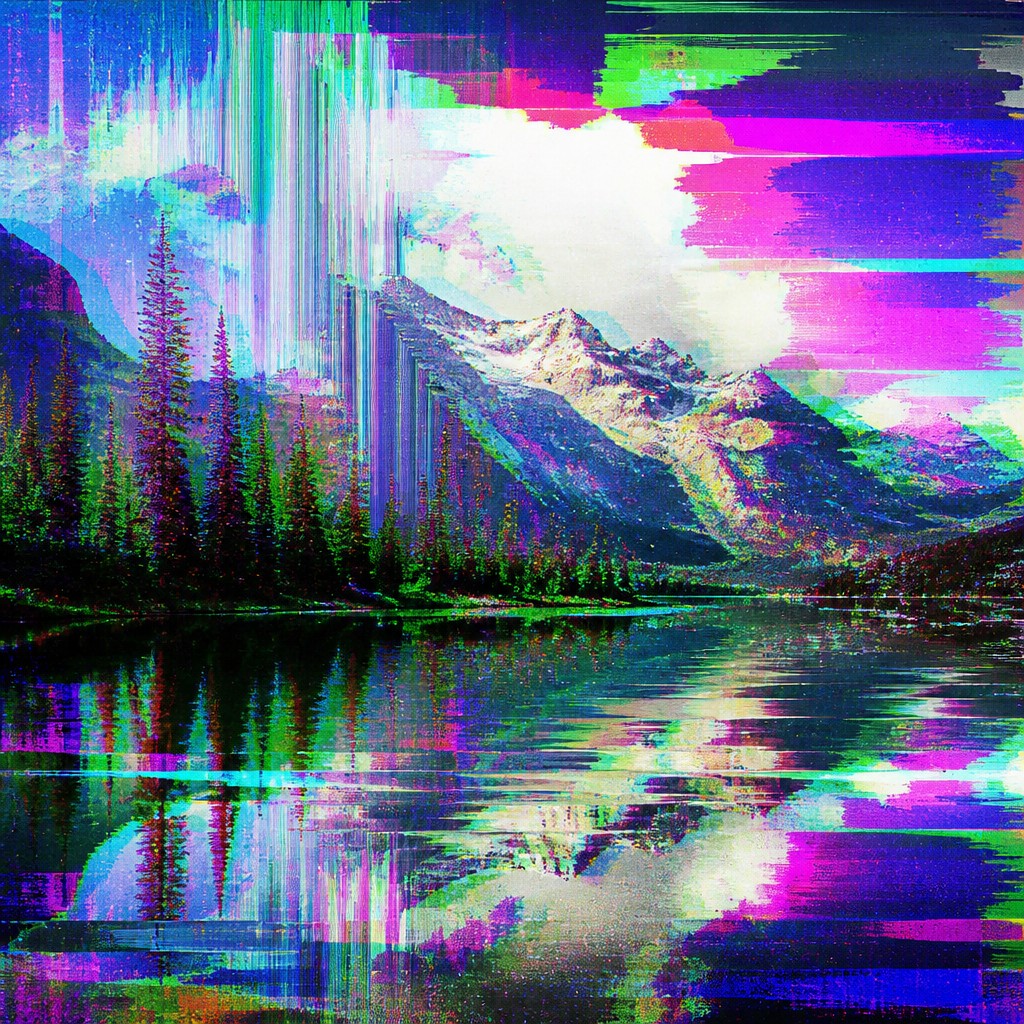
Fine grain, electronic snow, and horizontal scan lines add a broadcast-like texture. These elements evoke damaged screens, degraded signals, and analog-digital interference.
Electric terminal color
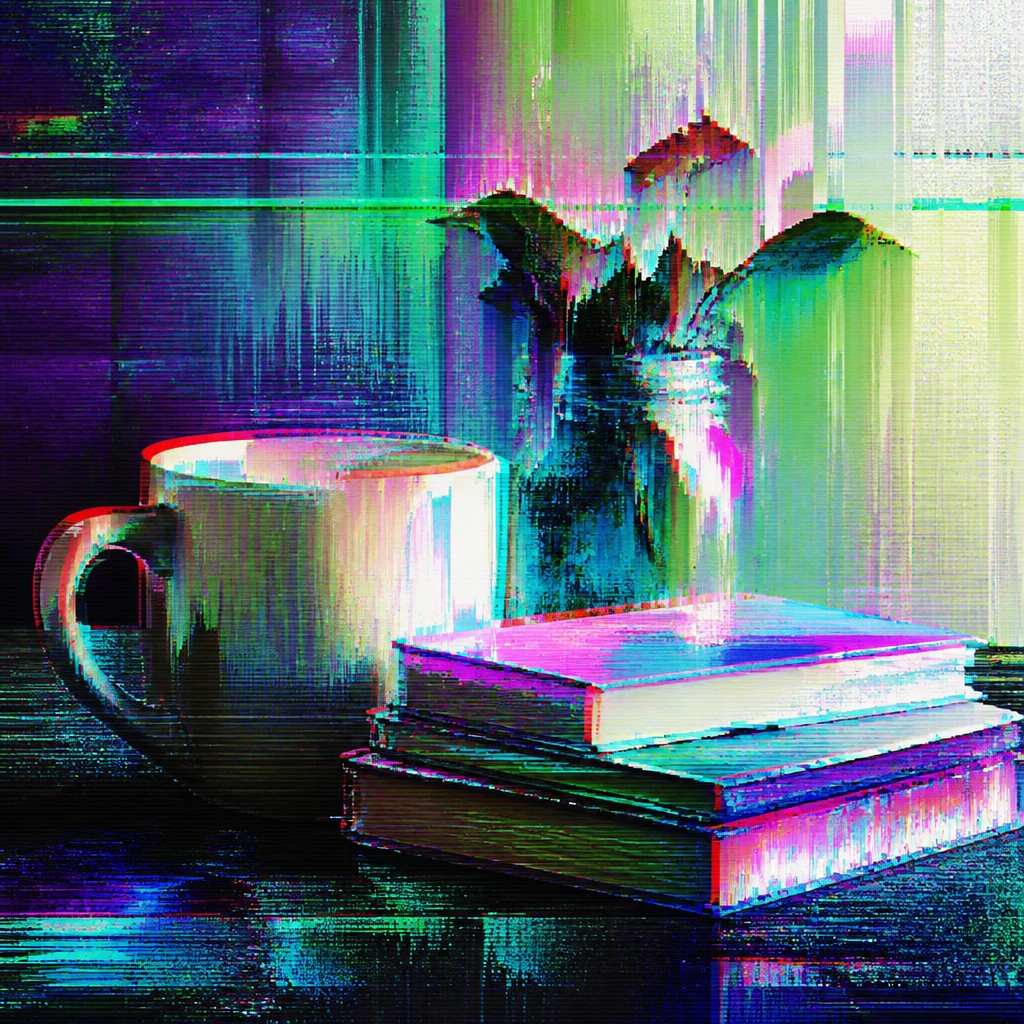
The palette often emphasizes cyan, magenta, acid green, deep black, and blown-out highlights. These colors reinforce the synthetic, high-contrast look associated with digital malfunction.
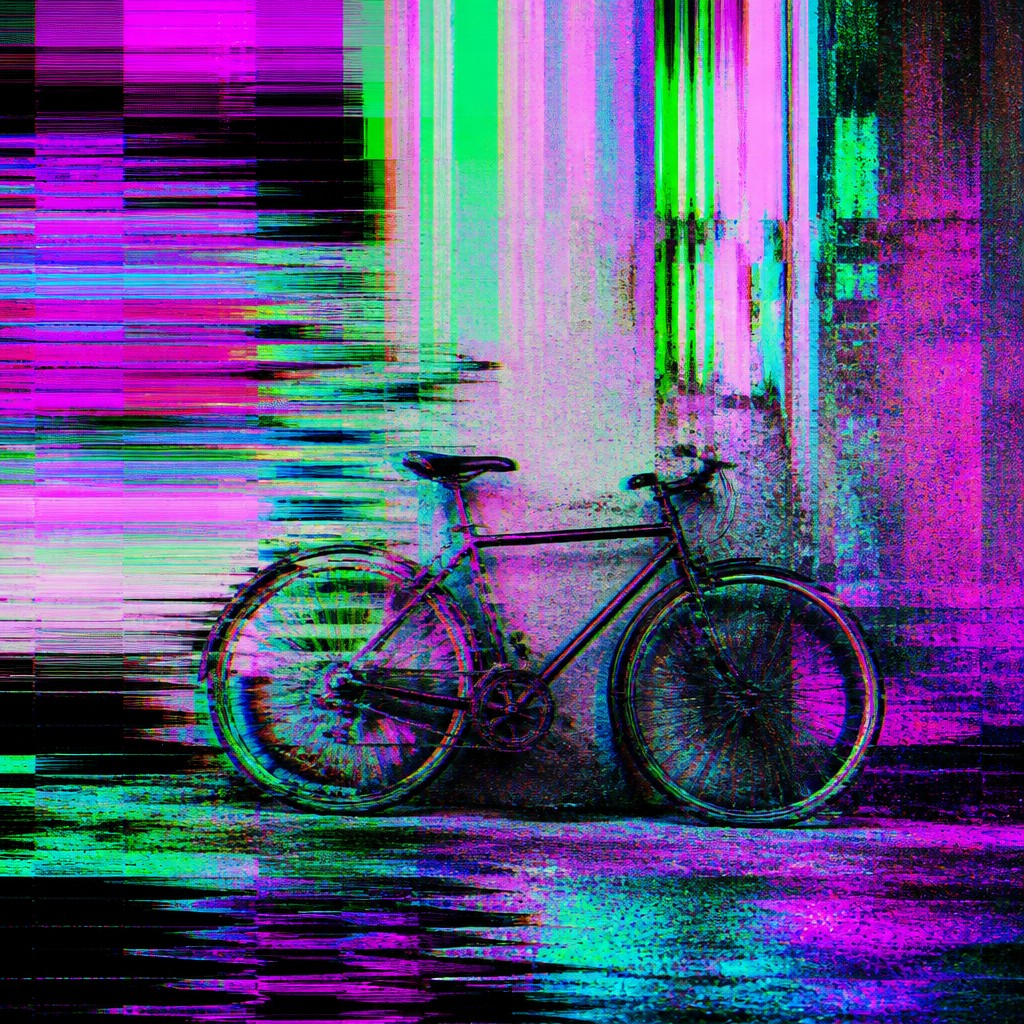
Abstracted image remnants
Even when the source subject is recognizable, it is usually partially erased by corruption. The style thrives on the boundary between legibility and data loss.
Try It
Create Videos in Digital Glitch Abstract Art Style
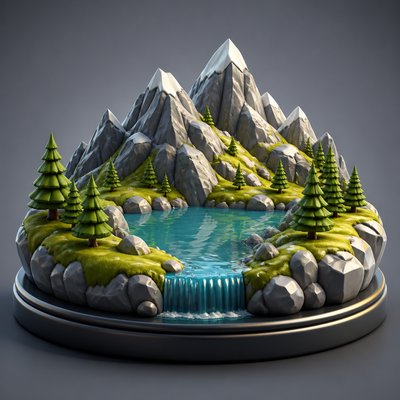
Styles aren't just for stills — describe a scene or animate an image and get a short video rendered in Digital Glitch Abstract. Press play to see this pond come to life.
Make a VideoDigital Glitch Abstract Prompt Ideas
Start from an idea — each one opens the generator with the style ready to go. See all 40 Digital Glitch Abstract prompts →
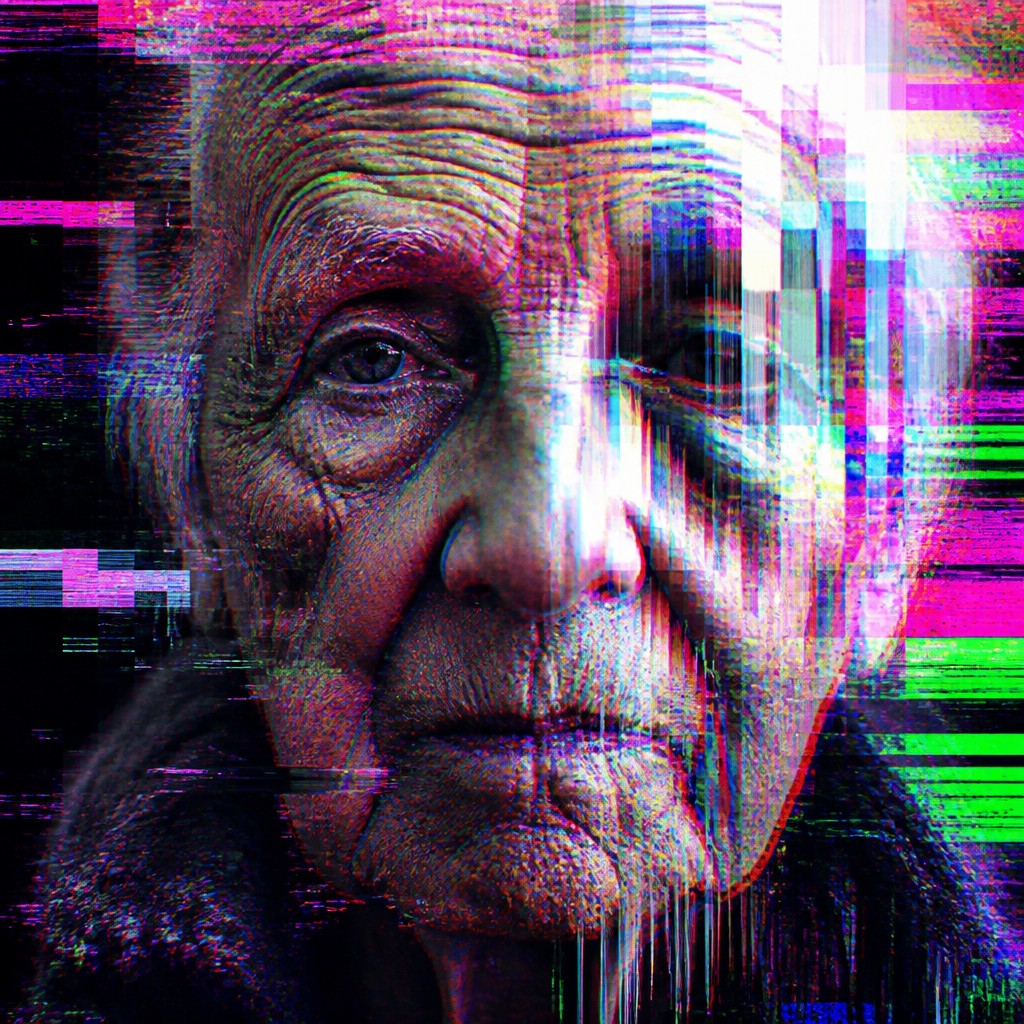
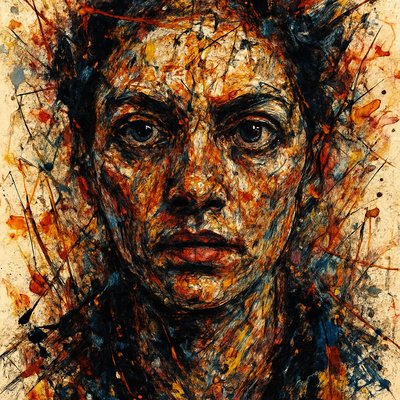
“close-up portrait of an elderly person with expressive weathered features”
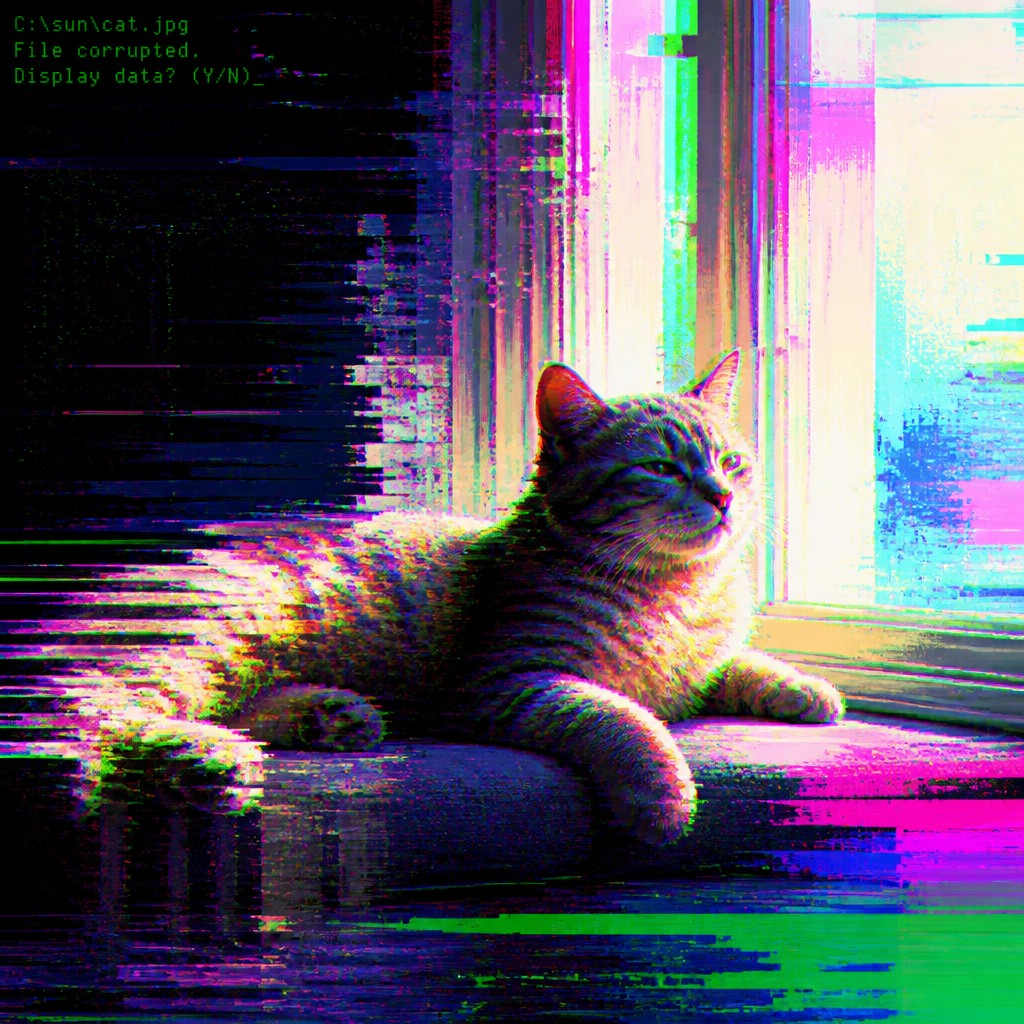
“a cat lounging in a sunlit window”
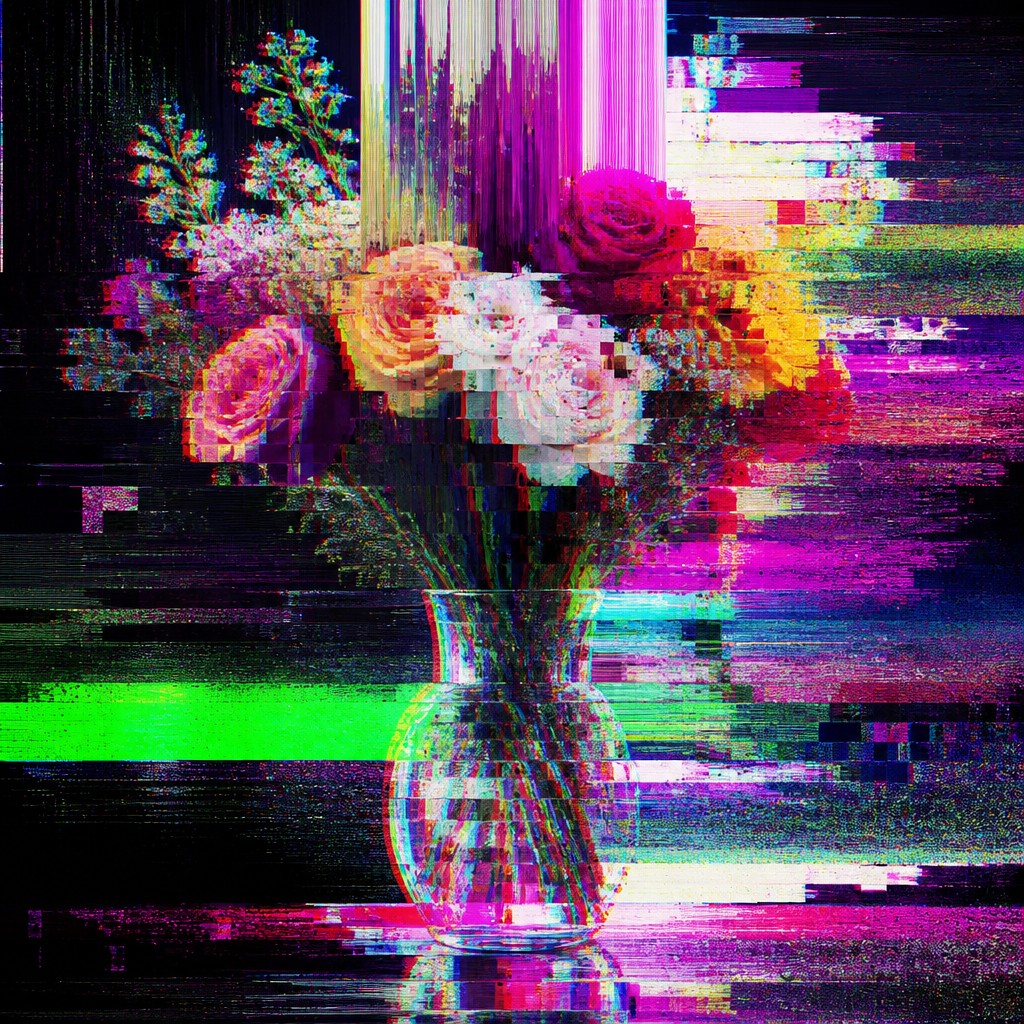
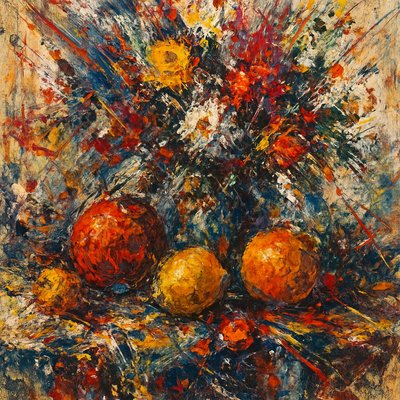
“bouquet of flowers in a glass vase”
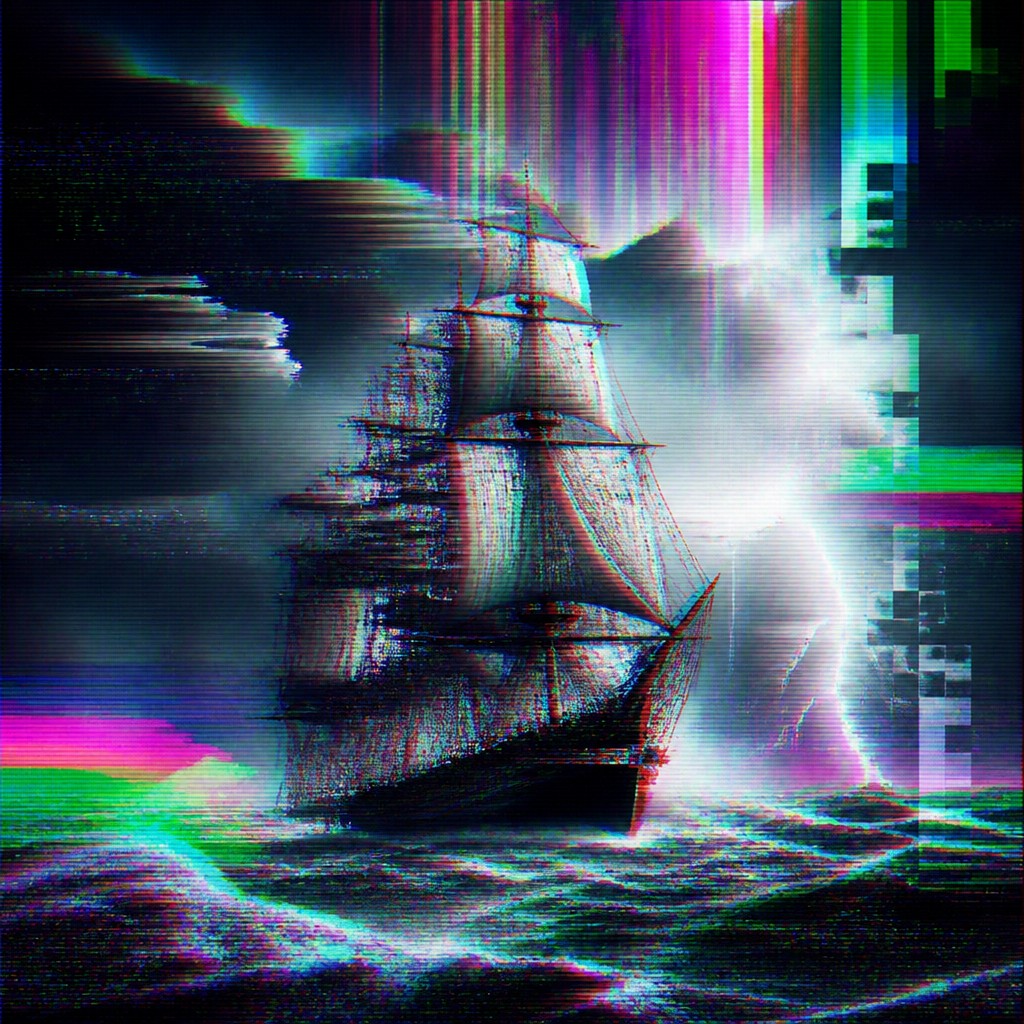
“sailing ship on a stormy sea”
How to Create Digital Glitch Abstract Art
Master the craft step by step — or skip straight to creating. Read the full guide →
- 1
Start with a clear source image
Choose a subject with strong silhouettes or graphic contrast, such as a portrait, skyline, object still life, or figure in motion. Strong source structure gives the glitches something to distort without becoming visually empty.
- 2
Use controlled digital corruption
In digital editing, experiment with pixel sorting, repeated compression, channel offsets, scan-line overlays, and datamoshing-inspired smears. Keep some areas intact and others heavily damaged so the composition feels deliberate rather than random.
- 3
Build around contrast and value
Push highlights toward clipping and shadows toward crushing to intensify the sense of electronic overload. High contrast makes the broken textures and color separation more legible.
- 4
Balance structure and noise
A convincing glitch composition usually alternates between readable zones and corrupted zones. Use bands, edges, or focal points to anchor the image before letting distortion break it apart.
- 5
Approach it as abstract mark-making
For a manual or mixed-media approach, imitate digital breakdown with layered strips, scanned noise, fragmented collage, or printer artifacts. The goal is not literal error but the visual logic of error.
- 6
Write prompts that specify the kind of failure
When generating the look from text, mention the source subject first, then add terms like pixel-sorting streaks, RGB separation, compression artifacts, scan lines, and datamoshed passages. The more specific the distortion vocabulary, the more controlled the result.

The Story
History & Origins of Digital Glitch Abstract
This style has no single historical origin as a formal art movement; it emerges from late-20th- and early-21st-century digital culture, where artists began using technological malfunction as an aesthetic resource. Its lineage includes experiments with databending, datamoshing, glitch processing, pixel sorting, and the visual language of corrupted video, JPEG artifacts, and CRT display errors.
It also draws from earlier abstract art and media art traditions that valued process, chance, and material disruption, but translated into digital terms. As screens, compression, and networked images became central to visual culture, glitch aesthetics developed as a way to reflect the fragility of digital systems, while turning their errors into an expressive form of abstraction.
Influences: Digital Glitch Abstract Art is related to glitch art, databending, net art, and contemporary digital abstraction, while also borrowing compositional ideas from influential mid-20th-century abstract painters and major postwar color-field and edge-based abstraction movements in its emphasis on surface, rhythm, and controlled accident. It shares a concern for process with artists who used chance and fracture in earlier media, but its materials are distinctly screen-based and compression-driven rather than painterly or photographic in the traditional sense.
Frequently Asked Questions
What defines Digital Glitch Abstract Art?
It is defined by the intentional use of digital errors as the main visual language. Instead of presenting a clean image, it uses distortion, breakup, channel shifts, and compression damage to create an abstract composition. The style often feels like a corrupted file turned into design.
How is this different from general glitch art?
Glitch art is the broader category, which can be photographic, typographic, figurative, or purely experimental. Digital Glitch Abstract Art is specifically abstract in emphasis, with the corruption itself taking priority over any readable subject. It is less about documenting an error and more about composing with it.
Can this style still include recognizable subjects?
Yes. Many works begin with a face, landscape, object, or architectural scene and then partially corrupt it. The recognizable source often makes the distortion more striking because viewers can see what has been fragmented.
What techniques are commonly used to make it?
Common techniques include pixel sorting, compression layering, RGB splitting, scan-line overlays, static noise, and datamoshing-inspired smears. In analog-inspired workflows, artists may also scan printed images, re-photograph screens, or introduce deliberate file corruption and collage-like fragmentation.
Where is this style used?
It appears in poster design, album art, experimental motion graphics, editorial illustration, virtual imagery, and digital exhibitions. Its mix of instability and high contrast makes it useful for work that wants to feel contemporary, synthetic, or psychologically fractured.
What makes this style visually successful?
The strongest examples keep a tension between legibility and breakdown. If everything is equally corrupted, the image can lose structure; if the image is too clean, it stops feeling like glitch abstraction. A good composition uses error as rhythm, not just decoration.
Create your first Digital Glitch Abstract artwork
Describe anything — or upload a photo — and see it in Digital Glitch Abstract Art Style in seconds.
Make Something with Digital Glitch Abstract
Compare Digital Glitch Abstract
Related Styles
Discover similar art styles