Creepy Liminal Art Style
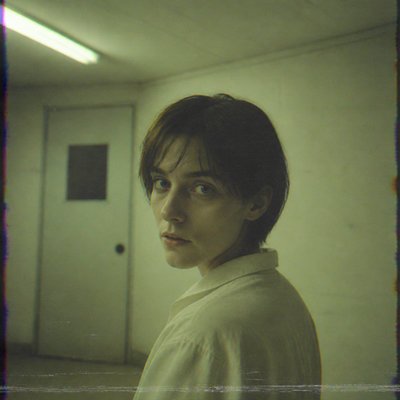
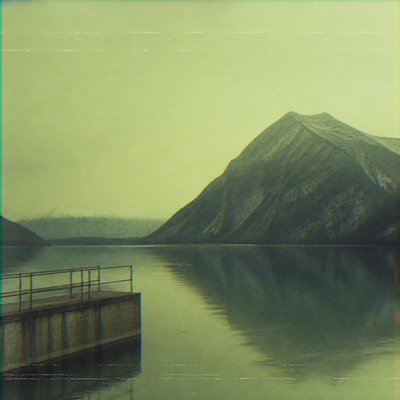
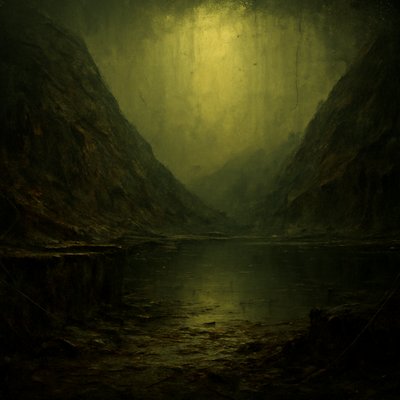
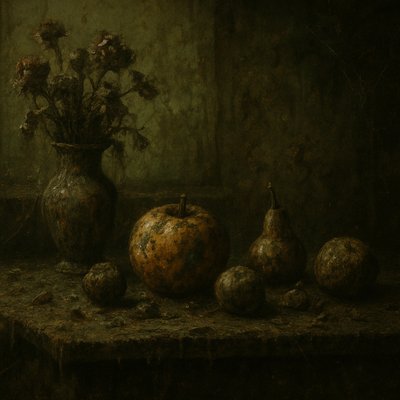
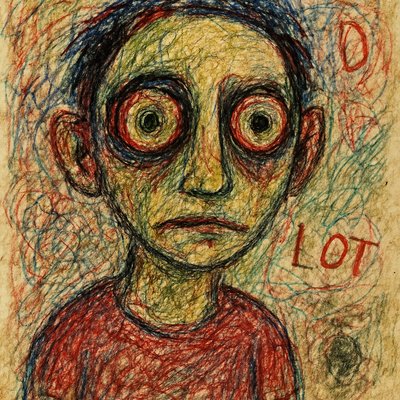
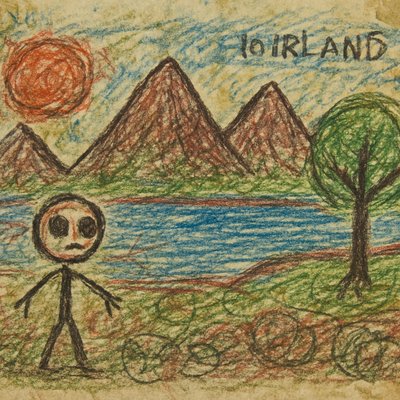
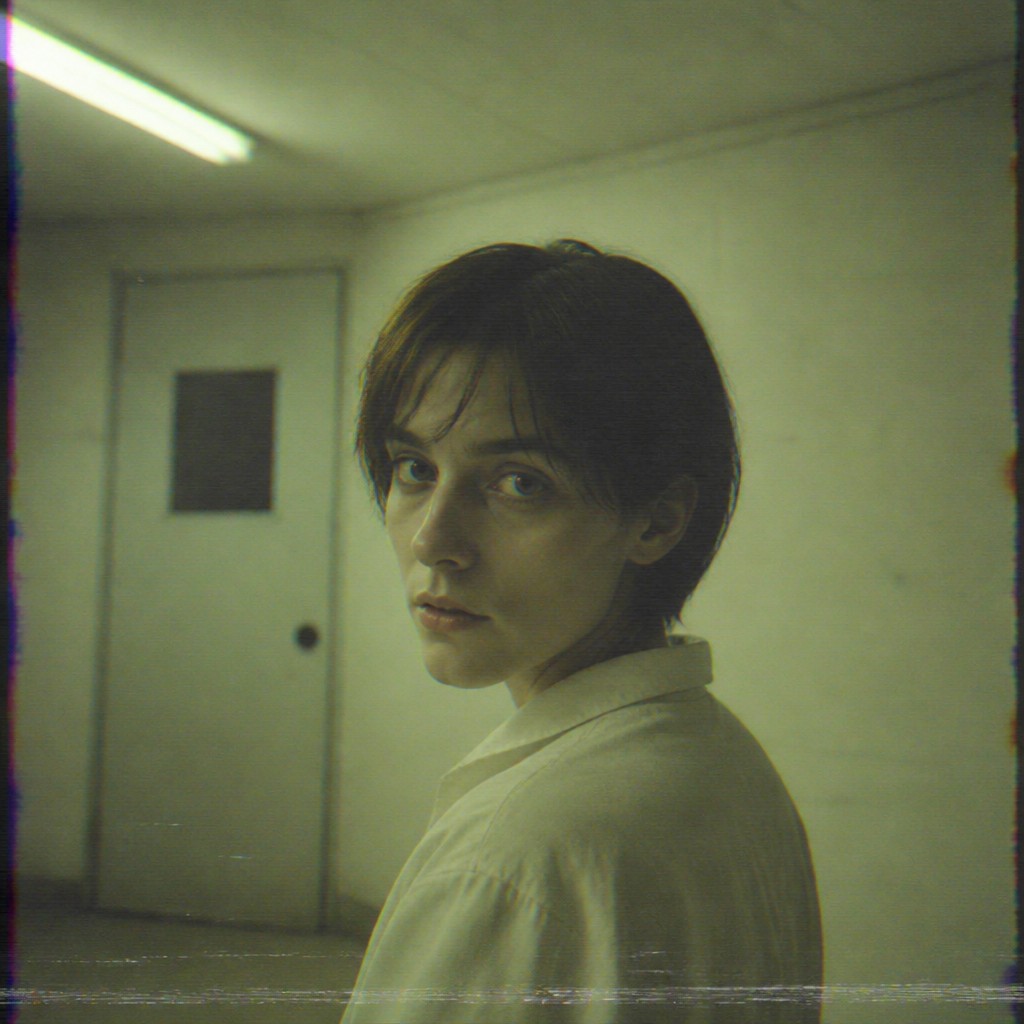
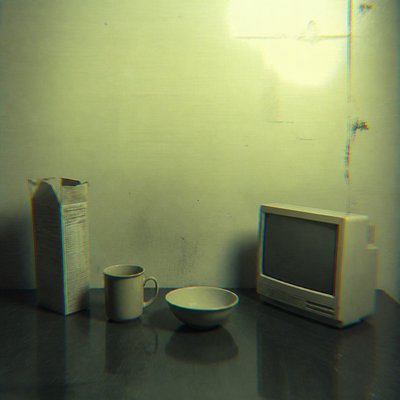
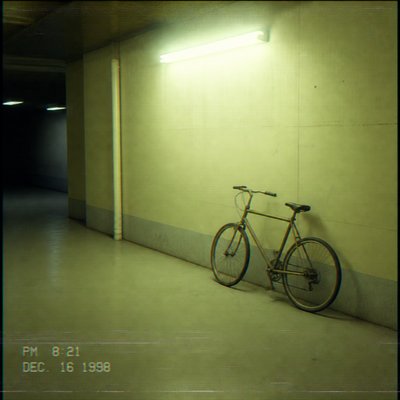
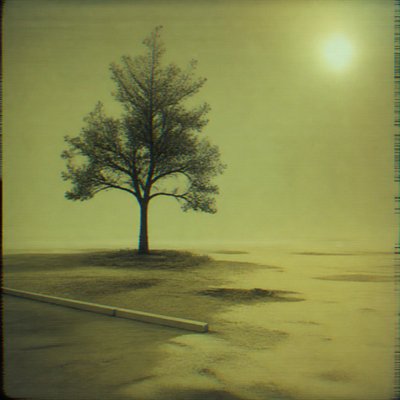
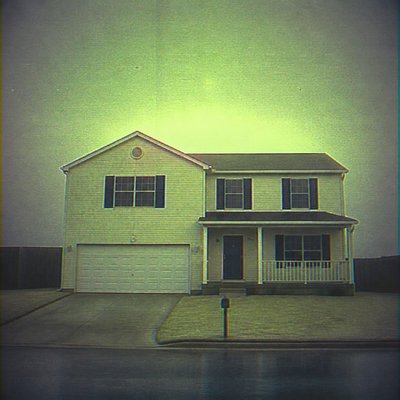
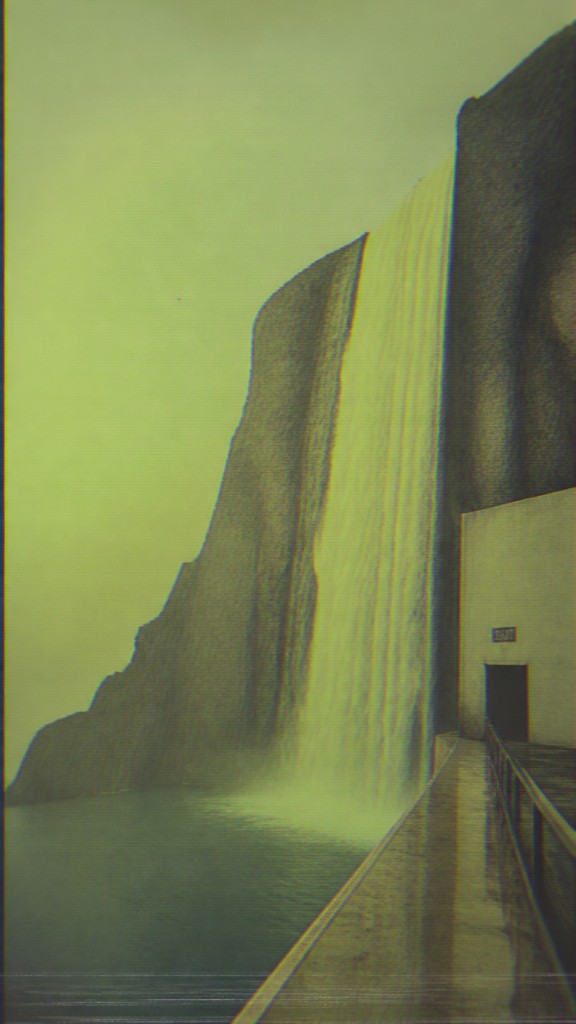
Unsettling empty spaces, sickly fluorescent light, and degraded VHS texture create a reality-glitching liminal aesthetic.
Instantly rendered in Creepy Liminal — or transform a photo
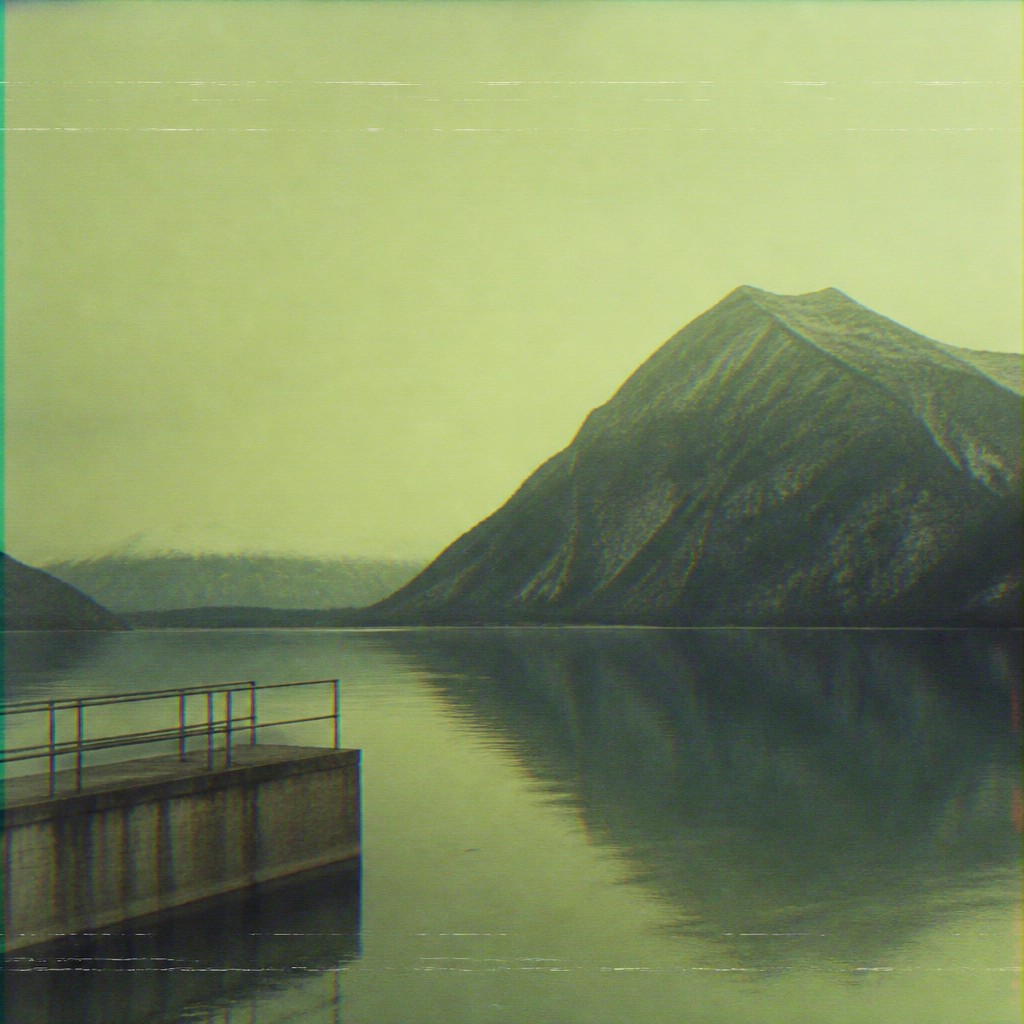
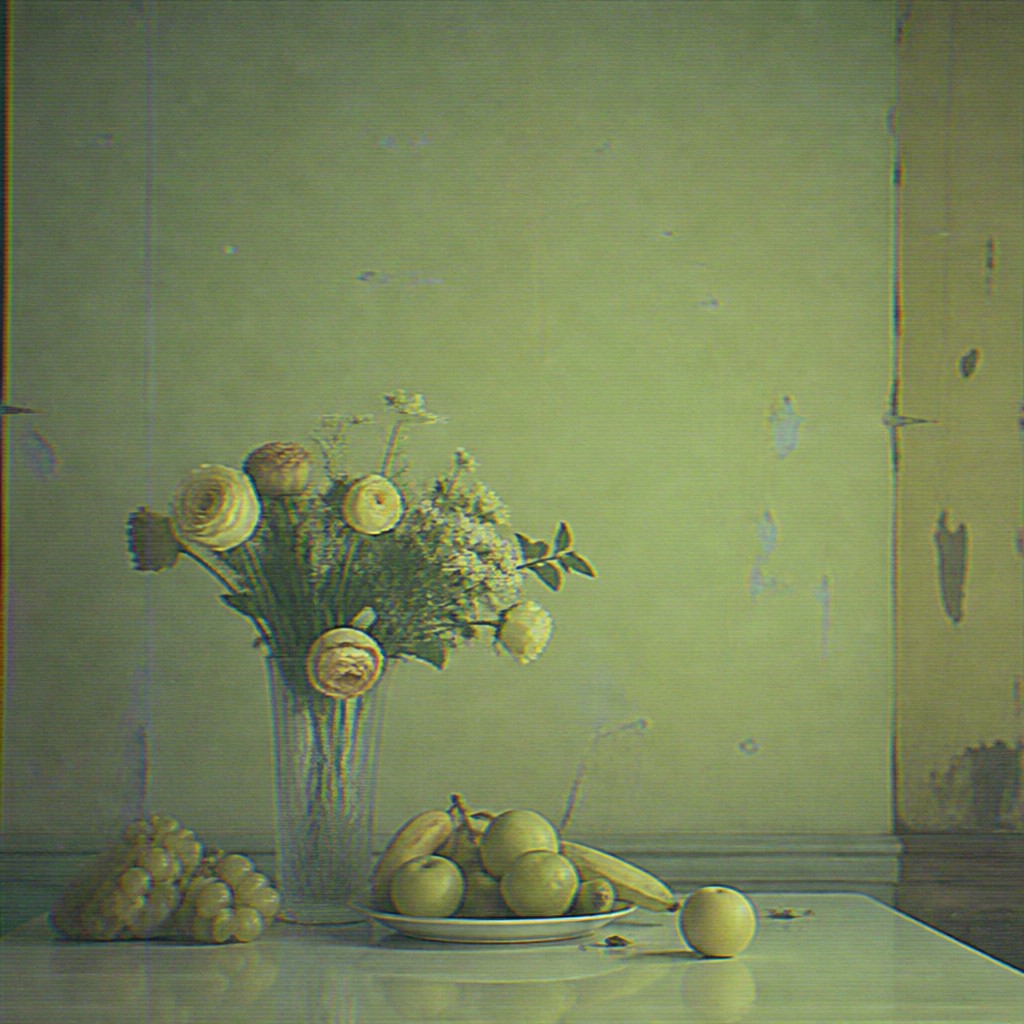
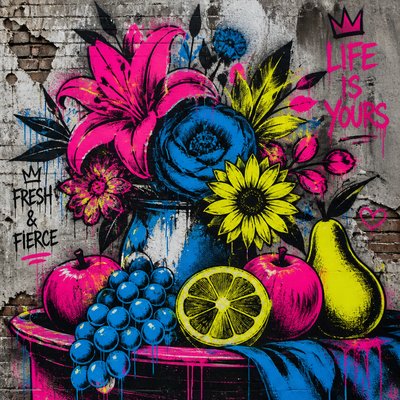
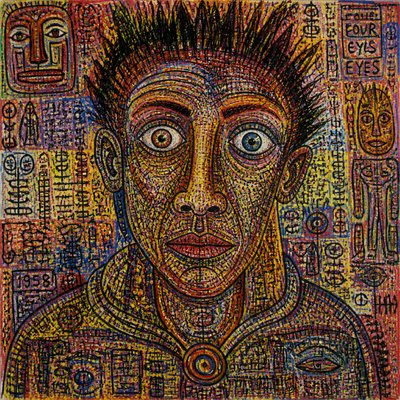
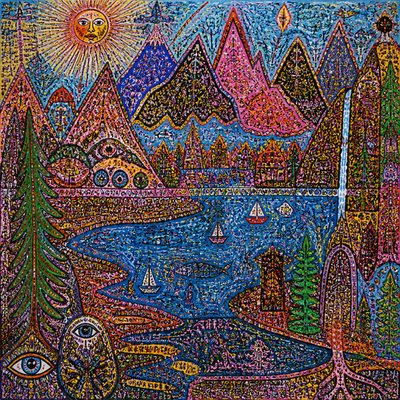
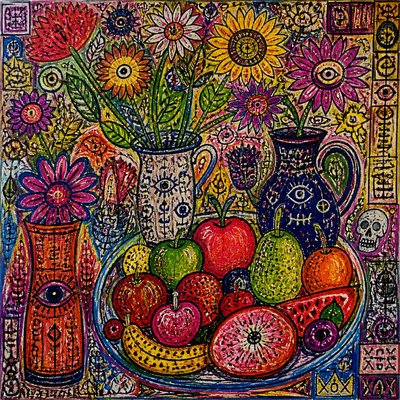
Creepy Liminal Gallery
Tap any artwork to explore it
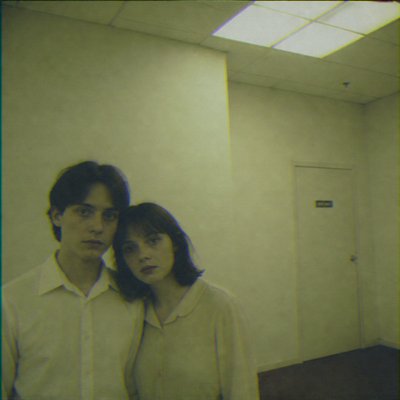
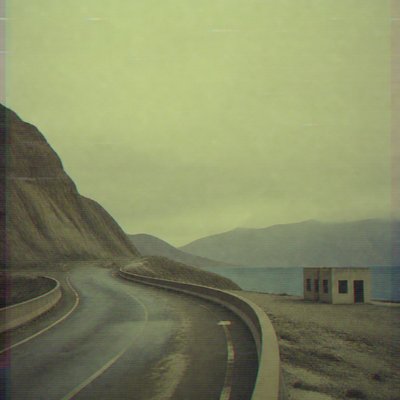
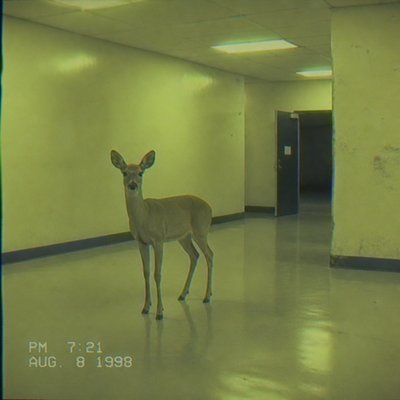
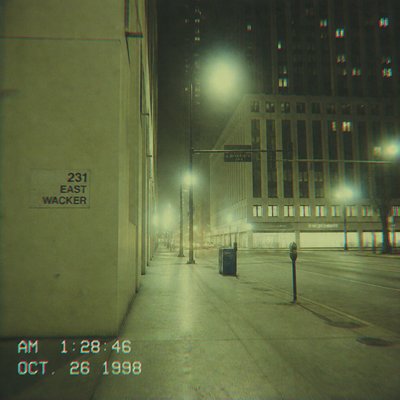
What is Creepy Liminal Art Style?
Creepy liminal art is an aesthetic built around spaces that feel suspended between use and abandonment: hallways, waiting rooms, stairwells, parking garages, school corridors, hotel lobbies, and other transitional interiors. Its unease comes not from overt horror, but from a quiet sense that the place is familiar, yet slightly incorrect—too empty, too clean, too still, or lit in a way that flattens the world into an artificial pallor.
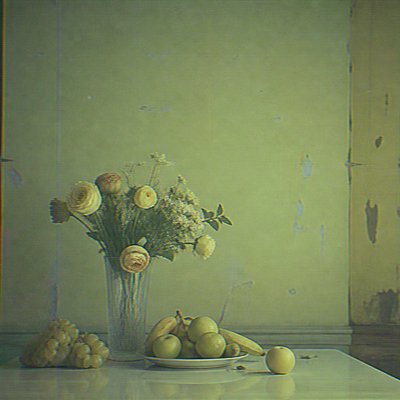
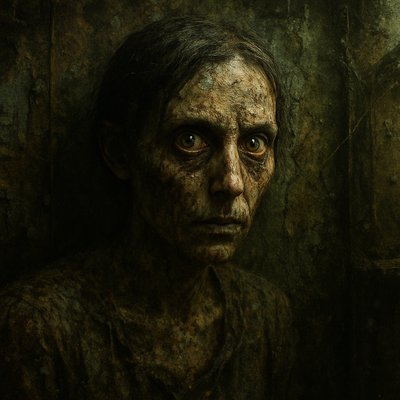
The style is defined by a desaturated palette, sickly fluorescent illumination, compressed depth, and large areas of vacant negative space. Surfaces often appear faded, grainy, or digitally degraded, as if the image were pulled from a damaged tape or a memory with missing pieces. The result feels like a reality glitch: ordinary architecture made uncanny through omission, distortion, and a persistent sense that something should be there but is not.
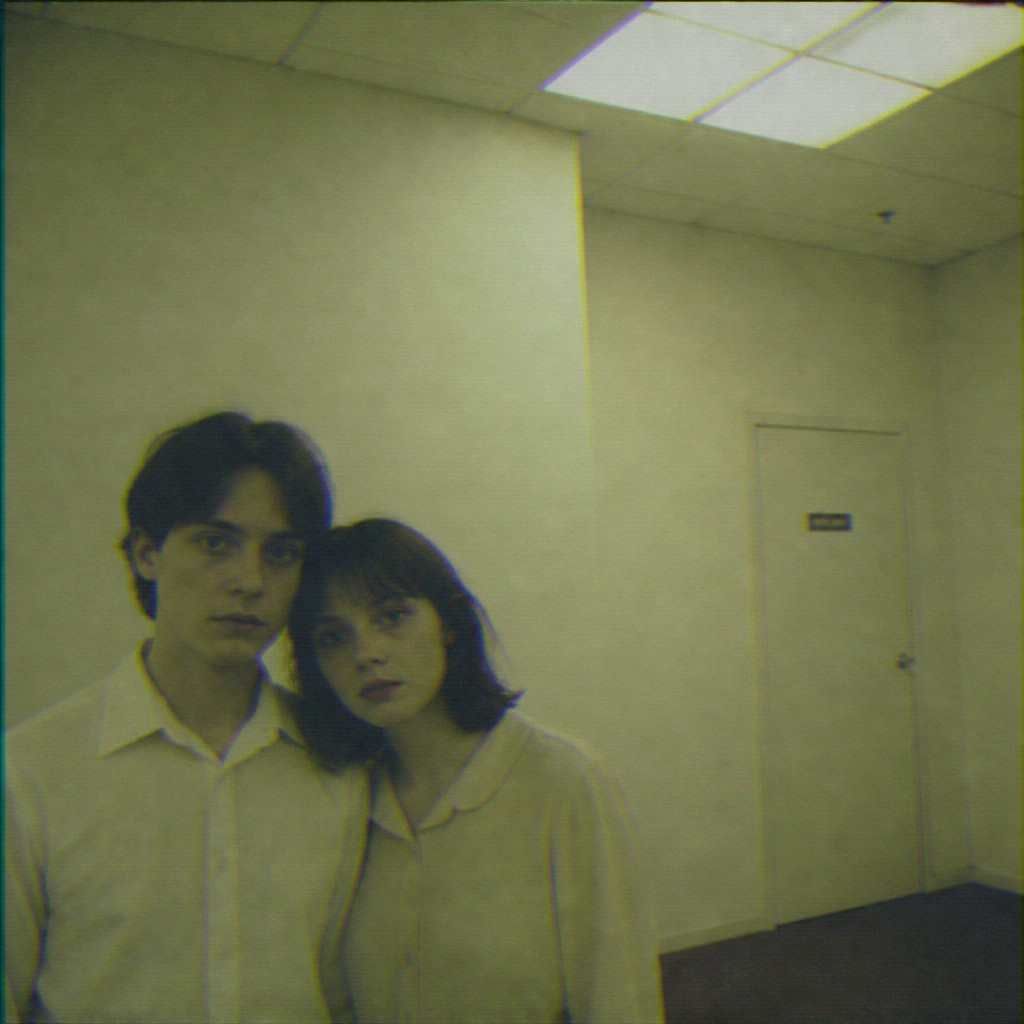
Try It On Your Photos
Upload any photo and convert it into Creepy Liminal Art Style — drag the sliders to compare before and after.
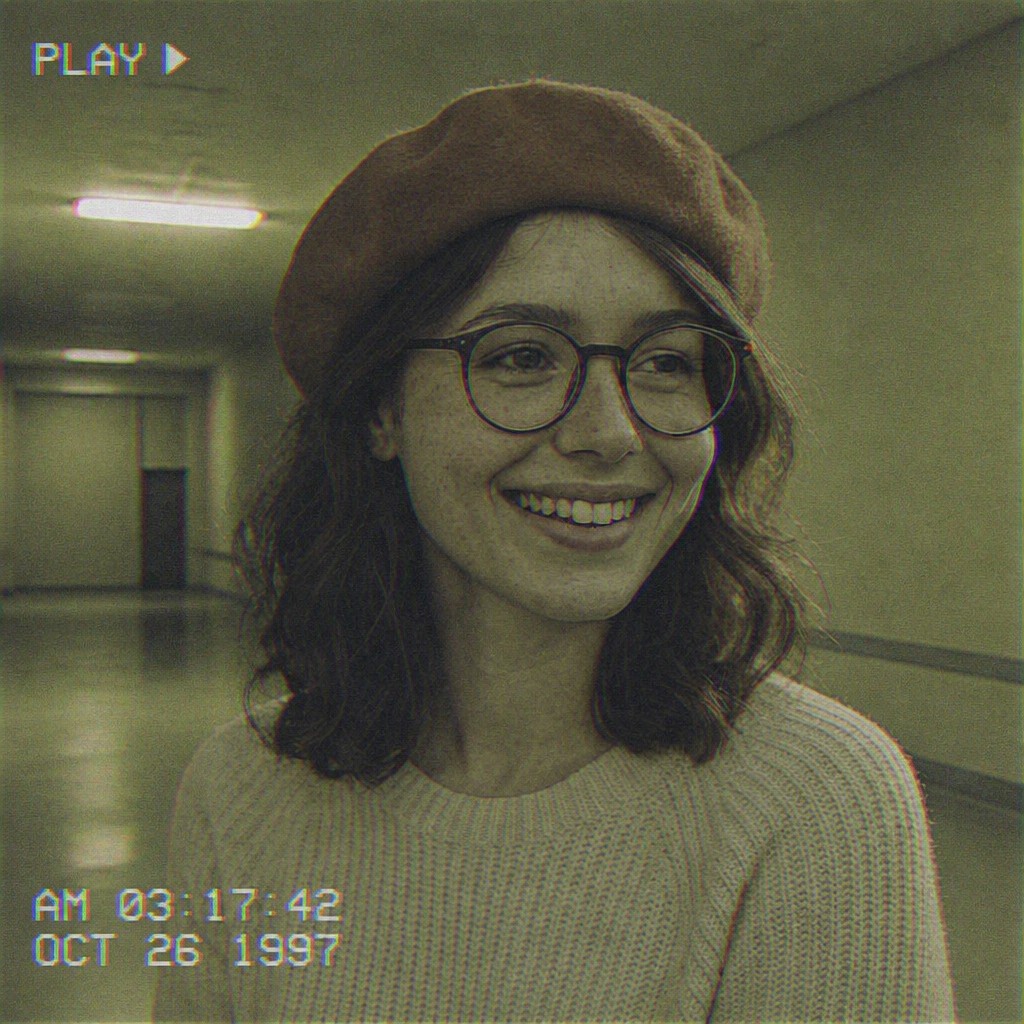

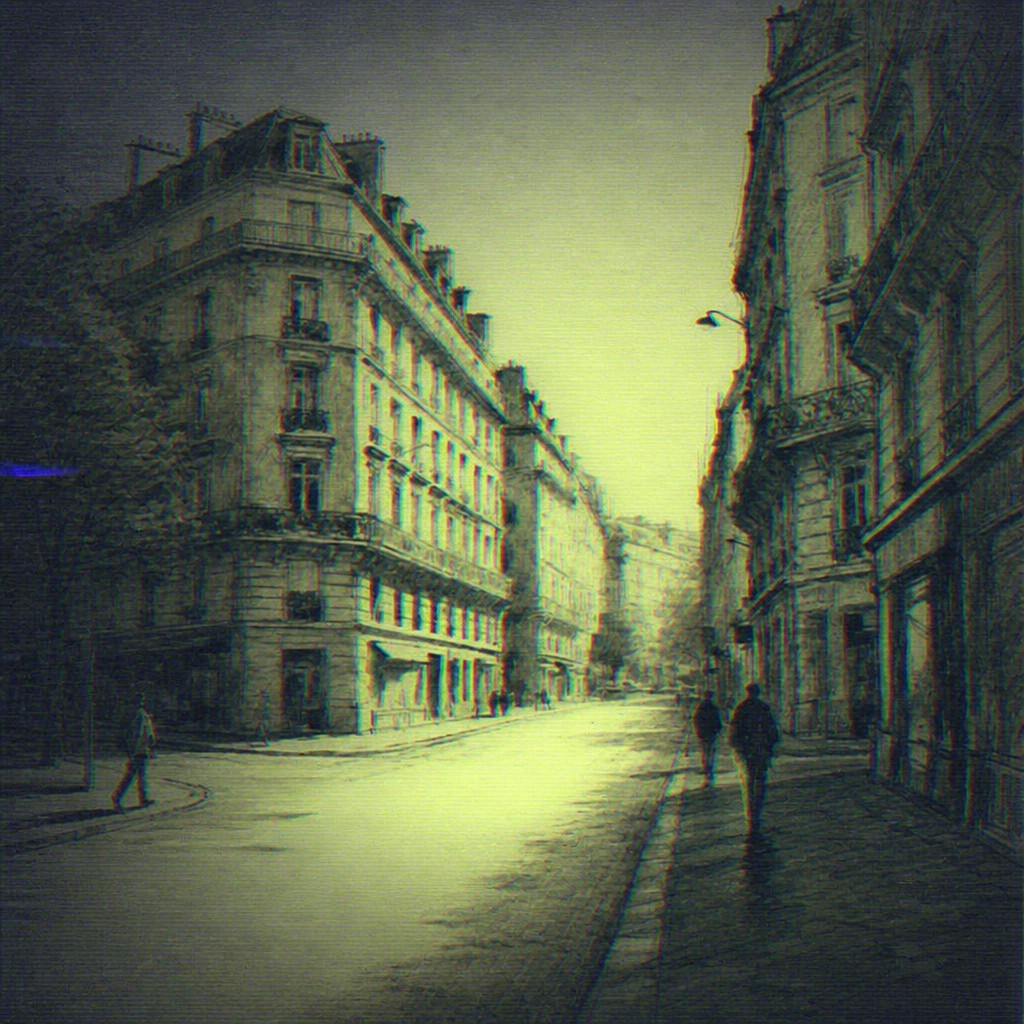

What Defines Creepy Liminal Art Style
The signature details, up close
Transitional, in-between settings
Hallways, corridors, lobbies, staircases, underpasses, and empty commercial interiors are central because they imply movement without arrival. These places feel temporary, anonymous, and psychologically incomplete.
Sickly fluorescent lighting
The lighting is often flat, harsh, and yellow-green, as if from aging institutional fixtures. This creates a pallid atmosphere that strips warmth from the scene and makes surfaces look slightly diseased or synthetic.
Desaturated, contaminated color
Beiges, faded yellows, gray-blues, and dull greens dominate, with highlights that appear overexposed or washed out. The restrained palette reduces visual comfort and makes the environment feel drained of life.
Emptiness and negative space
Large areas of blank floor, vacant wall, or unoccupied distance heighten the tension. The absence of people or activity becomes the main subject, implying a missing narrative.
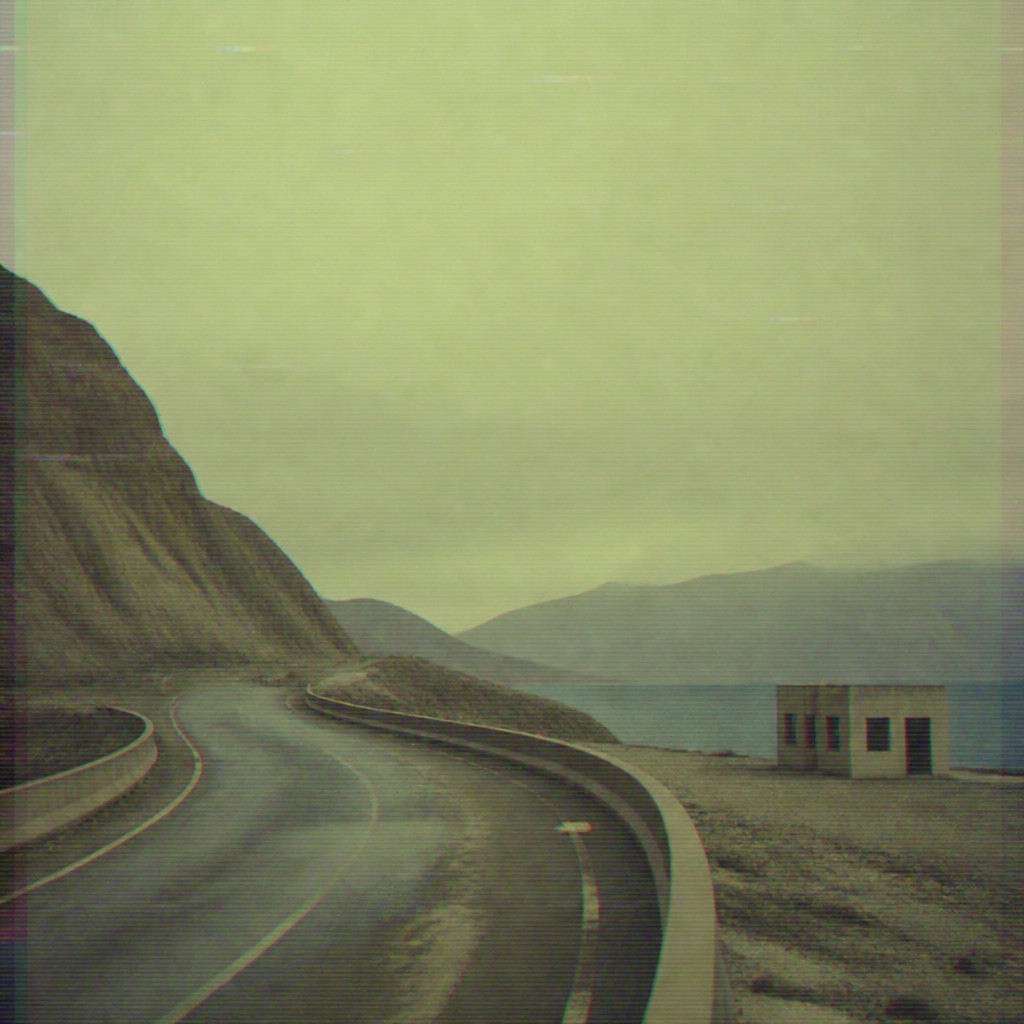
Subtle perspective distortion
The viewpoint may feel slightly wrong: too compressed, too low, too centered, or faintly tilted. This produces claustrophobia and a sense that the space does not obey ordinary spatial expectations.
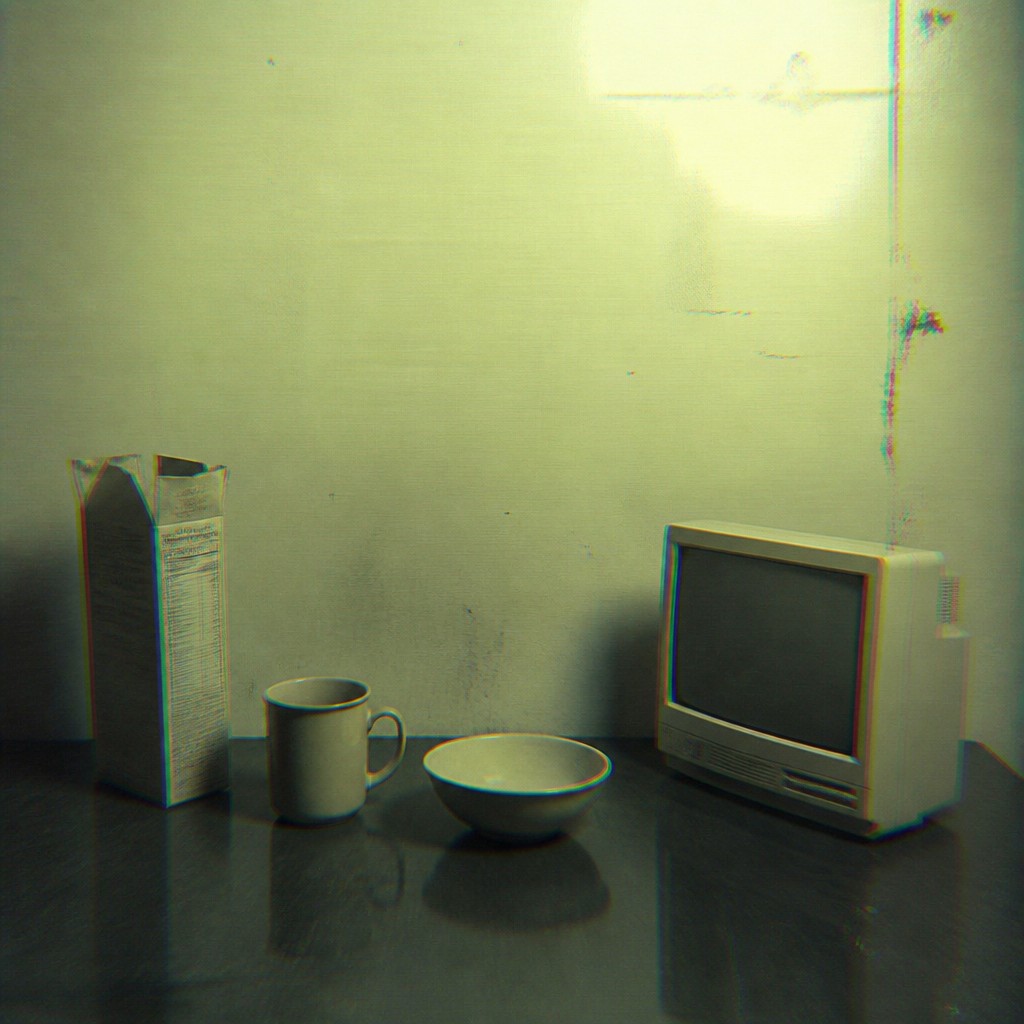
Degraded analog texture
Grain, blur, video noise, scanline-like artifacts, and chromatic aberration add a sense of damaged memory or obsolete recording. The image seems partially corrupted, as if reality were being replayed through malfunctioning media.
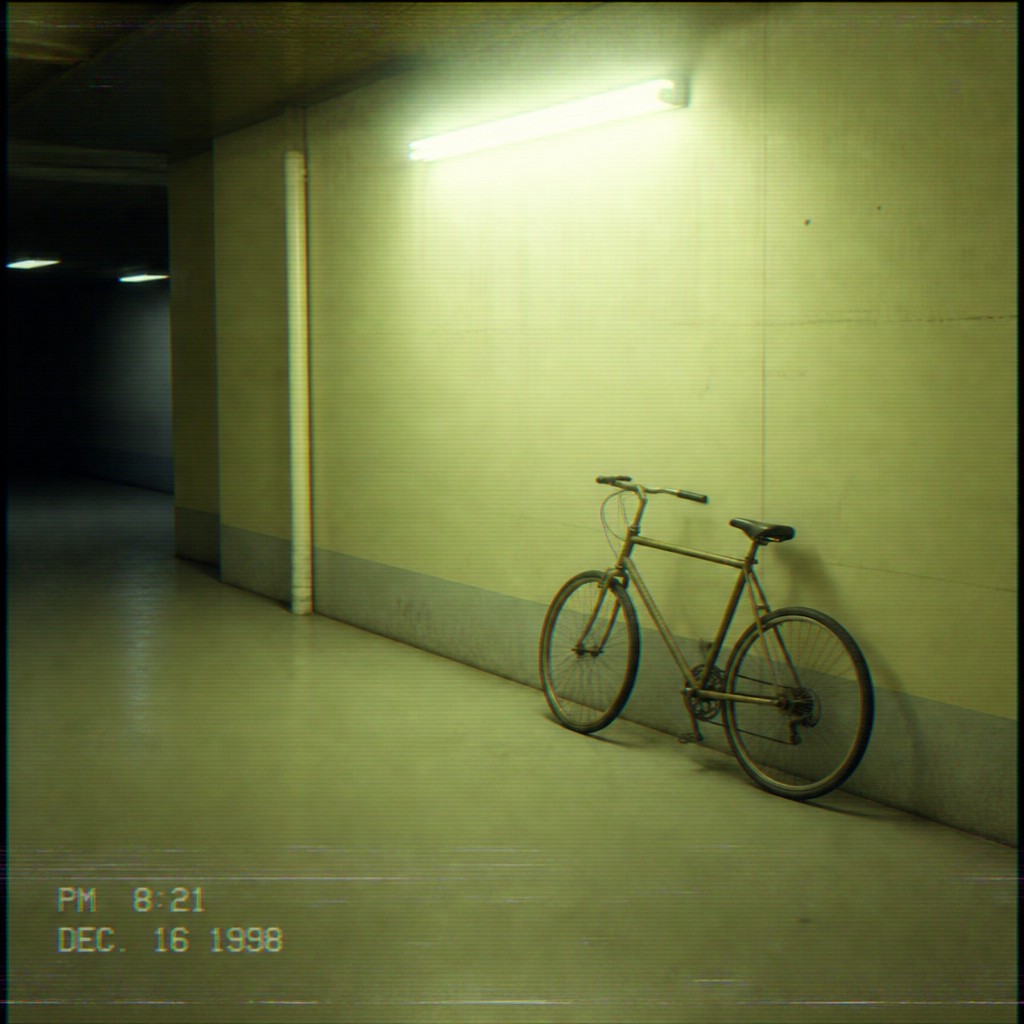
Eerily clean deterioration
Objects and surfaces often look maintained but not alive—clean enough to be plausible, yet subtly worn, stained, or fading. That contradiction is key: the environment is ordinary, but its condition feels quietly off.
Try It
Create Videos in Creepy Liminal Art Style
Styles aren't just for stills — describe a scene or animate an image and get a short video rendered in Creepy Liminal. Press play to see this pond come to life.
Make a VideoCreepy Liminal Prompt Ideas
Start from an idea — each one opens the generator with the style ready to go. See all 40 Creepy Liminal prompts →
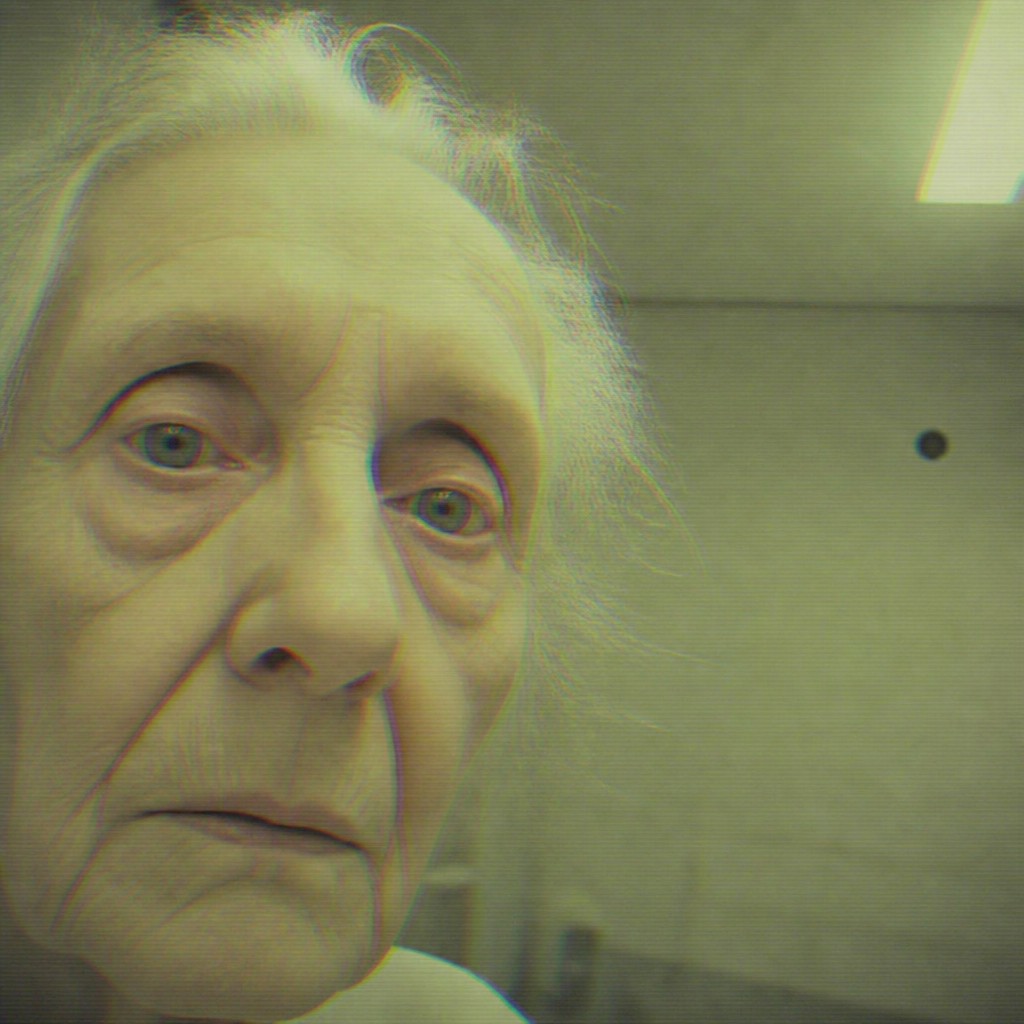
“close-up portrait of an elderly person with expressive weathered features”
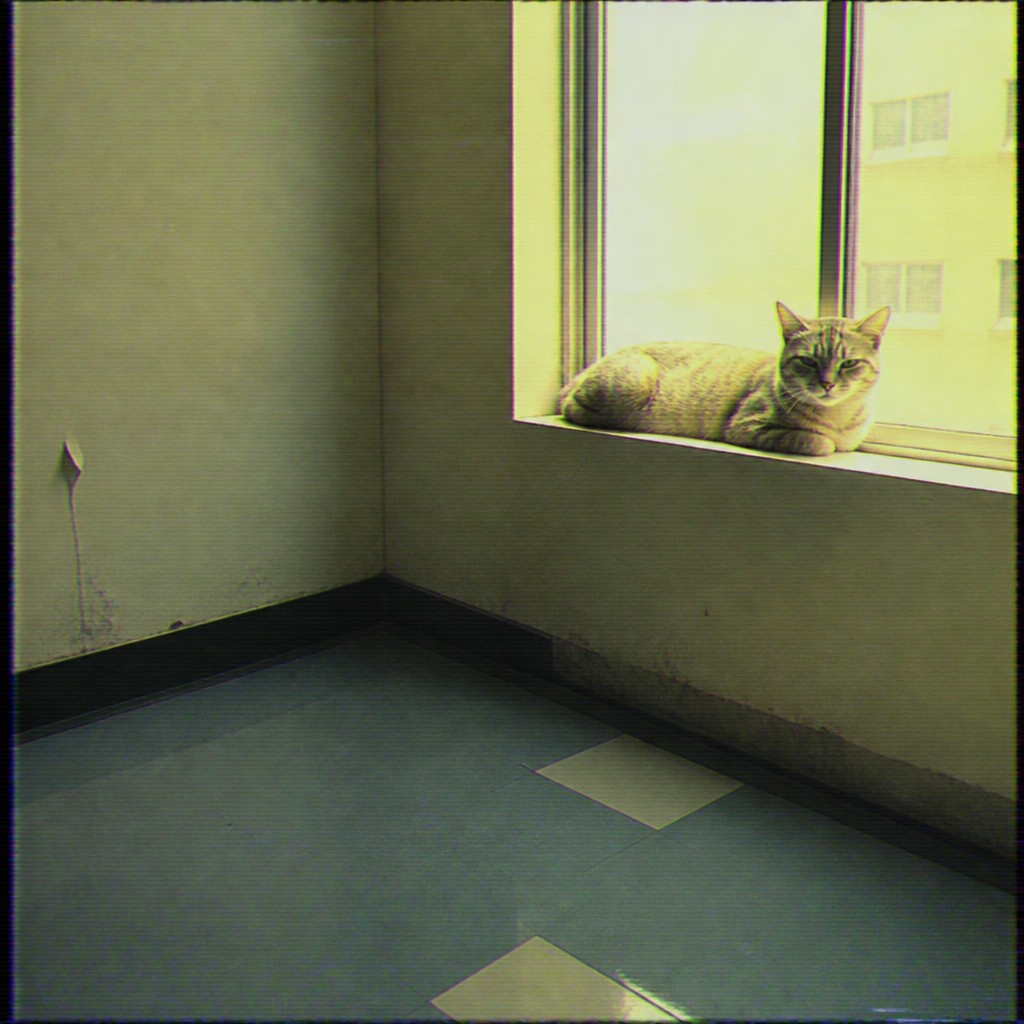
“a cat lounging in a sunlit window”
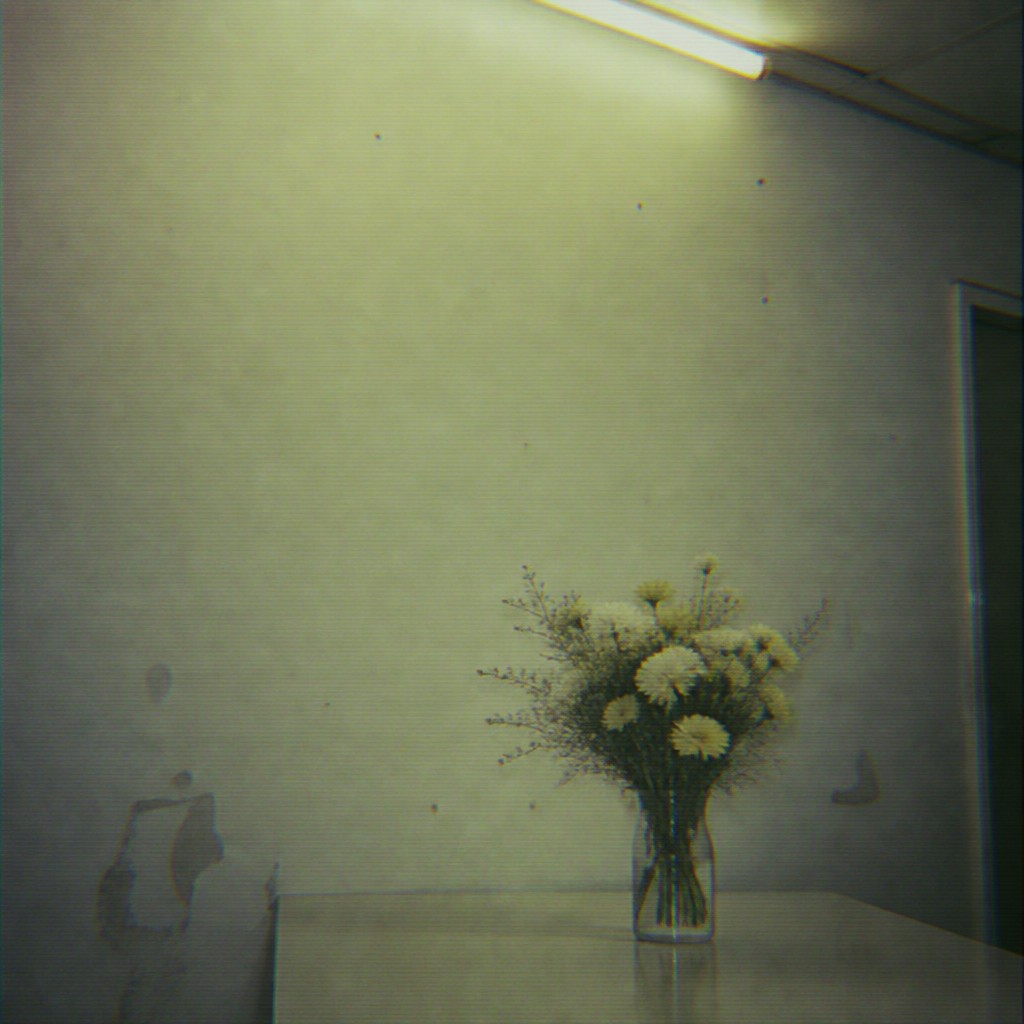
“bouquet of flowers in a glass vase”
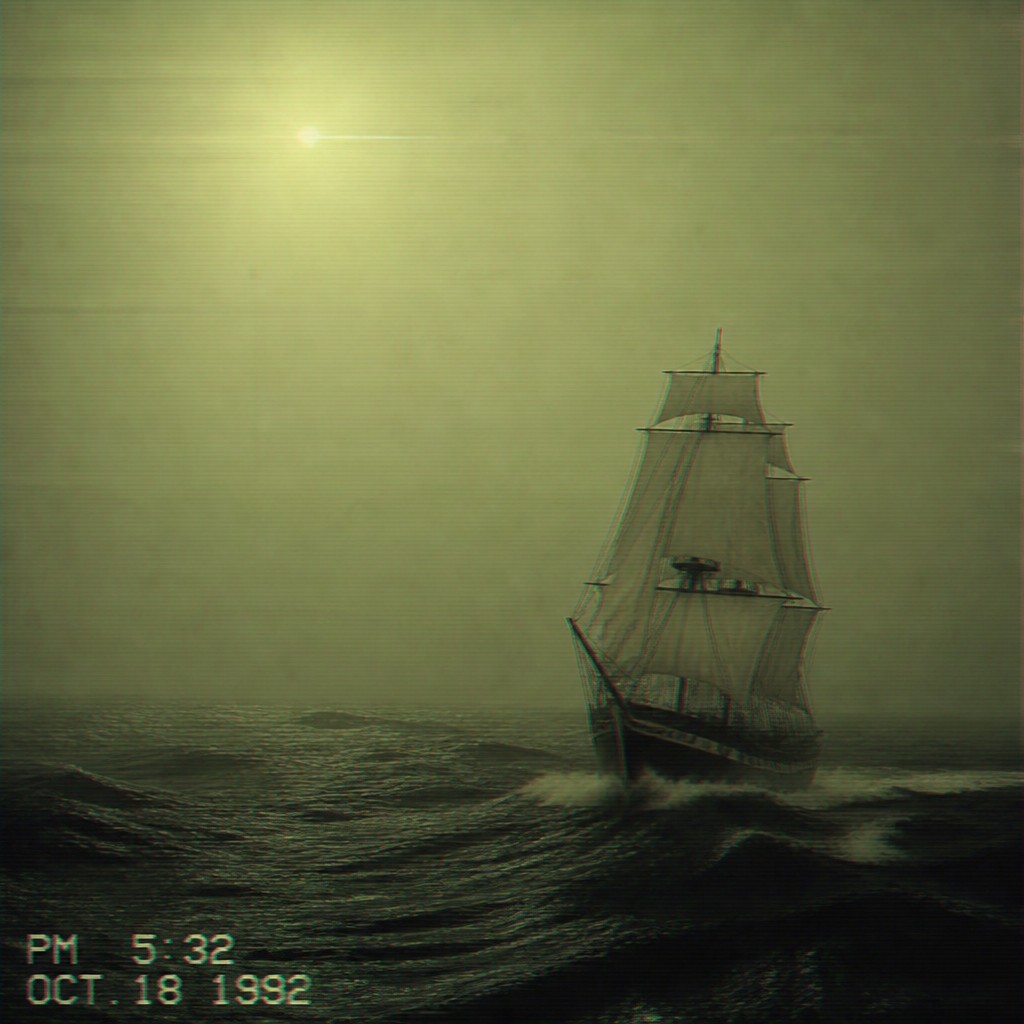
“sailing ship on a stormy sea”
How to Create Creepy Liminal Art
Master the craft step by step — or skip straight to creating. Read the full guide →
- 1
Choose an in-between location
Start with spaces designed for passage or waiting rather than dwelling: corridors, lobbies, empty classrooms, mall passages, motel hallways, basements, or parking structures. Keep the composition simple so the architecture itself carries the mood.
- 2
Use flat, unflattering light
In traditional work, paint or photograph with diffuse, fluorescent-like lighting and avoid dramatic shadows. In digital work, lower saturation, push highlights toward a pale yellow-white, and introduce a slight green cast to the shadows.
- 3
Preserve emptiness
Resist filling the frame with props, figures, or action. If a subject is present, make it small, distant, or partially obscured so the architecture and negative space remain dominant.
- 4
Add controlled image degradation
Introduce grain, mild blur, compression artifacts, tape noise, chromatic fringing, or imperfect sharpness without destroying legibility. The image should feel recorded, remembered, or replayed rather than freshly rendered.
- 5
Distort perspective just enough
Slightly compress depth, exaggerate symmetry, or tilt the horizon to create unease without turning the scene into fantasy. A good prompt or edit often emphasizes 'slightly off,' 'uncanny,' 'wrong scale,' or 'claustrophobic depth.'
- 6
For text-to-image generation
Describe the subject first, then layer in mood terms such as fluorescent lighting, empty negative space, faded institutional interior, VHS degradation, washed-out highlights, and subtle chromatic aberration. Ask for realism with a quiet wrongness rather than overt monsters or dramatic horror.

The Story
History & Origins of Creepy Liminal
Creepy liminal art is not a historical movement with a formal manifesto; it is an internet-born aesthetic that crystallized from the wider liminal-space fascination of the 2010s and 2020s. Its visual logic draws on late-20th-century institutional interiors, found photography, analog video degradation, and horror traditions that rely on atmosphere rather than explicit monsters. The term "liminal" refers to thresholds and in-between states, and the style uses that idea to turn mundane transitional spaces into scenes of psychological unease.
Its lineage is especially connected to photography of empty public interiors, surveillance-like viewpoints, and the visual language of analog nostalgia: grain, washed-out color, low-light noise, and VHS or camcorder artifacts. It also overlaps with contemporary internet subcultures around uncanny architecture, dreamlike backrooms imagery, and glitch aesthetics. Rather than emerging from one school or artist, it developed as a shared visual vocabulary for expressing disorientation, isolation, and the feeling of being caught inside a place that should not exist in quite that form.
Influences: Creepy liminal art draws from institutional photography, urban exploration imagery, glitch aesthetics, and analog horror visual language, while also echoing the mood-based unease found in surrealist and conceptual art. Its concern with uncanny emptiness can be compared to the atmospheric stillness of a leading American realist painter known for solitary urban scenes, though the liminal style is more contemporary and media-driven. It also overlaps with the visual culture of found footage, CCTV imagery, and the internet's backrooms and liminal-space communities, where ordinary interiors become psychologically unstable through framing, lighting, and absence.
Frequently Asked Questions
What defines creepy liminal art?
It is defined by ordinary transitional spaces made unsettling through emptiness, fluorescent lighting, desaturated color, and subtle visual wrongness. The mood is quiet and uncanny rather than openly violent or monstrous. The image should feel like a place caught between states.
How is this different from regular liminal space art?
Regular liminal-space art can feel nostalgic, dreamy, or merely eerie, while the creepy version leans harder into dread and disorientation. It often uses harsher color shifts, more degraded texture, and a stronger sense that something is wrong with the space itself. The atmosphere is less reflective and more unsettling.
Is this the same as analog horror?
Not exactly. Analog horror is a storytelling format that uses degraded video, broadcasts, and found-media conventions to convey horror narratives. Creepy liminal art borrows some of the same visual cues, but it is usually focused on a single still image or environment rather than a narrative sequence.
What kinds of subjects work best in this style?
Hallways, lobbies, stairwells, basements, parking garages, empty classrooms, waiting rooms, and deserted commercial interiors are especially effective. The best subjects are spaces intended for movement, waiting, or administration, because they naturally suggest absence and transition.
How can I make it feel creepy without adding monsters?
Use composition, light, and scale to create discomfort: empty frames, flattened perspective, unbalanced symmetry, and a lack of focal activity can be enough. Small details like an overexposed glow, a slightly wrong color cast, or degraded texture can imply danger without showing it.
Where is this style used?
It appears in digital art, photography, game environments, album covers, horror thumbnails, and concept art for psychological or supernatural settings. It is especially common in internet culture because it quickly communicates unease through familiar spaces made visually unstable.

Create your first Creepy Liminal artwork
Describe anything — or upload a photo — and see it in Creepy Liminal Art Style in seconds.
Make Something with Creepy Liminal
Related Styles
Discover similar art styles