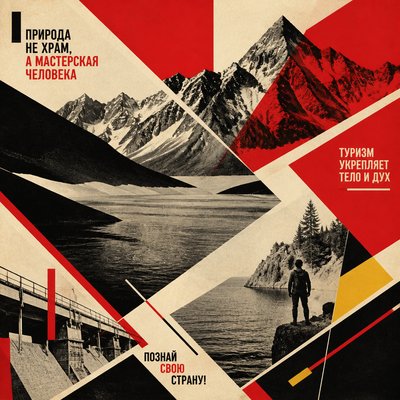
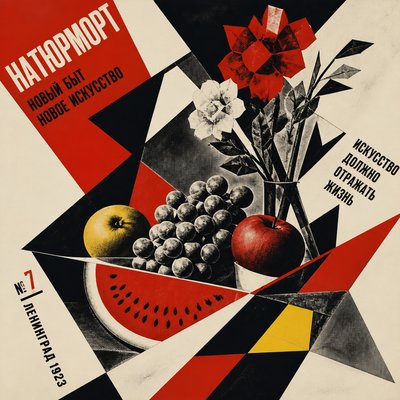
Horror Manga Art Style
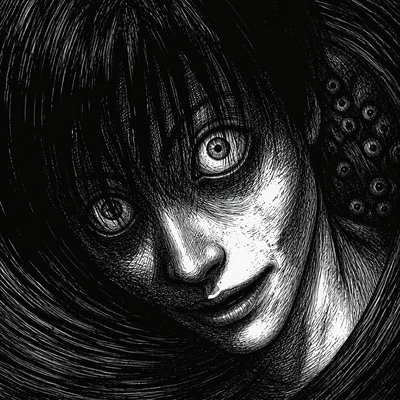
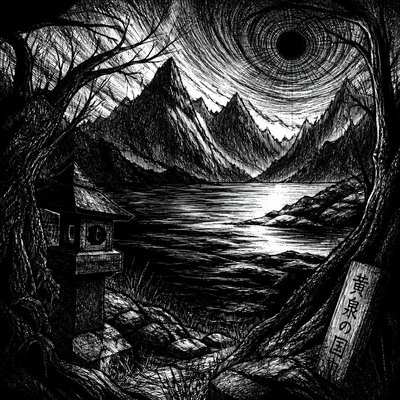
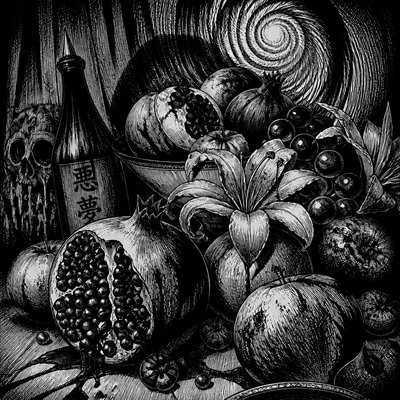
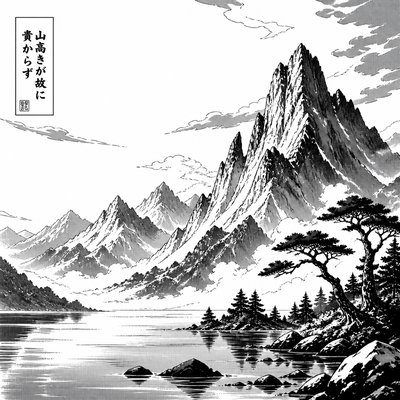
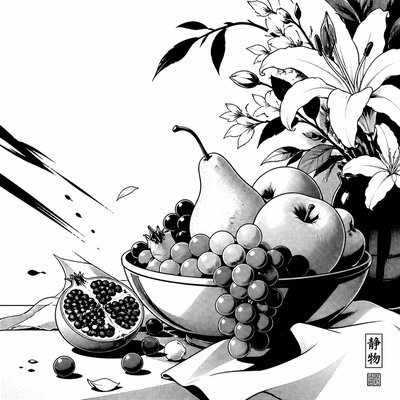
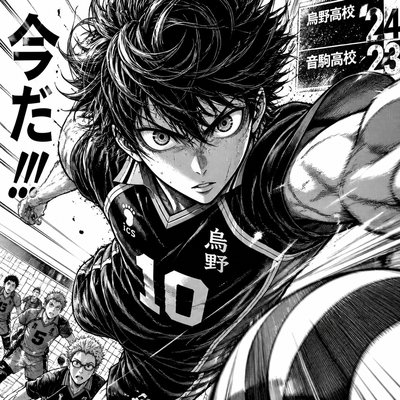
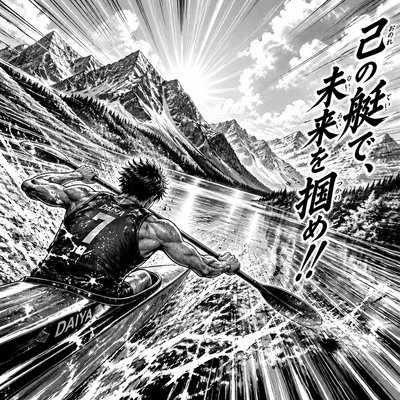
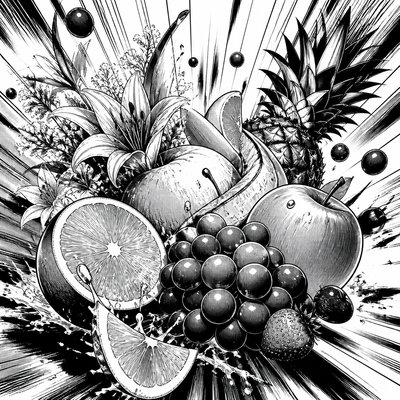
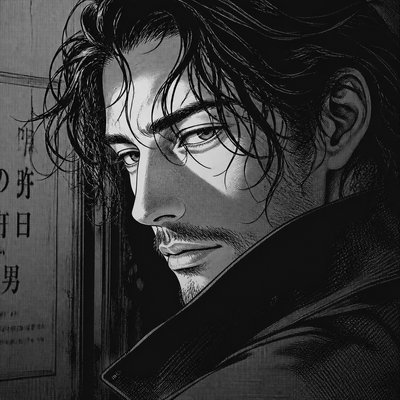
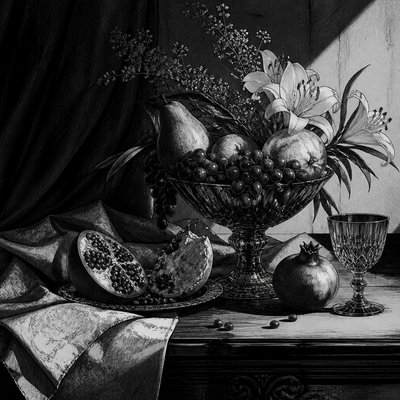
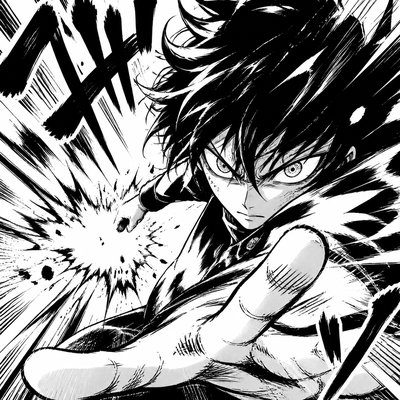
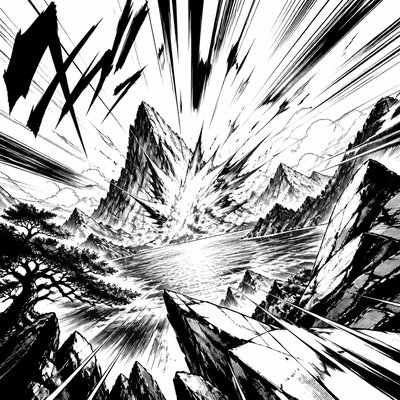
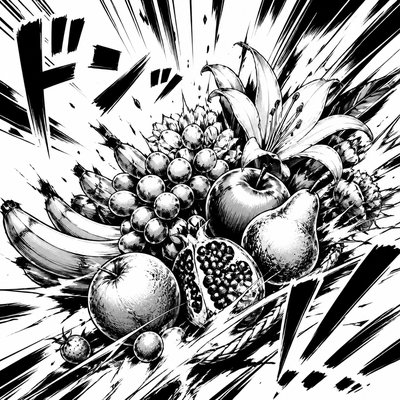
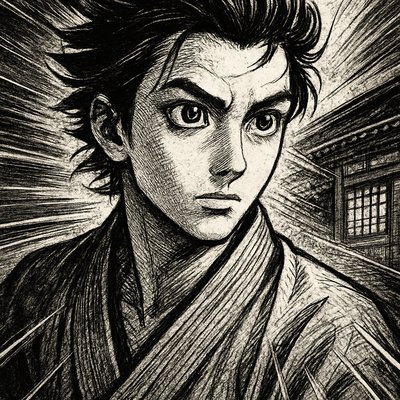
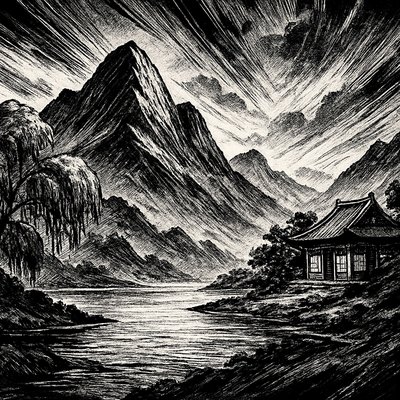
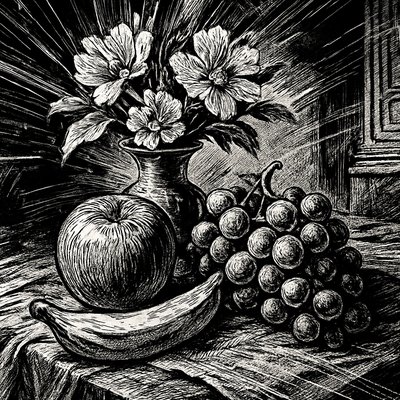
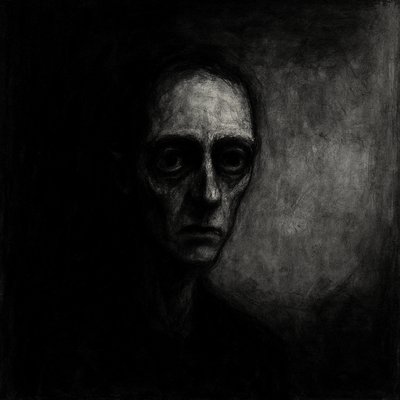
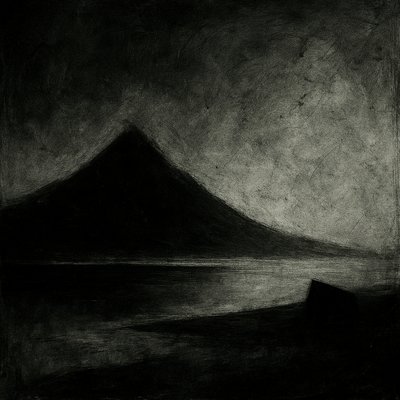
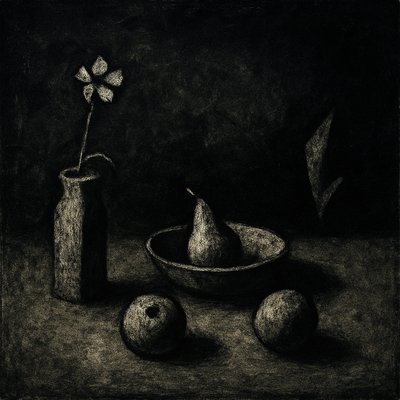
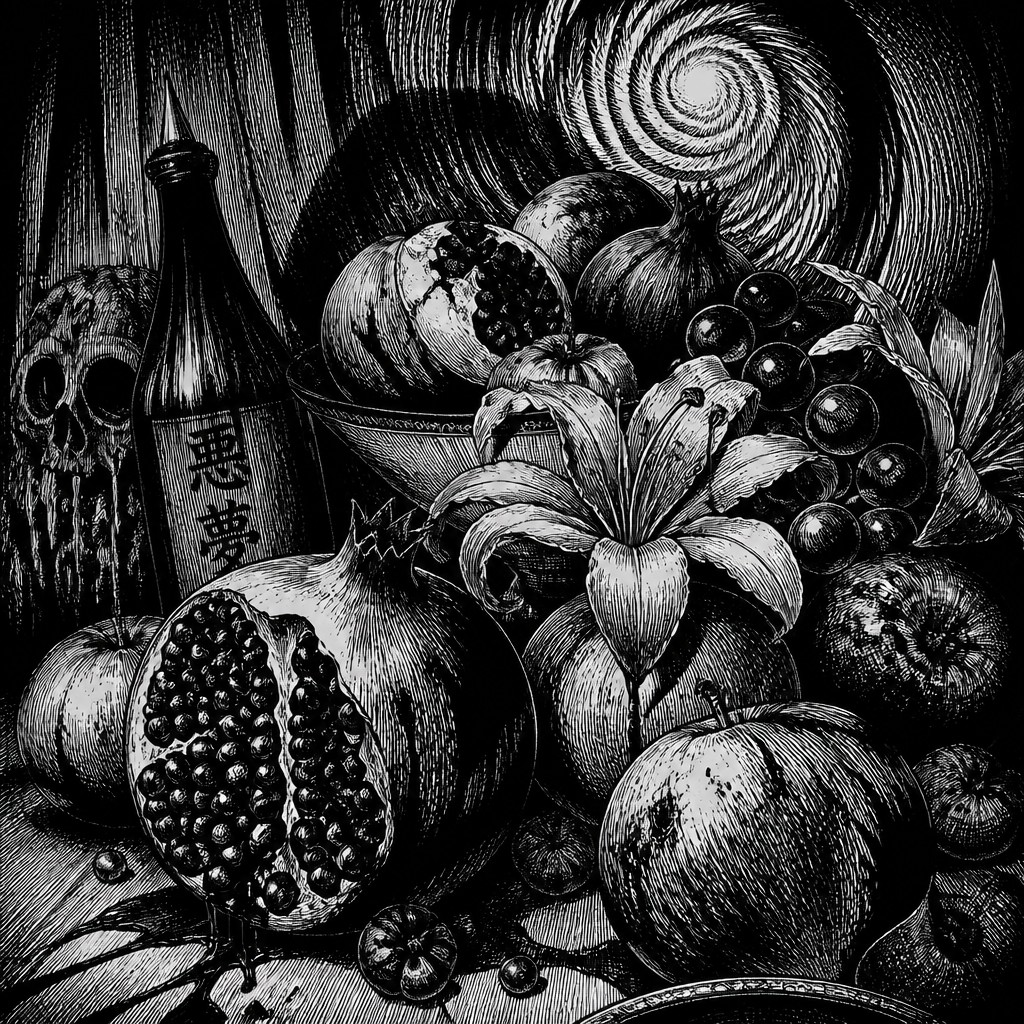
Dense crosshatching, heavy blacks, grotesque detail, and warped perspectives define this psychological horror manga style.
Instantly rendered in Horror Manga — or transform a photo
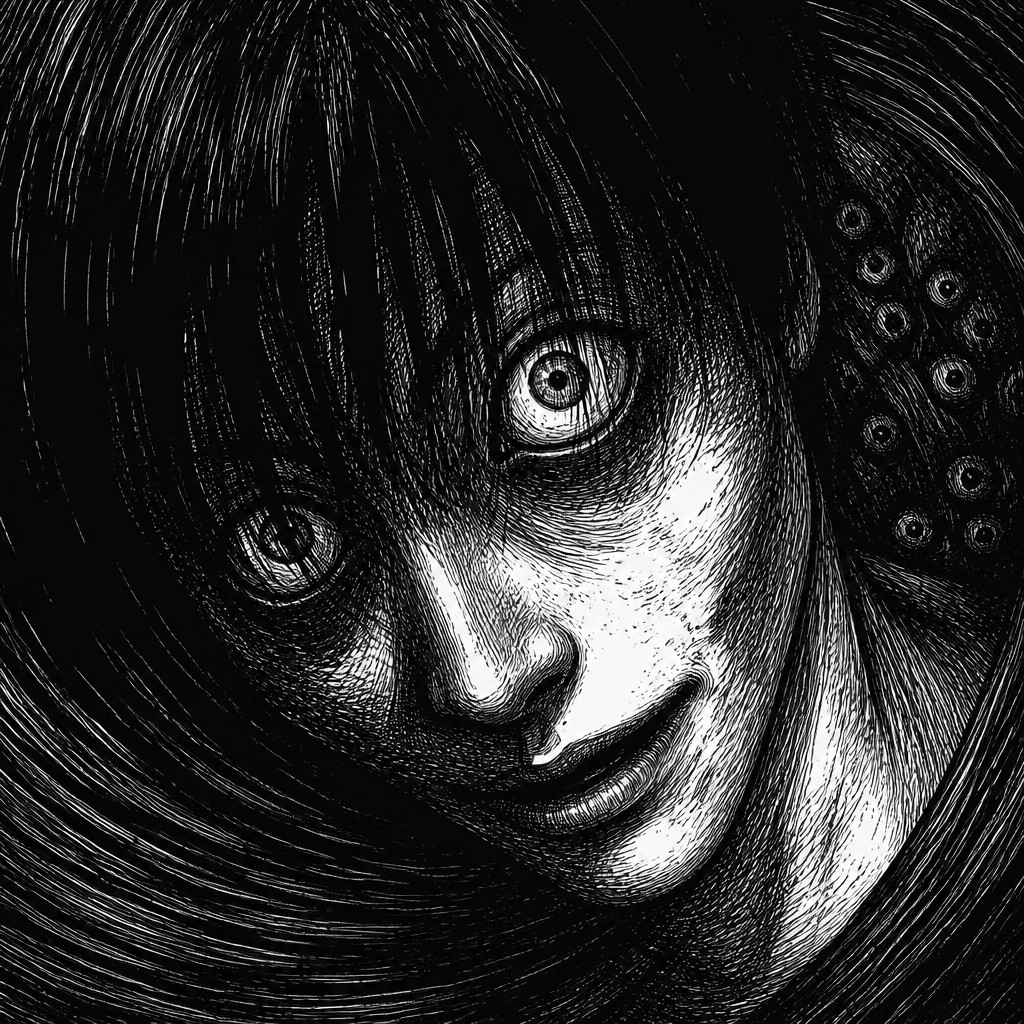
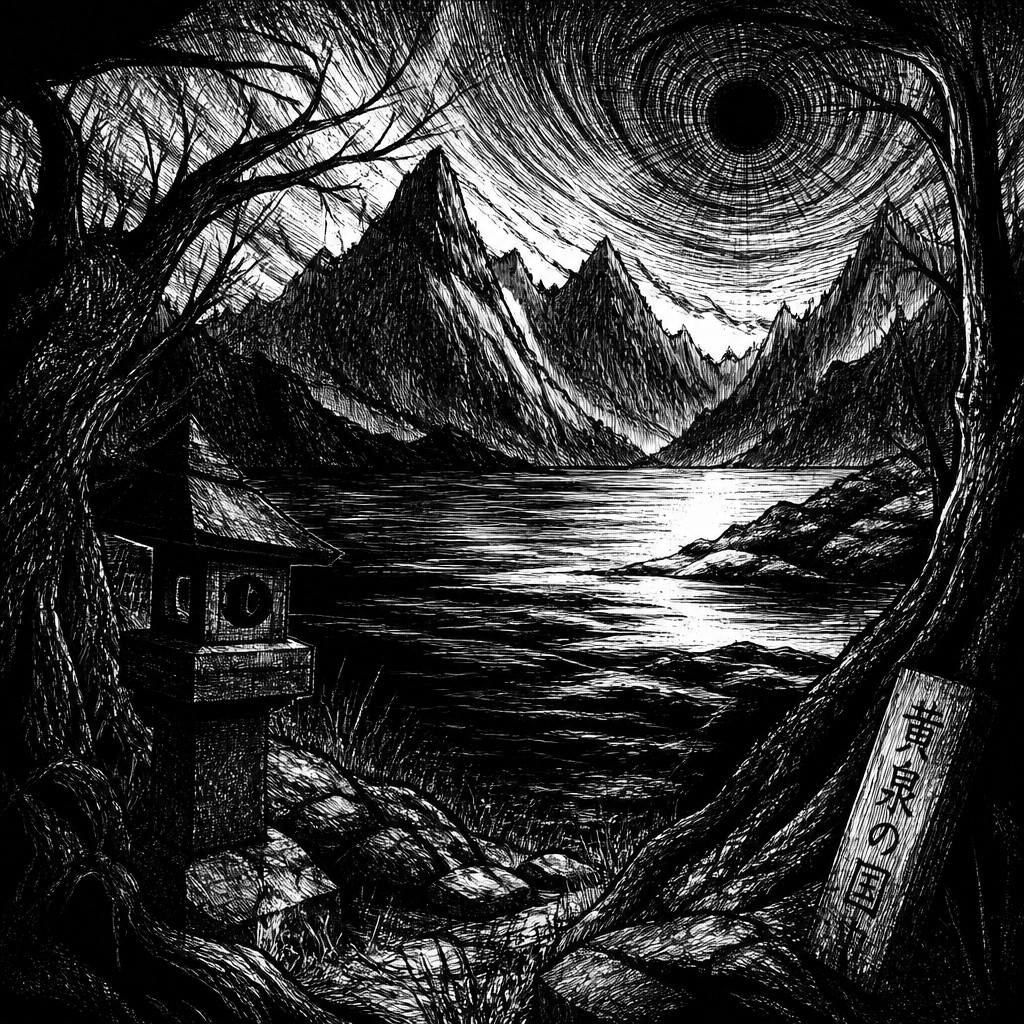
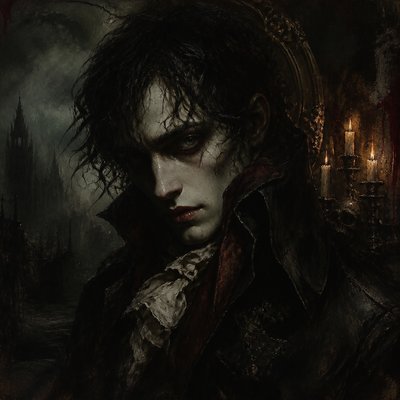
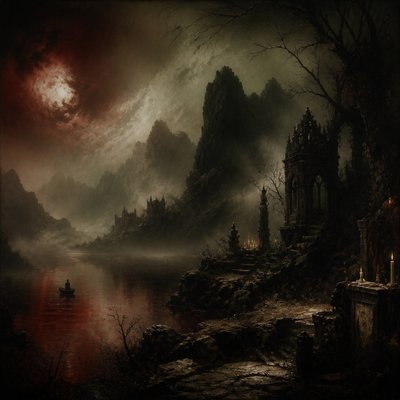
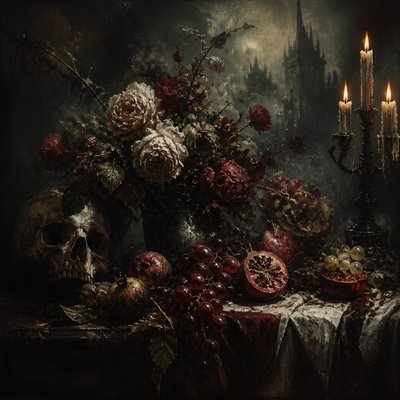
Horror Manga Gallery
Tap any artwork to explore it
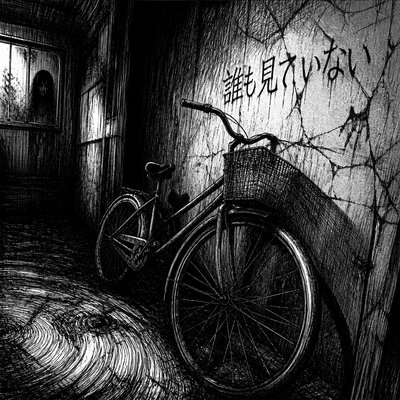
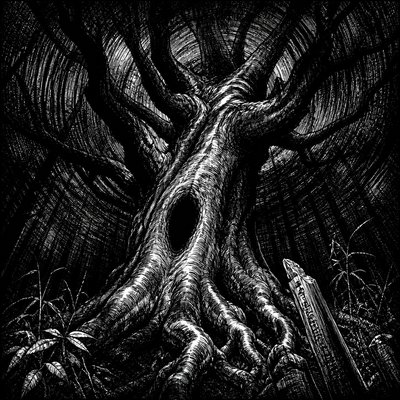
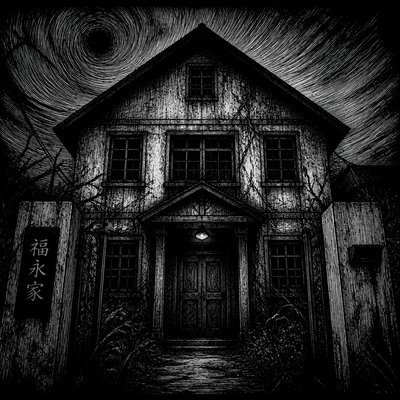
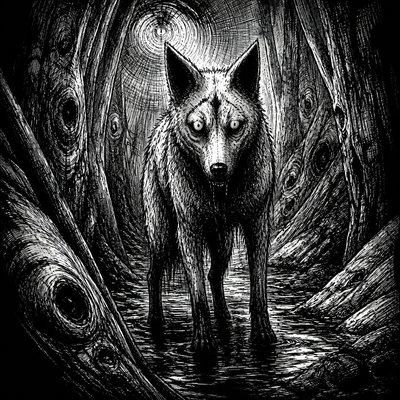
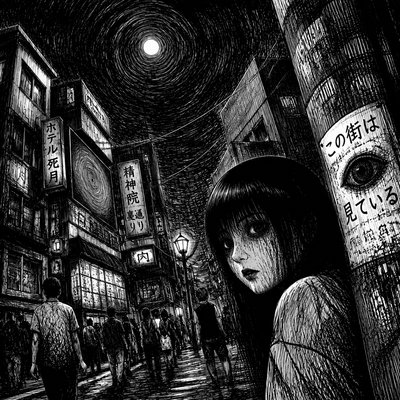
What is Horror Manga Art Style?
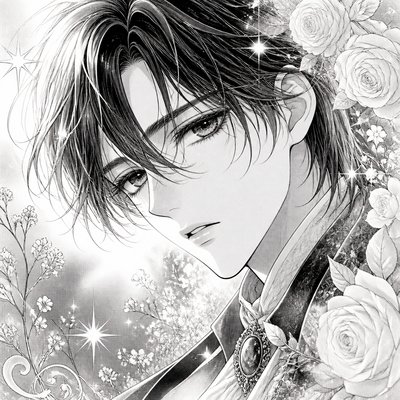
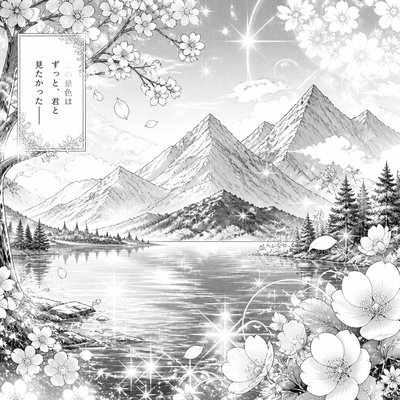
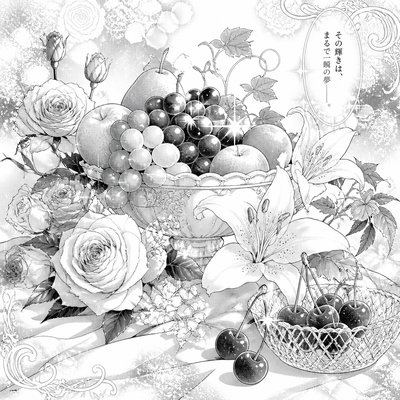
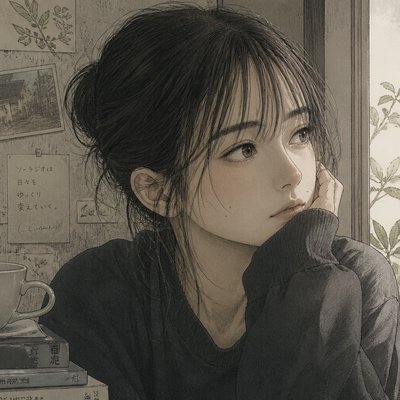
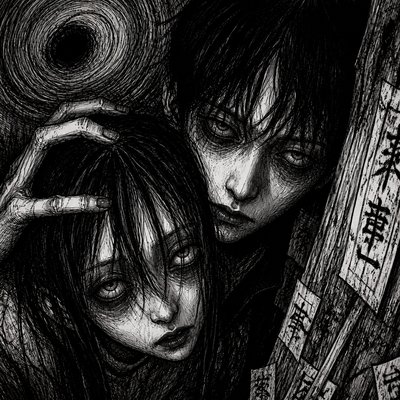
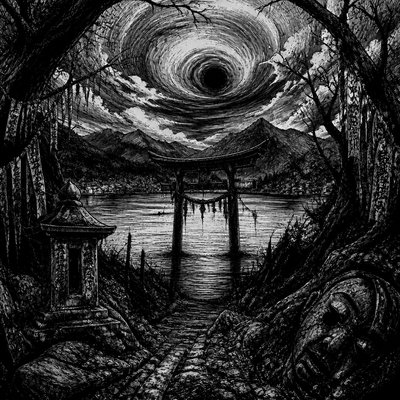
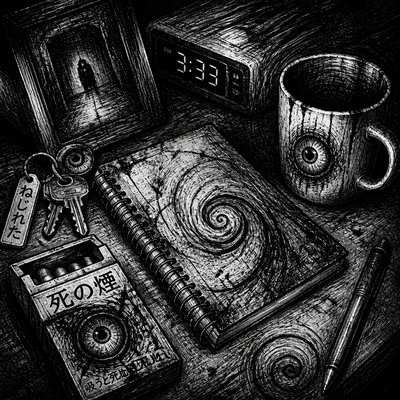
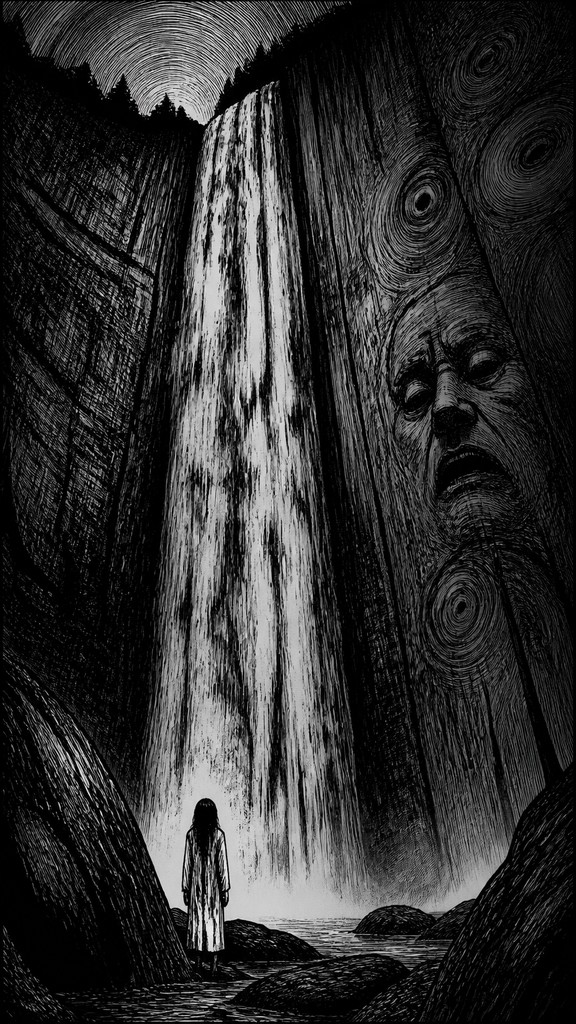
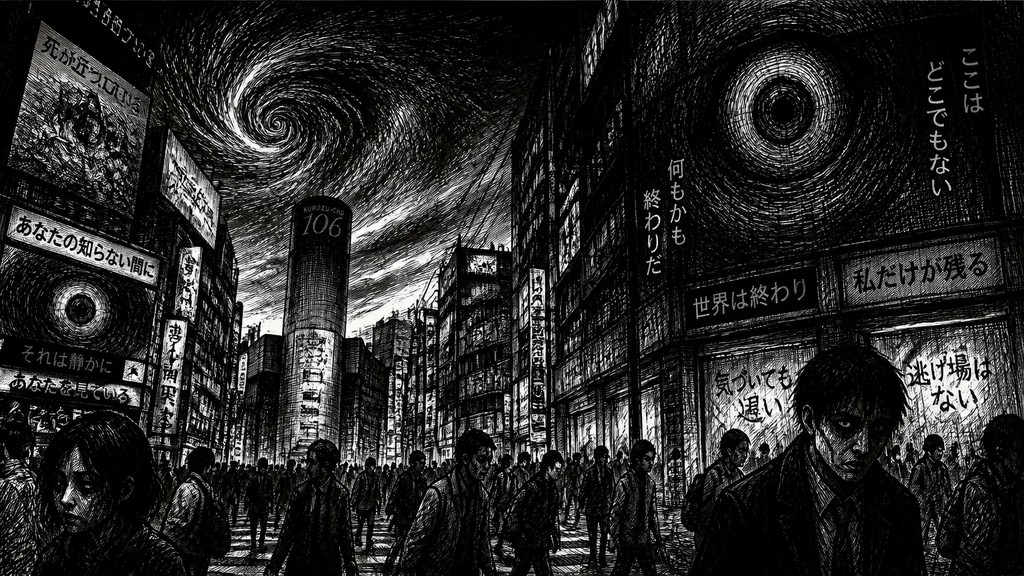
Horror manga art style is a black-and-white illustration language built to produce dread, unease, and psychological tension. Its visual identity depends on obsessive line work, dense crosshatching, stark contrasts, and distorted spatial relationships that make ordinary scenes feel contaminated or unstable.
The style often emphasizes bodily distortion, damp textures, fractured faces, and claustrophobic framing. Rather than relying on color or gore alone, it creates fear through meticulous rendering: deep blacks swallow space, white highlights feel scraped rather than clean, and the composition tends to trap the viewer inside an unsettling moment.
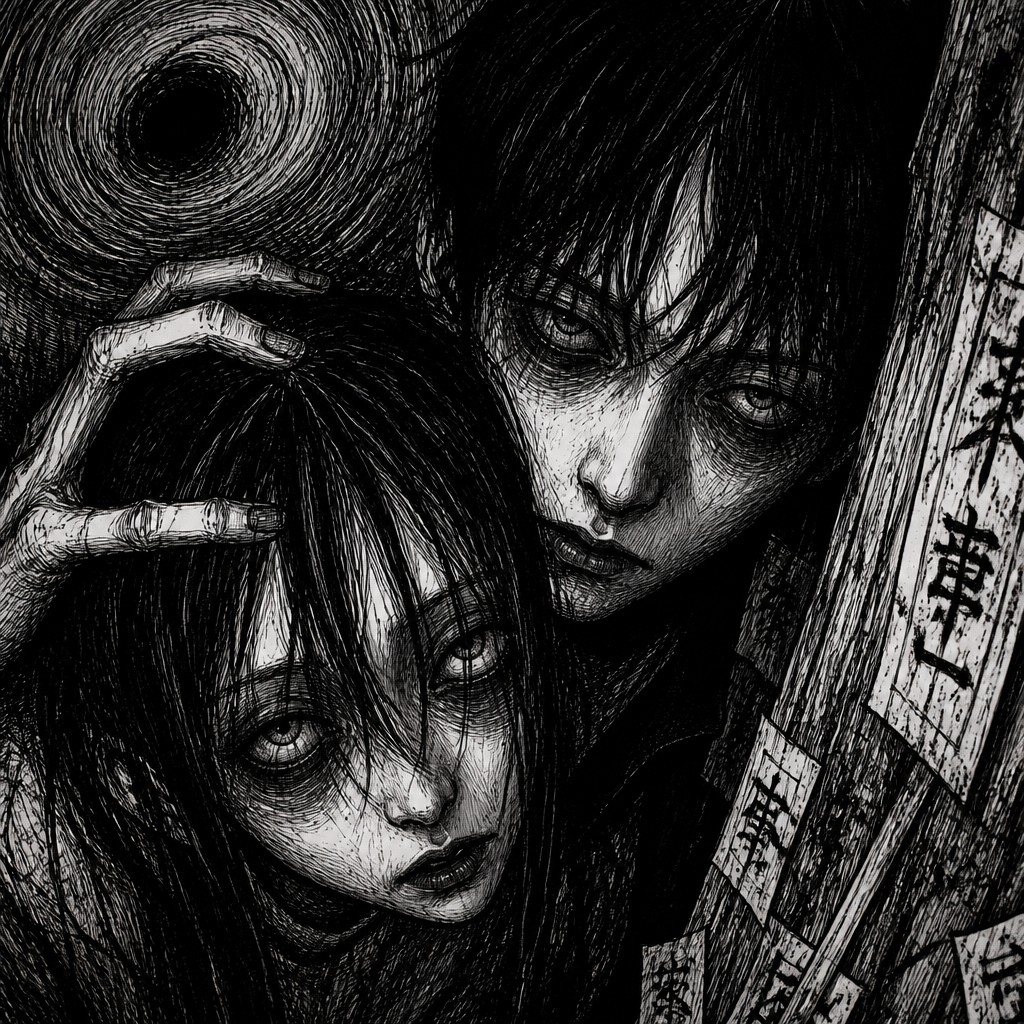
Try It On Your Photos
Upload any photo and convert it into Horror Manga Art Style — drag the sliders to compare before and after.
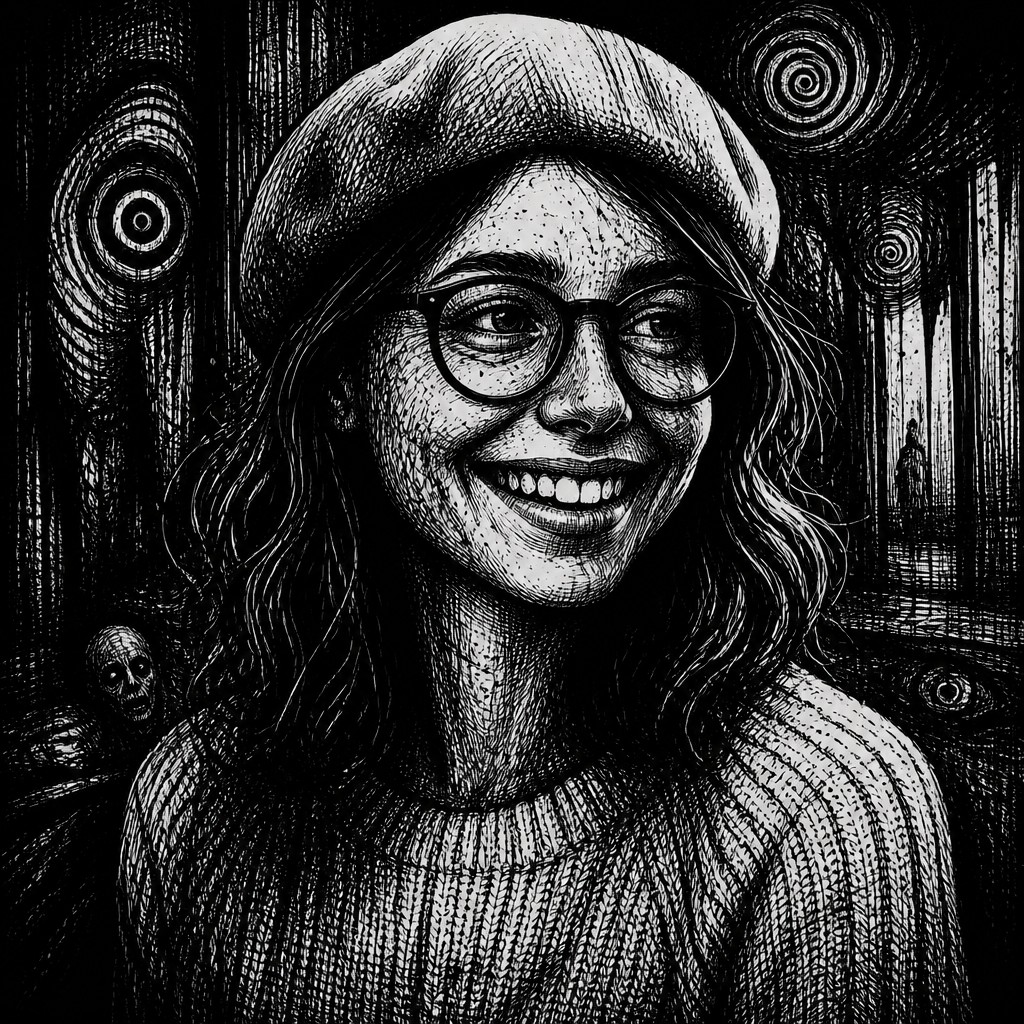

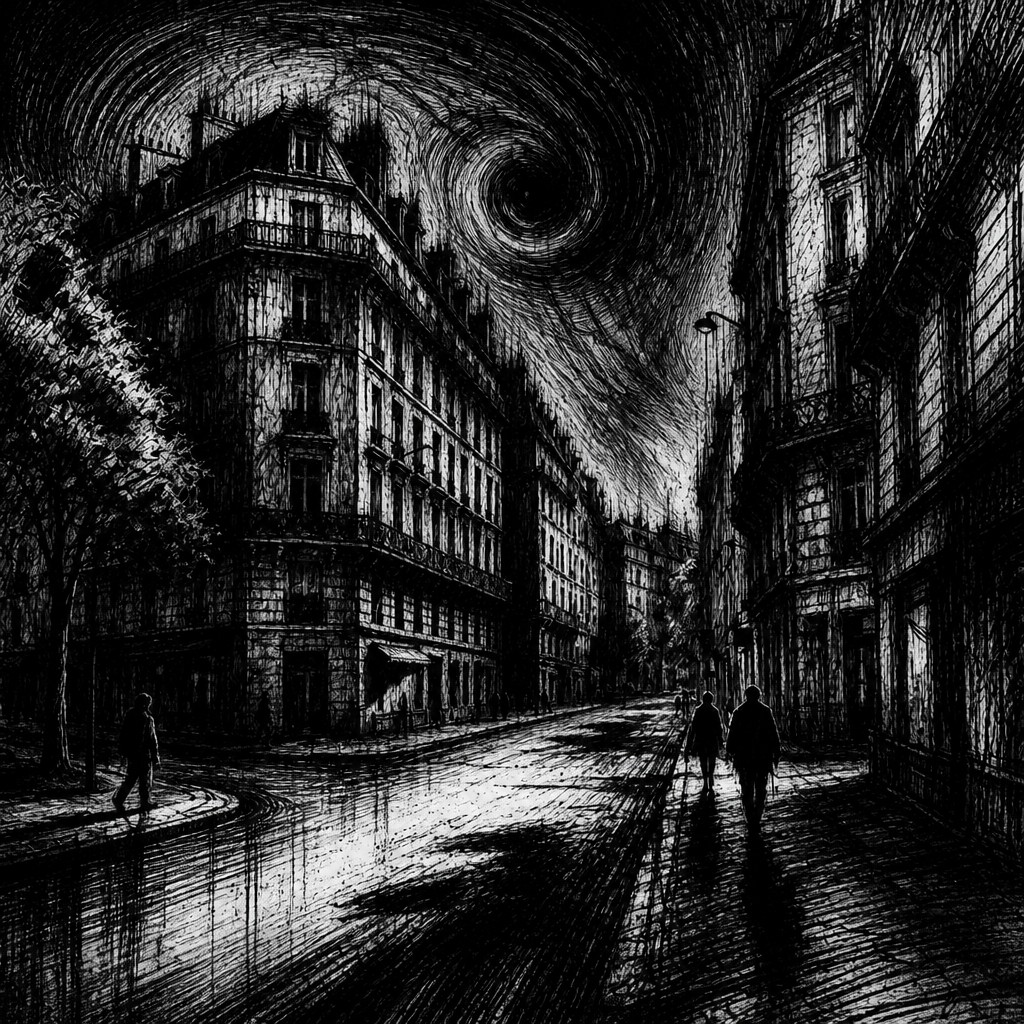

What Defines Horror Manga Art Style
The signature details, up close
Dense crosshatching
Fine, layered hatch marks build tone and volume while keeping the image tense and agitated. The surface often feels overworked in a controlled way, as if the drawing itself is under pressure.
Heavy blacks and lost space
Large pools of black erase depth, obscure edges, and create abrupt visual voids. These dark masses are central to the mood, making figures and backgrounds feel swallowed by shadow.
Grotesque anatomical detail
Faces, limbs, mouths, skin, and organic textures are often exaggerated into unsettling forms. The horror comes from precision as much as distortion, which makes abnormalities feel plausible and intimate.
Unsettling perspective
Rooms, hallways, and bodies may appear subtly warped, tilted, or too narrow. This distorts the viewer’s sense of orientation and creates the feeling that the image space is unstable.
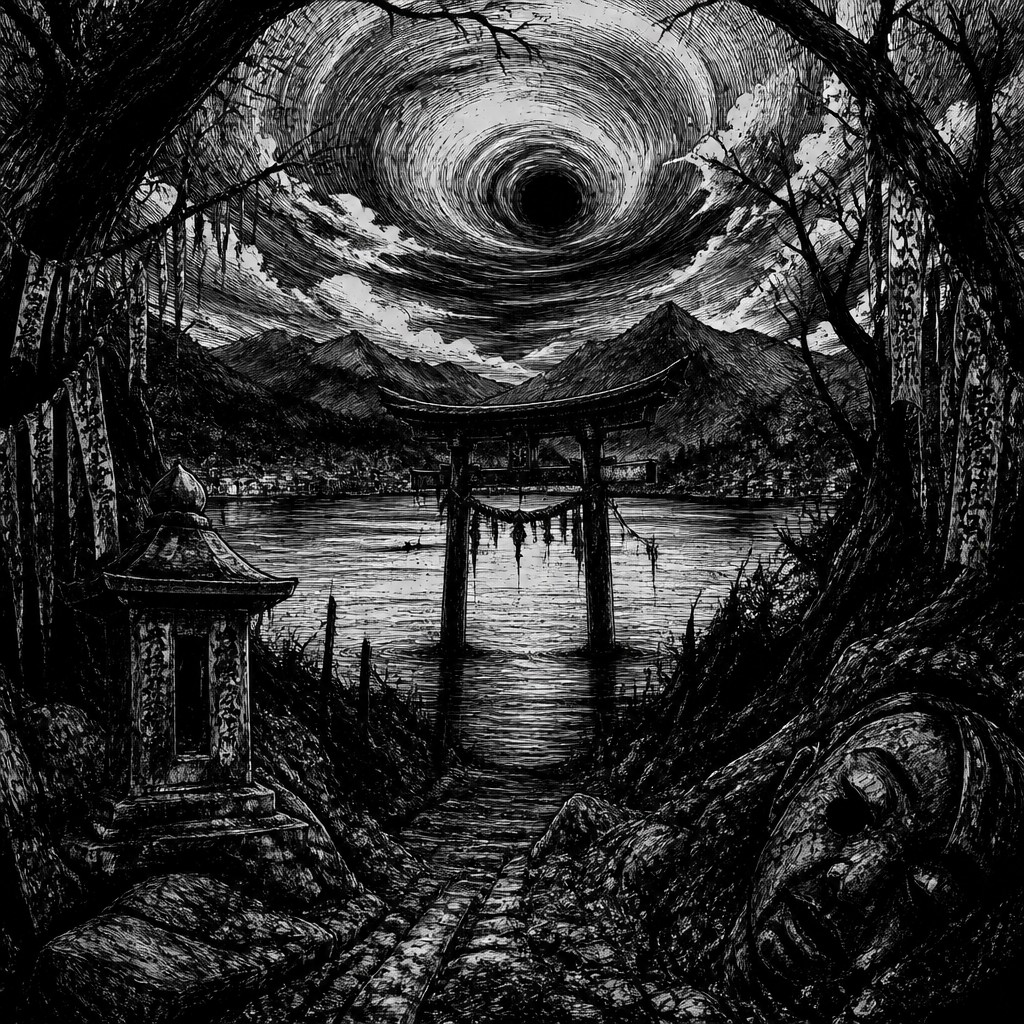
Claustrophobic framing
Subjects are frequently cropped tightly or boxed into compressed spaces. The composition limits escape routes, intensifying the psychological effect.
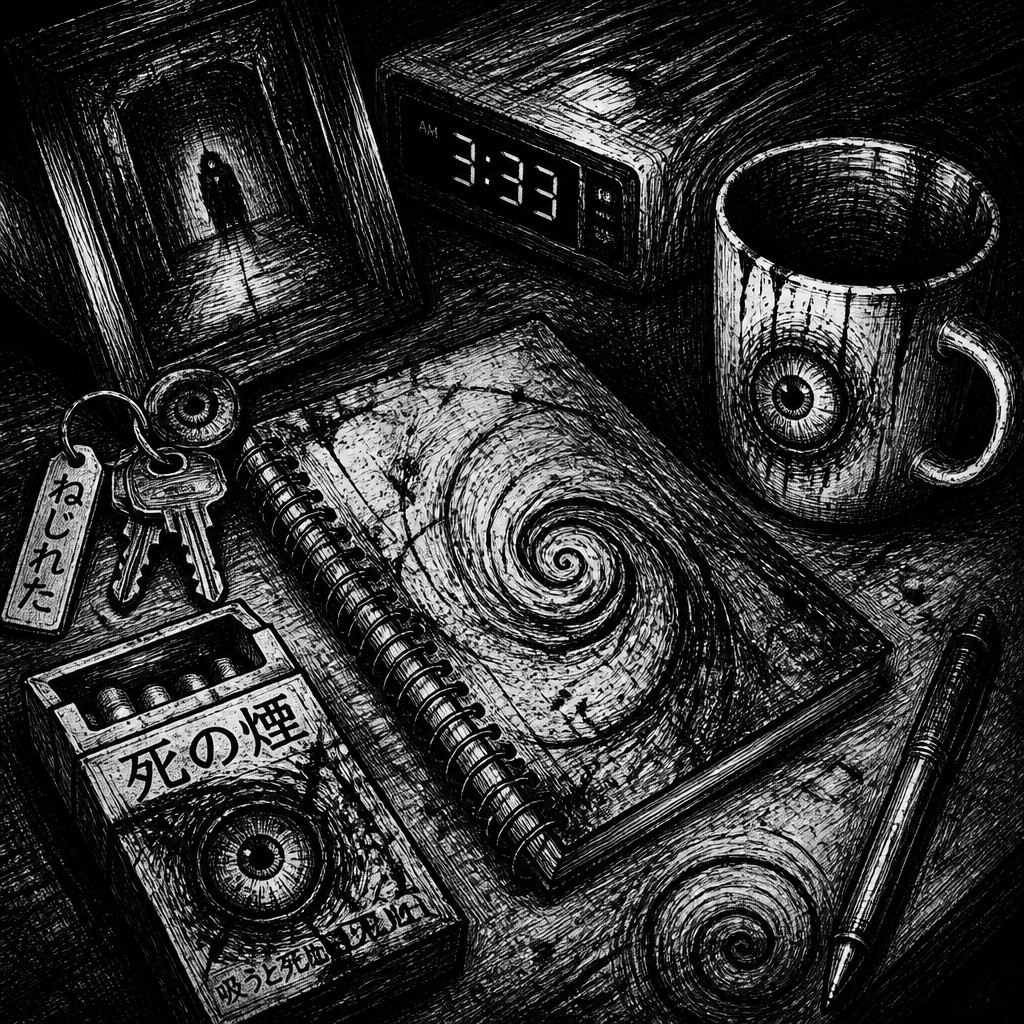
Stippled decay textures
Speckling, scratch marks, and broken textures suggest grime, dampness, rot, or skin irritation. These details add a bodily, material sense of corruption without needing explicit explanation.
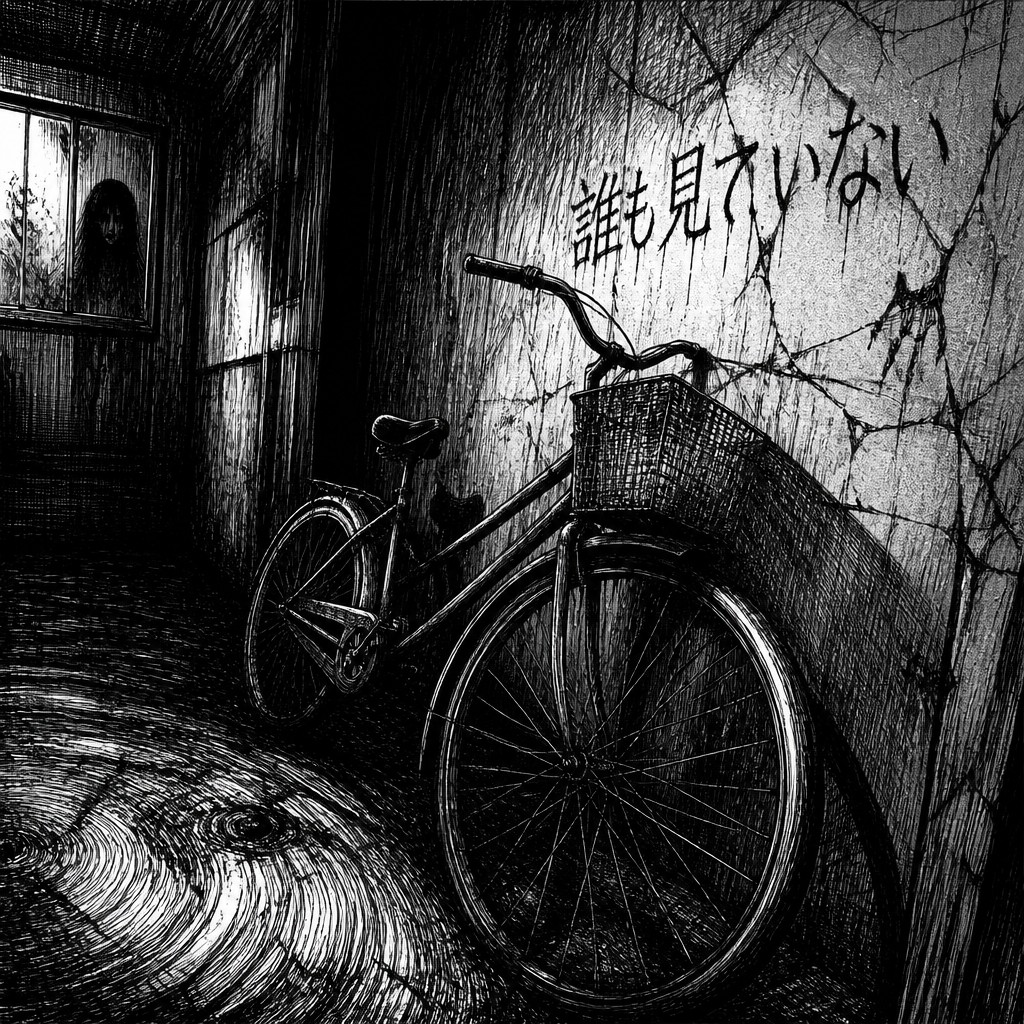
Psychological tension over spectacle
The style often favors dread, silence, and anticipation rather than constant action. Even a still figure or empty corridor can feel threatening because the image implies something has already gone wrong.
Try It
Create Videos in Horror Manga Art Style
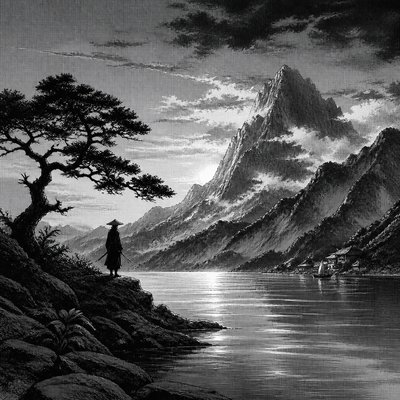
Styles aren't just for stills — describe a scene or animate an image and get a short video rendered in Horror Manga. Press play to see this pond come to life.
Make a VideoHorror Manga Prompt Ideas
Start from an idea — each one opens the generator with the style ready to go. See all 40 Horror Manga prompts →
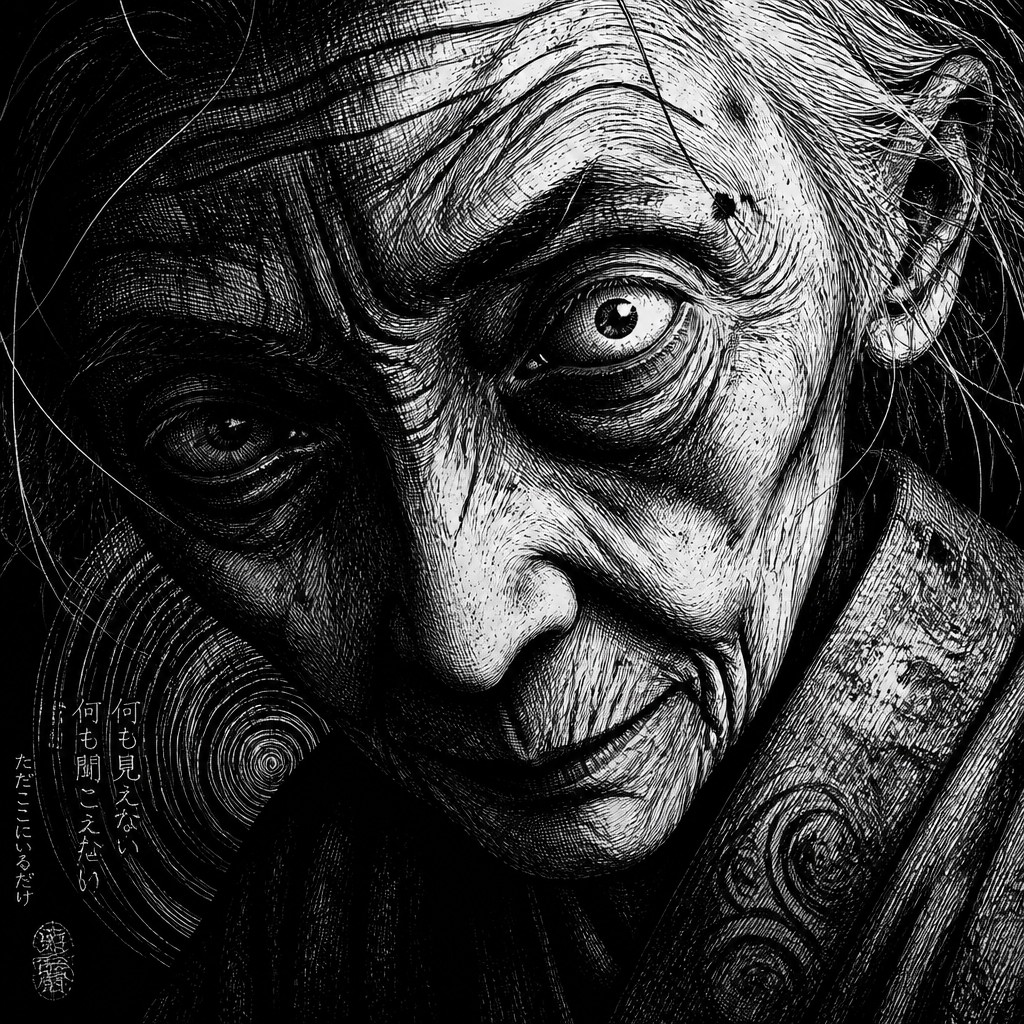
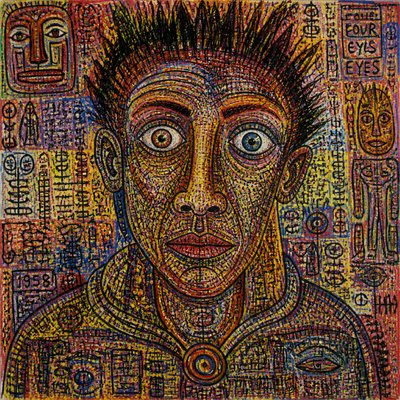
“close-up portrait of an elderly person with expressive weathered features”
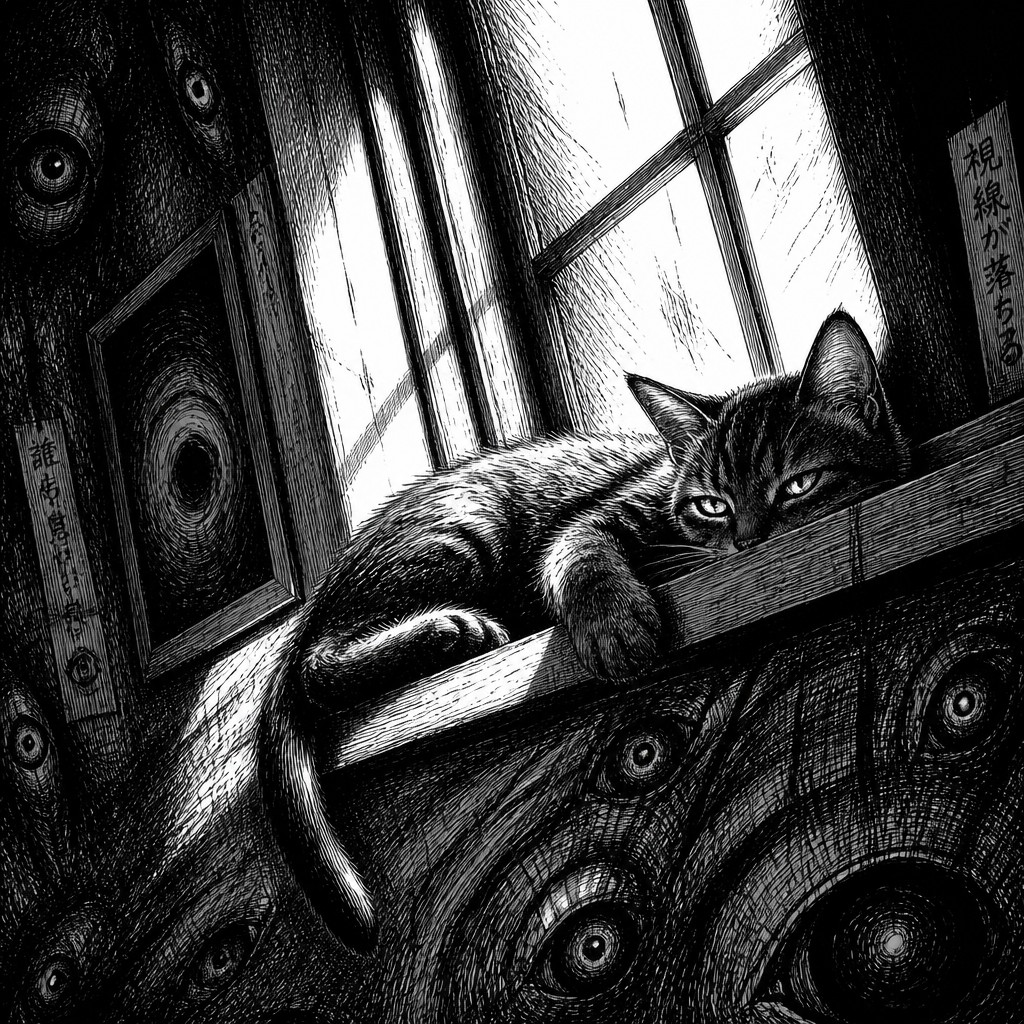
“a cat lounging in a sunlit window”
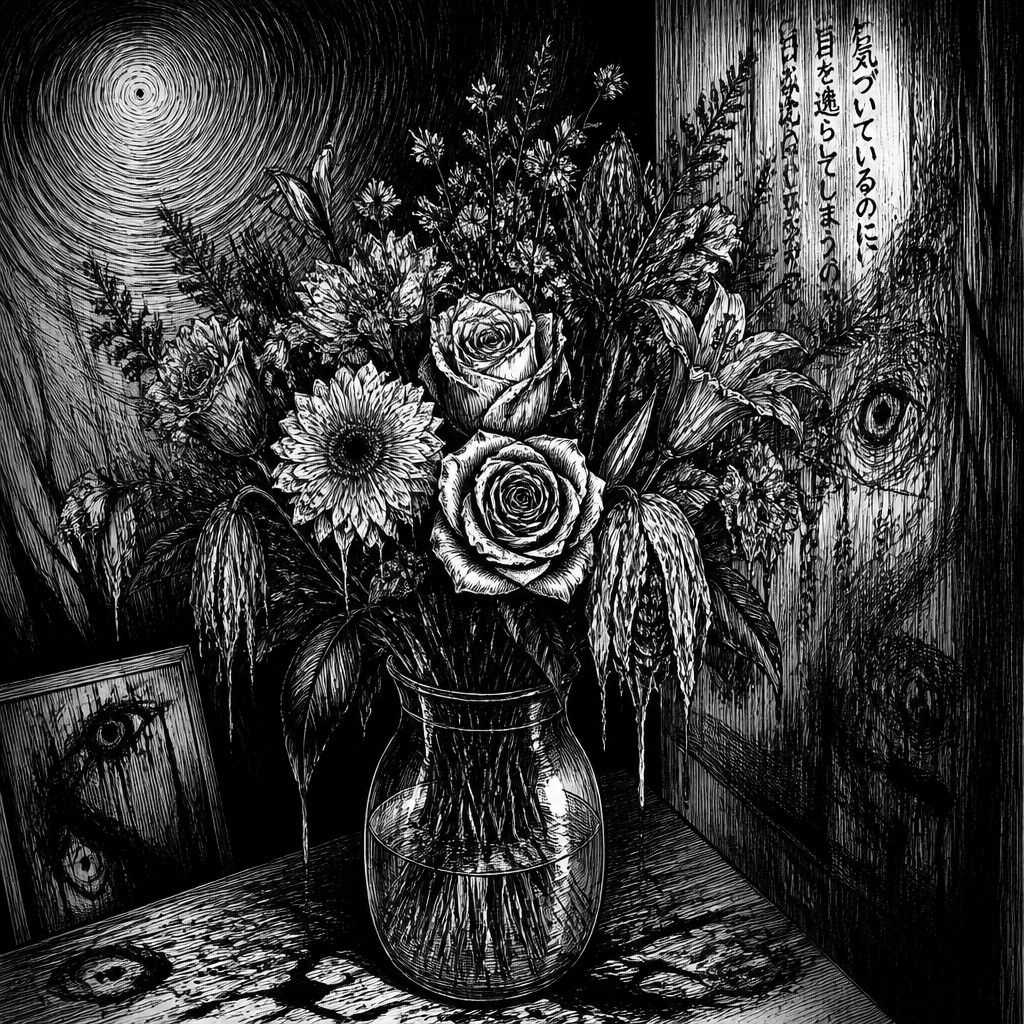
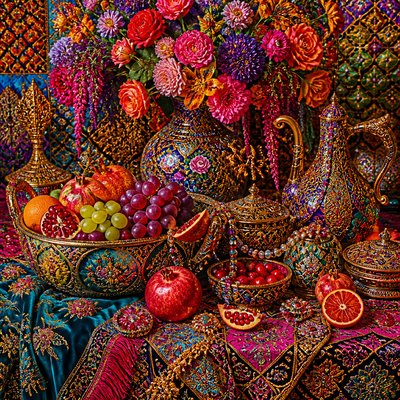
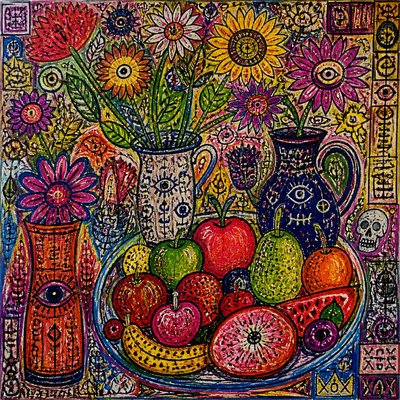
“bouquet of flowers in a glass vase”
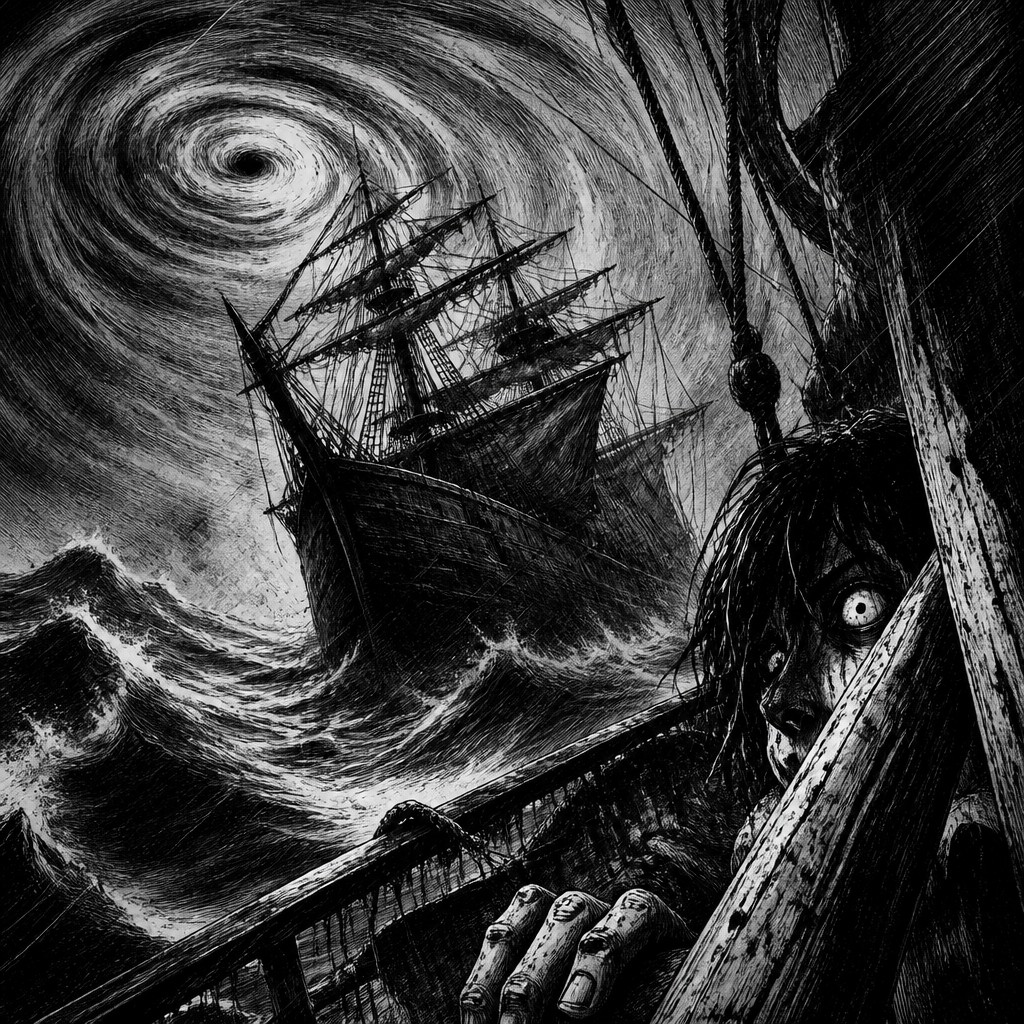
“sailing ship on a stormy sea”
How to Create Horror Manga Art
Master the craft step by step — or skip straight to creating. Read the full guide →
- 1
Build the image in values, not color
Start with a strong black-and-white design: establish where the darkest blacks will sit, where the highlights must remain clean, and how much of the scene should disappear into shadow. In traditional media, use ink, brush, and pen for crisp blacks and layered hatch marks; in digital work, block values first and then refine with textured brushes.
- 2
Use crosshatching to create anxiety
Let line direction follow form but keep it slightly restless, with occasional scratches, broken rhythms, and overlapping strokes. Avoid smooth shading; the visible labor of the marks is part of the horror.
- 3
Distort space subtly
Tilt floors, narrow hallways, compress backgrounds, or exaggerate foreshortening just enough to feel wrong. The best results usually come from restraint: the perspective should seem believable at first glance and unsettling on second look.
- 4
Add tactile corruption
Use stipple, scumble, and broken hatching to suggest damp walls, mottled skin, mildew, dust, or decayed paper texture. These surface details make the image feel physically contaminated.
- 5
Compose for entrapment
Keep the subject boxed in by architecture, shadow, hair, branches, curtains, or tight cropping. When generating from a prompt, specify oppressive framing, severe shadows, monochrome ink, and psychological horror so the model prioritizes mood over generic comic rendering.
The Story
History & Origins of Horror Manga
Horror manga emerged from Japanese comics and illustration traditions, especially the postwar expansion of manga as a mass medium and the later rise of genre manga aimed at adult readers. Its visual language draws from earlier Japanese storytelling art, but its modern form is strongly associated with late 20th-century horror manga, where authors used intensive line work and graphic distortion to evoke psychological unease rather than simple monster spectacle.
Because this is an aesthetic lineage rather than a single historical school, it is best understood as a convergence of manga draftsmanship, pulp horror illustration, and Japanese gothic sensibilities. The style also overlaps with cinematic horror framing and the dense black-and-white rendering traditions seen in comics and illustration, which together shaped its hallmark atmosphere of claustrophobia, decay, and creeping dread.
Influences: The style is closely related to Japanese manga draftsmanship, especially black-and-white horror storytelling, but it also overlaps with gothic illustration, expressionism, and pulp horror comics. In historical art terms, its distorted spatial effects can echo Expressionism, while its emphasis on shadow and unease has affinities with horror cinema and woodcut-like contrasts; however, its most direct lineage is the comics and illustration tradition rather than a single fine-art movement.
Frequently Asked Questions
What defines horror manga art style?
Its defining traits are dense crosshatching, heavy blacks, monochrome ink, and compositions that feel psychologically oppressive. The style focuses on dread, bodily unease, and warped space rather than bright action or decorative linework.
How is it different from regular manga art?
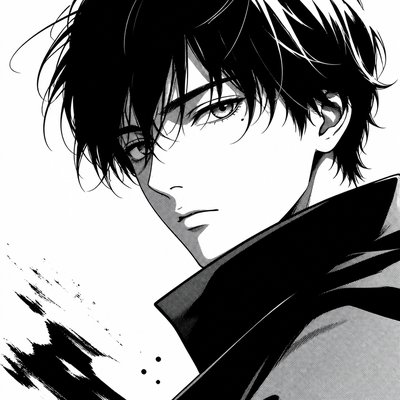
Regular manga can range from clean and minimal to highly detailed, but this style specifically pushes contrast, texture, and distortion to create horror. It tends to use more shadow, more scratchy mark-making, and more claustrophobic framing than mainstream manga genres.
Is this the same as black-and-white comic art?
Not exactly. Black-and-white comics can cover many genres and moods, while horror manga uses the medium’s black-and-white tools to produce fear and discomfort. The emotional goal matters as much as the technique.
What subjects work best in this style?
Faces, abandoned interiors, haunted houses, distorted bodies, night scenes, and quiet moments of suspense all translate well. Everyday subjects can also become effective if they are framed as contaminated, isolated, or subtly wrong.
How do you make it feel scary without showing gore?
Use contrast, negative space, and perspective to create uncertainty, then add texture and small anatomical inconsistencies. Often the most effective horror comes from suggesting that something is off rather than revealing everything directly.
Can this style be used for digital art?
Yes. Digital tools can reproduce pen pressure, ink texture, hatch brushes, and high-contrast shading very effectively. The key is to preserve the hand-drawn unevenness and avoid smoothing away the marks that create tension.
Create your first Horror Manga artwork
Describe anything — or upload a photo — and see it in Horror Manga Art Style in seconds.
Make Something with Horror Manga
Related Styles
Discover similar art styles