Shoujo Romance Manga Art Style
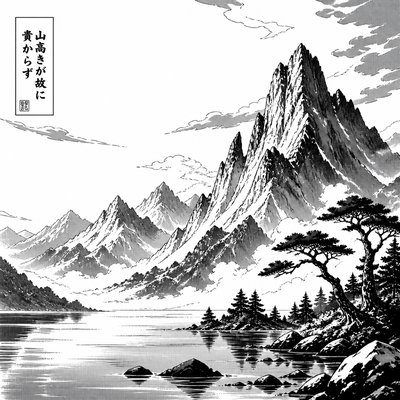
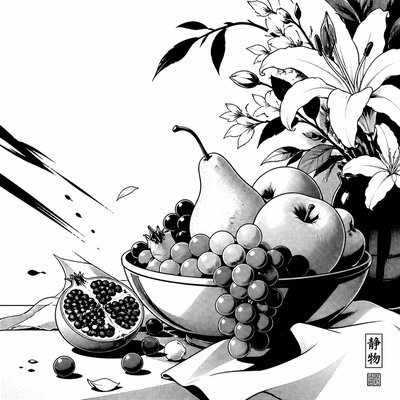
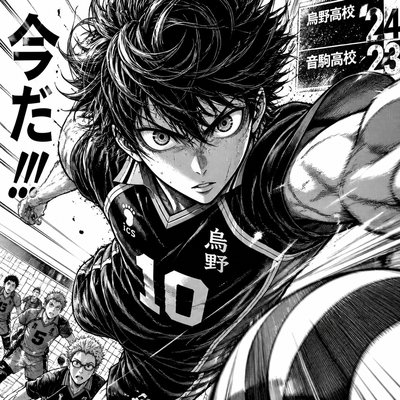
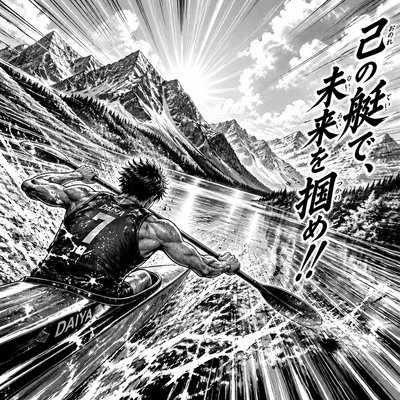
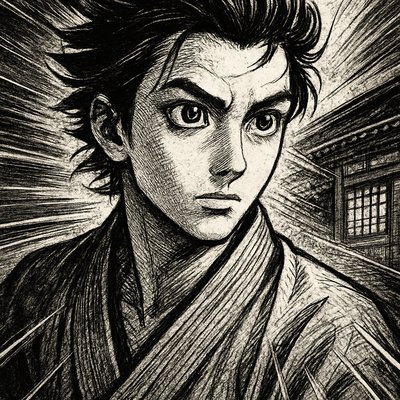
Delicate monochrome romance manga with floral screentones, sparkling highlights, flowing hair, and emotional close-ups.
Instantly rendered in Shoujo Romance Manga — or transform a photo
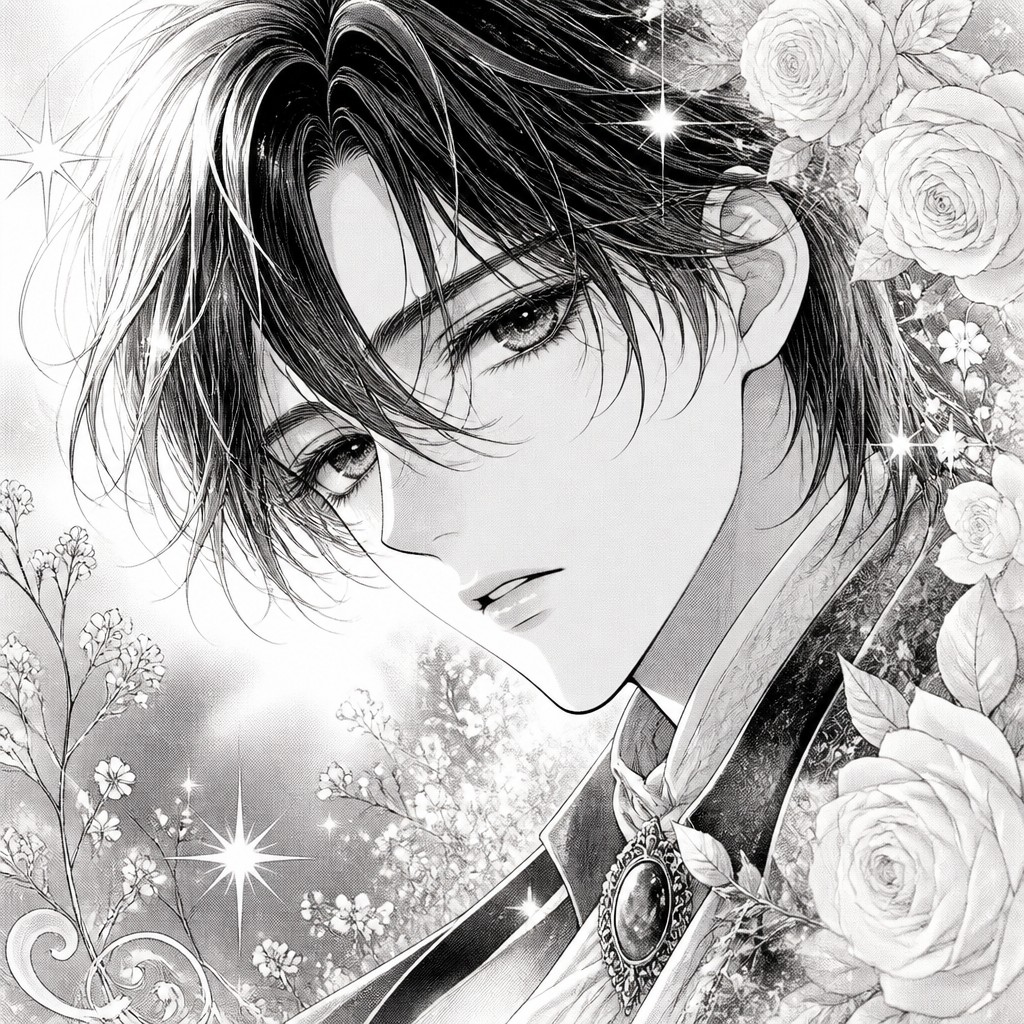
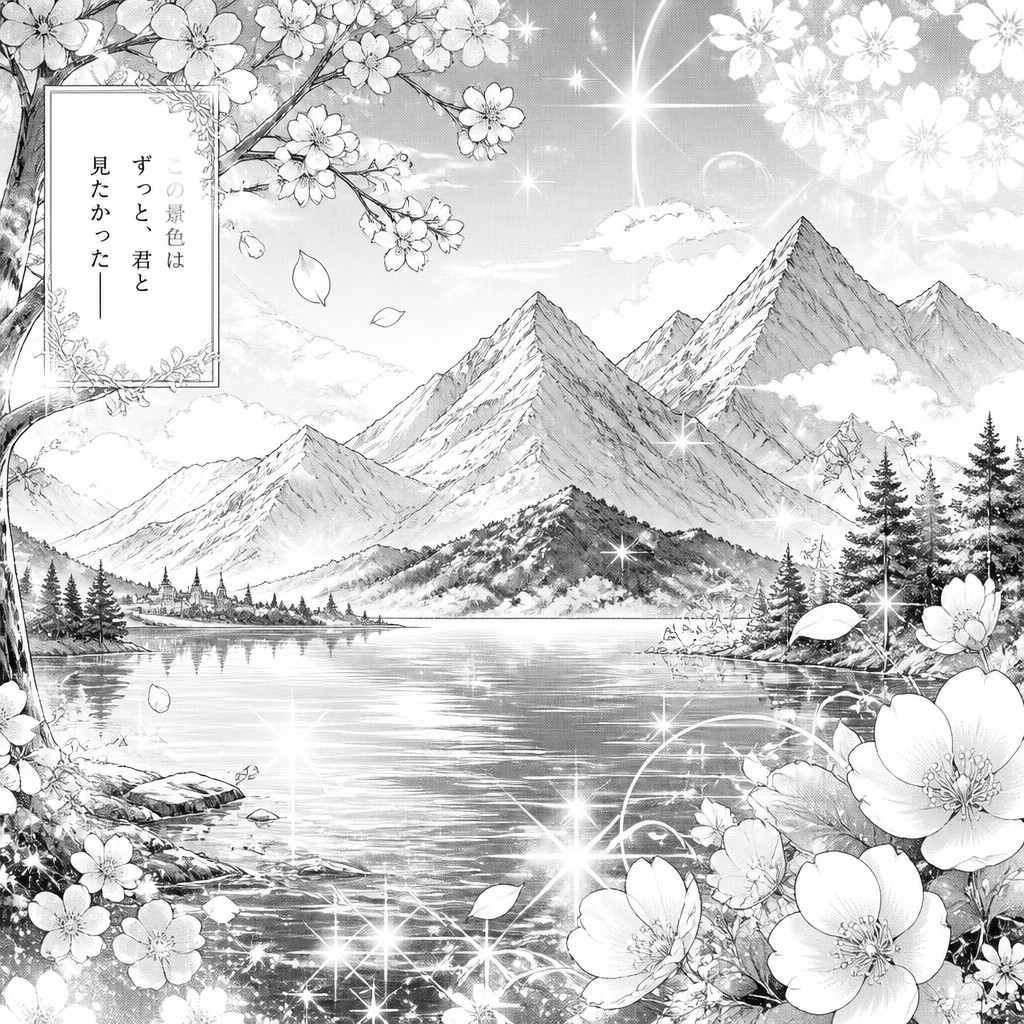
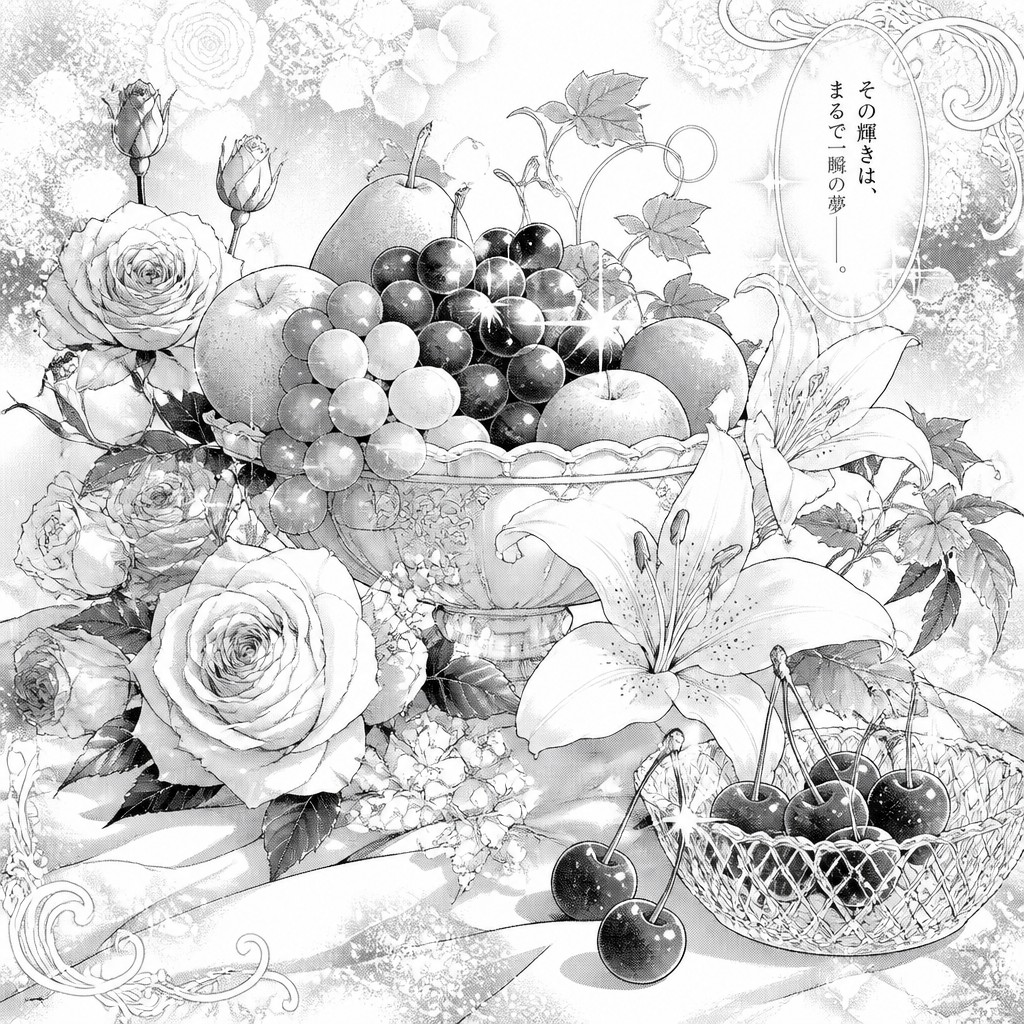
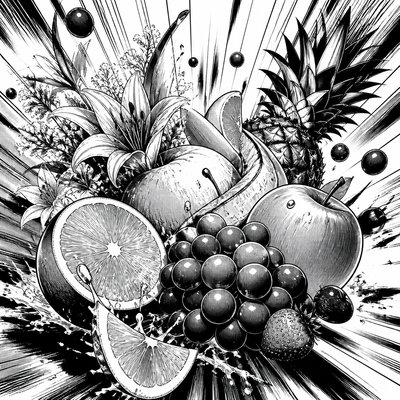
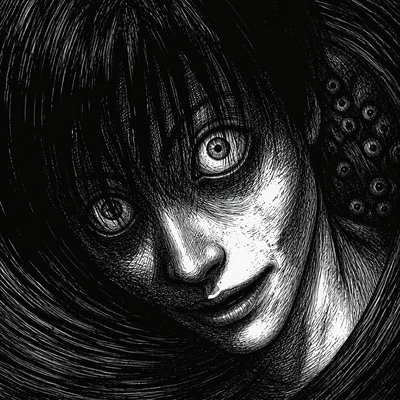
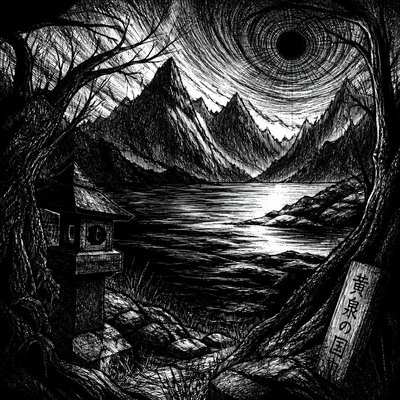
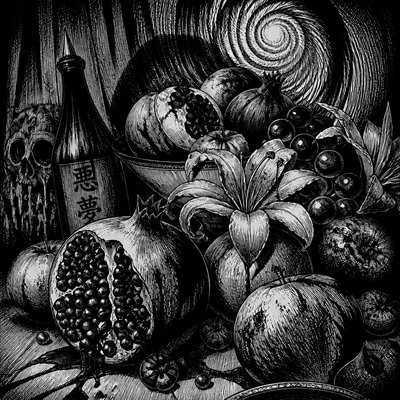
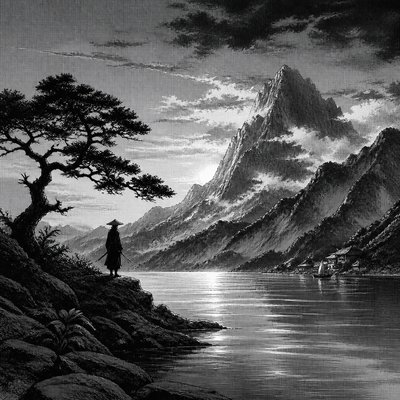
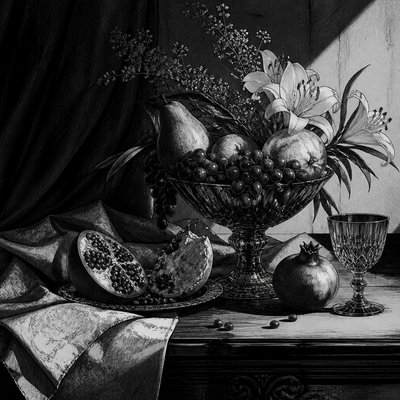
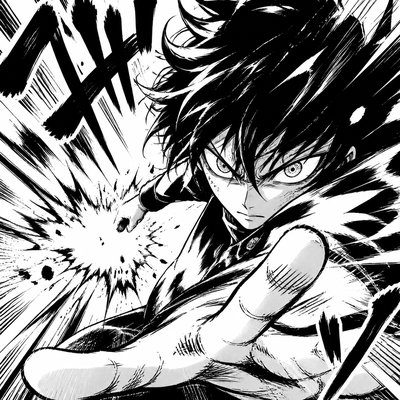
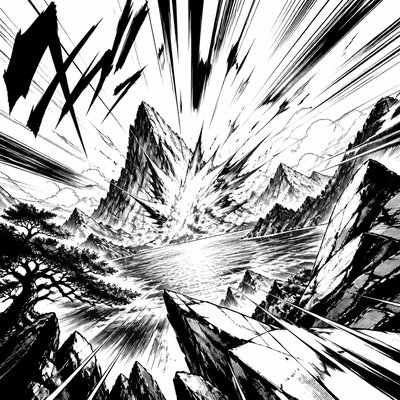
Shoujo Romance Manga Gallery
Tap any artwork to explore it
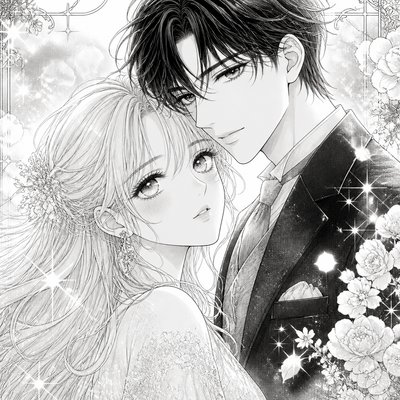
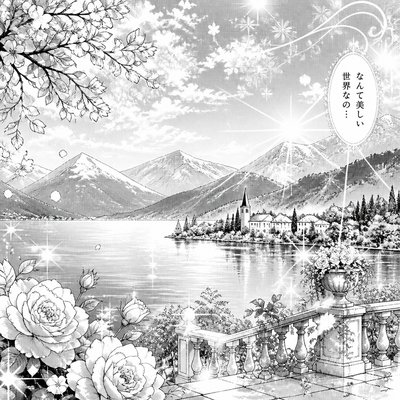
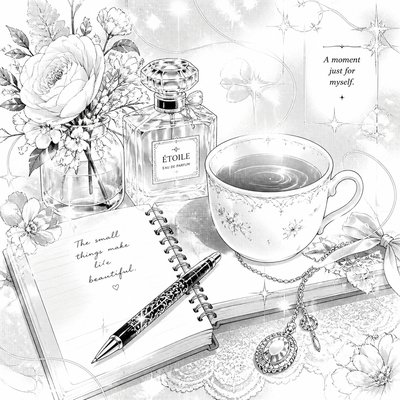
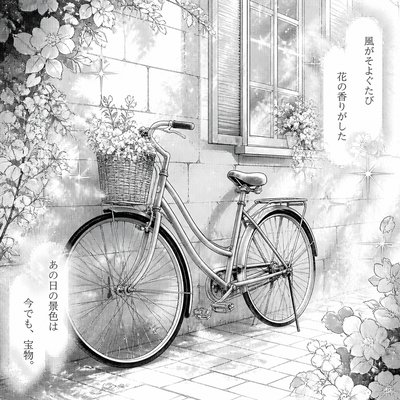
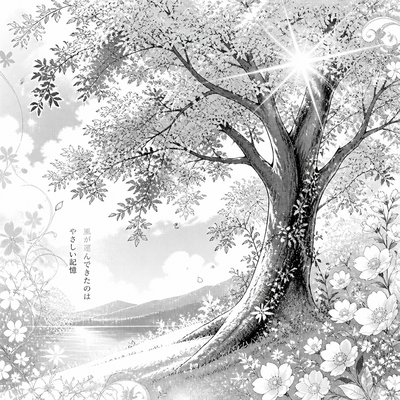
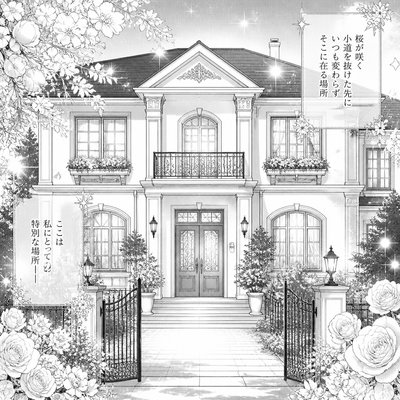
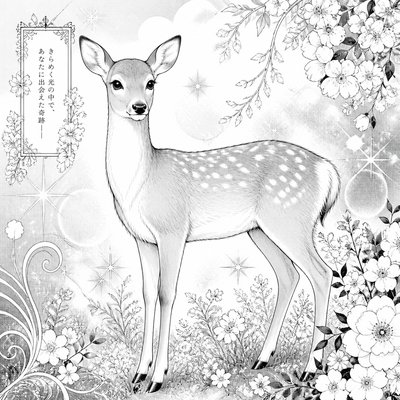
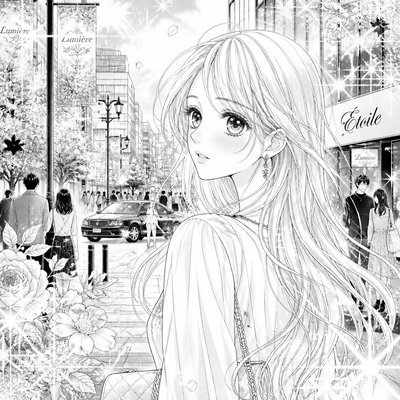
What is Shoujo Romance Manga Art Style?
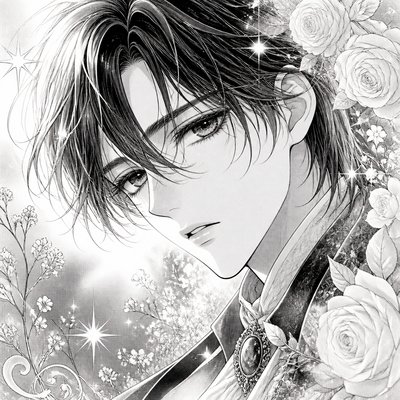
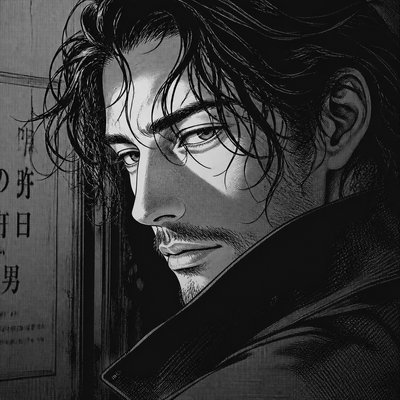
Shoujo romance manga is a monochrome comic style built around emotional clarity, decorative composition, and expressive intimacy. It is defined by delicate, varied linework; luminous white space; dense screentone textures; and an emphasis on faces, eyes, hands, hair, and symbolic details such as flowers, ribbons, and sparkles.
The style is designed to make feeling visible. Large, reflective eyes, soft gradients, and ornamental backgrounds work together to heighten longing, tenderness, melancholy, or first-love exhilaration. Even when the setting is simple or everyday, the page language tends to feel dreamy and theatrical, with flowing contours and graphic effects that turn emotion into visual atmosphere.
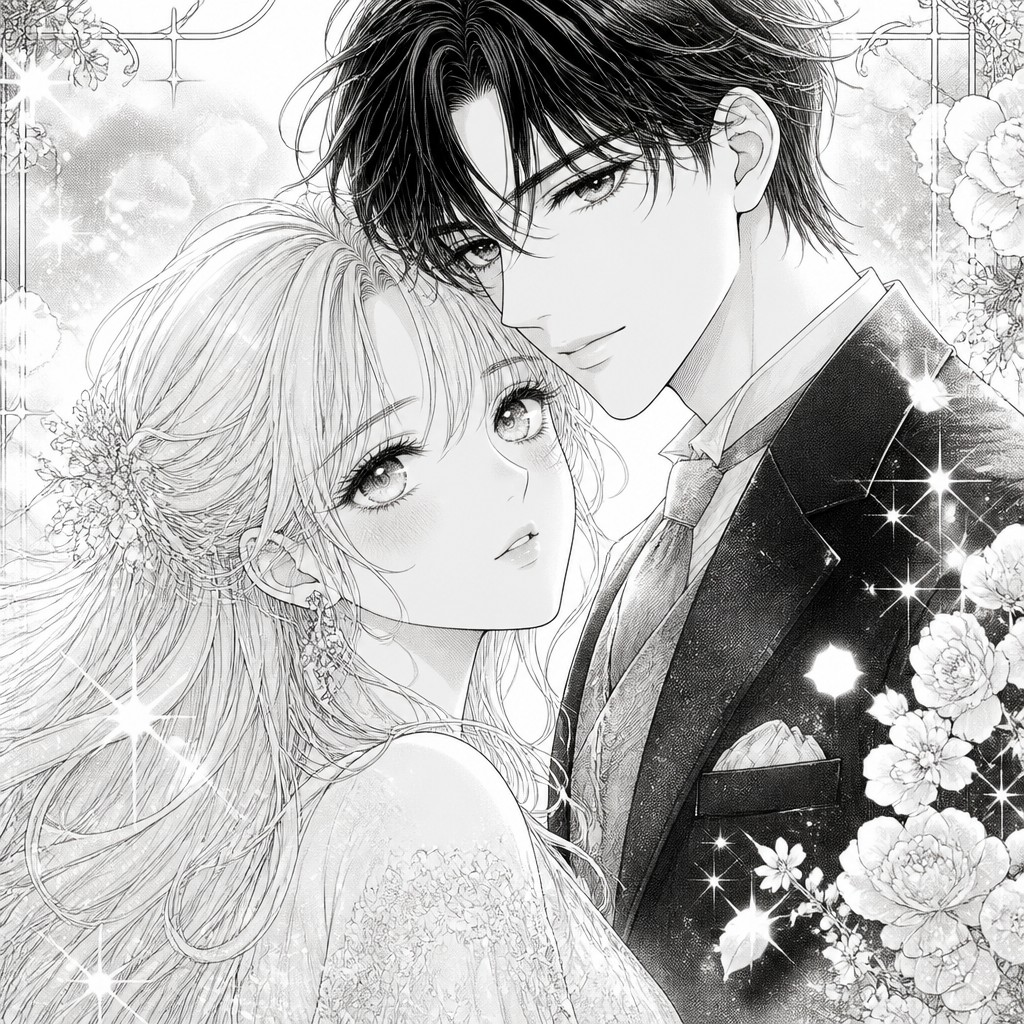
Try It On Your Photos
Upload any photo and convert it into Shoujo Romance Manga Art Style — drag the sliders to compare before and after.


What Defines Shoujo Romance Manga Art Style
The signature details, up close
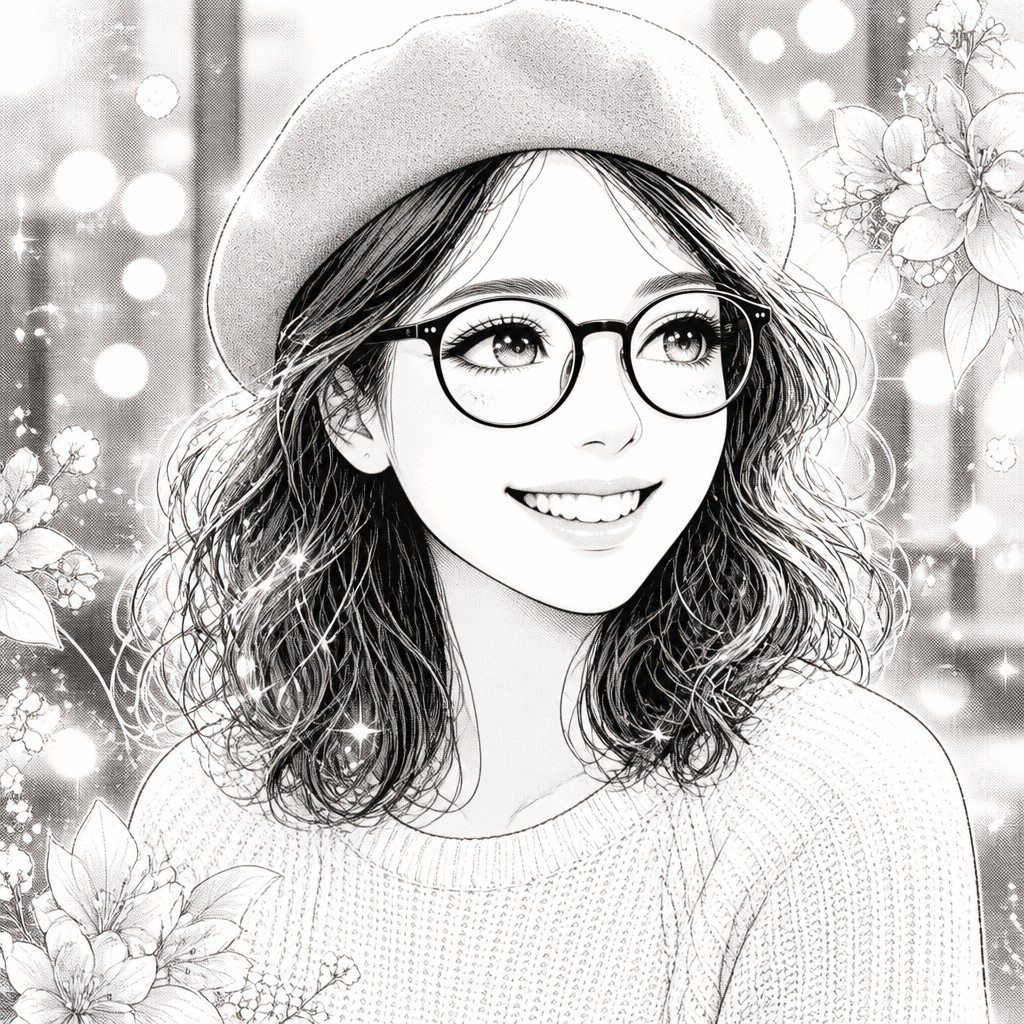
Expressive eyes and faces
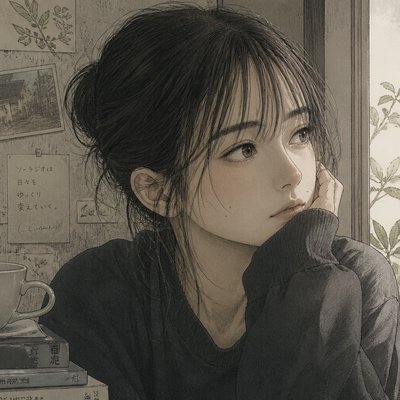
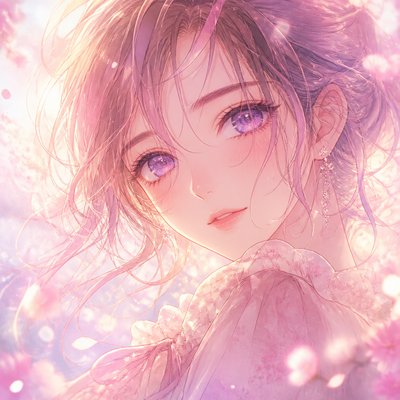
Eyes are typically large, glossy, and highly detailed, often carrying the emotional center of the image. Subtle eyebrow shapes, parted lips, and delicate blush marks do much of the storytelling.
Thin, graceful linework
Contours are usually drawn with elegant, varied-weight lines that feel light rather than heavy. This keeps the image airy and refined, allowing emotion and ornament to dominate over muscular structure.
Floral and decorative screentones
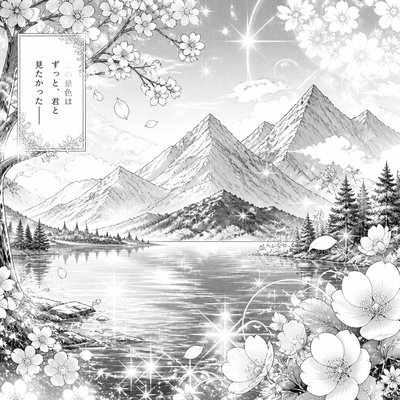
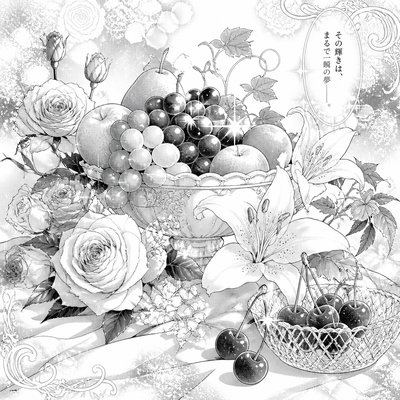
Printed textures such as flowers, dots, gradients, and soft patterns create mood and depth in monochrome. These tones often replace full backgrounds and help separate emotional beats from ordinary space.
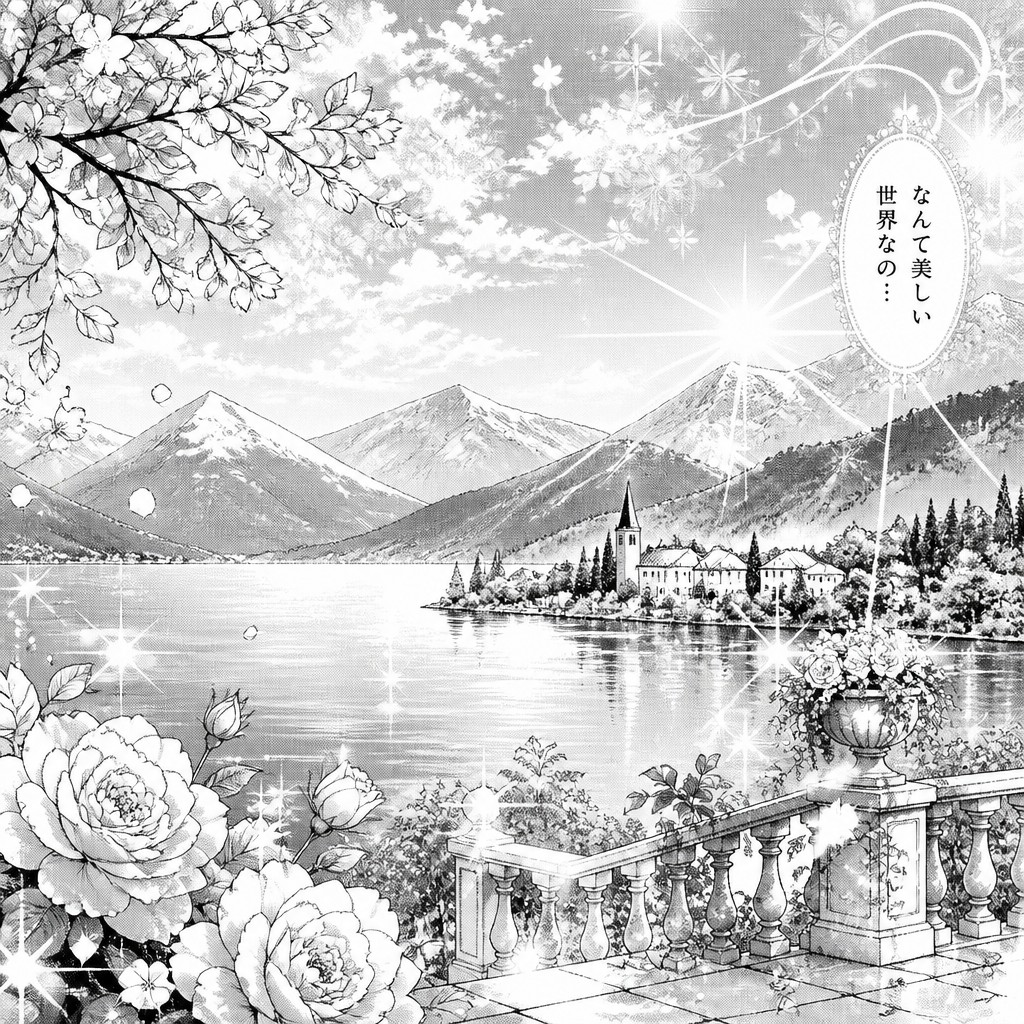
Sparkles and starburst highlights
Small white bursts, glints, and twinkling effects accent eyes, jewelry, hair, or key romantic moments. They function as symbolic emphasis, making the page feel heightened and lyrical.
Flowing hair and curved forms
Hair is frequently drawn as a major compositional element, with long sweeping strands that echo the emotional tone of the scene. Curved, ornamental lines soften the whole image and reinforce elegance.
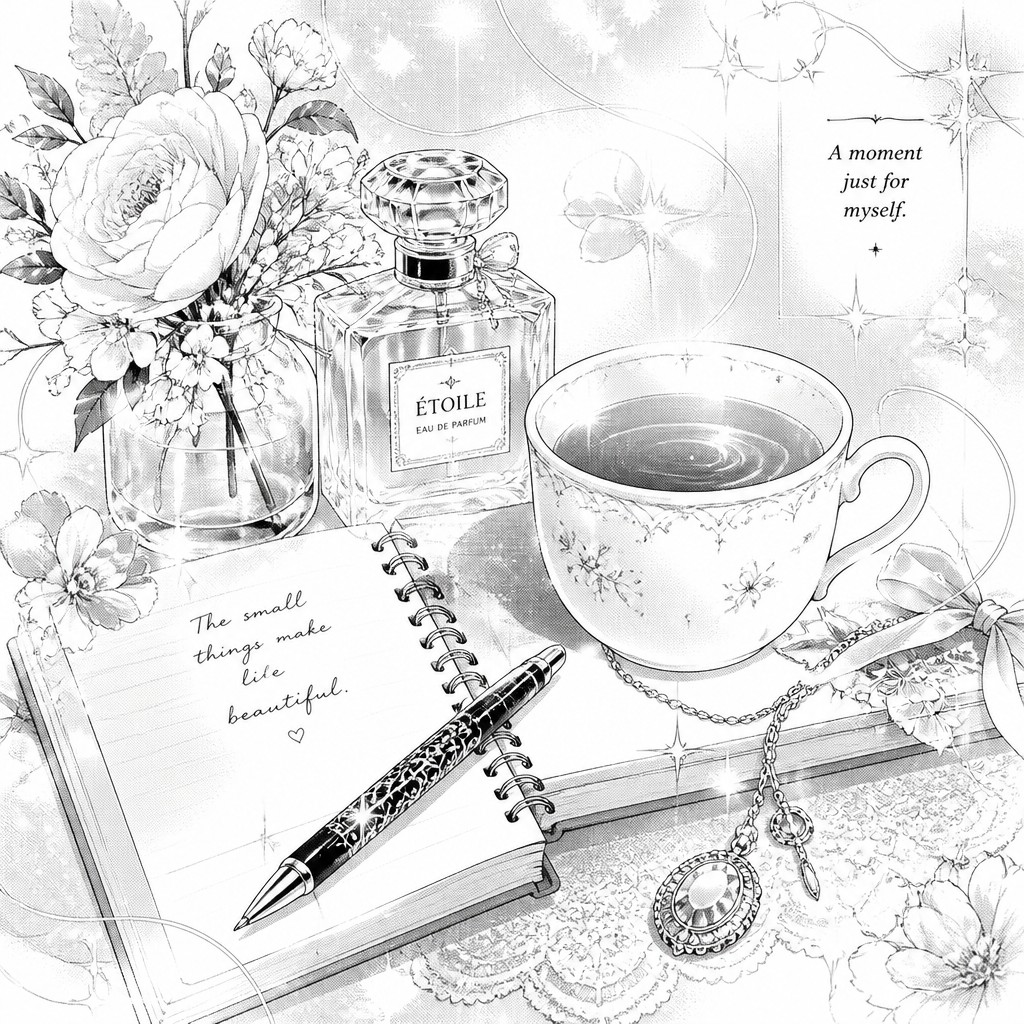
Emotive hands and close-ups
Hands are posed carefully to show hesitation, tenderness, or tension, and close cropping is common. The framing often isolates a gesture or gaze so the viewer reads the character’s inner state immediately.
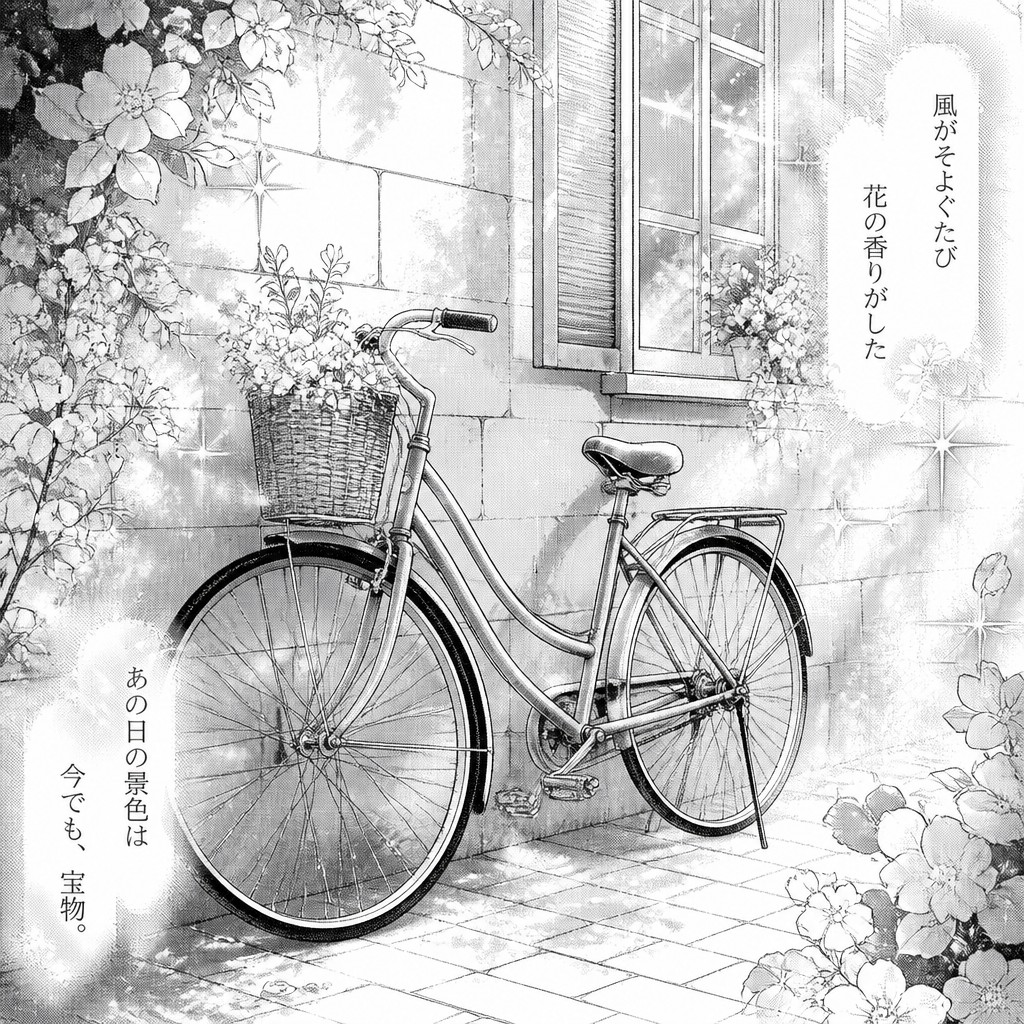
Monochrome contrast and atmospheric white space
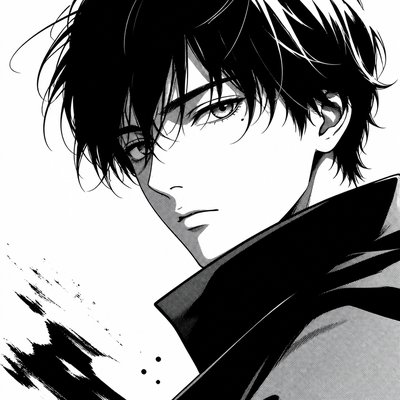
Strong blacks, pale grays, and untouched white areas create rhythm and visual calm. White space is not empty; it acts like silence, spotlighting the most emotionally important parts of the composition.
Try It
Create Videos in Shoujo Romance Manga Art Style
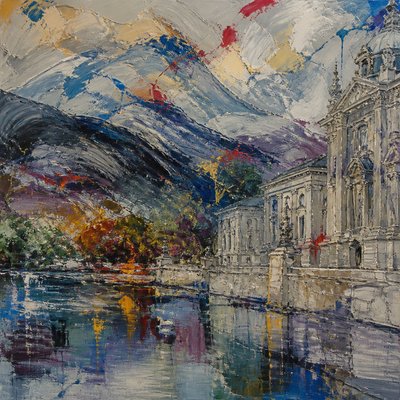
Styles aren't just for stills — describe a scene or animate an image and get a short video rendered in Shoujo Romance Manga. Press play to see this pond come to life.
Make a VideoShoujo Romance Manga Prompt Ideas
Start from an idea — each one opens the generator with the style ready to go. See all 40 Shoujo Romance Manga prompts →
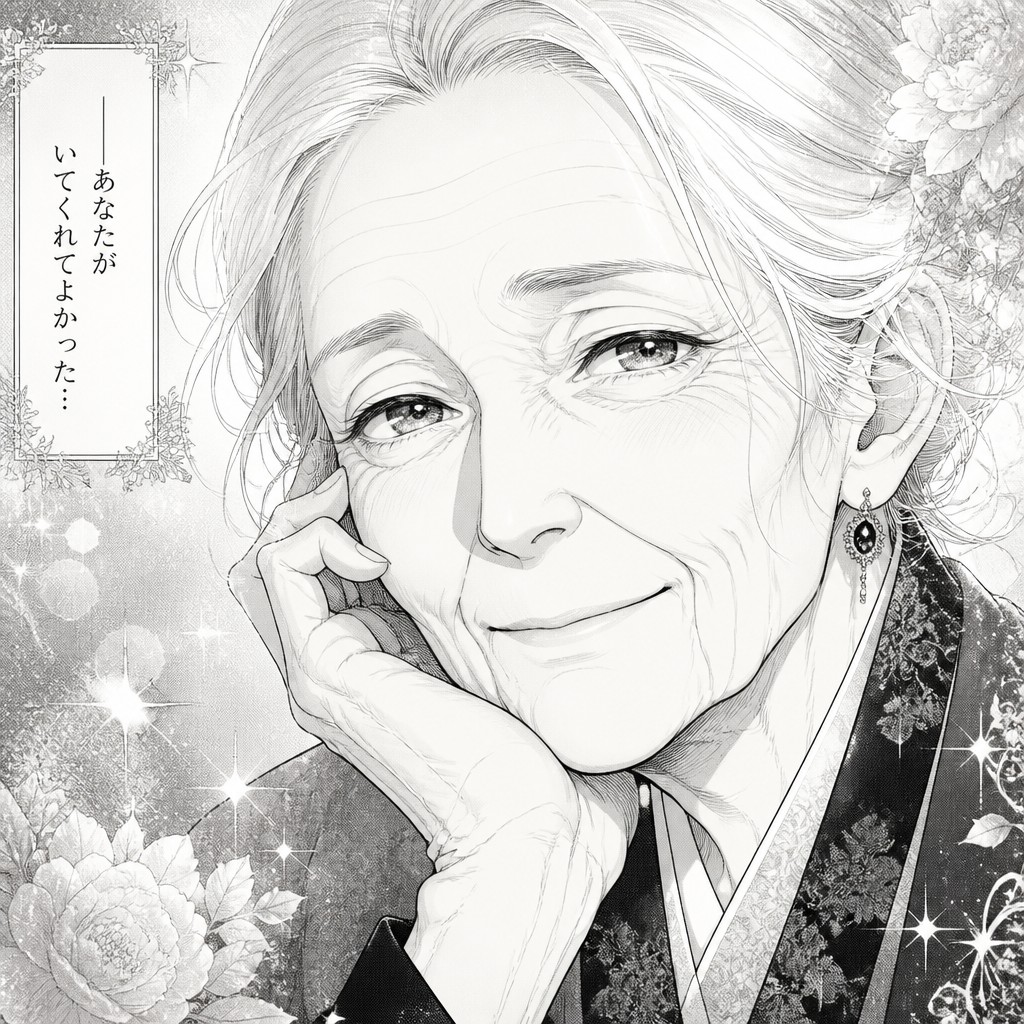
“close-up portrait of an elderly person with expressive weathered features”
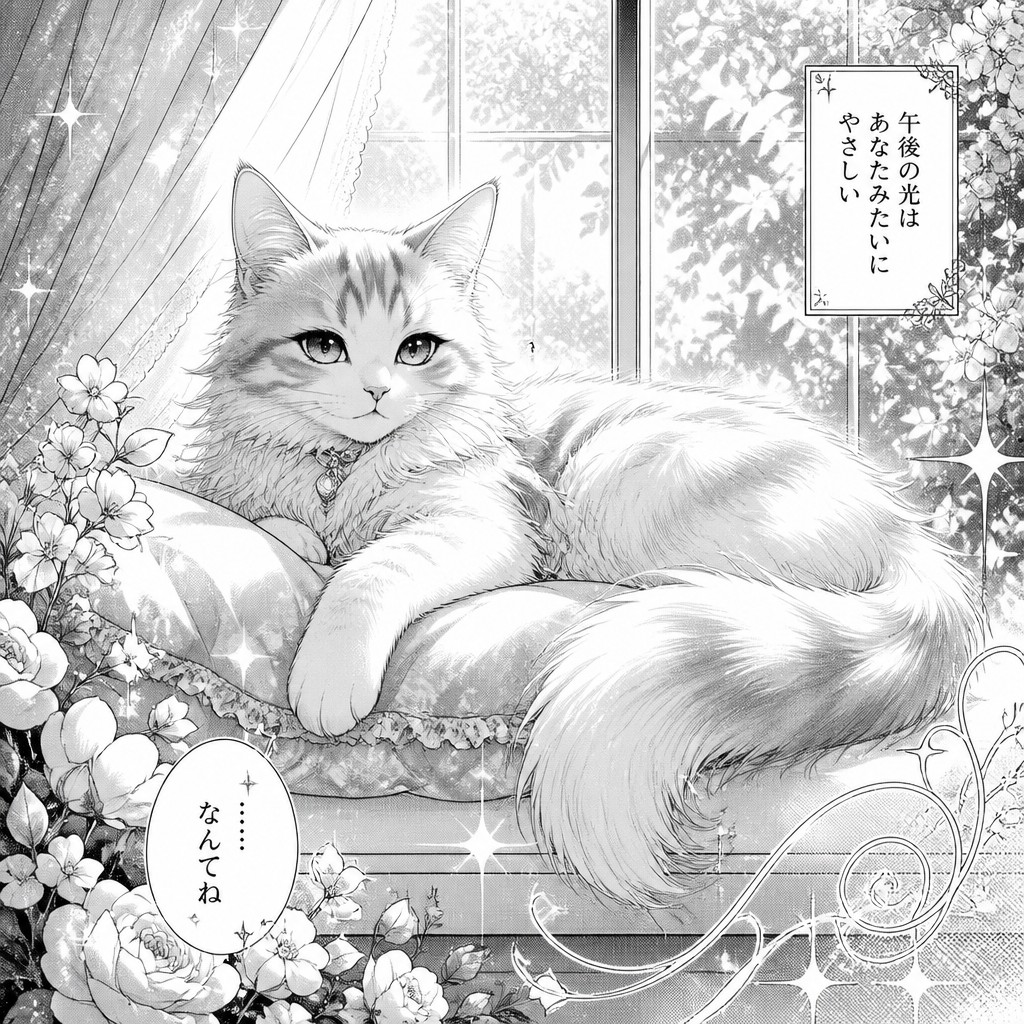
“a cat lounging in a sunlit window”
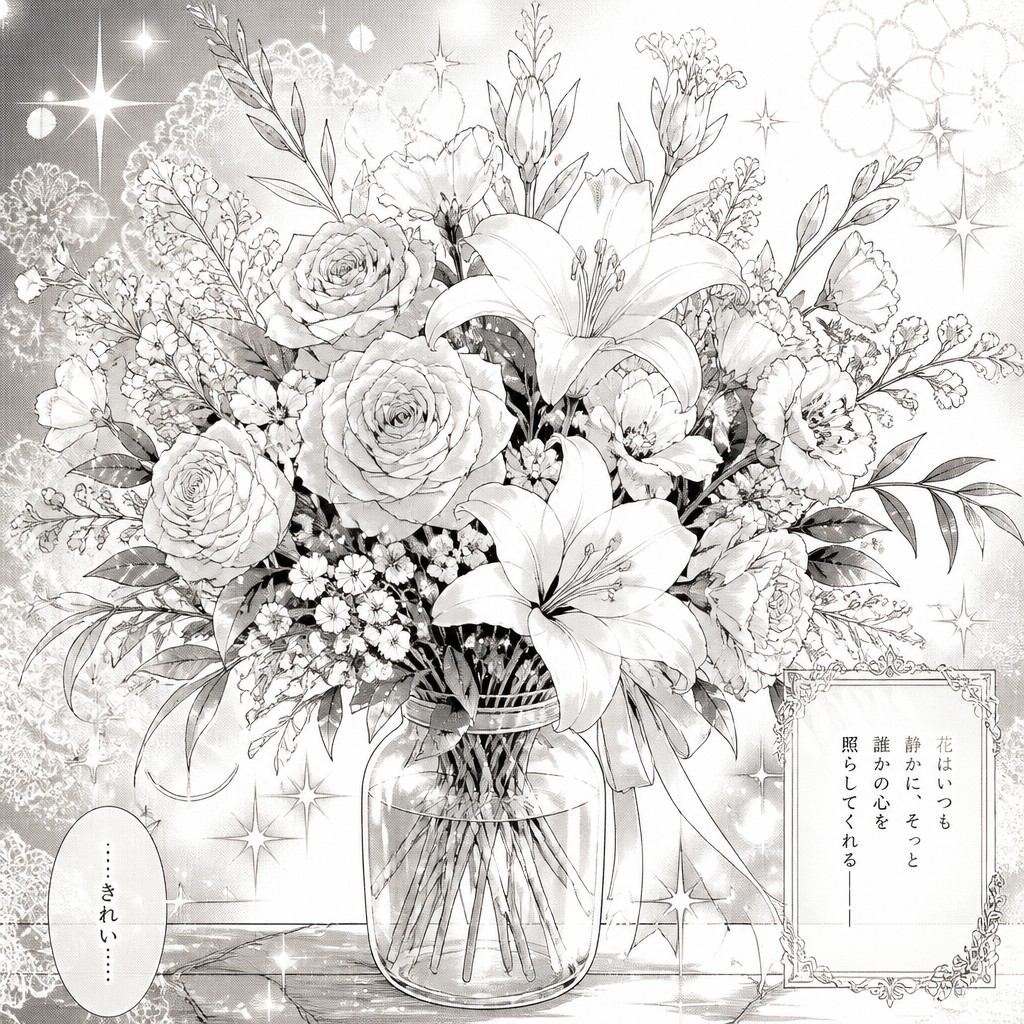
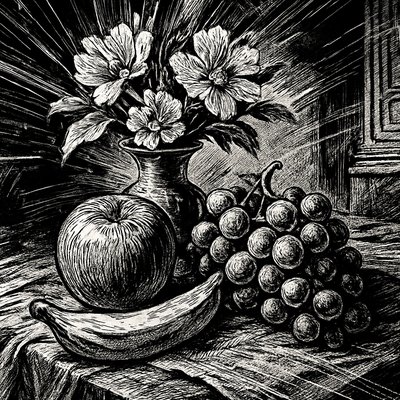
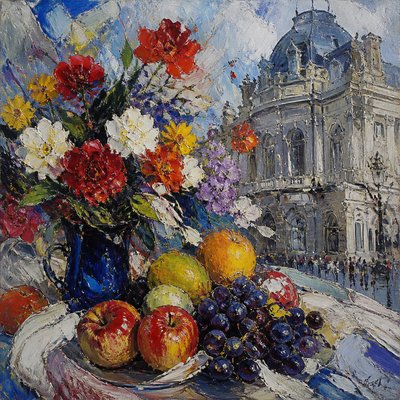
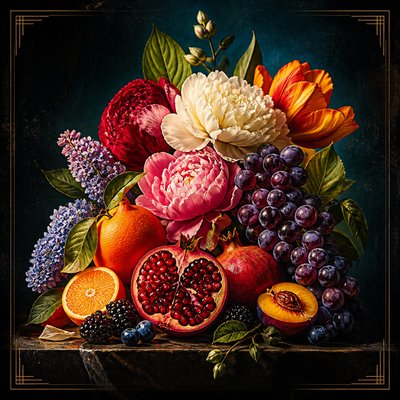
“bouquet of flowers in a glass vase”
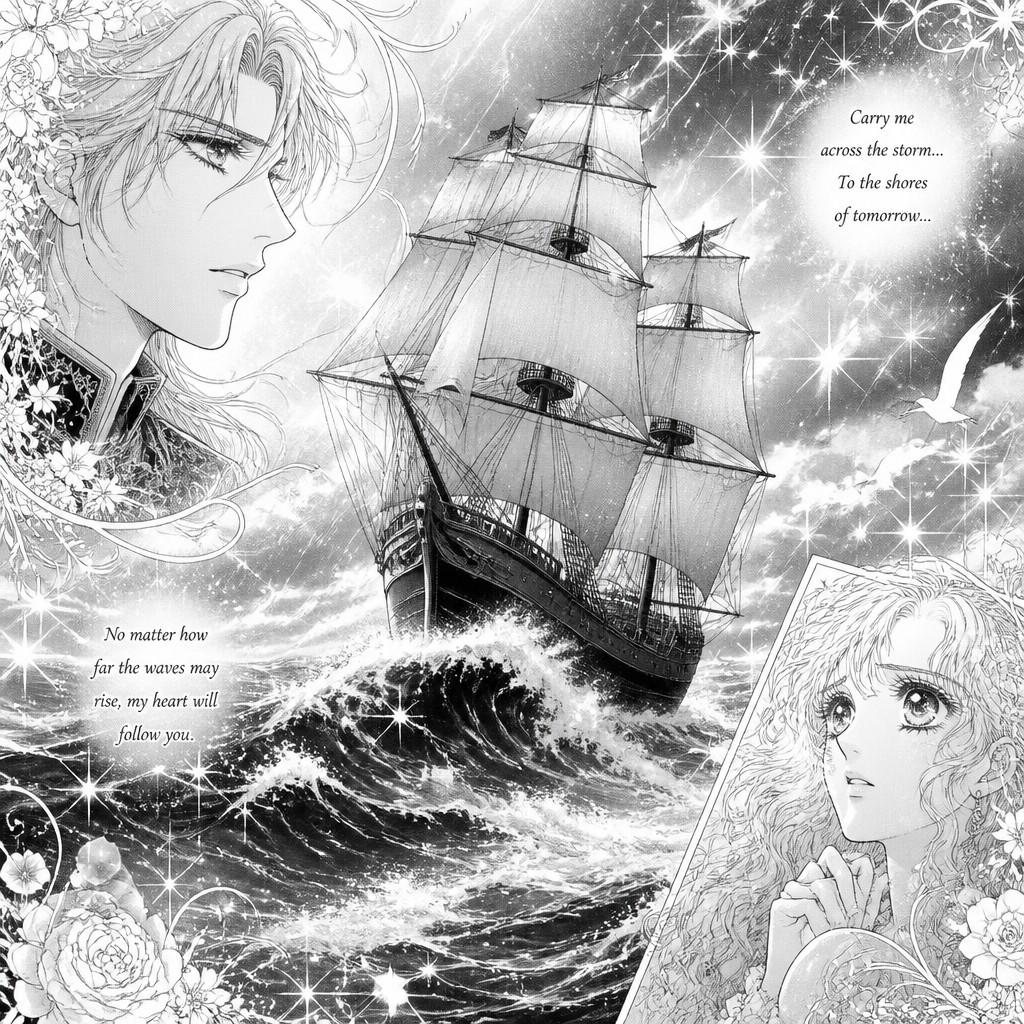
“sailing ship on a stormy sea”
How to Create Shoujo Romance Manga Art
Master the craft step by step — or skip straight to creating. Read the full guide →
- 1
Start with emotion-first composition
Plan the image around a feeling rather than an action: longing, surprise, shyness, heartbreak, or quiet affection. Use close framing, asymmetrical placement, and negative space to make the character’s expression the focal point.
- 2
Use delicate line hierarchy
Draw facial features, hair, and hands with thin, controlled lines, reserving heavier weight for select contours or shadow edges. Keep anatomy graceful and stylized rather than hyper-realistic, especially in the neck, hands, and hair flow.
- 3
Build mood with screentones and black areas
In traditional work, apply screentone to hair shadows, clothing folds, and backgrounds; in digital work, layer dot patterns, gradients, and floral textures sparingly so the page stays readable. Let black shapes and white highlights alternate to create contrast and romance.
- 4
Add symbolic romantic accents
Place sparkles, flower petals, ribbons, lace, or starbursts at narrative focal points to signal emotional intensity. These effects should support the scene, not overwhelm it; one or two carefully placed accents are often enough.
- 5
Compose backgrounds as atmosphere
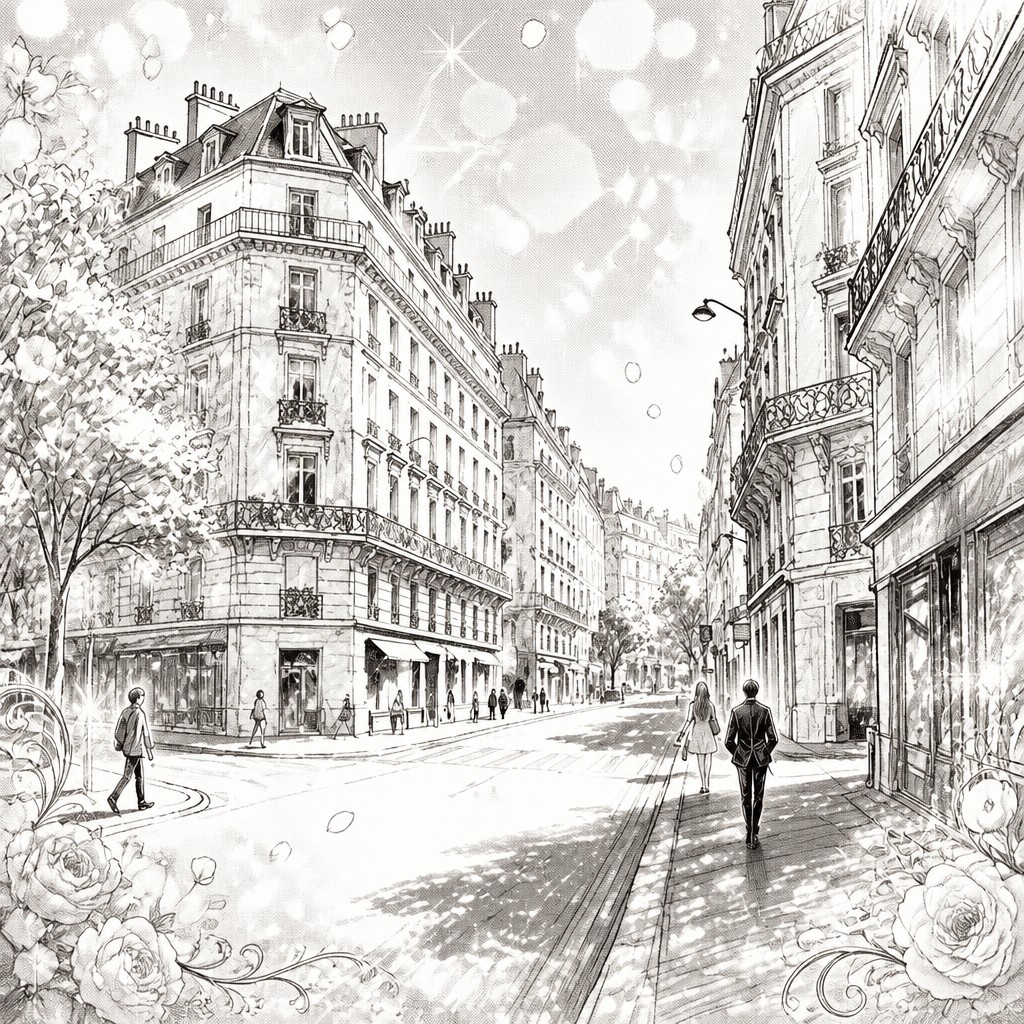
Instead of detailed environments, use flowers, curtains, gradient fields, soft textures, or minimal architectural hints. This keeps the viewer focused on emotional storytelling while preserving the dreamy, ornamental feel.
- 6
For prompt-based generation, specify the manga mechanics
Mention monochrome ink, thin varied linework, screentones, floral patterns, sparkle highlights, flowing hair, and expressive close-up framing. If generating digitally, also request clean manga craftsmanship and nuanced gray gradations for a convincing result.

The Story
History & Origins of Shoujo Romance Manga
Shoujo romance manga emerged from the broader development of Japanese girls’ comics in the mid-20th century, especially the postwar shoujo magazine market. Its visual language was shaped by printed manga production, the use of screentone, and the increasing focus on interior emotion, romantic narrative, and fashionable youth culture. Over time, artists refined a set of conventions for expressing feeling through symbolic imagery rather than realistic staging.
The style’s lineage draws from earlier shoujo manga aesthetics and from the innovations of influential postwar shoujo manga creators, who expanded the emotional and graphic range of girls’ comics in the 1970s. Decorative page design, elongated figures, lush hair, floral motifs, and dramatic close-ups became standard tools for romance storytelling, later influencing anime character design, contemporary manga illustration, and global fan art associated with shoujo visuals.
Influences: This style belongs to the broader tradition of shoujo manga and is visually related to Japanese comics’ emphasis on expressive staging, decorative page design, and symbolic emotion. It also shares traits with fashion illustration, print-era screentone techniques, and the romantic visual language developed by major shoujo manga creators such as leading influential creators of girls’ comics and romantic manga, whose work helped define the genre’s elegance and emotional intensity.
Frequently Asked Questions
What defines shoujo romance manga art style?
It is defined by emotional expressiveness, delicate linework, and a decorative monochrome finish. Large eyes, elegant hands, flowing hair, sparkles, and floral screentones are all common signals of the style. The overall effect is tender, dreamy, and highly narrative.
How is it different from standard shounen manga art?
Shoujo romance manga usually prioritizes interior feeling, atmosphere, and symbolic visual motifs over action-driven staging. Characters are often drawn more softly and ornamentally, with greater emphasis on close-ups, eyes, and hands. Shounen manga more often favors harder contours, dynamic movement, and external conflict.
Why is this style usually in black and white?
Much of manga historically developed for black-and-white magazine printing, which made screentones and line art essential tools. In shoujo romance manga, monochrome also enhances mood by turning light, shadow, and texture into emotional devices. The absence of color can make flowers, sparkles, and white space feel even more expressive.
What subjects work best in this style?
Romantic scenes, quiet emotional moments, school settings, sentimental portraits, and introspective character studies fit especially well. The style is strongest when the subject allows for facial expression, gesture, and symbolic backgrounds. Everyday scenes can become dramatic if the emotional stakes are clear.
How can I make my art look more like shoujo manga?
Focus on graceful faces, refined hands, and controlled line weight. Add screentones, soft floral textures, sparkles, and generous white space, then simplify the background so the emotion stays central. In digital work, keep edges clean and avoid overly heavy rendering.
Where is this style commonly used?
It is most common in romance manga, character illustrations, fan art, and emotionally focused comic pages. Its visual cues also appear in anime promotion art, manga cover design, and decorative illustration inspired by Japanese girls’ comics.
Create your first Shoujo Romance Manga artwork
Describe anything — or upload a photo — and see it in Shoujo Romance Manga Art Style in seconds.
Make Something with Shoujo Romance Manga
Compare Shoujo Romance Manga
Related Styles
Discover similar art styles