Shonen Battle Manga Art Style
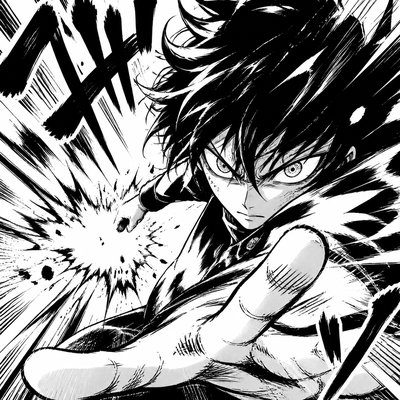
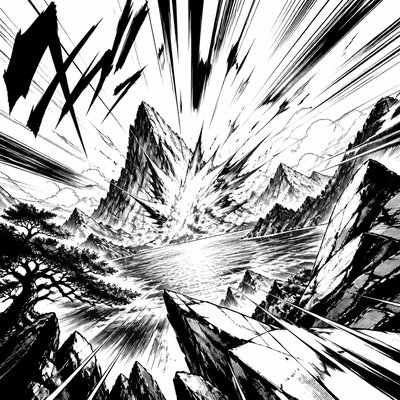
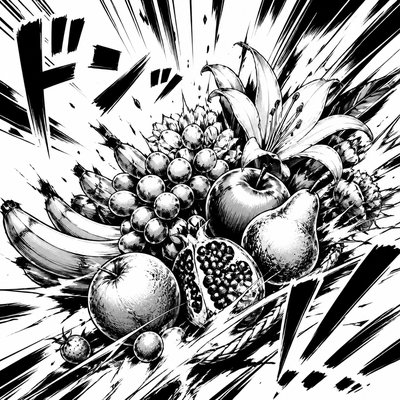
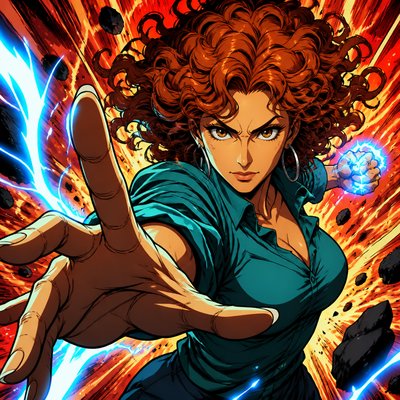
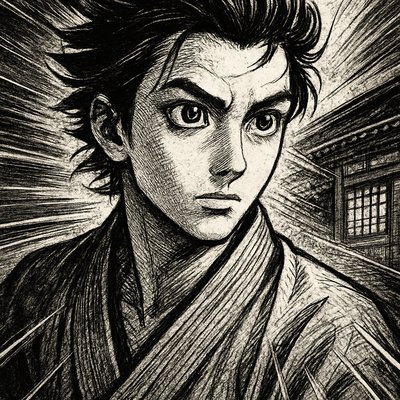
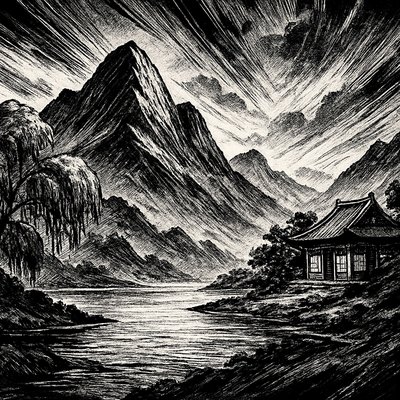
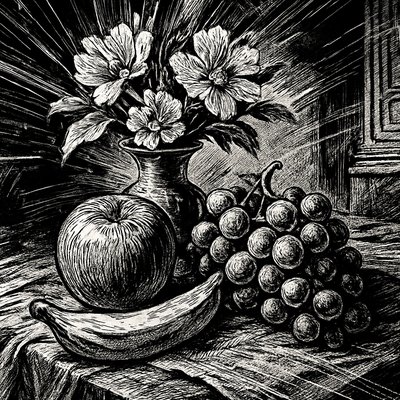
High-energy black-and-white manga look with speed lines, bold inks, impact bursts, and dramatic combat framing.
Instantly rendered in Shonen Battle Manga — or transform a photo
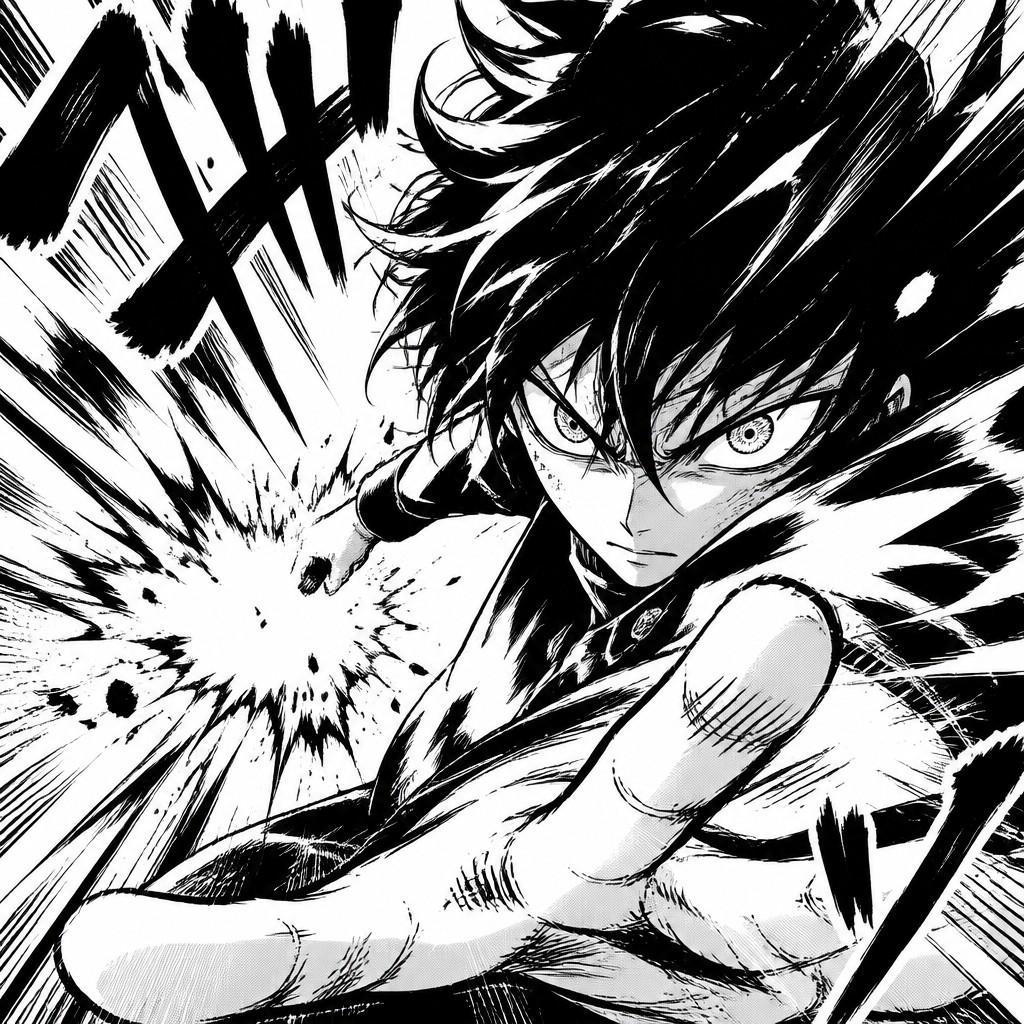
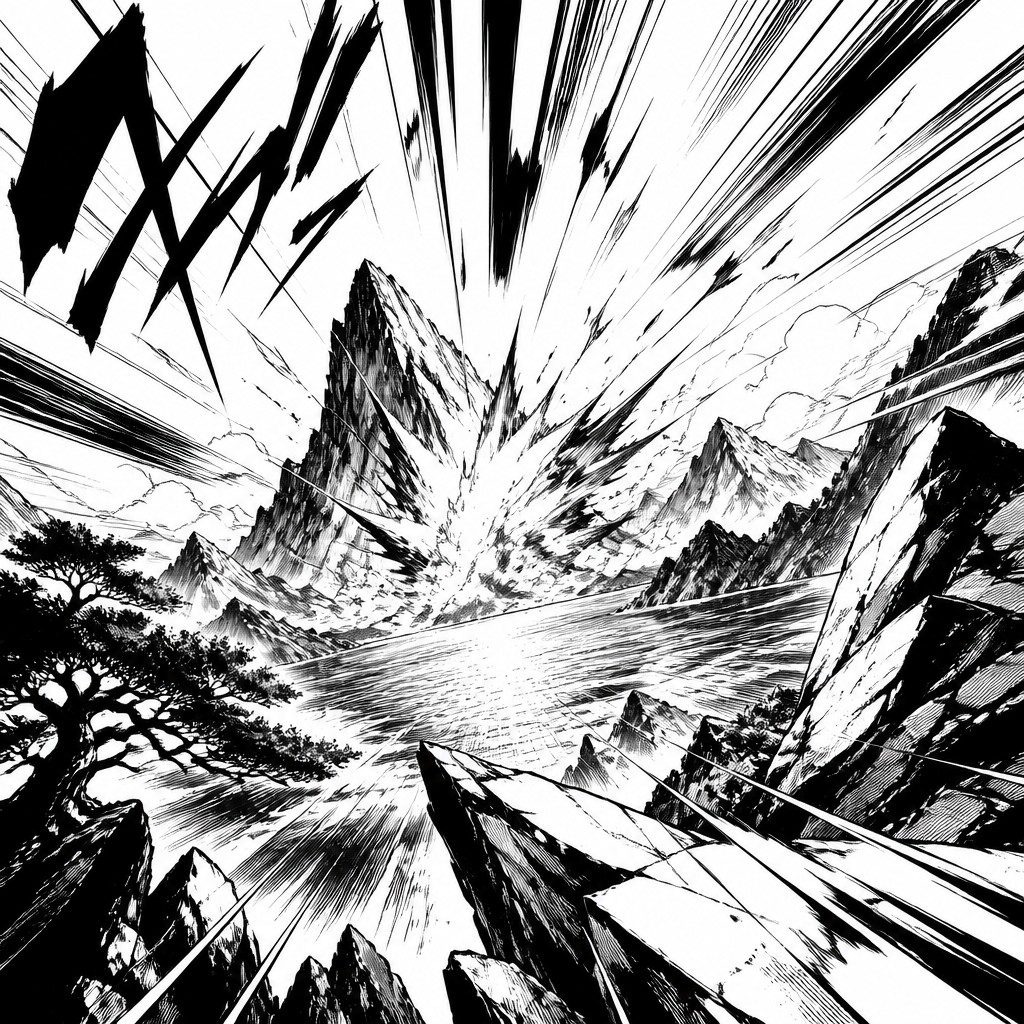
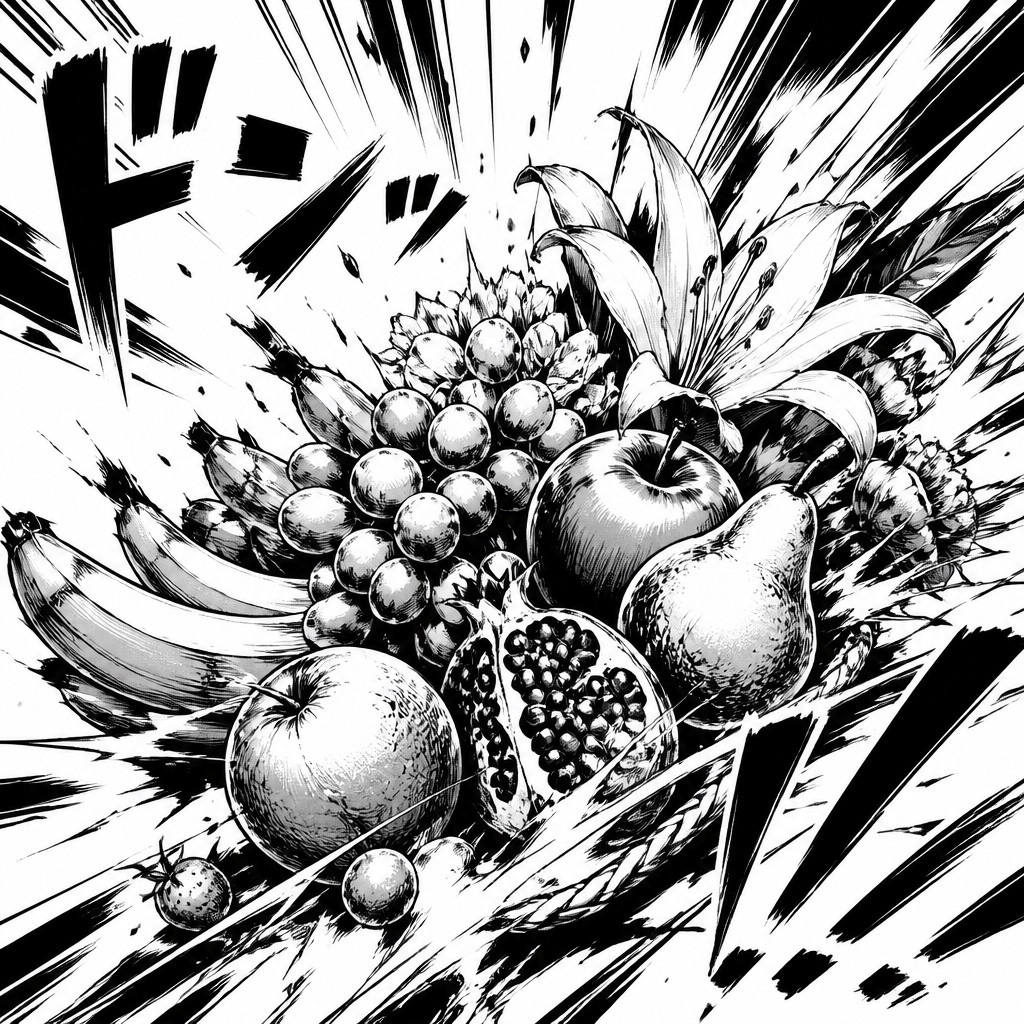
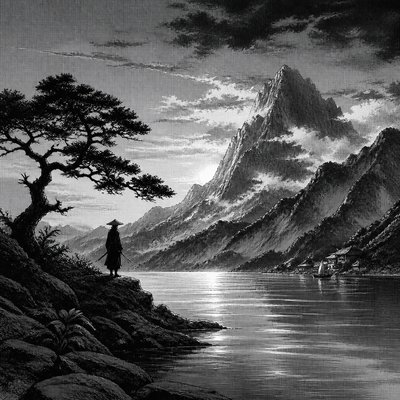
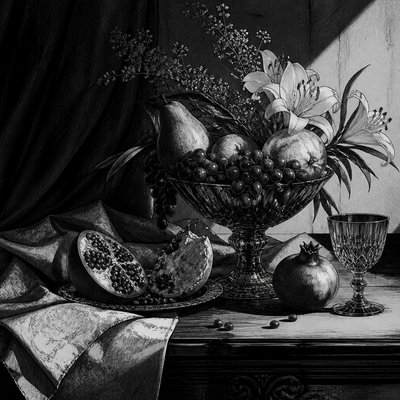
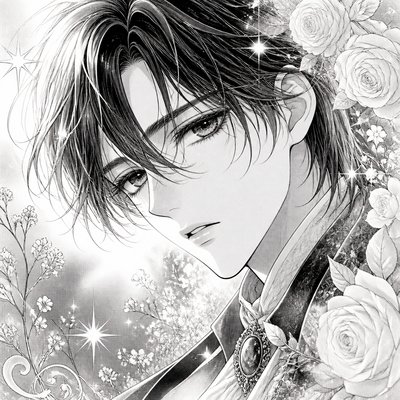
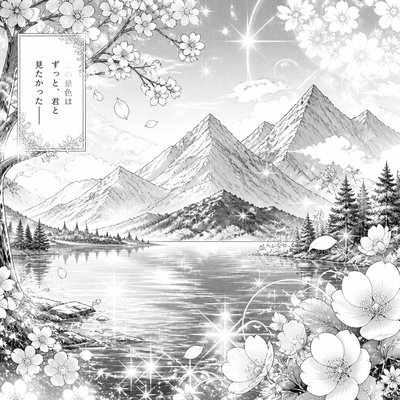
Shonen Battle Manga Gallery
Tap any artwork to explore it
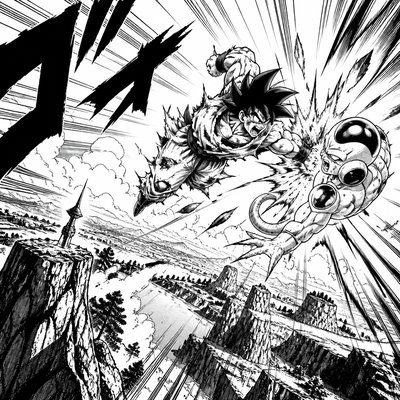
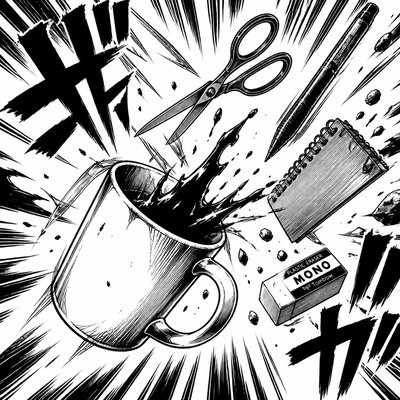
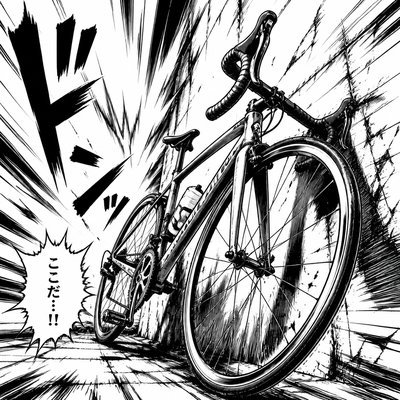
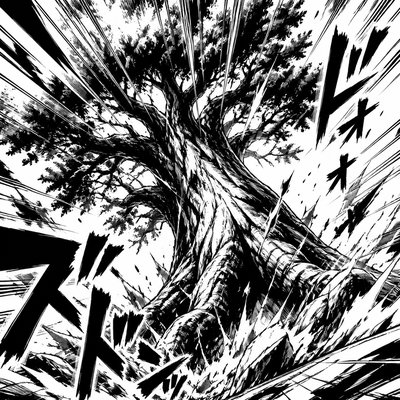
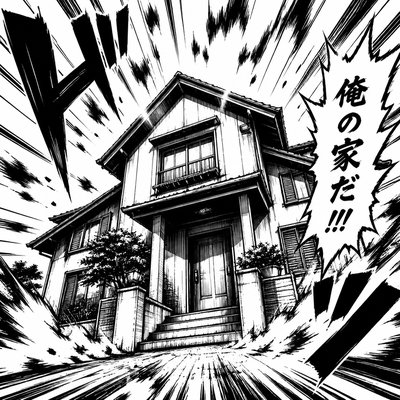
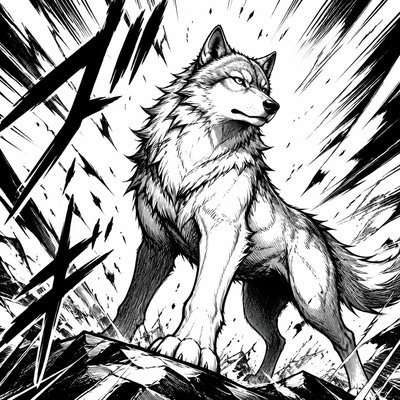
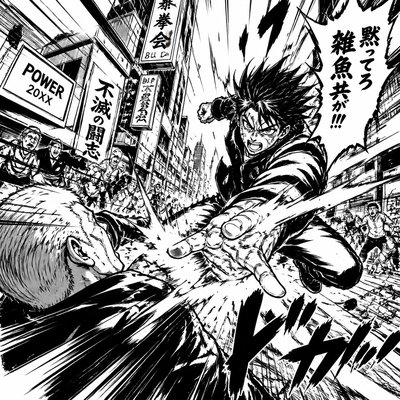
What is Shonen Battle Manga Art Style?
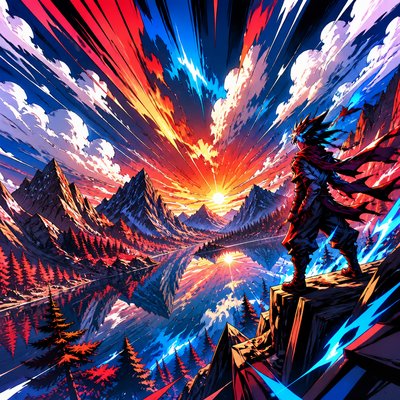
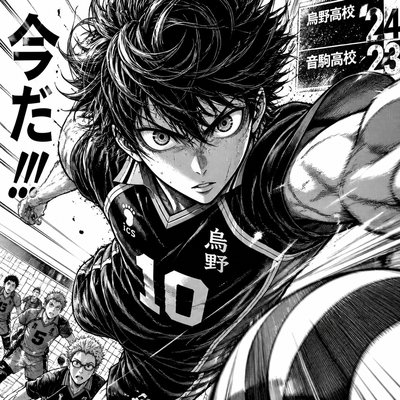
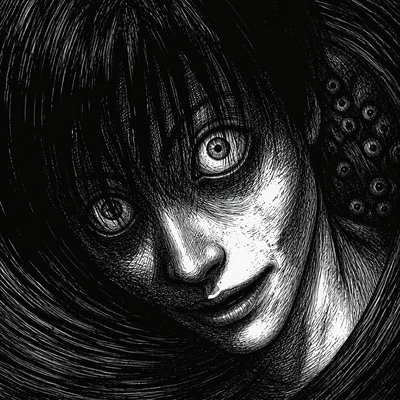
Shonen battle manga art style is the visual language of action-driven Japanese comics centered on conflict, momentum, and dramatic emotional stakes. It relies on stark black-and-white contrast, aggressive linework, explosive composition, and heightened facial acting to make punches, dashes, and power-ups feel immediate and forceful.
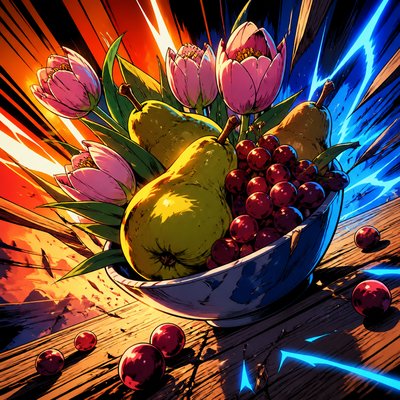
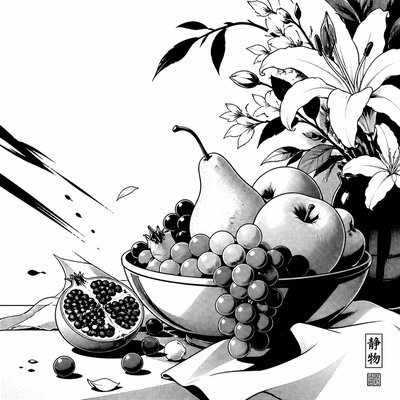
Its identity comes from making movement visible on the page. Heavy speed lines, shattered impact effects, deep blacks, and extreme foreshortening compress time into a single frozen instant at peak intensity, while open white space keeps the image readable amid chaos. The result is a style that feels fast, physical, and emotionally charged, even without color.
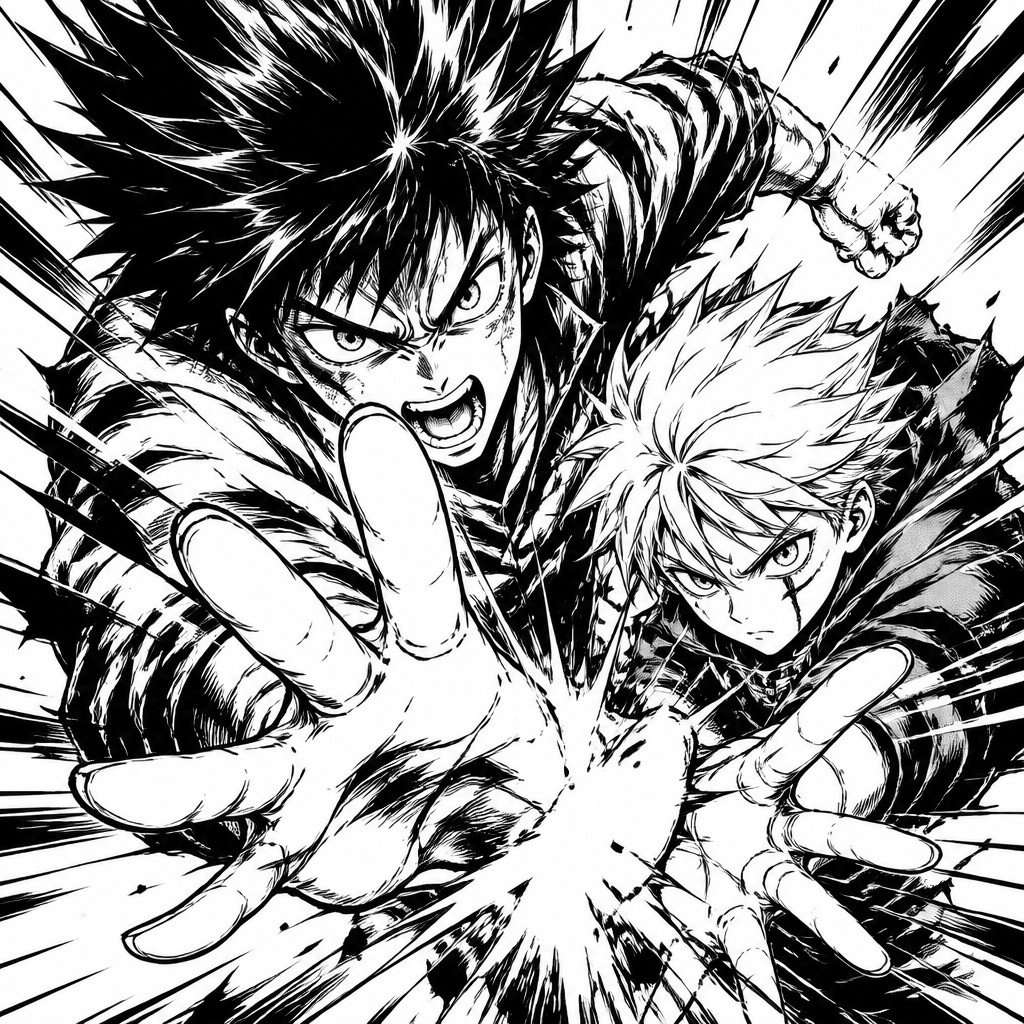
Try It On Your Photos
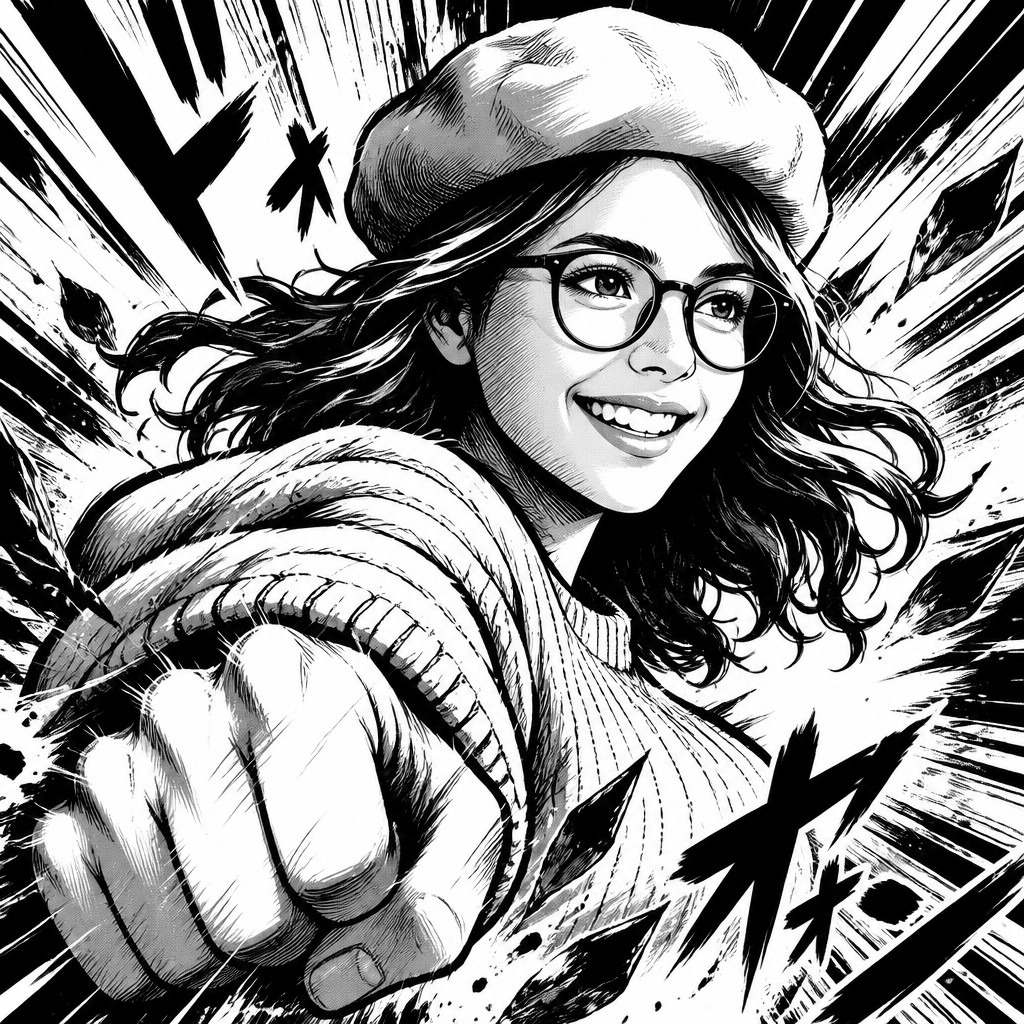
Upload any photo and convert it into Shonen Battle Manga Art Style — drag the sliders to compare before and after.


What Defines Shonen Battle Manga Art Style
The signature details, up close
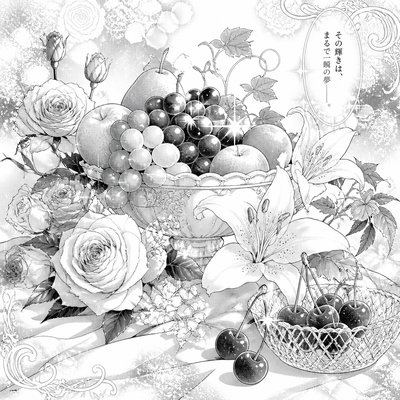
Bold black-and-white contrast
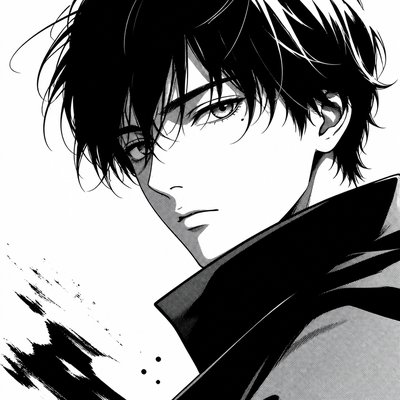
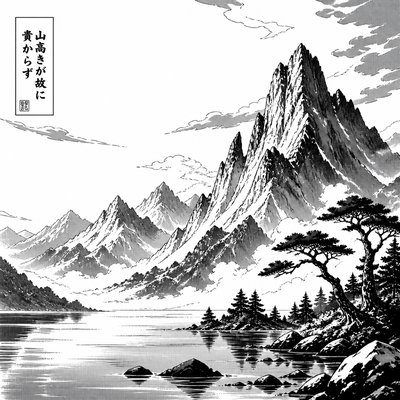
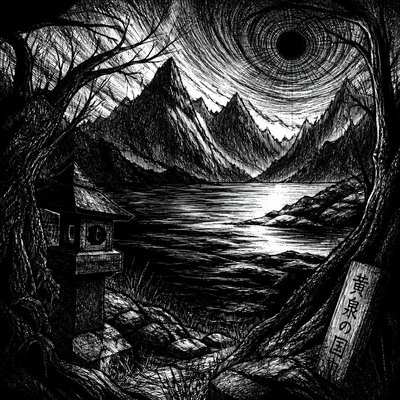
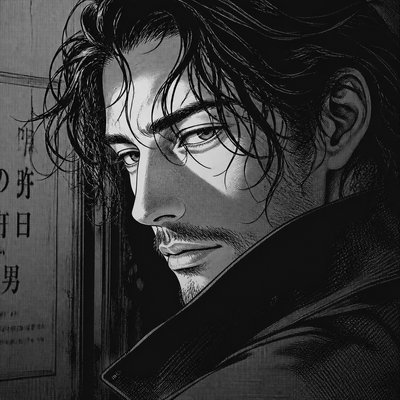
The style depends on strong inked silhouettes, deep shadows, and large white reserves. This contrast keeps figures legible while making each burst of action feel sharper and more forceful.
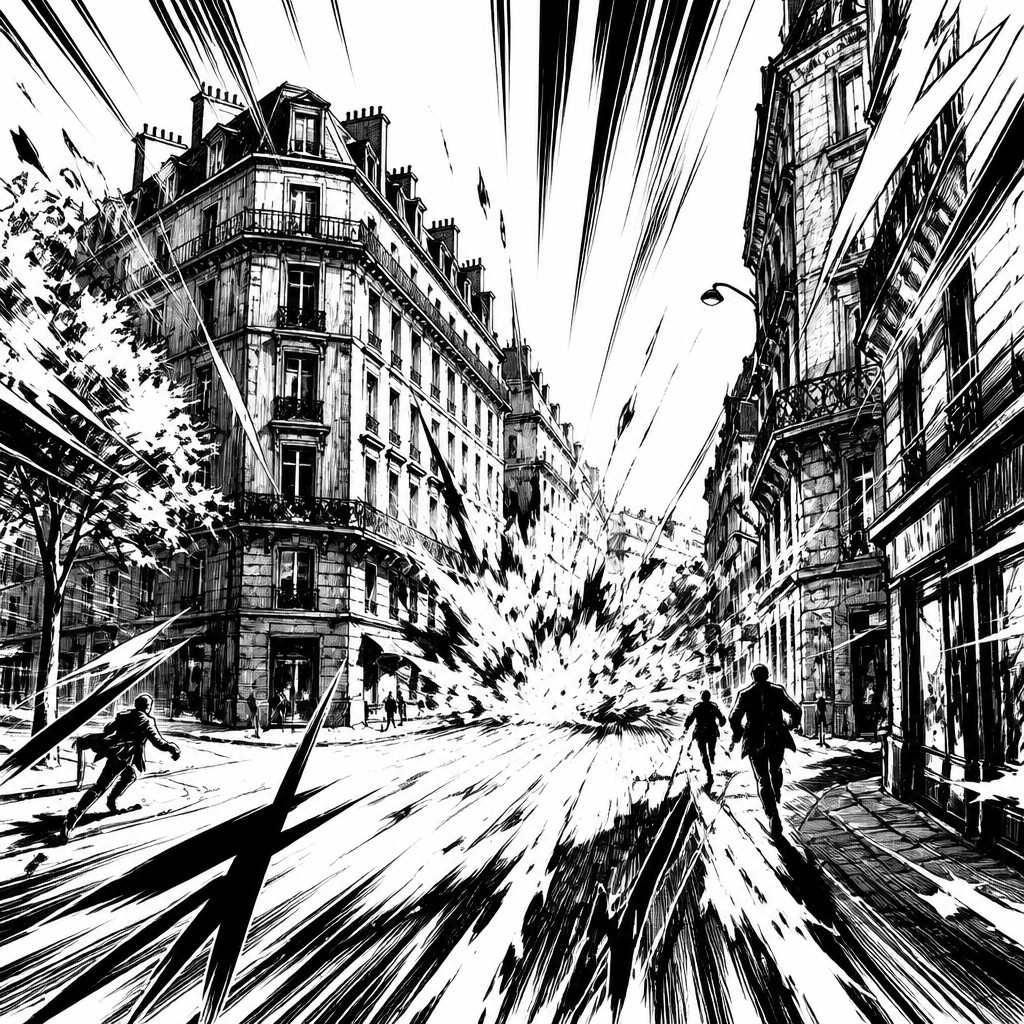
Speed lines and motion trails
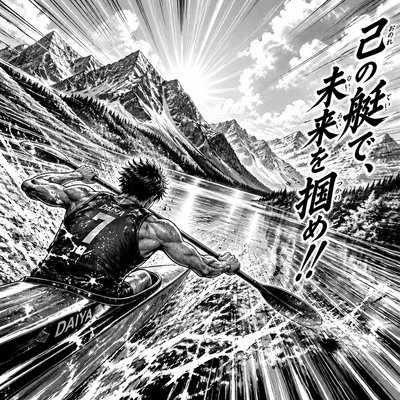
Long directional lines, motion smears, and trailing effects suggest rapid movement or sudden acceleration. They guide the eye toward the focal point and give still images a sense of velocity.
Impact bursts and explosive effects
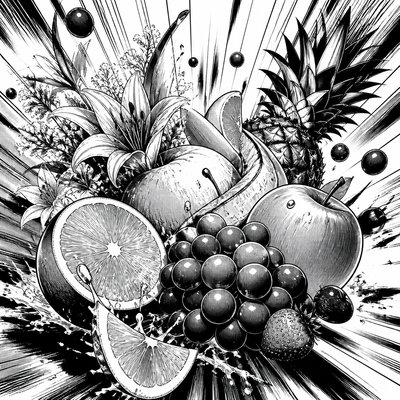
Crackling bursts, jagged shock shapes, dust clouds, and debris radiate from collisions and power strikes. These effects visually translate force, pressure, and impact.
Extreme foreshortening
Limbs, weapons, and torsos are often pushed toward the viewer to intensify depth and aggression. This creates a confrontational, punch-forward composition.
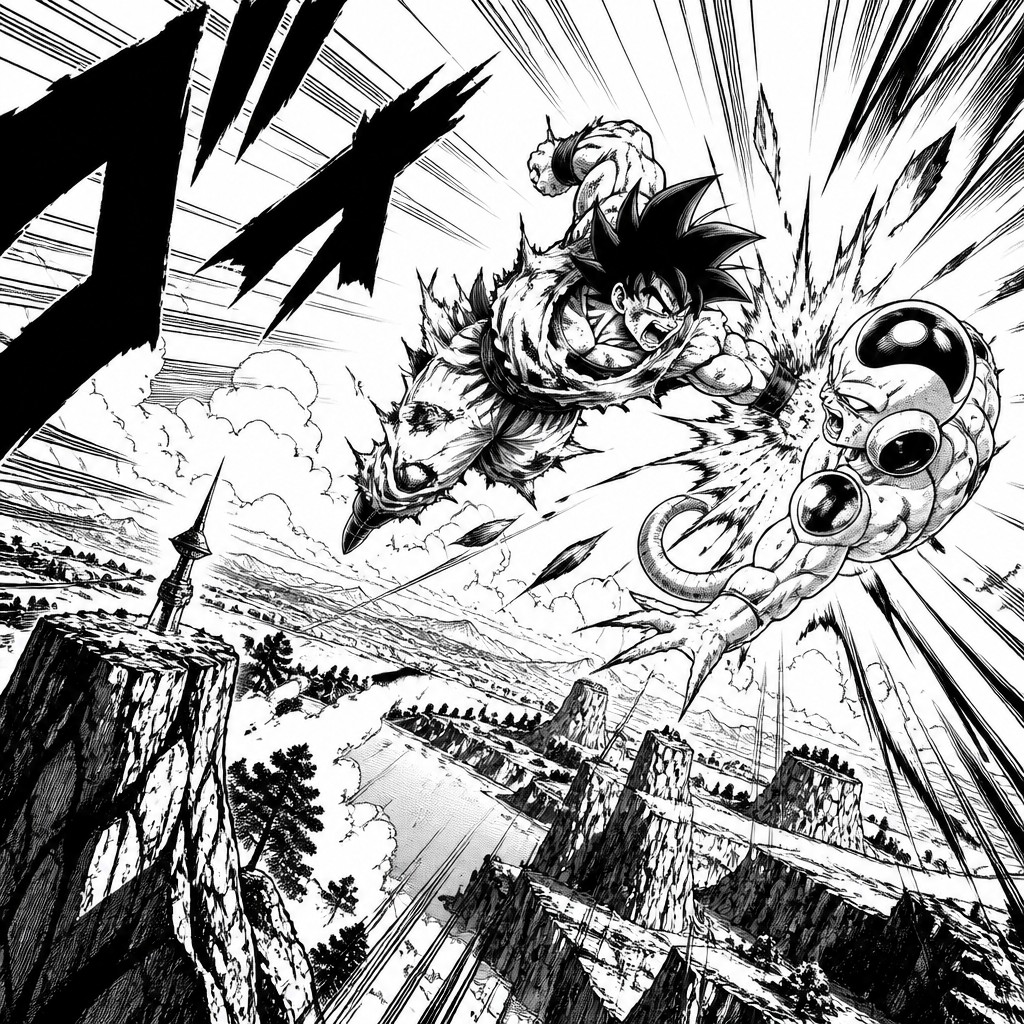
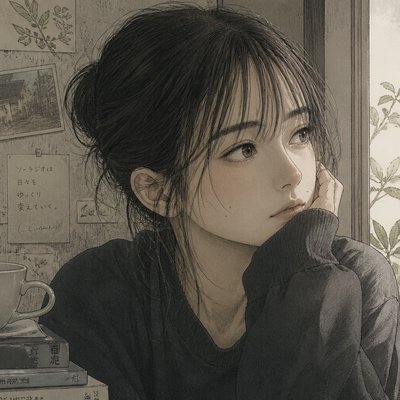
Dramatic facial expression
Faces are drawn with wide eyes, clenched teeth, strain lines, and exaggerated emotion. Expression is treated as action, reinforcing effort, rage, fear, or determination.
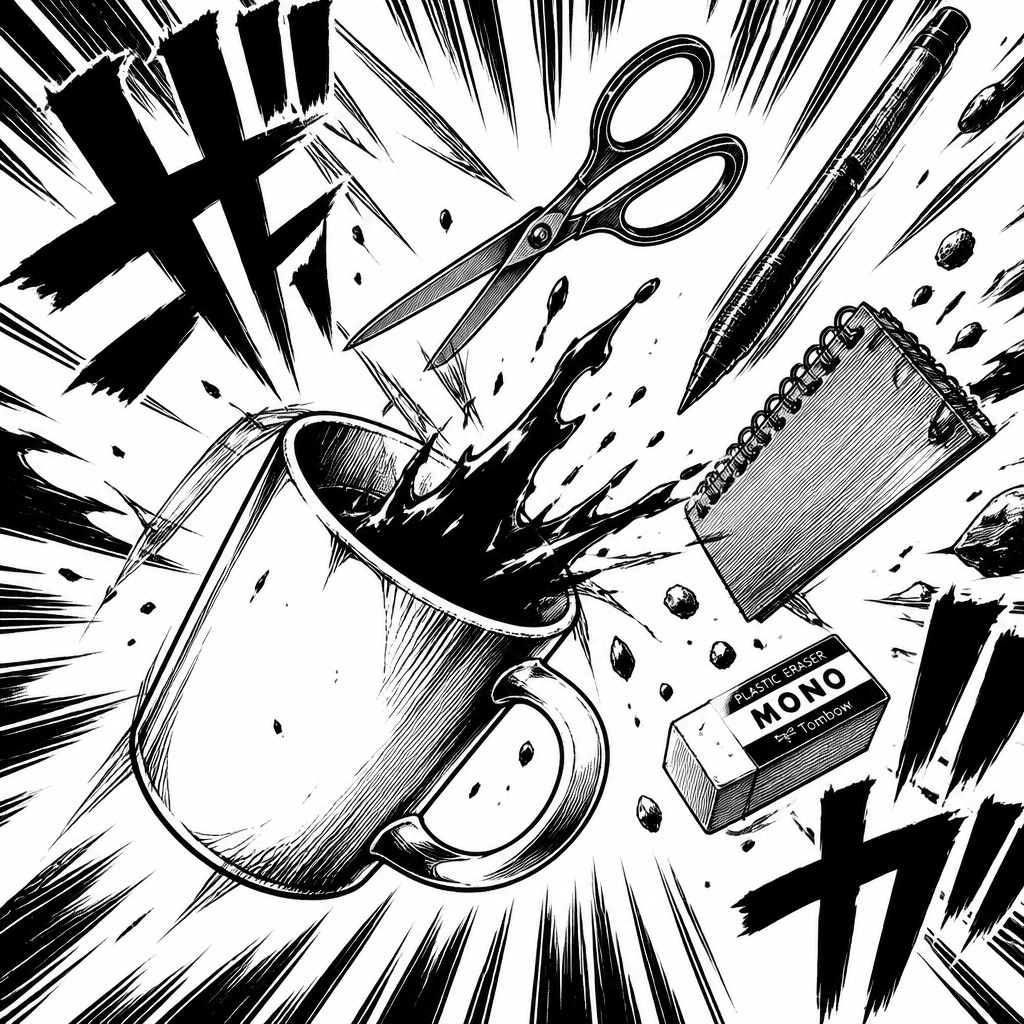
Angular hatching and selective texture
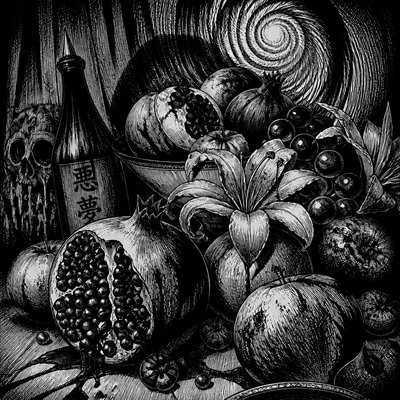
Shadows are built with sharp hatching, crosshatching, or rough brush texture rather than soft gradients. Texture is used sparingly so the page stays punchy and readable.
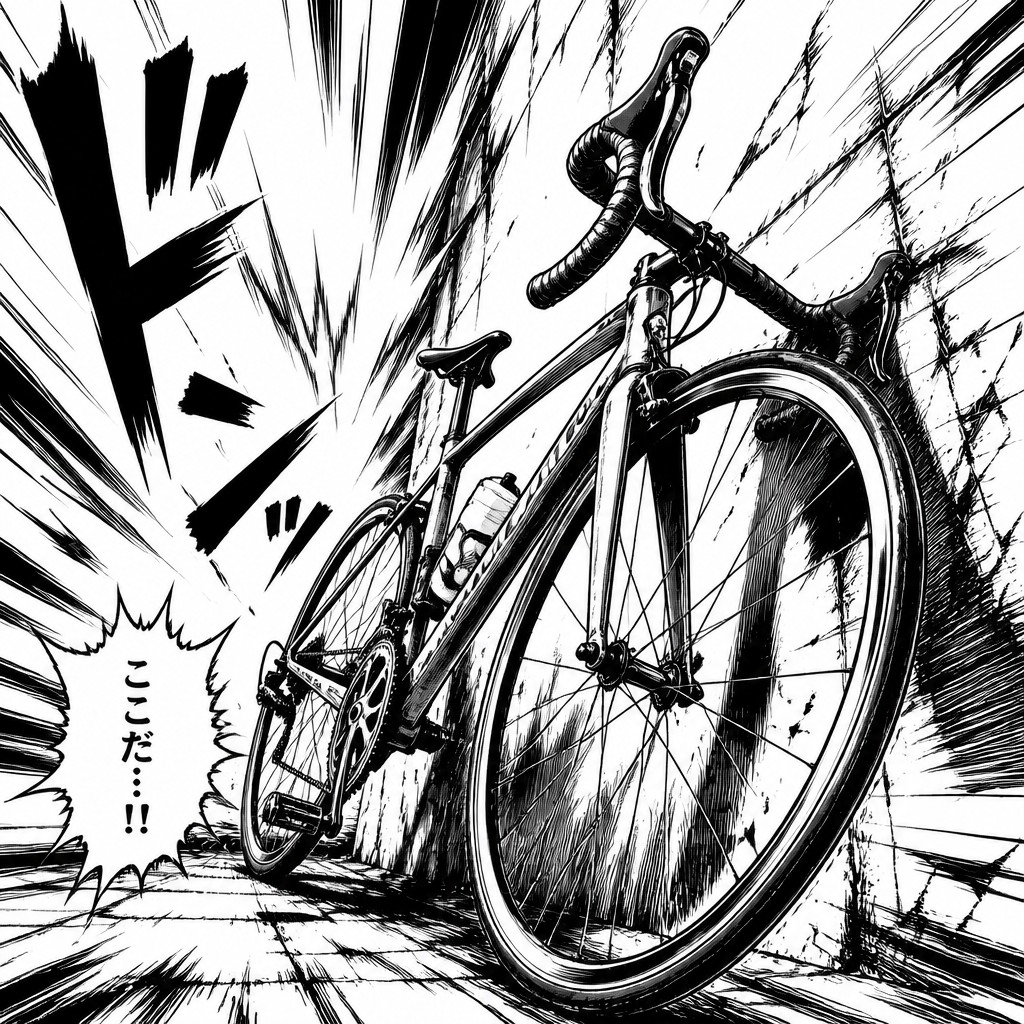
Diagonal, unstable framing
Figures are often tilted, cropped, or placed within slanted compositions to create urgency. The page feels off-balance by design, matching the instability of combat.
Try It
Create Videos in Shonen Battle Manga Art Style
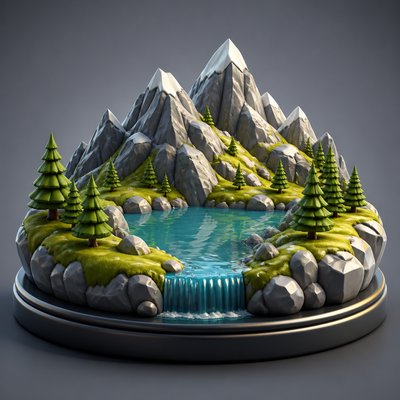
Styles aren't just for stills — describe a scene or animate an image and get a short video rendered in Shonen Battle Manga. Press play to see this pond come to life.
Make a VideoShonen Battle Manga Prompt Ideas
Start from an idea — each one opens the generator with the style ready to go. See all 40 Shonen Battle Manga prompts →
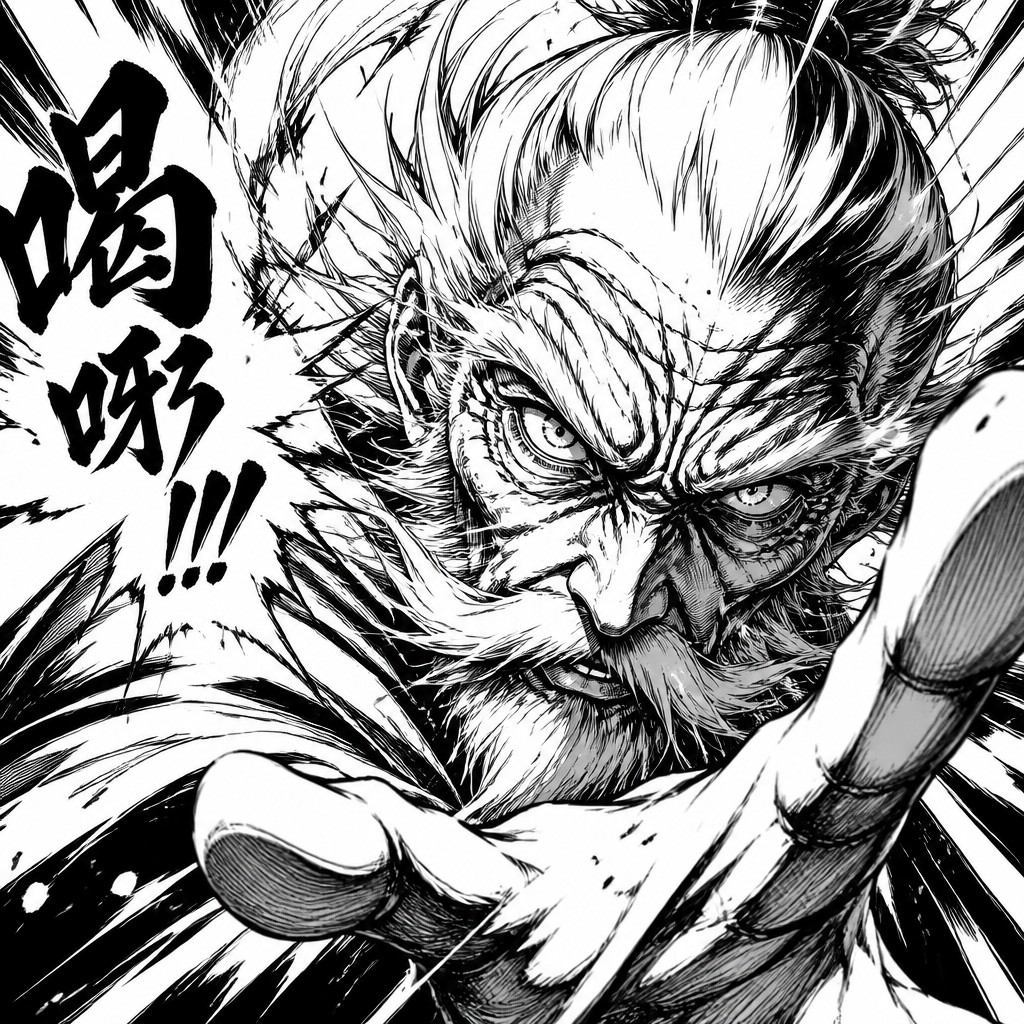
“close-up portrait of an elderly person with expressive weathered features”
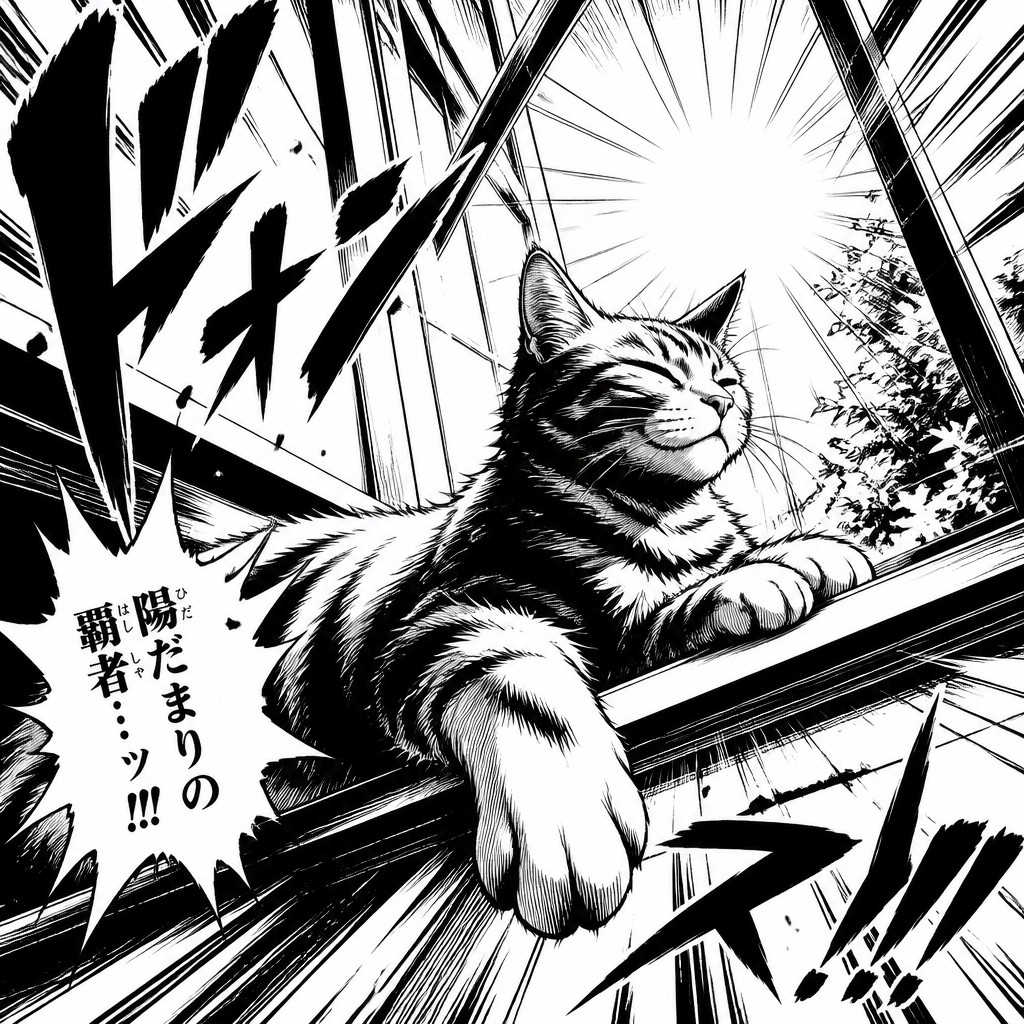
“a cat lounging in a sunlit window”
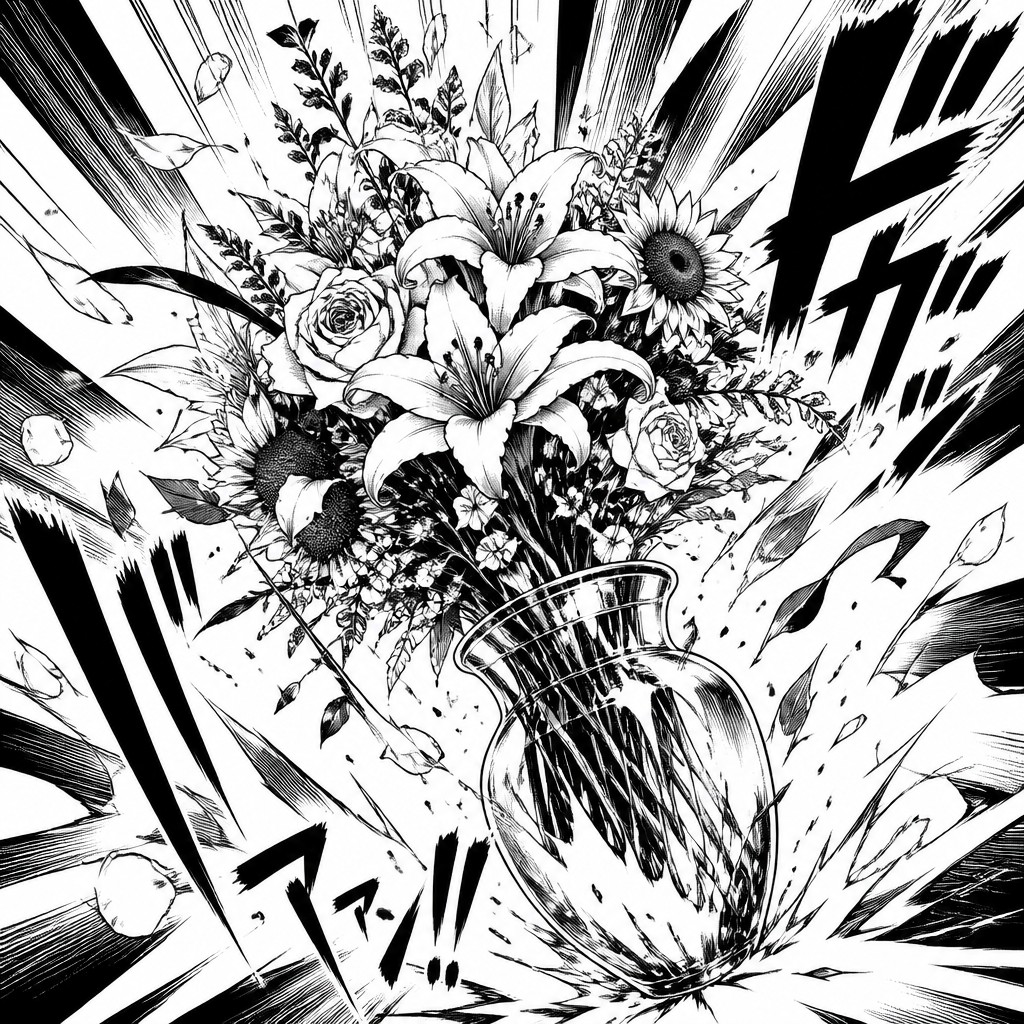
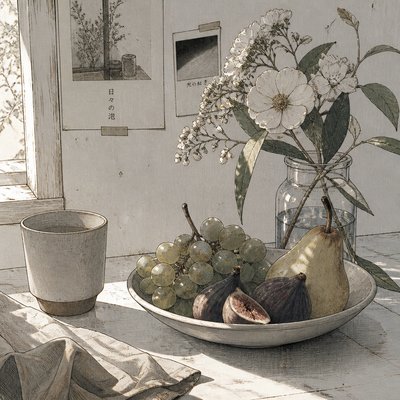
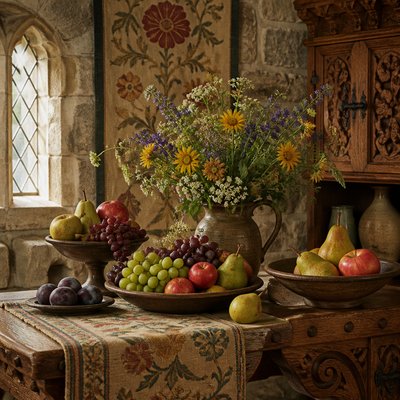
“bouquet of flowers in a glass vase”
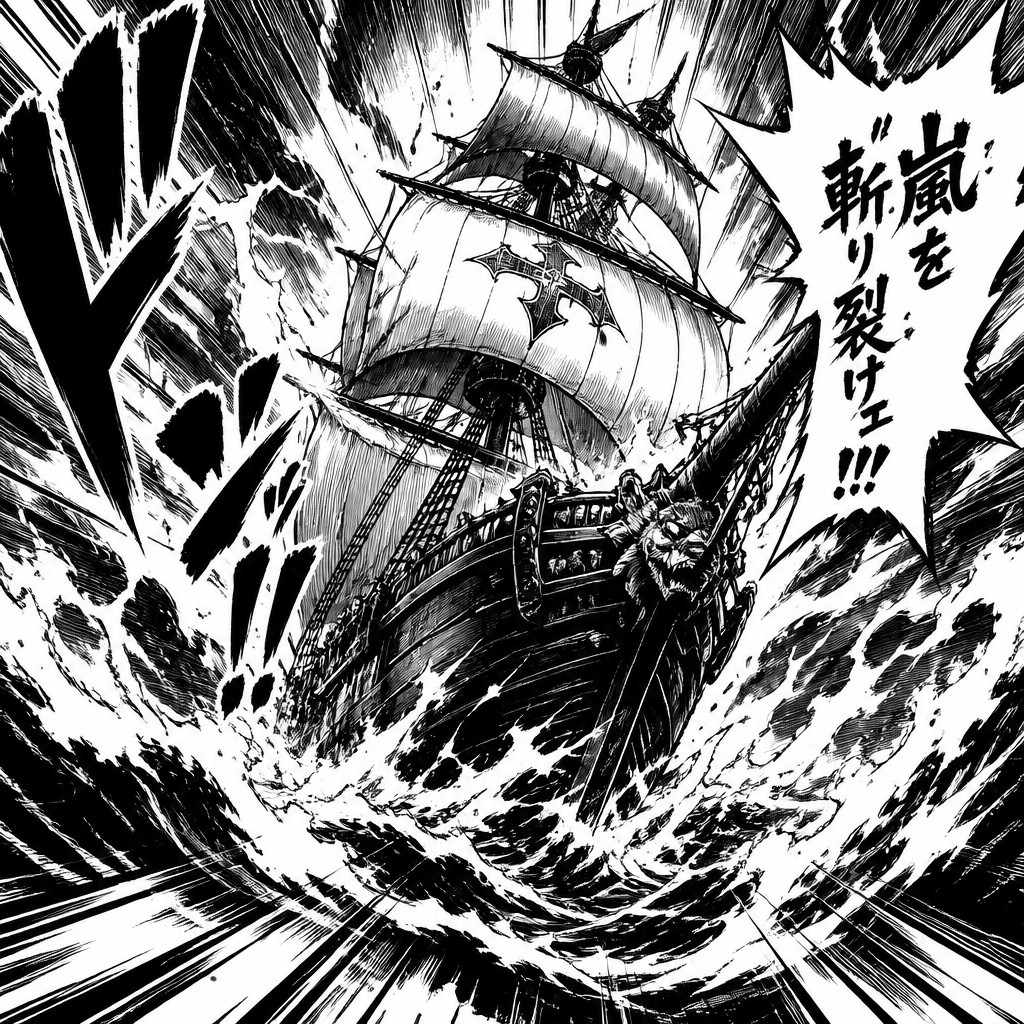
“sailing ship on a stormy sea”
How to Create Shonen Battle Manga Art
Master the craft step by step — or skip straight to creating. Read the full guide →
- 1
Build the page around one decisive moment
Choose the instant of maximum tension: the wind-up, the clash, the recoil, or the transformation reveal. In traditional drawing, thumbnail several compositions before committing; in digital work, block the action in simple silhouettes first so the pose reads immediately.
- 2
Use thick-to-thin ink hierarchy
Make foreground contours heavier and inner details lighter so the main figure anchors the scene. With pen and brush, vary pressure intentionally; digitally, use a brush with clear line-weight taper and reserve the darkest blacks for the most important masses.
- 3
Push perspective and foreshortening
Aim limbs, weapons, or faces toward the viewer to increase impact. If using a prompt, specify extreme foreshortening, diagonal framing, and a frozen peak action moment to encourage the model to prioritize dramatic depth.
- 4
Layer motion effects with restraint
Add speed lines, debris, impact bursts, and a few directional hatching groups, but avoid filling every space with effects. The strongest pages balance intense marks with white negative space so the action remains readable.
- 5
Separate character acting from background noise
Keep the face and body expression clear even when the scene is chaotic, because emotional clarity is central to the style. In digital or prompt-based workflows, describe the subject first and then add the action effect second so the model preserves the pose and expression.
- 6
Prompt for ink, contrast, and combat language
Use phrases like black-and-white ink, bold varied-weight strokes, heavy speed lines, impact bursts, angular hatching, and stark negative space. Avoid color references and overly polished rendering terms if you want a more authentic manga-page feel.

The Story
History & Origins of Shonen Battle Manga
Shonen battle manga developed within the larger tradition of Japanese manga, especially the postwar growth of commercial comics for boys in weekly and monthly magazines. Its visual vocabulary was shaped by the requirements of serialized storytelling: pages had to read quickly, keep action clear, and deliver memorable cliffhangers. Over time, artists refined a set of graphic tools—speed lines, impact bursts, broken panel borders, exaggerated perspective, and expressive reaction shots—that became standard in fight-oriented manga.
Its aesthetic lineage also draws from earlier Japanese visual traditions and modern comics practice. Ukiyo-e’s bold contours and compositional drama, postwar manga’s cinematic staging, and the influence of western animation and superhero comics all helped normalize dynamic framing and stylized motion. In contemporary manga and related anime, this approach remains the dominant visual shorthand for combat intensity, training arcs, transformation scenes, and tournament battles.
Influences: This style is closely related to the visual language of shonen manga as developed by influential Japanese manga creators known for clear action staging and forceful character acting in combat scenes. It also overlaps with broader comics traditions that use bold contour, motion cues, and cinematic staging, while drawing on Japanese print culture’s graphic clarity and the high-contrast demands of serialized black-and-white publication.

Frequently Asked Questions
What defines shonen battle manga art style?
It is defined by energetic action drawing: bold ink lines, speed lines, impact effects, dramatic faces, and strong black-and-white contrast. The purpose is to make motion and force feel immediate on the page.
Is this the same as general manga style?
Not exactly. General manga can include romance, slice of life, horror, comedy, or experimental forms, while this style specifically emphasizes combat, rivalry, and high-intensity action. Its compositions are usually more explosive and physically exaggerated.
How is it different from anime cel-shading or western comic art?
Compared with anime-style color rendering, this look is usually stripped to pure ink, with linework carrying most of the drama. Compared with many western comics, it often uses more speed lines, more compressed action staging, and more expressive facial exaggeration.
Can I use this style for non-battle subjects?
Yes. The style can work for sports, fantasy, chase scenes, emotional confrontations, or transformation moments. Even a quiet subject can be drawn in this language if it is framed as a sudden, decisive, high-stakes instant.
What makes an image feel authentic in this style?
Authenticity comes from clear action clarity, strong black-white contrast, and disciplined use of motion effects. If the image looks too smooth, too colored, or too painterly, it will lose the graphic punch associated with battle manga.
How do I make a photo look like this style?
Convert the photo into high-contrast black and white, simplify forms into bold outlines, and add speed lines or impact bursts only where they support the pose. The most convincing results usually emphasize a single action moment rather than every detail in the original image.

Create your first Shonen Battle Manga artwork
Describe anything — or upload a photo — and see it in Shonen Battle Manga Art Style in seconds.
Make Something with Shonen Battle Manga
Compare Shonen Battle Manga
Related Styles
Discover similar art styles