Kuwaiti Art Style
Explore Kuwaiti art style: Sadu geometry, dhow craftsmanship, Failaka ruins, Gulf light, desert color, and Bedouin silver ornament.
Instantly rendered in Kuwaiti — or transform a photo
Kuwaiti Gallery
Tap any artwork to explore it
What is Kuwaiti Art Style?
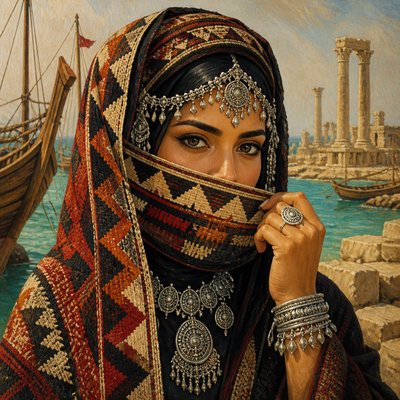
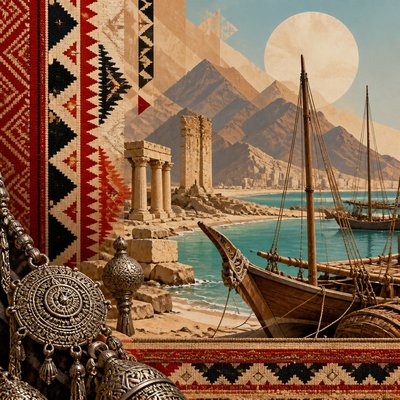
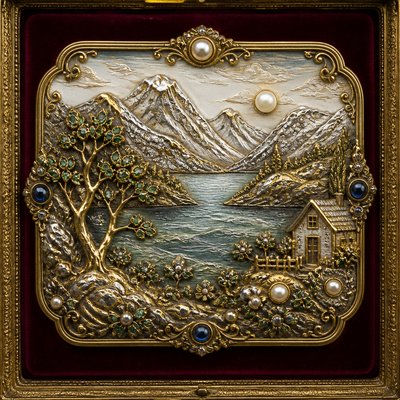
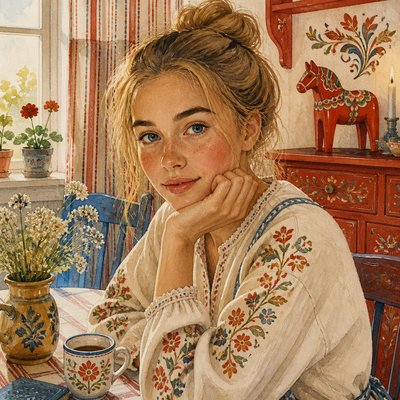
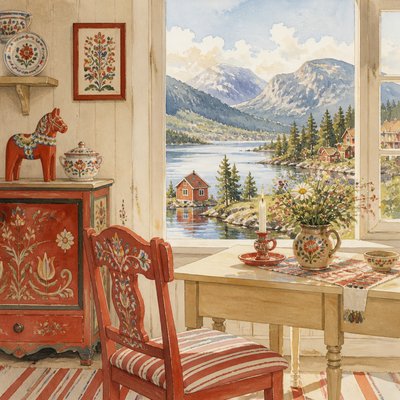
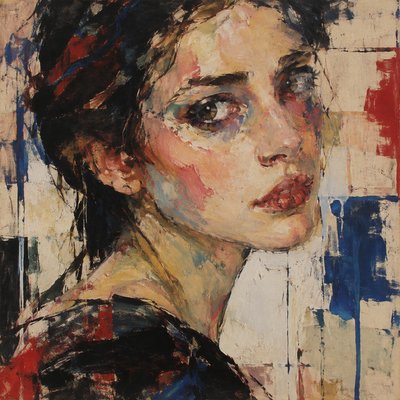
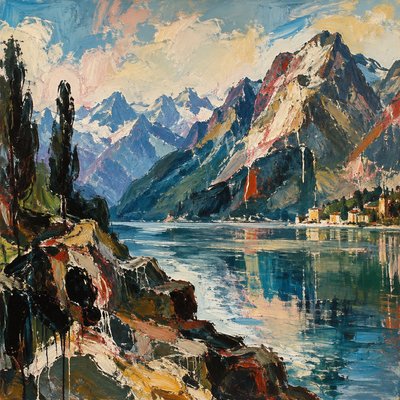
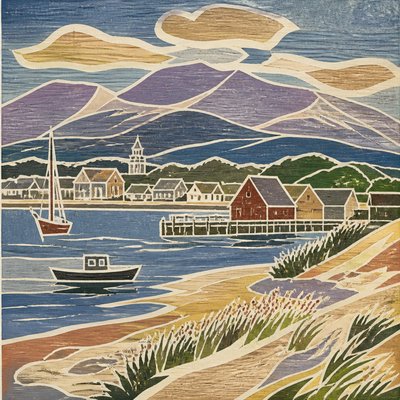
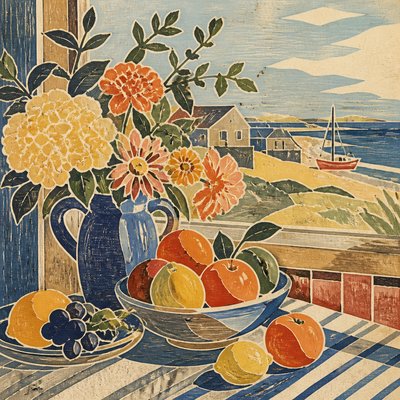
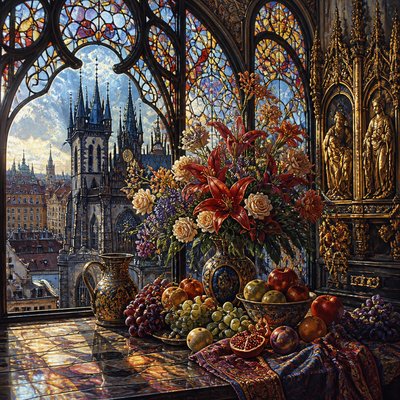
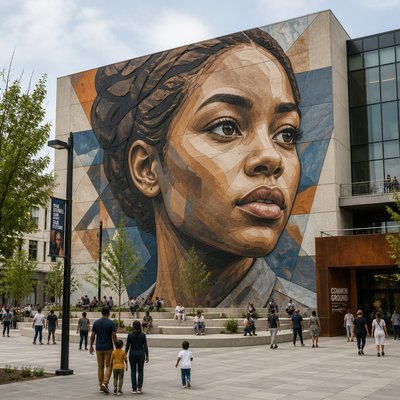
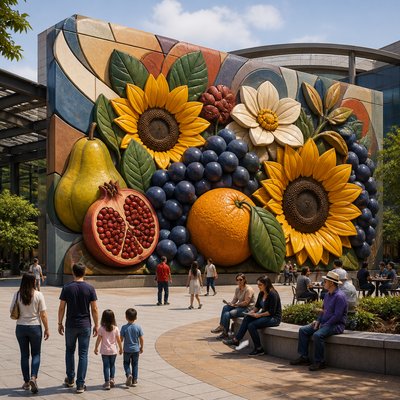
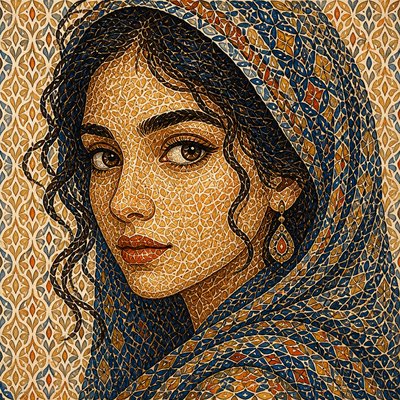
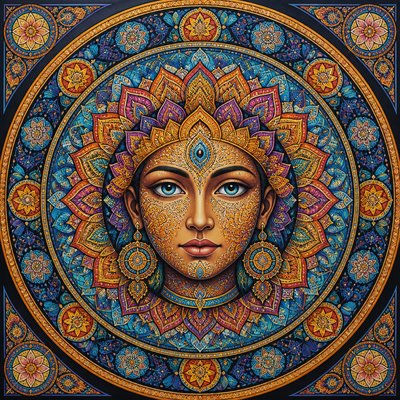
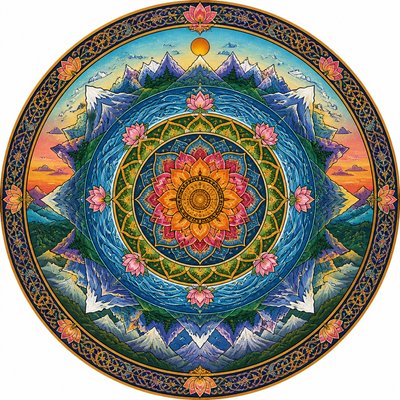
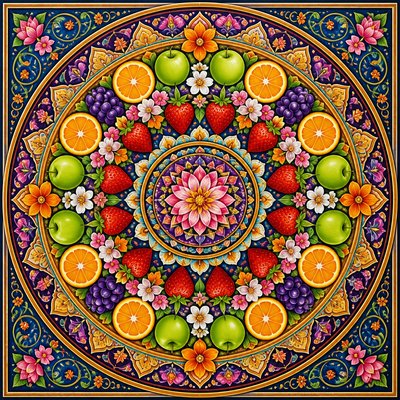
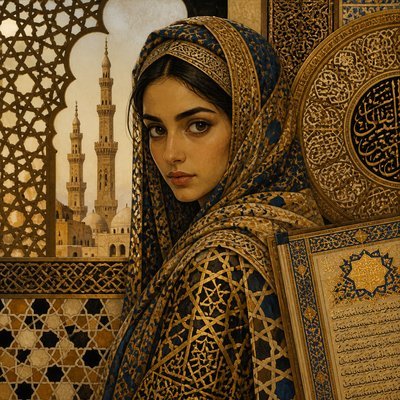
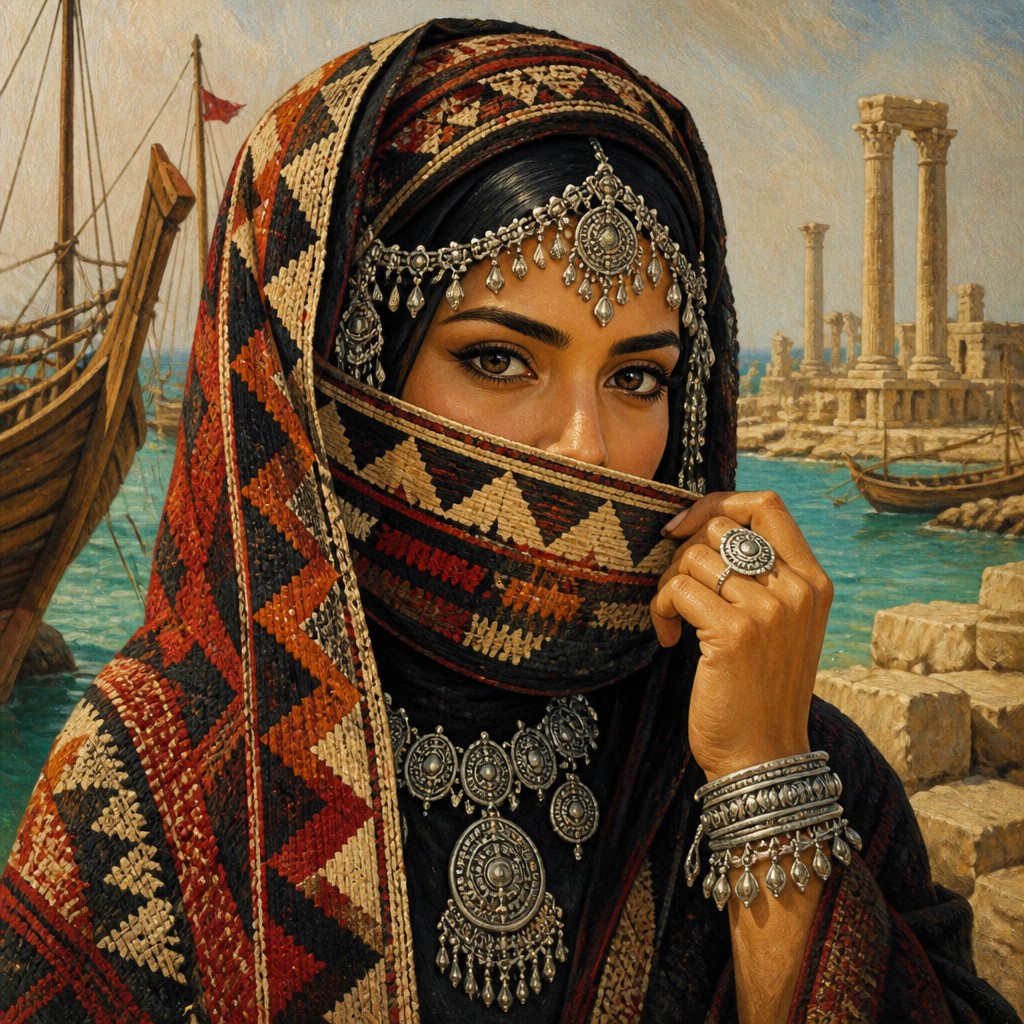
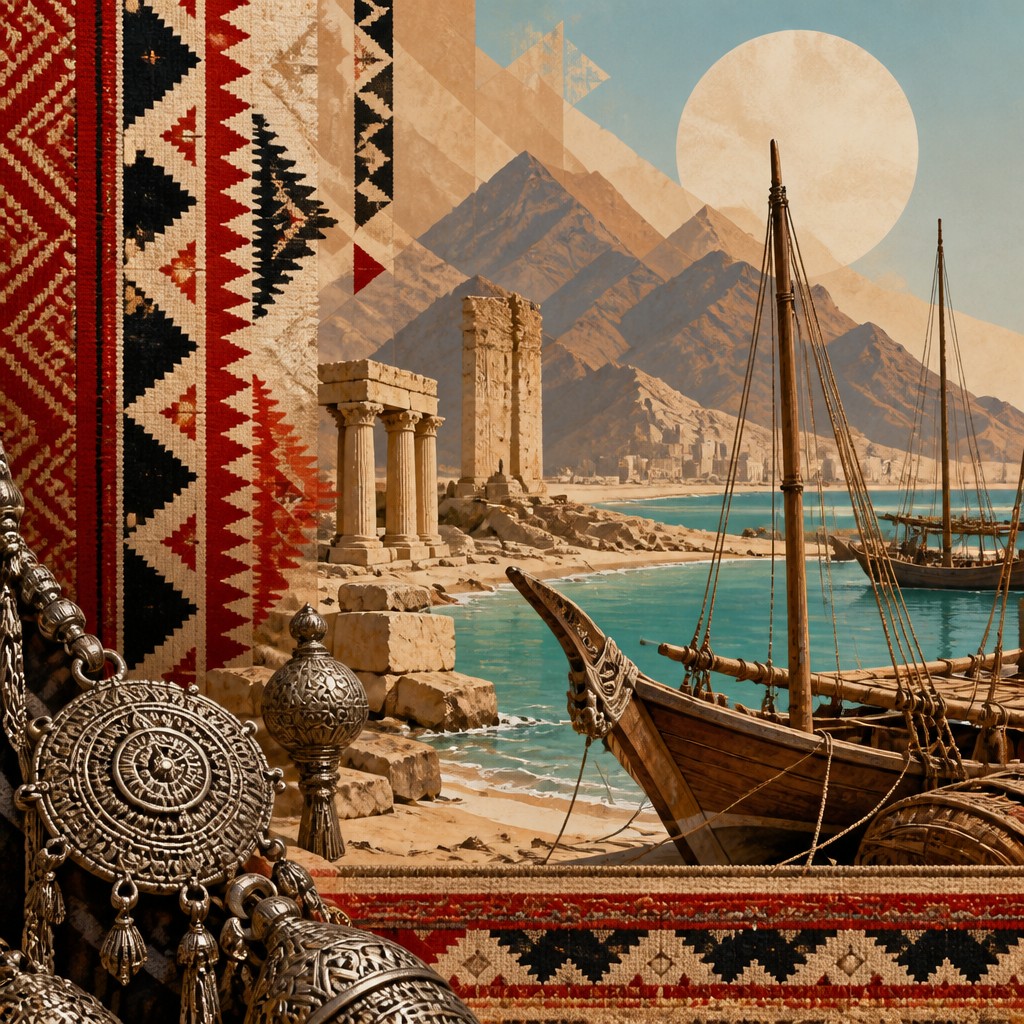
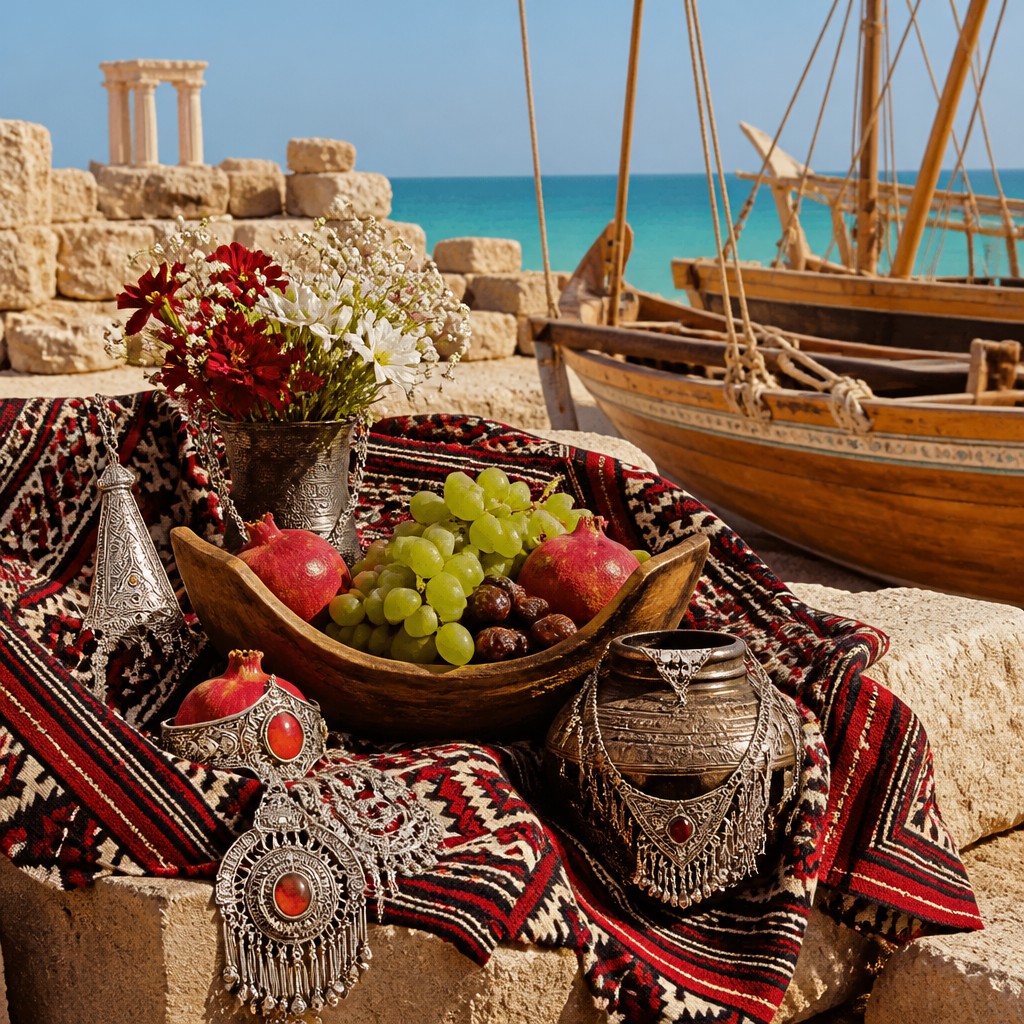
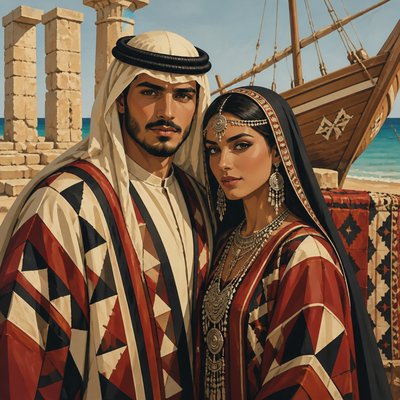
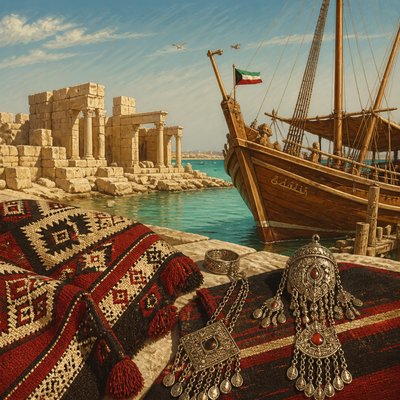
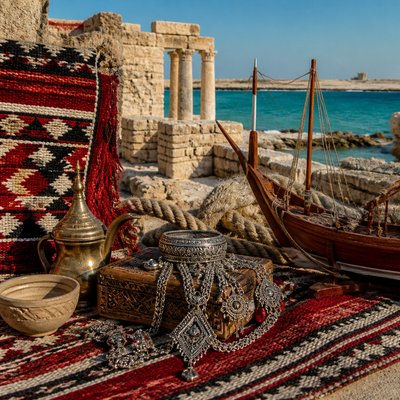
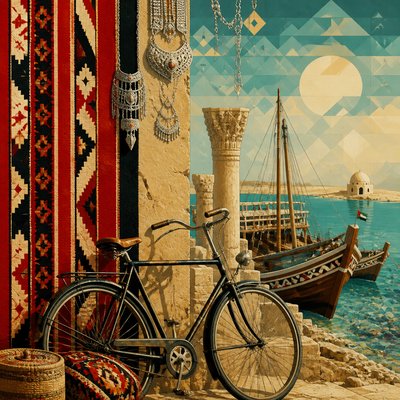
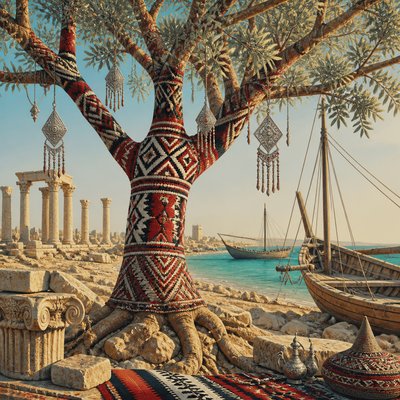
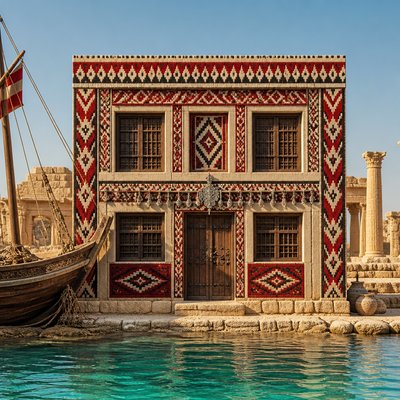
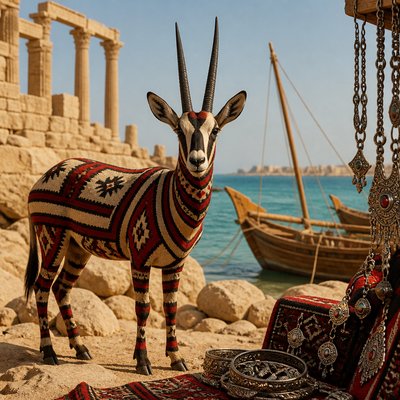
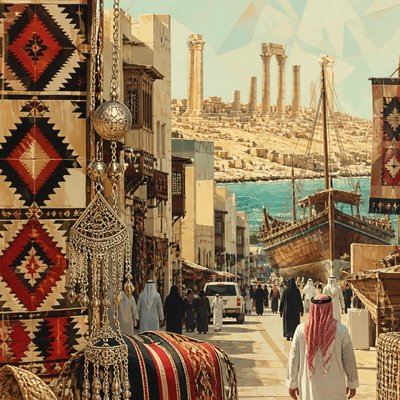
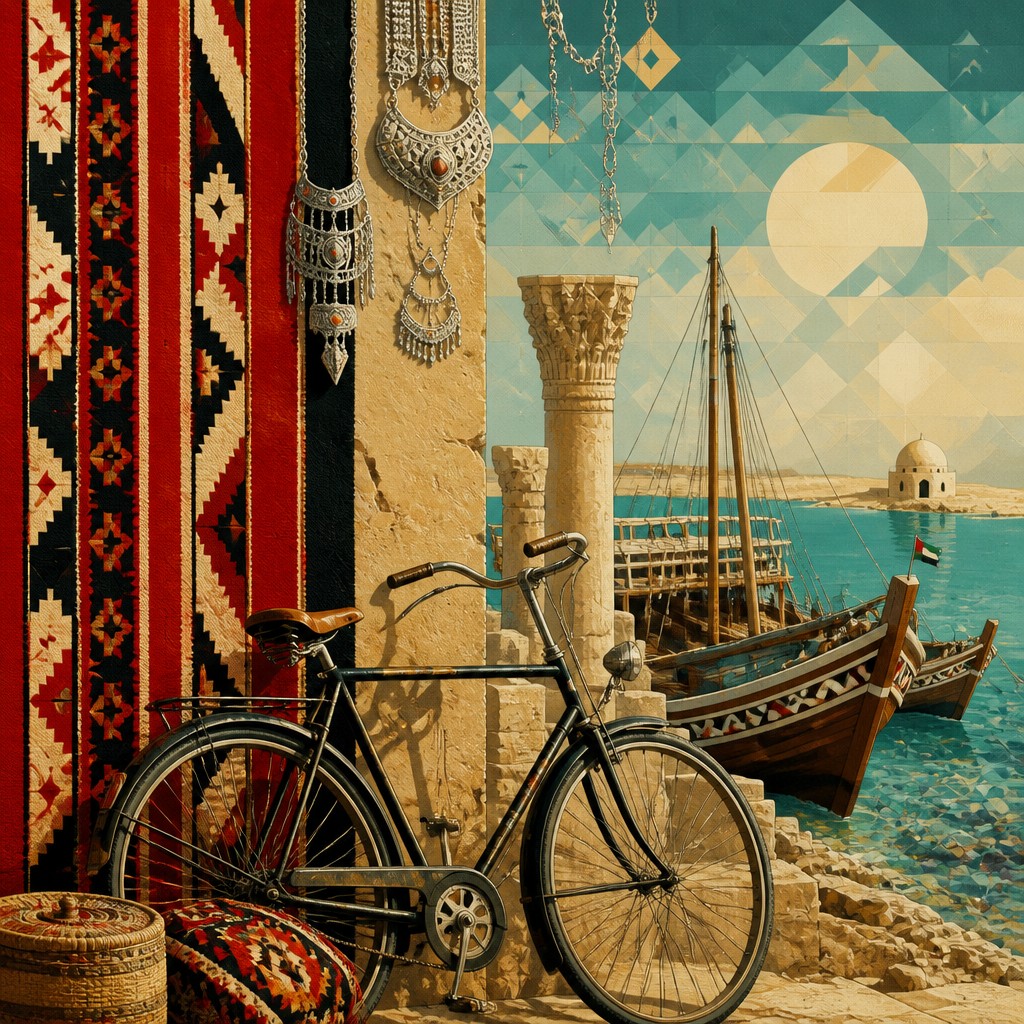
Kuwaiti art style is a contemporary heritage-based visual language built from the material culture and landscapes of Kuwait. Its defining imagery combines the bold bands and rhythmic geometry of Sadu weaving with the weathered timber of Gulf dhows, the archaeological stones of Failaka Island, ornate Bedouin silver ornaments, and the contrast between desert earth and turquoise coastal water.
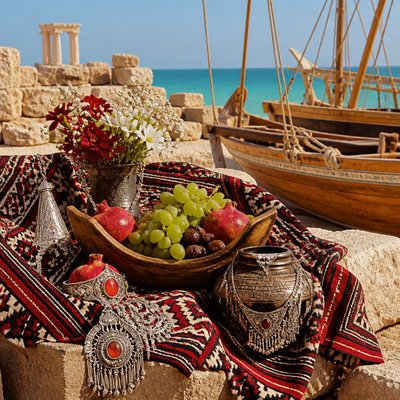
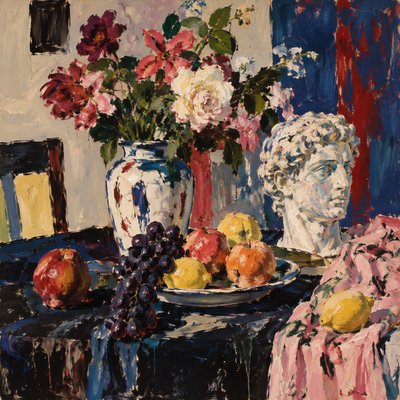
The palette commonly centers on crimson, black, cream, sand, sun-faded ochre, weathered brown, and Gulf blue. Hard-edged geometric patterns are balanced by tactile surfaces: wool fibers, carved wood, rope, hammered metal, eroded stone, and windblown sand. The result is decorative without being weightless, linking Kuwait's nomadic, maritime, archaeological, and trading heritage in a single image.
Try It On Your Photos
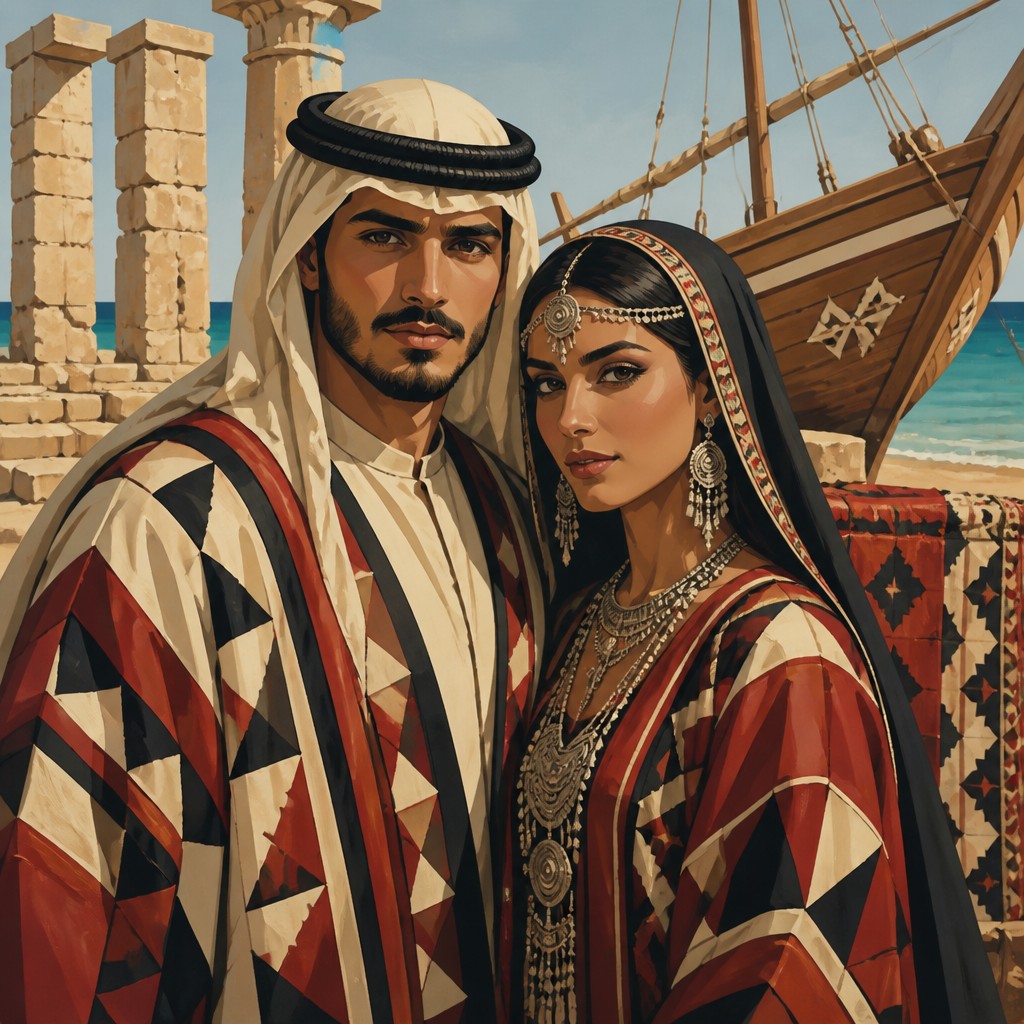
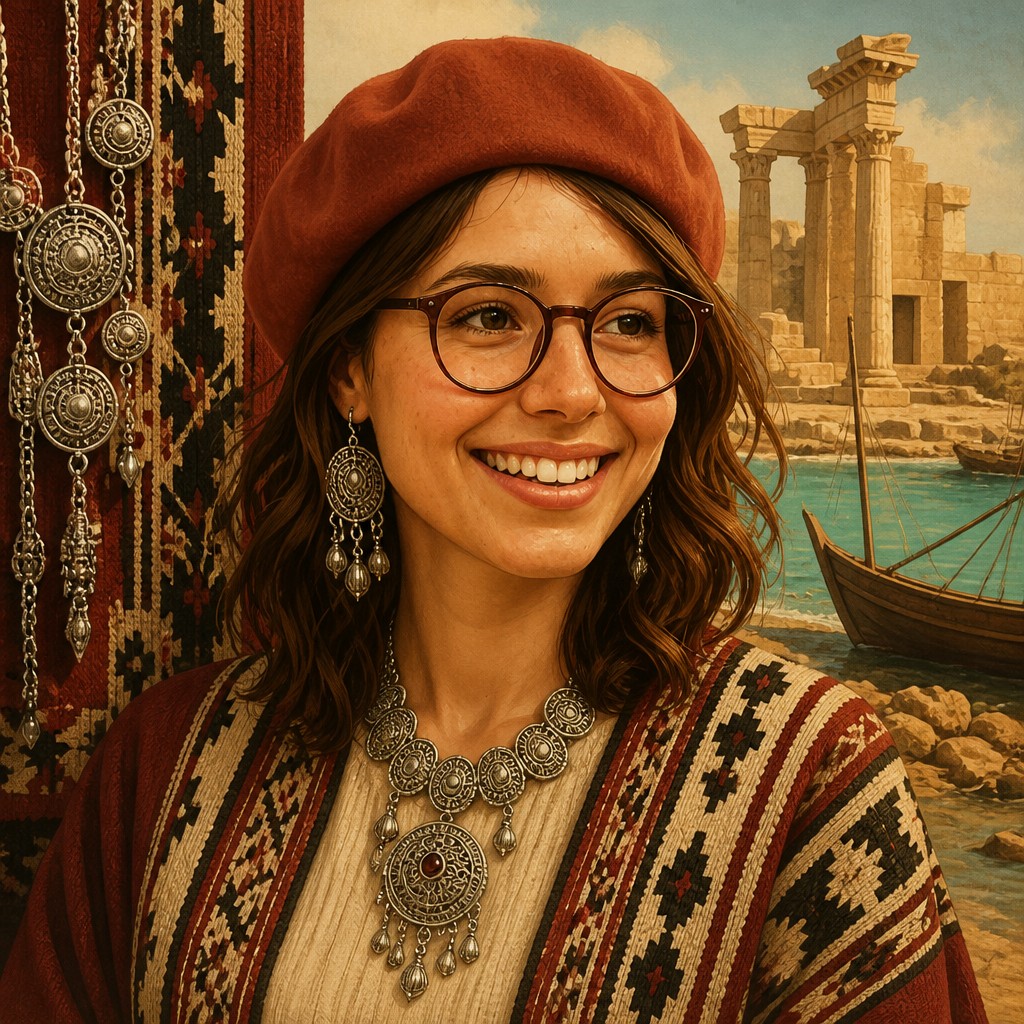
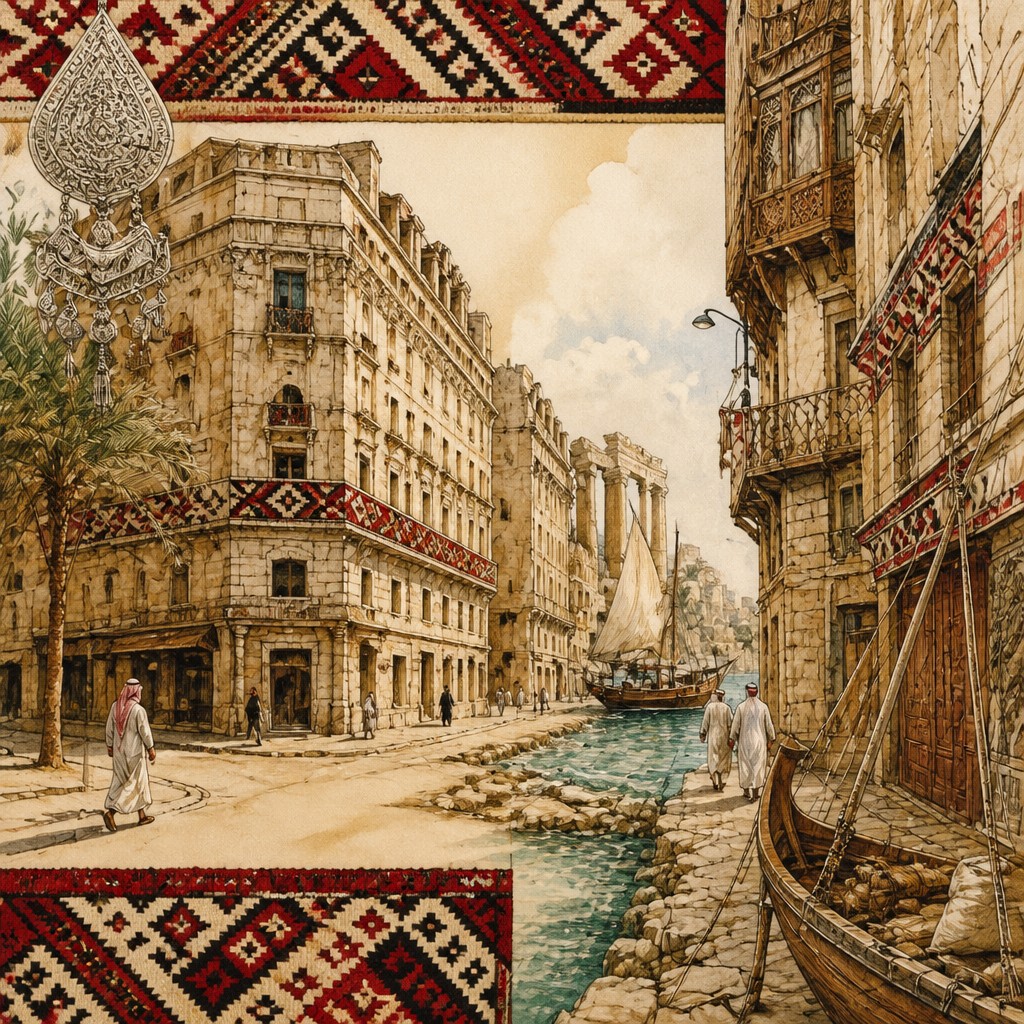
Upload any photo and convert it into Kuwaiti Art Style — drag the sliders to compare before and after.


What Defines Kuwaiti Art Style
The signature details, up close
Sadu geometry
Repeated diamonds, chevrons, stepped forms, and bands echo the structured motifs of Sadu weaving. Patterns are usually rendered with strong symmetry and crisp edges in crimson, black, cream, and earth tones.
Dhow timber and rigging
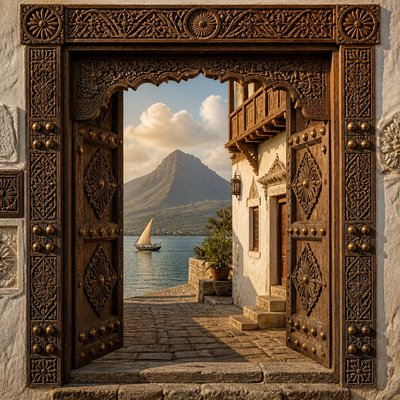
Hand-carved wooden hulls, mast lines, knots, and rope rigging introduce curved organic forms and visible craftsmanship. Weathering, tool marks, and salt-worn surfaces help the maritime elements feel tangible.
Failaka archaeological texture
Sun-bleached stones, broken columns, masonry fragments, and low archaeological ruins evoke the exposed historical landscape of Failaka Island. These forms are often shown against open sky, shore, or wind-scoured sand.
Desert-and-Gulf palette
Warm sand, terracotta, faded ochre, charcoal, and wood brown are contrasted with turquoise or deep blue water. Strong sunlight produces clear shadows and a dry, luminous atmosphere.
Bedouin silver ornament
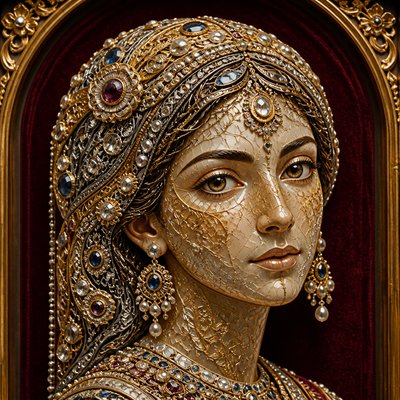
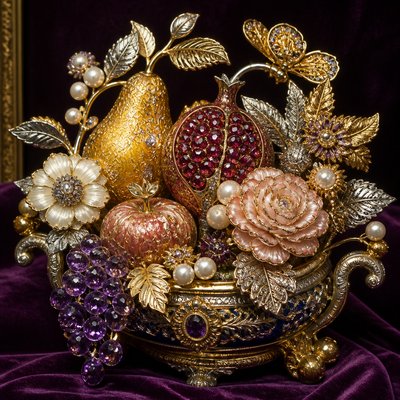
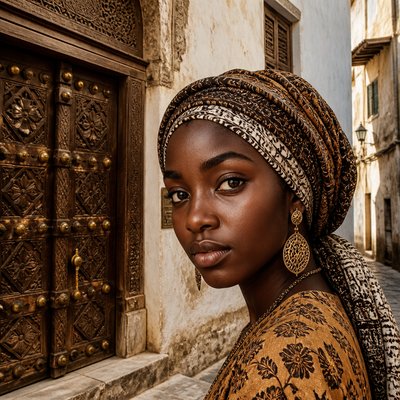
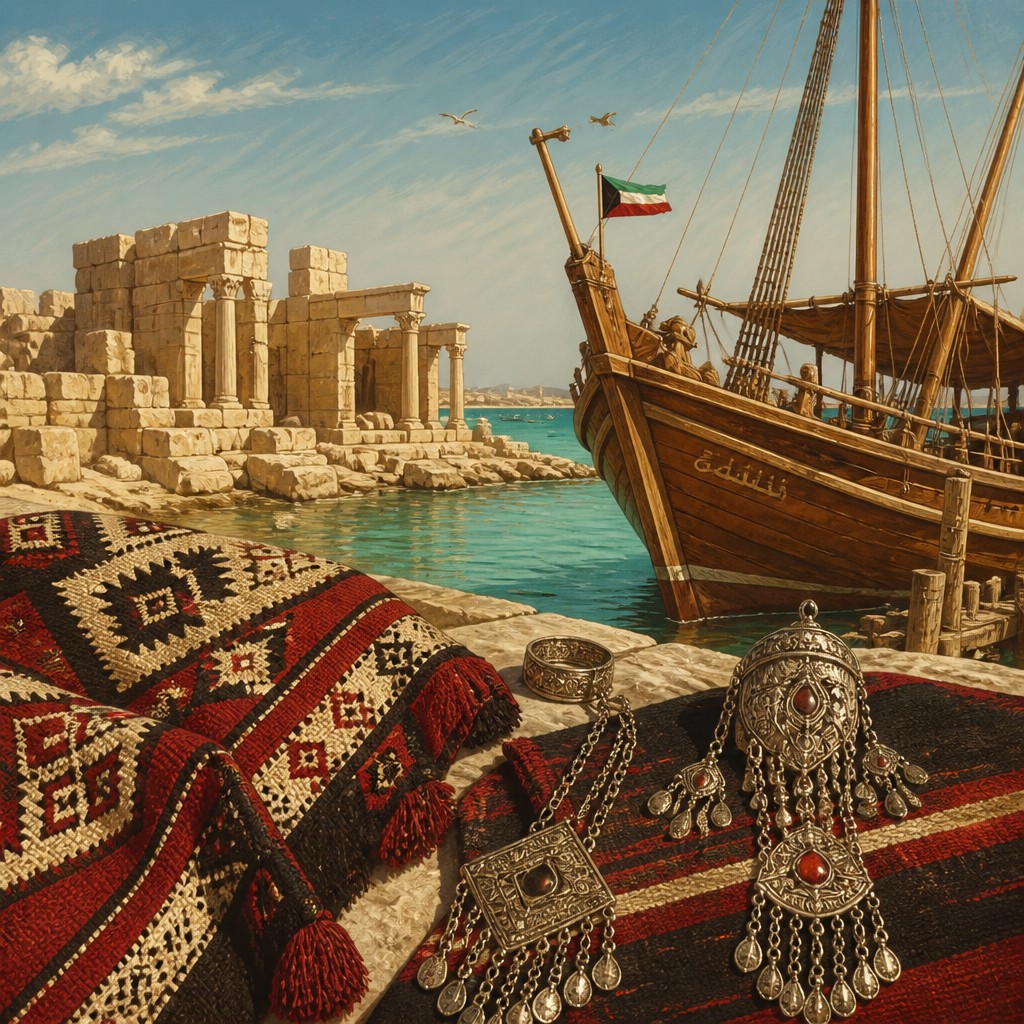
Filigree pendants, chains, crescent-like forms, engraved surfaces, and layered jewelry add intricate metallic detail. Silver accents work as focal points against wool, skin, wood, or dark fabric.
Tactile material contrast
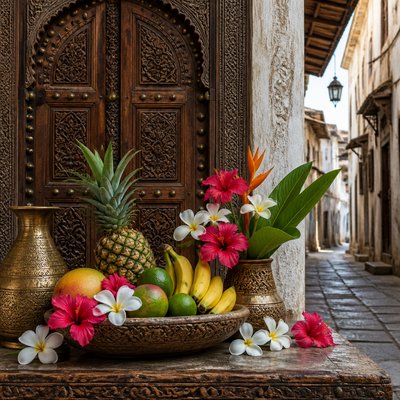
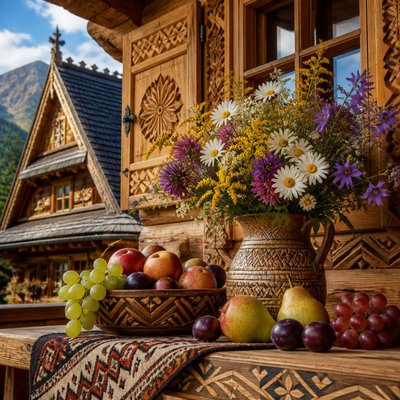
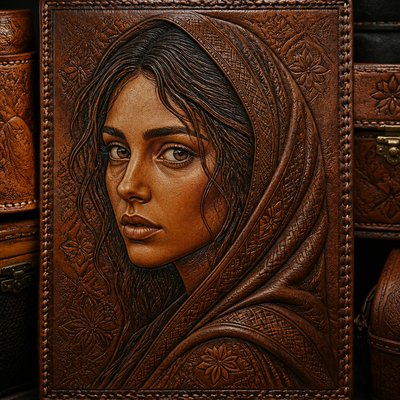
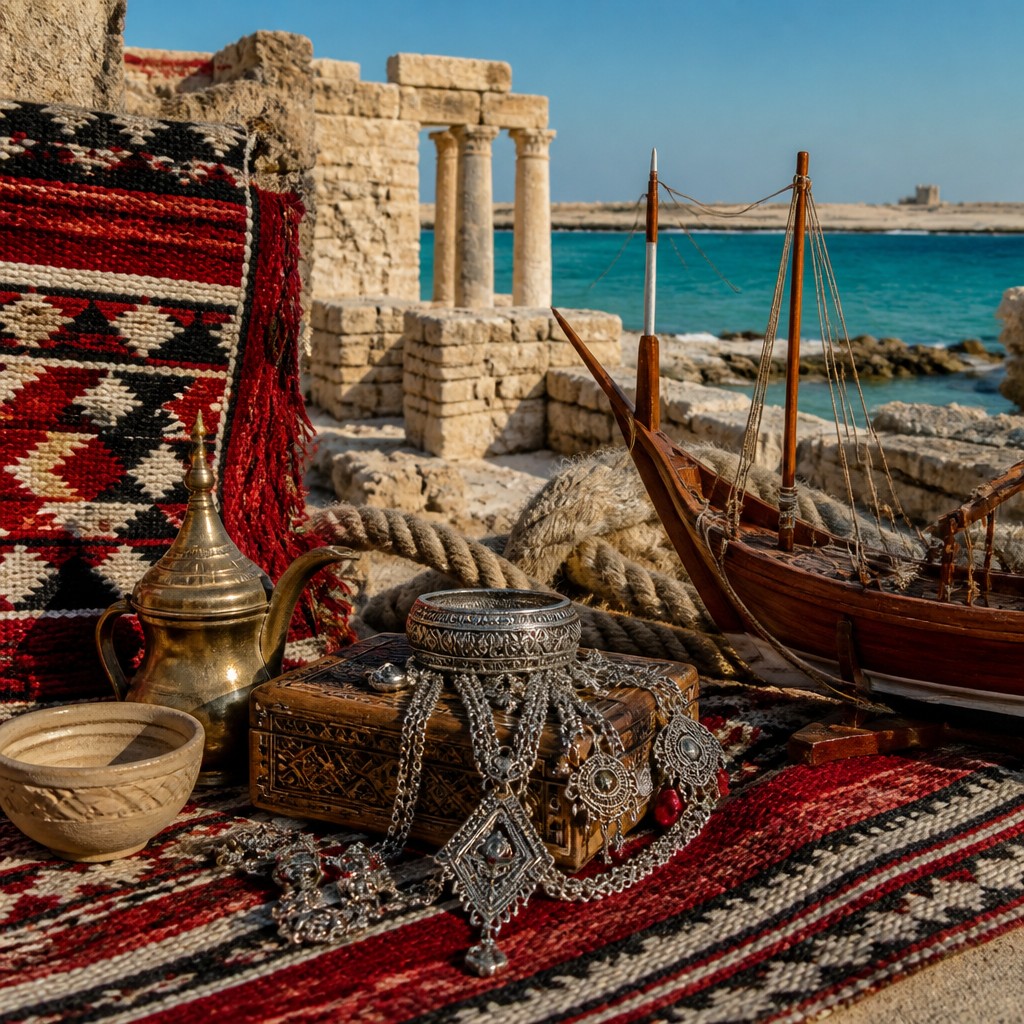
The style depends on the meeting of rough and refined surfaces: fibrous wool beside polished metal, splintered timber beside smooth water, and eroded stone beside sharply repeated pattern.
Decorative framing
Borders, textile-like bands, repeated motifs, and centered compositions can organize the image around a figure, vessel, ruin, or landscape. Flat pattern may coexist with atmospheric depth rather than replacing it.
Kuwaiti Prompt Ideas
Start from an idea — each one opens the generator with the style ready to go. See all 40 Kuwaiti prompts →
How to Create Kuwaiti Art
Master the craft step by step — or skip straight to creating. Read the full guide →
- 1
Build a limited palette
Begin with cream, black, crimson, sand, and weathered brown, then add turquoise as a controlled coastal accent. Reserve the brightest highlights for silver, sunlit stone, and water.
- 2
Design the pattern structure
Use repeated diamonds, zigzags, stepped triangles, and horizontal bands inspired by woven geometry. Keep the motif system coherent and let it frame or overlay the main subject rather than scatter randomly.
- 3
Emphasize material surfaces
For traditional work, combine opaque paint, dry brush, textile collage, wood-grain marks, and metallic pigment. Digitally, layer fiber, rope, timber, masonry, and oxidized-metal textures while preserving clear silhouettes.
- 4
Create Gulf light
Use a low or high desert sun to produce warm highlights, sharp shadows, atmospheric haze, and reflective turquoise water. Avoid uniformly soft lighting, which can weaken the style's dry coastal character.
- 5
Compose a cultural vignette
Pair one primary subject, such as a dhow, woven textile, ruin, or jewelry detail, with a restrained environmental setting. Balance dense ornament near the focal point with broad areas of sky, sand, or water.
- 6
Write a precise generation prompt
Specify the subject first, then request Sadu geometry, dhow timber, Failaka-like ruins, silver filigree, a limited desert-and-Gulf palette, tactile materials, and directional sunlight. For image transformation, describe which existing features should retain their identity while the surfaces and palette adopt these visual cues.
The Story
History & Origins of Kuwaiti
This is best understood as an invented or contemporary synthesis rather than a formally established historical movement. Its aesthetic lineage draws on Sadu textile traditions practiced by Bedouin communities across the Arabian Peninsula, Kuwait's maritime history of dhow building and pearling, silver adornment traditions, and the archaeological landscapes of Failaka Island, which preserve evidence of long-standing connections with the wider Gulf and Hellenistic world.
In contemporary illustration and digital image-making, these references are brought together through bold pattern, cinematic Gulf light, and carefully emphasized material texture. The style does not claim that all of these elements historically appeared together in one traditional art form; instead, it interprets them as complementary symbols of Kuwaiti cultural memory and place.
Influences: The style relates to Sadu weaving and other Arabian textile traditions, Gulf maritime craft, Bedouin jewelry, Islamic geometric design, archaeological landscape painting, decorative illustration, and contemporary cultural collage. It also shares techniques with folk art, material-focused mixed media, editorial pattern design, and digital concept art, while remaining distinct from a single historically codified school.
Frequently Asked Questions
What defines Kuwaiti art style?
It is defined by the combination of Sadu-inspired geometric weaving, dhow construction, Failaka archaeological imagery, Bedouin silver ornament, and intense desert-and-Gulf light. Its identity comes as much from tactile materials as from its color palette and pattern.
Is Kuwaiti art style a recognized historical art movement?
No. The term describes a contemporary, heritage-based visual synthesis rather than a formally documented historical movement. It draws responsibly on real Kuwaiti and wider Arabian traditions without suggesting that they historically formed one unified school.
How is it different from general Arabian or Middle Eastern art?
Kuwaiti art style narrows the focus to Kuwait's specific cultural associations: Sadu weaving, Gulf dhow heritage, Failaka's archaeological landscape, coastal light, and local forms of adornment. Broader regional styles may draw on different architectural, calligraphic, textile, or geographic references.
What colors are commonly used?
Crimson, black, and cream are central because they echo the strong contrast of woven Sadu bands. They are supported by sand, ochre, terracotta, wood brown, silver, and turquoise or deep Gulf blue.
Can this style be created with traditional media?
Yes. Painting, ink, colored pencil, textile collage, printmaking, and mixed media can all reproduce its pattern and material contrasts. Use crisp geometric borders alongside dry-brushed stone, visible wood grain, fibrous marks, and metallic highlights.
Where is this visual style used?
It suits cultural illustration, editorial artwork, heritage interpretation, textile and surface design, posters, book covers, jewelry concepts, murals, and digital portraits. It is especially effective when a subject can be connected to Kuwait's maritime, desert, archaeological, or textile heritage.
Create your first Kuwaiti artwork
Describe anything — or upload a photo — and see it in Kuwaiti Art Style in seconds.
Related Styles
Discover similar art styles