Swedish Art Style
Explore Swedish art style: bright Nordic interiors, Dala folk motifs, kurbits flowers, painted furniture, and a fresh palette of red, yellow, and white.
Instantly rendered in Swedish — or transform a photo
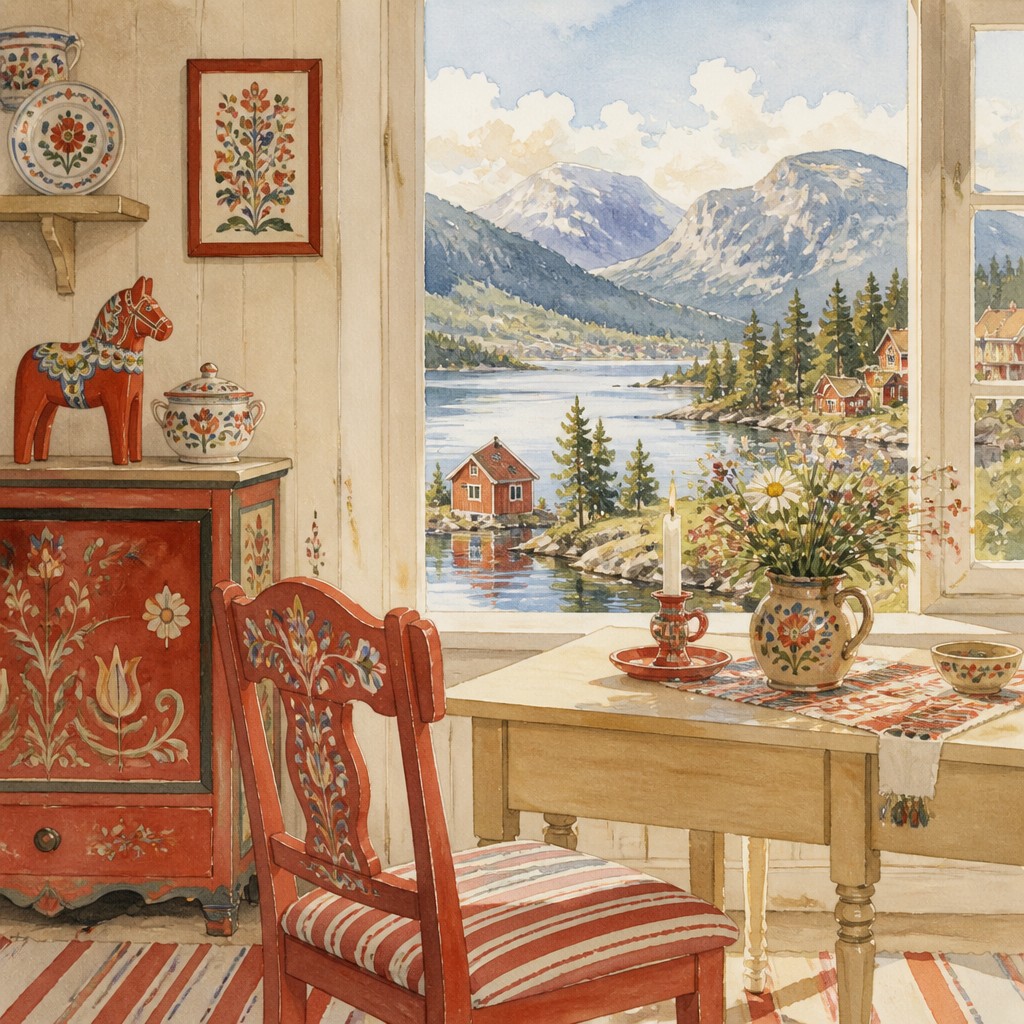
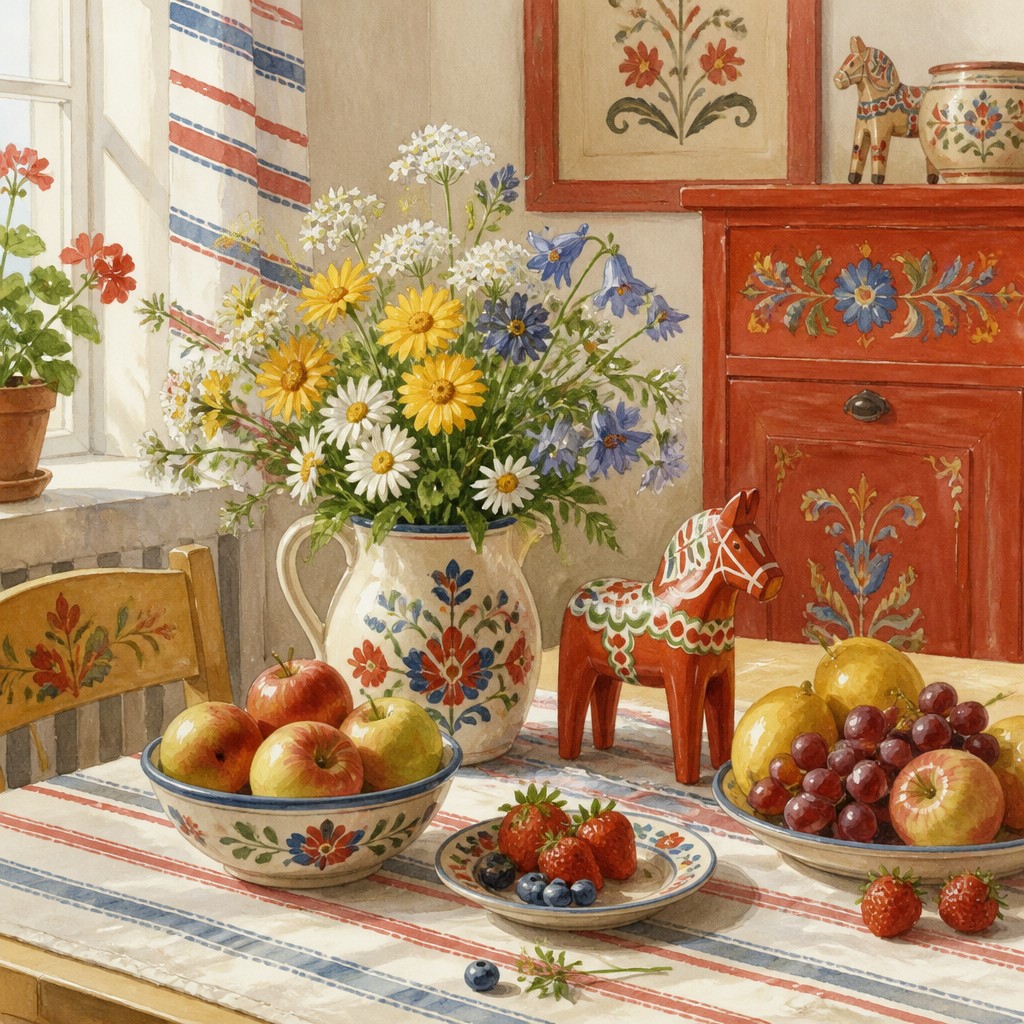
Swedish Gallery
Tap any artwork to explore it
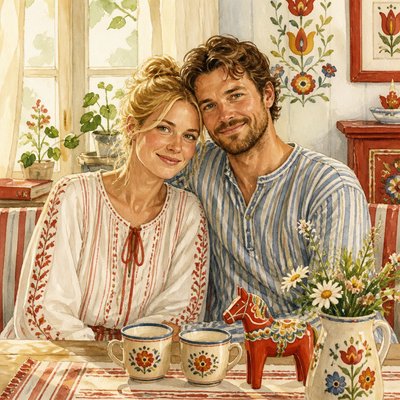
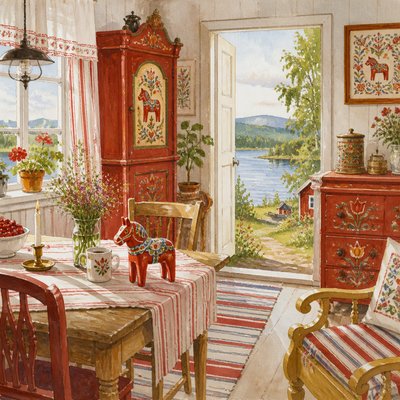
What is Swedish Art Style?
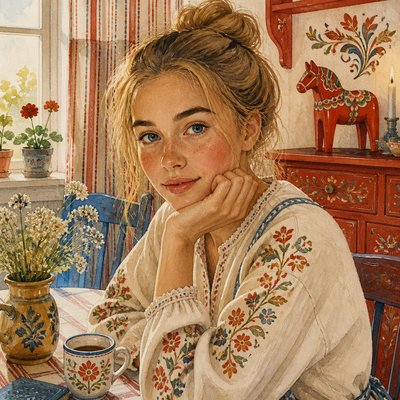
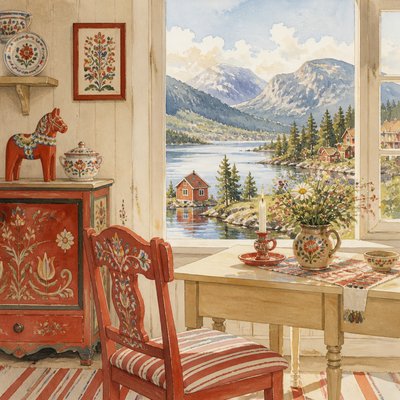
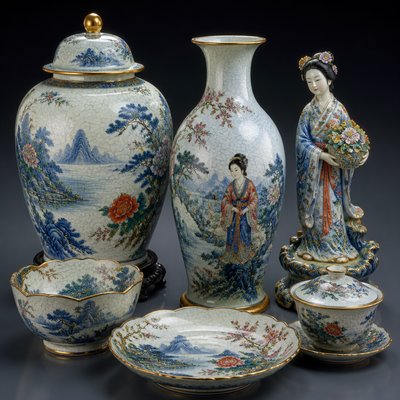
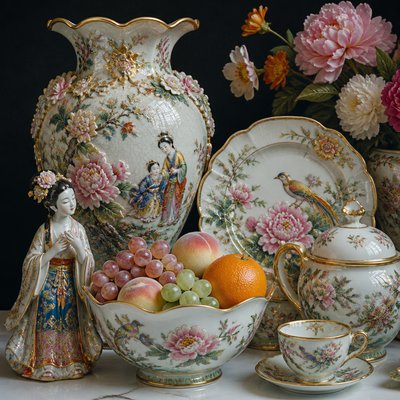
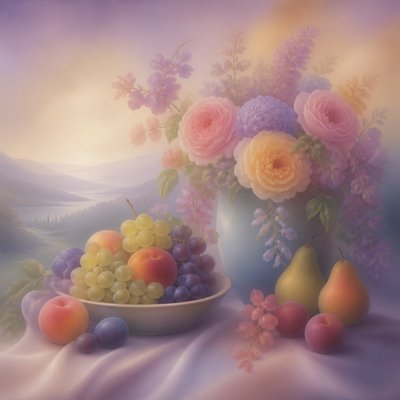
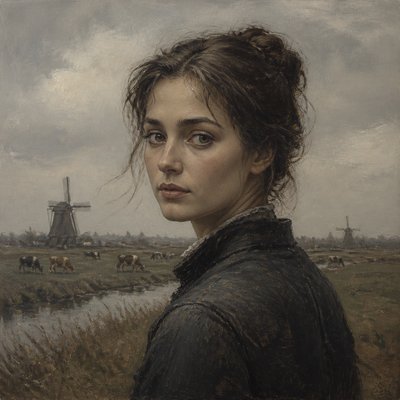
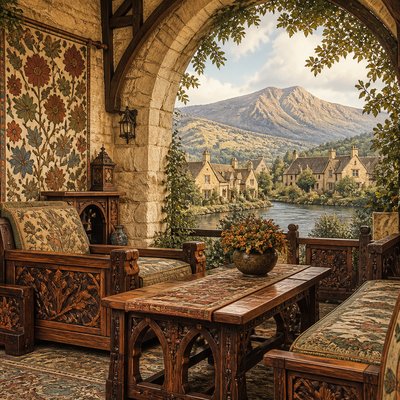
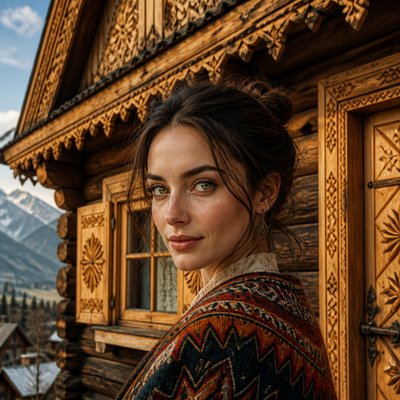
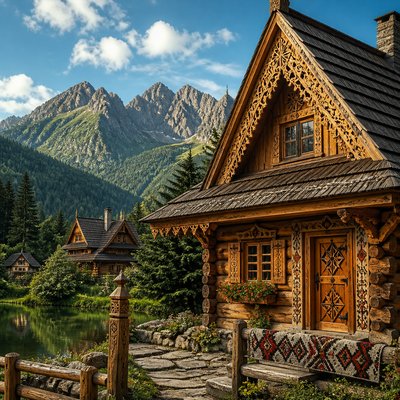
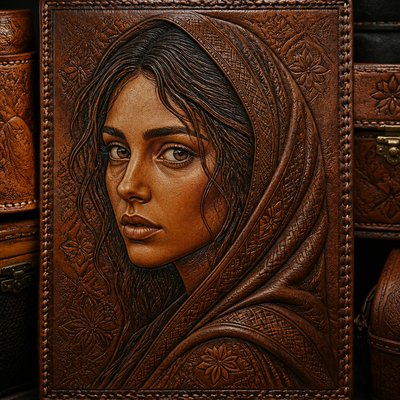
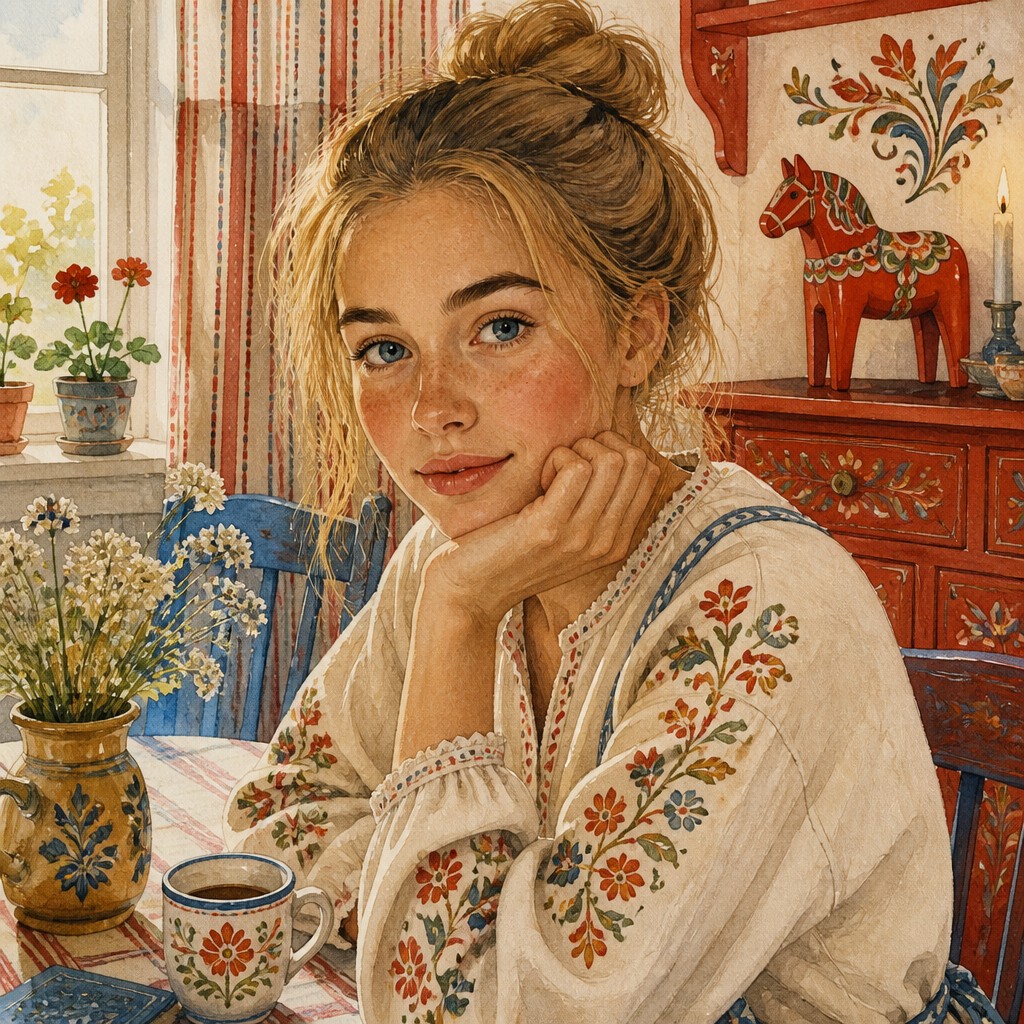
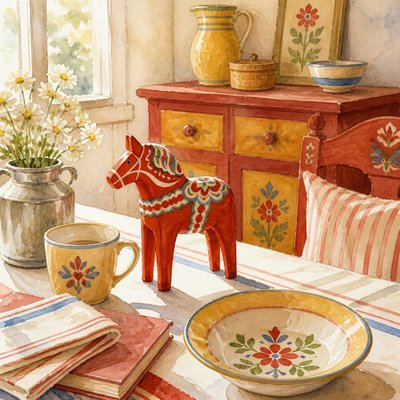
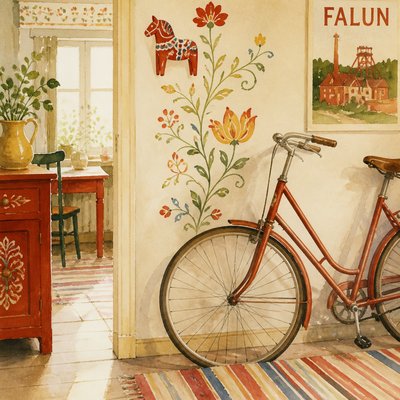
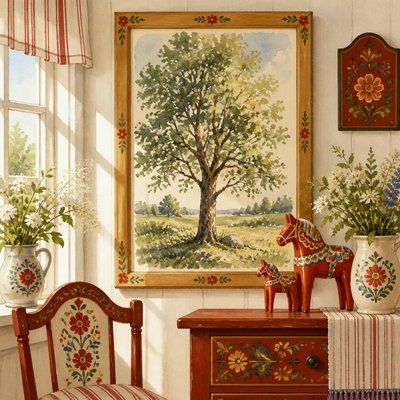
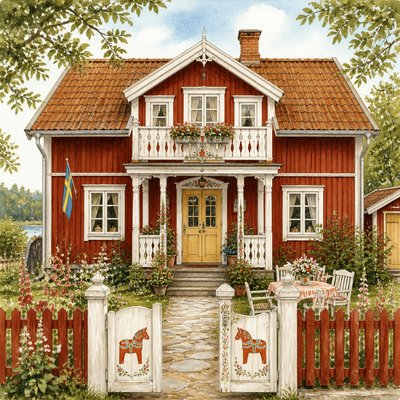
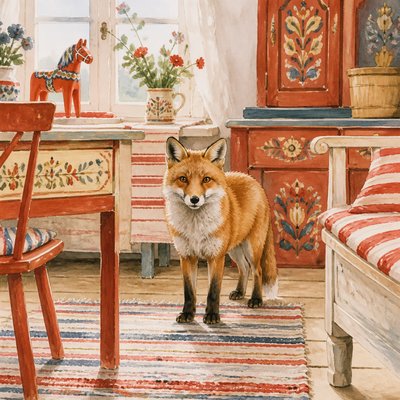
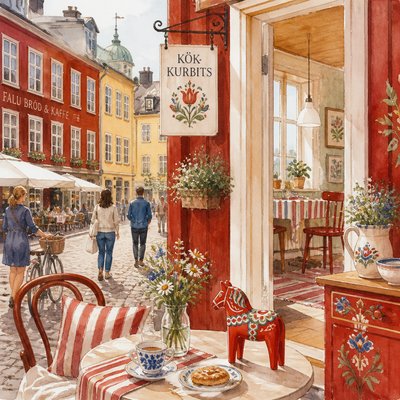
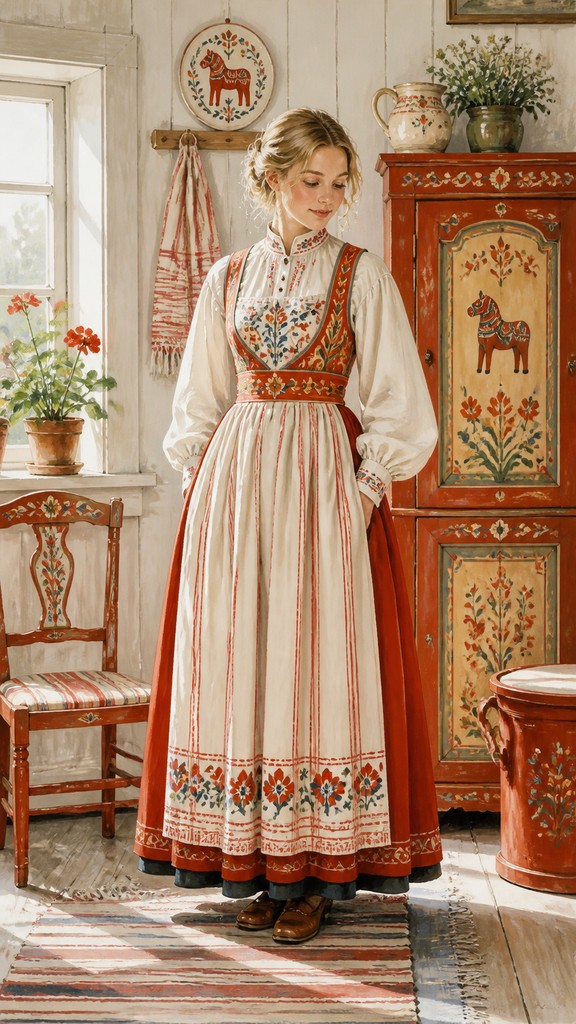
Swedish art style is a contemporary descriptive category for imagery shaped by Sweden’s folk-art traditions, light-filled domestic interiors, and restrained Nordic color sense. Its visual identity combines painted wooden furniture, striped or checked textiles, simplified botanical decoration, and the familiar silhouettes of Dala horses with a palette of falu red, straw yellow, pale blue, soft green, and linen white.
The effect is cheerful but not crowded: open compositions, matte surfaces, natural wood, and generous daylight create a sense of calm domestic intimacy. Decorative motifs such as kurbits blooms and stylized leaves add folk character, while watercolor transparency, softened edges, and modest imperfections keep the imagery handmade rather than glossy or photorealistic.
Try It On Your Photos
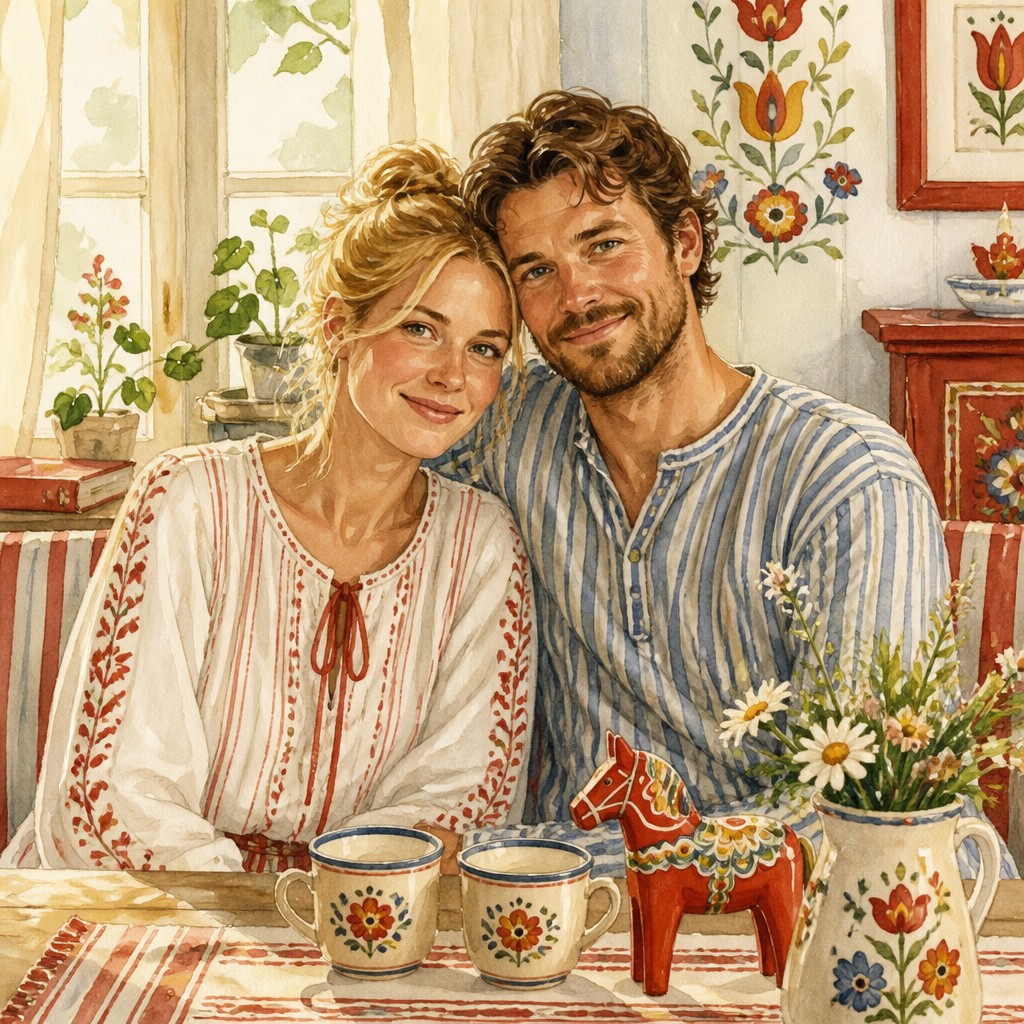
Upload any photo and convert it into Swedish Art Style — drag the sliders to compare before and after.

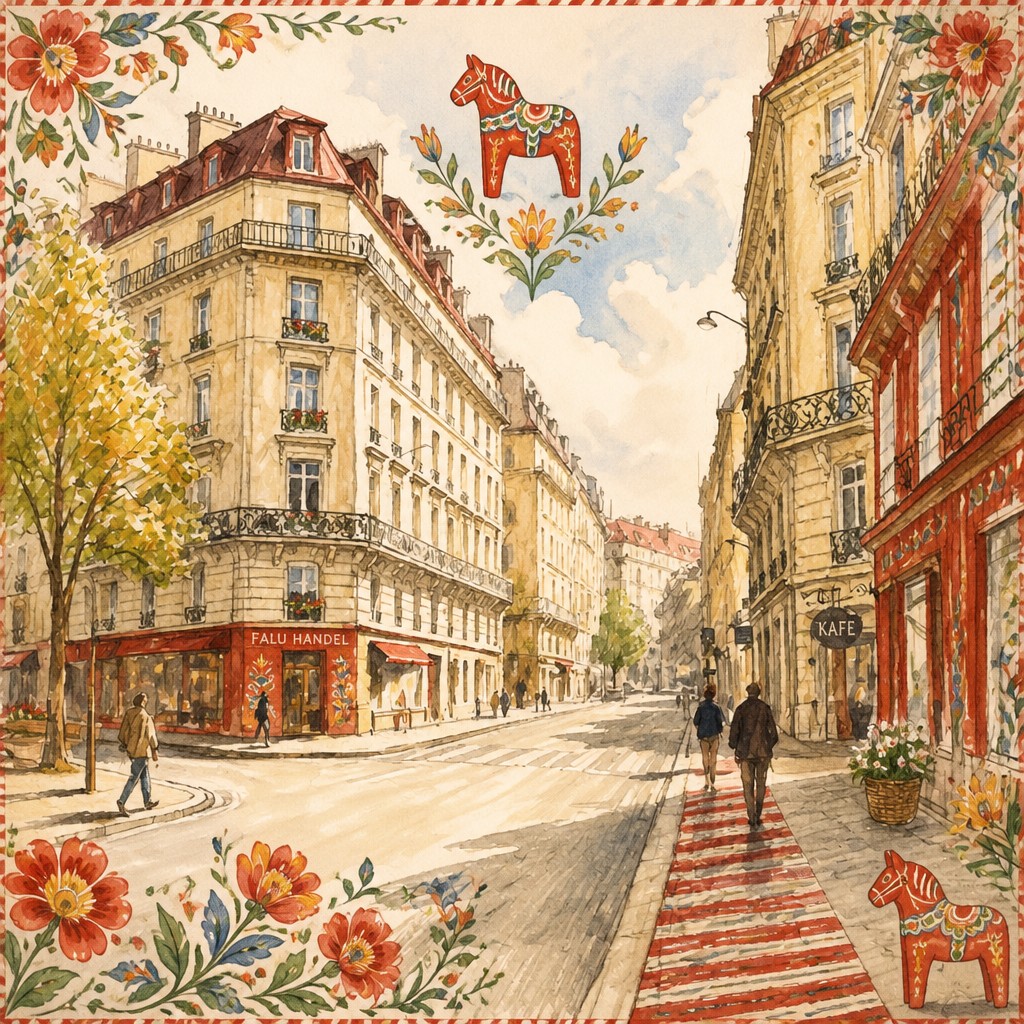

What Defines Swedish Art Style
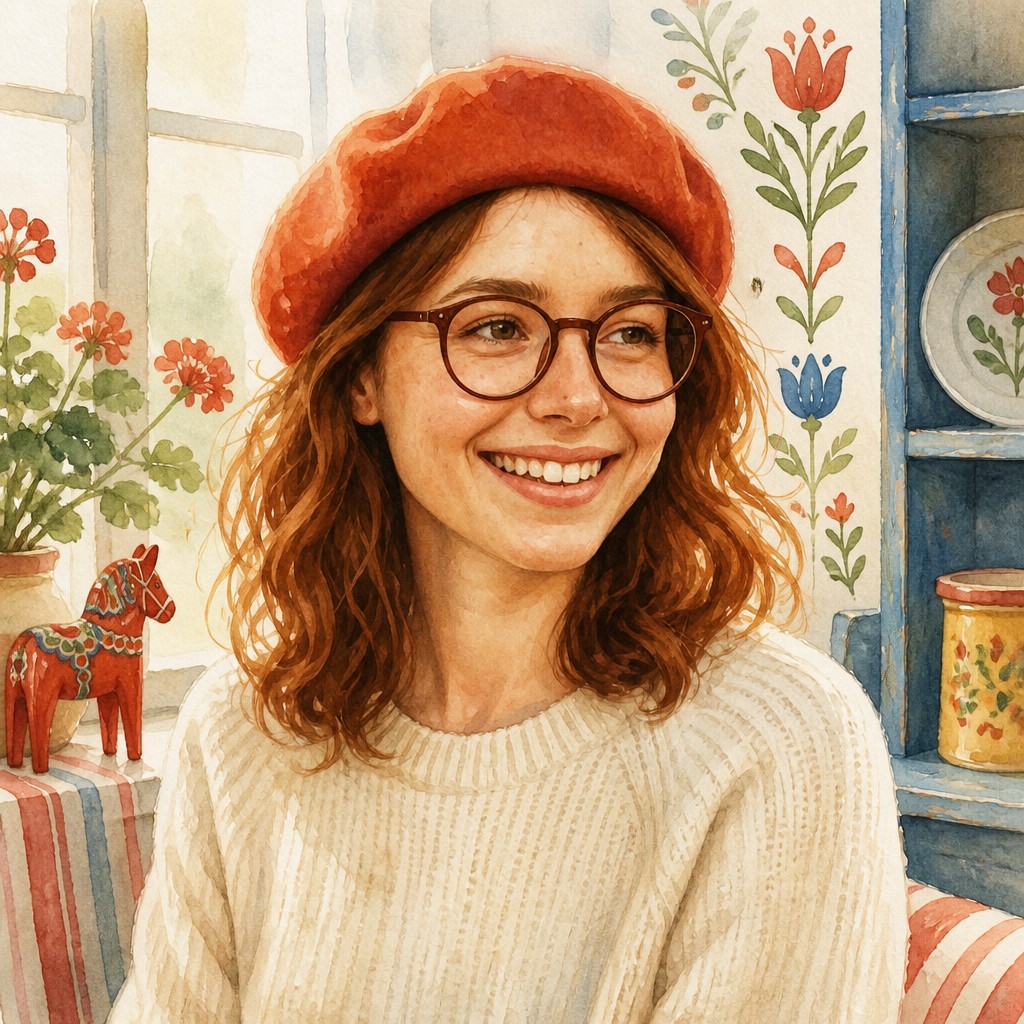
The signature details, up close
Light-filled domestic spaces
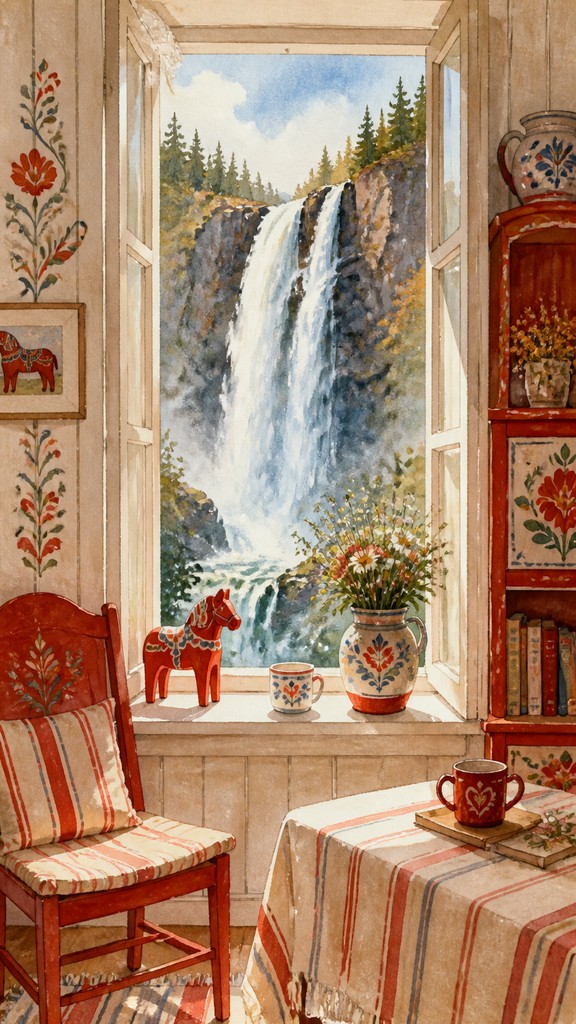
Rooms are arranged around windows, pale walls, and soft natural illumination. Kitchens, bedrooms, cottages, and dining areas often feel orderly, welcoming, and quietly lived in.
Folk-painted furniture
Cupboards, benches, chests, chairs, and tables may feature broad brushwork, simple borders, floral panels, or gently distressed painted surfaces. The furniture remains functional and structurally clear rather than heavily ornate.
Dala horse motifs
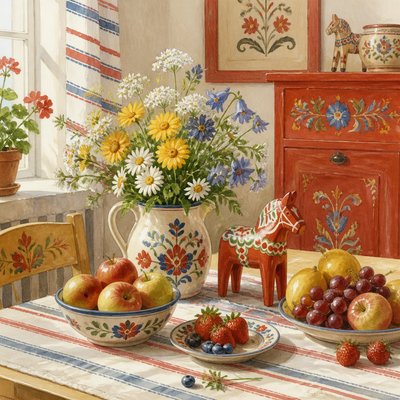
The carved wooden horse appears as a recognizable folk emblem, often rendered in red with contrasting saddle-like decoration. It can be used literally as an object or abstracted into repeating silhouettes and ornaments.
Kurbits floral ornament
Large symmetrical flowers, curling stems, leaves, and fanciful plants provide a distinctly Dalarna-inspired decorative language. These motifs are stylized and rhythmic, with more emphasis on pattern and balance than botanical realism.
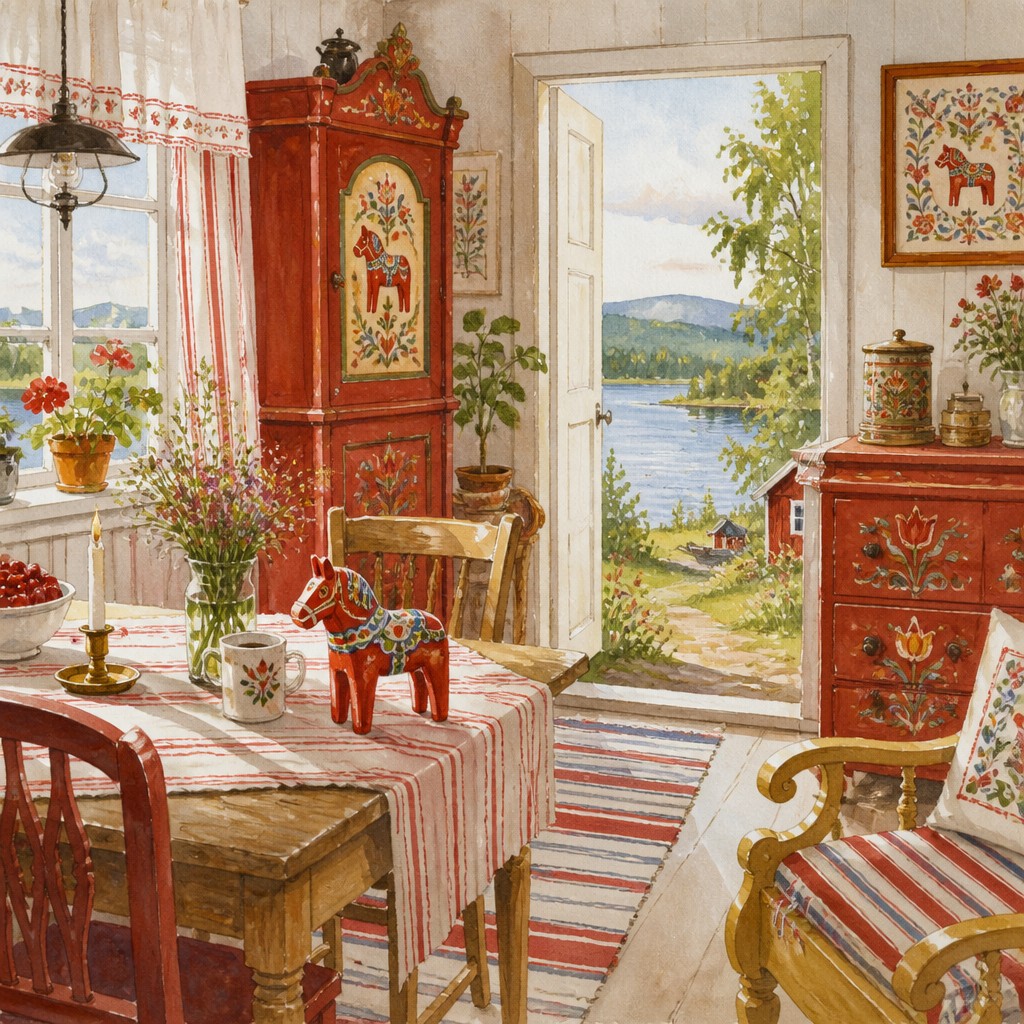
Nordic folk palette
Falu red, straw yellow, cream, linen white, muted blue, pine green, and natural wood create warmth against pale backgrounds. Saturation is controlled so that strong accents remain compatible with an airy interior.
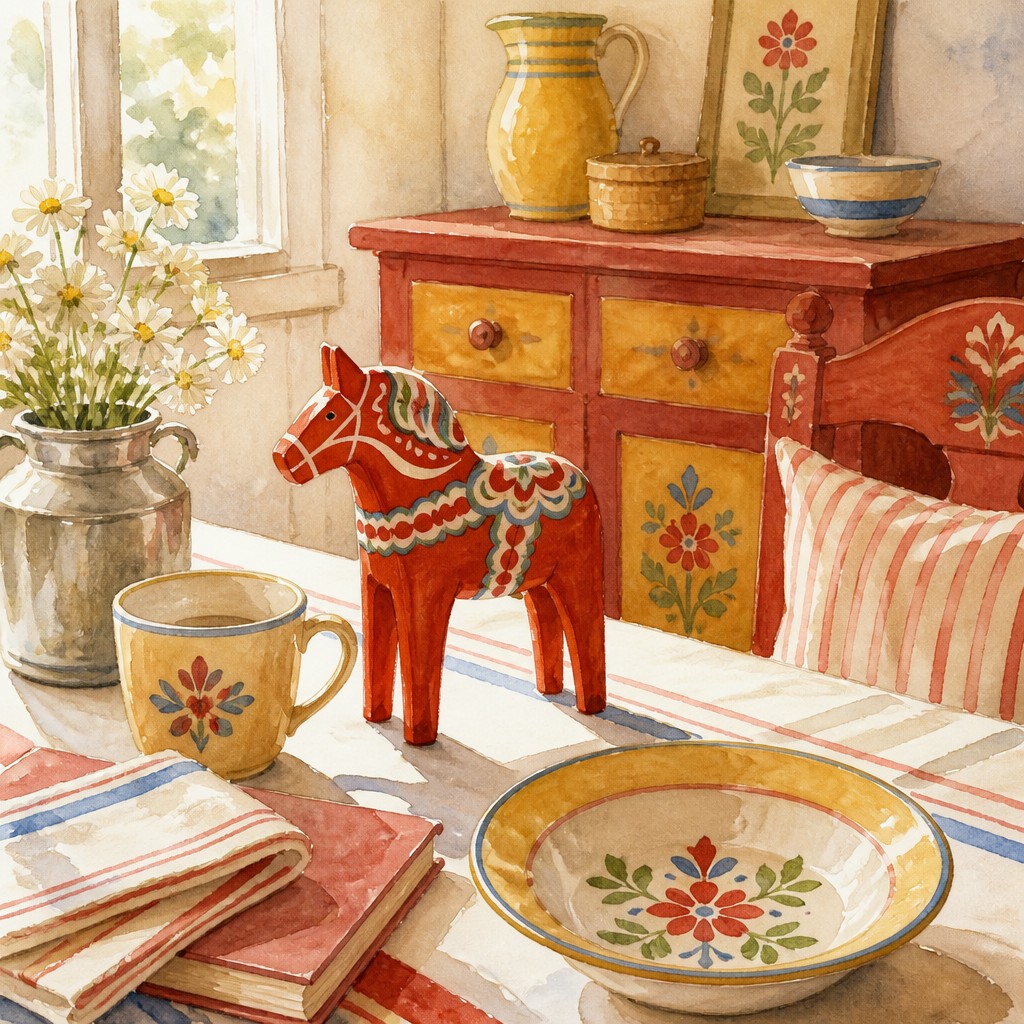
Watercolor freshness
Transparent washes, visible paper grain, softened contours, and occasional uneven pigment suggest handmade illustration. Digital versions benefit from preserving slight irregularity instead of making every edge perfectly smooth.
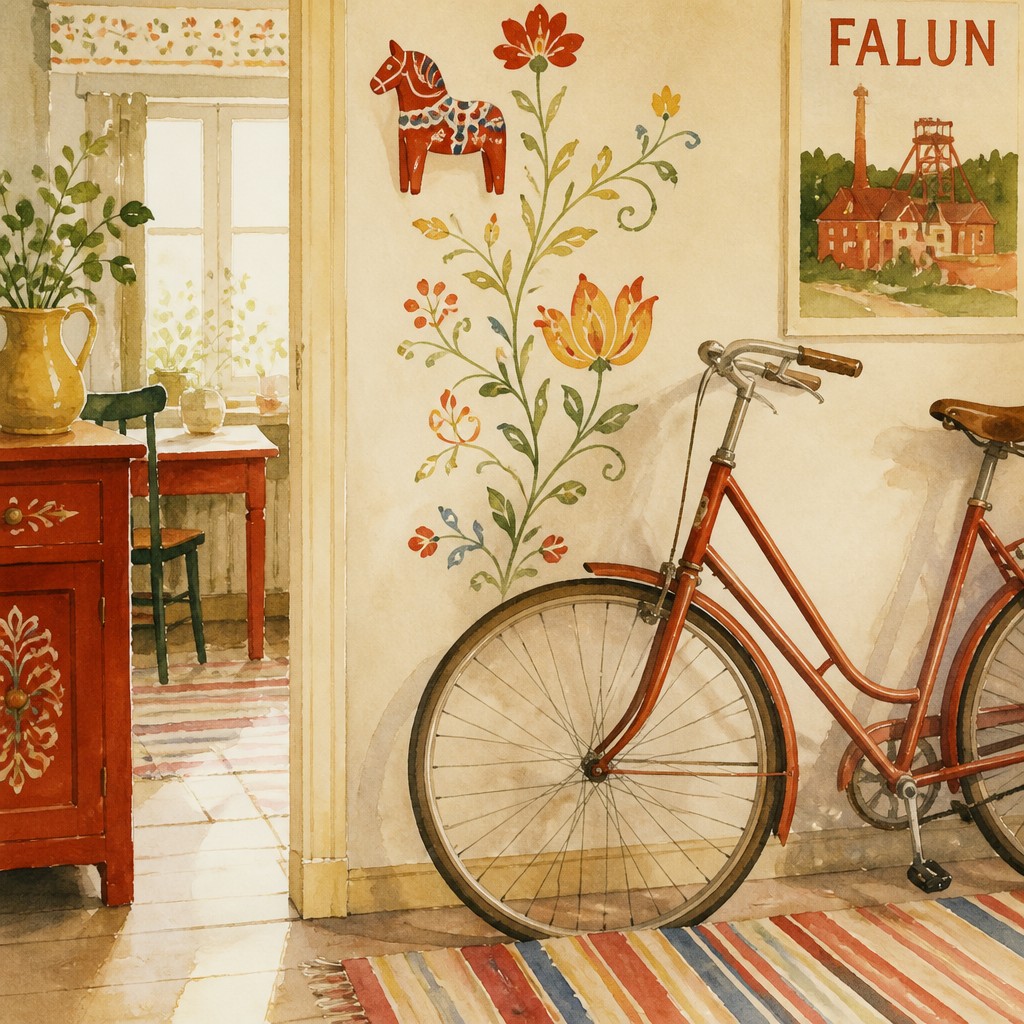
Patterned textiles and modest ornament
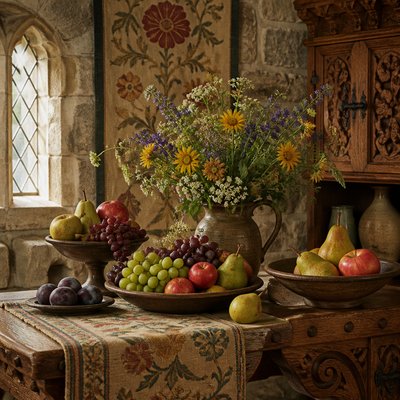
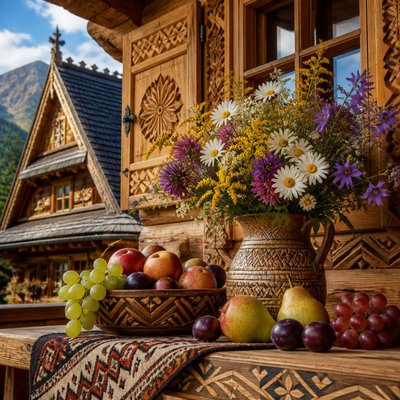
Stripes, checks, woven textures, simple florals, and embroidered details appear on curtains, cushions, tablecloths, and clothing. Decoration is repeated selectively, leaving enough unpatterned space for visual calm.
Try It
Create Videos in Swedish Art Style
Styles aren't just for stills — describe a scene or animate an image and get a short video rendered in Swedish. Press play to see this pond come to life.
Make a VideoSwedish Prompt Ideas
Start from an idea — each one opens the generator with the style ready to go. See all 40 Swedish prompts →
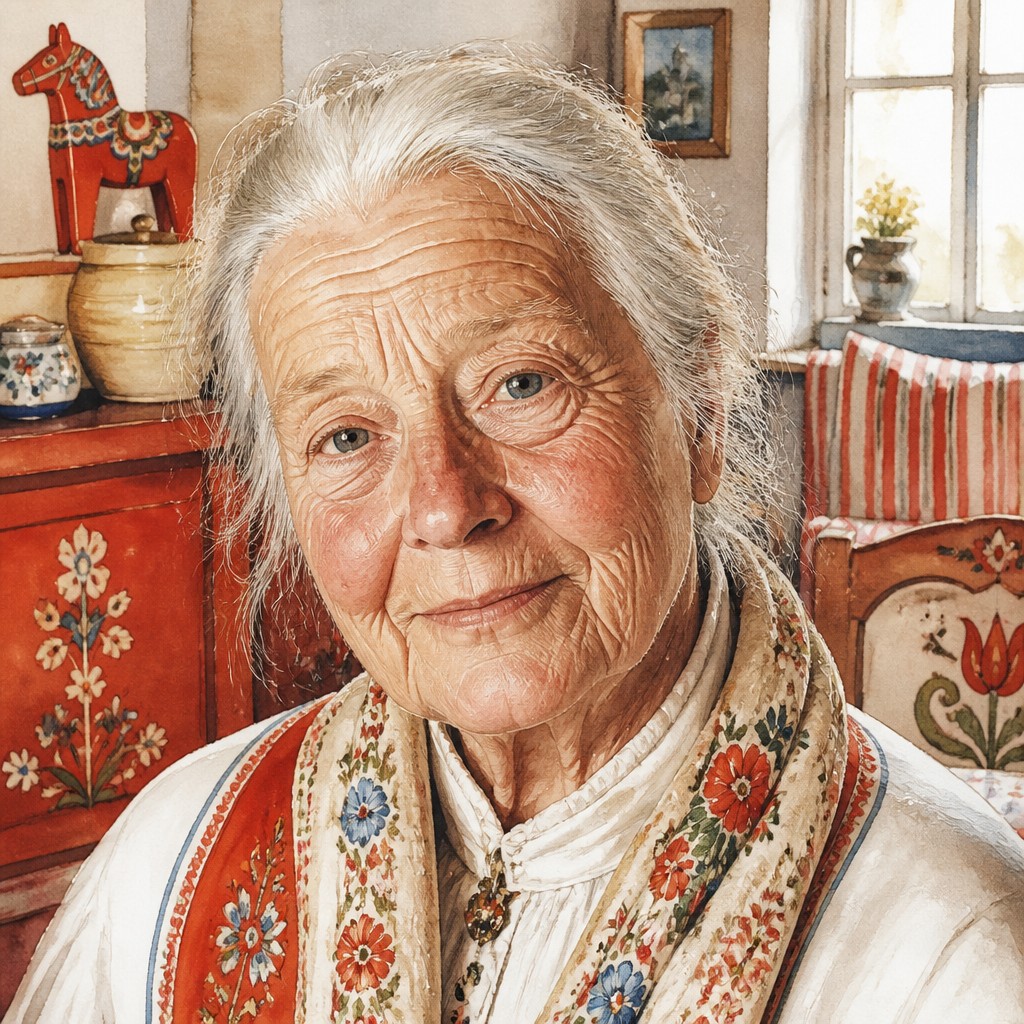
“close-up portrait of an elderly person with expressive weathered features”
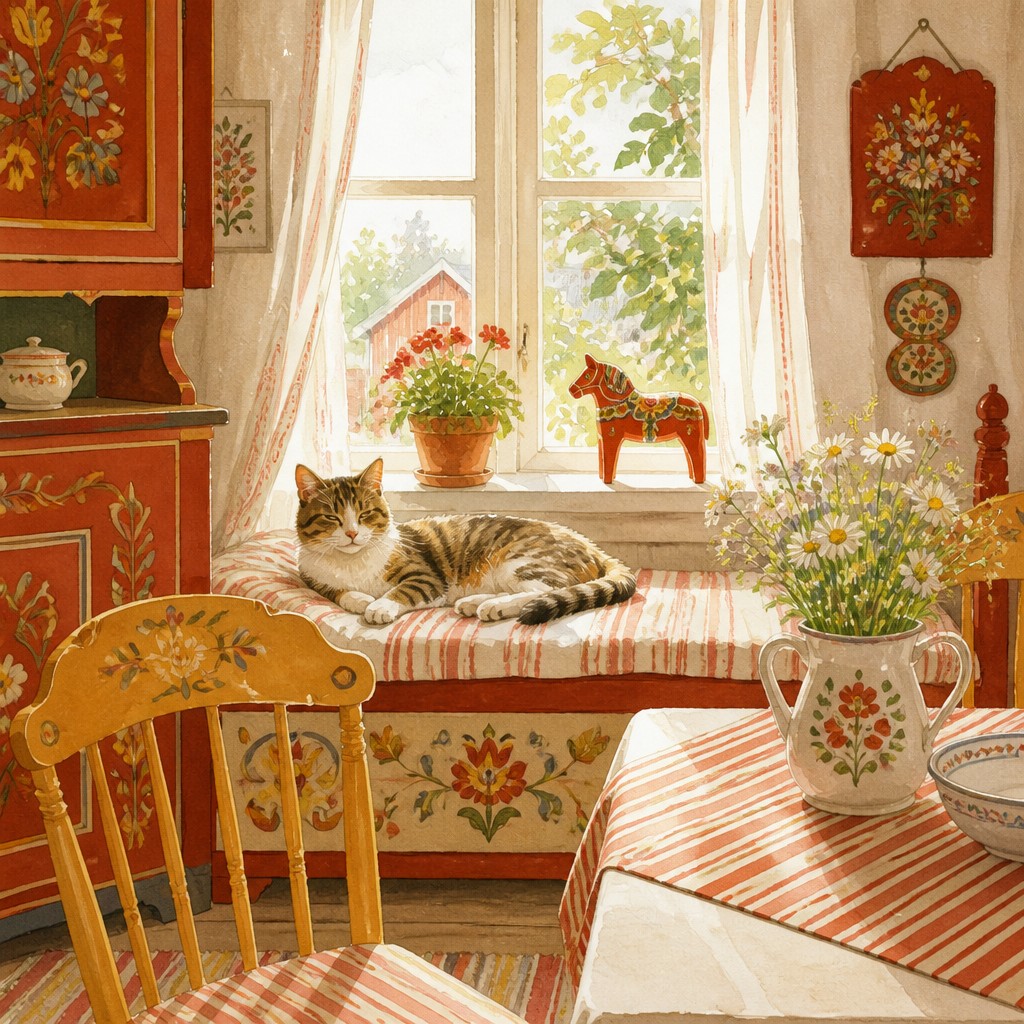
“a cat lounging in a sunlit window”
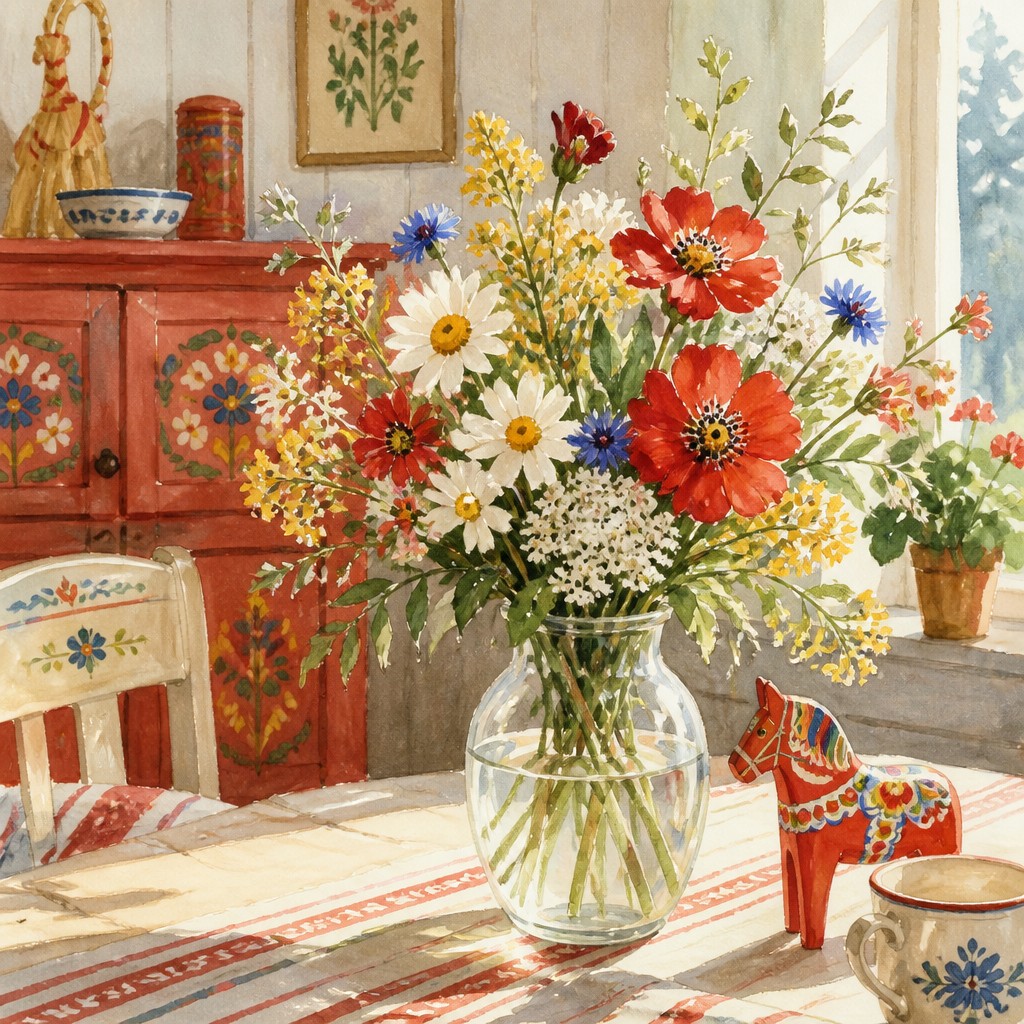
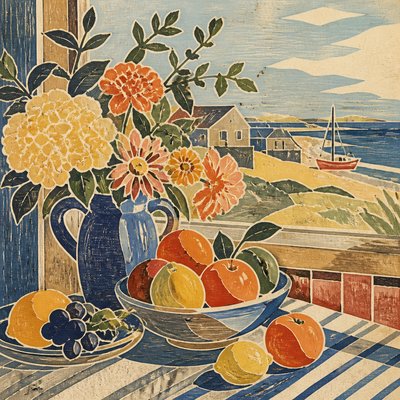
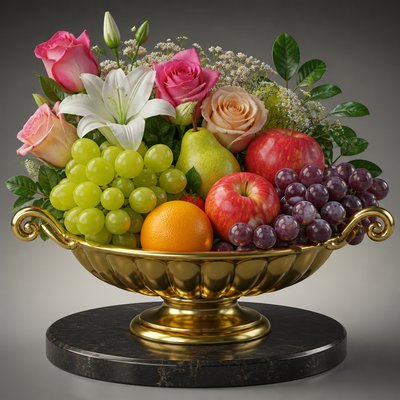
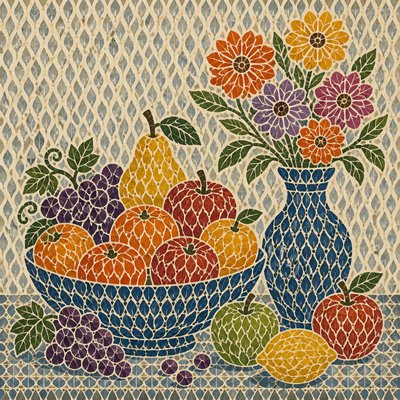
“bouquet of flowers in a glass vase”
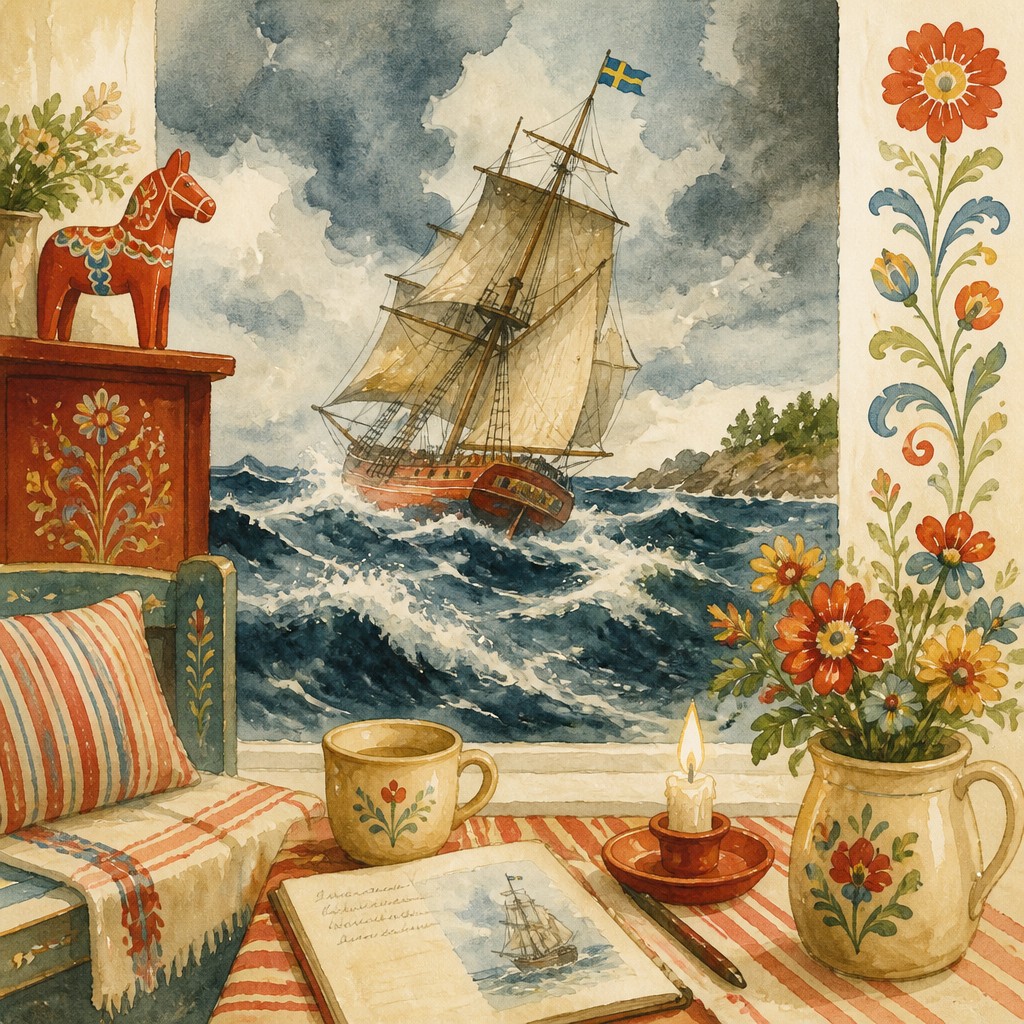
“sailing ship on a stormy sea”
How to Create Swedish Art
Master the craft step by step — or skip straight to creating. Read the full guide →
- 1
Begin with a clear interior silhouette
Block in the room, furniture, windows, and major light areas before adding folk decoration. Keep the perspective simple and let daylight establish the composition.
- 2
Use a limited material palette
Combine matte painted wood, woven cloth, paper, ceramic, and natural timber rather than highly reflective surfaces. A small group of warm reds, yellows, creams, and muted greens will create stronger cohesion than many unrelated colors.
- 3
Build motifs as flat painted shapes
Paint kurbits-like blooms, leaves, stripes, and horse ornaments with broad, confident forms and restrained internal detail. Slightly uneven edges, dry-brush marks, and translucent overlaps help preserve a handcrafted quality.
- 4
Balance folk detail with open space
Place the strongest pattern on one or two focal objects, then simplify surrounding walls and furnishings. This prevents the image from becoming a dense decorative collage.
- 5
Adapt the method for digital work
Use watercolor or gouache-textured brushes, low-opacity glazing, paper-grain overlays, and subtly varied line weight. Reduce excessive sharpness and add small tonal differences to painted wood and textiles.
- 6
Write prompts with visual specifics
Describe the subject first, then specify a sunlit Nordic room, painted furniture, Dala-inspired ornament, kurbits flowers, striped textiles, a limited folk palette, and watercolor or gouache texture. For image-to-image work, preserve the original pose or architecture while directing the surface materials and decorative details.
The Story
History & Origins of Swedish
Swedish art style is not a single historical movement with a fixed period or founding school. It draws primarily from regional allmogekonst, or vernacular folk art, especially the painted furniture, household objects, textiles, and decorative wall painting associated with rural communities from the eighteenth and nineteenth centuries onward. Dalarna is particularly important for its carved and painted Dala horses, floral kurbits ornament, and strong tradition of colorful domestic decoration.
Its modern appearance also reflects the broader Nordic preference for functional interiors, pale surfaces, daylight, and materials that make limited natural light feel more abundant. Contemporary illustrations and digital artworks recombine these historical references with watercolor methods, simplified shapes, and lifestyle-oriented scenes rather than attempting to reproduce one period exactly.
Influences: The style relates to Swedish allmogekonst, Dalarna folk painting, painted furniture traditions, Scandinavian interior design, Nordic textile pattern, watercolor illustration, and Arts and Crafts approaches to handmade surfaces. It also shares the quiet functionality of Nordic modernism, but replaces strict minimalism with warmer ornament, regional symbols, and visible craft irregularity.
Frequently Asked Questions
What defines Swedish art style?
It is defined by bright domestic settings, painted wooden furniture, folk floral ornament, striped or checked textiles, and a restrained Nordic palette. Dala horse imagery and kurbits-inspired blooms are common identifying references, though they are not required in every work.
Is Swedish art style a historical art movement?
No. The term is best understood as a contemporary style label rather than the name of a unified historical movement. It synthesizes regional Swedish folk traditions, Nordic interiors, watercolor illustration, and modern decorative design.
What are kurbits motifs?
Kurbits refers to a distinctive decorative floral language associated especially with Dalarna. It commonly uses oversized flowers, curling stems, symmetrical growth, and imaginative plant forms in painted or ornamental compositions.
How does this style differ from minimalist Scandinavian design?
Both favor daylight, practical forms, pale surfaces, and natural materials. Swedish folk-inflected imagery adds stronger color accents, painted decoration, patterned textiles, and regional symbols, making it more ornamental and rustic than strict minimalism.
How can I make an image look handmade rather than digitally perfect?
Use watercolor, gouache, or dry-brush textures; vary edge sharpness; preserve paper grain; and introduce small irregularities in painted patterns and wood surfaces. Avoid excessive gloss, hyperrealistic rendering, and uniform geometric precision.
Where is Swedish art style commonly used?
It works well for cottage interiors, children’s illustration, stationery, editorial scenes, folk-inspired posters, home decor concepts, seasonal artwork, and still lifes. Its clear shapes and warm palette also translate effectively to textiles, murals, and decorative prints.

Create your first Swedish artwork
Describe anything — or upload a photo — and see it in Swedish Art Style in seconds.
Related Styles
Discover similar art styles