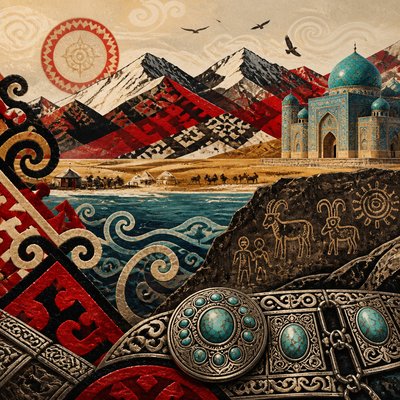
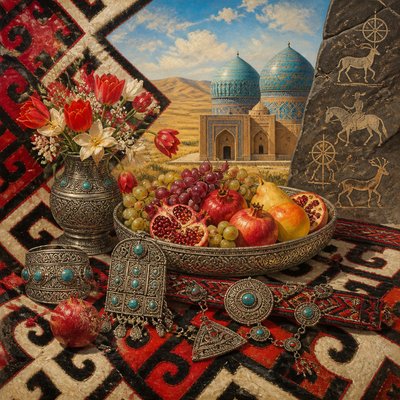
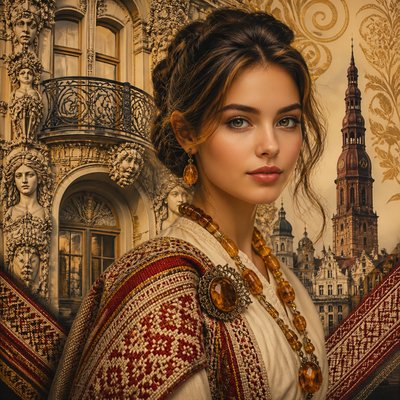
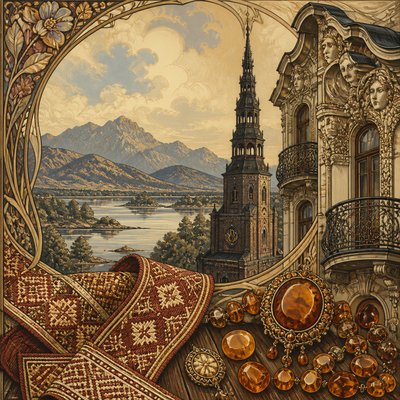
Motif Art Style
Explore Motif Art Style: rhythmic repetition, recurring symbols, and subtle variation create unified compositions across painting, design, and digital art.
Instantly rendered in Motif — or transform a photo
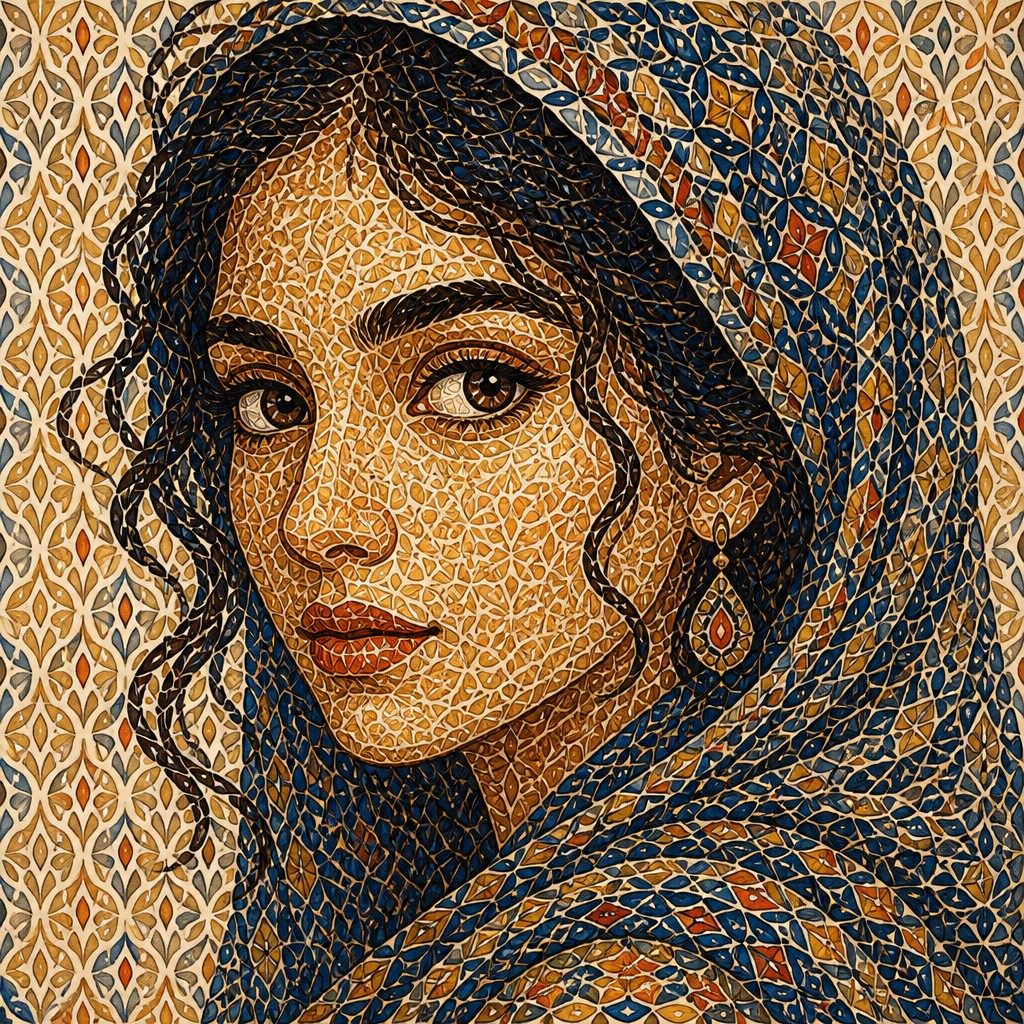
Motif Gallery
Tap any artwork to explore it
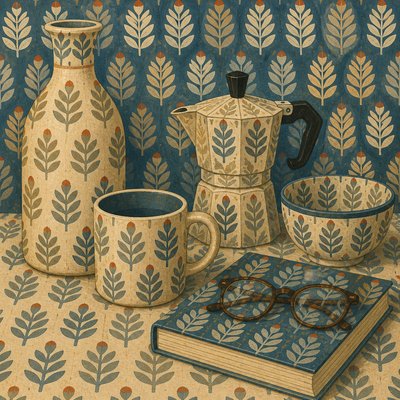
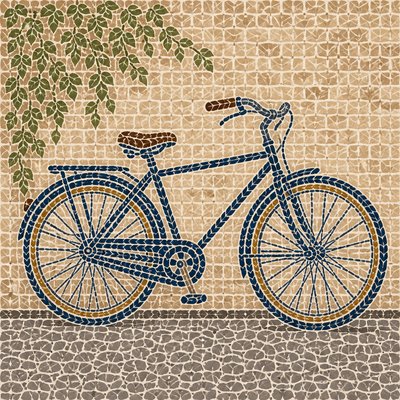
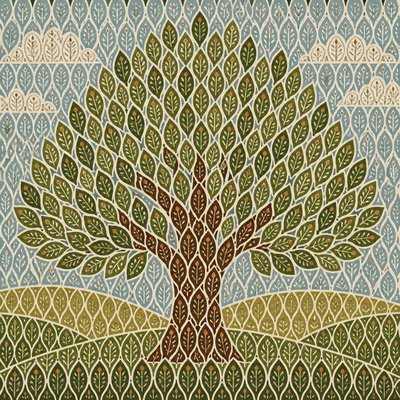
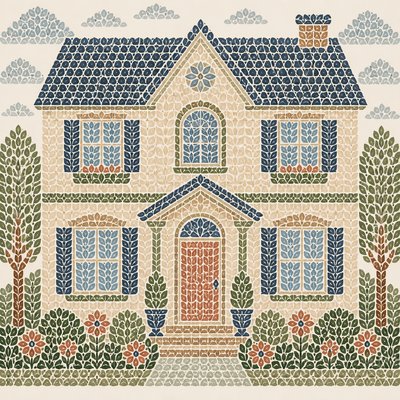
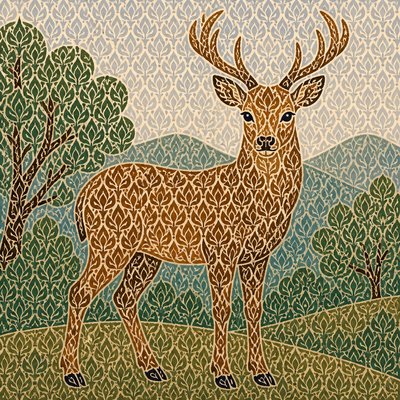
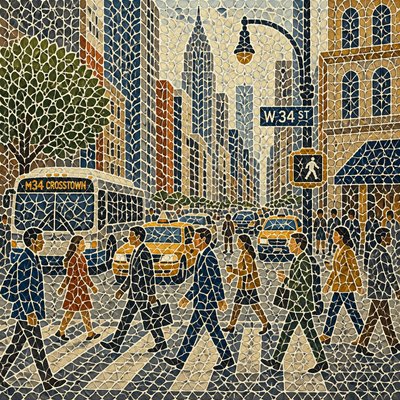
What is Motif Art Style?
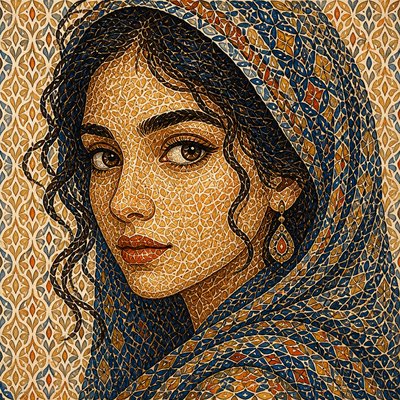
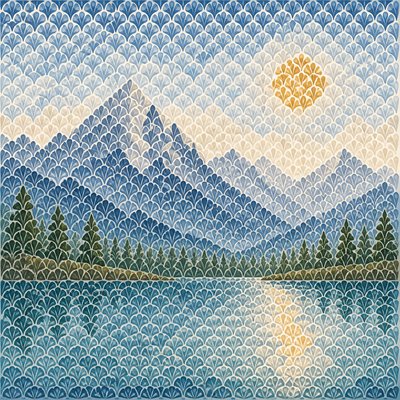
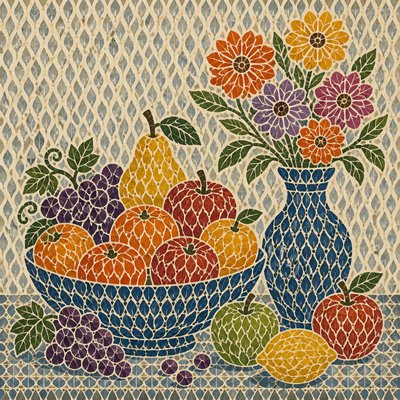
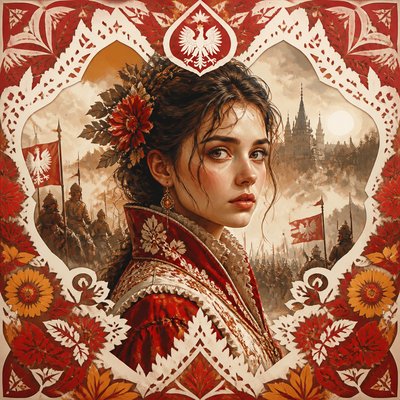
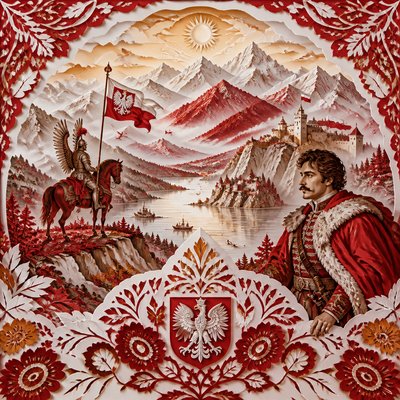
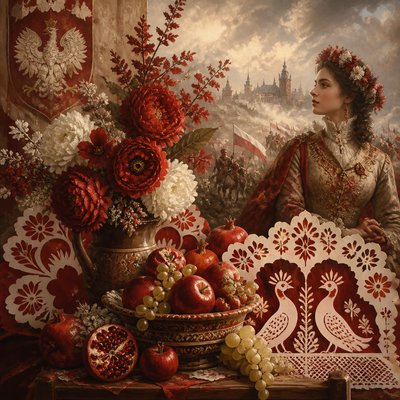
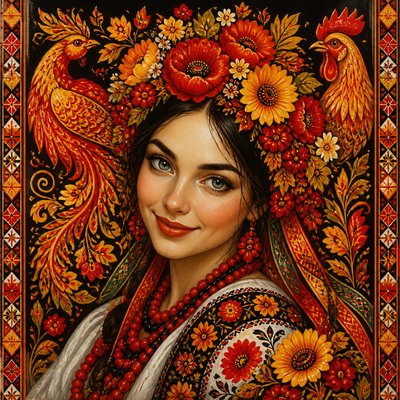
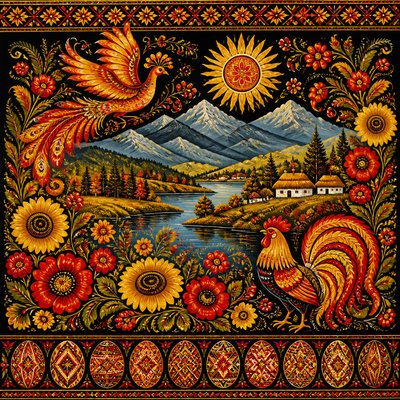
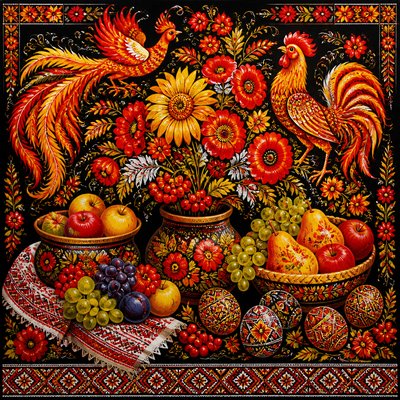
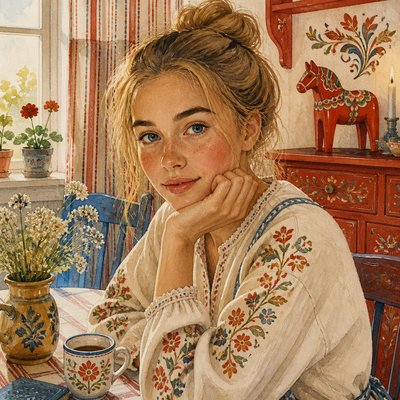
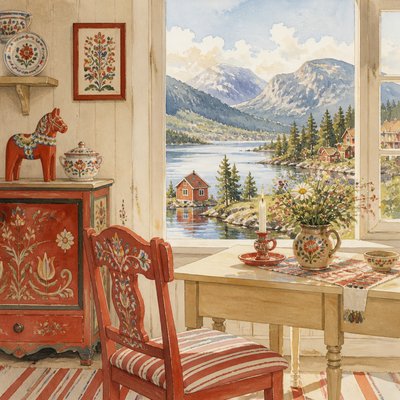
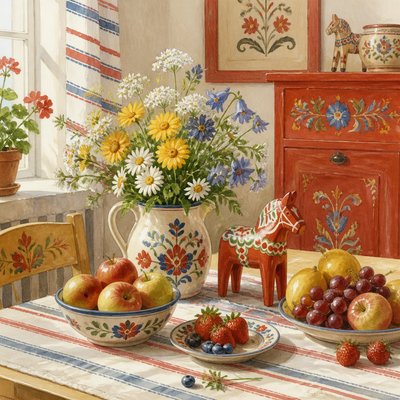
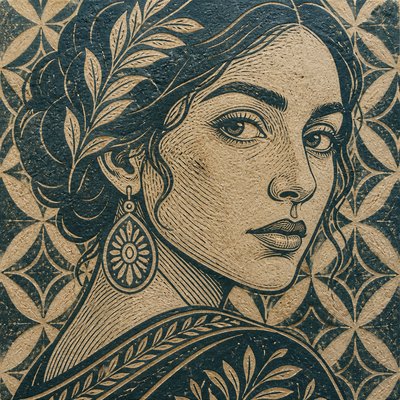
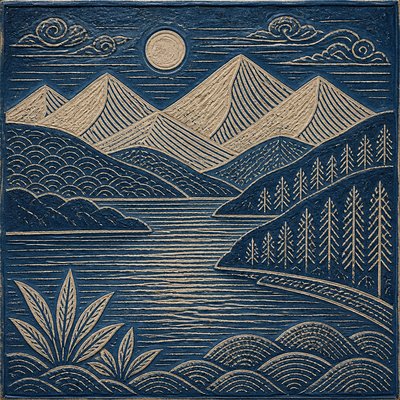
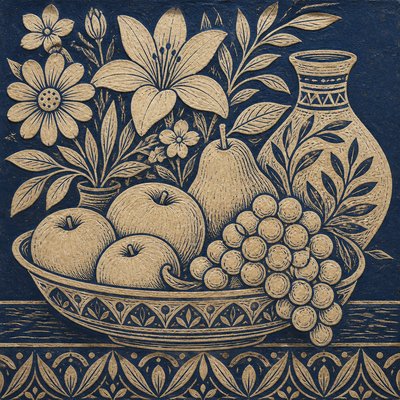
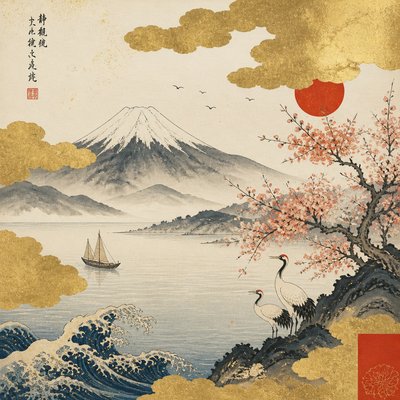
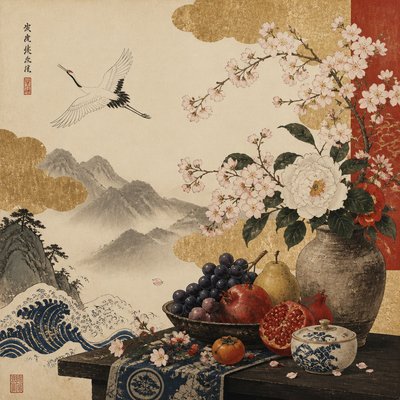
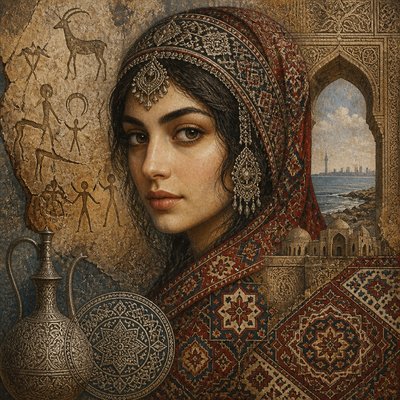
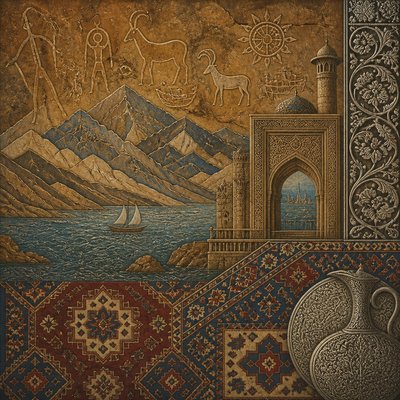
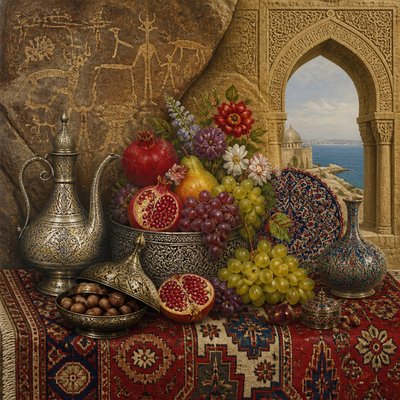
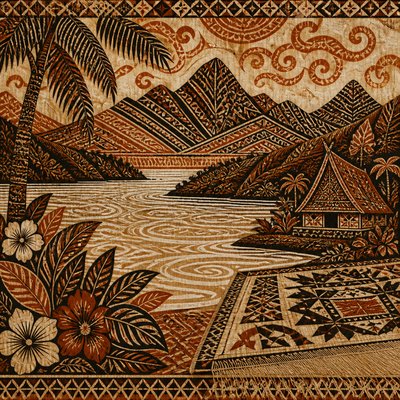
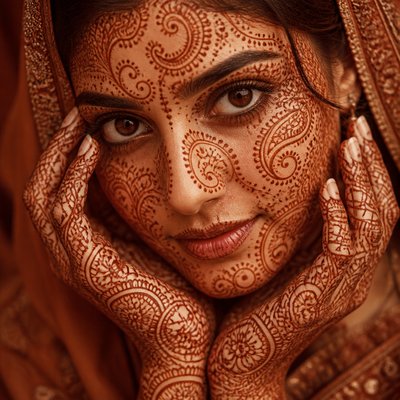
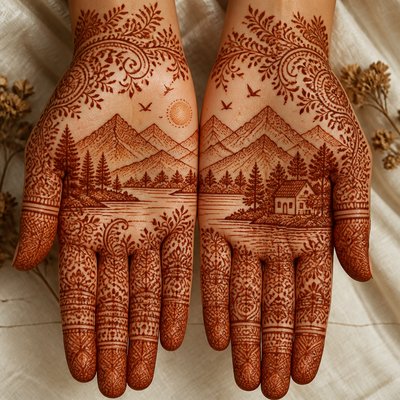
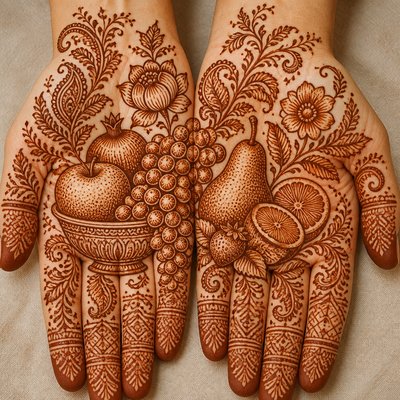
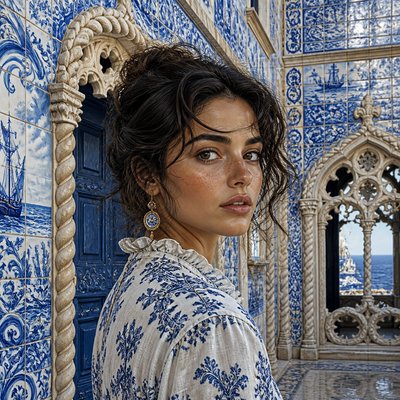
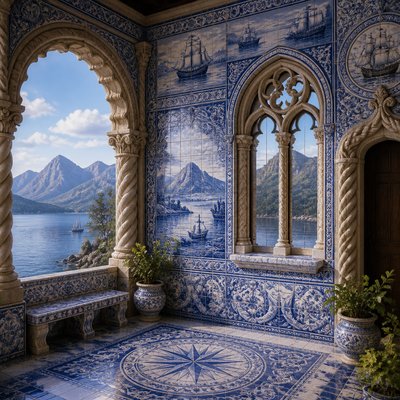
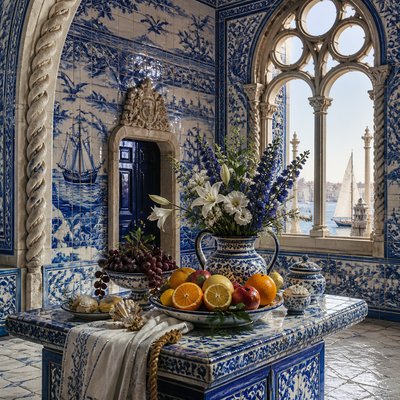
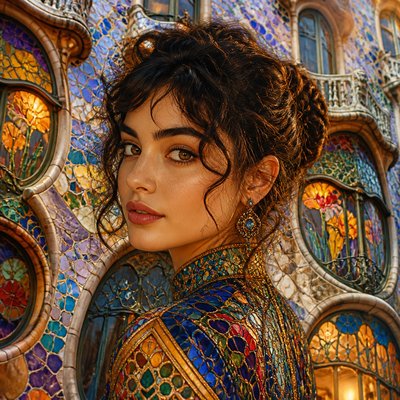
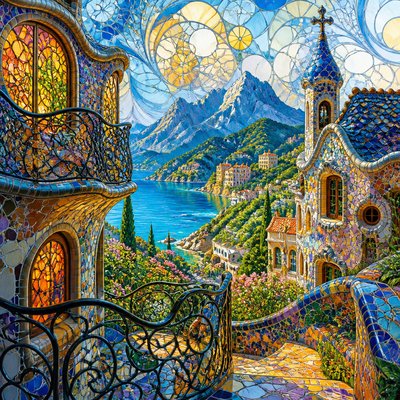
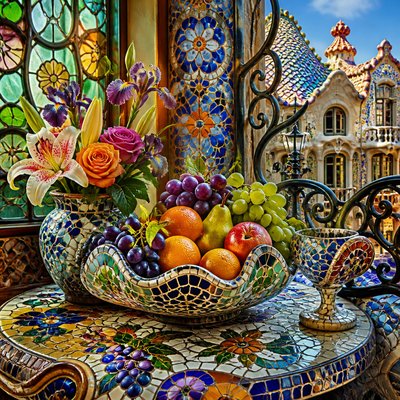
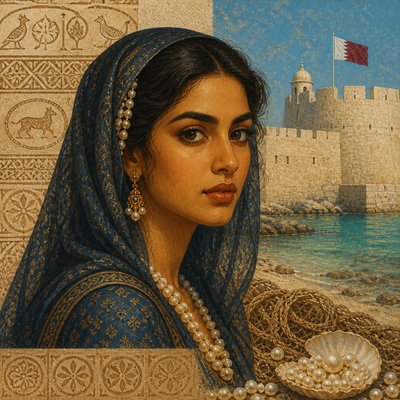
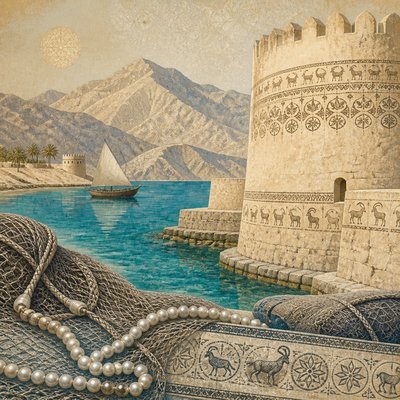
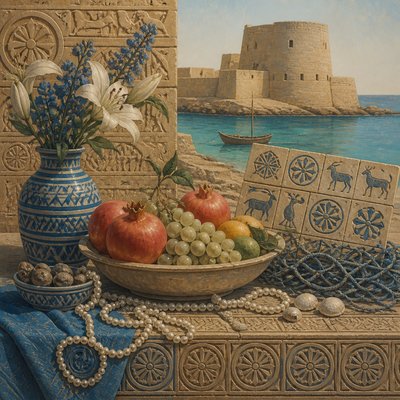
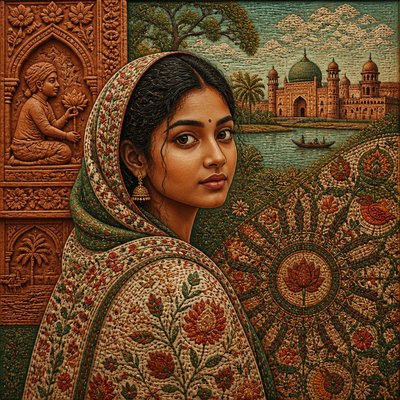
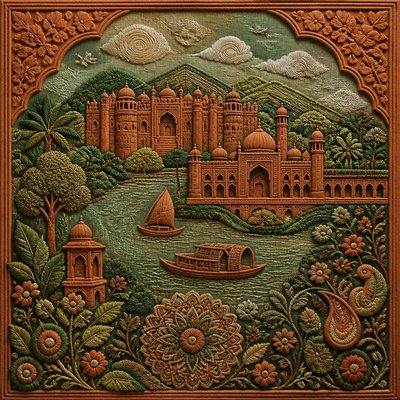
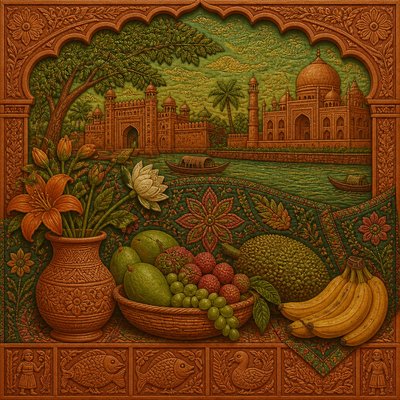
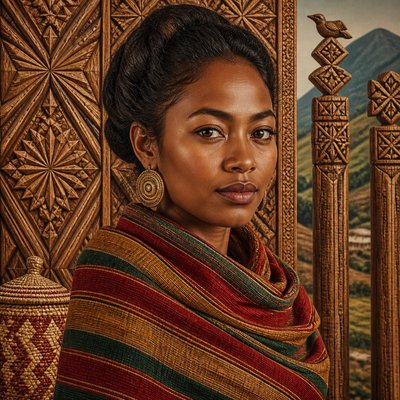
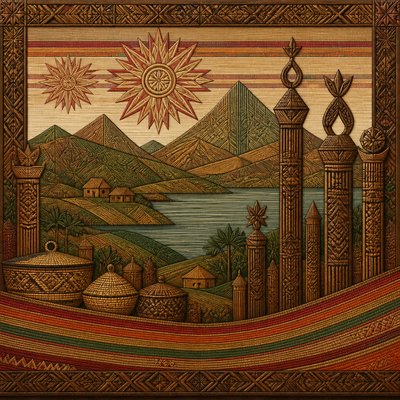
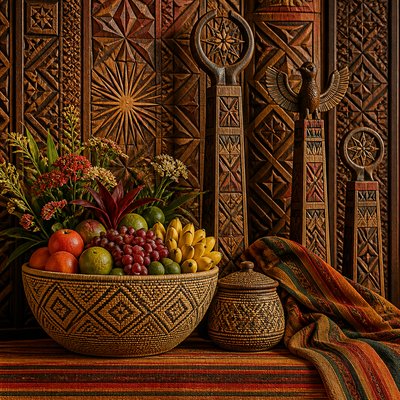
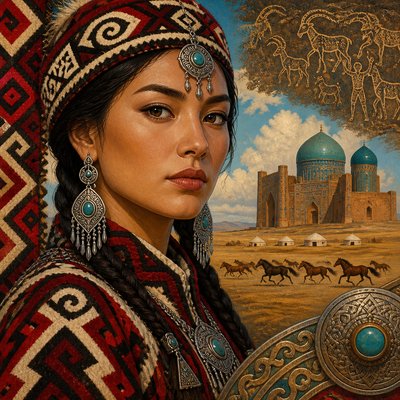
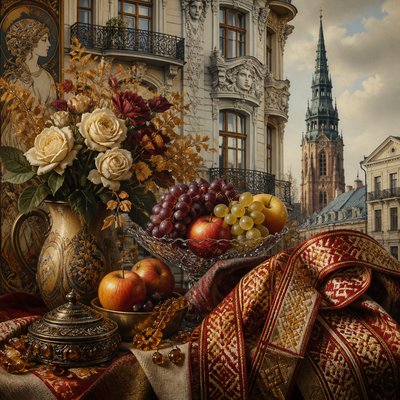
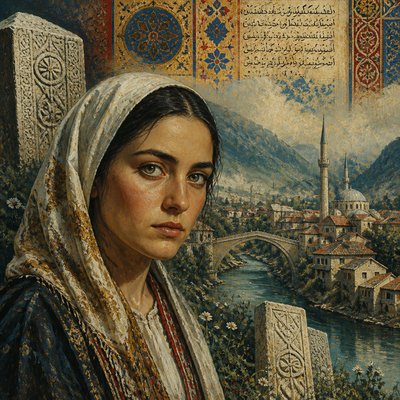
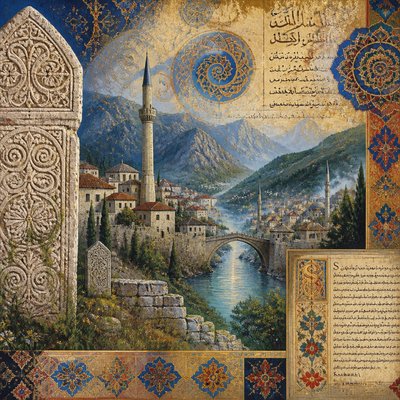
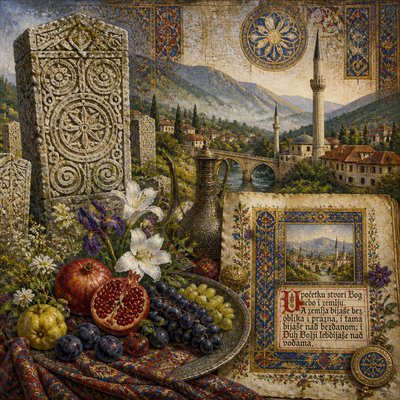
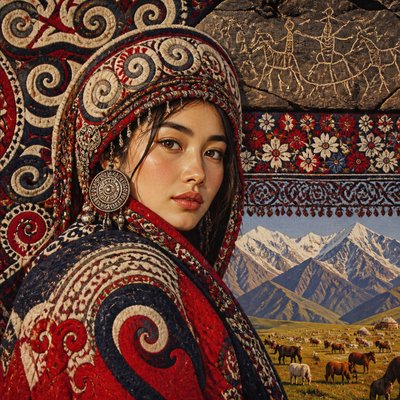
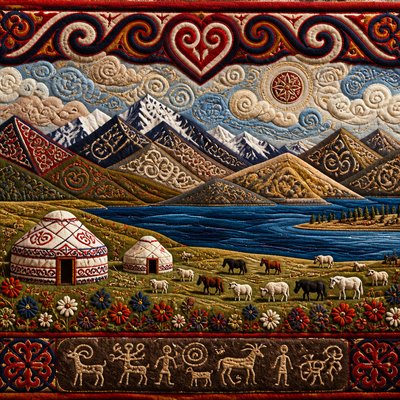
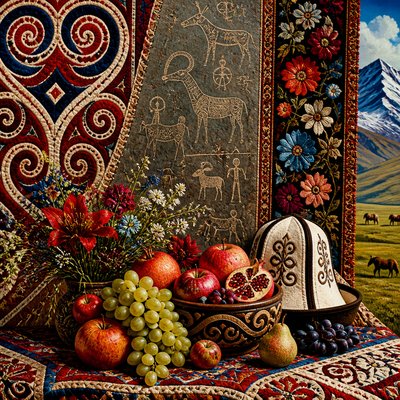
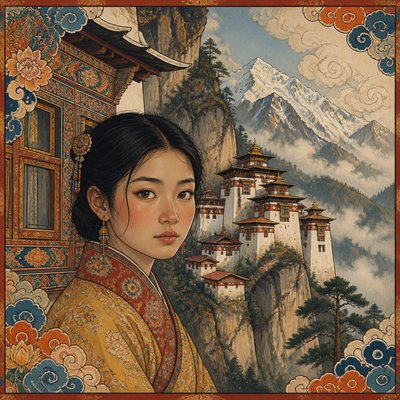
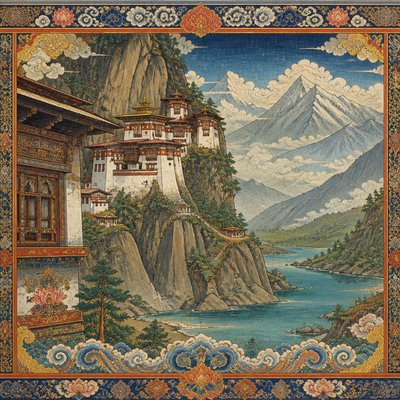
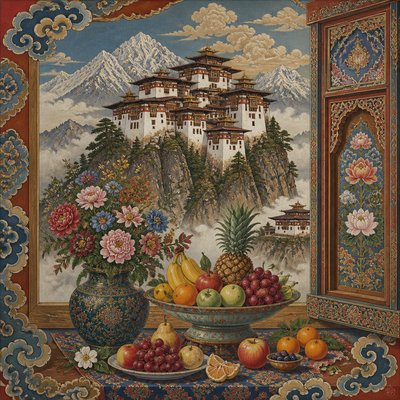
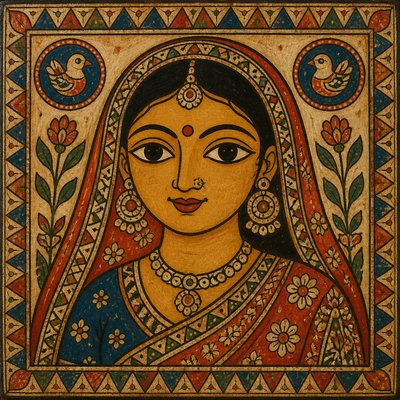
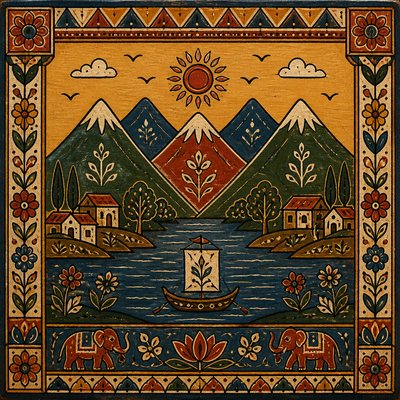
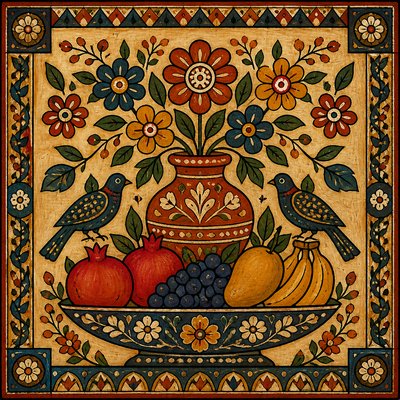
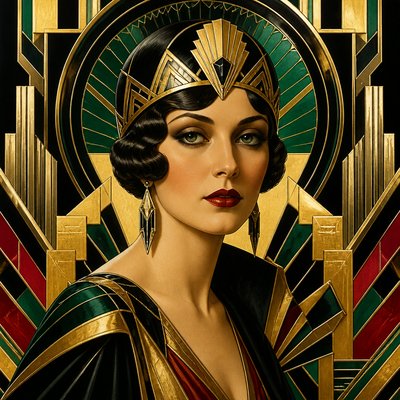
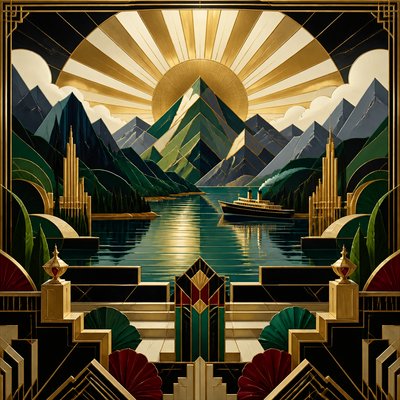
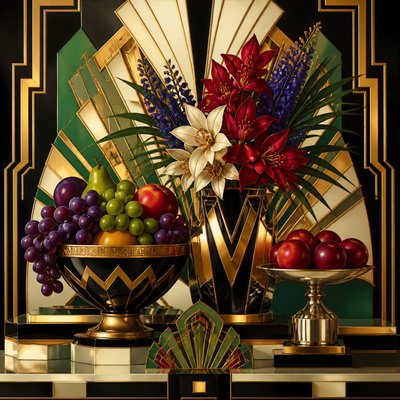
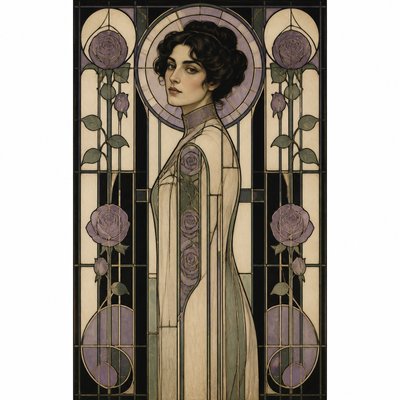
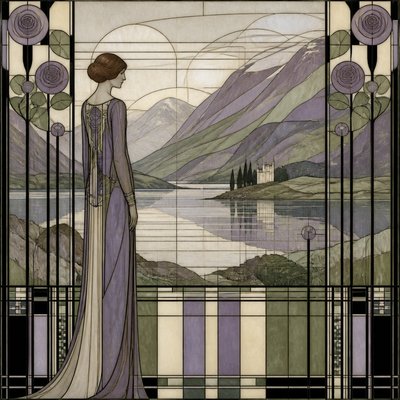
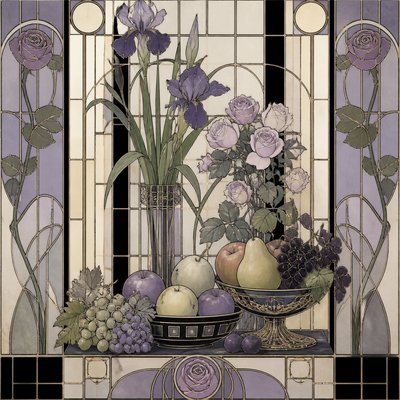
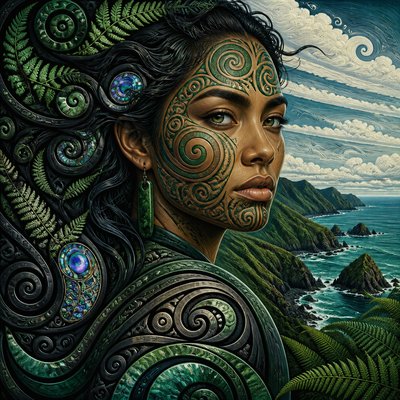
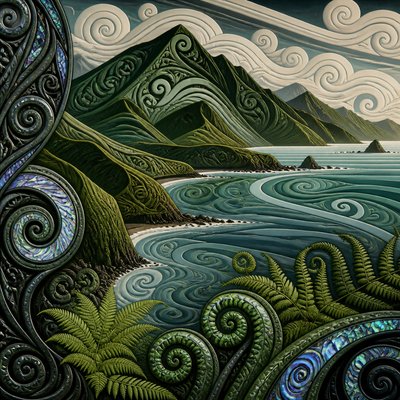
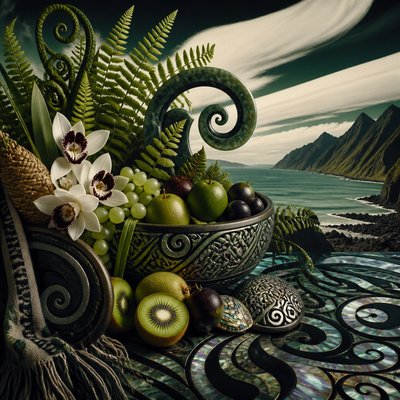
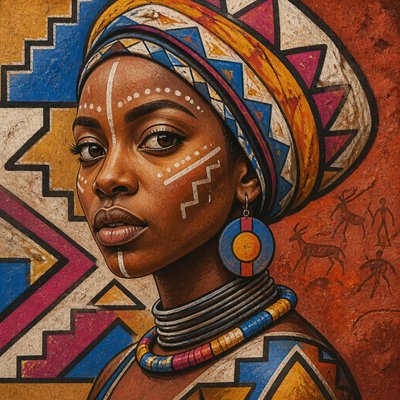
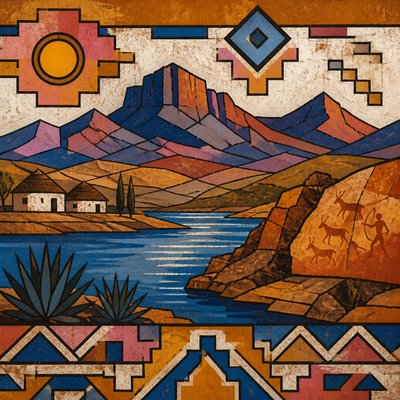
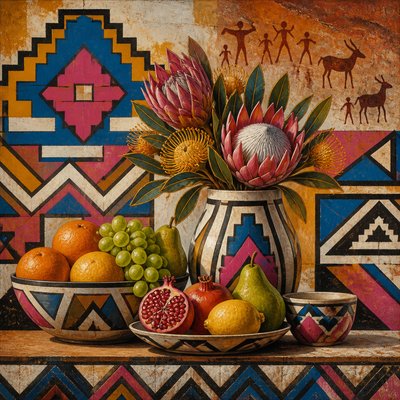
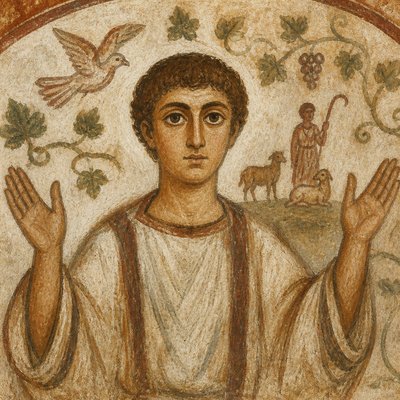
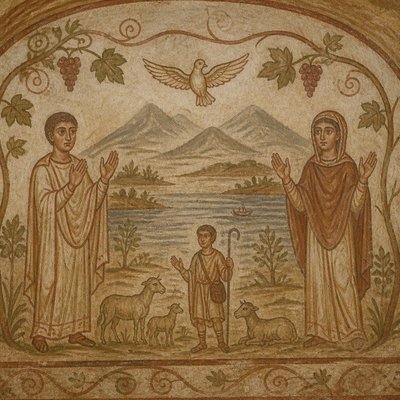
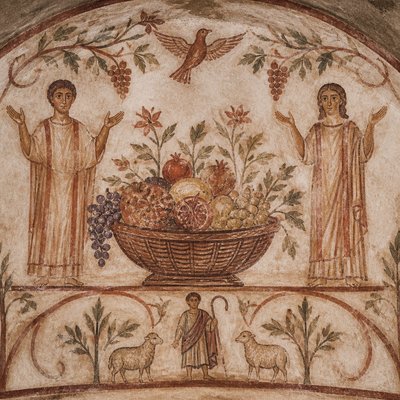
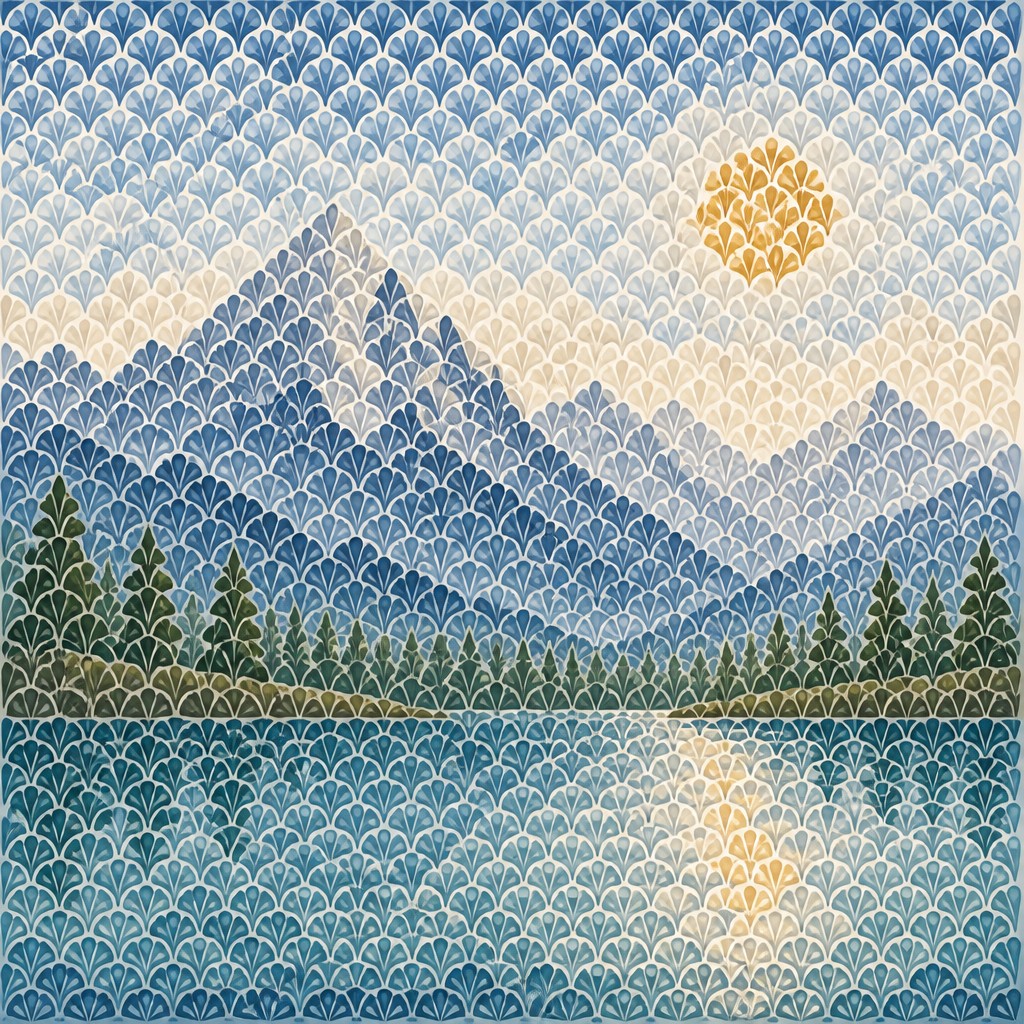
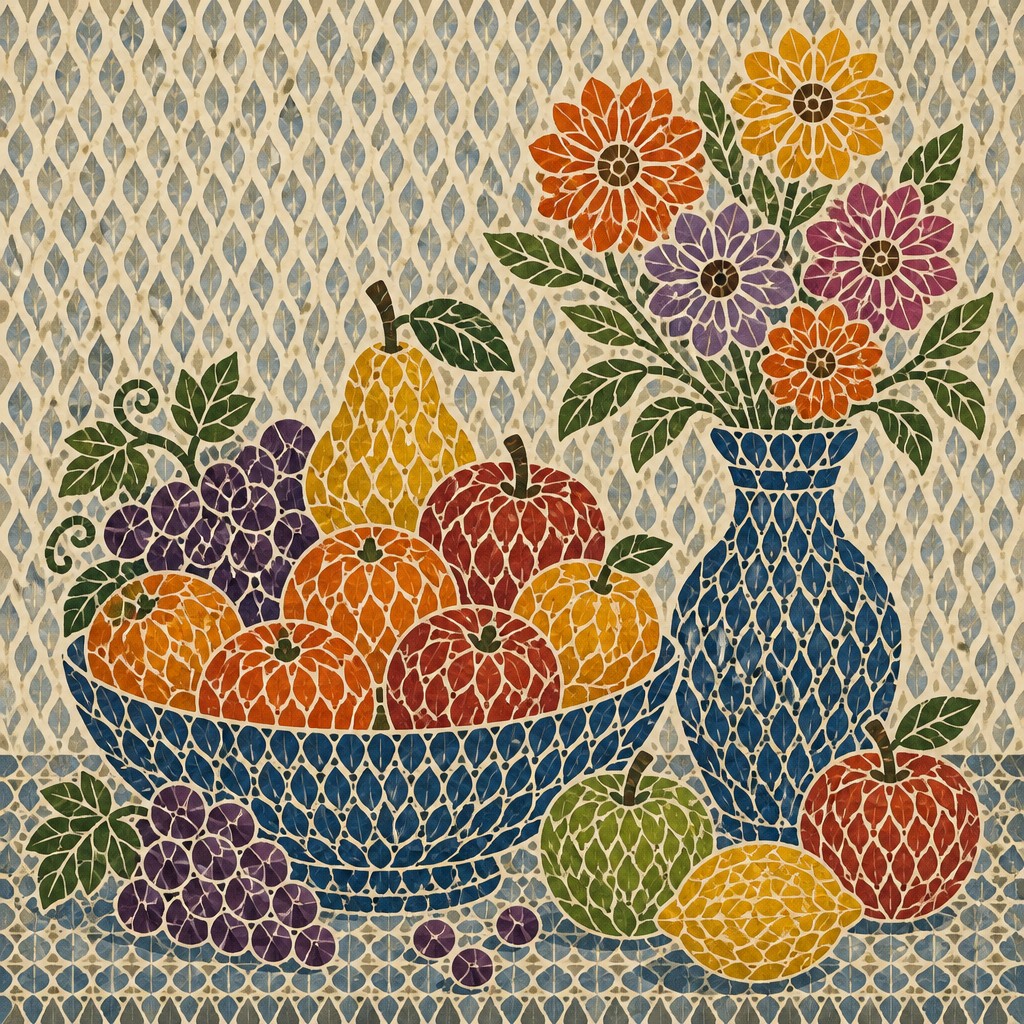
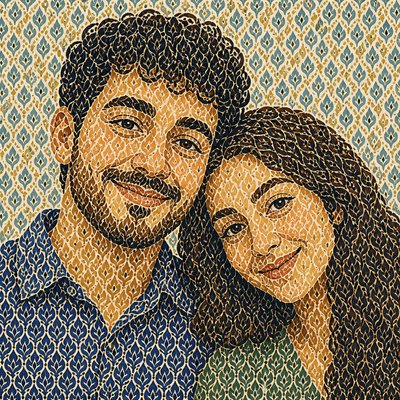
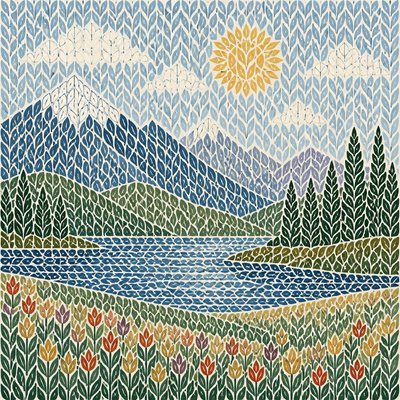
Motif Art Style is an image-making approach organized around the steady recurrence of one recognizable shape, symbol, object, or visual mark. The repeated element may be geometric, botanical, architectural, figurative, or entirely invented; its purpose is to create a visual echo that links foreground, background, and peripheral details into one coherent surface.
Unlike a simple all-over pattern, motif art treats repetition as a compositional and expressive device. Each recurrence can shift slightly in scale, orientation, texture, or context while retaining a consistent color accent or silhouette. The result is rhythmic rather than mechanical: a quiet harmony formed through accumulation, variation, and visual memory.
Try It On Your Photos
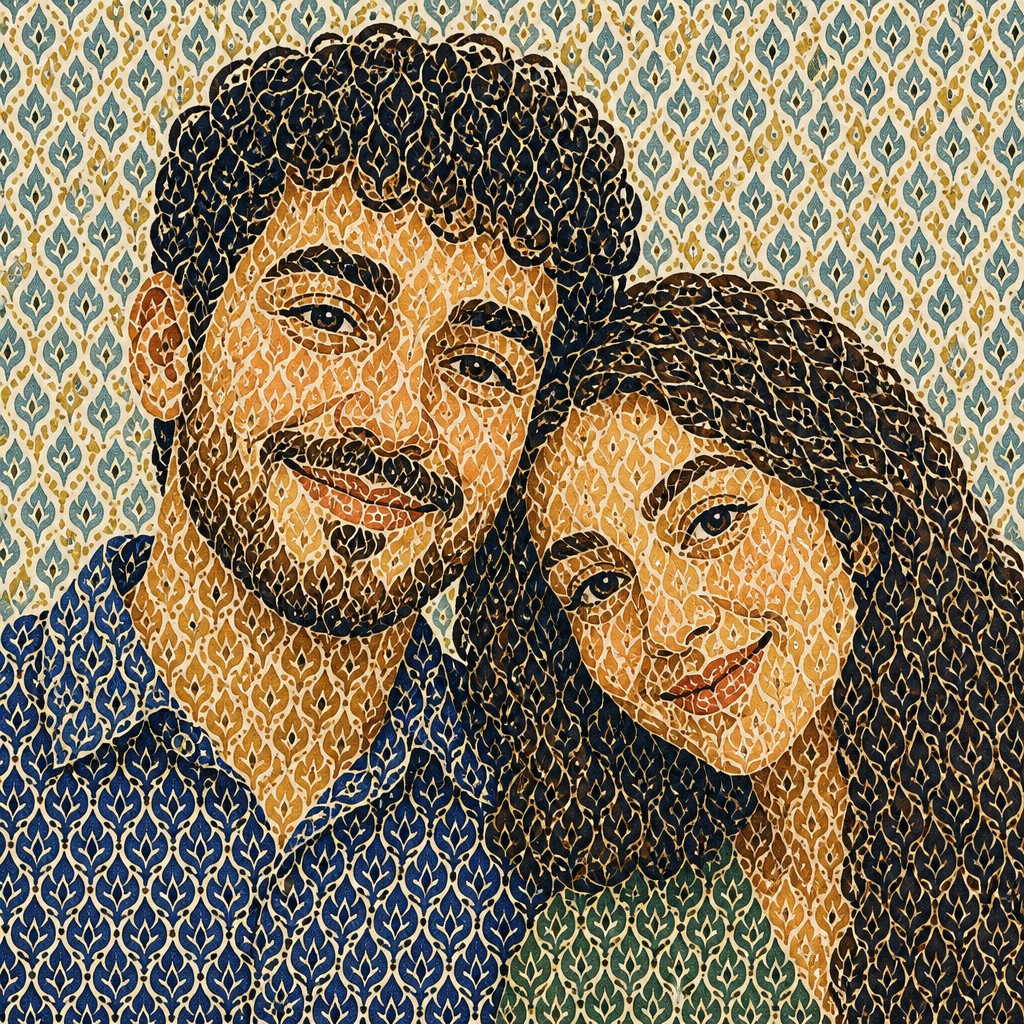
Upload any photo and convert it into Motif Art Style — drag the sliders to compare before and after.

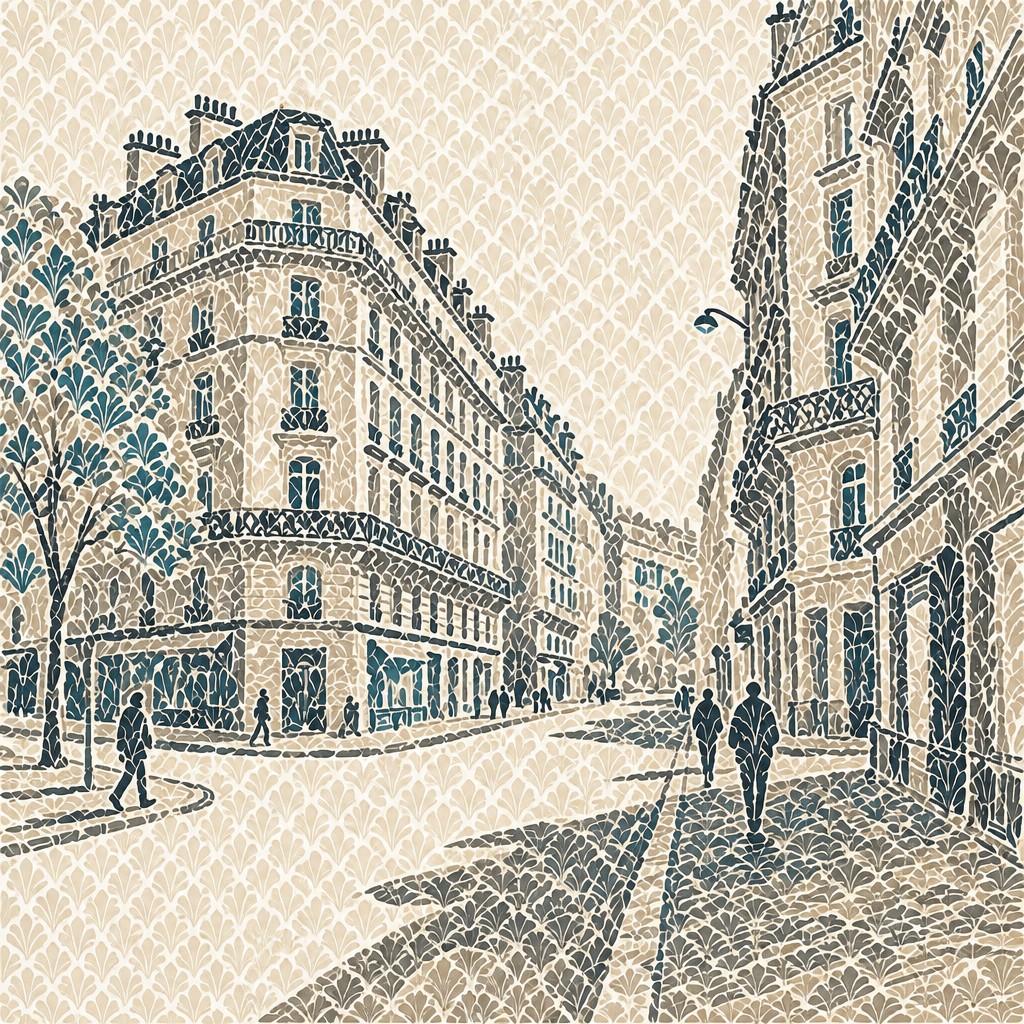

What Defines Motif Art Style
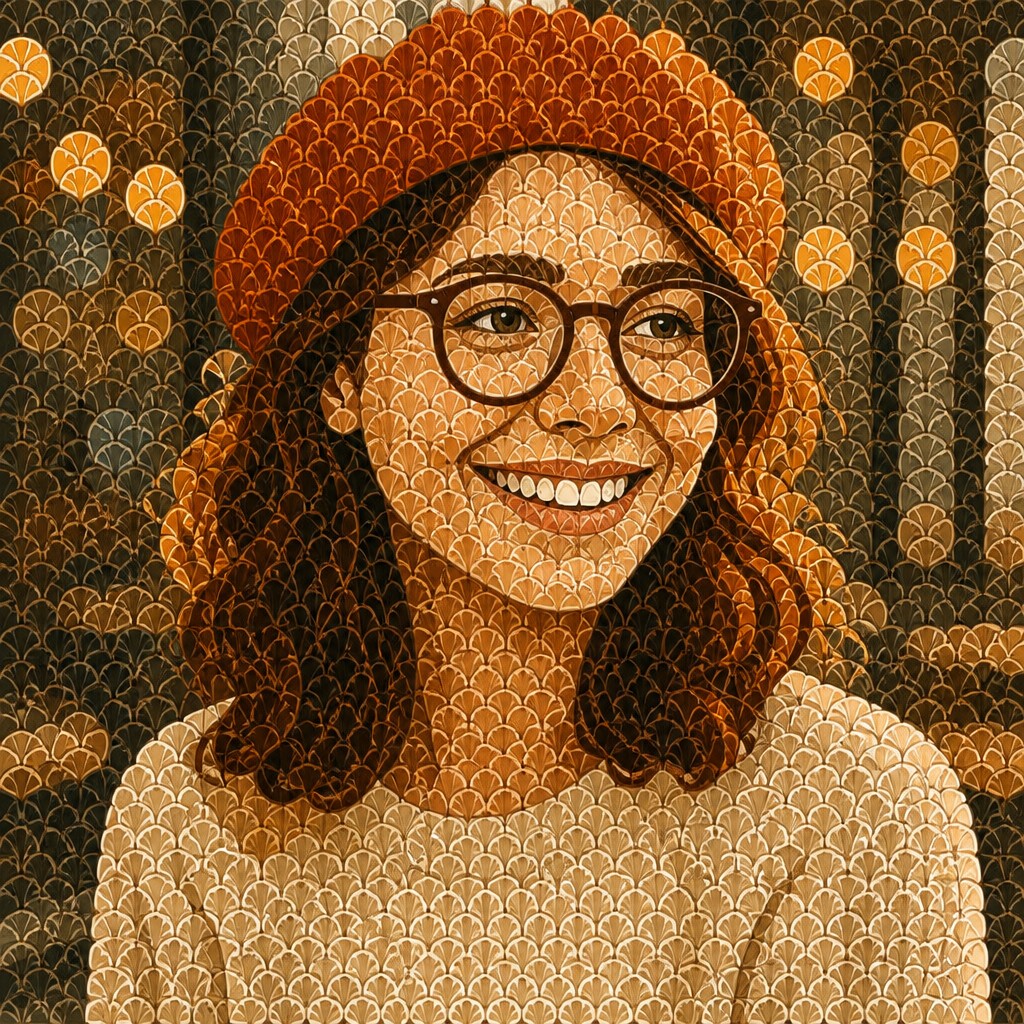
The signature details, up close
Recurring visual anchor
A single shape, emblem, object, or symbol appears repeatedly throughout the composition. Recognition of this anchor gives the image its immediate identity.
Rhythmic repetition
The motif is distributed with a deliberate cadence rather than placed randomly. Spacing, clustering, and directional flow guide the viewer across the surface.
Controlled variation
Repeated forms may change in size, angle, material, lighting, or degree of detail. These differences prevent the image from becoming a rigid or purely mechanical pattern.
Unified color accents
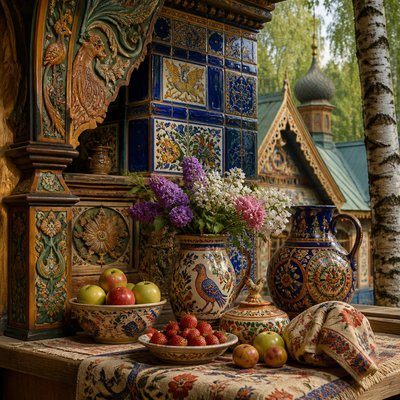
A recurring hue or limited palette often marks each appearance of the motif. Color repetition creates cohesion even when the surrounding scenes or textures differ.
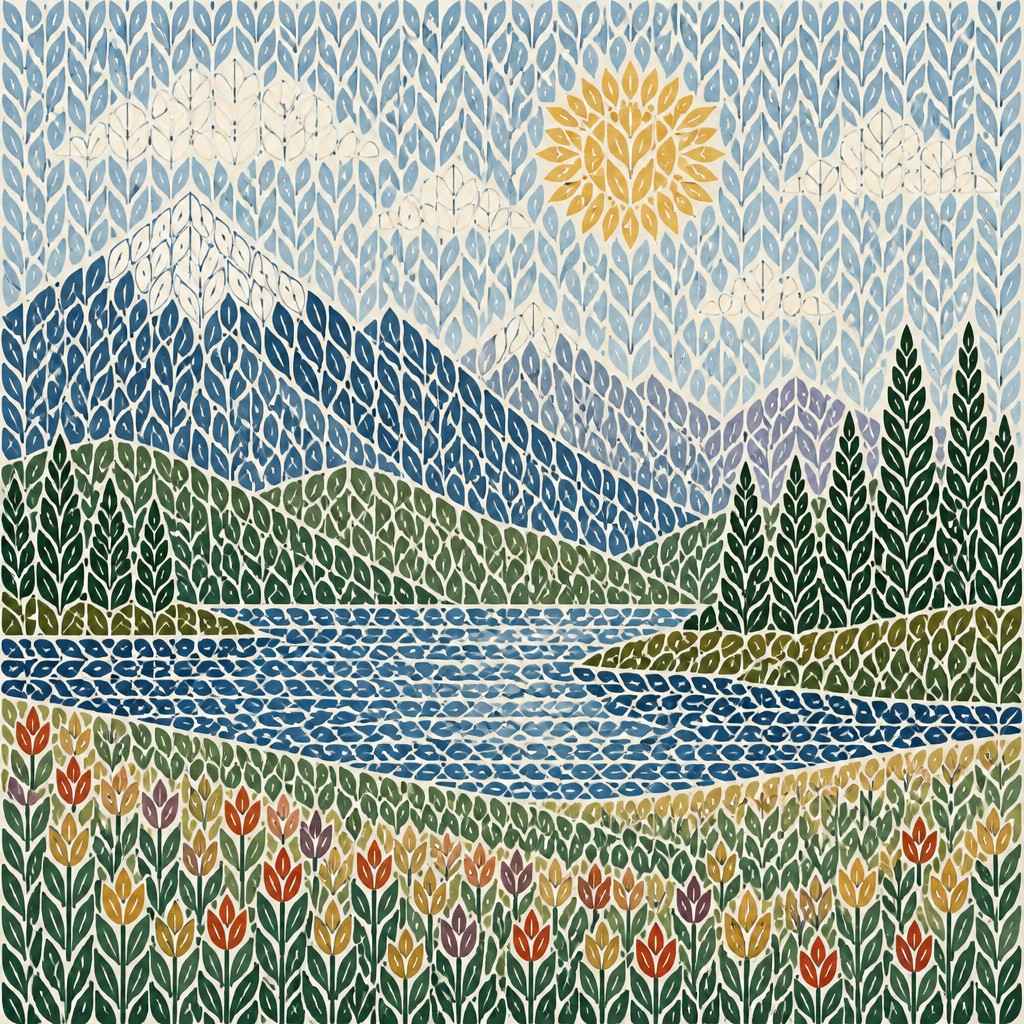
Surface-wide integration
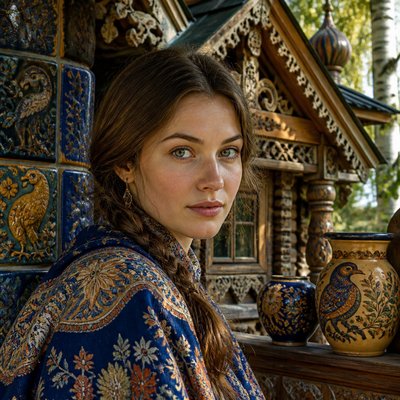
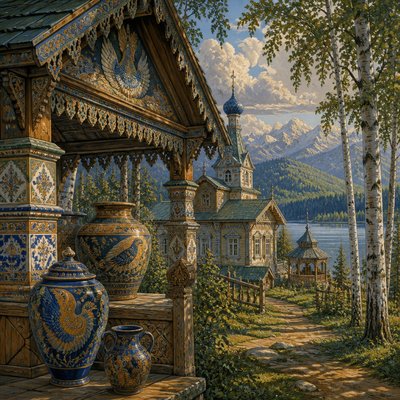
The motif is embedded in multiple visual layers, including architecture, landscape, clothing, shadows, objects, or background texture. It feels structurally connected to the whole image rather than confined to a border.
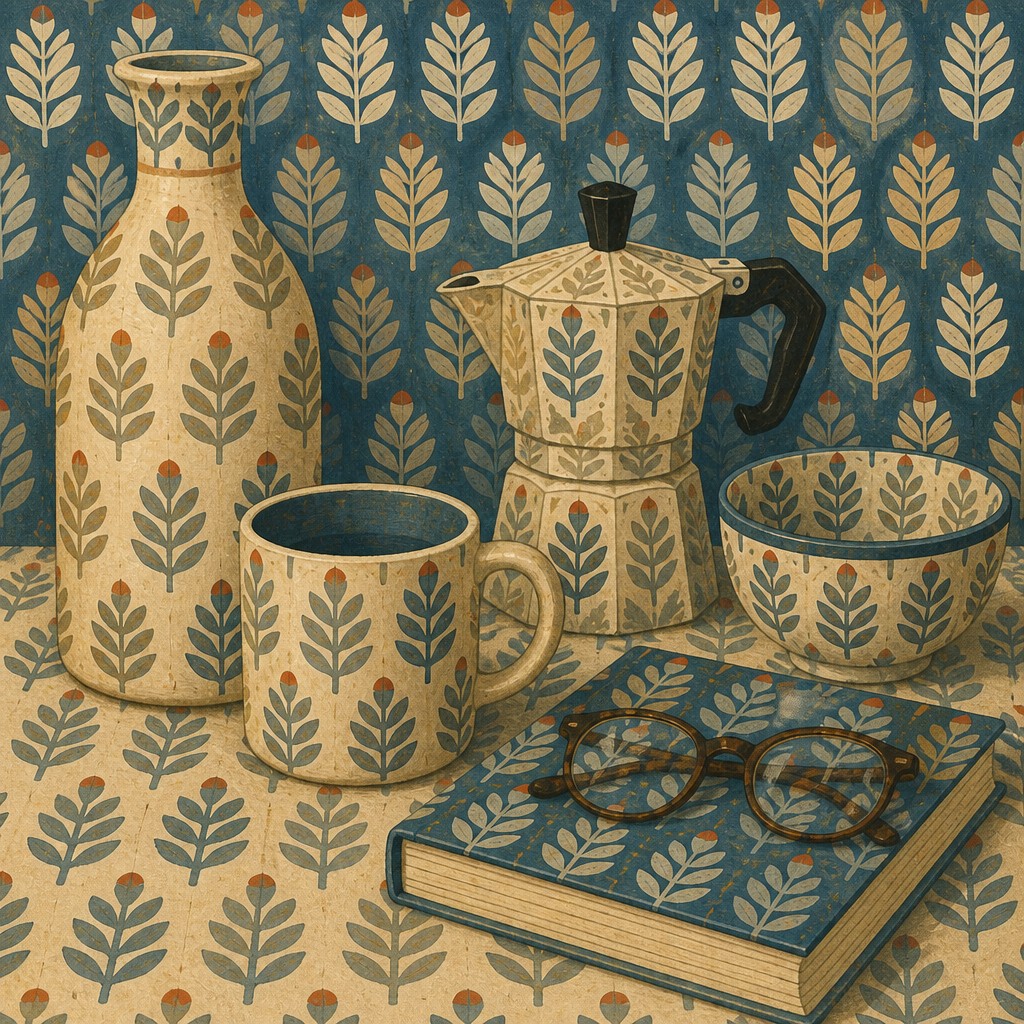
Decorative visual harmony
The style favors balance, continuity, and contemplation over dramatic visual interruption. Repetition can produce meditative calm, symbolic emphasis, or a sense of designed order.
Motif Prompt Ideas
Start from an idea — each one opens the generator with the style ready to go. See all 40 Motif prompts →
How to Create Motif Art
Master the craft step by step — or skip straight to creating. Read the full guide →
- 1
Choose a legible motif
Begin with one form that can be recognized at different scales, such as a leaf, eye, crescent, key, wave, or invented emblem. Simplify its silhouette before multiplying it.
- 2
Plan the distribution
Map the motif across the composition using a loose grid, spiral, diagonal path, or clustered rhythm. Vary spacing enough to create movement while preserving a clear visual relationship.
- 3
Preserve identity through variation
Alter orientation, scale, surface, and context, but keep one or two traits constant, such as the outline or accent color. This creates variation without losing the recurring visual echo.
- 4
Build layers traditionally or digitally
In painting, drawing, collage, or printmaking, repeat the form with stencils, tracing, stamps, or hand-drawn variations. In digital work, use duplicated layers, vector symbols, masks, brushes, and controlled opacity.
- 5
Write a precise generation prompt
Describe the subject first, then specify one recurring symbol, steady repetition across the entire composition, consistent color accents, and subtle differences in each appearance. Request a unified surface rather than an isolated border pattern.
The Story
History & Origins of Motif
Motif Art Style is an invented, cross-disciplinary category rather than a documented historical movement with a single origin. Its aesthetic lineage extends through ornamental traditions, textile patterning, manuscript decoration, mosaic, wallpaper, printmaking, and the repeated marks of folk and ceremonial art. It also draws on modernist pattern design, minimalism, conceptual art, and contemporary digital collage.
In contemporary practice, the motif has become especially adaptable because a recurring element can be copied, transformed, layered, or algorithmically varied across an image. This approach connects hand-built decorative composition with modular graphic design, generative image-making, and visual systems used in illustration, branding, interiors, and editorial art.
Influences: The style relates to ornamental art, textile and wallpaper design, mosaic, tilework, illuminated manuscripts, folk pattern traditions, and decorative printmaking. Its structural logic also intersects with Art Nouveau patterning, modernist modular design, minimalism, Op Art repetition, conceptual seriality, collage, and contemporary generative graphics. It can borrow the restraint of geometric abstraction or the symbolism of ceremonial and narrative art without belonging exclusively to either.
Frequently Asked Questions
What defines Motif Art Style?
Its defining feature is the deliberate recurrence of one recognizable visual element throughout an entire composition. The motif is usually repeated with controlled changes in scale, orientation, texture, or setting, while color or shape keeps the repetitions connected.
Is Motif Art Style a historical art movement?
No. It is best understood as a contemporary descriptive style or compositional method, not a movement with a fixed period, manifesto, or founding school. It draws from many established traditions of ornament, pattern, serial imagery, and symbolic repetition.
How is it different from ordinary pattern design?
Pattern design often creates a regular, self-contained surface intended for fabric, paper, or tile. Motif art can use irregular spacing and place the repeated element inside narrative scenes, objects, architecture, and atmospheric details, making repetition part of the image's meaning.
Can the repeated motif be realistic rather than geometric?
Yes. A motif may be a flower, animal, person, tool, building, or natural object as well as an abstract shape. What matters is its recurring role and recognizable continuity, not its level of realism.
How can I prevent the result from looking like wallpaper?
Avoid perfectly uniform spacing and identical copies. Introduce hierarchy by changing scale, partially obscuring some motifs, placing others in meaningful locations, and allowing the motif to interact with lighting, perspective, and the subject.
Where is this style commonly used?
It is suitable for illustration, editorial art, posters, album covers, packaging, textile concepts, interiors, murals, visual identities, and symbolic portraiture. It also works well for digital compositions in which a repeated form can connect otherwise unrelated scenes or layers.
Create your first Motif artwork
Describe anything — or upload a photo — and see it in Motif Art Style in seconds.
Related Styles
Discover similar art styles