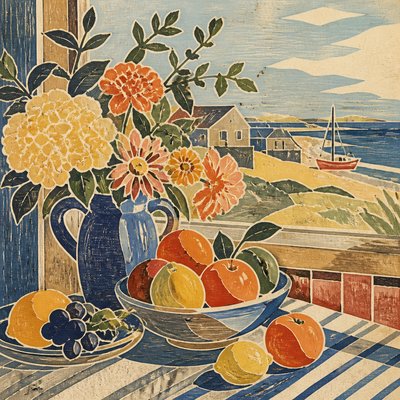
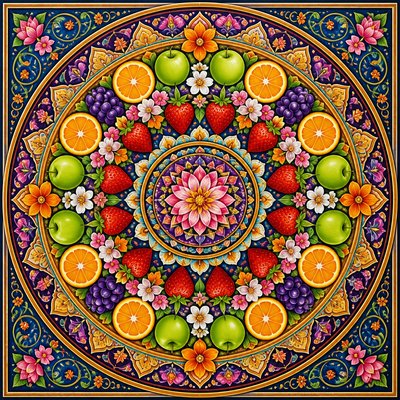
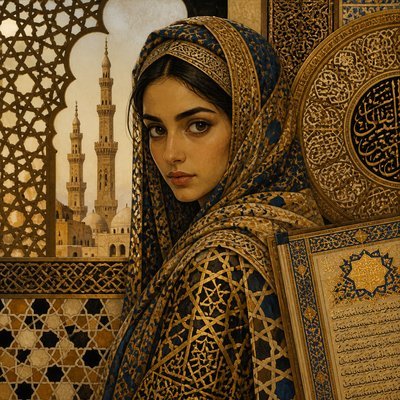
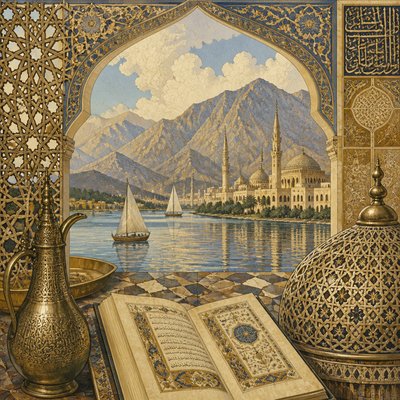
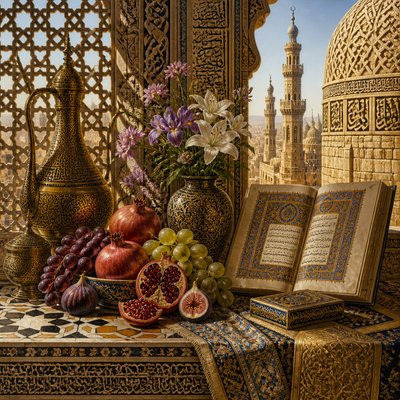
Samoan Art Style
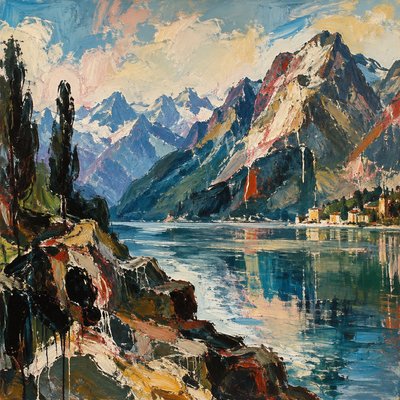
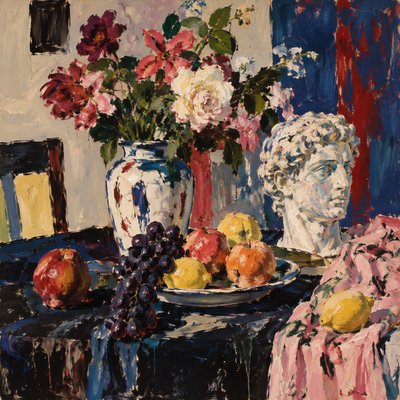
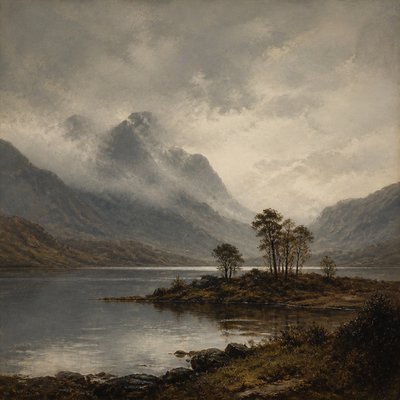
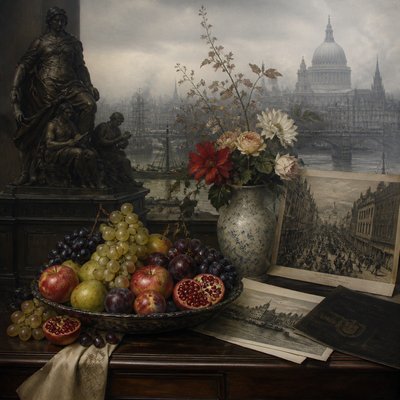
Explore Samoan art style: painted siapo motifs, tatau-inspired linework, woven 'ie tōga mats, and warm tropical pattern.
Instantly rendered in Samoan — or transform a photo
Samoan Gallery
Tap any artwork to explore it
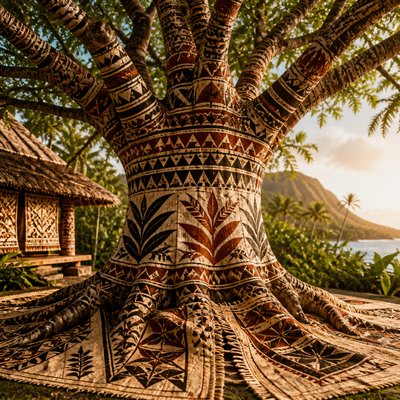
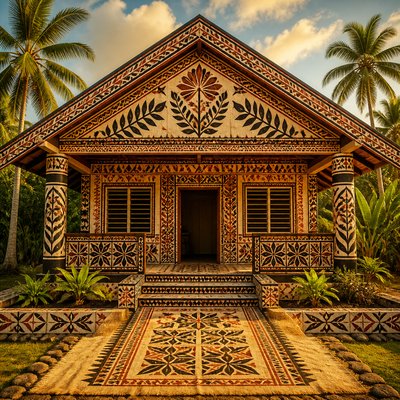
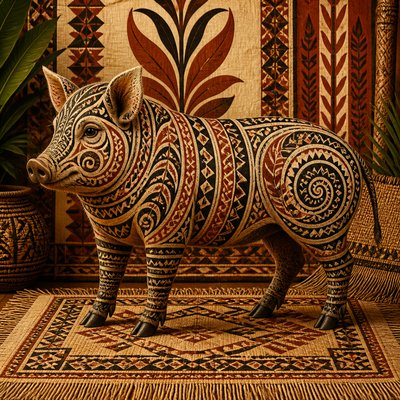
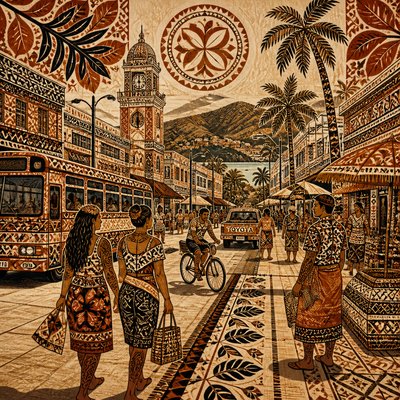
What is Samoan Art Style?
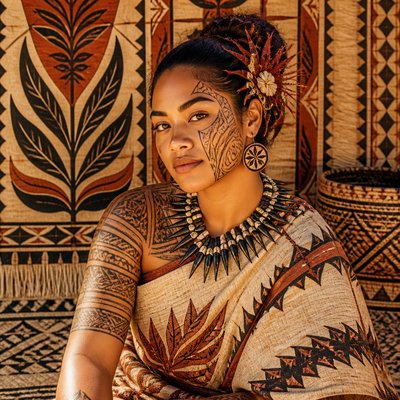
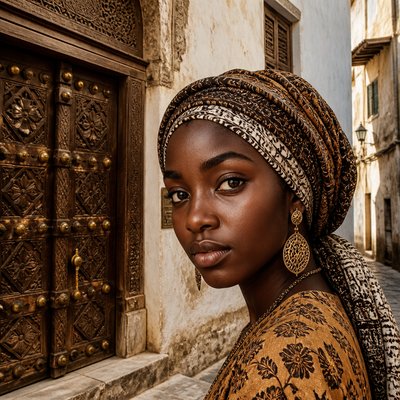
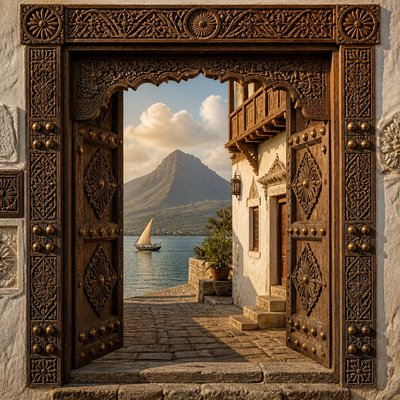
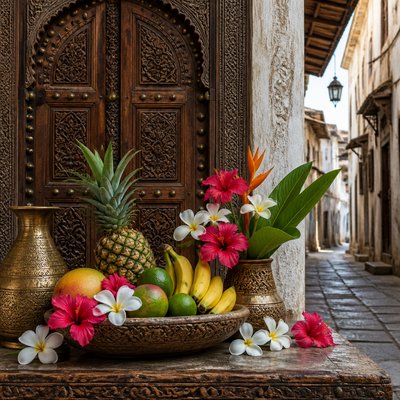
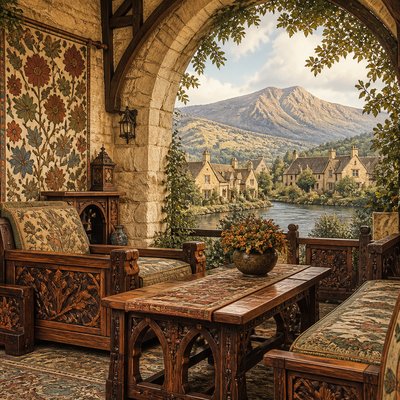
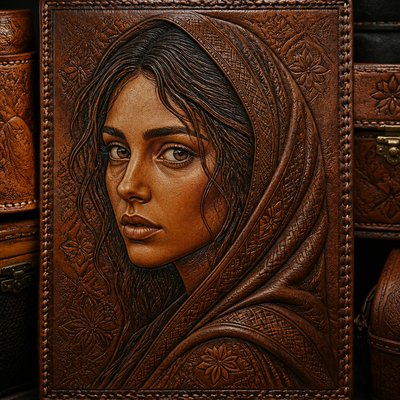
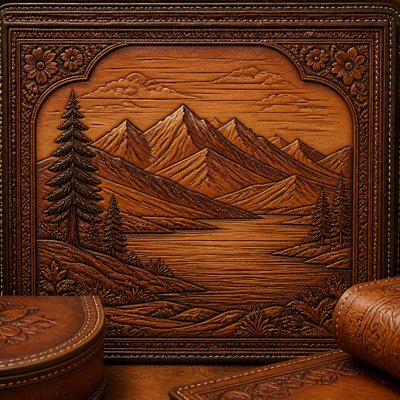
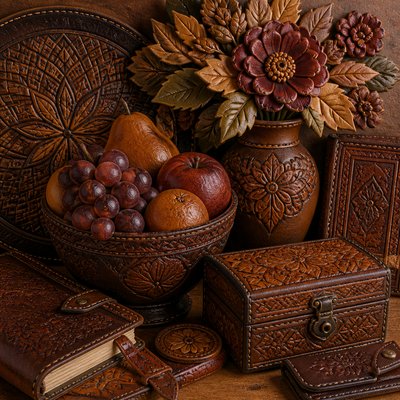
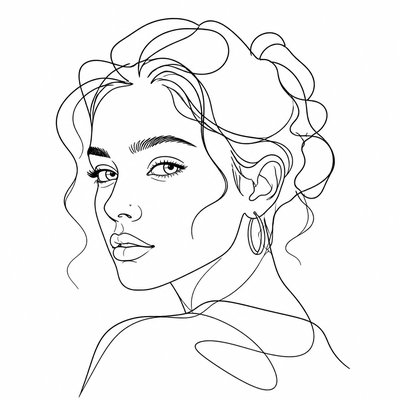
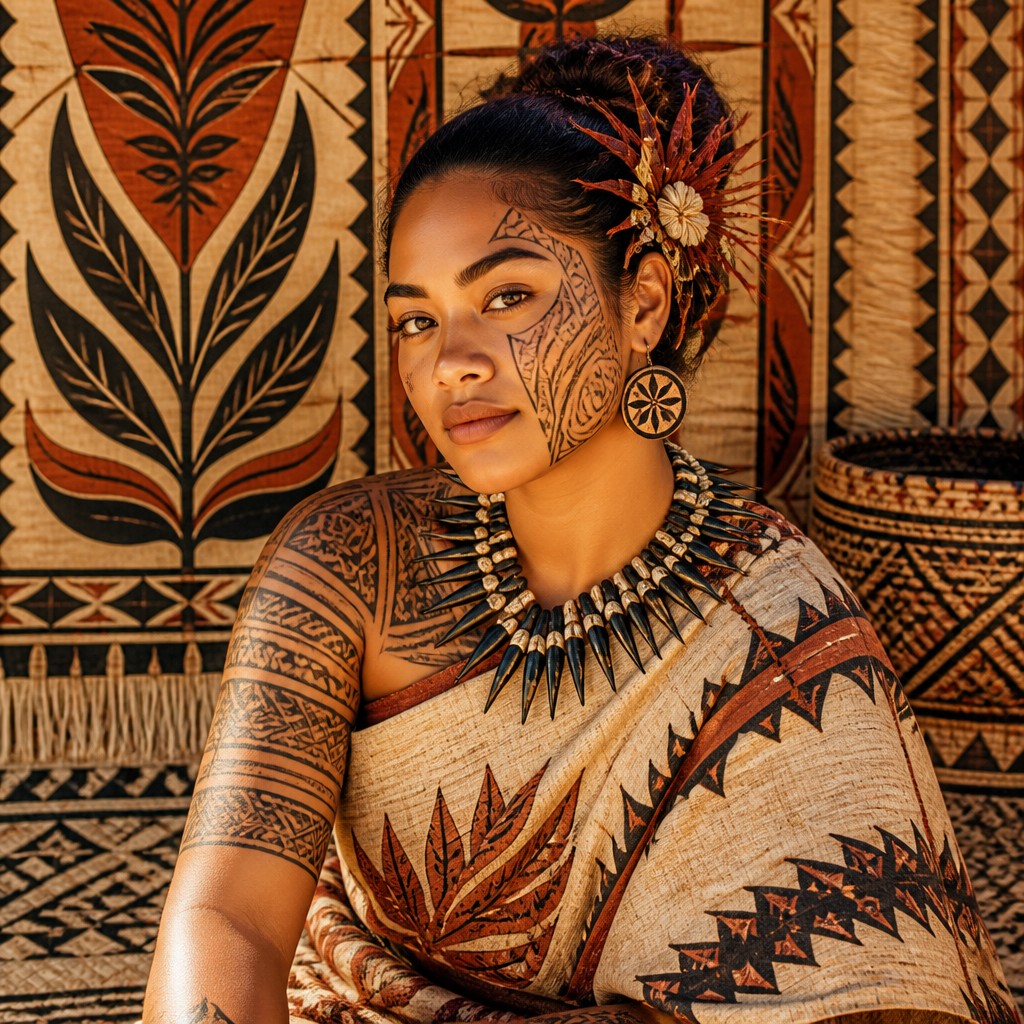
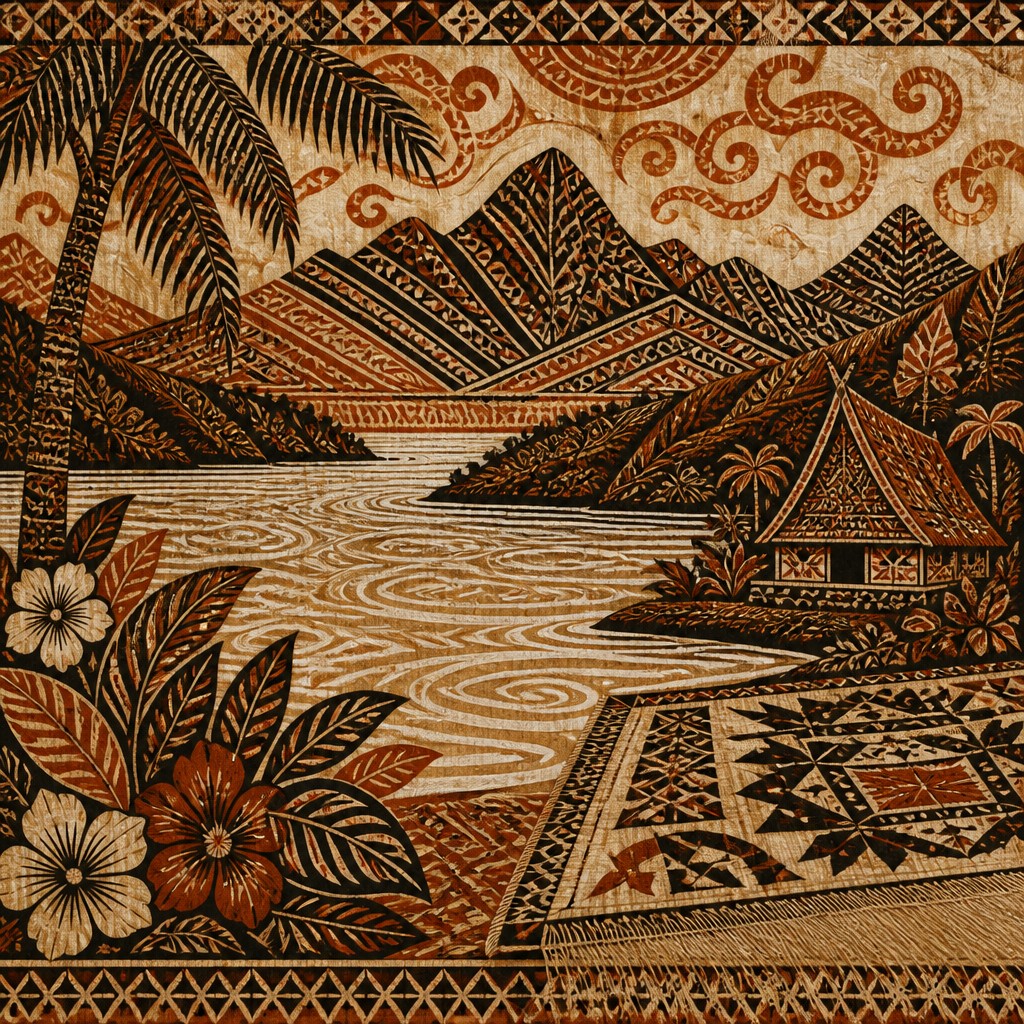
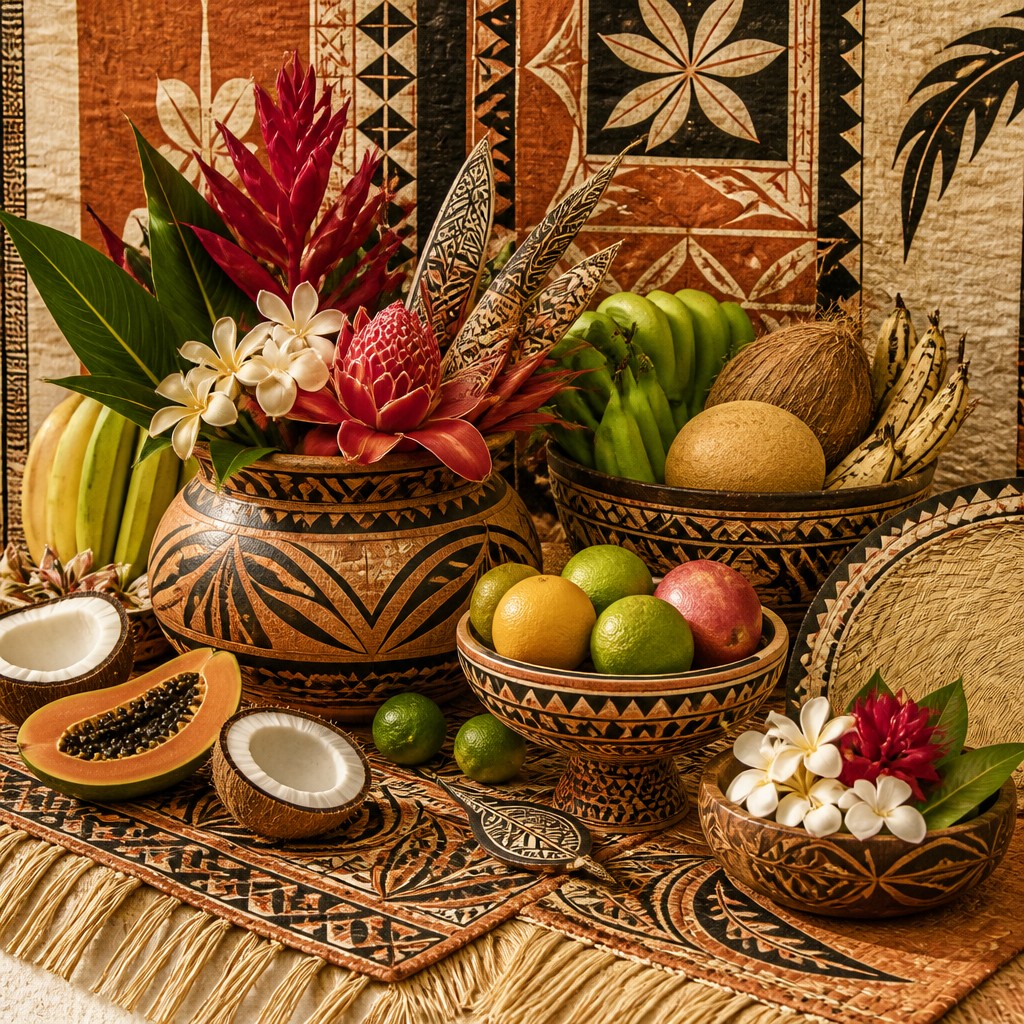
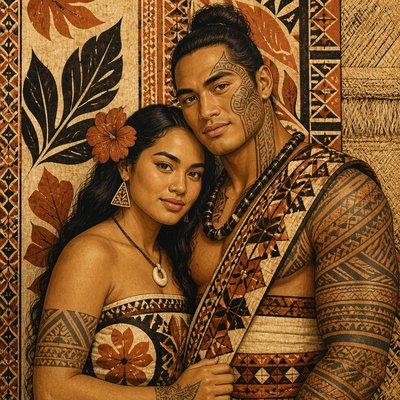
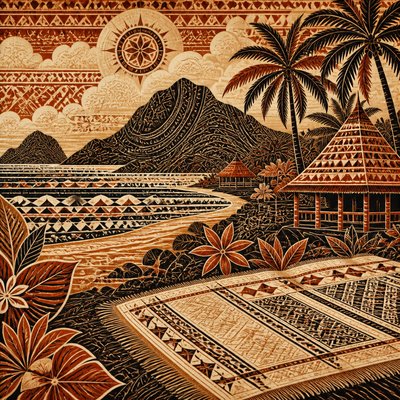
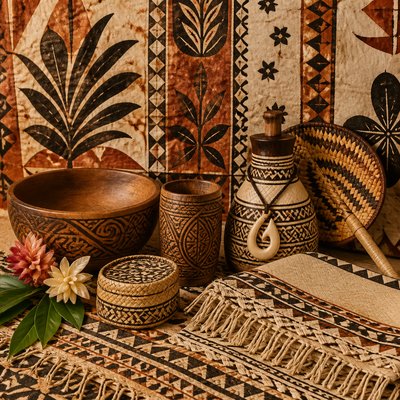
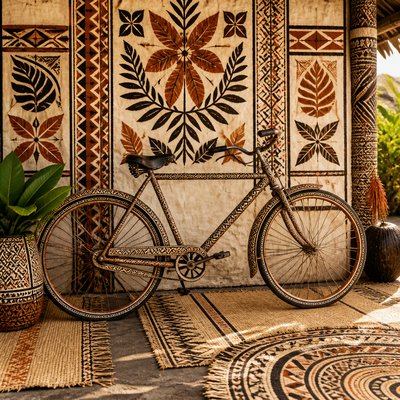
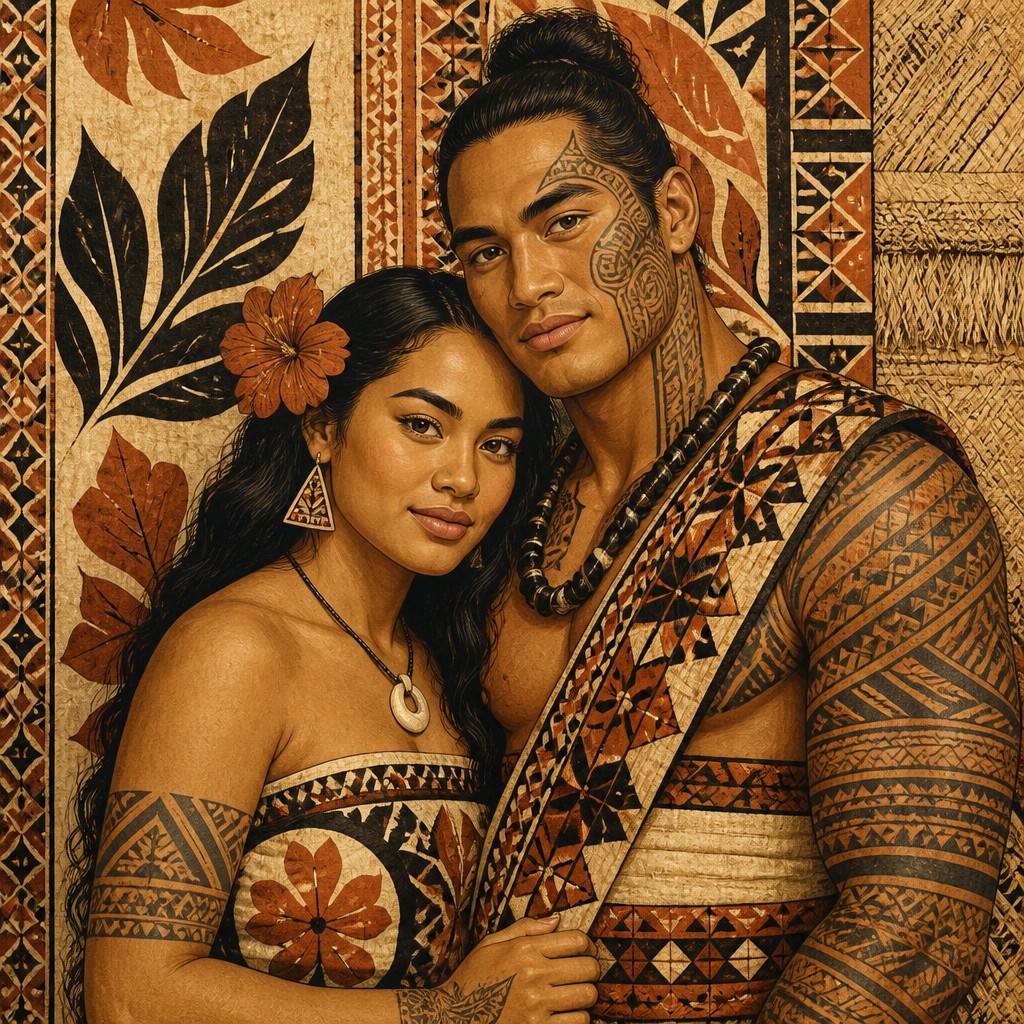
Samoan art style is a contemporary descriptive label for imagery inspired by Samoa’s material and visual traditions. Its characteristic vocabulary combines the earthy surfaces of siapo barkcloth, the structured geometry of tatau, and the fine horizontal rhythm of woven 'ie tōga ceremonial mats. Rust red, charcoal black, cream, sand, and muted brown create a warm, tactile palette associated with natural dyes, bark fibers, earth, and tropical light.
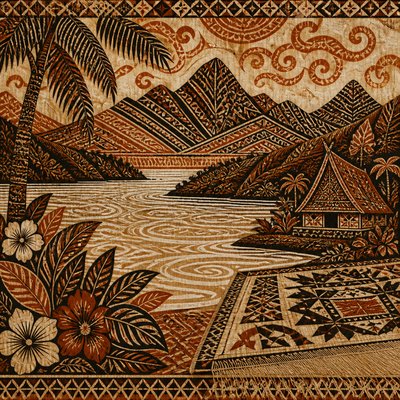
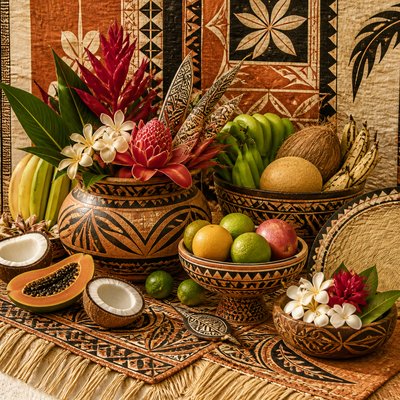
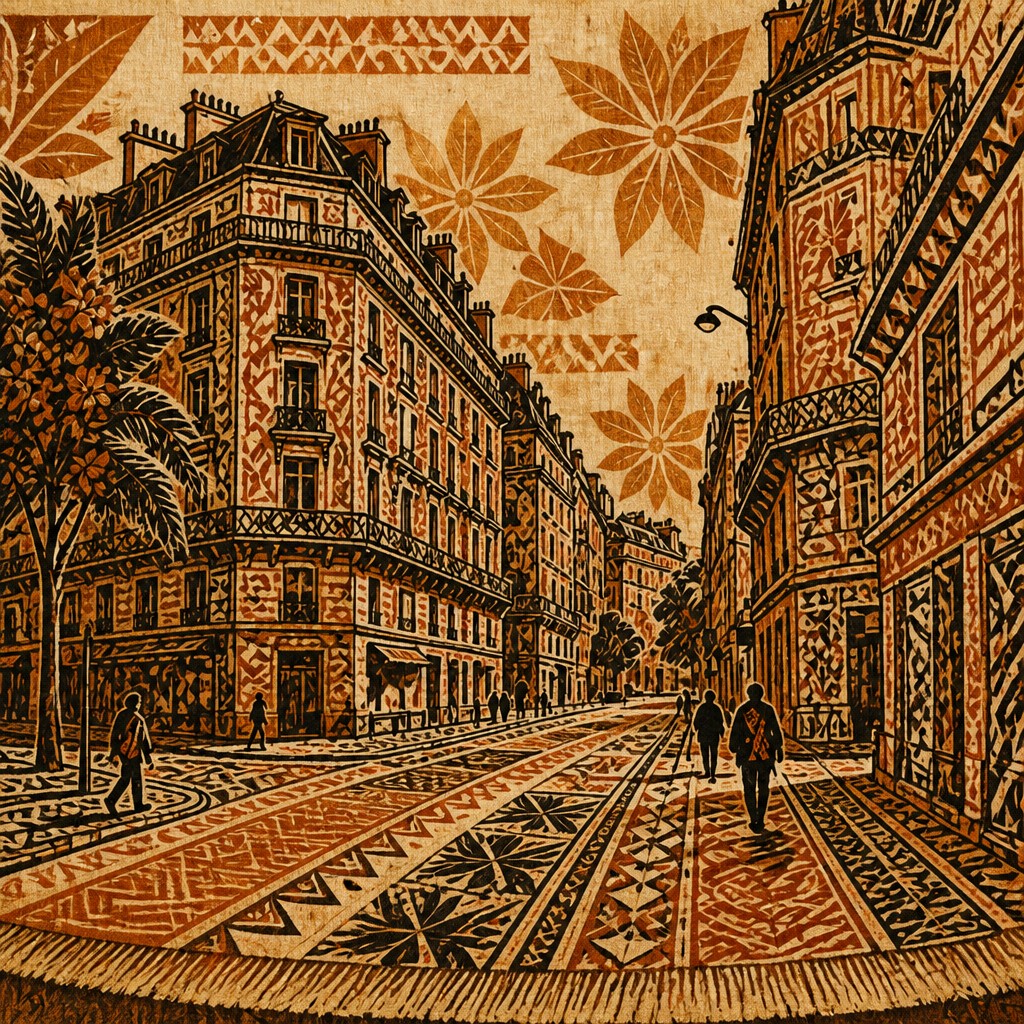
The style is defined less by a single historical school than by the relationship between pattern, material, and cultural function. Bold plant forms, repeated bands, stepped geometry, borders, and finely spaced linework are arranged with a strong sense of rhythm and balance. In contemporary illustration and digital art, these elements may cover clothing, architecture, landscapes, or symbolic objects, producing a graphic surface that feels handmade while remaining highly organized.
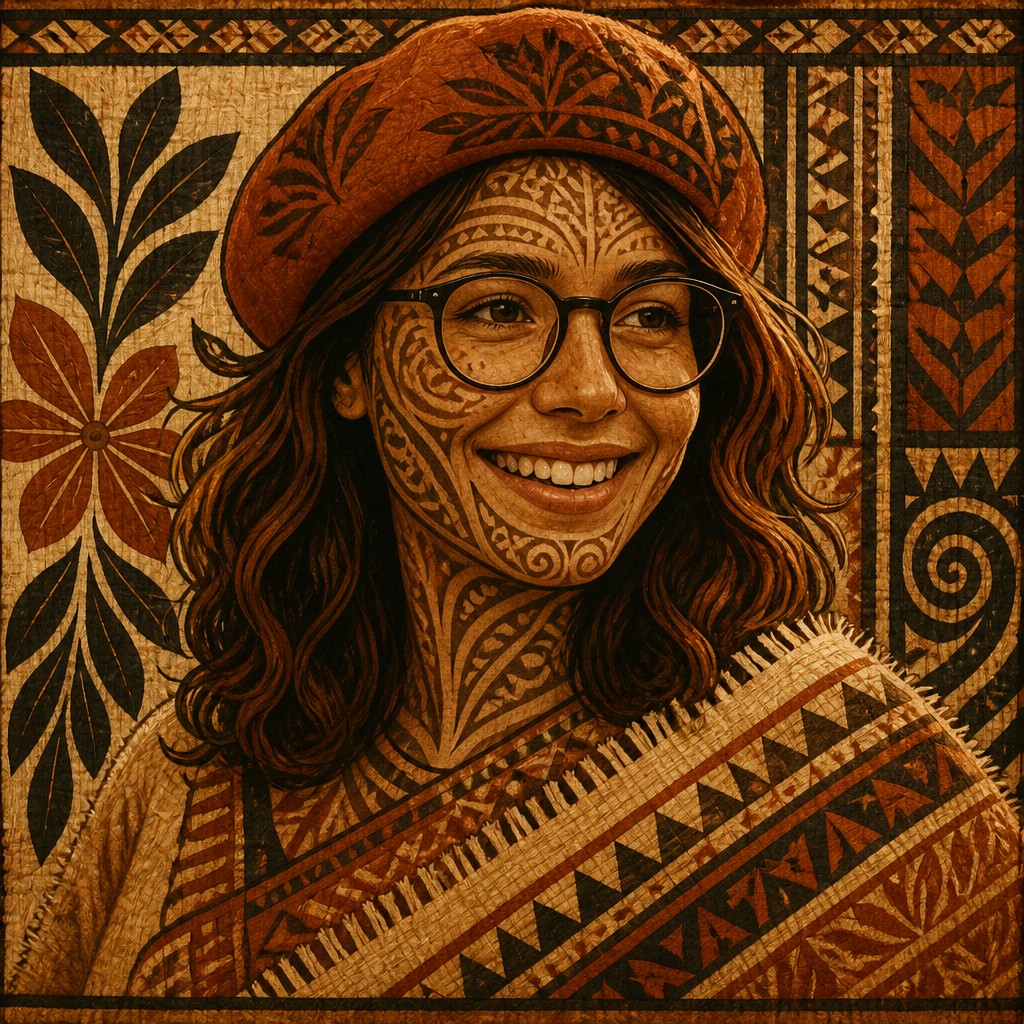
Try It On Your Photos
Upload any photo and convert it into Samoan Art Style — drag the sliders to compare before and after.


What Defines Samoan Art Style
The signature details, up close
Siapo-inspired barkcloth surfaces
Images often suggest fibrous barkcloth through matte texture, softened edges, visible grain, and irregular natural pigment. Rust, umber, black, and cream recall the restrained palette of traditional plant- and earth-based colorants.
Tatau-derived geometric linework
Parallel bands, stepped forms, chevrons, triangles, and interlocking units create a disciplined linear structure. The effect is graphic and rhythmic rather than painterly or illusionistic.
Botanical and organic motifs
Leaves, vines, flowers, seed forms, and simplified natural shapes are reduced into repeatable silhouettes. Plant imagery is commonly integrated with borders and geometric fields instead of treated as isolated realistic subjects.
Woven ceremonial-mat pattern
Fine horizontal striping, crosshatching, braided edges, and fringed borders evoke the construction of 'ie tōga. These details add a tactile counterpoint to the flatter painted motifs.
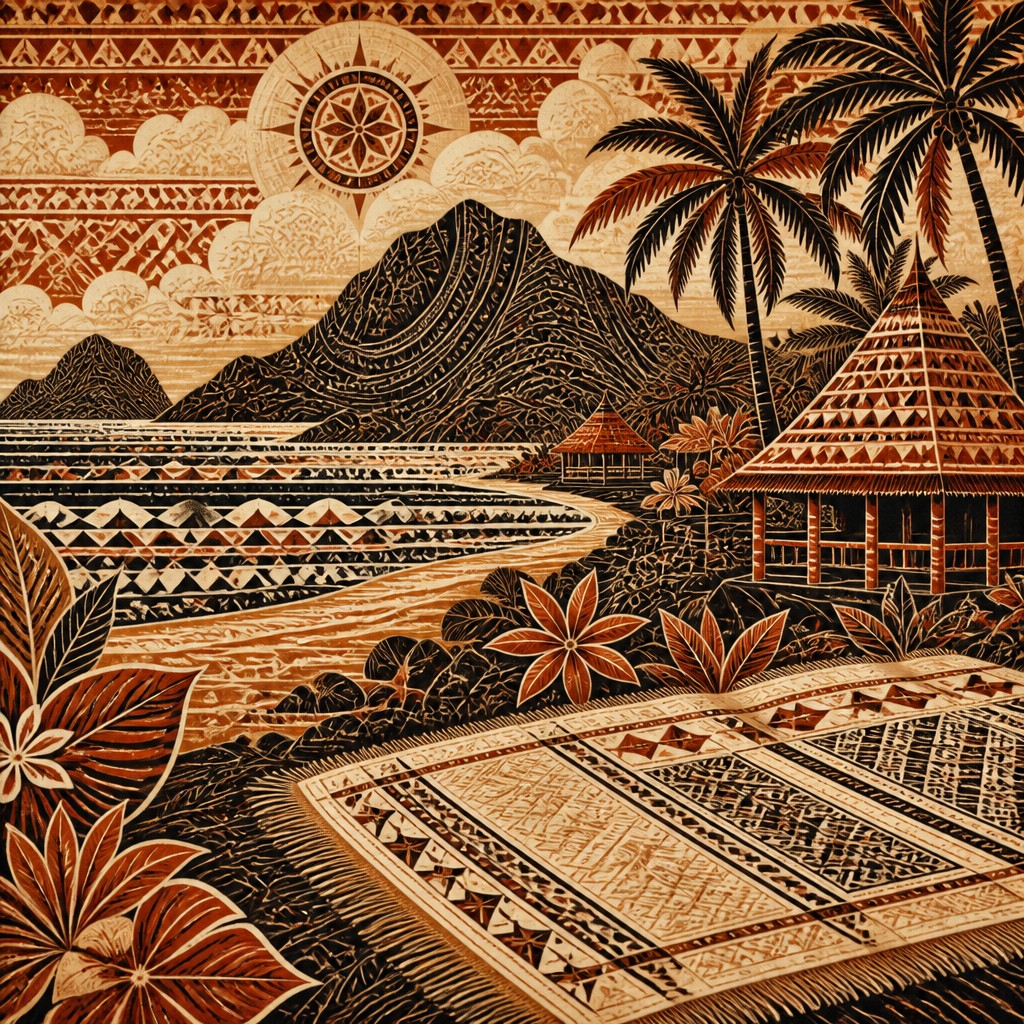
Warm tropical illumination
Soft sunlight, humid atmospheric haze, and amber highlights give surfaces a sun-warmed appearance. Shadows are generally gentle, allowing the pattern to remain legible across the composition.
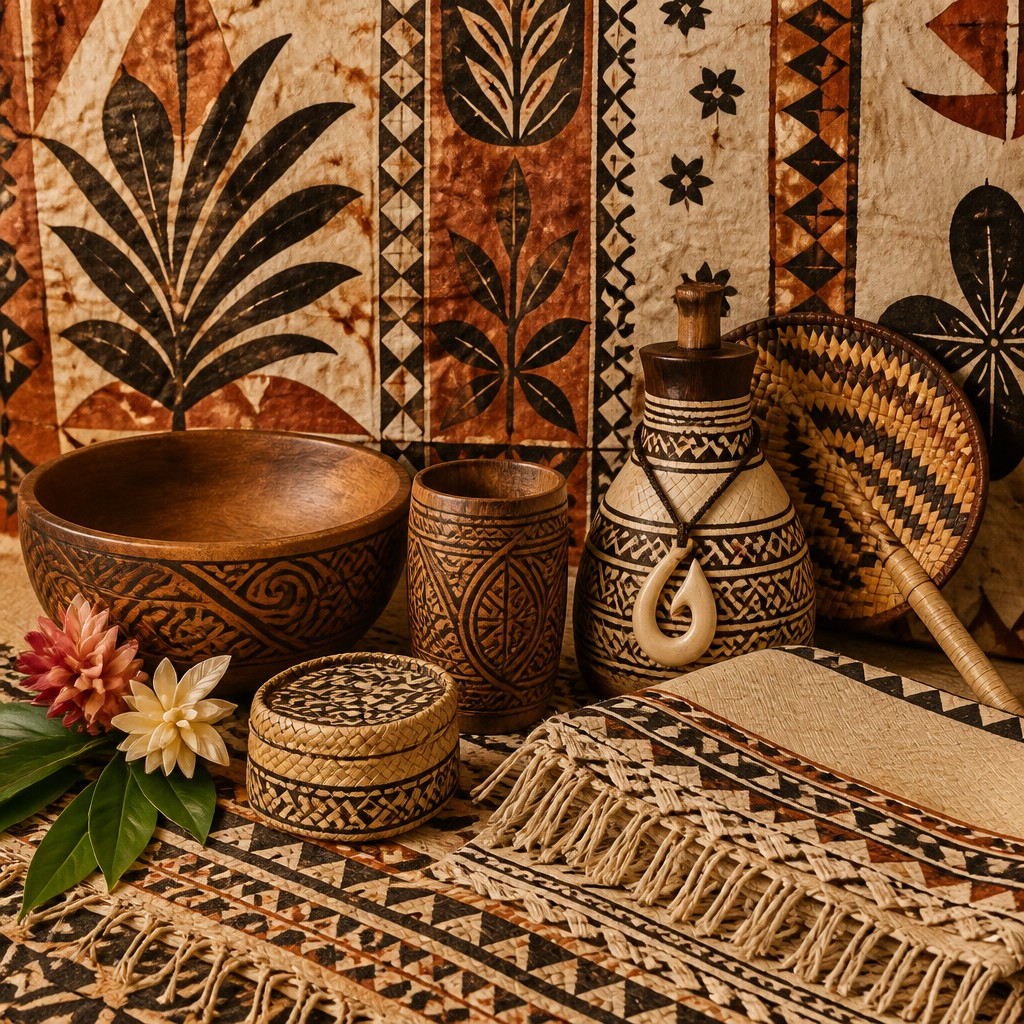
Repetition and visual balance
Motifs are organized in bands, panels, borders, and mirrored or rhythmically repeated arrangements. Symmetry may be present, but small variations preserve the impression of hand-making.
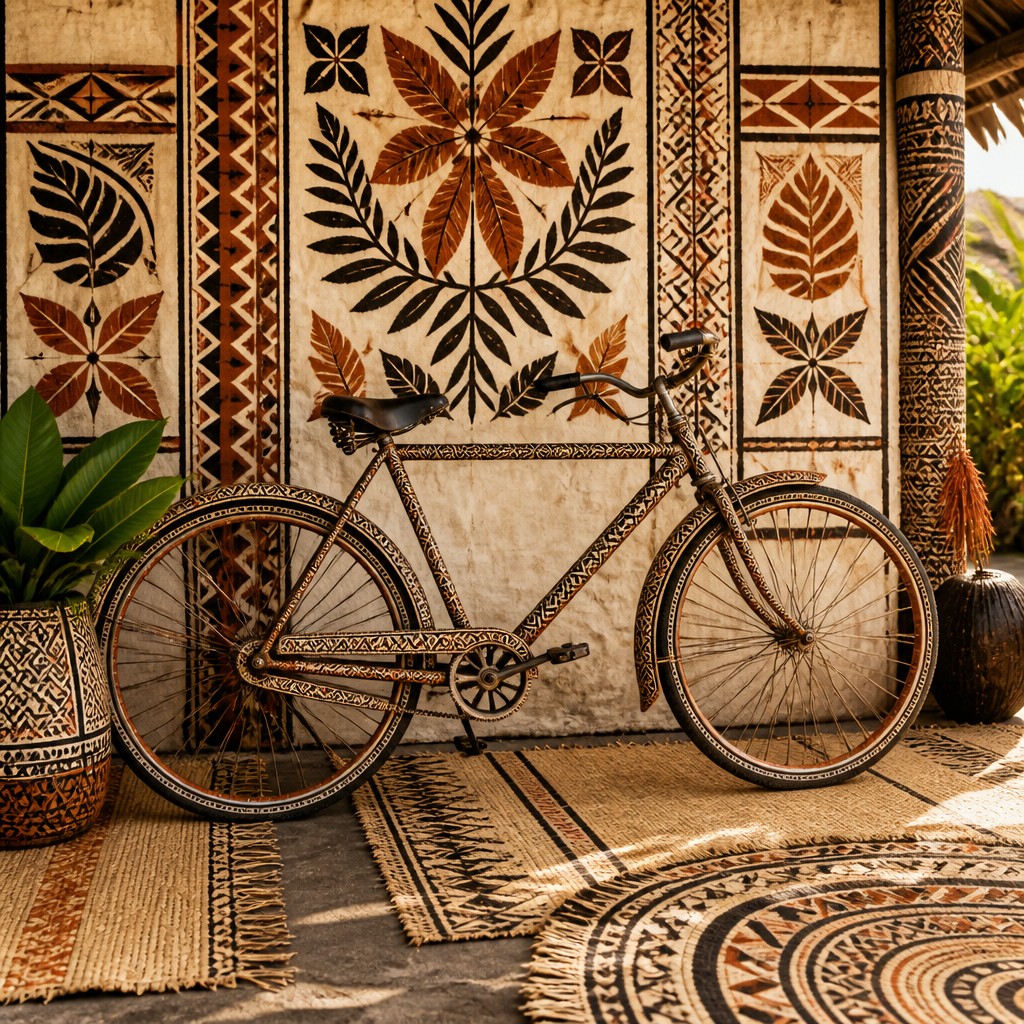
Material honesty
The style favors visible fibers, pigment pooling, woven irregularity, and slightly imperfect registration over polished synthetic surfaces. Texture should support the design rather than obscure its structure.
Samoan Prompt Ideas
Start from an idea — each one opens the generator with the style ready to go. See all 40 Samoan prompts →
How to Create Samoan Art
Master the craft step by step — or skip straight to creating. Read the full guide →
- 1
Build a limited natural palette
Begin with cream, bark brown, rust, deep charcoal, and one restrained accent color. Vary opacity and saturation slightly so the result resembles plant pigment on fiber rather than flat digital color.
- 2
Design the pattern in bands
Sketch a border system first, then place geometric units and botanical forms inside horizontal or vertical bands. Maintain consistent spacing while allowing minor hand-drawn variation.
- 3
Simulate barkcloth and weaving
For traditional work, use absorbent paper, cloth, or bark-like grounds and apply repeated marks with brushes, stamps, or carved tools. Digitally, layer subtle fiber grain, pigment bleed, woven striping, and fringed edges beneath the main motifs.
- 4
Use controlled line hierarchy
Reserve the heaviest lines for outer borders and major bands, medium lines for geometric divisions, and fine lines for interior texture. Avoid excessive shading that would compete with the pattern.
- 5
Compose around the subject
Place a portrait, vessel, house, canoe, or landscape within a clear patterned frame, or let the motifs wrap across its surfaces. Keep the subject readable by separating focal forms from the densest decorative fields.
- 6
Write precise generation prompts
Specify the subject, siapo-like barkcloth texture, rust-black-cream palette, tatau-inspired geometric banding, woven pandanus detail, and warm tropical light. Ask for respectful pattern placement and handcrafted irregularity rather than generic tribal decoration.
The Story
History & Origins of Samoan
The visual lineage comes from long-standing Samoan practices including the production of siapo from the inner bark of the paper mulberry tree, the weaving of pandanus mats, and the ceremonial practice of tatau. Siapo patterns have been produced through combinations of impressed or rubbed designs, freehand painting, and natural pigments, with motifs and techniques varying across makers and communities. 'Ie tōga are finely woven prestige textiles associated with important exchanges, ceremonies, and social relationships rather than ordinary decoration.
Tatau also contributes a distinctive system of repeated geometric bands and carefully controlled negative space. These traditions continue in Samoa and in Samoan communities abroad, while contemporary artists and designers reinterpret their visual principles in painting, textiles, illustration, fashion, and digital media. The label should therefore be understood as an aesthetic lineage, not as a claim that all Samoan art belongs to one uniform style.
Influences: This aesthetic draws from Samoan siapo production, tatau geometry, pandanus weaving, and ceremonial textile traditions, while also relating to broader Polynesian pattern systems and Oceanic material culture. Its flat organization and repeated borders can connect with textile design, folk painting, printmaking, and contemporary pattern illustration, but it should not be collapsed into a generic category of Pacific or tribal art. The strongest results preserve the distinction between these related traditions and acknowledge the ceremonial or social significance of the source materials.
Frequently Asked Questions
What defines the Samoan art style?
It is defined by the combination of siapo-inspired barkcloth texture, tatau-related geometric linework, woven 'ie tōga references, botanical motifs, and a warm earth-based palette. Repetition, bands, borders, and tactile surfaces are more important than realistic perspective or naturalistic shading.
Is Samoan art style a single historical art movement?
No. The phrase is best used as a contemporary umbrella description for imagery drawing from several Samoan traditions. Siapo, tatau, and 'ie tōga each have distinct materials, techniques, histories, and cultural roles.
How is it different from other Polynesian or tribal-inspired styles?
Samoan visual traditions have their own pattern systems, materials, terminology, and social contexts. Avoid treating all Pacific motifs as interchangeable; identify whether the intended reference is siapo, tatau, woven mats, or another specific tradition.
What materials are associated with the source traditions?
Siapo is made from prepared inner bark, especially paper mulberry, and decorated with natural pigments and patterned tools or freehand application. 'Ie tōga are woven from pandanus fibers, while tatau uses specialized tattooing tools and follows culturally specific ceremonial practices.
Can I create an image in this style digitally?
Yes. Use a limited rust, black, cream, and bark-brown palette, layered fiber grain, strong geometric bands, botanical simplification, and warm tropical lighting. In a prompt, name specific references such as siapo-inspired surface or woven 'ie tōga texture rather than using vague labels.
How can this style be used respectfully?
Treat the source traditions as living Samoan cultural practices rather than decorative supplies. Avoid copying sacred, personal, or status-specific tatau designs, and do not present a generic pattern as an authentic ceremonial textile without appropriate cultural knowledge or collaboration.
Create your first Samoan artwork
Describe anything — or upload a photo — and see it in Samoan Art Style in seconds.
Related Styles
Discover similar art styles