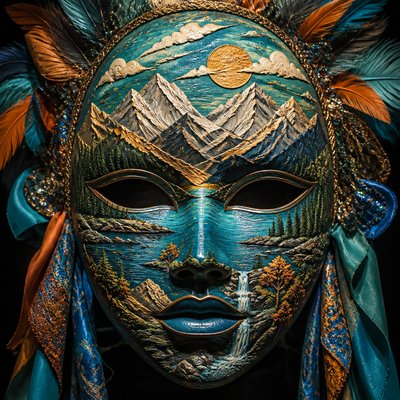
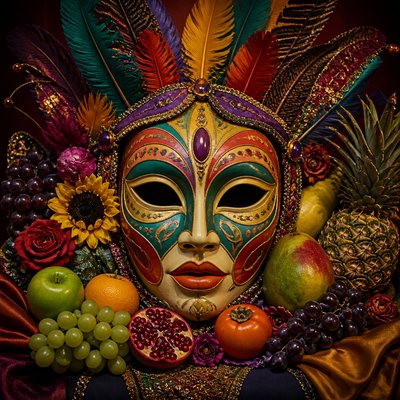
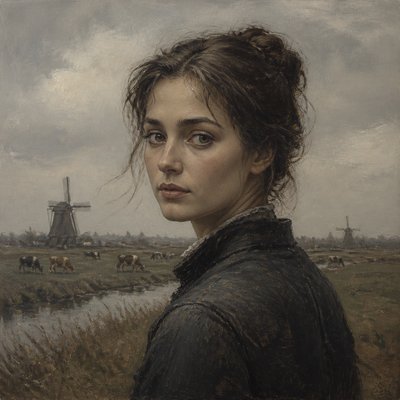
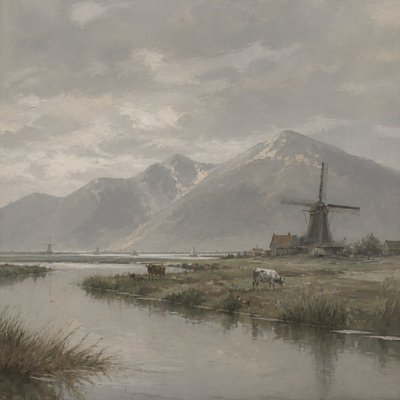
Prague Art Style
Explore Prague Art Style: Gothic spires, stained-glass radiance, gilded detail, and flowing Art Nouveau ornament in atmospheric Bohemian scenes.
Instantly rendered in Prague — or transform a photo
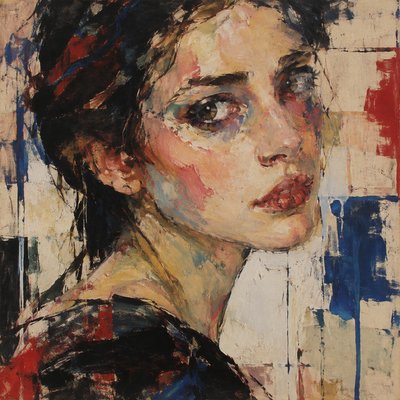
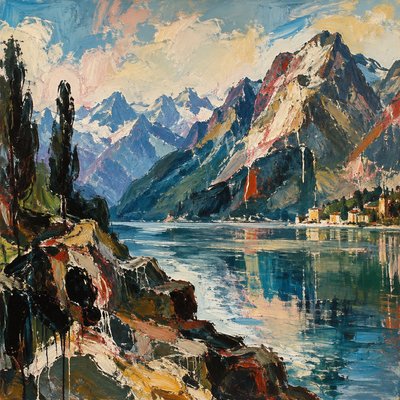
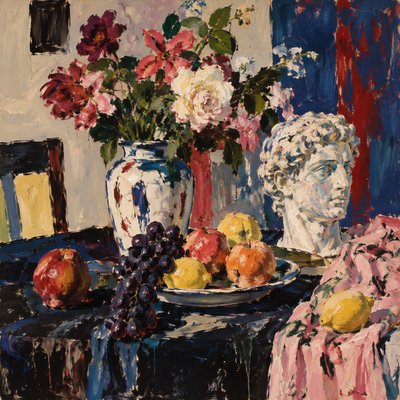
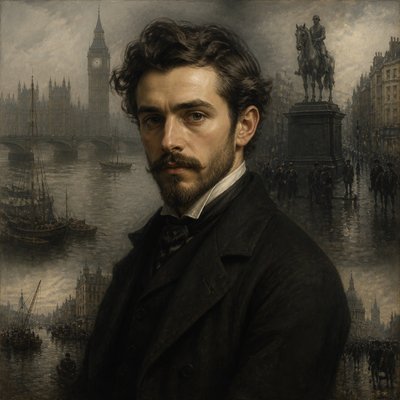
Prague Gallery
Tap any artwork to explore it
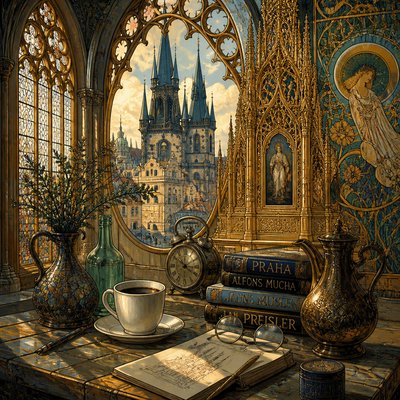
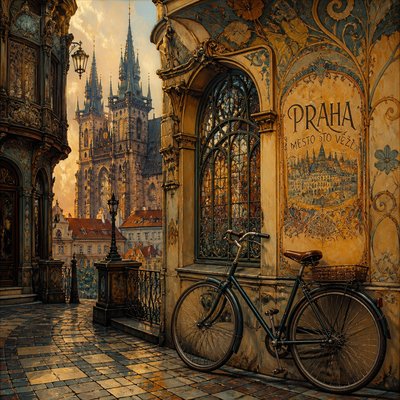
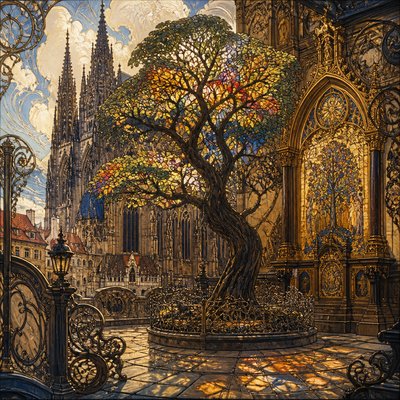
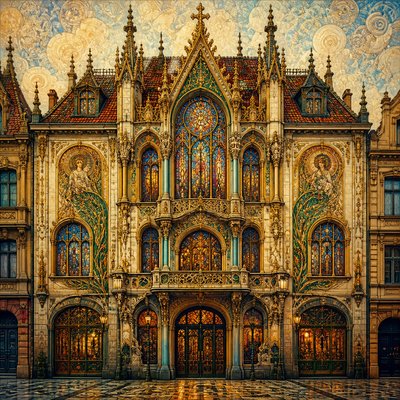
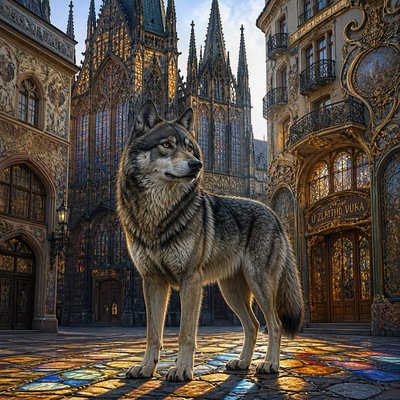
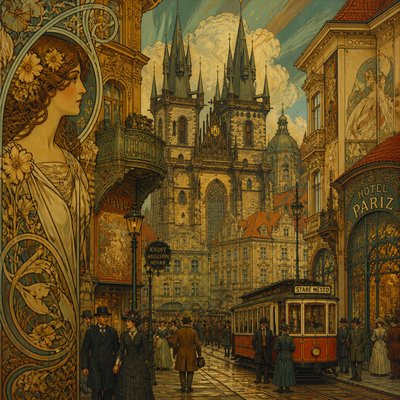
What is Prague Art Style?
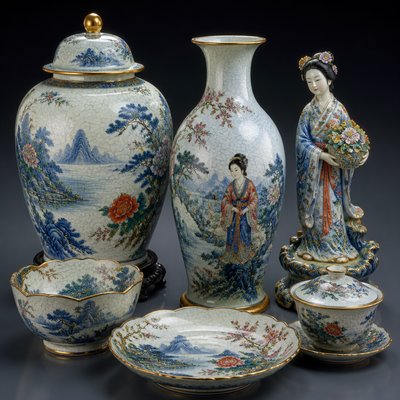
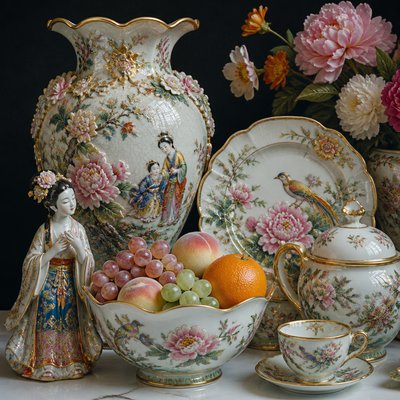
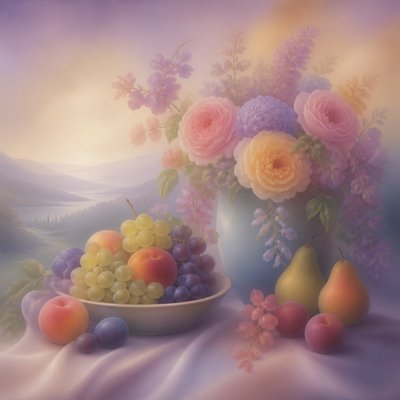
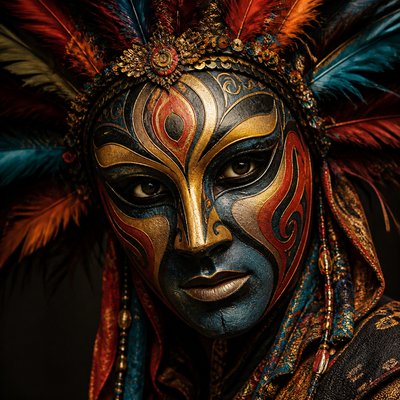
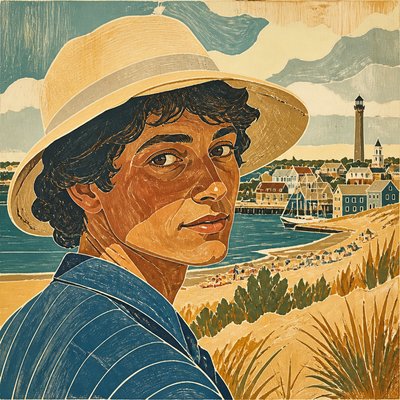
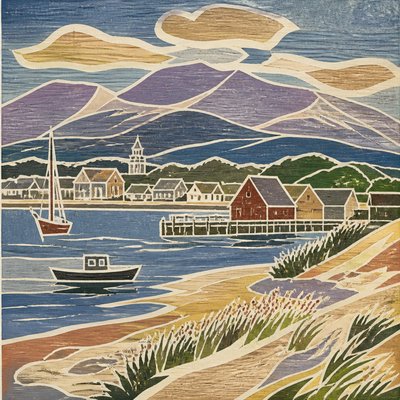
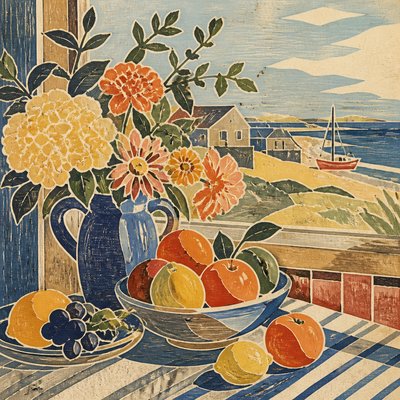
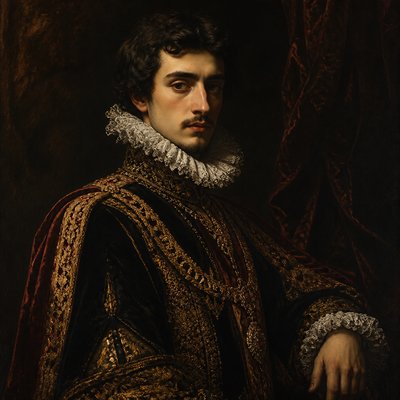
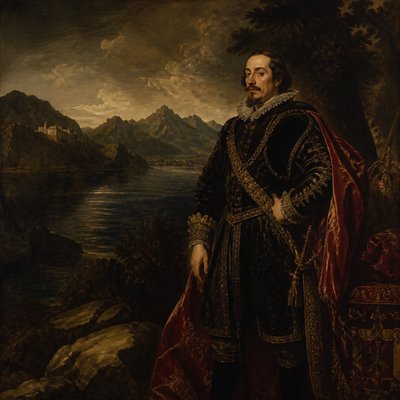
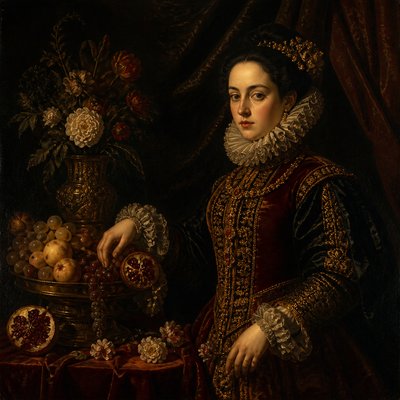
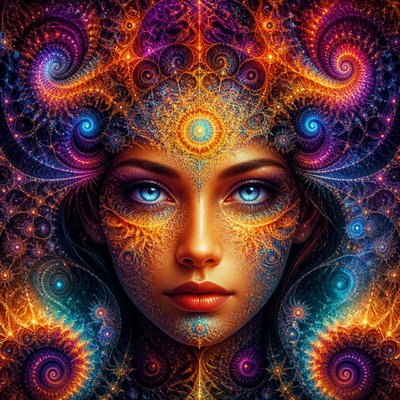
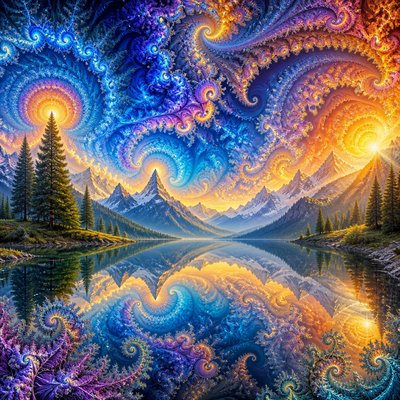
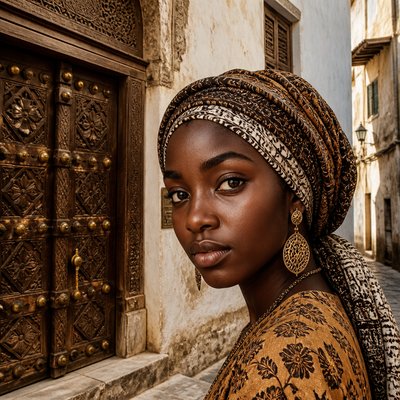
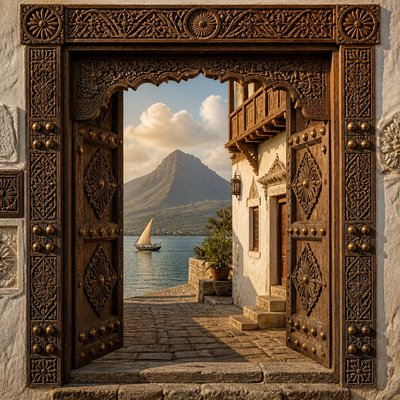
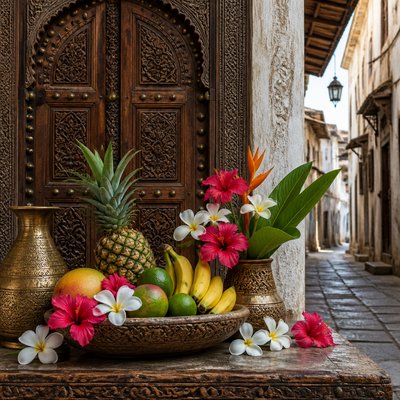
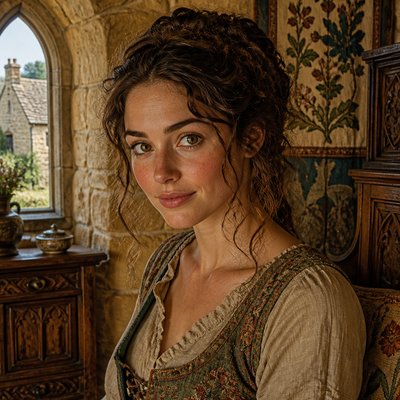
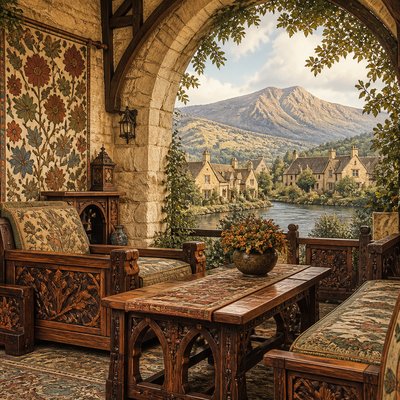
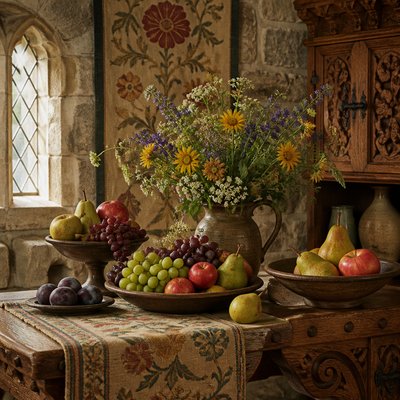
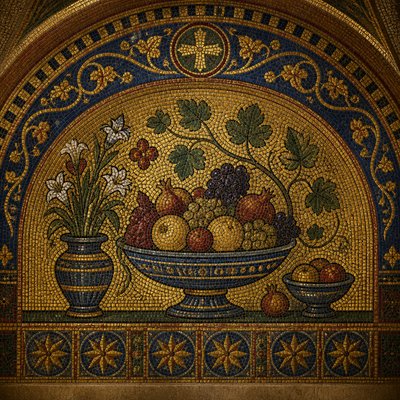
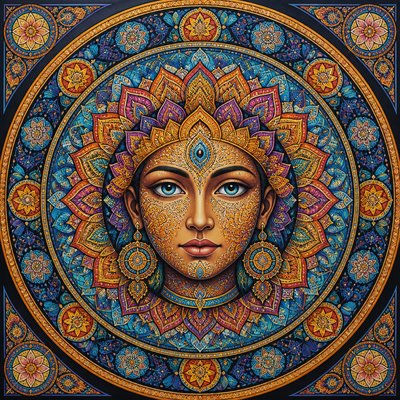
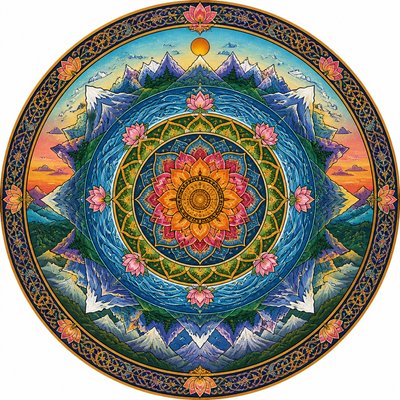
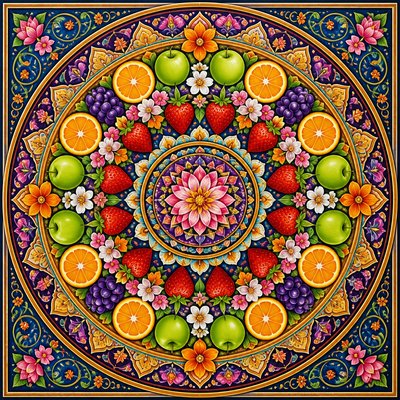
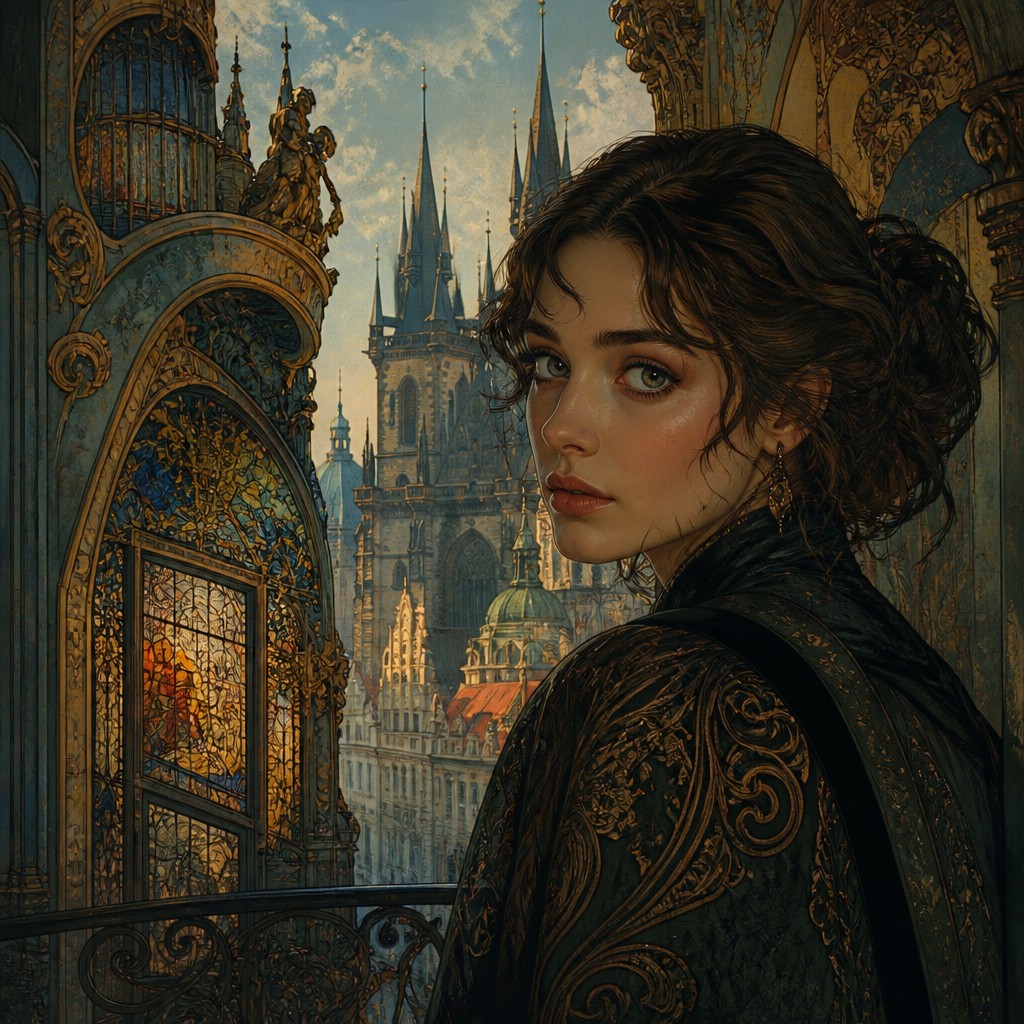
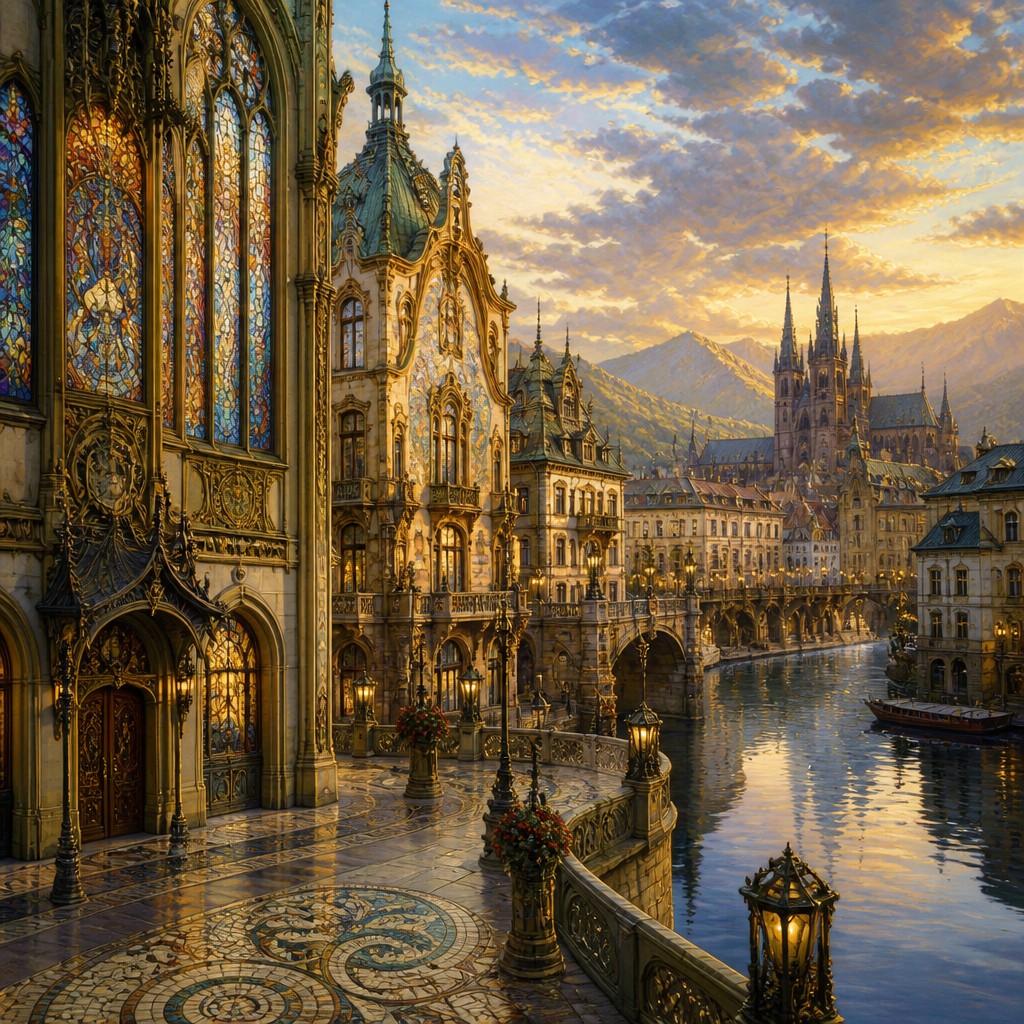
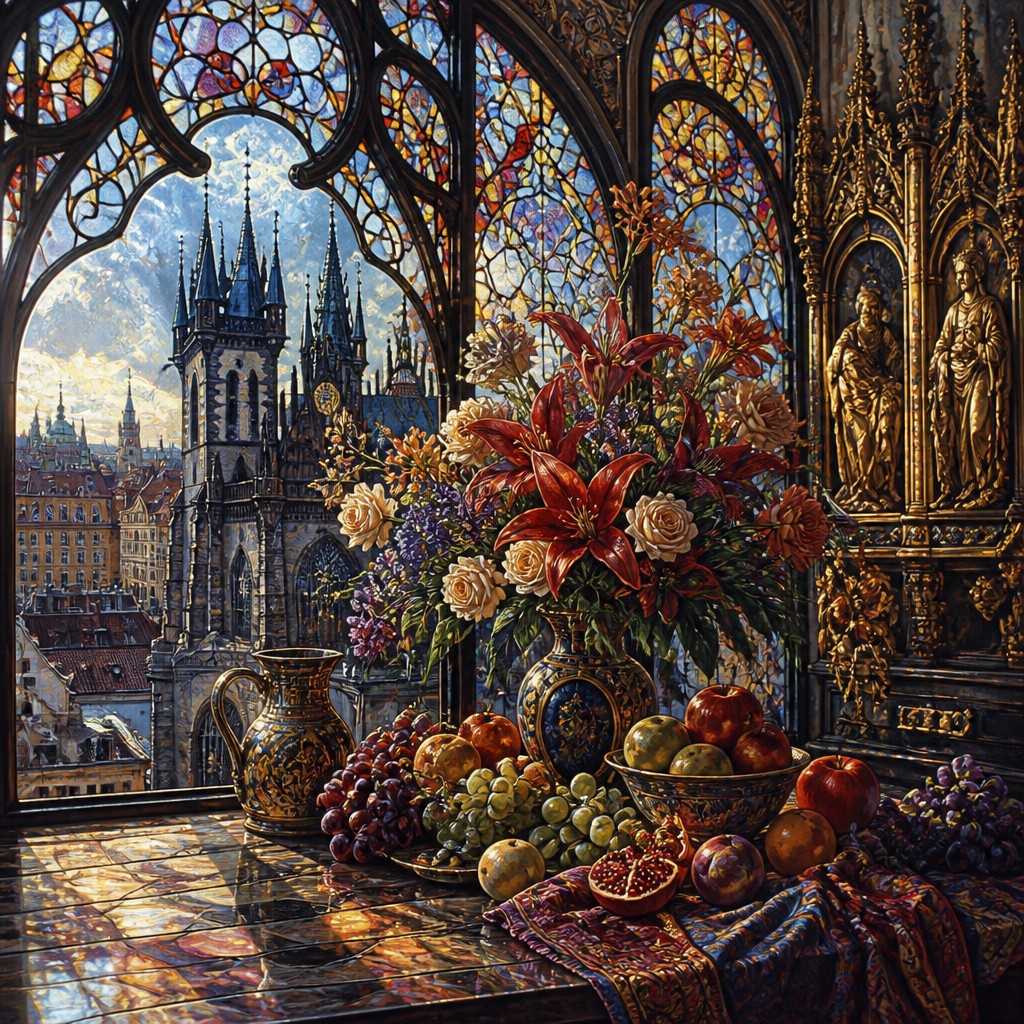
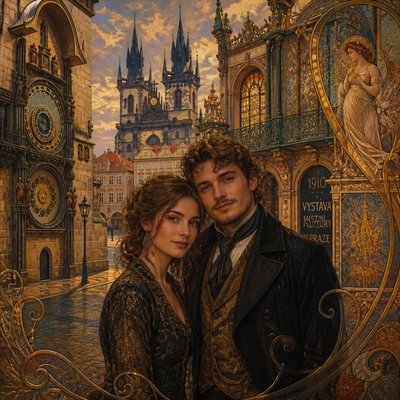
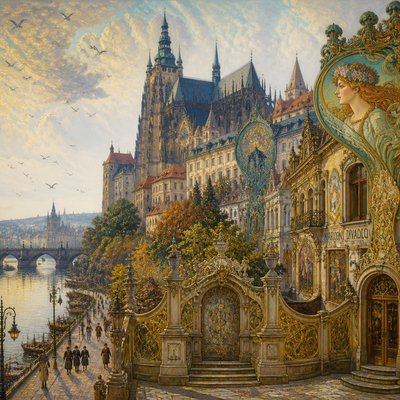
Prague Art Style is a contemporary hybrid aesthetic inspired by the historic architecture and decorative culture of Prague. It combines soaring Gothic spires, pointed arches, cathedral tracery, richly colored stained glass, carved stone, gilded ecclesiastical detail, and the sinuous curves associated with Central European Art Nouveau. The result is an image language that feels atmospheric, ornate, vertical, and deeply connected to an old European cityscape.
The style emphasizes the meeting of structure and illumination: cool masonry is enlivened by jewel-toned window light, while façades, altarpieces, balconies, and interiors carry elaborate ornamental rhythms. It can depict real architectural subjects, imagined streets, interiors, fantasy cities, portraits, or narrative scenes, provided that the composition retains a sense of Gothic elevation and Bohemian decorative richness.
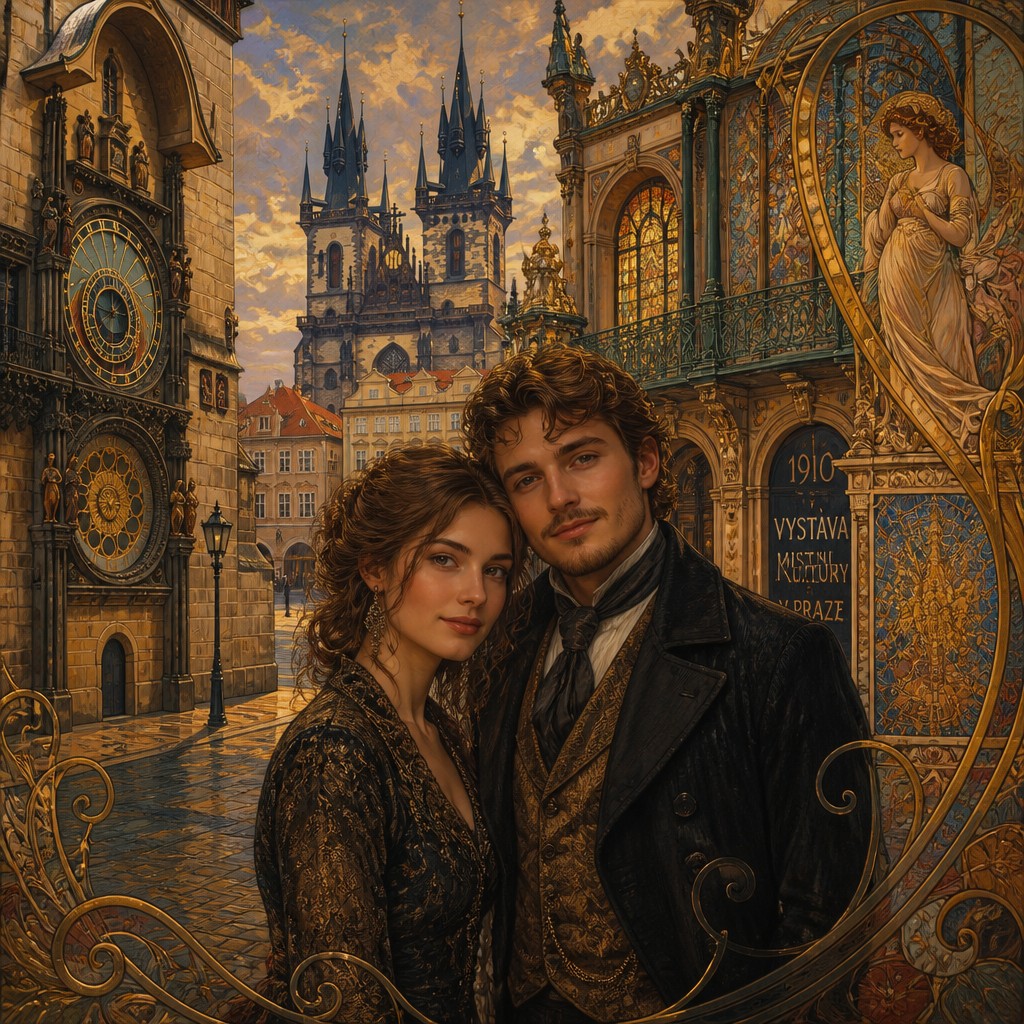
Try It On Your Photos
Upload any photo and convert it into Prague Art Style — drag the sliders to compare before and after.
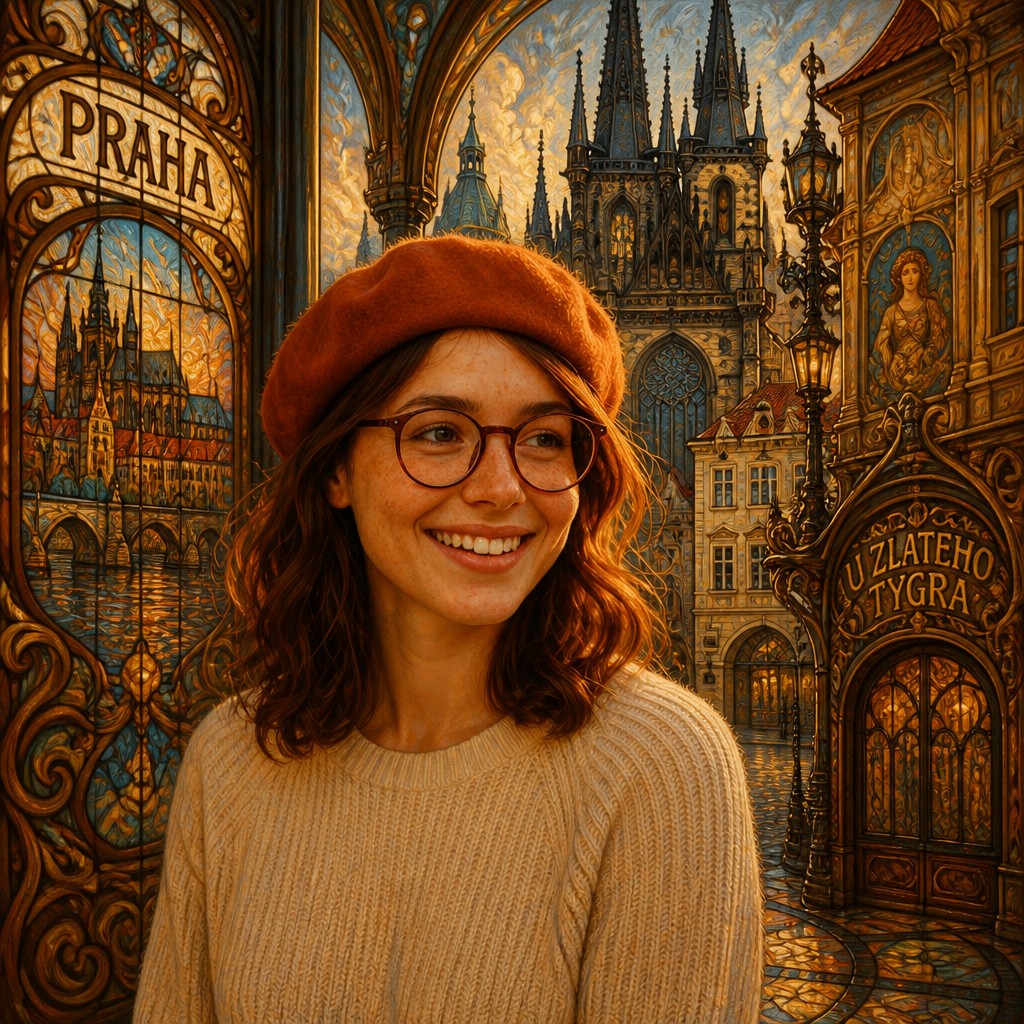

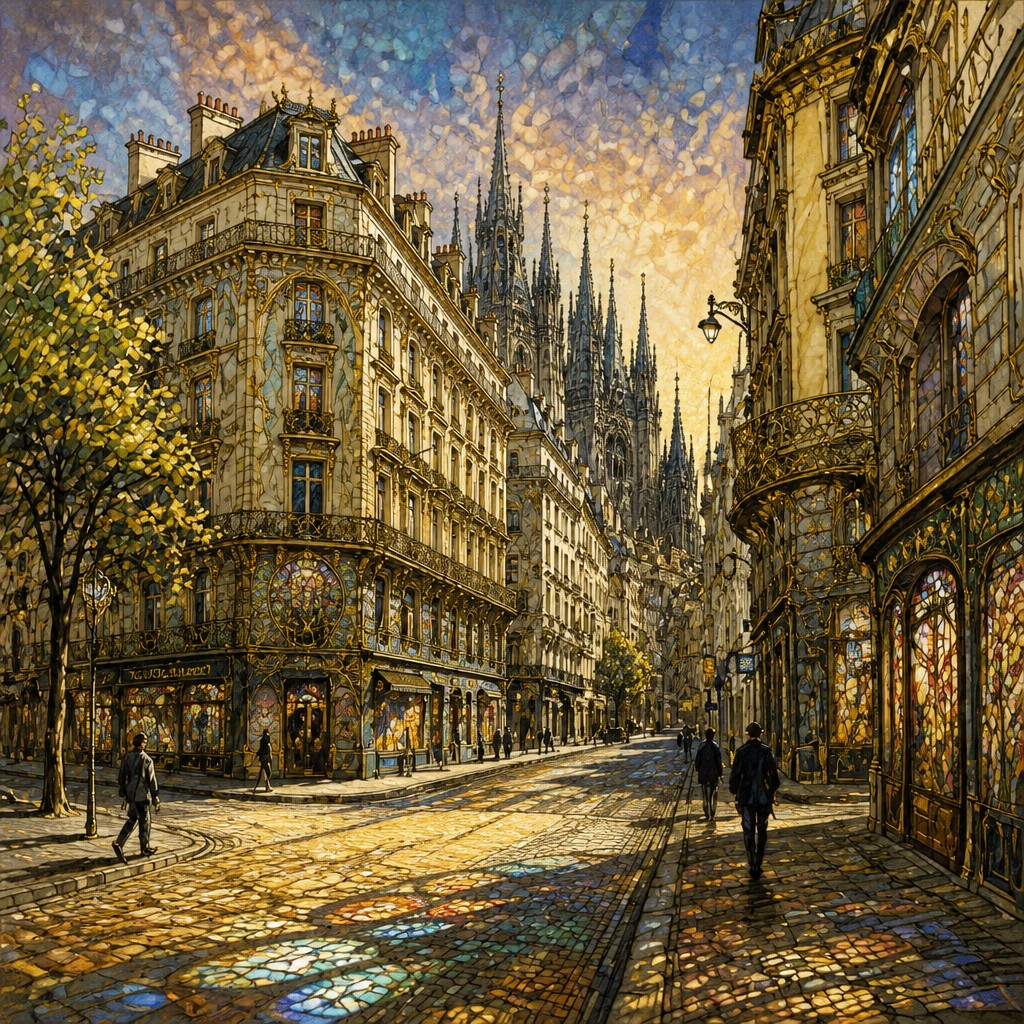

What Defines Prague Art Style
The signature details, up close
Gothic verticality
Pointed arches, ribbed vaults, flying-buttress silhouettes, narrow lancet windows, and sharply rising spires direct the eye upward. Tall compositions and strong vertical lines create a sense of aspiration and solemnity.
Stained-glass illumination
Ruby, sapphire, emerald, and amber light filters through patterned windows and falls across stone, wood, or pavement. Colored illumination often becomes the main atmospheric device rather than a minor decorative accent.
Gilded ecclesiastical ornament
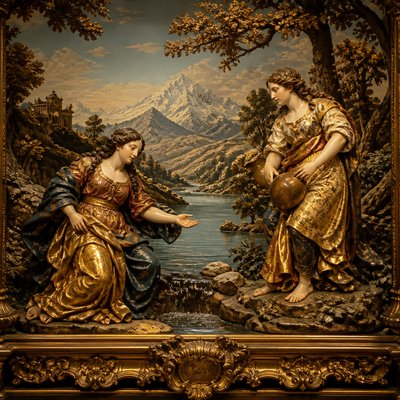
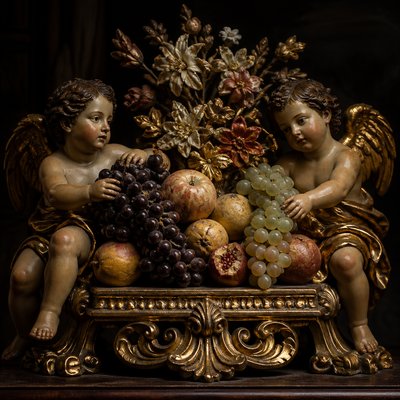
Altarpieces, frames, capitals, shrines, and interior furnishings may feature gold leaf effects, carved relief, filigree, and symbolic detailing. These elements introduce warmth and ceremonial opulence against darker masonry.
Art Nouveau curves
Whiplash lines, botanical arabesques, flowing ironwork, and organic borders soften the severity of Gothic architecture. Curving ornament may wrap façades, window surrounds, furniture, signage, or the edges of the composition.
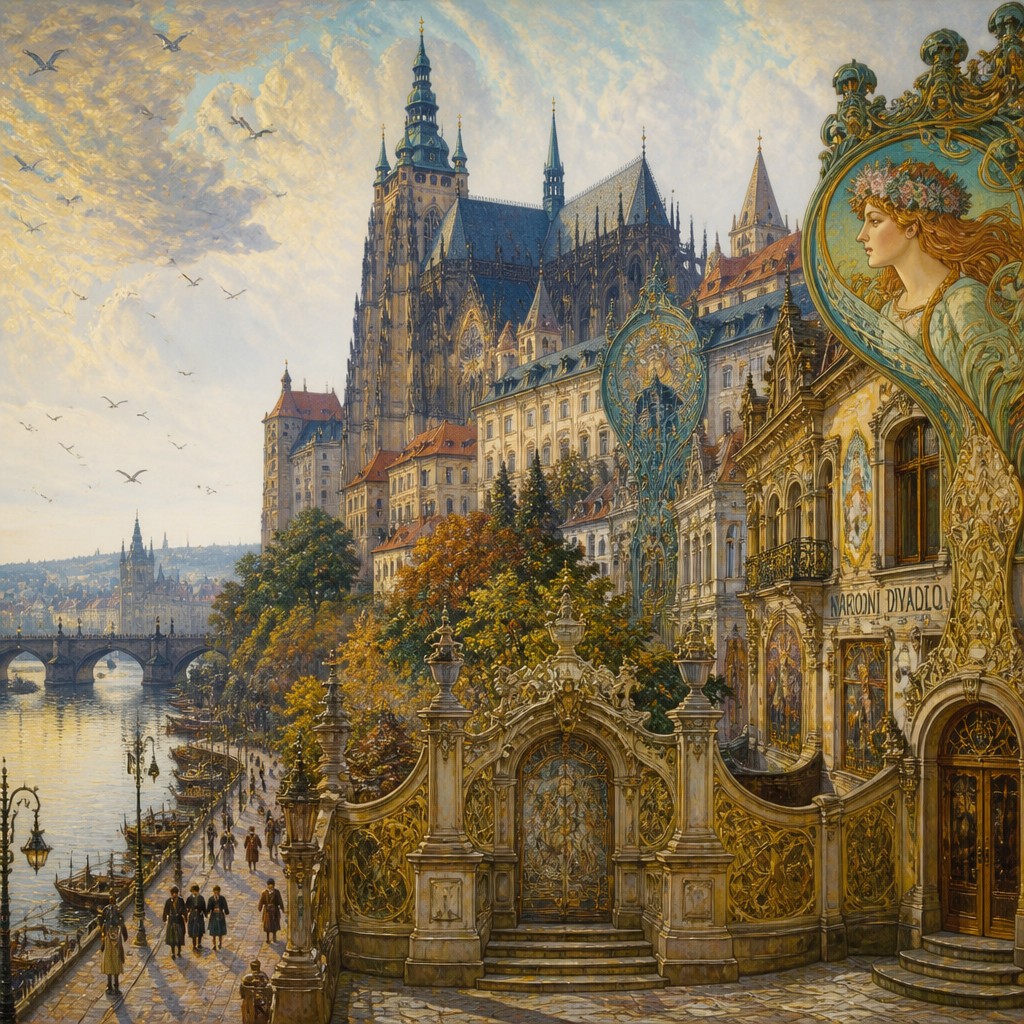
Bohemian architectural texture
Weathered plaster, cobblestones, patinated metal, carved façades, tiled roofs, and layered historic buildings give scenes a tactile old-town character. Surface detail is abundant but organized around recognizable architectural forms.
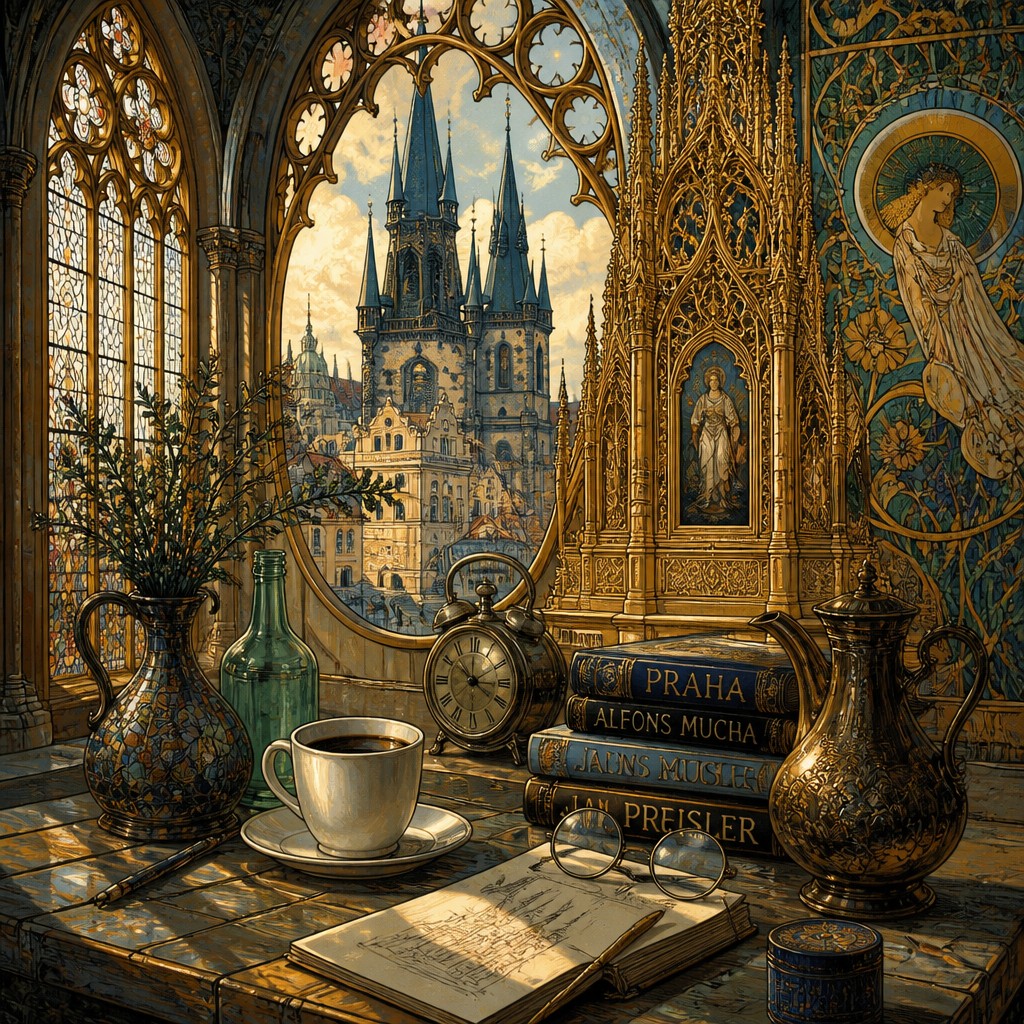
Dramatic atmospheric perspective
Mist, dusk, rain-slick streets, candlelight, and shafts of colored illumination add depth and emotional gravity. Background towers often recede into haze while foreground ornament remains sharply described.
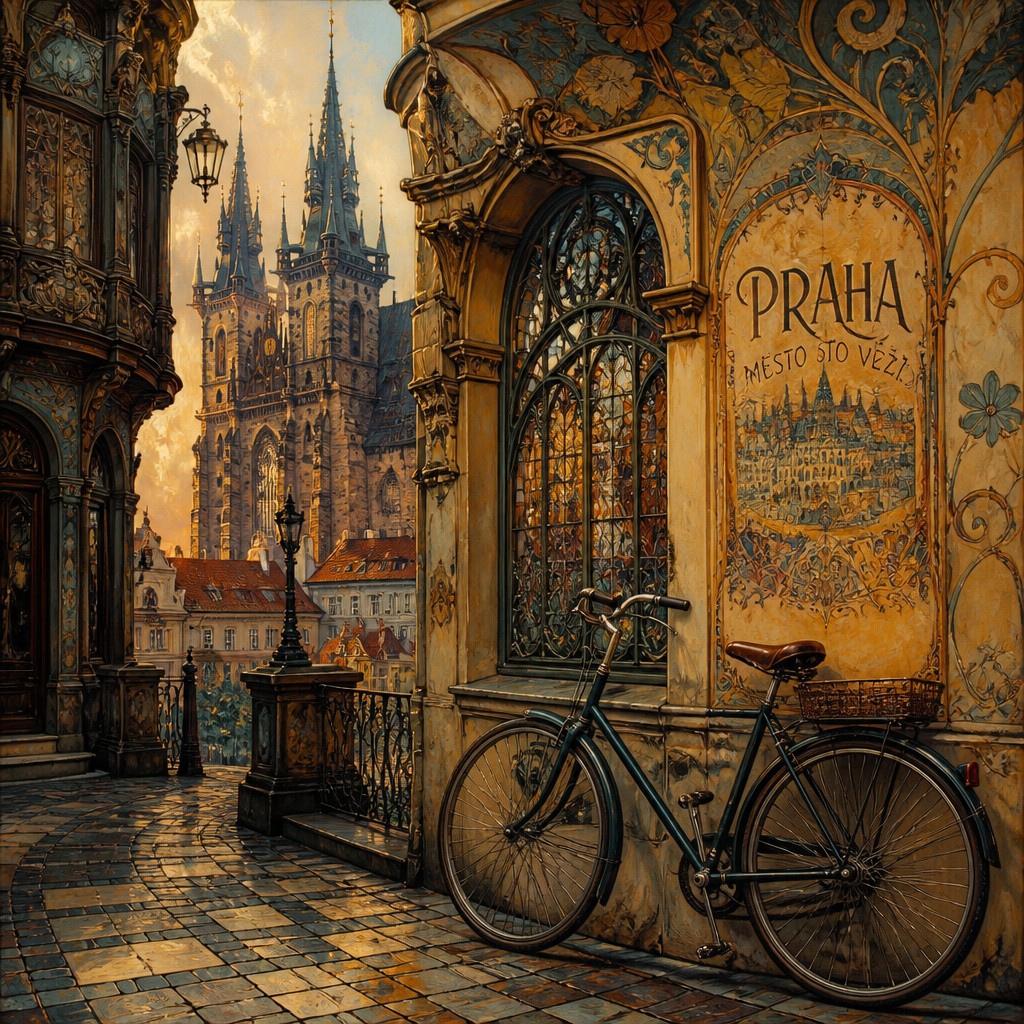
Ornate, narrative composition
The style favors richly framed scenes with a clear visual focal point, such as a cathedral entrance, stained-glass window, bridge, square, or ceremonial interior. Symmetry may establish grandeur, while asymmetrical organic details provide movement.
Prague Prompt Ideas
Start from an idea — each one opens the generator with the style ready to go. See all 40 Prague prompts →
How to Create Prague Art
Master the craft step by step — or skip straight to creating. Read the full guide →
- 1
Establish a strong architectural silhouette
Begin with a clear vertical structure: a cathedral façade, towered skyline, vaulted hall, or narrow old-town street. Use pointed arches, tracery, buttresses, and layered rooflines to make the Gothic foundation immediately legible.
- 2
Design the light before the surface detail
Choose a directional source such as stained-glass windows, candles, moonlight, or a glowing sunset. Build the value structure first, then add saturated jewel colors where the light strikes stone, pavement, and interior objects.
- 3
Layer ornament selectively
Combine carved relief, gilded borders, botanical curves, wrought iron, and patterned glass, but reserve the densest detail for focal areas. Repeating motifs across windows, façades, and furnishings will make the image feel intentionally designed.
- 4
Use traditional or digital material cues
In physical media, consider watercolor, gouache, ink, tempera, metallic leaf effects, or layered collage to balance luminosity with architectural precision. Digitally, combine perspective guides, textured stone brushes, stained-glass overlays, and controlled bloom rather than applying uniform decoration everywhere.
- 5
Build prompts around subject, structure, and light
For prompt-based creation, specify the subject first, then architectural features, materials, lighting, color palette, and mood. Useful terms include pointed tracery, jewel-toned window light, gilded relief, carved stone, botanical ironwork, misty old-town atmosphere, and intricate Central European ornament.
- 6
Protect readability in image-to-image work
When transforming a photograph, preserve the main perspective and silhouette while directing the transformation toward Gothic forms, stained-glass color, carved textures, and flowing ornament. Moderate the strength of added detail so faces, streets, and recognizable landmarks do not become visually confused.
The Story
History & Origins of Prague
Prague Art Style is not a formally recognized historical movement or period label. It is a modern descriptive synthesis that draws on Prague's medieval Gothic architectural heritage, its Baroque and ecclesiastical interiors, nineteenth-century historicism, and the Art Nouveau design traditions that flourished in Central Europe around the turn of the twentieth century.
Its visual lineage also includes stained-glass craft, illuminated manuscripts, religious panel painting, carved architectural ornament, wrought iron, and the picturesque atmosphere of historic urban districts. Contemporary digital art and image-making extend these sources by combining architectural accuracy with heightened color, fantasy lighting, and densely layered detail.
Influences: The style is related to Gothic architecture and ecclesiastical art, especially their emphasis on verticality, symbolic light, tracery, and carved structure. It also draws from Central European Art Nouveau, Baroque interior ornament, historicist architecture, stained-glass craft, illuminated manuscript decoration, Romantic urban imagery, and contemporary fantasy environment design. Its combination of medieval structure and organic decorative line distinguishes it from a strictly historical reconstruction of any one period.
Frequently Asked Questions
What defines Prague Art Style?
It is defined by the combination of Gothic architectural forms, richly colored stained-glass light, gilded religious or ceremonial ornament, and flowing Art Nouveau curves. The mood is usually atmospheric, historic, ornate, and vertically composed.
Is Prague Art Style a recognized historical art movement?
No. The term is best understood as a contemporary hybrid or descriptive aesthetic rather than a formal movement with a fixed period or manifesto. It uses recognizable elements from Prague's architectural history and broader Central European visual traditions.
How does it differ from Gothic art?
Gothic art is a historically specific medieval tradition with established architectural, sculptural, and pictorial conventions. Prague Art Style expands that foundation by adding Art Nouveau curves, later decorative influences, cinematic lighting, and sometimes fantasy architecture.
How does it differ from Art Nouveau?
Art Nouveau typically centers on organic line, botanical motifs, integrated decoration, and modern turn-of-the-century design. Prague Art Style gives those curves a more pronounced Gothic setting, pairing them with spires, cathedral tracery, stained glass, and medieval masonry.
What subjects work well in this style?
Cathedrals, bridges, old-town streets, chapels, railway stations, libraries, portraits, ceremonial scenes, and fantasy cities are especially suitable. Ordinary subjects can also work when placed within an ornate architectural environment or illuminated by distinctive colored light.
What techniques can be used to create it?
Traditional approaches include watercolor, ink, gouache, tempera, collage, and decorative painting with metallic effects. Digital artists can use perspective construction, texture layers, stained-glass color grading, and controlled atmospheric lighting; prompt-based tools work best when the subject, architecture, materials, and light are specified separately.
Create your first Prague artwork
Describe anything — or upload a photo — and see it in Prague Art Style in seconds.
Related Styles
Discover similar art styles