Helsinki Art Style
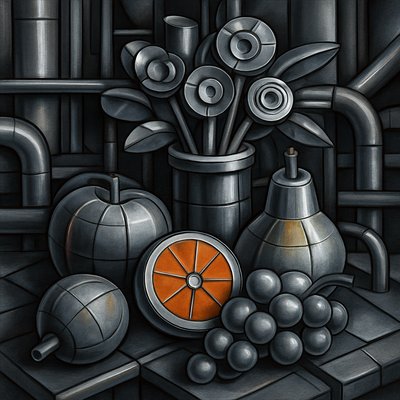
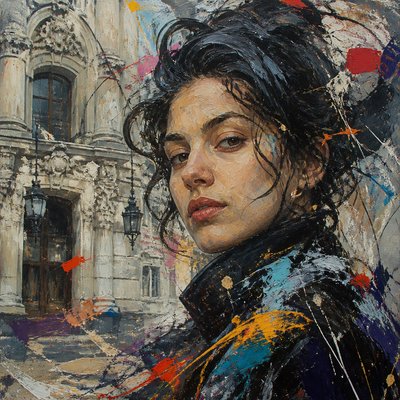
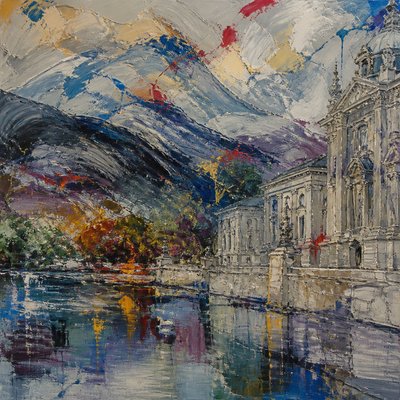
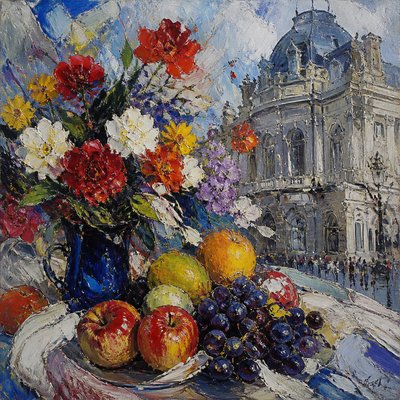
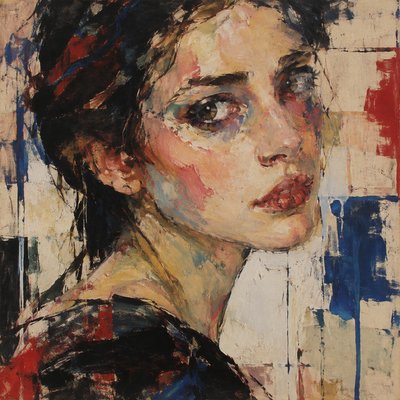
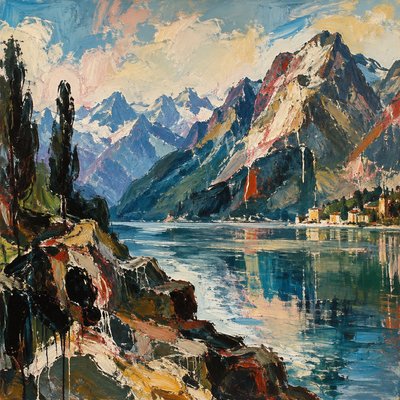
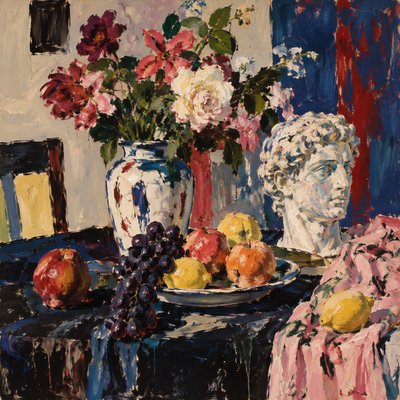
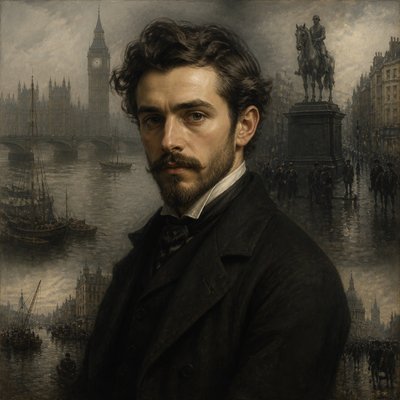
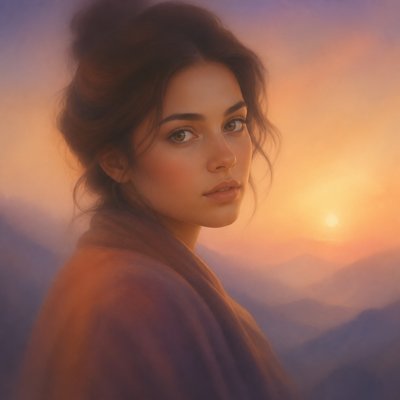
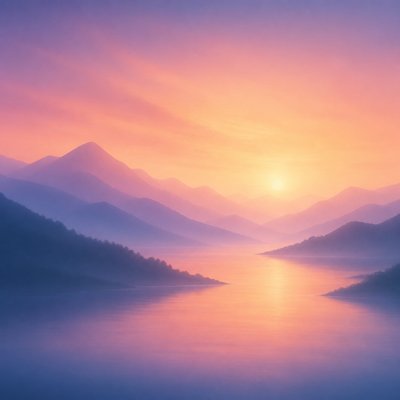
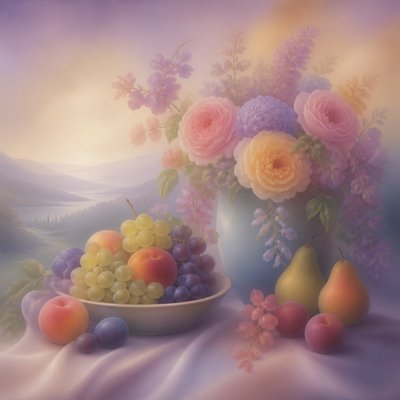
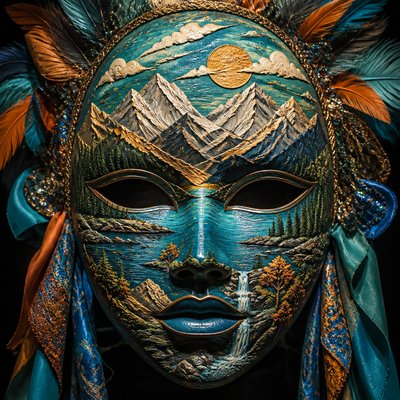
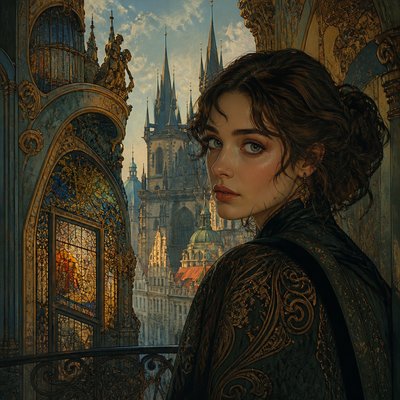
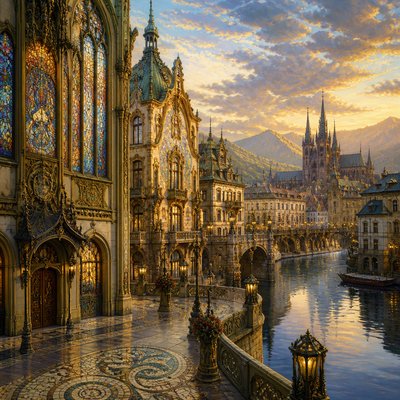
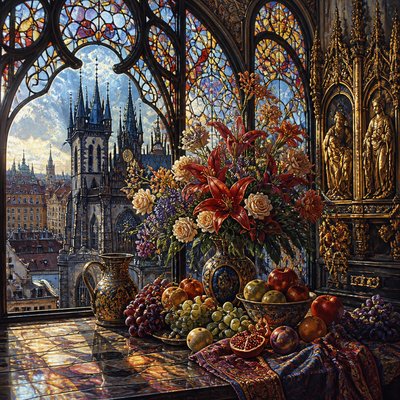
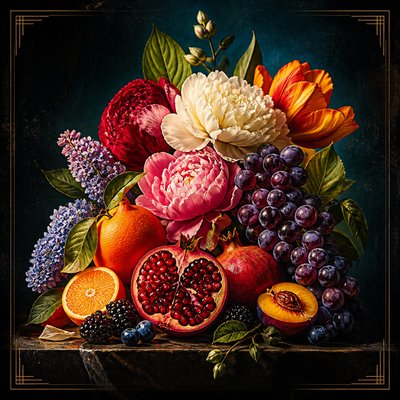
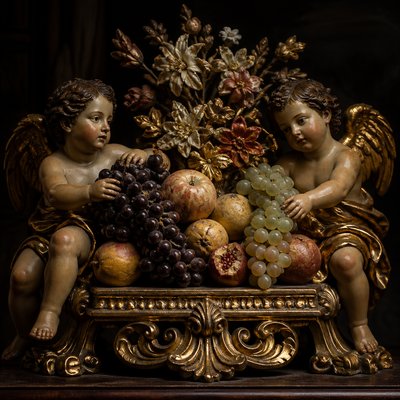
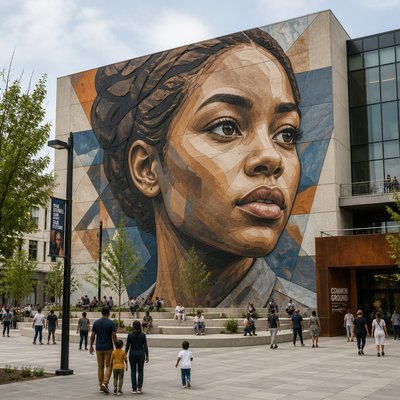
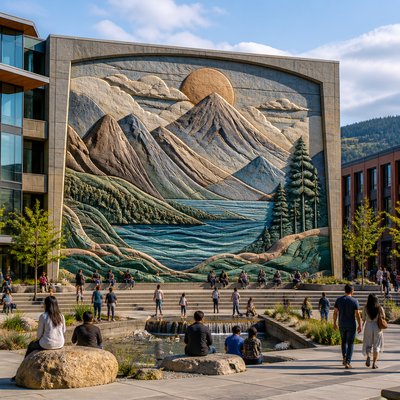
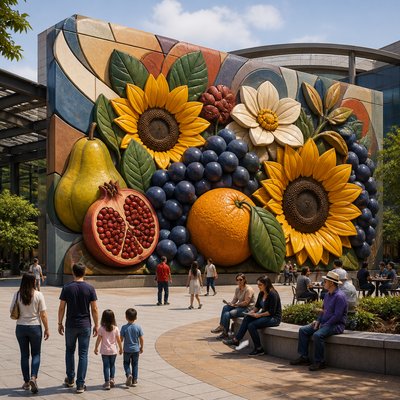
Explore Helsinki Art Style: Nordic national-romantic landscapes, granite Art Nouveau architecture, folklore, and cool muted colors shaped by myth.
Instantly rendered in Helsinki — or transform a photo
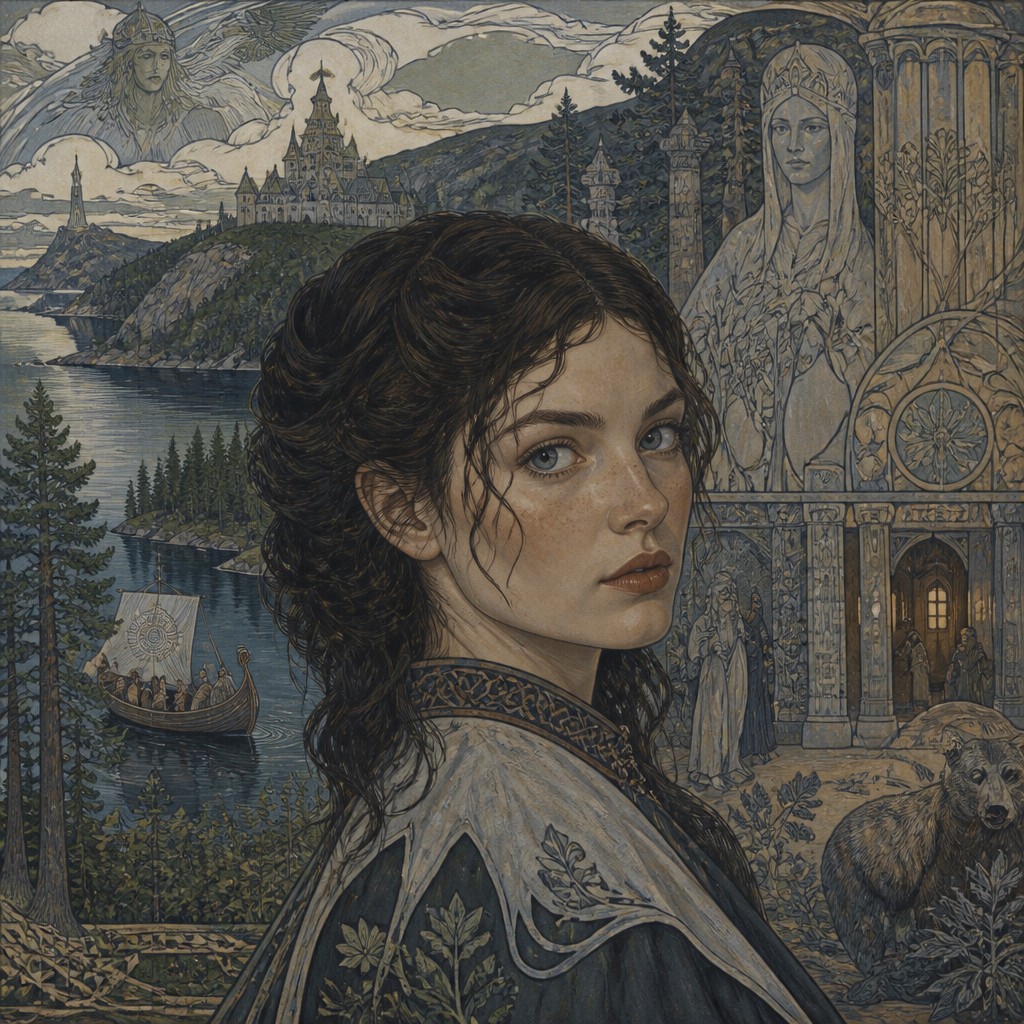
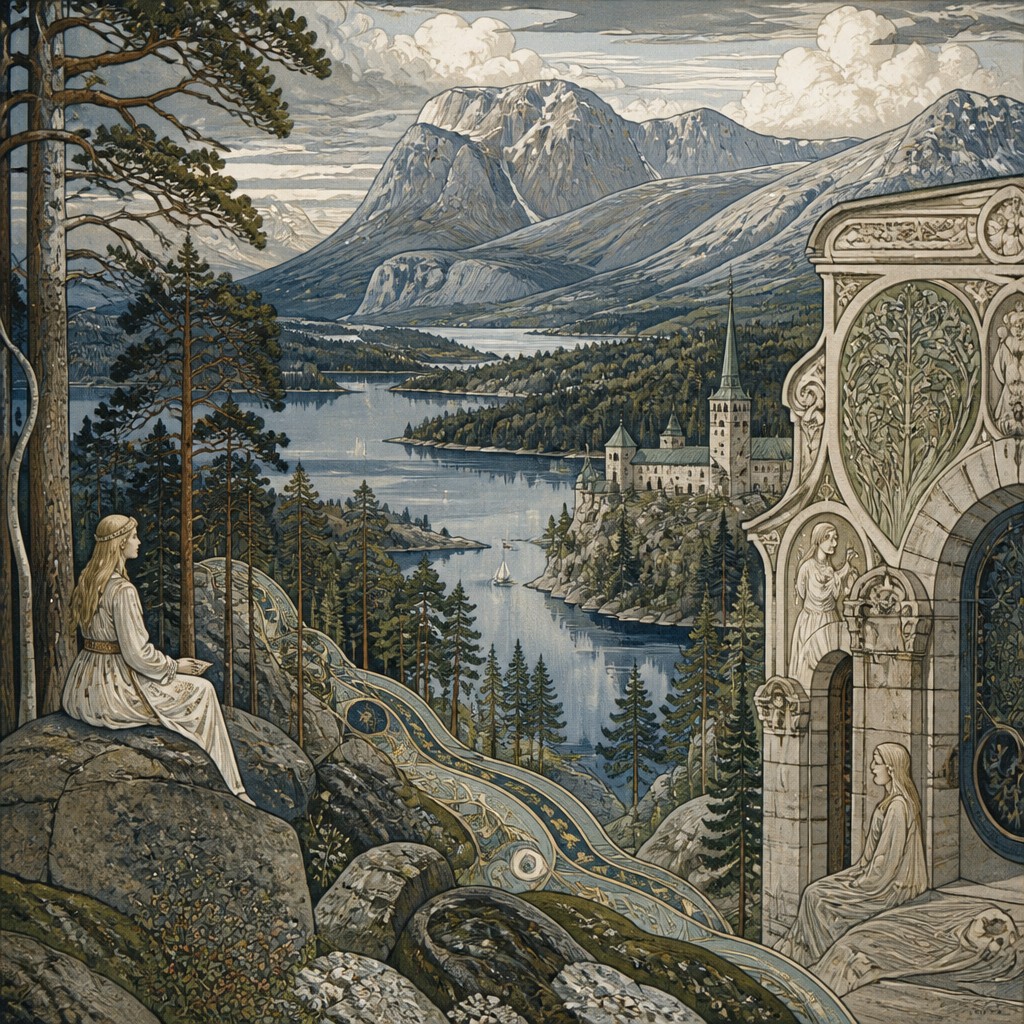
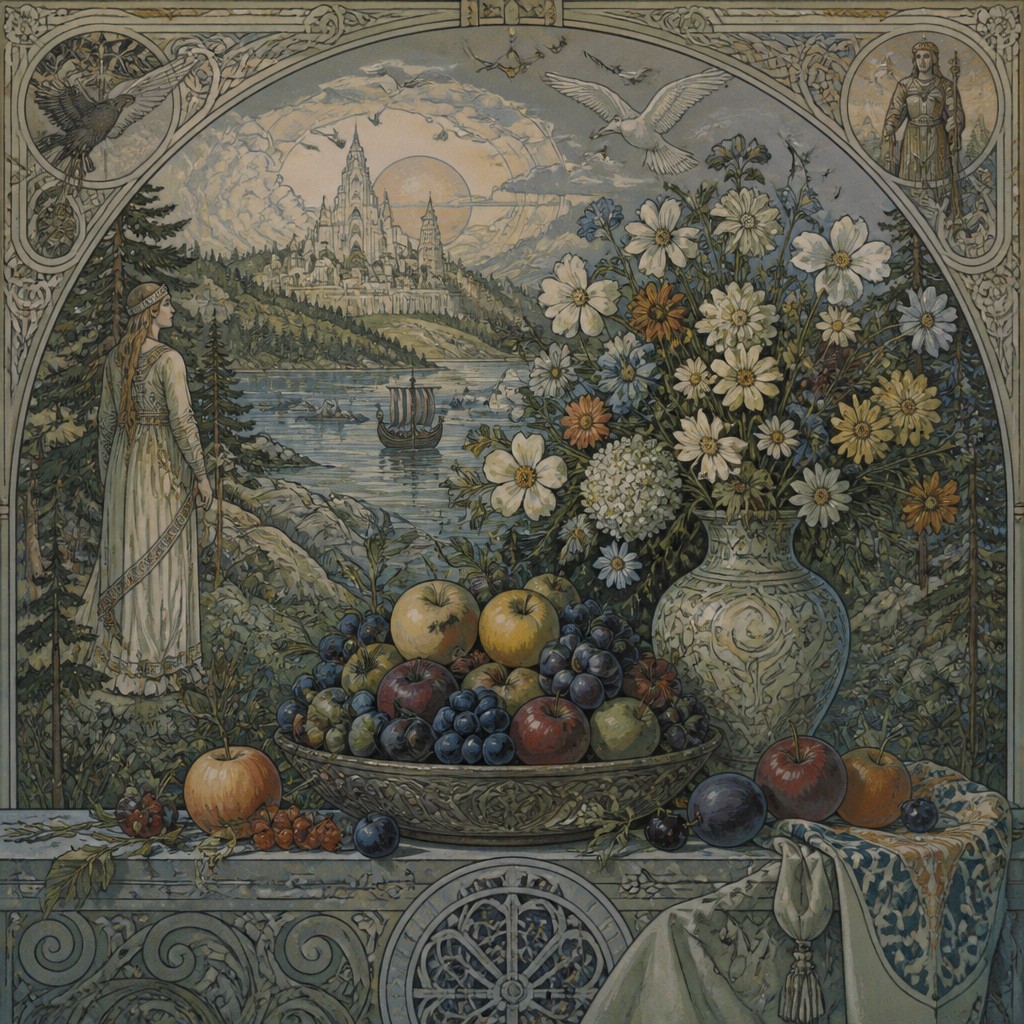
Helsinki Gallery
Tap any artwork to explore it
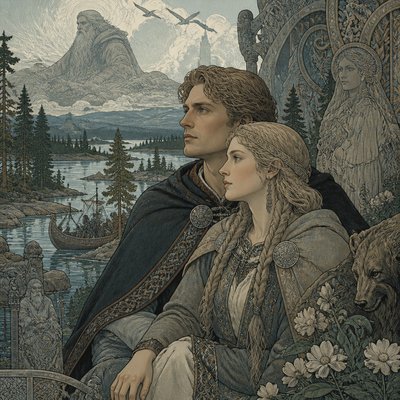
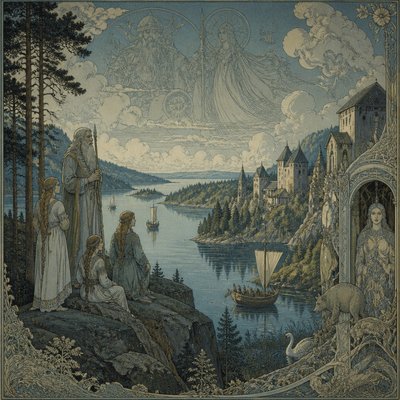
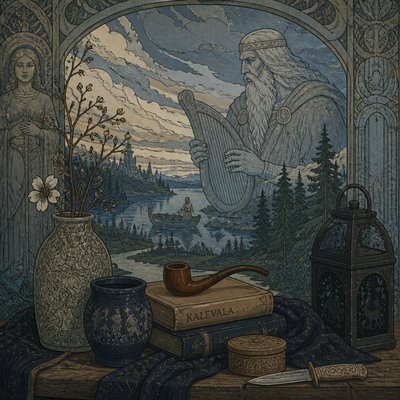
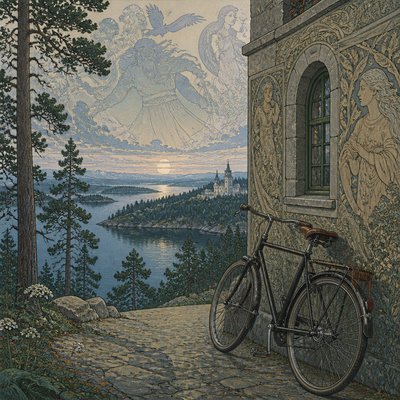
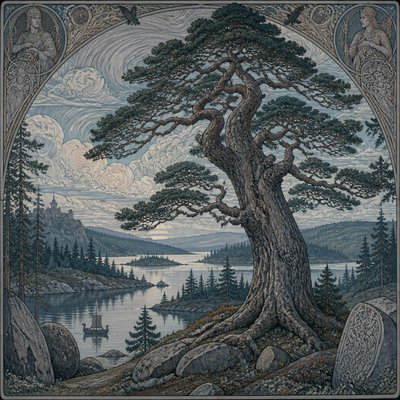
What is Helsinki Art Style?
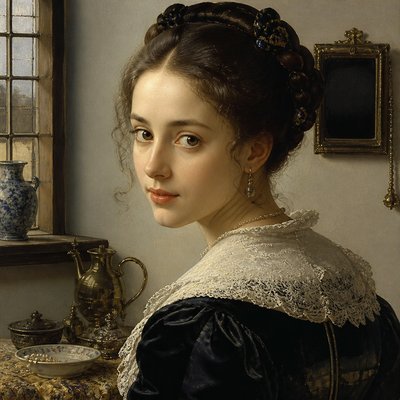
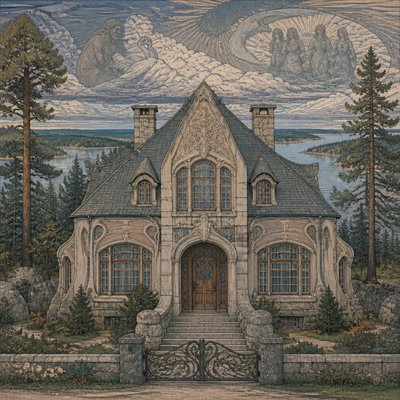
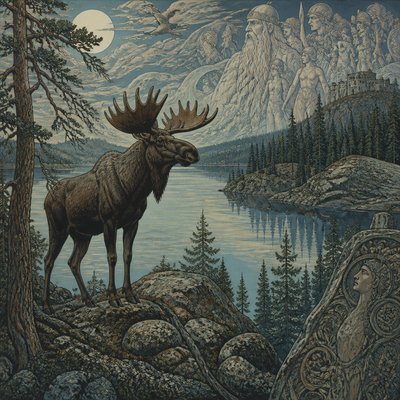
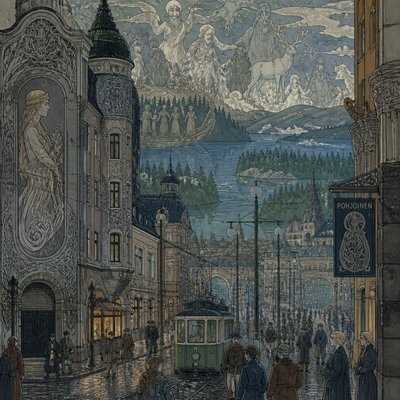
Helsinki Art Style is a contemporary descriptive label for an aesthetic combining Finnish national romanticism, Nordic folklore, forest-and-lake landscapes, and the rugged organic architecture associated with Helsinki’s early twentieth-century Jugendstil. It is not a formally established historical movement, but a coherent visual language built around northern atmosphere, epic storytelling, and a strong sense of place.
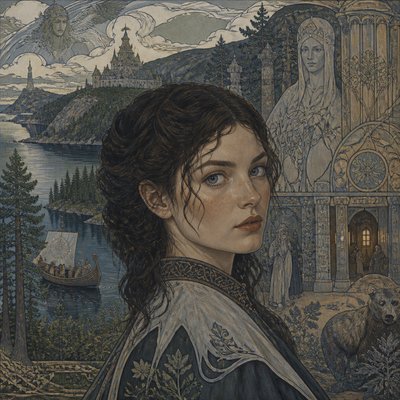
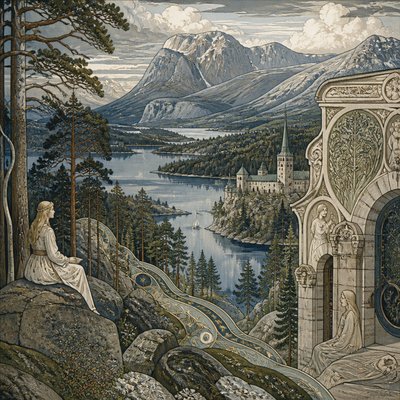
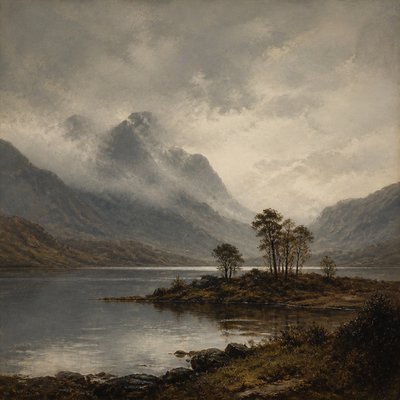
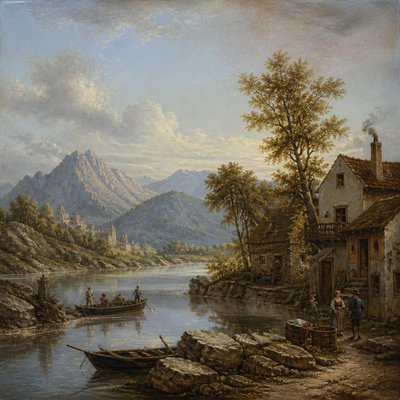
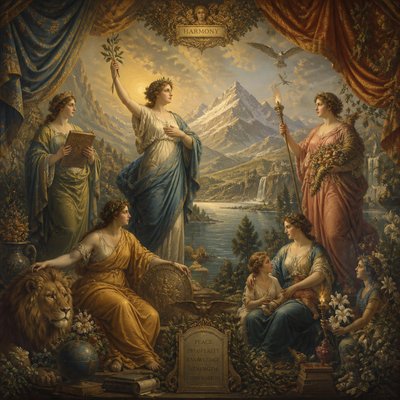
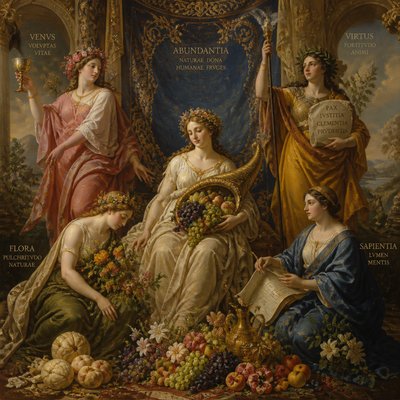
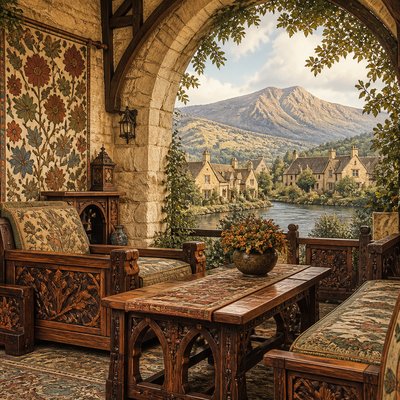
Its visual identity joins cool, subdued color with emphatic linework and monumental forms. Granite walls, carved plant motifs, dark conifers, quiet water, folkloric figures, and distant mythic scenery create compositions that feel both architectural and legendary. The style looks the way it does because it translates regional geology, climate, vernacular ornament, and epic folklore into a unified image system.
Try It On Your Photos
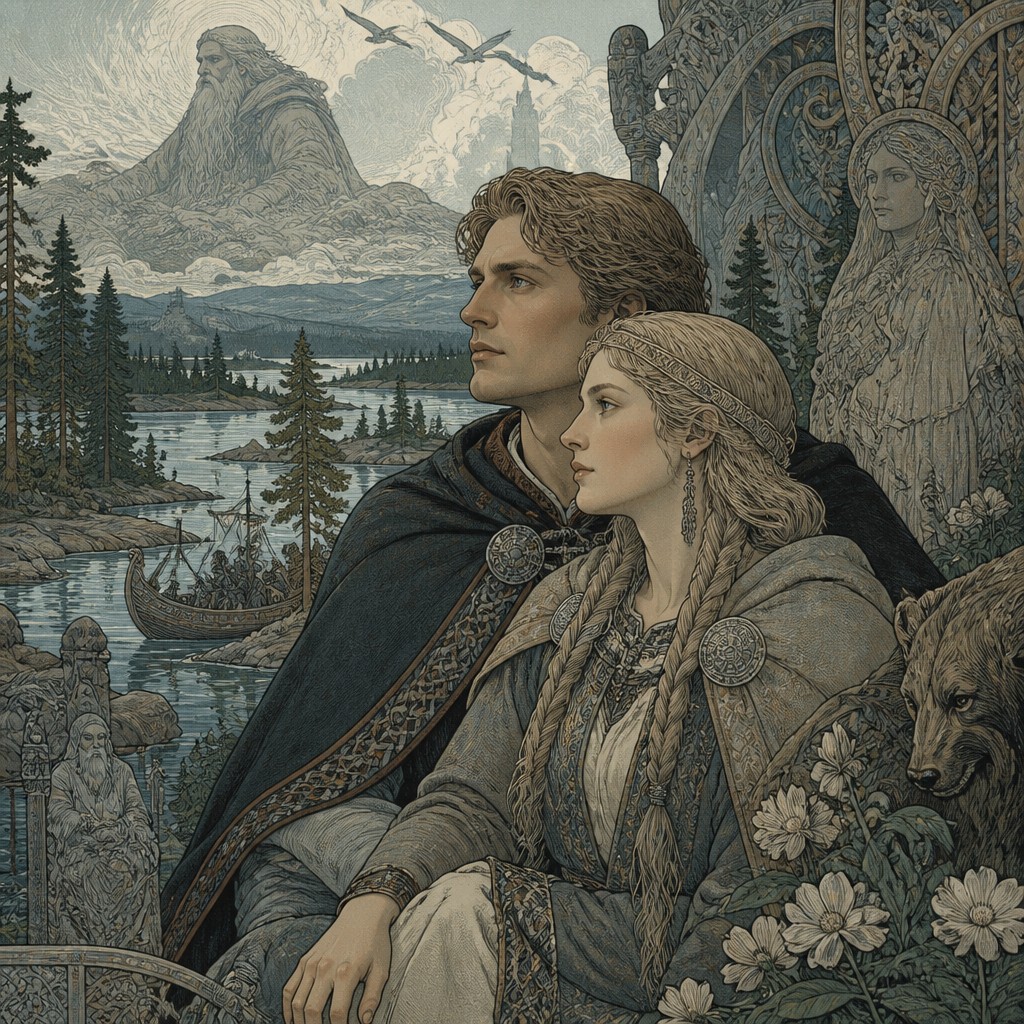
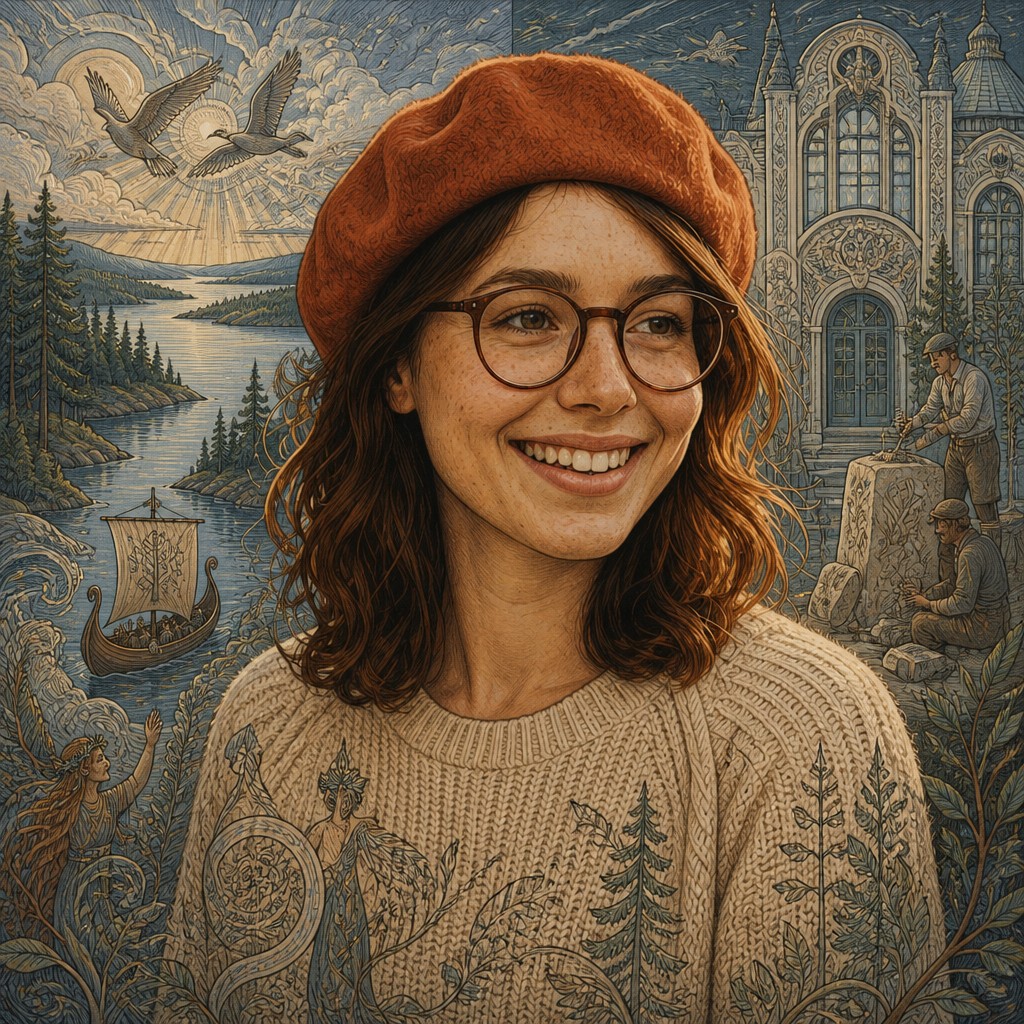
Upload any photo and convert it into Helsinki Art Style — drag the sliders to compare before and after.


What Defines Helsinki Art Style
The signature details, up close
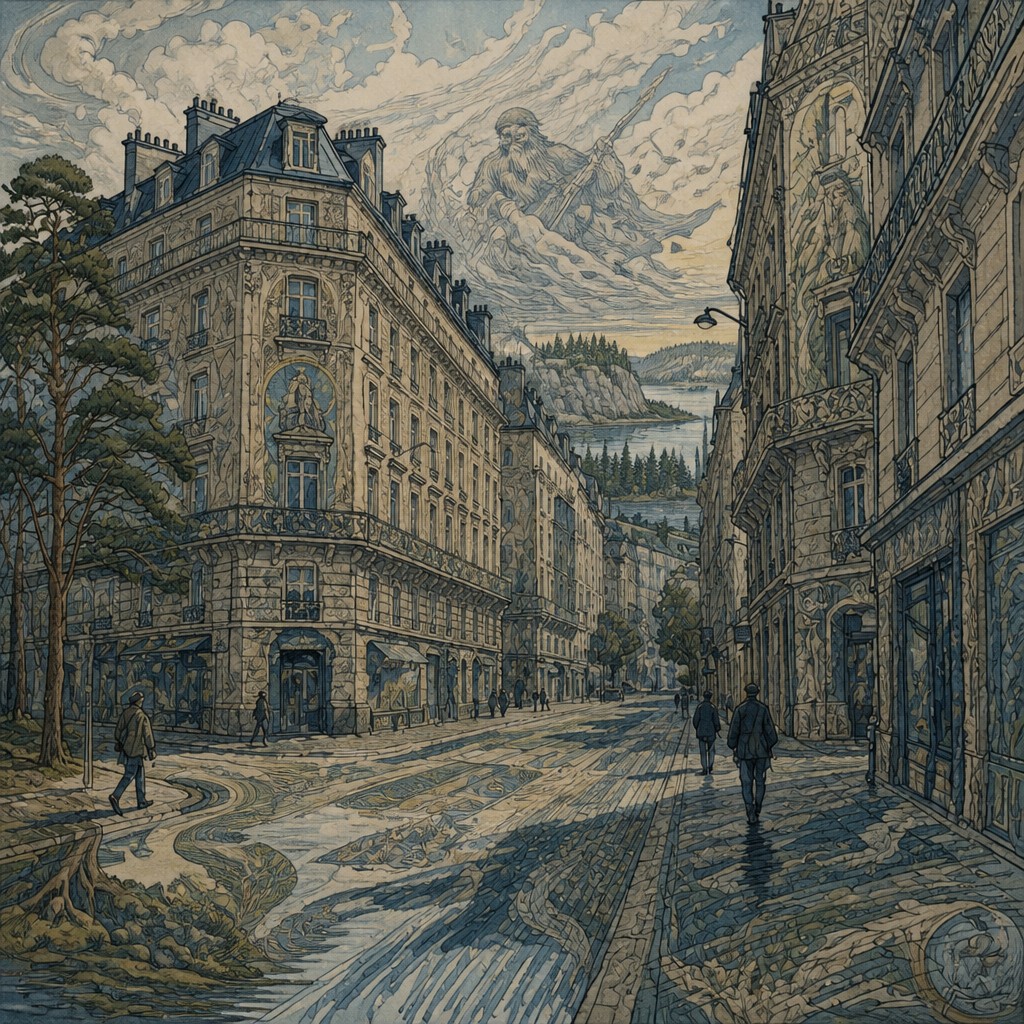
Granite monumentality
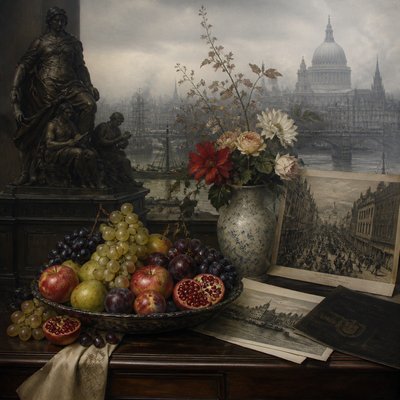
Architectural forms appear heavy, tactile, and geologically grounded, with rough granite surfaces, arched openings, towers, and robust masonry silhouettes.
Organic Art Nouveau ornament
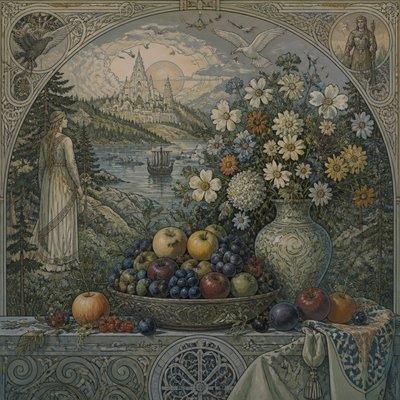
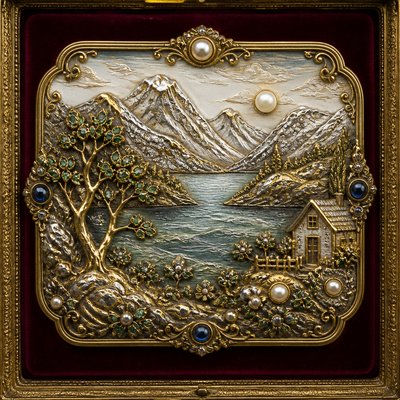
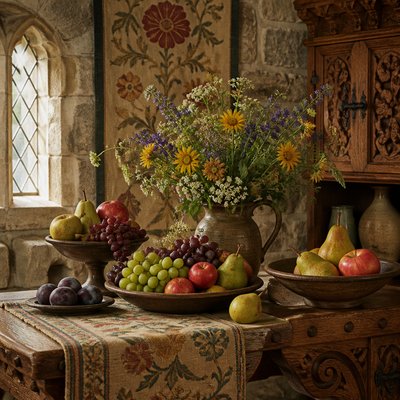
Carved leaves, vines, flowers, animals, and flowing natural patterns soften the architecture while preserving its monumental character.
National-romantic landscapes
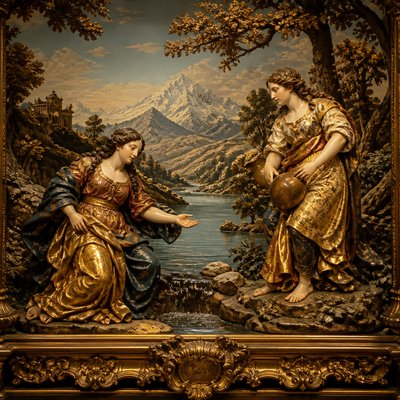
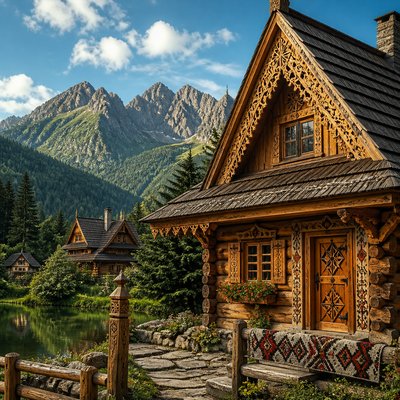
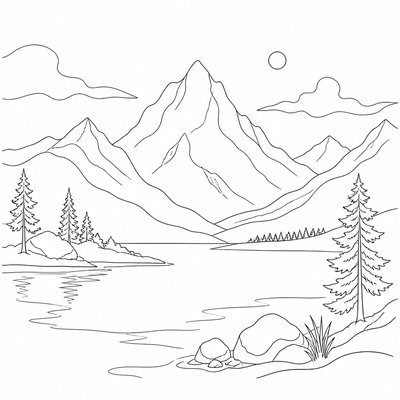
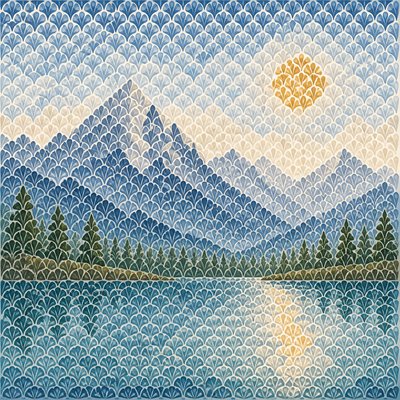
Dense forests, rocky shores, lakes, mist, and distant hills provide a distinctly northern setting rooted in Finnish landscape traditions.
Folkloric and mythic narrative
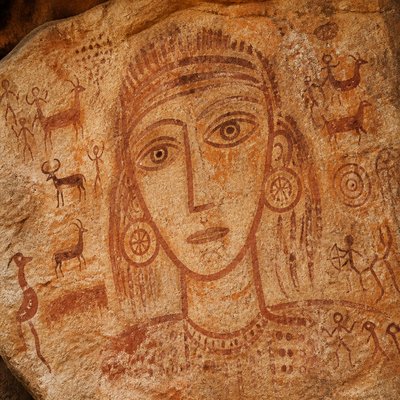
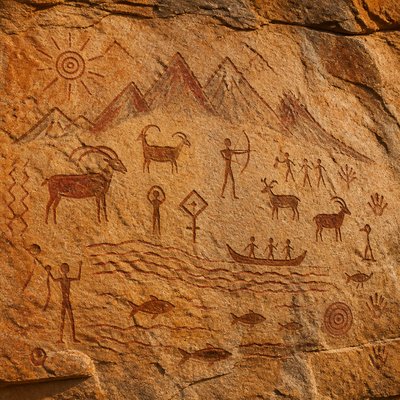
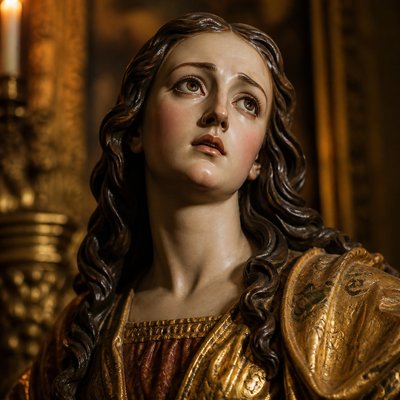
Epic travelers, guardians, spirits, animals, and legendary scenes give the image a storybook quality without requiring literal historical reconstruction.
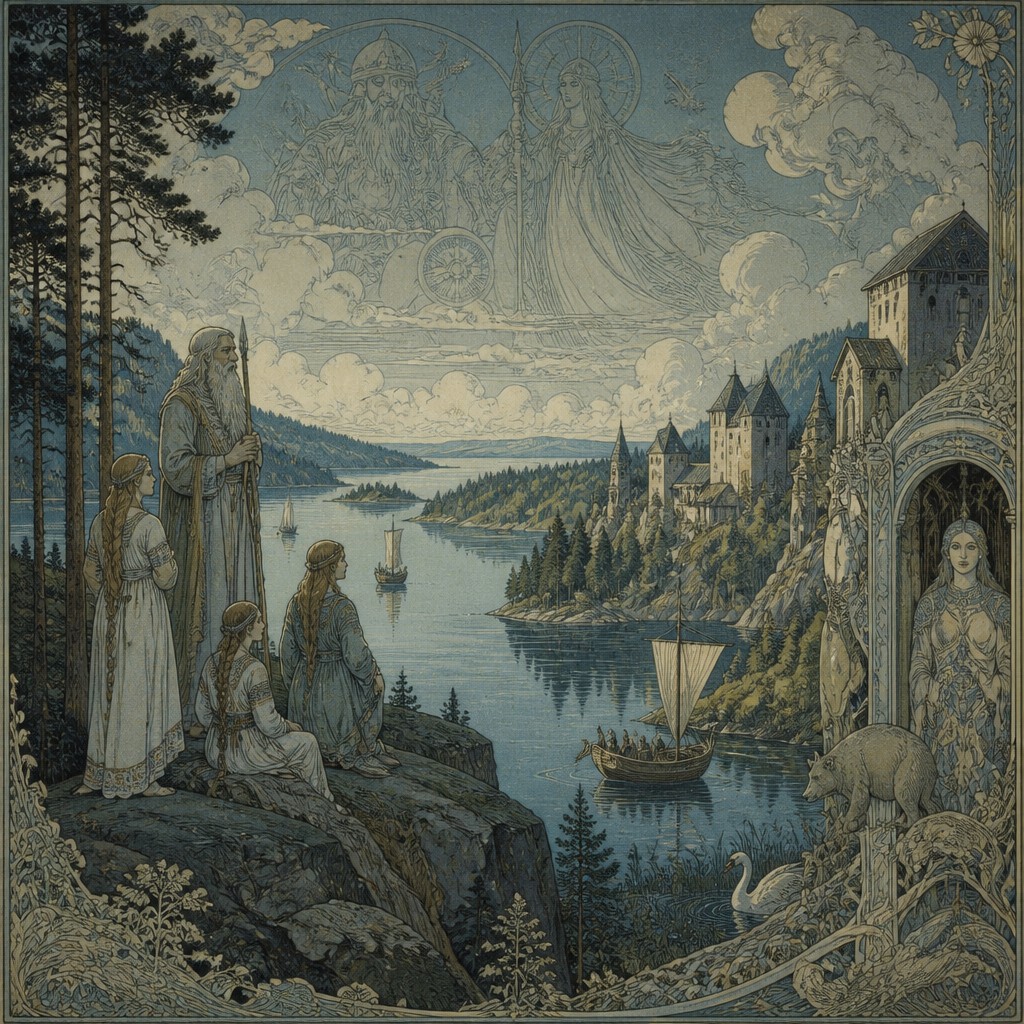
Cool muted palette
Slate blue, pine green, charcoal, granite gray, weathered brown, and restrained ochre dominate, with pale winter light or subdued sunset used as an accent.
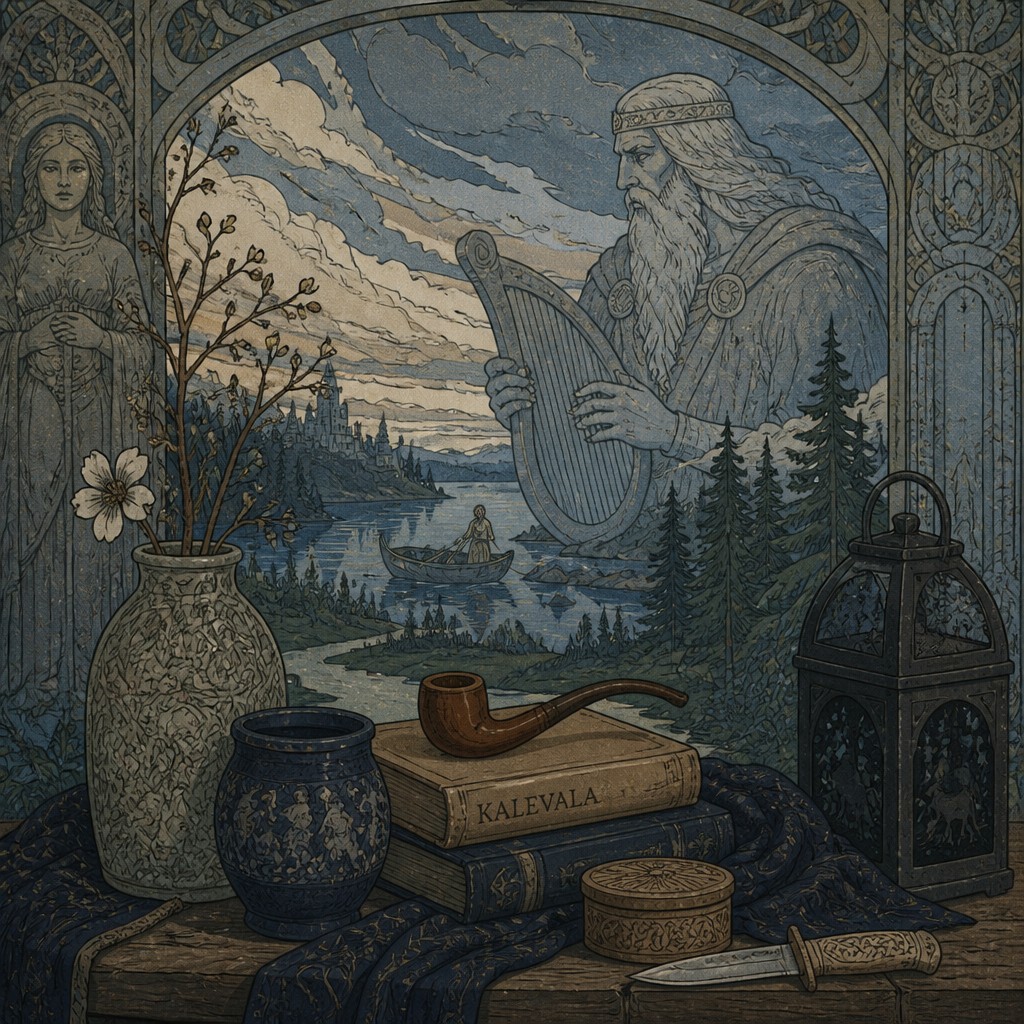
Illustrative linework
Clear contour lines, ornamental hatching, simplified anatomy, and graphic silhouettes echo folkloric prints, book illustration, and architectural drawing.
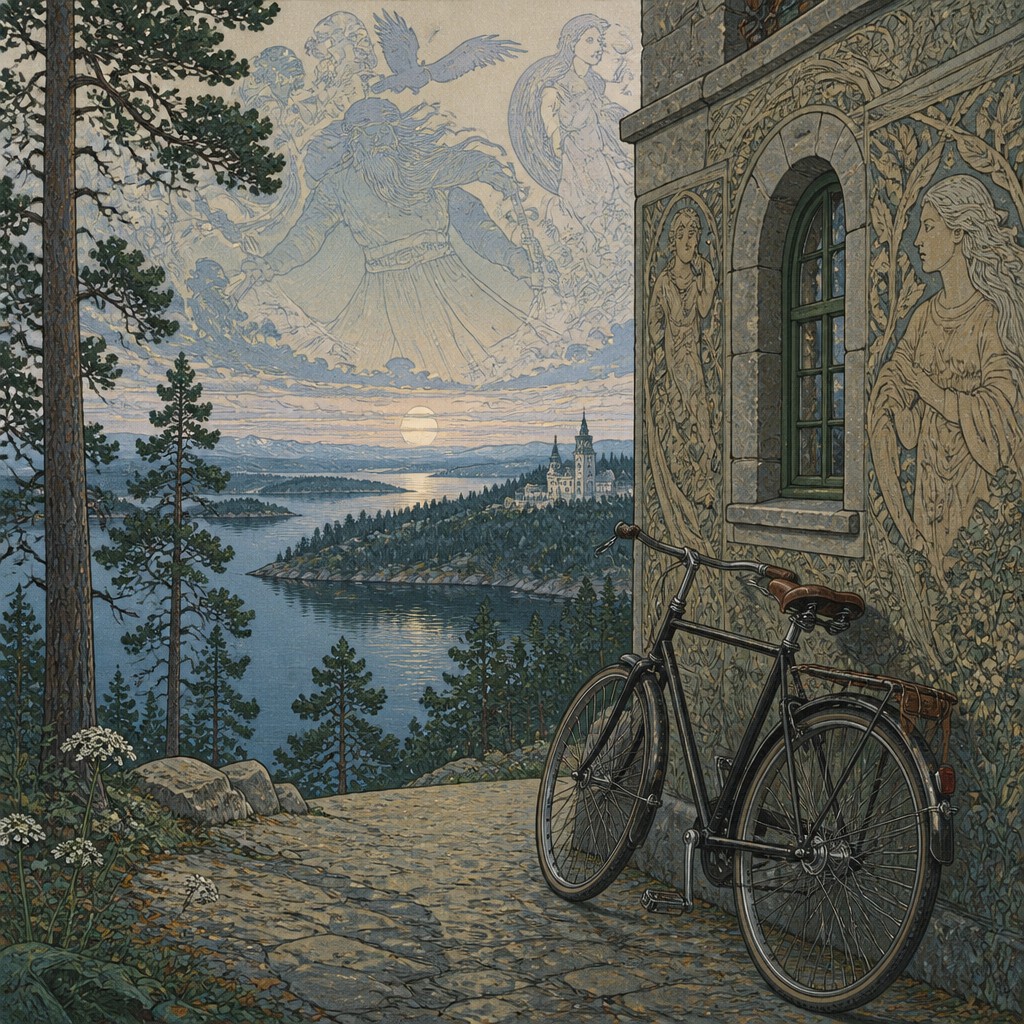
Sweeping epic composition
Foreground figures or structures lead into expansive middle and distant scenes, creating visual depth and a sense of legend unfolding across the landscape.
Helsinki Prompt Ideas
Start from an idea — each one opens the generator with the style ready to go. See all 40 Helsinki prompts →
How to Create Helsinki Art
Master the craft step by step — or skip straight to creating. Read the full guide →
- 1
Build from a northern setting
Begin with a lake, conifer forest, rocky island, or snow-dampened urban street. Establish cool atmospheric light before adding figures or decorative detail.
- 2
Use granite as a structural anchor
For architecture, block in thick masonry, irregular stone texture, and strong silhouettes first. Add restrained carved foliage or animal motifs rather than delicate, brightly colored ornament.
- 3
Combine drawing with painted atmosphere
Use firm ink or pencil contours for figures, trees, and ornament, then layer opaque or translucent color washes to create mist, depth, and the subdued Nordic palette.
- 4
Organize the image like a legend
Place a clear narrative subject in the foreground and connect it to distant peaks, water, towers, or mythic signs. Repeating curves, diagonal paths, and framing branches can guide the eye.
- 5
Control the color and texture
Favor slate, moss, charcoal, muted blue, granite gray, and weathered earth tones. Add paper grain, stone texture, or restrained print-like hatching while avoiding glossy surfaces and neon contrast.
- 6
Write precise generation prompts
Specify a national-romantic Nordic landscape, folkloric illustration linework, granite Jugendstil architecture, cool muted colors, and a sweeping mythic composition. For image transformation, preserve the subject’s pose and key features while requesting these materials, lighting, and ornamental forms.
The Story
History & Origins of Helsinki
The style’s main historical lineage lies in Finland’s national romantic movement of the late nineteenth and early twentieth centuries, when artists and architects sought a distinct cultural identity through nature, folklore, vernacular buildings, and epic poetry. In architecture, this impulse converged with the Nordic form of Art Nouveau, often called Jugendstil, producing buildings that emphasized locally sourced granite, asymmetrical massing, and carved organic decoration.
The Helsinki Art Style label extends these sources into a flexible contemporary art direction. It draws on national-romantic illustration, Finnish and broader Nordic folklore, heroic landscape painting, architectural ornament, and modern digital image-making without claiming to be a separate historical school.
Influences: Helsinki Art Style is related to Finnish national romanticism, Nordic Art Nouveau or Jugendstil, Karelianist folklore imagery, Scandinavian landscape painting, medieval and folkloric book illustration, woodcut and lithographic print traditions, and contemporary fantasy concept art. Its architectural side also connects with the broader Arts and Crafts interest in local materials, handcraft, and regional identity, while its landscape language recalls northern Romanticism and symbolist approaches to nature.
Frequently Asked Questions
Is Helsinki Art Style a recognized historical art movement?
No. The term is best understood as a contemporary descriptive or AI-native style label rather than a documented historical school. It synthesizes established Finnish and Nordic traditions, especially national romanticism, Jugendstil architecture, folklore, and landscape art.
What defines the Helsinki Art Style?
Its defining features are granite Art Nouveau architecture, cool muted Nordic colors, forest-and-lake scenery, folkloric or mythic subjects, and strong illustrative linework. Large compositions often connect a foreground narrative with expansive distant landscapes.
How is it different from Scandinavian minimalism?
Scandinavian minimalism generally emphasizes simplicity, lightness, functional forms, and open space. Helsinki Art Style is darker, more decorative, more monumental, and more invested in folklore, carved ornament, geological texture, and epic narrative.
How can I make a traditional artwork in this style?
Combine ink, graphite, gouache, or tempera with a limited palette of slate blue, pine green, charcoal, granite gray, and muted earth tones. Use firm contours, print-like hatching, atmospheric washes, and organic architectural motifs inspired by northern stone buildings.
Can the style be used for portraits or modern subjects?
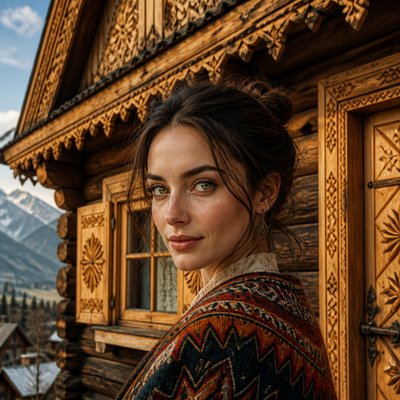
Yes. A portrait can be framed by conifers, lake mist, carved stone, or folkloric symbols while retaining recognizable facial features. Modern clothing, vehicles, or city scenes can also work when treated with the style’s cool light, textured materials, and mythic compositional logic.
Where is this visual style useful?
It suits book covers, fantasy and folklore illustration, editorial artwork, architectural visualization, posters, game environments, album art, and atmospheric travel imagery. Its strongest applications are subjects that benefit from regional identity, narrative depth, or a sense of northern mystery.
Create your first Helsinki artwork
Describe anything — or upload a photo — and see it in Helsinki Art Style in seconds.
Related Styles
Discover similar art styles