Origami Art Style
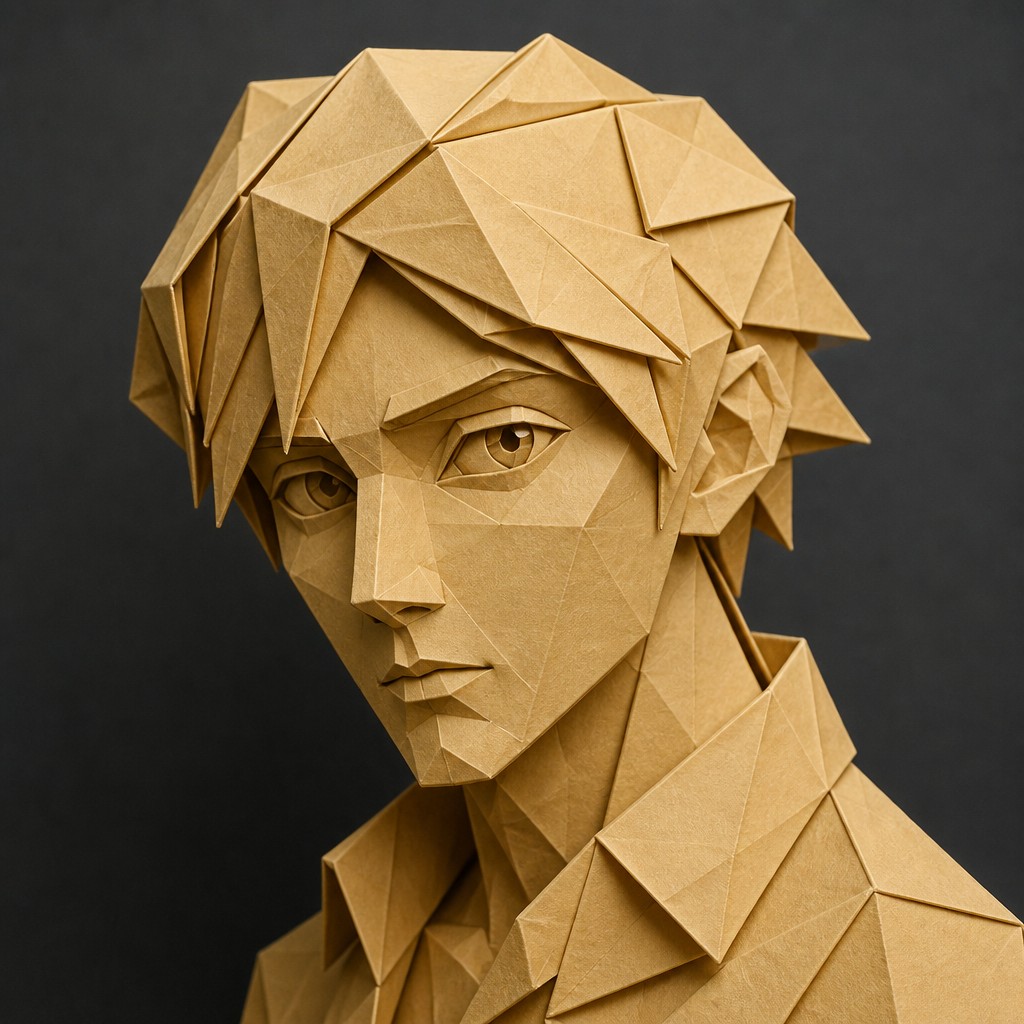
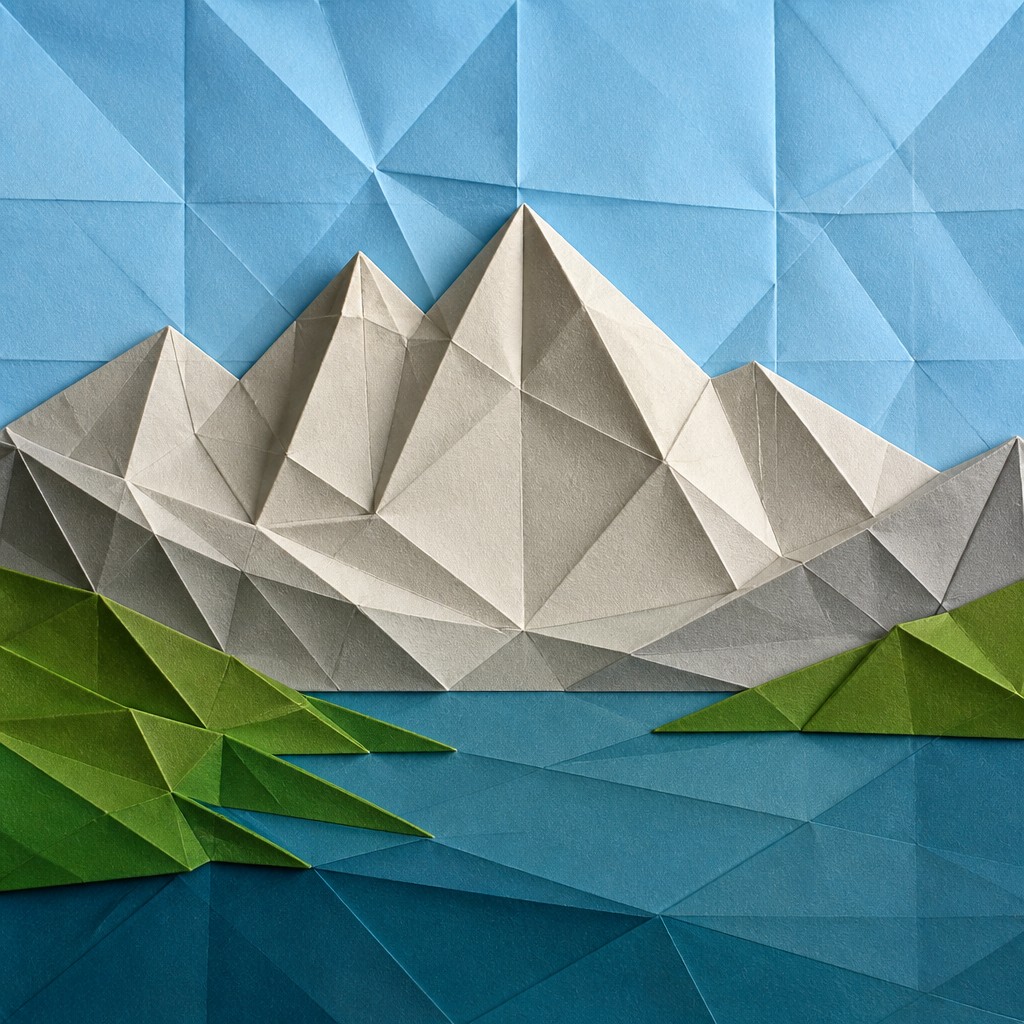
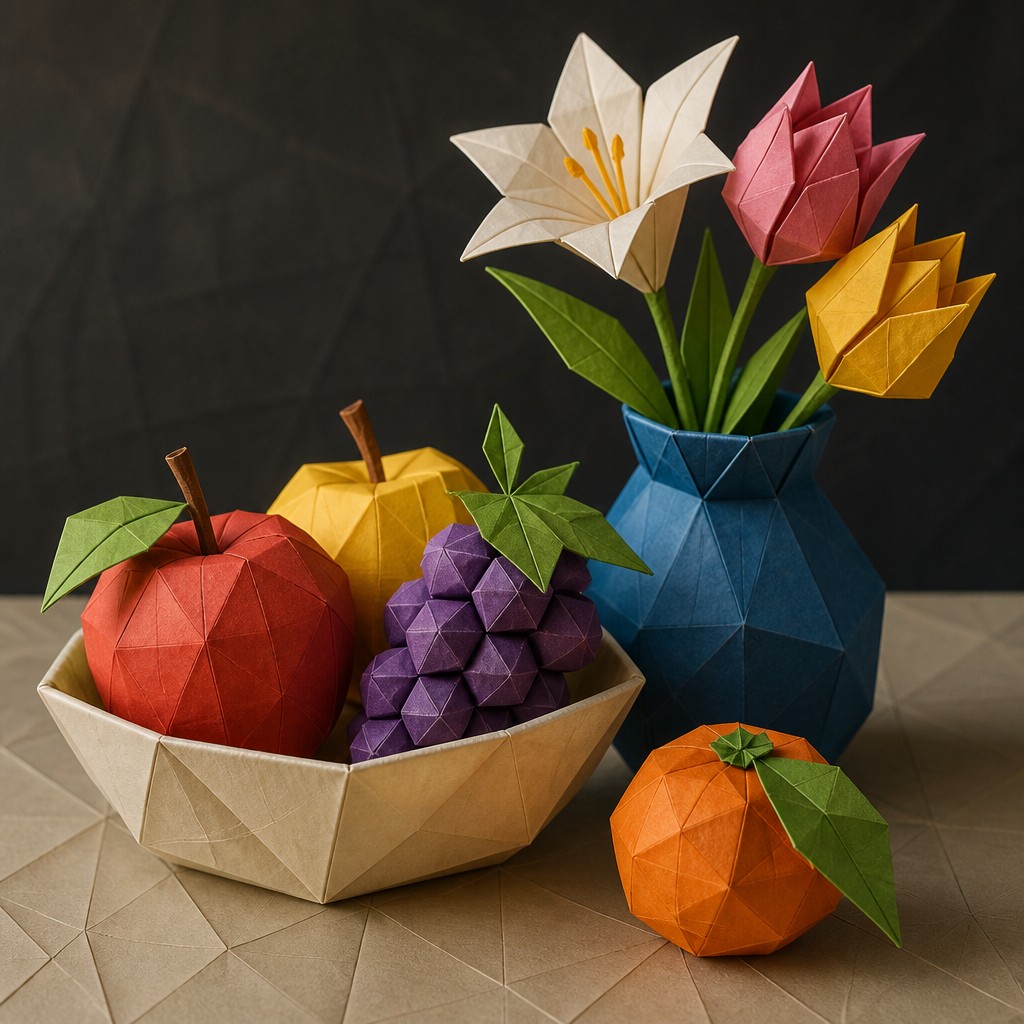
Explore origami art: crisp geometric folds, matte paper surfaces, and sculptural forms created from a single uncut sheet.
Instantly rendered in Origami — or transform a photo
Origami Gallery
Tap any artwork to explore it
What is Origami Art Style?
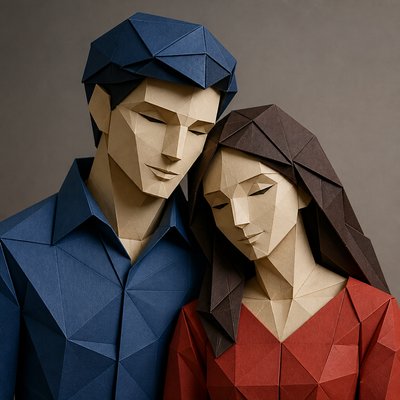
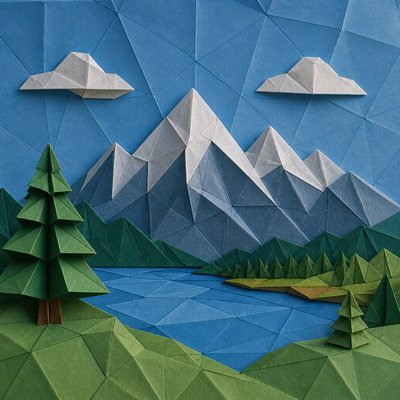
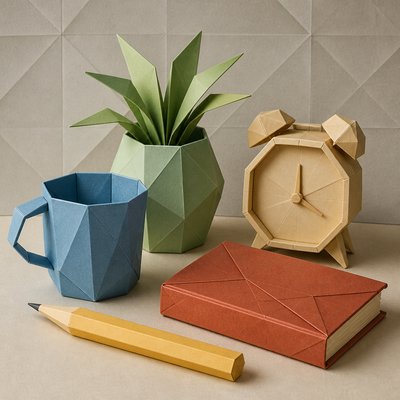
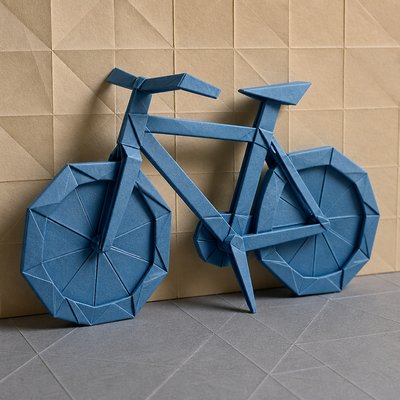
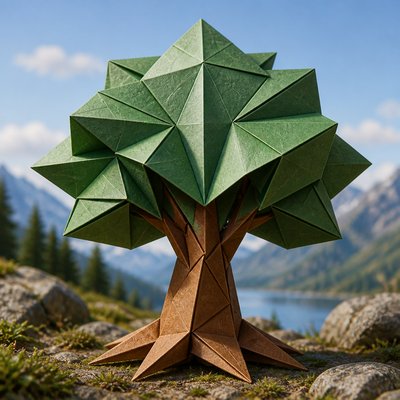
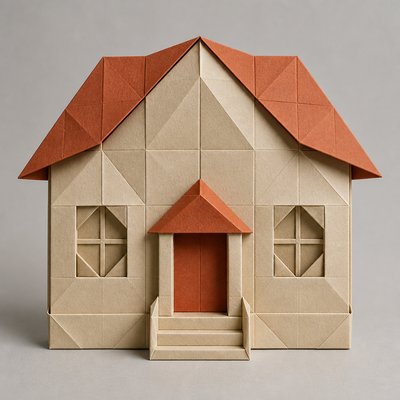
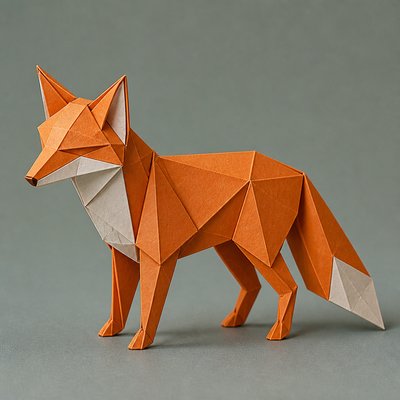
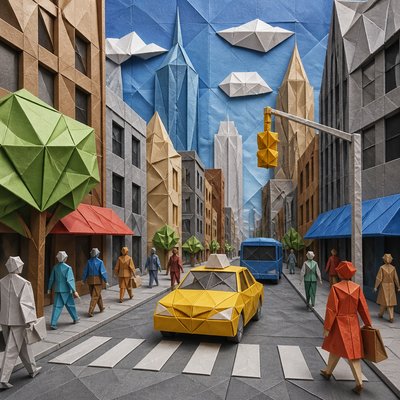
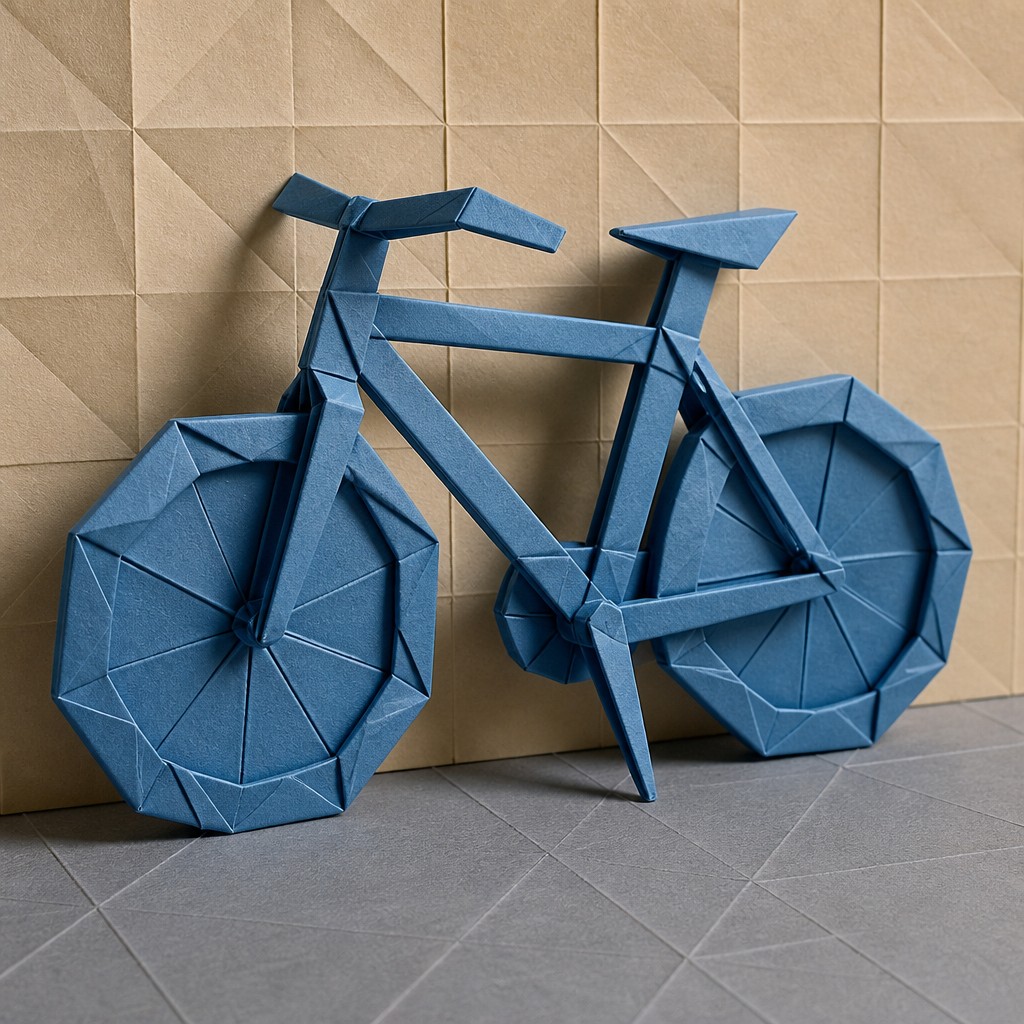
Origami art transforms a flat sheet of paper into a recognizable object, figure, landscape, or abstract structure through folding rather than cutting, gluing, carving, or modeling. In this visual style, the logic of the fold remains visible: angular planes, triangular facets, sharp ridges, recessed valleys, and a regular crease pattern define the form.
The aesthetic is both tactile and geometric. Matte colored paper absorbs light across broad surfaces while directional illumination emphasizes mountain and valley folds, making a simple sheet appear three-dimensional. Forms are usually simplified into clear silhouettes and structural planes, producing a restrained visual language that combines craft, sculpture, design, and abstraction.
Try It On Your Photos
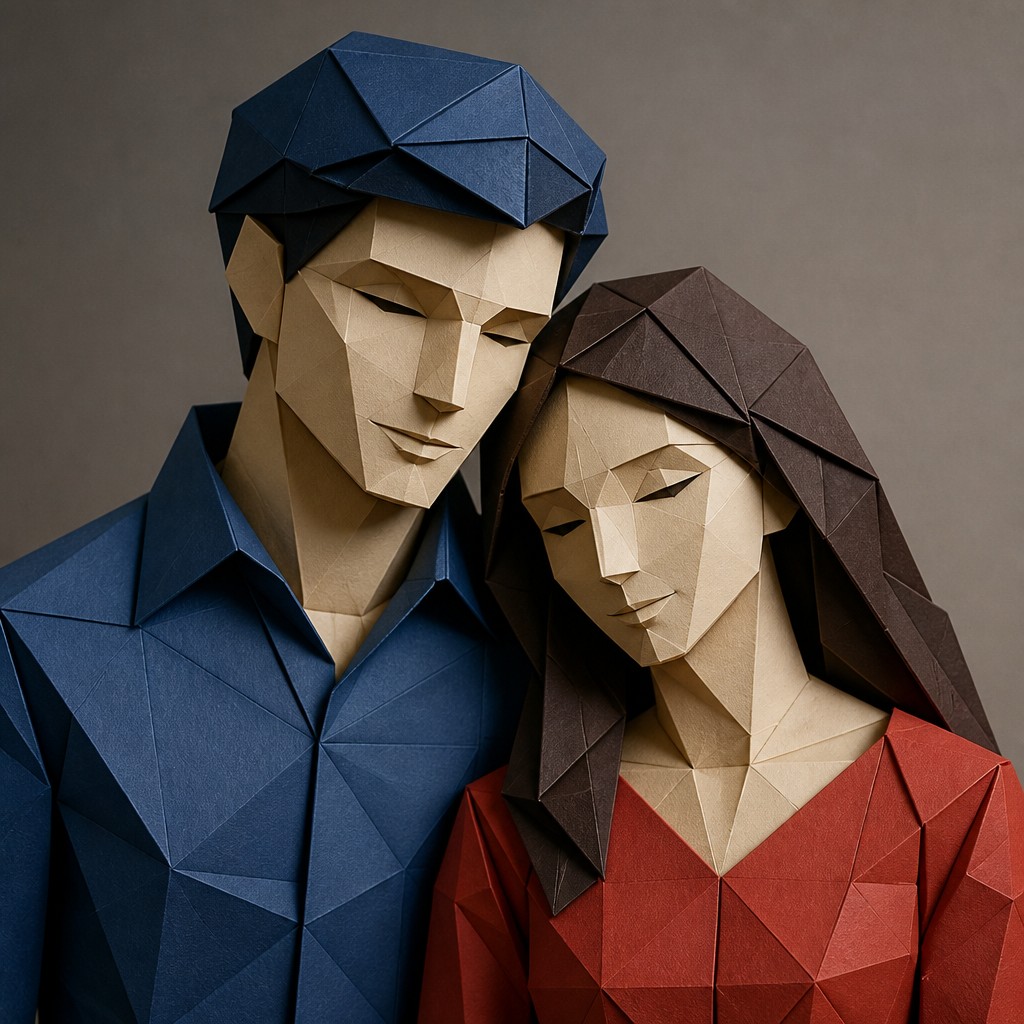
Upload any photo and convert it into Origami Art Style — drag the sliders to compare before and after.
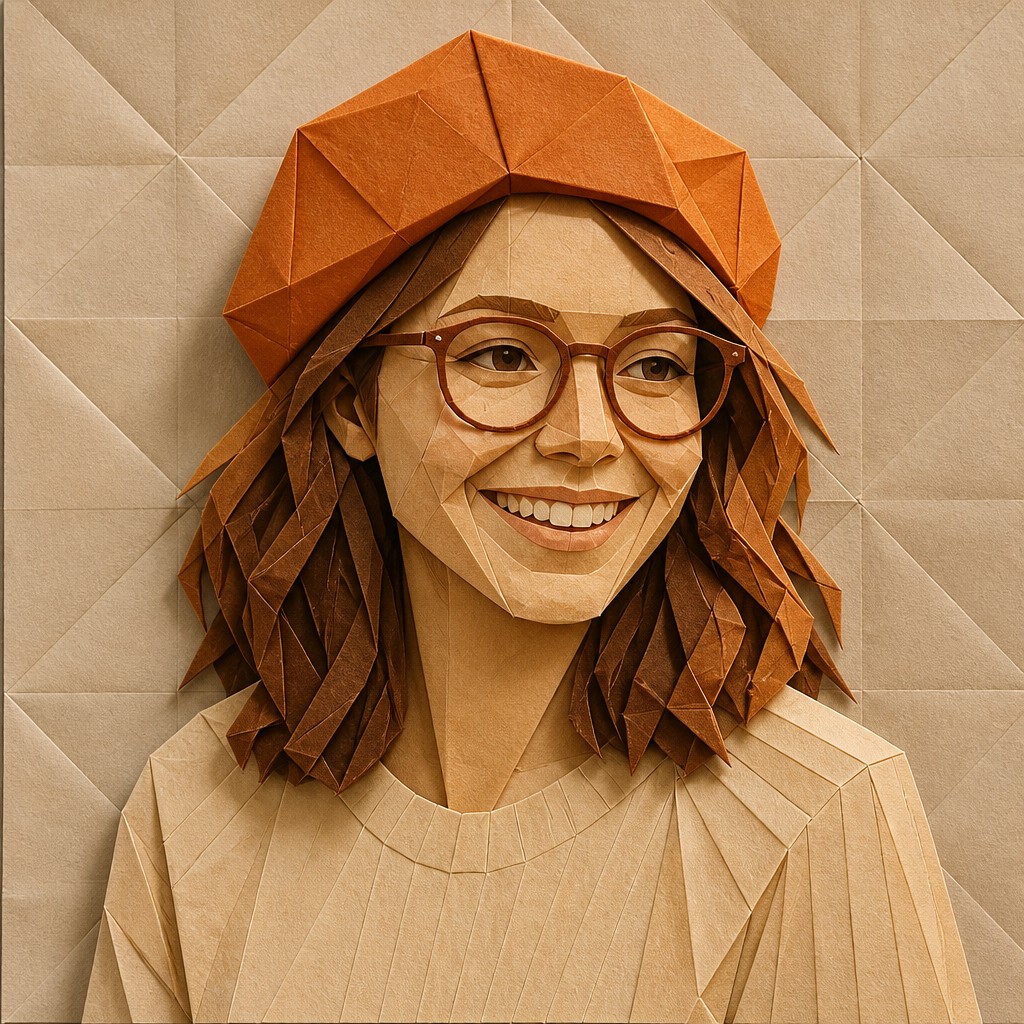

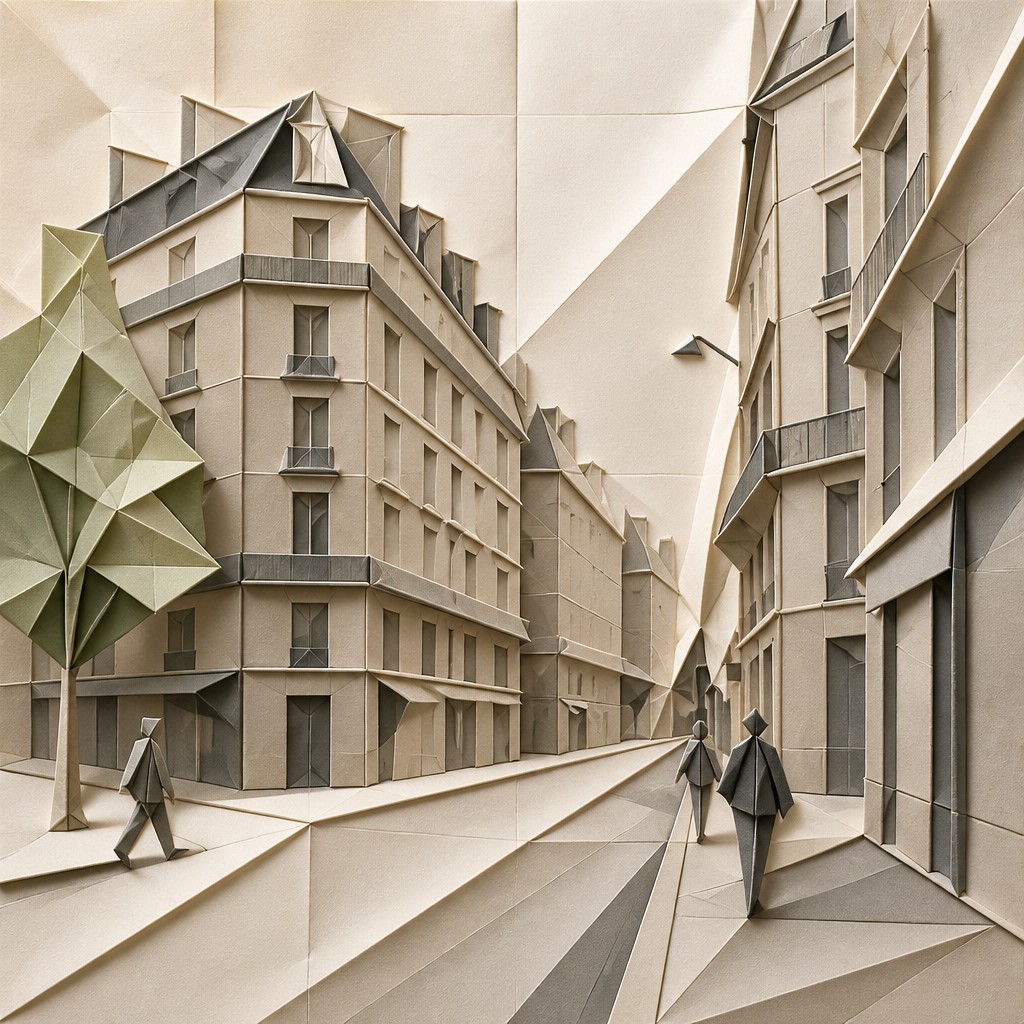

What Defines Origami Art Style
The signature details, up close
Crisp geometric planes
Forms are built from angular facets rather than smooth modeled surfaces. Triangles, polygons, and planar transitions give every object a folded, engineered appearance.
Visible mountain and valley folds
Raised ridges and recessed creases remain legible across the subject. Their directional pattern explains how a flat sheet has been transformed into volume.
Single-sheet logic
The visual concept suggests one continuous, uncut sheet of paper. Even complex subjects should appear structurally connected rather than assembled from unrelated pieces.
Matte paper texture
Surfaces are usually dry, fibrous, and non-reflective, with subtle paper grain and clean blocks of color. Gloss, liquid shine, and metallic reflections are generally avoided.
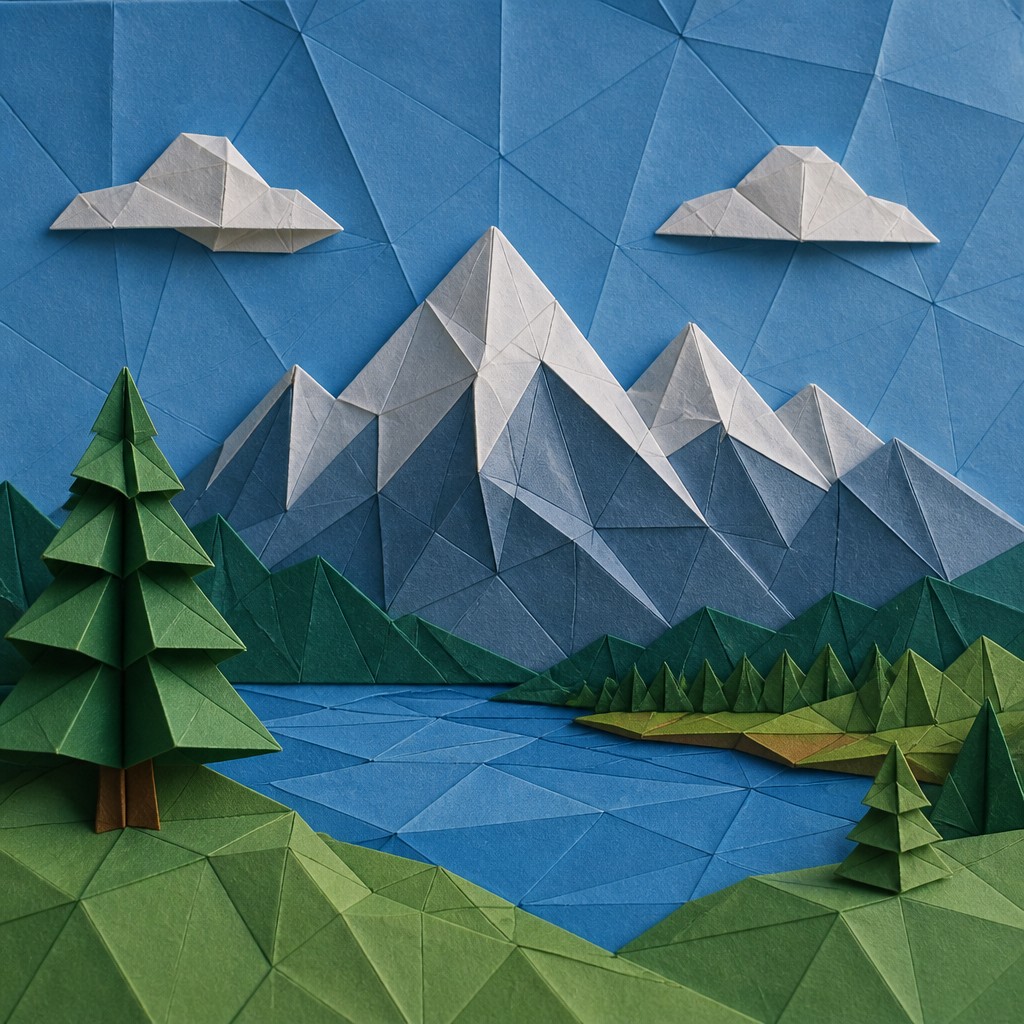
Directional fold lighting
Light skims across ridges and falls into valleys, producing controlled tonal changes. Shadows are sharp enough to reveal construction but restrained enough to preserve a minimalist silhouette.
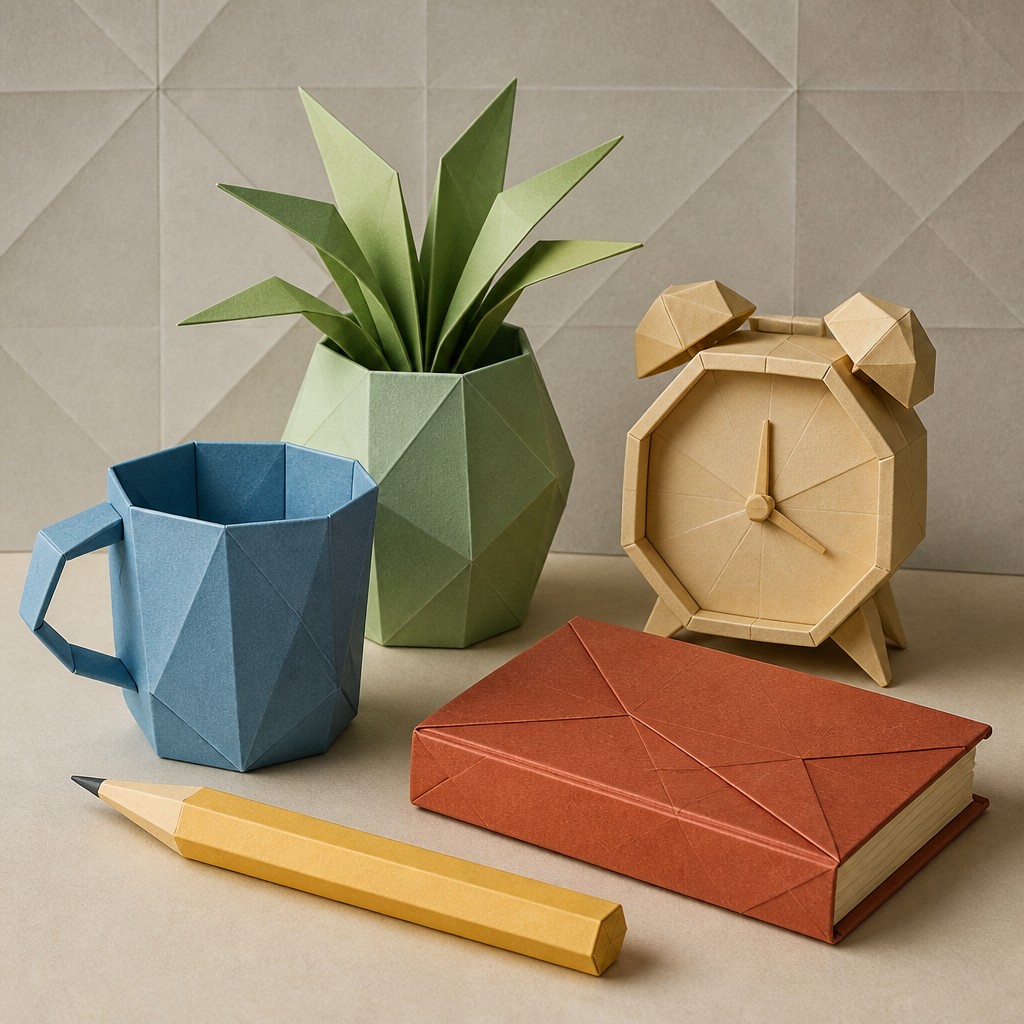
Simplified silhouettes
Recognizable subjects are reduced to their essential contours and planes. Fine surface detail is replaced by the rhythm of folds and the balance of positive and negative space.
Structural color blocking
Color often follows major folded sections, using a limited palette to clarify depth and geometry. Contrasting facets can make the crease structure easier to read.
Origami Prompt Ideas
Start from an idea — each one opens the generator with the style ready to go. See all 40 Origami prompts →
How to Create Origami Art
Master the craft step by step — or skip straight to creating. Read the full guide →
- 1
Begin with a simple crease plan
For traditional work, sketch a grid, diagonal network, or box-pleat structure before folding. Choose a subject whose major volumes can be expressed with planes, such as an animal, flower, vessel, or building.
- 2
Preserve the paper’s continuity
Use one sheet whenever possible and let folds, not cuts or added parts, establish the form. In digital work, model a thin plane with believable thickness, connected edges, and visible crease topology.
- 3
Control the lighting
Use a broad directional source placed to rake across the folds, with softer fill on the shadow side. Avoid flat frontal light, which can erase the distinction between mountains and valleys.
- 4
Limit materials and color
Select matte paper colors and a restrained palette, then assign tonal changes to folded planes rather than adding painted texture. Subtle fiber grain can reinforce the physical material without distracting from the geometry.
- 5
Simplify the subject
Reduce complex anatomy, architecture, or scenery to a few strong volumes and an unmistakable silhouette. A concise structure usually reads more convincingly than excessive tiny folds.
- 6
Describe construction in prompts
For prompt-based generation, specify a single uncut sheet, crisp mountain-and-valley creases, angular facets, a visible crease grid, matte paper, and directional light. Add a clear subject and composition, while excluding photorealistic skin, smooth plastic, and loose collage elements when needed.
The Story
History & Origins of Origami
Origami art belongs to a long paper-folding tradition associated especially with Japanese culture, where paper folding developed through ceremonial, recreational, educational, and decorative practices. Related folding traditions also emerged in other regions, and modern paper engineering expanded the medium through mathematical crease patterns, modular construction, representational models, and sculptural experimentation.
The specific polished look described here is best understood as a contemporary aesthetic lineage rather than a single historical movement. It draws on traditional origami, modern geometric abstraction, low-poly modeling, paper sculpture, architectural maquettes, and digital 3D visualization, translating the physical discipline of folding into a clean image-making language.
Influences: The style connects traditional Japanese and international paper-folding practices with paper engineering, geometric abstraction, constructivist design principles, low-poly digital modeling, architectural model-making, and contemporary minimalist illustration. It also shares with modern sculpture an interest in volume, shadow, material behavior, and the transformation of a simple planar resource into a spatial object.
Frequently Asked Questions
What defines origami art style?
It is defined by the appearance of a flat sheet transformed into three-dimensional form through deliberate folds. Crisp creases, angular planes, matte paper, simplified silhouettes, and lighting that reveals the fold structure are central features.
Is origami art limited to traditional folded paper objects?
Traditional origami is physically made by folding paper, but the visual style can also be applied to illustration, sculpture, animation, photography, and 3D rendering. The key requirement is that the subject should look governed by folding rather than by cutting, carving, or smooth digital modeling.
How is this different from low-poly art?
Both use faceted geometry, but low-poly art primarily describes a polygonal modeling and rendering strategy. Origami art adds the material and structural logic of paper: continuous surfaces, crease directions, mountain-and-valley folds, and the suggestion of a single sheet.
Can realistic subjects be represented with folded paper?
Yes, although realism is usually translated into simplified volumes rather than fine textures or photographic detail. Animals, portraits, plants, buildings, landscapes, and vehicles work well when their silhouettes and major planes remain recognizable.
How do lighting and shadows affect the look?
Directional light is essential because it makes raised creases catch highlights and recessed folds hold shadows. A broad side or top-side source provides depth while controlled fill prevents the darker planes from becoming unreadable.
Where is this style commonly used?
It is used in paper sculpture, editorial illustration, packaging and poster concepts, educational visuals, architectural studies, animation, game imagery, product visualization, and decorative art. Its clear geometry also makes it suitable for icons and conceptual scenes.
Create your first Origami artwork
Describe anything — or upload a photo — and see it in Origami Art Style in seconds.
Related Styles
Discover similar art styles