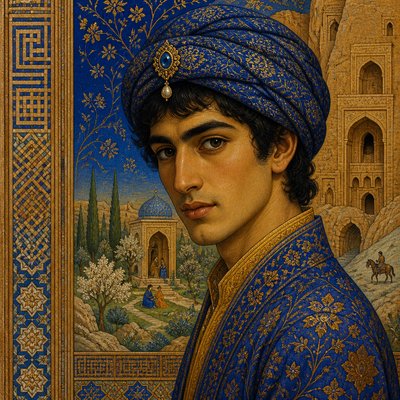
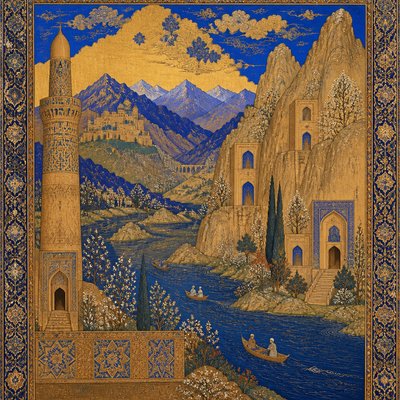
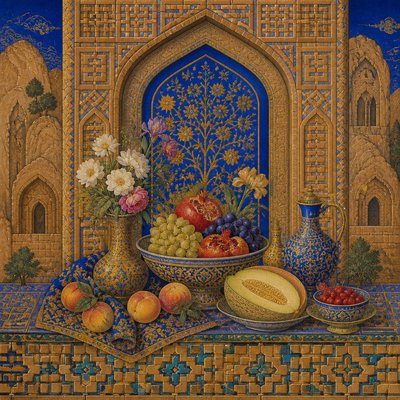
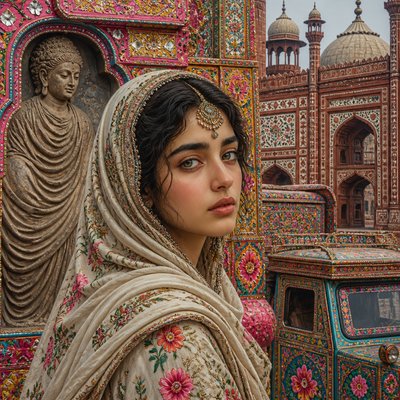
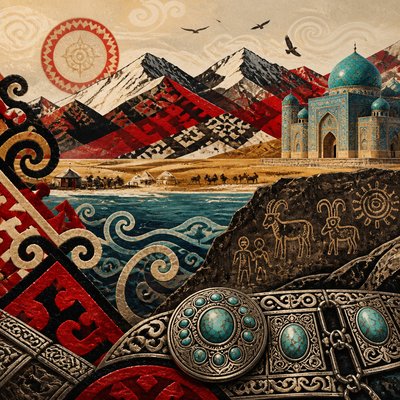
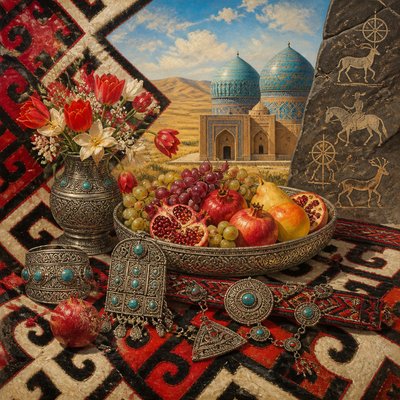
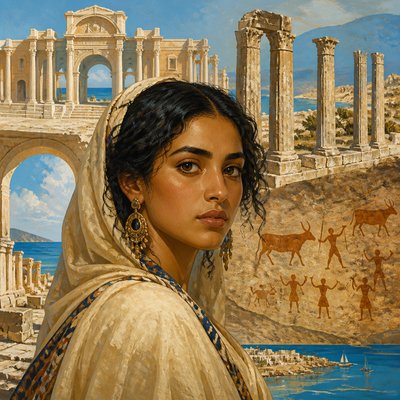
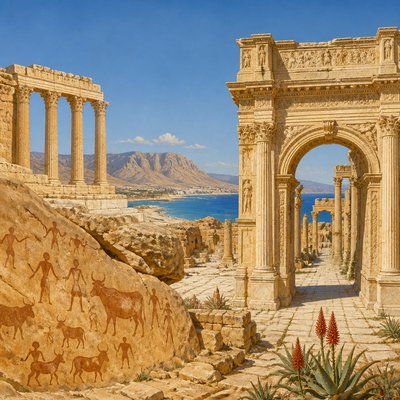
New Zealand Art Style
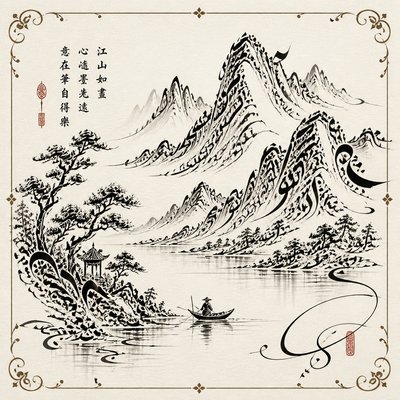
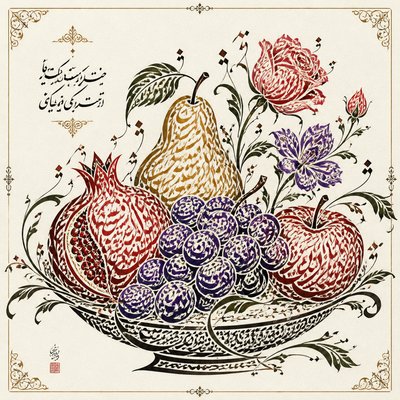
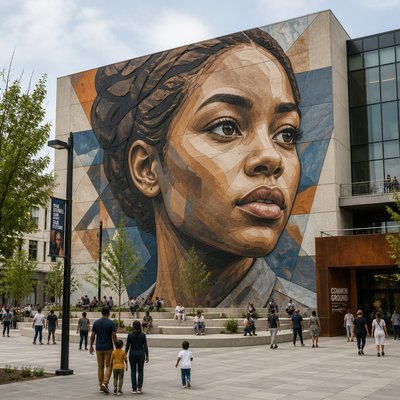
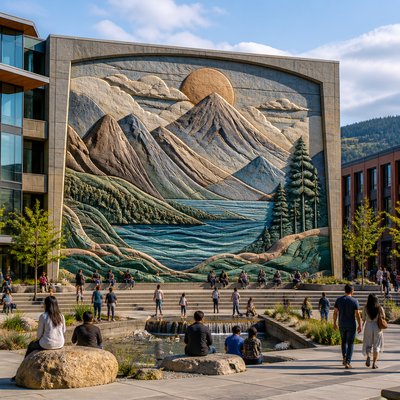
Explore New Zealand art style: koru spirals, pounamu greens, fern motifs, dramatic coastlines, and long white clouds.
Instantly rendered in New Zealand — or transform a photo
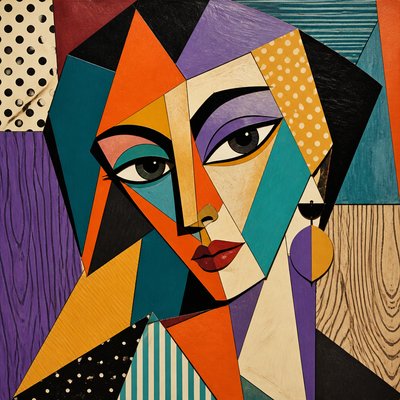
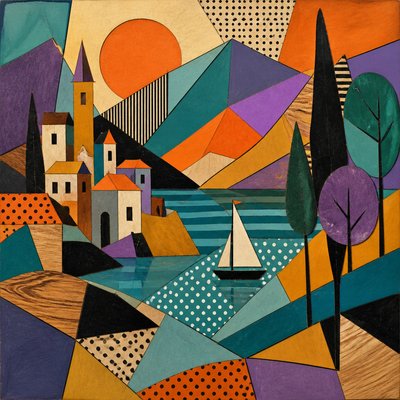
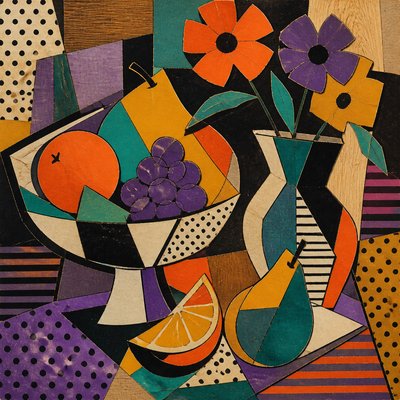
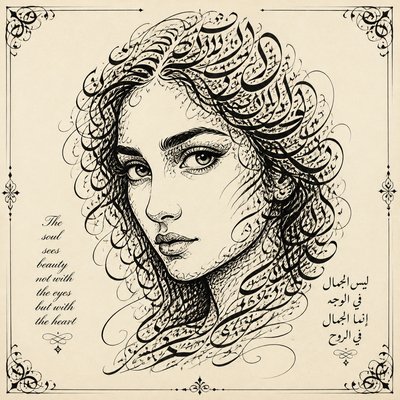
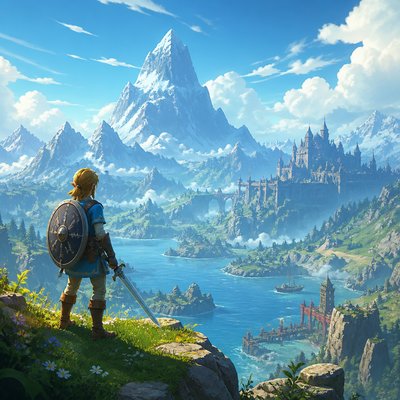
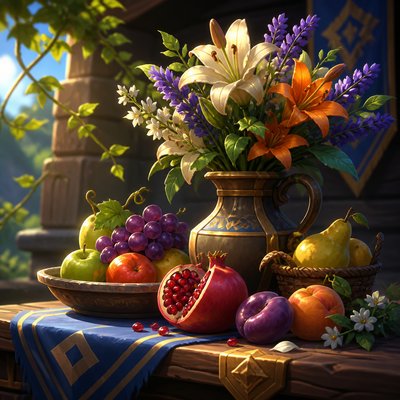
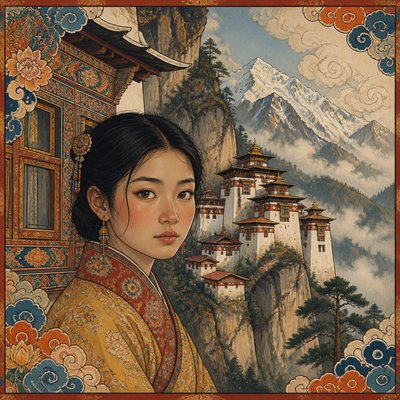
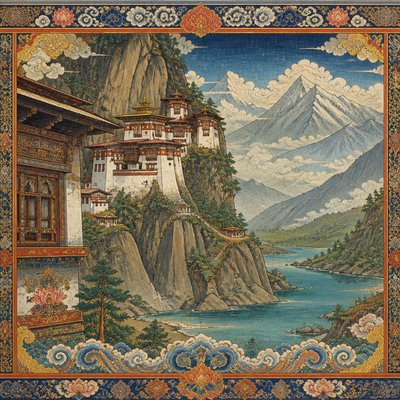
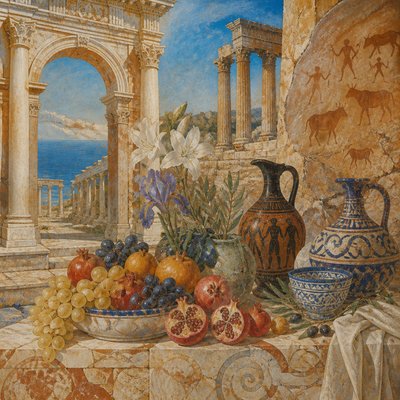
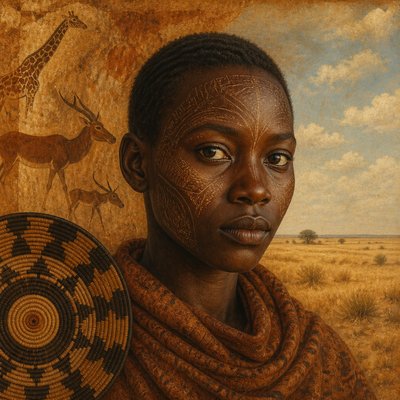
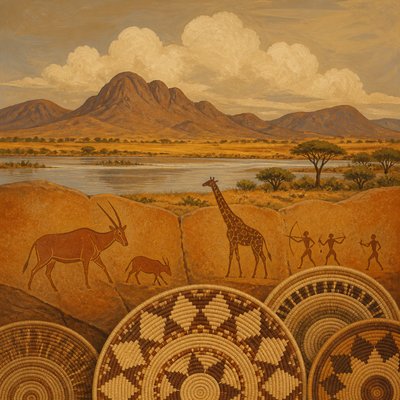
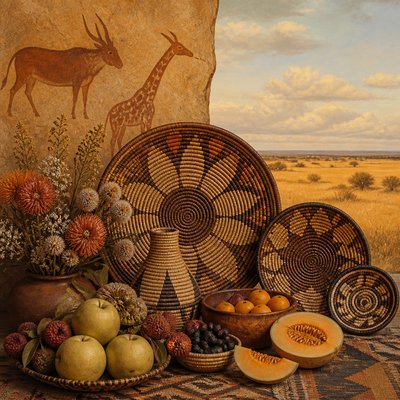
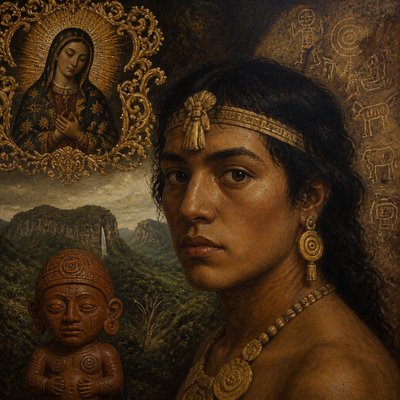
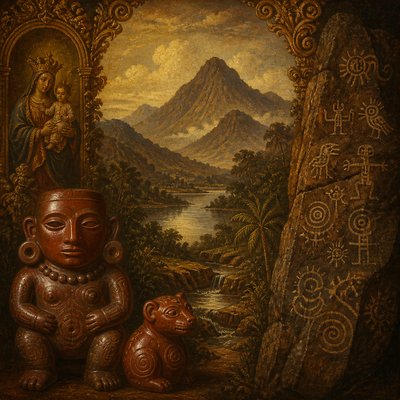
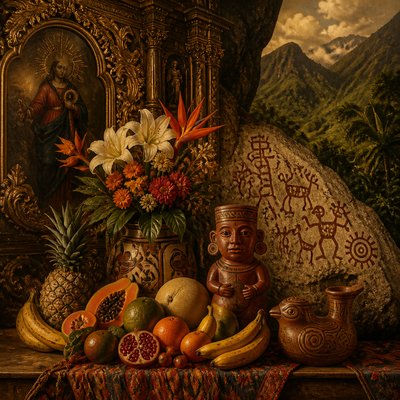
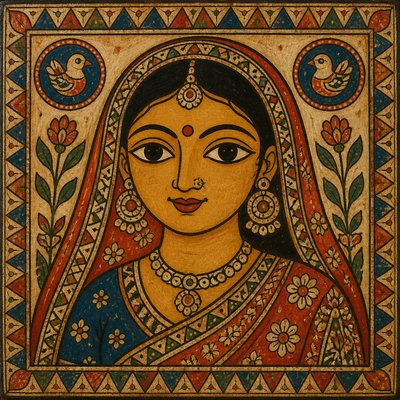
New Zealand Gallery
Tap any artwork to explore it
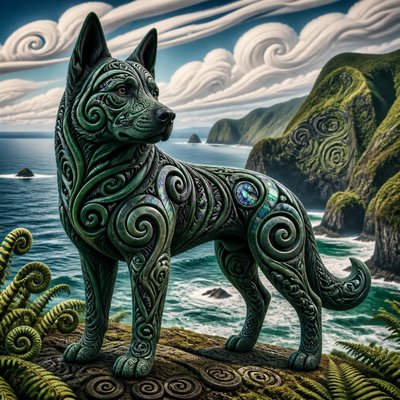
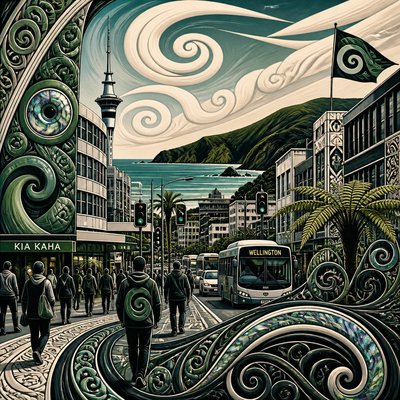
What is New Zealand Art Style?
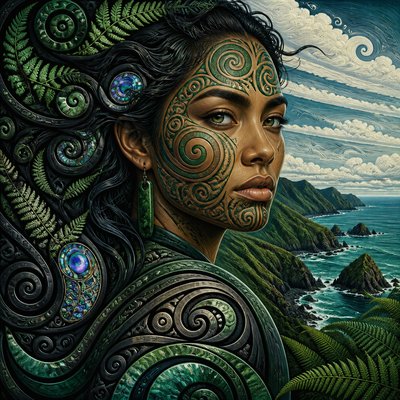
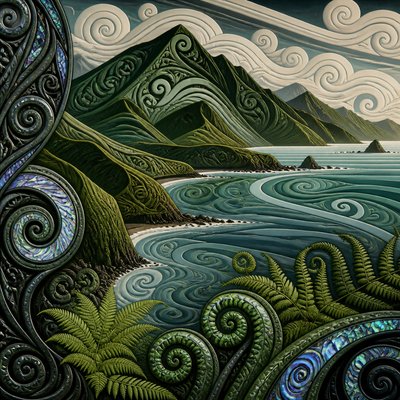
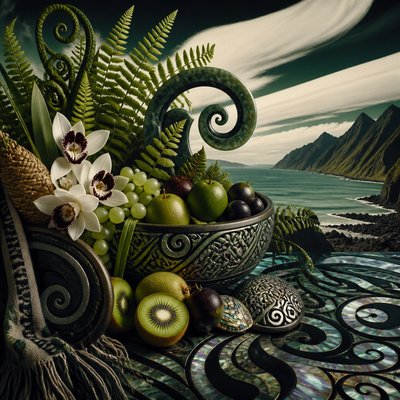
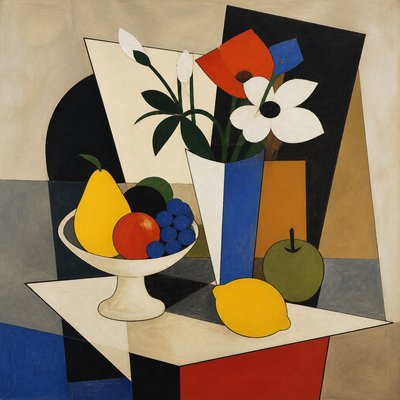
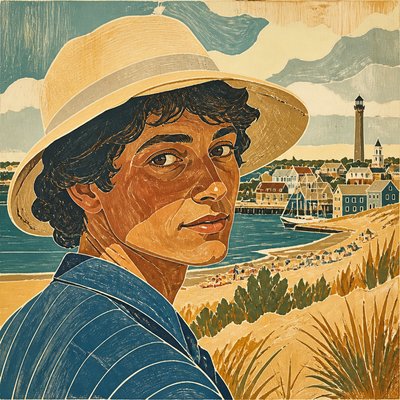
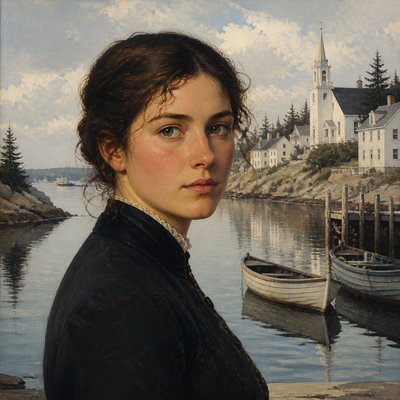
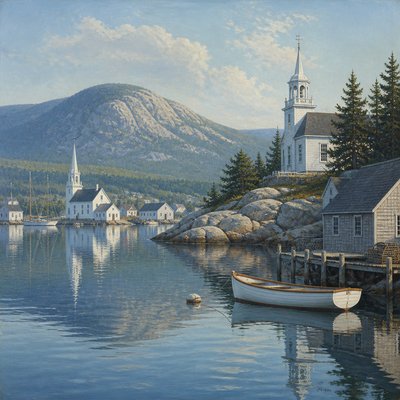
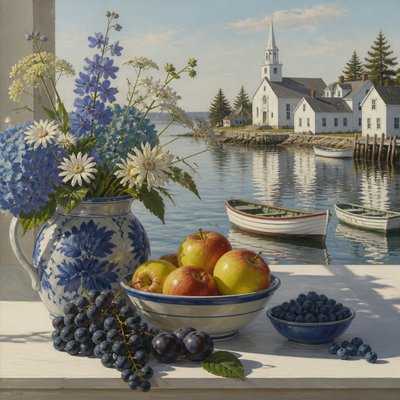
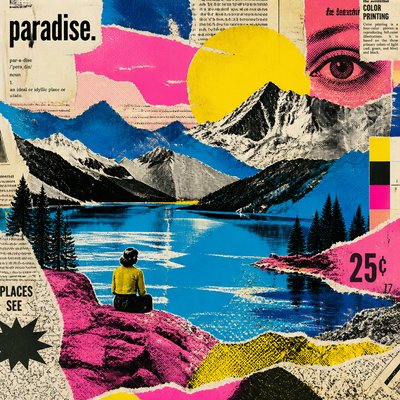
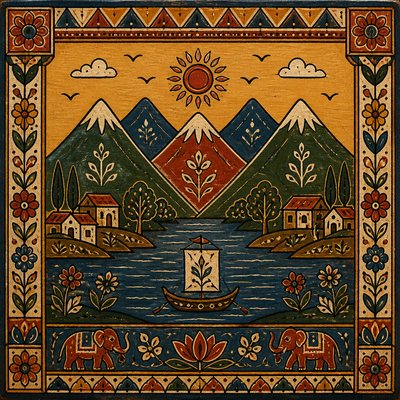
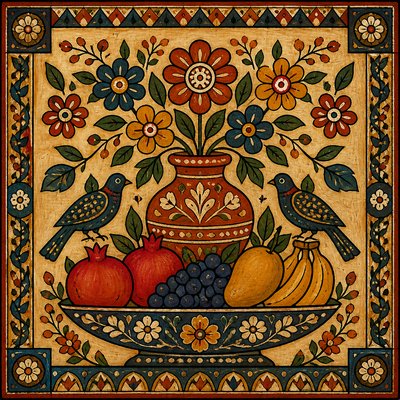
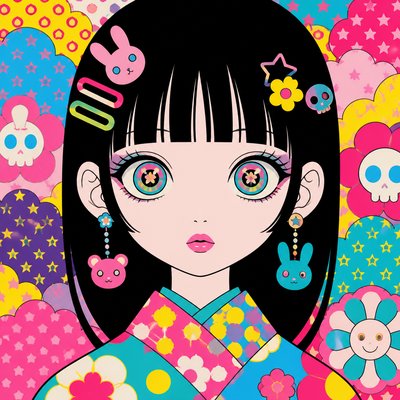
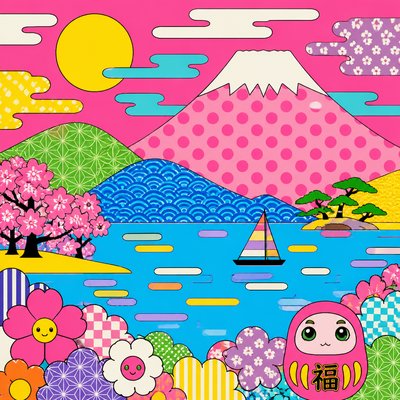
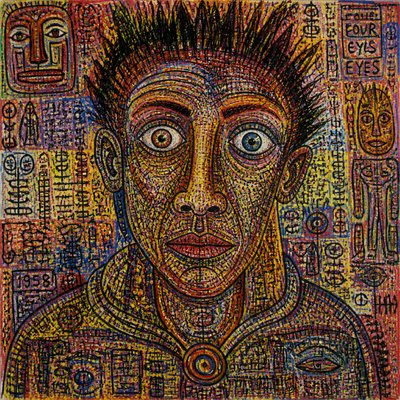
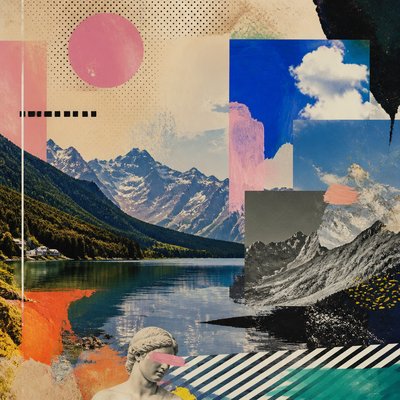
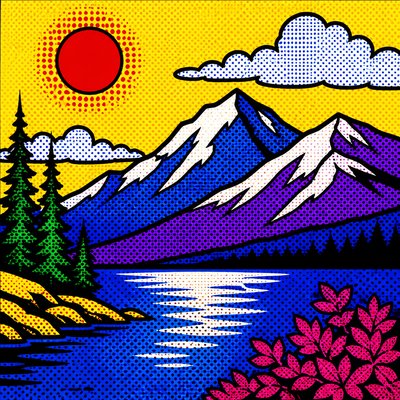
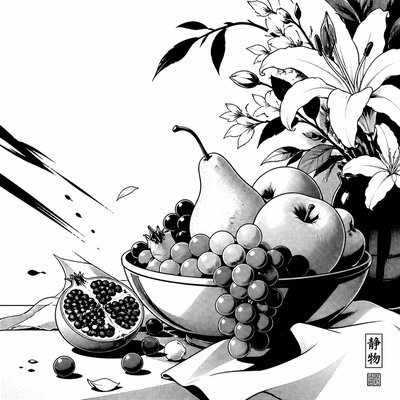
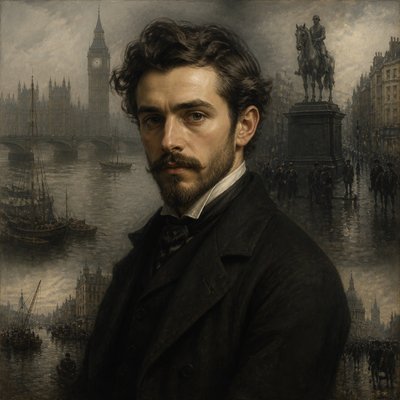
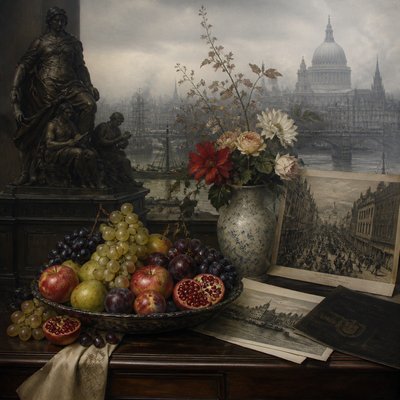
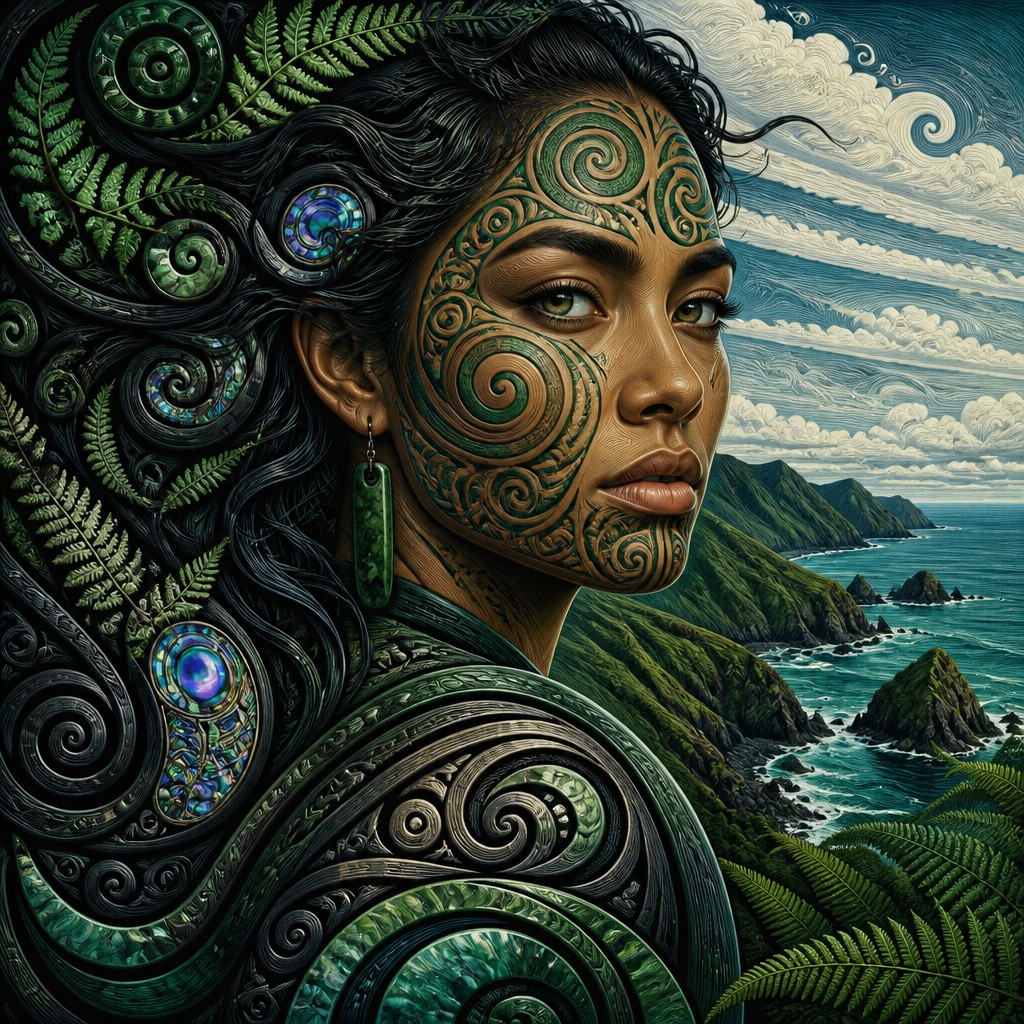
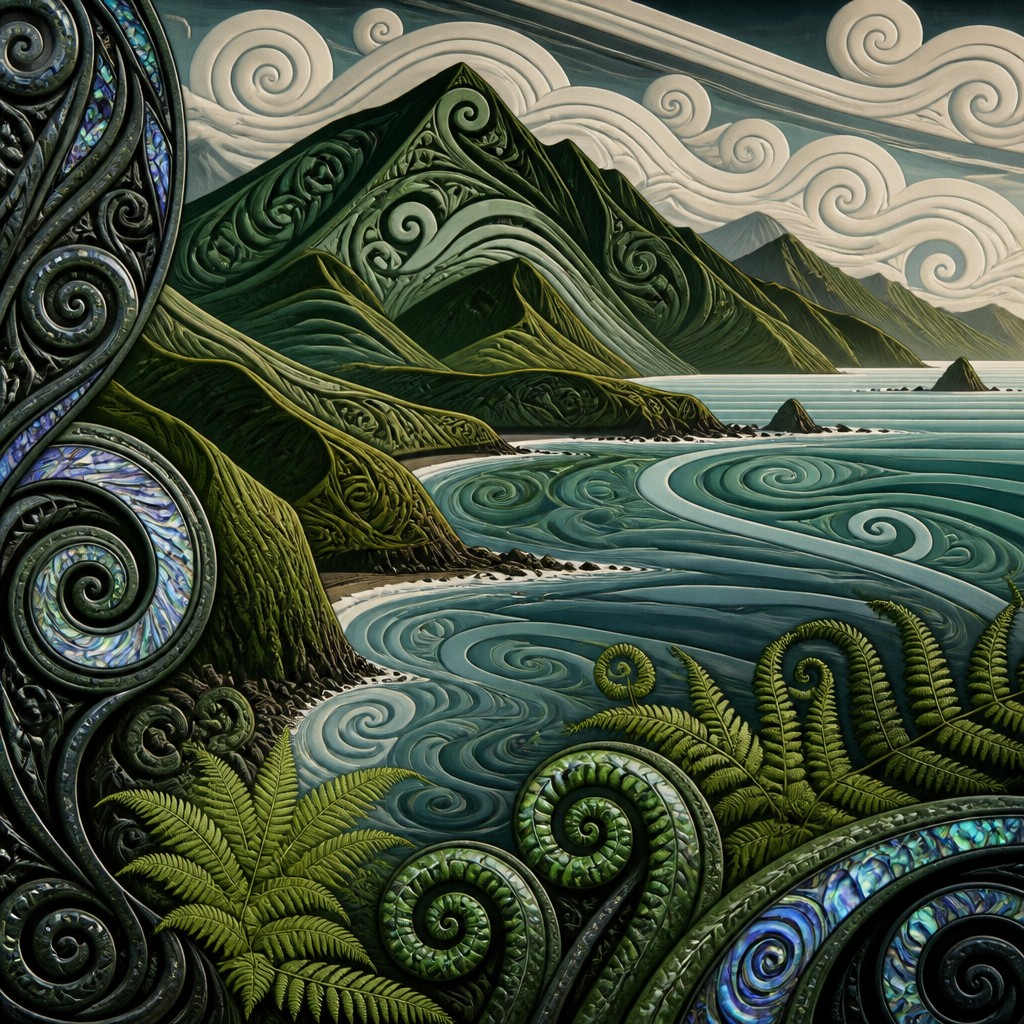
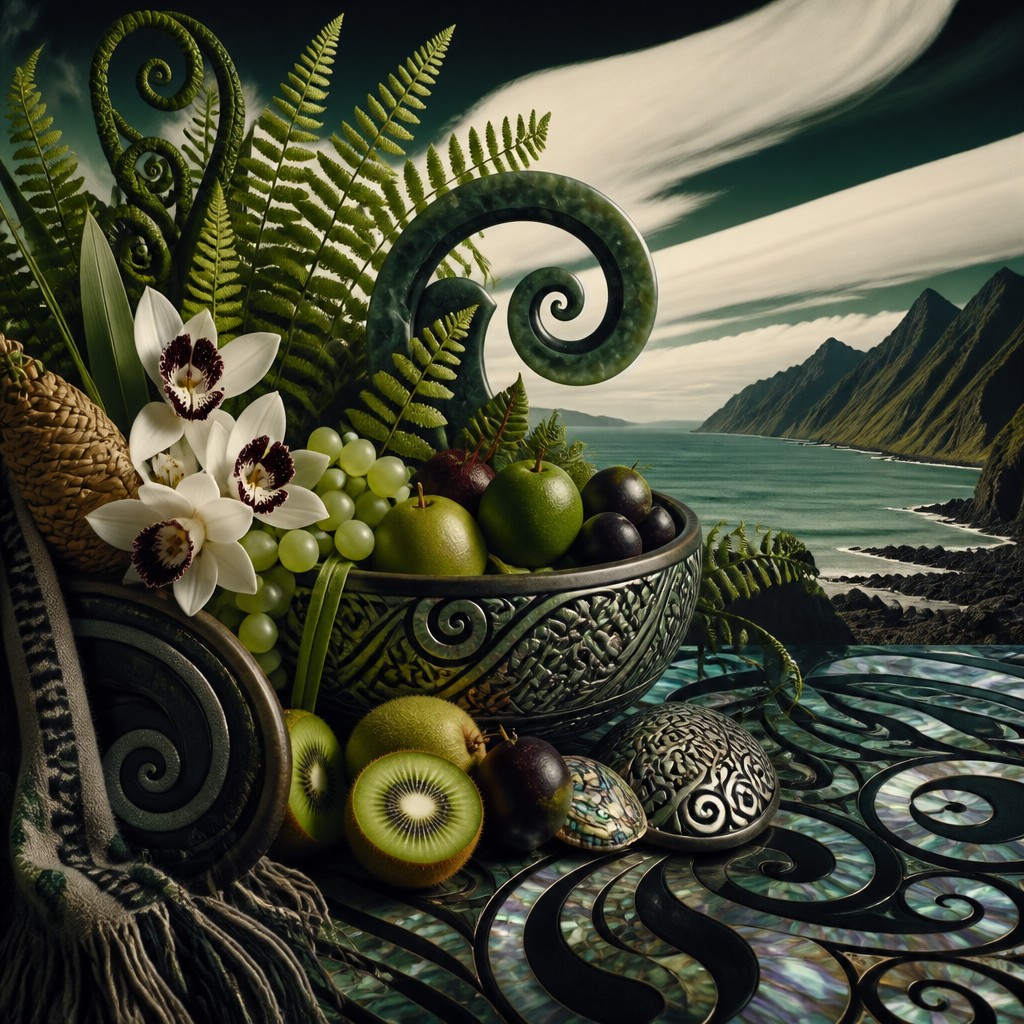
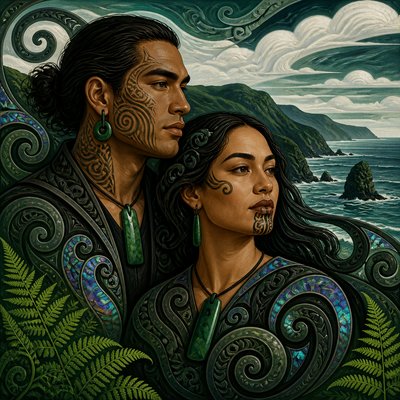
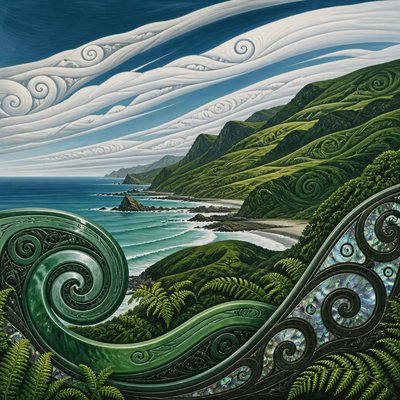
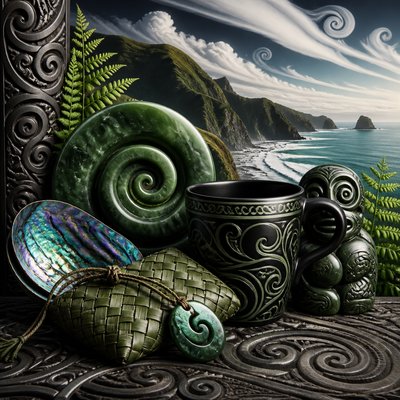
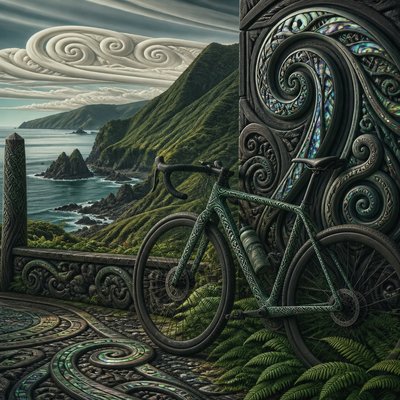
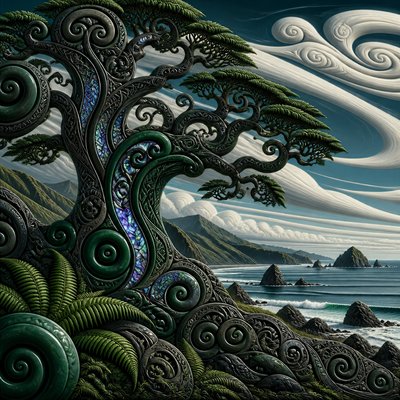
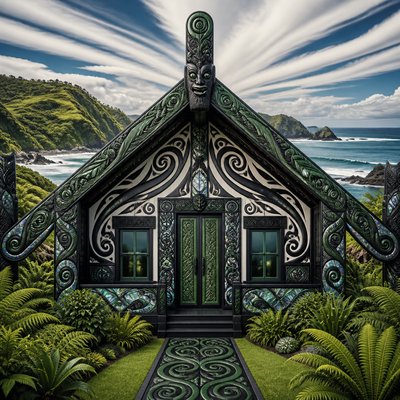
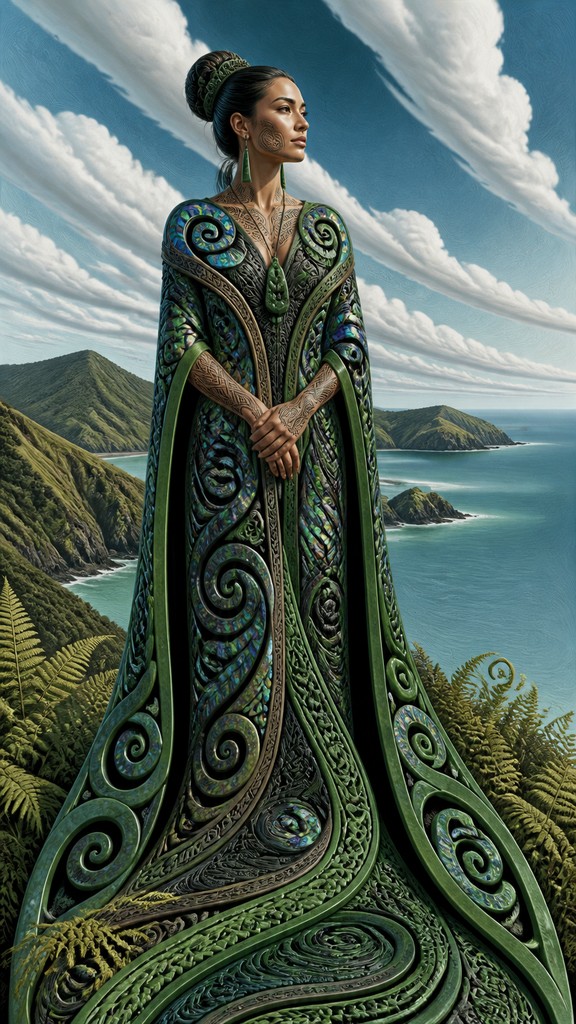
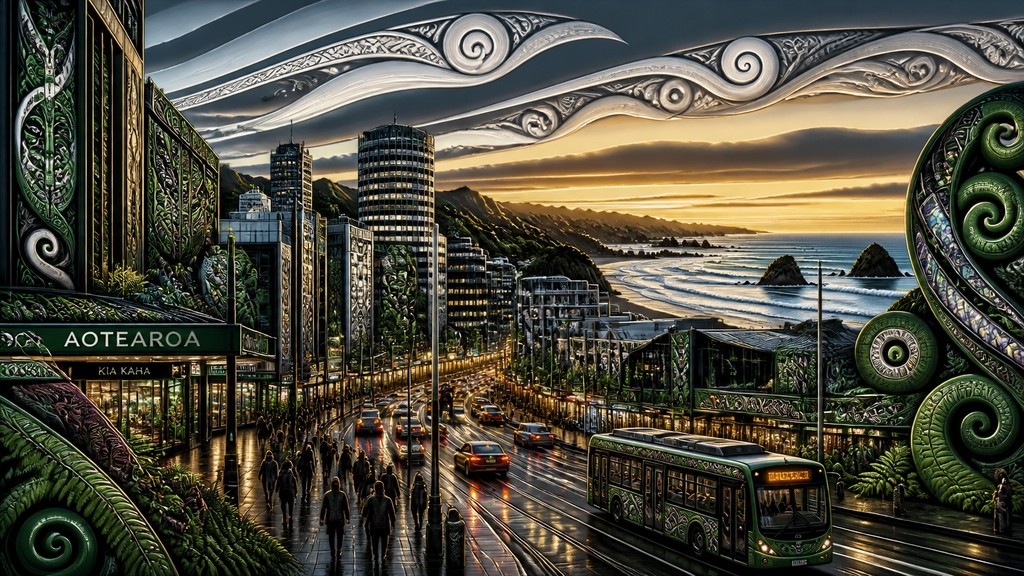
New Zealand art style is a contemporary visual synthesis built around flowing koru curves, carved curvilinear pattern, pounamu and fern greens, dark volcanic tones, and luminous paua-like iridescence. Its imagery often places bold organic motifs against dramatic coastlines, calm ocean horizons, native foliage, and skies crossed by long white clouds. The overall mood is grounded, spacious, and quietly powerful rather than ornate or aggressively decorative.
The style draws visual energy from Aotearoa New Zealand's landscapes and from Māori design traditions, while also incorporating modern illustration, decorative abstraction, and digital color treatment. The koru, based on the unfurling silver fern frond, suggests growth, renewal, movement, and continuity; it should be used with awareness that Māori visual language is culturally specific and not simply a generic national pattern. A respectful interpretation distinguishes contemporary landscape-inspired synthesis from authentic iwi or hapū art and customary carving.
Try It On Your Photos
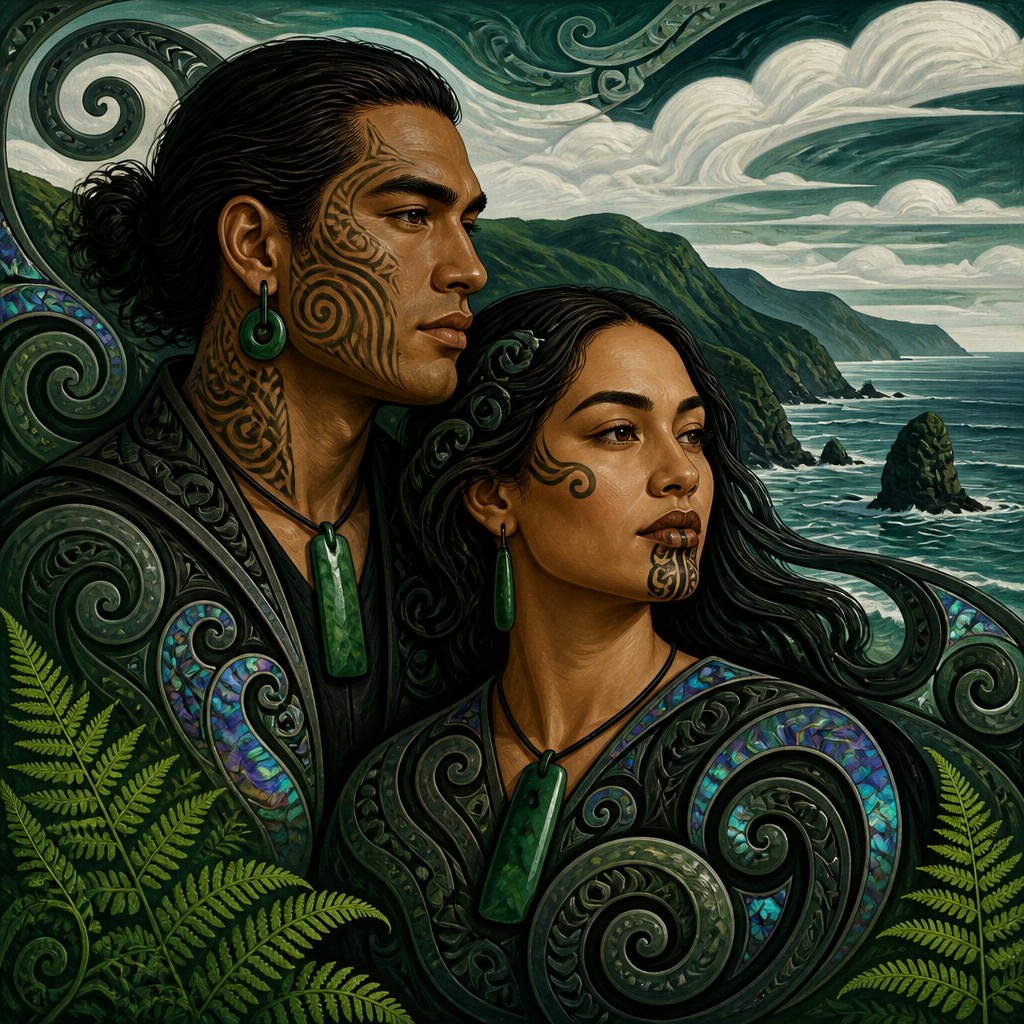
Upload any photo and convert it into New Zealand Art Style — drag the sliders to compare before and after.

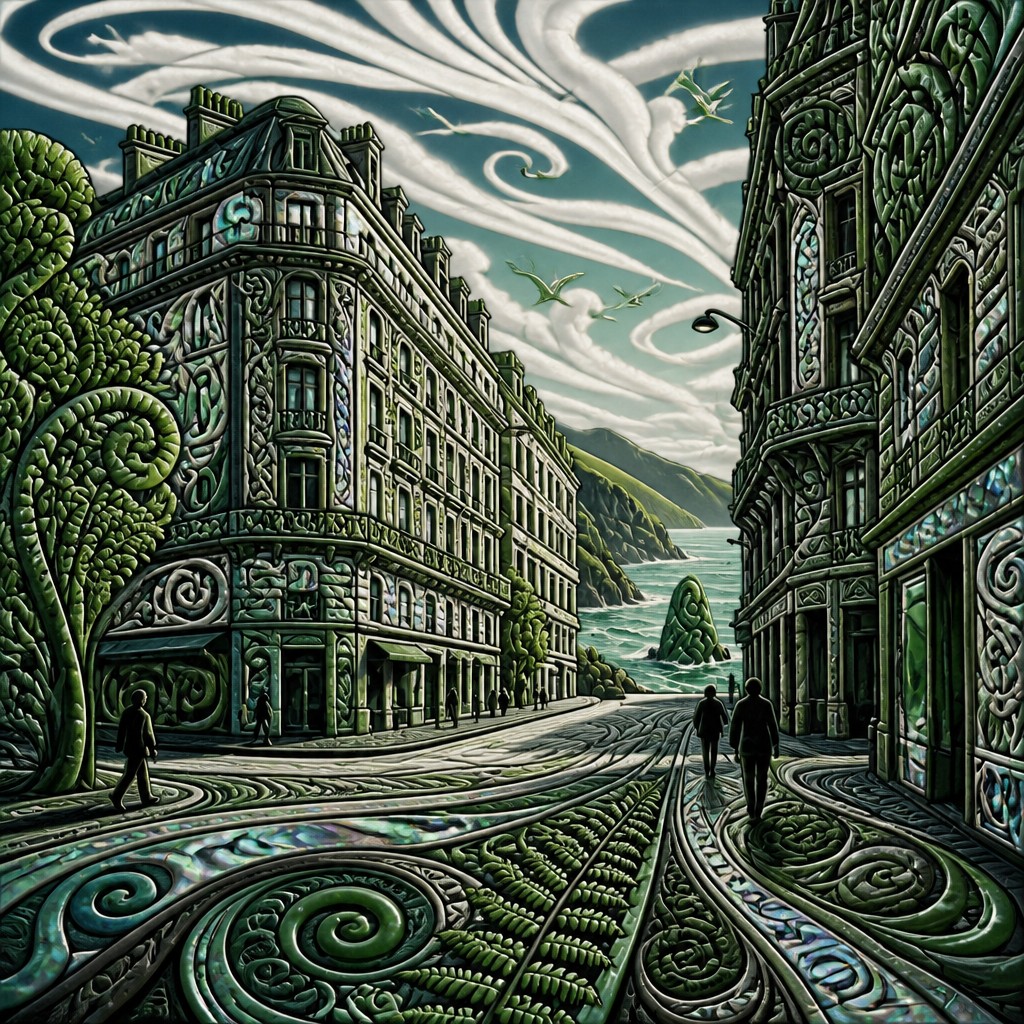

What Defines New Zealand Art Style
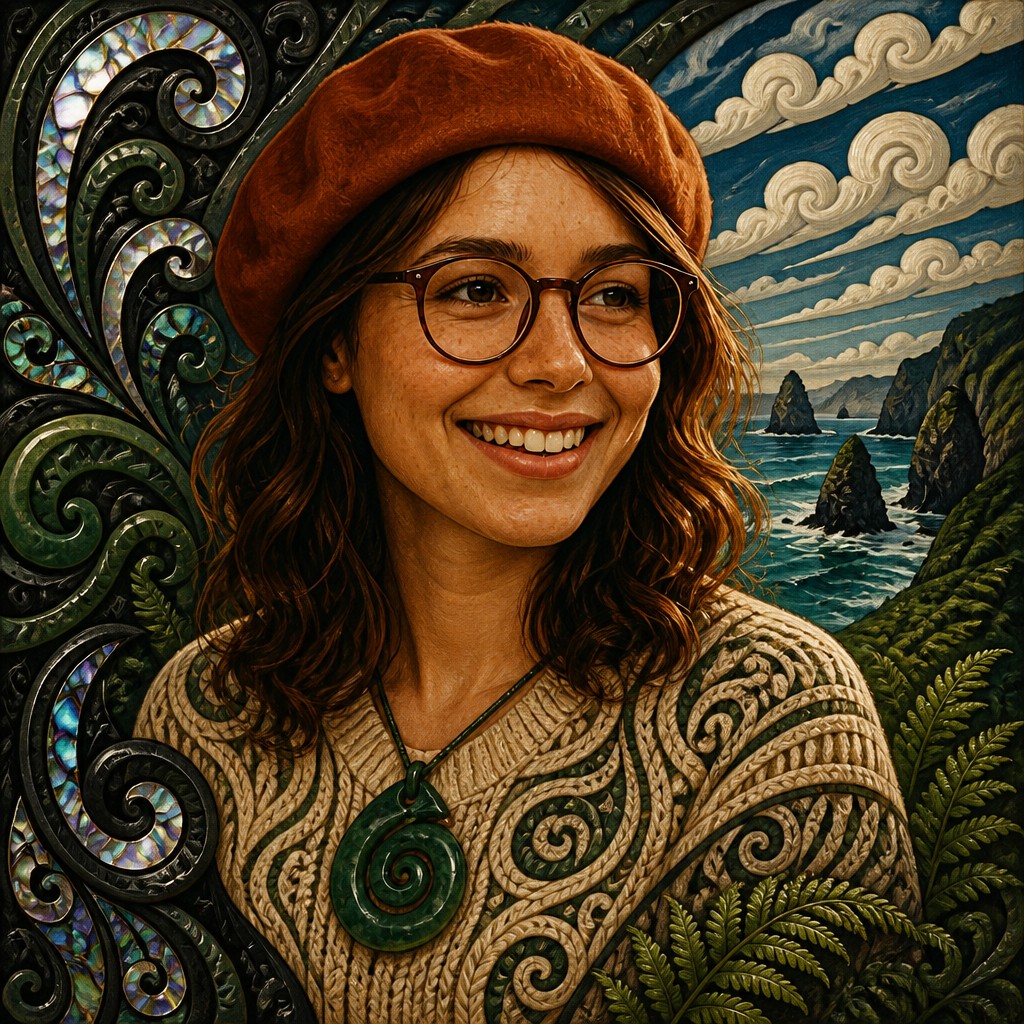
The signature details, up close
Koru spirals
Unfurling fern-inspired curves create a sense of growth, rhythm, and continuous motion. They may appear as framing devices, repeated ornaments, botanical forms, or integrated linework.
Pounamu and fern palette
Deep greenstone, moss, fern, and forest hues form the chromatic foundation. Black, charcoal, mineral gray, and restrained earth colors provide weight and contrast.
Paua-like iridescence
Blue, teal, violet, and turquoise highlights can be layered sparingly to suggest the shifting surface of paua shell. The effect is usually a subtle luminous accent rather than a uniformly metallic finish.
Carved curvilinear pattern
Strong flowing lines, nested contours, and relief-like shapes echo the visual logic of carved and painted pattern. Repetition should feel intentional, with clear spacing and a tactile sense of depth.
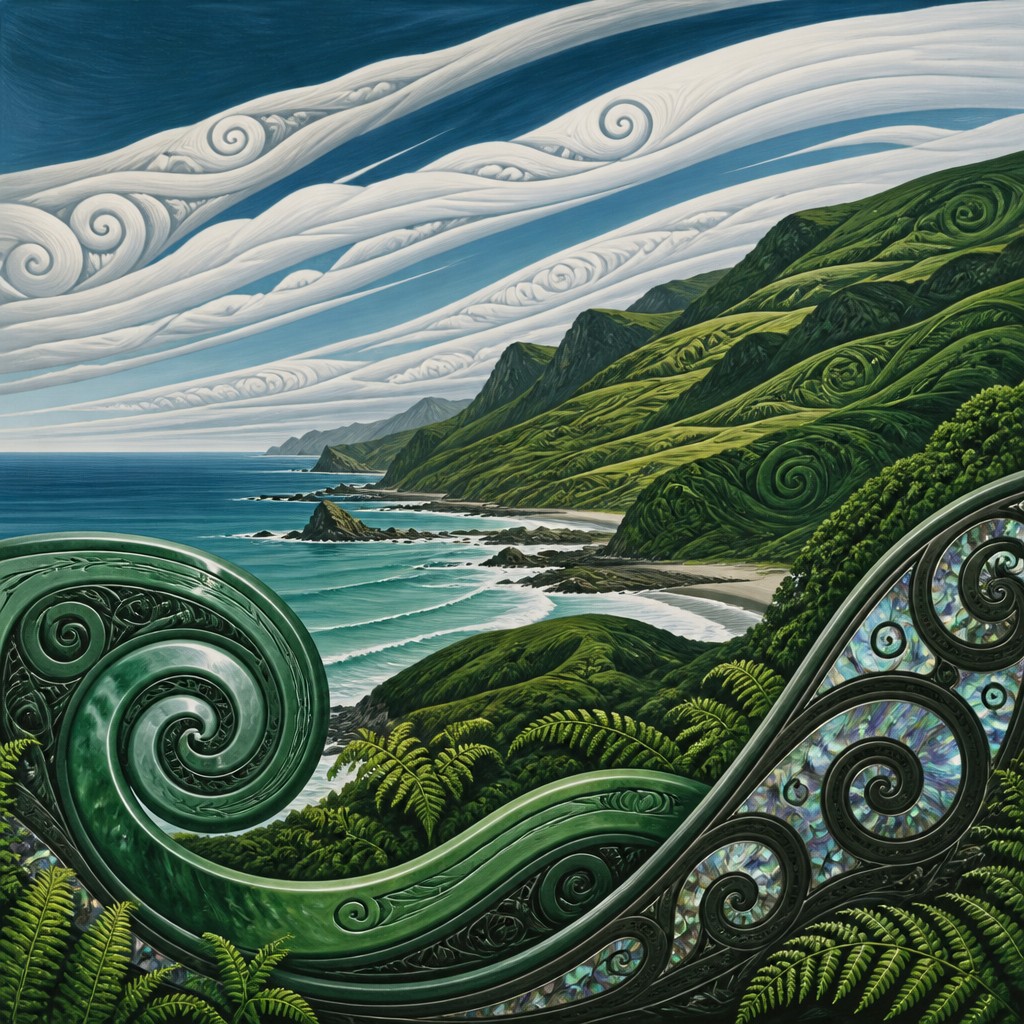
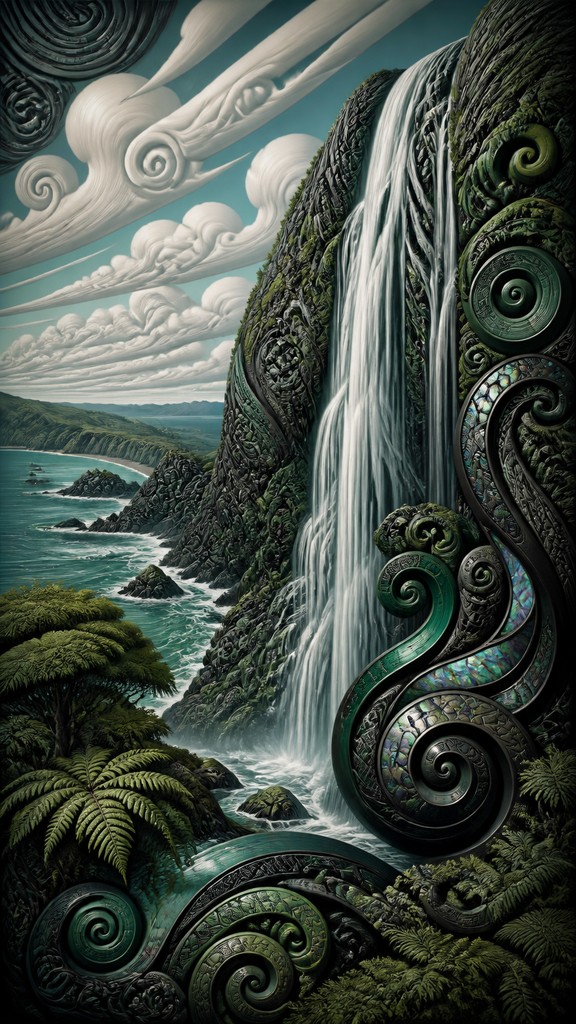
Dramatic coastal landscapes
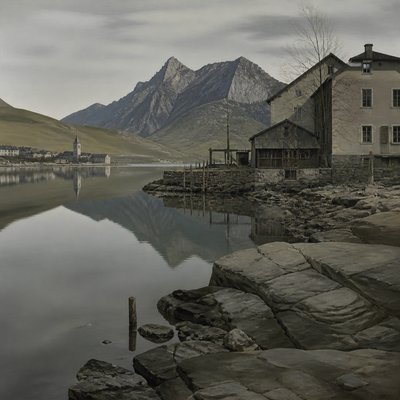
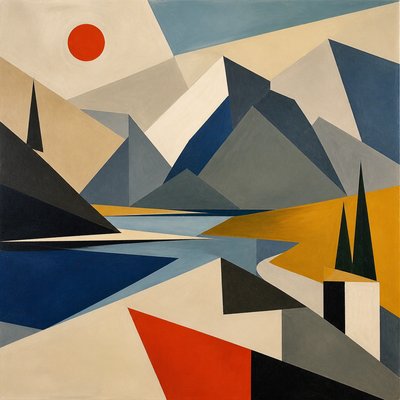
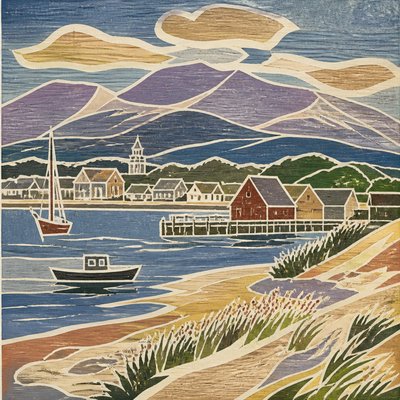
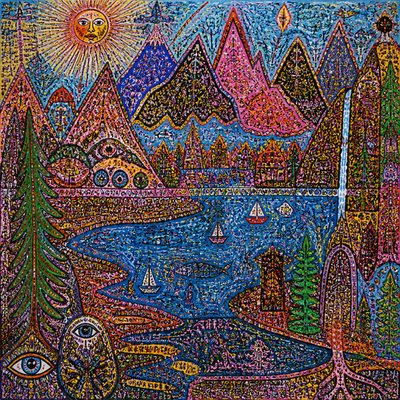
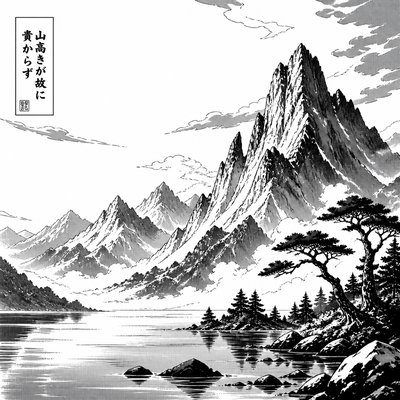
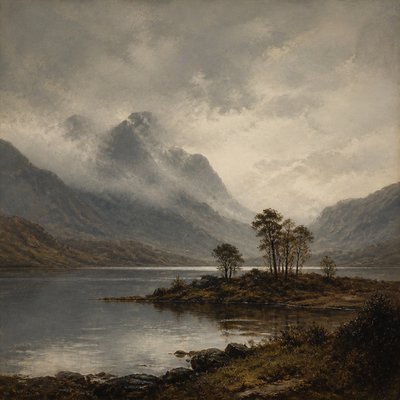
Rugged cliffs, beaches, islands, native vegetation, and broad ocean views anchor the style geographically. Simplified silhouettes and strong horizontal divisions create a spacious, cinematic composition.
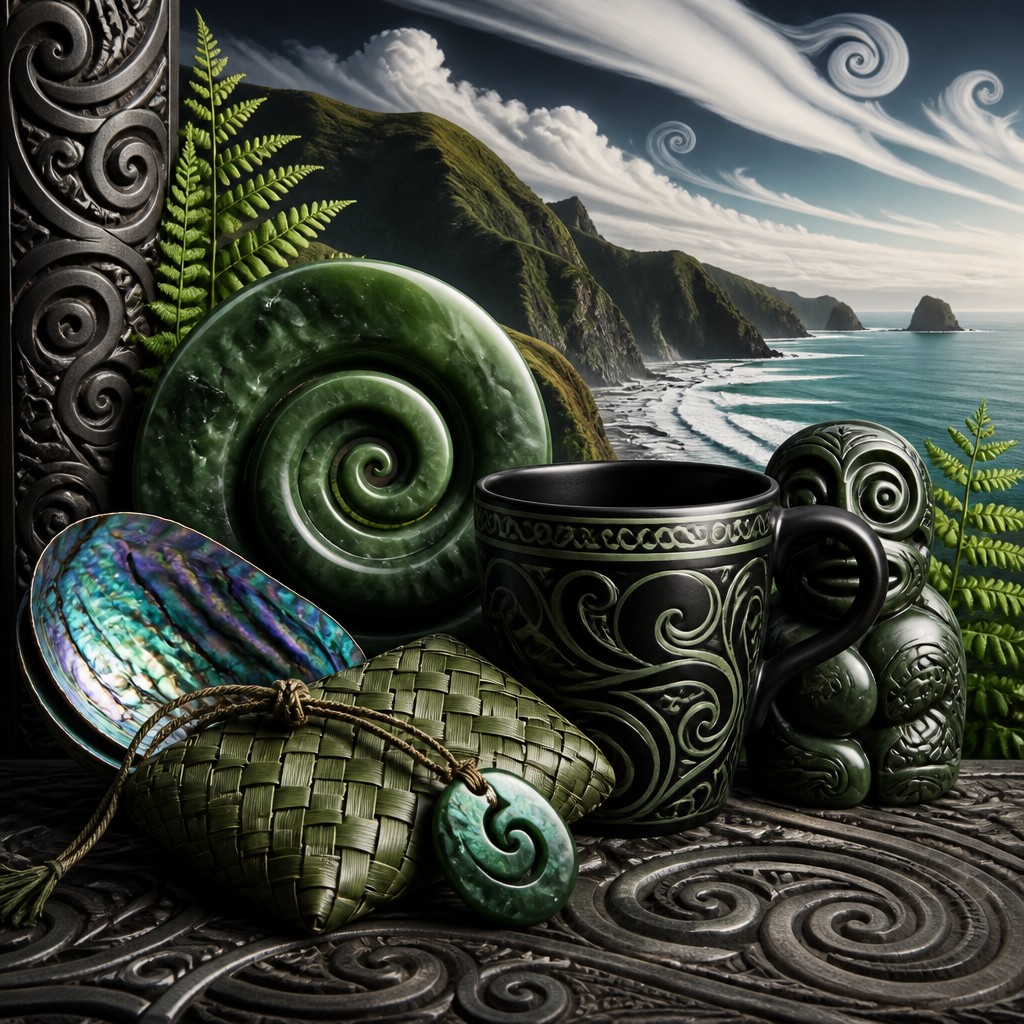
Long white clouds
Extended horizontal cloud bands provide a distinctive atmospheric motif and balance the darker greens below. They work especially well against deep blue, slate, or storm-lit skies.
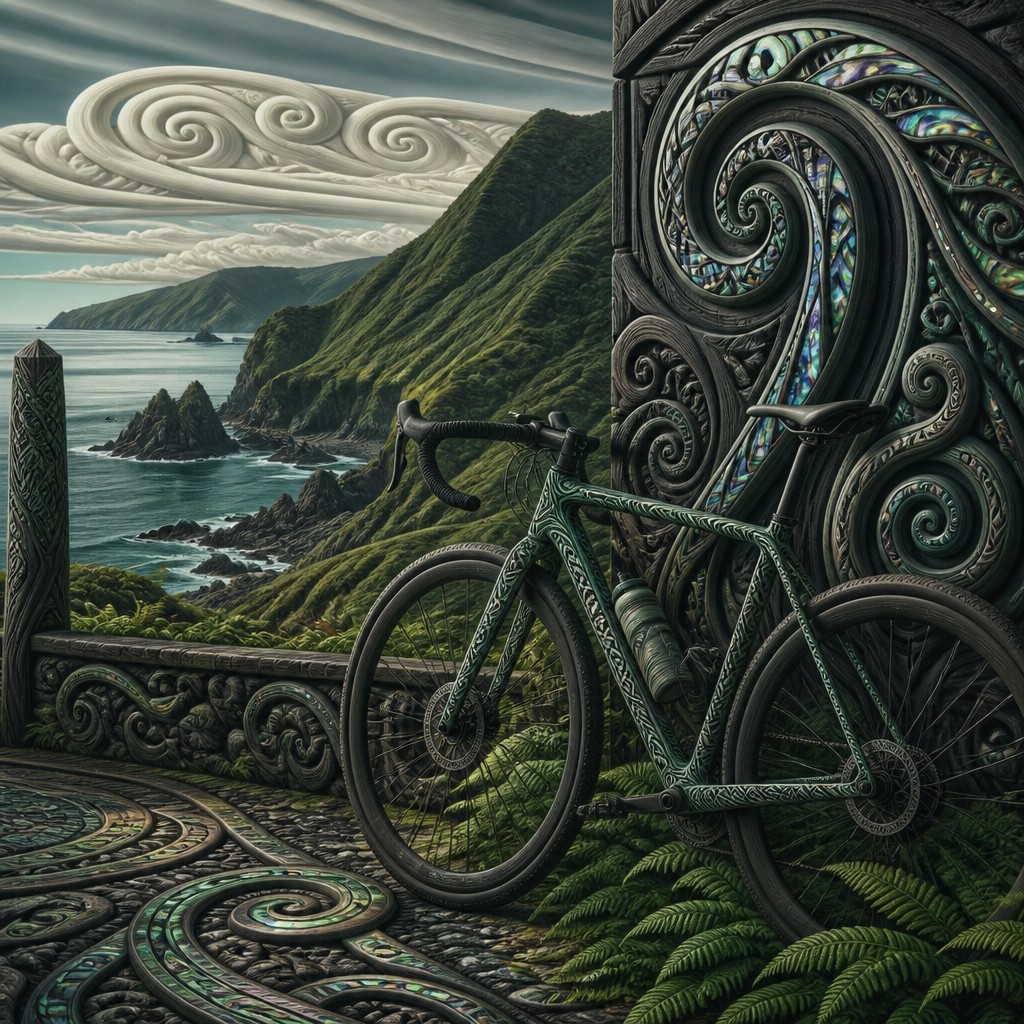
Calm oceanic strength
Compositions favor measured movement, open negative space, and stable forms over visual chaos. Even highly patterned images tend to retain a quiet, contemplative sense of place.
Try It
Create Videos in New Zealand Art Style
Styles aren't just for stills — describe a scene or animate an image and get a short video rendered in New Zealand. Press play to see this pond come to life.
Make a VideoNew Zealand Prompt Ideas
Start from an idea — each one opens the generator with the style ready to go. See all 40 New Zealand prompts →
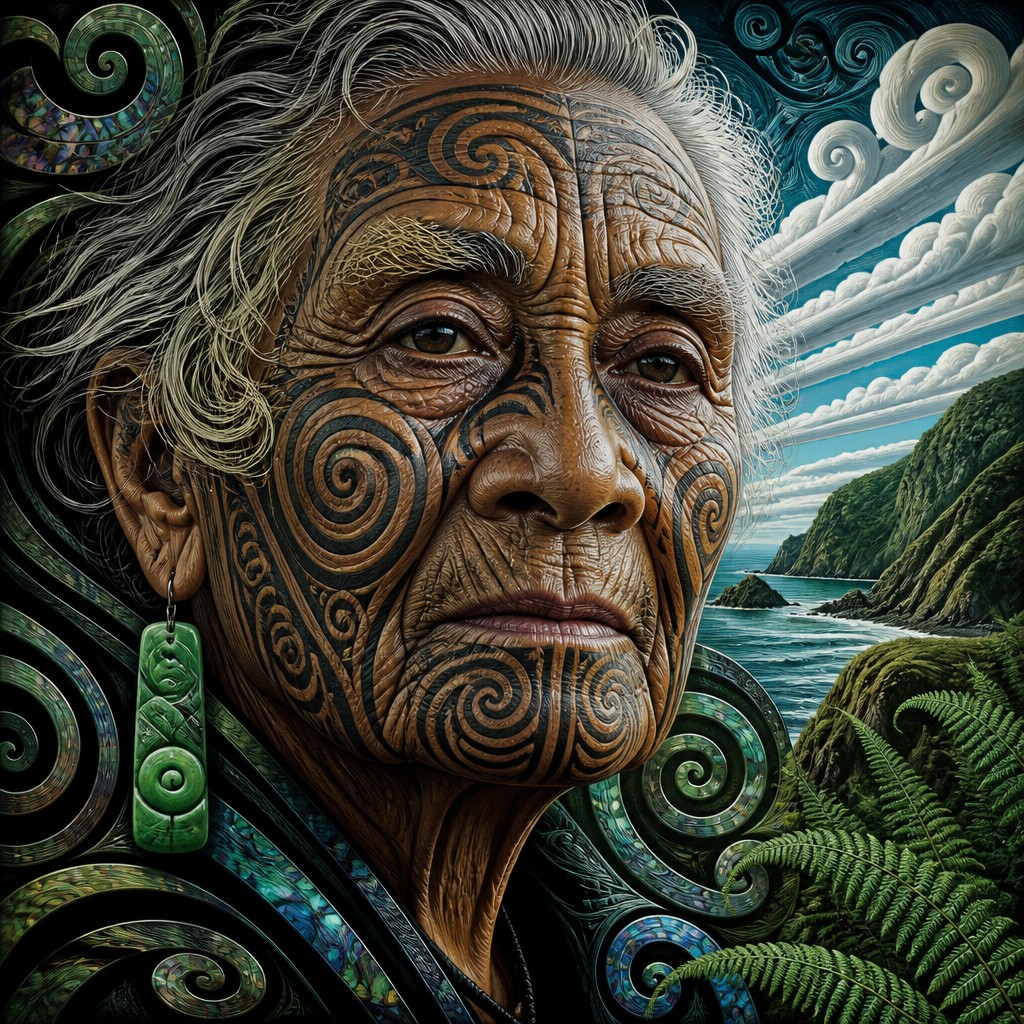
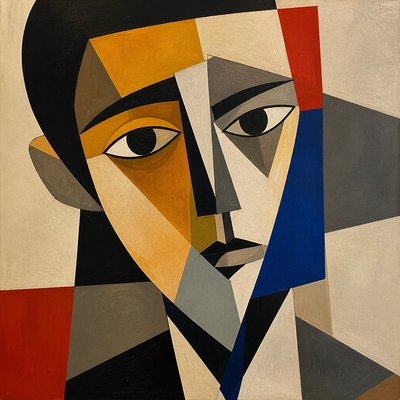
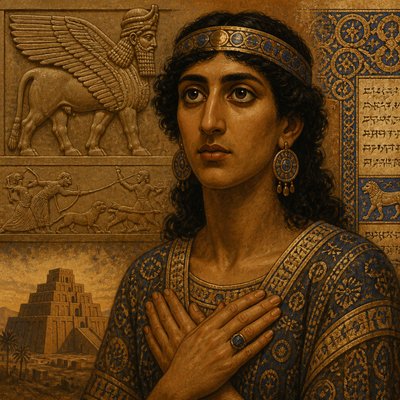
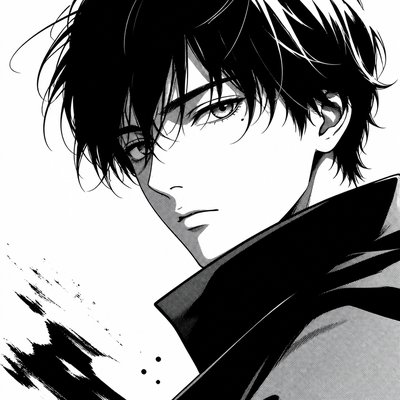
“close-up portrait of an elderly person with expressive weathered features”
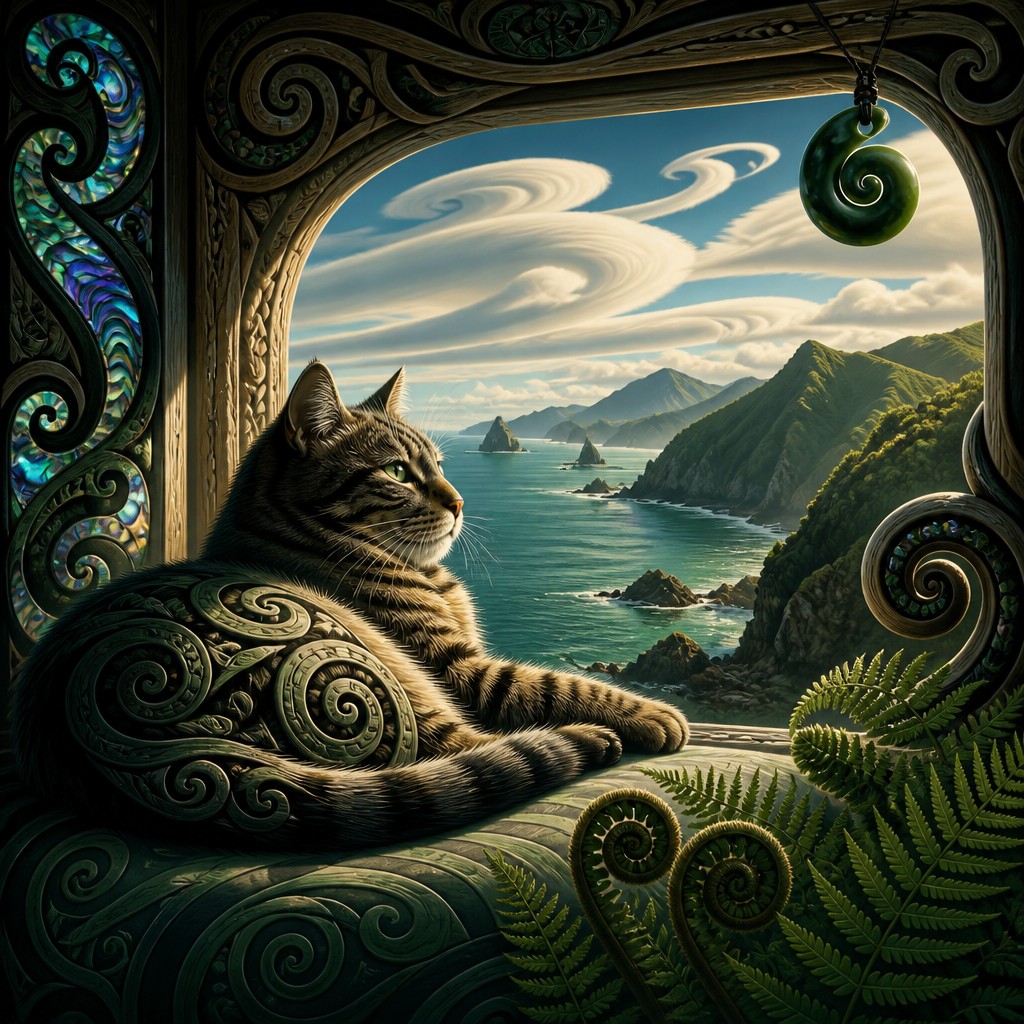
“a cat lounging in a sunlit window”
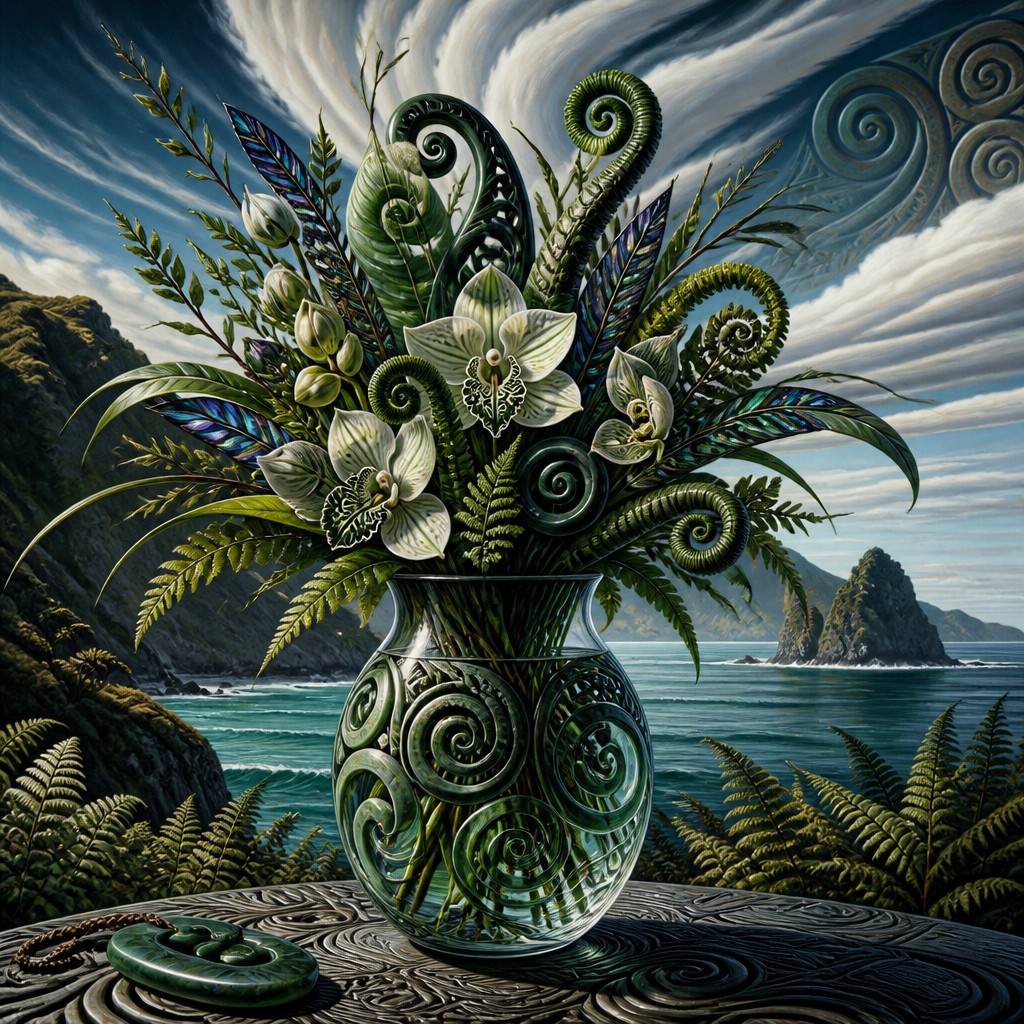
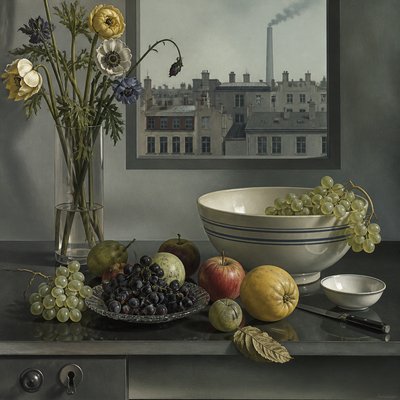
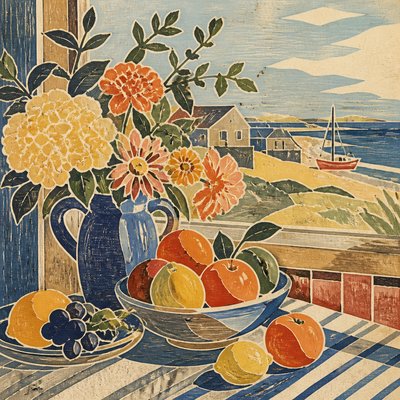
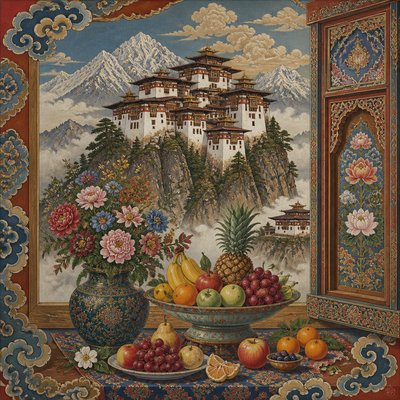
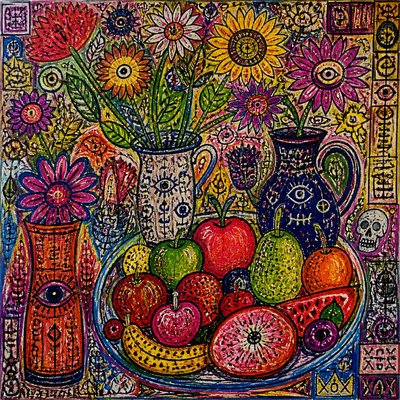
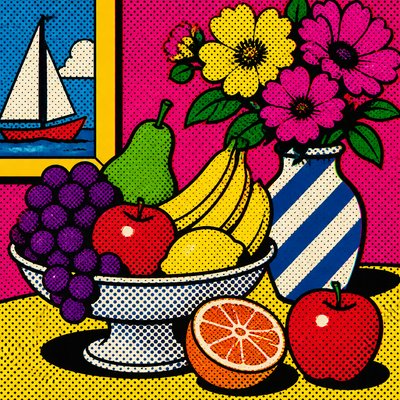
“bouquet of flowers in a glass vase”
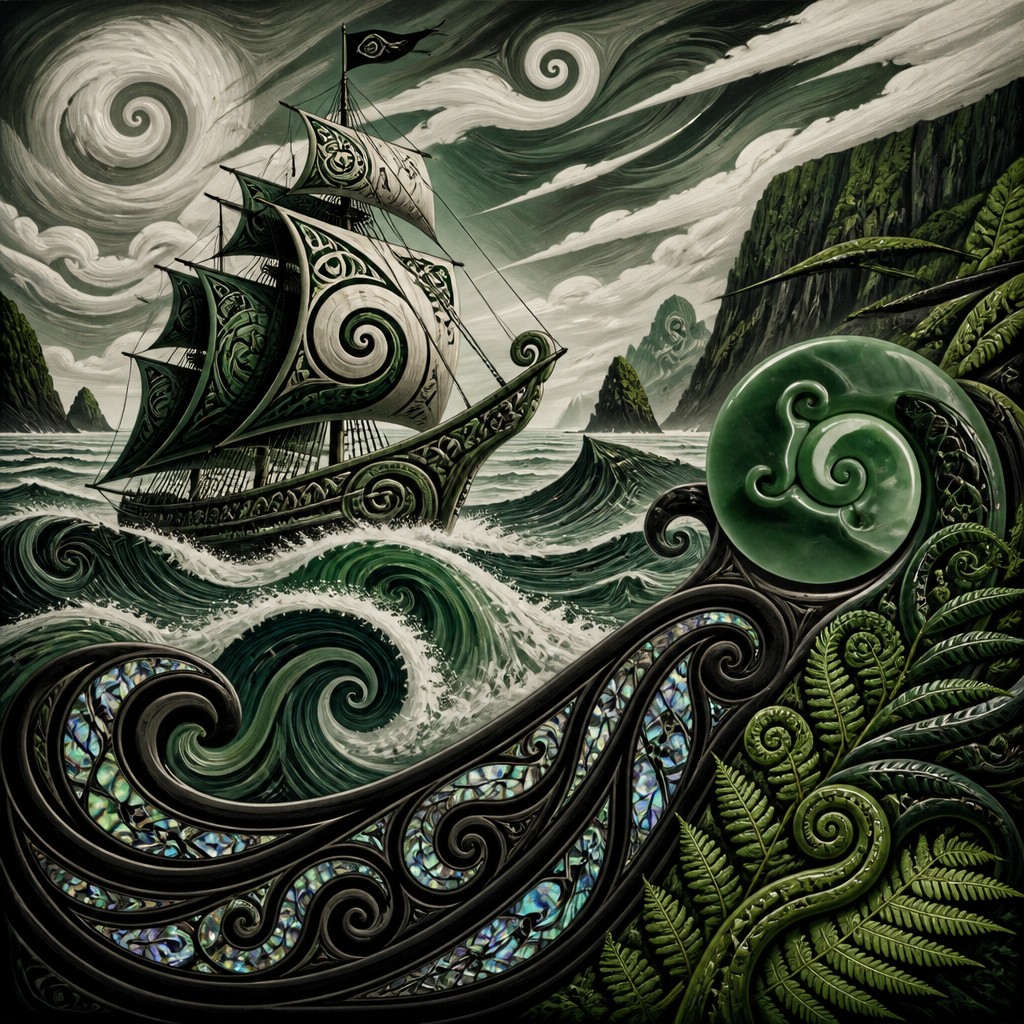
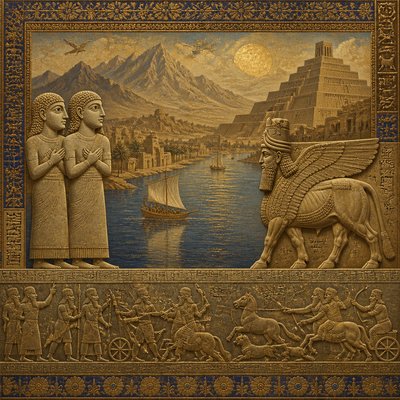
“sailing ship on a stormy sea”
How to Create New Zealand Art
Master the craft step by step — or skip straight to creating. Read the full guide →
- 1
Build a regional palette
Start with pounamu green, fern green, charcoal, ocean blue, and muted earth tones, then add small amounts of teal or violet for shell-like iridescence. Keep the brightest values concentrated in cloud edges, water reflections, or selected pattern details.
- 2
Establish the landscape structure
Use a clear horizon, a strong coastal silhouette, and broad areas of sky or water before adding ornament. Long horizontal cloud forms and generous negative space help preserve the style's spacious character.
- 3
Draw controlled organic curves
Practice repeated spiral and fern-like lines with consistent weight, allowing curves to expand and taper naturally. For painting or illustration, combine crisp contour work with softly blended atmospheric backgrounds.
- 4
Add tactile surface
Traditional work can use gouache, acrylic, woodblock-inspired flat color, or layered relief-like marks; digital work can imitate these through grain, paper fibers, carved edges, and restrained displacement. Avoid turning every surface into pattern, since contrast makes the carved forms legible.
- 5
Write a precise generation prompt
Specify the subject, coastal setting, koru-inspired flowing curves, pounamu and fern palette, long white clouds, and the desired medium or composition. For culturally respectful results, request original botanical and abstract patterning rather than reproductions of identifiable customary designs.
- 6
Refine and contextualize
After generating or sketching an image, correct distorted spirals, excessive ornament, muddy greens, and stereotyped cultural details. If the work references Māori visual traditions directly, research the context and consider appropriate attribution, consultation, or permission.
The Story
History & Origins of New Zealand
This is best understood as an invented contemporary style rather than a formally recognized historical movement. Its aesthetic lineage combines Māori whakairo and kōwhaiwhai traditions, the visual presence of pounamu, New Zealand landscape painting, poster illustration, coastal photography, and digitally enhanced color and texture.
Its development reflects a common modern practice: translating regional identity into a flexible visual vocabulary for illustration, surface design, murals, posters, editorial art, and digital imagery. Because Māori motifs carry cultural meaning and permissions may vary by context, artists should research the source tradition, avoid copying identifiable customary designs, and acknowledge Māori cultural influence accurately.
Influences: Related influences include Māori whakairo carving, kōwhaiwhai pattern traditions, tukutuku lattice design, the symbolic and material presence of pounamu, and imagery associated with the silver fern. The style also connects with New Zealand landscape painting, Pacific and Oceanic visual traditions, woodblock and screen-print aesthetics, decorative abstraction, environmental illustration, and contemporary digital poster design. These relationships are sources of visual lineage, not evidence that one generalized style represents all Māori or New Zealand art.
Frequently Asked Questions
What defines the New Zealand art style?
Its defining features are koru-like flowing curves, fern and pounamu greens, dark mineral tones, coastal landscapes, long white clouds, and a calm but powerful sense of place. Pattern and landscape are usually integrated rather than treated as separate subjects.
Is this a historical New Zealand art movement?
No. This label describes a contemporary aesthetic synthesis rather than a formally established historical movement. It draws on Māori and New Zealand visual traditions alongside modern illustration, landscape art, and digital design.
How is it different from Māori art?
Māori art encompasses distinct customary, contemporary, iwi, hapū, and individual practices with their own meanings and contexts. This style is a broad contemporary interpretation influenced by Māori visual language, so it should not be presented as authentic customary Māori art or as representative of every Māori tradition.
What colors work best for this style?
Use pounamu, fern, moss, and forest greens with charcoal, black, slate, ocean blue, and muted earth tones. Small accents of teal, violet, or turquoise can suggest paua iridescence, while white or pale gray works well for the characteristic cloud bands.
What mediums suit this aesthetic?
Gouache, acrylic, watercolor, relief printing, screen printing, carved or painted surfaces, digital painting, vector illustration, and textured collage all work effectively. Flat graphic shapes can be combined with grain, paper texture, atmospheric gradients, or relief-like shadows.
How can I create it with a text prompt?
Describe the subject first, then specify a coastal or native New Zealand setting, flowing fern-inspired curves, a pounamu and charcoal palette, long white clouds, and a chosen medium. Request original abstract or botanical patterning and avoid asking for an exact reproduction of a named customary design.
Create your first New Zealand artwork
Describe anything — or upload a photo — and see it in New Zealand Art Style in seconds.
Related Styles
Discover similar art styles