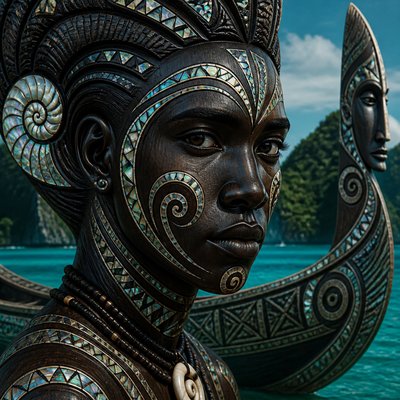
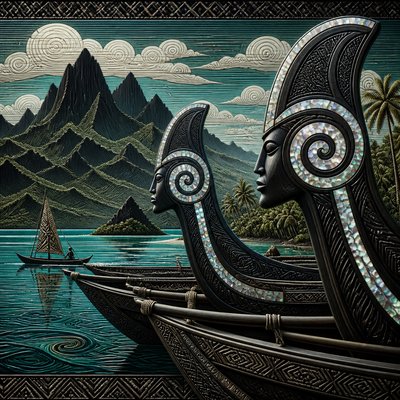
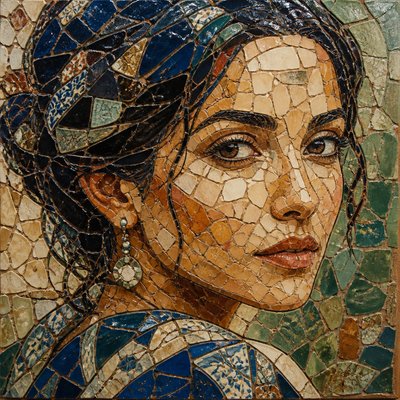
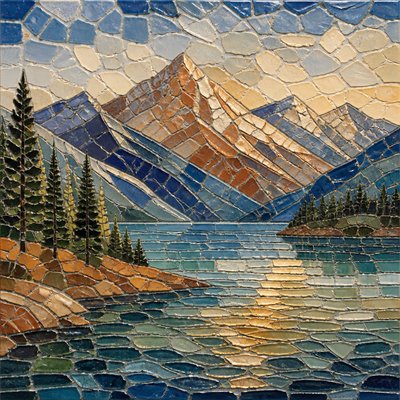
New England Maritime Art Style
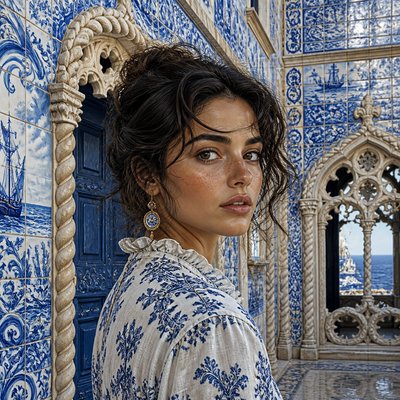
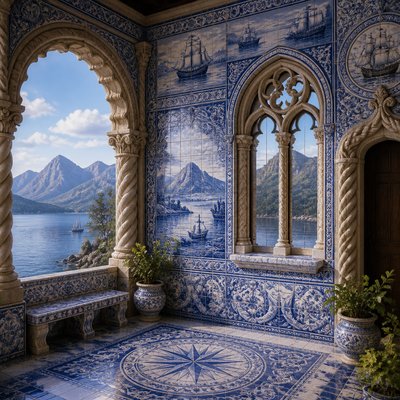
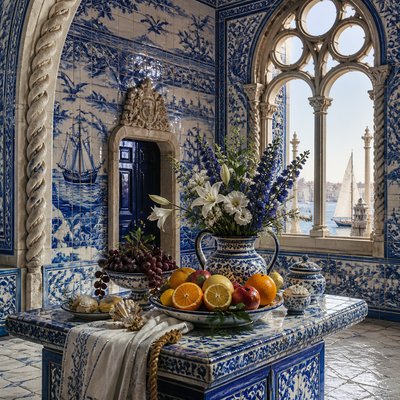
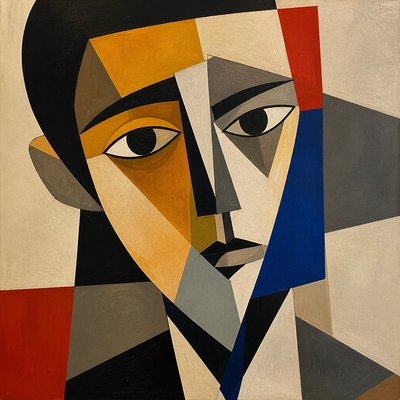
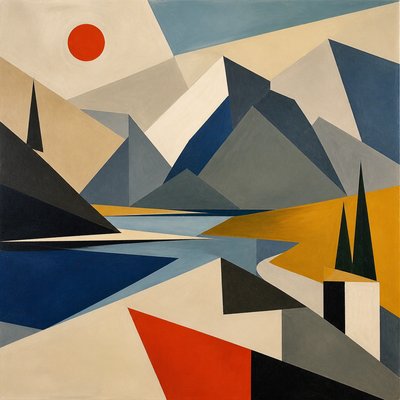
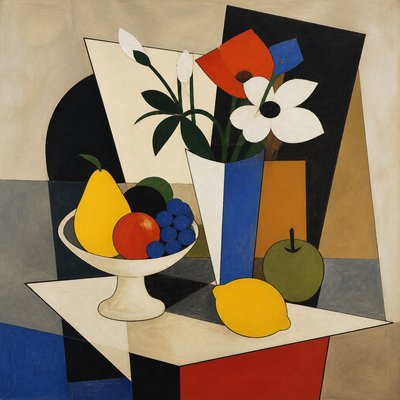
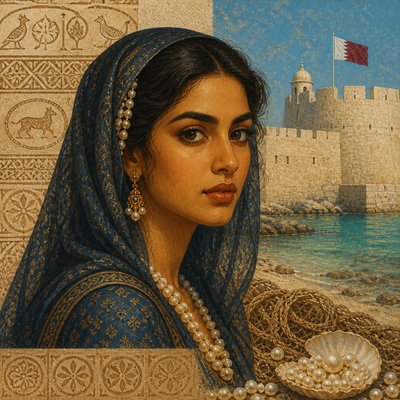
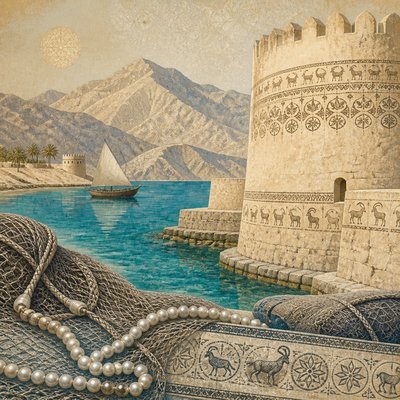
Explore New England Maritime art: crystalline Atlantic light, white churches, dories, granite shores, spruce points, and luminist calm.
Instantly rendered in New England Maritime — or transform a photo
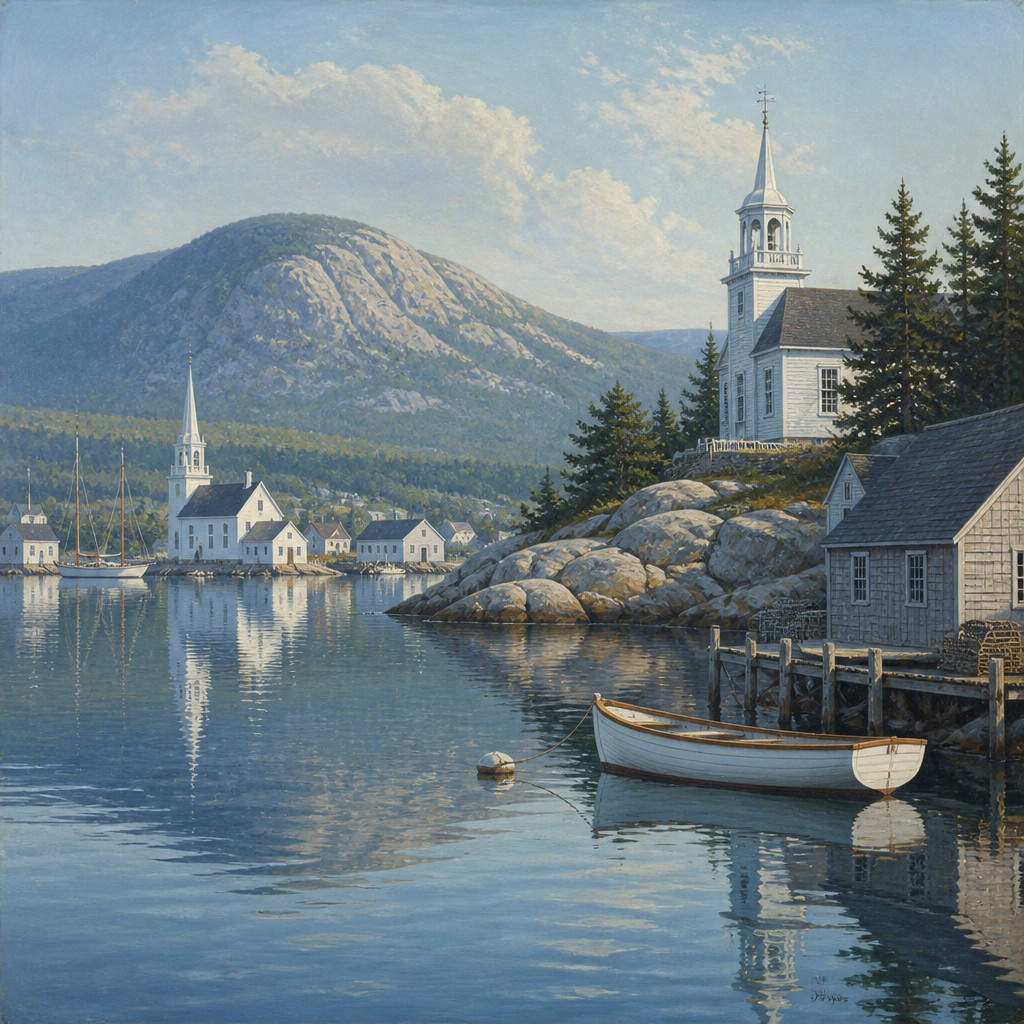
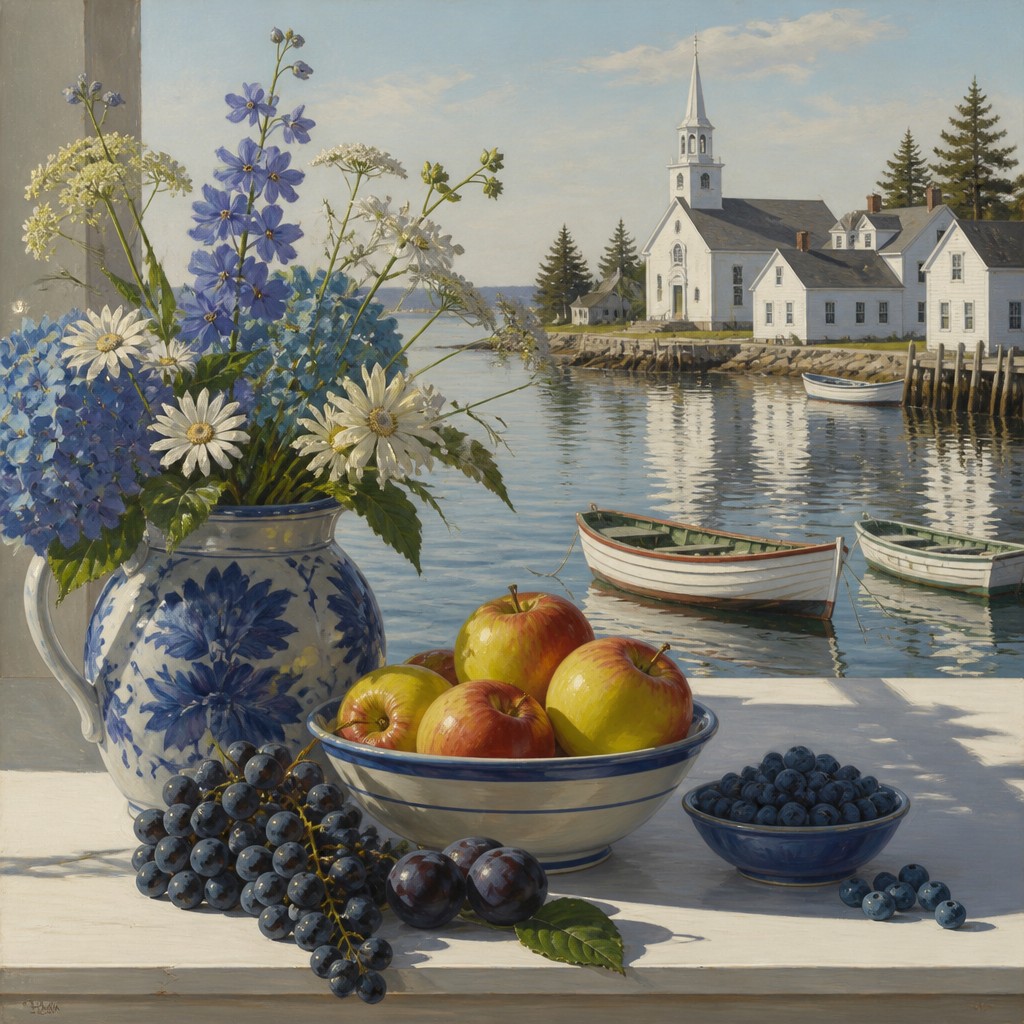
New England Maritime Gallery
Tap any artwork to explore it
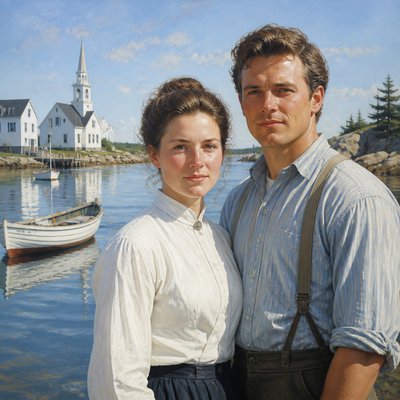
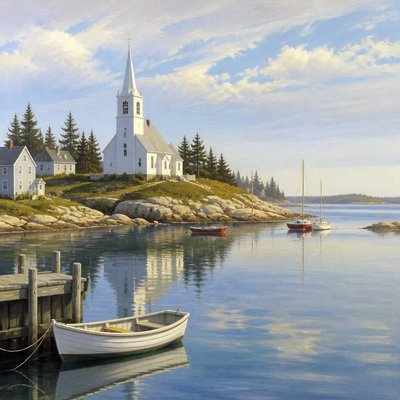
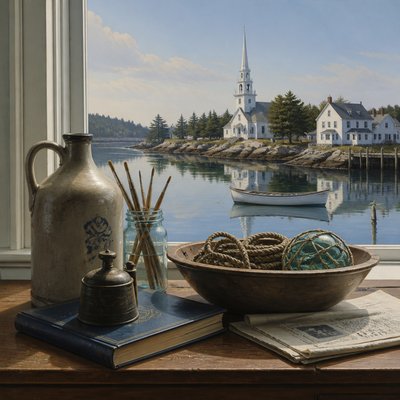
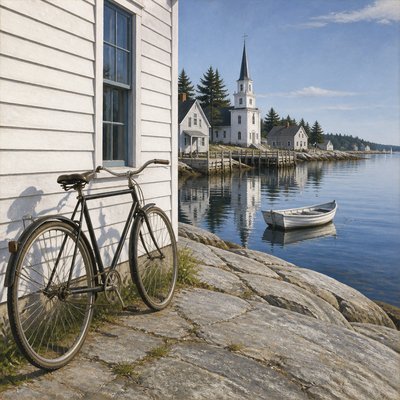
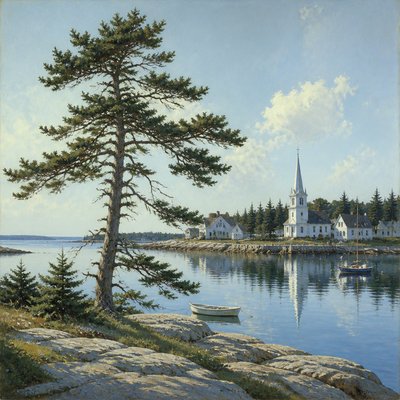
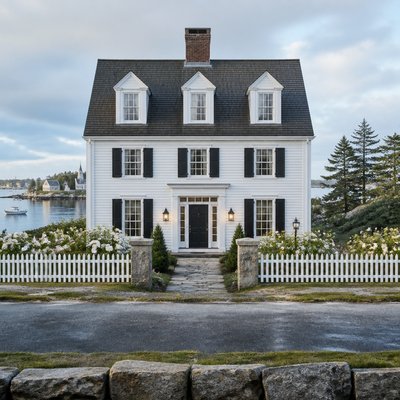
What is New England Maritime Art Style?
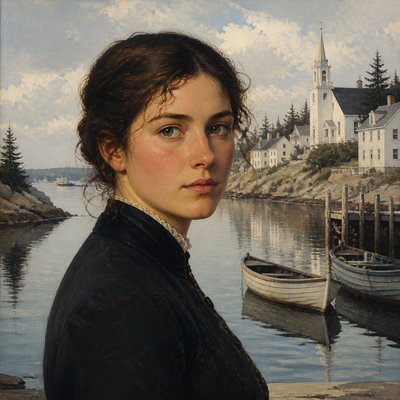
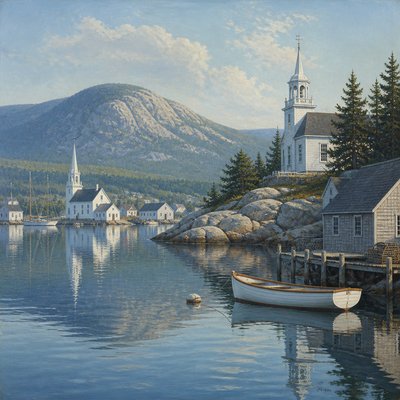
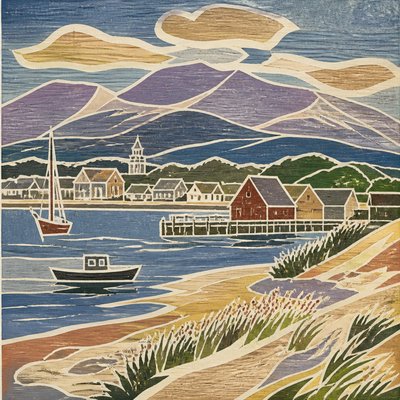
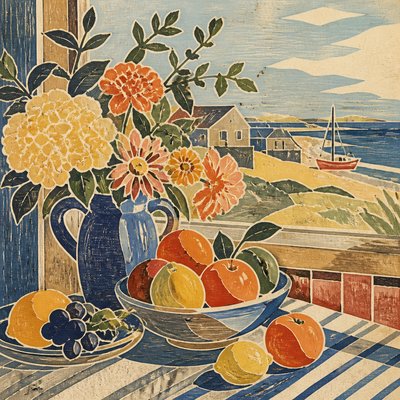
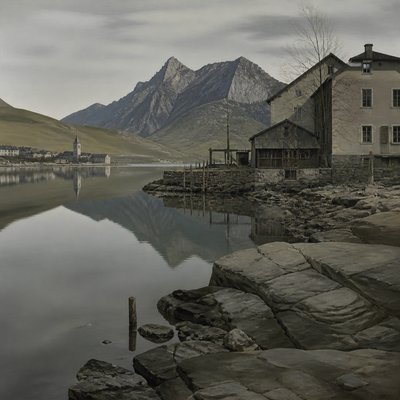
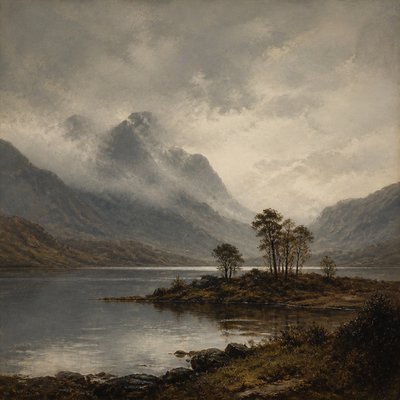
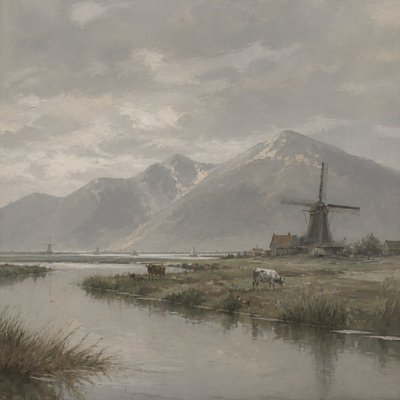
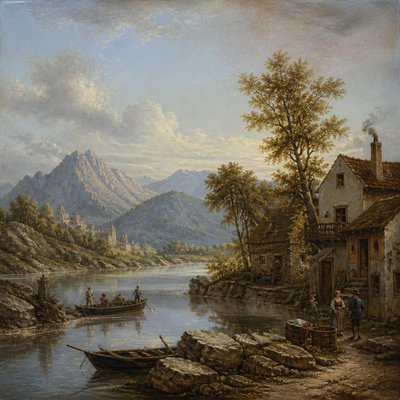
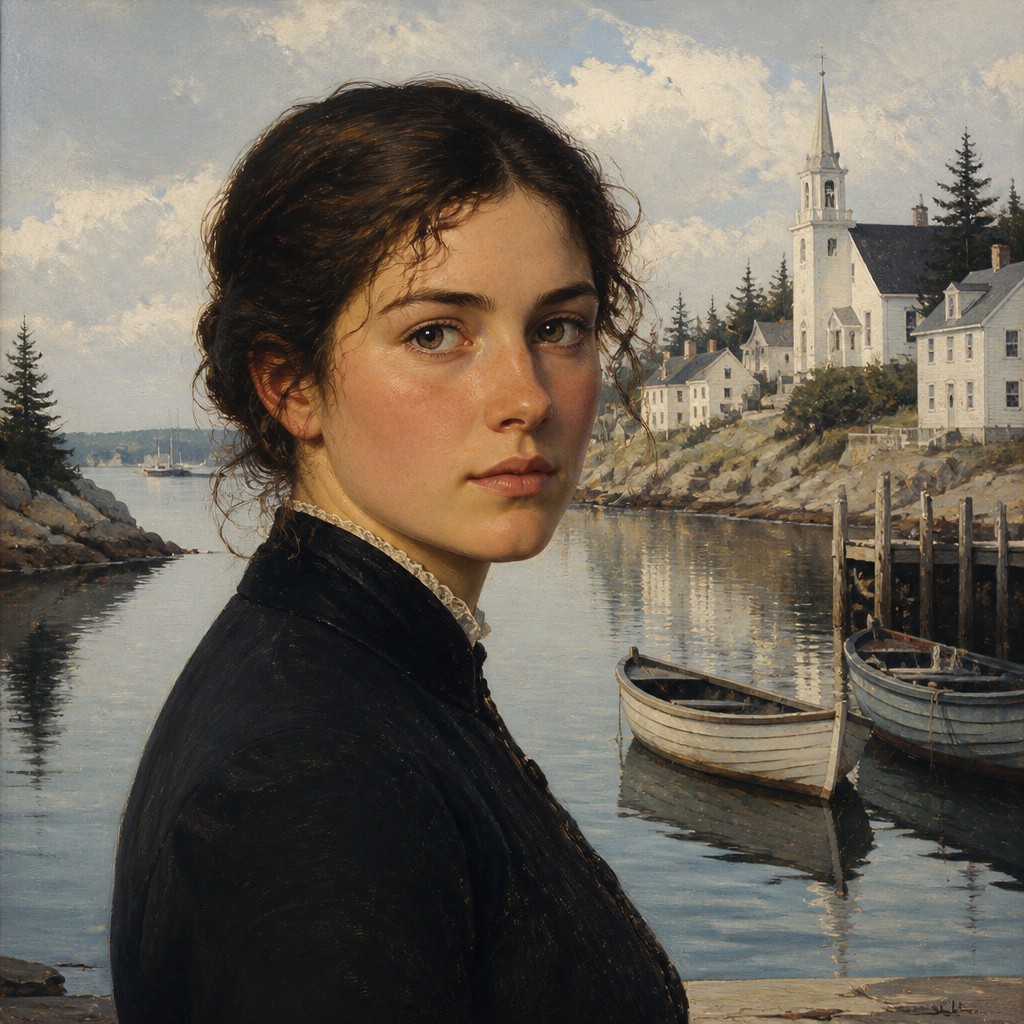
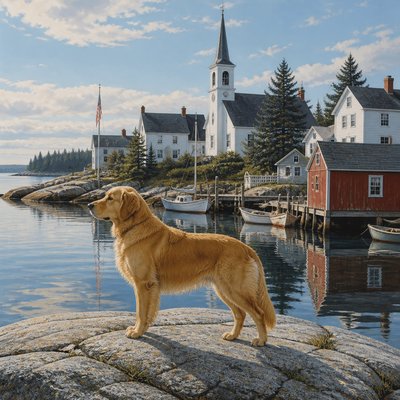
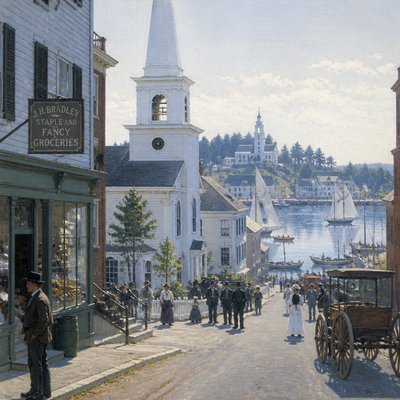
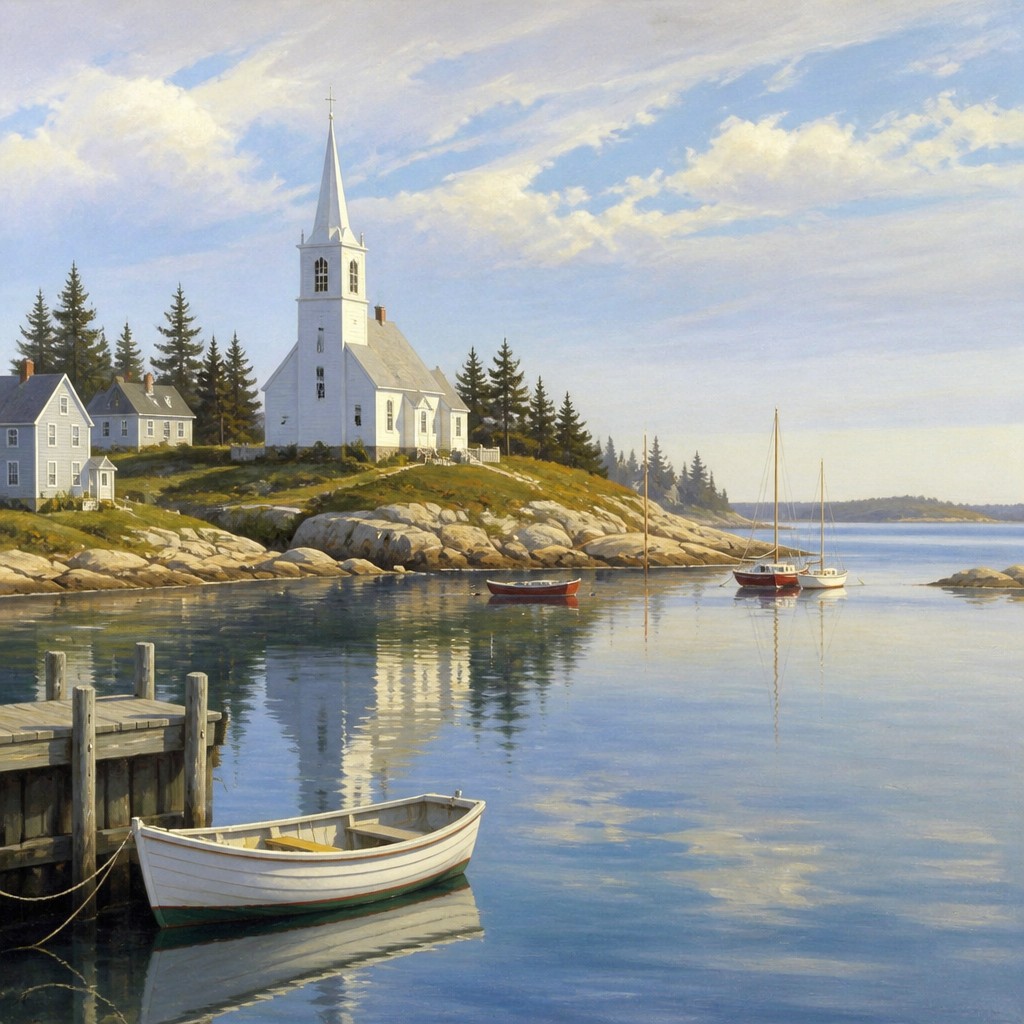
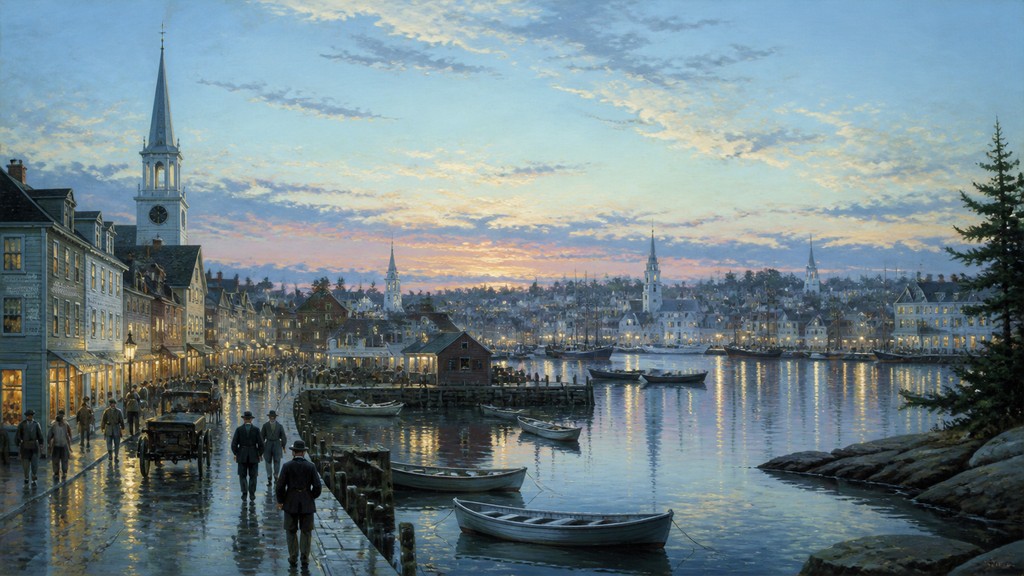
New England Maritime Art Style is a coastal visual language built around the spare beauty of the northeastern Atlantic shore. It combines white clapboard churches, working harbors, wooden dories, granite ledges, spruce-covered points, and broad expanses of cold, reflective water. The mood is quiet and observational rather than dramatic: forms are clearly separated, colors are restrained, and hard coastal light gives every surface a precise edge.
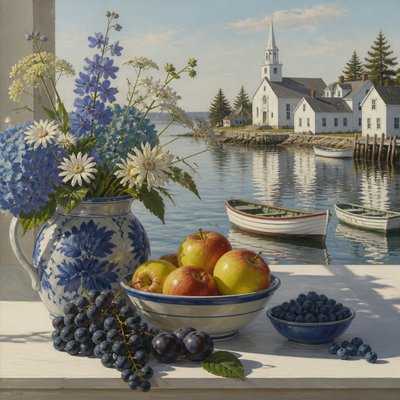
Its characteristic calm comes from the meeting of maritime subject matter and luminist attention to atmosphere. Long reflections, pale skies, still coves, and carefully ordered architecture create images that feel contemplative and almost ceremonial. The style can describe a real place, but it also functions as an adaptable aesthetic for landscapes, interiors, portraits, and imagined coastal scenes.
Try It On Your Photos
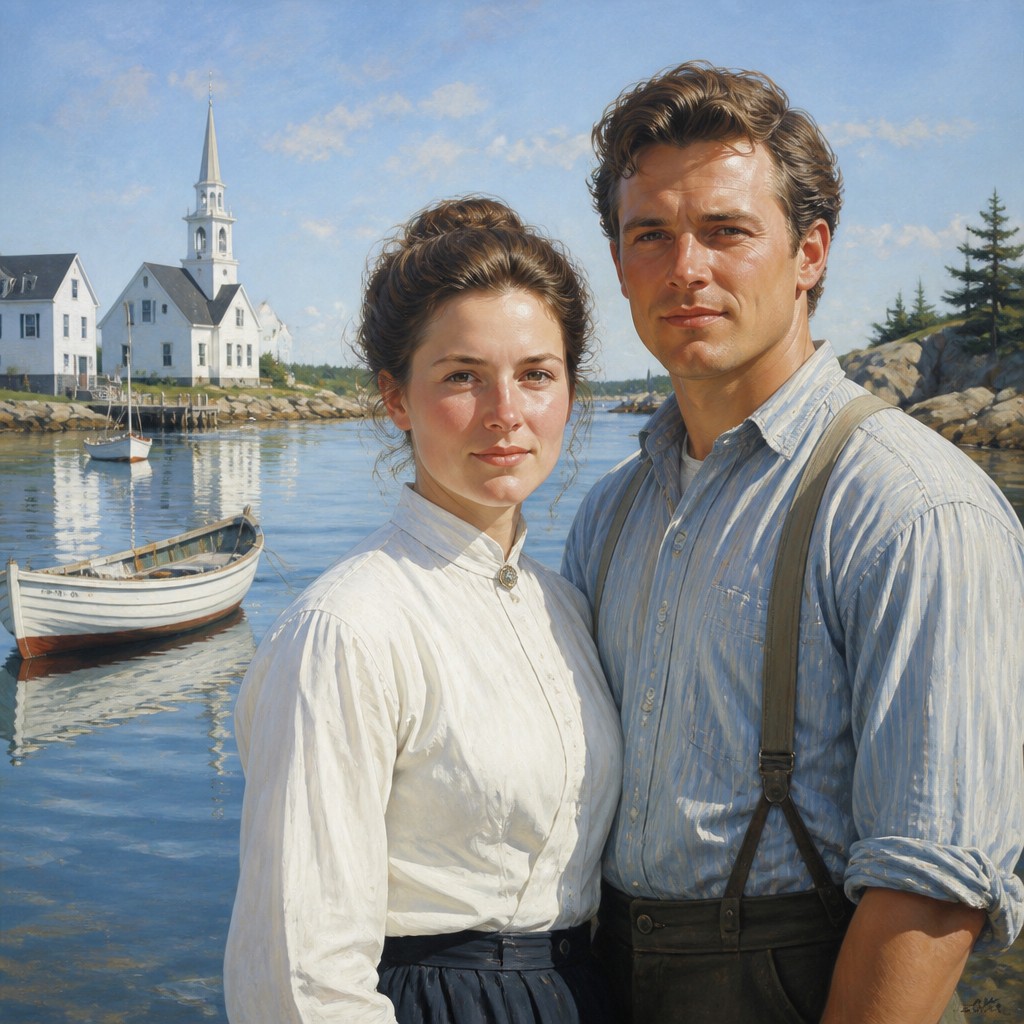
Upload any photo and convert it into New England Maritime Art Style — drag the sliders to compare before and after.



What Defines New England Maritime Art Style
The signature details, up close
Crystalline Atlantic light
Light is cool, direct, and unusually clear, with crisp edges and limited atmospheric haze. Bright highlights appear against blue-gray shadows rather than warm, theatrical illumination.
Luminist stillness
Scenes emphasize quiet water, suspended atmosphere, and contemplative pauses. The composition often feels balanced and nearly motionless, even when it includes boats, waves, or distant weather.
Maritime vocabulary
Dories, skiffs, lobster buoys, wooden piers, lighthouses, tide pools, and working harbors provide recurring subjects. These objects are treated as structural elements of the landscape rather than decorative nautical symbols.
White clapboard architecture
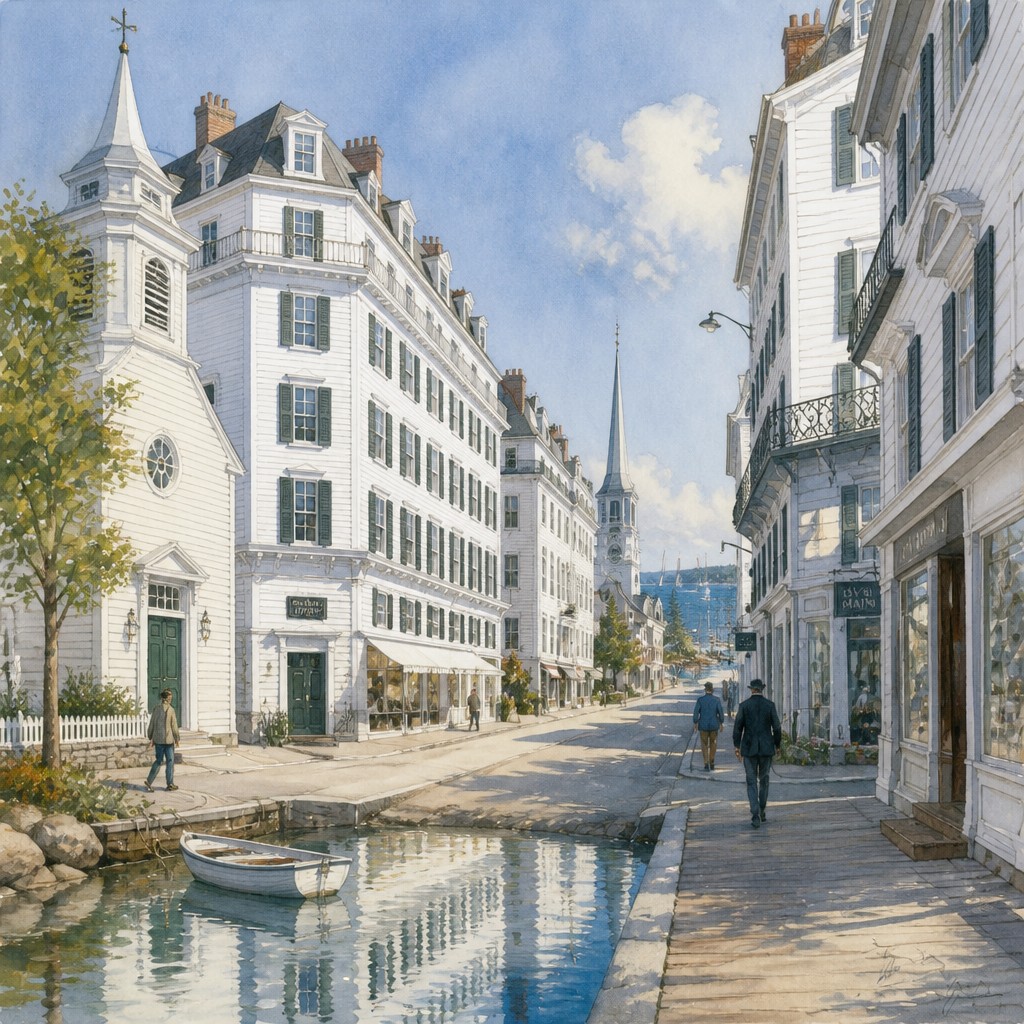
Small churches, coastal homes, meetinghouses, and sheds are rendered with simple geometry and clean pale surfaces. Steeples and rooflines often serve as vertical counterpoints to low horizons and horizontal water.
Granite and spruce
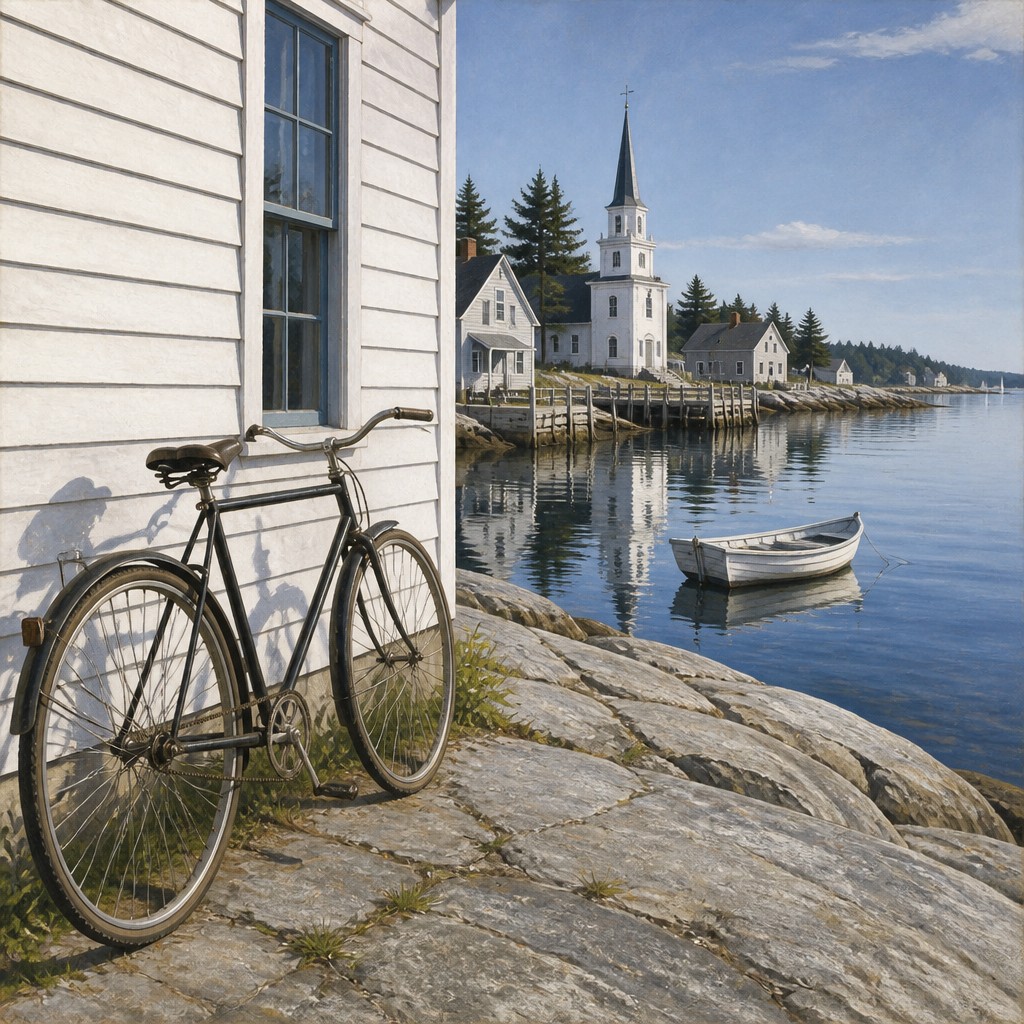
Exposed rock, weathered ledges, dark evergreen points, and coarse shoreline vegetation anchor the image in the northeastern coast. Their firm textures contrast with the smoothness of water and sky.
Restrained regional palette
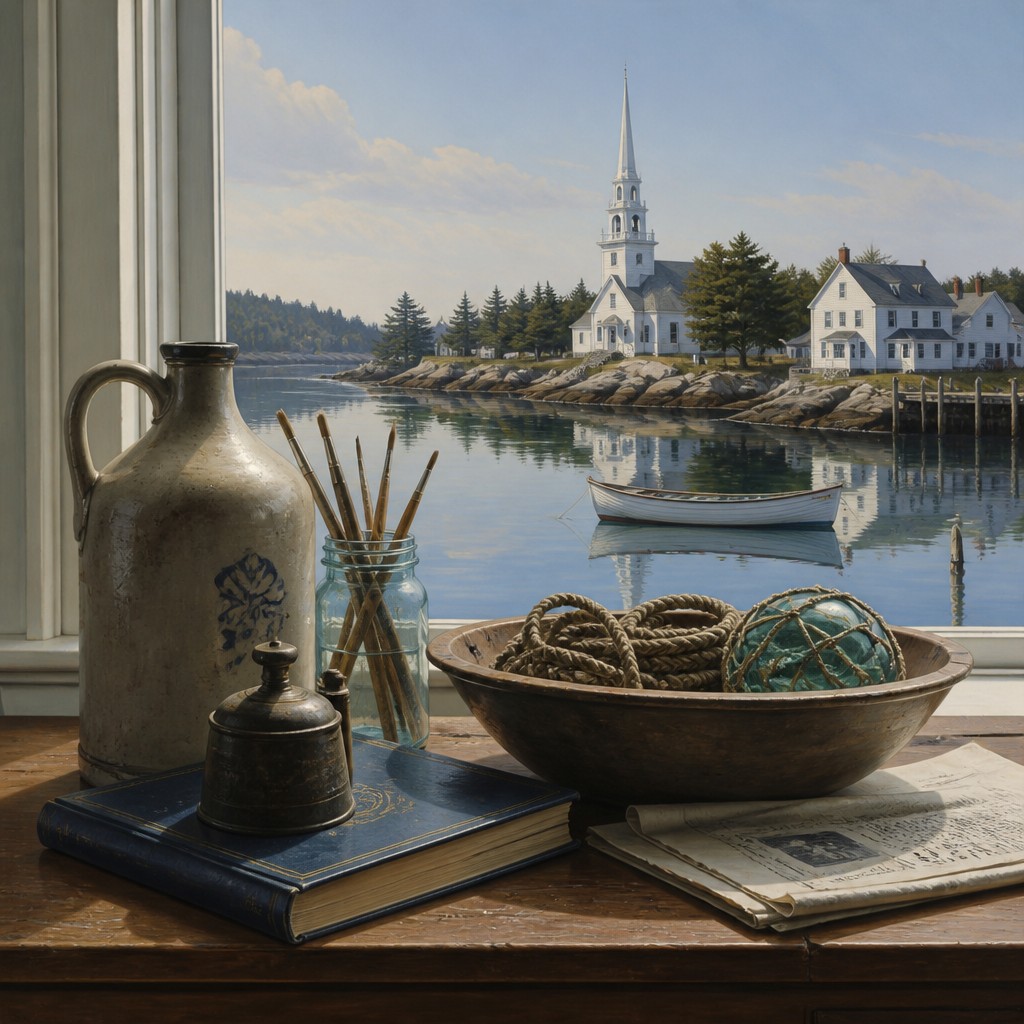
Common colors include chalk white, slate blue, sea green, granite gray, muted ocher, weathered brown, and deep spruce. Saturation is controlled so that the light, reflections, and spatial structure remain dominant.
Clear, spare composition
The style favors open space, legible silhouettes, broad planes, and a low visual density. Details are selected carefully, producing a sense of Protestant plainness and practical coastal order.
Try It
Create Videos in New England Maritime Art Style
Styles aren't just for stills — describe a scene or animate an image and get a short video rendered in New England Maritime. Press play to see this pond come to life.
Make a VideoNew England Maritime Prompt Ideas
Start from an idea — each one opens the generator with the style ready to go. See all 40 New England Maritime prompts →
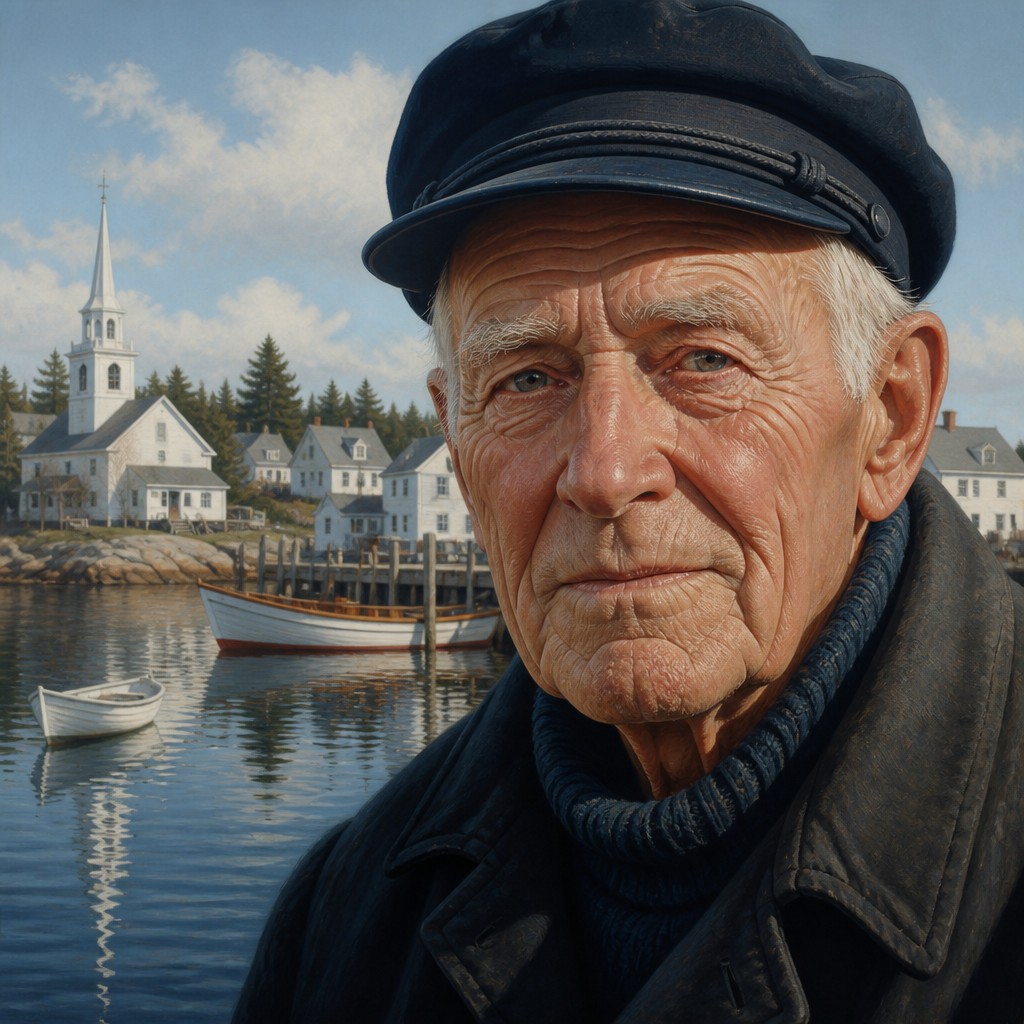
“close-up portrait of an elderly person with expressive weathered features”
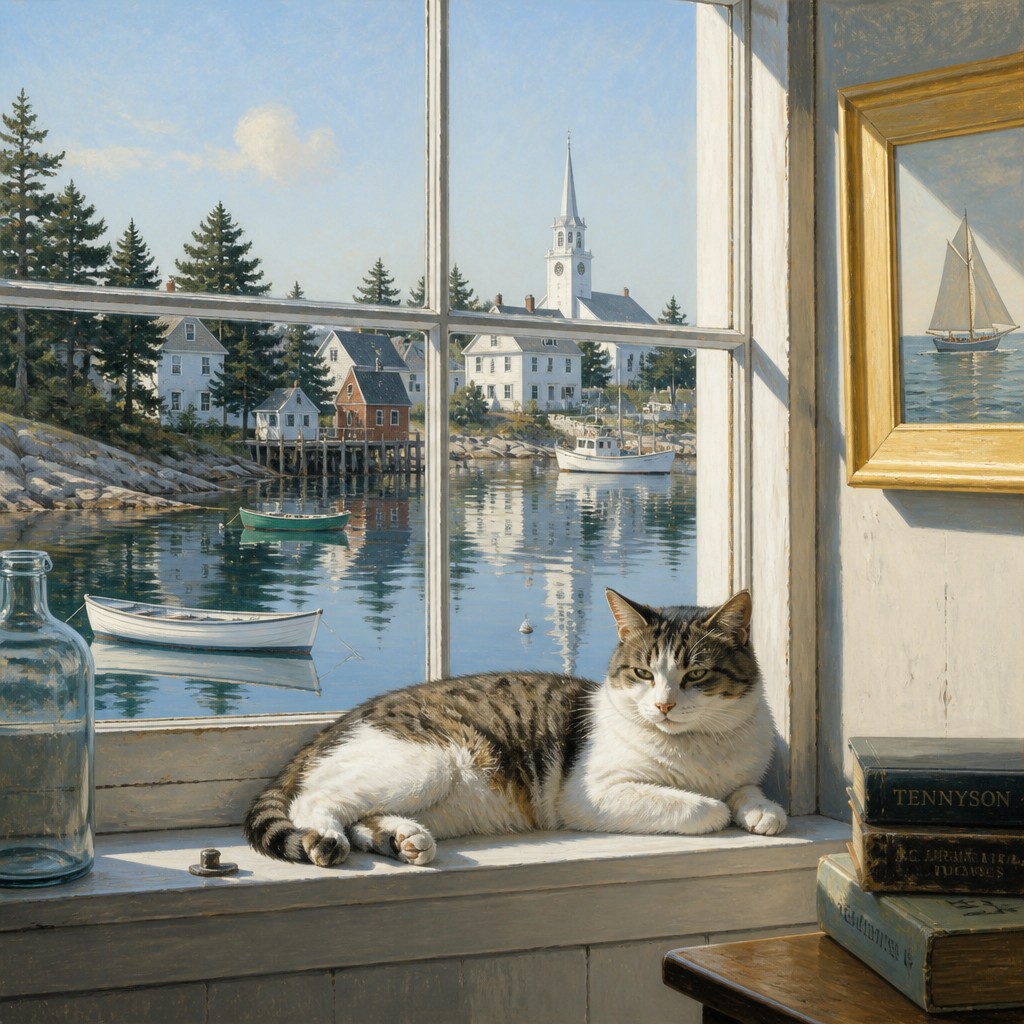
“a cat lounging in a sunlit window”
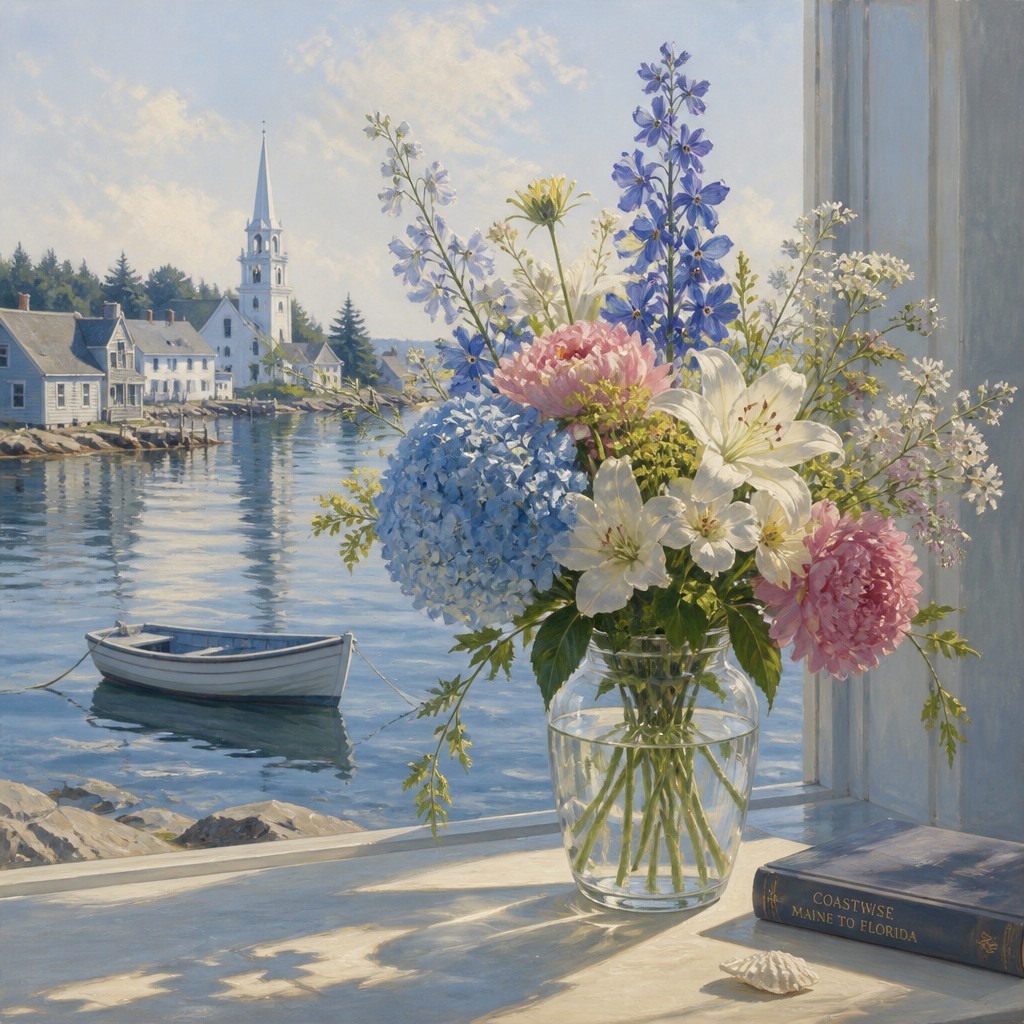
“bouquet of flowers in a glass vase”
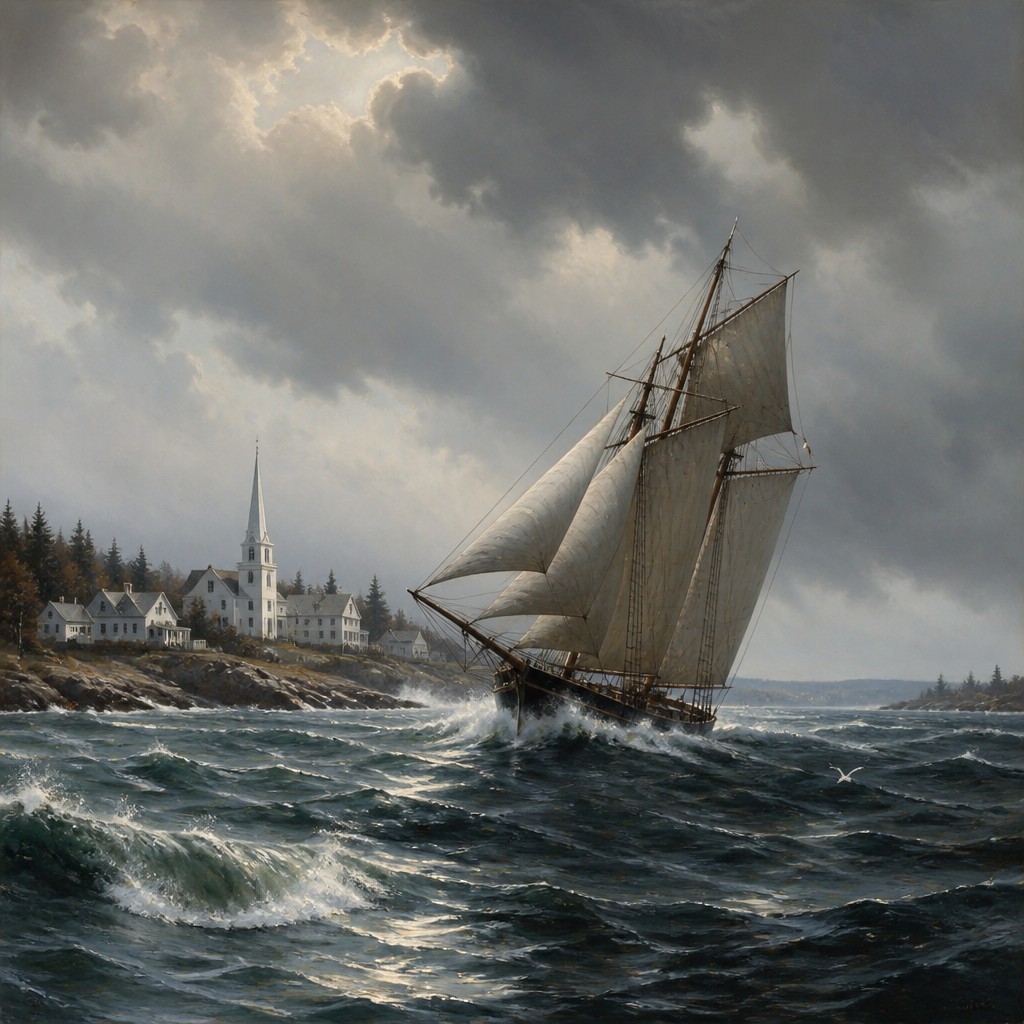
“sailing ship on a stormy sea”
How to Create New England Maritime Art
Master the craft step by step — or skip straight to creating. Read the full guide →
- 1
Build the composition from horizontal bands
Start with a low horizon, a broad sky, a calm water plane, and one or two strong foreground anchors such as a granite ledge or dock. Keep the number of major forms limited so the scene retains its quiet clarity.
- 2
Control the light and palette
Use cool directional light with crisp but natural shadows, then restrict the palette to whites, blue-grays, sea greens, muted browns, and spruce greens. Reserve the strongest contrast for church facades, boat edges, or reflected light.
- 3
Paint reflections as long structures
Lay reflections vertically beneath boats, pilings, trees, and buildings, then soften them with small horizontal disruptions from tide or wind. Avoid making every ripple equally sharp; variation creates believable still water.
- 4
Use material-specific marks
Apply thin, clean strokes for clapboard and rigging, broader opaque passages for granite, and layered transparent or semi-transparent color for water and sky. Weathering should be selective rather than uniformly distressed.
- 5
Translate the approach digitally
Work with simplified shape layers, a cool tonal grade, subtle grain, and separate reflection passes. For image-to-image or prompt-based creation, specify the subject, season, light direction, architecture, shoreline materials, restrained palette, and quiet luminist mood while discouraging excessive saturation and clutter.
The Story
History & Origins of New England Maritime
New England Maritime Art Style is not a formally recognized historical movement with a fixed membership or period. It is a contemporary synthesis of visual traditions associated with the New England coast, including nineteenth-century American luminist landscape painting, regional marine painting, documentary harbor imagery, vernacular church architecture, and the restrained composition of coastal photography.
Its lineage also includes the practical visual culture of Atlantic fishing communities: weathered boats, working wharves, navigational structures, painted clapboard buildings, and landscapes shaped by granite, spruce, fog, and tidal water. Modern interpretations often preserve this regional vocabulary while simplifying forms and intensifying the clean, glassy light.
Influences: The style draws most directly from nineteenth-century American luminism, marine and coastal landscape painting, New England vernacular architecture, Atlantic fishing culture, and the tonal discipline of regional documentary photography. It also shares qualities with tonalism, plein-air landscape practice, maritime folk art, and minimalist landscape composition, while remaining more architecturally and geographically specific than any one of those traditions.

Frequently Asked Questions
What defines New England Maritime Art Style?
It is defined by northeastern Atlantic subjects, crystalline coastal light, calm reflective water, white clapboard architecture, granite shorelines, and spruce-covered points. Its mood is restrained, contemplative, and orderly rather than stormy or picturesque in a theatrical sense.
Is New England Maritime Art a historical art movement?
No. The term describes a contemporary, composite aesthetic rather than a formally established historical movement. It is based on recognizable regional traditions, especially American luminist landscape painting, marine art, coastal architecture, and maritime documentary imagery.
How does it differ from general nautical art?
General nautical art may focus on ships, sailors, or dramatic ocean conditions anywhere in the world. This style is more geographically specific, emphasizing New England materials and forms such as dories, white churches, granite ledges, spruce, tidal coves, and cool northern light.
How can I make a painting in this style?
Choose a simple coastal structure, boat, or shoreline as the main subject and organize the image around broad horizontal planes. Use a restrained cool palette, crisp light, controlled detail, and carefully observed reflections instead of highly saturated color or energetic brushwork.
Can this style be used for photographs or digital images?
Yes. It works well for landscape photography, architectural studies, illustration, digital painting, and image-to-image transformations. Preserve the original subject's structure while introducing cool clarity, simplified forms, regional materials, and a calm luminist tonal range.
Does the style always need a church or harbor?
No, but these are useful anchors because they immediately establish the regional vocabulary. A quiet interior, rocky beach, forested island, or winter road can also fit when treated with the same clear light, restrained palette, open composition, and maritime sense of place.
Create your first New England Maritime artwork
Describe anything — or upload a photo — and see it in New England Maritime Art Style in seconds.
Related Styles
Discover similar art styles