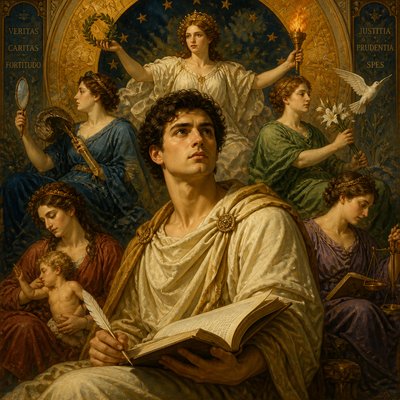
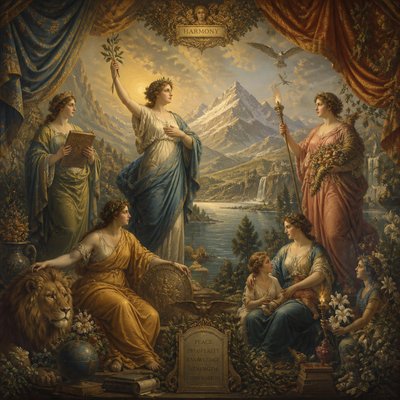
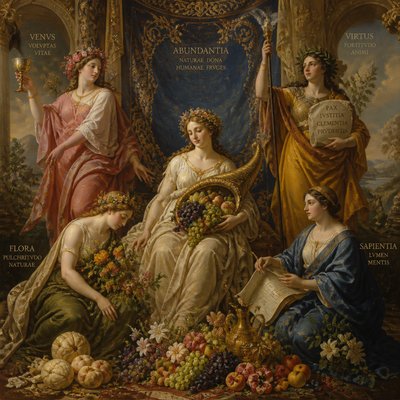
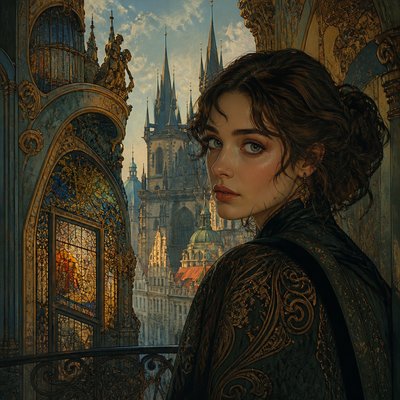
Antiguan Art Style
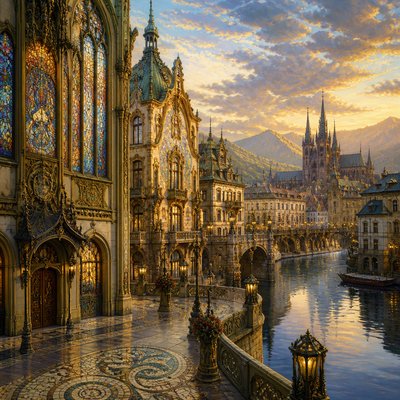
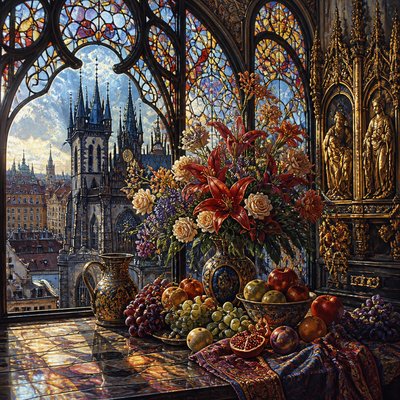
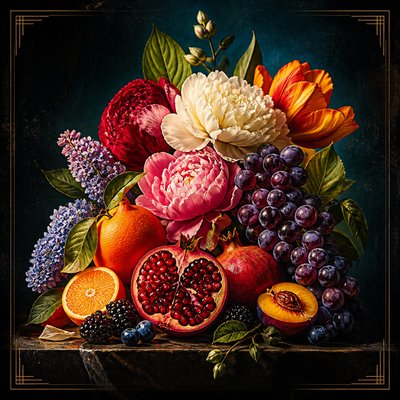
Explore Antiguan art style: Saladoid-inspired terracotta pattern, coral-grey Georgian stone, turquoise light, and salt-worn Caribbean heritage.
Instantly rendered in Antiguan — or transform a photo
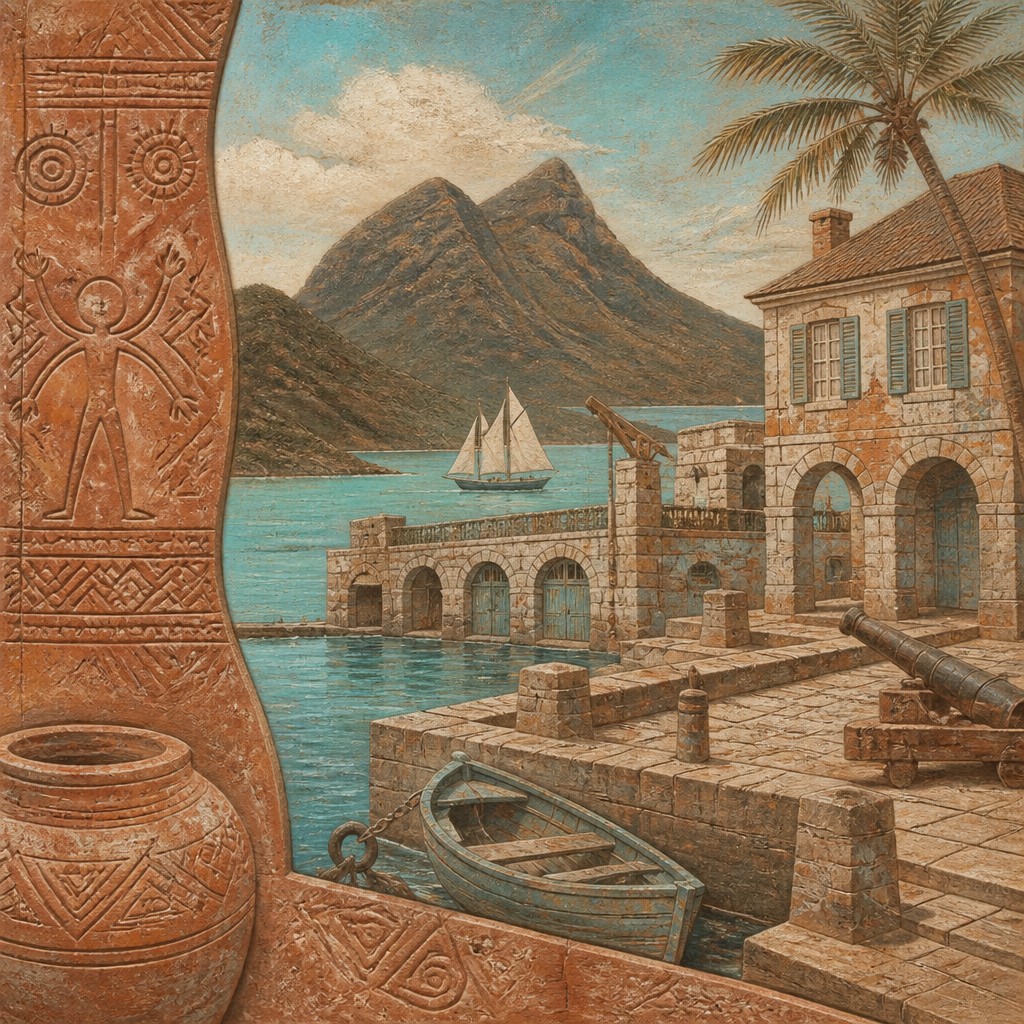
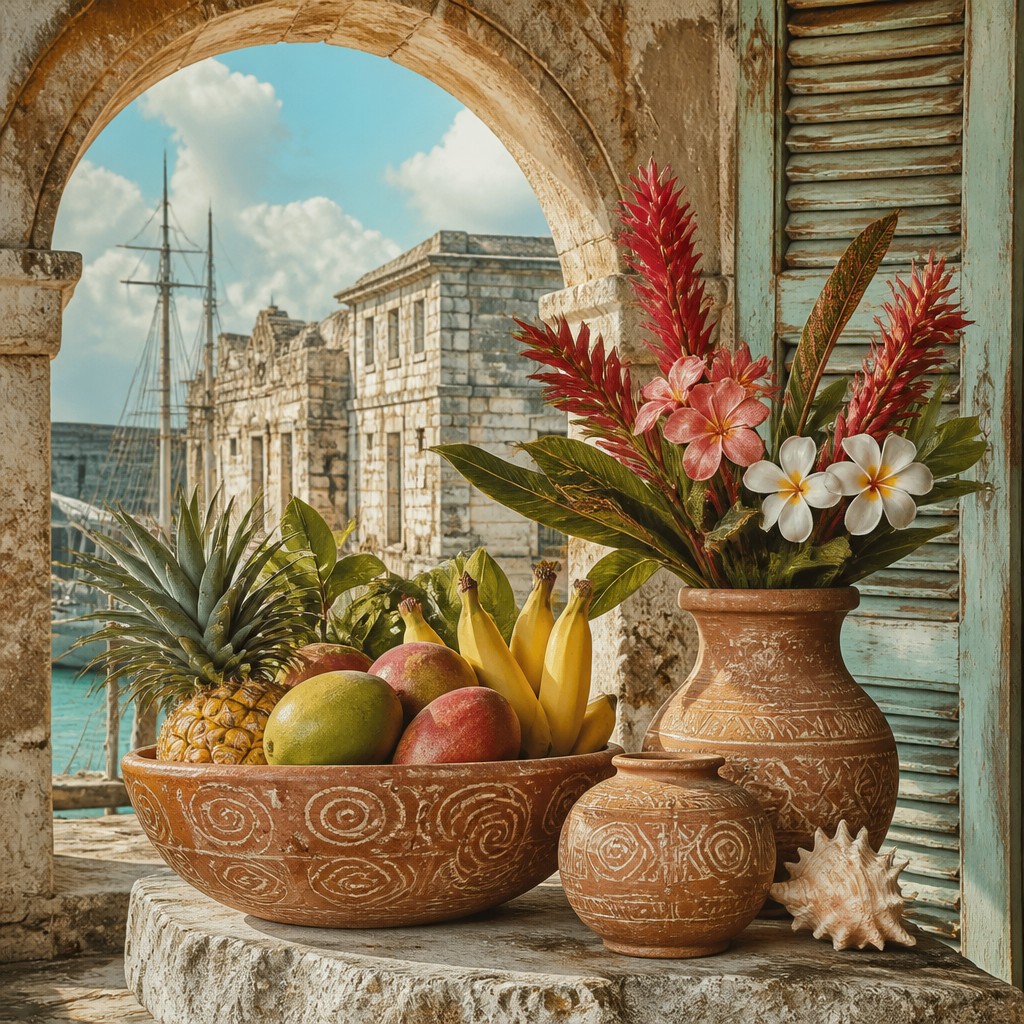
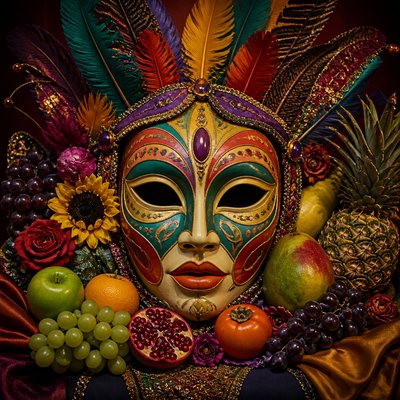
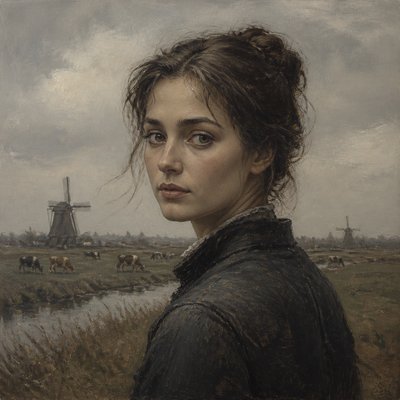
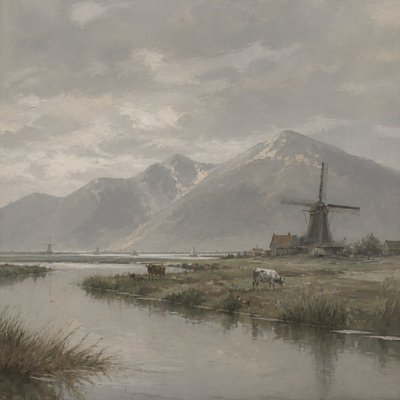
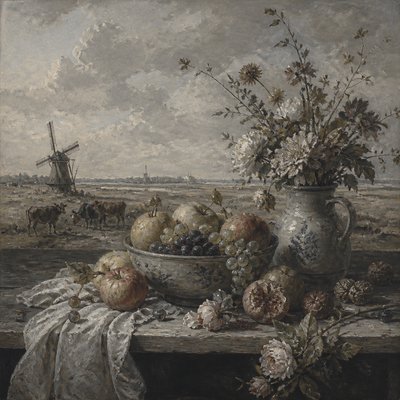
Antiguan Gallery
Tap any artwork to explore it
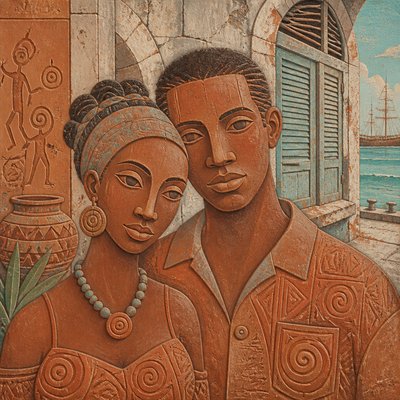
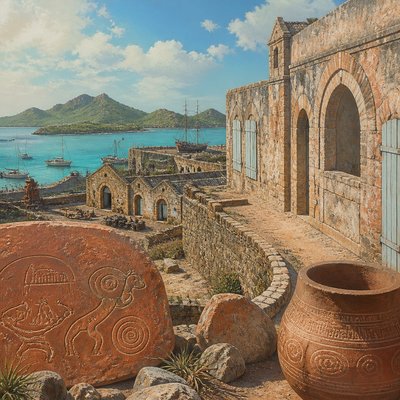
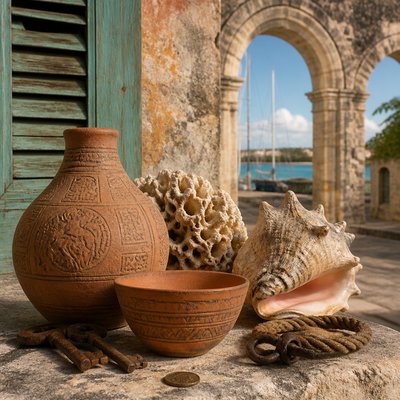
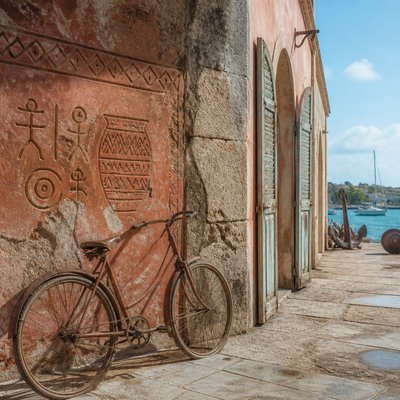
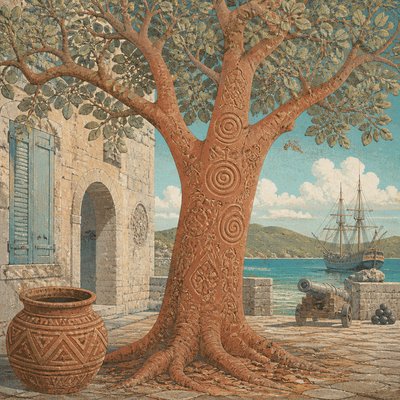
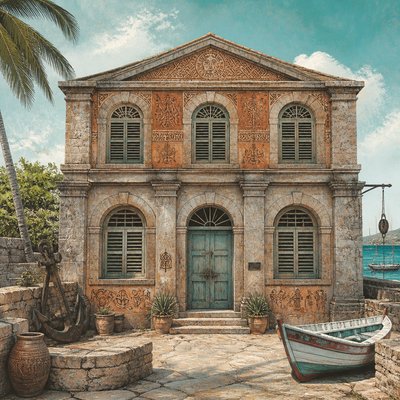
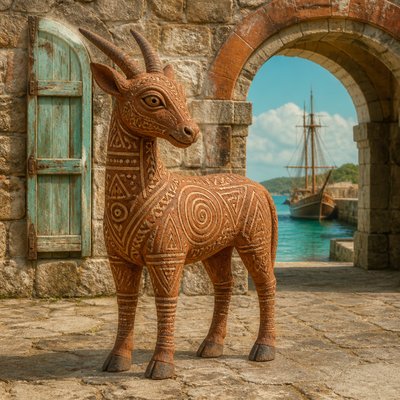
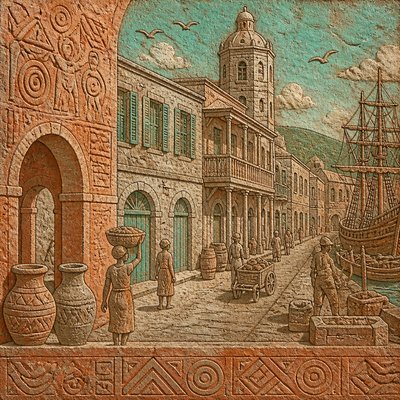
What is Antiguan Art Style?
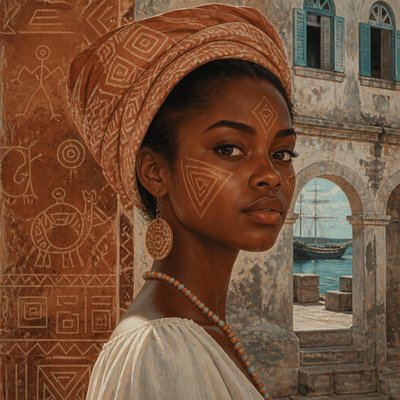
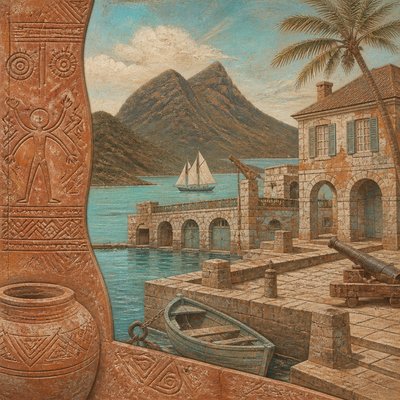
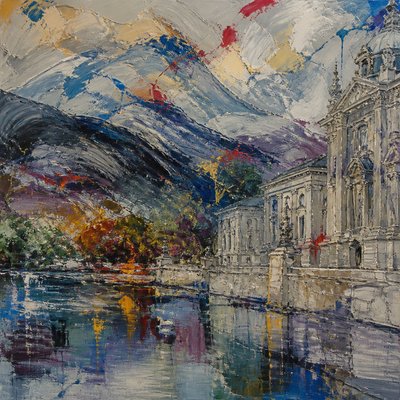
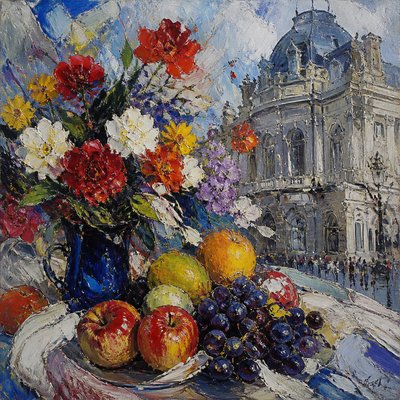
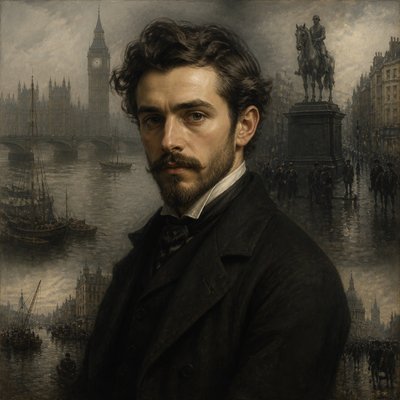
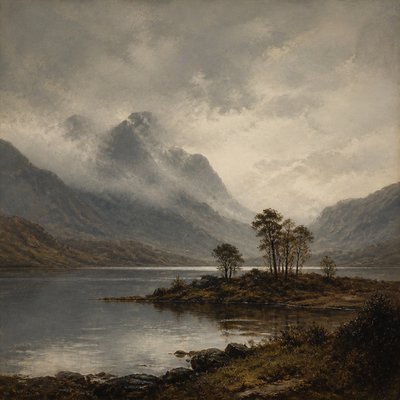
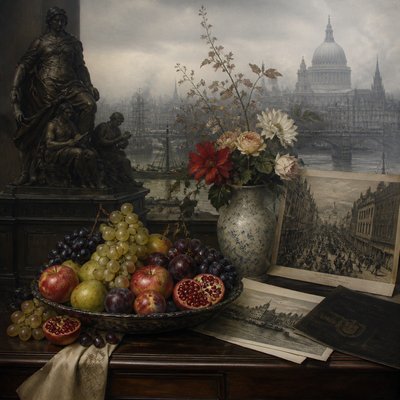
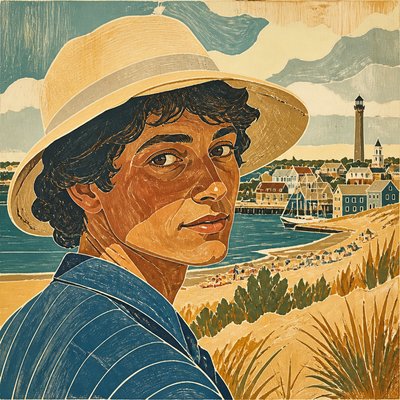
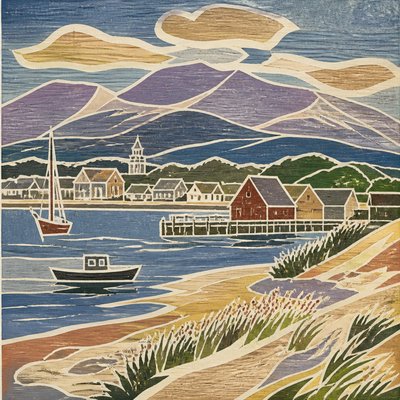
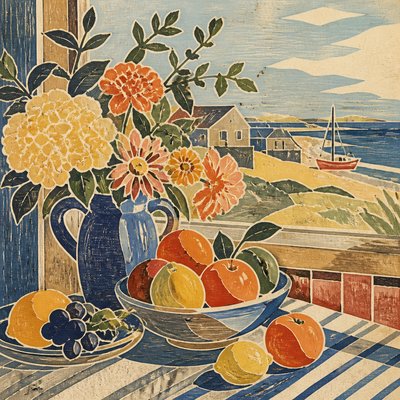
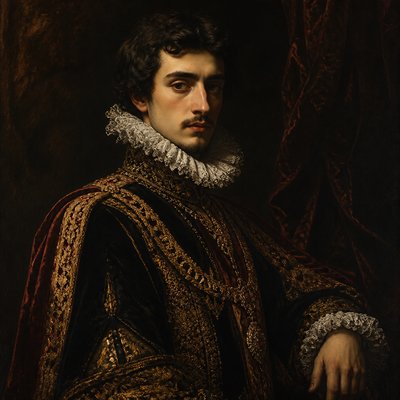
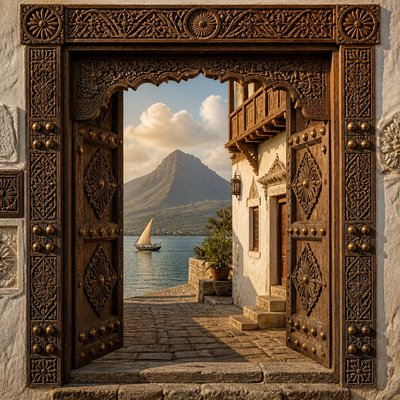
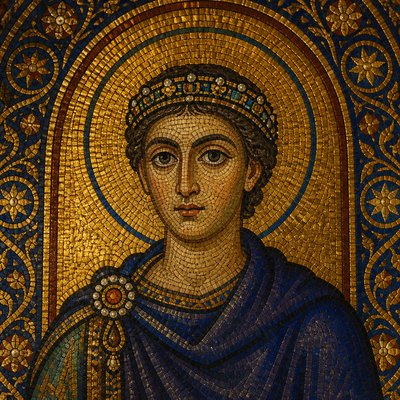
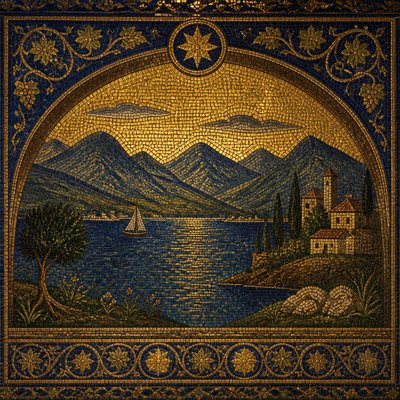
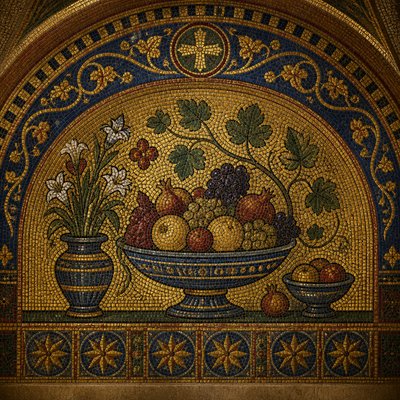
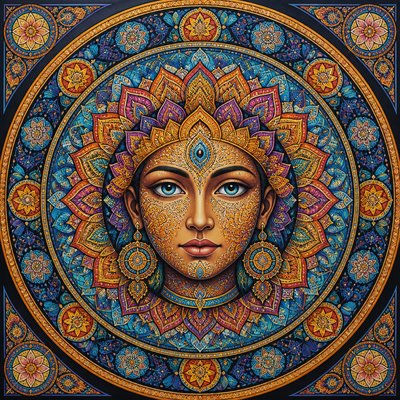
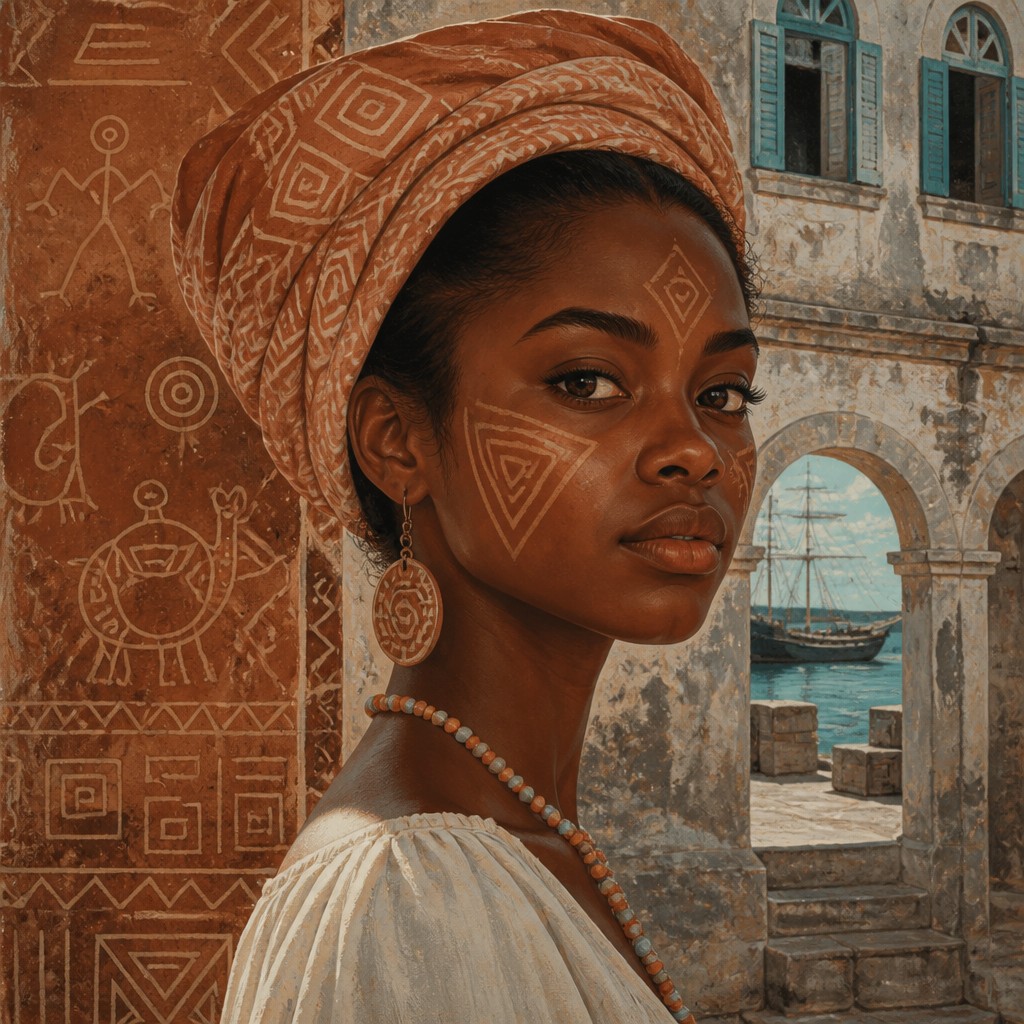
Antiguan art style is a contemporary, place-based visual language combining the incised geometry of Saladoid pottery and petroglyph traditions with the weathered masonry of Antigua’s Georgian-era plantations, forts, and naval dockyards. Its palette brings together warm terracotta, coral-grey stone, chalky lime, sun-bleached wood, and clear turquoise Caribbean light.
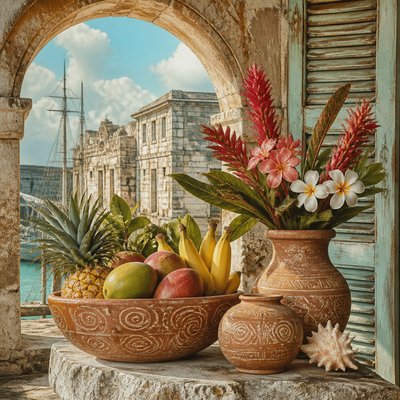
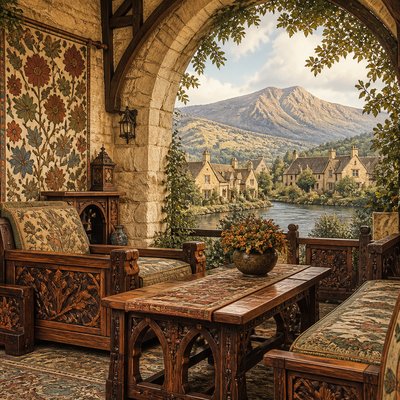
The style looks tactile, restrained, and maritime. Repeated ceramic marks are set against arches, shutters, walls, and courtyards softened by salt, sun, and trade winds. Rather than presenting a single historical art movement, it creates a visual dialogue between archaeological memory, colonial-era built heritage, and the luminous atmosphere of the eastern Caribbean.
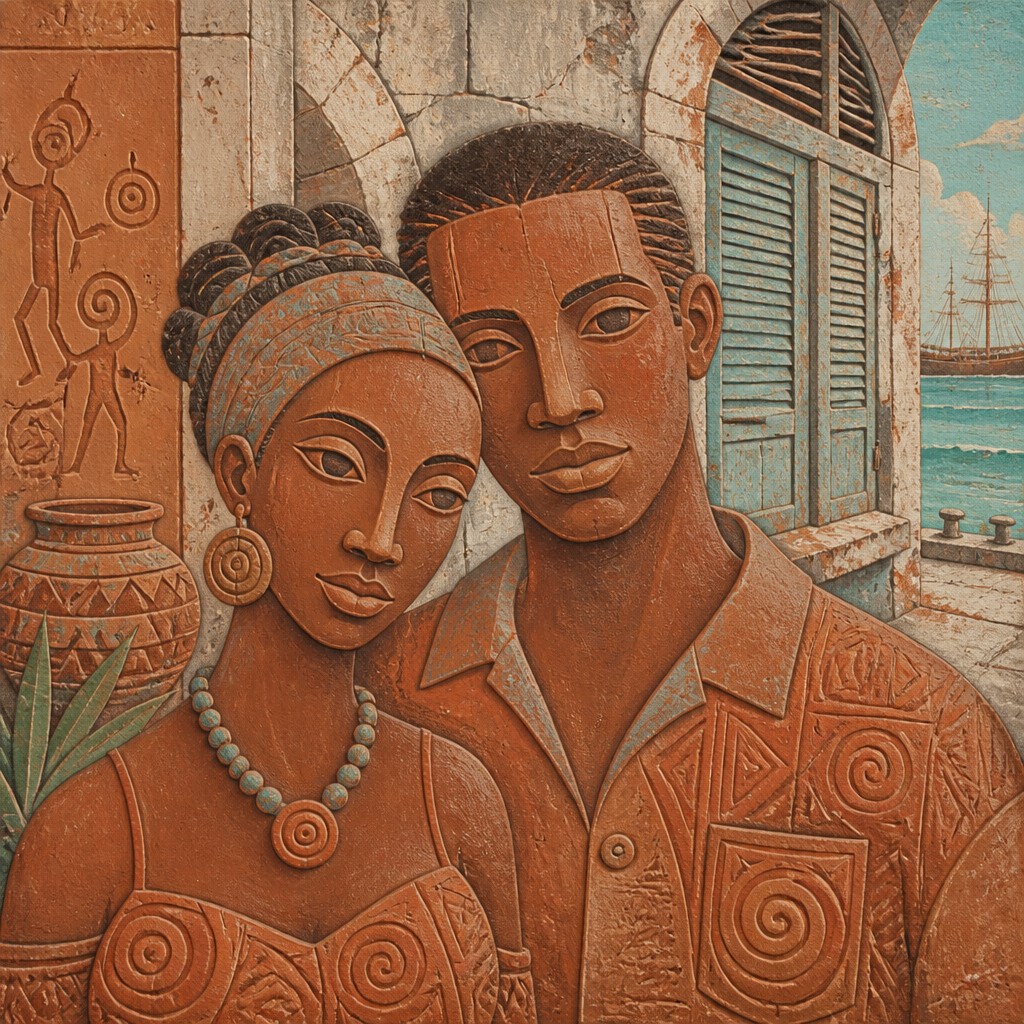
Try It On Your Photos
Upload any photo and convert it into Antiguan Art Style — drag the sliders to compare before and after.
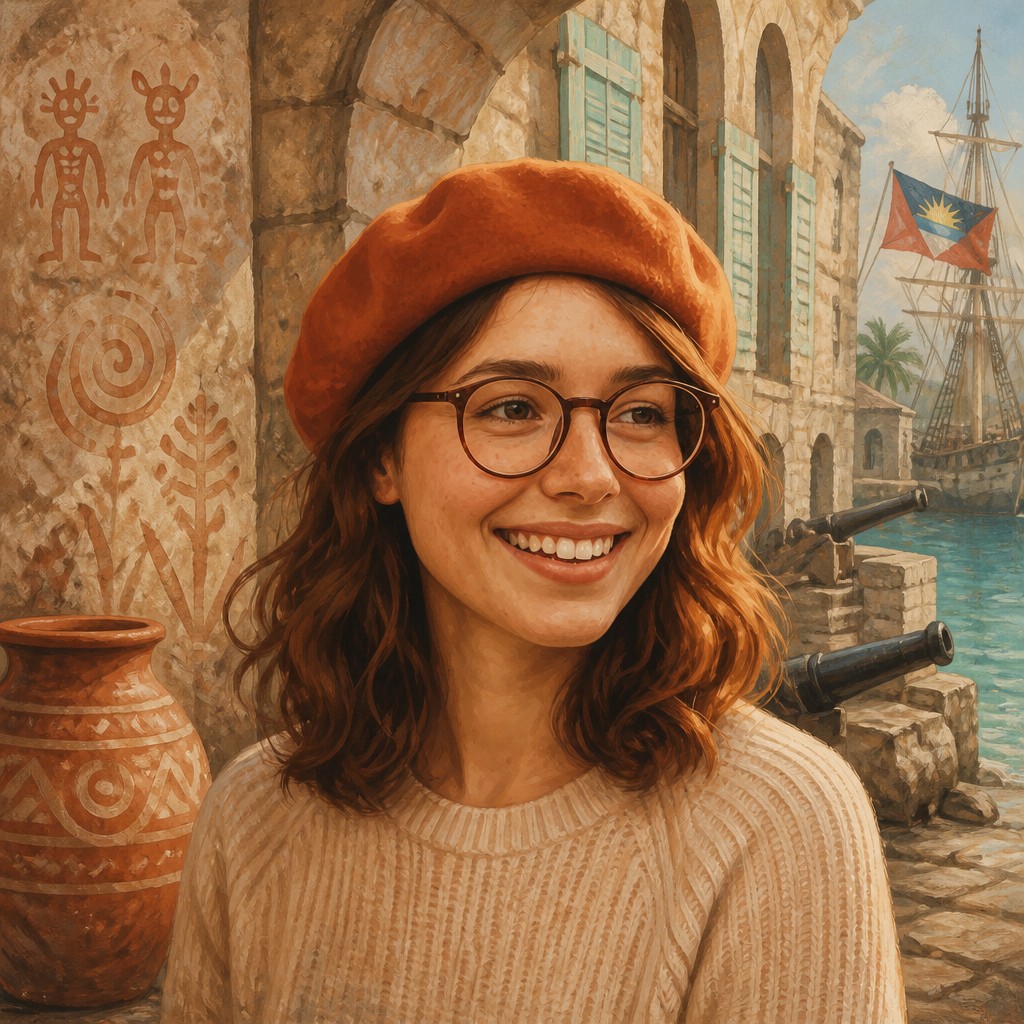

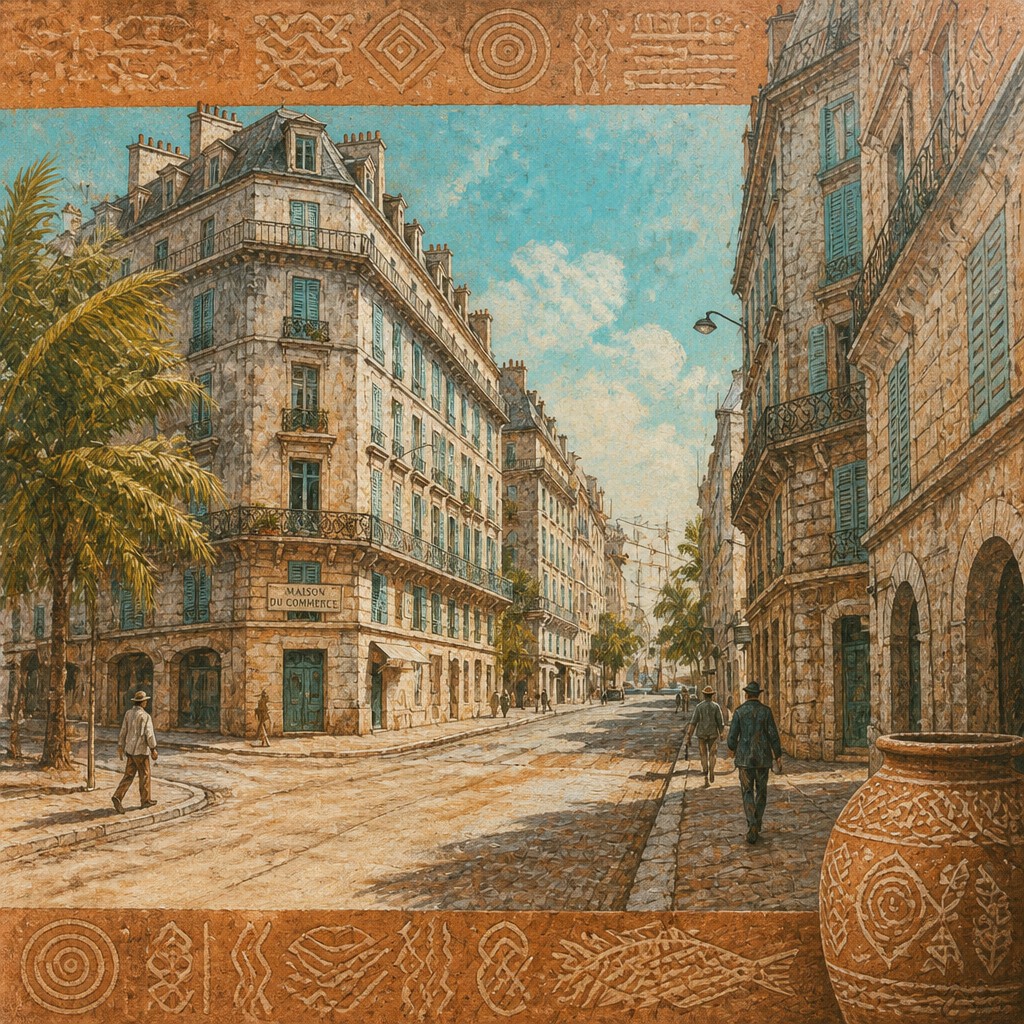

What Defines Antiguan Art Style
The signature details, up close
Incised Saladoid geometry
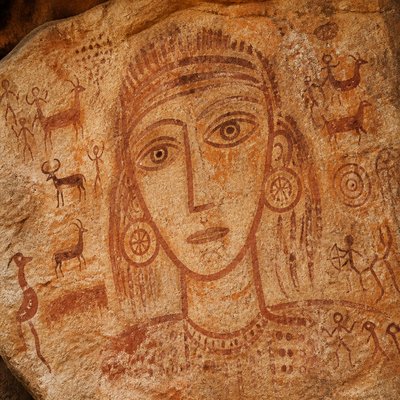
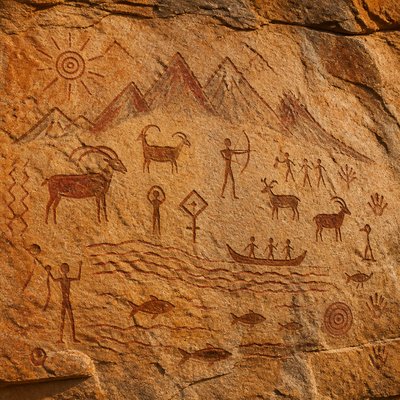
Fine linear motifs, spirals, bands, stepped forms, and abstracted organic marks echo the incised decoration found in Saladoid ceramic traditions. They are usually arranged as borders, surface patterns, or engraved details rather than used as dense all-over ornament.
Terracotta and coral-grey palette
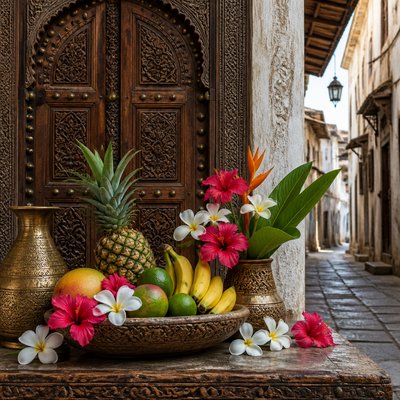
Warm earthen reds and fired-clay oranges contrast with pale coral, limestone grey, sand, and weathered cream. The restrained palette keeps the work grounded in mineral and architectural materials.
Georgian masonry
Balanced façades, arched openings, heavy masonry, arcades, seawalls, and plantation or dockyard structures provide the architectural framework. Surfaces appear softened by age rather than rendered as pristine historical reconstructions.
Sun-bleached woodwork
Shutters, doors, beams, and window frames are faded by intense light and salt air. Muted blue-green, chalk white, and dusty ochre accents suggest paint worn thin over timber.
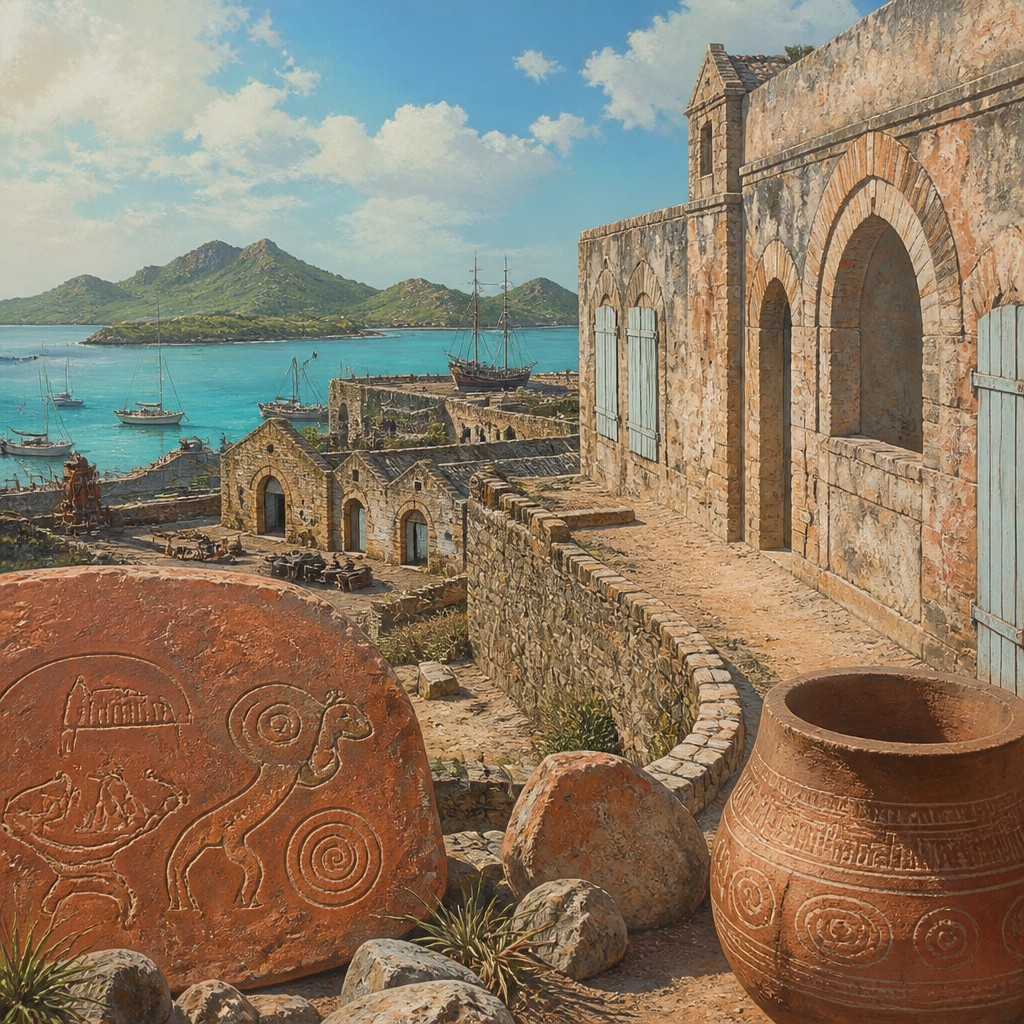
Turquoise trade-wind light
Clear Caribbean illumination produces crisp but gentle shadows, luminous skies, and cool turquoise reflections. Atmospheric haze may soften distant water while keeping foreground texture legible.
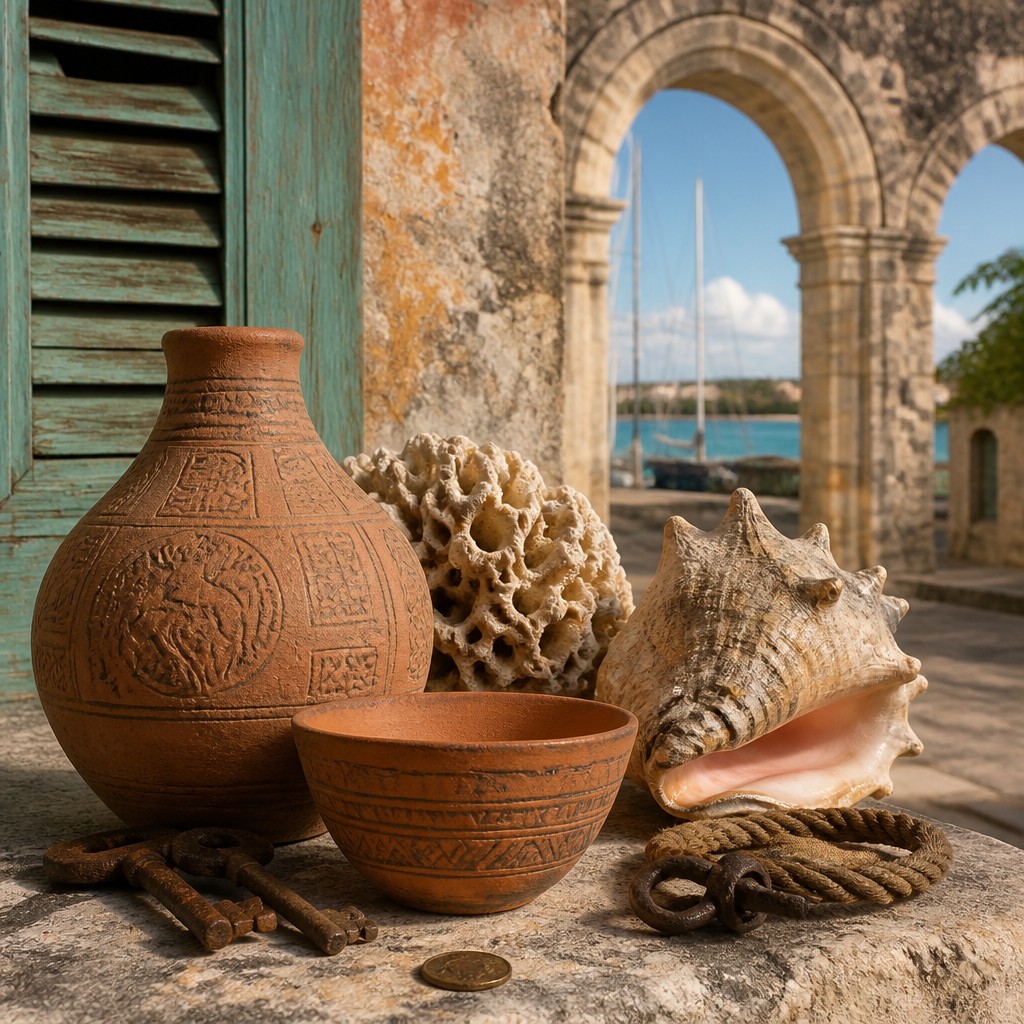
Salt-worn tactility
Pitted stone, flaking limewash, porous clay, eroded carvings, and granular sand are central surface effects. The style favors visible material wear over polished digital smoothness.
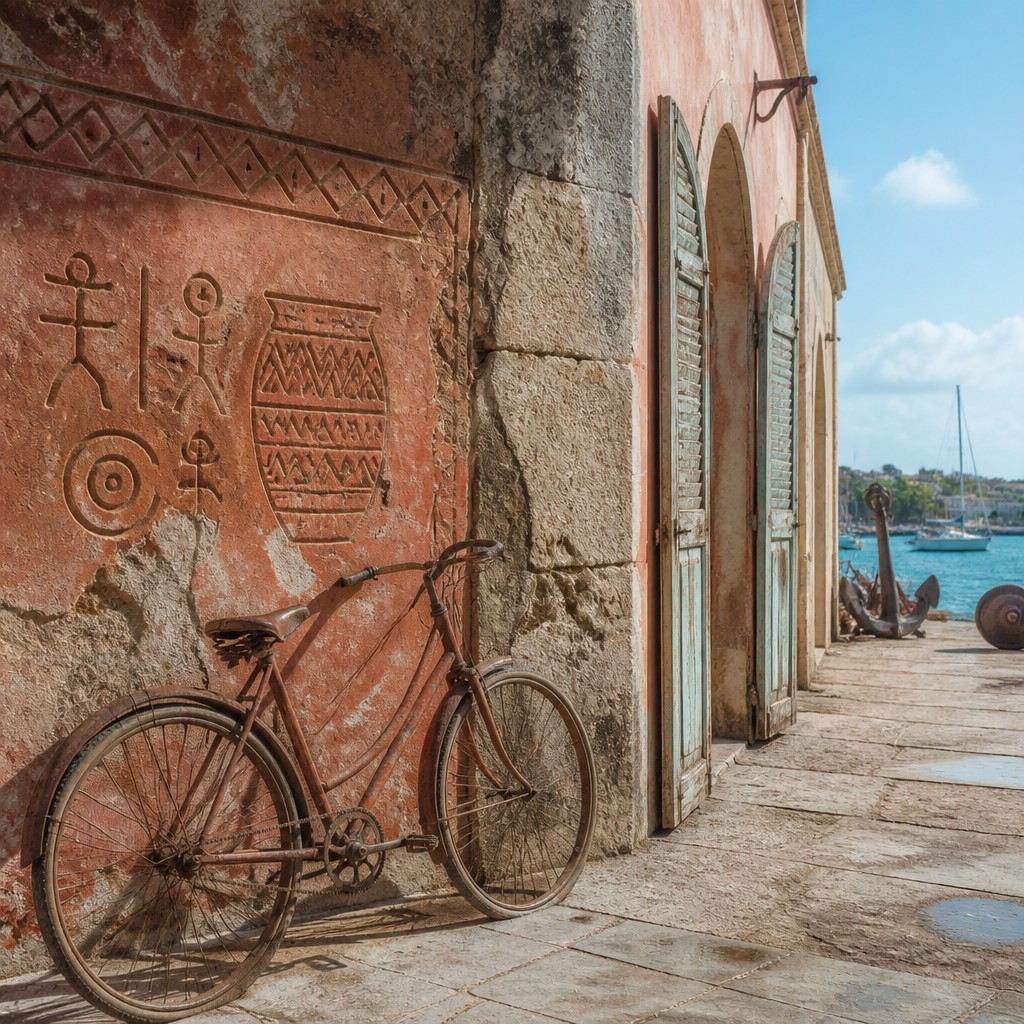
Quiet maritime mood
Compositions tend toward still courtyards, empty quays, fishing vessels, coastal paths, and carefully observed craft objects. The emotional register is contemplative, durable, and connected to working shorelines.
Antiguan Prompt Ideas
Start from an idea — each one opens the generator with the style ready to go. See all 40 Antiguan prompts →
How to Create Antiguan Art
Master the craft step by step — or skip straight to creating. Read the full guide →
- 1
Build a mineral palette
Start with terracotta, burnt sienna, coral-grey, limestone, faded cream, and turquoise, then reduce saturation to suggest sun and salt exposure. Reserve stronger color for water, shutters, ceramics, or small painted details.
- 2
Layer pattern into structure
Draw incised geometric marks as borders on pottery, carved lintels, paving, walls, or textiles rather than scattering them randomly. Keep the motifs rhythmic and simplified so they read as material decoration.
- 3
Render weathered surfaces
Use dry-brush, sponge, scumbling, or textured digital brushes to create porous stone, flaking limewash, chipped clay, and faded timber. Vary scale: combine broad stains with small pits, scratches, and salt deposits.
- 4
Control the architecture
Use simple Georgian proportions, repeated arches, shutters, arcades, and masonry blocks as compositional anchors. Avoid excessive ornament or fantasy detail; the atmosphere depends on clarity, restraint, and believable construction.
- 5
Shape the light
Place a warm, high sun at an angle that reveals stone relief and incised pattern while allowing cool turquoise bounce light from the sea or sky. In digital work, use soft ambient occlusion and restrained atmospheric perspective.
- 6
Write precise generation prompts
Describe the subject first, then specify terracotta incisions, coral-grey masonry, sun-bleached shutters, turquoise coastal light, and salt-worn texture. Add composition, material, and lighting instructions, and exclude glossy surfaces, neon colors, and generic tropical resort imagery when needed.
The Story
History & Origins of Antiguan
This is an invented contemporary style rather than a documented historical movement. Its aesthetic lineage draws on Saladoid archaeological ceramics and Indigenous Caribbean incised ornament, alongside the eighteenth- and early nineteenth-century Georgian architecture associated with Antigua’s plantations and naval dockyards.
The synthesis emphasizes material continuity without claiming that these traditions formed one uninterrupted school. Digital image-making and contemporary illustration have helped combine ceramic pattern, coral-stone architecture, and tropical maritime light into a coherent visual vocabulary suited to posters, editorial images, architectural studies, and atmospheric scenes.
Influences: The style relates to Saladoid ceramic ornament and wider Indigenous Caribbean material traditions, Georgian and colonial Caribbean architecture, maritime folk craft, archaeological reconstruction, tropical architectural illustration, and textured editorial painting. It also shares qualities with coastal plein-air studies, vernacular architectural photography, heritage documentation, and contemporary place-based digital art.
Frequently Asked Questions
What defines the Antiguan art style?
It is defined by a synthesis of incised Saladoid-inspired pattern, terracotta clay, weathered Georgian-era stonework, faded shutters, and turquoise Caribbean light. Its surfaces should feel tactile, sun-bleached, and salt-worn, with a quiet maritime atmosphere.
Is this a documented historical art movement?
No. It is a contemporary invented style name describing an aesthetic synthesis rather than a recognized historical school. Its visual language is informed by real archaeological, architectural, and Caribbean material traditions.
How does it differ from generic tropical or Caribbean art?
The style is more materially specific and architecturally grounded than a broad tropical aesthetic. It emphasizes mineral surfaces, historic masonry, restrained color, archaeological pattern, and maritime labor rather than resort imagery, lush spectacle, or saturated decorative color.
Can the style be used for portraits or modern subjects?
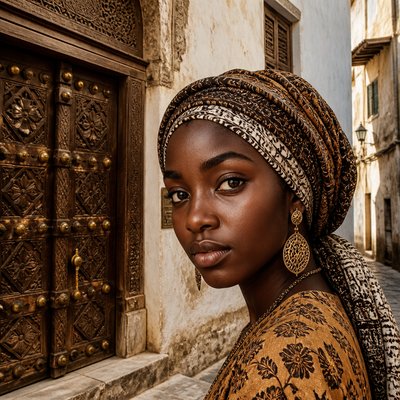
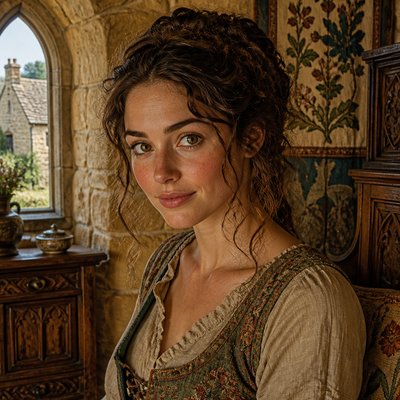
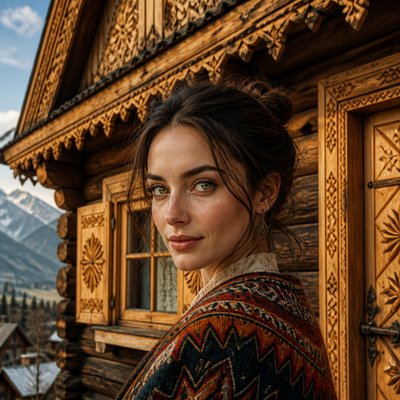
Yes. Portraits can place the sitter against coral-grey walls, faded shutters, ceramic motifs, or a dockyard setting while using warm directional light and muted coastal colors. Clothing and props should support the material and maritime vocabulary without turning the image into a costume reconstruction.
What traditional techniques suit this style?
Incised clay decoration, slip painting, limewash studies, dry-brush, scumbling, collage, and architectural watercolor are effective approaches. Texture matters as much as outline, so porous marks, chipped edges, and uneven pigment should remain visible.
Where is this style useful?
It suits heritage illustration, coastal architecture studies, travel editorial work, posters, book covers, museum-inspired objects, environmental storytelling, and atmospheric concept art. It can also guide image transformation when the desired result needs a strong sense of place and material history.
Create your first Antiguan artwork
Describe anything — or upload a photo — and see it in Antiguan Art Style in seconds.
Related Styles
Discover similar art styles