Solomon Islands Art Style
Explore Solomon Islands art style: nguzunguzu figureheads, shell inlay, carved tomoko canoes, and lagoon-turquoise maritime design.
Instantly rendered in Solomon Islands — or transform a photo
Solomon Islands Gallery
Tap any artwork to explore it
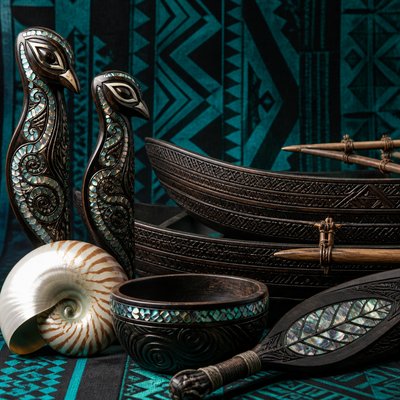
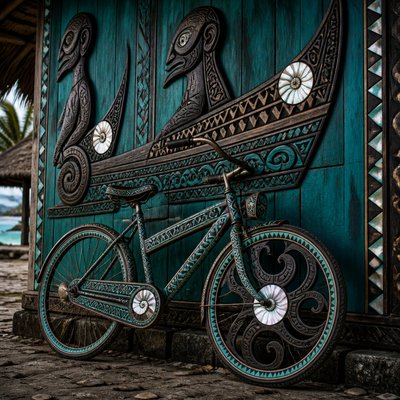
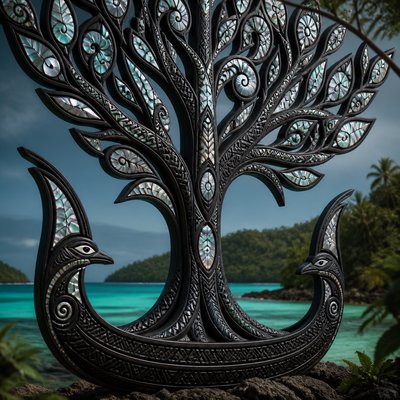
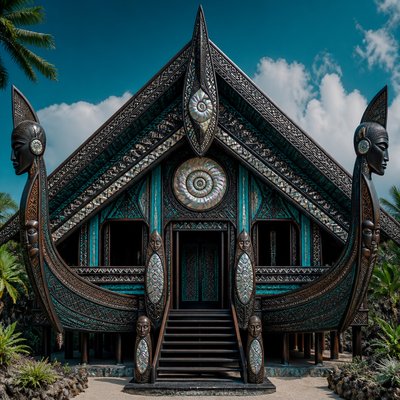
What is Solomon Islands Art Style?
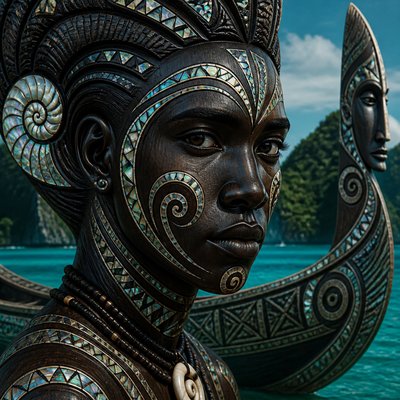
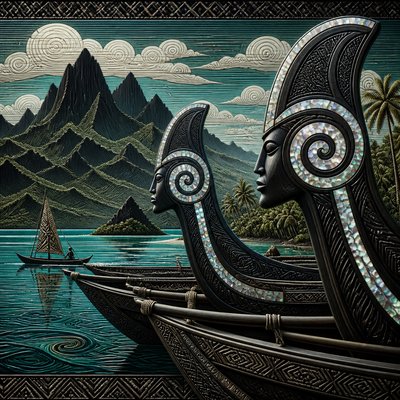
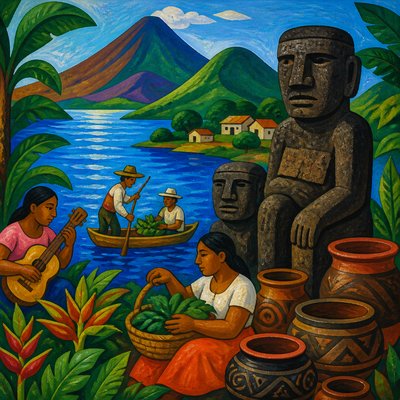
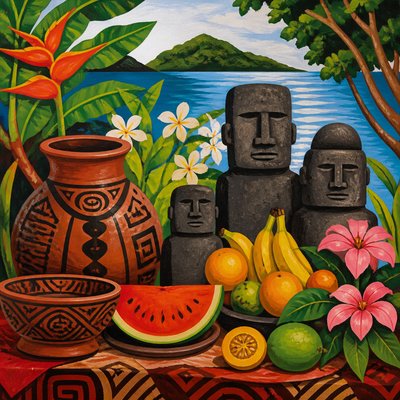
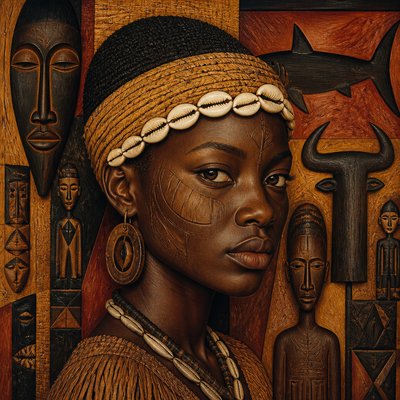
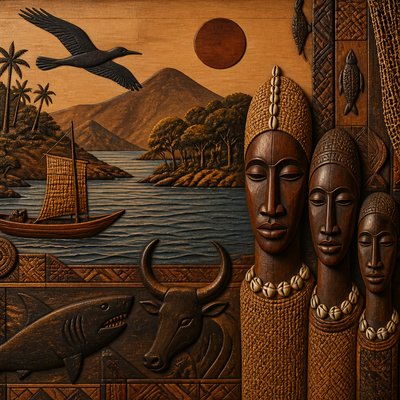
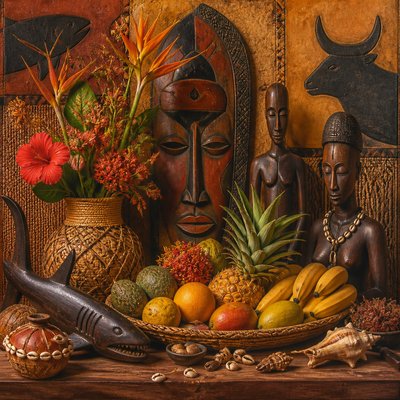
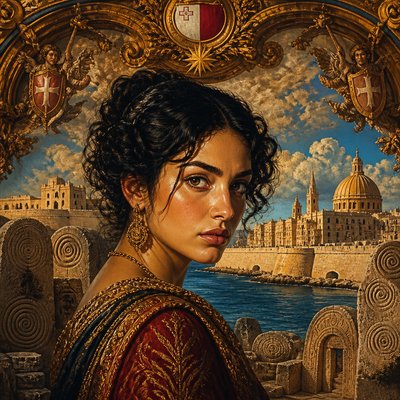
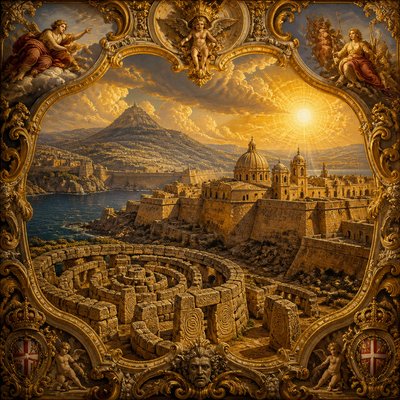
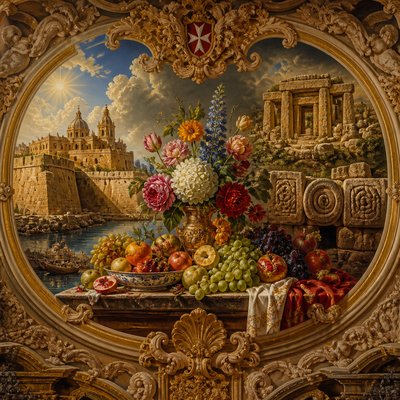
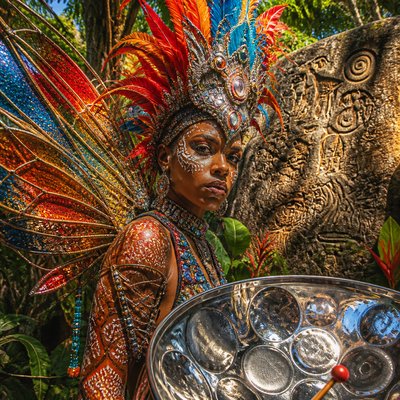
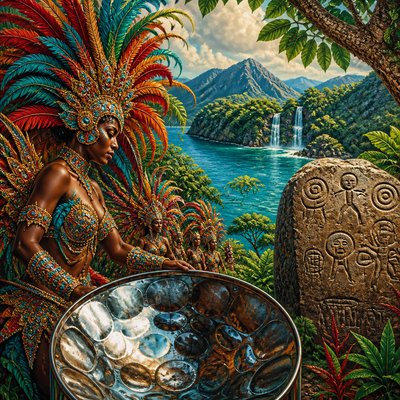
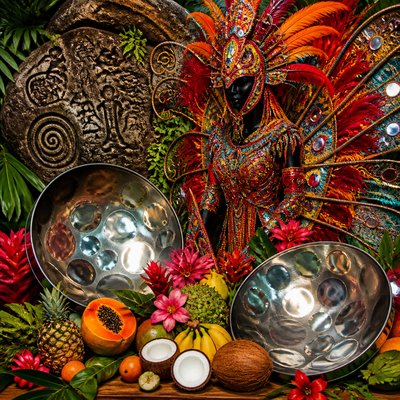
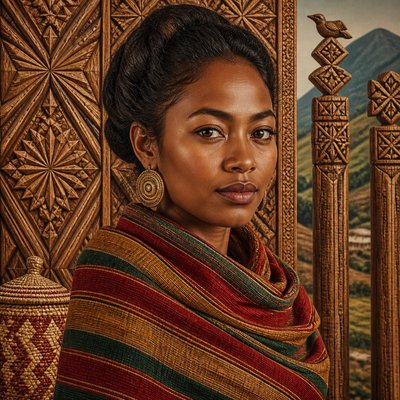
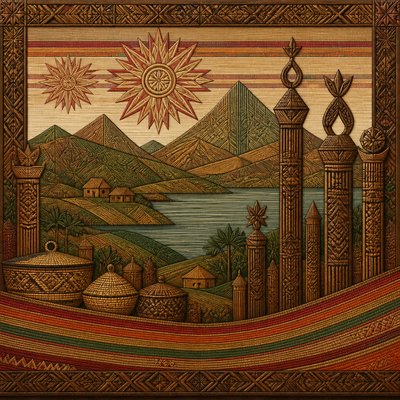
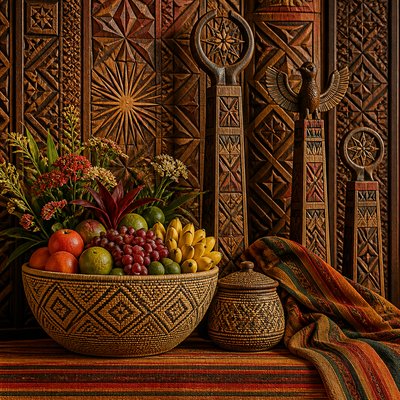
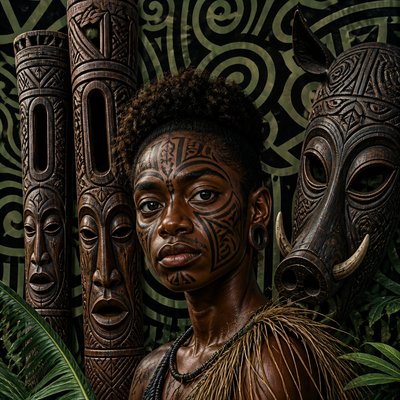
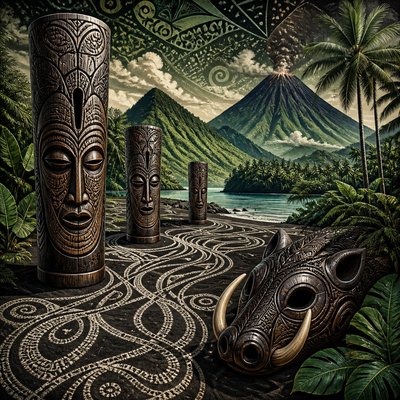
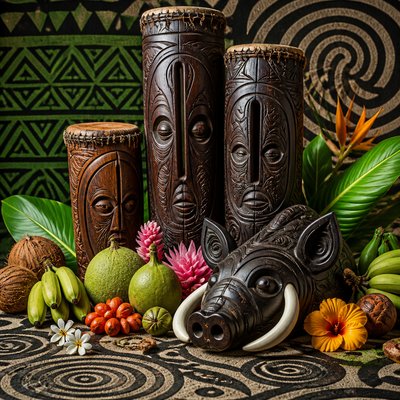
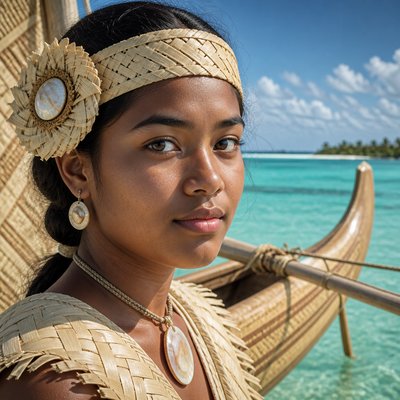
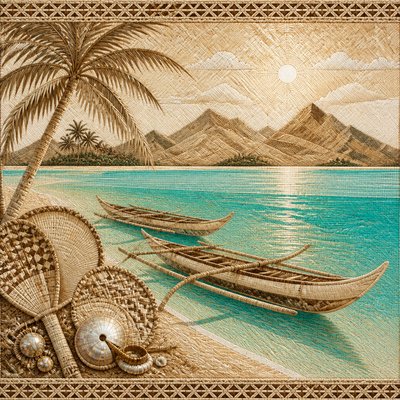
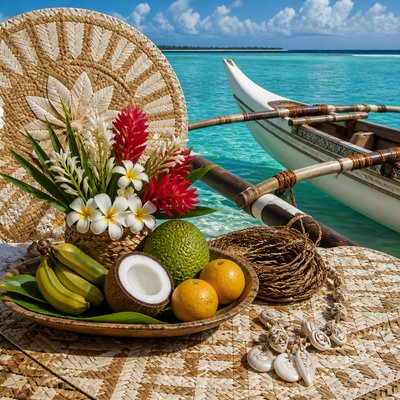
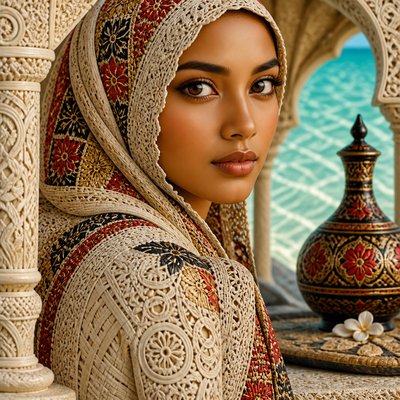
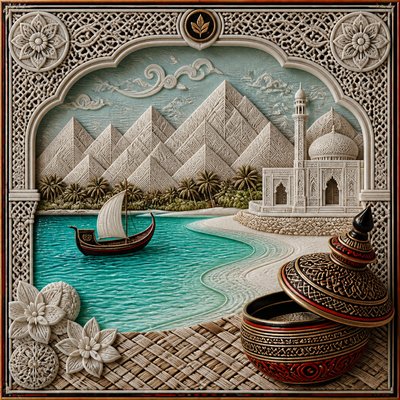
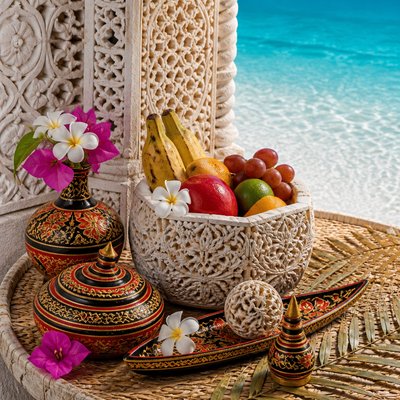
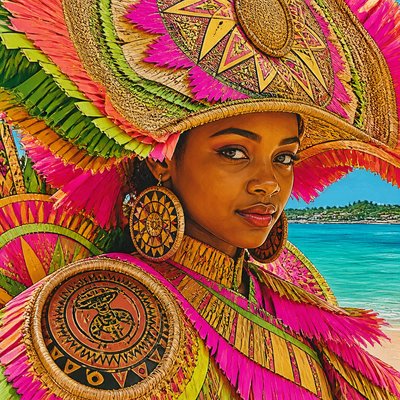
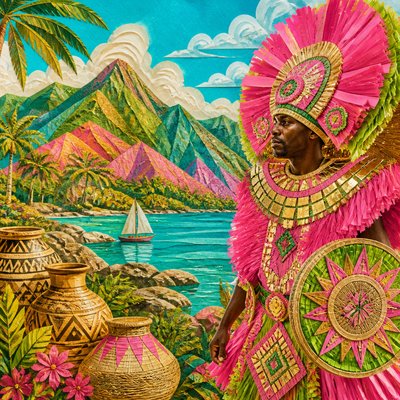
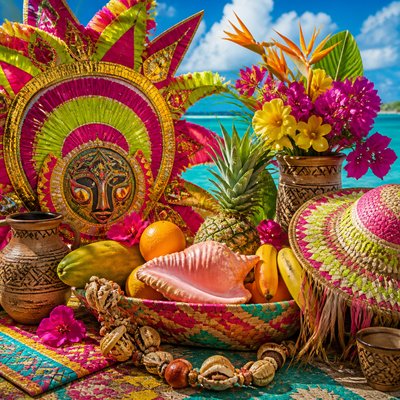
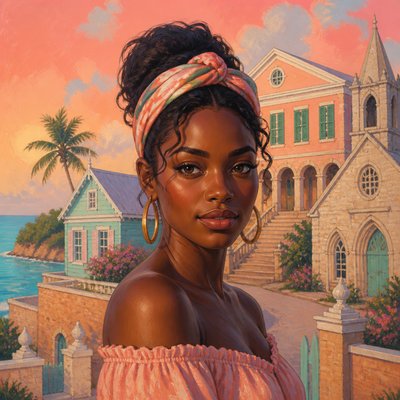
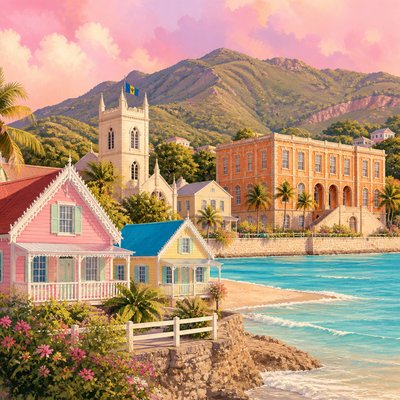
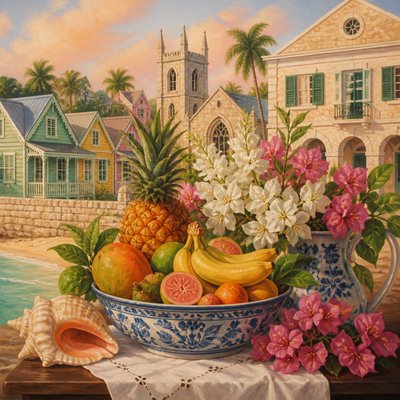
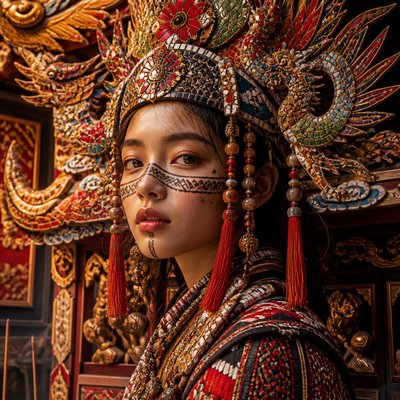
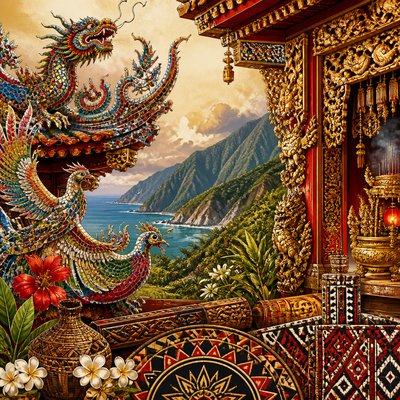
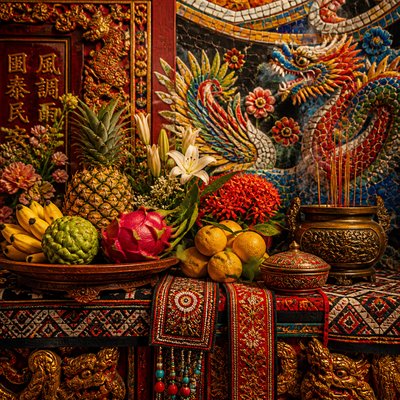
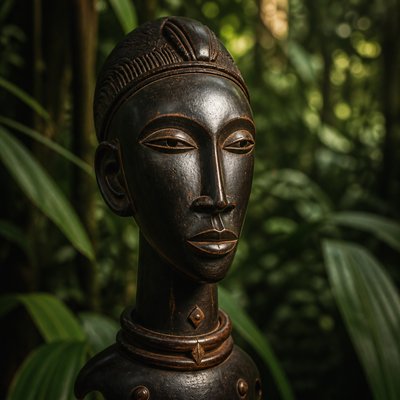
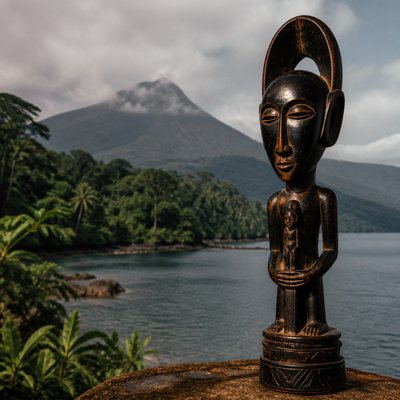
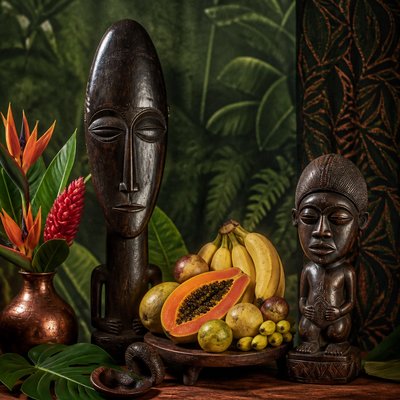
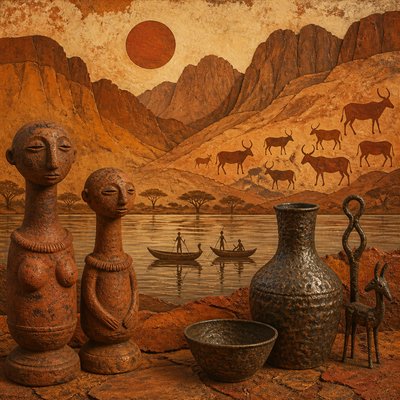
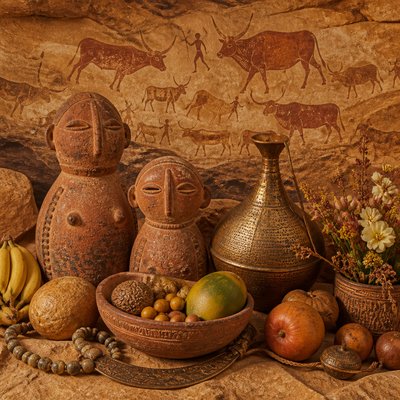
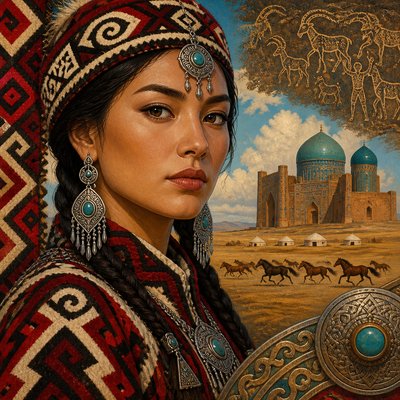
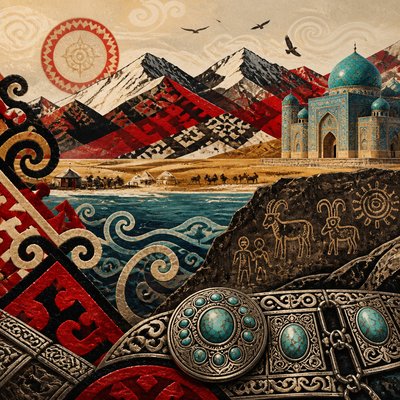
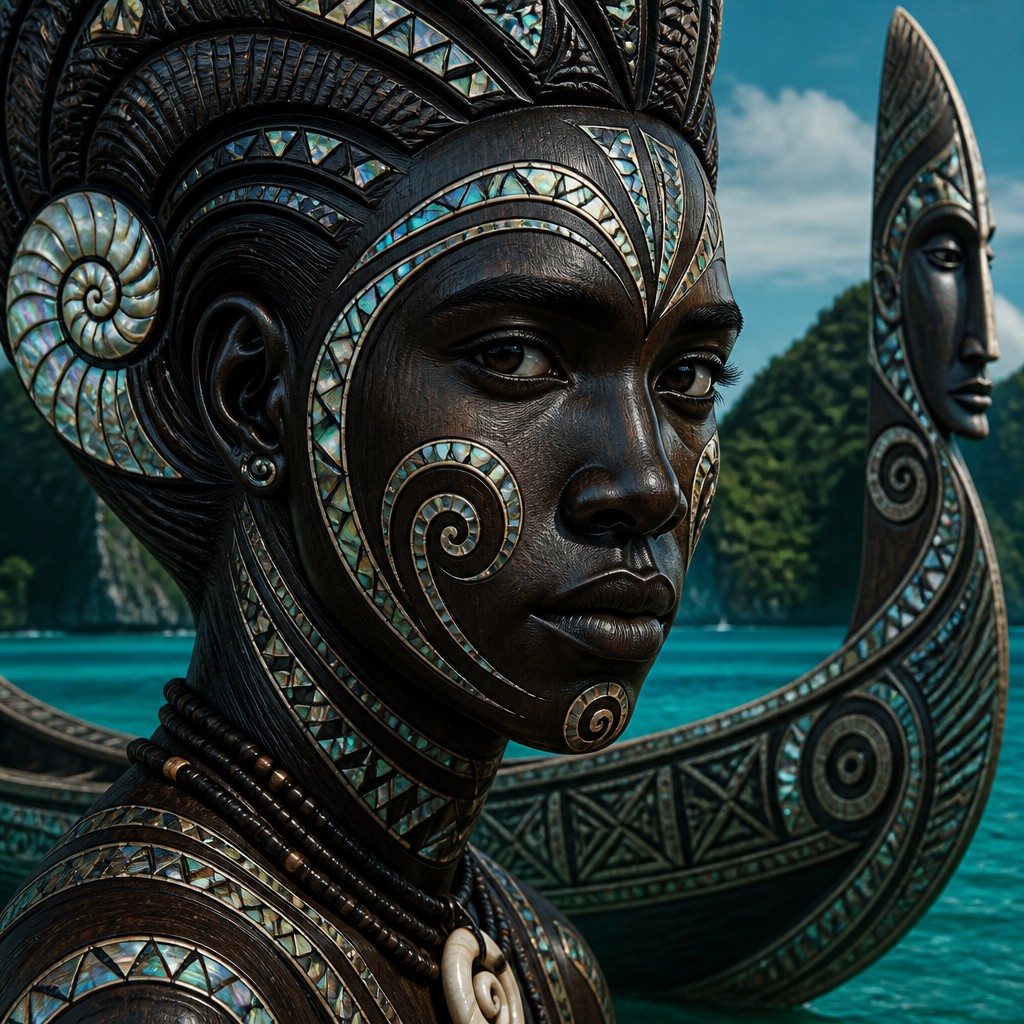
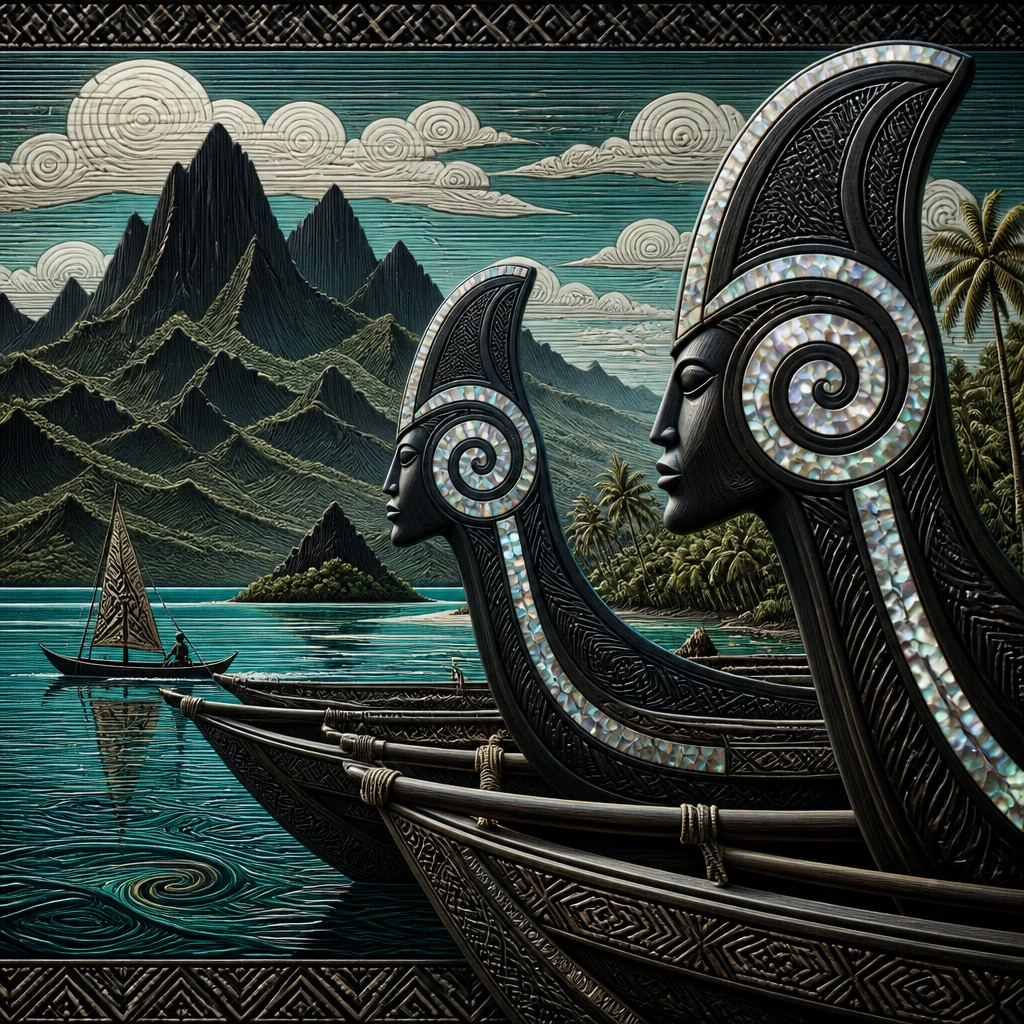
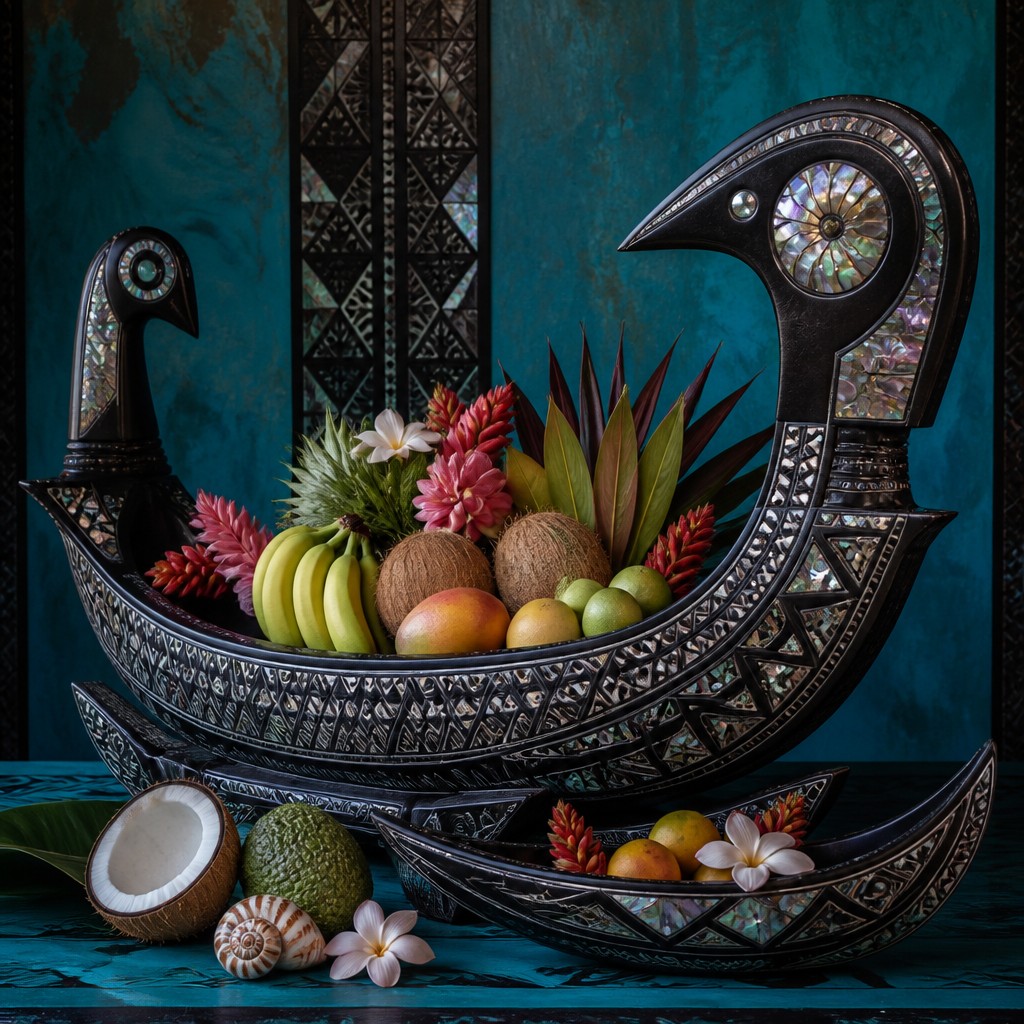
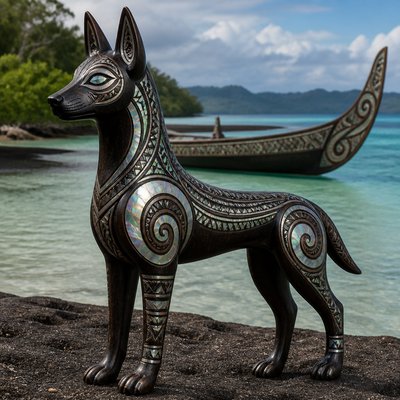
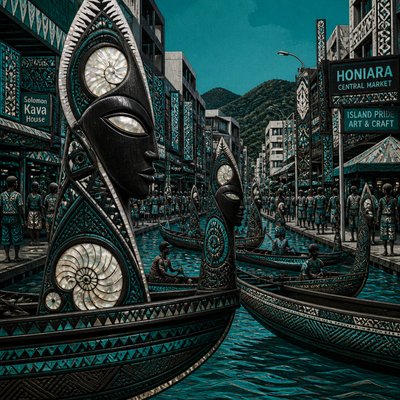
Solomon Islands art style is an interpretive visual synthesis centered on the maritime carving traditions of the Solomon Islands, particularly nguzunguzu canoe-prow ornaments and elaborately decorated tomoko canoes. Its imagery combines sleek, mask-like or animal-derived figurehead profiles with ebony-dark wood, pale shell inlay, geometric relief carving, and the saturated turquoise colors of tropical lagoons.
The style looks precise and restrained rather than crowded. Strong silhouettes, polished surfaces, repeated linear patterns, and a limited palette suggest the expertise of canoe builders and carvers while evoking navigation, status, protection, and the social importance of seagoing vessels. Because the Solomon Islands contain many distinct island communities and artistic traditions, this label should be understood as a contemporary visual shorthand rather than a single uniform historical style.
Try It On Your Photos
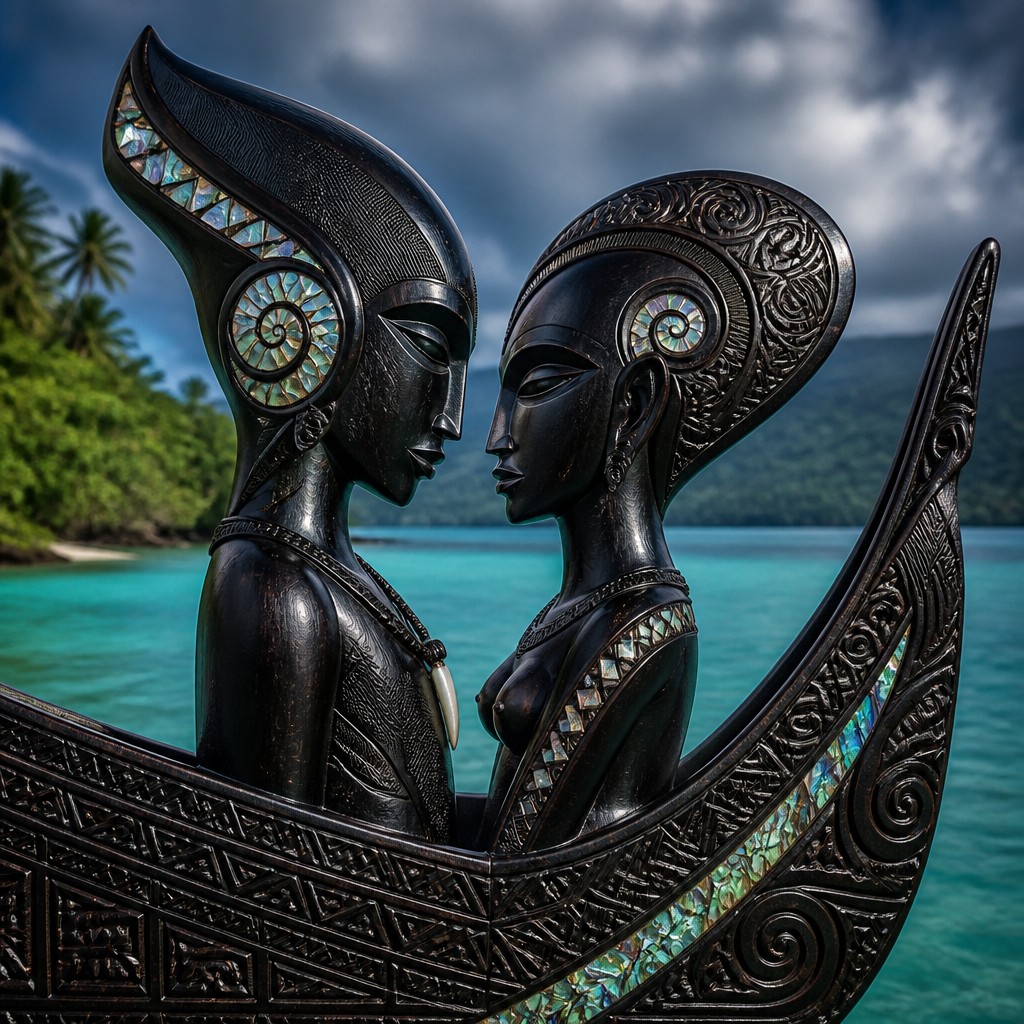
Upload any photo and convert it into Solomon Islands Art Style — drag the sliders to compare before and after.

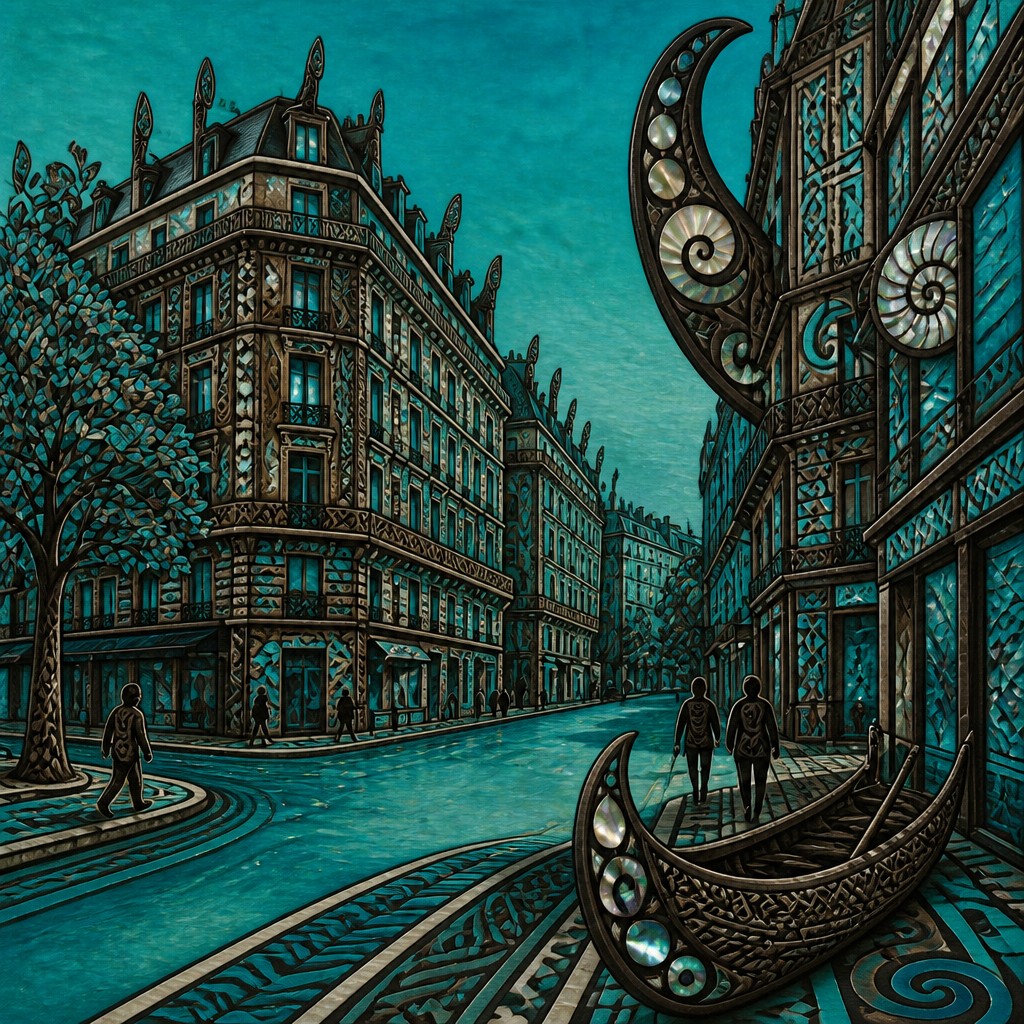

What Defines Solomon Islands Art Style
The signature details, up close
Nguzunguzu figureheads
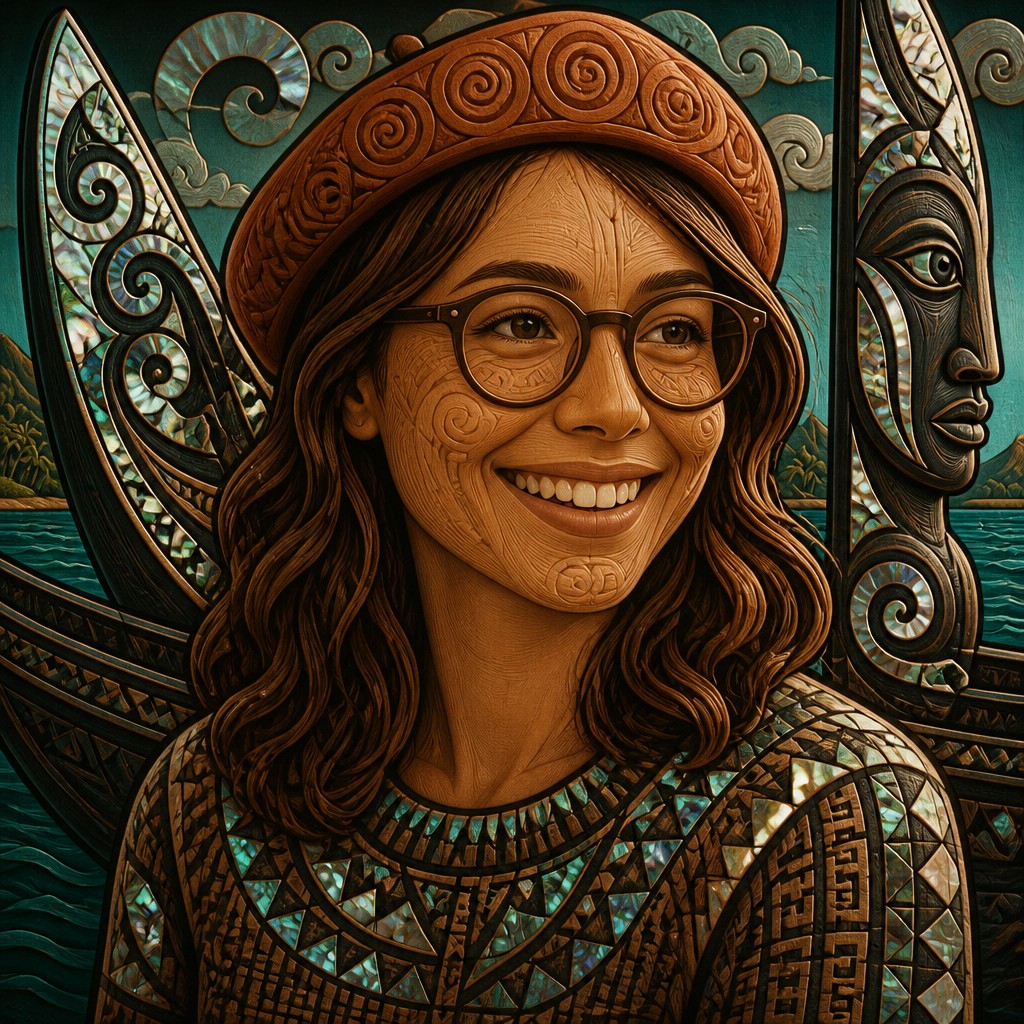
Canoe-prow ornaments are represented with streamlined human, animal, or hybrid profiles, often emphasizing a projecting nose, broad forehead, alert eyes, and a compact carved silhouette.
Shell inlay
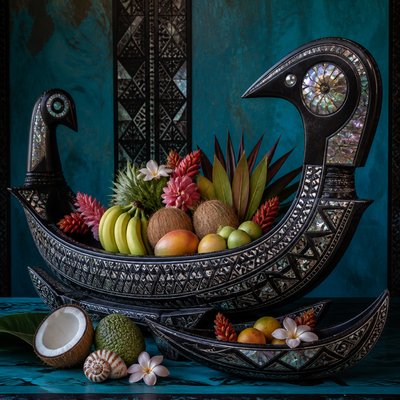
Mother-of-pearl and other light shell details create sharp glints against dark timber, especially around eyes, borders, geometric motifs, and ceremonial surfaces.
Carved tomoko hulls
Long canoe forms, raised gunwales, ribs, and prow structures provide the style with a strong horizontal rhythm and a sense of engineered maritime craft.
Geometric relief
Fine incised lines, chevrons, bands, zigzags, and repeated angular patterns organize the surface without obscuring the underlying wood grain or silhouette.
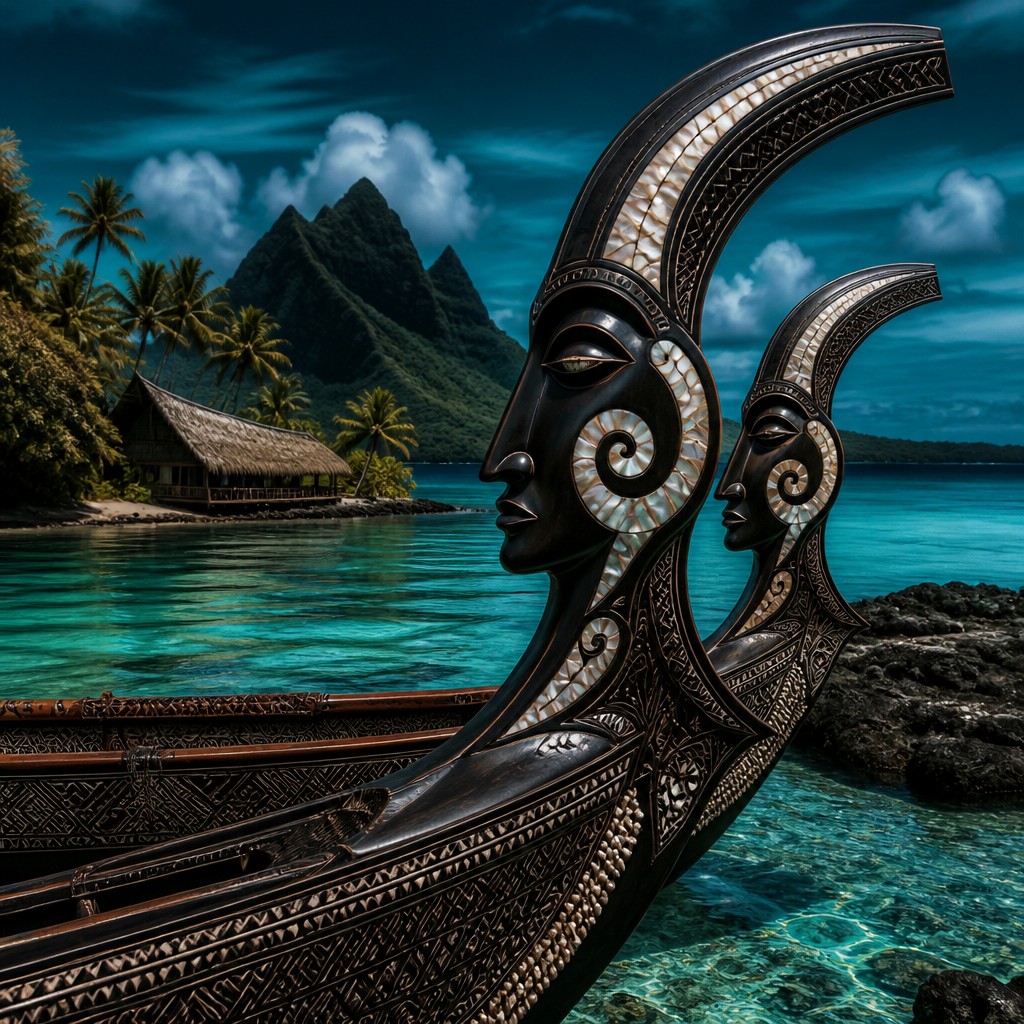
Lagoon and volcanic palette
Deep lagoon turquoise, blue-green water, shell white, muted ochre, charcoal, and volcanic black produce a compact palette with high contrast and coastal atmosphere.
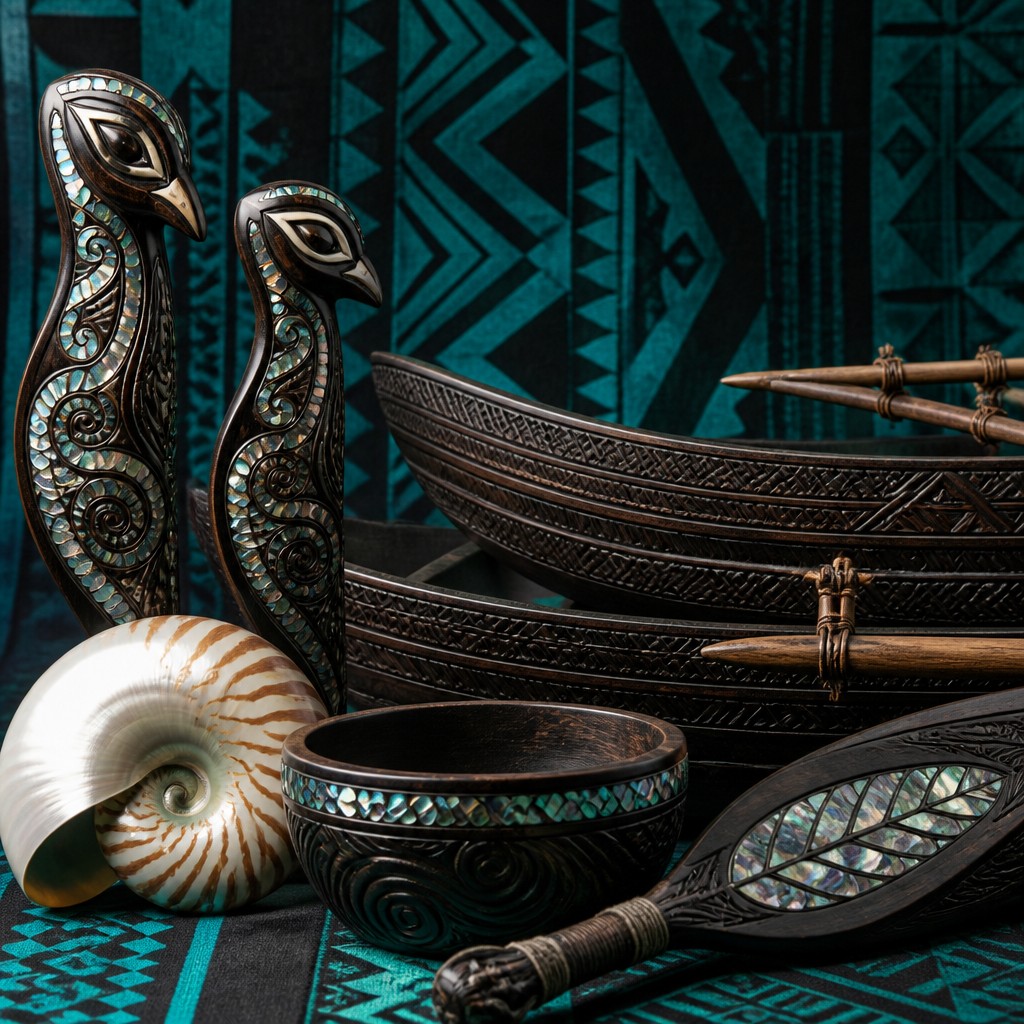
Polished material contrast
Smooth dark wood, reflective shell, wet water, and selectively weathered carving are set against one another to make the object feel tactile, durable, and carefully maintained.
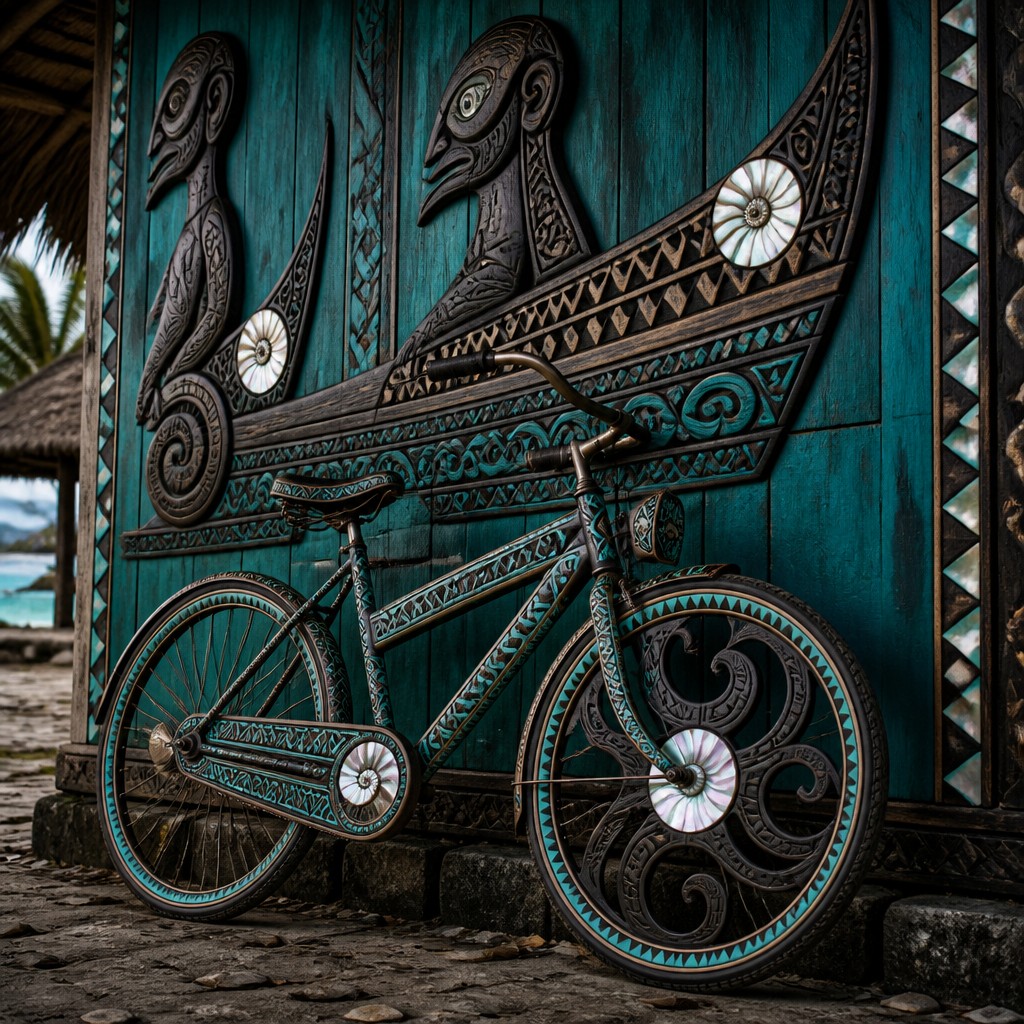
Quiet ceremonial presence
Compositions favor frontal or profile symmetry, measured spacing, and a dignified stillness rather than exaggerated motion or ornamental excess.
Solomon Islands Prompt Ideas
Start from an idea — each one opens the generator with the style ready to go. See all 40 Solomon Islands prompts →
How to Create Solomon Islands Art
Master the craft step by step — or skip straight to creating. Read the full guide →
- 1
Start with the silhouette
Sketch the canoe, prow ornament, or carved object as a clear profile before adding texture. Keep the main contour elegant and readable, with details supporting rather than weakening its shape.
- 2
Build material layers
For traditional or digital work, establish a dark wood base, add carved relief through directional highlights and shadows, then place shell inlay as small, controlled areas of cool reflected light.
- 3
Use disciplined ornament
Repeat geometric bands along hulls, gunwales, or borders, but vary scale and spacing slightly so the carving feels made by hand rather than mechanically tiled.
- 4
Control the palette
Limit the dominant colors to volcanic black, dark brown, shell ivory, and lagoon turquoise, using brighter blue-green only for water, reflected light, or focal accents.
- 5
Compose as an artifact
Treat the subject like a museum object, ceremonial vessel, or carefully photographed carved form: use a stable viewpoint, restrained background, and lighting that reveals relief and surface polish.
- 6
Write precise generation prompts
Specify the subject, canoe-prow silhouette, shell inlay, carved geometric relief, dark wood, lagoon setting, material finish, and lighting separately. For photo transformations, preserve the original subject's pose while applying the palette, carving textures, and maritime ornament as surface design.
The Story
History & Origins of Solomon Islands
The style draws on longstanding Indigenous carving traditions from the Solomon Islands, where decorated canoes, prow ornaments, shell inlay, body adornment, and architectural or ceremonial objects developed within specific island cultures. Nguzunguzu are especially associated with carved canoe prows and are often characterized by prominent profiles, expressive features, and contrasting shell details. Tomoko were large seagoing or war canoes, particularly associated with parts of the western Solomon Islands, whose hulls and fittings could carry complex carved decoration.
This modern style label is not the name of a historical movement. It is an aesthetic lineage assembled from Oceanic maritime art, Solomon Islands woodcarving, shell ornament, and contemporary digital color design. Any historically grounded treatment should identify the relevant island or community where possible rather than treating all Solomon Islands art as interchangeable.
Influences: The aesthetic relates to Indigenous Oceanic woodcarving, Melanesian canoe and house ornament, shell-inlay traditions, ceremonial sculpture, and the graphic clarity of carved relief. It also borrows compositional ideas from museum-object photography, modern minimalist design, maritime illustration, and contemporary digital concept art. These connections should not erase the distinct cultural contexts of the Solomon Islands traditions that provide its primary visual source.
Frequently Asked Questions
What defines the Solomon Islands art style?
Its defining features are nguzunguzu-inspired canoe-prow figures, dark carved wood, shell inlay, tomoko canoe forms, geometric relief, and a lagoon-turquoise palette. The overall mood is maritime, polished, symmetrical, and quietly ceremonial.
Is this an official historical art movement?
No. This is a contemporary descriptive label for an aesthetic synthesis based on real Solomon Islands carving and canoe traditions. The Solomon Islands contain many distinct communities and regional practices, so the label should not be used to imply a single homogeneous national art style.
What is a nguzunguzu?
A nguzunguzu is a carved canoe-prow ornament associated with Solomon Islands maritime traditions. Examples may take human, animal, or hybrid forms and often use strong profiles and contrasting shell details, although their exact appearance and cultural meaning vary by community.
How does this differ from broader Oceanic or Polynesian art?
It focuses specifically on Solomon Islands maritime carving, especially canoe prows, tomoko vessels, dark timber, and shell inlay. Broader Oceanic art includes many unrelated traditions from Melanesia, Micronesia, and Polynesia, each with its own materials, symbols, and histories.
How can I make an image in this style respectfully?
Use the visual traits as an informed reference and identify the Solomon Islands or regional tradition whenever the context allows. Avoid presenting invented symbols, fictional ceremonies, or generic 'tribal' imagery as authentic cultural documentation.
Where is this style useful?
It suits images of carved vessels, maritime heritage, museum displays, coastal landscapes, symbolic guardians, editorial illustration, game environments, and material-focused concept art. It works particularly well when the composition gives equal importance to silhouette, wood texture, shell reflection, and water.
Create your first Solomon Islands artwork
Describe anything — or upload a photo — and see it in Solomon Islands Art Style in seconds.
Related Styles
Discover similar art styles