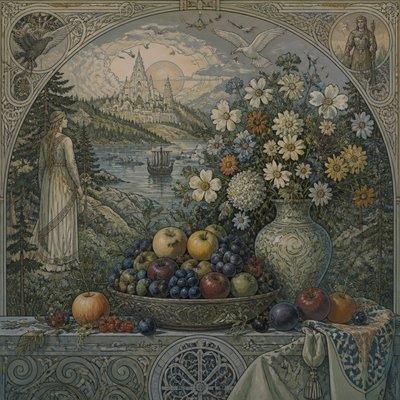
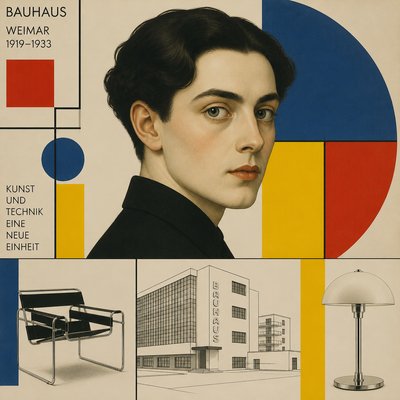
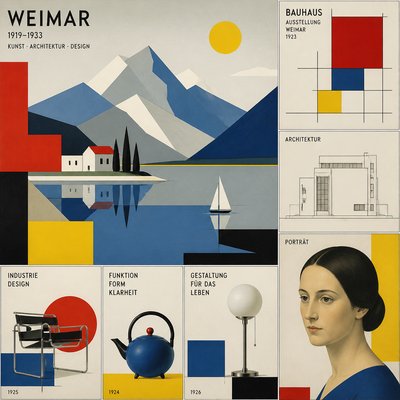
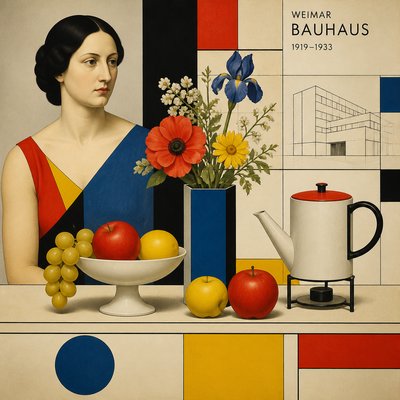
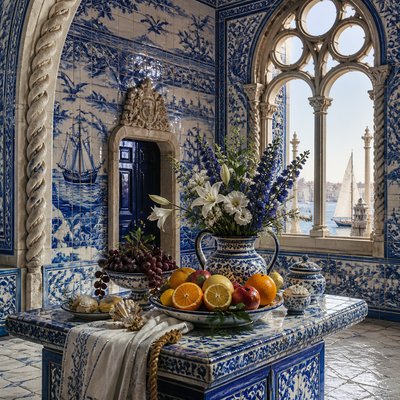
Maldivian Art Style
Explore Maldivian art style: coral-stone reliefs, lacquered vessels, geometric ornament, turquoise lagoons, and refined island craftsmanship.
Instantly rendered in Maldivian — or transform a photo
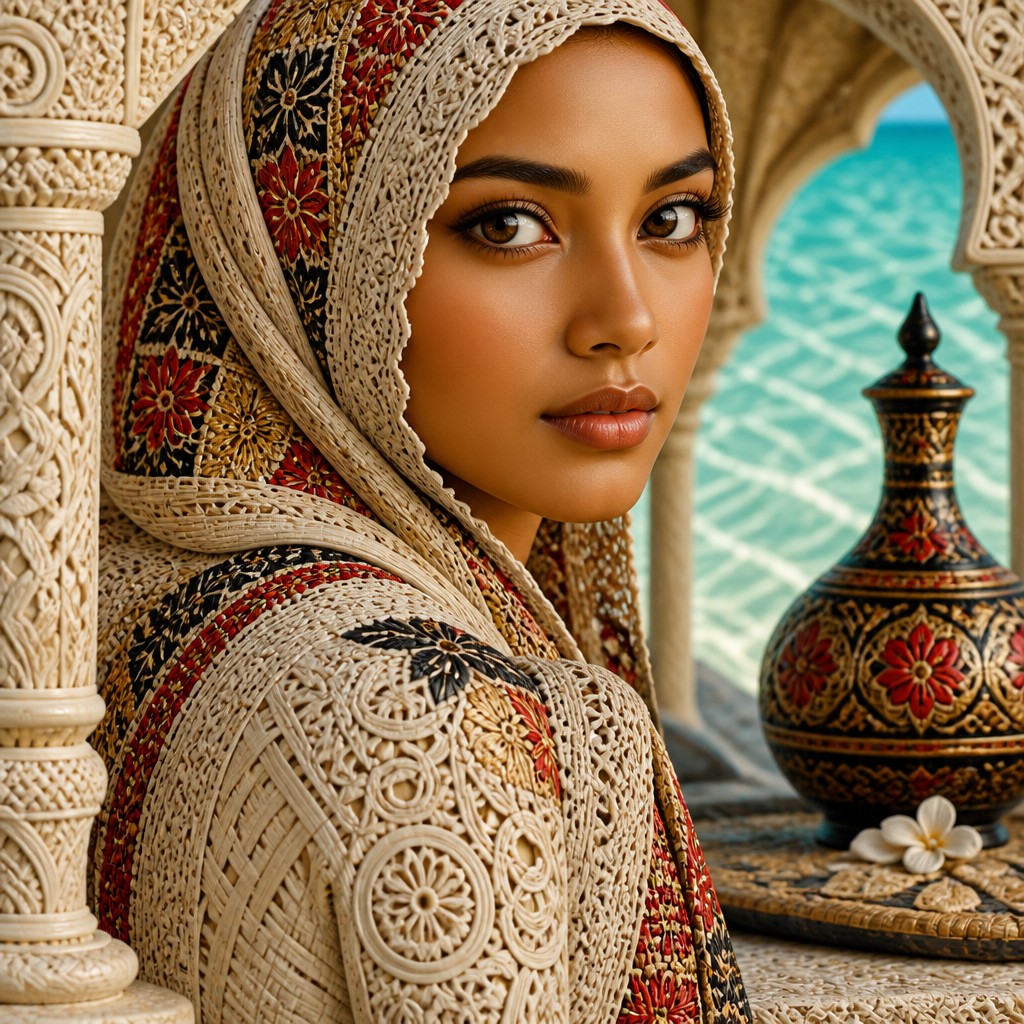
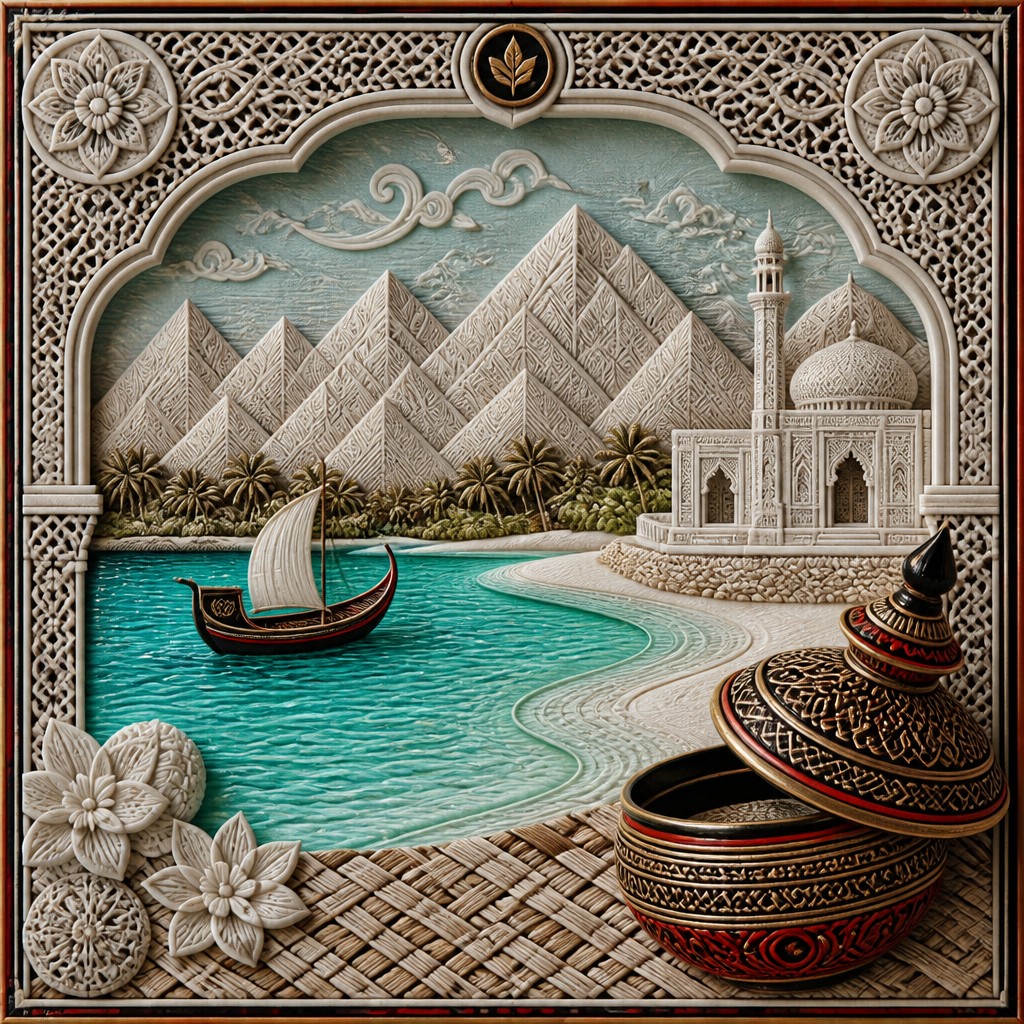
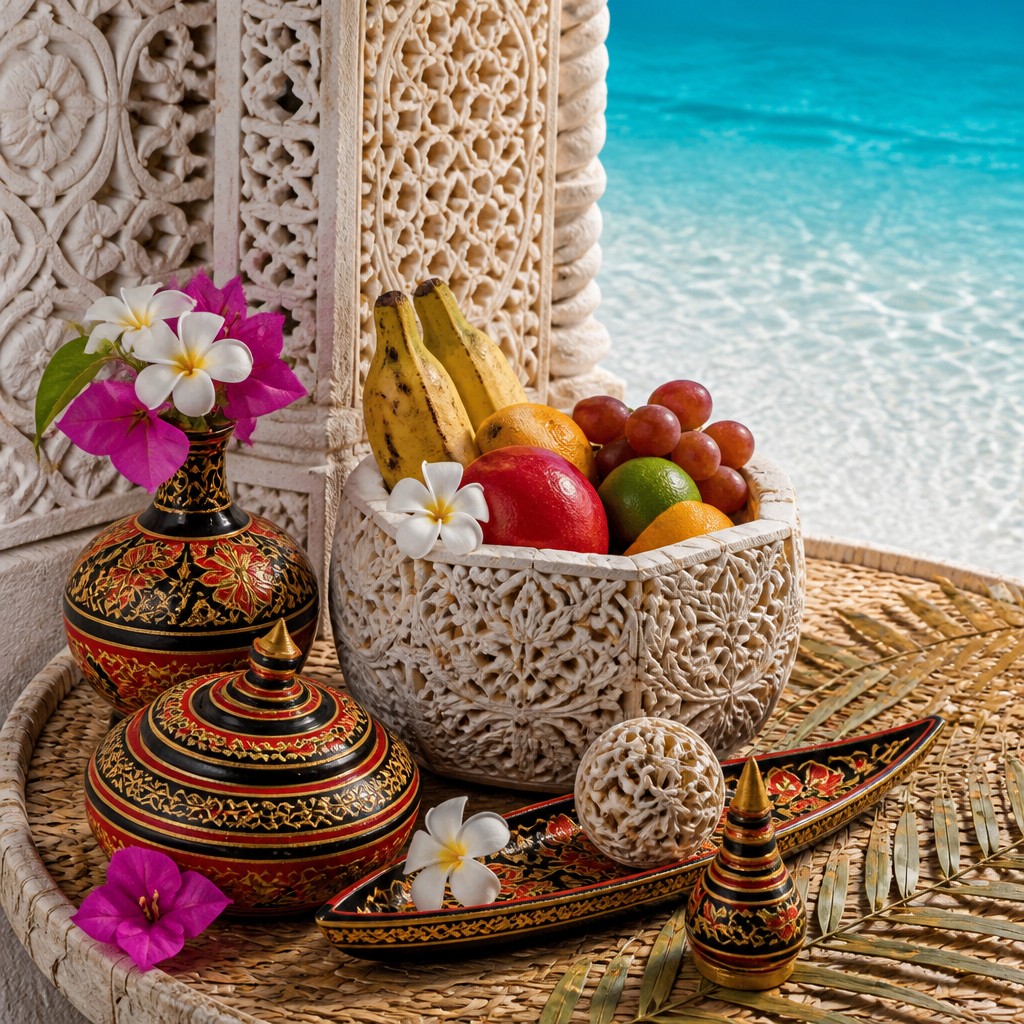
Maldivian Gallery
Tap any artwork to explore it
What is Maldivian Art Style?
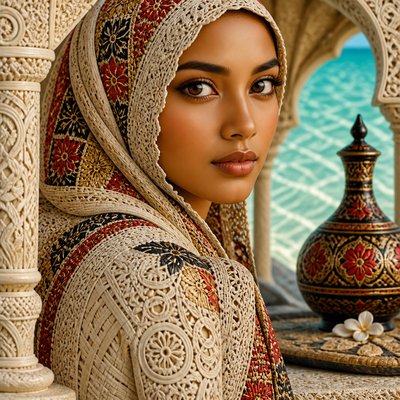
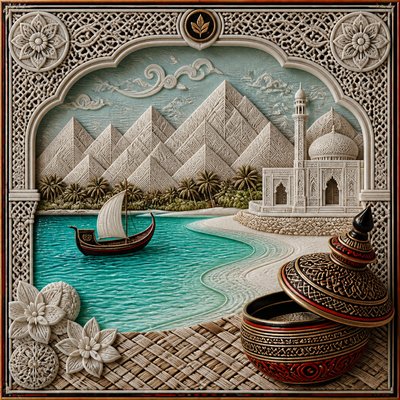
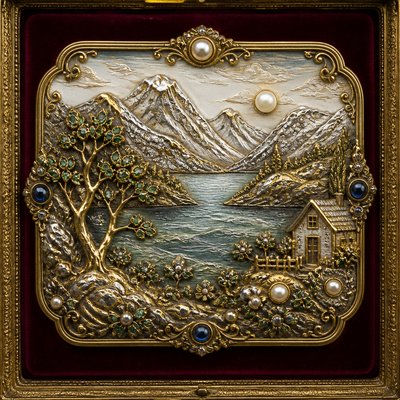
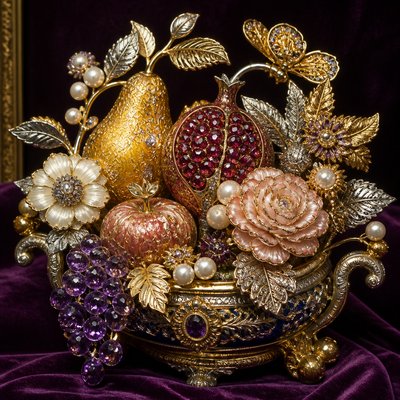
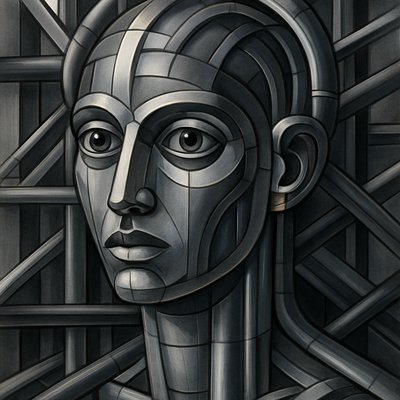
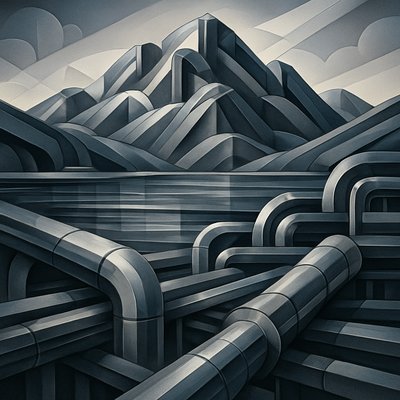
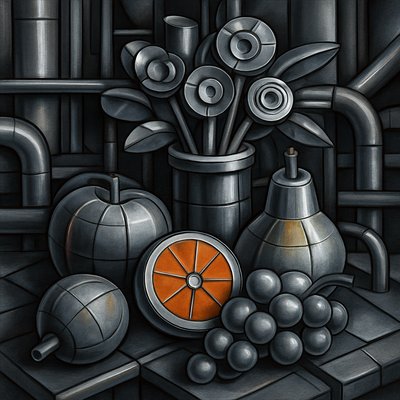
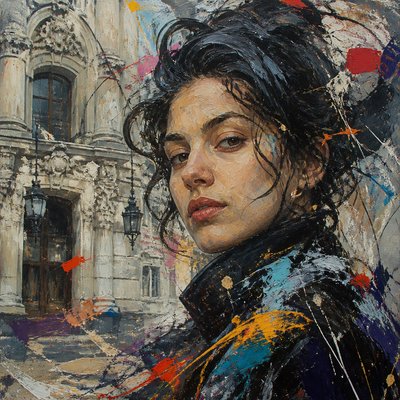
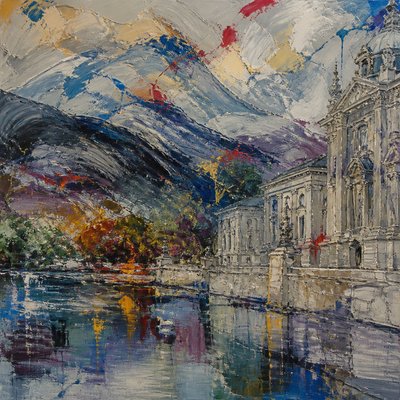
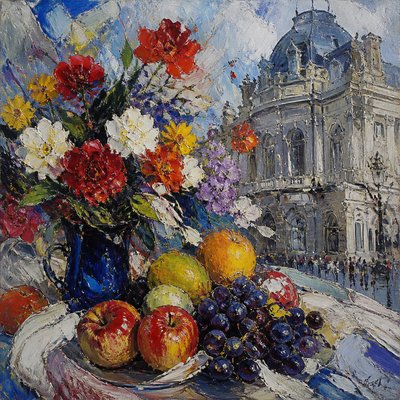
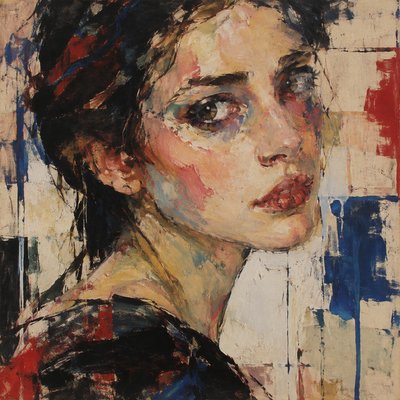
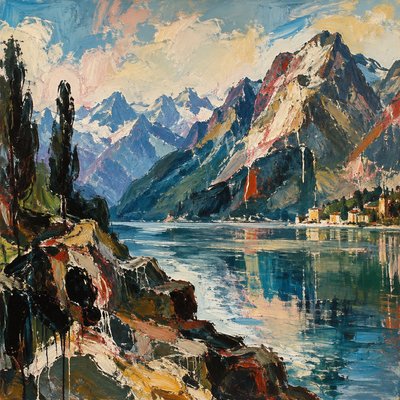
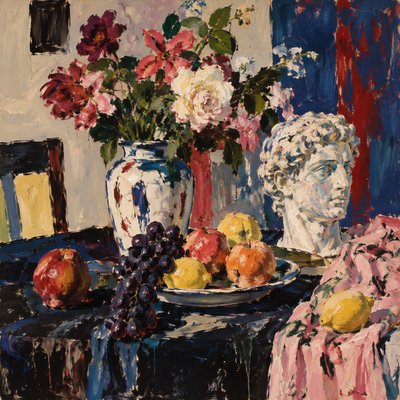
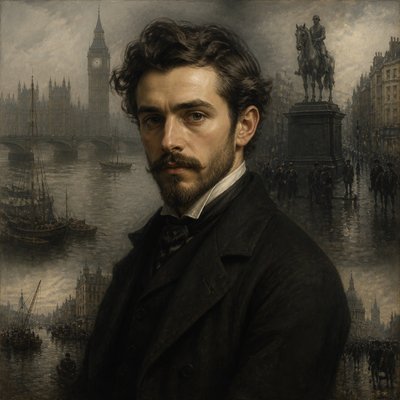
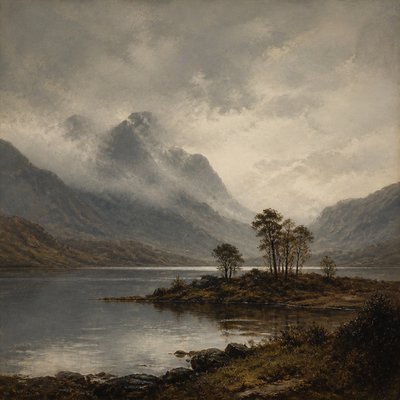
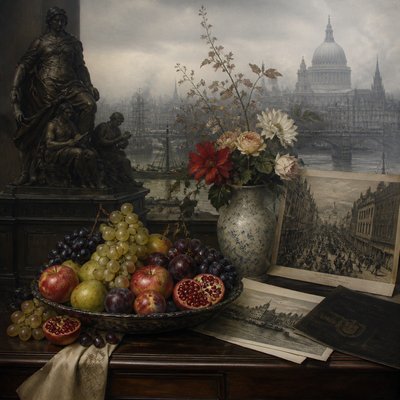
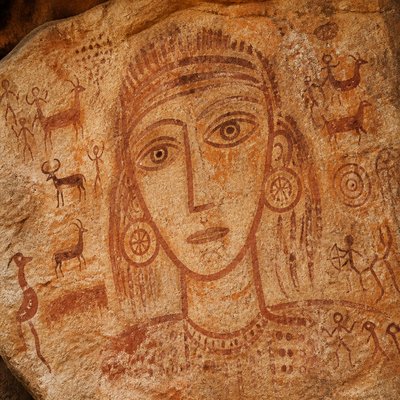
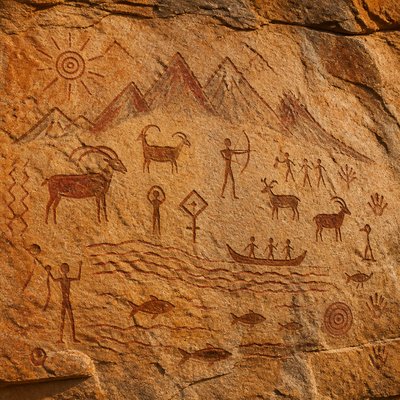
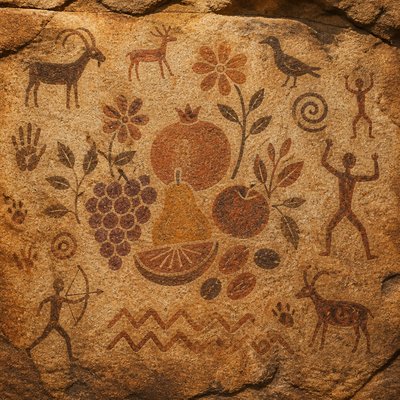
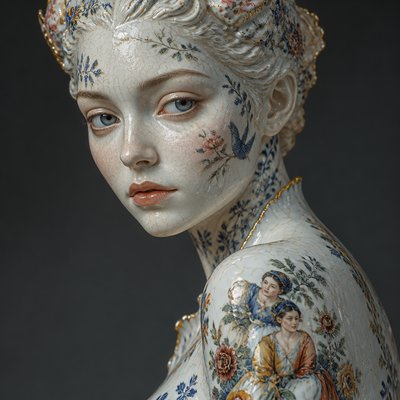
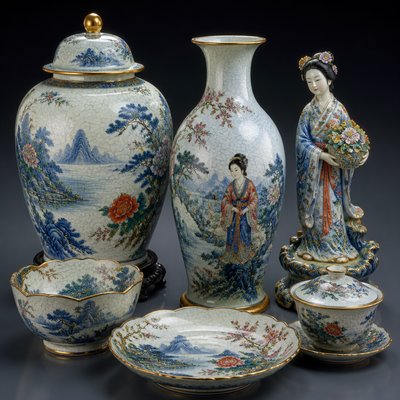
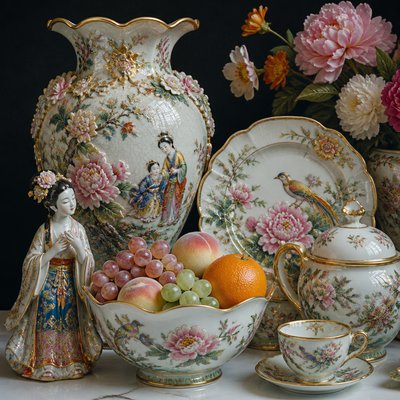
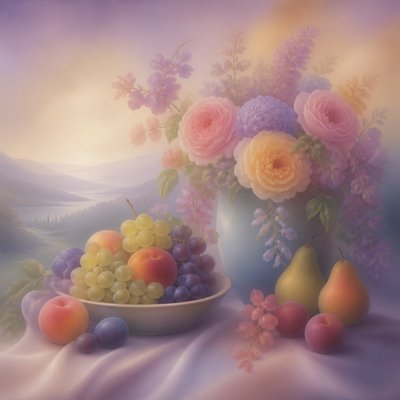
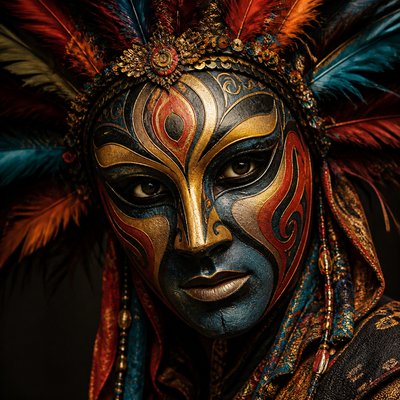
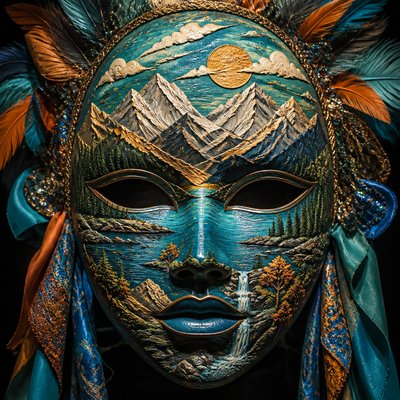
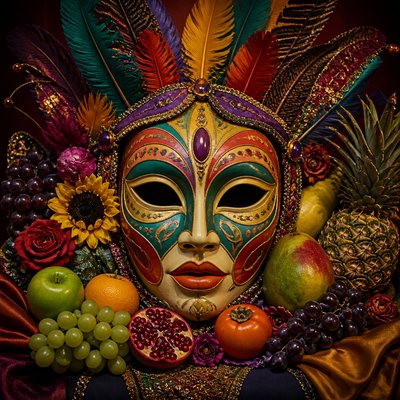
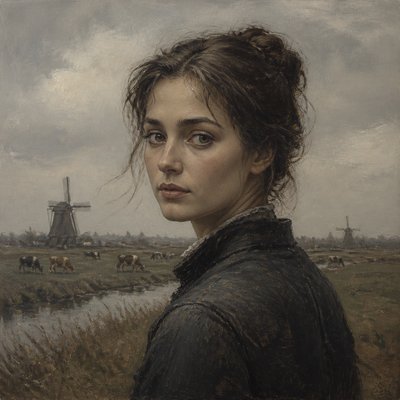
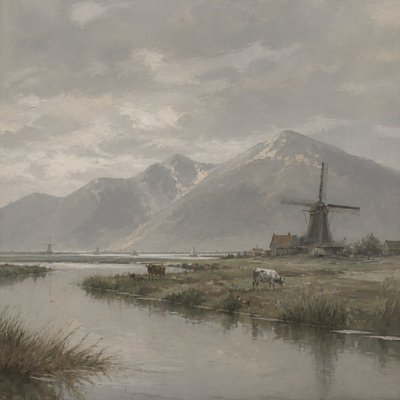
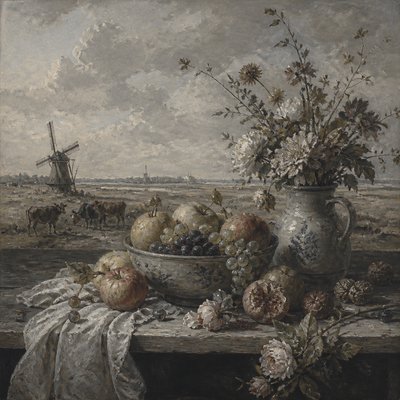
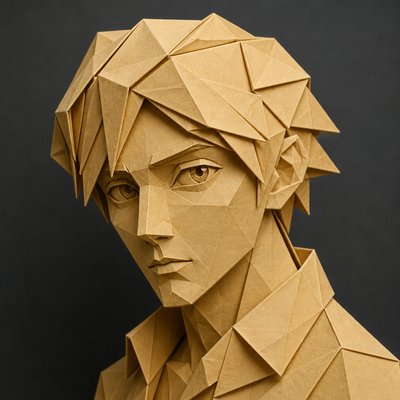
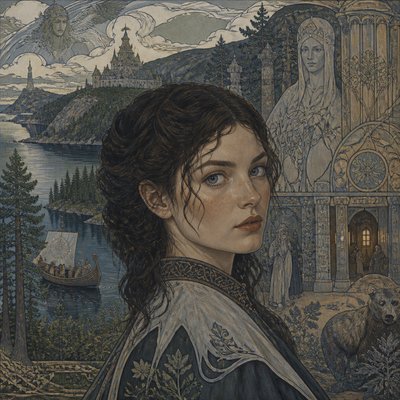
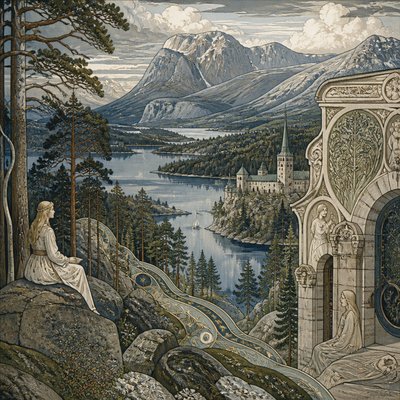
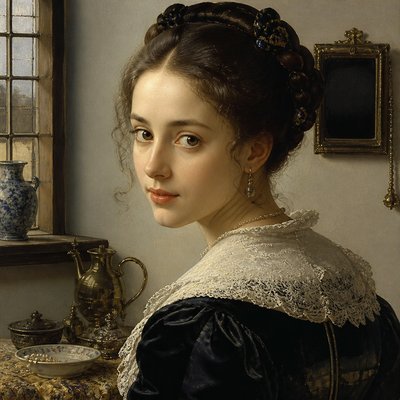
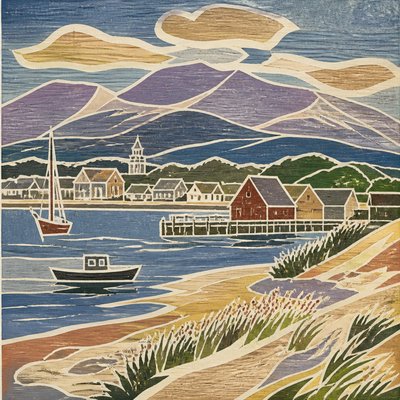
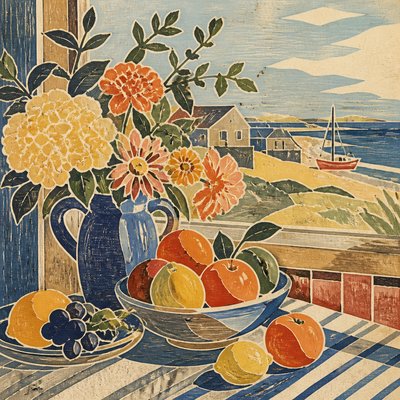
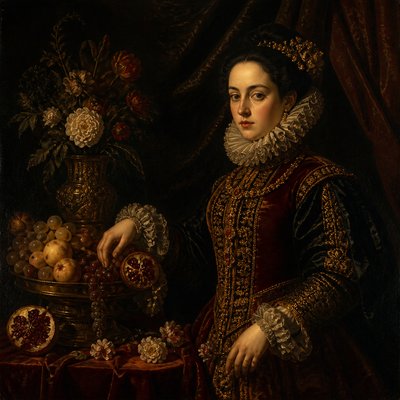
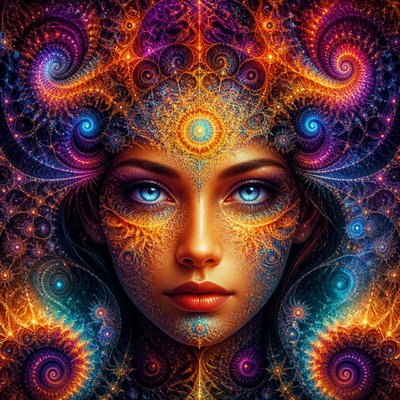
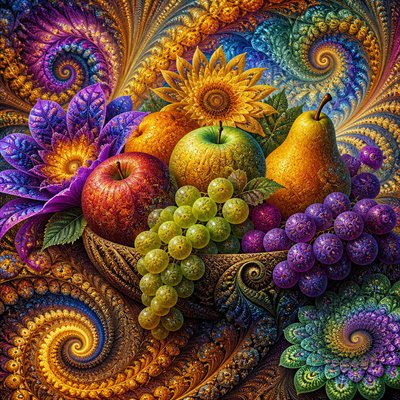
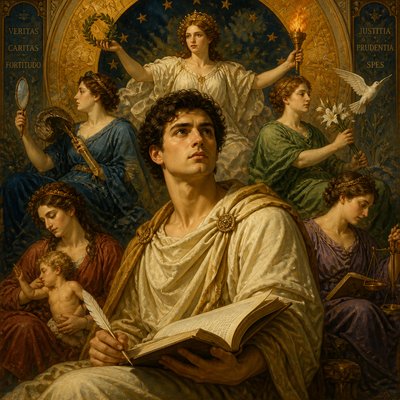
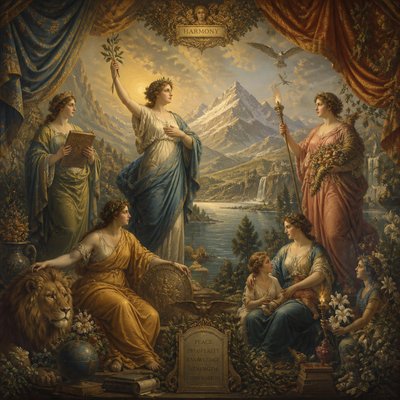
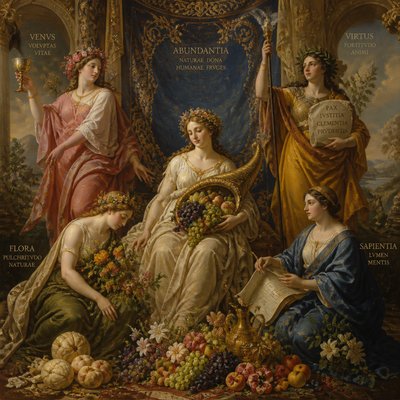
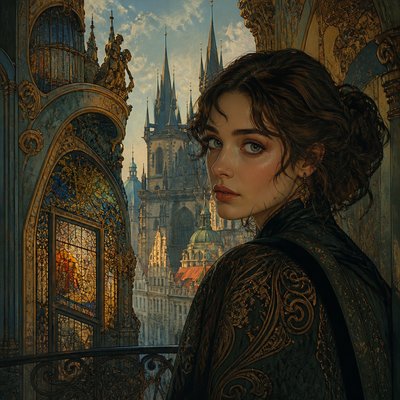
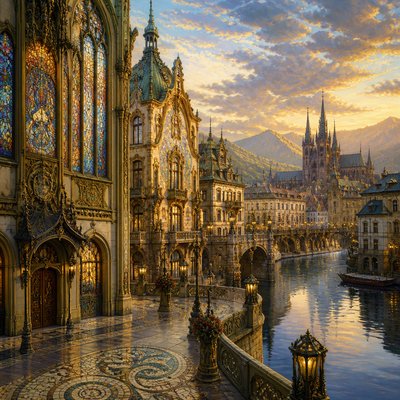
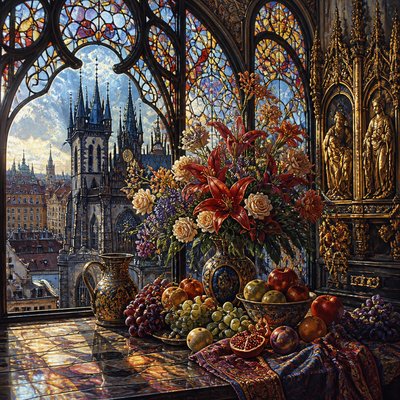
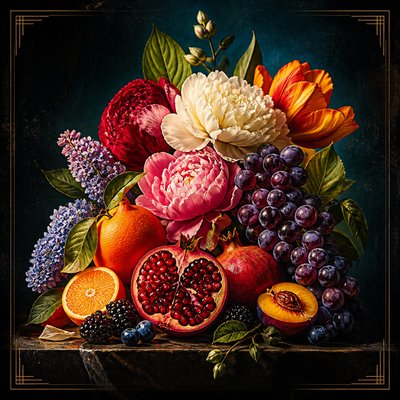
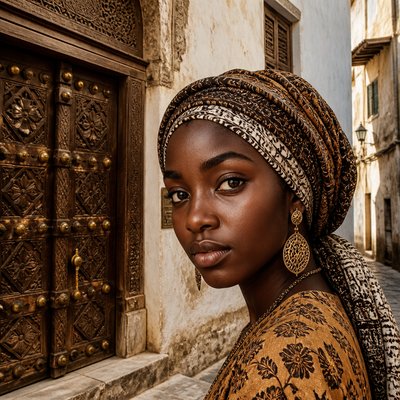
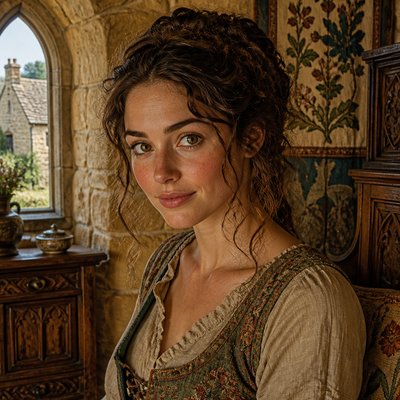
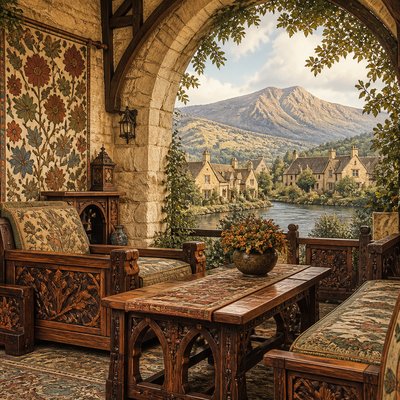
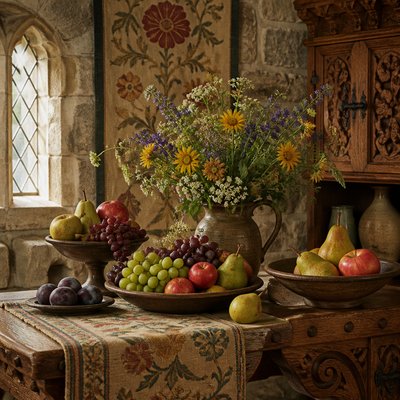
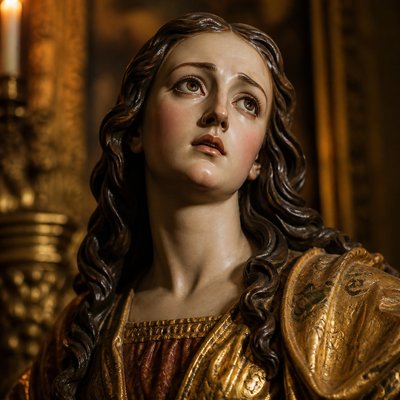
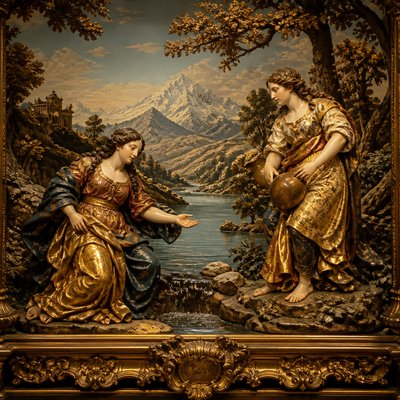
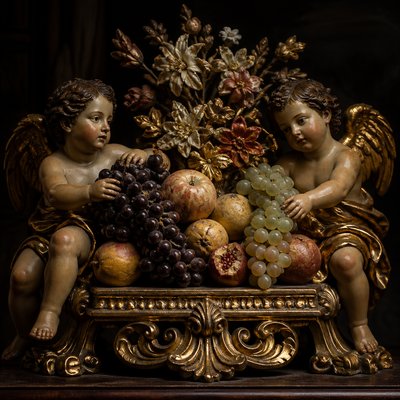
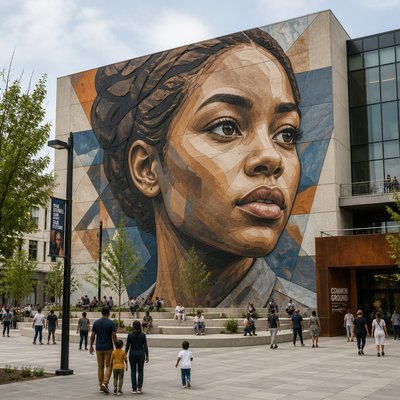
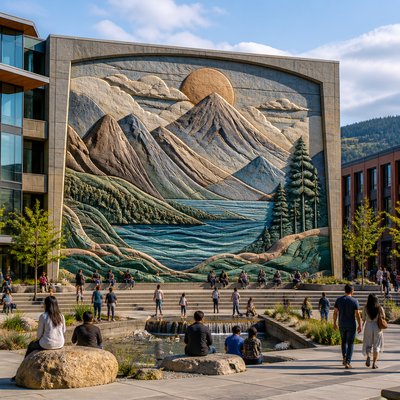
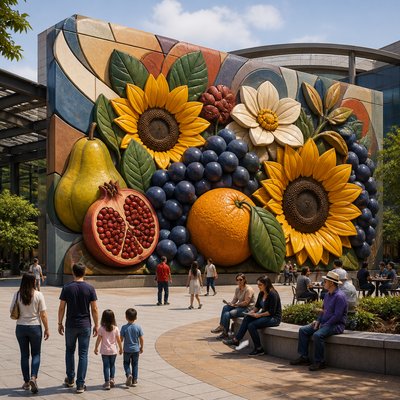
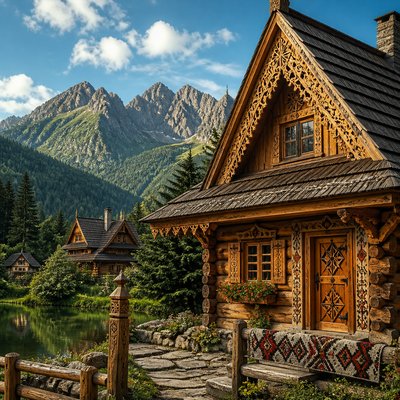
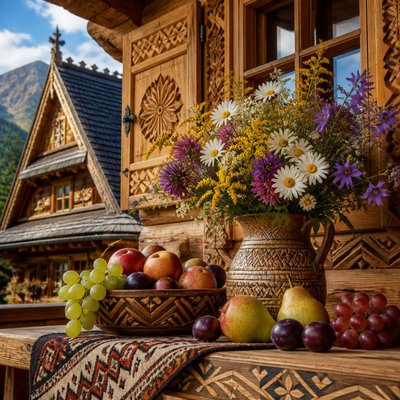
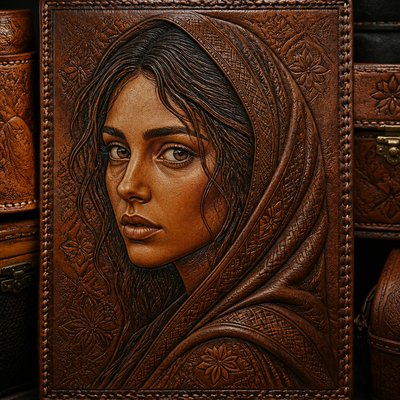
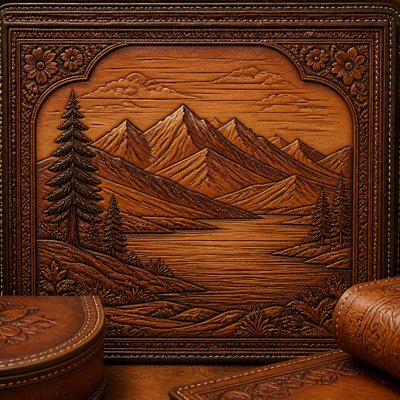
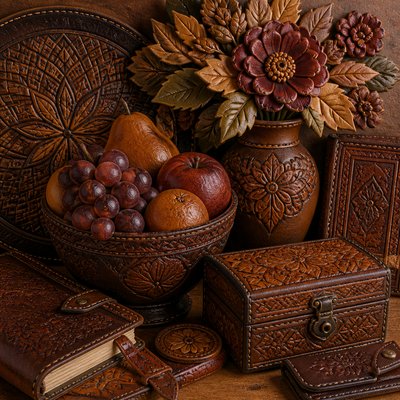
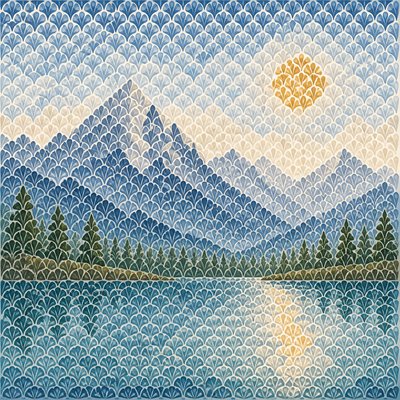
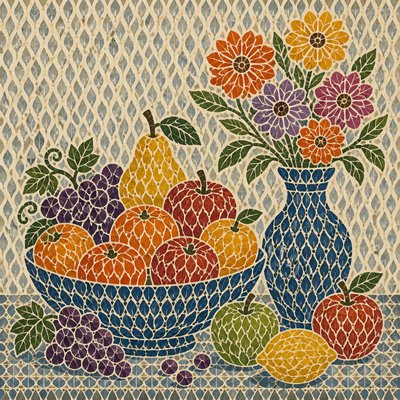
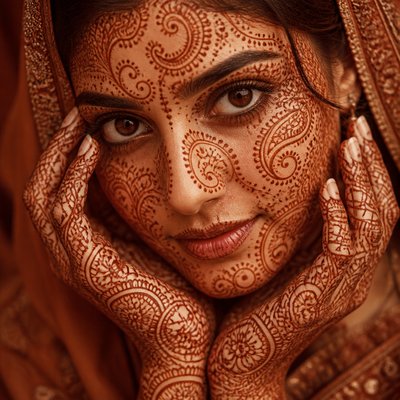
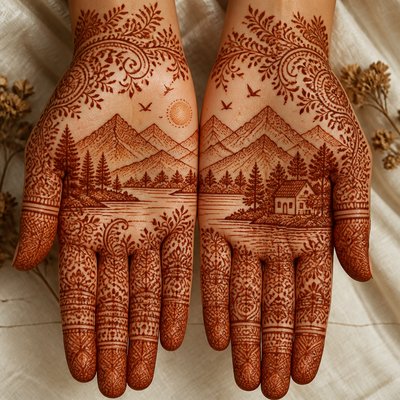
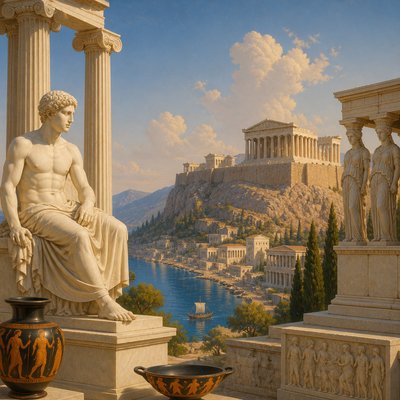
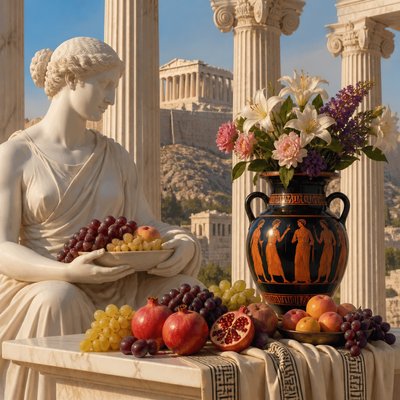
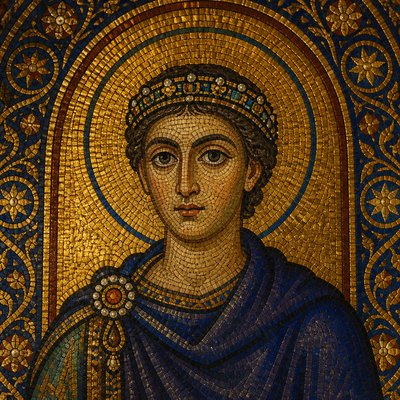
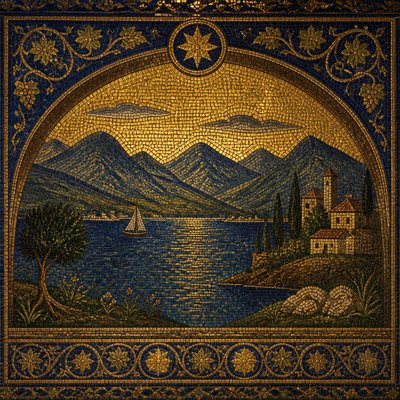
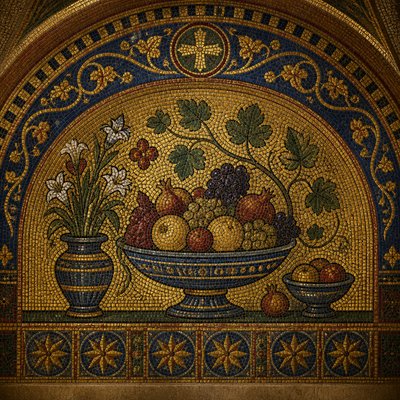
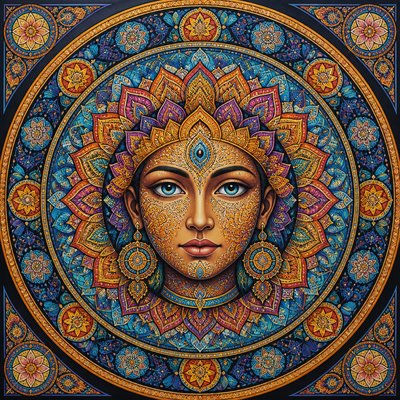
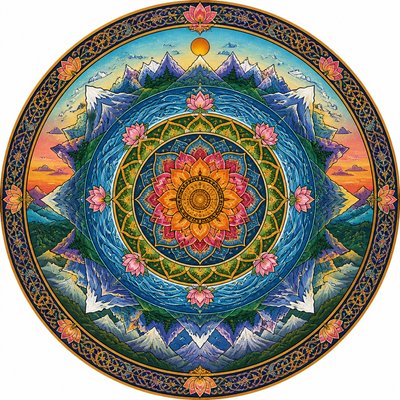
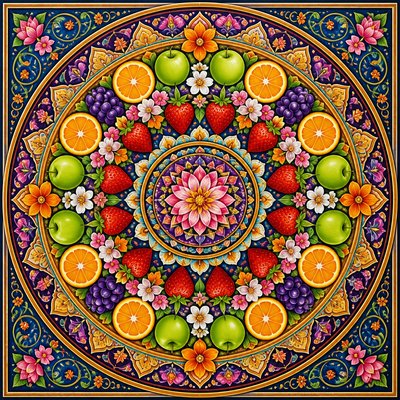
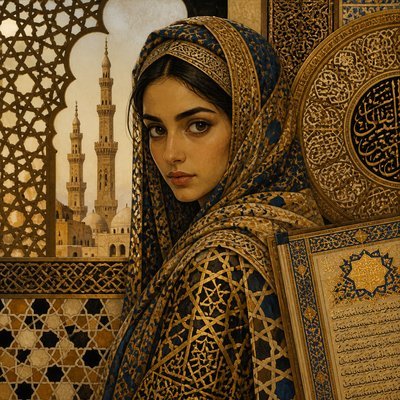
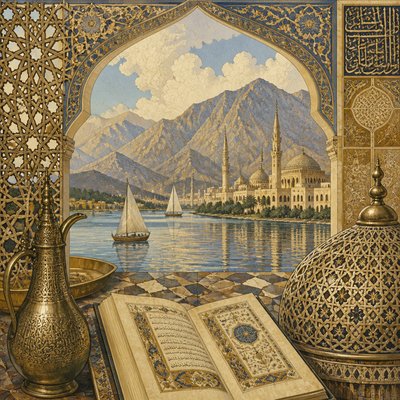
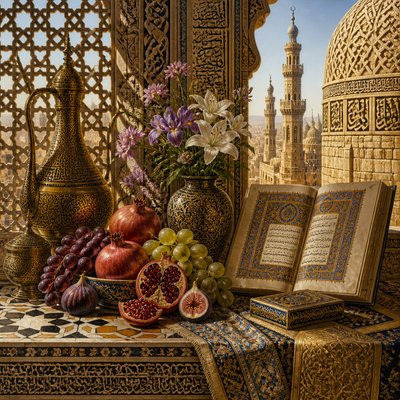
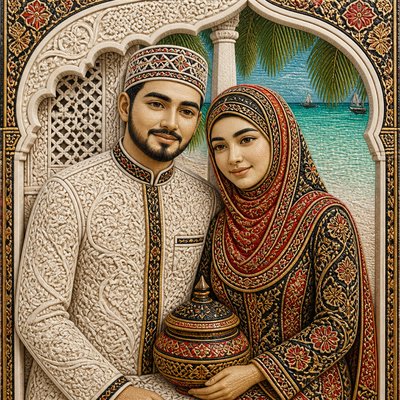
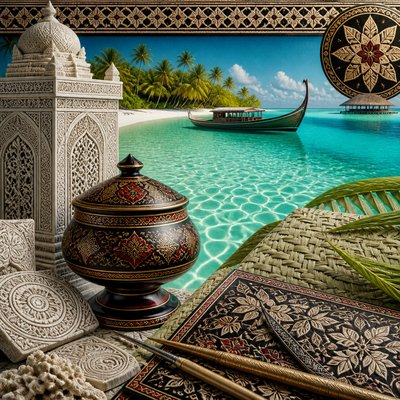
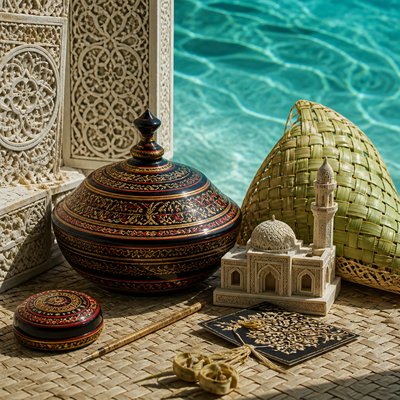
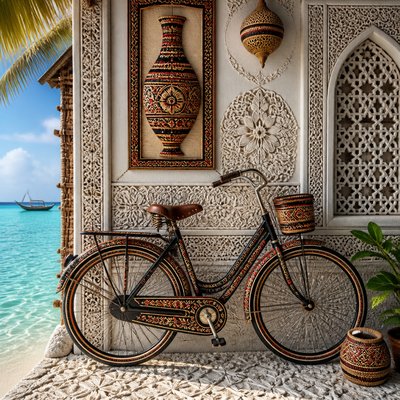
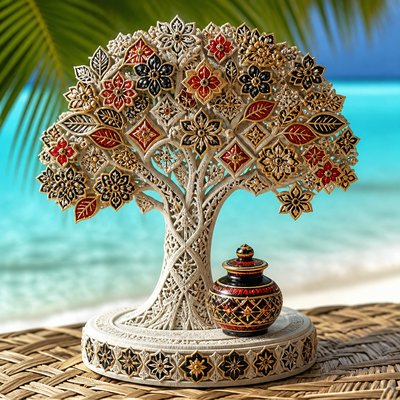
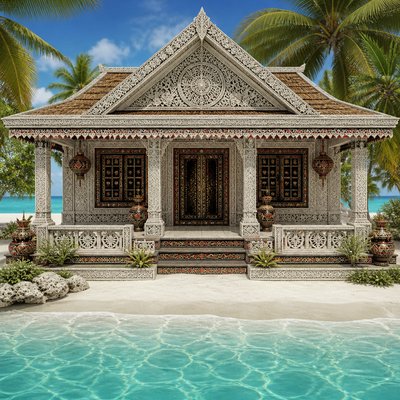
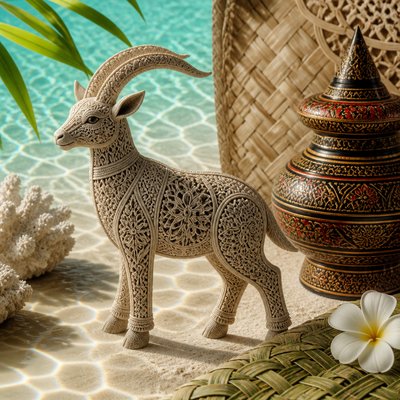
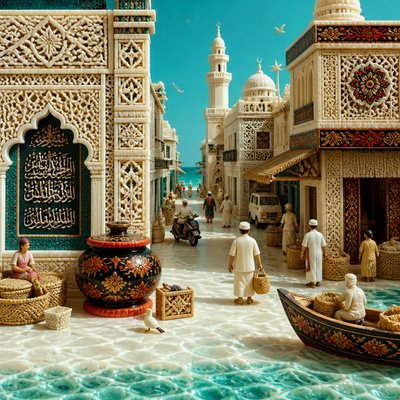
Maldivian Art Style is a contemporary interpretive aesthetic rooted in the material culture of the Maldives. It combines the pale, porous texture and intricate relief carving associated with historic coral-stone architecture with the glossy, rhythmic ornament of traditional lacquer-turned vessels. The result is an intimate visual language of geometric patterns, floral tracery, polished black, red, and gold, and luminous turquoise coastal color.
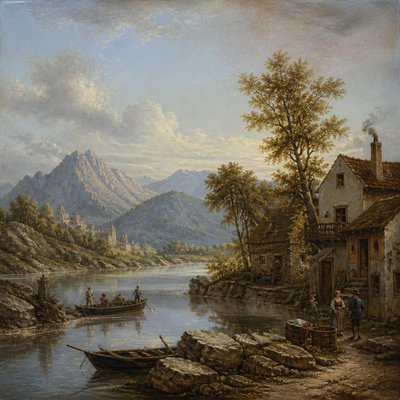
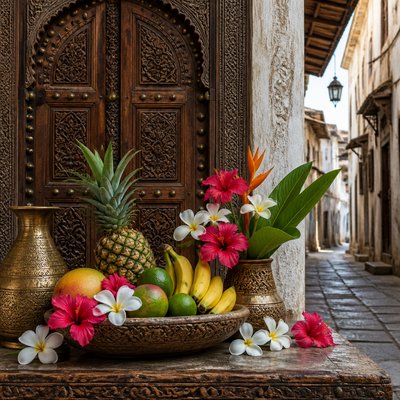
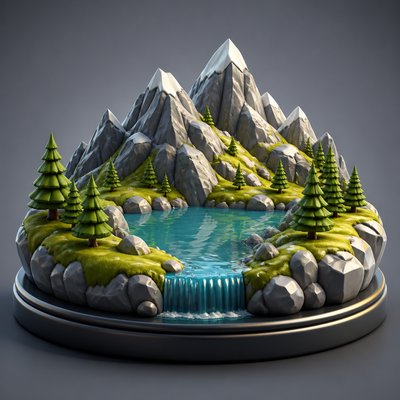
The style often presents its subjects at a miniature or finely crafted scale. White sand, lagoon reflections, woven palm textures, and soft tropical light provide a setting, while architectural details and vessel patterns supply structure. Its visual identity depends on contrast: matte coral stone against reflective lacquer, austere Islamic geometry against organic foliage, and precise handwork against expansive island scenery.
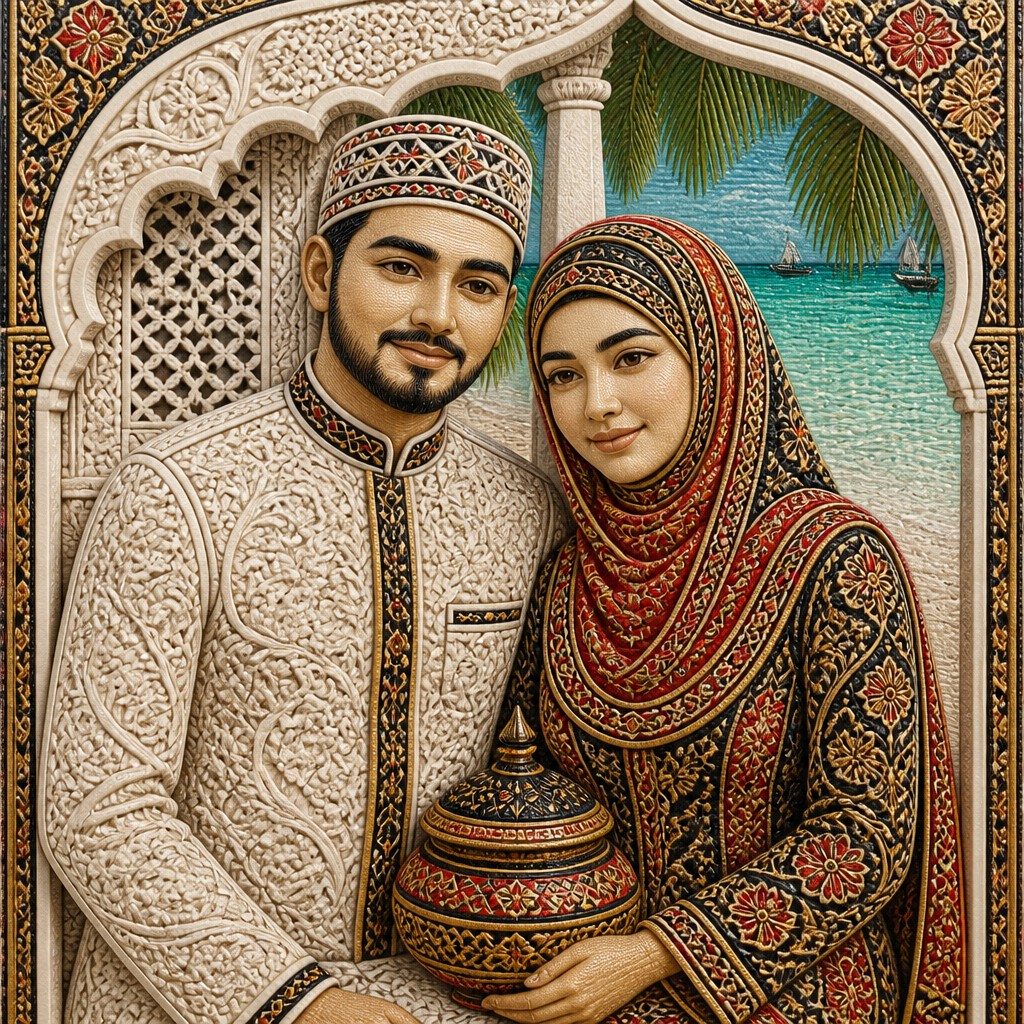
Try It On Your Photos
Upload any photo and convert it into Maldivian Art Style — drag the sliders to compare before and after.
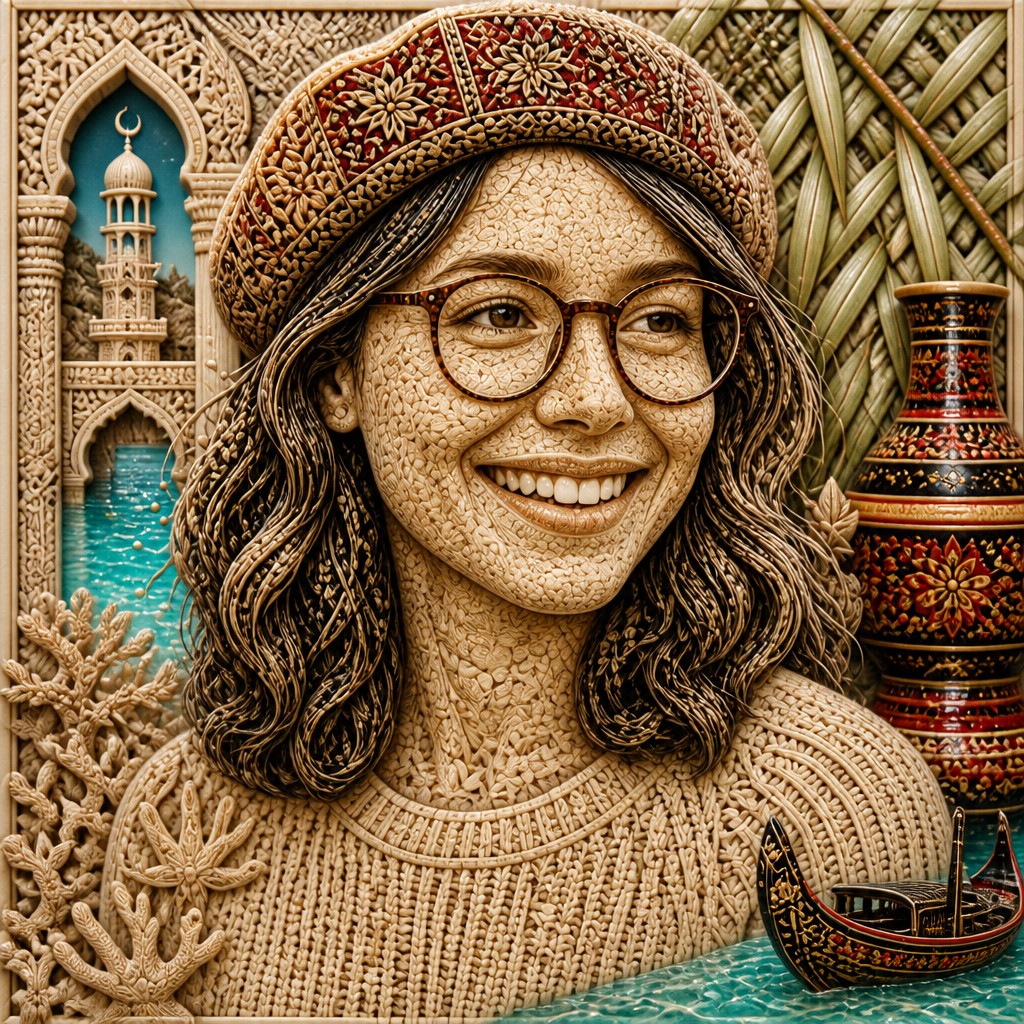

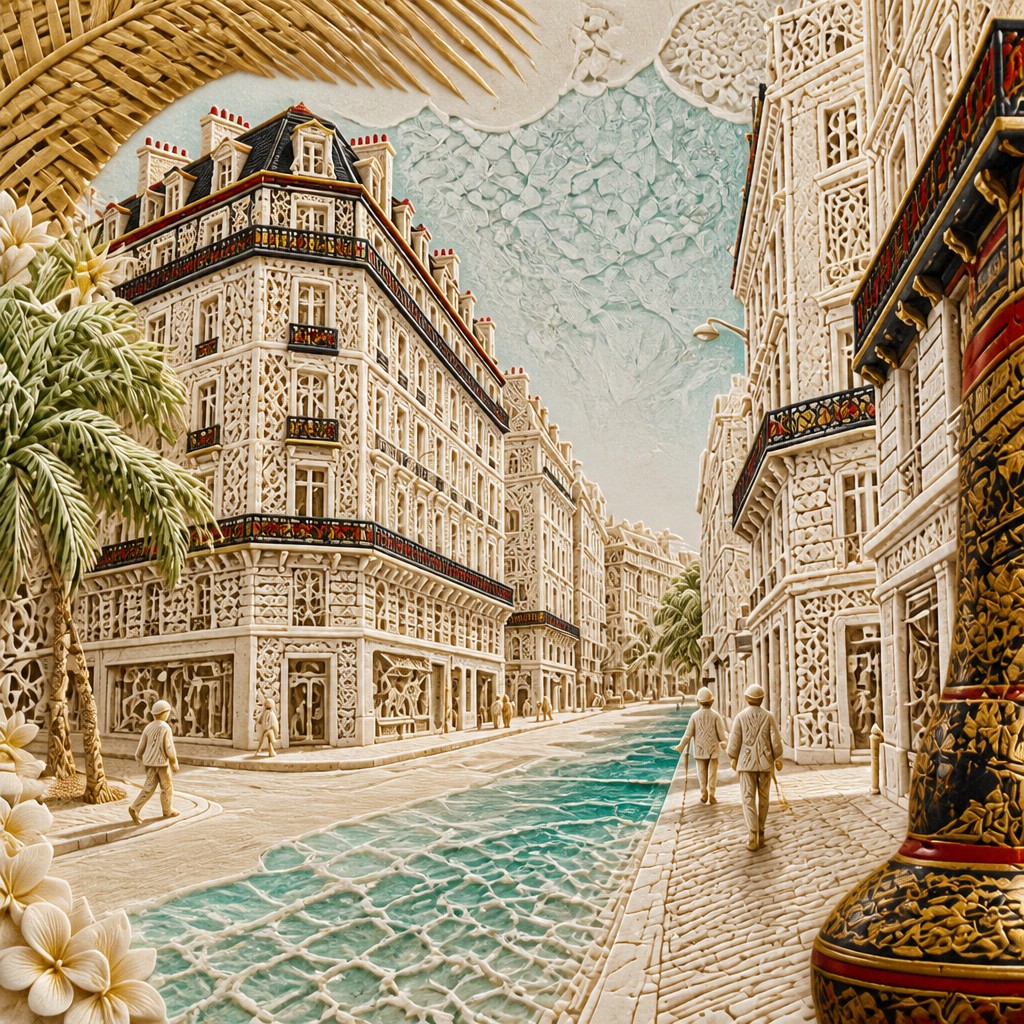

What Defines Maldivian Art Style
The signature details, up close
Coral-stone relief
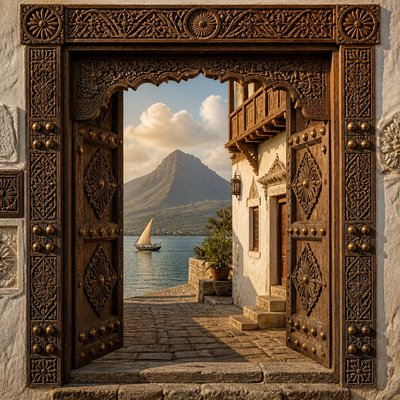
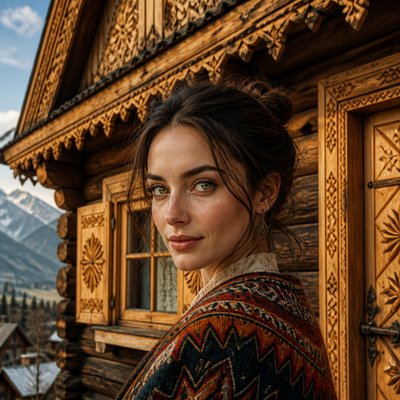
Pale, porous masonry is represented through fine geometric, vegetal, and architectural carving. Relief edges are crisp but softened by a chalky, weathered surface.
Lacquered vessel ornament
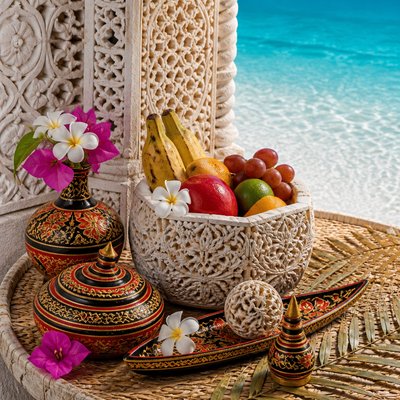
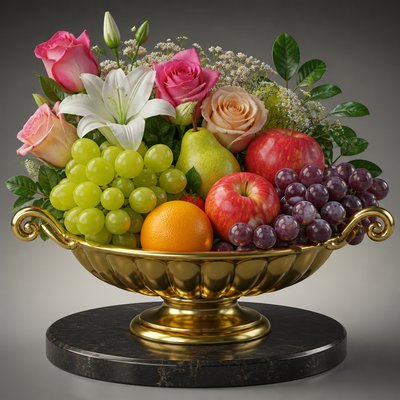
Turned wooden vessels and containers provide rounded forms decorated with glossy bands, repeating motifs, and black, red, yellow, or gold accents. The finish should suggest layered lacquer polished to a reflective sheen.
Geometric and floral pattern
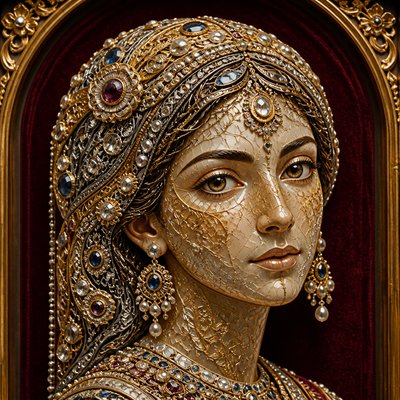
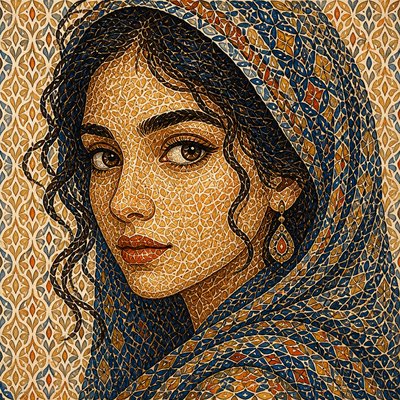
Interlocking geometry, arabesque-like foliage, rosettes, borders, and rhythmic repetitions organize the image. Ornament is intricate but generally balanced and controlled rather than densely chaotic.
Lagoon color and light
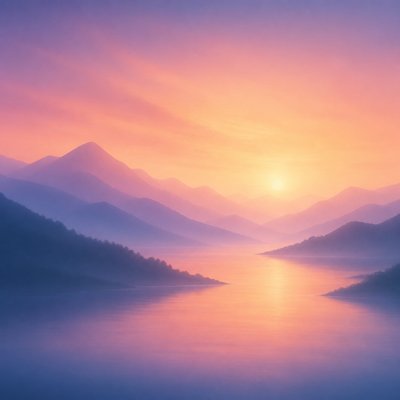
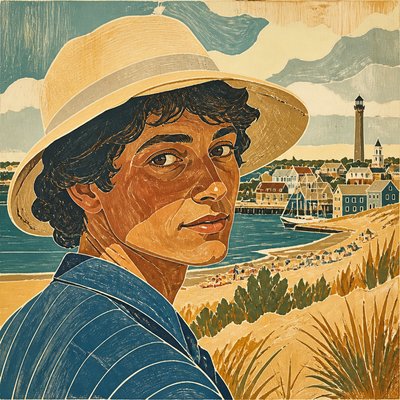
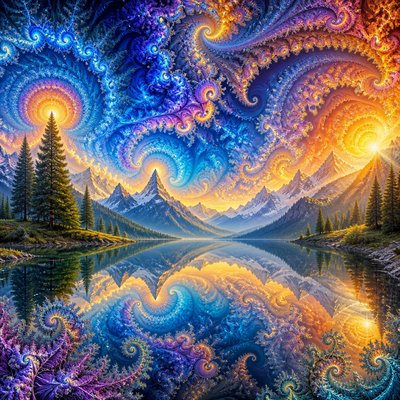
Turquoise and deep blue water, white sand, coral pink, and sunlit cream create a luminous tropical palette. Reflected lagoon light can tint stone, vessels, and carved surfaces with cool rippling highlights.
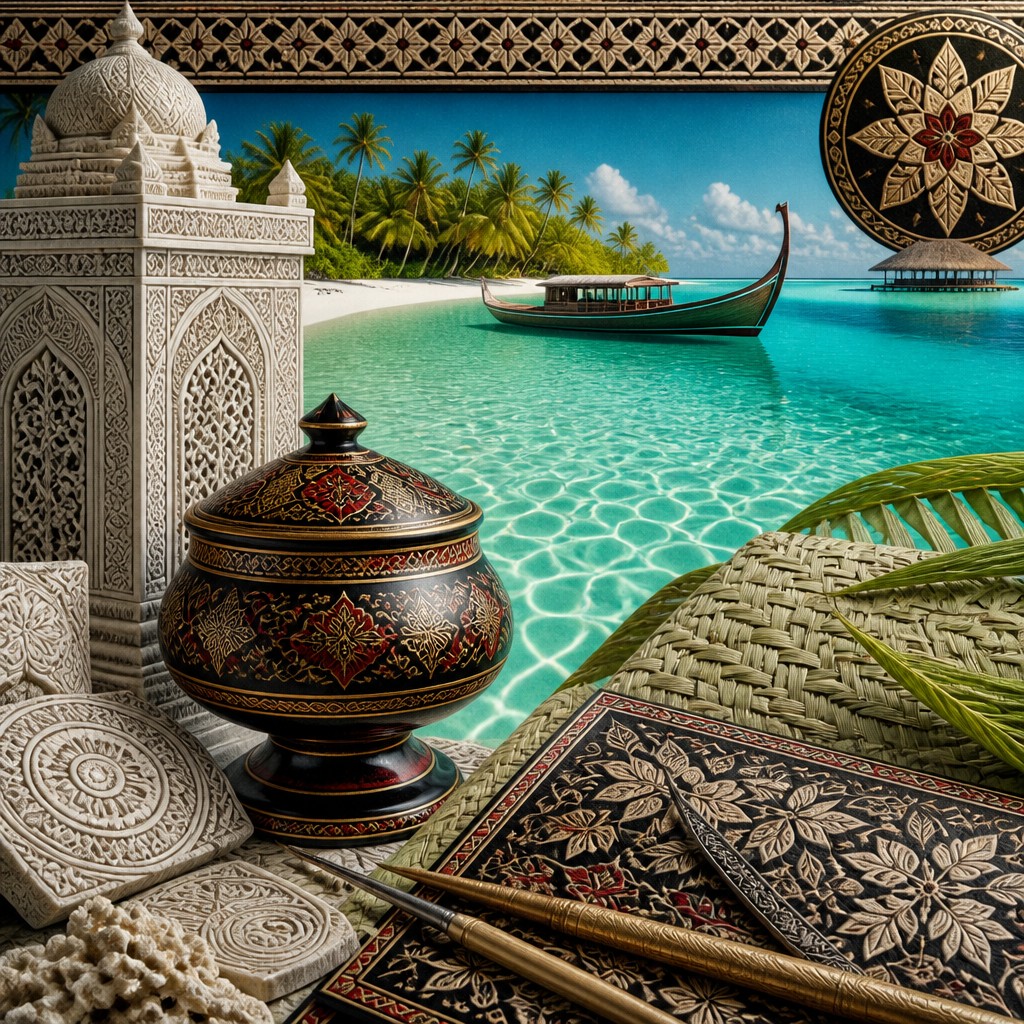
Palm and woven texture
Braided palm fronds, mats, thatching, and leaf fibers introduce a dry, tactile counterpoint to polished lacquer and smooth water. Fine parallel lines and basket-like grids are useful supporting details.
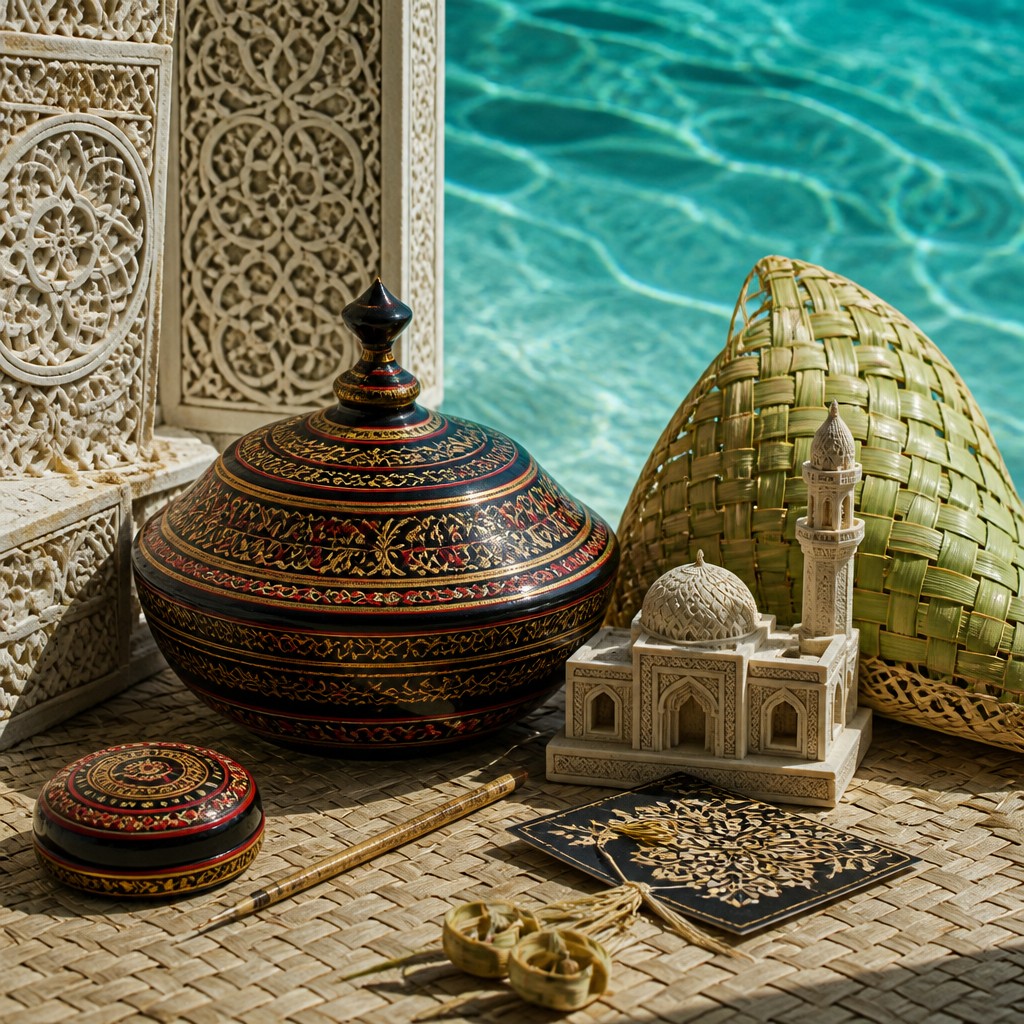
Miniature craftsmanship
Subjects are framed as carefully made objects, architectural fragments, or small ceremonial scenes. Close cropping, shallow depth, and precise surface detail emphasize handwork and material intimacy.
Maldivian Prompt Ideas
Start from an idea — each one opens the generator with the style ready to go. See all 40 Maldivian prompts →
How to Create Maldivian Art
Master the craft step by step — or skip straight to creating. Read the full guide →
- 1
Build the surface hierarchy
Separate matte coral stone, polished lacquer, woven fiber, and translucent water clearly. In traditional media, use rough mineral textures, layered opaque paint, and selective gloss; digitally, assign distinct texture and reflectance to each material.
- 2
Start with structural geometry
Lay out borders, arches, vessel bands, grids, and repeated motifs before adding floral details. Keep symmetry and measured spacing visible so the ornament feels crafted rather than randomly decorative.
- 3
Use a restrained island palette
Combine white, sand, coral, turquoise, lagoon blue, black, and lacquer red, with small touches of ochre or gold. Reserve the strongest highlights for polished surfaces and sunlit edges.
- 4
Suggest handwork at close range
Add slight tool marks, carved recesses, uneven lacquer bands, grain, and woven fibers instead of making every surface mechanically perfect. Fine-scale imperfections make the image feel made by hand.
- 5
Compose like a miniature
Use a close viewpoint, shallow spatial depth, and a quiet central arrangement such as a vessel beside a carved panel. A limited background of sand, palm weave, or lagoon light keeps attention on the craftsmanship.
- 6
Write precise generation prompts
Specify the subject, coral relief, lacquer colors, geometric or floral motifs, material contrasts, tropical lighting, and miniature scale. For image-to-image work, preserve the original silhouette while requesting carved stone texture, polished vessel ornament, and restrained Maldivian coastal color.
The Story
History & Origins of Maldivian
Maldivian Art Style is not the name of a single historical movement or formally defined school. It is a modern synthesis of several Maldivian visual traditions, especially coral-stone mosque architecture, carved architectural ornament, lacquerware, palm-based weaving, and the decorative arts of Indian Ocean island communities.
Historic Maldivian buildings used locally available coral stone, which could be shaped into blocks and carved with geometric and vegetal designs. Lacquer turning developed as a distinct craft tradition for decorated wooden objects and vessels, often using strong bands and patterns in dark, warm, and metallic-looking colors. Contemporary interpretations bring these materials and motifs together in a compact, atmospheric style rather than reproducing one specific historical period.
Influences: The style draws from Maldivian coral-stone architecture and Islamic decorative geometry, especially the use of repeated borders, vegetal ornament, carved screens, and balanced symmetry. It also relates to South Asian and Indian Ocean lacquer traditions, vernacular palm weaving, miniature craft presentation, and contemporary material-focused illustration. Its color and atmosphere are shaped by tropical maritime environments rather than by a single historical art movement.
Frequently Asked Questions
Is Maldivian Art Style a historical art movement?
No. The term describes a contemporary synthesis rather than a formally recognized historical movement. It is based on real Maldivian traditions, including coral-stone carving, lacquerware, Islamic ornament, palm weaving, and island architecture.
What materials and techniques define the style?
Its key material references are carved coral stone, turned and lacquered wood, woven palm fiber, and sunlit water. Visual treatments often combine shallow relief, repeated geometric pattern, glossy bands of color, and tactile natural surfaces.
How is this style different from generic Islamic geometric art?
It shares geometric order and vegetal ornament with many Islamic decorative traditions, but it is specifically grounded in Maldivian island materials and environments. Coral masonry, lacquered vessels, palm textures, white sand, and lagoon light give it a distinct regional character.
What colors work best for Maldivian Art Style?
A useful palette includes chalk white, warm sand, coral pink, turquoise, lagoon blue, black, lacquer red, and ochre or gold. Bright colors should be balanced with pale mineral surfaces and controlled highlights.
Can photographs be transformed into this style?
Yes. Architectural details, vessels, interiors, textiles, and coastal still lifes adapt especially well because their forms can support carved relief and repeated ornament. Preserve the main shapes of the photograph while adding coral texture, lacquer gloss, palm weaving, and lagoon-colored light.
Where is this aesthetic most effective?
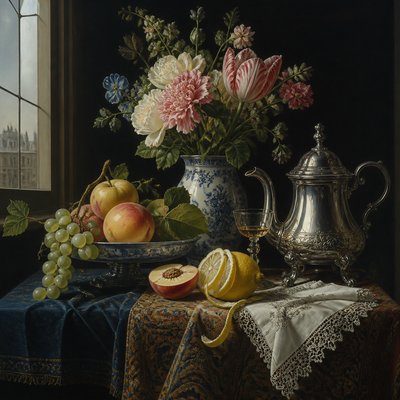
It works well for architectural studies, decorative objects, museum-like still lifes, cultural illustrations, travel imagery, pattern design, and finely detailed concept art. It is strongest when the composition gives visible space to materials and craftsmanship rather than relying only on tropical scenery.
Create your first Maldivian artwork
Describe anything — or upload a photo — and see it in Maldivian Art Style in seconds.
Related Styles
Discover similar art styles