Trinidadian Art Style
Explore Trinidadian art style: Carnival feathers, steelpan textures, Amerindian petroglyphs, tropical color, and rhythmic island energy.
Instantly rendered in Trinidadian — or transform a photo
Trinidadian Gallery
Tap any artwork to explore it
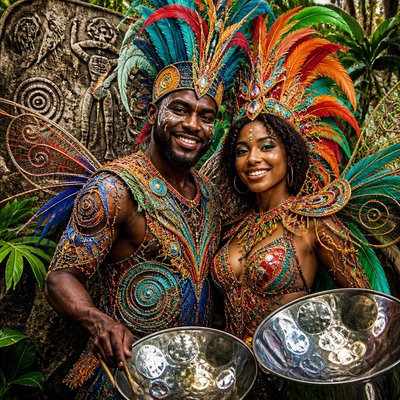
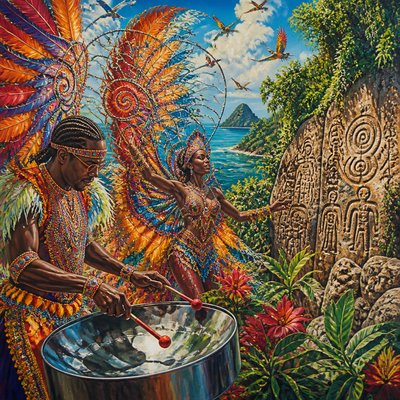
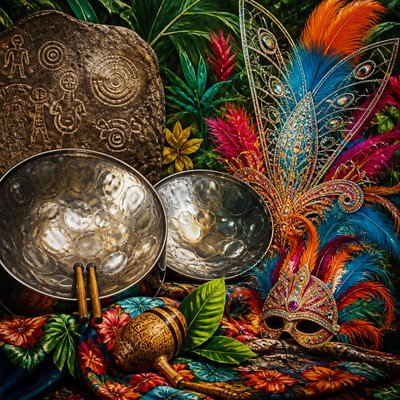
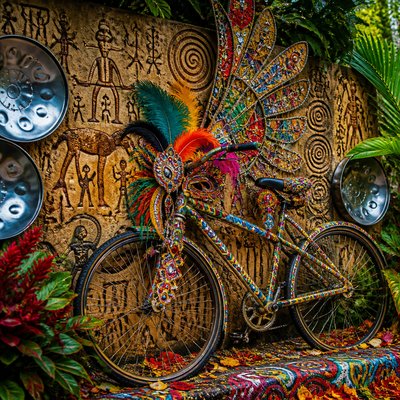
What is Trinidadian Art Style?
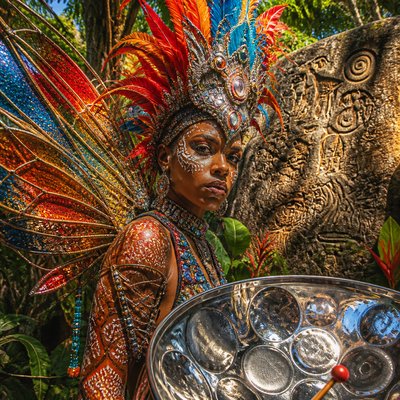
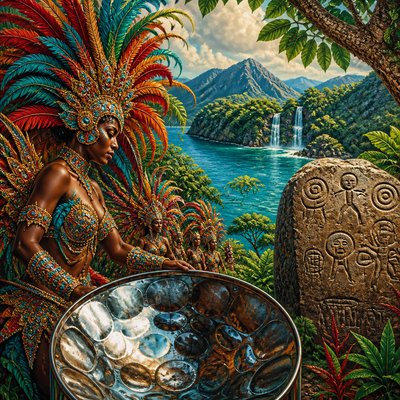
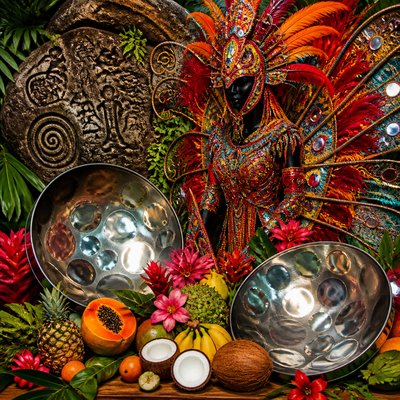
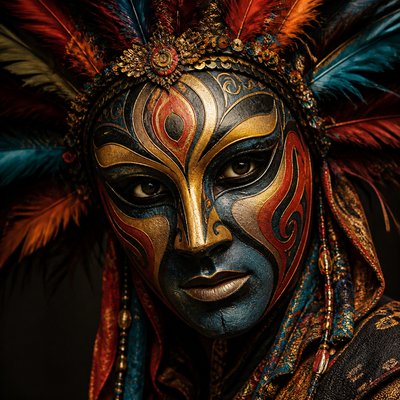
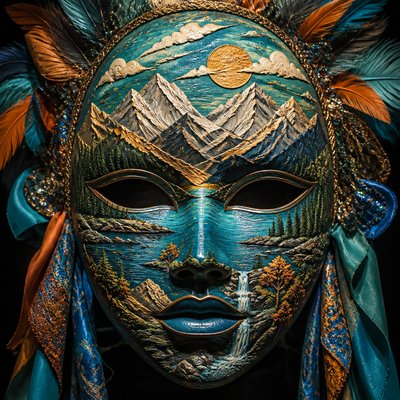
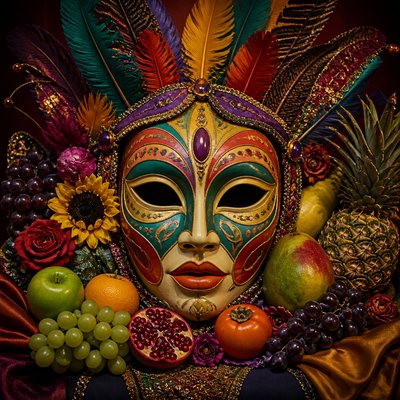
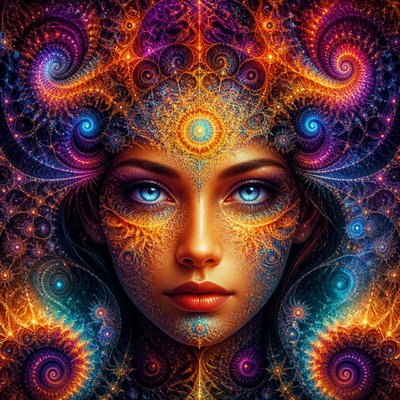
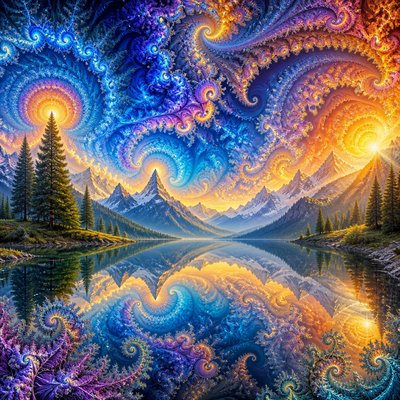
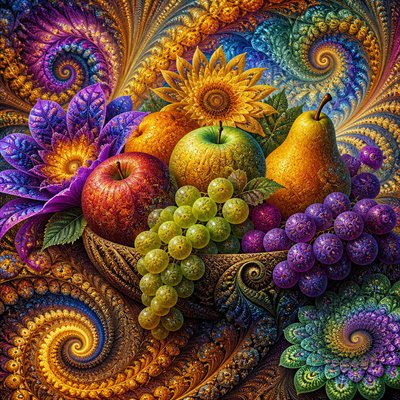
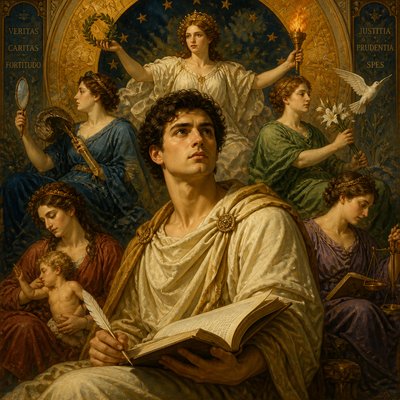
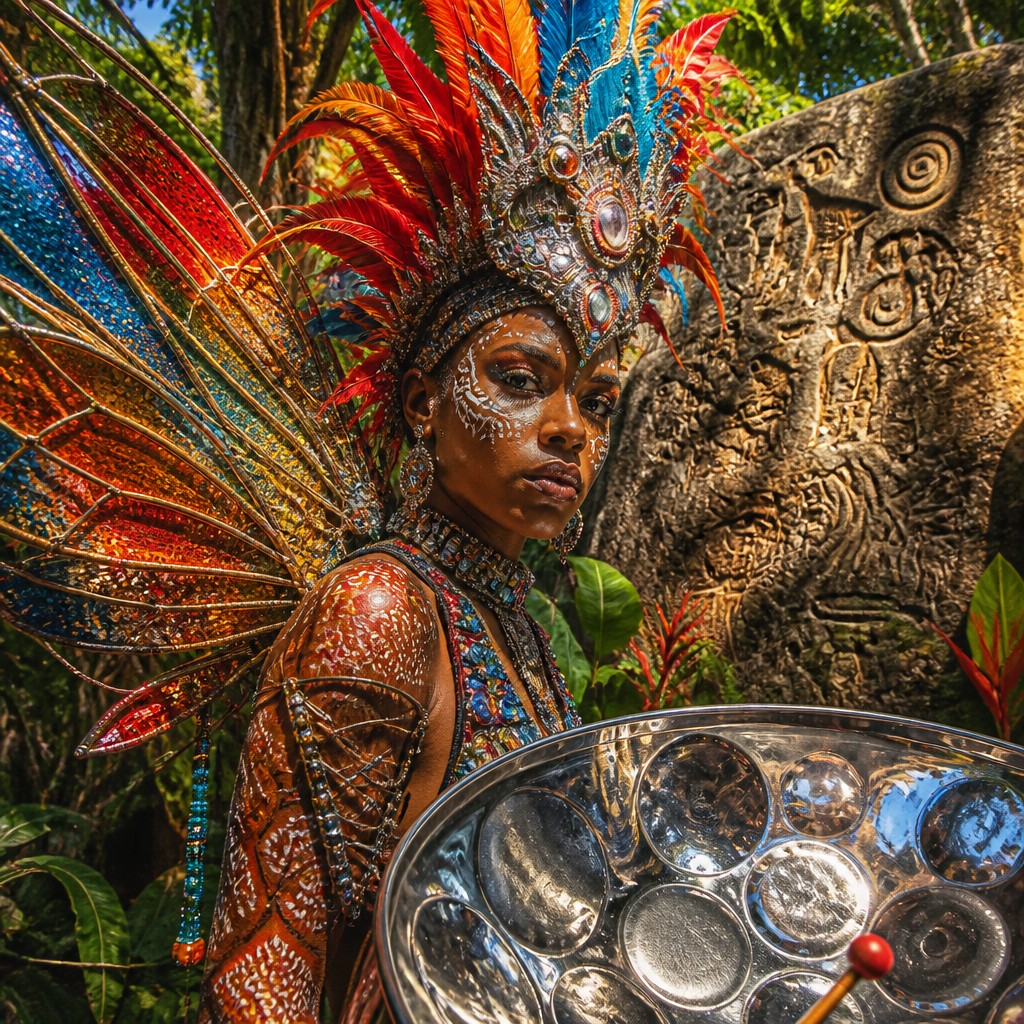
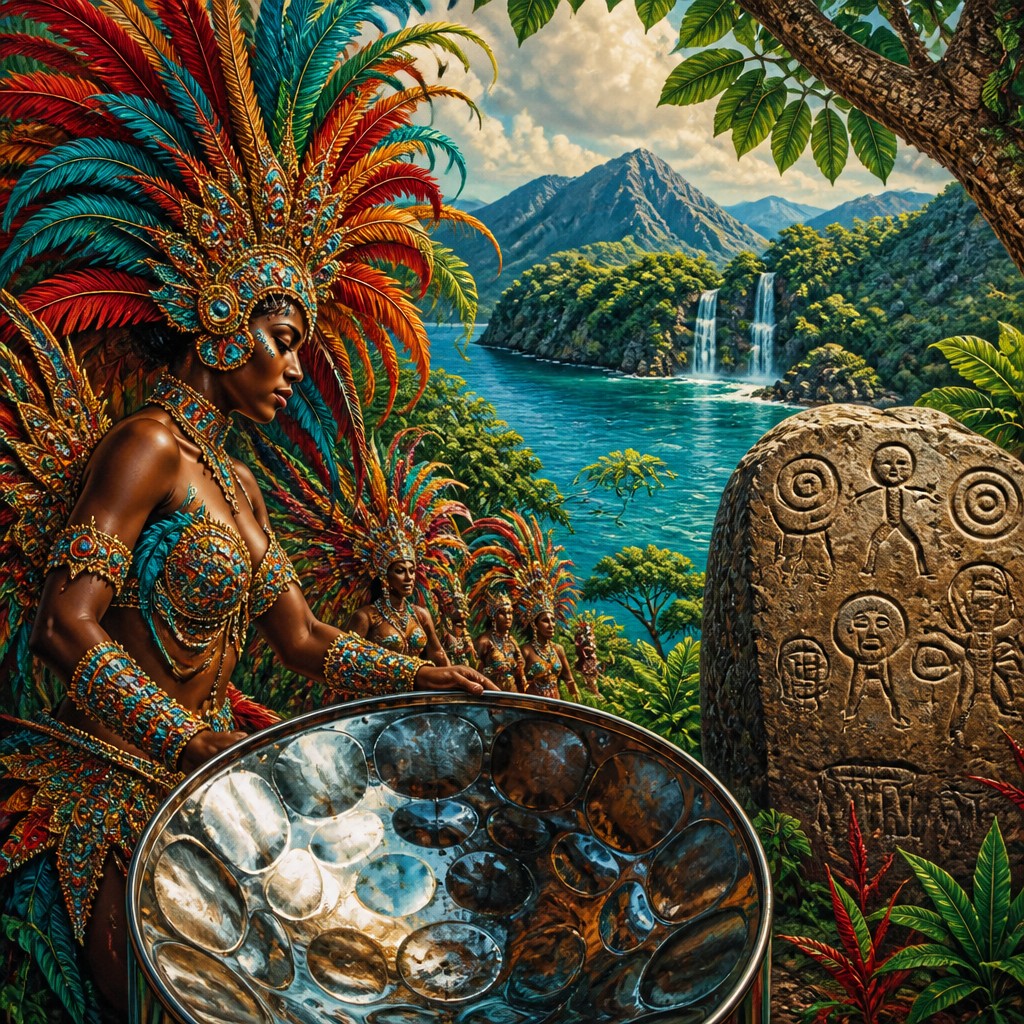
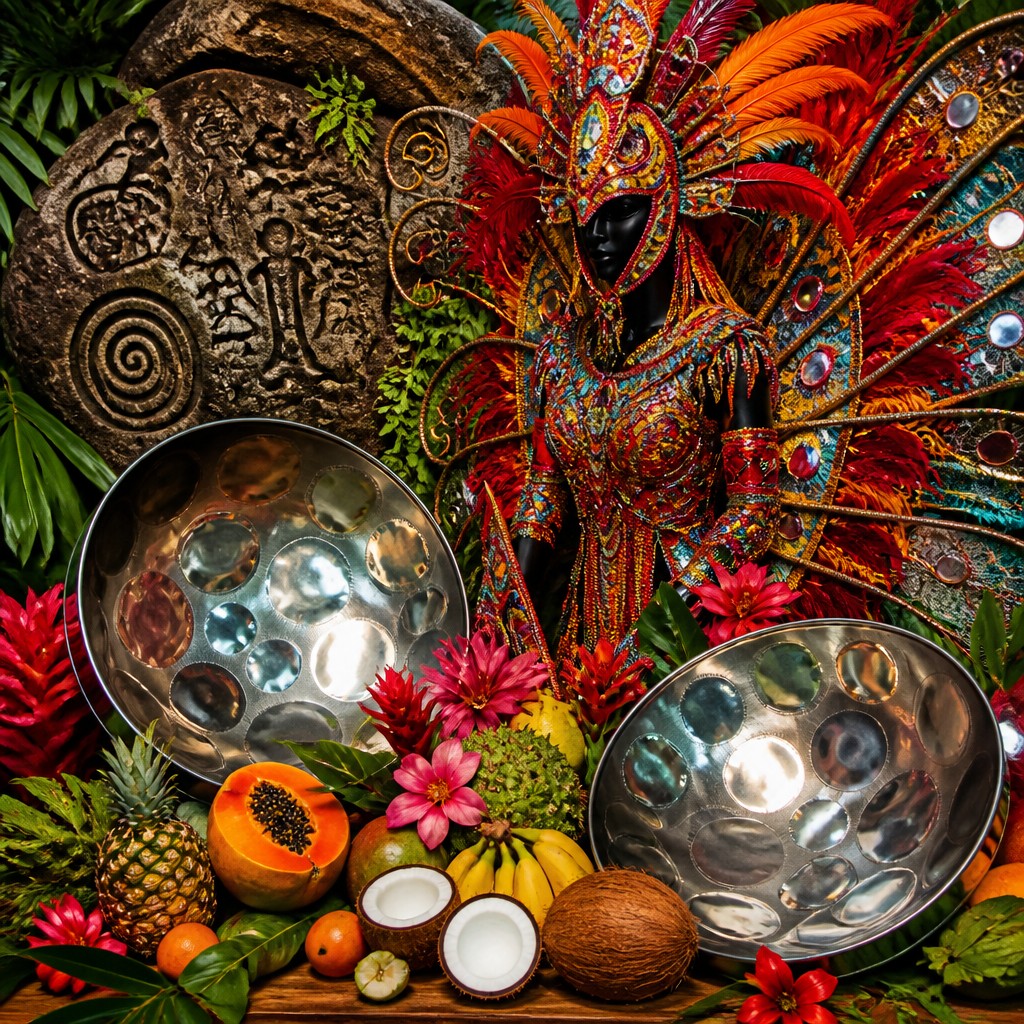
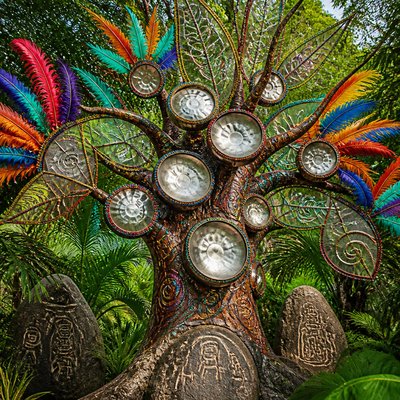
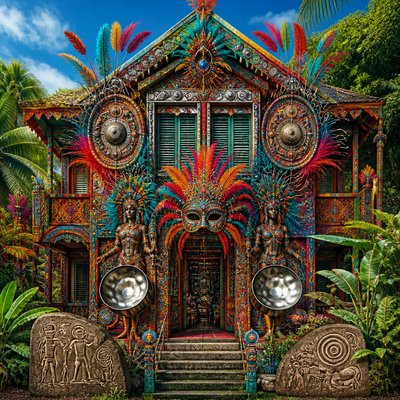
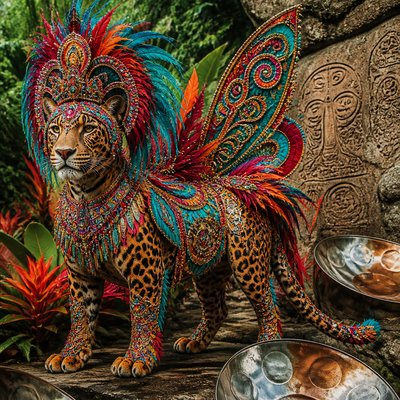
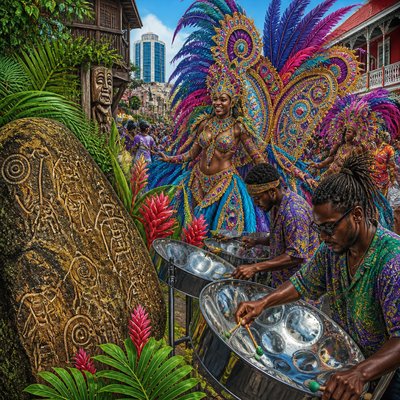
Trinidadian Art Style is a contemporary, place-based visual language built from the cultural imagery of Trinidad and Tobago. Its signature vocabulary combines elaborate Carnival mas costume design, hammered steelpan surfaces, Amerindian petroglyph markings, tropical vegetation, and intensely saturated color. The result is festive and tactile, with compositions that suggest movement, percussion, procession, and communal performance.
The style looks the way it does because it brings together distinct material traditions rather than following a single historical art movement. Feathers, sequins, beads, wire structures, and reflective surfaces create visual abundance; steelpan-inspired concentric dents introduce circular rhythm; and weathered stone carvings add an older, earthbound counterpoint. Dense foliage, high contrast, and layered patterning reinforce the visual sensation of a vivid island environment.
Try It On Your Photos
Upload any photo and convert it into Trinidadian Art Style — drag the sliders to compare before and after.


What Defines Trinidadian Art Style
The signature details, up close
Carnival mas ornament
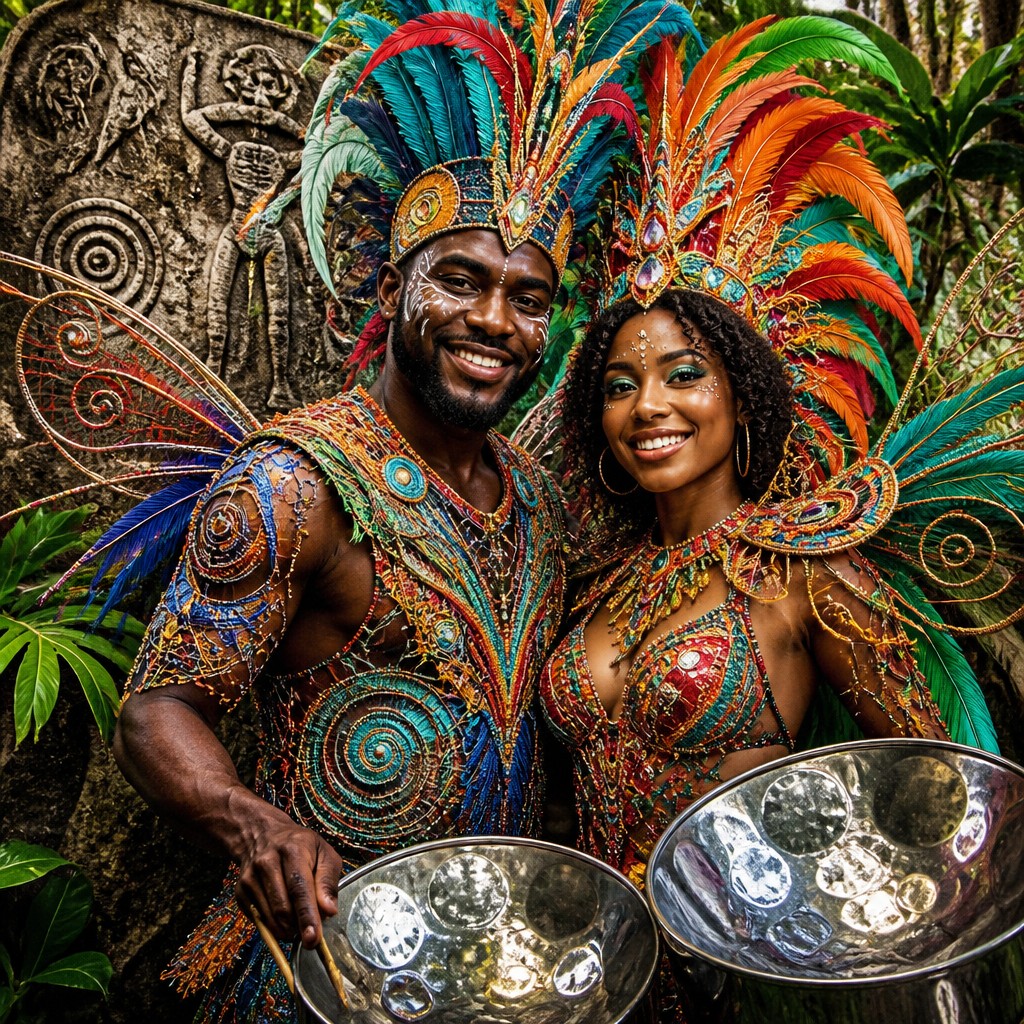
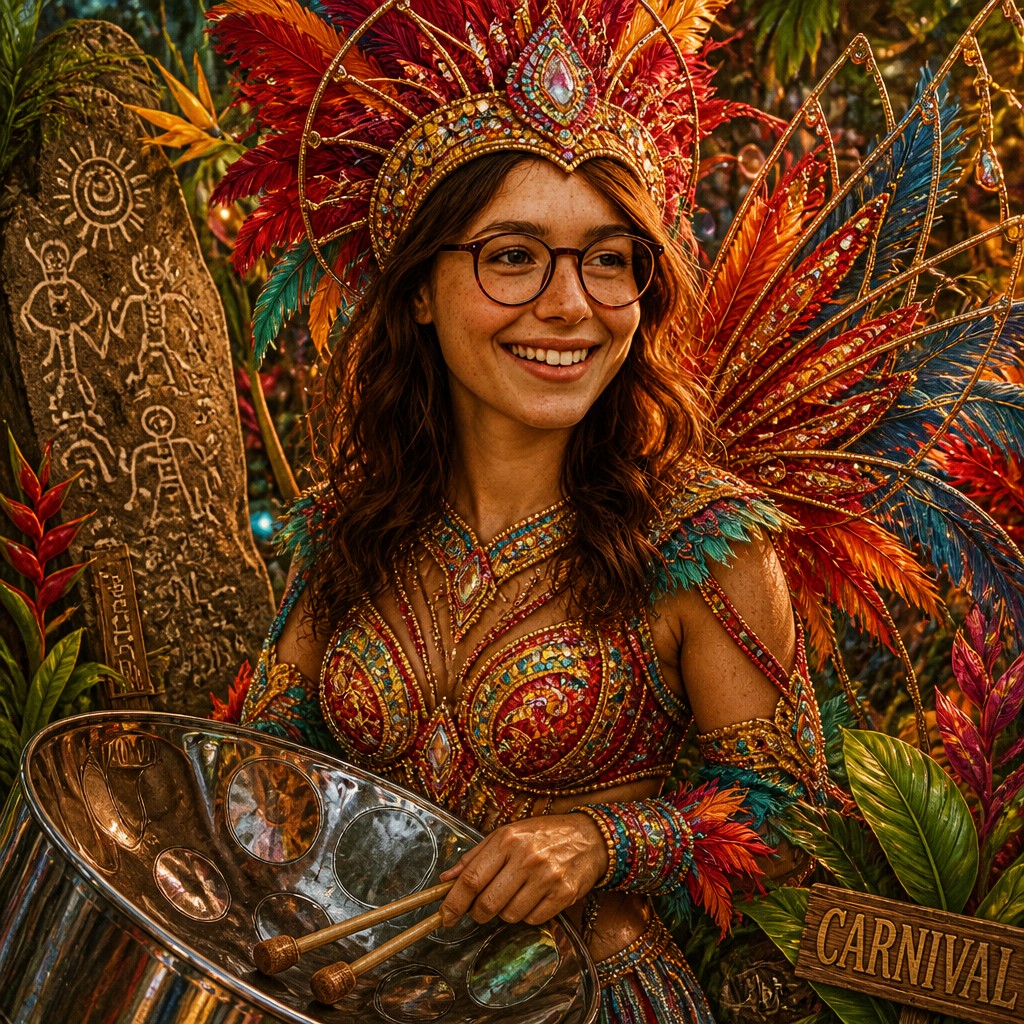
Costume-inspired details include layered feathers, sequins, beads, metallic trim, rhinestones, and sculptural wire frames. Arrangements often form crowns, collars, wings, fans, or radiating silhouettes.
Steelpan geometry
Circular drum forms and hand-hammered tone fields contribute concentric rings, shallow dents, rippling highlights, and a silvery industrial texture. These shapes can function as instruments, halos, shields, or abstract pattern systems.
Amerindian petroglyph texture
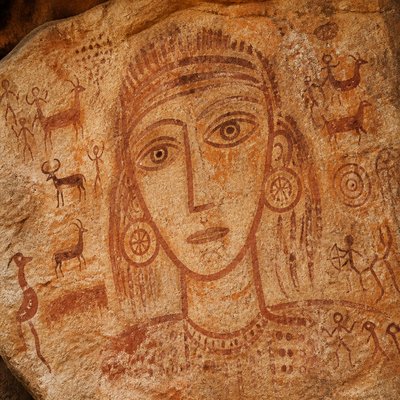
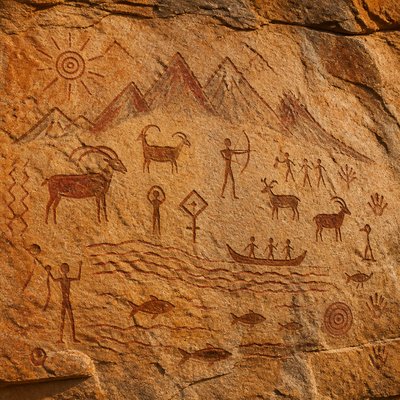
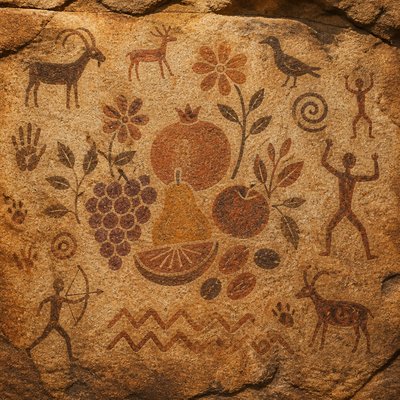
Weathered stone surfaces introduce incised figures, simplified symbolic marks, mineral variation, cracks, lichen, and softened edges. The carvings should read as archaeological and material rather than as perfectly clean graphic icons.
Saturated tropical palette
The palette favors vivid magenta, scarlet, turquoise, lime, cobalt, yellow, orange, and metallic silver. Strong color contrasts are balanced by dark greens, charcoal, earthen stone, and shadow.
Rhythmic composition
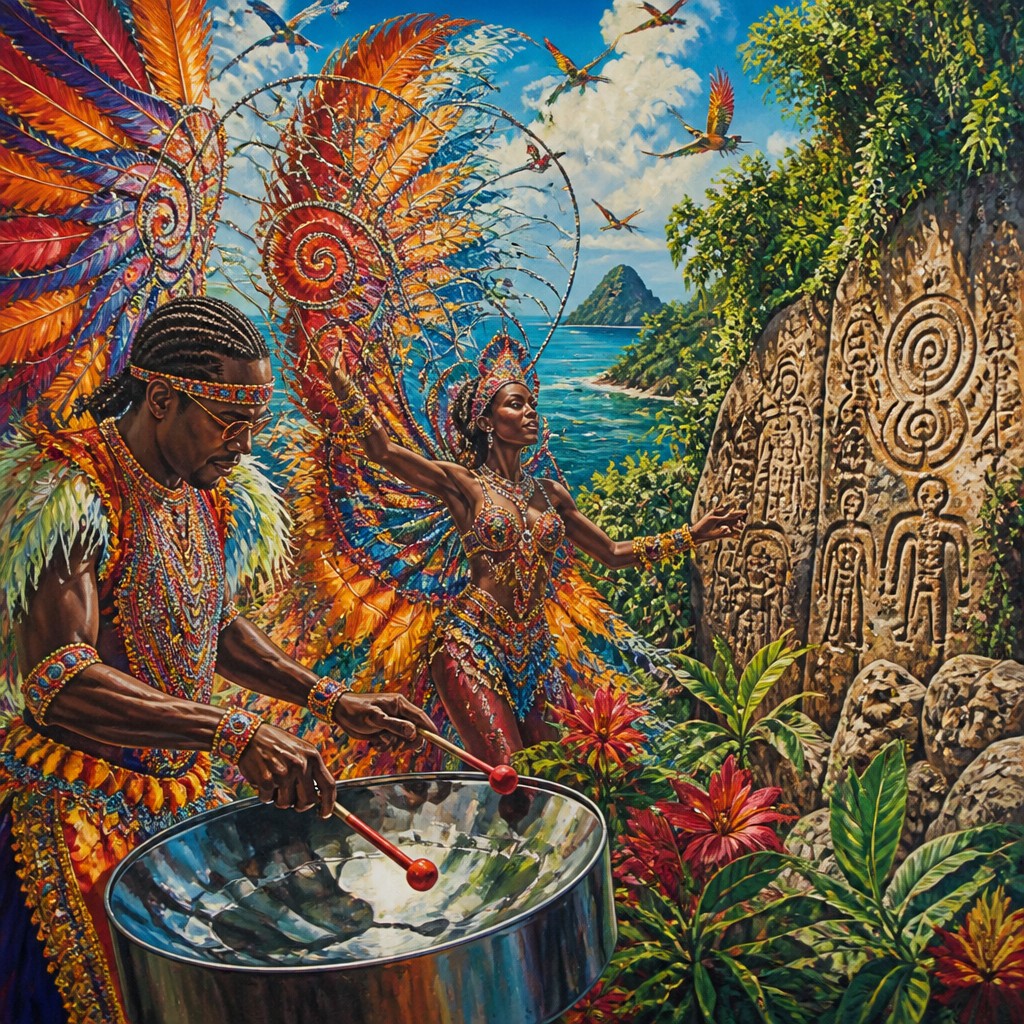
Repeated arcs, feathers, leaves, drum circles, and radiating lines create visual syncopation. Diagonal movement and layered forms suggest dancing, procession, percussion, and Carnival spectacle.
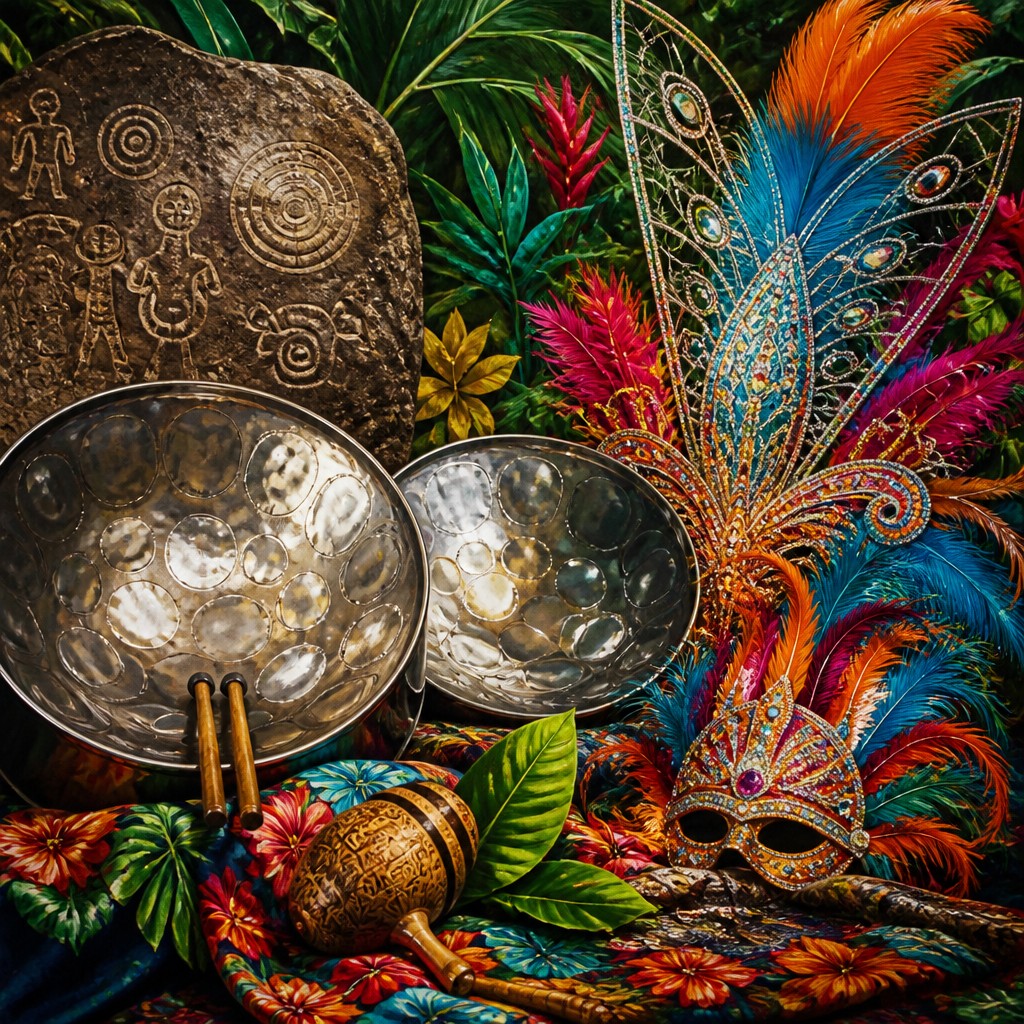
Dense island ecology
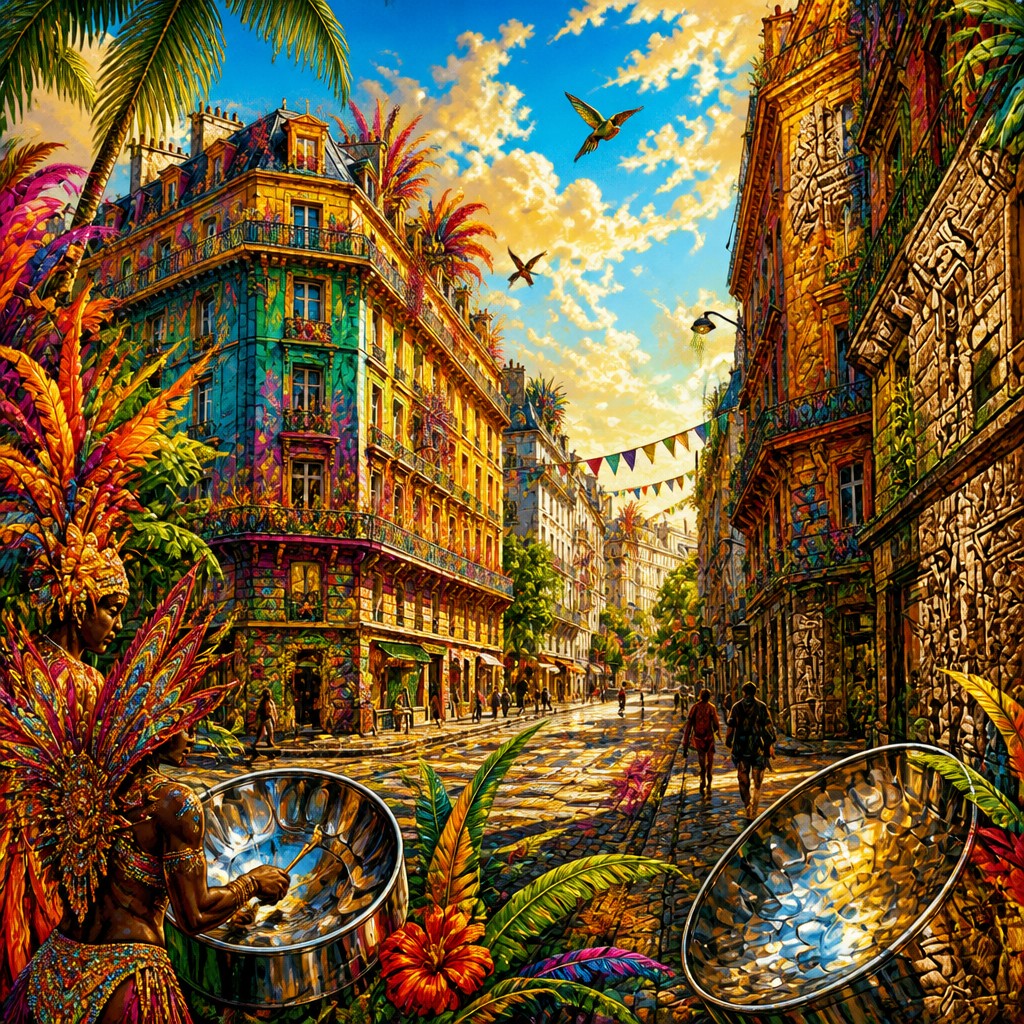
Broad leaves, vines, palms, flowers, humid atmosphere, and textured greenery provide a lush environmental setting. Foliage is usually layered rather than rendered as a sparse botanical backdrop.
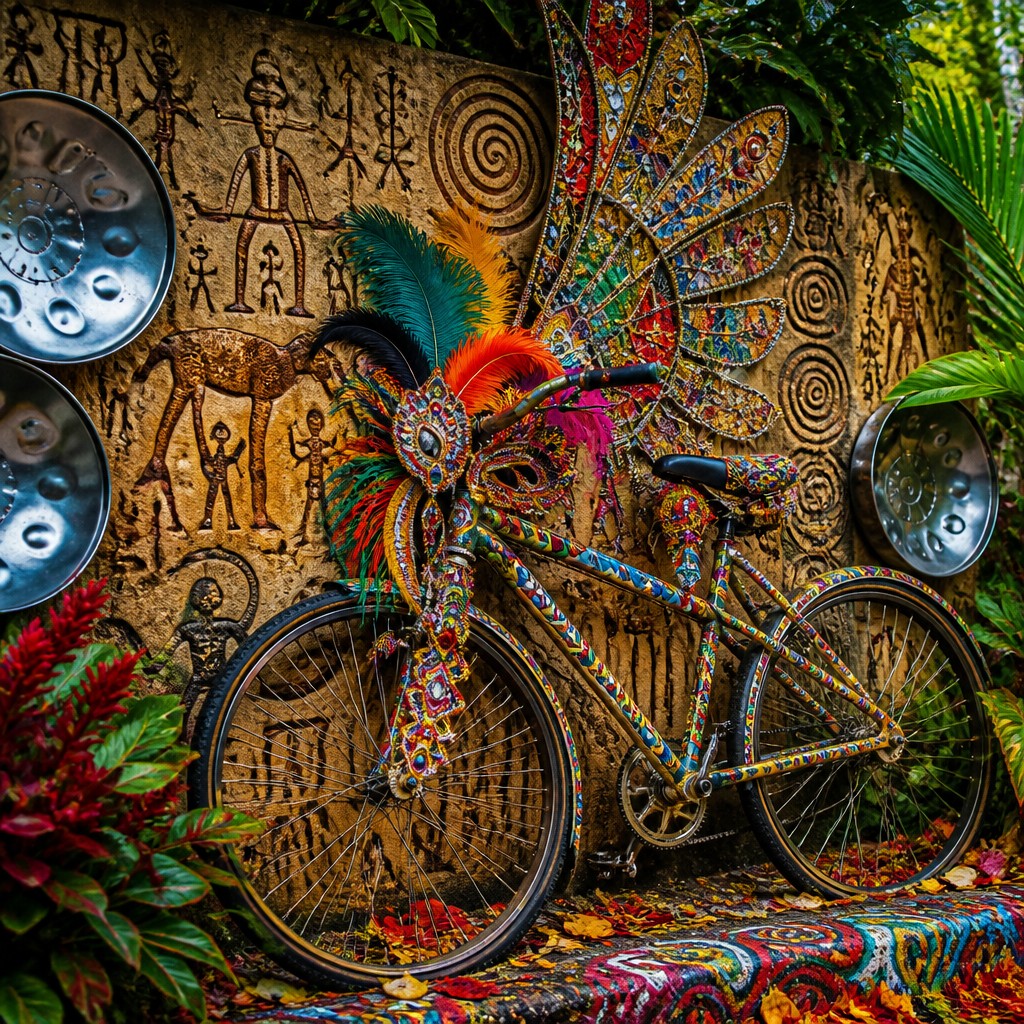
Tactile material contrast
The style depends on the friction between soft plumage, reflective metal, glittering ornament, rough stone, and glossy tropical color. Visible surface variation prevents the image from becoming a flat decorative pattern.
Trinidadian Prompt Ideas
Start from an idea — each one opens the generator with the style ready to go. See all 40 Trinidadian prompts →
How to Create Trinidadian Art
Master the craft step by step — or skip straight to creating. Read the full guide →
- 1
Build a material study
Collect or sketch references for feathers, sequins, wire frames, hammered metal, carved stone, and tropical leaves. Render each material with a distinct edge, reflectivity, and surface rhythm before combining them.
- 2
Start with a strong silhouette
Design the main subject as a readable Carnival-like shape using fans, wings, halos, or radiating ornament. Keep the silhouette clear so the abundance of detail supports rather than obscures the subject.
- 3
Use circular and diagonal rhythm
Place steelpan-like concentric circles, curved feather arrangements, and diagonal foliage across the composition. Repeat forms with controlled variation to imply musical pulse and movement.
- 4
Balance color with grounding tones
Pair saturated jewel and tropical colors with charcoal, weathered gray, earth brown, and deep green. Metallic highlights should be selective, while stone and shadow provide visual weight.
- 5
Layer traditionally or digitally
In physical media, combine watercolor or acrylic color with collage, metallic paint, textured gesso, stencil marks, and dry-brush stone effects. Digitally, use separate texture layers, masked foliage, controlled bloom, and displacement or embossing for carved and hammered surfaces.
- 6
Write a specific generation prompt
Describe the subject first, then specify Carnival plumage, dented steelpan circles, weathered petroglyph stone, tropical foliage, saturated color, and rhythmic composition. Add material and lighting instructions such as reflective sequins, rough mineral texture, humid backlight, and crisp layered detail.
The Story
History & Origins of Trinidadian
This is best understood as an invented or contemporary hybrid aesthetic rather than a formally established historical movement. Its lineage draws on Trinidad and Tobago's Carnival traditions, including mas costume construction and parade spectacle; the development of steelpan culture in Trinidad during the twentieth century; and Indigenous Amerindian archaeological imagery, including petroglyphs associated with sites such as Caurita.
The style also reflects wider Caribbean approaches to color, ornament, public celebration, and cultural memory. In digital and contemporary illustration, these sources may be combined into a unified visual system, even though they originate in different periods and communities. Responsible use should distinguish living Carnival culture and Indigenous heritage from decorative motifs treated as anonymous patterns.
Influences: The aesthetic draws from Trinidad and Tobago Carnival mas, Caribbean festival design, steelpan material culture, Indigenous Amerindian rock art and petroglyph traditions, tropical botanical illustration, assemblage, textile ornament, and contemporary digital collage. It also shares compositional traits with folk and popular visual cultures that favor repetition, public spectacle, saturated color, and handmade surface. Its combination of sources is hybrid and contemporary rather than a canonical branch of European art history.
Frequently Asked Questions
What defines Trinidadian Art Style?
It is defined by the combination of Carnival costume ornament, steelpan-inspired circular metal textures, Amerindian petroglyph imagery, tropical foliage, and saturated color. Rhythmic repetition and a sense of movement are as important as the individual motifs.
Is Trinidadian Art Style a historical art movement?
No. The term describes a contemporary hybrid aesthetic rather than a formally recognized historical movement with a fixed period or membership. It draws from real cultural traditions in Trinidad and Tobago and should not be presented as an ancient or officially codified school.
How is it different from generic Caribbean or tropical art?
Generic tropical art may focus mainly on beaches, palms, or bright scenery. This style is more materially specific, using mas costume construction, steelpan geometry, petroglyph-like stone texture, procession, percussion, and dense layered ornament.
What colors work best for this style?
Highly saturated turquoise, magenta, scarlet, orange, yellow, cobalt, lime, and violet are characteristic choices. Deep foliage green, charcoal, weathered gray, and earthen brown help control the brightness and give the composition a grounded material contrast.
How can I make an image in this style?
Begin with a clear subject and silhouette, then add a limited set of defining materials: feathers or sequins, hammered metal, carved stone, and tropical leaves. In a text prompt, specify the composition, surface textures, color relationships, and lighting rather than relying only on the style label.
Where is this aesthetic useful?
It suits festival posters, editorial illustration, costume concepts, album or event artwork, murals, cultural education projects, character design, and richly patterned digital compositions. When using Carnival or Indigenous references, contextual and respectful treatment is important, especially for commercial work.
Create your first Trinidadian artwork
Describe anything — or upload a photo — and see it in Trinidadian Art Style in seconds.
Related Styles
Discover similar art styles