Kosovar Art Style
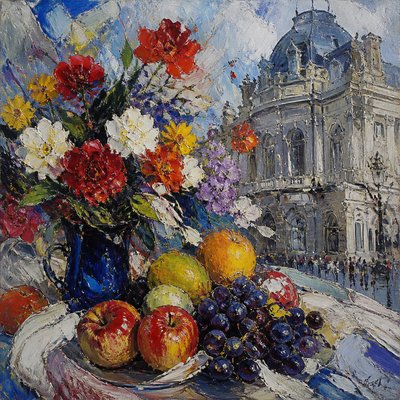
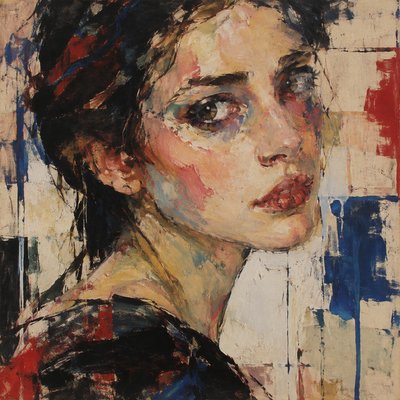
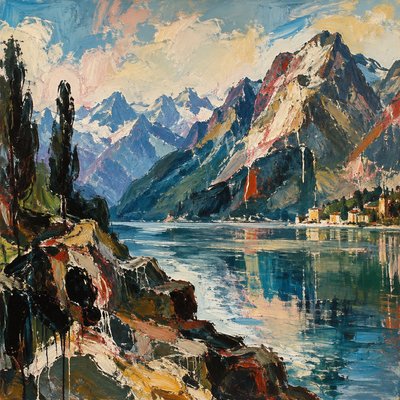
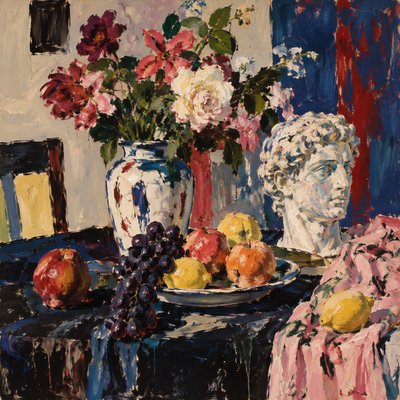
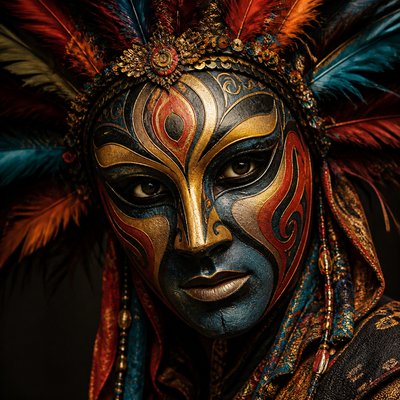
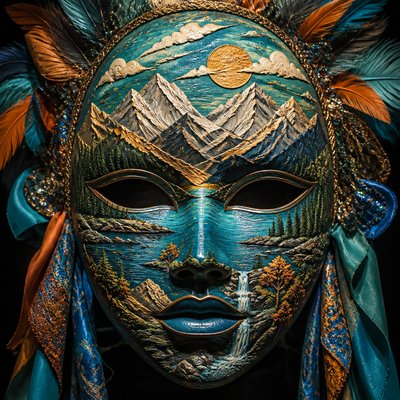
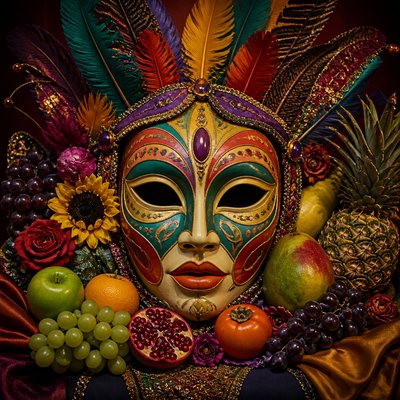
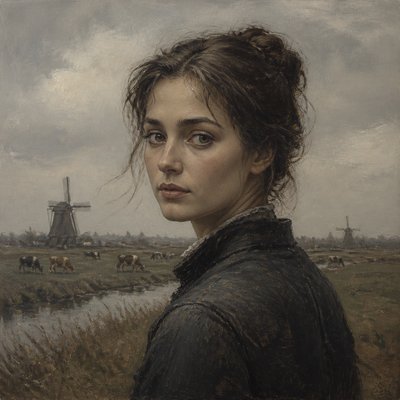
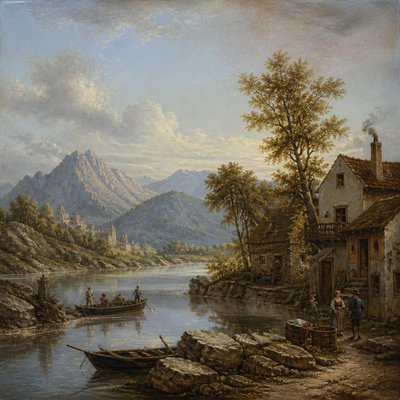
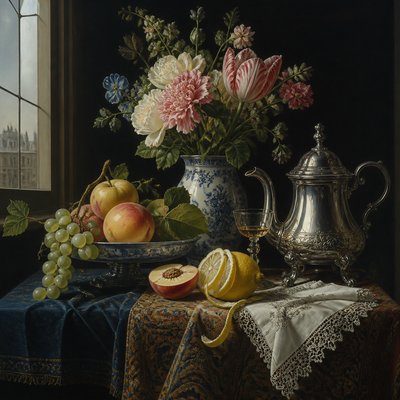
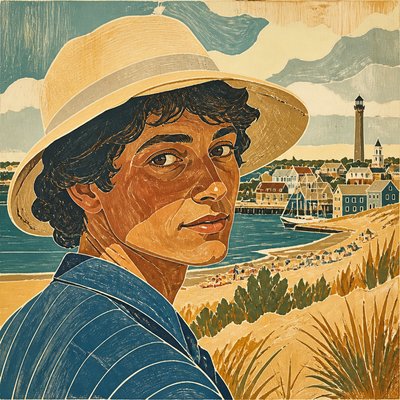
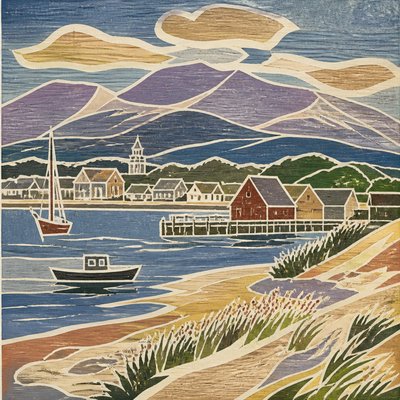
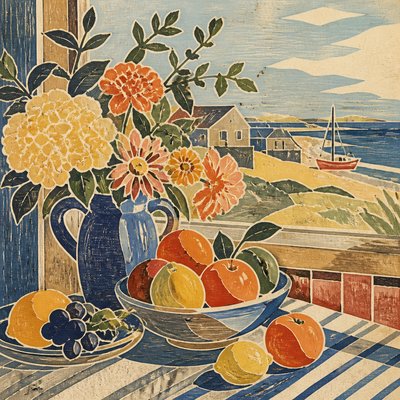
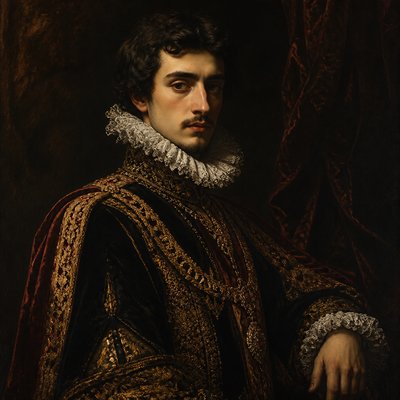
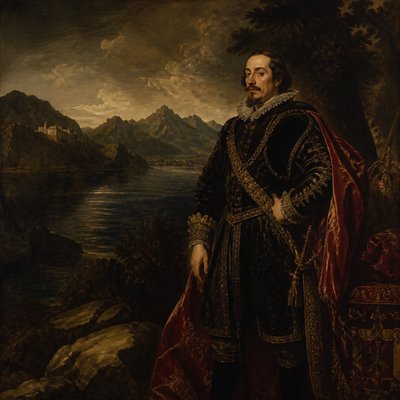
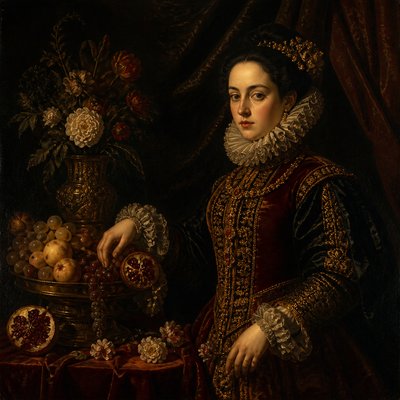
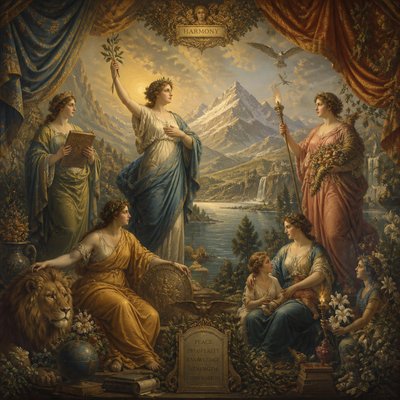
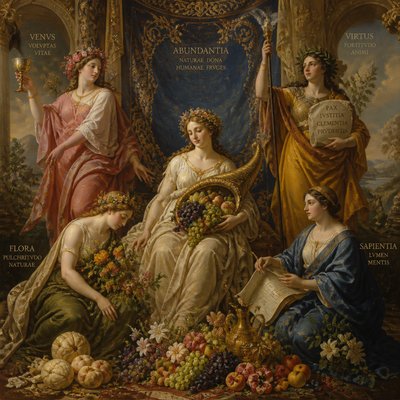
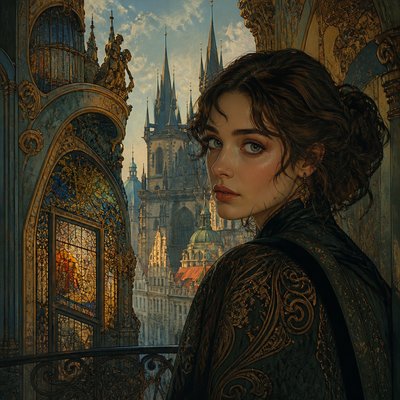
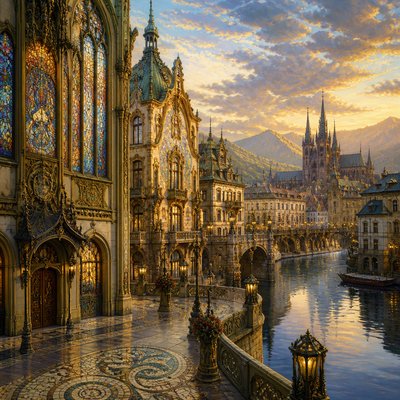
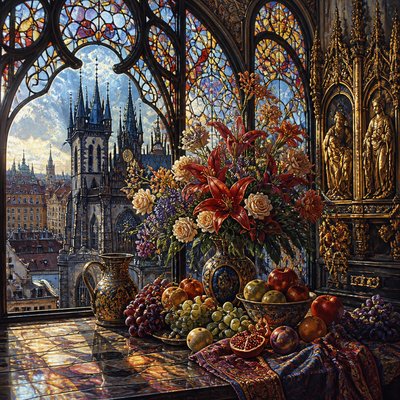
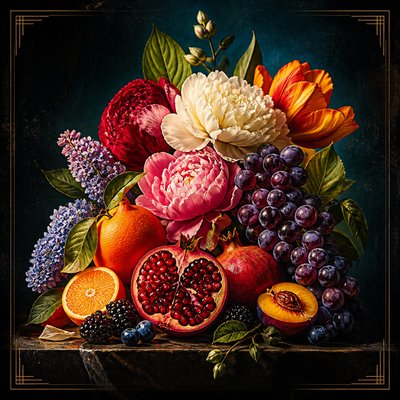
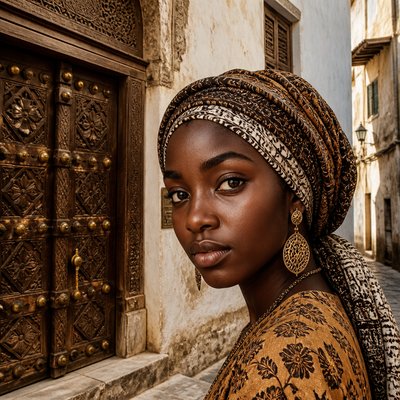
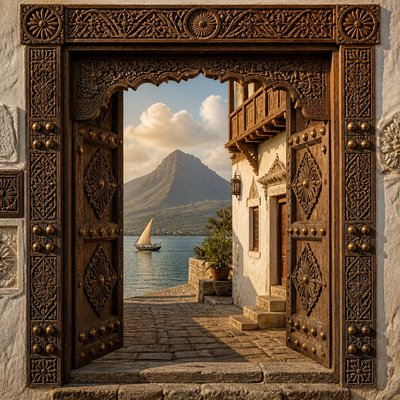
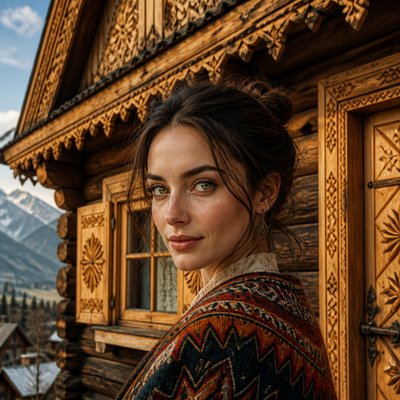
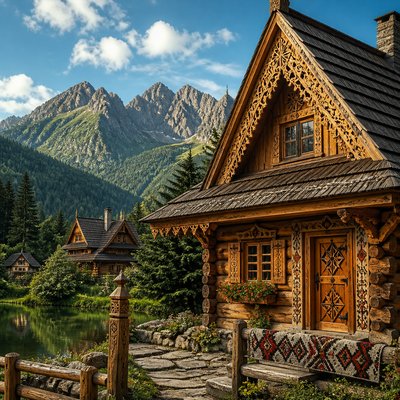
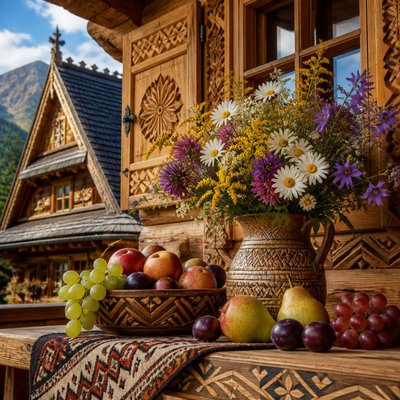
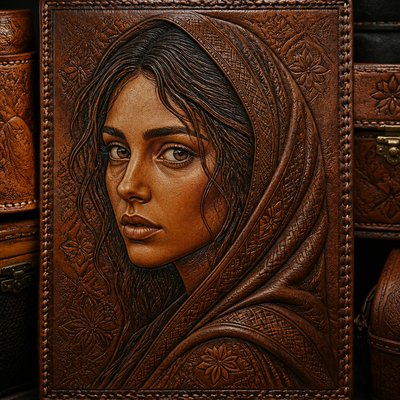
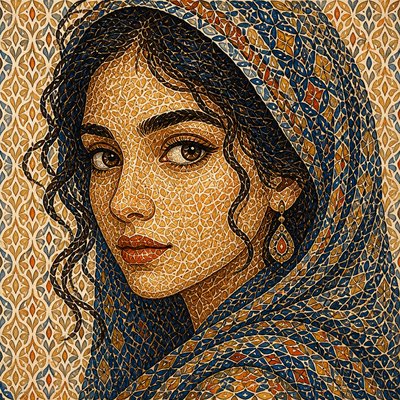
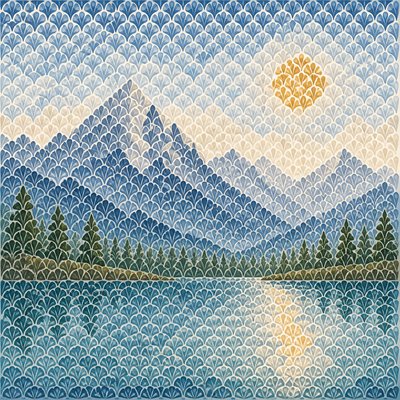
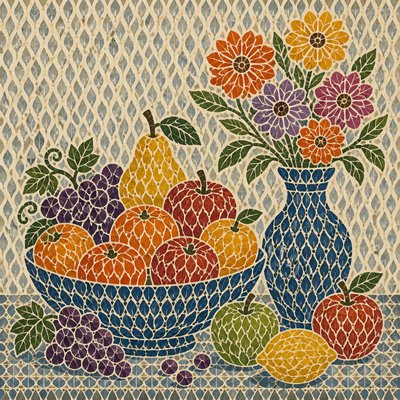
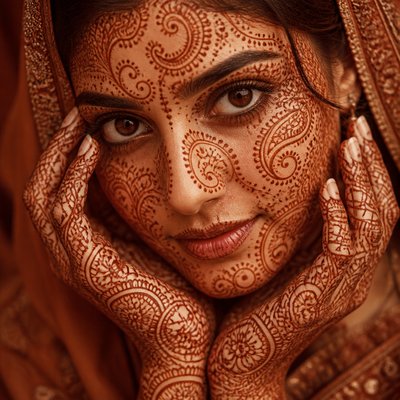
Explore Kosovar art style: medieval Byzantine-Serbian architecture, saturated fresco colors, carved stone, domes, and solemn mountain light.
Instantly rendered in Kosovar — or transform a photo
Kosovar Gallery
Tap any artwork to explore it
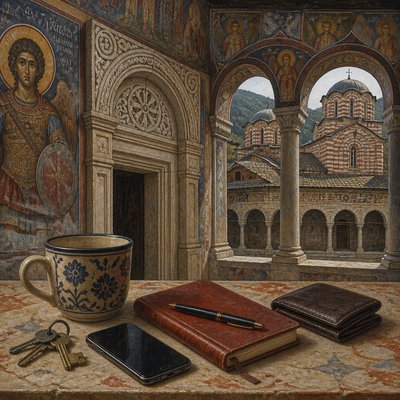
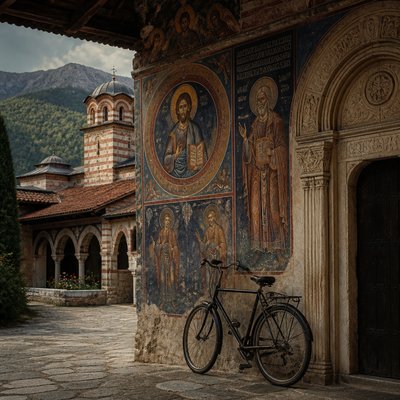
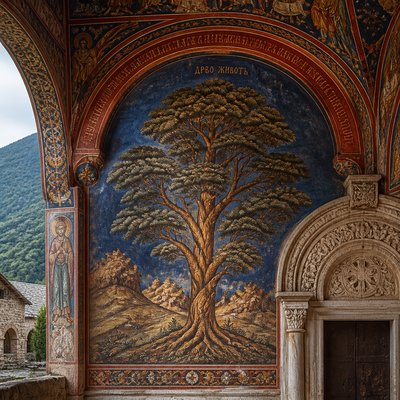
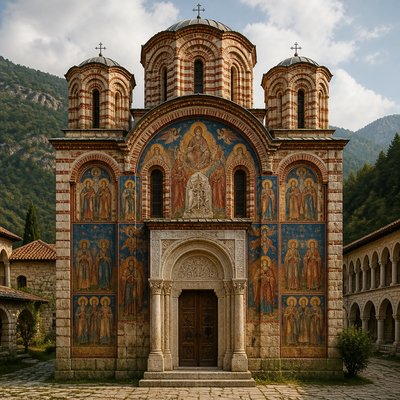
What is Kosovar Art Style?
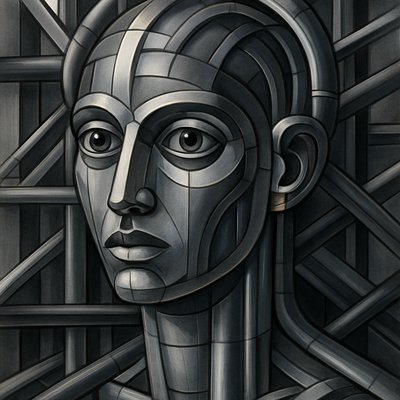
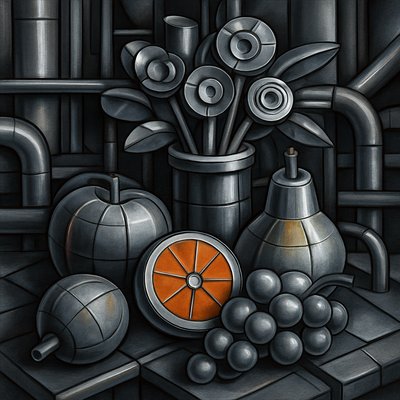
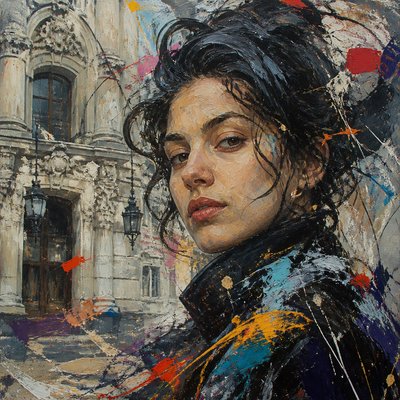
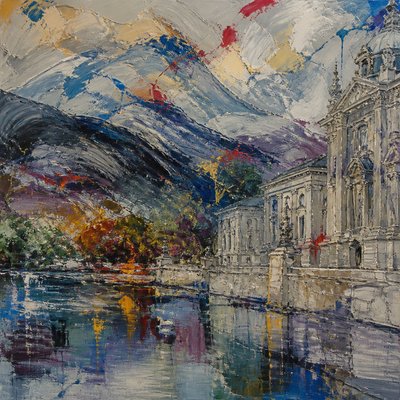
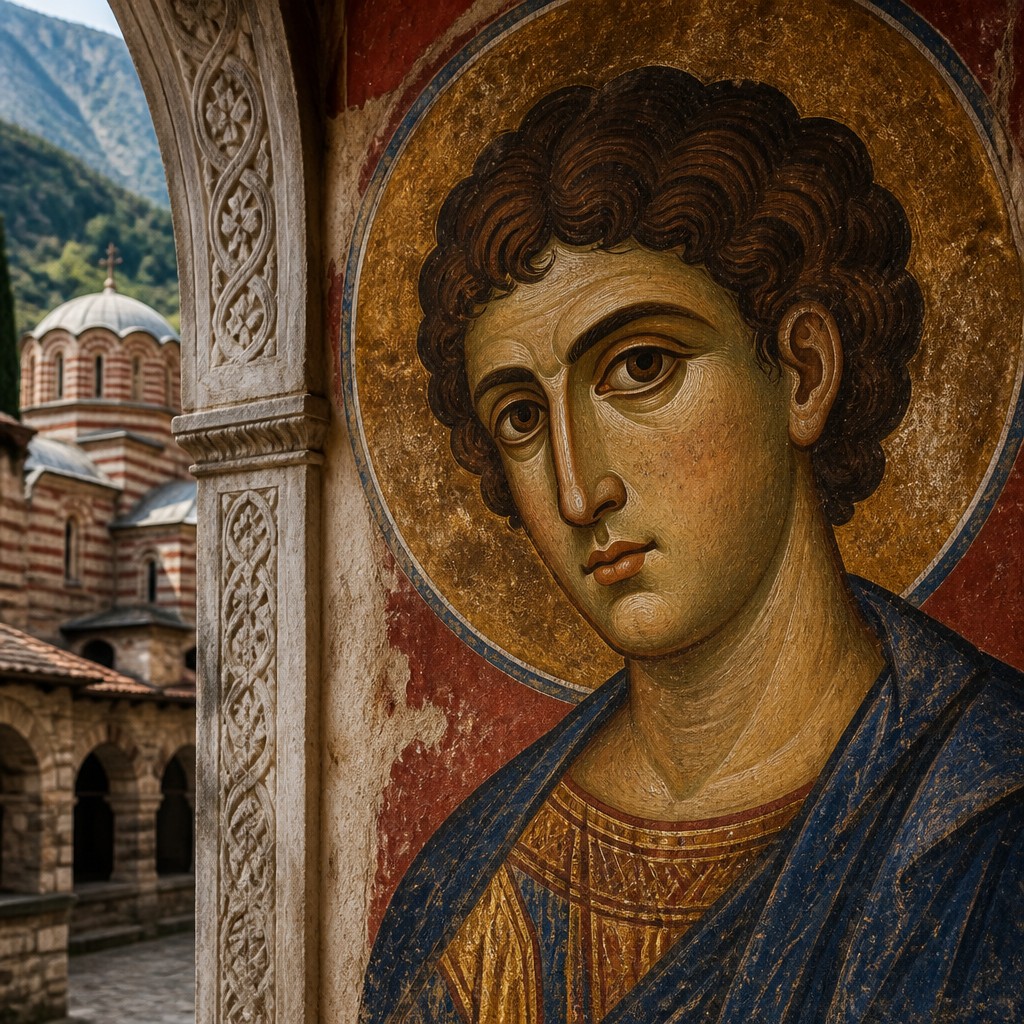
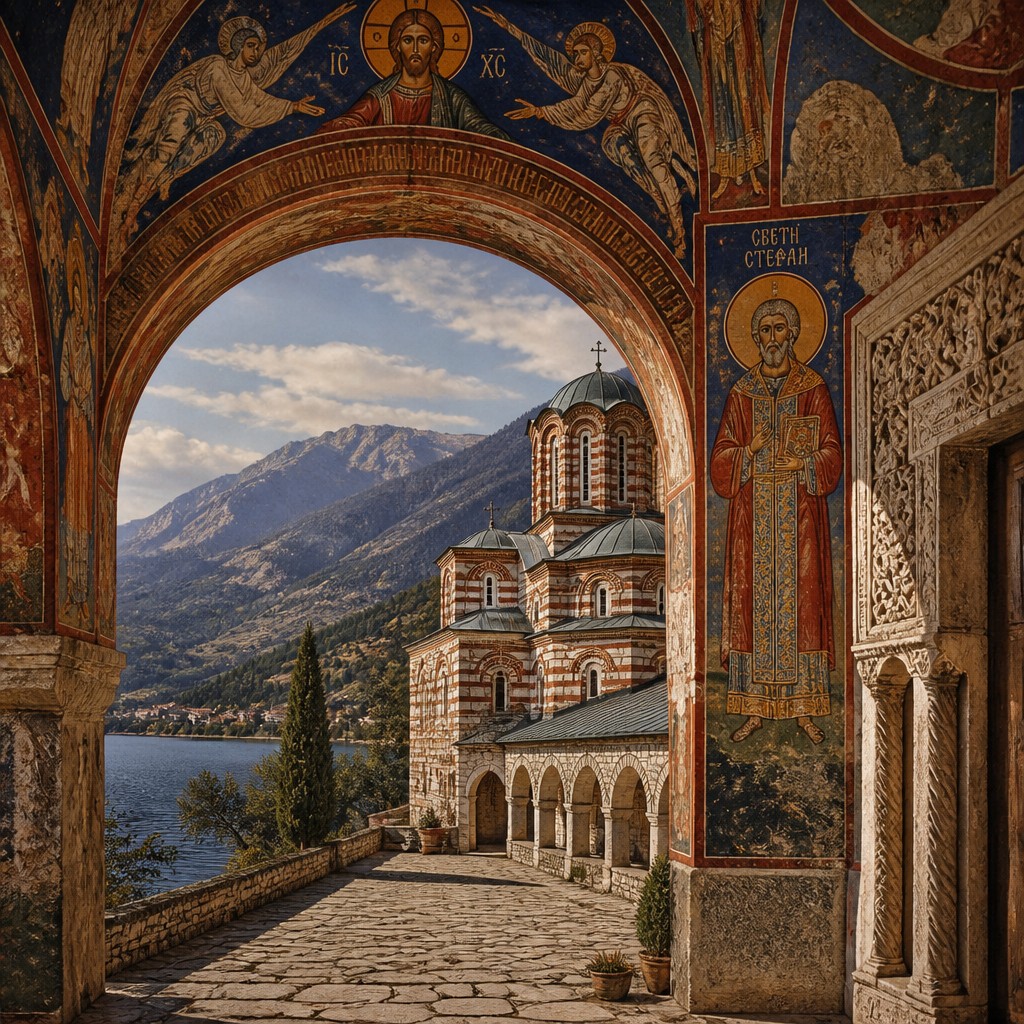
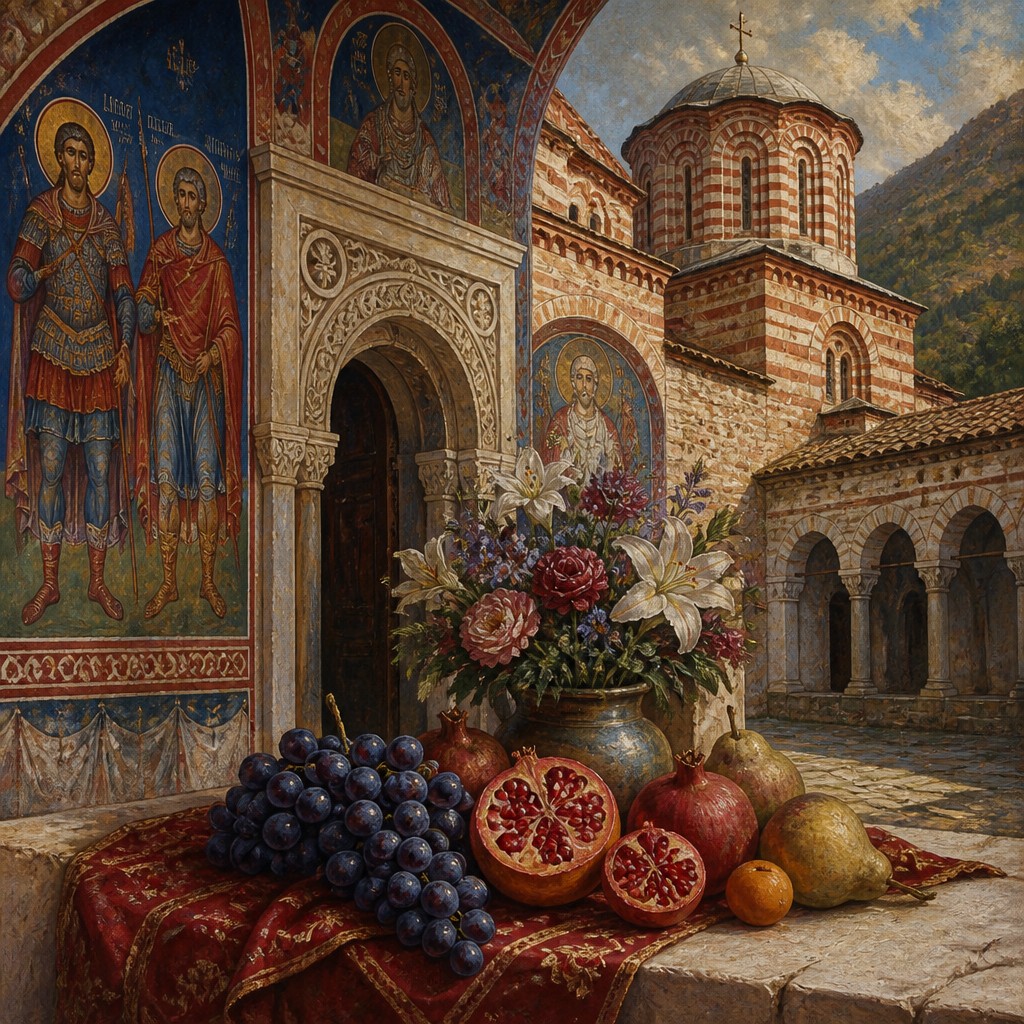
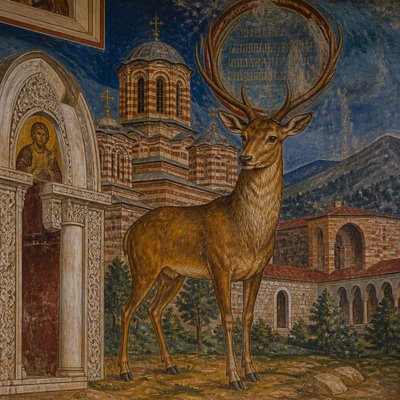
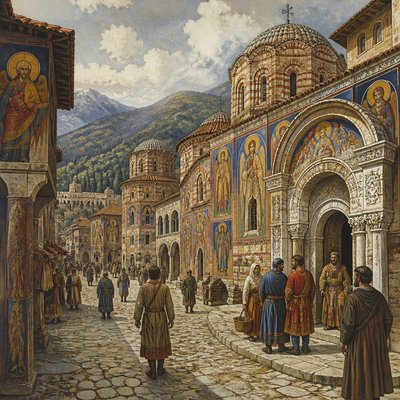
Kosovar Art Style is a contemporary descriptive synthesis inspired by Kosovo’s medieval Orthodox monasteries, Byzantine and Serbian ecclesiastical architecture, and the fresco traditions preserved in the region’s stone sanctuaries. It combines banded brick-and-stone domes, heavy masonry, carved marble portals, plastered walls, and the intense chromatic vocabulary of medieval wall painting.
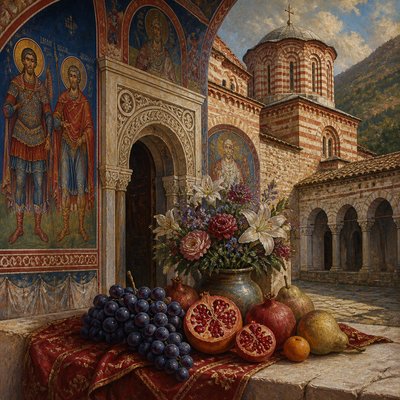
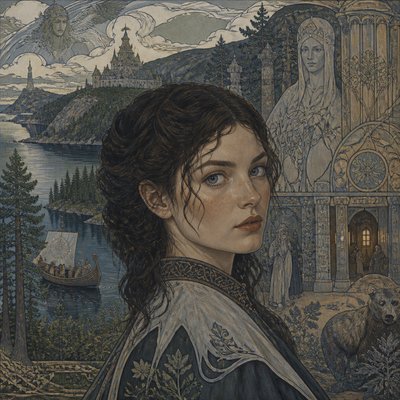
Its visual identity is solemn, architectural, and devotional rather than ornamental in a light or decorative sense. Deep reds, ultramarine blues, mineral greens, aged whites, and gold accents stand against weathered stone and quiet mountain light. The style looks enduring because it emphasizes frontal compositions, geometric construction, monumental silhouettes, restrained atmosphere, and surfaces that suggest centuries of ritual, weather, and repair.
Try It On Your Photos
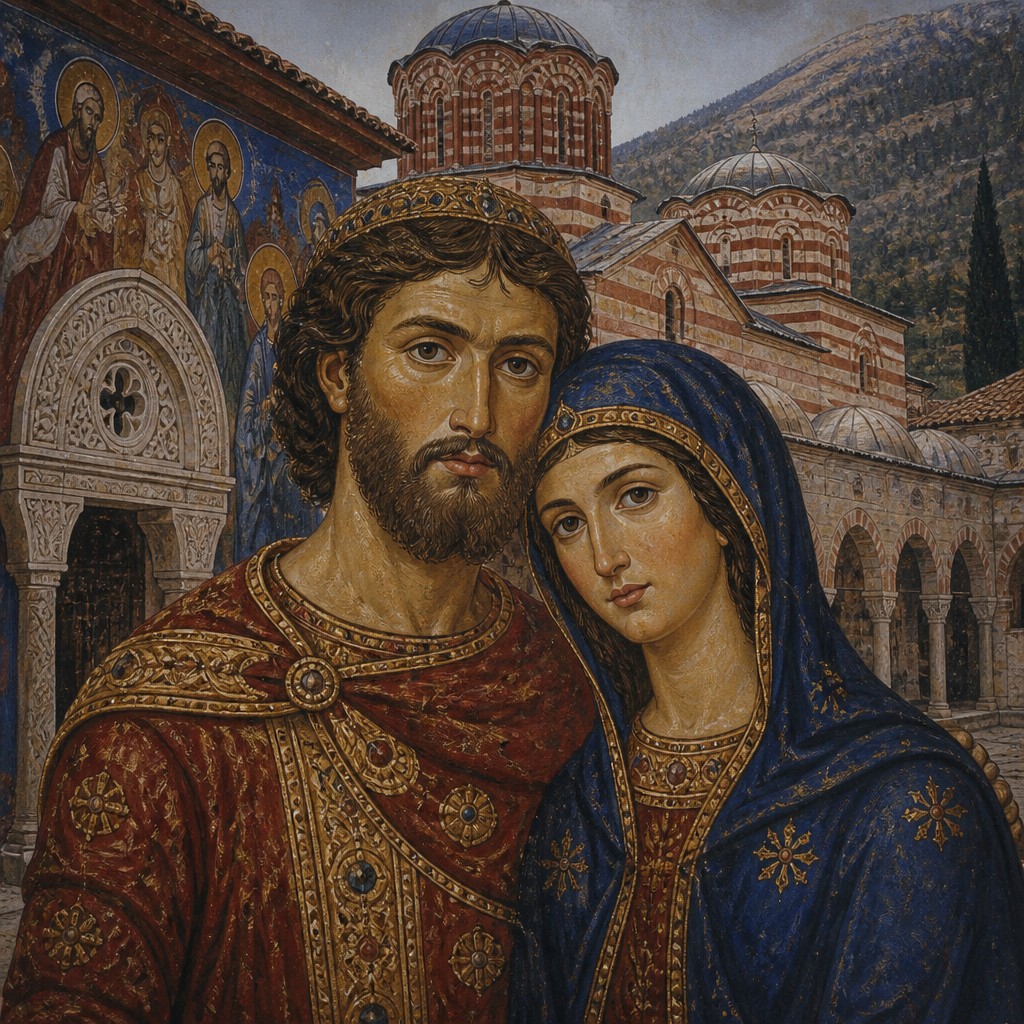
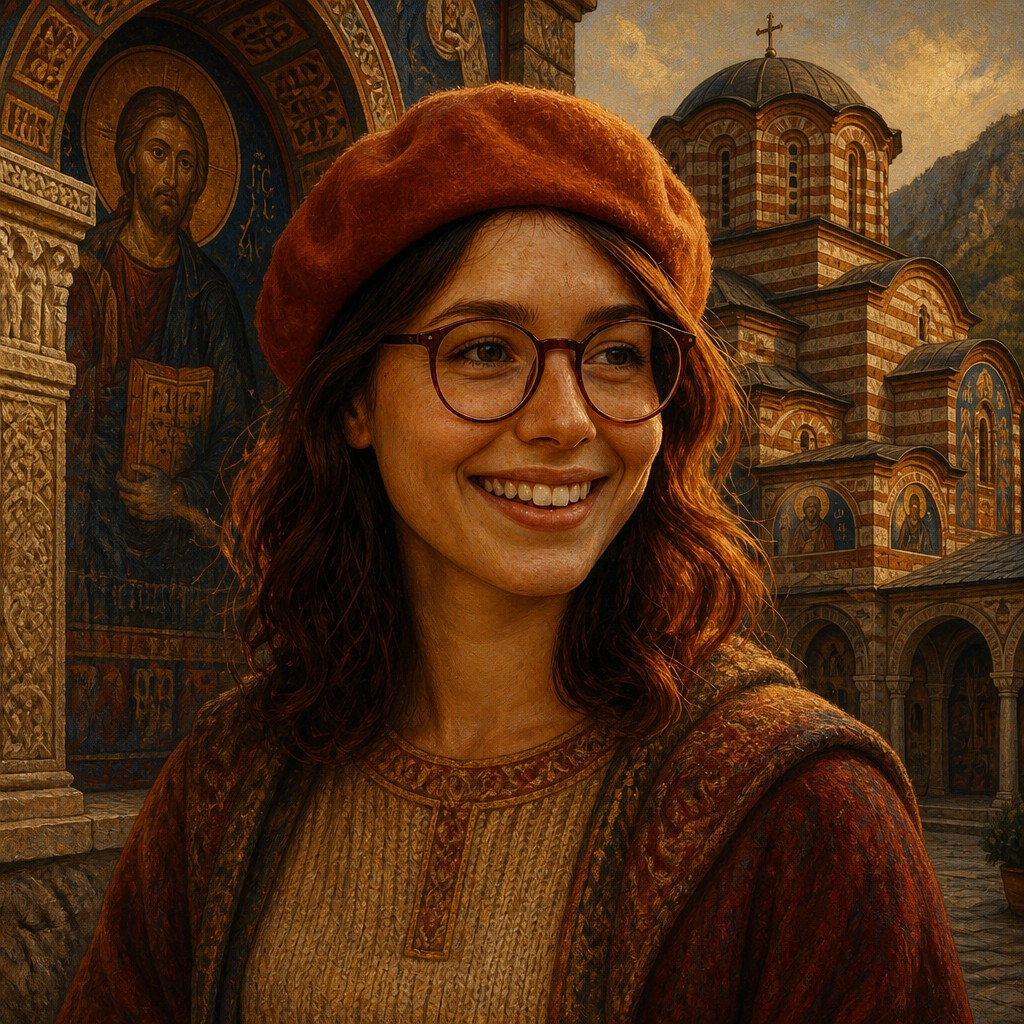
Upload any photo and convert it into Kosovar Art Style — drag the sliders to compare before and after.

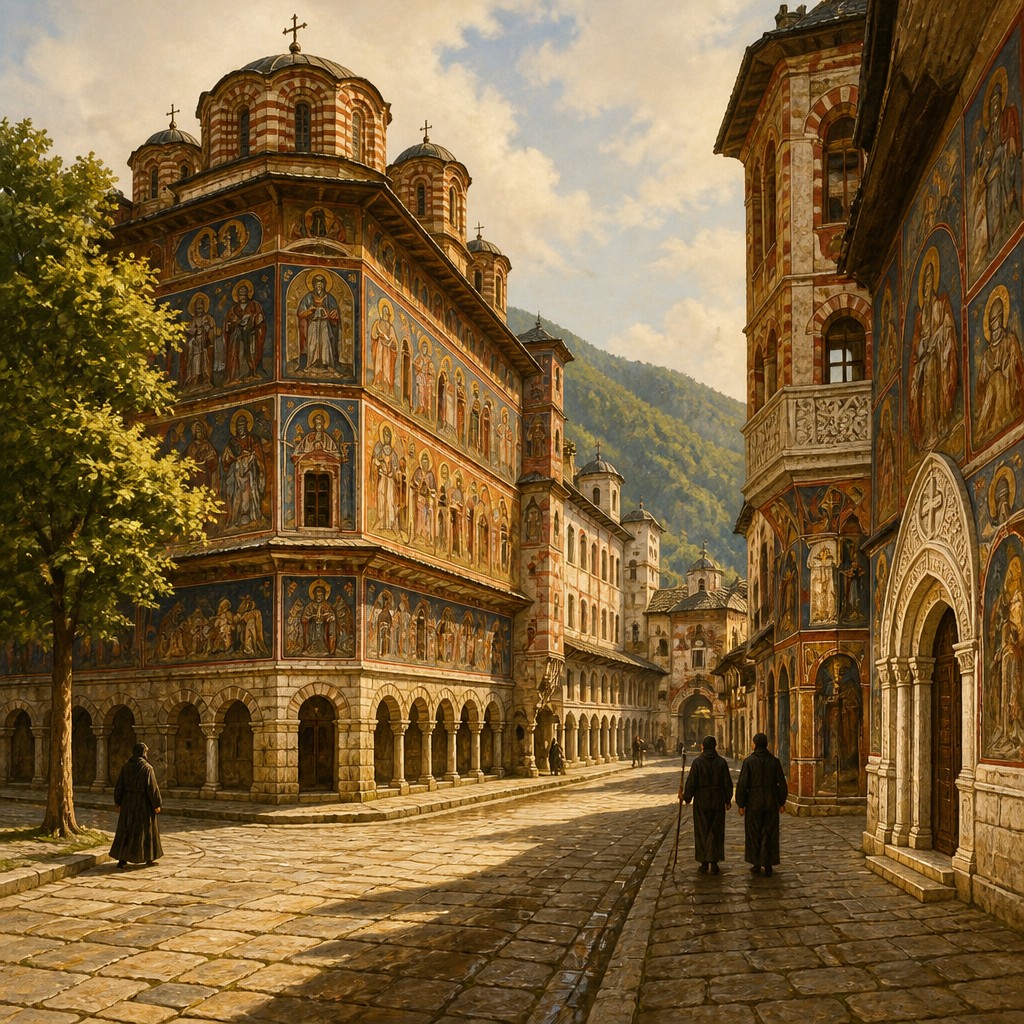

What Defines Kosovar Art Style
The signature details, up close
Banded domes and masonry geometry
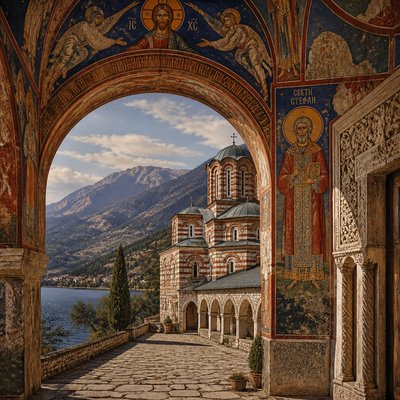
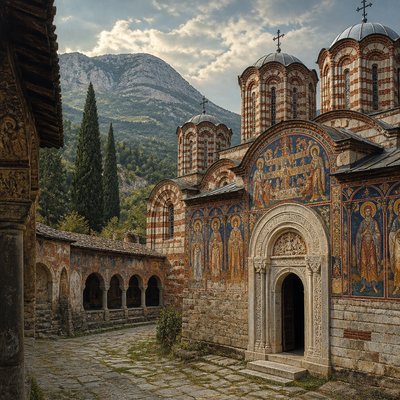
Domes and roof forms often use alternating brick and stone courses, emphasizing horizontal rhythm and carefully ordered construction. Arches, drum sections, apses, and clustered volumes give the architecture a compact, monumental presence.
Fresco-saturated color
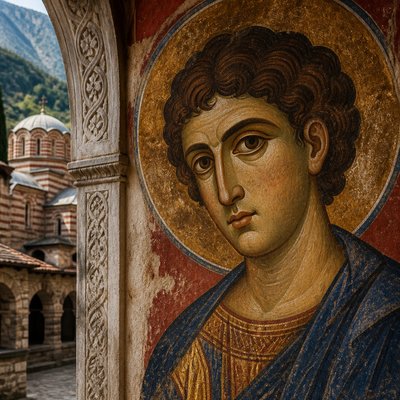
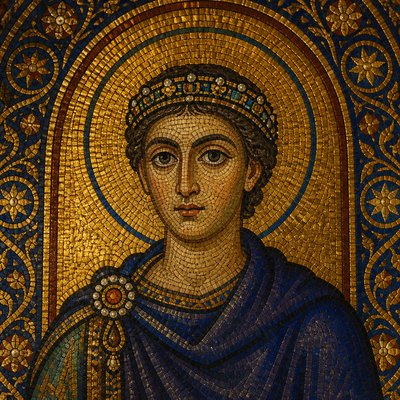
Deep red, ultramarine, ochre, muted green, and warm white recall mineral pigments applied to plaster. Gold is used as a concentrated accent for halos, borders, sacred details, and points of illumination.
Carved portal ornament
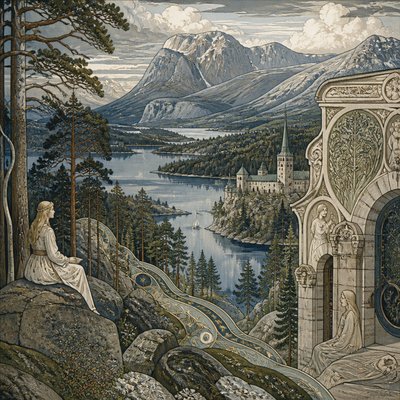
Doorways and window surrounds feature restrained marble or stone carving, including foliage, geometric borders, crosses, and interlaced motifs. Ornament is integrated into the structure rather than separated from it.
Iconic frontal stillness
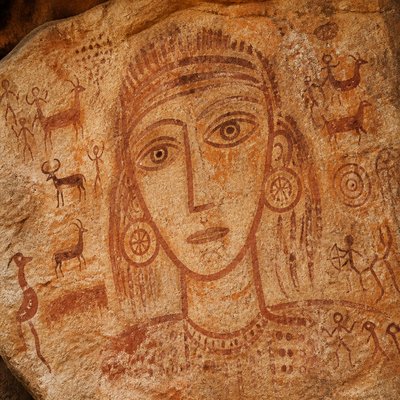
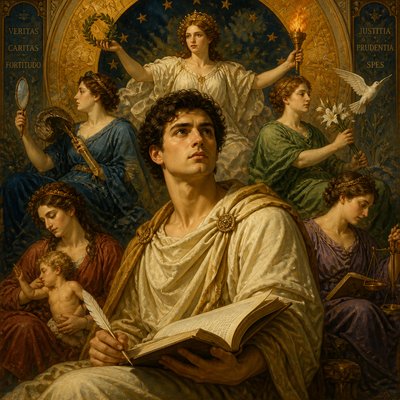
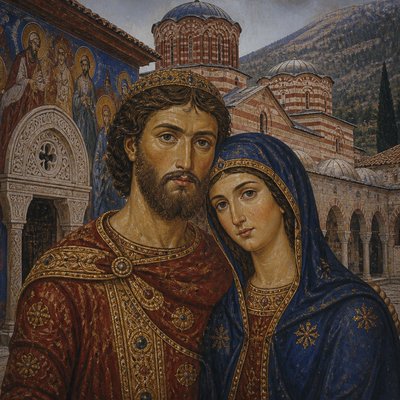
Figures and symbolic subjects are often presented with calm, frontal poses, elongated proportions, clear outlines, and limited gestural movement. The resulting mood is ceremonial and contemplative.
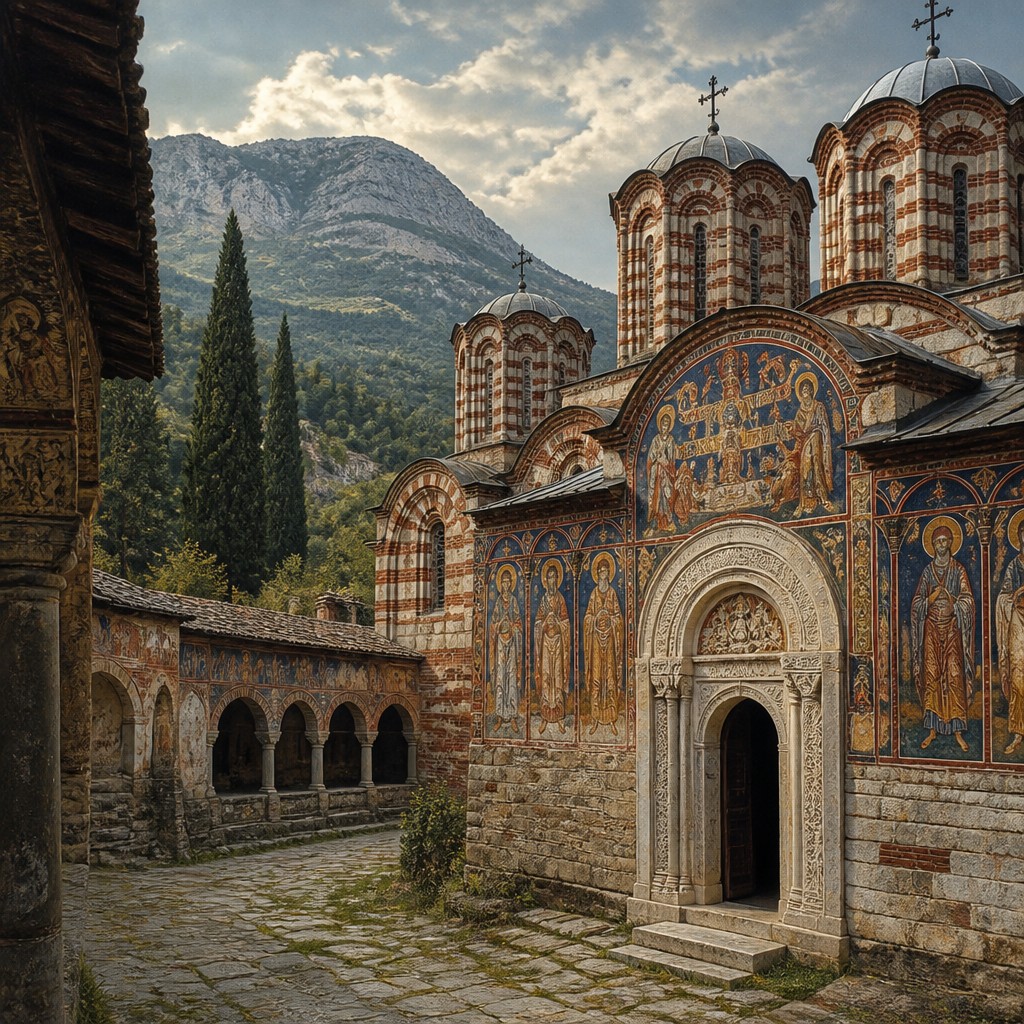
Plaster, patina, and material age
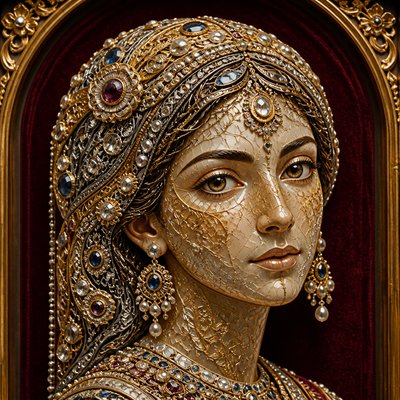
Walls should suggest uneven plaster, pigment loss, smoke-darkened recesses, hairline cracks, and exposed masonry. Controlled weathering adds historical depth without turning the image into generic ruins.
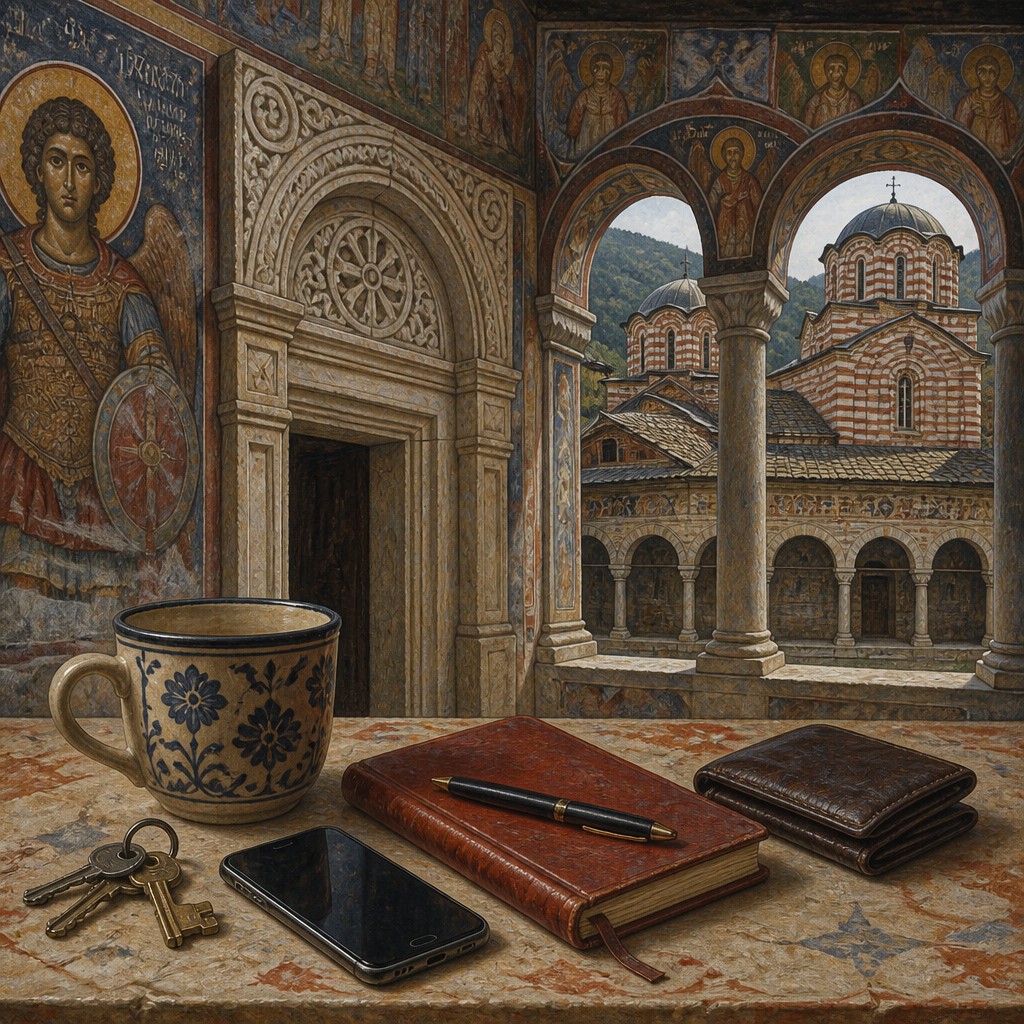
Mountain-valley atmosphere
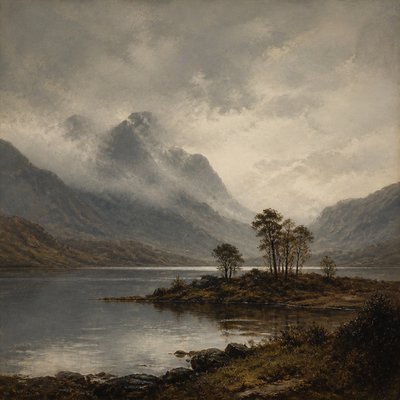
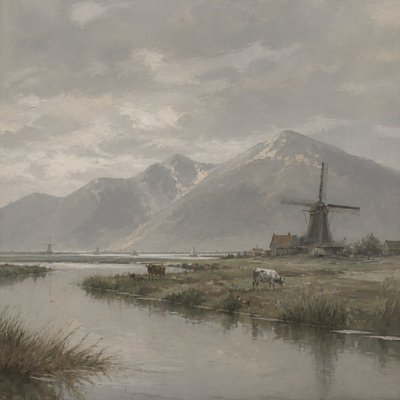
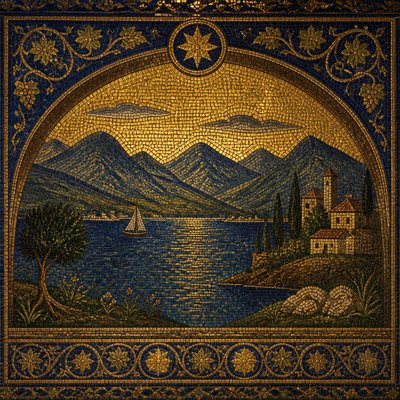
Quiet Balkan landscapes, wooded slopes, pale haze, and cool highland light place the architecture within a secluded setting. The environment supports the sense of permanence while keeping the monument visually dominant.
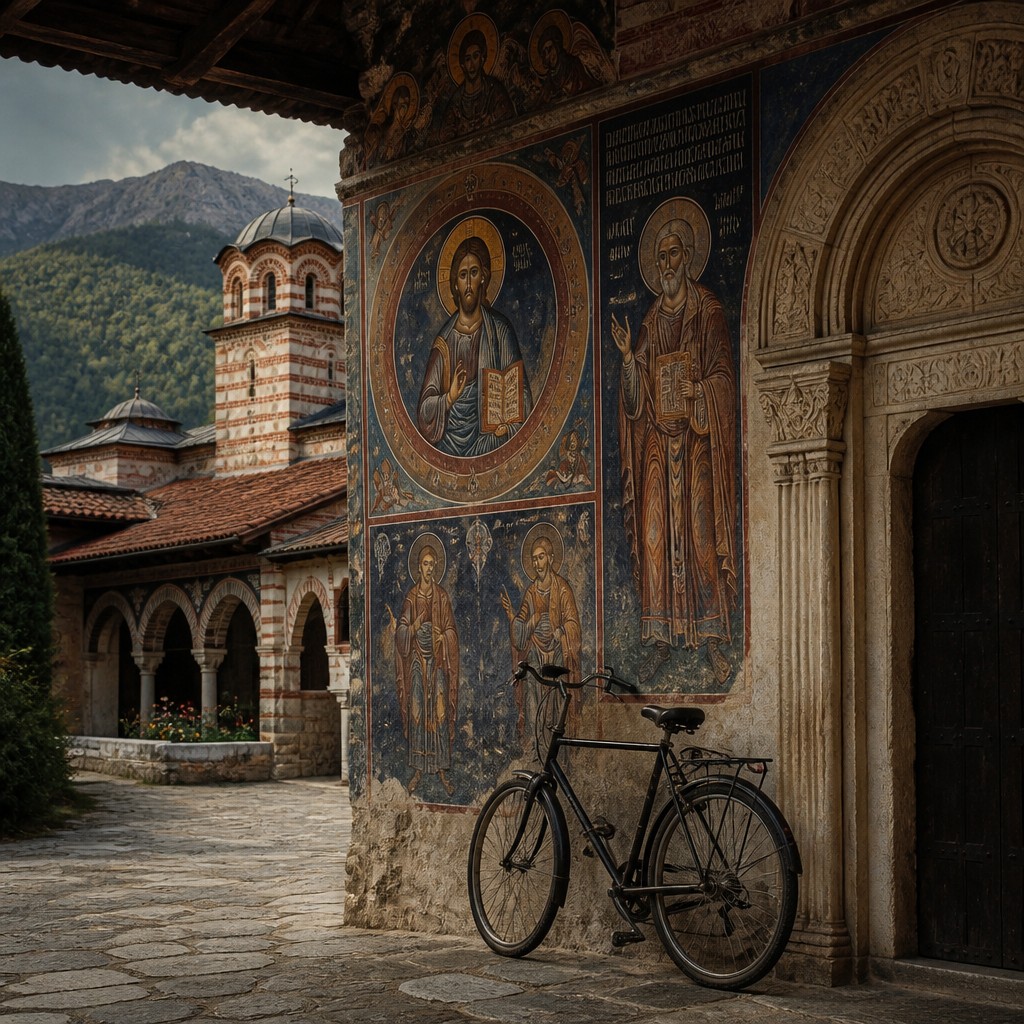
Measured composition
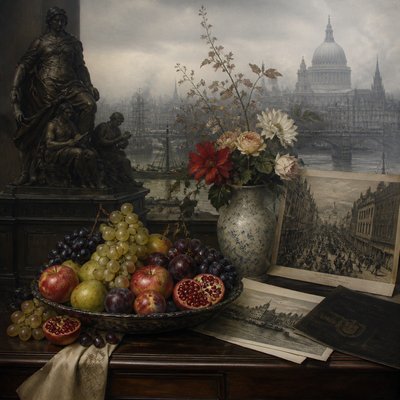
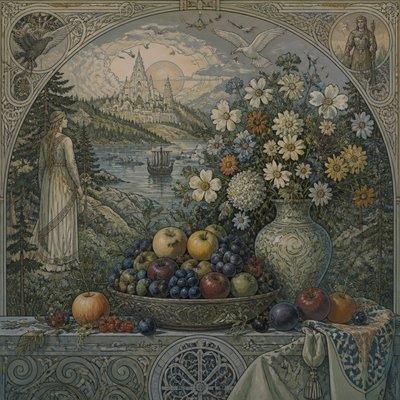
Symmetry, axial views, stacked architectural planes, and broad areas of quiet space create a deliberate visual order. Even complex scenes benefit from a limited palette and an uncluttered focal hierarchy.
Kosovar Prompt Ideas
Start from an idea — each one opens the generator with the style ready to go. See all 40 Kosovar prompts →
How to Create Kosovar Art
Master the craft step by step — or skip straight to creating. Read the full guide →
- 1
Build the structure first
Begin with a clear silhouette of a domed church, cloister, gate, or stone monastery before adding ornament. Use measured arches, repeated courses, axial symmetry, and a strong foreground-to-background rhythm.
- 2
Use a mineral palette
Select a small range of brick red, ultramarine, ochre, plaster white, stone gray, muted green, and restrained gold. Layer translucent color over a warm ground so the surface resembles pigment absorbed into plaster.
- 3
Treat fresco as a surface process
For traditional work, work on a textured ground with matte, mineral-like paint and preserve slight irregularities in the plaster. Digitally, combine opaque fresco shapes with grain, cracks, softened edges, and selective pigment loss.
- 4
Control the light
Use quiet dawn, overcast, or late-afternoon mountain light rather than dramatic cinematic contrast. Let light reveal stone texture and fresco color while keeping the overall mood still and reverent.
- 5
Add ornament selectively
Reserve carved marble, interlace, halos, and gold details for portals, borders, windows, or focal figures. Excessive decoration can obscure the architectural clarity that defines the aesthetic.
- 6
Write precise generation prompts
Specify the subject, medieval Balkan monastery architecture, banded brick-and-stone domes, saturated fresco pigments, carved marble, plaster texture, and mountain-valley lighting. Add constraints such as matte surfaces, solemn symmetry, limited palette, and no modern signage to maintain coherence.
The Story
History & Origins of Kosovar
Kosovar Art Style is not a formally established historical movement or a single canonical school. It is an aesthetic lineage drawn from medieval monuments built in Kosovo and the surrounding Balkan cultural sphere, particularly the 13th- and 14th-century Orthodox architectural and fresco traditions associated with Serbian medieval patronage and the broader Byzantine world. Churches and monasteries in places such as Gračanica, Dečani, Peć, and Prizren demonstrate the interaction of domed Byzantine planning, regional stone construction, brick patterning, carved architectural detail, and monumental fresco programs.
Later Ottoman-era transformations, continued religious use, conservation, conflict, weathering, and modern documentation have all shaped how this heritage is seen today. Contemporary interpretations usually extract its formal qualities—masonry, domes, fresco color, icon-like stillness, and mountain setting—without claiming to reproduce a unified historical style or a complete medieval worldview.
Influences: The style draws from Byzantine ecclesiastical art, Serbian medieval church architecture, Balkan monastic building traditions, Orthodox icon painting, Romanesque masonry, fresco technique, manuscript ornament, and regional stone-carving practices. It also relates to heritage photography, archaeological illustration, sacred architecture studies, and contemporary digital art that uses patina, limited palettes, and monumental symmetry to evoke historical memory.
Frequently Asked Questions
What defines Kosovar Art Style?
It is defined by medieval Balkan monastery architecture, banded domes, carved stone and marble, saturated fresco colors, and quiet mountain settings. The mood is solemn and enduring, with strong symmetry, frontal forms, and visibly aged plaster.
Is Kosovar Art Style a recognized historical art movement?
No. The term is best understood as a contemporary aesthetic label rather than the name of a documented unified movement. It refers to a visual synthesis inspired by Kosovo’s medieval monuments and their Byzantine, Serbian, and regional Balkan lineages.
How does it differ from Byzantine art?
Byzantine art is a broad historical tradition spanning many regions and centuries, while this style focuses more narrowly on the architectural and material character associated with Kosovo and the medieval Balkan world. It adds regional stonework, mountain landscapes, monastery courtyards, and weathered masonry to the icon-like visual language.
Can this style be used for subjects other than monasteries?
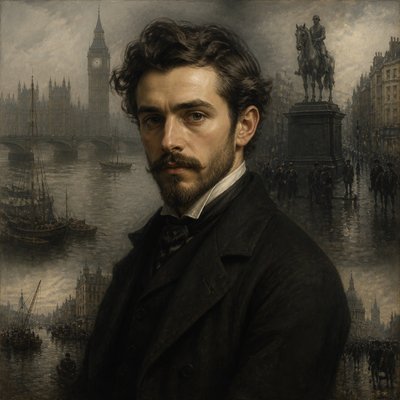
Yes. The visual vocabulary can be applied to portraits, landscapes, villages, historical scenes, interiors, and symbolic compositions. Frontal poses, fresco pigments, carved borders, plaster texture, and monumental framing help retain the aesthetic even when the subject is nonreligious.
How can I make an image look convincingly fresco-like?
Use a matte mineral palette, a warm plaster ground, softened contours, uneven pigment absorption, and subtle cracks or losses. Avoid glossy surfaces and excessive photographic sharpness; the image should feel integrated into a wall rather than painted on top of it.
Where is this style commonly used?
It is suited to architectural visualization, cultural heritage illustration, historical fiction, book covers, atmospheric landscapes, educational reconstructions, and contemplative portraiture. It can also support digital interpretations of Balkan sacred architecture when historical specificity is treated respectfully.
Create your first Kosovar artwork
Describe anything — or upload a photo — and see it in Kosovar Art Style in seconds.
Related Styles
Discover similar art styles