Equatorial Guinea Art Style
Explore the Equatorial Guinea art style: Fang reliquary forms, Bubi carving traditions, dark wood patina, rainforest tones, and serene ancestral sculpture.
Instantly rendered in Equatorial Guinea — or transform a photo
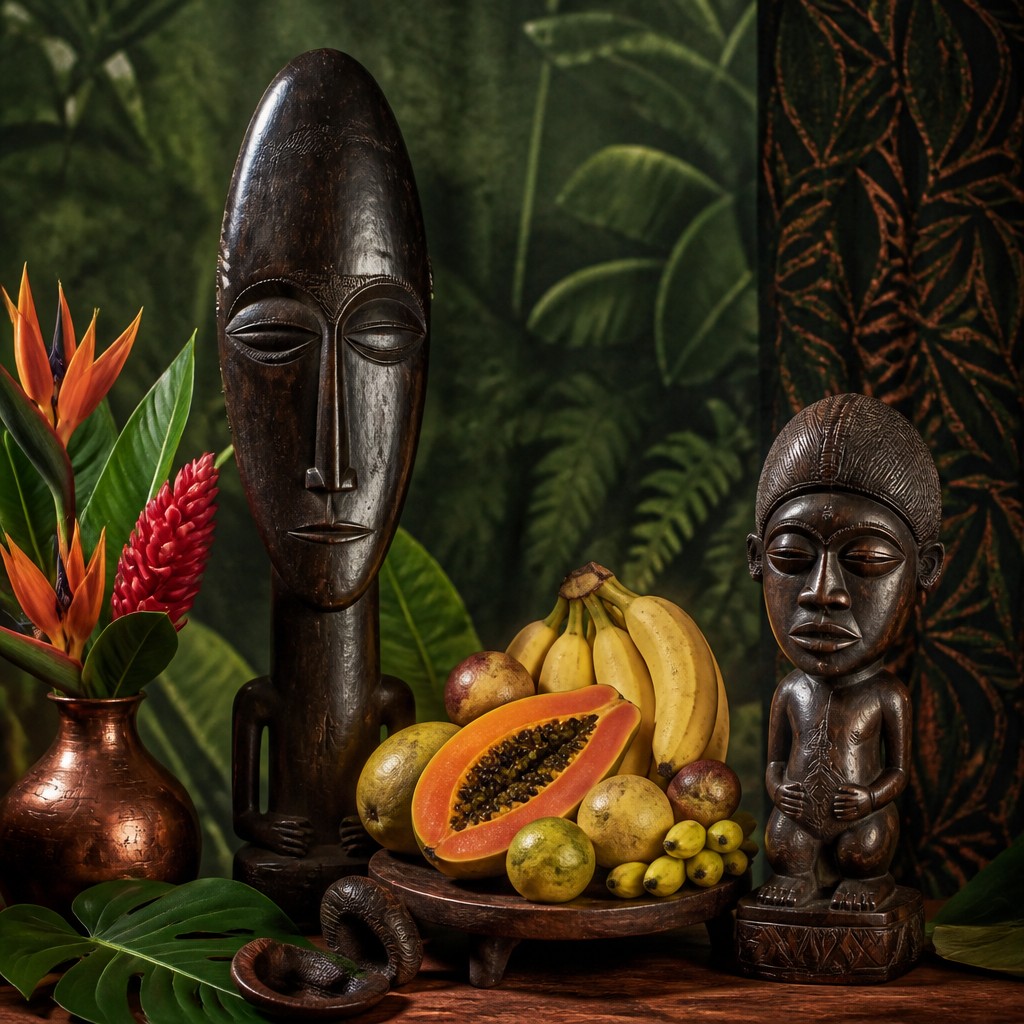
Equatorial Guinea Gallery
Tap any artwork to explore it
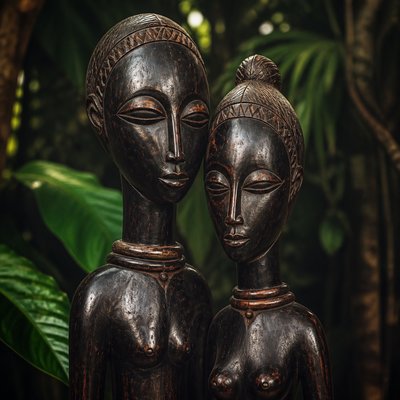
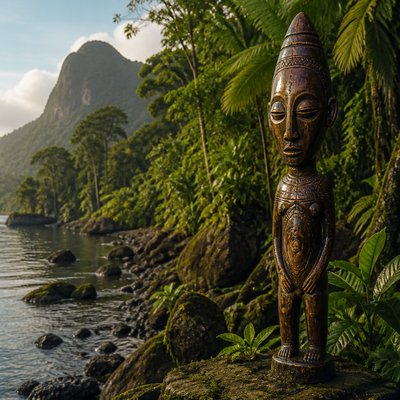
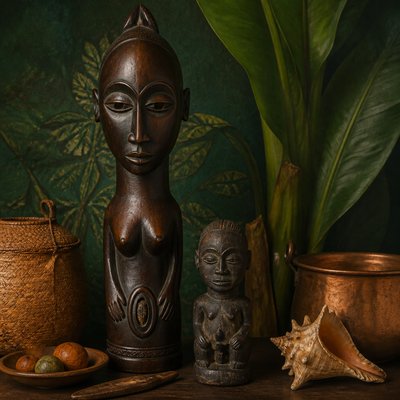
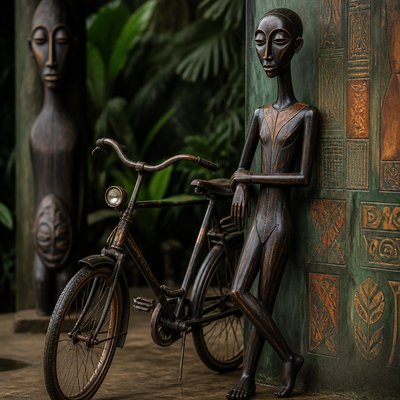
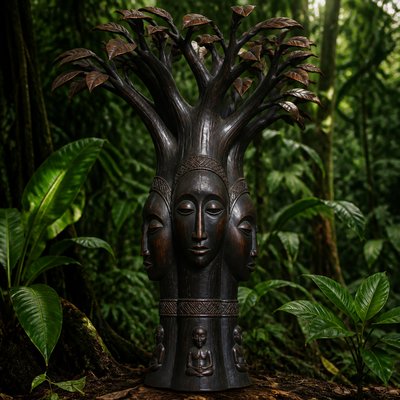
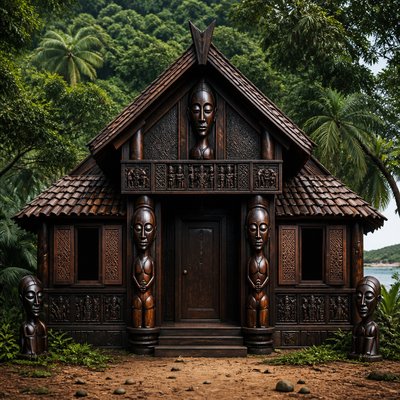
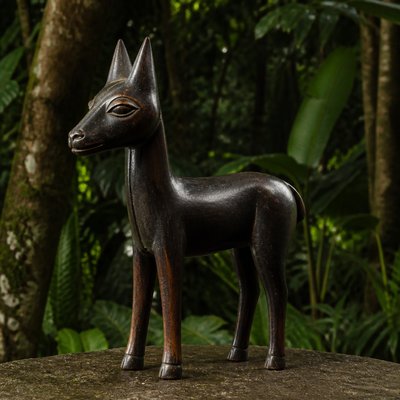
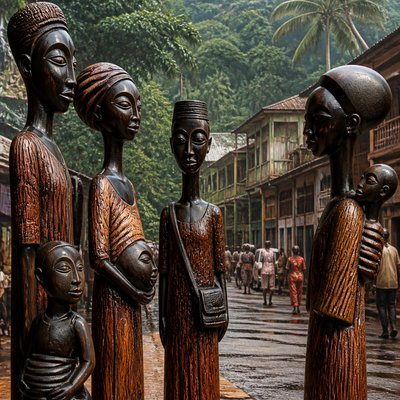
What is Equatorial Guinea Art Style?
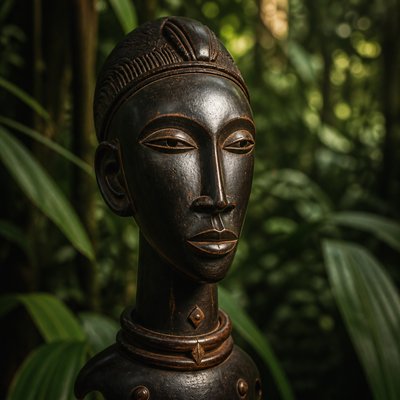
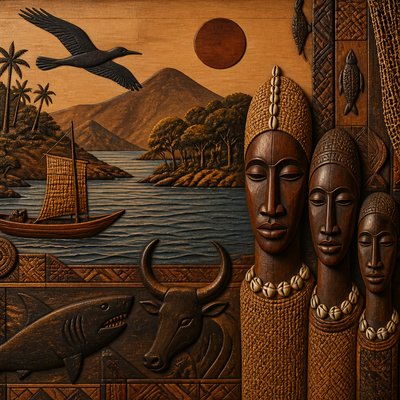
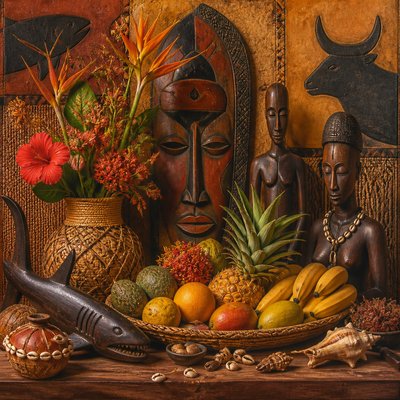
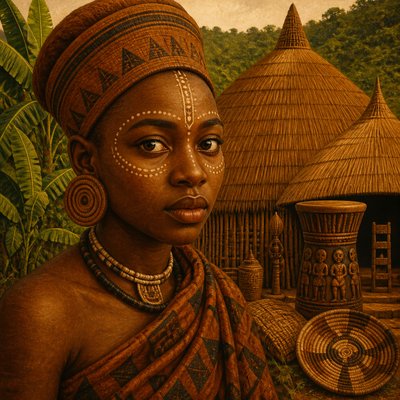
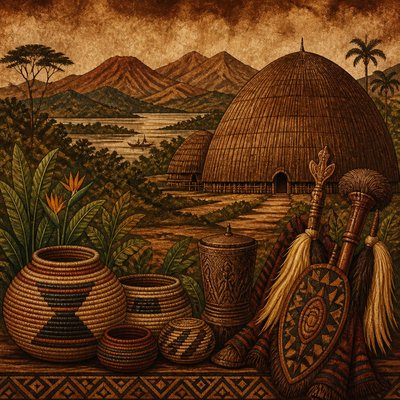
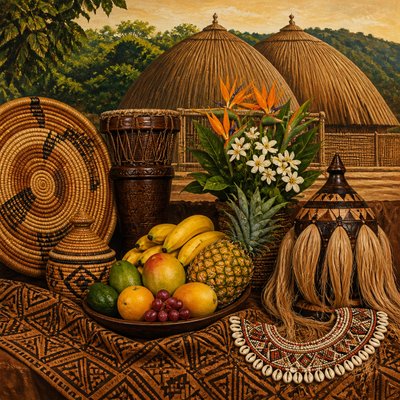
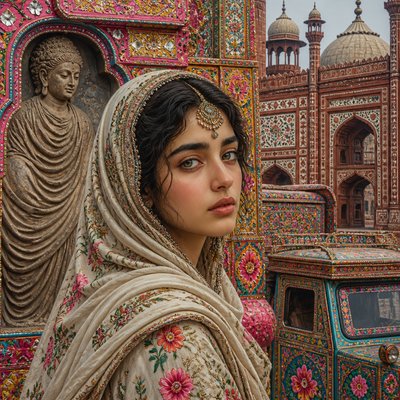
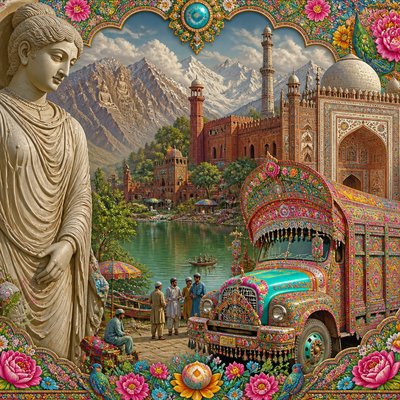
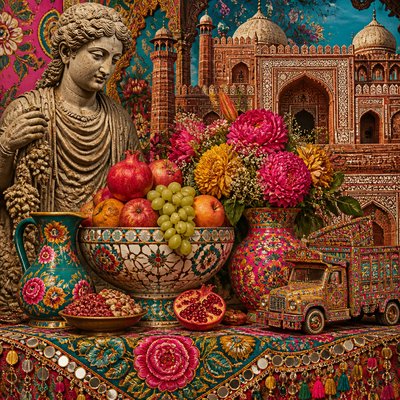
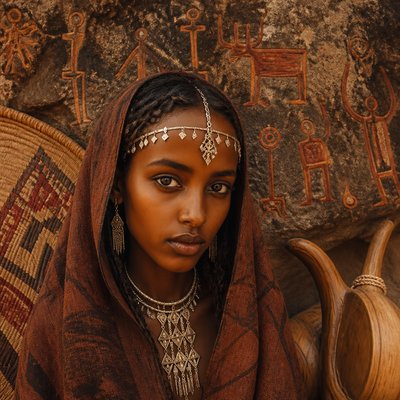
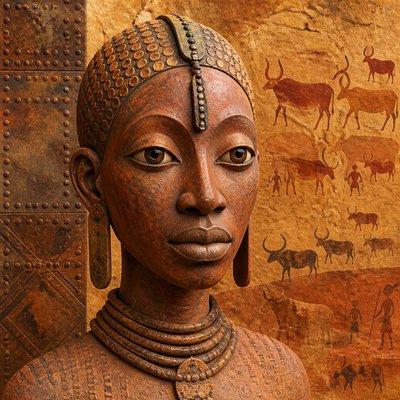
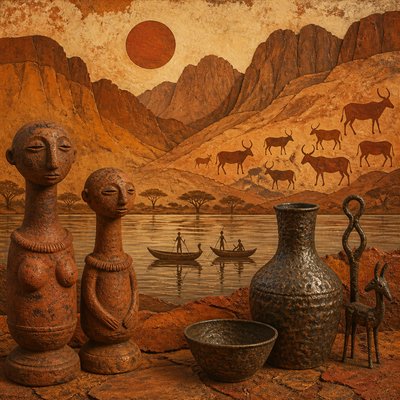
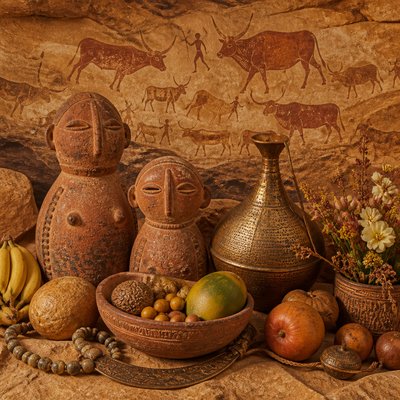
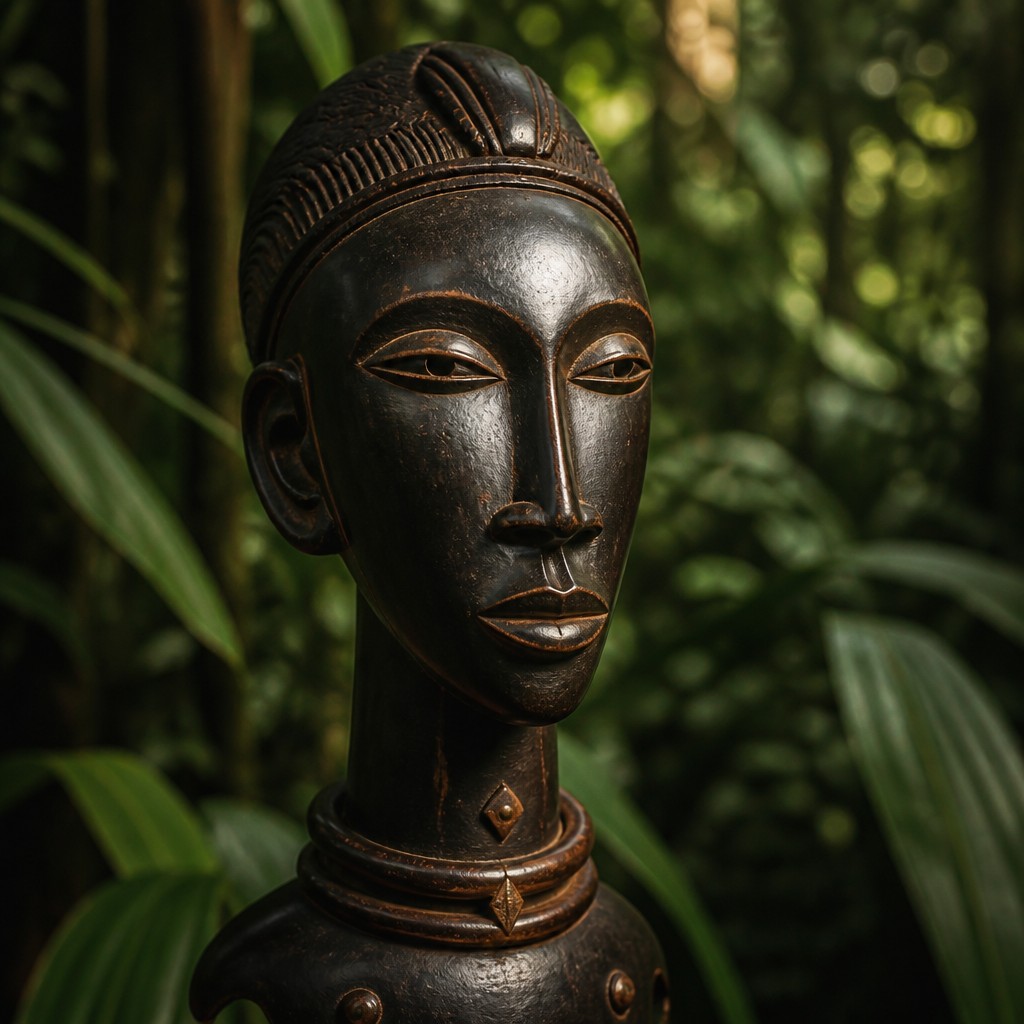
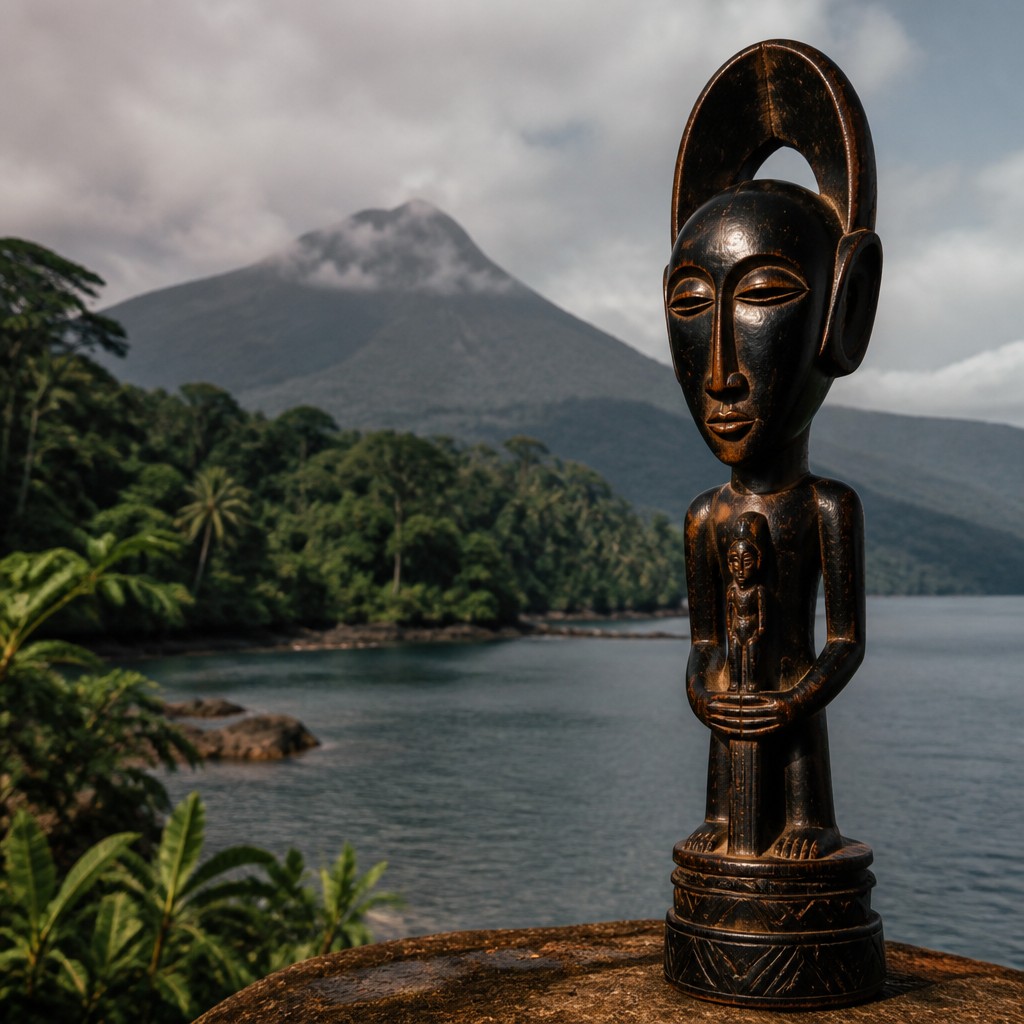
Equatorial Guinea art style is a contemporary descriptive category built from sculptural traditions associated with the country, especially Fang reliquary carving from the mainland region and Bubi wood forms from Bioko Island. It is characterized by elongated or compact wooden figures, restrained poses, almond-shaped eyes, simplified anatomy, and a concentrated sense of ancestral presence rather than narrative movement.
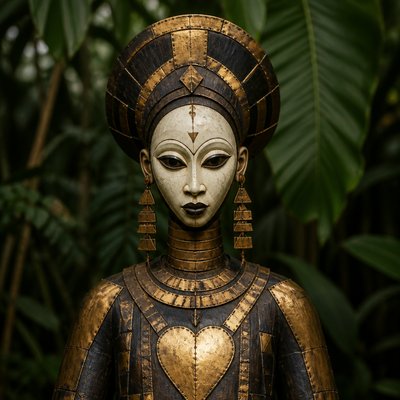
The visual identity combines warm ebony and copper-brown wood tones with deep rainforest greens and soft coastal light. Dark, polished surfaces suggest repeated handling, oiling, age, or a stylized patina; carved planes remain legible through controlled highlights. The result is quiet, frontal, and devotional in mood, while remaining distinct from a single standardized historical school.
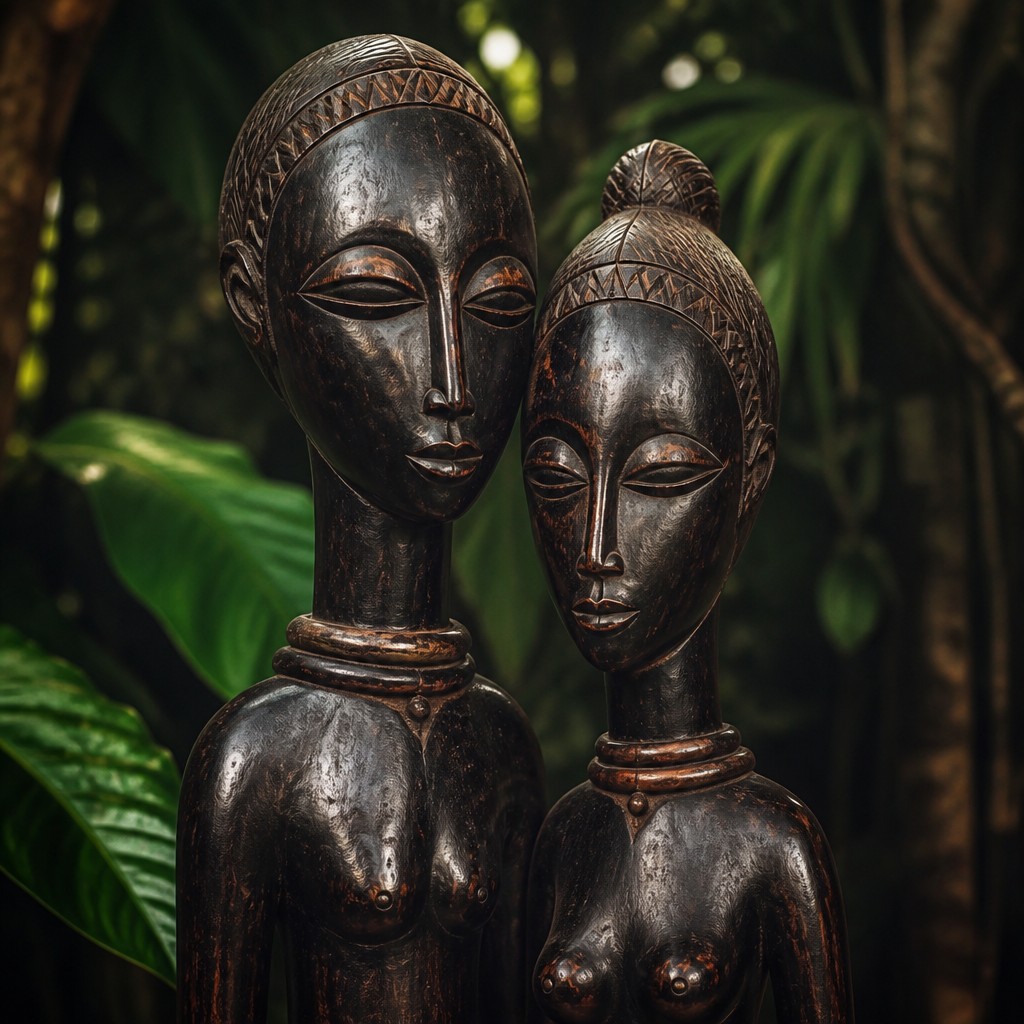
Try It On Your Photos
Upload any photo and convert it into Equatorial Guinea Art Style — drag the sliders to compare before and after.
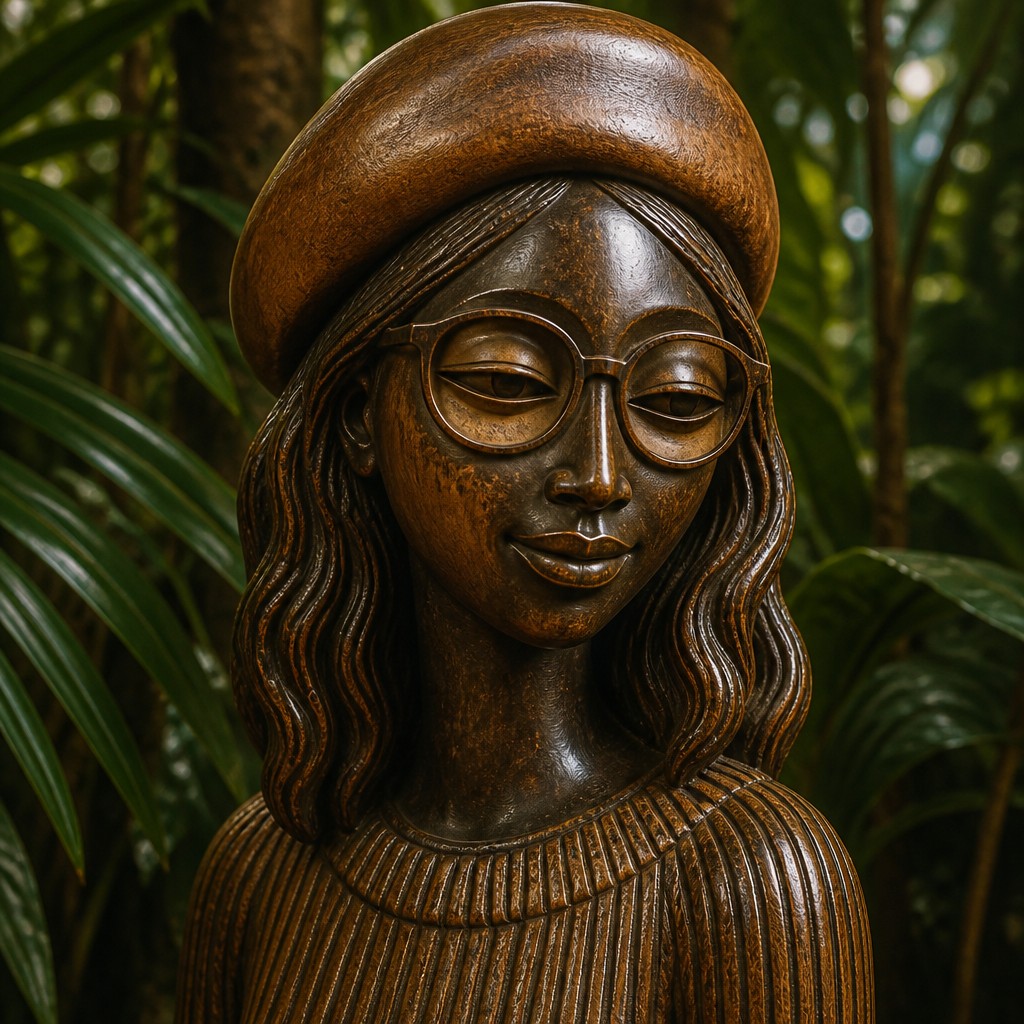

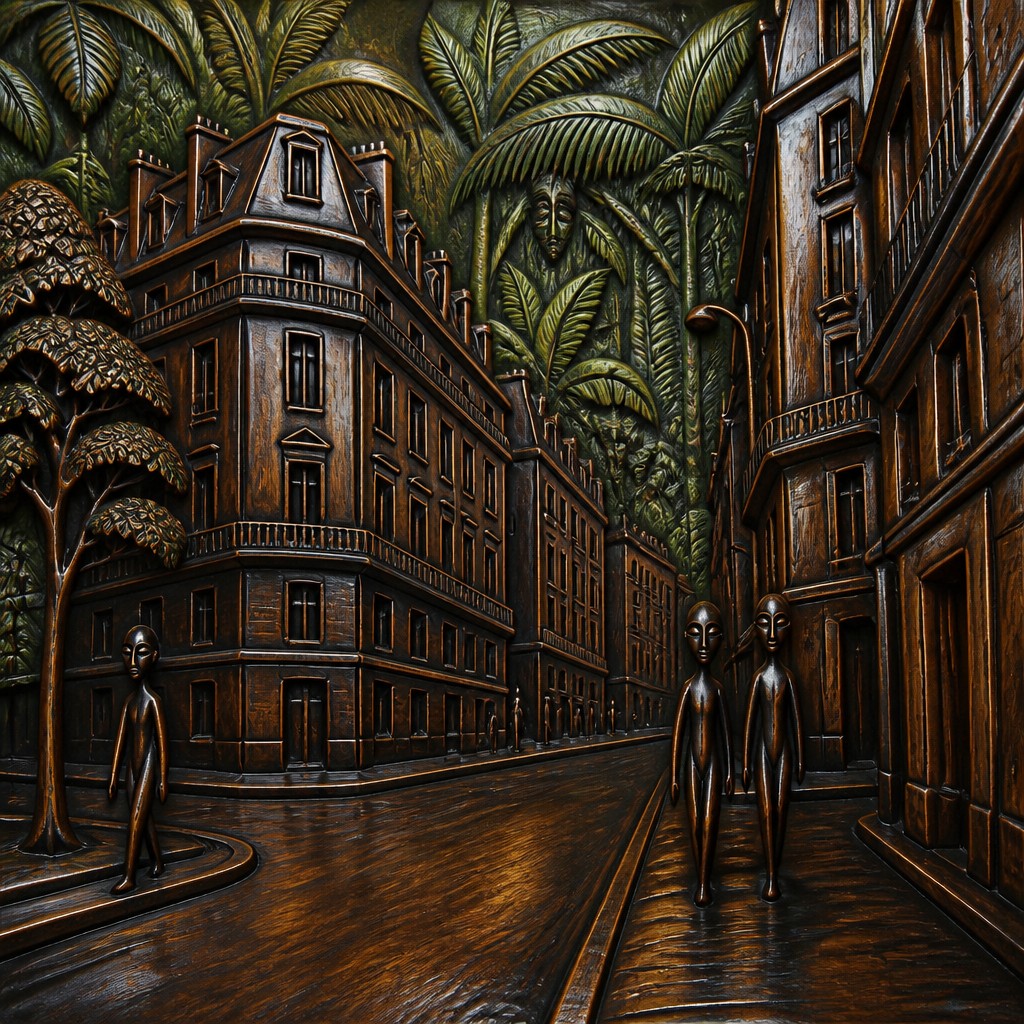

What Defines Equatorial Guinea Art Style
The signature details, up close
Elongated ancestral figures
Figures often use stretched proportions, narrow torsos, long limbs, and enlarged heads to create a solemn, otherworldly presence. The emphasis is symbolic and iconic rather than anatomically naturalistic.
Serene almond-shaped eyes
Small, almond-shaped or half-closed eyes establish inward concentration and watchful calm. Facial features are economical, with expression conveyed through symmetry, proportion, and the direction of the gaze.
Dark polished wood
Ebony-like brown and near-black surfaces evoke carved hardwood, oiling, handling, and age. Gloss should be selective, revealing broad carved planes without making the figure appear metallic or synthetic.
Compact Bioko-inspired forms
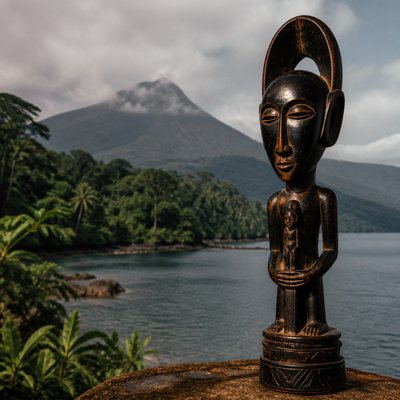
A second formal tendency favors compact, weighty ancestor figures with simplified silhouettes and a strong vertical axis. This provides a grounded contrast to the more elongated reliquary-guardian type.
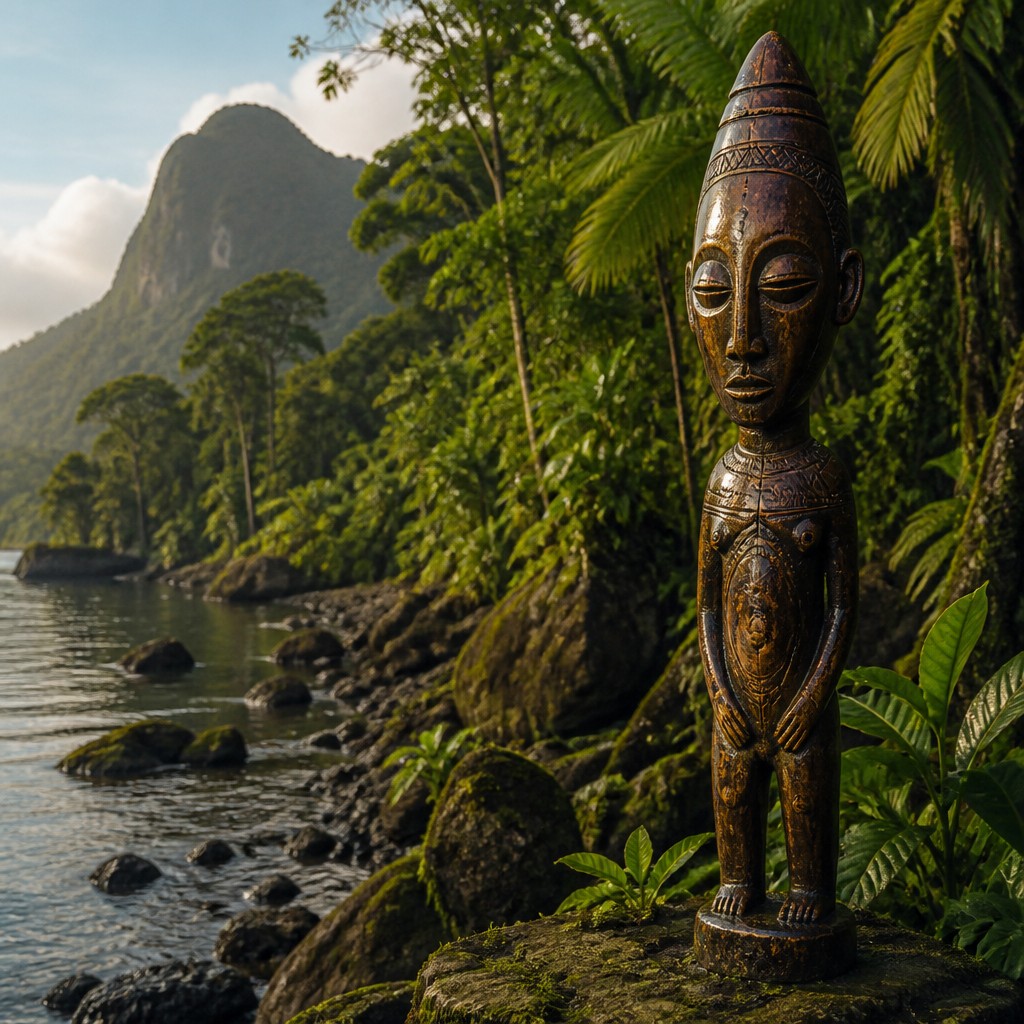
Frontal stillness
Centered poses, closed gestures, and limited action create a contemplative sculptural presence. Figures may sit, stand, or hold symbolic objects, but their posture generally avoids theatrical movement.
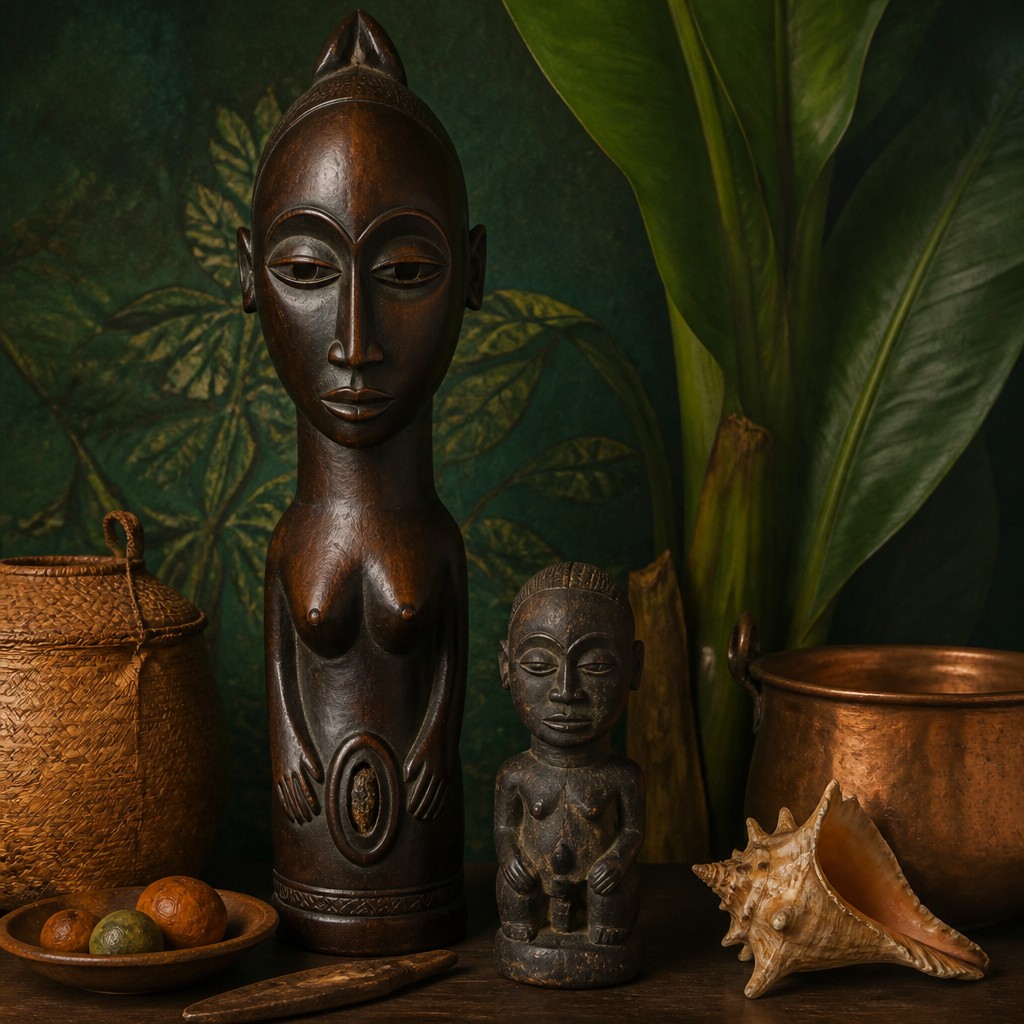
Rainforest and coastal palette
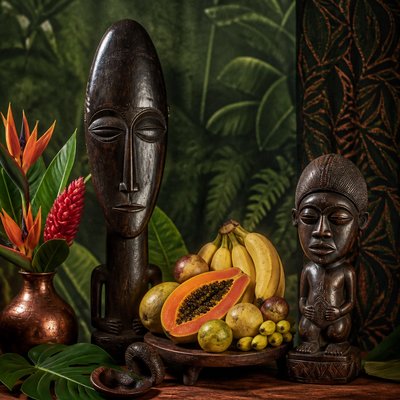
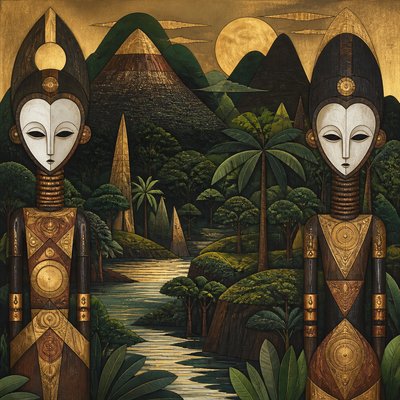
Deep leaf green, humid blue-green shadow, warm umber, copper, and subdued ochre place the sculpture within an equatorial environment. Backgrounds should support the figure without overwhelming its dark silhouette.
Equatorial Guinea Prompt Ideas
Start from an idea — each one opens the generator with the style ready to go. See all 40 Equatorial Guinea prompts →
How to Create Equatorial Guinea Art
Master the craft step by step — or skip straight to creating. Read the full guide →
- 1
Begin with a readable wooden silhouette
Block the form as a single carved mass before adding details, using a strong central axis and deliberately simplified limbs. Preserve the sense that the figure was shaped by cutting planes from timber rather than assembled from smooth manufactured parts.
- 2
Control the facial geometry
Use symmetrical placement, almond-shaped eyes, a restrained nose and mouth, and a calm forward gaze. Avoid exaggerated emotion, photorealistic facial anatomy, or decorative facial detail that competes with the figure's stillness.
- 3
Build patina through layered surfaces
For physical work, combine broad adze or knife marks with sanding, dark stains, wax, and selective polishing; test finishes on scrap wood first. Digitally, use roughness variation, edge highlights, shallow carving shadows, and subtle copper-brown undertones instead of a uniform black material.
- 4
Use an environment as context, not spectacle
Place the sculpture against dense but softened rainforest vegetation, a quiet interior, or a coastal equatorial setting. Diffuse side light and humid atmosphere help reveal the carving while preserving its meditative mood.
- 5
Compose for frontal presence
Center the subject, leave breathing room around the silhouette, and keep the camera near eye level or slightly below. A restrained composition is usually more effective than an elaborate scene filled with unrelated props.
- 6
Translate the cues clearly in digital or AI workflows
Specify wood species or dark carved hardwood, elongated or compact proportions, almond-shaped eyes, polished patina, frontal stillness, and rainforest or coastal light. For image-to-image work, preserve the source subject's pose while applying carved planes, wood grain, dark patina, and simplified ancestral features; avoid requesting a generic “tribal” look.
The Story
History & Origins of Equatorial Guinea
This style should not be treated as a unified historical movement called Equatorial Guinea art. Its lineage draws particularly on Fang reliquary traditions, in which carved guardian figures were associated with ancestral remains and ritual objects, as well as Bubi carving traditions from Bioko, where wood sculpture formed part of local material culture and spiritual expression. Fang communities extend across present-day Equatorial Guinea, Gabon, and southern Cameroon, so Fang sculpture cannot be assigned exclusively to one modern nation.
Many such objects entered colonial and international collections during the late nineteenth and twentieth centuries, where they were often removed from their ritual contexts and classified through European ideas of “primitive art.” Contemporary interpretations should therefore distinguish historical objects and living cultural traditions from a modern, stylized visual synthesis inspired by them.
Influences: The style relates to Fang reliquary sculpture and broader Central African ancestral carving, Bubi material traditions from Bioko Island, and modernist interest in simplified sculptural volumes. It also shares qualities with Africanist primitivism as filtered through European art history, although that framework often detached objects from their cultural contexts. Contemporary wood sculpture, museum display aesthetics, rainforest landscape photography, and digital material rendering further shape the synthesis.
Frequently Asked Questions
Is Equatorial Guinea art style a recognized historical art movement?
No. The phrase is best understood as a contemporary umbrella label or aesthetic synthesis, not as the name of a single historical movement. It draws on distinct Fang and Bubi traditions associated with present-day Equatorial Guinea while acknowledging their different histories and cultural contexts.
What is the connection between Fang reliquary figures and this style?
Fang reliquary figures, often known in relation to the byeri tradition, are an important visual source for the elongated guardian form, frontal pose, and concentrated facial expression. Historical Fang communities extend beyond Equatorial Guinea, so these sculptures represent a wider regional tradition rather than an exclusively national style.
How does the Bioko or Bubi influence differ from the Fang influence?
The Fang reference commonly contributes elongated proportions and reliquary-guardian associations. The Bubi reference is used here for more compact, grounded wood forms linked to Bioko Island; these should not be treated as interchangeable with Fang sculpture or as evidence of one unified style.
What materials and techniques are associated with the look?
The visual language centers on carved hardwood, including dark brown or ebony-like surfaces, with incised details, faceted planes, and a polished or handled patina. In contemporary digital work, roughness maps, directional wood grain, shallow relief shadows, and selective highlights can simulate these qualities.
How can I create an image in this style without making it look generic?
Name specific formal traits rather than relying on broad labels: a compact or elongated carved figure, almond-shaped eyes, frontal stillness, dark hardwood, selective gloss, rainforest green, and warm copper-brown light. Also identify the intended subject and composition, and avoid vague terms such as “primitive,” which are historically imprecise and culturally reductive.
Where is this aesthetic most suitable?
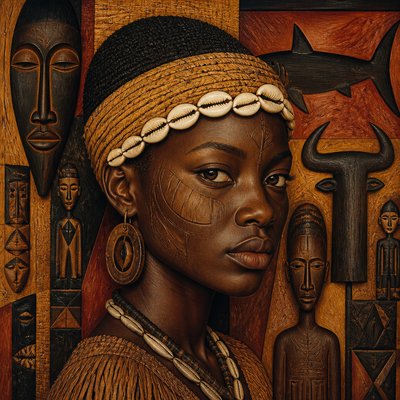
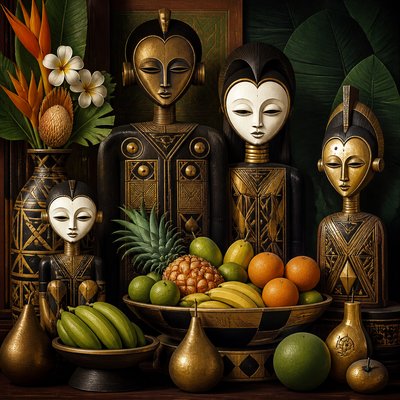
It works well for portrait studies, carved ancestor figures, museum-like still lifes, rainforest scenes, cultural editorial imagery, and sculptural concept art. When depicting sacred or historically specific objects, provide context and avoid presenting a stylized invention as an authentic ritual artifact.
Create your first Equatorial Guinea artwork
Describe anything — or upload a photo — and see it in Equatorial Guinea Art Style in seconds.
Related Styles
Discover similar art styles