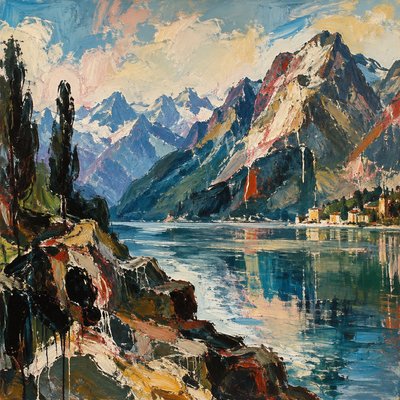
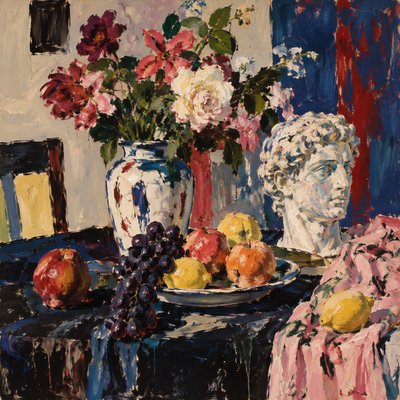
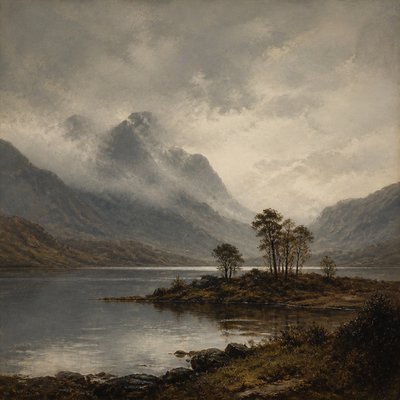
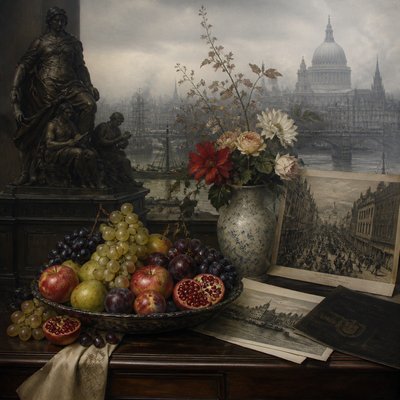
Libyan Art Style
Explore Libyan art style: Leptis Magna architecture, Cyrenean columns, Acacus rock art, and a sunlit Mediterranean-desert palette.
Instantly rendered in Libyan — or transform a photo
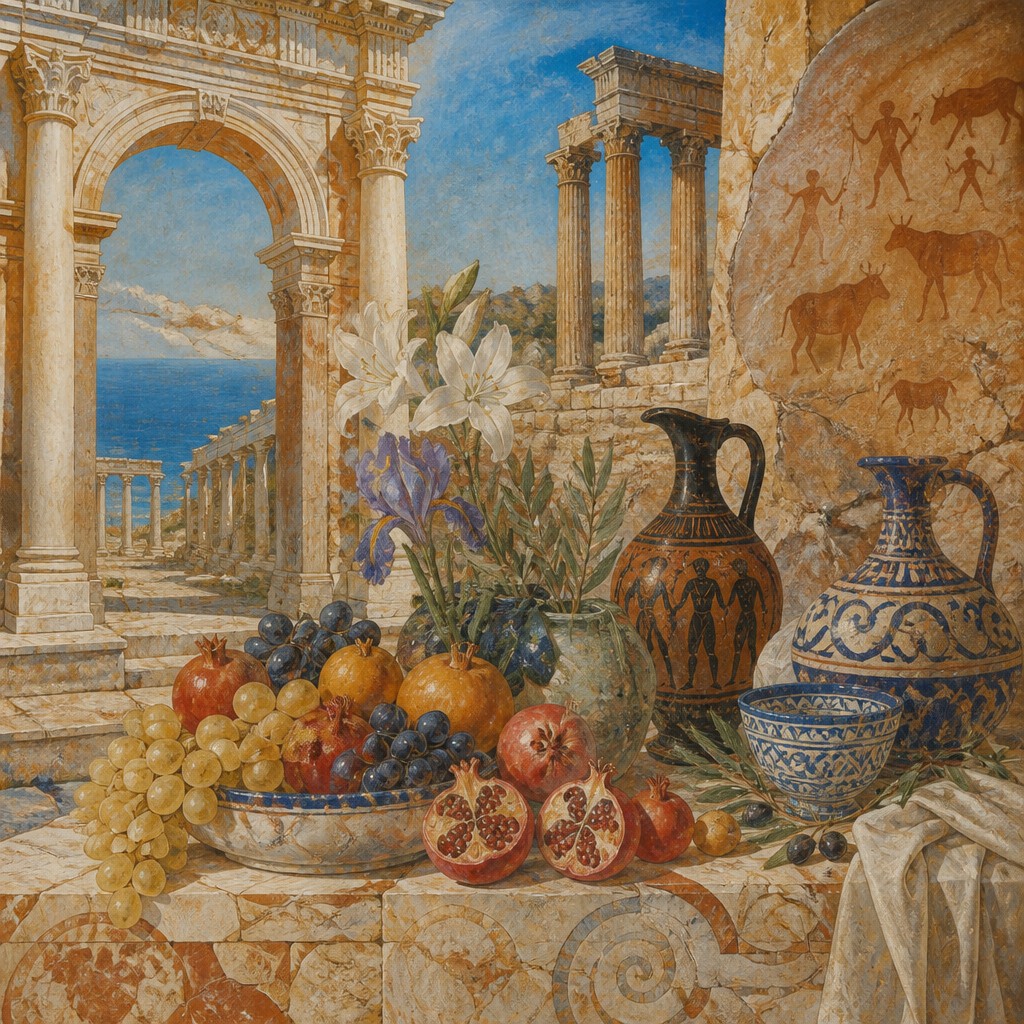
Libyan Gallery
Tap any artwork to explore it
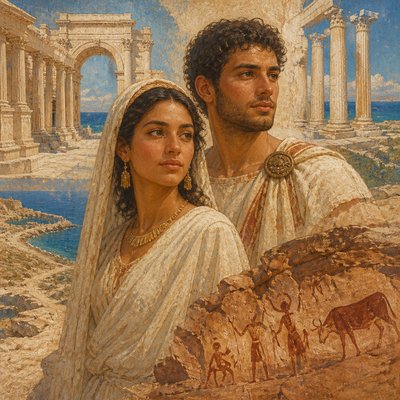
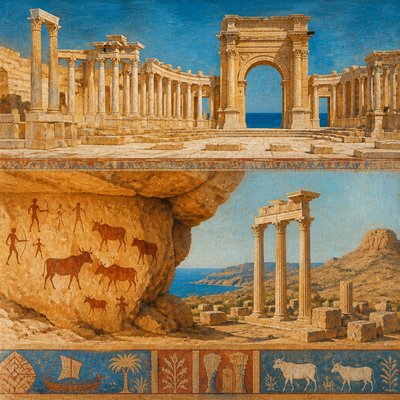
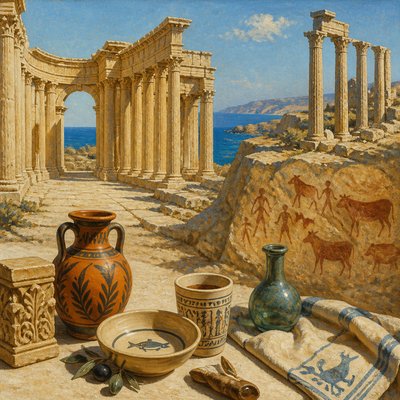
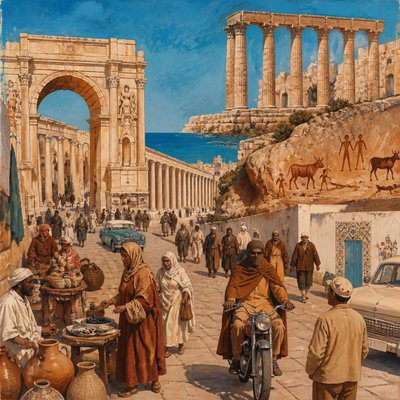
What is Libyan Art Style?
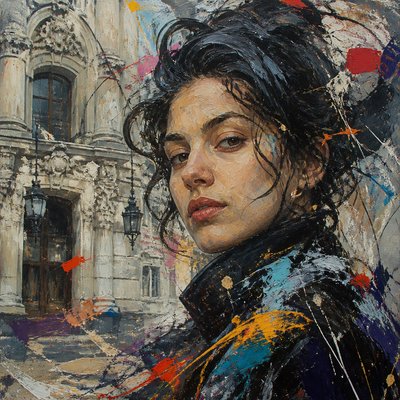
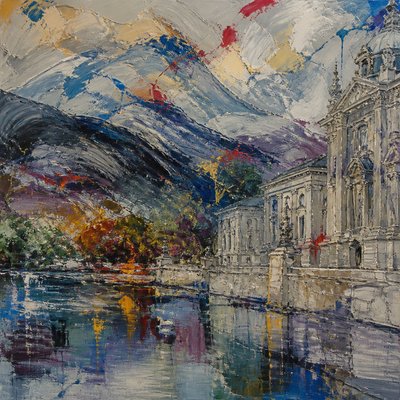
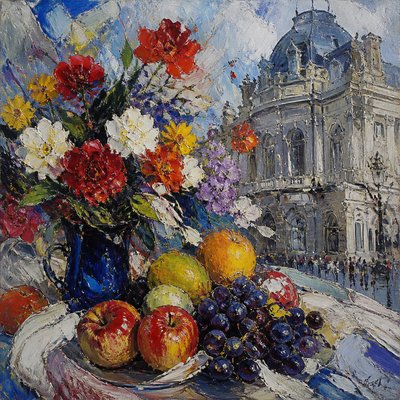
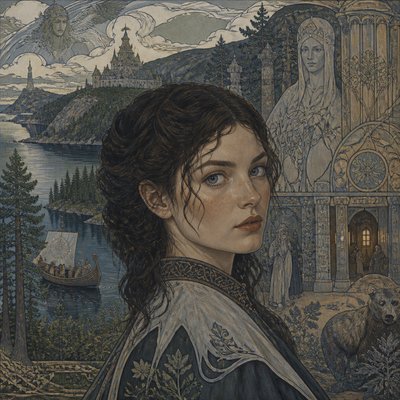
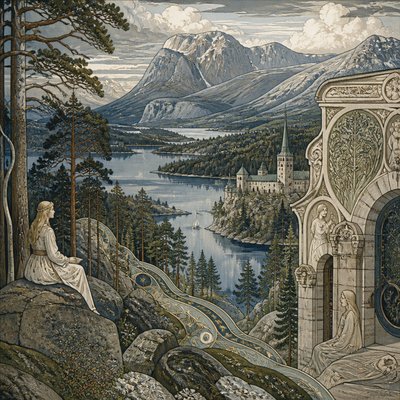
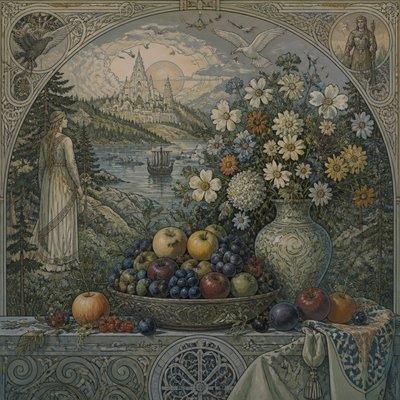
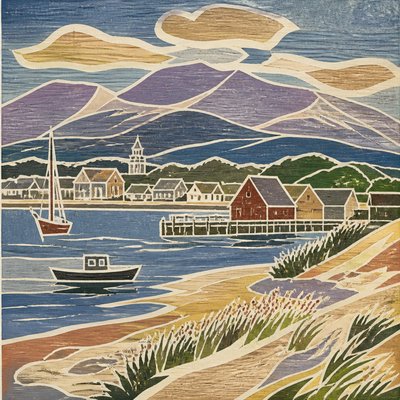
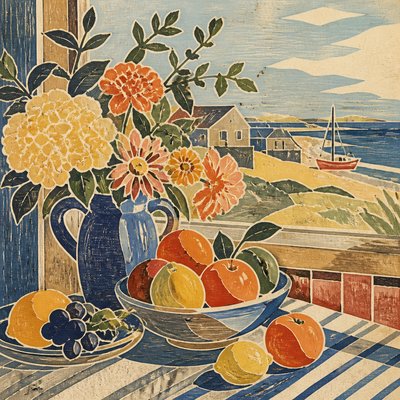
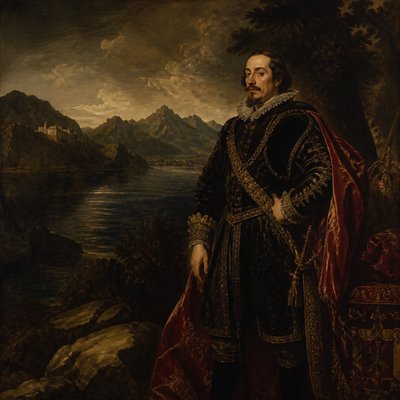
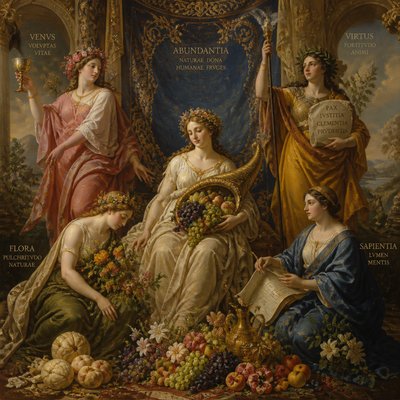
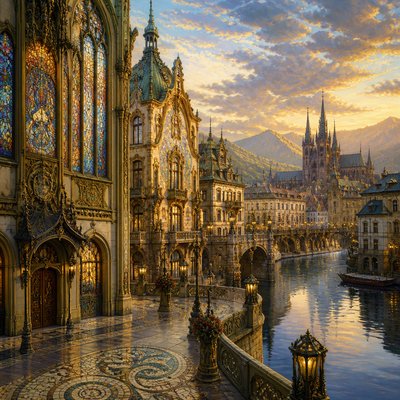
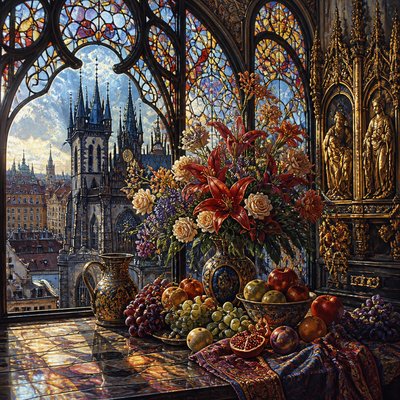
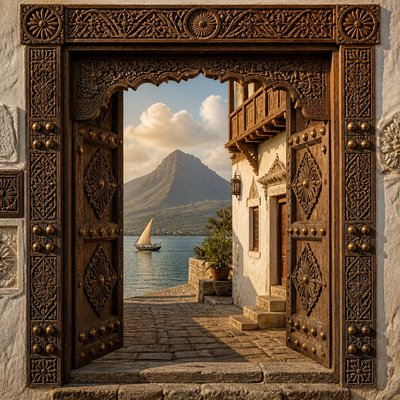
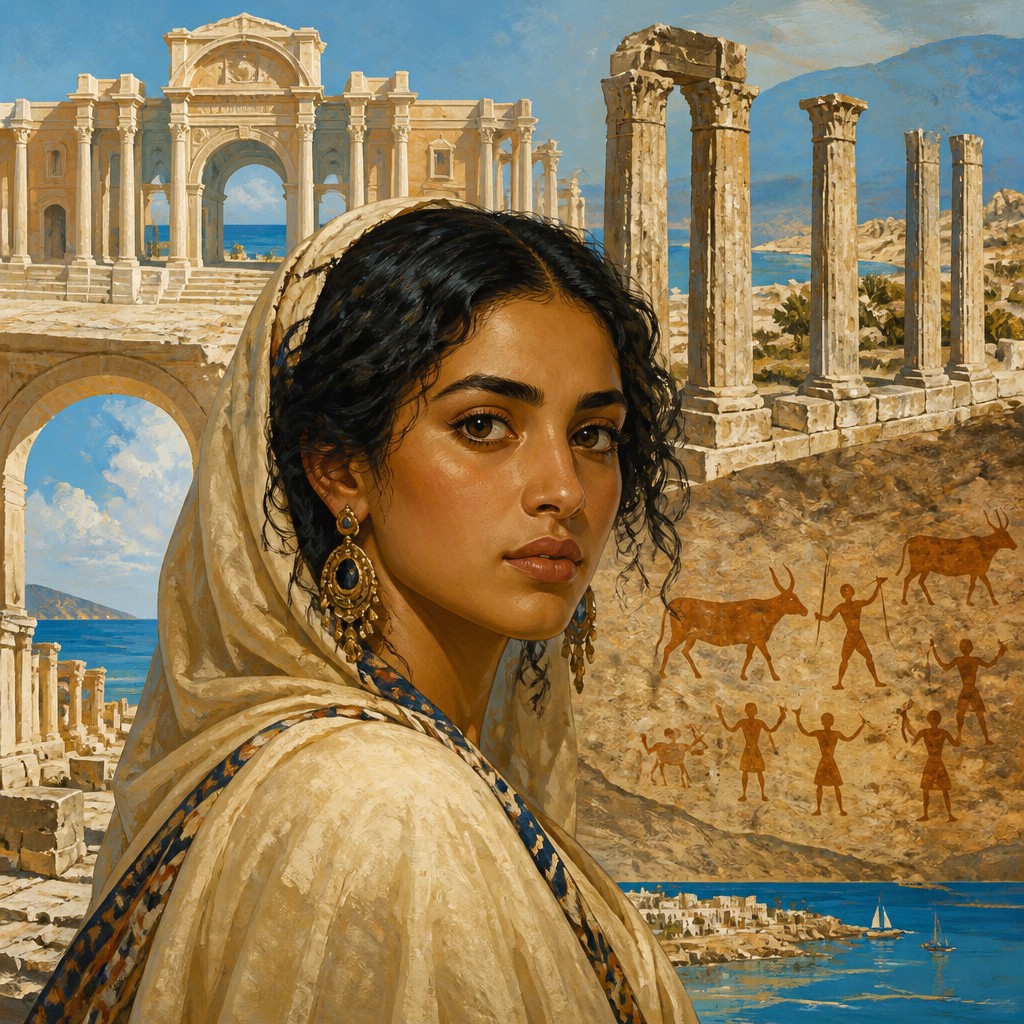
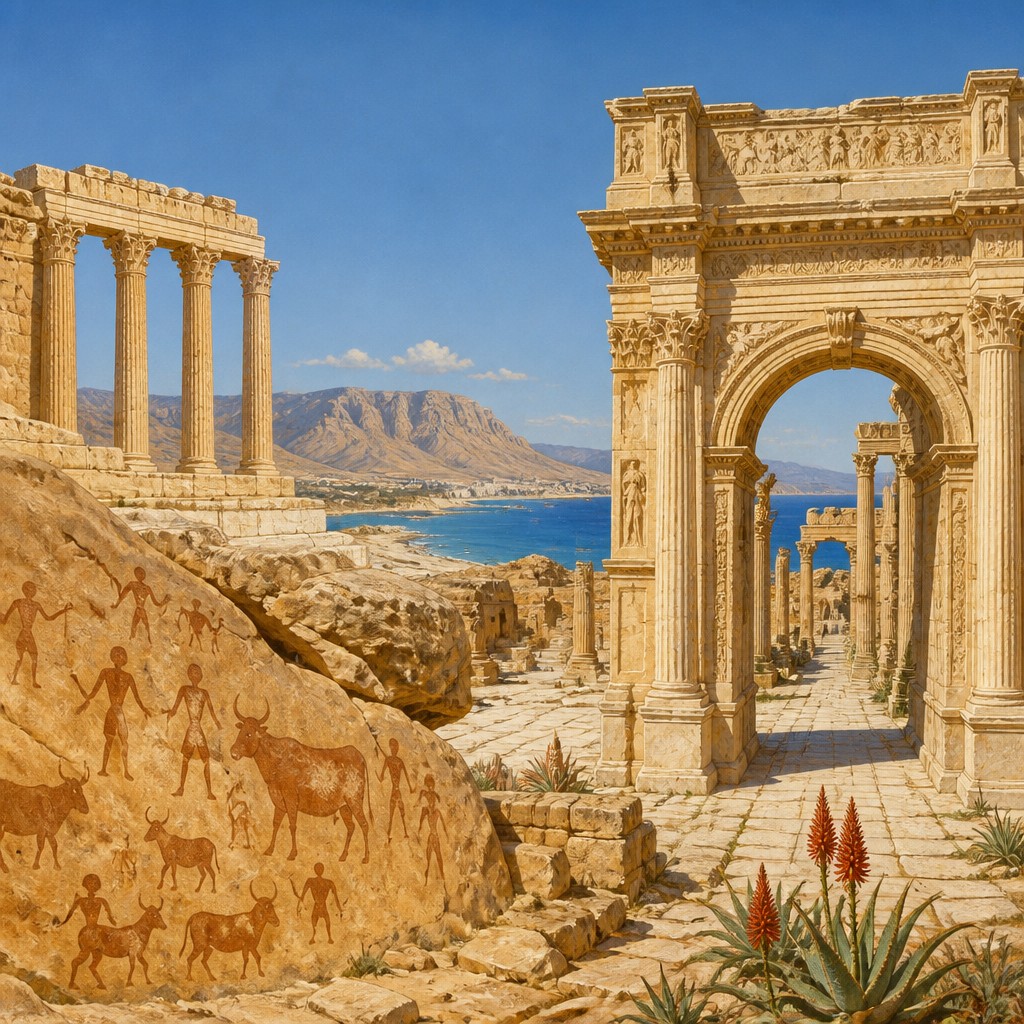
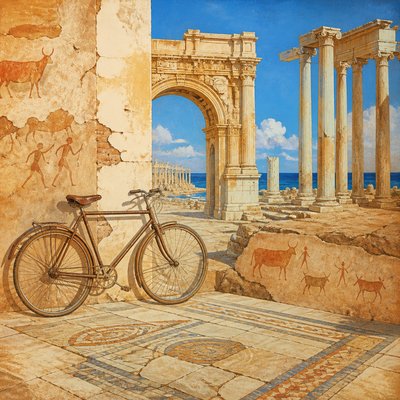
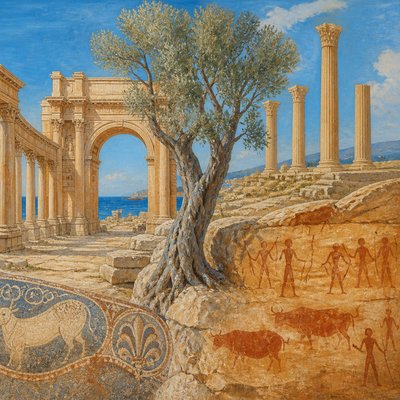
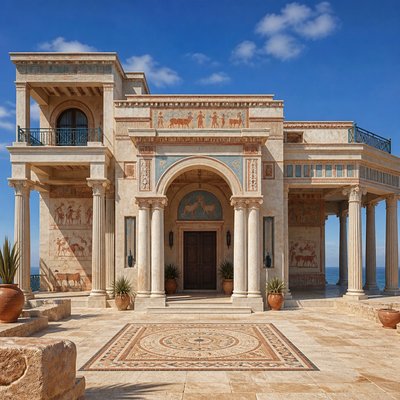
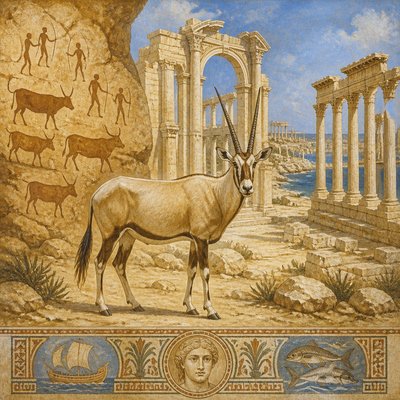
Libyan Art Style is a contemporary synthesis inspired by Libya’s layered archaeological and visual heritage rather than a single historical movement. It combines the monumental architecture of Leptis Magna, the Greek-influenced ruins of Cyrene, and the prehistoric painted imagery of the Tadrart Acacus with a distinctly North African landscape palette of limestone cream, terracotta, ochre, sand, and Mediterranean blue.
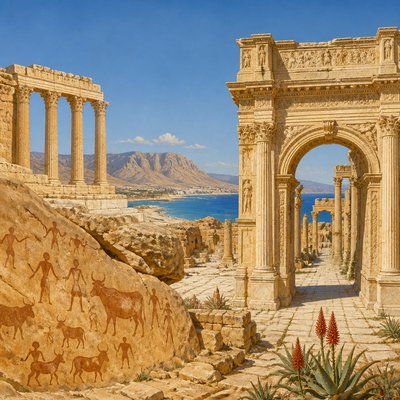
The style is defined by a dialogue between sea and desert, permanence and erosion, and architectural order and ancient symbolic imagery. Sweeping colonnades, triumphal arches, weathered capitals, rock-shelter figures, cattle, sunlit stone, and broad horizons create an impression of coastal grandeur grounded in the deep time of the Sahara. Its visual language often favors warm directional light, simplified monumental forms, and surfaces that appear bleached, chipped, or dust-laden.
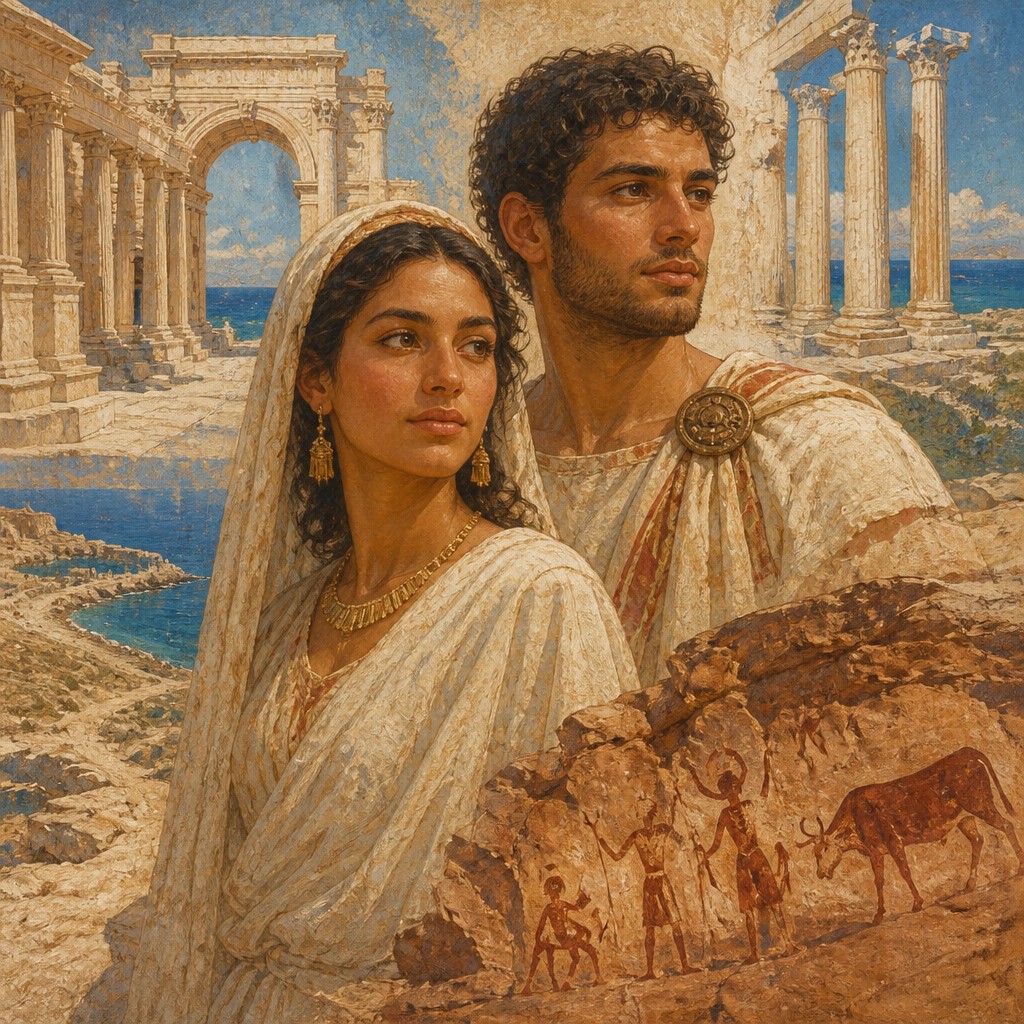
Try It On Your Photos
Upload any photo and convert it into Libyan Art Style — drag the sliders to compare before and after.
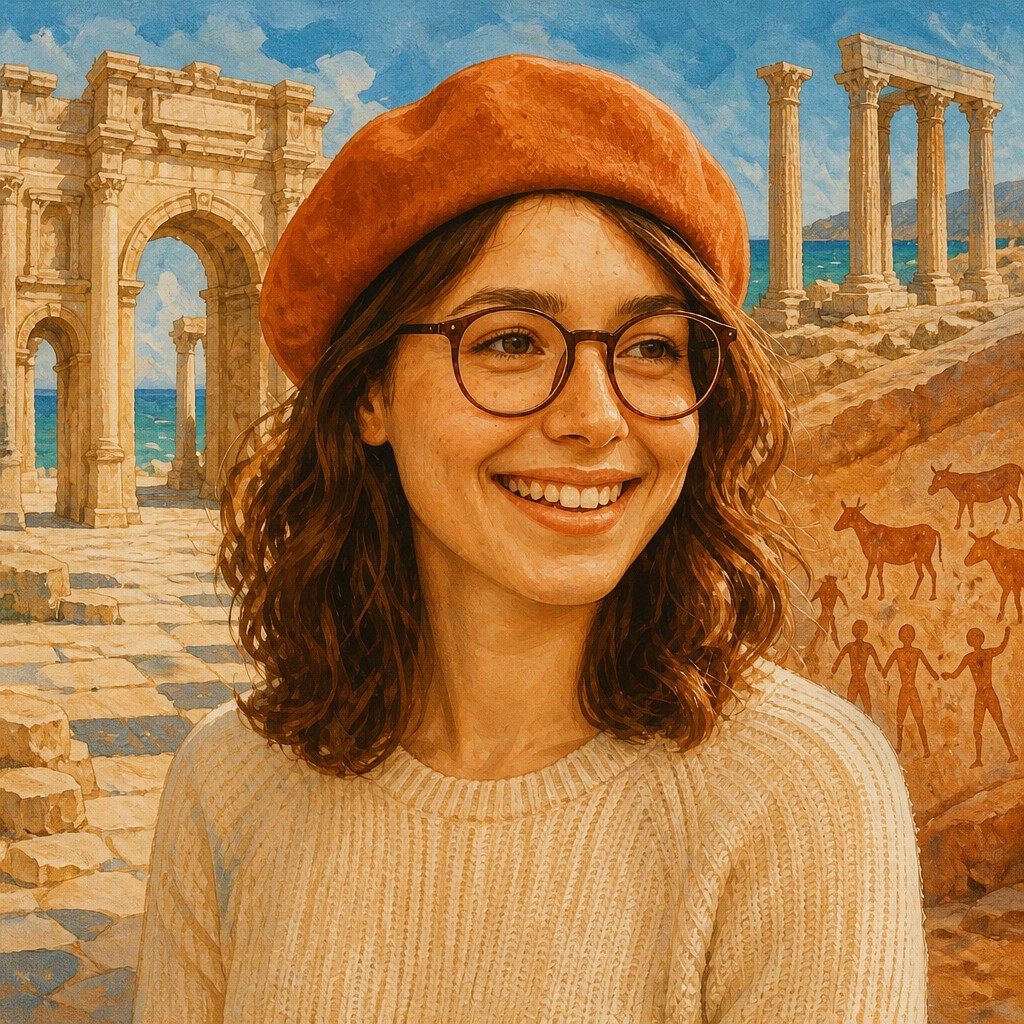

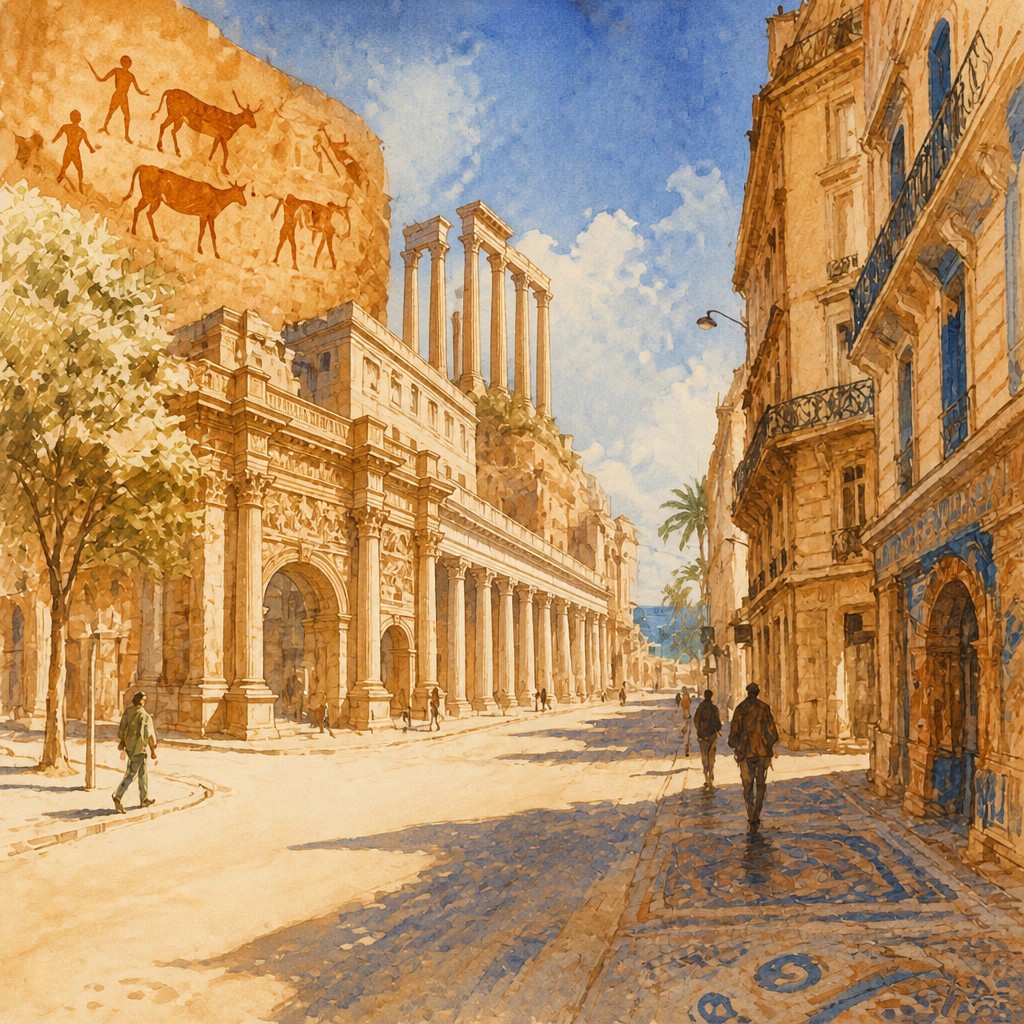

What Defines Libyan Art Style
The signature details, up close
Monumental coastal architecture
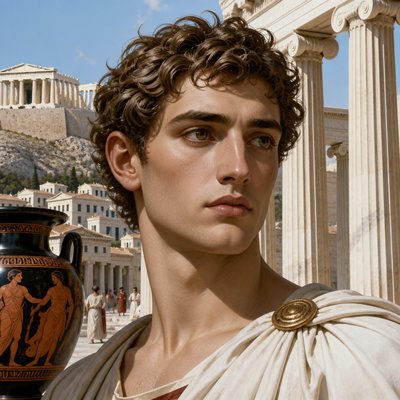
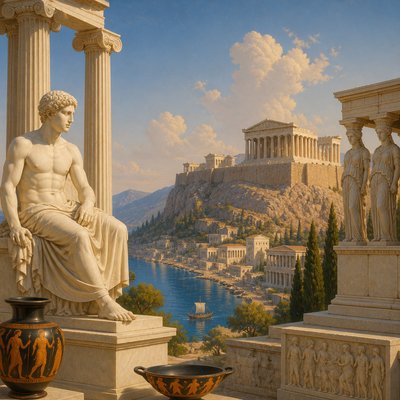
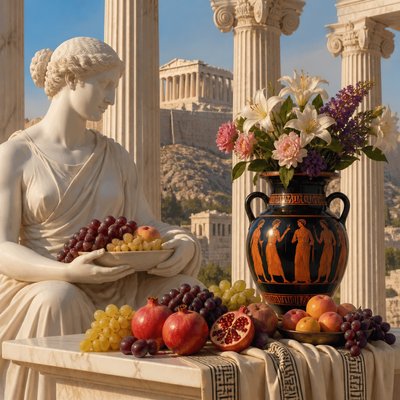
Long marble colonnades, triumphal arches, forums, temples, and ruined civic buildings establish a sense of Roman and Hellenic Mediterranean grandeur. Receding perspectives and low viewpoints make the architecture feel expansive without losing its weathered archaeological character.
Acacus rock-art motifs
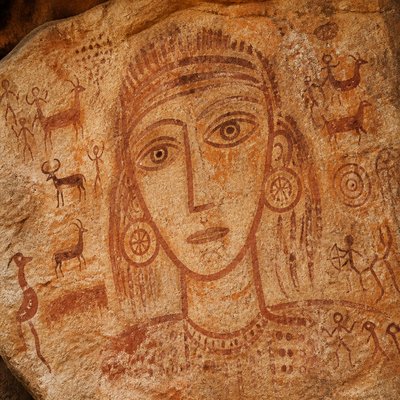
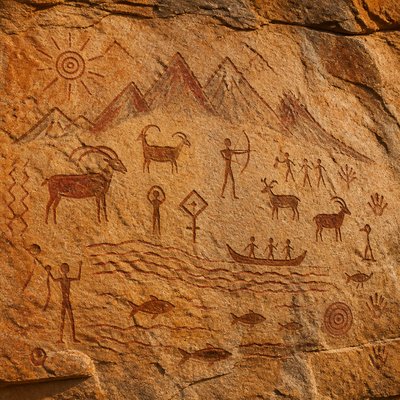
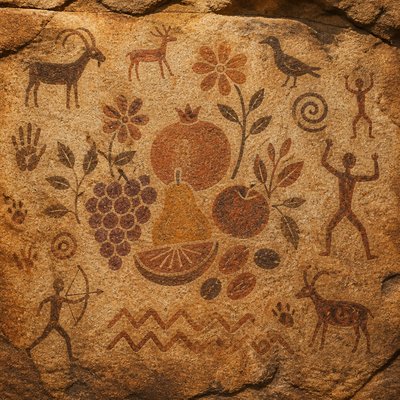
Simplified ochre or dark-red figures, cattle, hunters, and animals echo prehistoric painted and engraved imagery from Saharan rock shelters. These forms are usually treated as graphic silhouettes or mural-like marks rather than naturalistic illustrations.
Sunbleached desert-and-sea palette
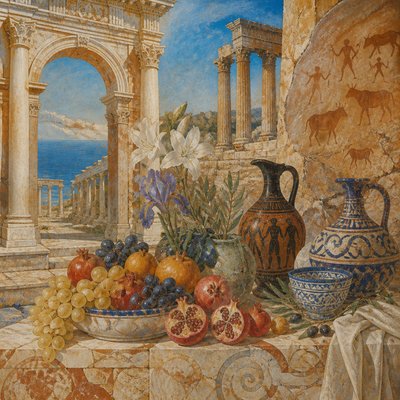
The dominant colors are limestone cream, chalk white, sand, terracotta, rust, ochre, and muted azure. Strong blue is most effective when reserved for sky, distant sea, or shadow contrast.
Erosion and patina
Cracked marble, chipped edges, wind-softened stone, faded pigment, dust, and mineral stains suggest long exposure to sun and desert air. Texture should imply age through restrained irregularity rather than excessive grunge.
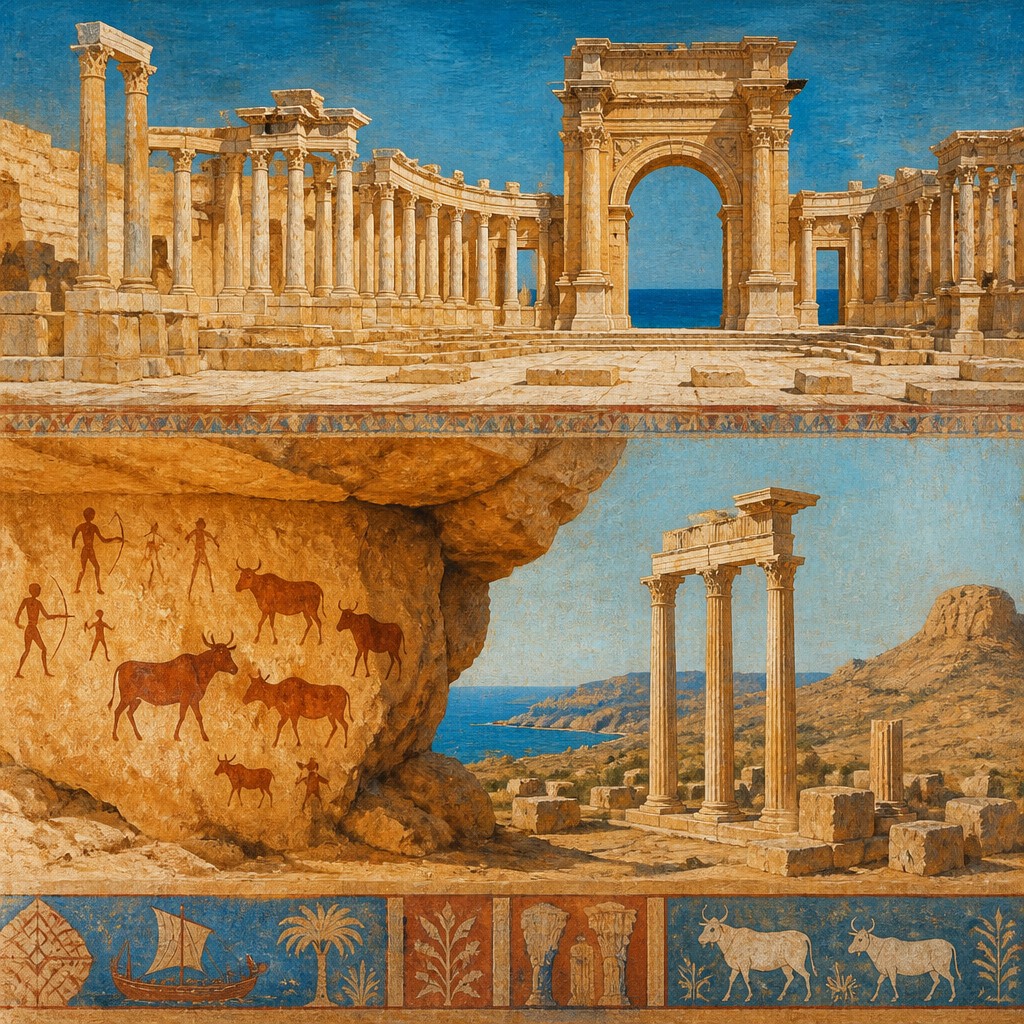
Ordered classical geometry
Columns, entablatures, arches, pavements, and temple plans provide rhythm and structure. Repetition of verticals and horizontals is often balanced by open sky, dunes, or irregular rock surfaces.
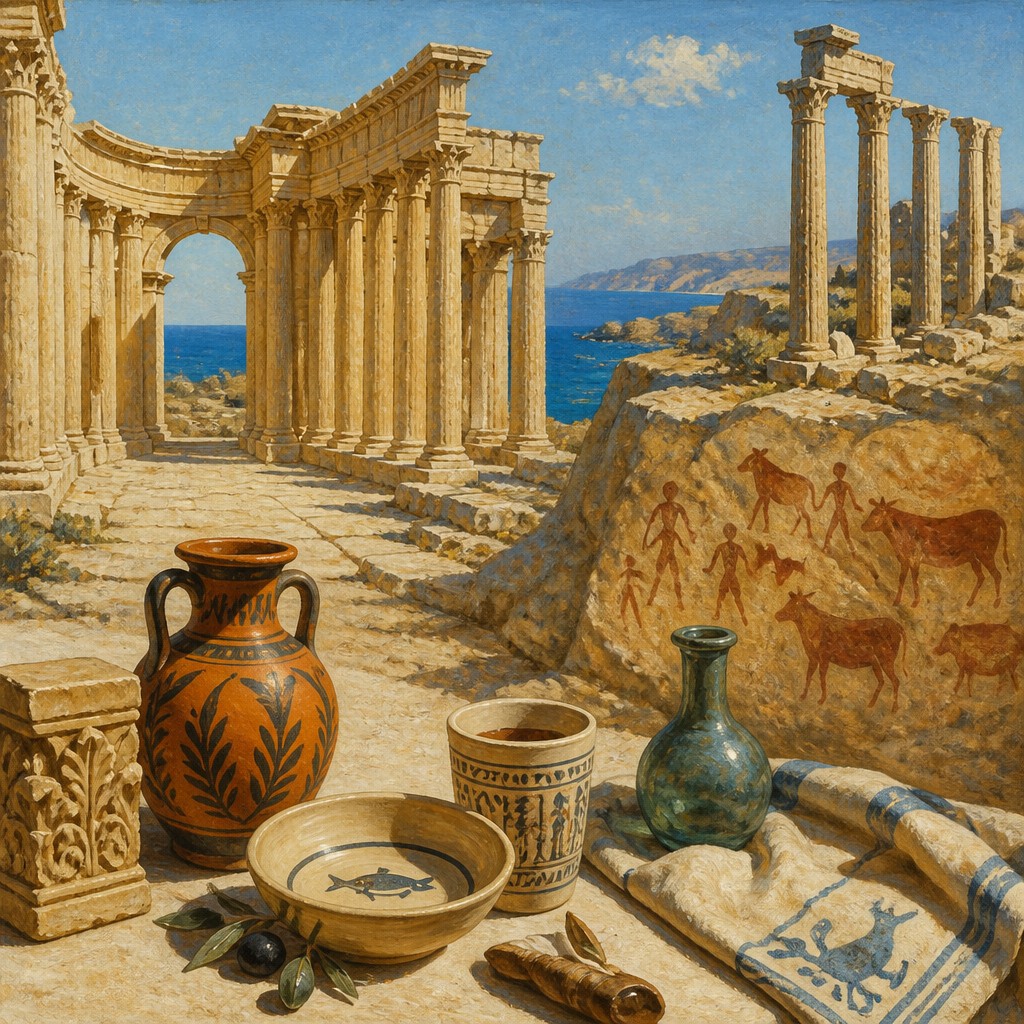
Mediterranean-Saharan light
Clear, hard sunlight creates crisp architectural shadows and luminous stone, while atmospheric haze softens distant desert ridges. Late-afternoon gold can intensify terracotta and ochre without turning the image into generic fantasy.
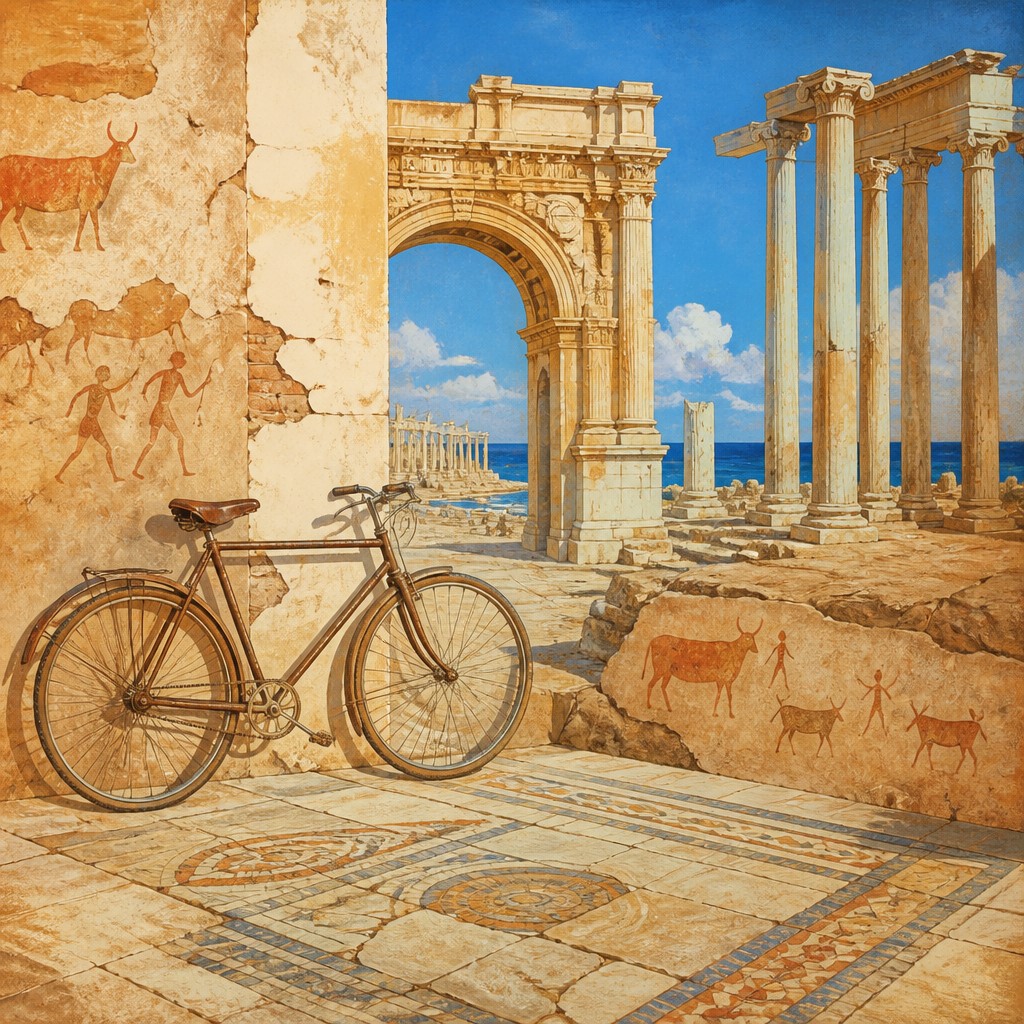
Layered historical time
The strongest compositions place ancient structures, prehistoric marks, and present-day landscape in visual conversation. The effect should feel archaeological and contemplative, not like a literal claim that all depicted cultures belonged to one period.
Libyan Prompt Ideas
Start from an idea — each one opens the generator with the style ready to go. See all 40 Libyan prompts →
How to Create Libyan Art
Master the craft step by step — or skip straight to creating. Read the full guide →
- 1
Build a strong architectural composition
Begin with a clear vanishing point, a low horizon, and large stone forms such as a colonnade or arch. Use repeated columns to create rhythm, then break the symmetry with erosion, collapsed masonry, or an opening toward the sea.
- 2
Layer a controlled warm palette
Block in cream and pale limestone first, add terracotta and ochre for masonry and rock art, and reserve azure for sky or water. In digital painting, use warm overlays and textured brushes sparingly so the image remains sunlit rather than muddy.
- 3
Treat prehistoric imagery as graphic design
Reduce figures and cattle to expressive silhouettes with uneven pigment edges, avoiding overly polished anatomy. On paper, use diluted earth pigments, charcoal, pastel, or dry brush over a rough surface to imitate shelter-wall texture.
- 4
Create convincing age and material
Combine sharp structural edges with selective cracks, abrasions, salt marks, and faded color. Digital artists can use separate texture layers and masks so patina follows the stone’s planes instead of covering every area uniformly.
- 5
Balance sea, desert, and ruins
Use one dominant environmental relationship, such as arches overlooking the Mediterranean or temple fragments emerging from sand. Avoid filling the frame with unrelated monuments; spacious negative areas help convey Libya’s scale and light.
- 6
Write precise generation prompts
Specify the subject, viewpoint, historical references, materials, palette, lighting, and surface condition in that order. For prompt-based image generation, request archaeological plausibility and a restrained synthesis of Roman, Greek, and Saharan references rather than an invented decorative fantasy.
The Story
History & Origins of Libyan
This is an invented contemporary style whose lineage draws from several distinct periods of Libyan history. The archaeological city of Leptis Magna developed from earlier Phoenician settlement and became a major Roman urban center, especially between the 1st and 3rd centuries CE; its forums, basilicas, baths, colonnades, and arches provide the style’s principal architectural vocabulary. Cyrene, founded as a Greek colony in the 7th century BCE, contributes temple proportions, column forms, and the visual memory of a Mediterranean highland city.
The prehistoric component comes from the rock art of the Tadrart Acacus in southwestern Libya, where painted and engraved imagery records changing Saharan environments and pastoral cultures over many millennia. These sources are not historically one unified art tradition, so the modern style should be understood as a respectful visual synthesis rather than a reconstruction of an ancient Libyan school.
Influences: The style draws on ancient Mediterranean architecture, particularly Greek colonial temple design and Roman provincial urbanism, alongside Saharan prehistoric rock painting and engraving traditions. It also shares qualities with archaeological landscape painting, Orientalist-era ruin imagery—without requiring its colonial viewpoint—and contemporary heritage illustration, matte painting, and textured digital concept art. Its strongest formal connection is to art that treats ruins, inscriptions, and weathered surfaces as carriers of historical memory.
Frequently Asked Questions
Is Libyan Art Style a historical art movement?
No. It is a contemporary, synthesized aesthetic rather than a documented movement practiced by a single school or period. It takes visual cues from several distinct Libyan histories, including Leptis Magna, Cyrene, and the Tadrart Acacus rock-art tradition.
What defines the visual identity of this style?
Its defining features are monumental classical ruins, prehistoric Saharan figures and animals, hard Mediterranean light, and a palette of limestone, ochre, terracotta, sand, and blue. Weathering and archaeological texture are as important as the subject matter.
How is it different from Roman or Greek art?
Roman and Greek art are historical traditions with broader geographical and chronological definitions. This style isolates selected architectural references from Cyrene and Leptis Magna, then combines them with Saharan rock art and modern landscape composition.
How can I make a Libyan-inspired artwork traditionally?
Use watercolor, gouache, acrylic, pastel, charcoal, or earth pigments on a textured ground. Establish large architectural shapes first, limit the palette, and add rock-art motifs and surface wear with dry brush, scraping, or diluted pigment rather than highly detailed decorative rendering.
Can this style be used for portraits or modern subjects?
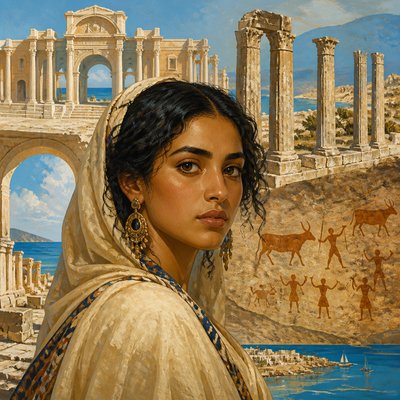
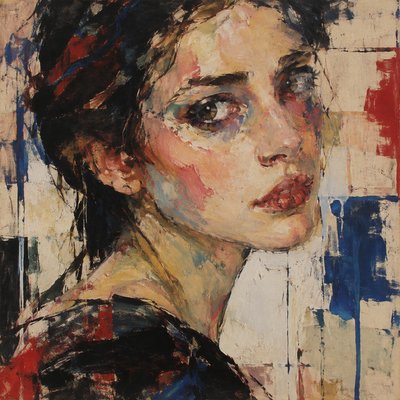
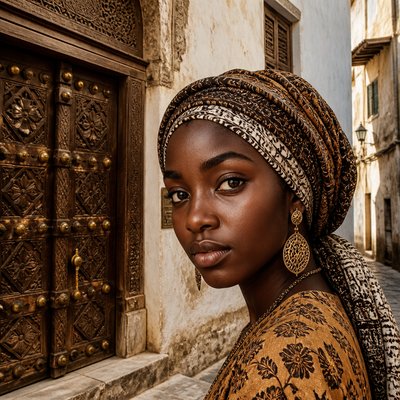
Yes, although the visual language works best when the subject is connected to landscape, heritage, or material history. A portrait can be framed by limestone arches, desert light, faded pigment motifs, or a sea-and-sand palette while keeping the person visually respectful and contemporary.
Where is this style most useful?
It suits archaeological illustration, travel and heritage posters, historical environment design, editorial artwork, book covers, murals, and atmospheric landscape studies. It can also support contemporary subjects when the architecture, palette, and weathered textures remain coherent.
Create your first Libyan artwork
Describe anything — or upload a photo — and see it in Libyan Art Style in seconds.
Related Styles
Discover similar art styles