Latvian Art Style
Explore Latvian art style: Riga Art Nouveau ornament, Gothic-Baroque silhouettes, amber warmth, and richly patterned Baltic textiles.
Instantly rendered in Latvian — or transform a photo
Latvian Gallery
Tap any artwork to explore it
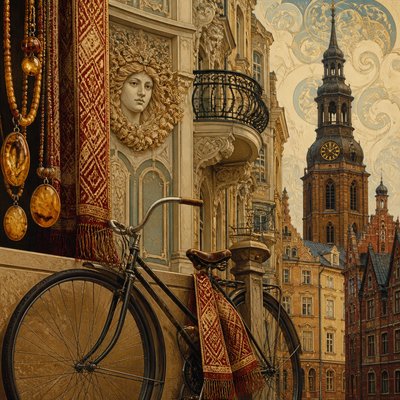
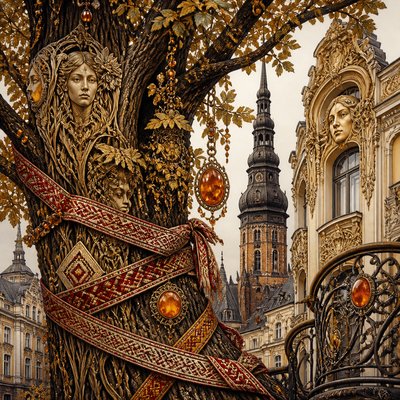
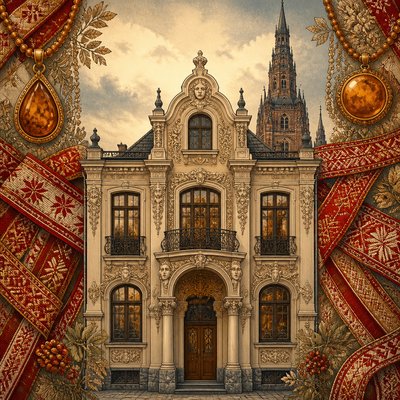
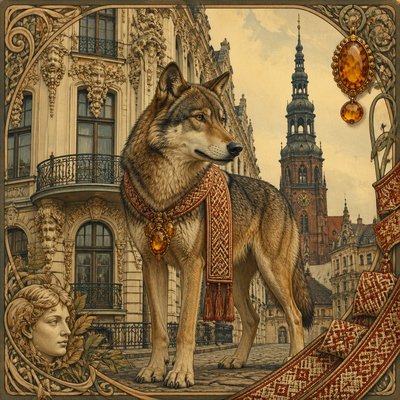
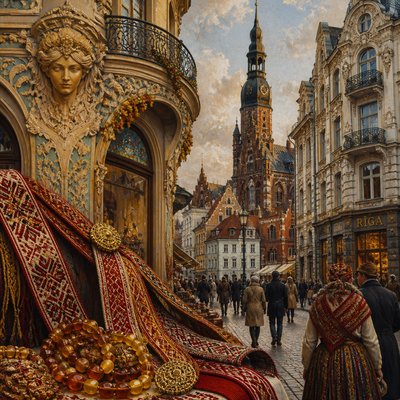
What is Latvian Art Style?
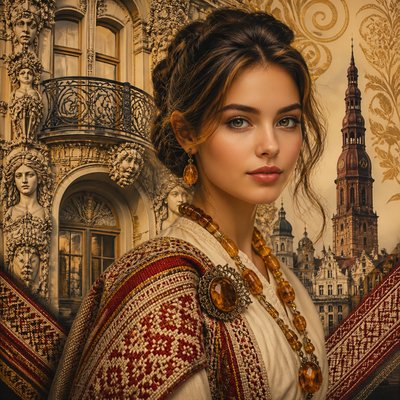
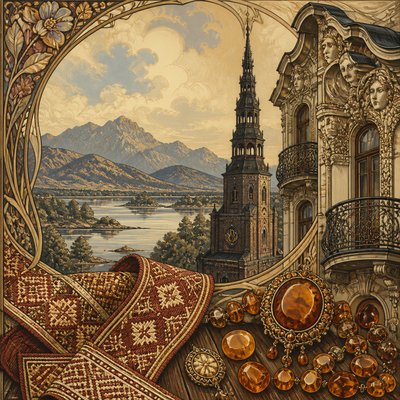
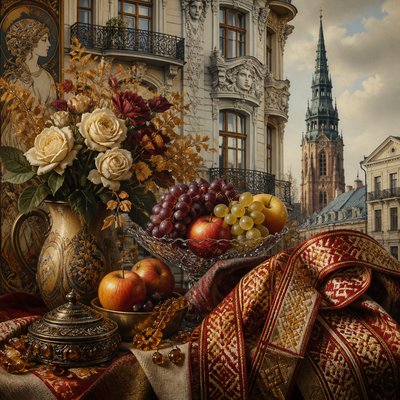
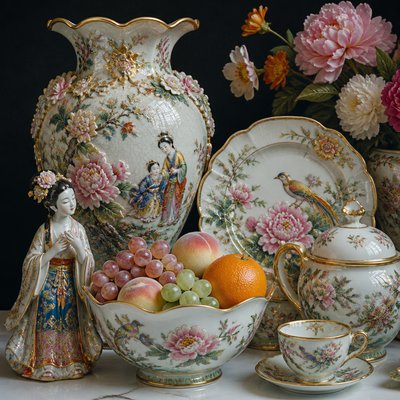
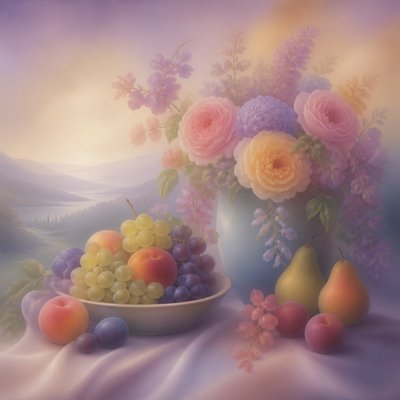
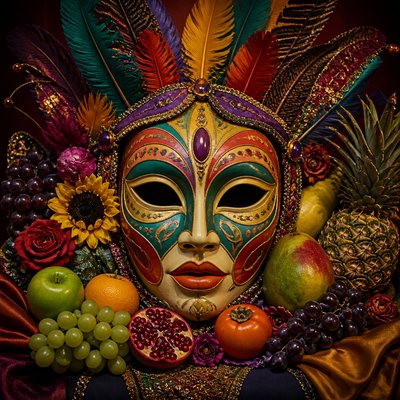
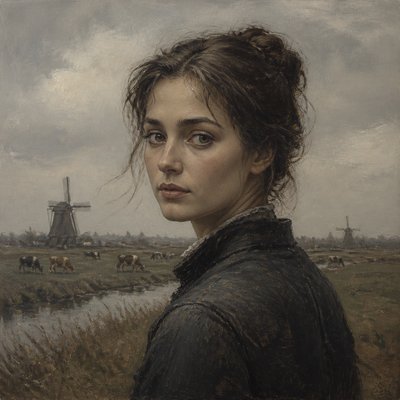
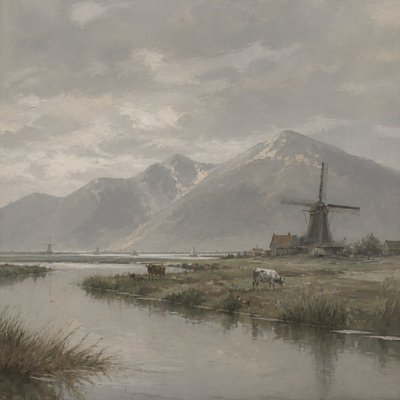
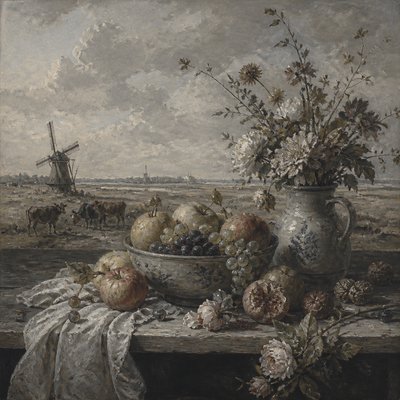
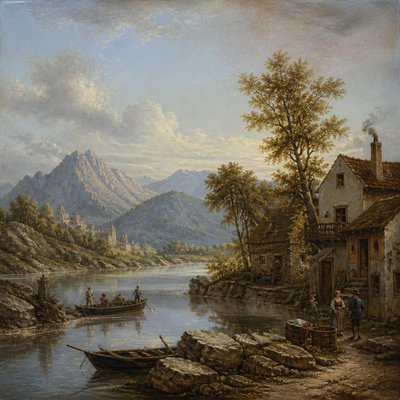
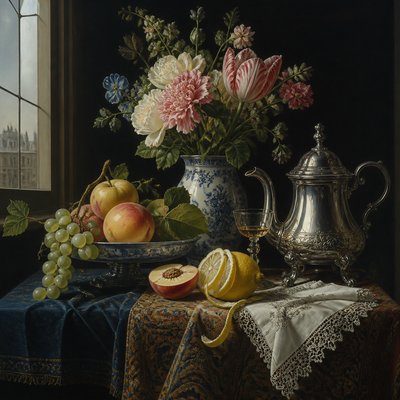
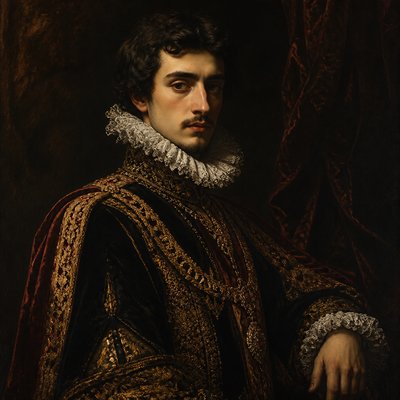
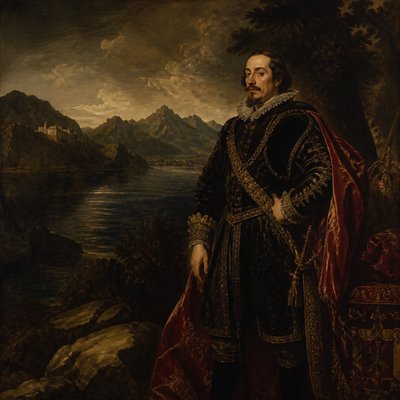
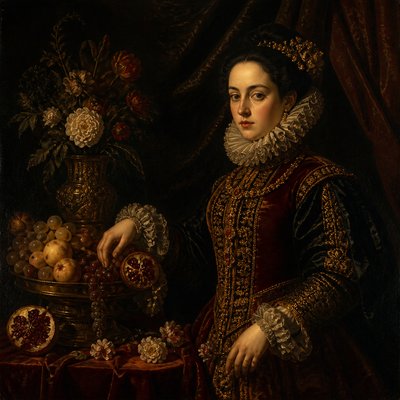
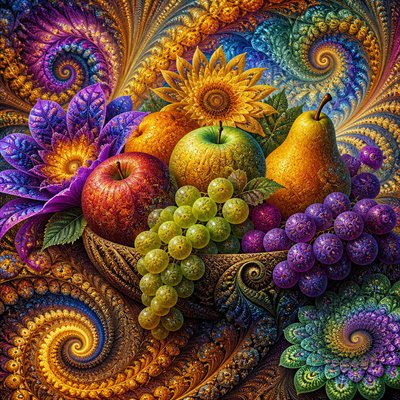
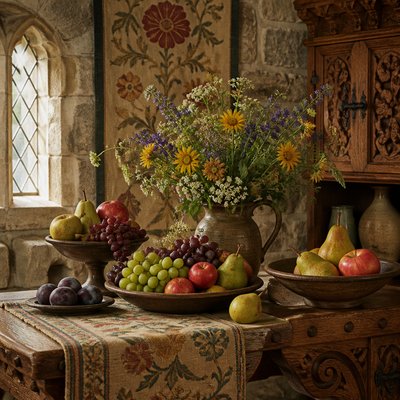
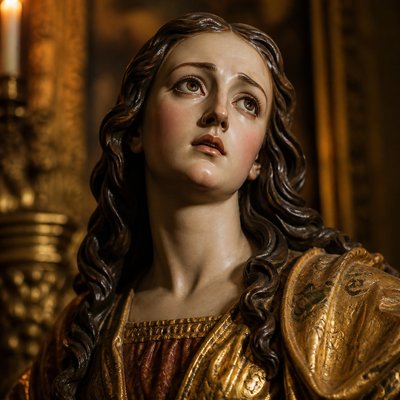
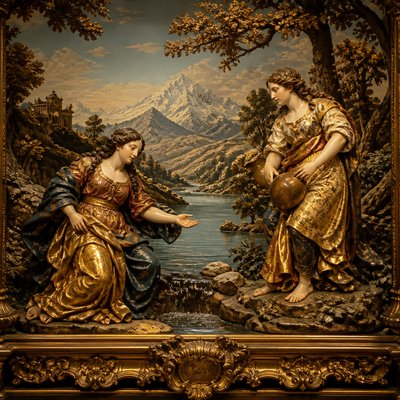
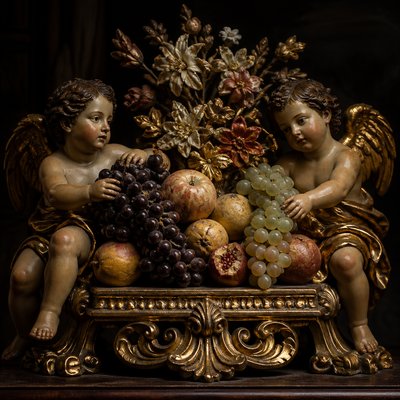
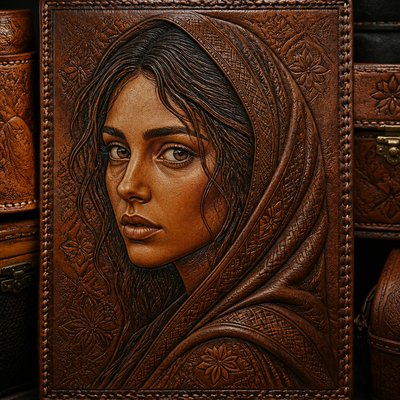
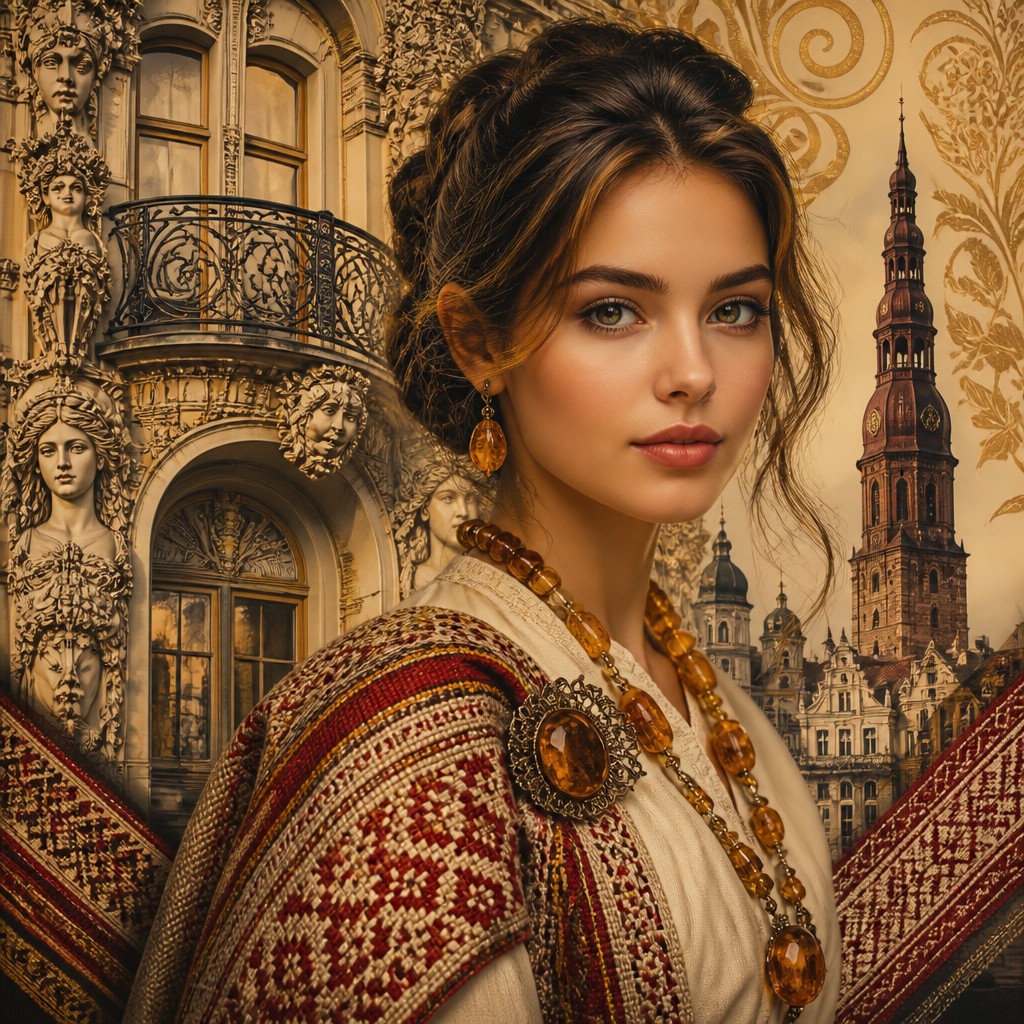
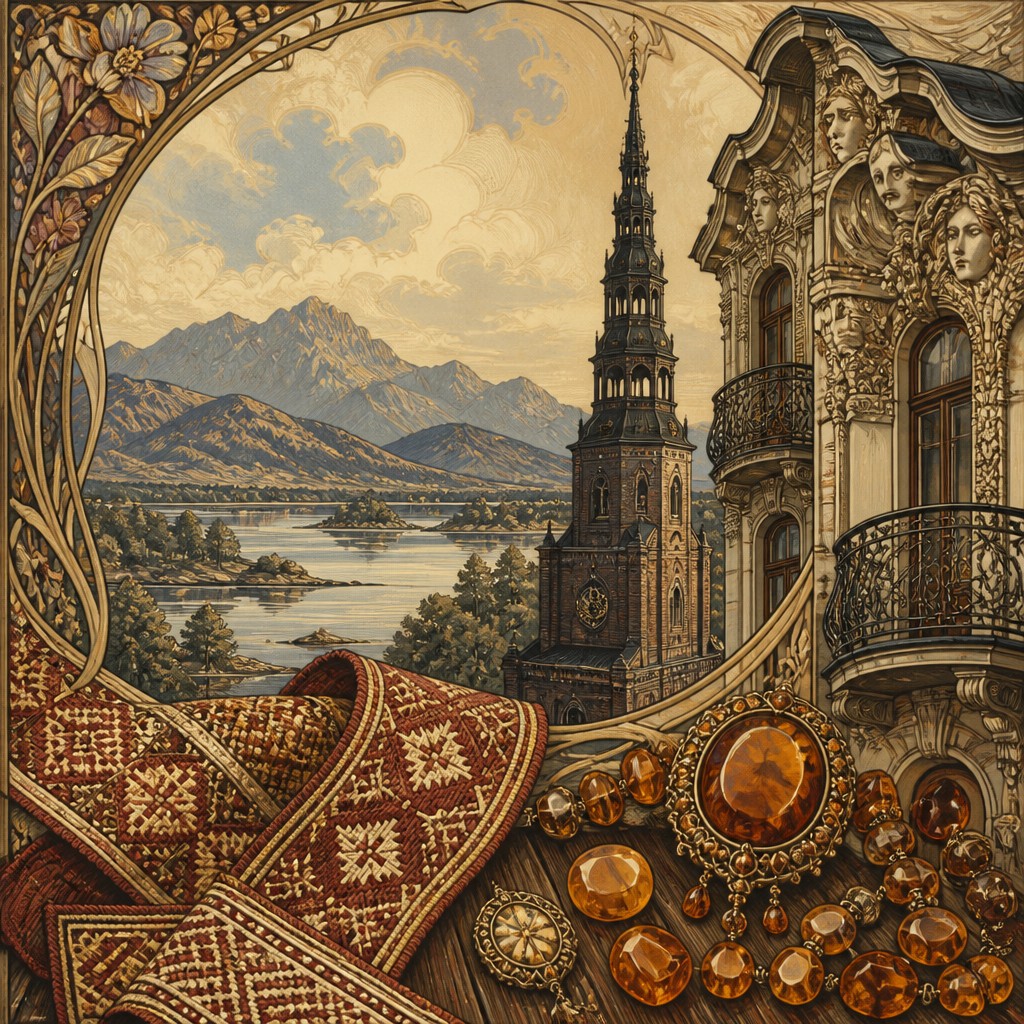
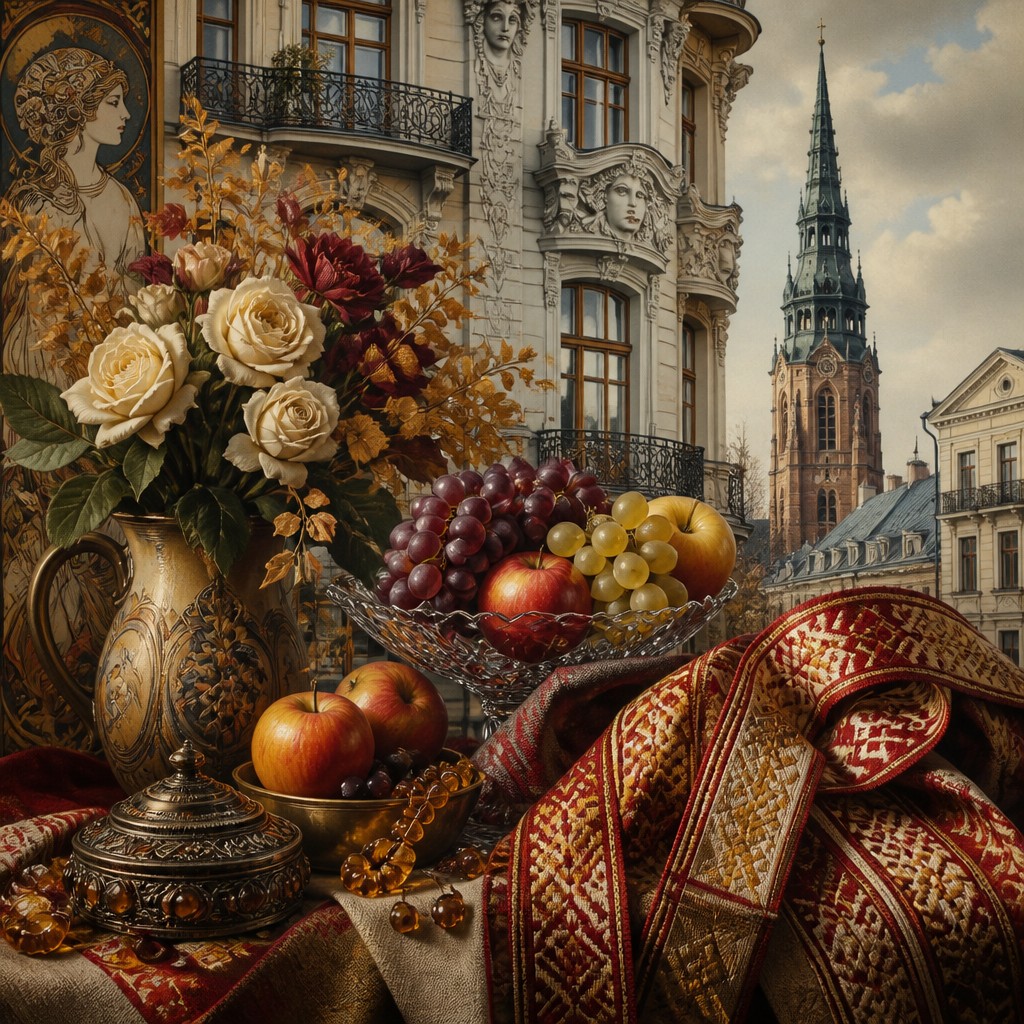
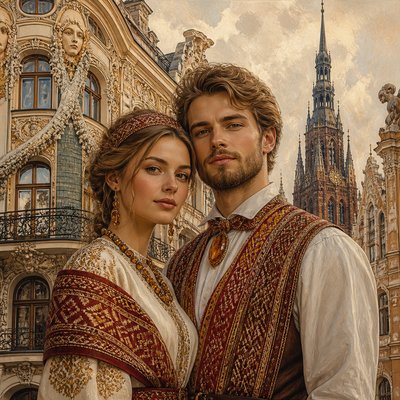
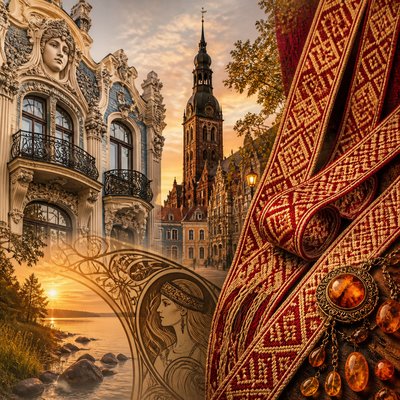
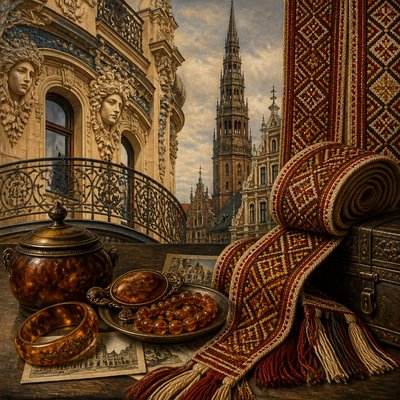
Latvian art style is a contemporary aesthetic synthesis centered on Riga’s ornate Art Nouveau architecture, Baltic folk textiles, dark brick ecclesiastical silhouettes, and the honeyed glow associated with amber. Its visual identity combines carved architectural ornament—faces, garlands, masks, floral motifs, and wrought-iron balconies—with crimson, gold, cream, and brown textile patterns drawn from Latvian sash and belt traditions.
The style looks rich yet structured because it balances architectural verticality with dense surface decoration. Tall facades, pointed spires, and elongated windows create a strong upward rhythm, while geometric weaving, amber jewelry tones, and carefully repeated ornament provide warmth and tactile detail. It can be applied to buildings, costumes, interiors, portraits, landscapes, jewelry, and decorative illustrations.
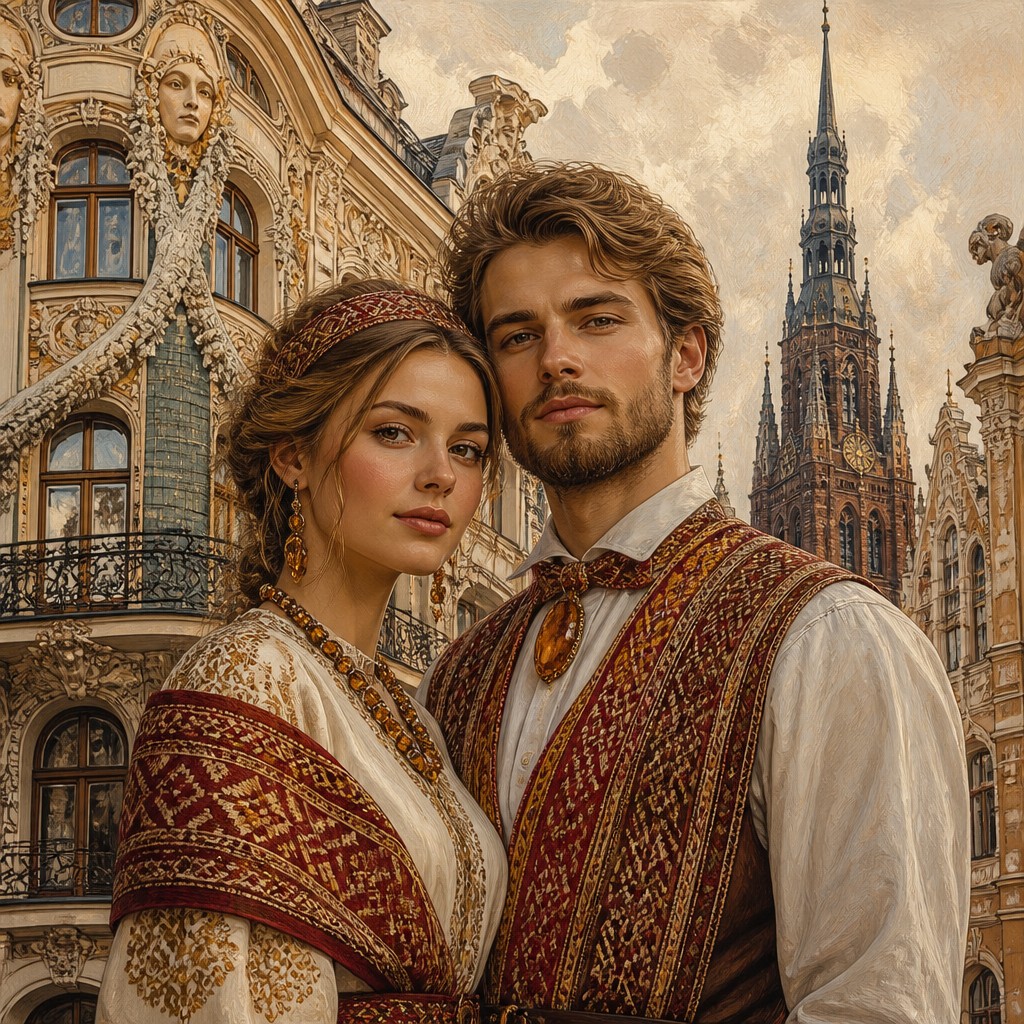
Try It On Your Photos
Upload any photo and convert it into Latvian Art Style — drag the sliders to compare before and after.
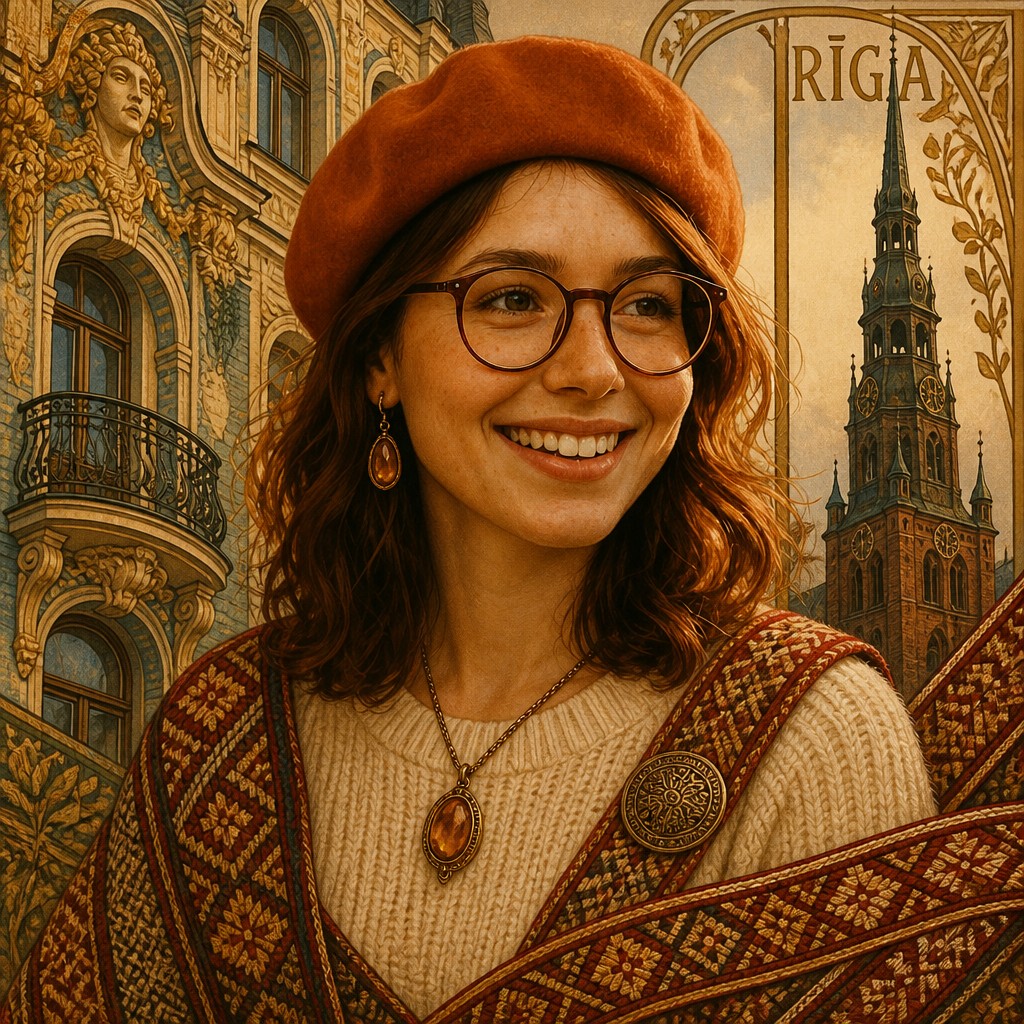

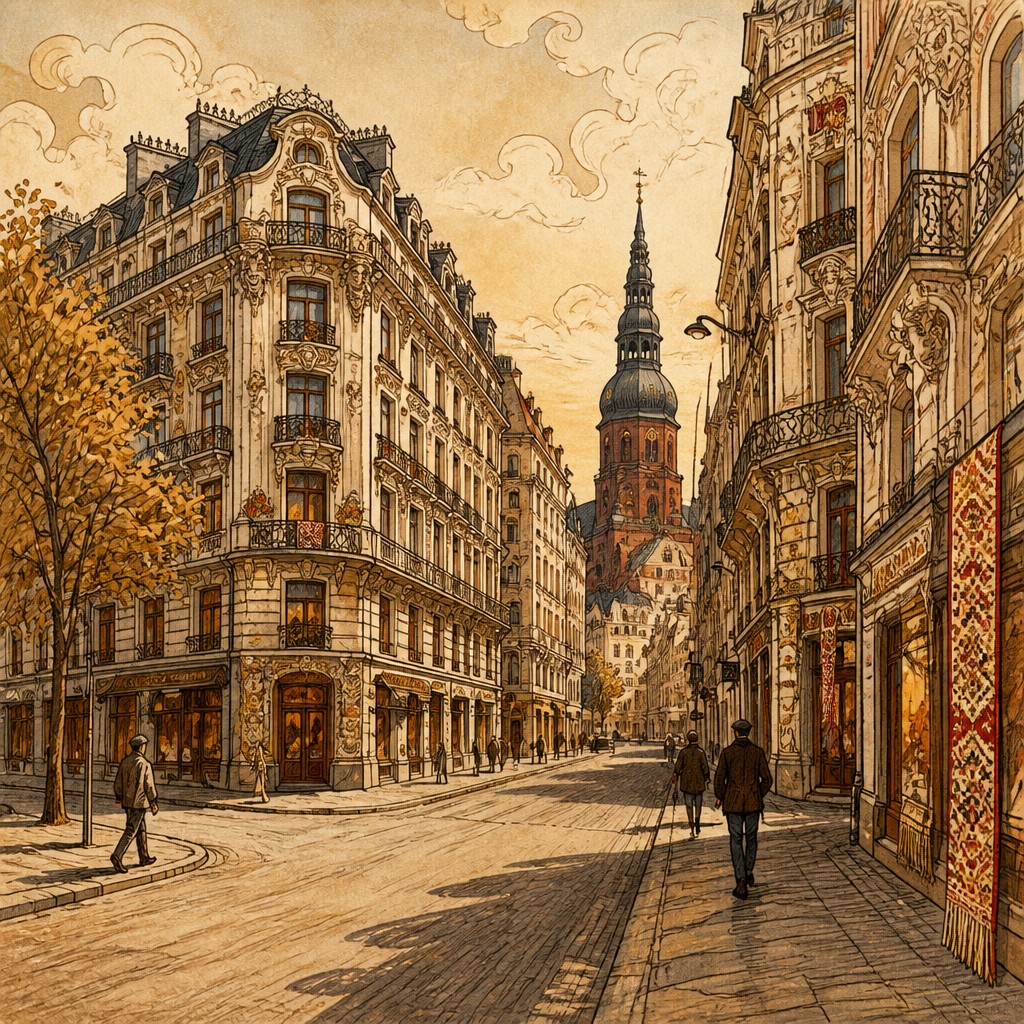

What Defines Latvian Art Style
The signature details, up close
Riga Art Nouveau ornament
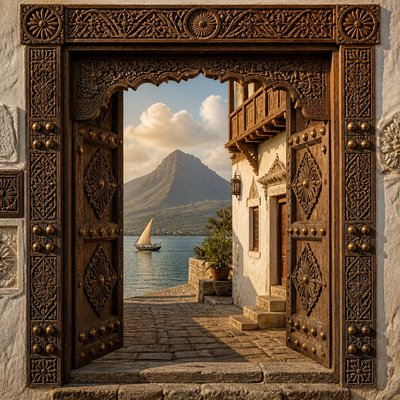
Facades are enriched with sculpted faces, masks, garlands, floral reliefs, elaborate window surrounds, and flowing decorative lines. Ornament is integrated into the architecture rather than added as a small accent.
Gothic-Baroque verticality
Pointed arches, steep roofs, dark brick, towers, and cathedral-like spires provide a dramatic upward silhouette. Baroque density and Gothic elevation may appear together in a deliberately composite architectural language.
Baltic textile geometry
Woven sashes, belts, and bands use repeated diamonds, stepped forms, stripes, and stylized folk motifs. Crimson, gold, cream, black, and deep brown create a distinctive patterned structure.
Amber warmth
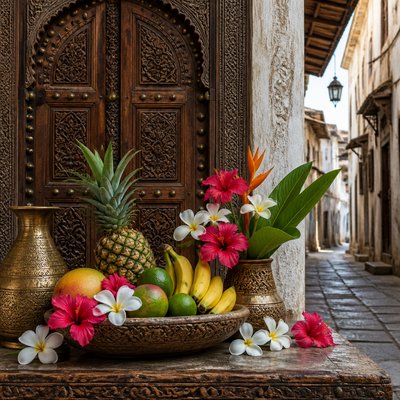
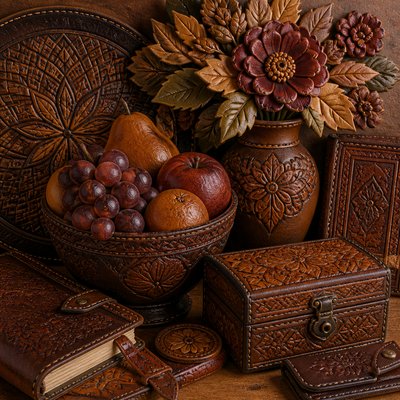
Honey, cognac, ochre, and golden-orange highlights suggest polished amber jewelry and candlelit interiors. These warm tones soften the cooler stone, brick, iron, and winter skies often used in the style.
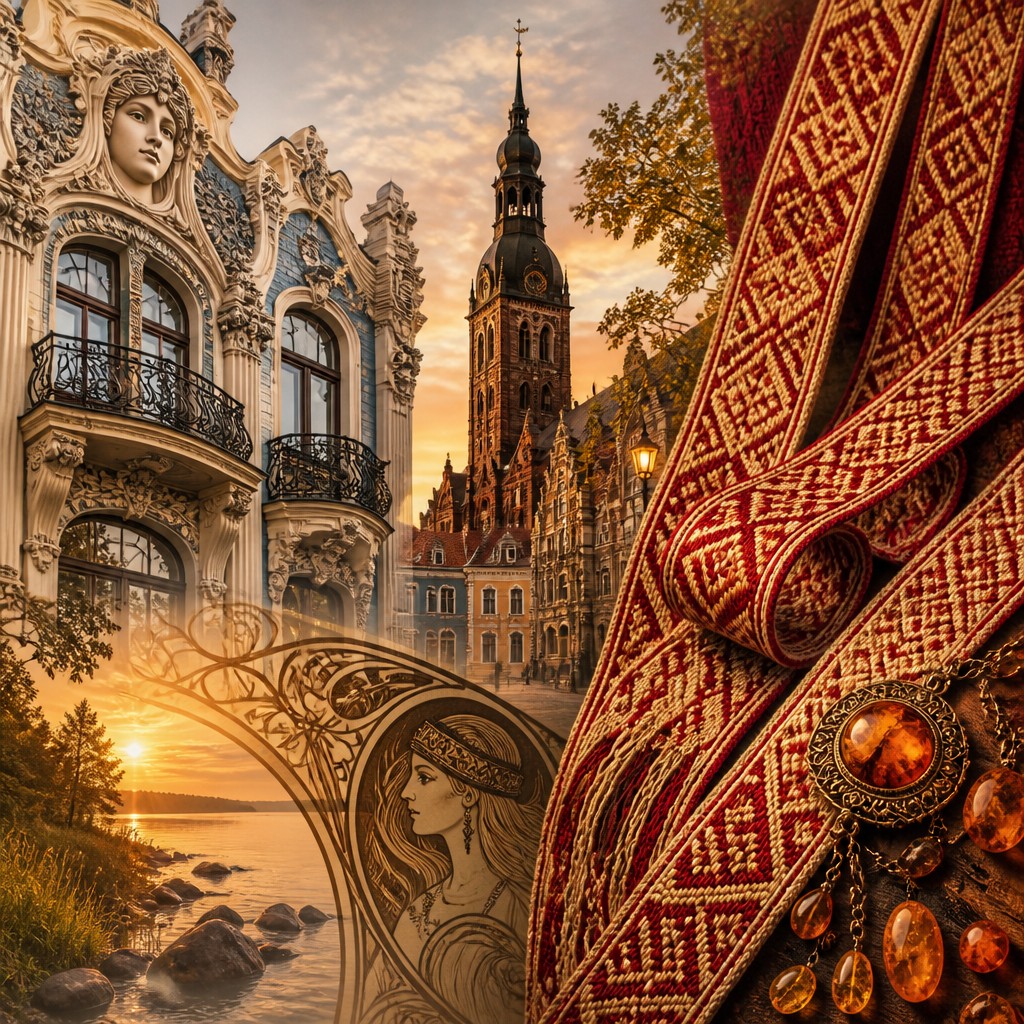
Sculptural facade detail
Architectural surfaces are treated almost like relief sculpture, with expressive faces, botanical forms, carved frames, and layered shadows. Close views should preserve crisp modeling and material variation.
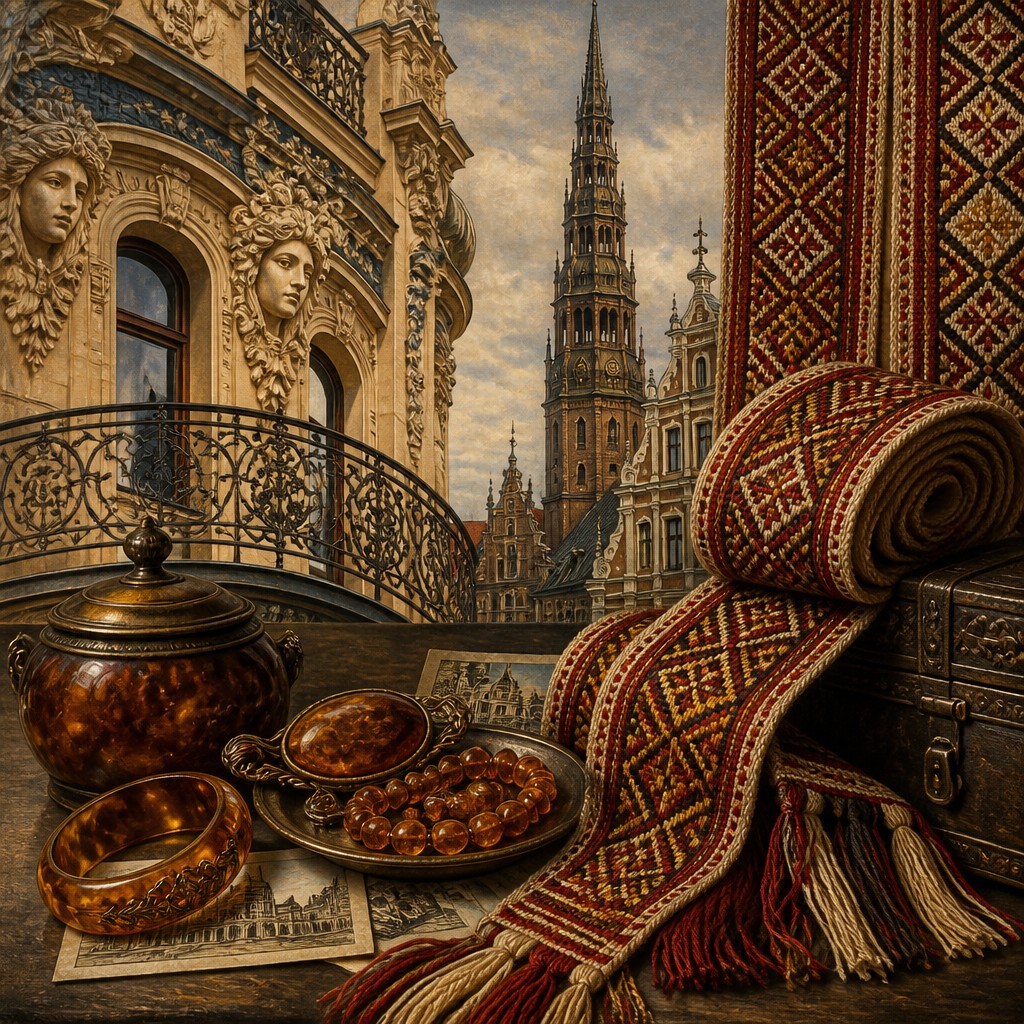
Baltic ornamental restraint
Although richly decorated, the style benefits from organized repetition, balanced symmetry, and clear vertical or horizontal bands. Decoration should feel crafted and architectural rather than randomly crowded.
Latvian Prompt Ideas
Start from an idea — each one opens the generator with the style ready to go. See all 40 Latvian prompts →
How to Create Latvian Art
Master the craft step by step — or skip straight to creating. Read the full guide →
- 1
Build a restrained architectural composition
Start with a strong facade, street elevation, tower, or interior axis, then place ornament within defined panels and borders. Use vertical lines and repeated windows to establish Riga-inspired architectural rhythm.
- 2
Layer materials deliberately
Contrast pale plaster or weathered stone with dark brick, black wrought iron, carved relief, and glossy amber accents. In digital painting, separate these materials through edge quality, texture, reflectivity, and directional light.
- 3
Use woven patterns as structure
Design textile bands with a limited palette of crimson, gold, cream, and dark neutrals before adding smaller geometric motifs. Repetition, symmetry, and clear pattern scale are more important than excessive complexity.
- 4
Control the light
Warm side light, sunset illumination, candlelight, or amber reflections can unify the image. Preserve cooler blue-gray shadows so the honey tones remain luminous rather than flattening the entire palette.
- 5
Combine references without literal collage
For traditional or digital work, study Art Nouveau facade ornament, Baltic weaving, medieval church silhouettes, and amber jewelry separately, then reinterpret their shared curves, bands, and colors in one coherent design.
- 6
Write precise generation prompts
Specify the subject first, followed by Riga Art Nouveau ornament, dark brick Gothic-Baroque architecture, Latvian geometric textile bands, amber lighting, and material details. For image-to-image work, preserve the original pose or composition while directing the transformation toward carved relief, woven pattern, and warm Baltic color.
The Story
History & Origins of Latvian
Latvian art style, as defined here, is not a single formal historical movement or unified school. It is an aesthetic lineage assembled from several Latvian and Baltic traditions: Riga’s major Art Nouveau building culture of the late 19th and early 20th centuries, medieval and Baroque ecclesiastical architecture, regional folk weaving, and the longstanding cultural association of Baltic amber.
Riga became especially notable for its concentration of Art Nouveau architecture during the early 20th century, when facades incorporated sculptural ornament, theatrical masks, floral decoration, and forged metalwork. Latvian traditional textiles contribute a different visual language: repeated geometric bands, strong color contrasts, and symbolic patterning. Contemporary interpretations combine these sources rather than reproducing a single period exactly.
Influences: The style relates most closely to Northern European Art Nouveau, especially its architectural use of sculptural ornament and organic line; Gothic and Baroque church architecture; Latvian and wider Baltic folk weaving; vernacular wood carving; and amber jewelry traditions around the Baltic Sea. It also shares qualities with decorative arts, historicist architecture, symbolist atmosphere, and contemporary heritage-inspired illustration, while remaining a modern synthesis rather than a recognized historical movement.
Frequently Asked Questions
What defines the Latvian art style?
It is defined by a combination of Riga Art Nouveau facade ornament, Gothic-Baroque vertical architecture, Latvian geometric textiles, and warm amber coloration. Sculpted faces, garlands, wrought iron, dark brick, crimson bands, and honey-gold highlights are recurring signs.
Is Latvian art style a recognized historical art movement?
Not in this specific combined form. The term describes a contemporary aesthetic framework inspired by several real Latvian, Baltic, architectural, and decorative traditions rather than a formally named movement with a single period or doctrine.
How does it differ from general Art Nouveau?
General Art Nouveau emphasizes organic curves, decorative unity, and modern architectural design across many regions. This Latvian interpretation adds Riga’s architectural character, Baltic folk-weaving geometry, dark northern materials, and amber-centered warmth.
What colors work best for this style?
Use crimson, gold, cream, honey, ochre, amber, dark brown, charcoal, and brick red. Blue-gray or moss-green accents can provide contrast, especially in exteriors, but the overall impression should remain warm and richly grounded.
Can this style be used for portraits and fashion?
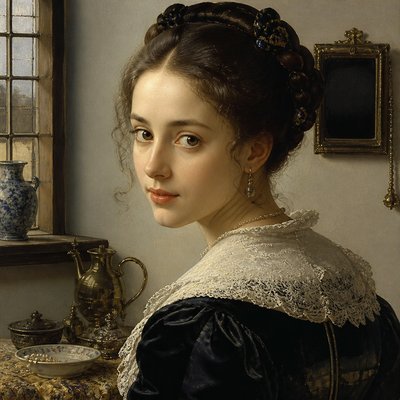
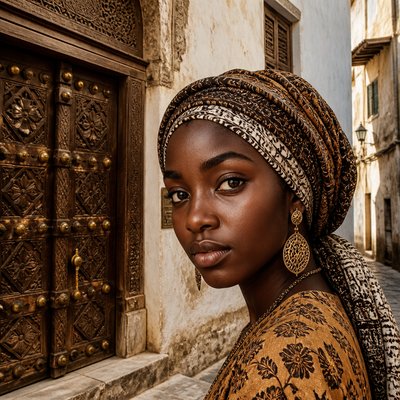
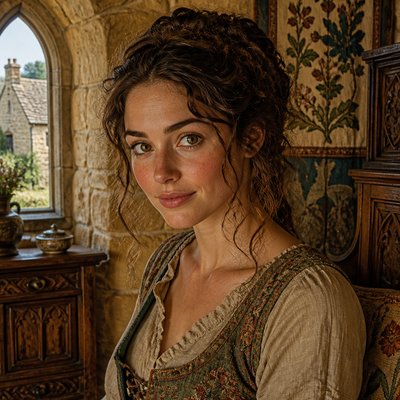
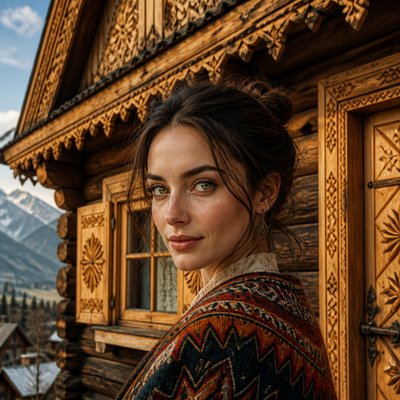
Yes. Portraits can incorporate woven sashes, embroidered collars, amber necklaces, carved architectural backdrops, and controlled ornamental framing. Keep the clothing patterns legible and balance them with a simpler pose or background so the image does not become visually congested.
What subjects work particularly well in this aesthetic?
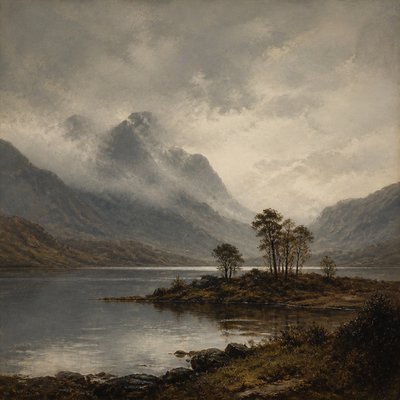
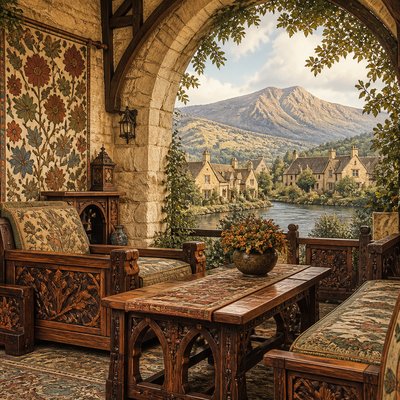
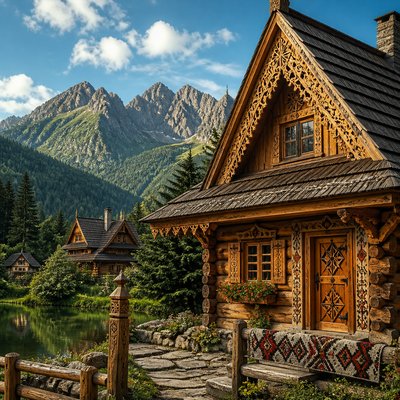
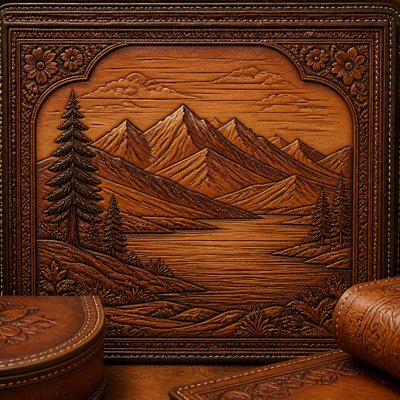
Architectural streetscapes, cathedral towers, ceremonial portraits, interiors, jewelry still lifes, historic marketplaces, and atmospheric Baltic landscapes are especially effective. Subjects with strong surfaces or repeated patterns give the style enough structure for its ornament to read clearly.
Create your first Latvian artwork
Describe anything — or upload a photo — and see it in Latvian Art Style in seconds.
Related Styles
Discover similar art styles