Chadian Art Style
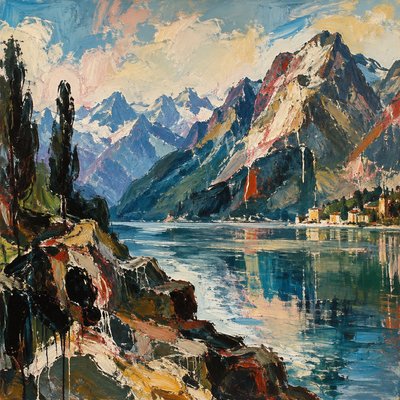
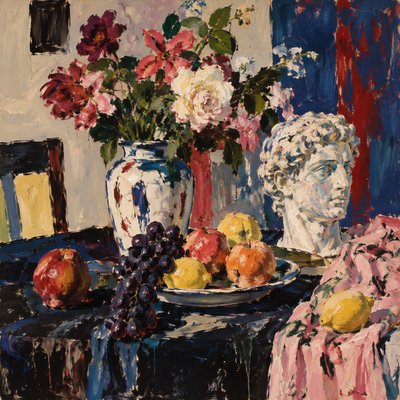
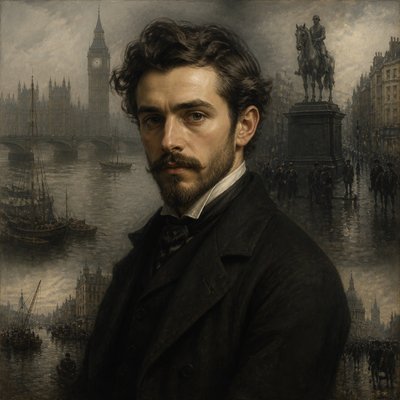
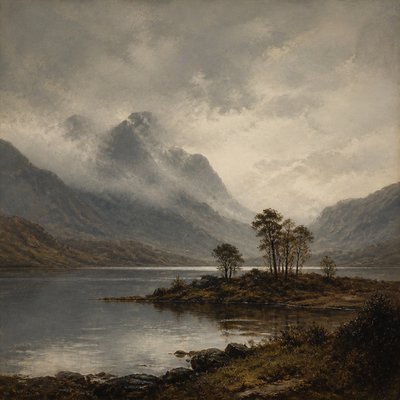
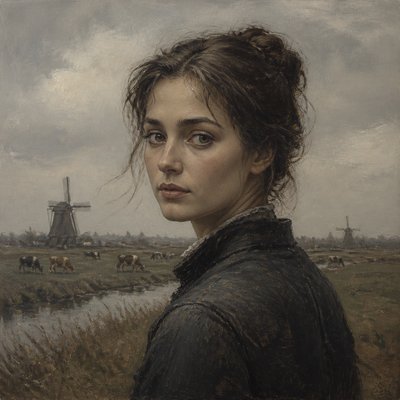
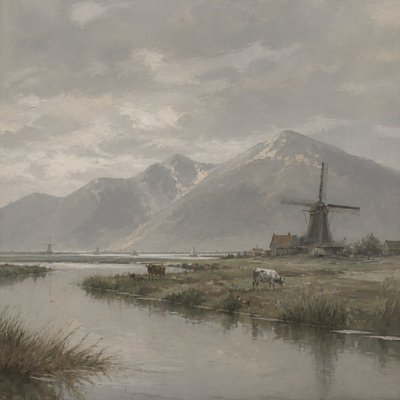
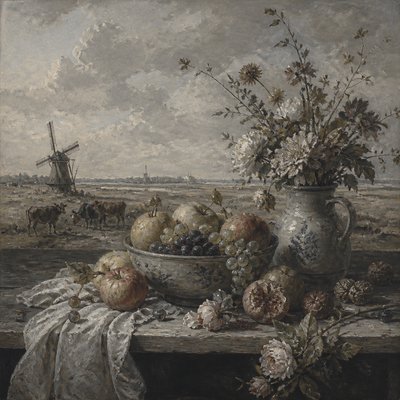
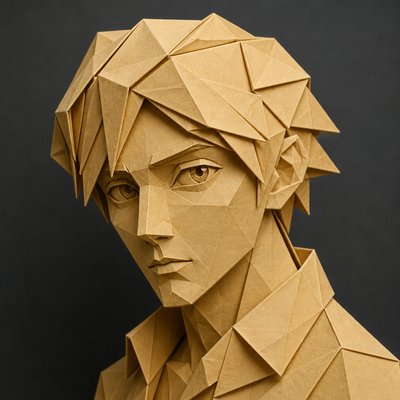
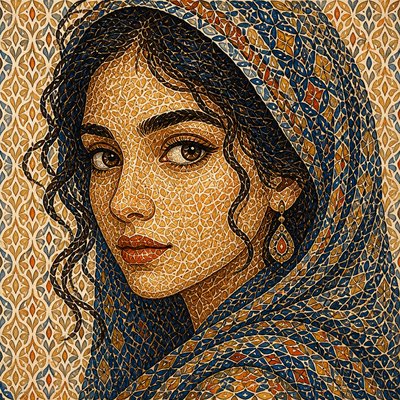
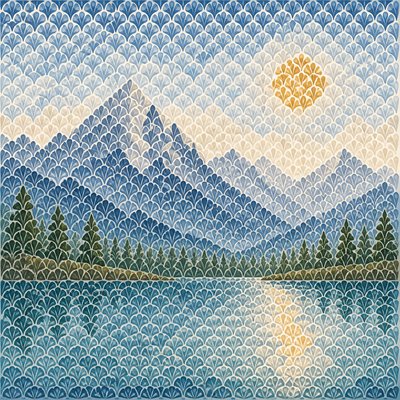
Explore Chadian art style: Sao terracotta forms, Ennedi rock paintings, Kotoko metal textures, and a warm desert palette.
Instantly rendered in Chadian — or transform a photo
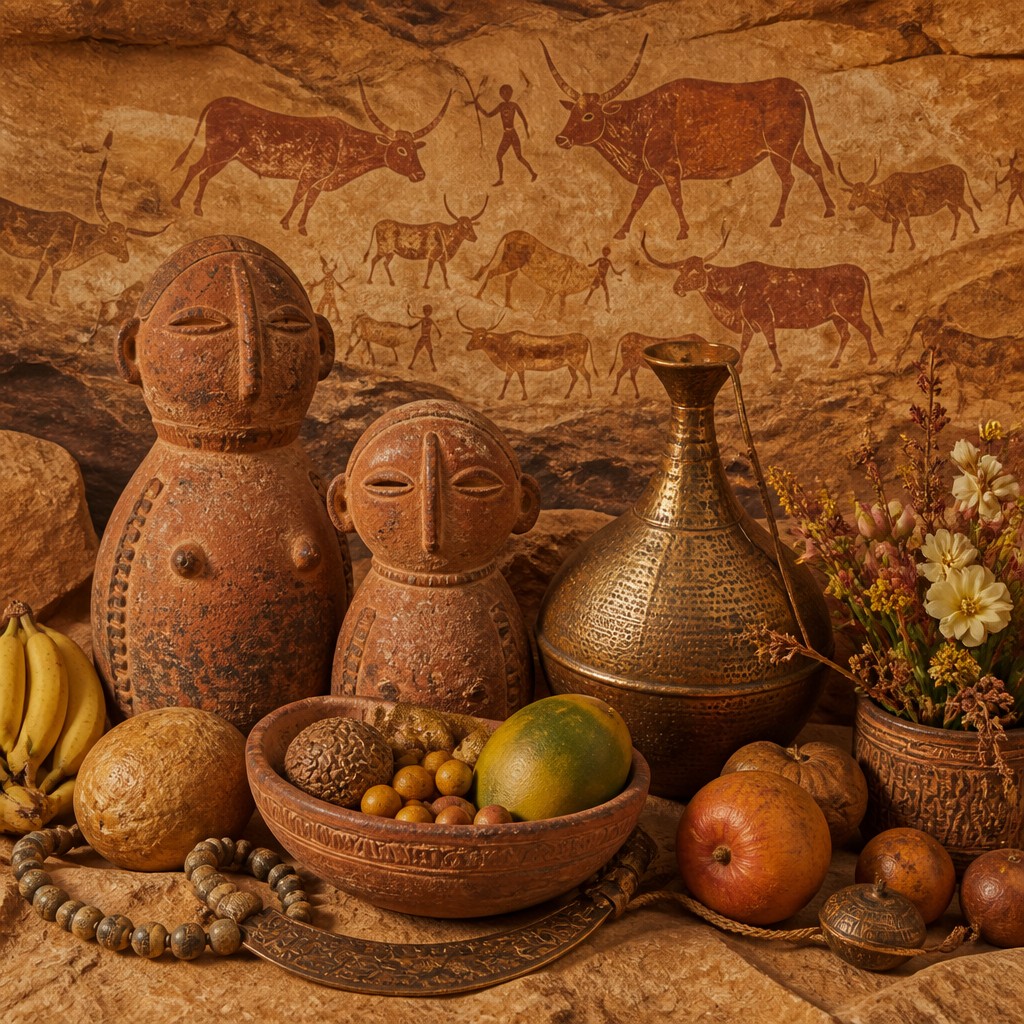
Chadian Gallery
Tap any artwork to explore it
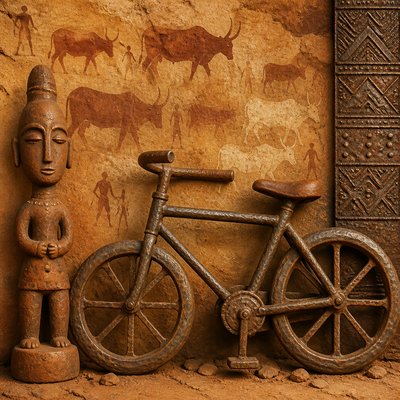
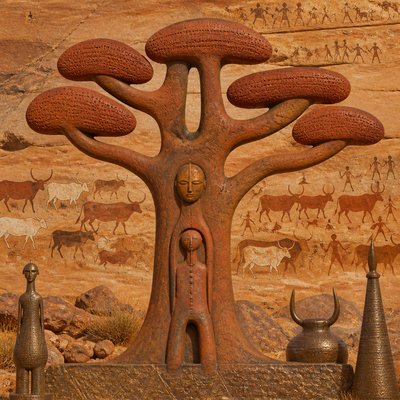
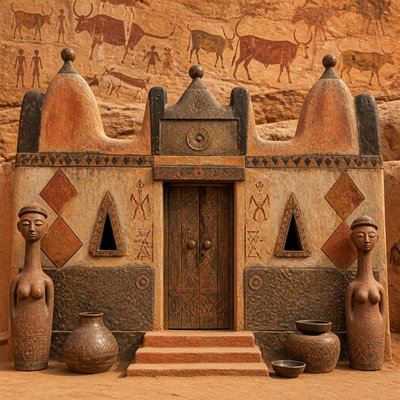
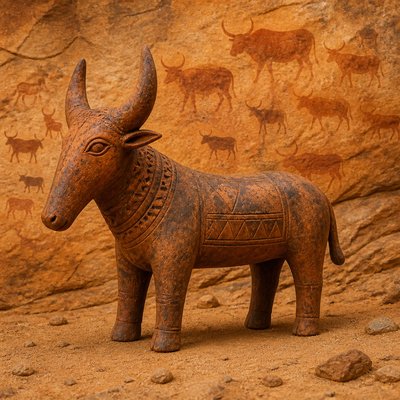
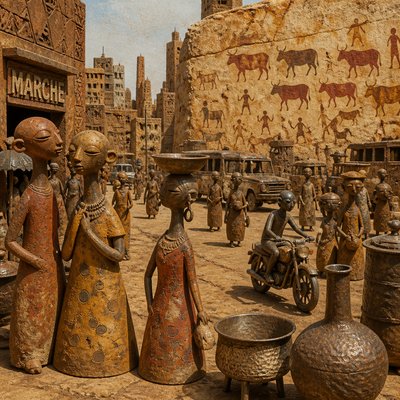
What is Chadian Art Style?
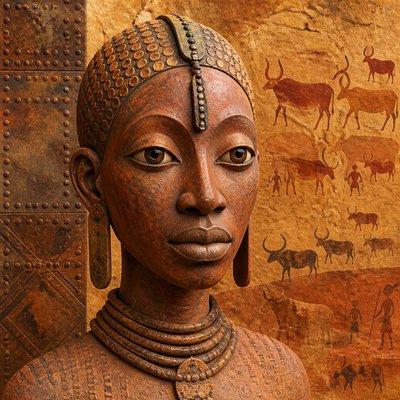
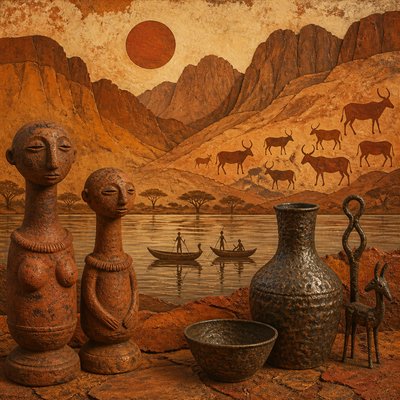
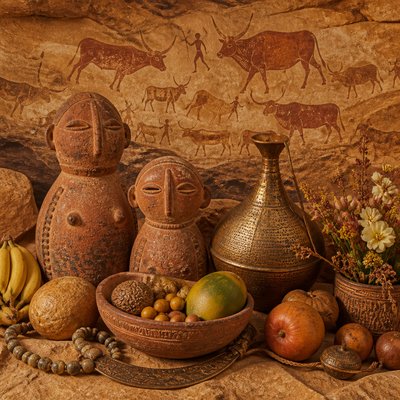
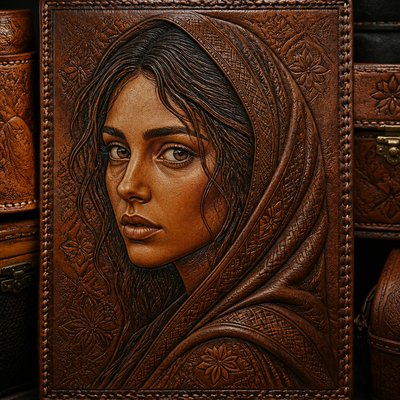
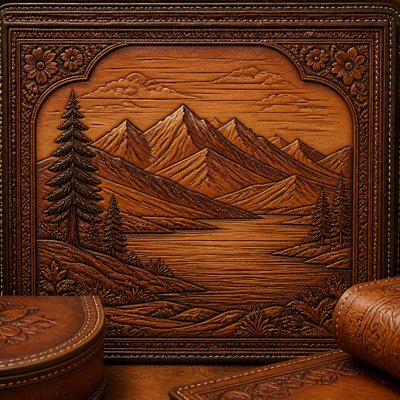
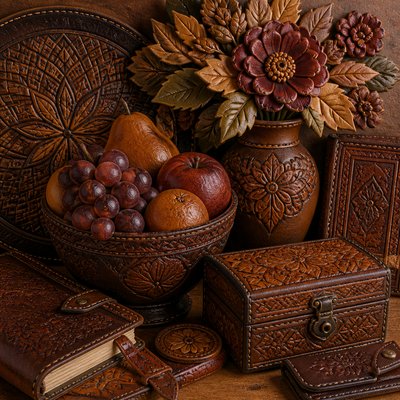
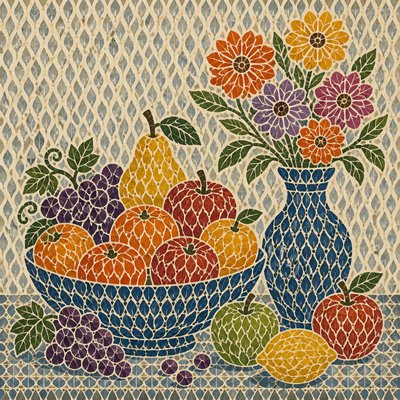
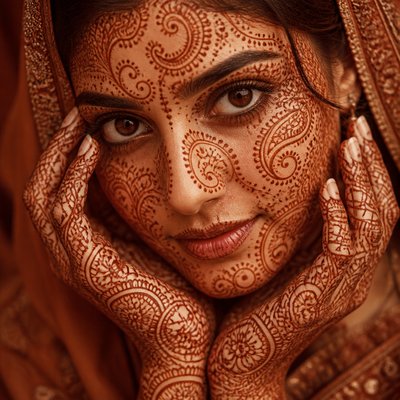
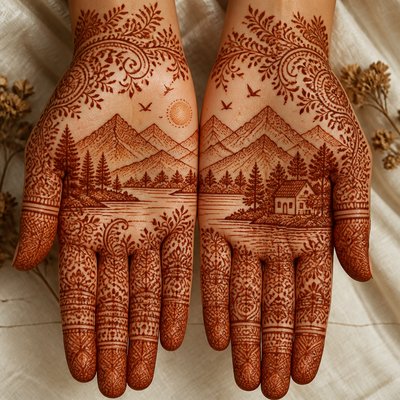
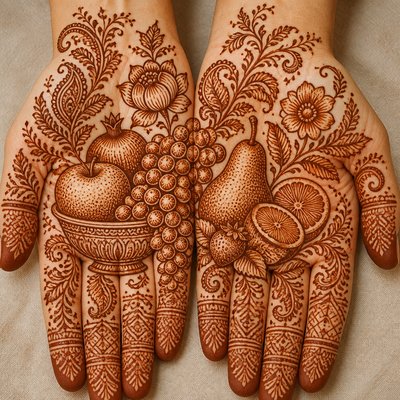
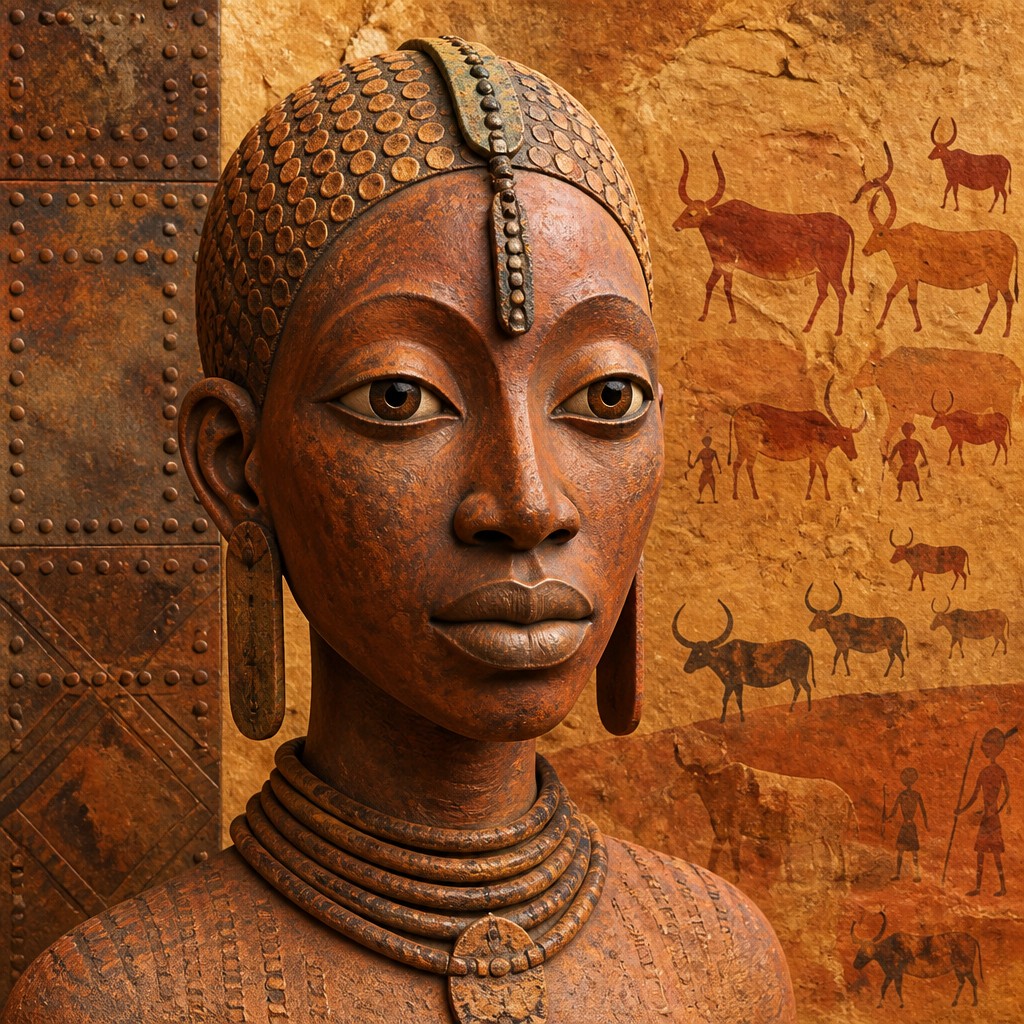
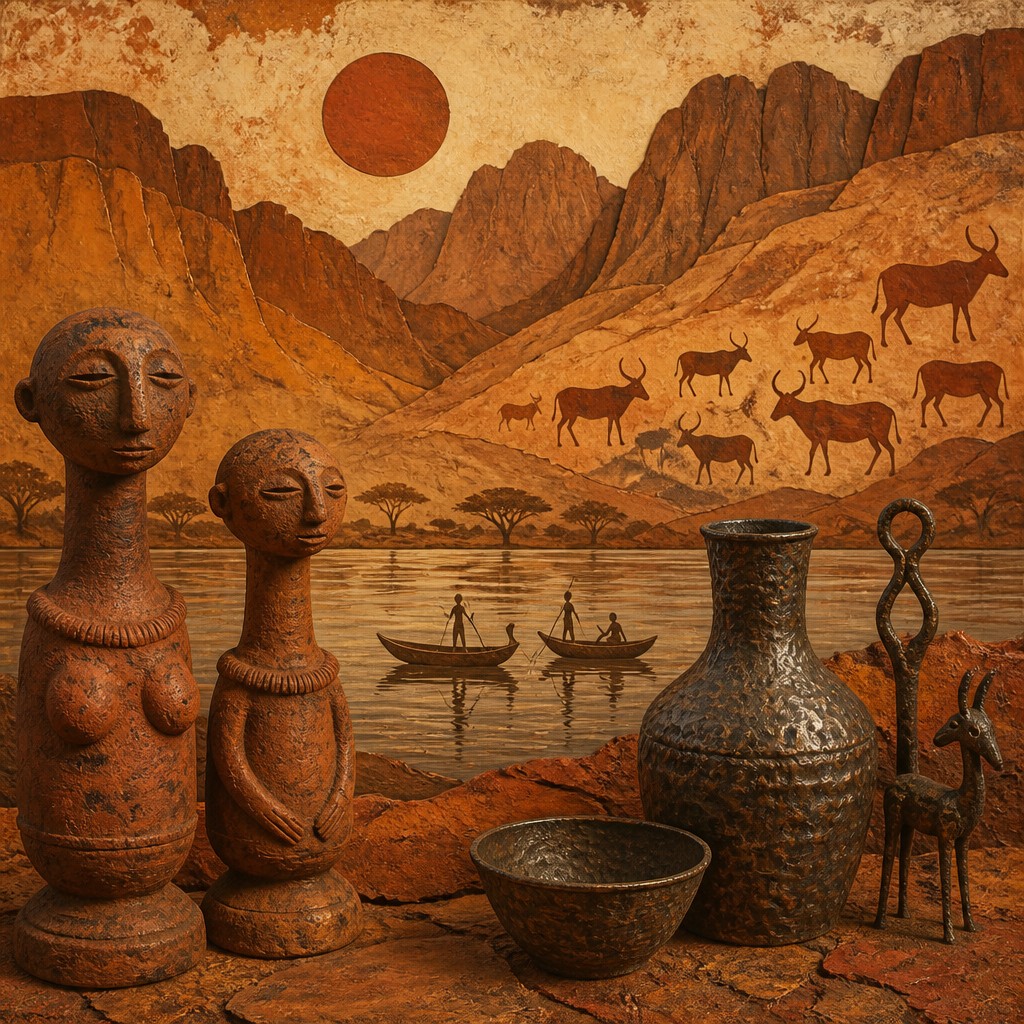
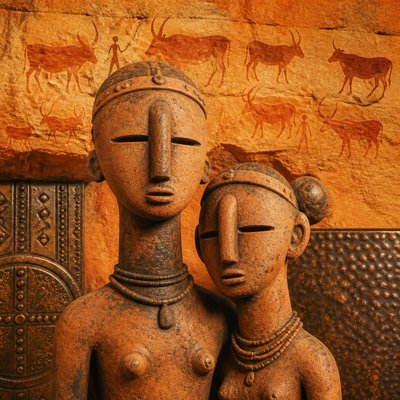
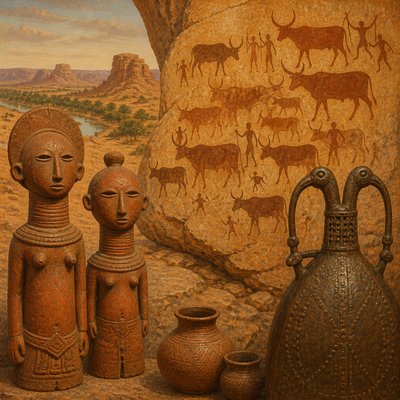
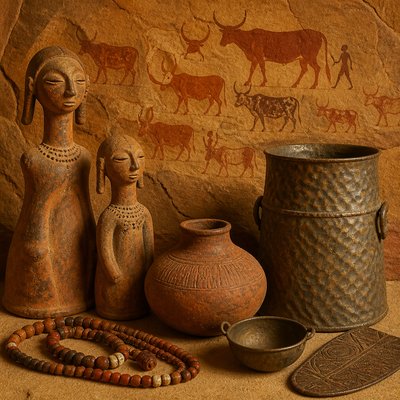
The resulting aesthetic is earthy, archaeological, and materially expressive. Sand, terracotta, rust, ochre, charcoal, and burnt umber dominate the palette, while simplified bodies, cattle silhouettes, incised marks, eroded edges, hammered textures, and sandstone-like surfaces create an image that feels shaped by heat, wind, age, and craft.
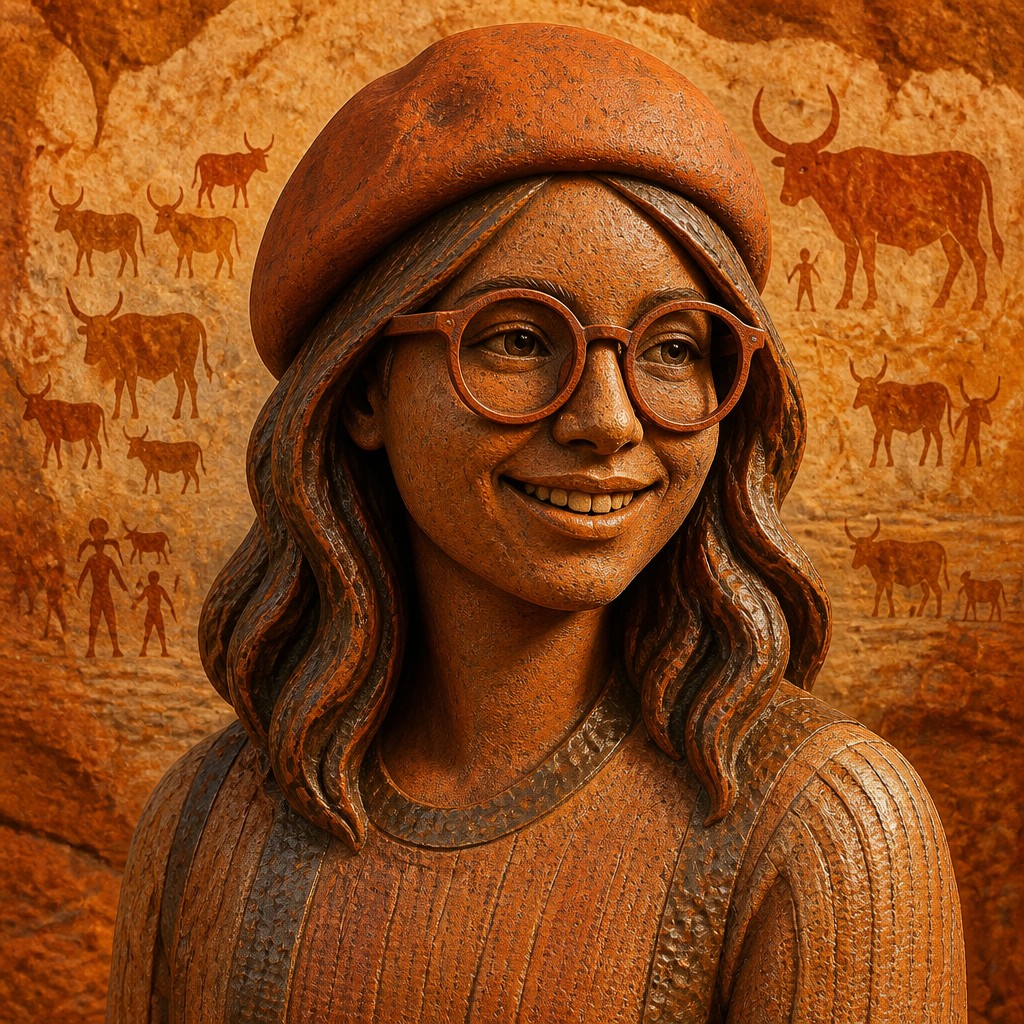
Try It On Your Photos
Upload any photo and convert it into Chadian Art Style — drag the sliders to compare before and after.


What Defines Chadian Art Style
The signature details, up close
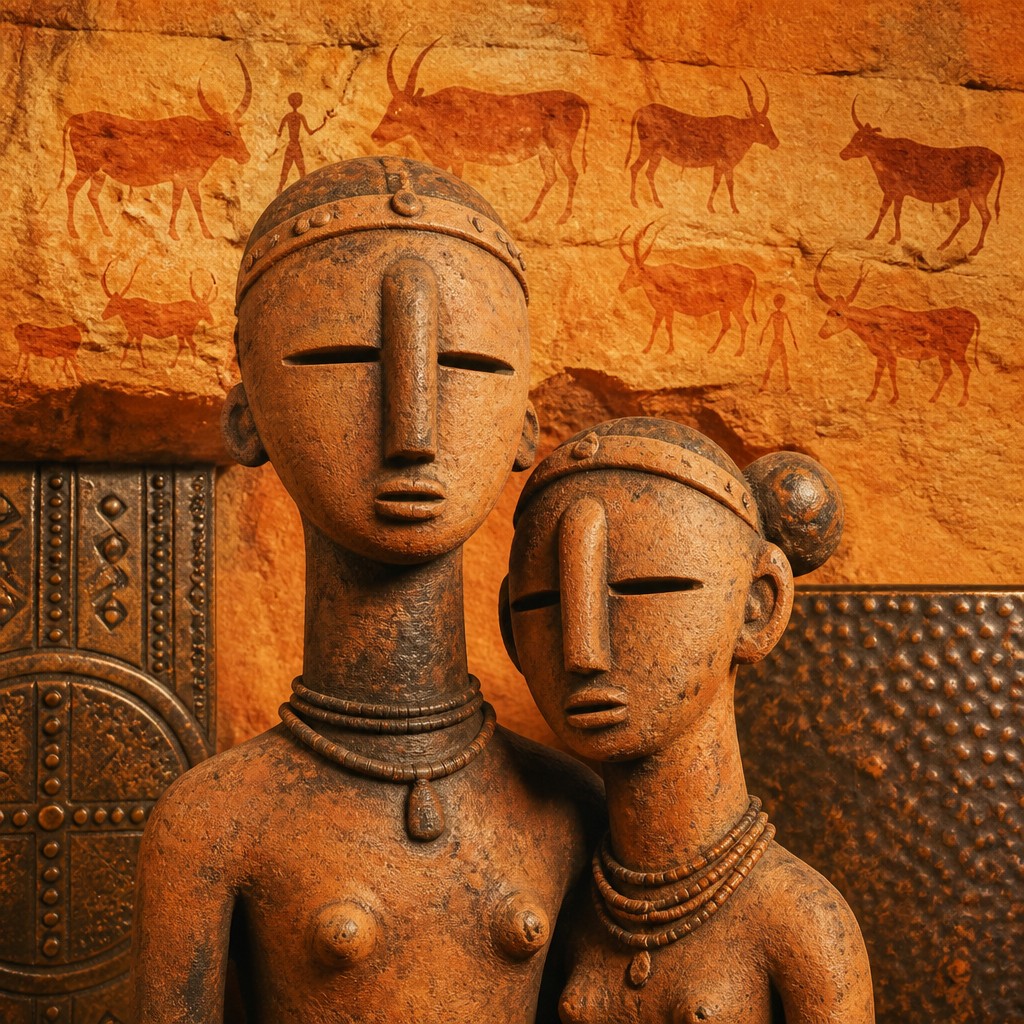
Rounded terracotta figures
Human and animal forms are simplified into compact, swelling volumes inspired by Sao ceramic sculpture. Features may be enlarged or abstracted, with a handmade asymmetry rather than polished anatomical realism.
Ochre rock-painting imagery
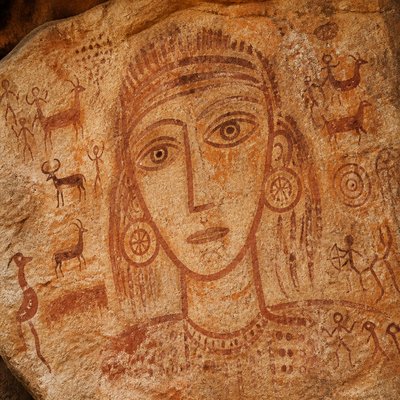
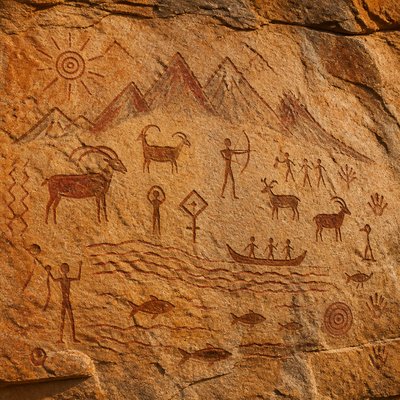
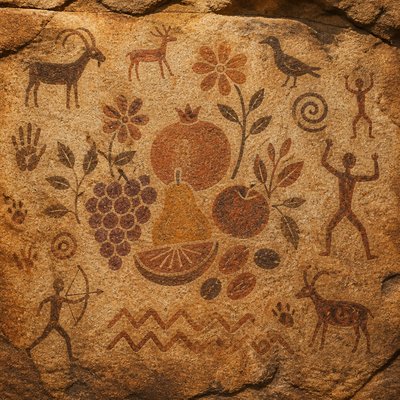
Cattle herds, riders, hunters, and processional figures are rendered in flat mineral-pigment shapes or spare linear marks. The imagery often resembles a fragment of a much older painted rock surface.
Weathered archaeological surfaces
Cracks, chips, abrasion, dust, pigment loss, and uneven firing suggest age and exposure. Surface wear should support the form without turning it into generic grunge.
Warm desert palette
Sand beige, pale limestone, ochre, iron red, terracotta, rust, charcoal, and burnt umber establish a dry Sahelian and Saharan atmosphere. Small areas of deep shadow can provide contrast.
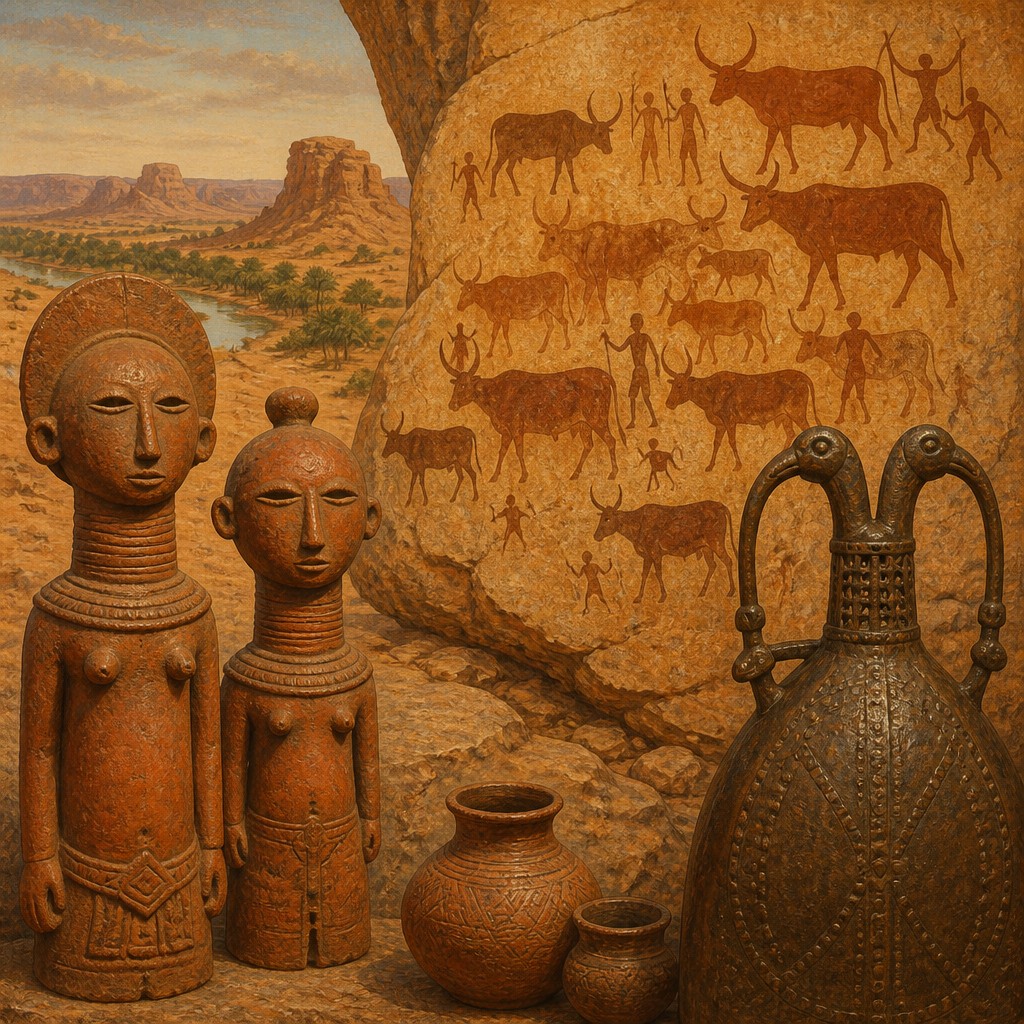
Hammered and incised texture
Repeated dents, shallow grooves, stamped marks, and irregular metallic highlights evoke hand-worked metal and crafted clay. These textures are especially effective on borders, vessels, ornaments, and sculptural details.
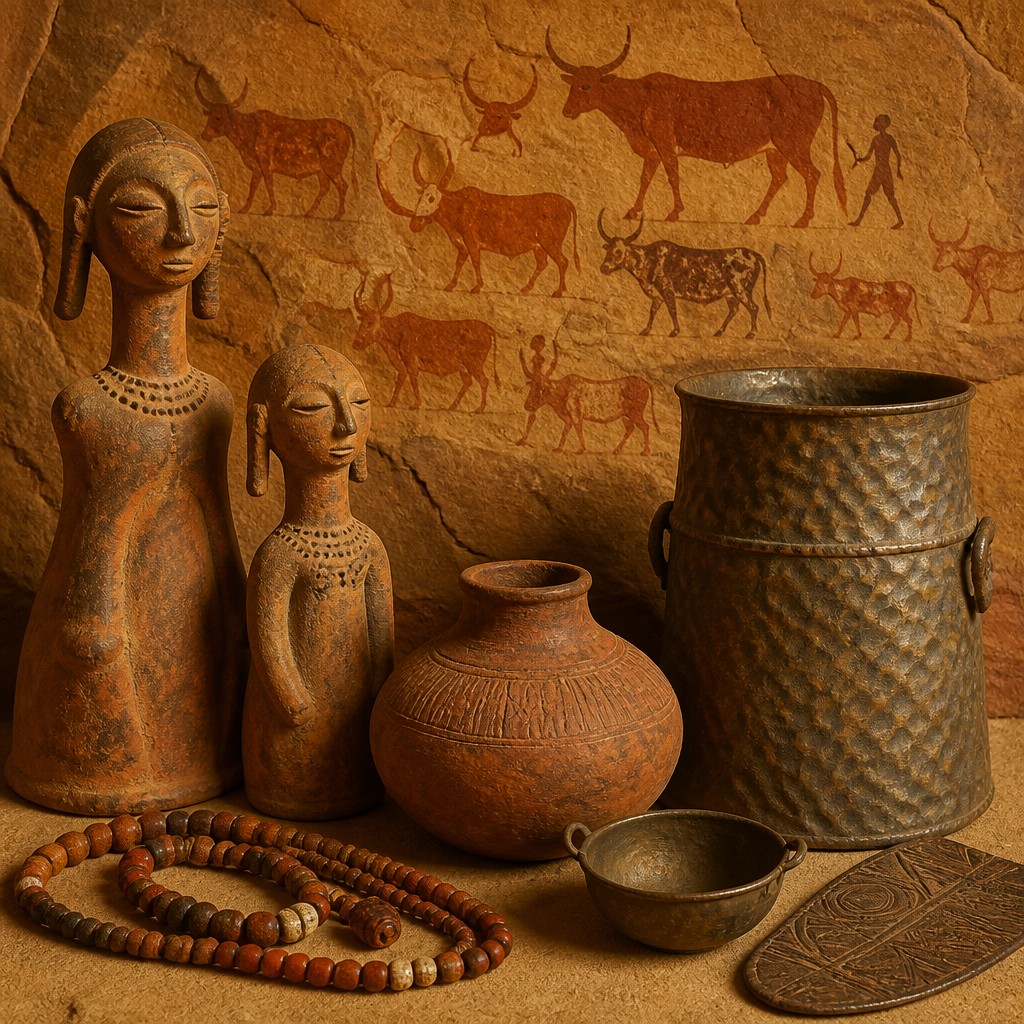
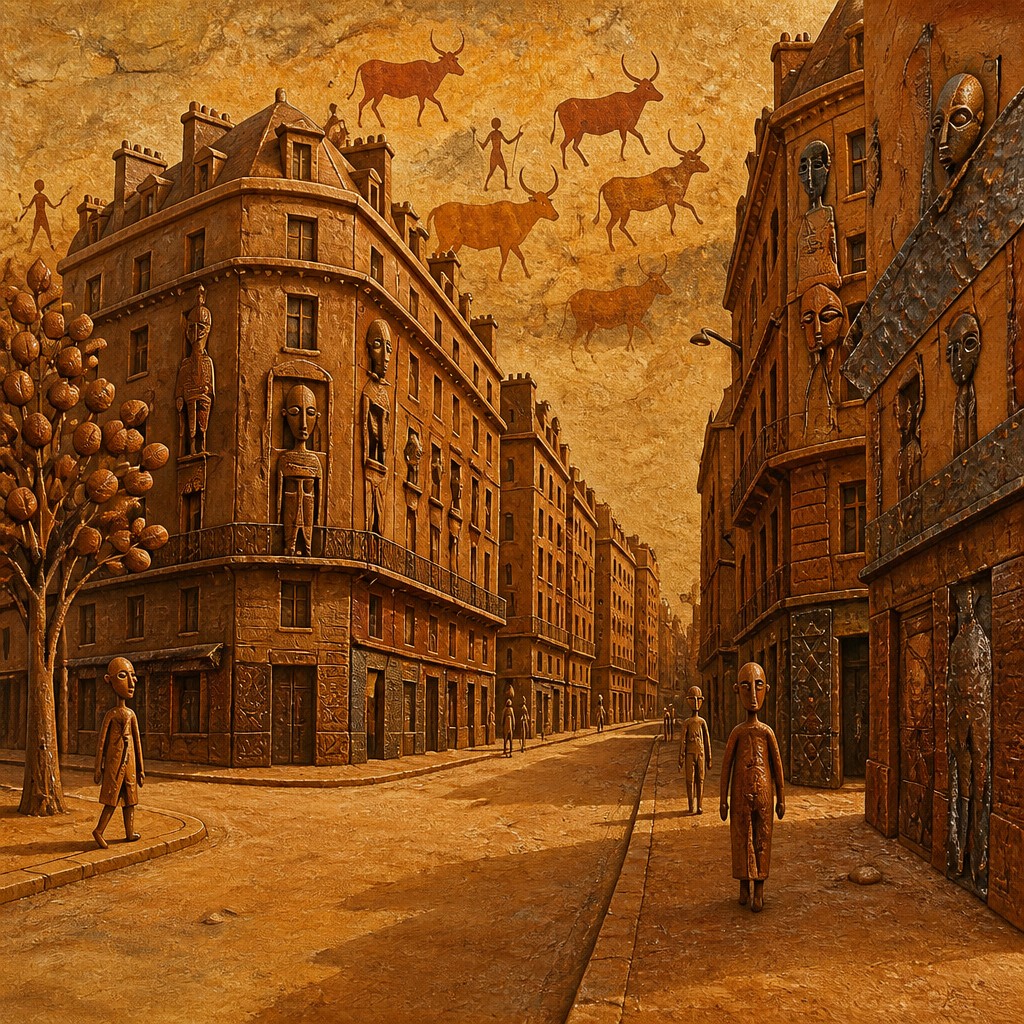
Flattened symbolic composition
Scenes favor frontal figures, side-view animals, bands, clusters, and deliberate negative space over deep perspective. The composition can feel ceremonial, documentary, or emblematic.
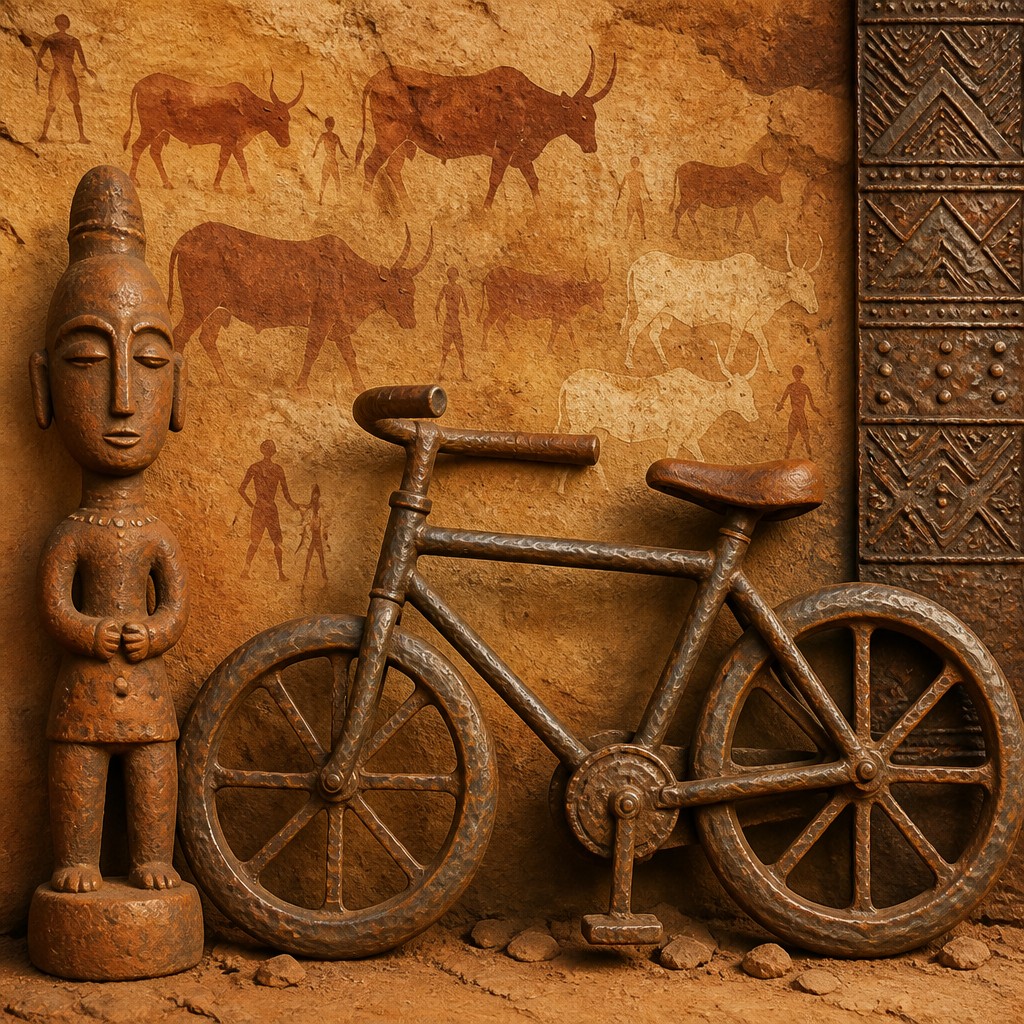
Sandstone and earthen integration
Figures and motifs often appear embedded in a plateau wall, clay ground, or dusty architectural setting. Backgrounds should feel materially connected to the subject rather than like a neutral studio backdrop.
Chadian Prompt Ideas
Start from an idea — each one opens the generator with the style ready to go. See all 40 Chadian prompts →
How to Create Chadian Art
Master the craft step by step — or skip straight to creating. Read the full guide →
- 1
Build forms in clay or digital sculpture
Start with rounded masses and simplified anatomy, then add shallow incisions, modeled facial planes, and irregular hand-shaped transitions. In 3D software, use sculpting brushes and displacement maps rather than perfectly smooth procedural surfaces.
- 2
Use mineral-looking color
Limit the palette to ochre, iron oxide red, terracotta, sand, charcoal, and umber, with restrained highlights. Layer transparent stains and dry-brushed abrasion so the color appears absorbed into clay or stone.
- 3
Suggest rock-painting technique
Render animals and human figures as economical silhouettes, contour lines, or flat pigment fields. Add faded edges, overlapping marks, and uneven density to imitate mineral paint applied to rough sandstone.
- 4
Add crafted surface detail
Use repeating dents, tool marks, shallow grooves, and dark recesses to suggest hammered metal or hand-worked pottery. Keep the pattern irregular, since uniform texture can make the work look synthetic.
- 5
Compose as an artifact or mural
Choose a frontal, side-on, or clustered arrangement with strong symbolic spacing. A dusty ground, sandstone wall, archaeological display, or low horizon can reinforce the material lineage.
- 6
Write focused generation prompts
Specify the subject first, then request rounded Sao-inspired terracotta modeling, Ennedi-like ochre rock-painting marks, hammered metal texture, weathered surfaces, and a sand-to-burnt-umber palette. For photo transformations, preserve the subject's pose and identity while applying the material and surface treatment rather than replacing every detail.
The Story
History & Origins of Chadian
It also draws from the Ennedi plateau's extensive rock-art record, which includes paintings and engravings made over many periods by communities whose lives included pastoralism. Cattle, human figures, hunting scenes, and geometric marks appear in mineral pigments on sandstone. References to Kotoko metalwork add a later regional craft dimension, especially the visual impression of hammered, darkened, and irregularly reflective metal. The combined style is best understood as a respectful modern interpretation of these distinct traditions, not as a historically unified Chadian school.
Influences: Related visual traditions include Sao ceramic sculpture, Ennedi and broader Saharan rock art, Sahelian earthen architecture, regional pottery, and metalworking traditions around the Lake Chad basin. It also shares strategies with archaeological reconstruction, primitivist modernism, material-focused sculpture, and contemporary cultural heritage illustration, although it should not be confused with any one of those categories or with a single pan-African style.
Frequently Asked Questions
What defines the Chadian art style?
It is defined by a synthesis of rounded Sao-inspired terracotta forms, Ennedi-like ochre rock imagery, and tactile hammered or incised surfaces associated with regional craft. Its identity comes from material texture, simplified symbolic forms, and a warm desert palette.
Is Chadian art style a historical art movement?
No. The label describes a contemporary interpretive style rather than a documented historical movement with a single origin or continuous school. It brings together distinct Chadian and Lake Chad traditions that developed in different periods and contexts.
How is it different from generic African art?
A broad label such as generic African art can erase major regional and historical differences. This style points specifically toward Chad's Lake Chad ceramic heritage, Ennedi rock-art environments, Saharan-Sahelian materials, and regional metalworking textures.
What subjects work best with this style?
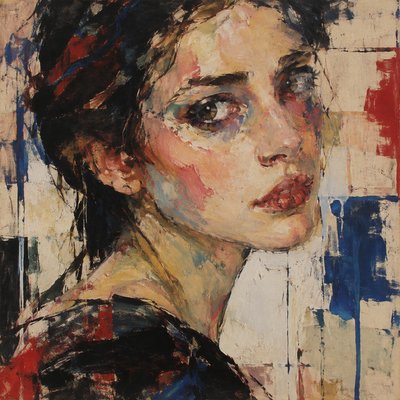
Cattle, herders, desert animals, ritual objects, vessels, masks, settlements, sandstone cliffs, and archaeological still lifes are especially compatible. Contemporary portraits can also work when their features remain recognizable beneath the clay, pigment, or weathered-surface treatment.
How can I make an image in this style without making it look artificial?
Use a restrained palette and describe specific physical processes such as hand modeling, firing, pigment fading, abrasion, carving, and hammering. Avoid covering every area with the same crack or noise pattern; varied wear, clear silhouettes, and purposeful negative space create a more convincing result.
Where is this style used?
It is suited to cultural illustration, museum-inspired editorial art, heritage interpretation, book covers, educational scenes, posters, sculptural concepts, and atmospheric landscape imagery. When depicting archaeological or living cultural traditions, captions and context should distinguish historical evidence from creative interpretation.
Create your first Chadian artwork
Describe anything — or upload a photo — and see it in Chadian Art Style in seconds.
Related Styles
Discover similar art styles