Iraqi Art Style
Explore Iraqi art style: Sumerian votive figures, Assyrian reliefs, ziggurats, Abbasid ornament, and a palette of ochre, lapis, and bronze.
Instantly rendered in Iraqi — or transform a photo
Iraqi Gallery
Tap any artwork to explore it
What is Iraqi Art Style?
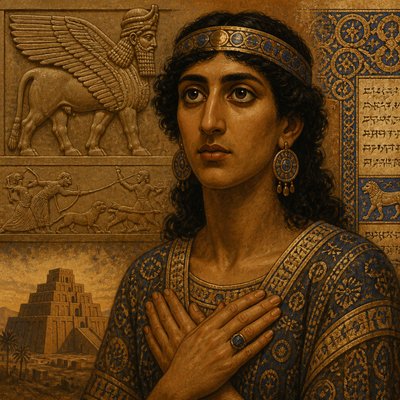
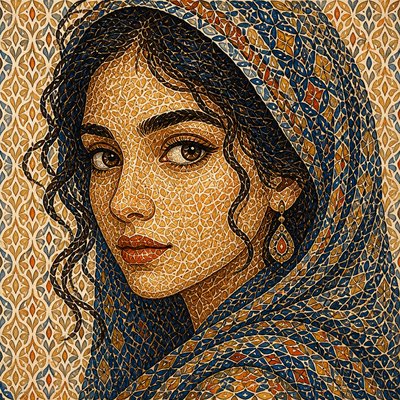
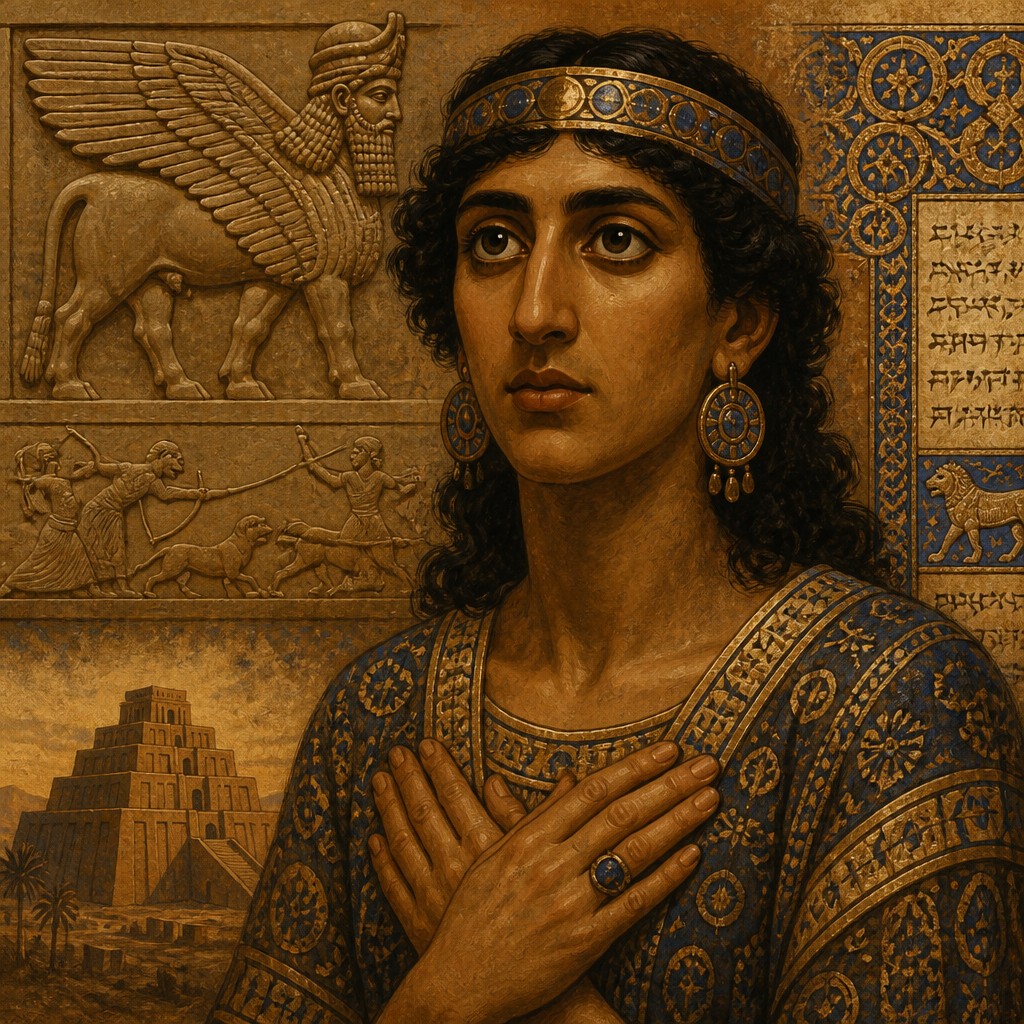
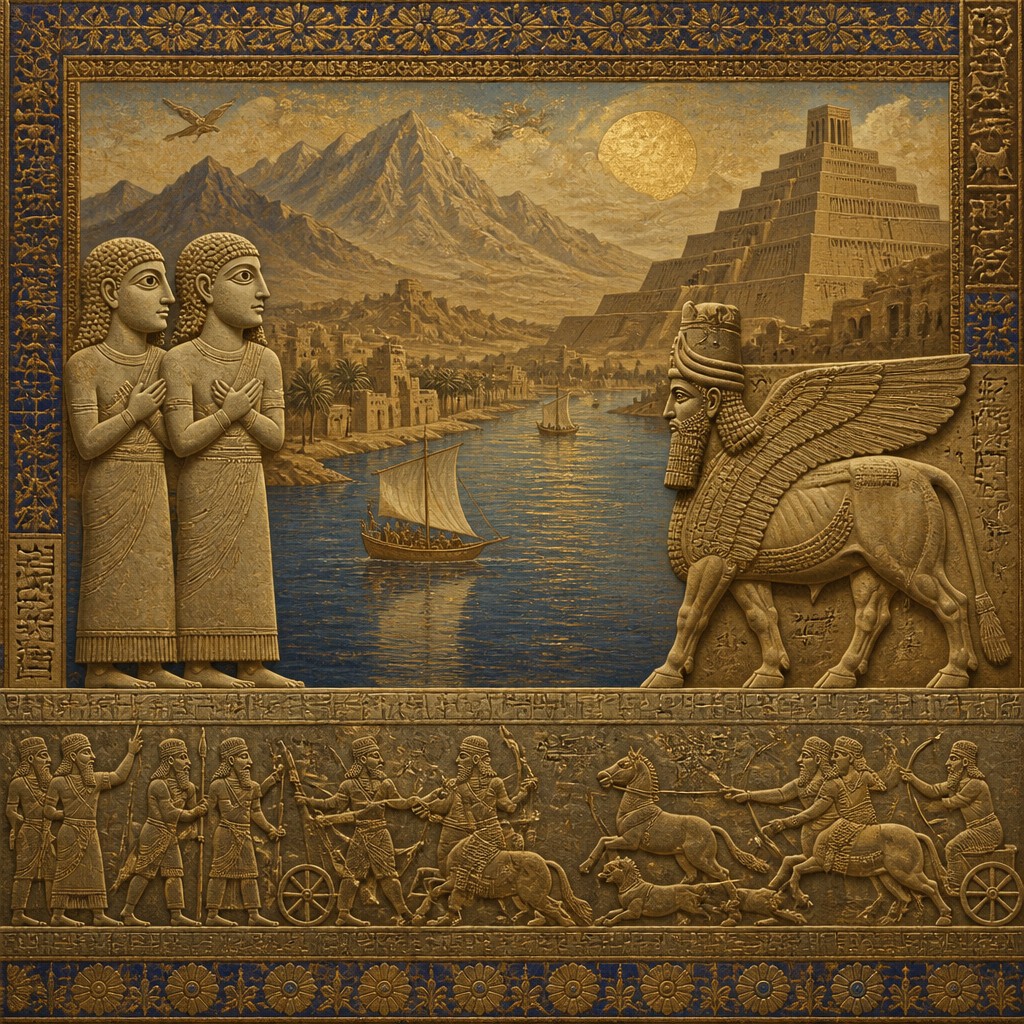
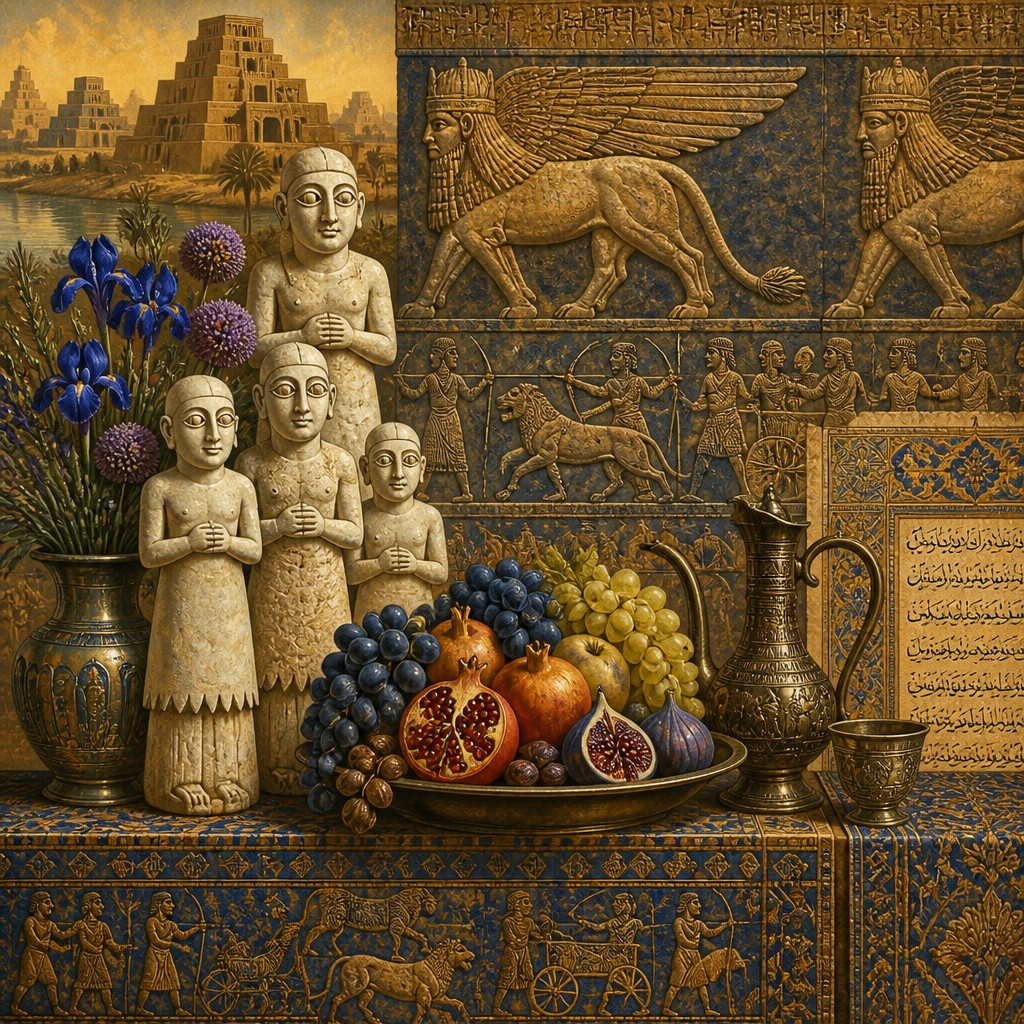
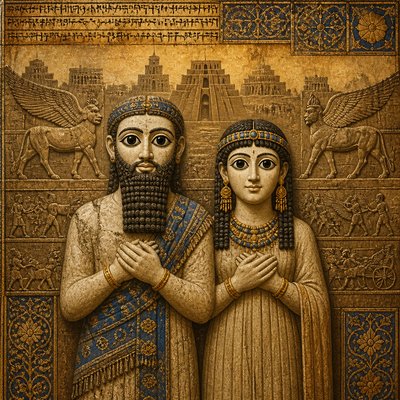
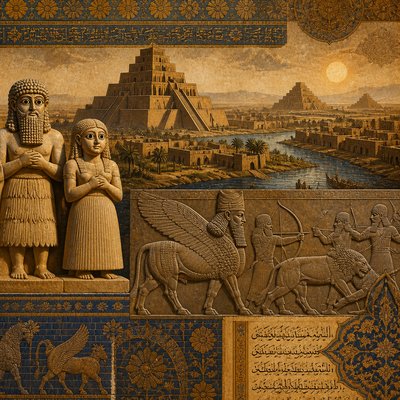
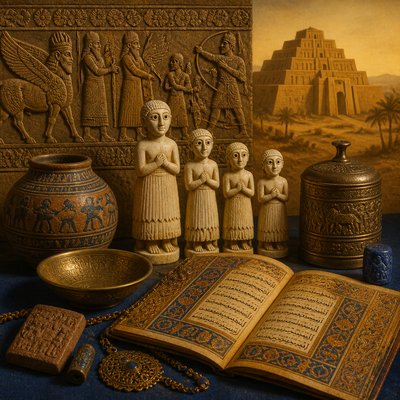
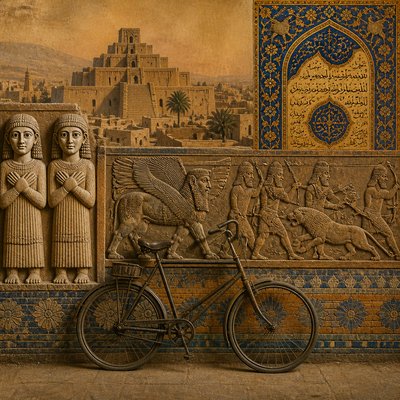
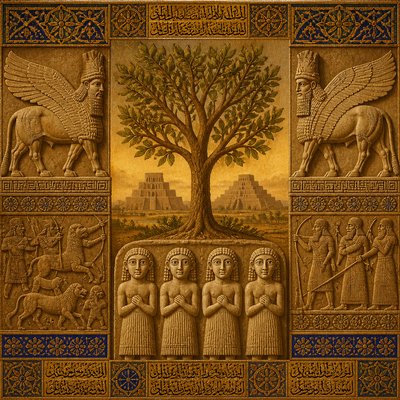
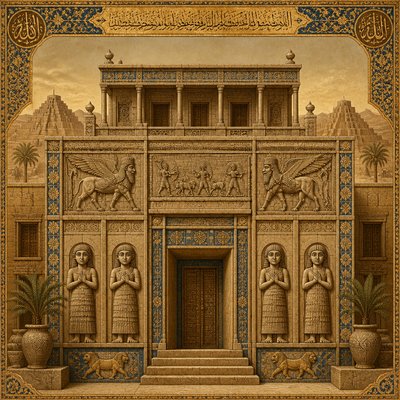
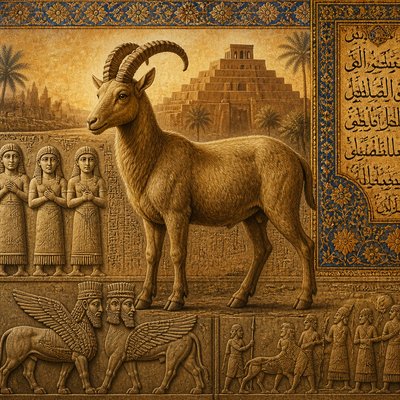
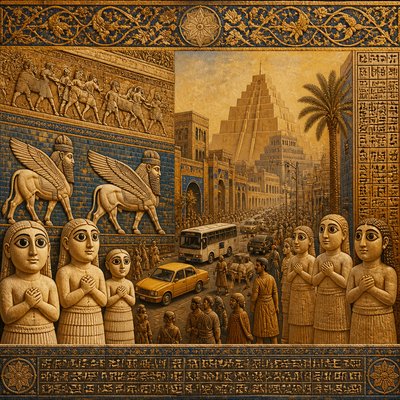
Iraqi art style is a contemporary descriptive synthesis of visual traditions associated with Iraq and ancient Mesopotamia. It combines the solemn, wide-eyed presence of Sumerian votive sculpture, the narrative force of Assyrian palace reliefs, the monumental geometry of ziggurats, and the ornamental refinement of Abbasid manuscript illumination.
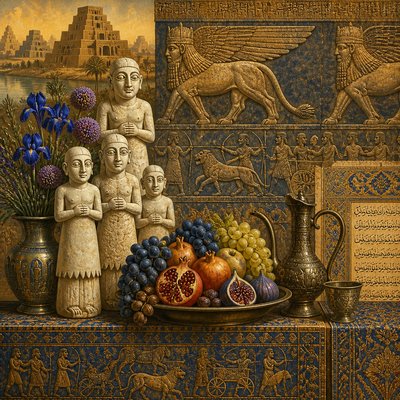
Its visual identity is defined by frontal figures, strong profiles, rhythmic repetition, carved or incised surfaces, and an earthy palette of clay ochre, sand, lapis blue, black, ivory, and burnished bronze. The style often feels ceremonial and archaeological because it borrows the compact compositions, symbolic scale, and durable material effects of stone, gypsum, baked brick, metal, and illuminated parchment.
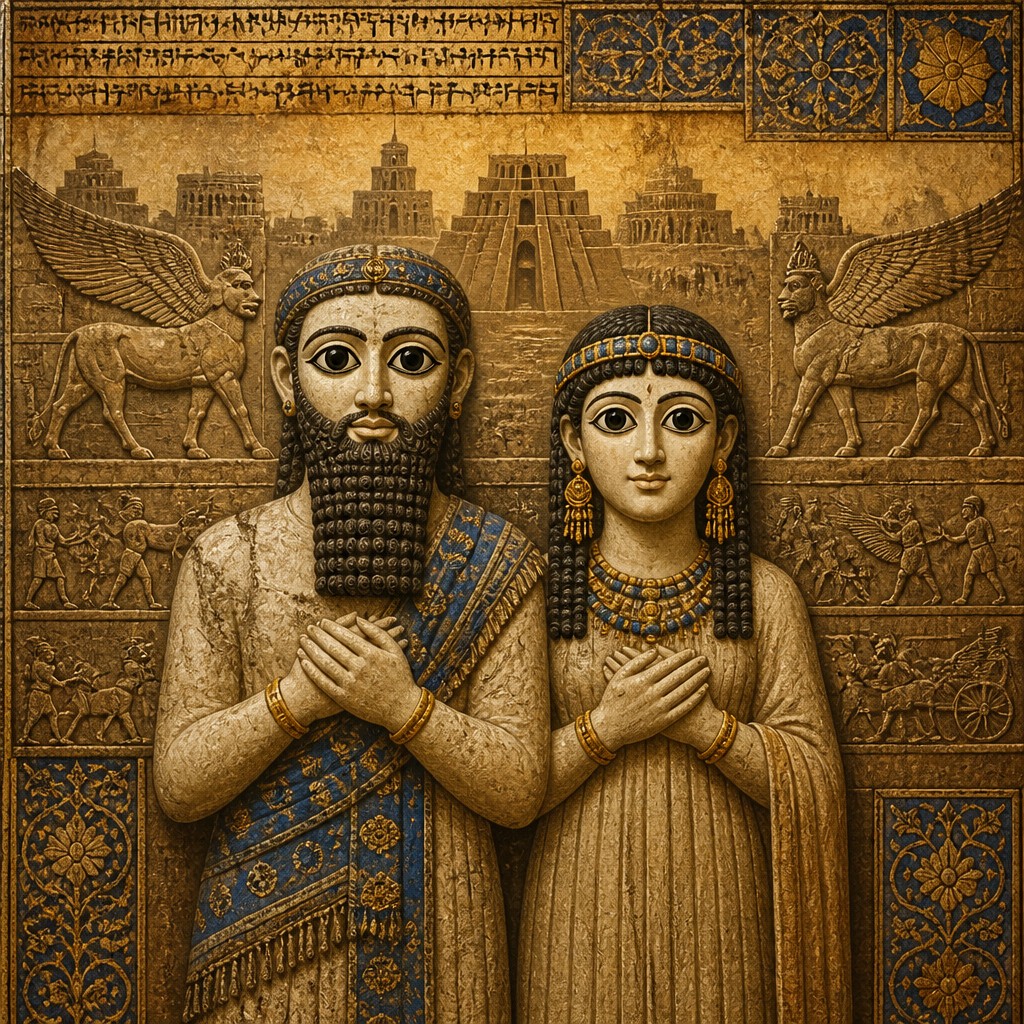
Try It On Your Photos
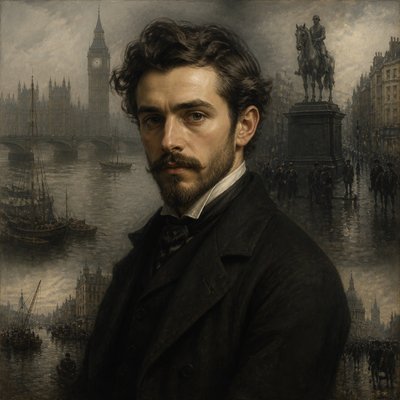
Upload any photo and convert it into Iraqi Art Style — drag the sliders to compare before and after.
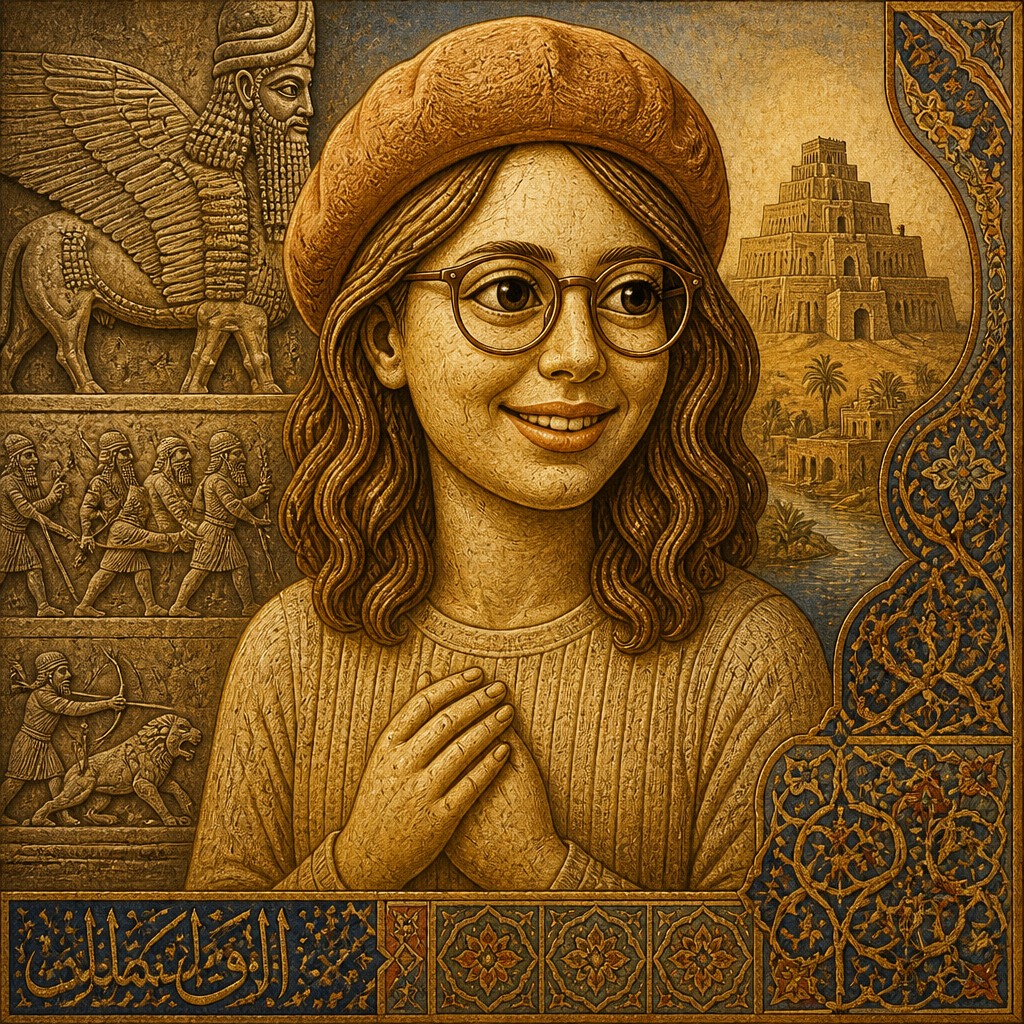

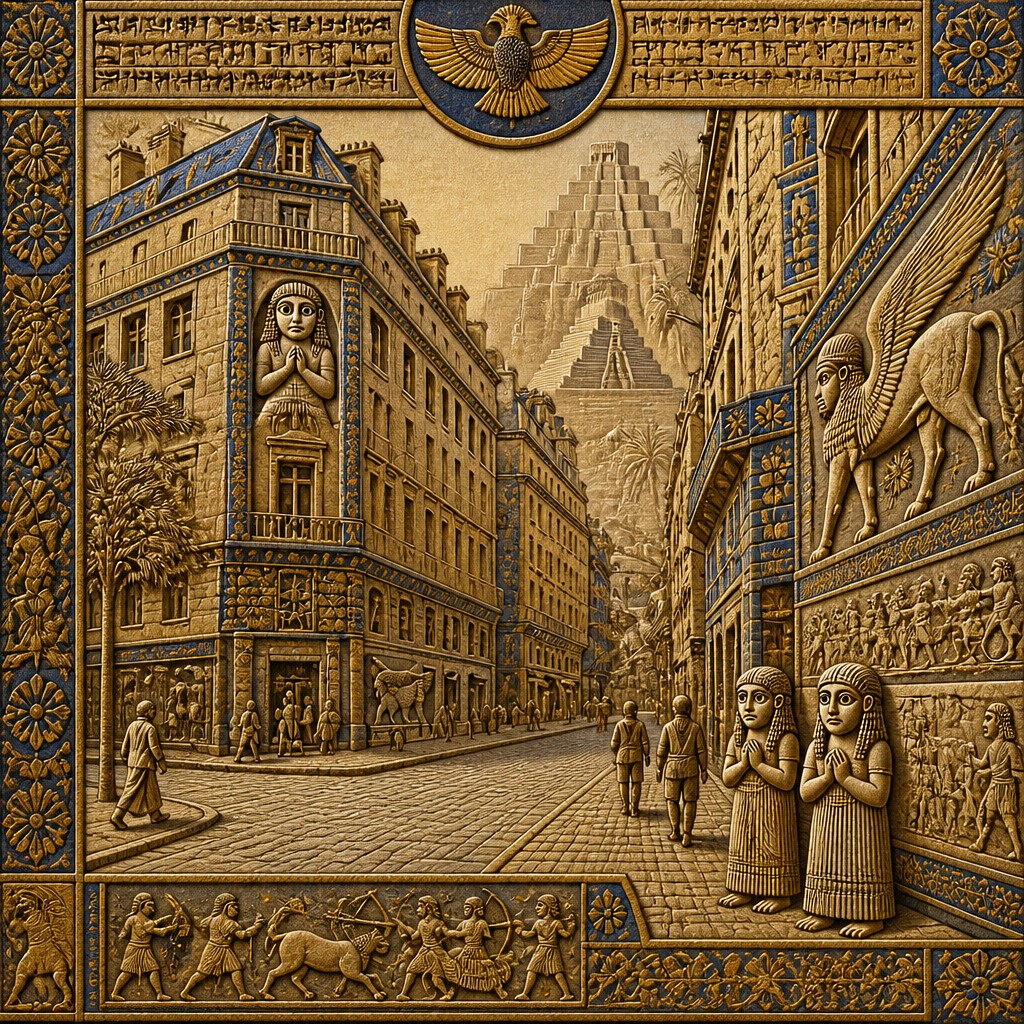

What Defines Iraqi Art Style
The signature details, up close
Wide-eyed votive figures
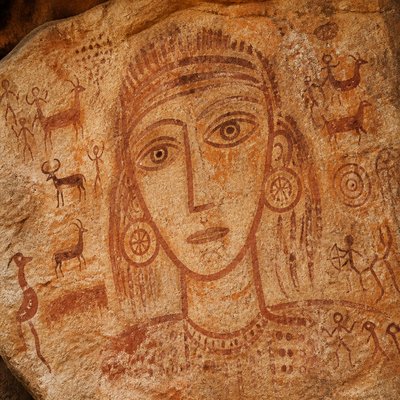
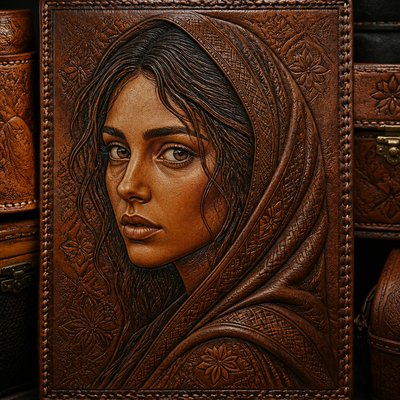
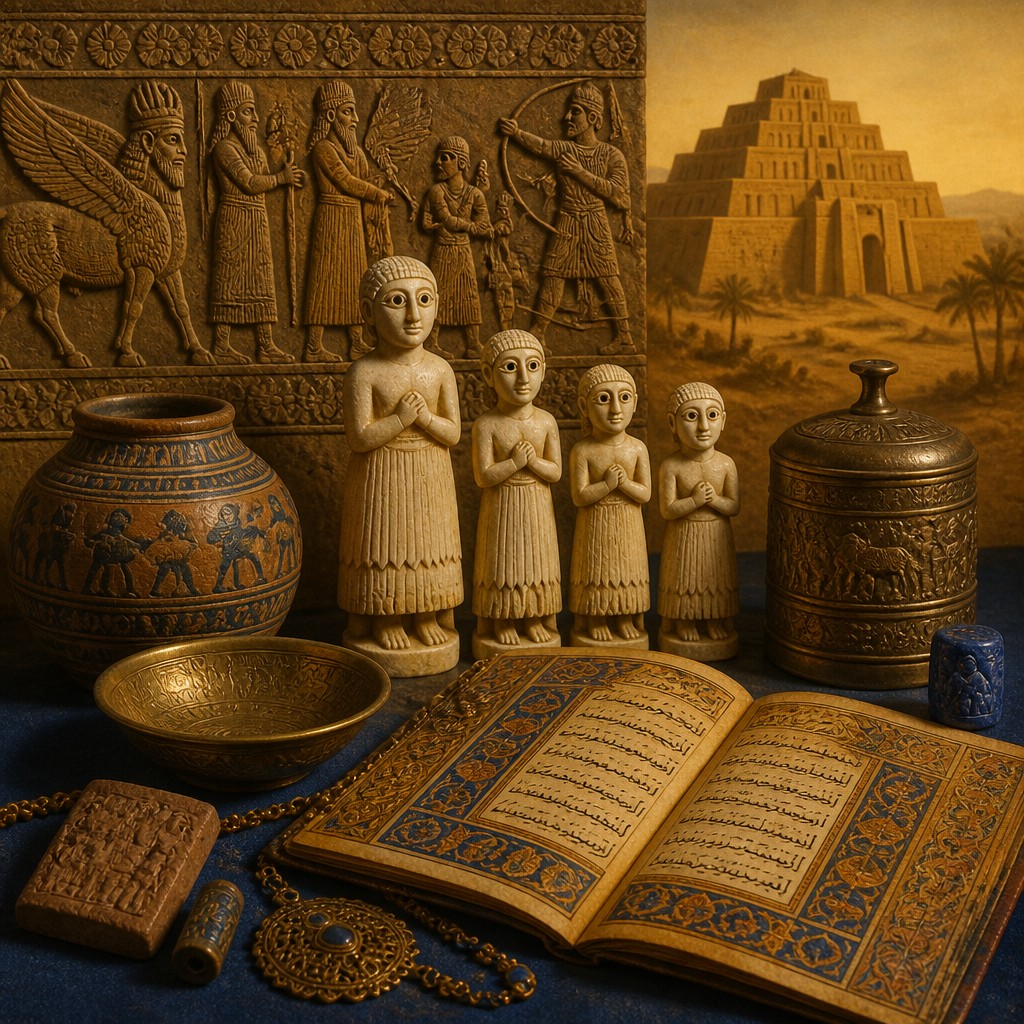
Large, almond-shaped or round eyes, compact bodies, and folded hands evoke the devotional sculptures of ancient southern Mesopotamia. Faces are usually calm, frontal, and hieratic rather than psychologically expressive.
Assyrian relief energy
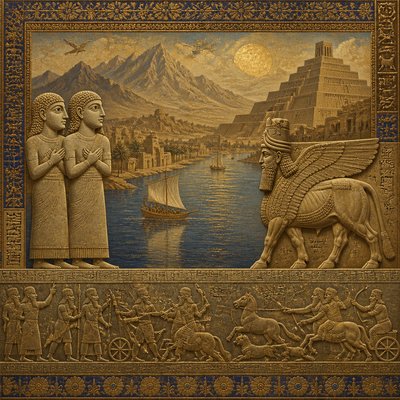
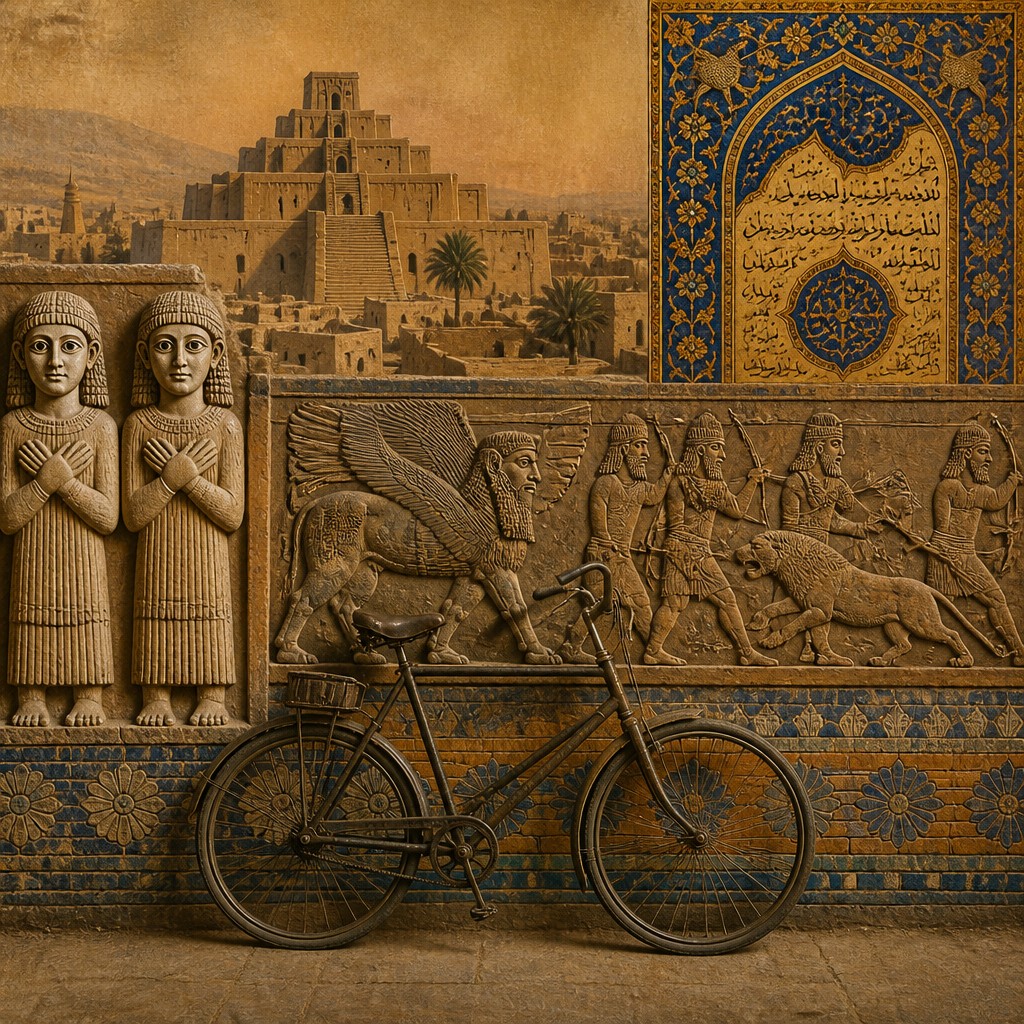
Overlapping profiles, hunting processions, chariots, winged guardians, and muscular animals create a sense of ordered movement. Shallow-relief contours and repeated directional lines suggest carved gypsum or alabaster.
Stepped monumental forms
Ziggurat-like terraces, stairways, crenellations, and tiered platforms provide a recognizable architectural structure. These forms often appear as silhouettes against a hazy desert horizon.
Archaeological surface texture
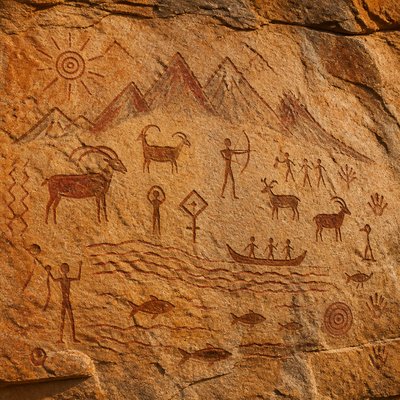
Cracks, incised lines, chipped edges, dust, and uneven mineral coloration imitate weathered stone, fired brick, plaster, or aged clay. The surface should feel tactile and materially grounded.
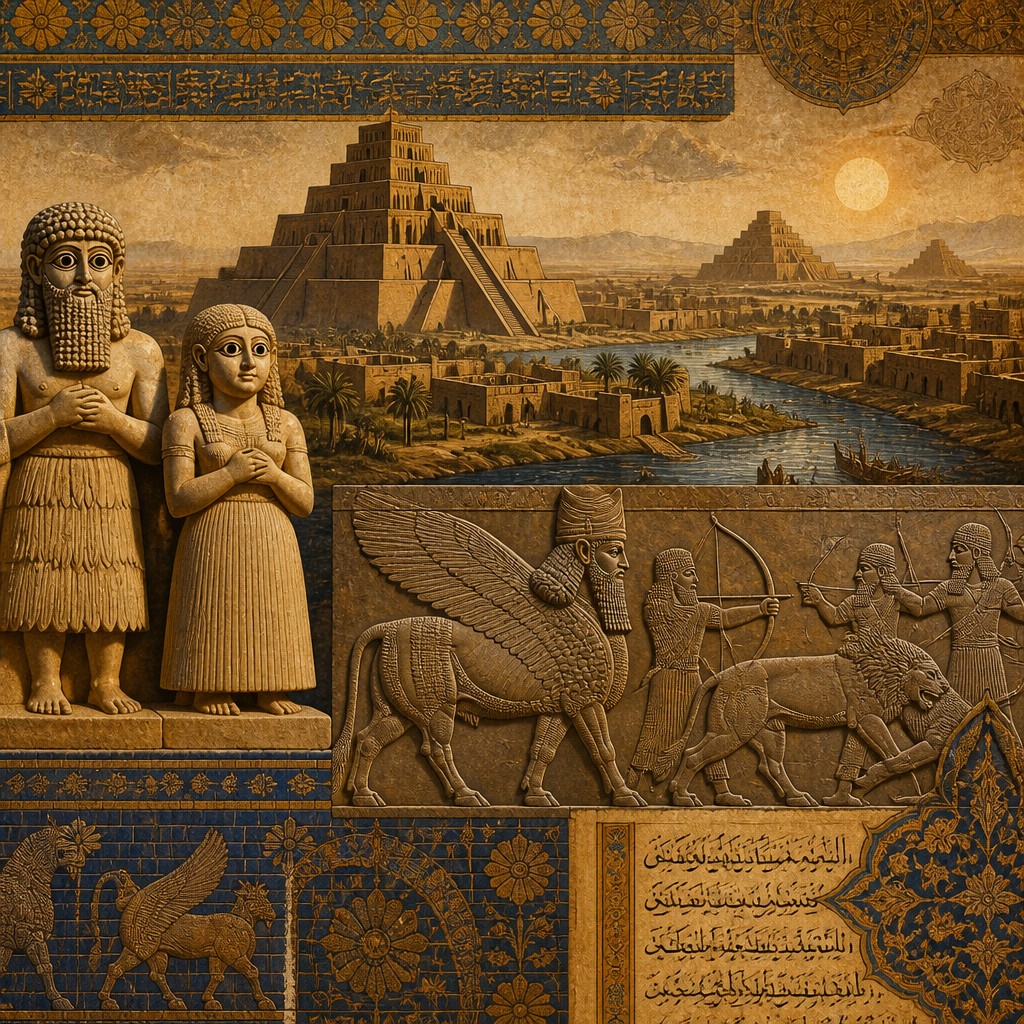
Mesopotamian earth palette
Ochre, terracotta, umber, limestone white, lapis blue, deep charcoal, and muted bronze establish the palette. Small areas of gold or copper can provide ceremonial emphasis without making the image appear glossy.
Illuminated ornament
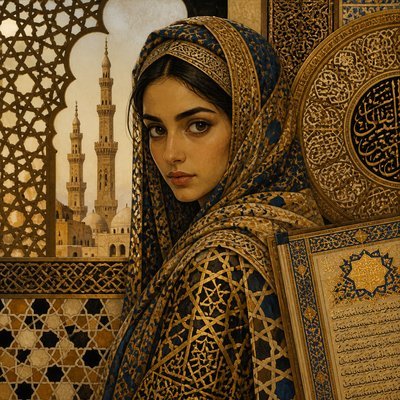
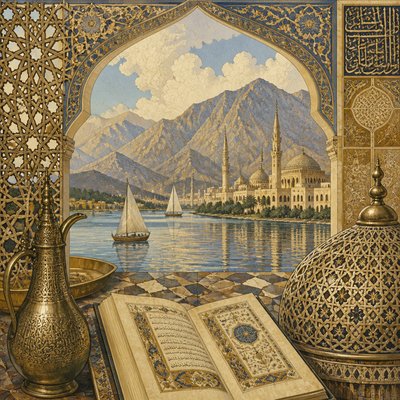
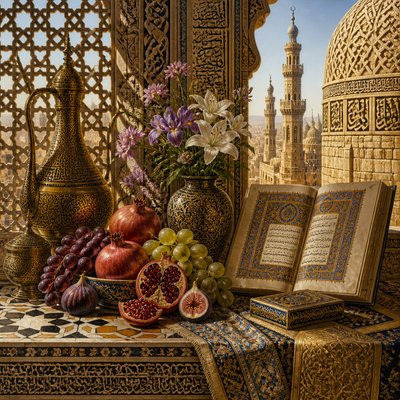
Geometric borders, vegetal arabesques, rosettes, stars, and banded framing draw on medieval manuscript decoration. Ornament is typically used to organize the composition around a central figure or narrative panel.
Symbolic scale and symmetry
Important figures may be enlarged, centered, or placed higher than secondary subjects, following ancient conventions of visual hierarchy. Symmetrical framing and repeated motifs create a formal, processional character.
Iraqi Prompt Ideas
Start from an idea — each one opens the generator with the style ready to go. See all 40 Iraqi prompts →
How to Create Iraqi Art
Master the craft step by step — or skip straight to creating. Read the full guide →
- 1
Build the composition from relief logic
Begin with a shallow, layered arrangement rather than deep naturalistic perspective: foreground figures, middle-ground architecture, and a compressed horizon. Use overlapping contours and parallel incisions to suggest carved stone.
- 2
Choose historically suggestive materials
For traditional work, try clay, gypsum, plaster, wood, or ochre-based pigments, then add incised marks and restrained metallic details. Digitally, use displacement maps, roughness variation, bevels, and matte shading to simulate carved or weathered surfaces.
- 3
Use a disciplined palette
Anchor the image in ochre, terracotta, sand, and charcoal, then reserve lapis blue and burnished bronze for focal accents. Avoid excessive saturation if the goal is an archaeological or manuscript-like appearance.
- 4
Frame the subject with ornament
Add stepped borders, rosettes, stylized foliage, cuneiform-inspired marks, or geometric bands around the central scene. Keep the ornament rhythmic and structured rather than randomly decorative.
- 5
Write precise image prompts
Specify the subject, material, pose, historical reference, palette, lighting, and surface treatment together; for example, request a frontal votive figure, gypsum relief texture, lapis accents, and desert haze. State whether the result should resemble a museum fragment, palace wall, illuminated manuscript, or contemporary digital composition.
- 6
Control historical blending
If combining ancient Mesopotamian and Abbasid references, identify both sources explicitly so the intended synthesis is clear. For a more period-specific result, request only Sumerian votive sculpture, Neo-Assyrian relief, or Abbasid manuscript ornament instead of mixing all three.
The Story
History & Origins of Iraqi
Iraqi art style is not a single historical movement with a fixed period or formal school. It is an aesthetic lineage assembled from several major periods of Iraqi visual culture: Sumerian and Akkadian art of the third millennium BCE, Babylonian and Neo-Assyrian art of the second and first millennia BCE, and the manuscript and decorative arts of the Abbasid period, especially the cultural centers of Iraq during the medieval era.
Sumerian sculpture established the characteristic devotional gaze and folded-hand pose, while Assyrian relief carving contributed dynamic hunting scenes, military processions, winged protective beings, and carefully patterned textiles. Ziggurat architecture supplied stepped silhouettes and monumental vertical rhythm, and Abbasid book arts introduced arabesque borders, vegetal ornament, calligraphic structure, and controlled illumination. Modern uses of the style reinterpret these sources rather than reproducing one historical period exactly.
Influences: The style draws from Sumerian votive sculpture, Akkadian and Babylonian visual traditions, Neo-Assyrian palace relief, Mesopotamian architecture, cuneiform tablet and seal imagery, and Abbasid manuscript illumination. It also relates to archaeological illustration, historical reconstruction, relief sculpture, iconographic portraiture, and contemporary heritage-inspired digital art. Its closest visual relatives are not a single movement but a layered combination of ancient monumentality, narrative carving, Islamic ornament, and material-focused reconstruction.
Frequently Asked Questions
What defines Iraqi art style?
It is defined by a synthesis of Mesopotamian and Iraqi visual traditions rather than by one historical school. Common features include wide-eyed frontal figures, folded hands, Assyrian relief narratives, ziggurat forms, manuscript borders, carved textures, and an ochre-and-lapis palette.
Is Iraqi art style a historical art movement?
No. The term is best understood as a contemporary umbrella label for an aesthetic lineage drawn from several periods of Iraqi art and architecture. It should not be confused with a formally documented movement that existed under this exact name in antiquity.
How is it different from Egyptian or Persian art?
Its strongest markers are Mesopotamian: large staring eyes, folded devotional hands, cuneiform-associated imagery, stepped ziggurats, winged bulls, and the compressed storytelling of Assyrian reliefs. Egyptian art more often emphasizes its own conventions of composite figure design and hieroglyphic symbolism, while Persian traditions have distinct courtly, garden, manuscript, and carpet-based vocabularies.
What materials are associated with this style?
Historical sources include gypsum and limestone sculpture, alabaster relief, clay tablets, glazed or fired brick, metalwork, and illuminated manuscripts. In contemporary practice, plaster, clay, textured paint, collage, 3D sculpting, digital relief effects, and matte compositing can recreate related surfaces.
How can I make an image in this style without making it look generic?
Choose a specific anchor, such as a Sumerian votive figure, a Neo-Assyrian hunting relief, a ziggurat, or an Abbasid manuscript page. Then define the material, pose, border structure, palette, and lighting instead of relying only on broad cultural labels.
Where is this style commonly used?
It is useful for historical illustration, museum-oriented visualizations, book covers, editorial art, heritage interpretation, concept design, educational graphics, and fantasy scenes inspired by ancient Mesopotamia. It can also support portrait treatments when the relief framing and material cues remain clear.
Create your first Iraqi artwork
Describe anything — or upload a photo — and see it in Iraqi Art Style in seconds.
Related Styles
Discover similar art styles