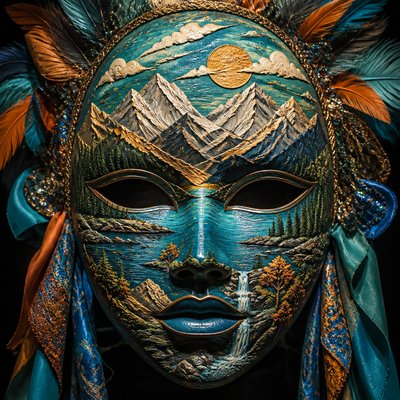
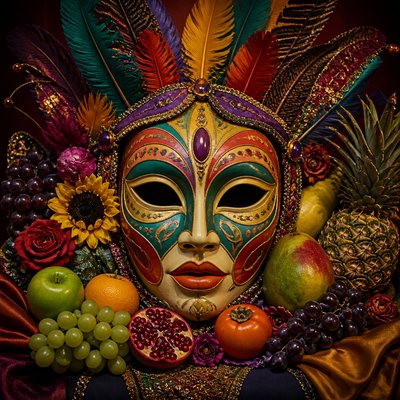
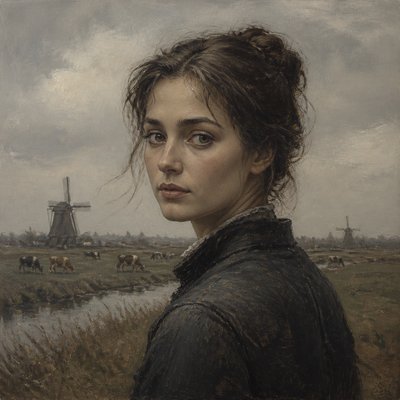
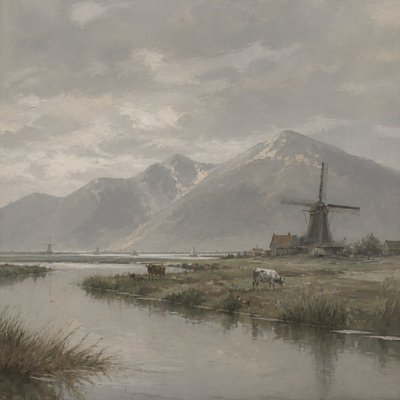
Pakistani Art Style
Explore Pakistani art style: Gandhara drapery, Mughal architecture, and vibrant truck-art florals in a richly layered visual tradition.
Instantly rendered in Pakistani — or transform a photo
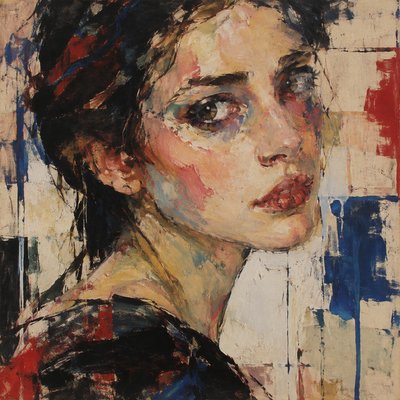
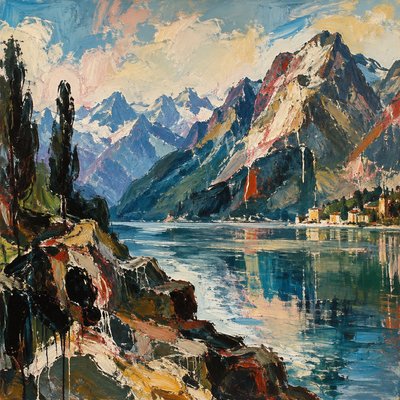
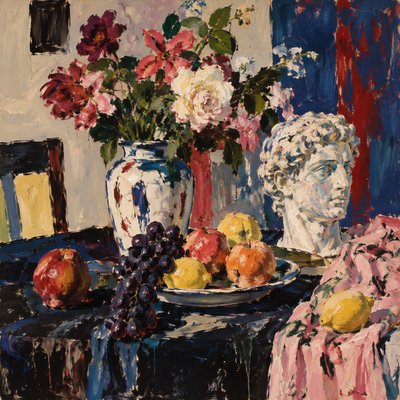
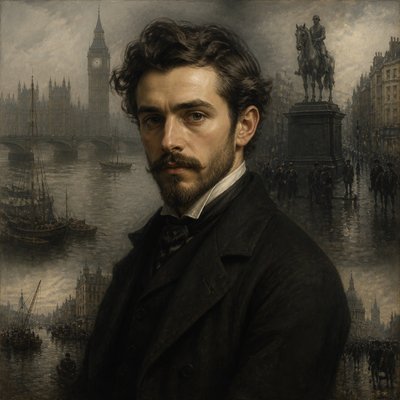
Pakistani Gallery
Tap any artwork to explore it
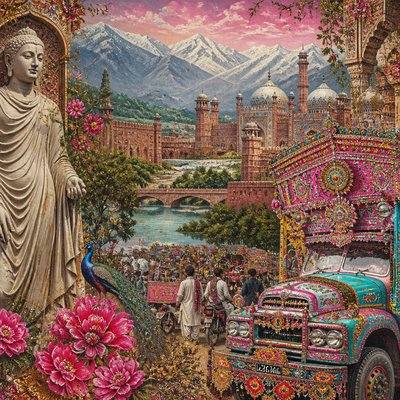
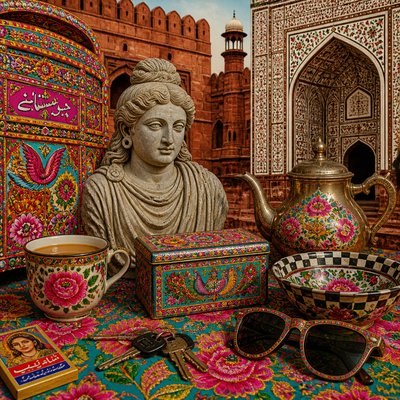
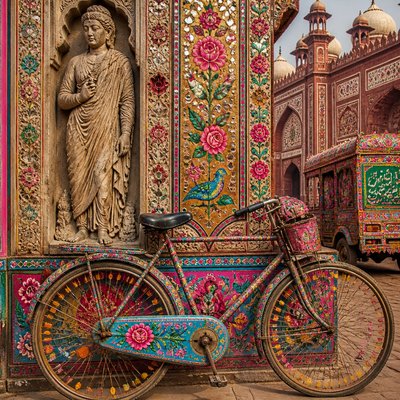
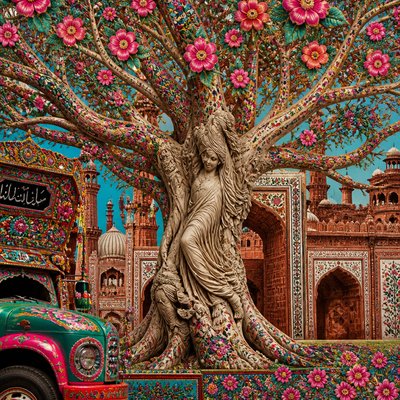
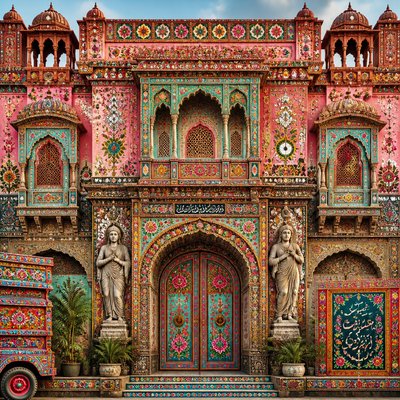
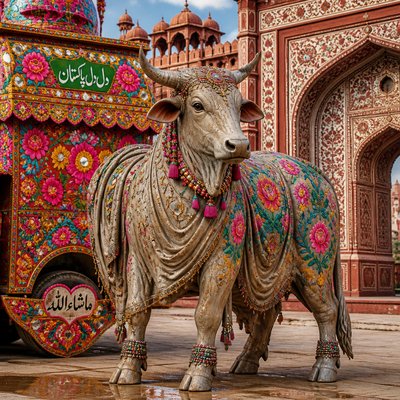
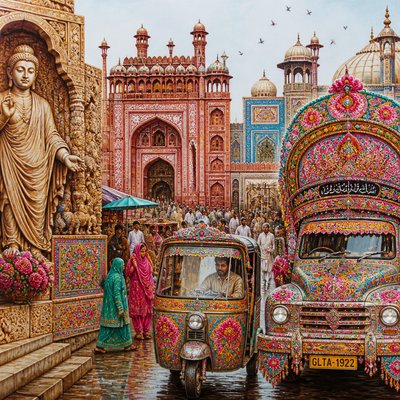
What is Pakistani Art Style?
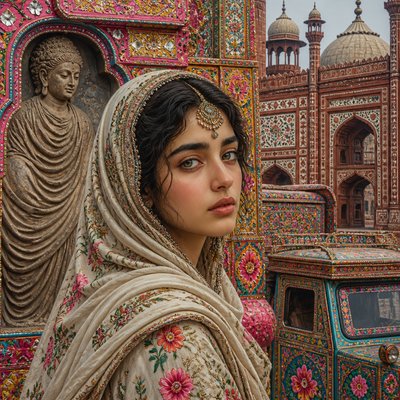
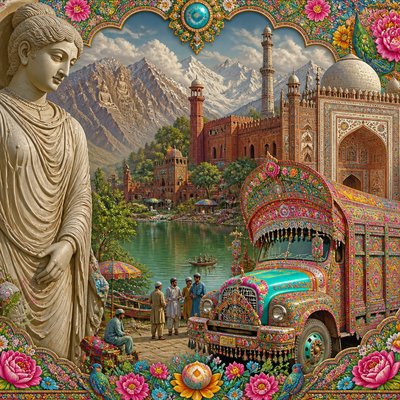
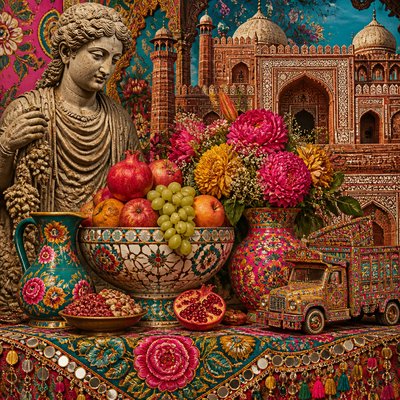
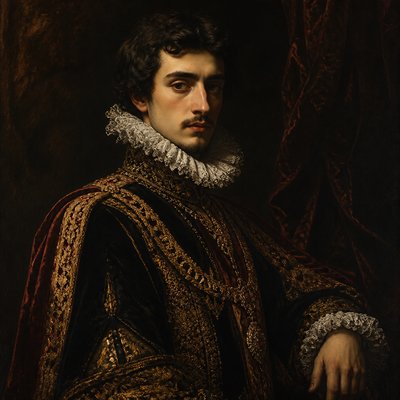
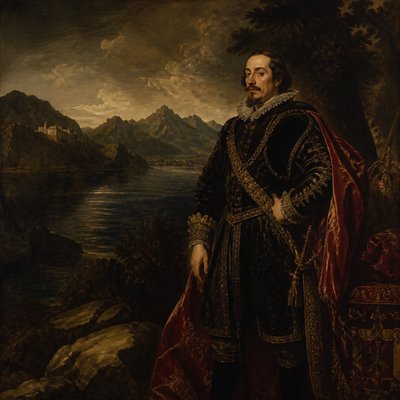
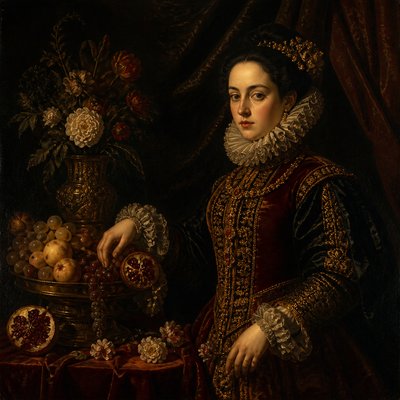
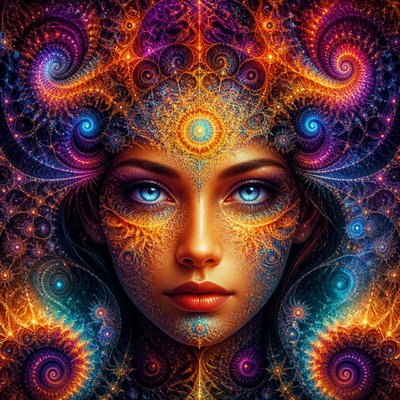
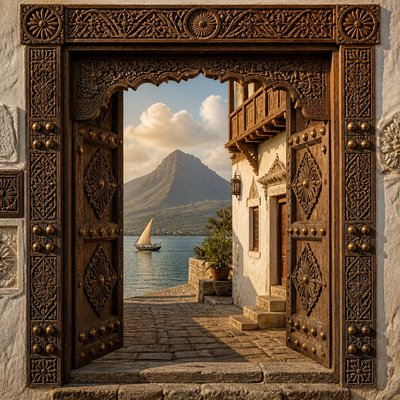
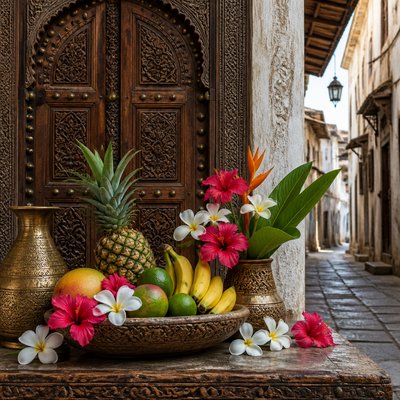
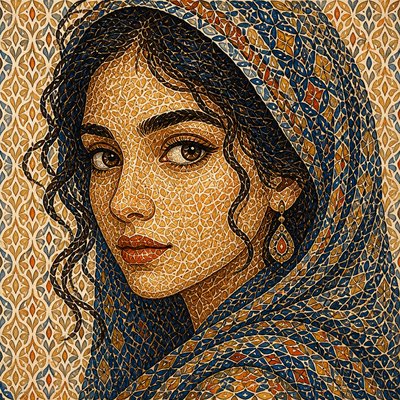
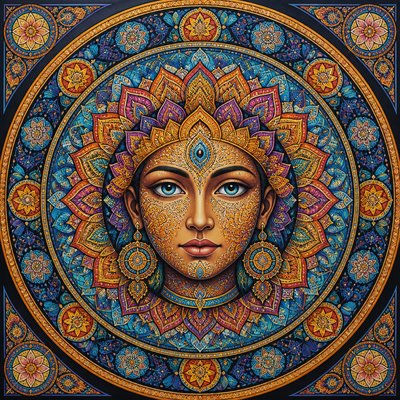
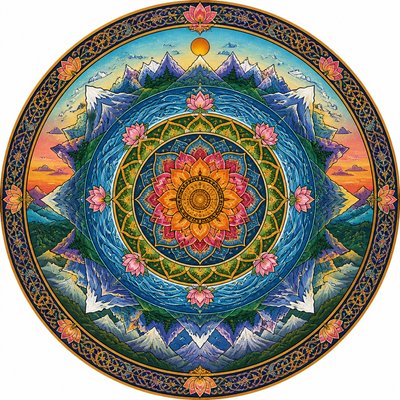
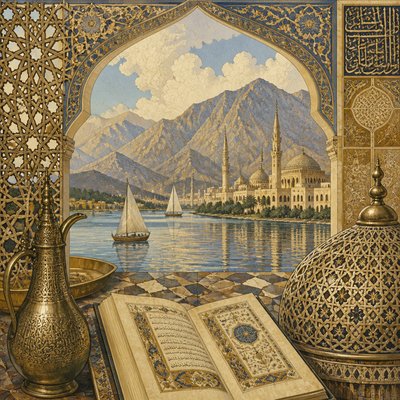
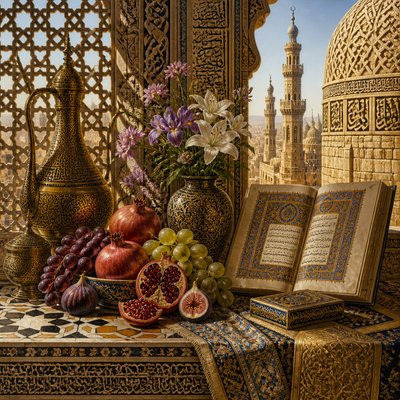
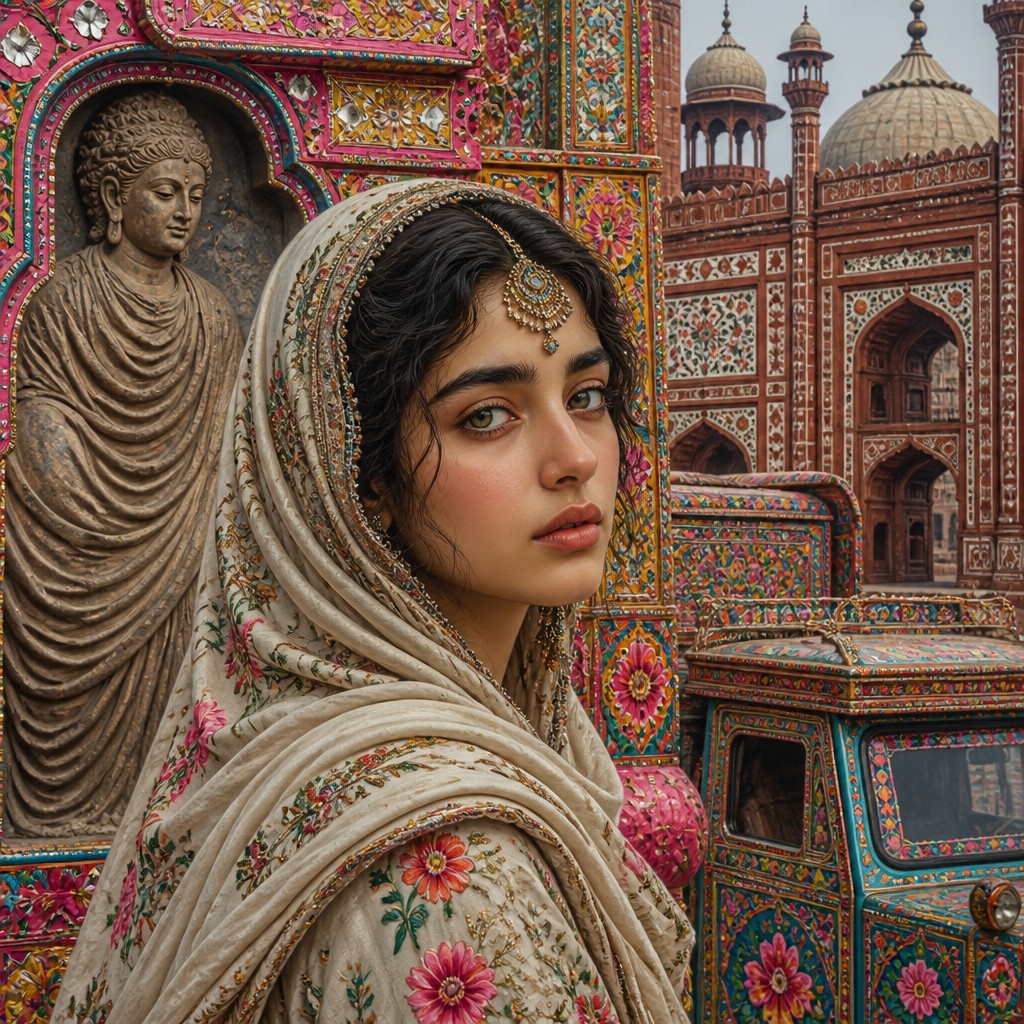
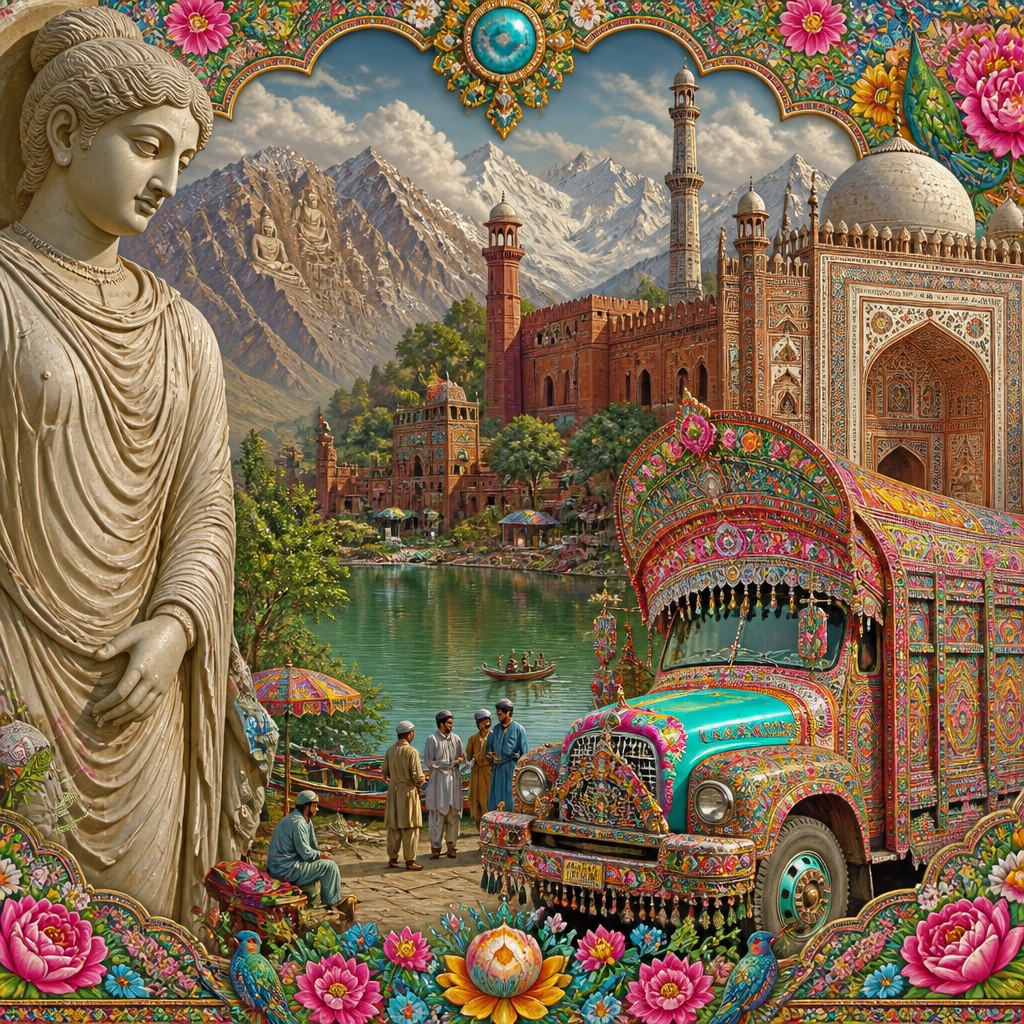
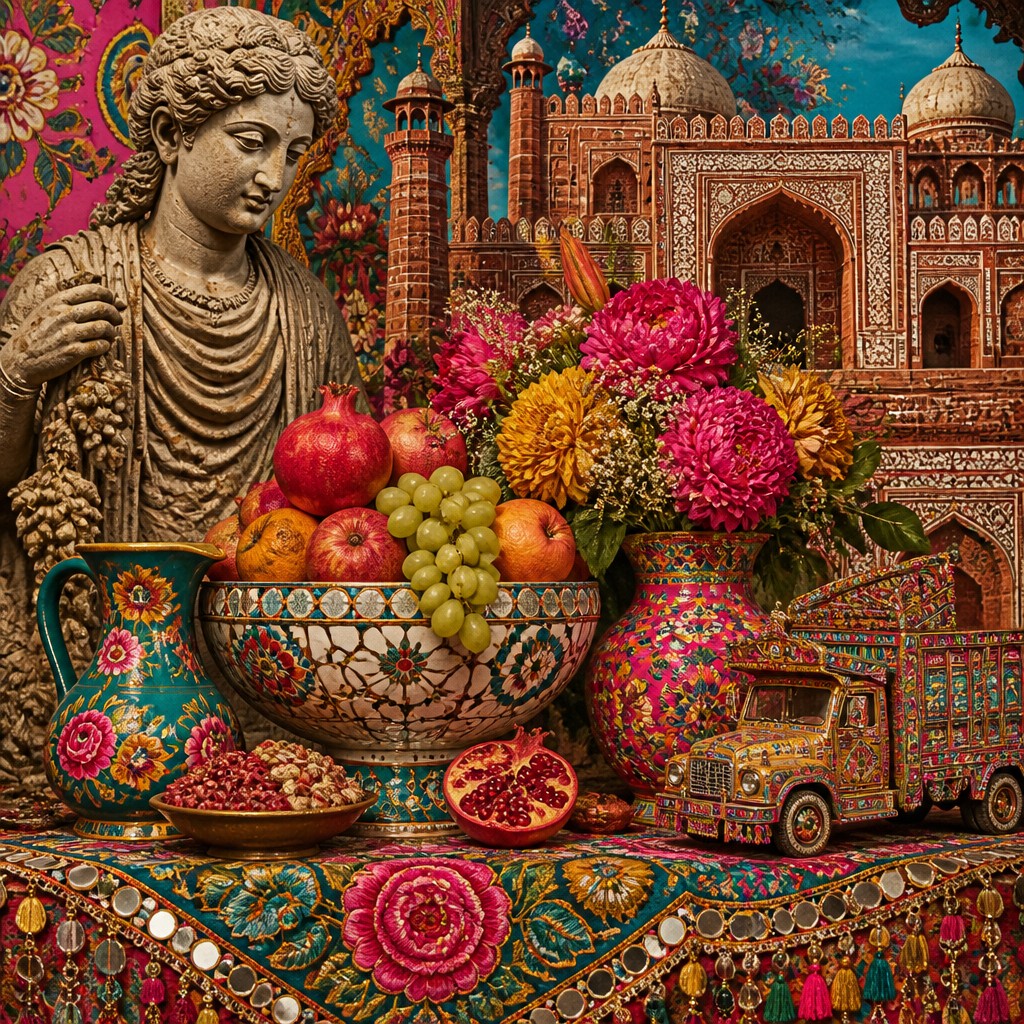
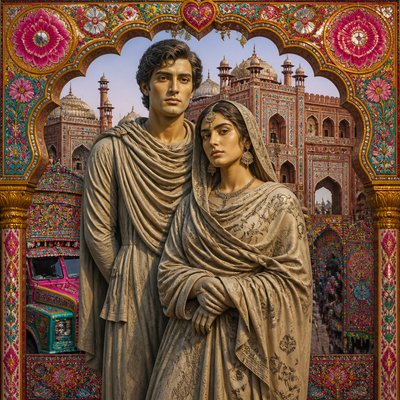
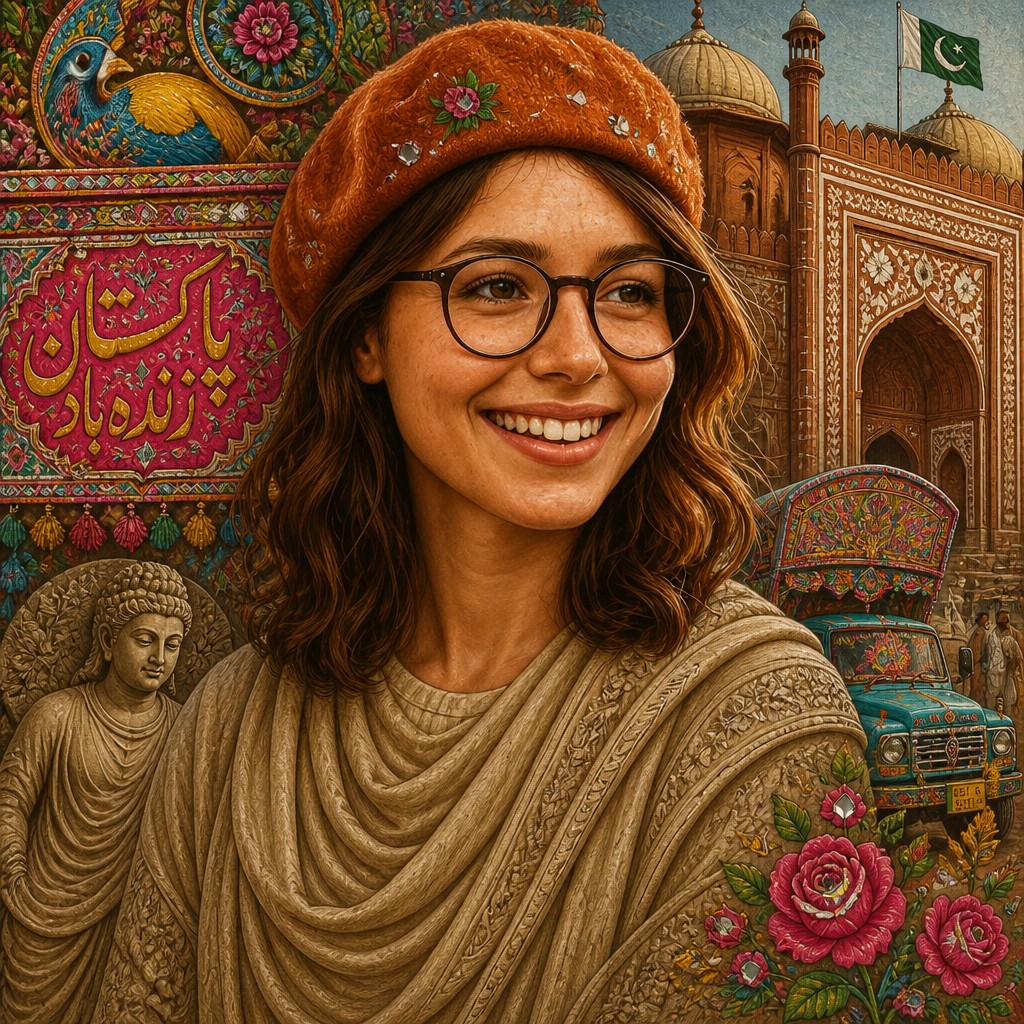
Pakistani Art Style is a contemporary visual synthesis rather than a single historical movement. It combines the sculptural calm of Gandharan Buddhist art, the geometric and ornamental architecture of the Mughal period, and the exuberant color of Pakistani truck decoration. Its signature contrast is deliberate: carved, weighty drapery and orderly architectural patterning meet hot pink, turquoise, gold, mirrored glitter, and densely packed floral imagery.
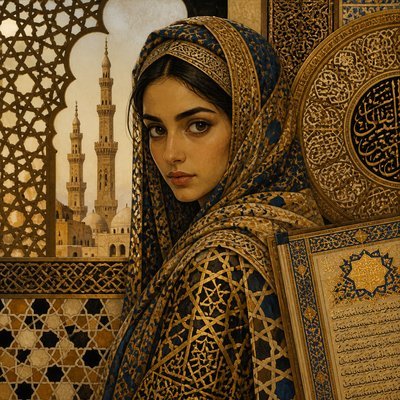
The style looks maximalist because each source tradition values surface richness, symbolic detail, and skilled ornament. Figures may be treated with the modeled volume and flowing folds associated with Gandharan sculpture, while their surroundings suggest red sandstone forts, mosque courtyards, arches, jali screens, and pietra dura inlay. Painted flowers, calligraphic flourishes, reflective accents, and saturated color then add the mobile, public energy of contemporary South Asian truck art.
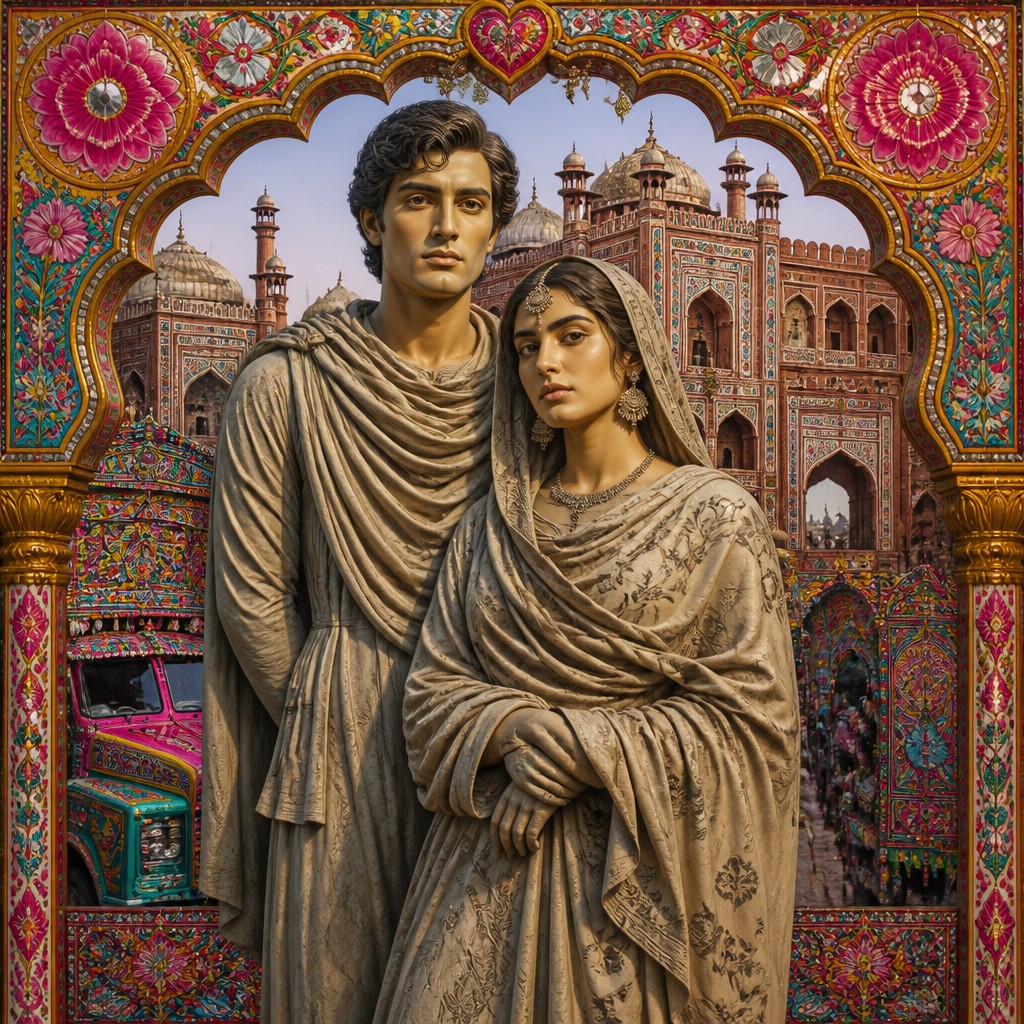
Try It On Your Photos
Upload any photo and convert it into Pakistani Art Style — drag the sliders to compare before and after.


What Defines Pakistani Art Style
The signature details, up close
Flowing Gandharan drapery
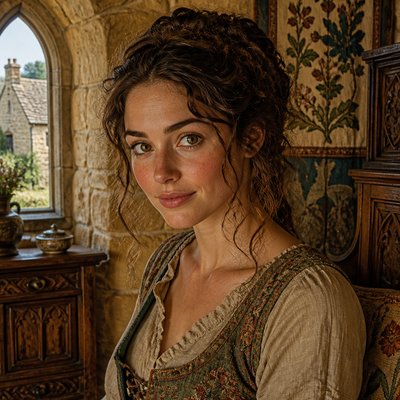
Figures are defined by layered robes with long, carved-looking folds and a sense of weight. The treatment suggests sculptural modeling even when rendered in paint or digital form.
Mughal architectural framing
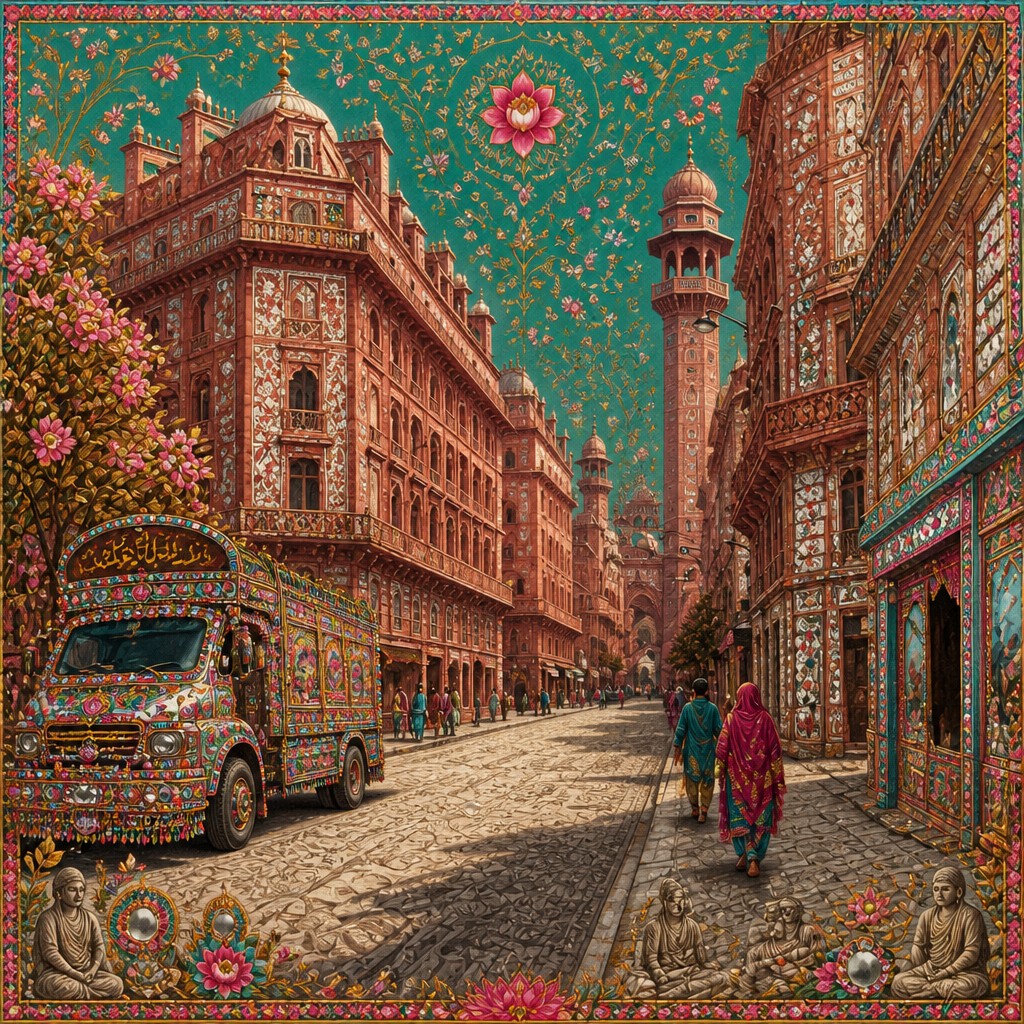
Red sandstone walls, domes, pointed arches, courtyards, minarets, jali screens, and symmetrical gateways provide a formal architectural structure. Repeating borders and inlaid motifs reinforce the sense of crafted ornament.
Riotous truck-art color
Hot pink, turquoise, emerald, orange, cobalt, and brilliant yellow are used in strongly contrasting combinations. Color is intentionally conspicuous rather than restrained or naturalistic.
Floral and botanical abundance
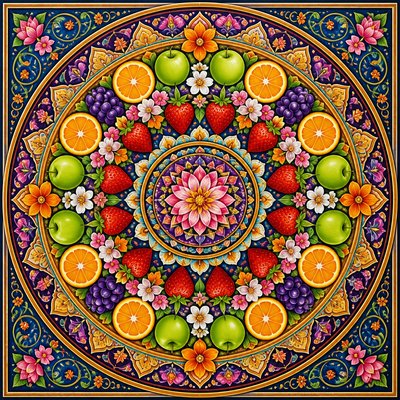
Oversized roses, vines, leaves, garlands, and stylized blossoms fill empty areas and act as compositional connectors. Flowers may be symmetrical and ornamental or loosely painted with folk-art spontaneity.
Reflective ornament
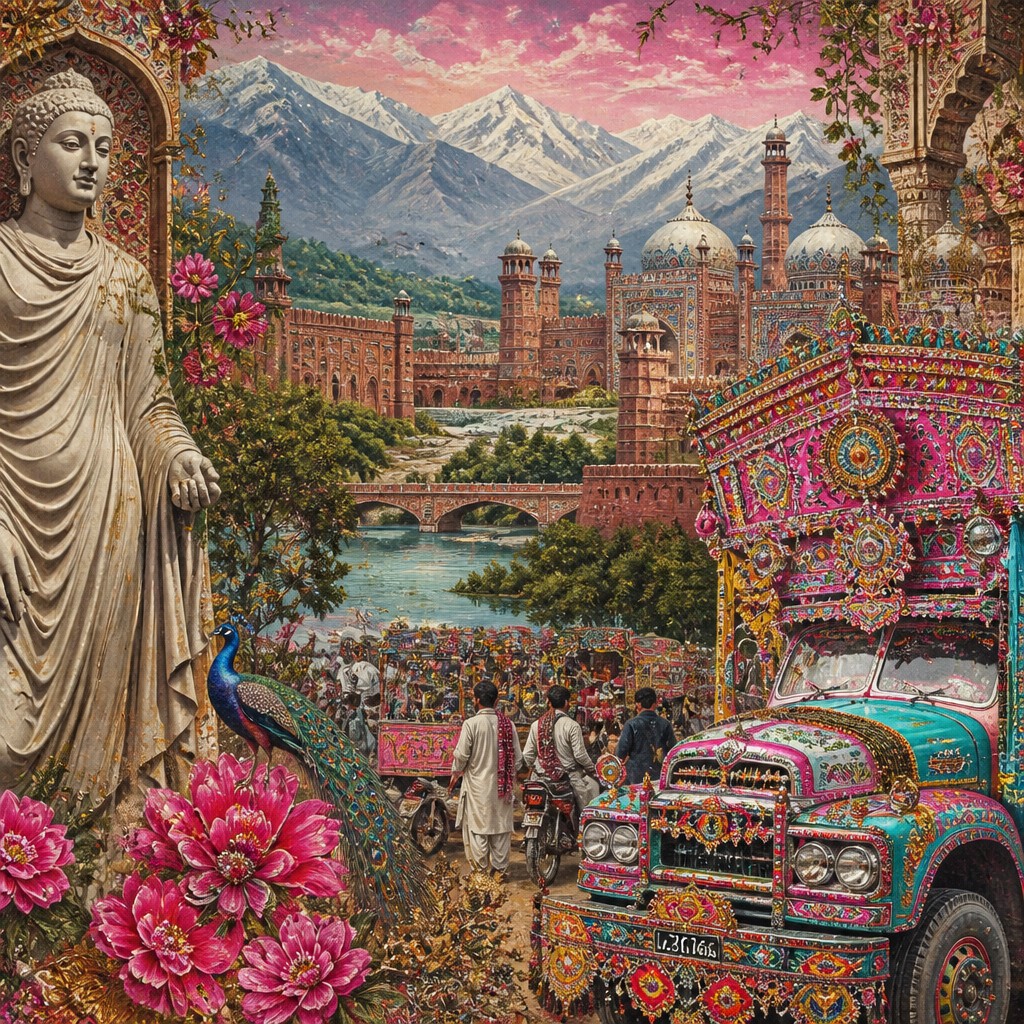
Gold leaf effects, mirror-work dots, metallic edging, glitter, sequins, and jewel-like highlights create a shimmering surface. These accents should be distributed rhythmically instead of applied as random noise.
Decorative pattern density
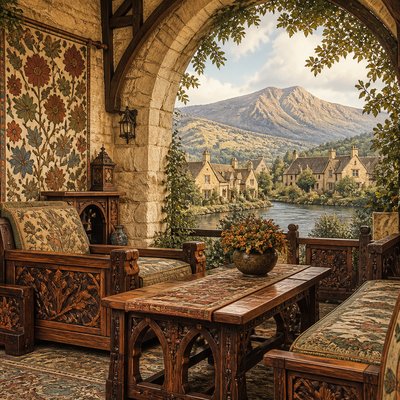
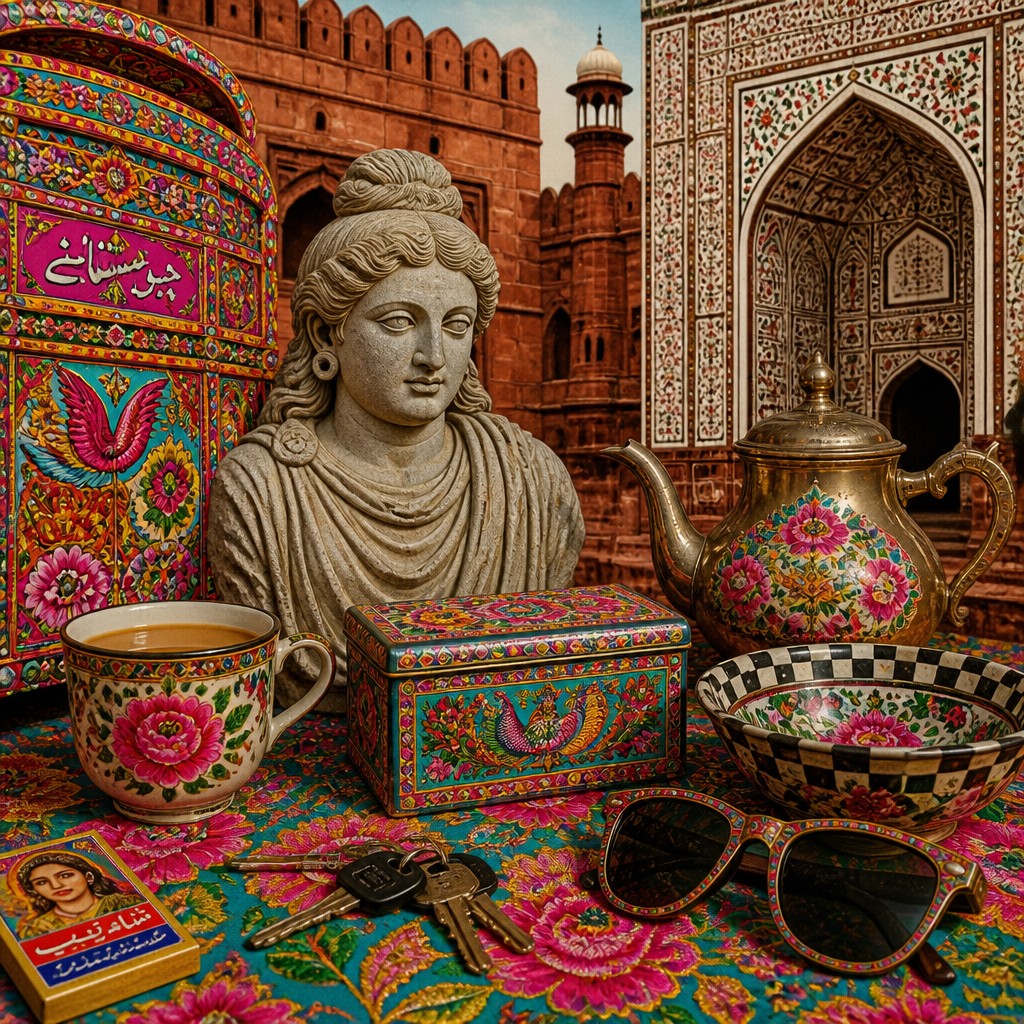
Borders, arabesques, geometric tiling, calligraphic gestures, and repeated motifs produce a layered, almost textile-like surface. Negative space is limited but remains useful around faces and major silhouettes.
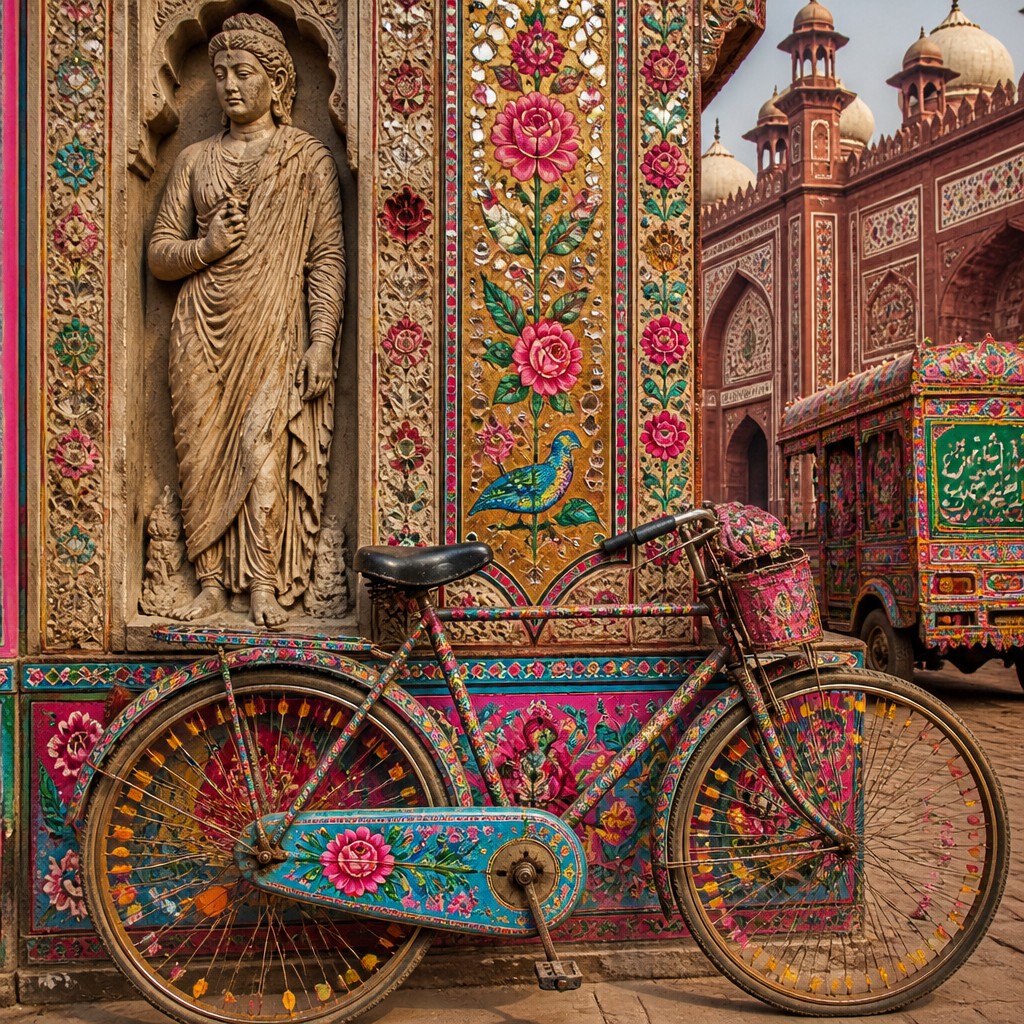
Sculptural calm and street energy
The style balances solemn, monumental figures with exuberant public decoration. A composed pose or architectural axis keeps the intense color and ornament visually legible.
Pakistani Prompt Ideas
Start from an idea — each one opens the generator with the style ready to go. See all 40 Pakistani prompts →
How to Create Pakistani Art
Master the craft step by step — or skip straight to creating. Read the full guide →
- 1
Build the composition around a clear silhouette
Begin with a central figure, vehicle, gateway, or architectural axis before adding ornament. Keep faces, hands, and the main subject comparatively readable so the surrounding pattern does not flatten the image.
- 2
Model the drapery with deep value changes
Use broad light-to-dark transitions and repeated curved lines to suggest heavy carved folds. In traditional media, layer opaque paint and fine contour work; digitally, combine a sculptural form pass with crisp decorative linework.
- 3
Design a saturated but controlled palette
Pair turquoise or emerald with hot pink, vermilion, gold, and cobalt, then reserve dark maroon or near-black for outlines and separation. Repeat key colors across the image to make the maximalism feel intentional.
- 4
Add architecture and inlay as structure
Use arches, red sandstone planes, tiled geometry, jali patterns, or pietra dura-like floral insets to organize the background. Keep architectural perspective broadly coherent even when the ornament is flattened and decorative.
- 5
Layer folk decoration by scale
Place large floral masses first, followed by medium borders and small dots, mirrors, stars, and metallic marks. This hierarchy works with gouache, acrylic, colored pencil, collage, vector illustration, 3D materials, or digital painting.
- 6
Write precise image-generation instructions
Specify the subject, pose, composition, Gandharan folds, Mughal setting, truck-art palette, floral density, metallic details, and desired lighting separately. Add constraints such as readable facial features, balanced symmetry, and controlled ornament to prevent muddled results.
The Story
History & Origins of Pakistani
This is an invented contemporary synthesis, not a recognized historical school called Pakistani Art Style. Its principal historical lineages include Gandhara, a Buddhist artistic region flourishing especially from the first through fifth centuries CE across parts of present-day northern Pakistan and eastern Afghanistan; Mughal architecture and decorative arts, developed chiefly from the sixteenth through eighteenth centuries; and Pakistan's living tradition of elaborately painted trucks, buses, rickshaws, and commercial vehicles.
Gandharan sculpture is known for stone and stucco figures, idealized anatomy, deep drilling, and abundant robe folds shaped by South Asian and Hellenistic visual exchange. Mughal monuments brought together Islamic architecture, Persianate design, South Asian building practice, carved sandstone, tilework, and stone inlay. Truck art emerged from vernacular sign painting and vehicle decoration, becoming particularly associated with Pakistan through its vivid floral panels, portraits, landscapes, poetry, talismans, chrome, and mirror work.
Influences: The style relates to Gandharan Buddhist sculpture, Mughal architecture and decorative arts, Indo-Islamic ornament, South Asian miniature and folk painting, Pakistani truck and bus art, sign painting, floral textile design, and contemporary mural practice. It also shares with maximalist illustration and ornament-focused digital art an interest in dense surfaces, strong outlines, symbolic pattern, and deliberate visual excess, while retaining the monumental balance of architectural and sculptural traditions.
Frequently Asked Questions
Is Pakistani Art Style a historical art movement?
No. The term describes a contemporary hybrid aesthetic rather than a formally defined movement with a fixed period or manifesto. It draws on several authentic Pakistani and South Asian traditions, especially Gandharan sculpture, Mughal ornament, and vehicle decoration.
What most clearly defines this style?
Its defining combination is sculptural robe drapery, Mughal-inspired architecture, and the saturated floral and metallic exuberance of Pakistani truck art. Dense pattern, reflective accents, and strong contrast between solemn forms and festive color are also central.
How is it different from Mughal art?
Mughal art refers to historical courtly traditions in architecture, painting, gardens, manuscript illustration, and decorative arts, especially from the sixteenth to eighteenth centuries. This contemporary style borrows Mughal arches, sandstone, symmetry, and inlay but combines them with ancient Gandharan sculpture and modern vernacular truck decoration.
How is Gandhara represented in this aesthetic?
Gandharan influence usually appears through idealized figures, calm expressions, compact monumental poses, and deeply modeled robe folds. It should not be treated as identical to Mughal or truck art, since Gandhara is an earlier Buddhist regional tradition with distinct materials, subjects, and historical contexts.
What materials work well for making it by hand?
Acrylic, gouache, poster color, enamel, paint markers, colored pencil, collage, and metallic leaf are all suitable. Use opaque layers, strong outlines, repeated borders, floral stencils or freehand motifs, and small reflective elements to evoke the decorated surface.
Where is this style commonly used?
Its visual language is suited to murals, posters, editorial illustration, textile and surface design, vehicle graphics, festival decor, packaging, portraits, architecture-led compositions, and digital artworks. Applications should distinguish respectful cultural reference from copying sacred or historic imagery without context.
Create your first Pakistani artwork
Describe anything — or upload a photo — and see it in Pakistani Art Style in seconds.
Related Styles
Discover similar art styles