Hierarchy Art Style
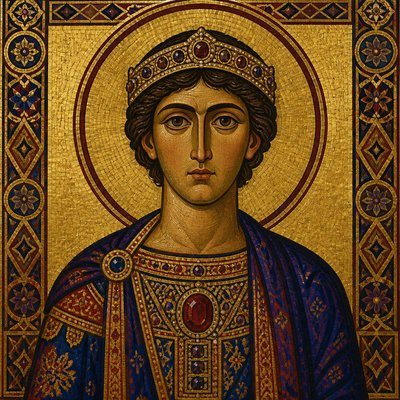
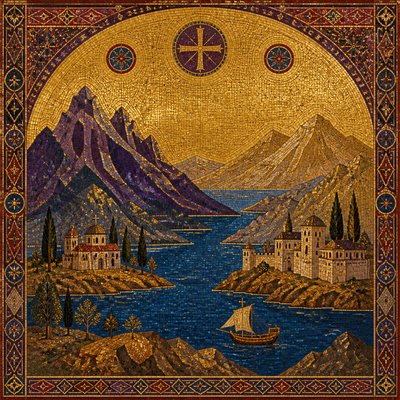
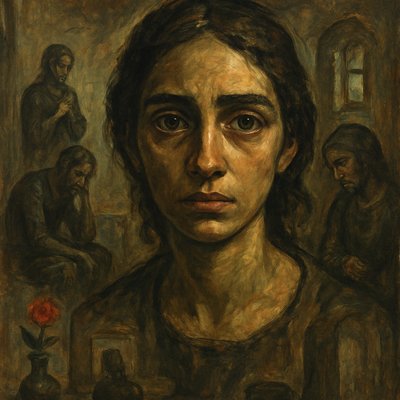
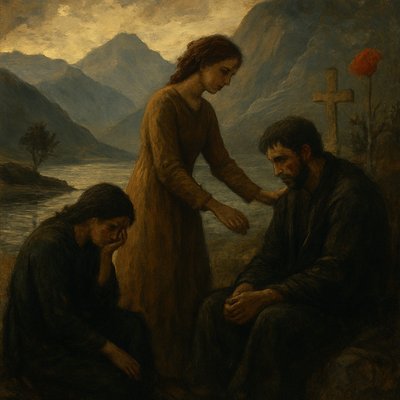
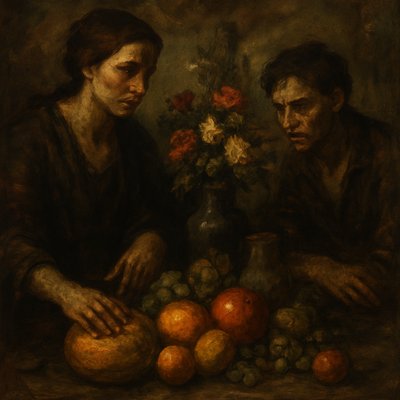
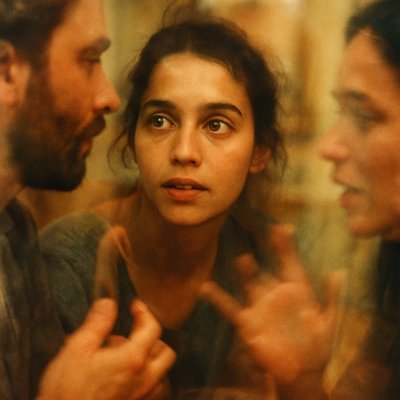
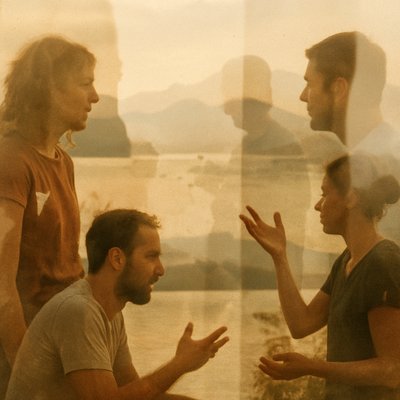
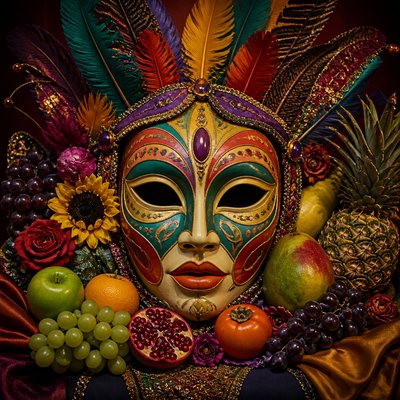
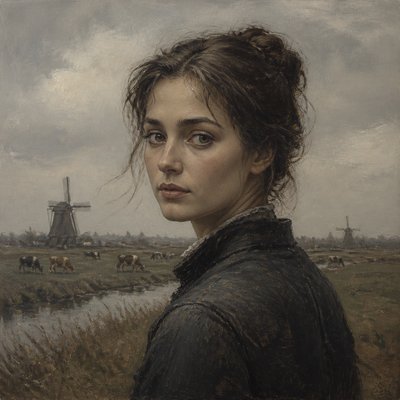
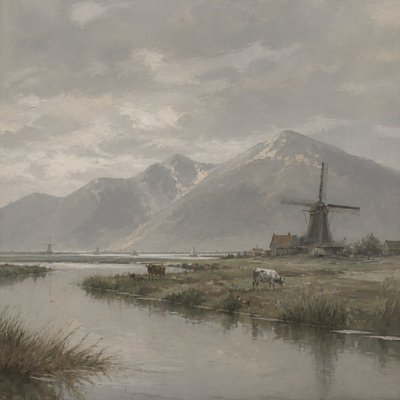
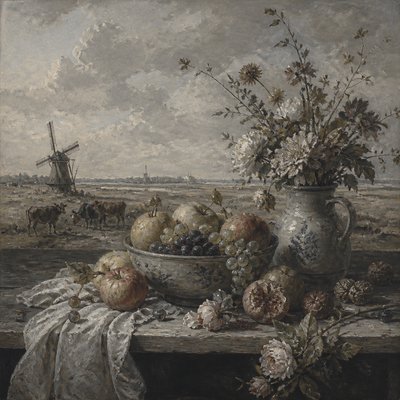
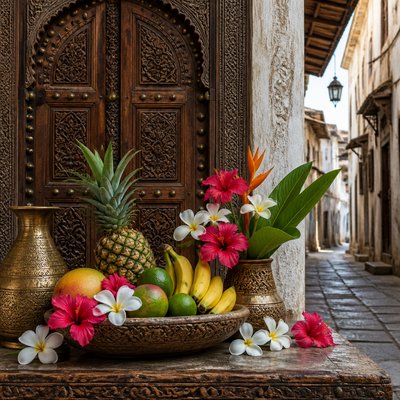
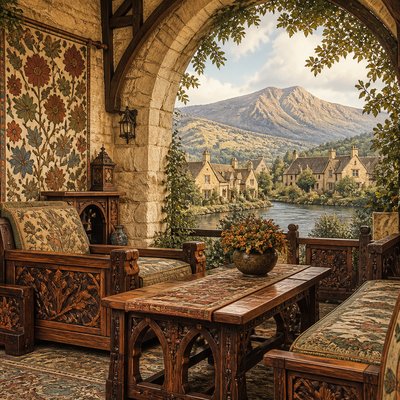
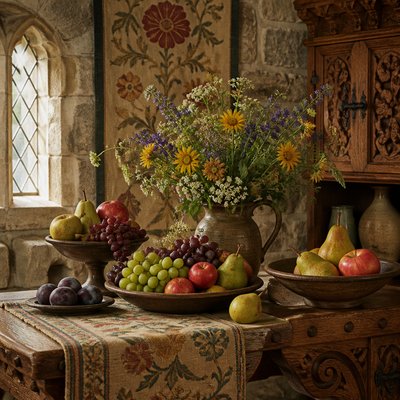
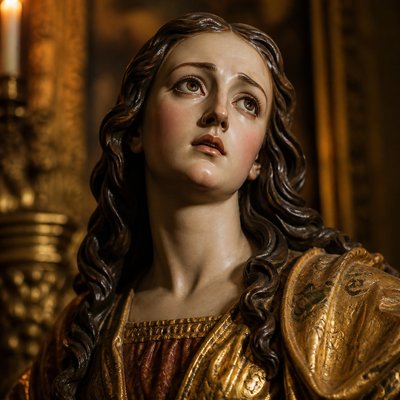
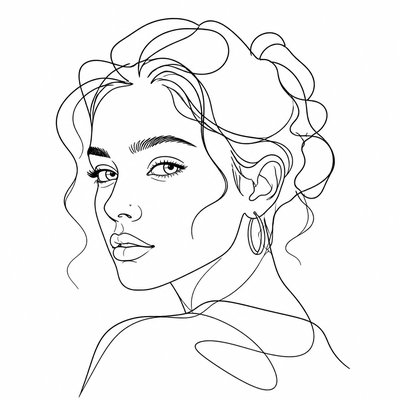
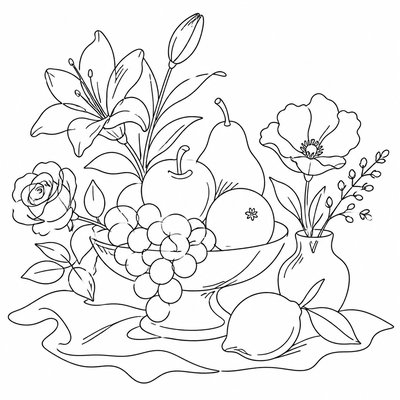
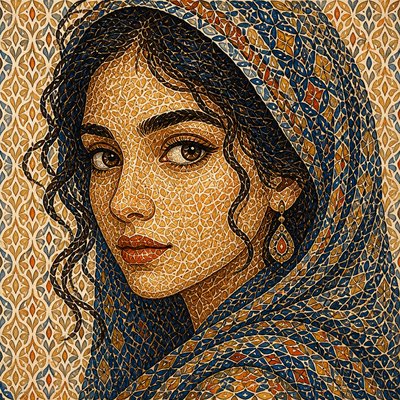
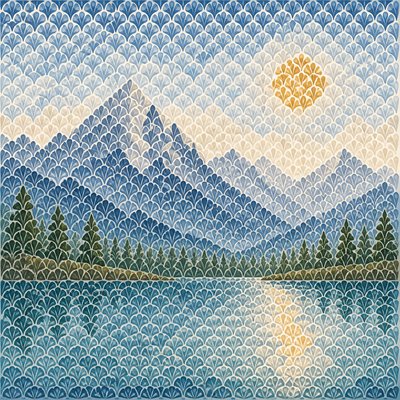
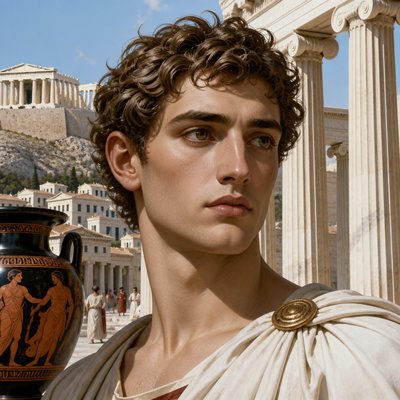
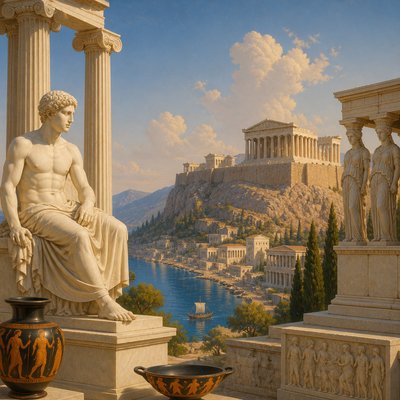
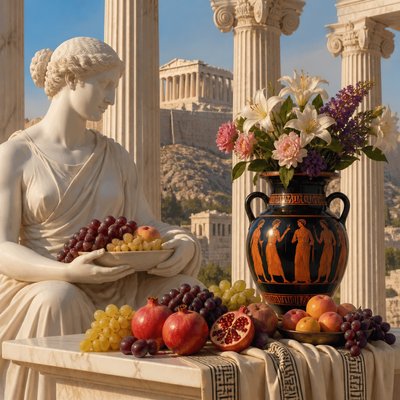
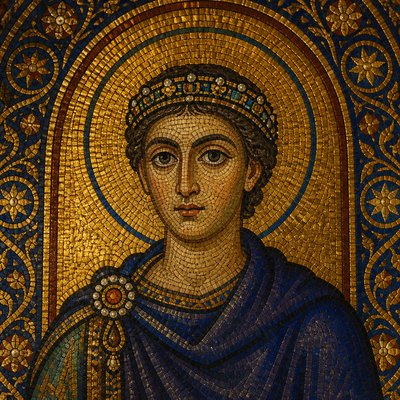
Hierarchy Art Style ranks subjects through dramatic scale, vertical placement, contrast, and spatial order to make visual importance instantly clear.
Instantly rendered in Hierarchy — or transform a photo


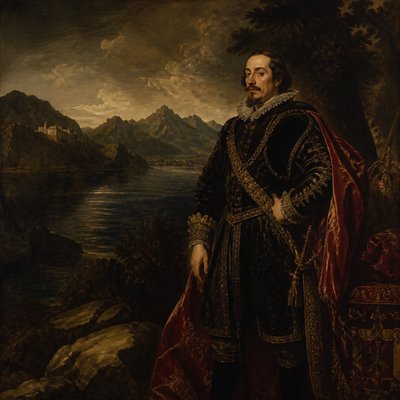
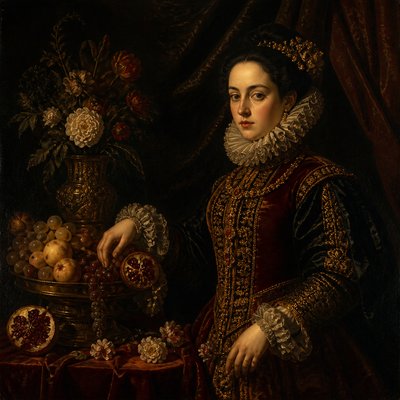
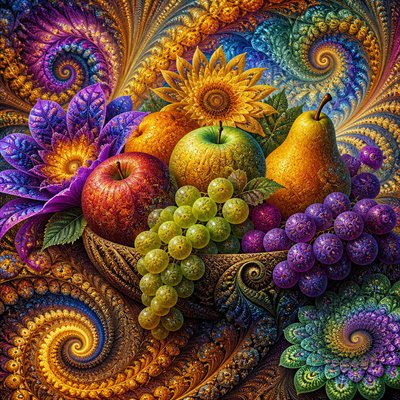
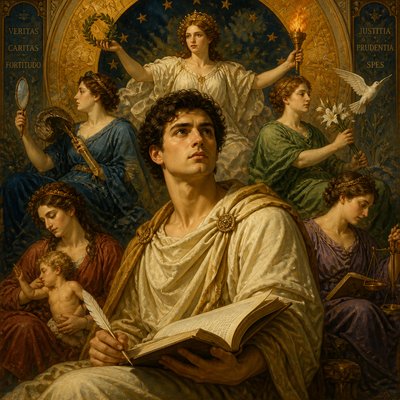
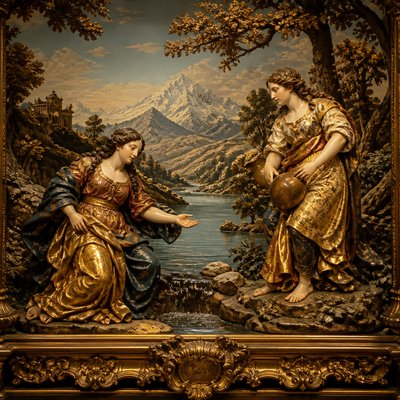
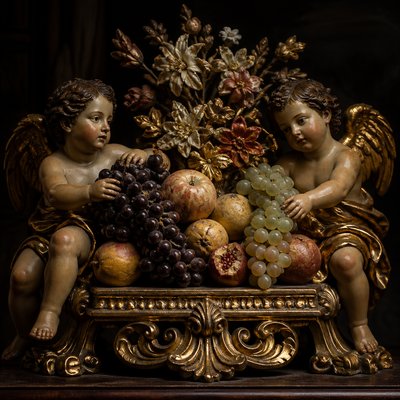
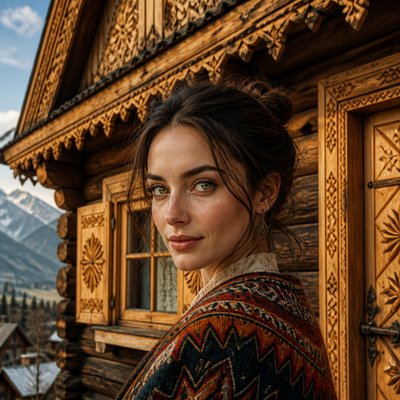
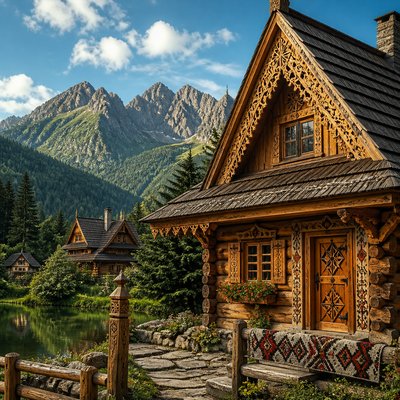
Hierarchy Gallery
Tap any artwork to explore it







What is Hierarchy Art Style?
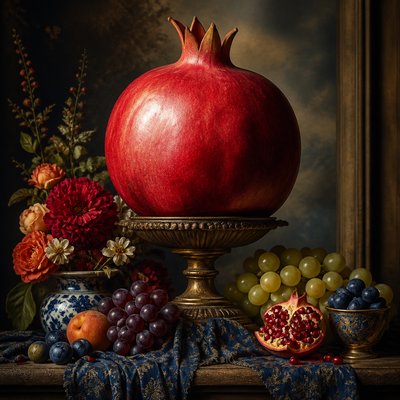
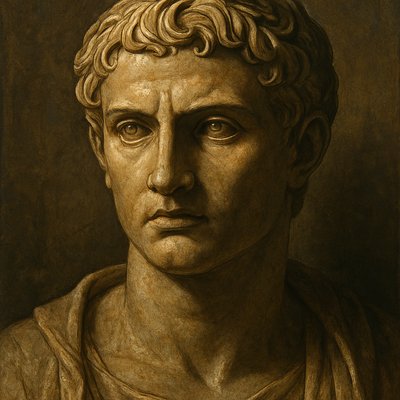
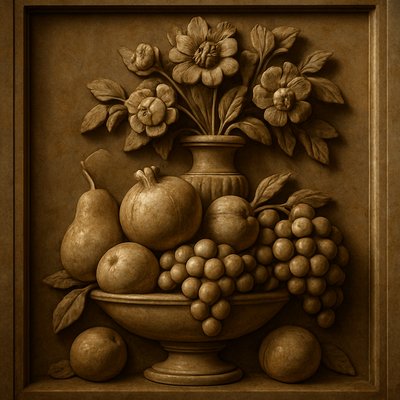
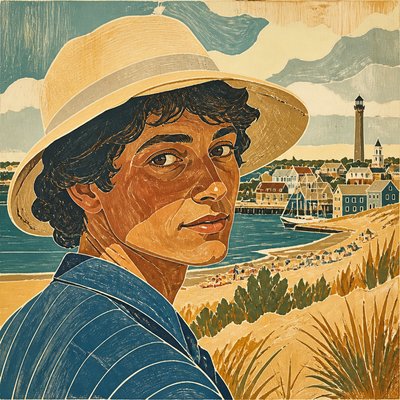
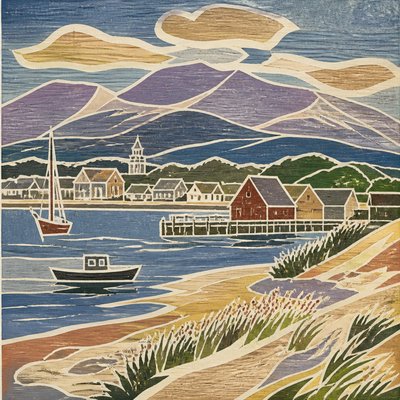
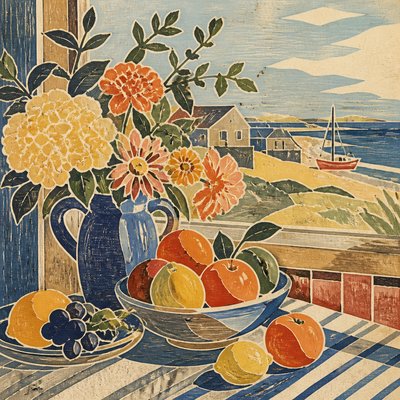
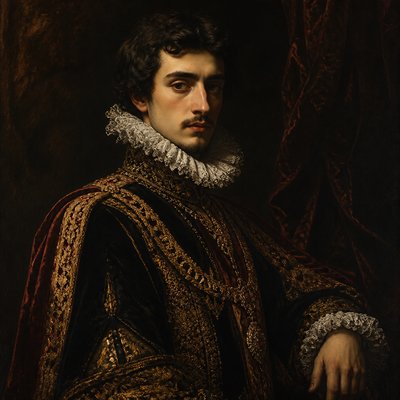
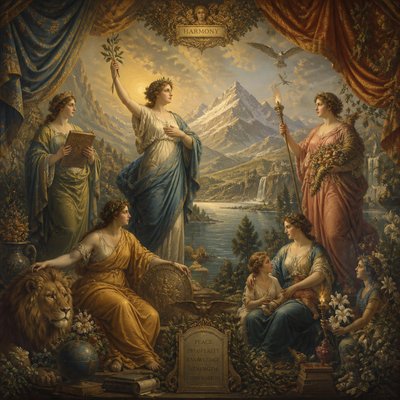
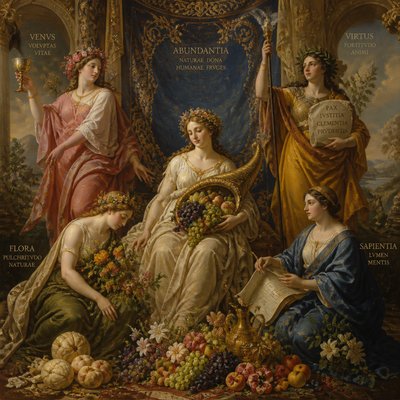
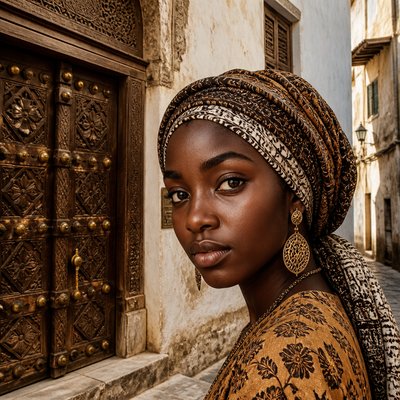
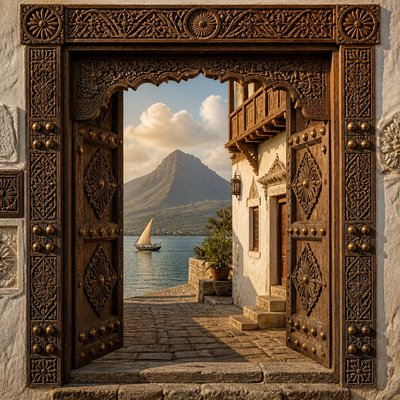
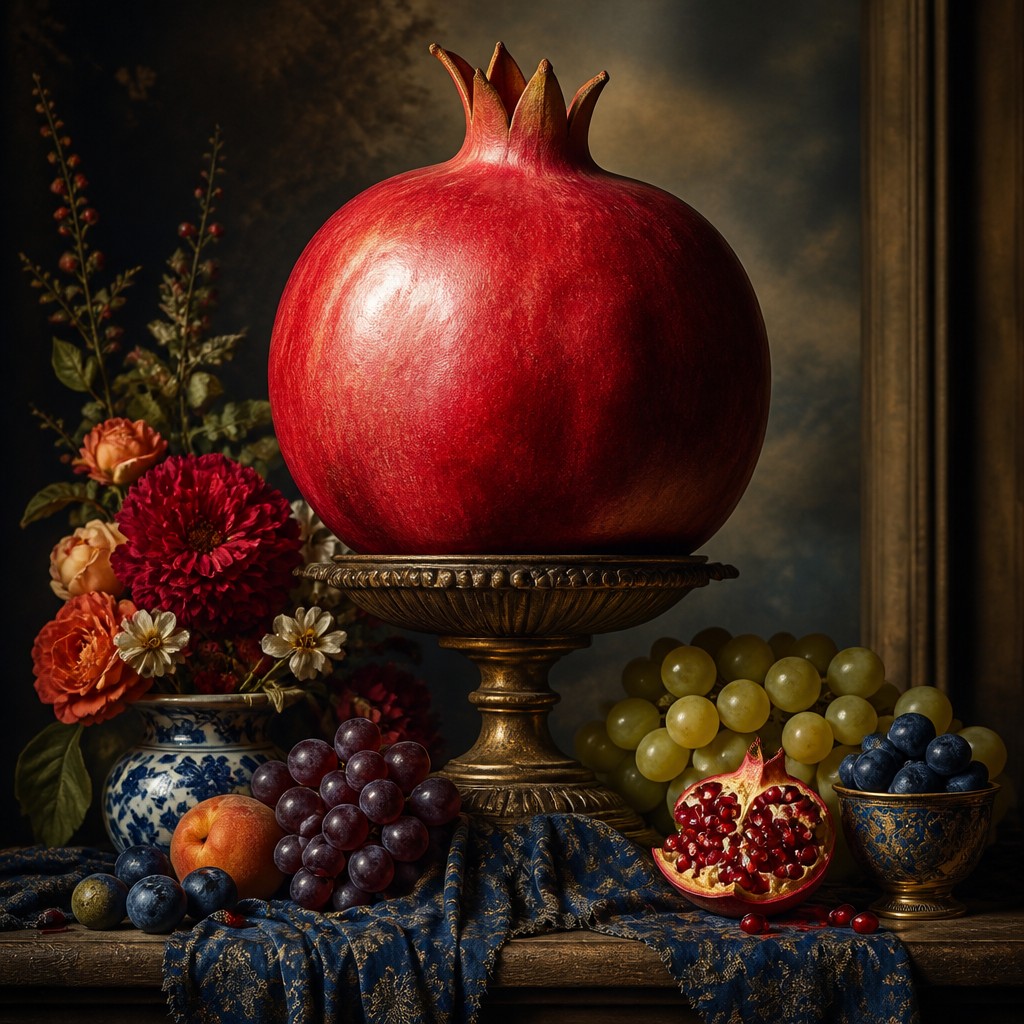
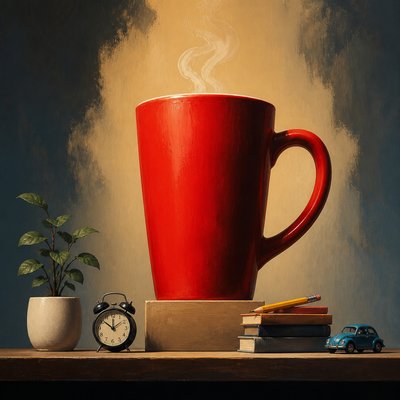
Hierarchy Art Style is a compositional approach in which size, position, contrast, and spatial organization communicate importance. A dominant central figure is made dramatically larger than surrounding subjects, while secondary figures and objects recede through reduced scale, lower contrast, or peripheral placement. The image functions almost like a visual ranking system: the viewer understands what matters most before examining the details.
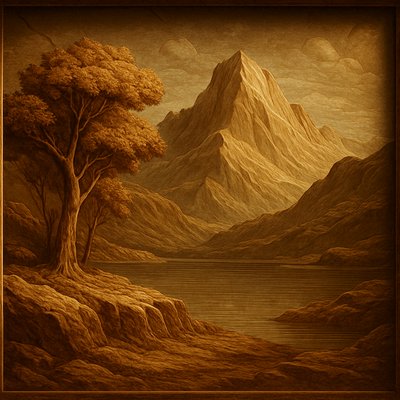
Its visual identity depends on deliberate imbalance rather than naturalistic scale. The principal subject may tower over a landscape, crowd, interior, or symbolic objects, often occupying the upper or central portion of the frame. Strong color contrast, directional lines, simplified backgrounds, and carefully controlled negative space reinforce the hierarchy and guide the eye through an intentional order of attention.

Try It On Your Photos
Upload any photo and convert it into Hierarchy Art Style — drag the sliders to compare before and after.



What Defines Hierarchy Art Style
The signature details, up close
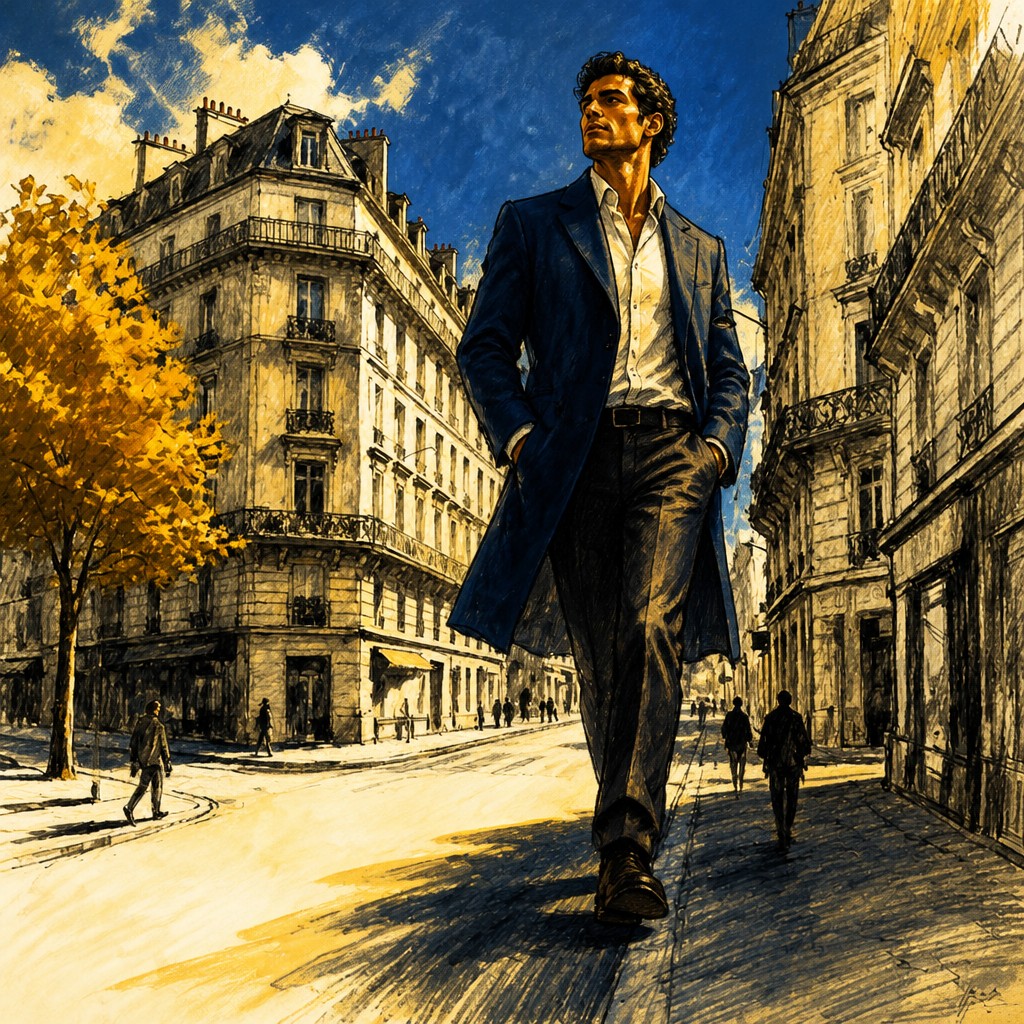
Dramatic scale contrast
The primary figure or object is much larger than surrounding elements, sometimes occupying most of the frame. This disproportion immediately establishes rank and narrative importance.
Elevated placement
Important subjects are often positioned above, higher, or more centrally than subordinate figures. Vertical placement can suggest authority, divinity, leadership, or conceptual prominence.
Diminishing secondary figures
Supporting characters become progressively smaller as their importance decreases. Repetition of reduced silhouettes or distant forms creates a clear visual ladder.
Focused color contrast
The dominant subject receives the strongest hue, brightness, saturation, or value contrast. Surrounding areas may be muted, shadowed, or restricted to a narrower palette.
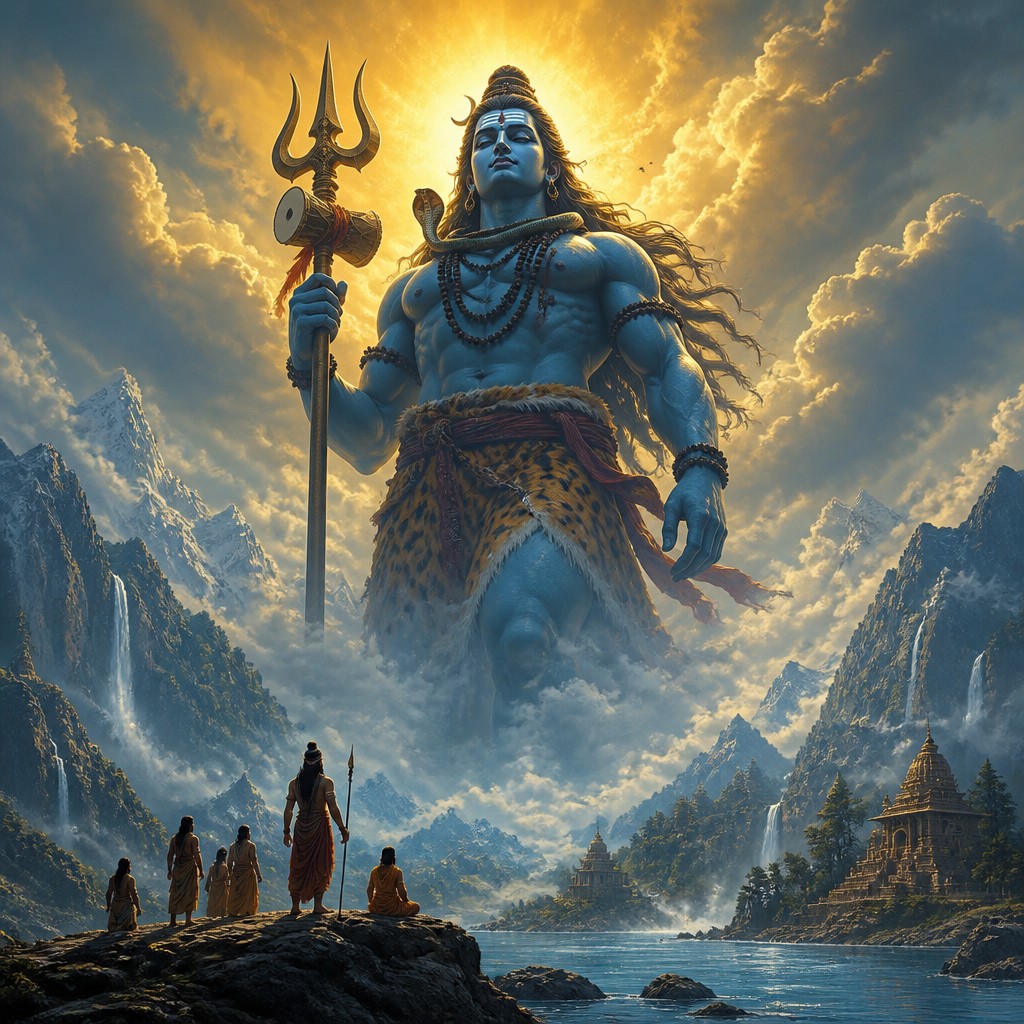
Guided visual pathways
Lines, gestures, architecture, atmospheric perspective, and compositional diagonals direct attention toward the main figure. Every major shape supports the intended reading order.
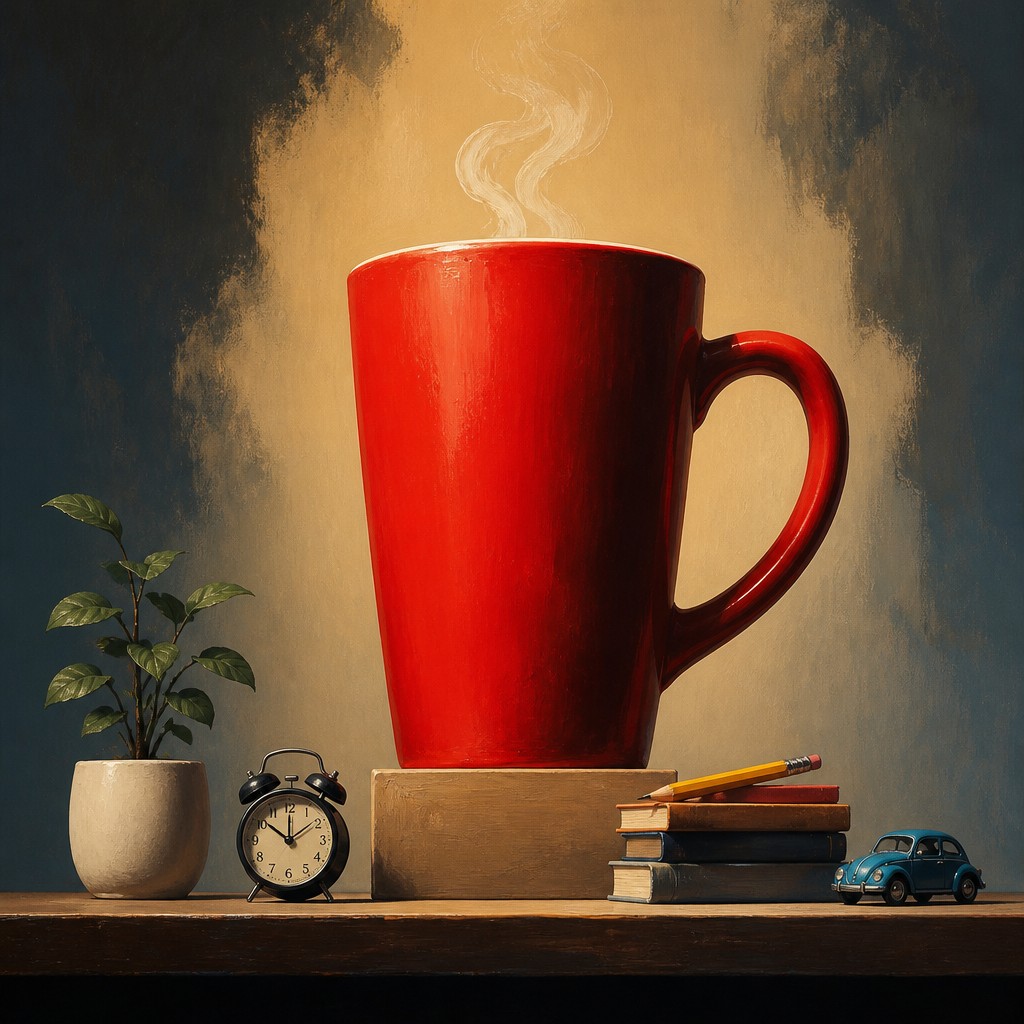
Symbolic spatial order
Distance and position carry meaning rather than merely describing physical space. Centrality, elevation, isolation, and surrounding emptiness can communicate power, reverence, danger, or intellectual importance.
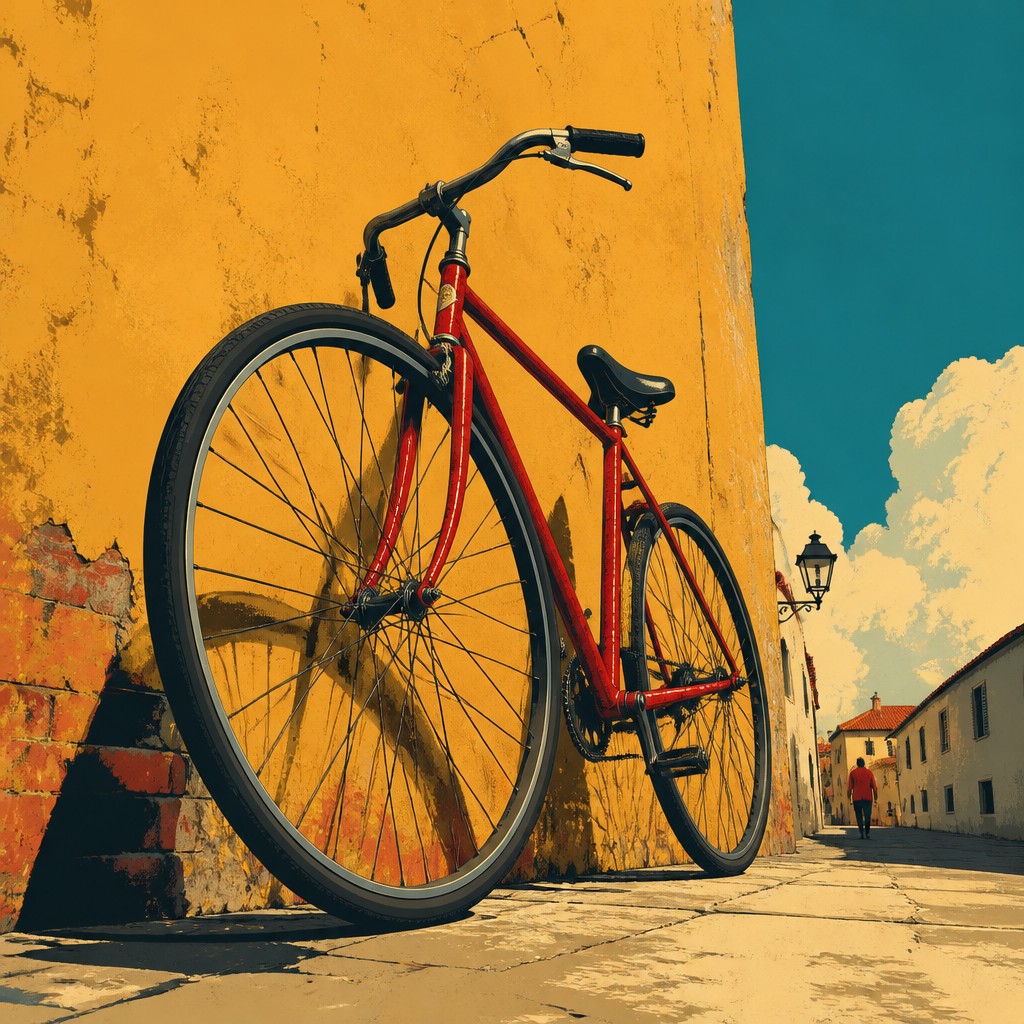
Simplified supporting detail
Background subjects are often less detailed than the focal point so they do not compete for attention. Atmospheric haze, flatter shapes, and selective rendering help preserve the hierarchy.
Hierarchy Prompt Ideas
Start from an idea — each one opens the generator with the style ready to go. See all 40 Hierarchy prompts →
How to Create Hierarchy Art
Master the craft step by step — or skip straight to creating. Read the full guide →
- 1
Establish the ranking first
Before rendering, decide which subject is primary, secondary, and tertiary. Sketch the composition using simple shapes and make the main figure visibly dominant before adding surface detail.
- 2
Control proportion and placement
Enlarge the focal subject substantially and place it near the central or upper region of the frame. Use smaller, lower, or more distant forms for supporting characters and objects.
- 3
Reserve contrast for the focal point
Give the primary subject the sharpest edges, clearest lighting, richest color, or strongest value separation. Reduce contrast and saturation in areas that should recede.
- 4
Build directional structure
Use gestures, converging lines, rays, architectural perspective, or a surrounding crowd to point toward the main subject. Check the image at thumbnail size to confirm that the eye lands there first.
- 5
Use layered traditional or digital methods
In painting or drawing, block the background and small figures first, then develop the dominant subject with sharper detail and stronger modeling. In digital software, separate scale groups, atmosphere, lighting, and color grading onto distinct layers.
- 6
Describe the hierarchy in a prompt
For prompt-based generation, specify the oversized central subject, its elevated placement, the diminishing scale of surrounding elements, the contrast pattern, and the desired eye movement. Include constraints such as a clear focal point and subordinate background figures.
The Story
History & Origins of Hierarchy
Hierarchy Art Style is an invented, contemporary compositional label rather than a documented historical movement. Its aesthetic lineage comes from longstanding visual traditions that use disproportionate scale and placement to express status, power, sacred importance, or narrative priority. Examples include ancient and medieval hierarchical scale, monumental propaganda imagery, religious compositions with elevated central figures, theatrical staging, editorial illustration, and graphic design based on visual hierarchy.
Contemporary digital composition has made these devices especially flexible. Layered imagery, cinematic framing, poster design, fantasy illustration, game concept art, and surreal visual storytelling frequently combine oversized focal subjects with miniature secondary elements. The style names this recurring strategy as a coherent visual language, independent of any single period, culture, or medium.
Influences: The style draws on hierarchical scale in ancient and medieval religious imagery, monumental and propagandistic composition, theatrical tableaux, editorial illustration, poster design, cinematic framing, fantasy concept art, surrealism, and infographic principles of visual hierarchy. It also shares methods with graphic design systems that use size, position, contrast, and negative space to establish an immediate reading order.
Frequently Asked Questions
What defines Hierarchy Art Style?
Its defining feature is the deliberate ranking of subjects through scale and placement. One figure or object is dramatically larger or more elevated than the rest, while contrast, detail, and directional structure reinforce its importance.
Is Hierarchy Art Style a historical art movement?
No. It is a contemporary descriptive label for a compositional strategy rather than a documented movement with a fixed period or membership. Its methods come from many historical and modern visual traditions.
How is it different from ordinary dramatic composition?
Dramatic composition can rely on lighting, gesture, or perspective without changing the relative status of subjects. Hierarchy Art Style makes rank especially explicit through disproportionate size, elevated placement, and a clear progression from dominant to subordinate elements.
Can this style be used for realistic images?
Yes. The hierarchy can appear in photorealistic scenes, although the scale relationships may be physically impossible or symbolically exaggerated. Realistic texture and lighting can coexist with an intentionally unnatural ranking of figures.
How can I keep background elements from competing with the main subject?
Reduce their size, contrast, saturation, sharpness, and detail, and place them farther from the focal point. Atmospheric haze, simplified silhouettes, and a controlled background palette are effective ways to create visual subordination.
Where is this visual approach commonly used?
It is useful in posters, editorial illustration, book covers, fantasy and science-fiction imagery, symbolic portraits, game concept art, religious or mythic scenes, and visual storytelling. It is also effective whenever an image must communicate status or importance quickly.
Create your first Hierarchy artwork
Describe anything — or upload a photo — and see it in Hierarchy Art Style in seconds.
Related Styles
Discover similar art styles