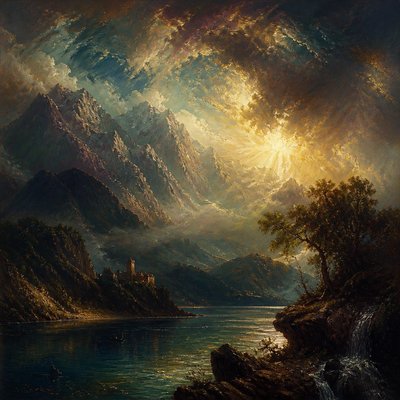
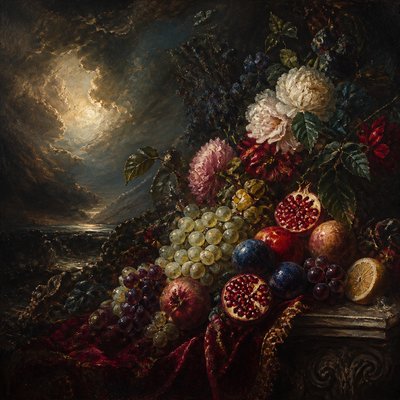
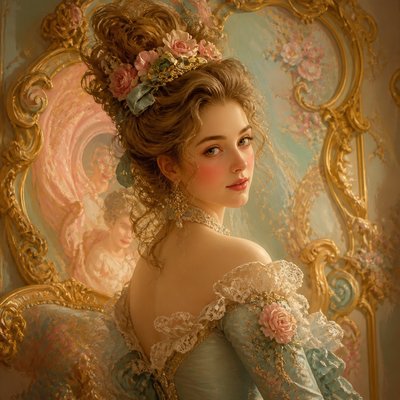
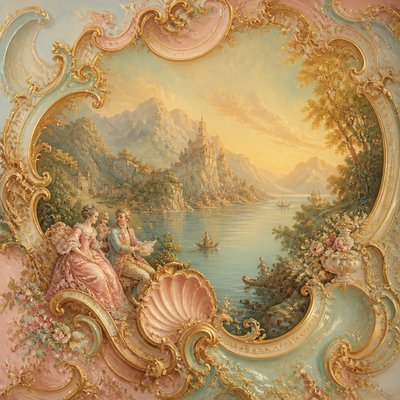
Byzantine Classical Art Style
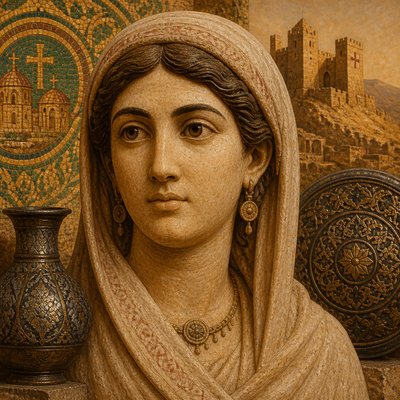
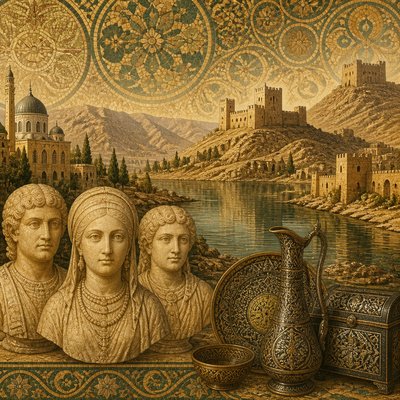
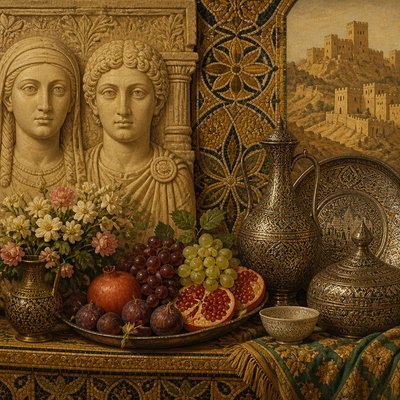
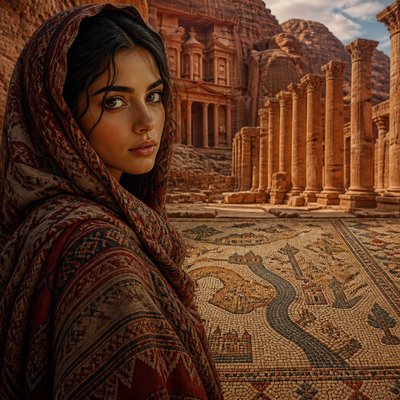
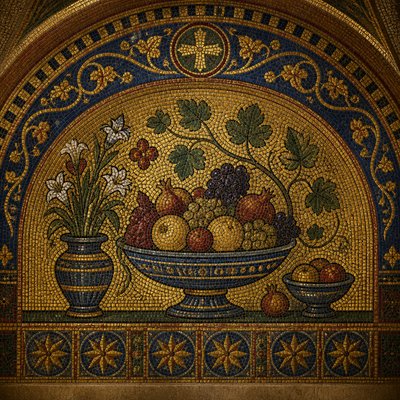
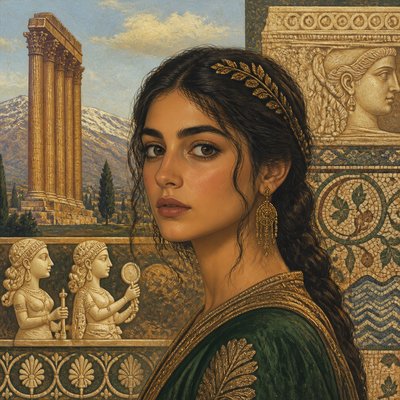
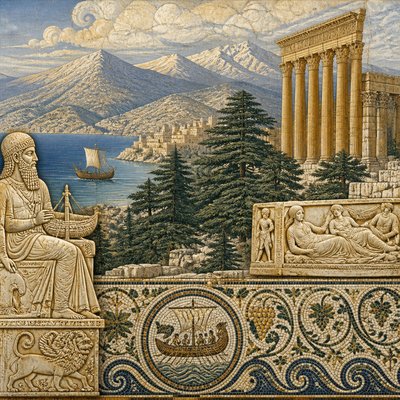
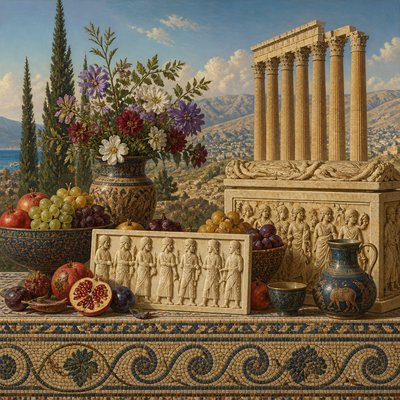
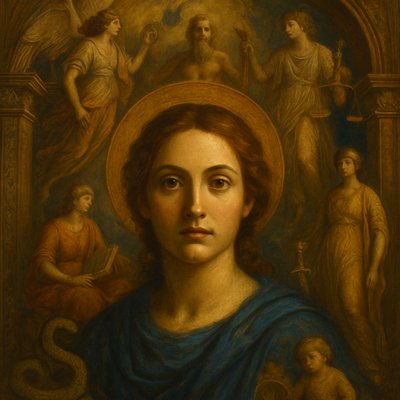
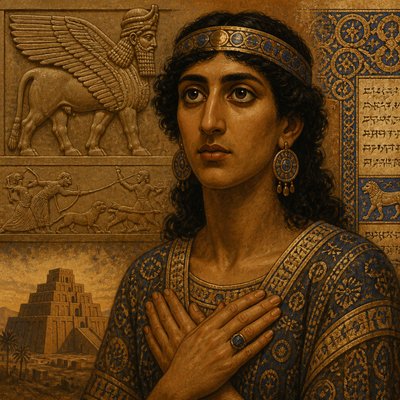
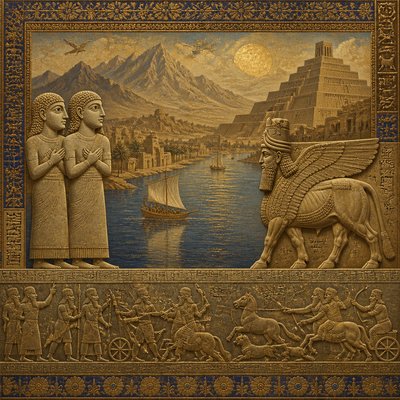
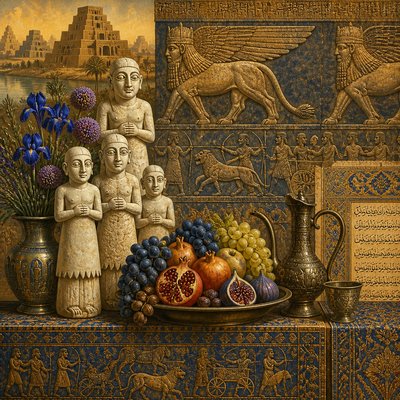
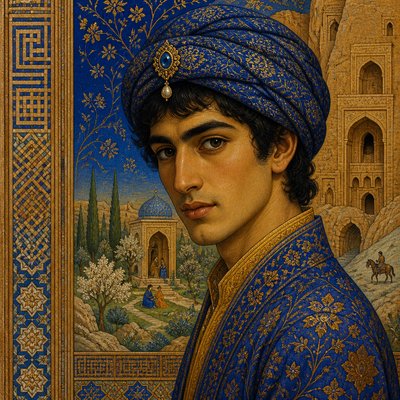
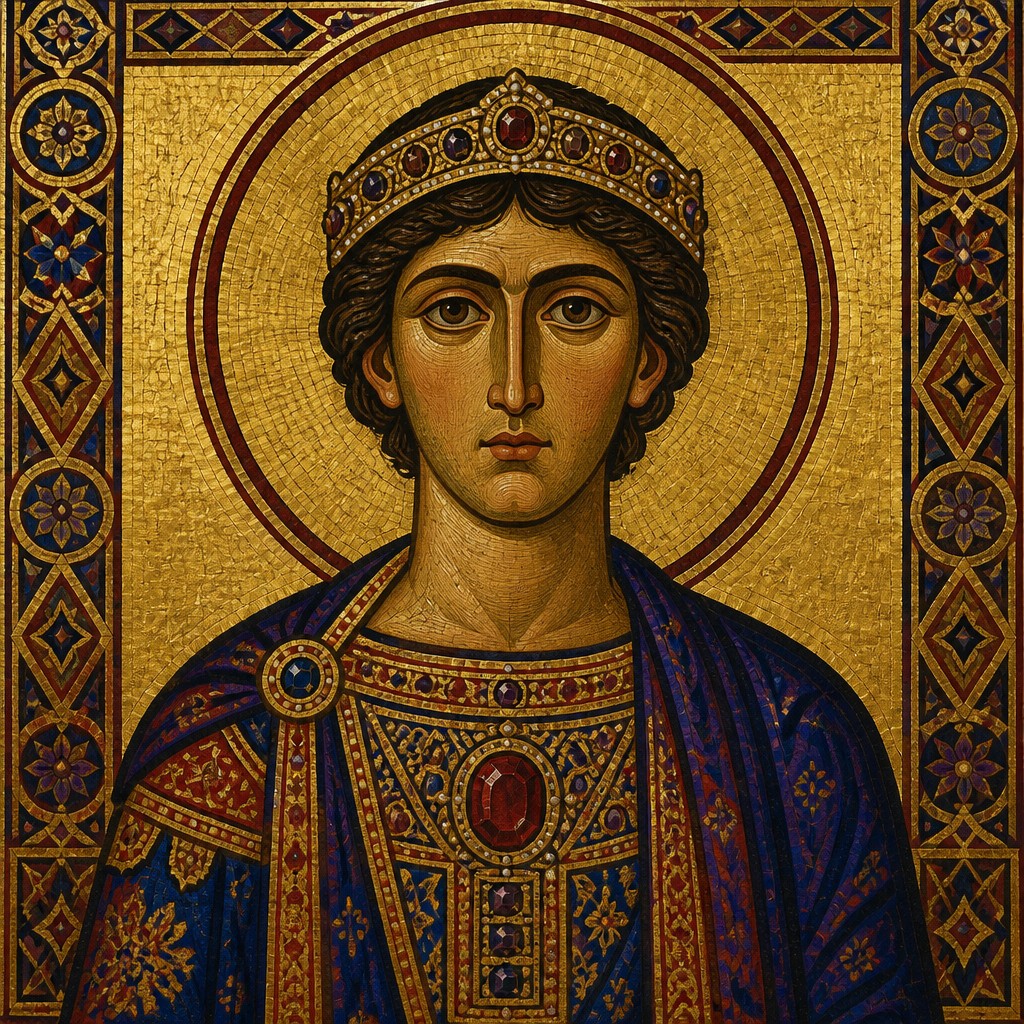
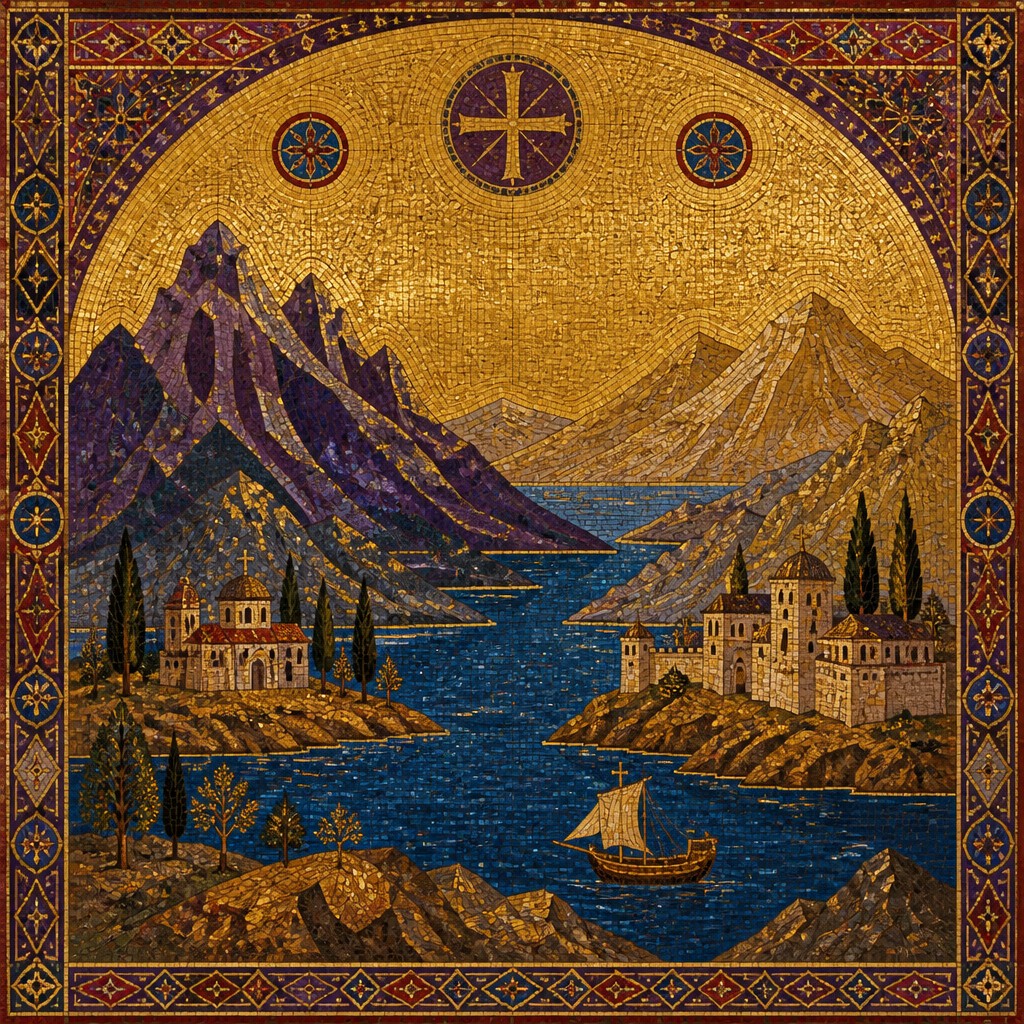
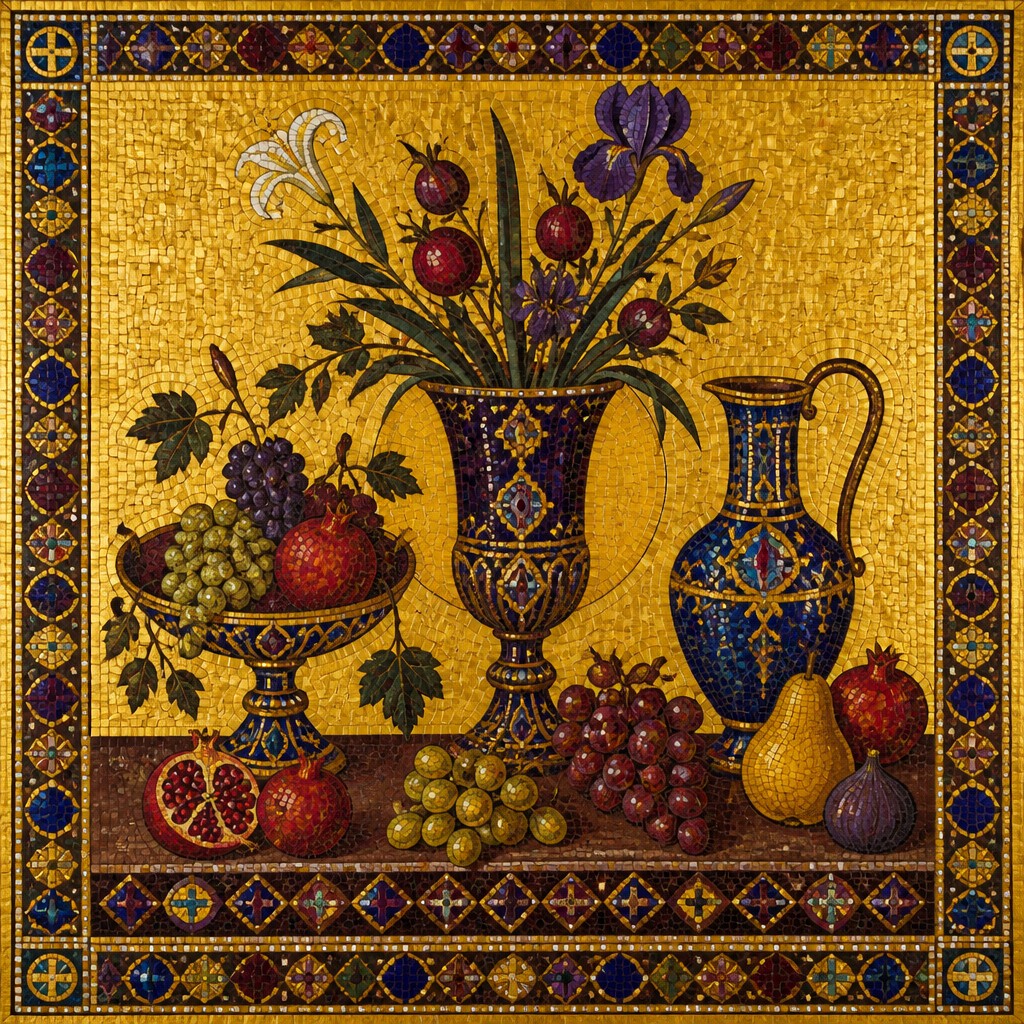
Iconic Byzantine-style art with gold grounds, frontal figures, flattened space, and spiritual symbolism rooted in sacred image traditions.
Instantly rendered in Byzantine Classical — or transform a photo
Byzantine Classical Gallery
Tap any artwork to explore it
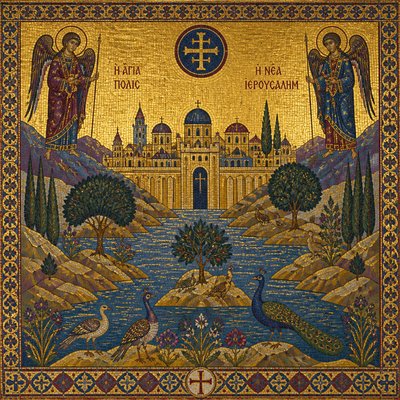
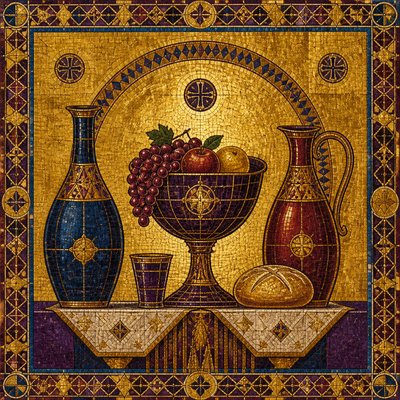
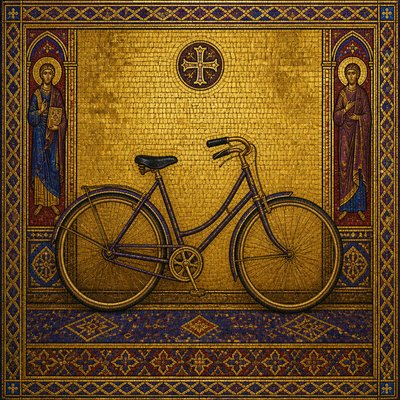
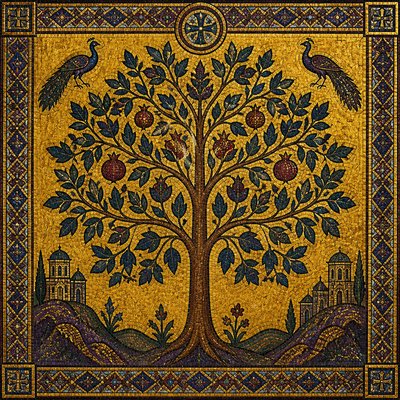
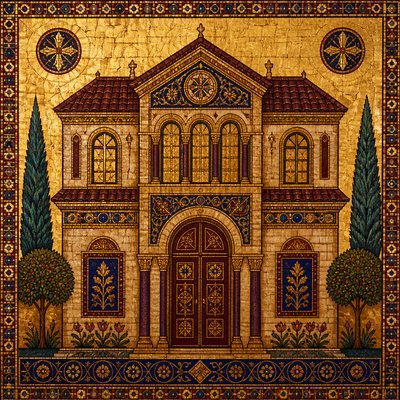
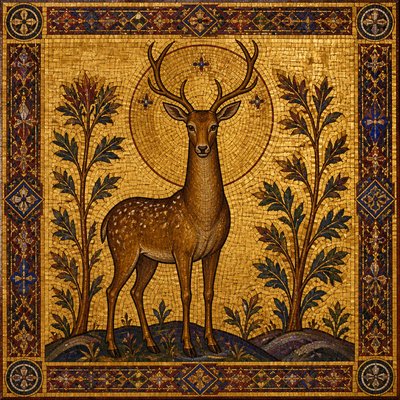
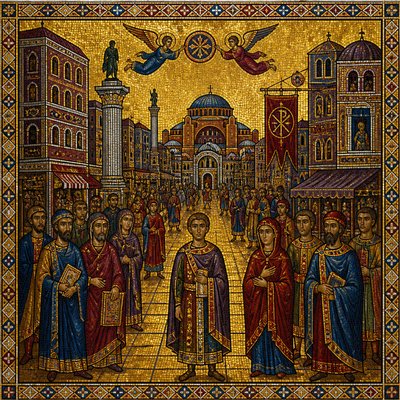
What is Byzantine Classical Art Style?
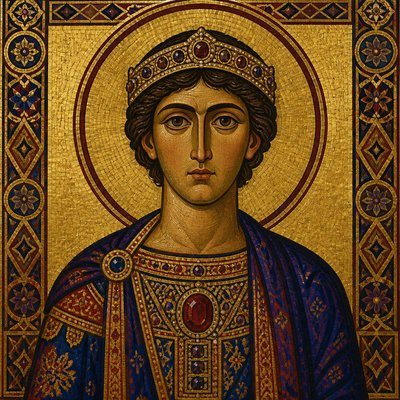
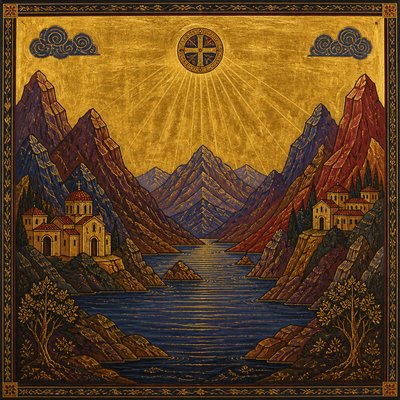
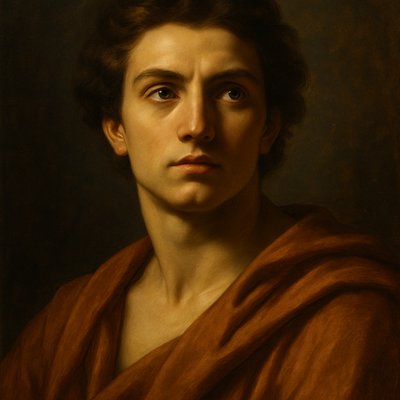
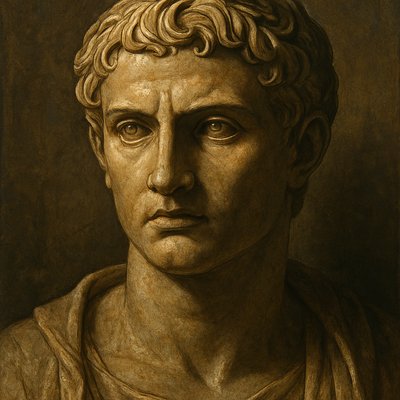
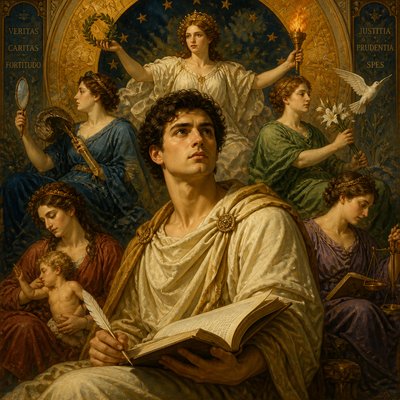
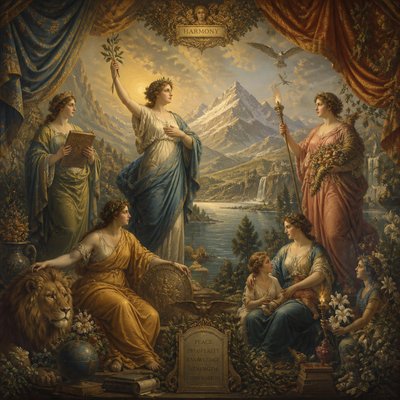
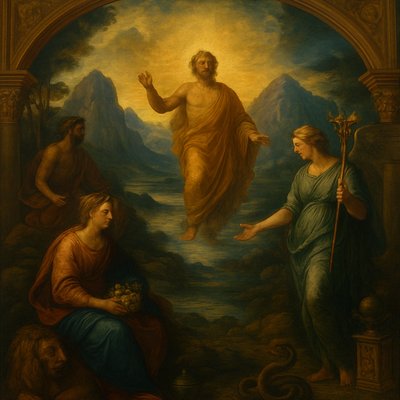
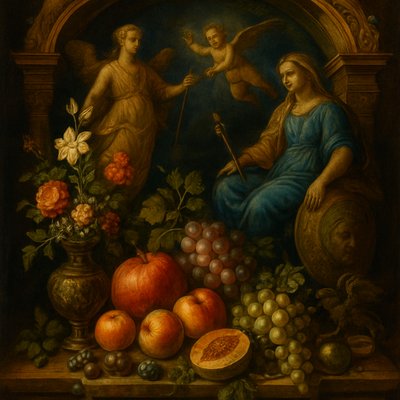
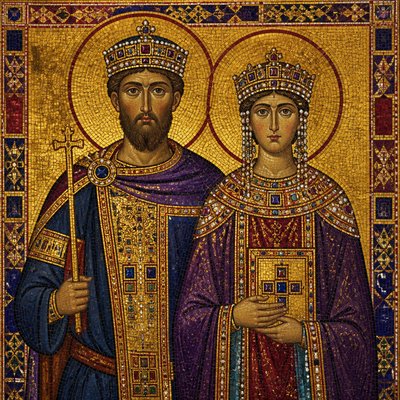
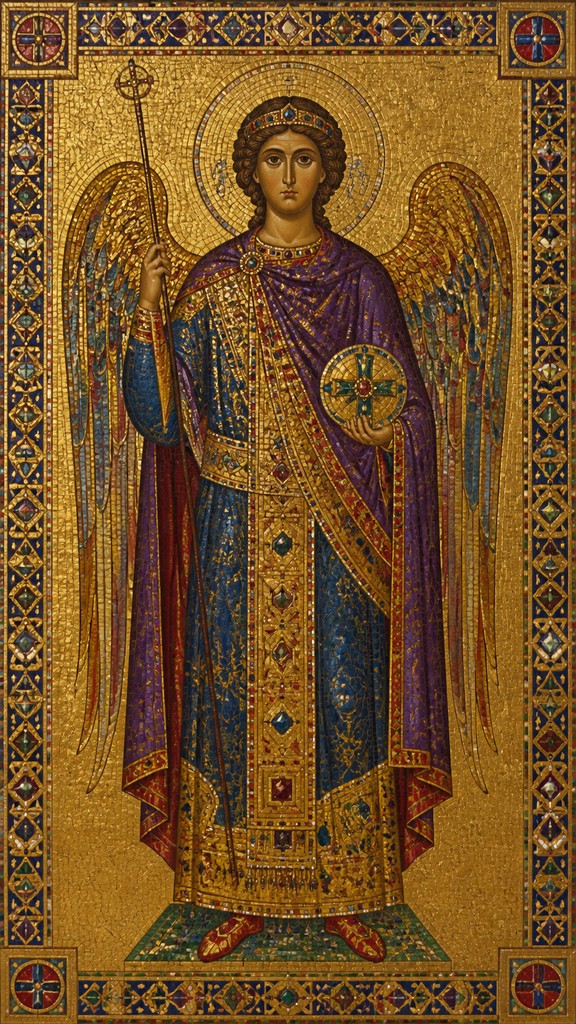
Byzantine Classical Art Style refers to the visual language associated with the art of the Byzantine Empire and its later religious traditions: icons, mosaics, manuscripts, and church decoration built around sacred presence rather than naturalistic illusion. Its imagery is immediately recognizable for frontal, hieratic figures, flattened space, luminous gold backgrounds, and a sense that the image is meant to be contemplated as a spiritual threshold rather than read as a scene in ordinary time.
The style’s forms are deliberately stylized. Bodies are elongated, drapery falls in rhythmic, angular folds, and faces are simplified into solemn, iconic features. Color is used symbolically and ceremonially—deep blues, reds, purples, and golds suggest dignity, divinity, and transcendence. The result is an art of spiritual authority: richly material in surface, yet designed to point beyond the material world.
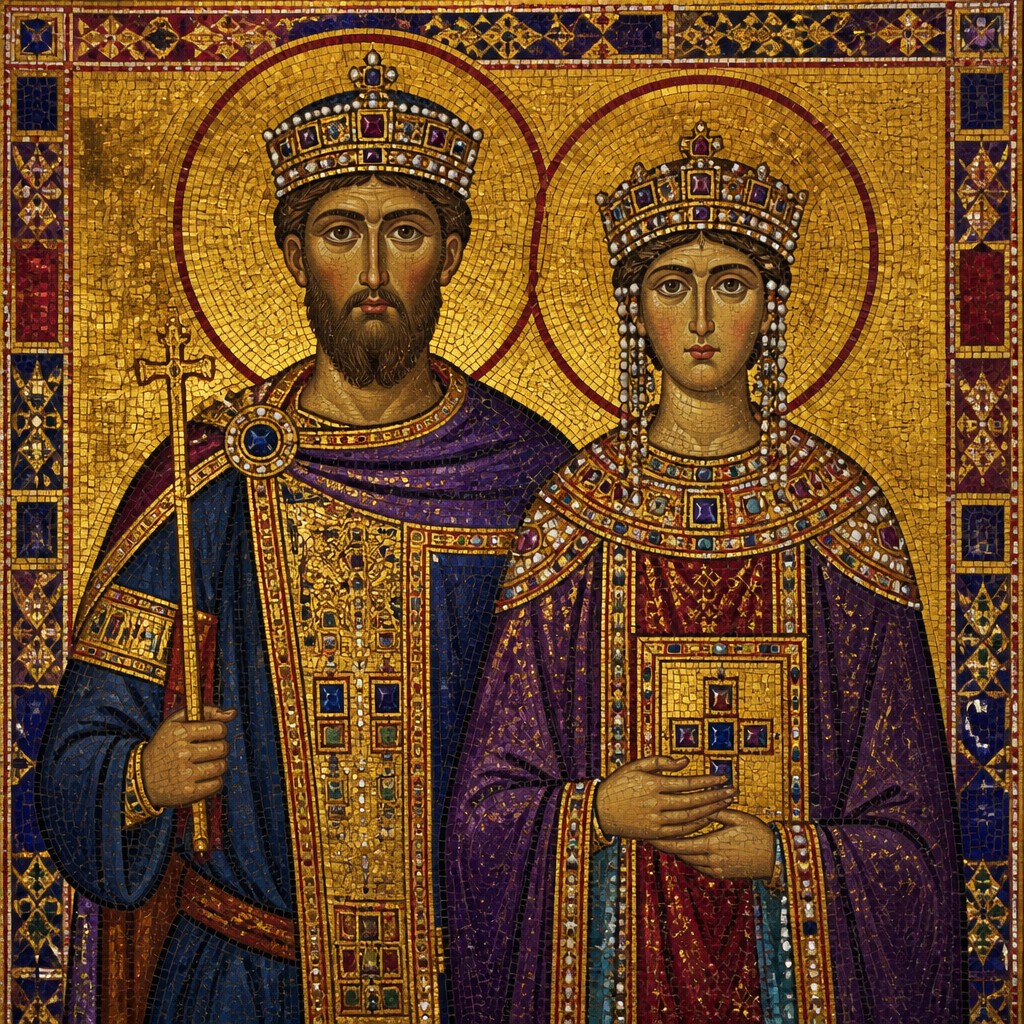
Try It On Your Photos
Upload any photo and convert it into Byzantine Classical Art Style — drag the sliders to compare before and after.
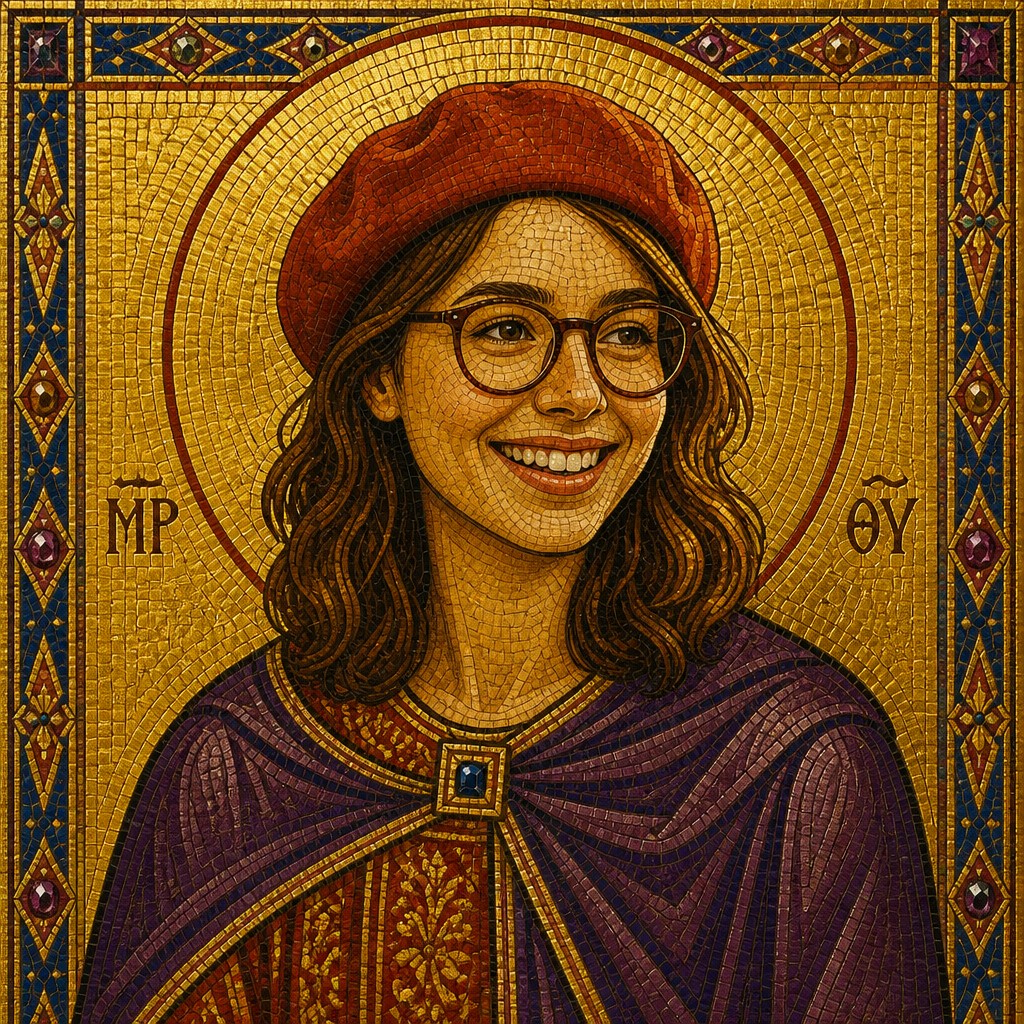

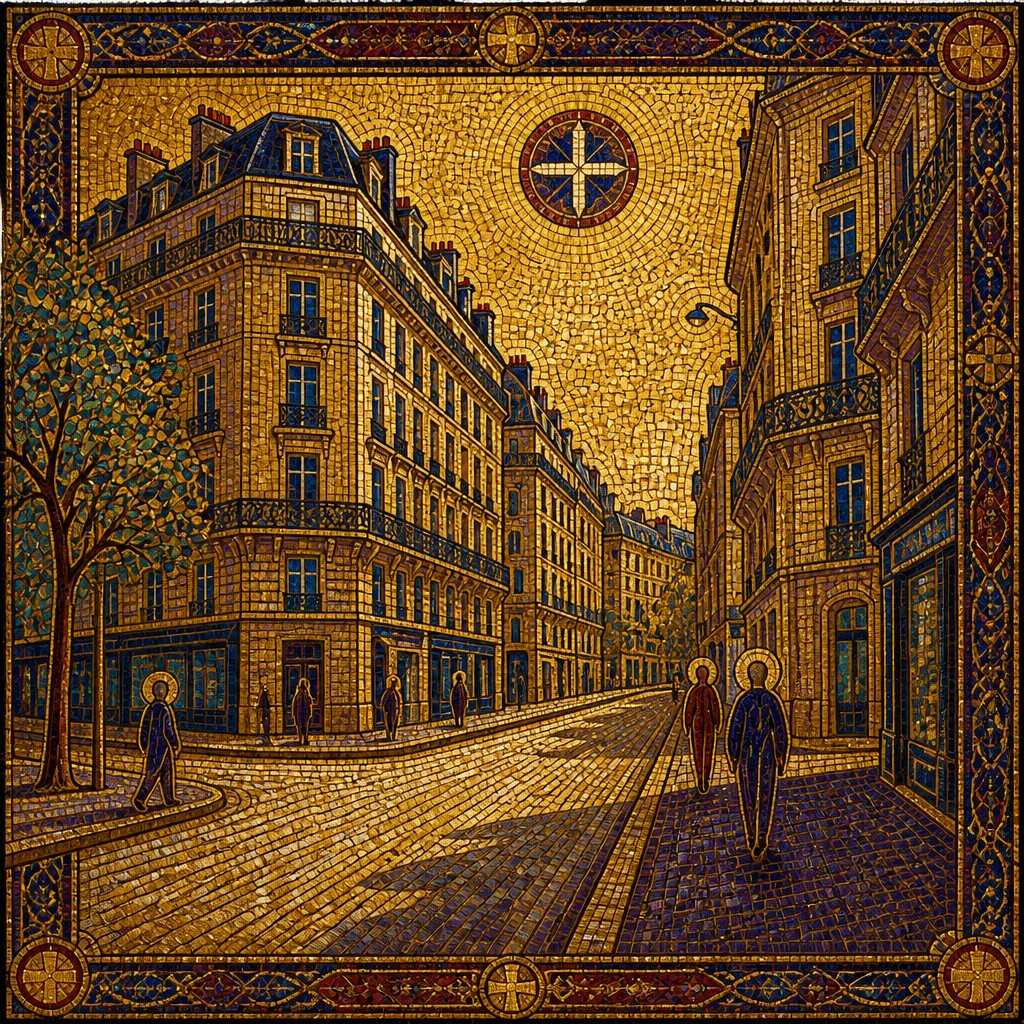

What Defines Byzantine Classical Art Style
The signature details, up close
Gold-ground radiance
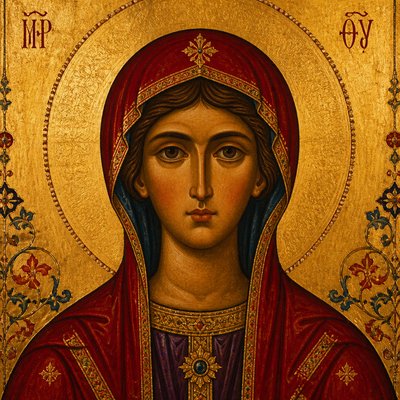
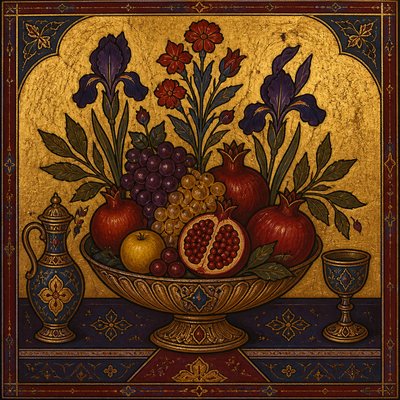
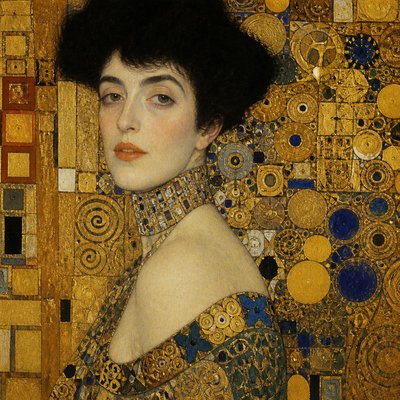
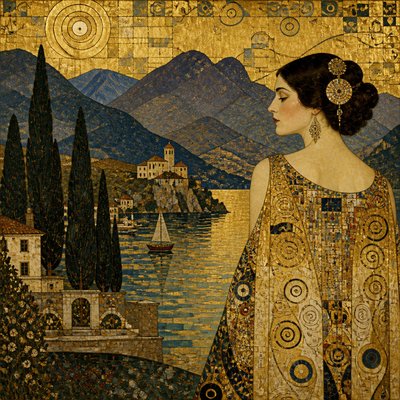
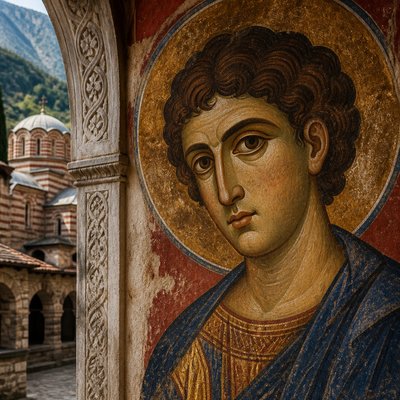
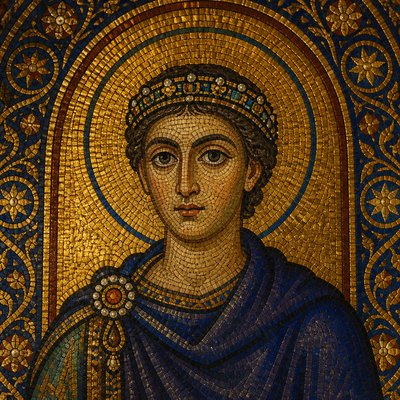
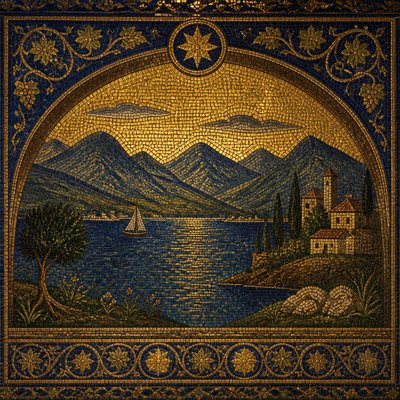
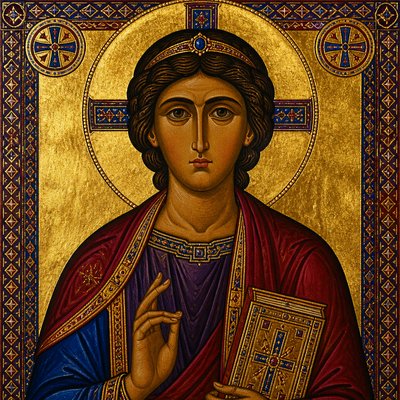
Gold leaf or gold-like backgrounds create an unearthly light that removes figures from ordinary space. The surface often glows as if illuminated from within, reinforcing the sacred character of the image.
Frontal, hieratic composition
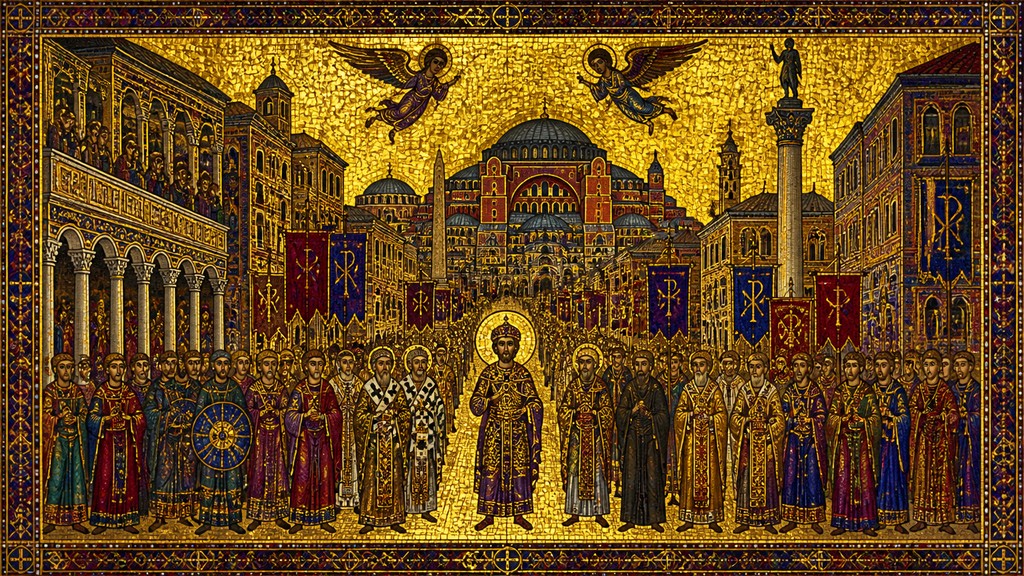
Figures commonly face the viewer directly or are arranged in solemn, symmetrical poses. This directness establishes authority and devotional presence rather than narrative movement.
Flattened spatial depth
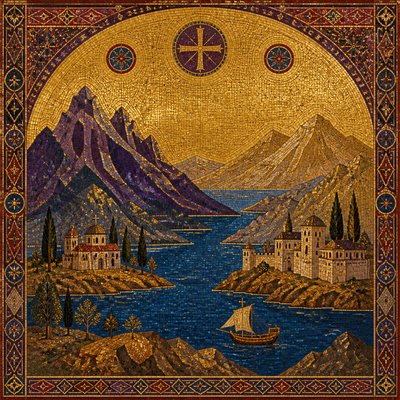
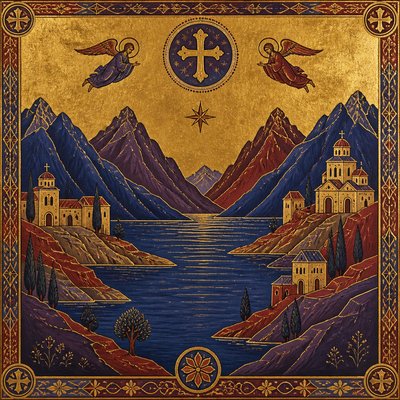
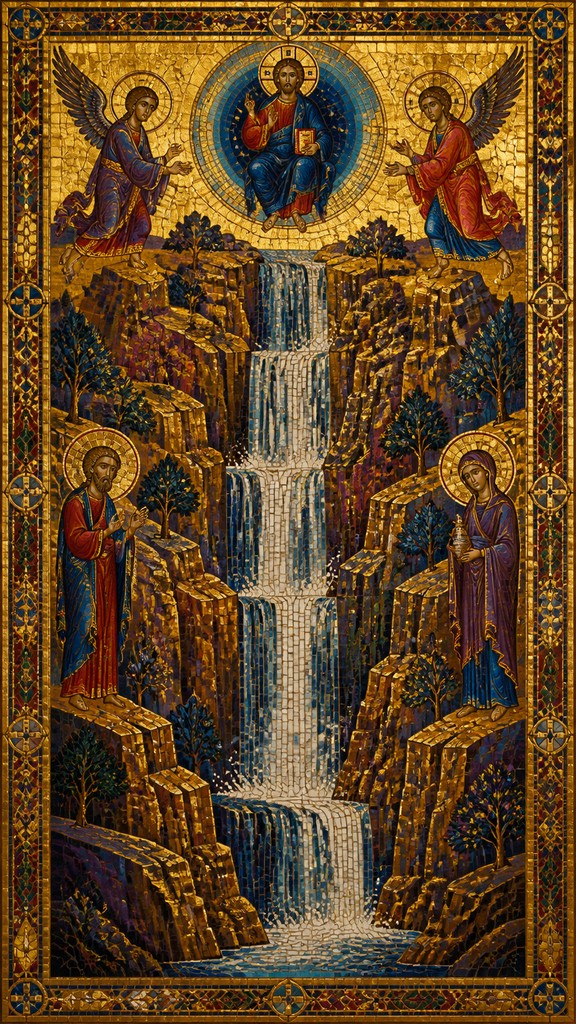
Perspective is minimized or ignored, and space is compressed into layered planes. The scene reads as symbolic order instead of physical environment.
Stylized human forms
Bodies are elongated and simplified, with minimal modeling and controlled anatomy. Drapery and contours are rendered as structured patterns rather than soft realism.
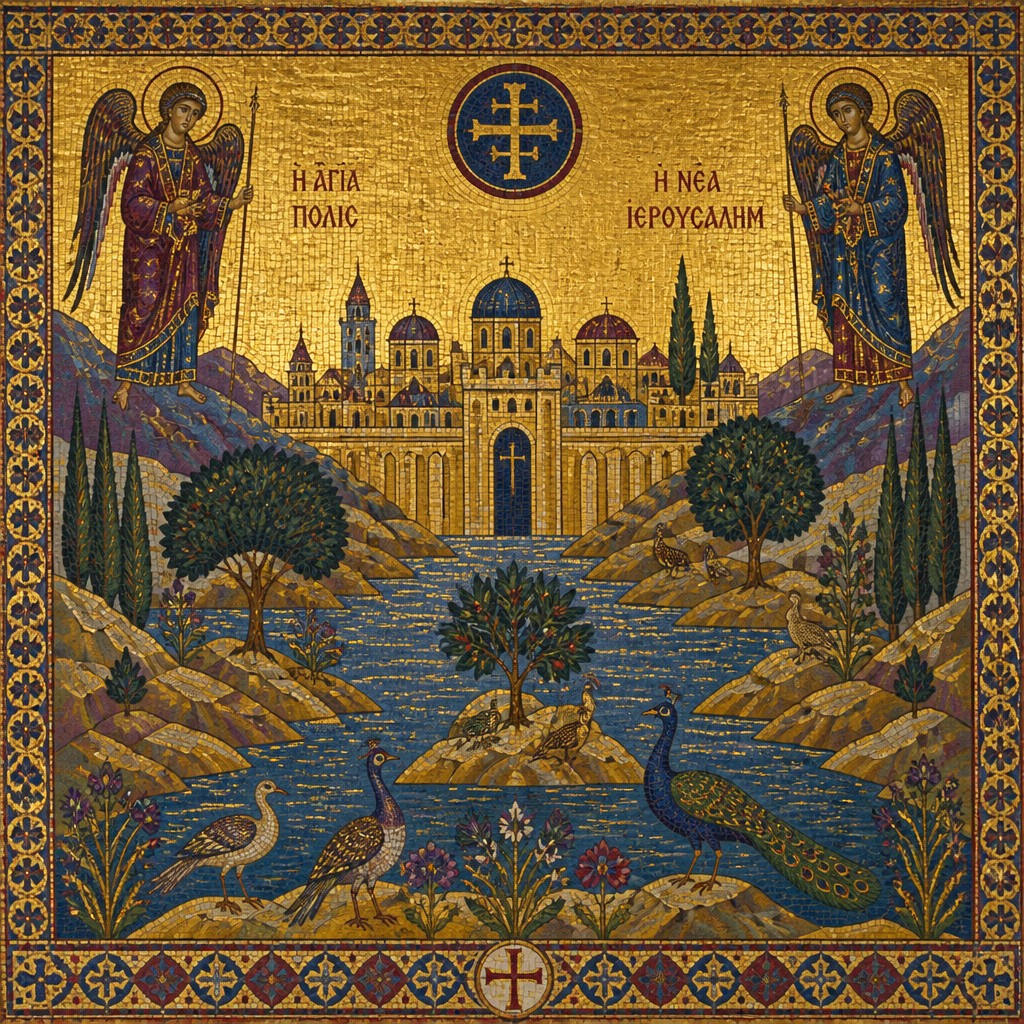
Iconic facial treatment
Faces are calm, solemn, and carefully generalized, with large eyes and refined features. Expression is restrained to project spiritual stillness and contemplation.
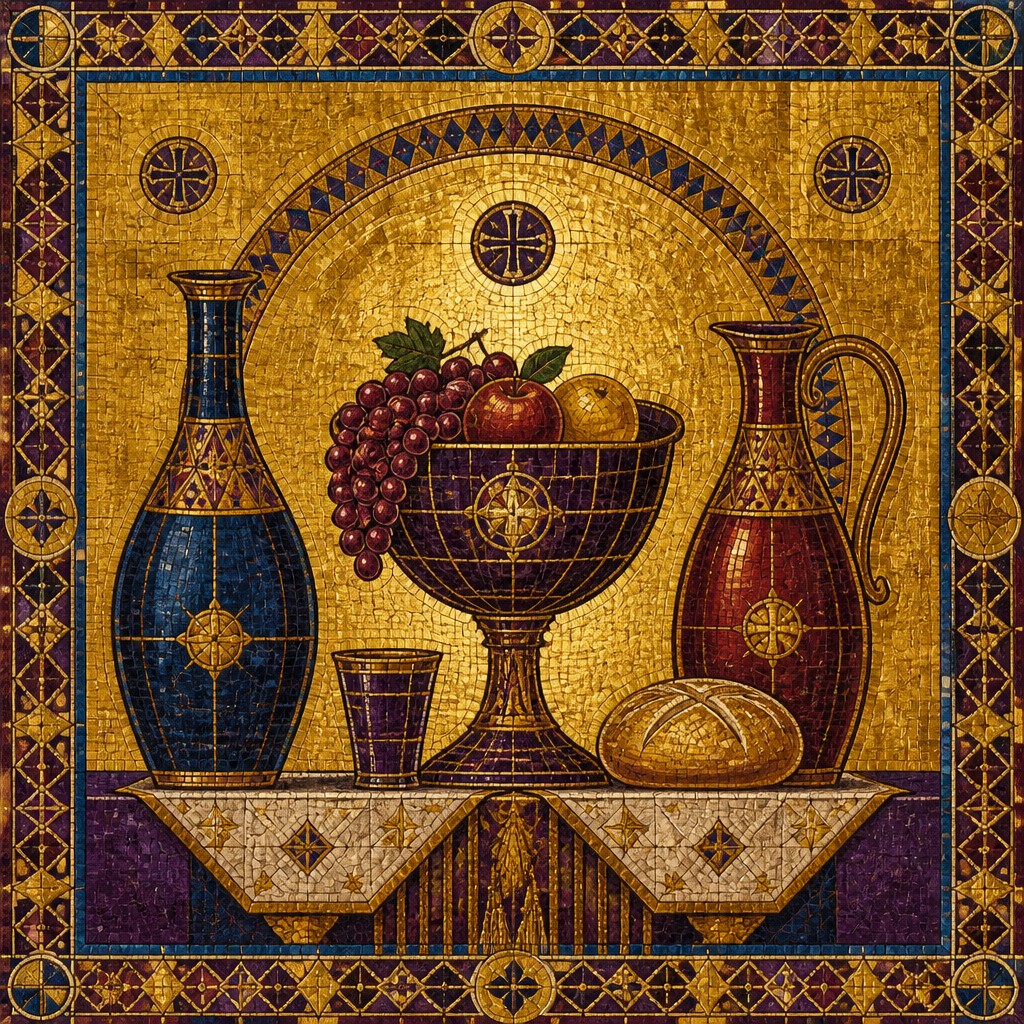
Jewel-toned color and ornament
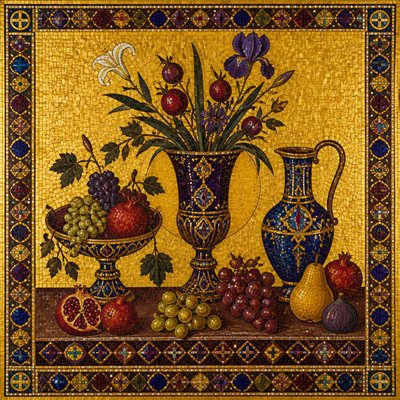
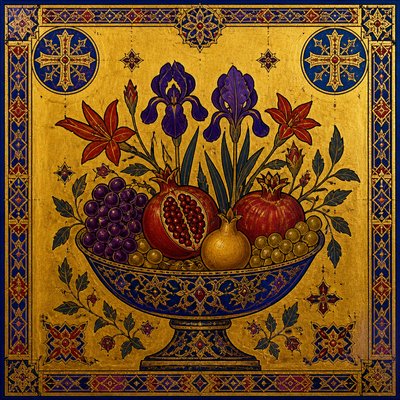
Deep blues, crimsons, violets, and greens are set against metallic gold with decorative borders and tessellated patterning. Color functions symbolically and ceremonially, not merely descriptively.
Try It
Create Videos in Byzantine Classical Art Style
Styles aren't just for stills — describe a scene or animate an image and get a short video rendered in Byzantine Classical. Press play to see this pond come to life.
Make a VideoByzantine Classical Prompt Ideas
Start from an idea — each one opens the generator with the style ready to go. See all 40 Byzantine Classical prompts →
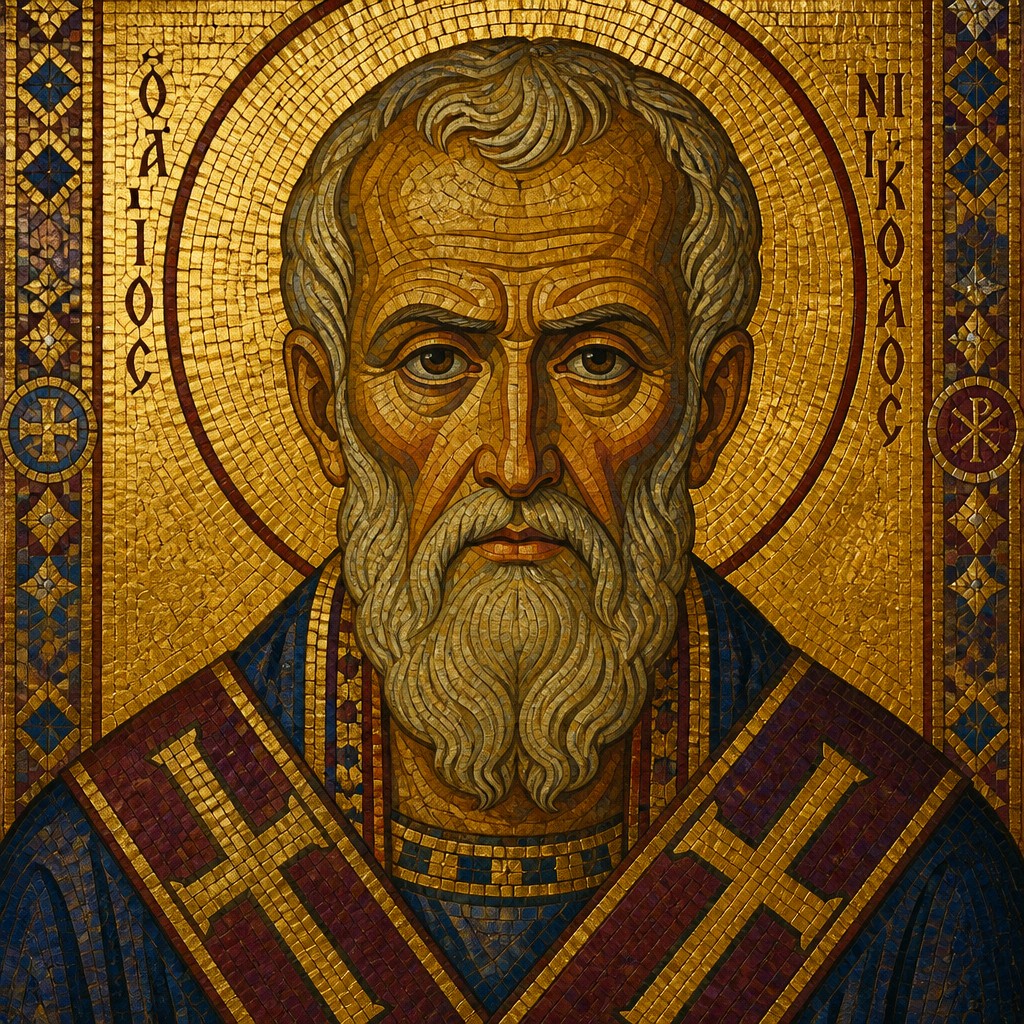
“close-up portrait of an elderly person with expressive weathered features”
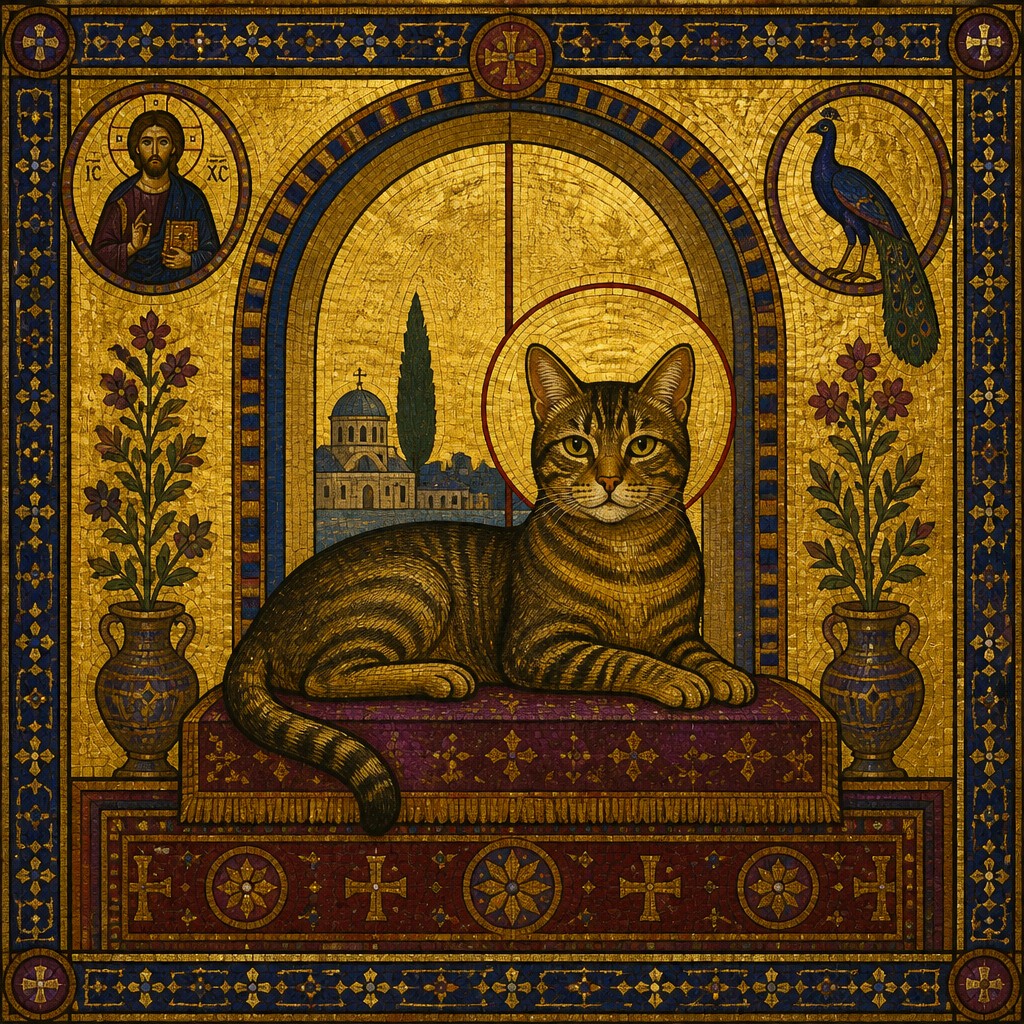
“a cat lounging in a sunlit window”
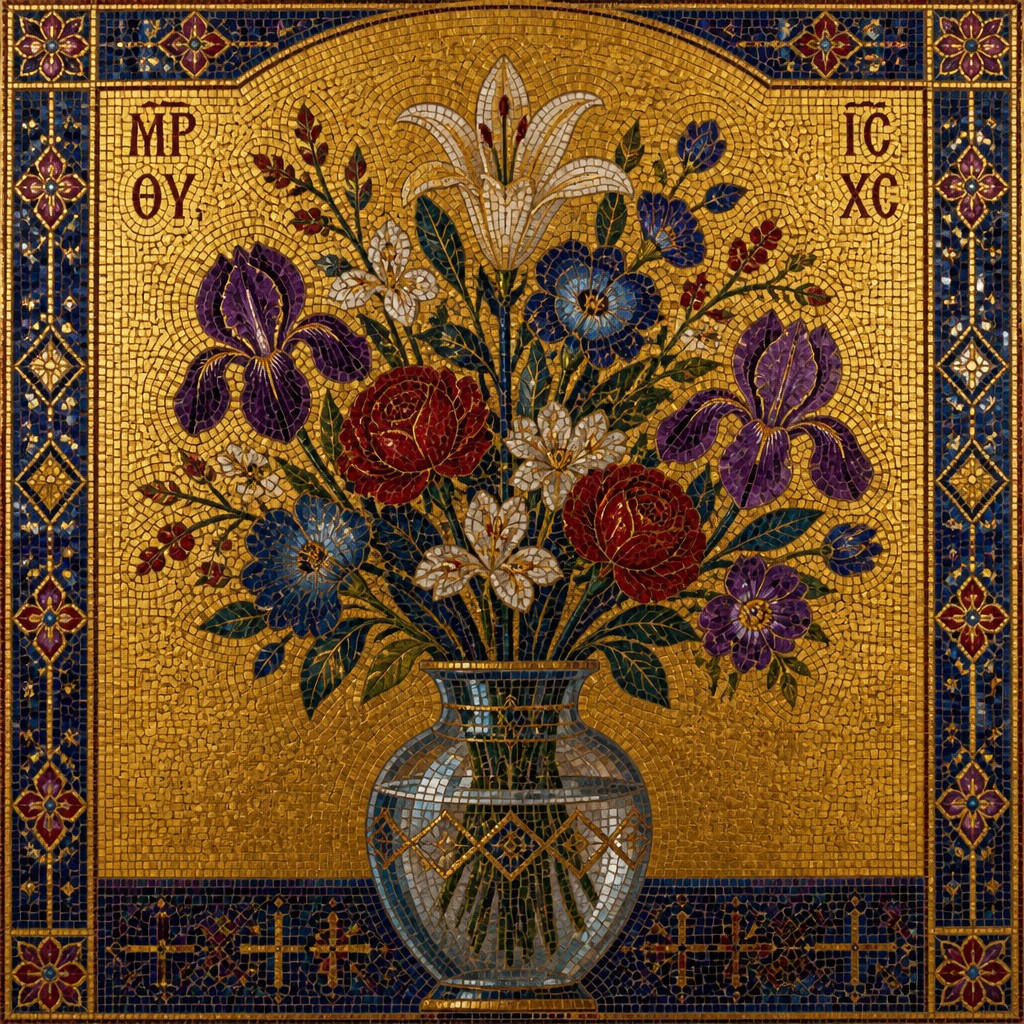
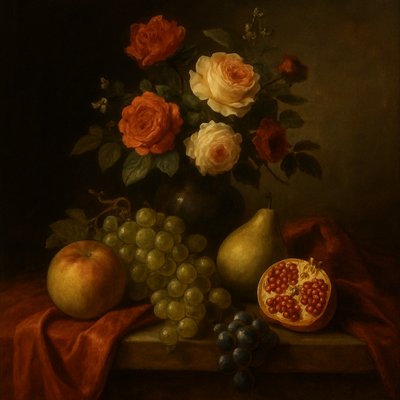
“bouquet of flowers in a glass vase”
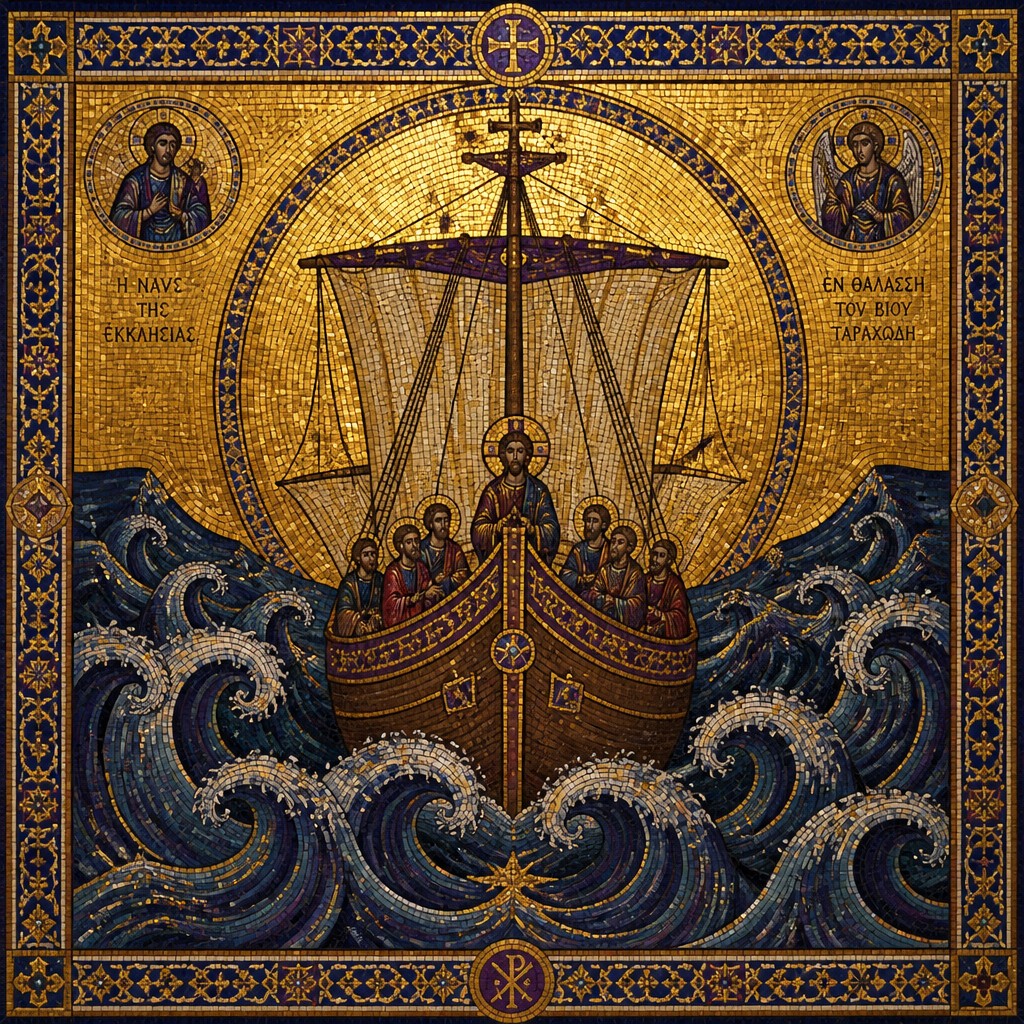
“sailing ship on a stormy sea”
How to Create Byzantine Classical Art
Master the craft step by step — or skip straight to creating. Read the full guide →
- 1
Build the composition around presence
Place the main figure frontally and center the design with strong symmetry or near-symmetry. Avoid dramatic perspective; keep the body and space legible, stable, and iconic.
- 2
Use luminous materials or material simulation
In traditional work, gold leaf, metallic pigments, tempera, or mosaic tesserae help capture the historical look. In digital work, simulate reflected light, broken highlights, and a gilded ground rather than using flat yellow.
- 3
Simplify anatomy into symbolic structure
Model faces and hands clearly but sparingly, with smooth planes and limited shadow. Elongate proportions slightly and reduce volumetric realism so the figure feels timeless rather than observed from life.
- 4
Treat pattern as structure, not decoration
Use borders, halos, robes, and backgrounds to organize the image hierarchically. Repeating motifs, tessellations, and ornamental edges should reinforce the sacred architecture of the composition.
- 5
Shape the prompt around sacred materials and form
When generating digitally, specify gold-ground, frontal icon composition, flattened depth, halo, mosaic fragments, and jewel tones. Add the subject clearly, then define the atmosphere as ceremonial, luminous, and devotional.
The Story
History & Origins of Byzantine Classical
Byzantine art developed in the Eastern Roman Empire from Late Antiquity onward, especially from the 4th century through the fall of Constantinople in 1453. Its mature visual language emerged in religious settings, where icons and mosaics served liturgical and devotional functions. The style was shaped by Christian theology, imperial ceremony, and inherited Greco-Roman and Near Eastern traditions, but it moved away from classical naturalism in favor of symbolic clarity, sacred hierarchy, and immaterial radiance.
Its influence spread across Orthodox Christianity and beyond, especially into medieval Balkan, Russian, Greek, and Eastern European icon painting. Later revivals and reinterpretations drew on Byzantine models for their spiritual authority, gold grounds, and formal restraint. What people often call “Byzantine classical” today is less a single historical school than a family of related sacred image traditions grounded in Byzantine iconography and mosaic art.
Influences: This style draws from Byzantine icon painting, church mosaic programs, and manuscript illumination, as well as Late Antique and post-Roman sacred art. It also overlaps with Orthodox icon traditions in Greece, the Balkans, and Russia, and with medieval devotional imagery more broadly. Canonical Byzantine-associated artists are rarely named individually because much surviving work is anonymous or workshop-based; the style is better understood through its regional traditions than through a single artist lineage.
Frequently Asked Questions
What defines Byzantine Classical Art Style?
Its core features are frontal sacred figures, gold backgrounds, flattened space, and highly symbolic color and ornament. The style aims to convey spiritual authority and divine presence rather than naturalistic realism.
Is this the same as Byzantine icon art?
It is closely related, and in practice the terms often overlap. “Byzantine classical” is a broad descriptive label for the iconic, gold-ground visual language that developed in Byzantine religious art and continued in Orthodox traditions.
How is it different from Renaissance art?
Renaissance art emphasizes perspective, anatomical realism, and spatial depth, while Byzantine art suppresses illusionistic space in favor of symbolic clarity. Byzantine images are meant to feel timeless and sacred, not like observed scenes from the physical world.
What subjects are most common in this style?
Religious figures dominate: Christ, the Virgin Mary, saints, angels, prophets, and imperial donors. Church interiors, mosaics, enthroned figures, and devotional bust icons are also common subjects.
Can this style be used for modern subjects?
Yes, but the subject should be adapted to the style’s solemn structure and symbolic economy. Portraits, allegories, and historical figures can work well if treated with frontal composition, gold ground, and restrained expression.
How do I make an image look authentically Byzantine?
Prioritize gold, symmetry, flattened depth, and stylized faces over realism. If working digitally or with generative tools, specify icon-like composition, mosaic texture, halo, and ornate borders, and avoid cinematic lighting or deep perspective.
Create your first Byzantine Classical artwork
Describe anything — or upload a photo — and see it in Byzantine Classical Art Style in seconds.
Make Something with Byzantine Classical
Compare Byzantine Classical
Related Styles
Discover similar art styles