Performance Art Style
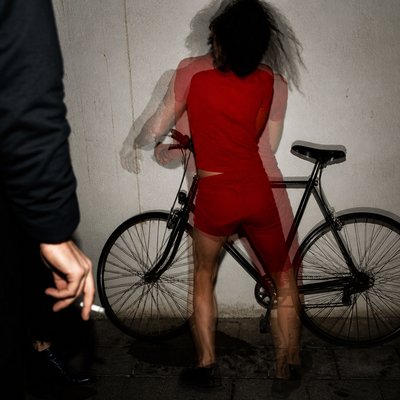
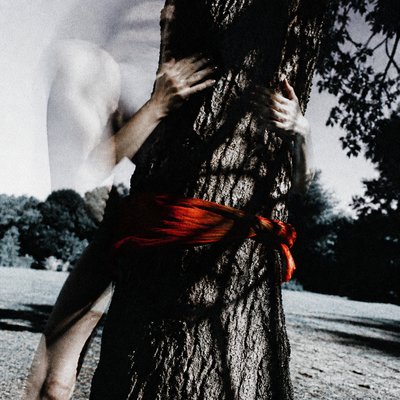
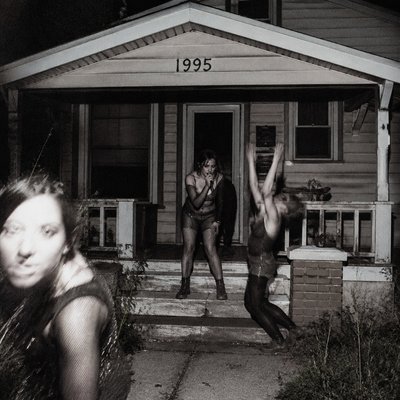
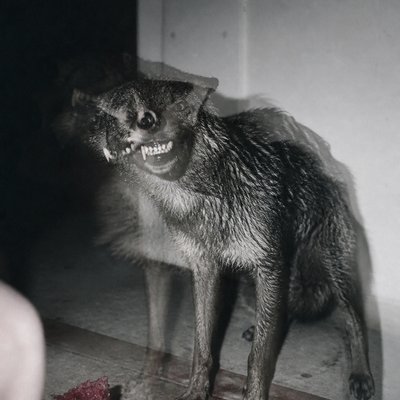
Live action documented as art: grainy, confrontational images of bodies, time, movement, and audience interaction.
Instantly rendered in Performance — or transform a photo
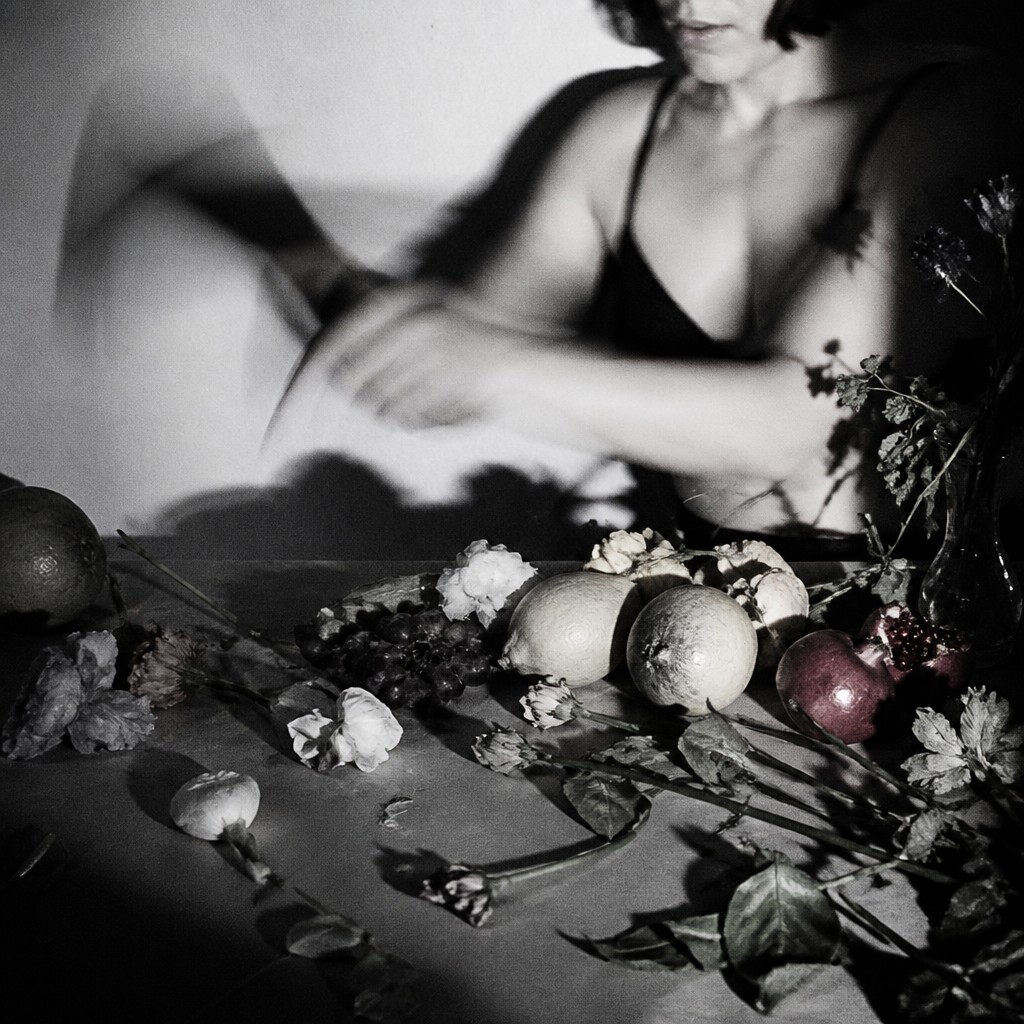
Performance Gallery
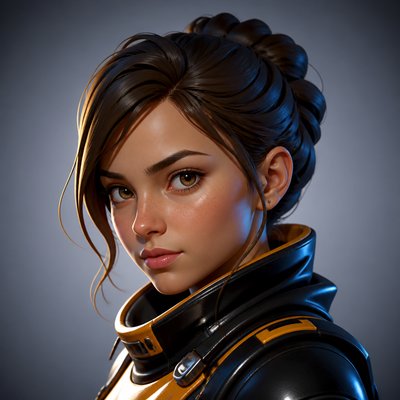
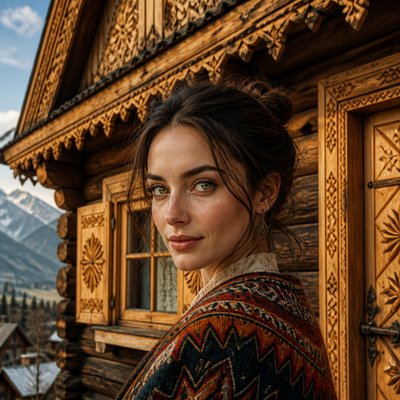
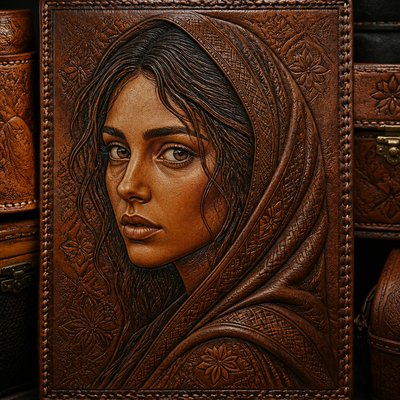
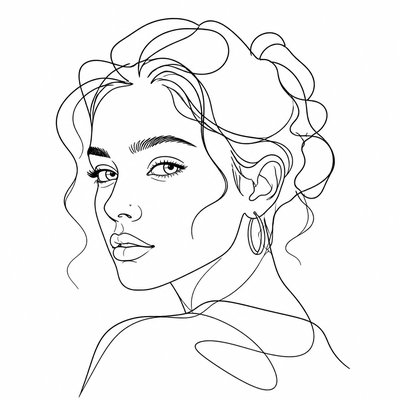
Tap any artwork to explore it
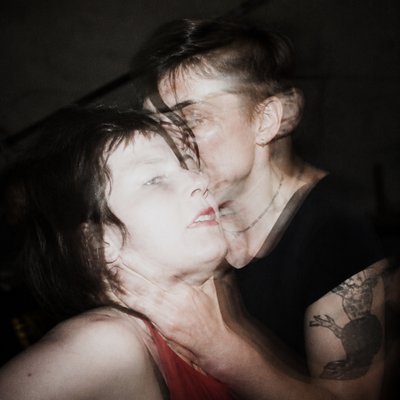
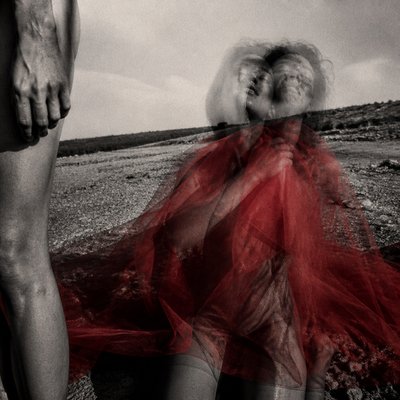
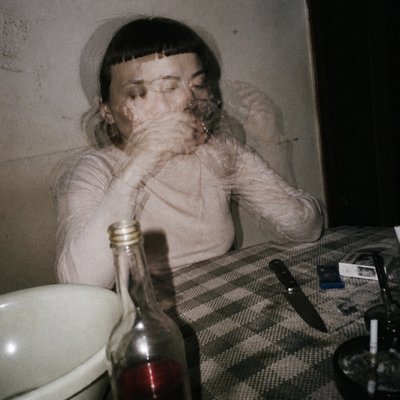
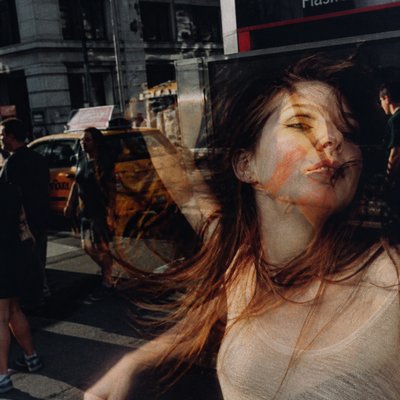
What is Performance Art Style?
Performance art is a time-based art form in which the artist’s body, actions, voice, and interaction with an audience become the medium. Its visual identity is often inseparable from documentation: photographs, video stills, scripts, scores, and relics that preserve a live event that was never meant to be fully reducible to a single image.
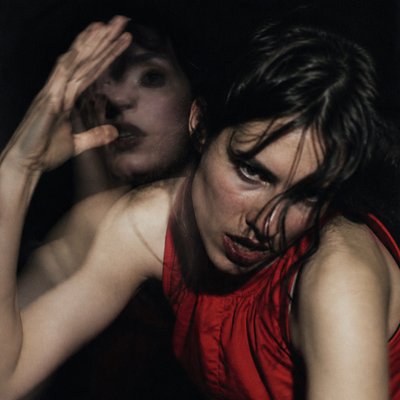
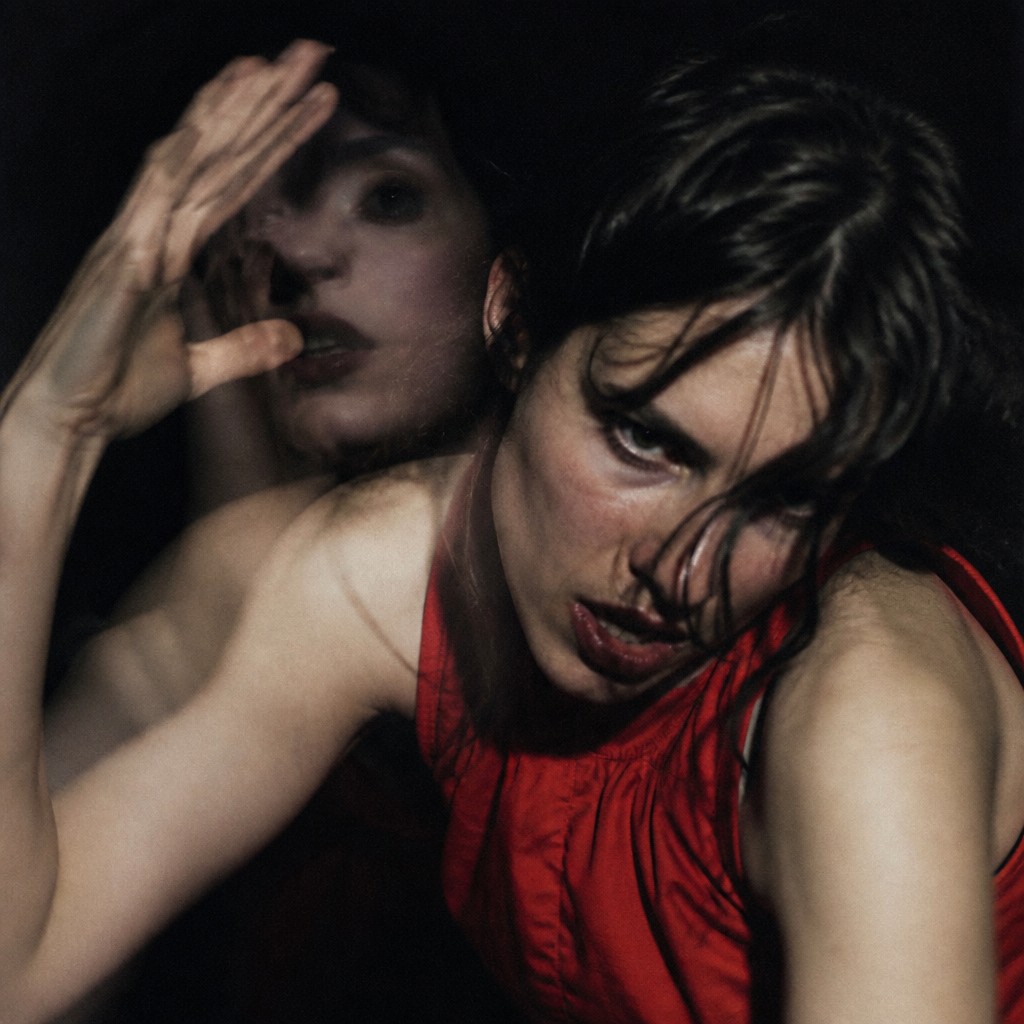
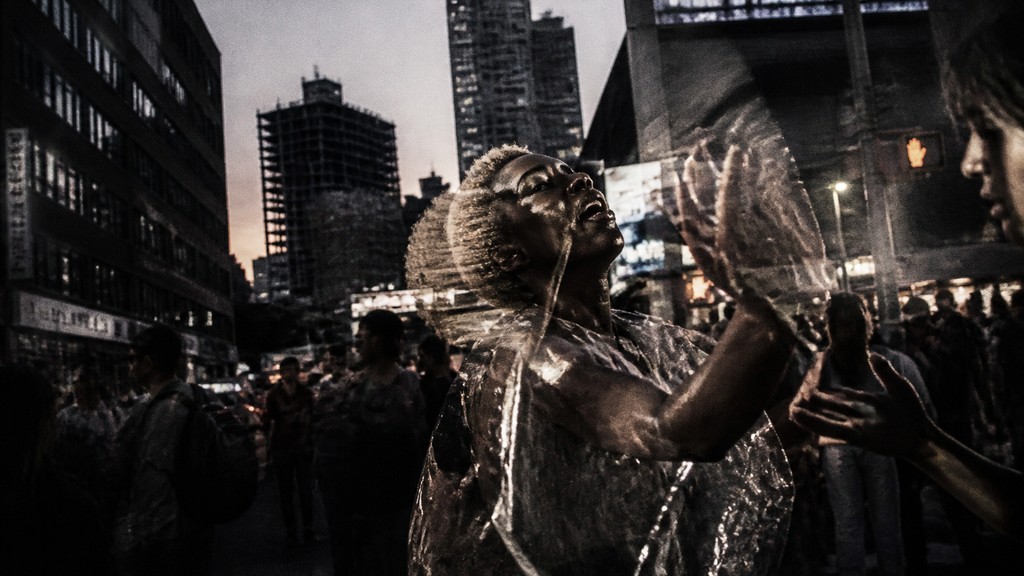
As a visual style, performance art documentation tends to look immediate, unpolished, and psychologically direct. Grain, blur, abrupt cropping, harsh light, and awkward framing are not mistakes so much as evidence of liveness—signs that the image is capturing duration, risk, and an unrepeatable moment as it unfolds.
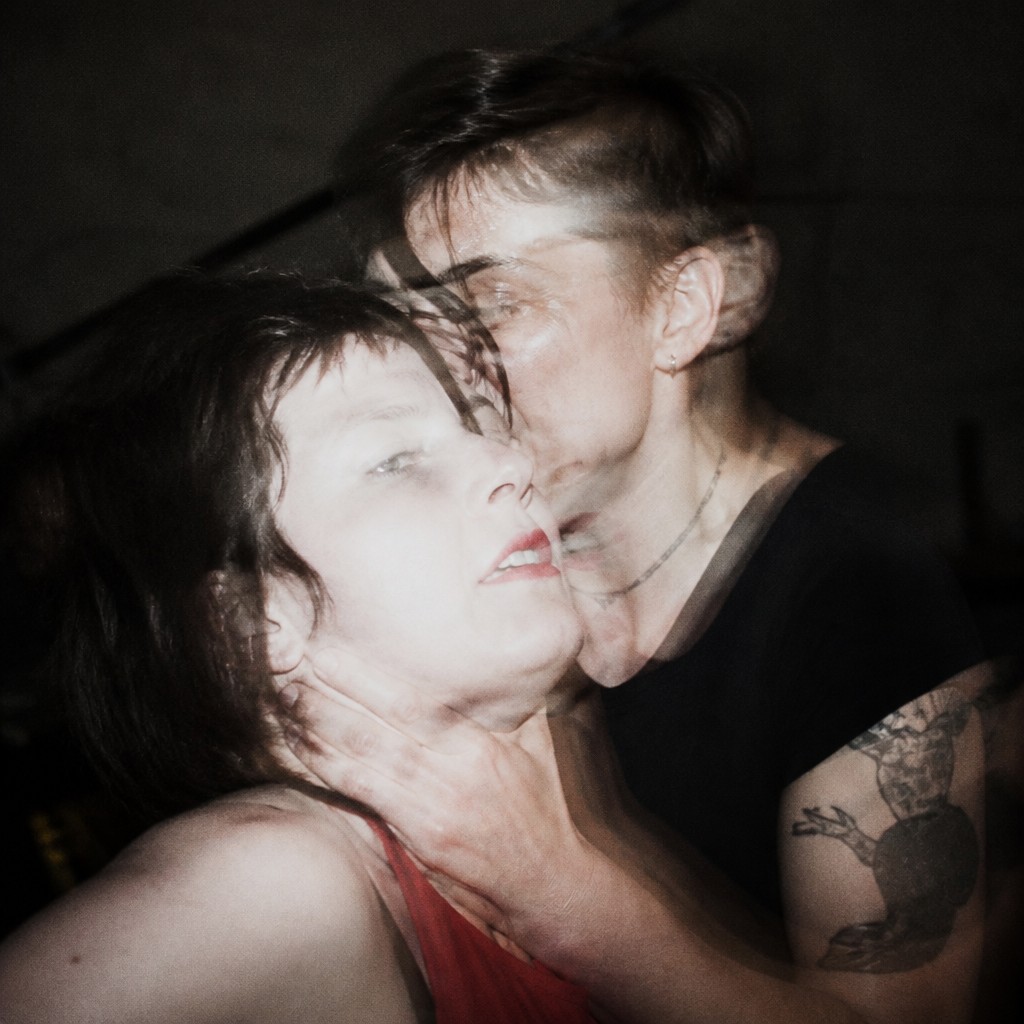
Try It On Your Photos
Upload any photo and convert it into Performance Art Style — drag the sliders to compare before and after.


What Defines Performance Art Style
The signature details, up close
Live bodily action
The human body is the central subject and tool, often shown in gesture, strain, stillness, repetition, or endurance. The image usually implies something happening before and after the captured frame.
Documentary immediacy
Photos and stills look observational rather than composed, as if taken in the moment by a witness. The result feels evidentiary, preserving an event rather than constructing a polished tableau.
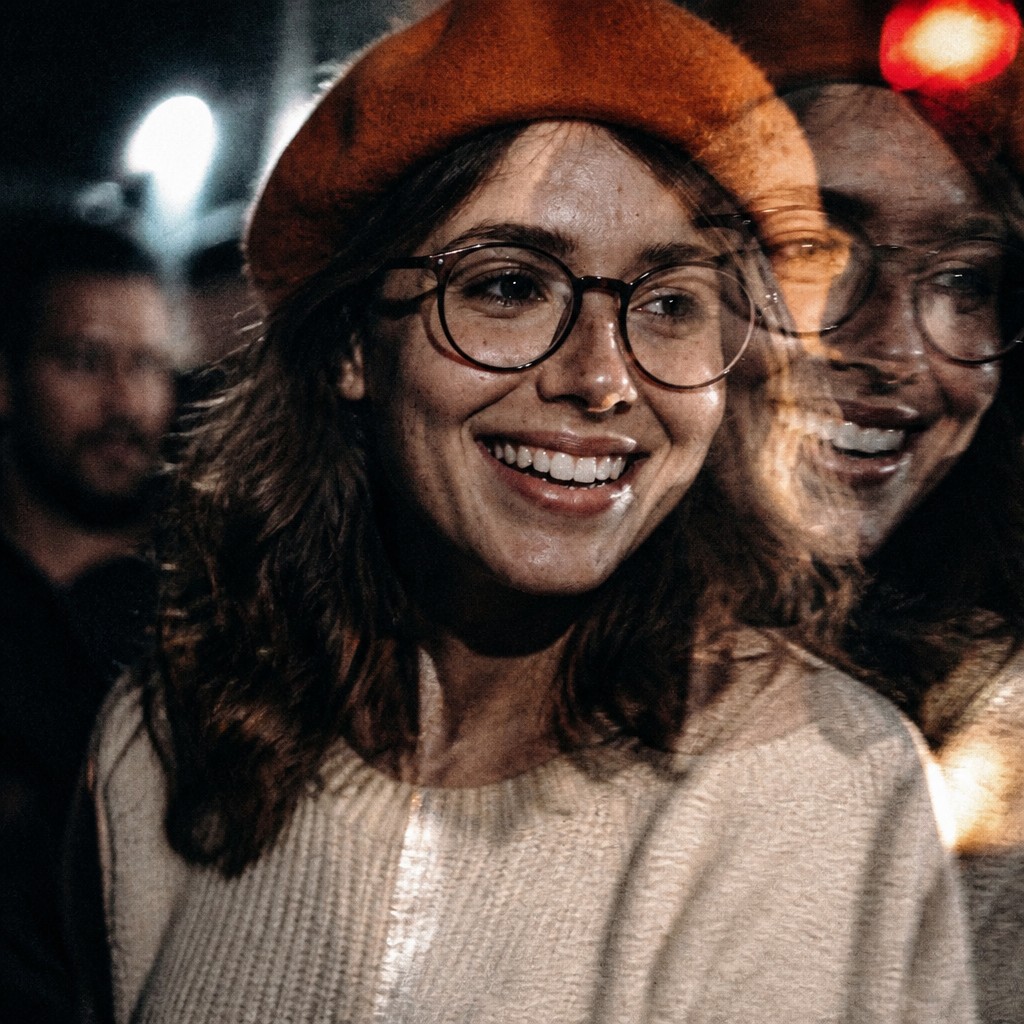
Motion blur and temporal traces
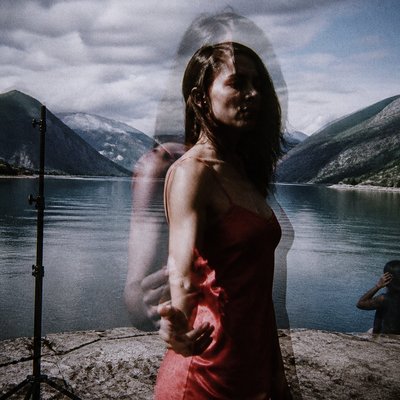
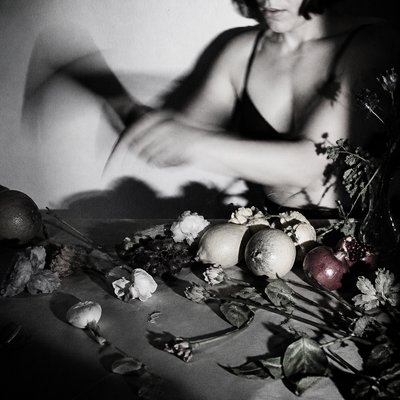
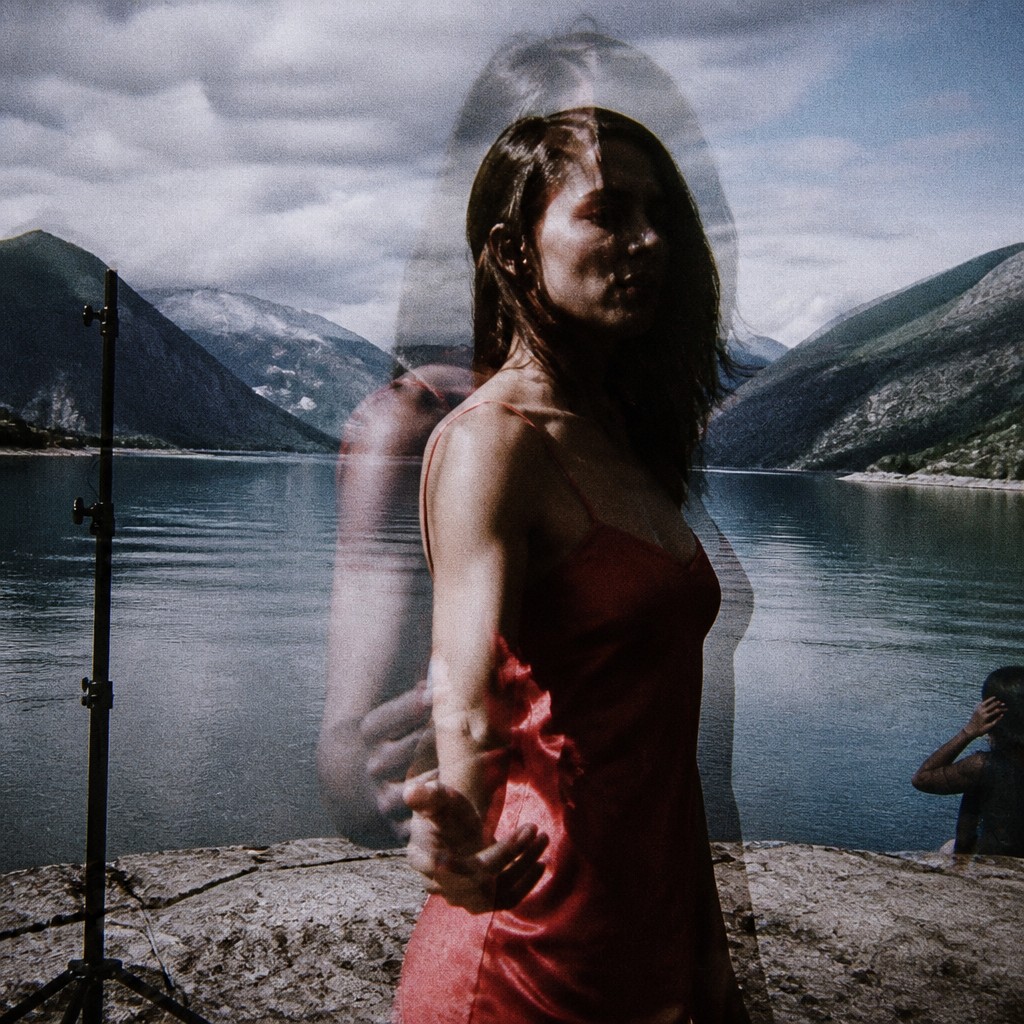
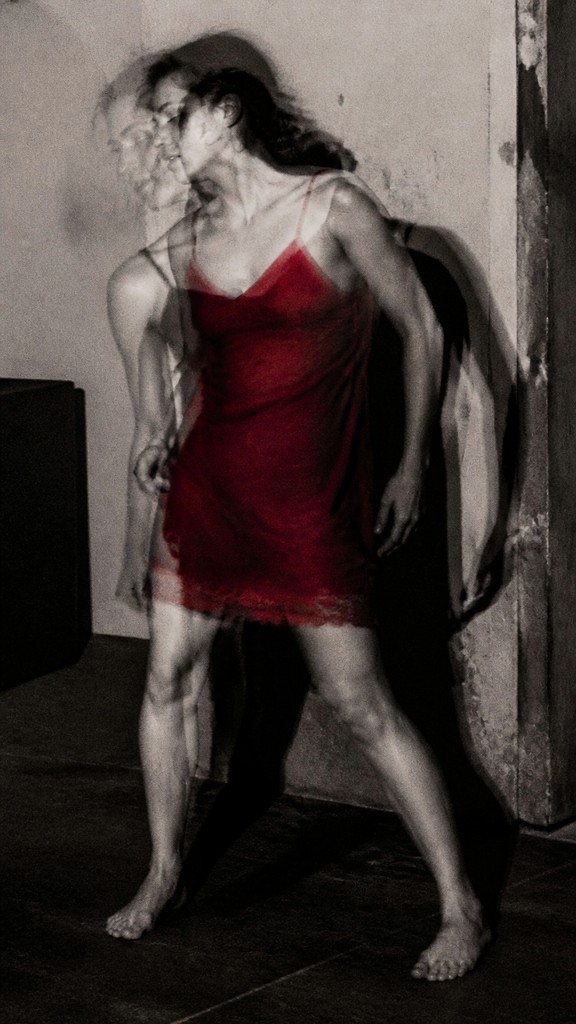
Blur, double exposure, and smeared movement convey duration instead of a single frozen pose. These effects make the image feel like a fragment of action rather than a complete scene.
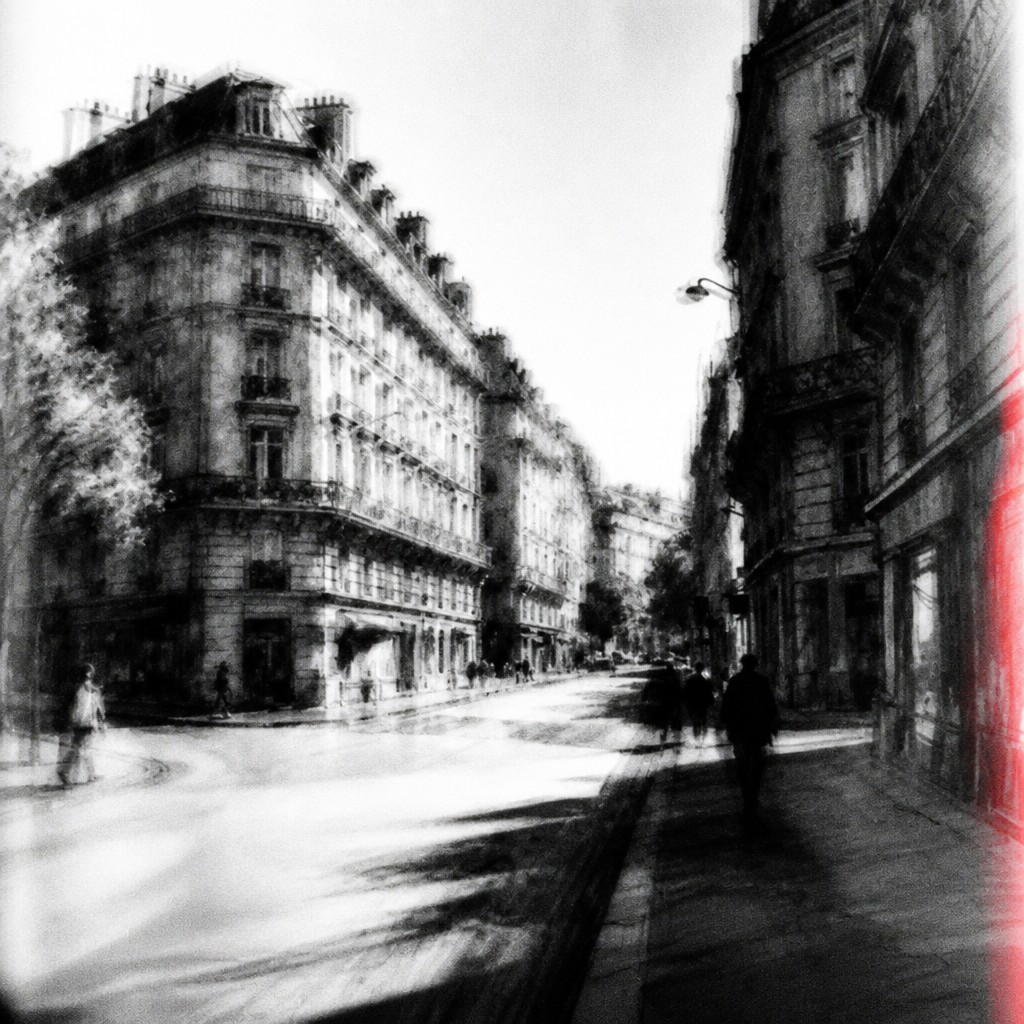
Harsh lighting and stark contrast
Directional light, flash, or high-contrast black-and-white often heighten physical presence and emotional tension. Shadows become sculptural, turning the body into a dramatic form.
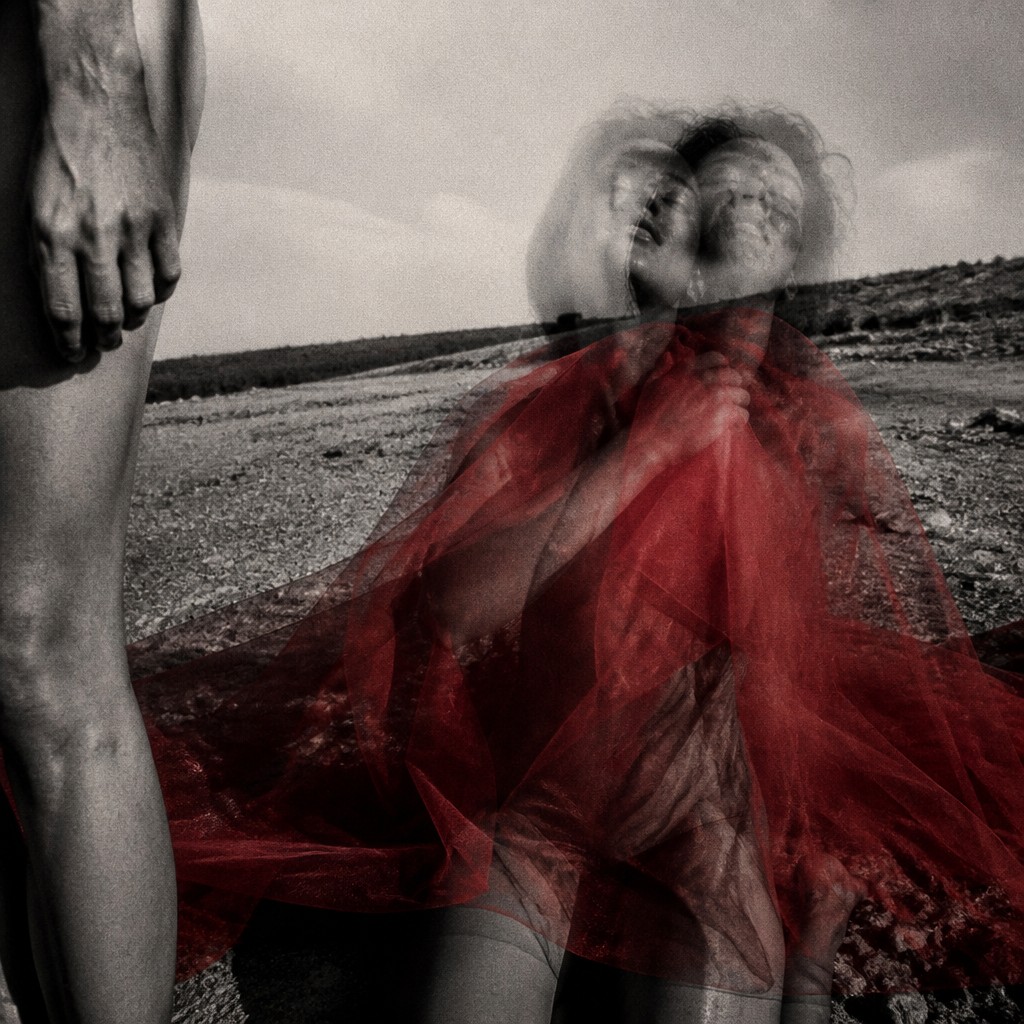
Cropping and fragmentation
Off-center framing, clipped limbs, and partial views are common because the image prioritizes event and presence over compositional perfection. This produces a sense of urgency and immediacy.
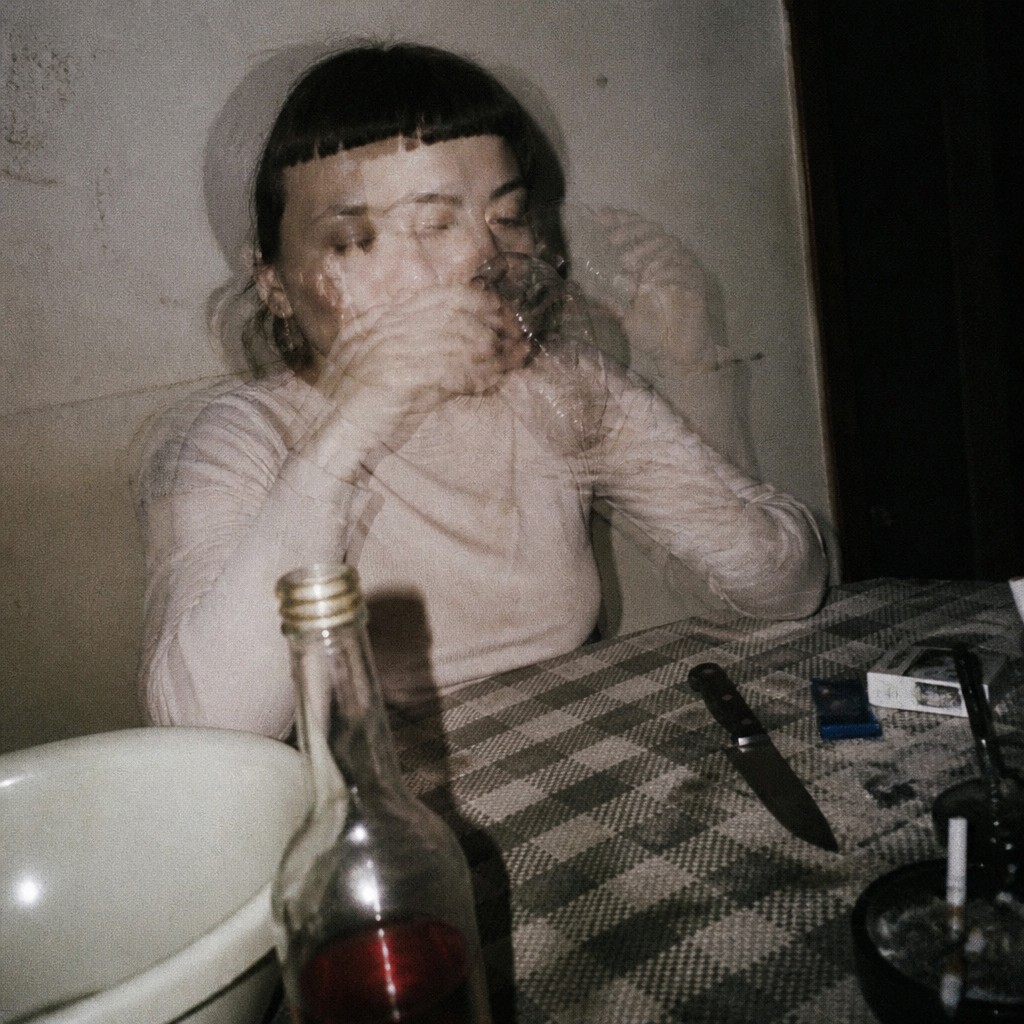
Audience and site awareness
The surrounding space, viewers, and architectural context often matter as much as the performer. The work can feel confrontational, intimate, or participatory depending on how the audience is implicated.
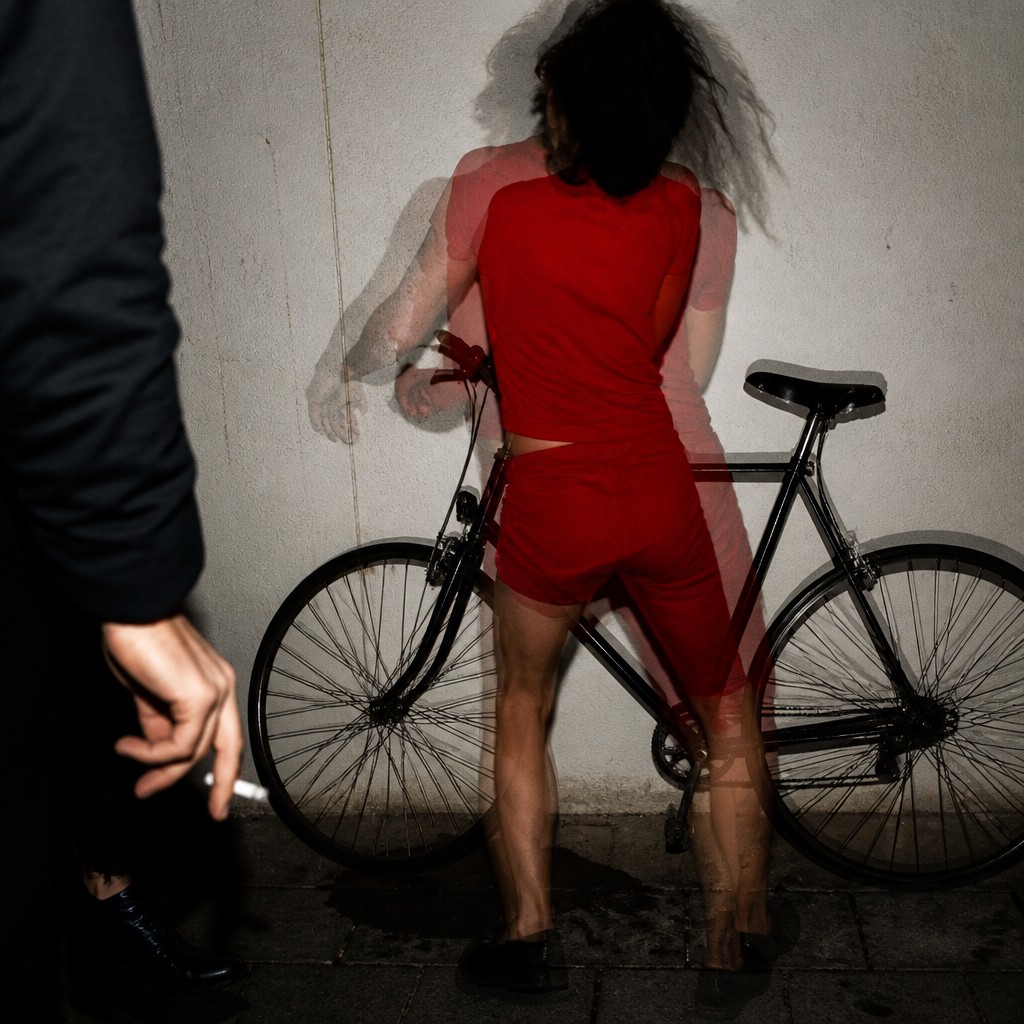
Raw, unpolished surface
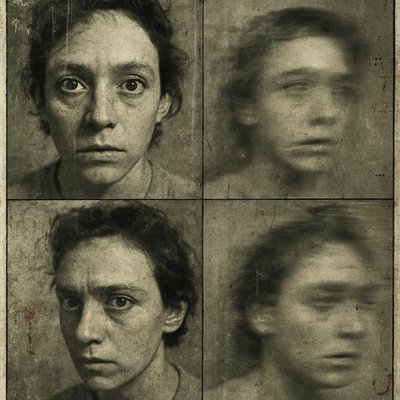
Noise, grain, slight blur, and imperfect exposure are embraced as proof of liveness. The aesthetic often resists decorative finish in favor of directness and vulnerability.
Try It
Create Videos in Performance Art Style
Styles aren't just for stills — describe a scene or animate an image and get a short video rendered in Performance. Press play to see this pond come to life.
Make a VideoPerformance Prompt Ideas
Start from an idea — each one opens the generator with the style ready to go. See all 40 Performance prompts →
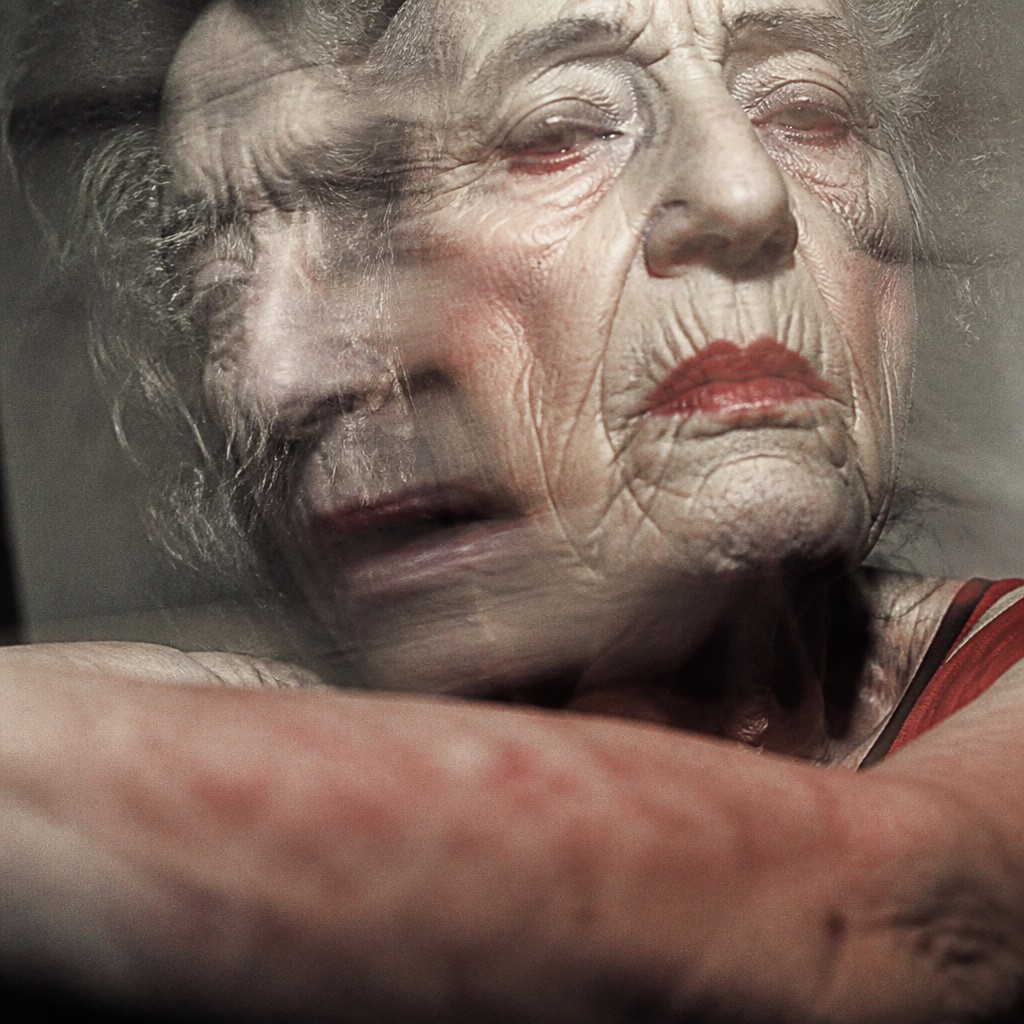
“close-up portrait of an elderly person with expressive weathered features”
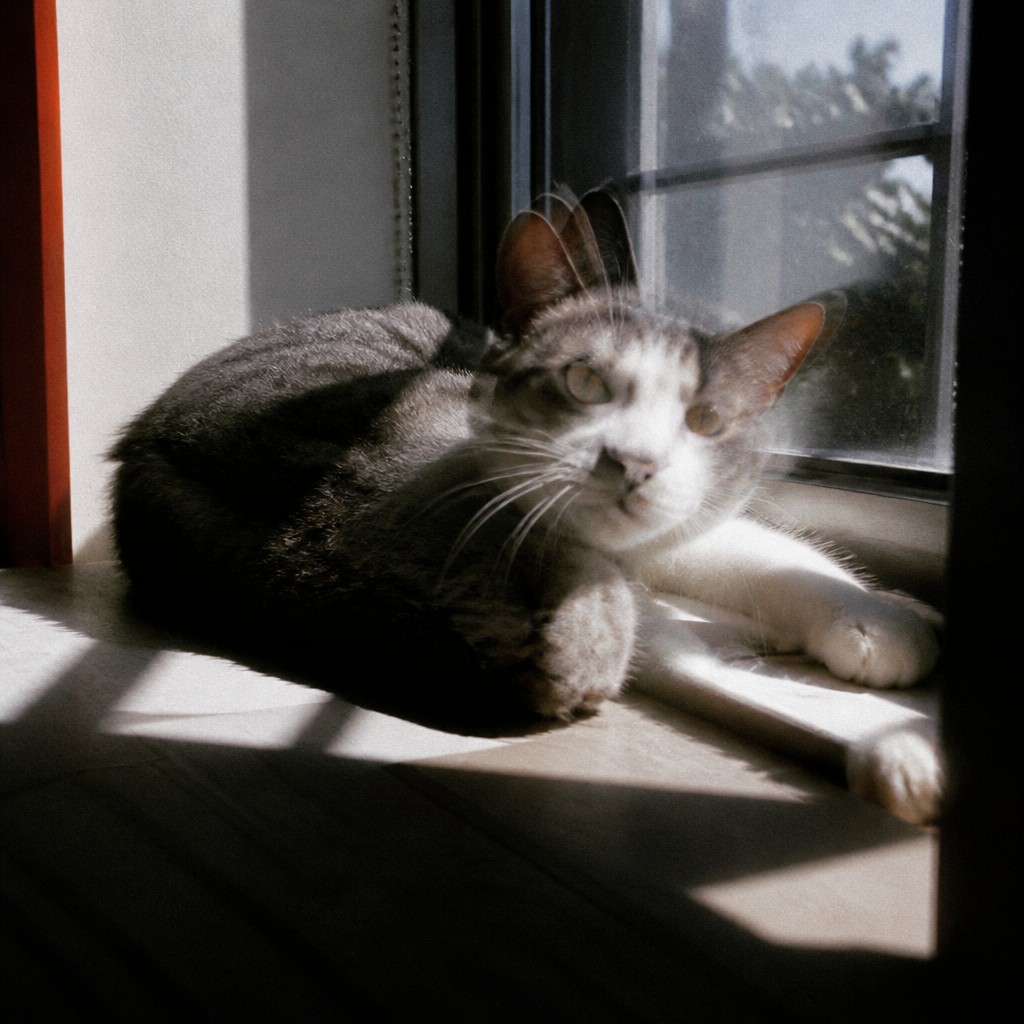
“a cat lounging in a sunlit window”
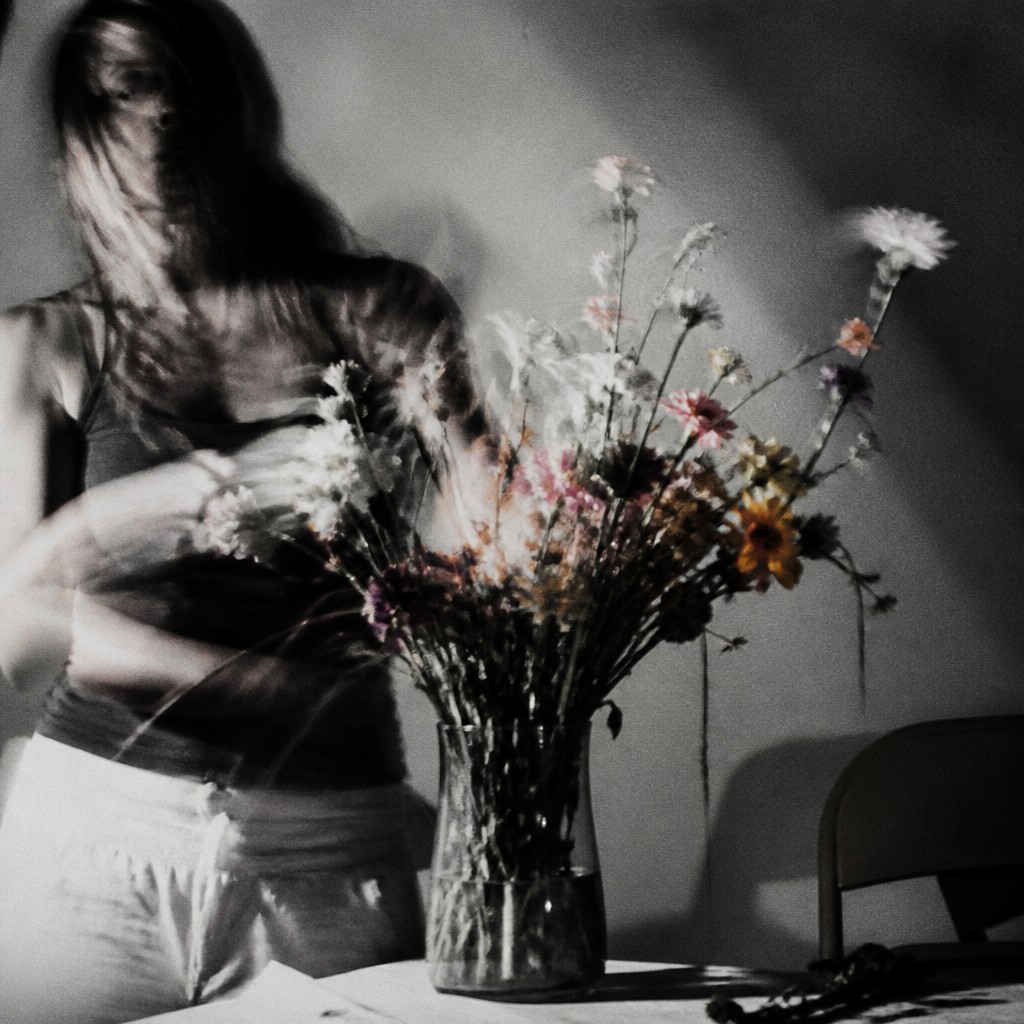
“bouquet of flowers in a glass vase”
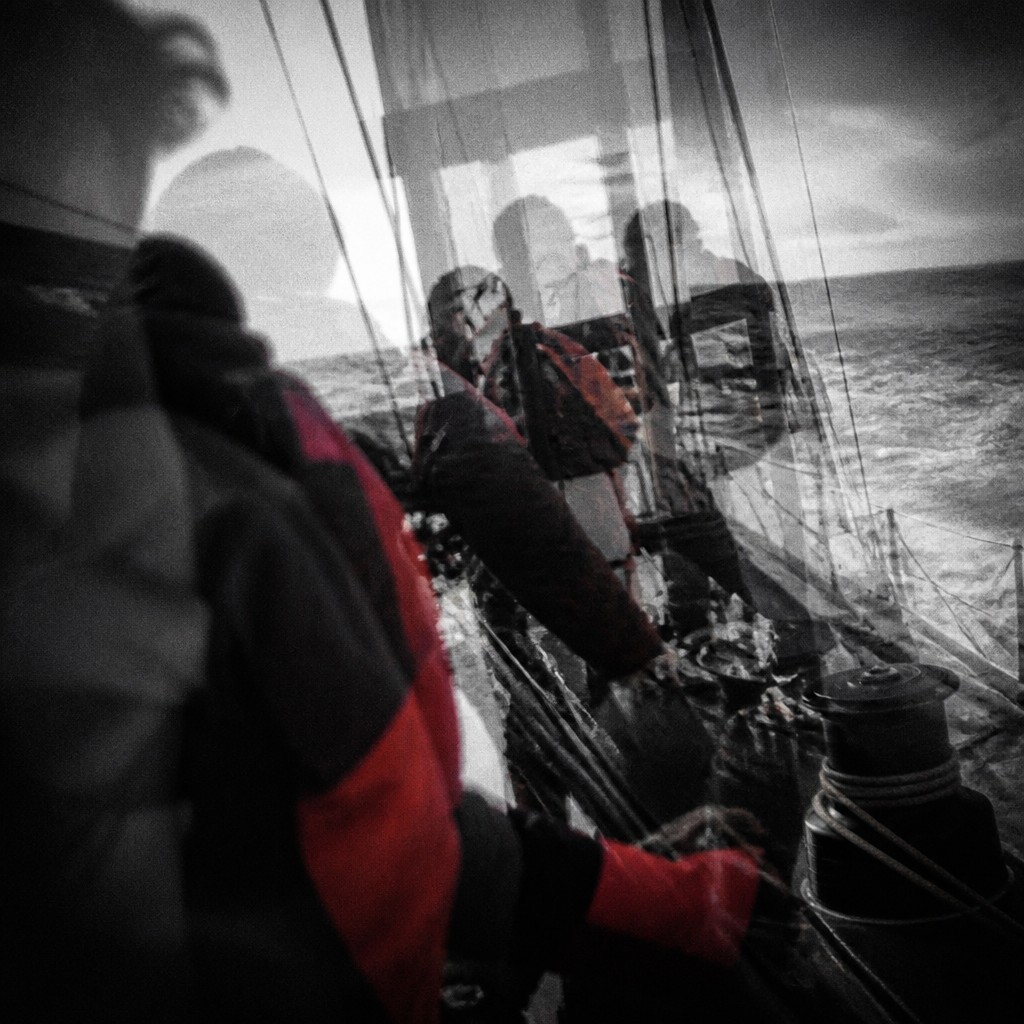
“sailing ship on a stormy sea”
How to Create Performance Art
Master the craft step by step — or skip straight to creating. Read the full guide →
- 1
Center the action, not the object
In traditional work, plan around a gesture, endurance task, or interaction that can be photographed as it unfolds. In digital or AI-based creation, describe a specific live action and ask for documentation rather than a staged portrait.
- 2
Use available or directional light
Harsh side light, flash, or a single spotlight can carve the body into strong shadows and create tension. Avoid overly even lighting if you want the image to feel recorded in a real moment.
- 3
Embrace imperfect framing
Shoot handheld, allow motion blur, and accept clipped edges or off-center composition. These imperfections help communicate duration and the instability of live action.
- 4
Include context clues
Show the floor, walls, audience silhouettes, props, or remnants of the act so the image reads as a witnessed event. A few environmental details often matter more than elaborate backdrops.
- 5
Treat documentation as part of the artwork
When making a performance-based image, think like a documentarian: capture sequences, multiple angles, and transitional moments. For prompt-based generation, specify terms such as candid, grainy, mid-gesture, and documentary still.
- 6
Test prompt language for liveness
Useful descriptors include handheld photography, high contrast, motion blur, abrupt crop, audience nearby, and ephemeral moment. Combine those with a concrete subject or act to keep the image grounded.
The Story
History & Origins of Performance
Performance art emerged from early 20th-century avant-garde experiments that rejected the autonomy of the art object, including Futurist evenings, Dada actions, Constructivist theater, and later developments in Fluxus, Happenings, and the live art practices of the 1960s and 1970s. Major postwar performance artists, pioneering women performance artists, influential German action artists, radical body-based performance artists, provocative body-focused American performance artists, and experimental action-based conceptual artists helped define performance as an art of action, endurance, participation, and public encounter.
Its documented look is shaped by the practical conditions under which many performances were recorded: available light, handheld cameras, limited framing, and the need to preserve a fleeting event rather than stage a polished image. The aesthetic lineage extends through documentary photography, conceptual art, feminist body art, and the raw visual language of protest, theater rehearsal, and press photography, all of which reinforce the sense that meaning lies in the act itself and in the witness to it.
Influences: Performance art draws from Futurism and Dada actions, the event-based logic of Happenings, Fluxus, conceptual art, and documentary photography, as well as theatrical rehearsal imagery and protest documentation. In the broader visual tradition, it often overlaps with the directness of street photography and the body-focused inquiry found in works by major postwar performance artists, pioneering women performance artists, influential German action artists, radical body-based performance artists, provocative body-focused American performance artists, and experimental action-based conceptual artists.

Frequently Asked Questions
What defines performance art as a visual style?
Performance art is defined by live action: the body, duration, and audience encounter are the artwork. Visually, it is often associated with documentation that feels immediate, candid, and evidence-like rather than polished or studio-made.
How is performance art different from theater or dance?
Theater and dance usually prioritize script, choreography, or character, whereas performance art often emphasizes the artwork-as-event and may resist narrative or role-playing. It can be improvised, repetitive, confrontational, or concept-driven, and the documentation may be as important as the live act.
Why does performance art documentation often look grainy or blurry?
Many performances were recorded under practical conditions with handheld cameras, limited lighting, and no second chances. The blur and grain are not just technical flaws; they help preserve the sense of movement, risk, and a moment that cannot be fully repeated.
Can performance art exist without documentation?
Yes. A live performance can be complete in the moment of its occurrence, even if only witnessed by a small audience or not recorded at all. However, documentation is often how viewers encounter performance art later, so images and videos have become central to its circulation.
What kinds of subjects work well in this style?
Bodies in motion, endurance actions, ritual gestures, protest scenes, intimate exchanges, and site-specific interactions all fit well. Subjects that imply tension, vulnerability, or audience participation usually read strongly in this visual language.
How do I make an image look like performance art documentation?
Use candid framing, high contrast, and signs of a live act in progress, such as a performer mid-gesture or a visible audience. Whether shooting manually or generating digitally, emphasize documentary realism, imperfect composition, and temporal traces like blur or ghosting.
Create your first Performance artwork
Describe anything — or upload a photo — and see it in Performance Art Style in seconds.
Make Something with Performance
Compare Performance
Related Styles
Discover similar art styles