Performance vs Participatory Contemporary: What's the Difference?
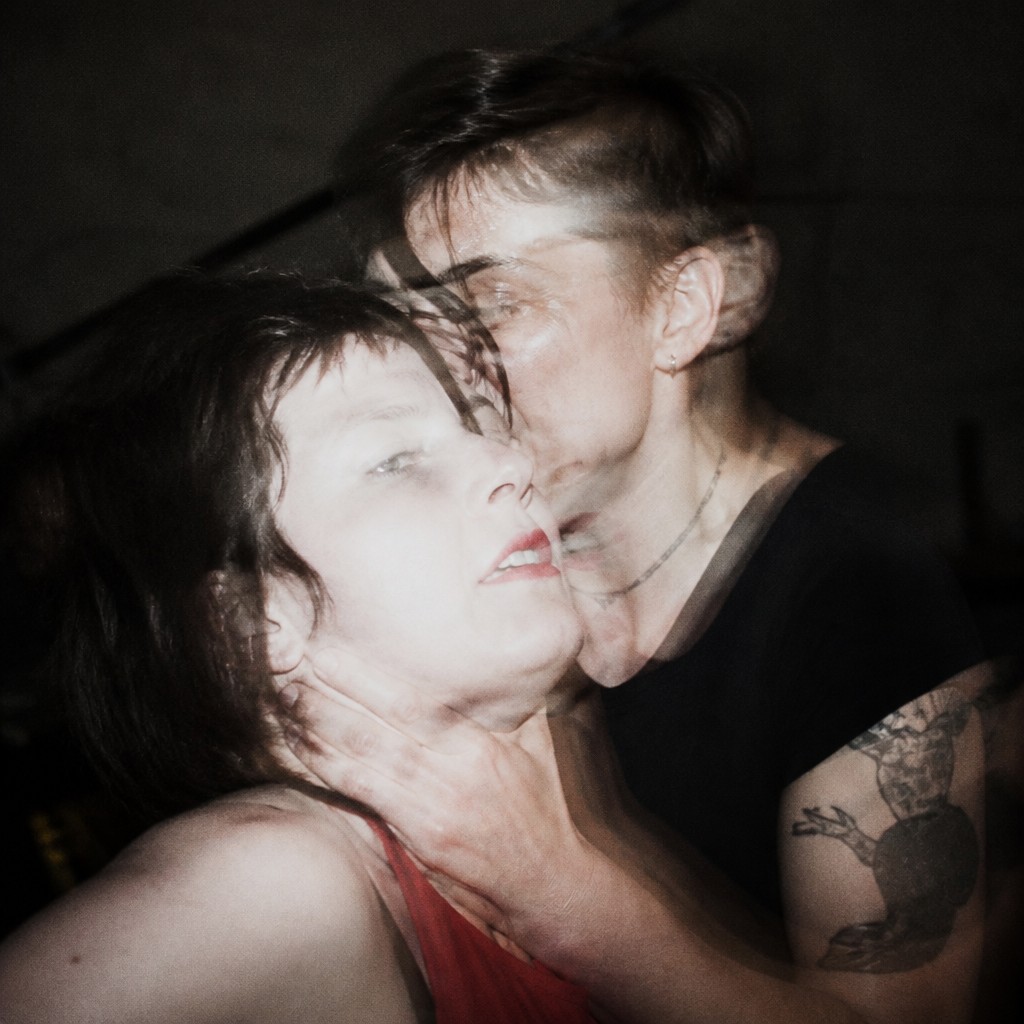
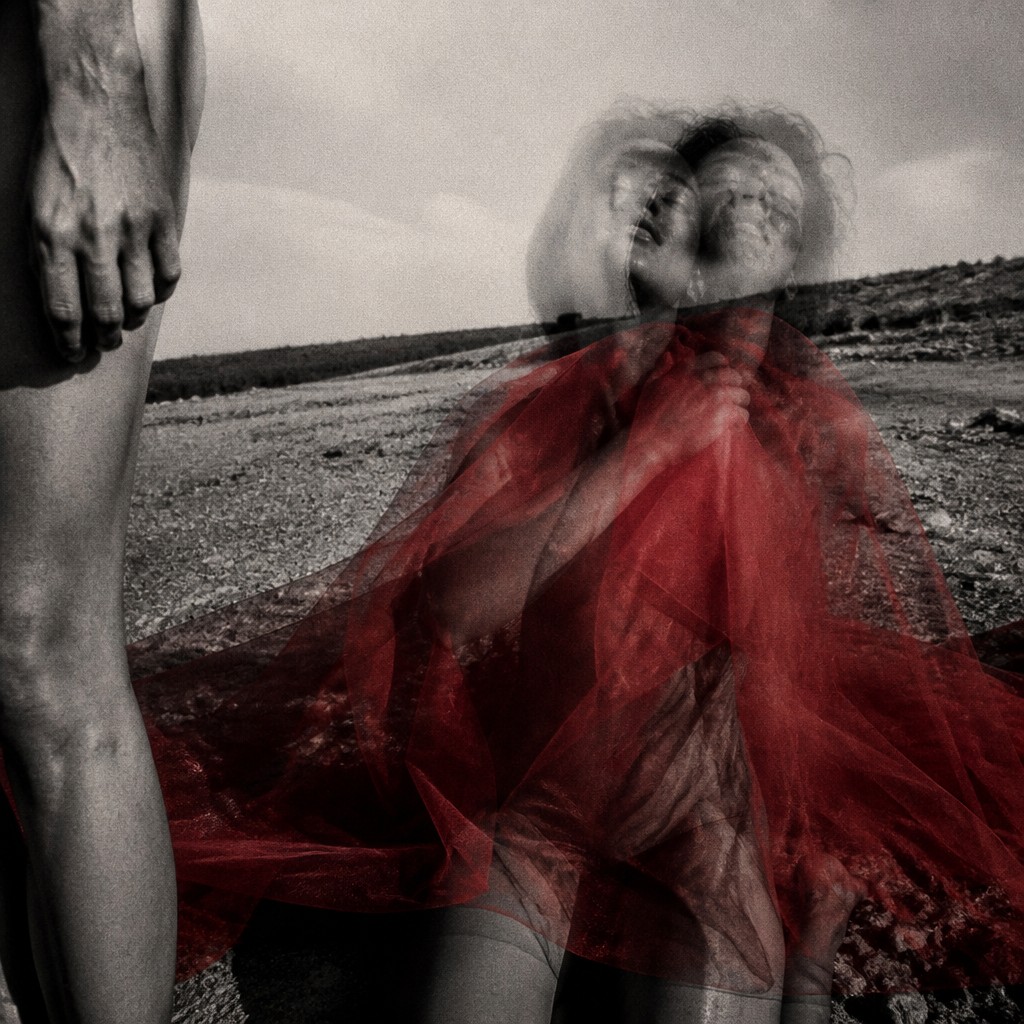
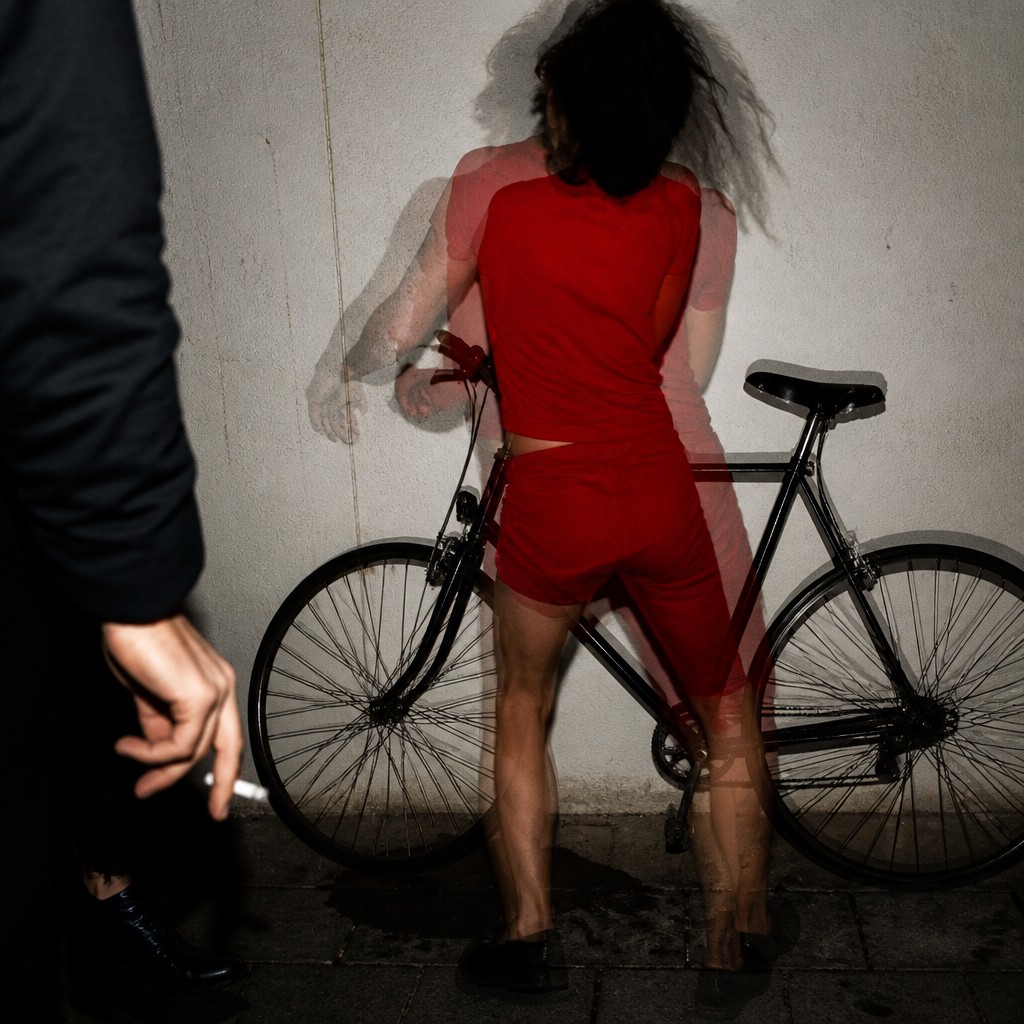
Performance Art Style treats live action as the artwork itself. It often uses the body, real time, endurance, interruption, and direct audience presence, with a raw, grainy, or documentary feel that emphasizes the event and its tension.
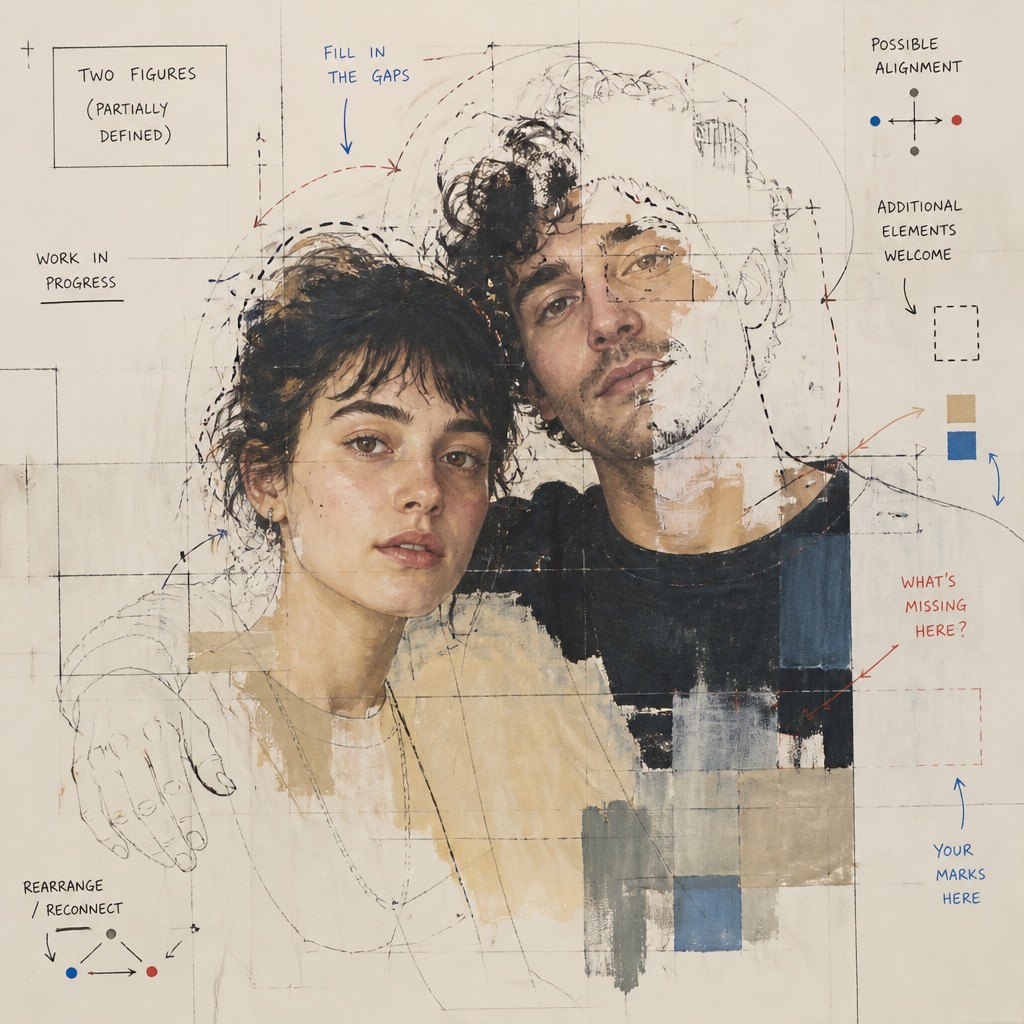
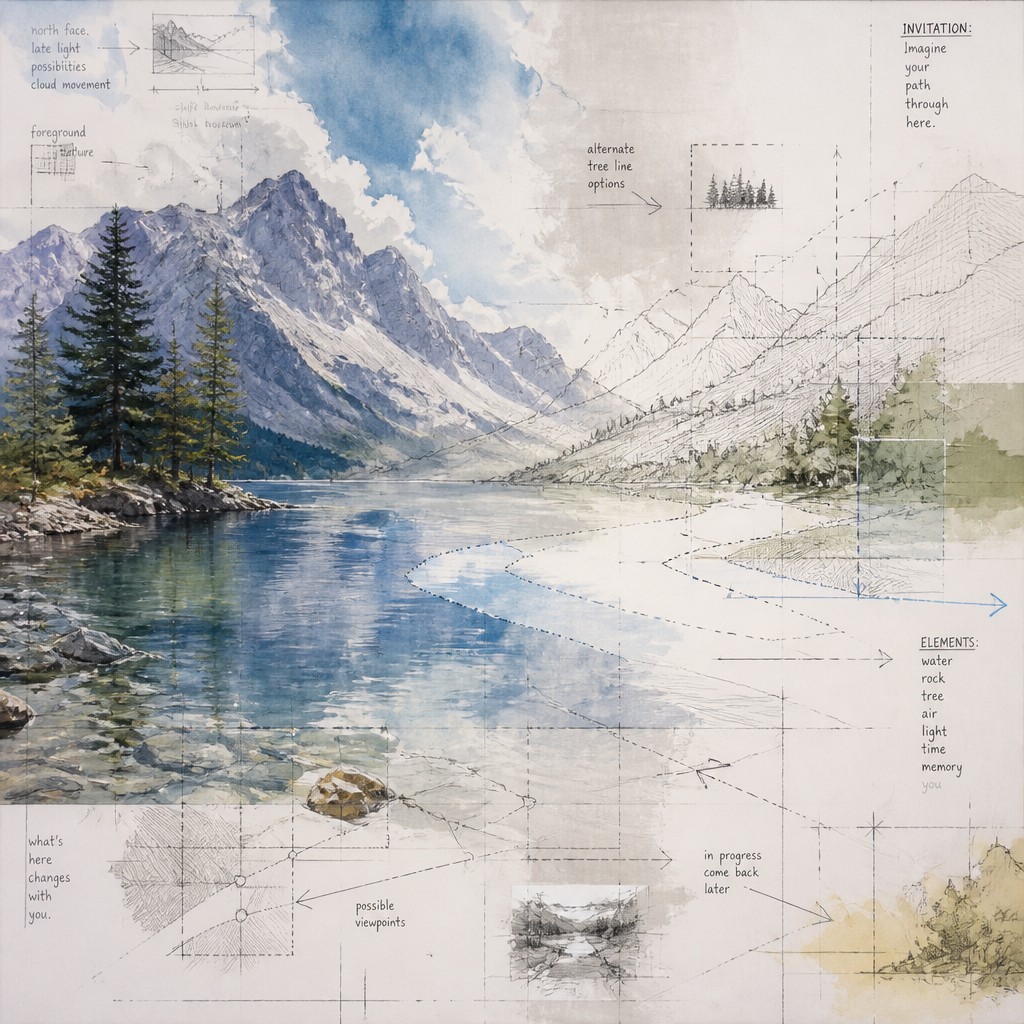
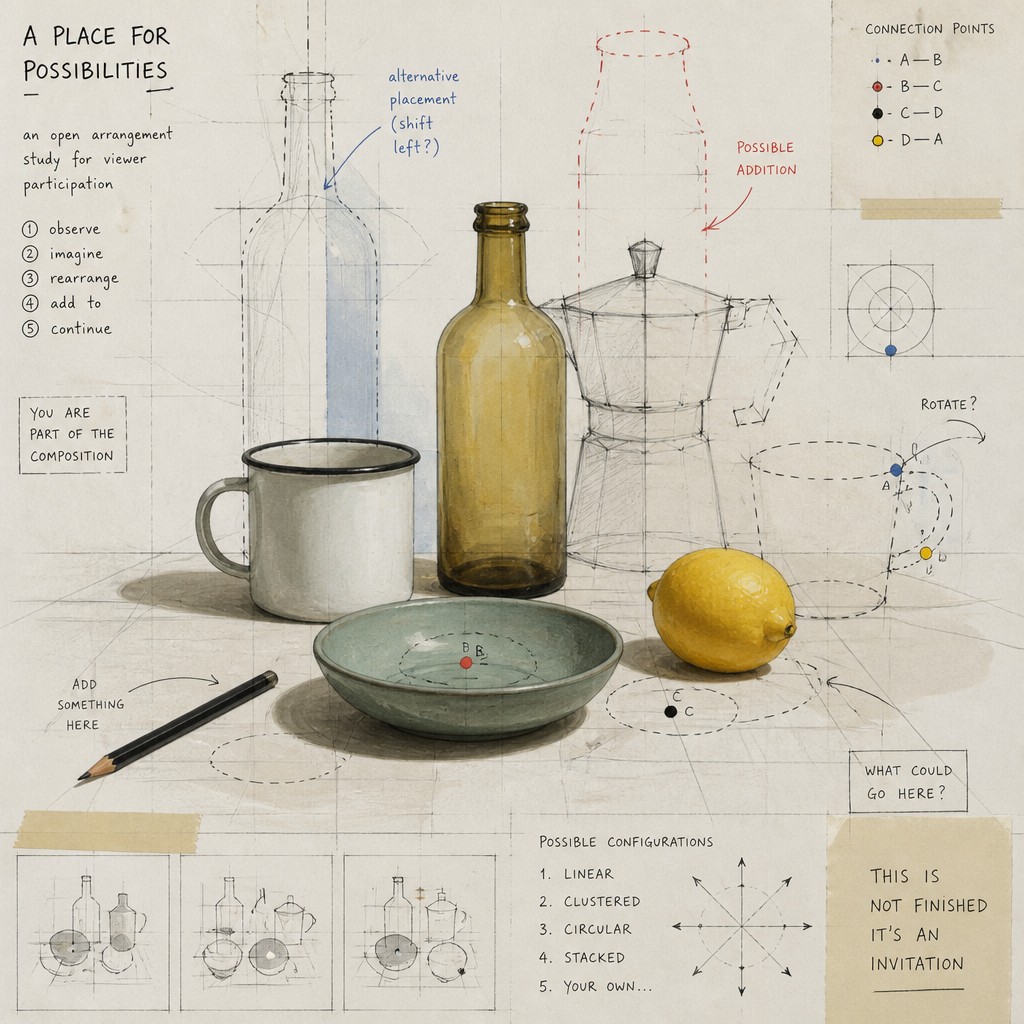
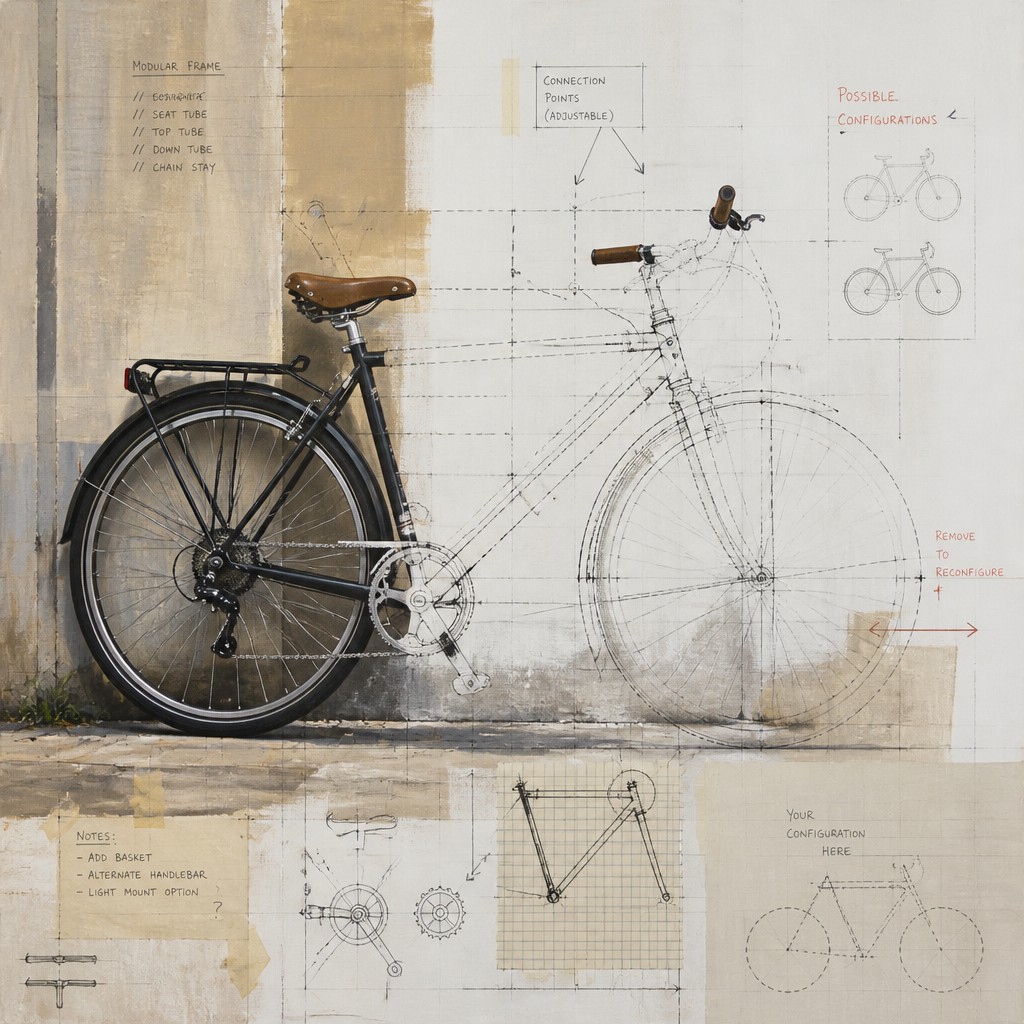
Participatory Contemporary Art Style also depends on people, but the work is designed so viewers help activate or complete it. It often feels open-ended, process-forward, and visibly made, inviting interaction rather than simply documenting a performed event. People compare them because both rely on presence, action, and audience involvement, yet one centers a live act while the other centers participation as part of the finished work.
Same Prompt, Both Styles
Each pair below was generated from the identical prompt — only the style changed.
“portrait of two people together”
“wide landscape with natural scenery”
“still life with everyday objects”
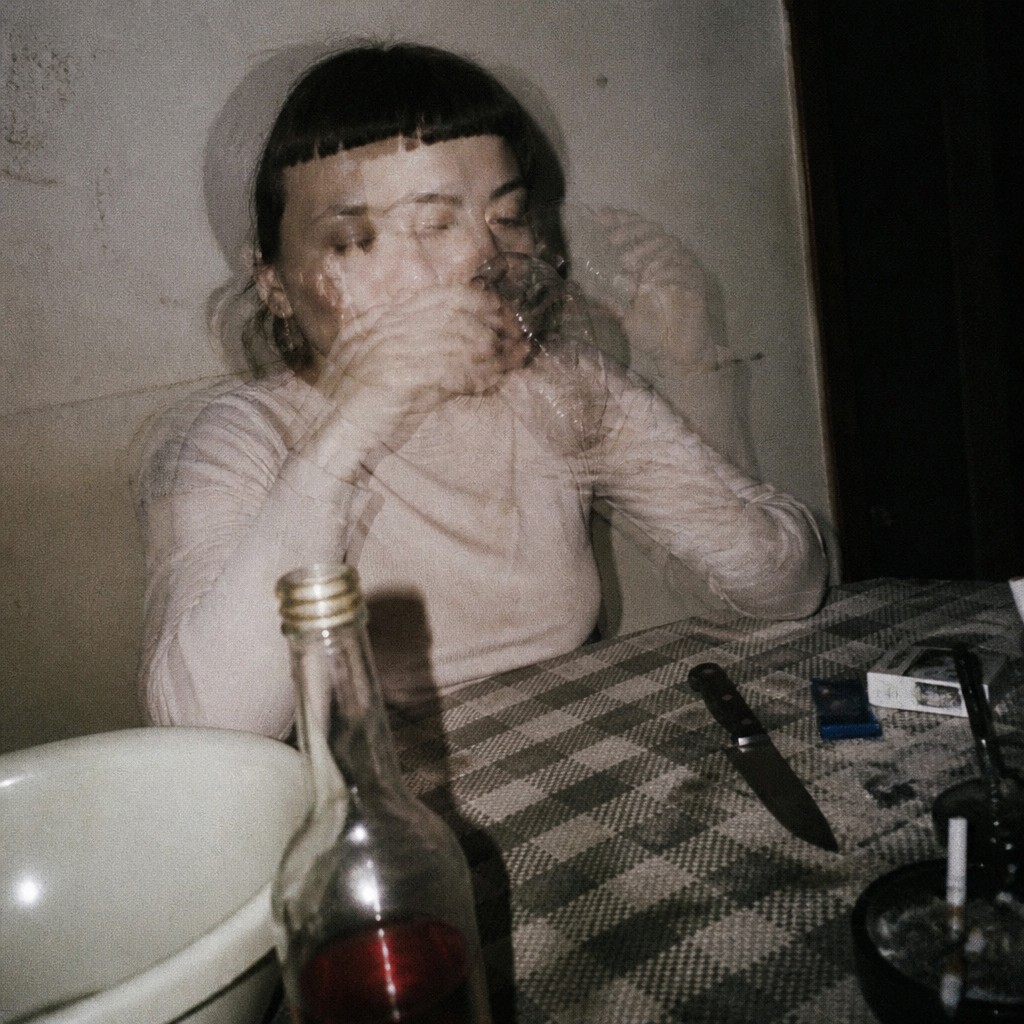
“bicyle resting against a wall”
Key Differences
| Performance | Participatory Contemporary | |
|---|---|---|
| Core purpose | Documents a live act as the artwork. | Builds an artwork meant to be completed through participation. |
| Audience role | Audience watches, witnesses, or confronts the event. | Audience touches, alters, contributes, or activates the piece. |
| Visual feel | Often grainy, stark, immediate, and confrontational. | Often open, unfinished, layered, and visibly worked. |
| Time | Bound to a specific live moment or duration. | Can unfold over time as people interact with it. |
| Body use | The body is frequently the main subject and material. | The body may participate, but the system or structure is central. |
| Process marks | Process is secondary to the recorded action. | Process marks are often left visible as part of meaning. |
| Mood | raw, ephemeral, provocative, intimate | interactive, thoughtful, open-ended, participatory, reflective |
| Energy | intense | balanced |
| Detail level | moderate | moderate |
| Color | neutral, documentary, occasional stark contrasts | varied, often restrained with accents |
| Texture | grainy, candid, archival, lived-in | mixed-media, tactile, unfinished-feeling |
| Origin | 1960s avant-garde, Europe and North America | late 20th-century global contemporary art |
| Best for | gallery catalogs, exhibition posters, art books, museum archives, conceptual album covers | gallery installations, museum exhibits, public art projects, concept posters, editorial spreads, event experiences |
| Difficulty | advanced | advanced |
Which Should You Choose?
Choose Performance Art Style when you want intensity, immediacy, and the sense of witnessing a real action in real time. Choose Participatory Contemporary Art Style when you want an open structure that invites viewers to contribute, changing the work through interaction rather than simply observing it.
Frequently Asked Questions
Is performance art always participatory?
No. Performance art may involve an audience without requiring them to act. Participation becomes essential only when the viewer’s actions materially shape the work.
Can participatory art include performance elements?
Yes. It can include live actions, instructions, or staged situations, but the key difference is that the viewer’s involvement helps complete the piece. The emphasis is less on documenting a performed event and more on shared activation.
Which style feels more documented or archival?
Performance Art Style often appears more archival because it is tied to a specific event that may survive mainly through photos, video, or records. Participatory work may also be documented, but its meaning often depends on repeated interaction rather than one fixed moment.
Which style is better for public engagement?
Participatory Contemporary Art Style usually invites broader engagement because it gives viewers a role in shaping the outcome. Performance Art Style can also engage publics strongly, but often through observation, tension, or direct confrontation rather than collaboration.