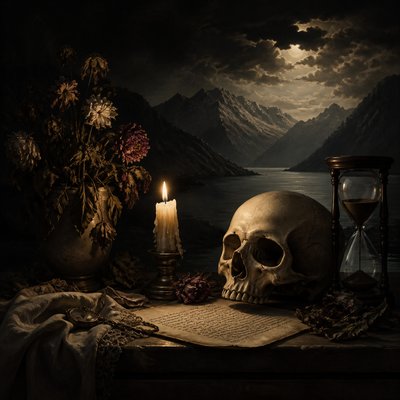
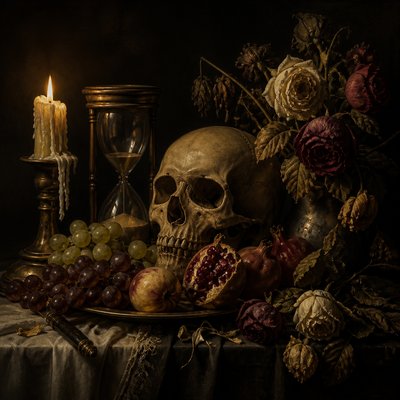
Baroque Art Style
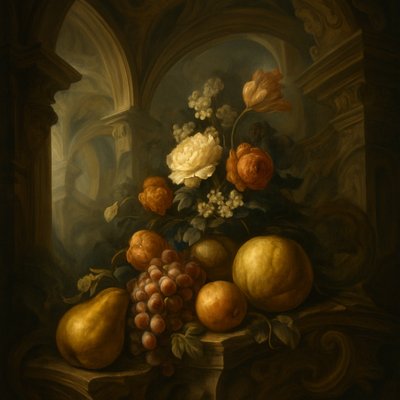
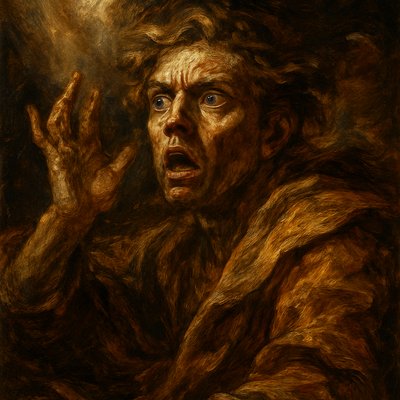
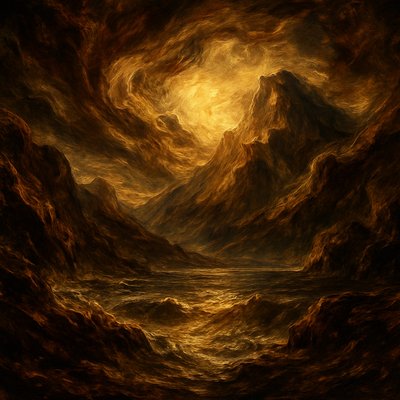
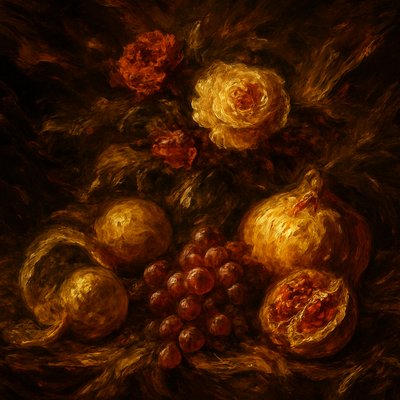
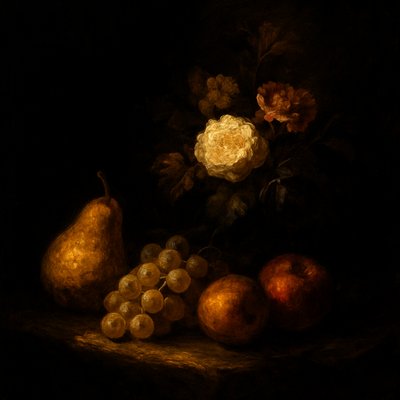
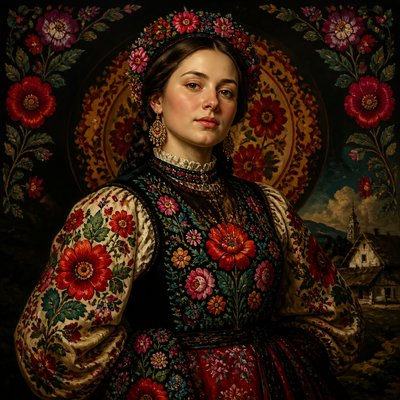
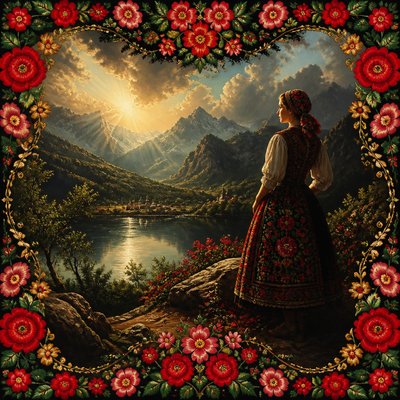
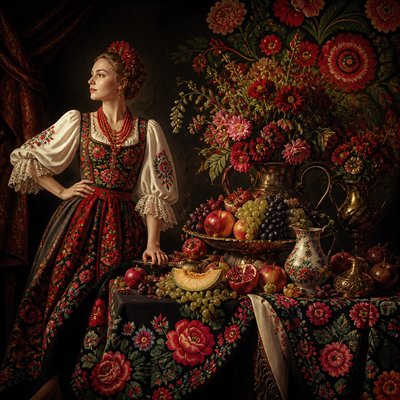
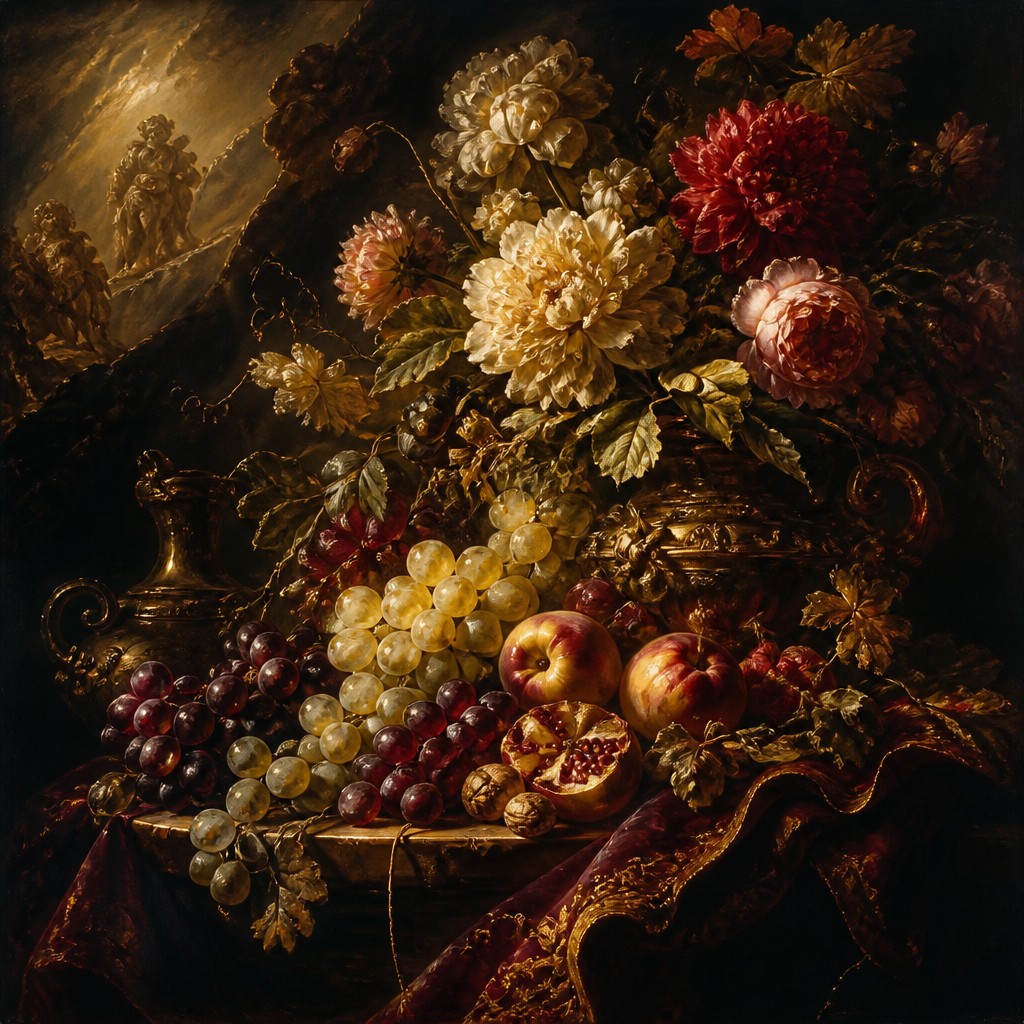
Dramatic 17th-century painting style with chiaroscuro, diagonal movement, rich color, and theatrical emotion.
Instantly rendered in Baroque — or transform a photo
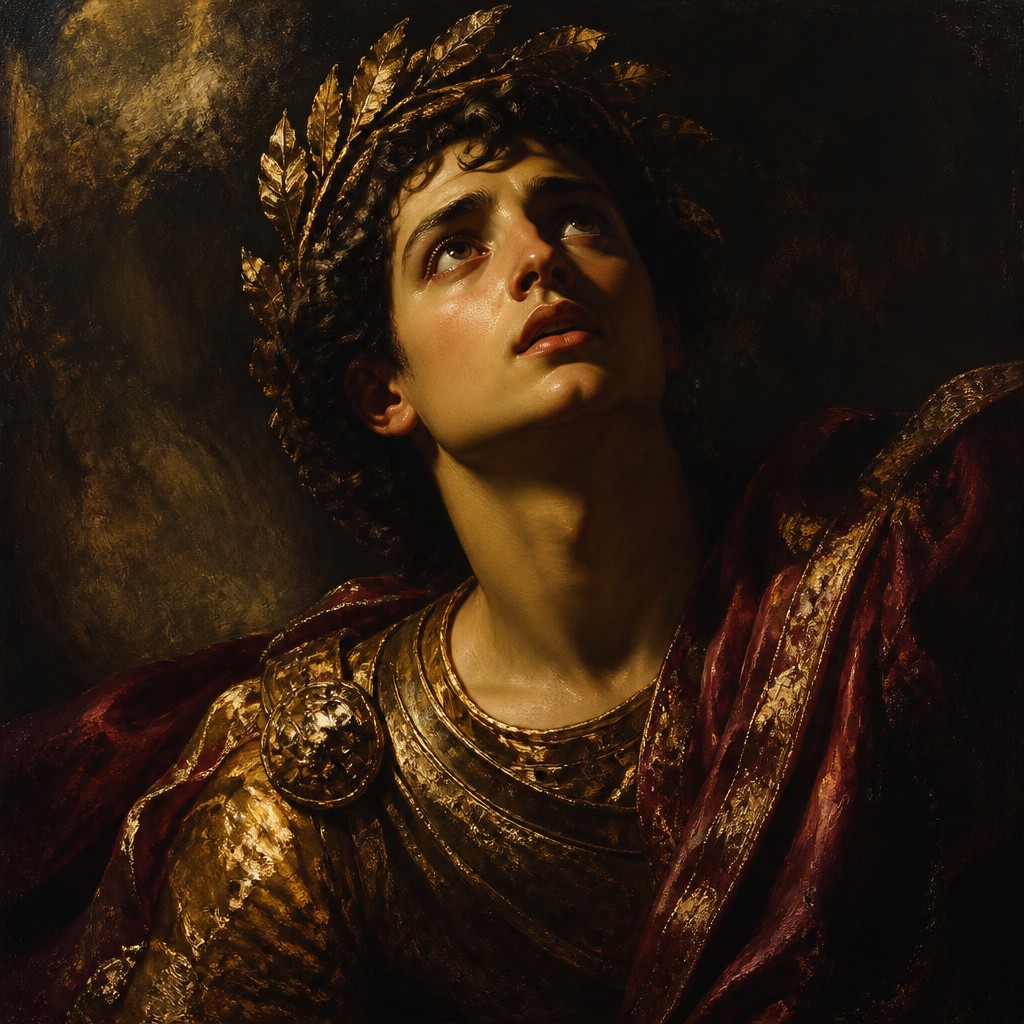
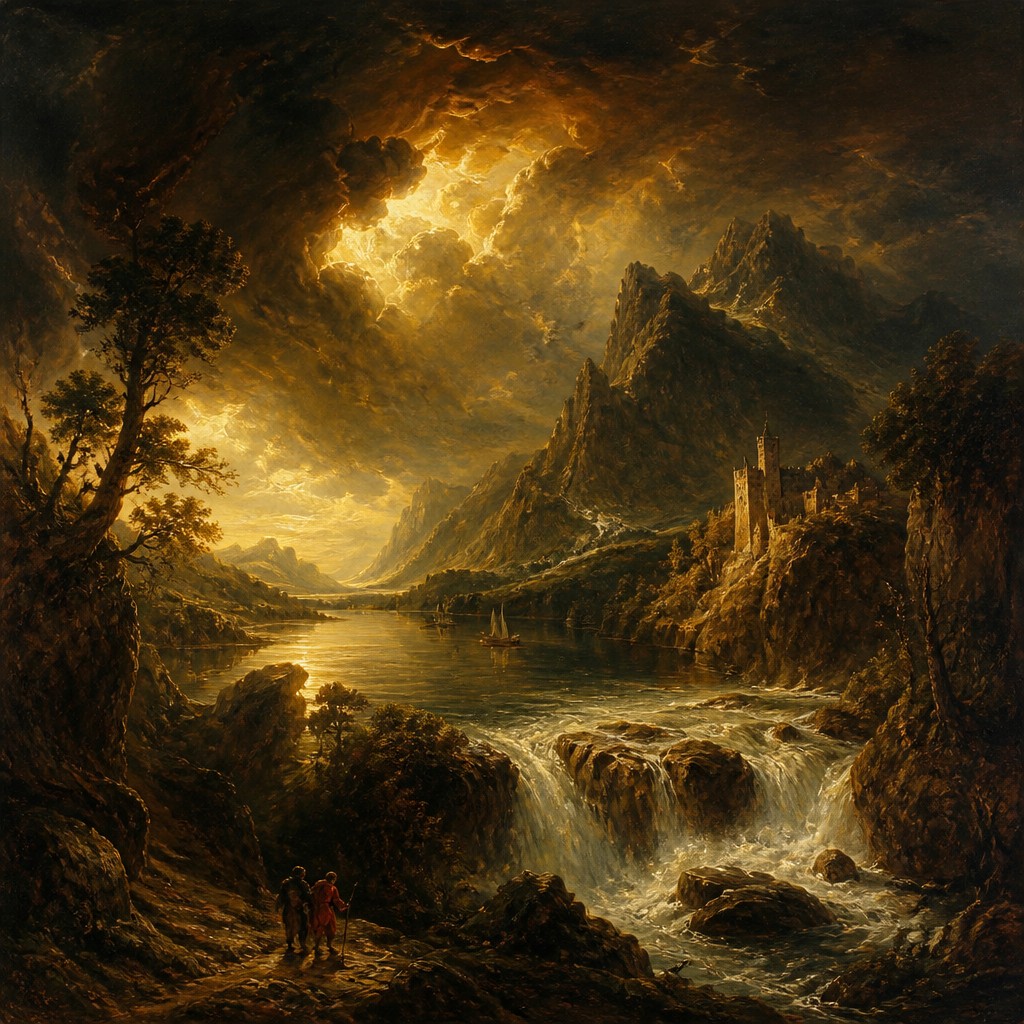
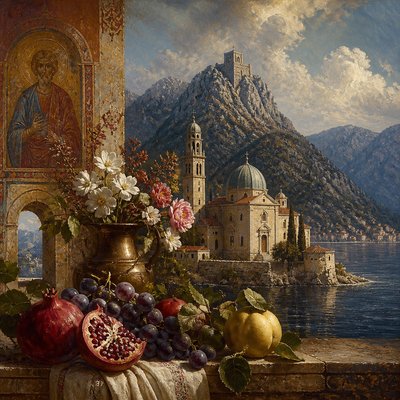
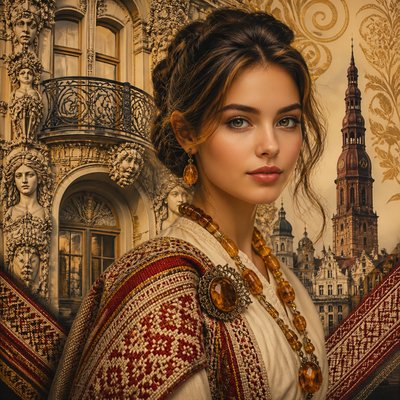
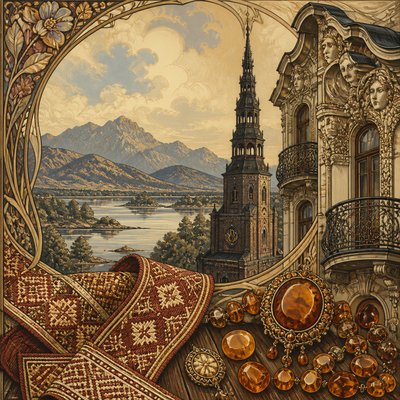
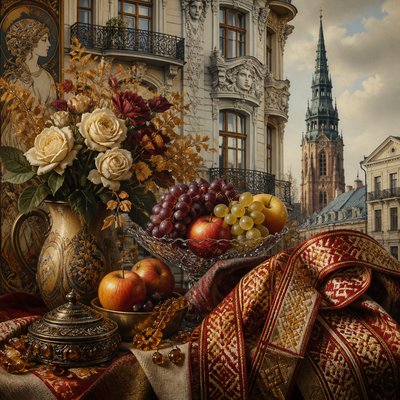
Baroque Gallery
Tap any artwork to explore it
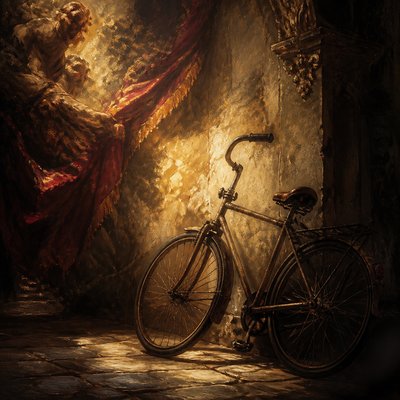
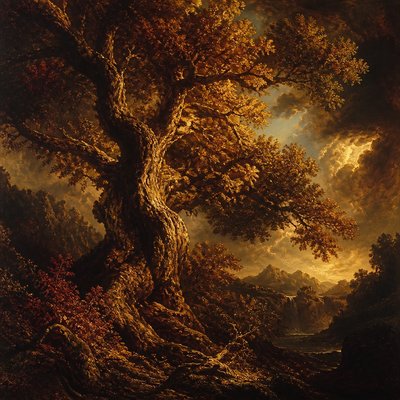
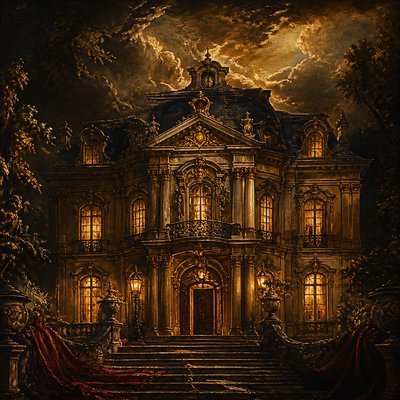
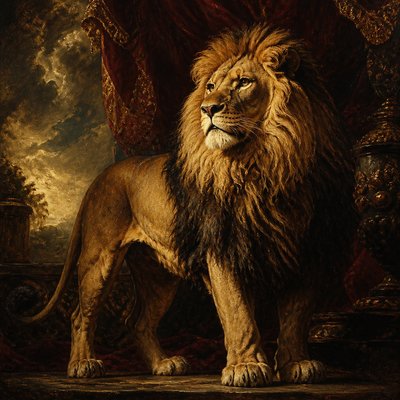
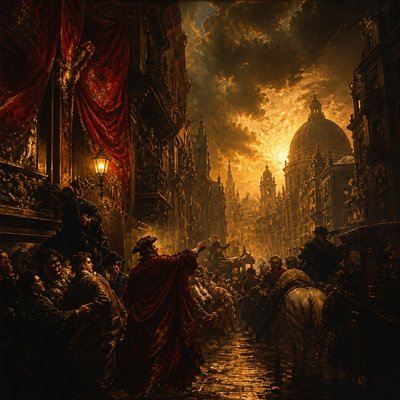
What is Baroque Art Style?
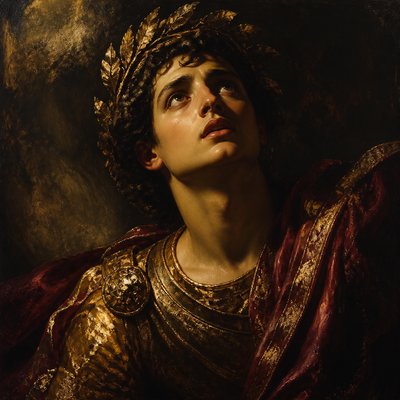
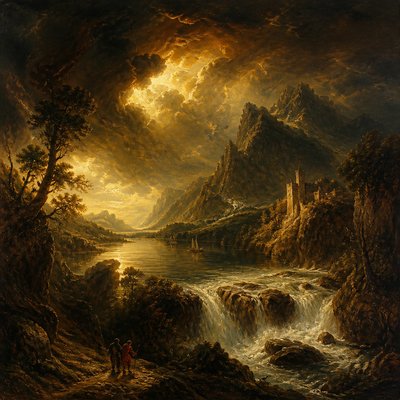
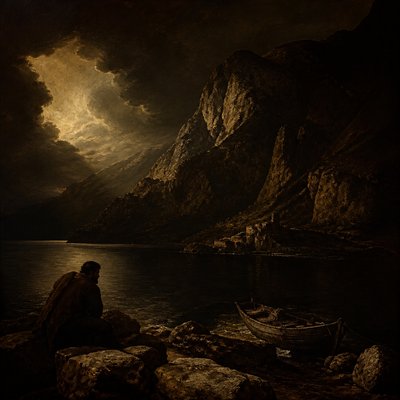
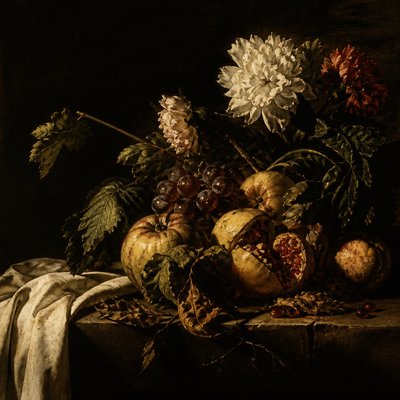
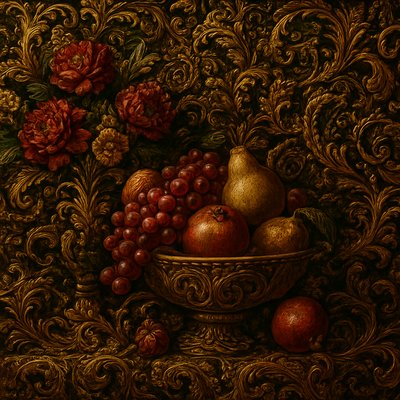
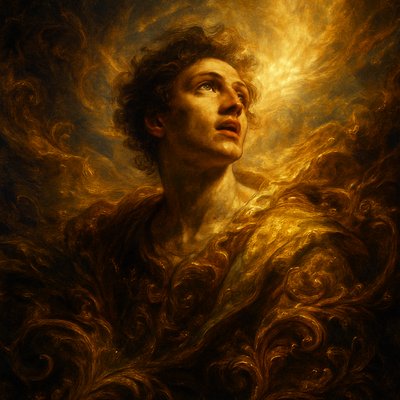
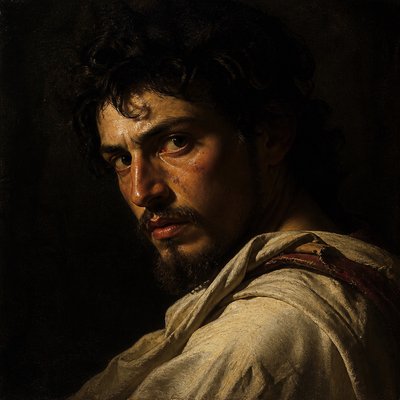
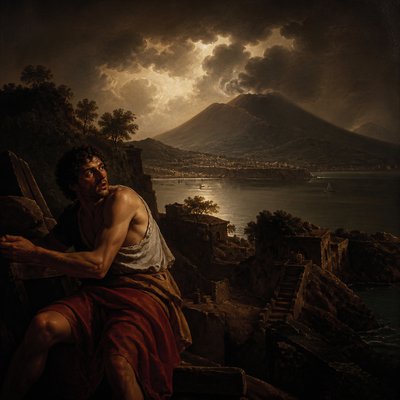
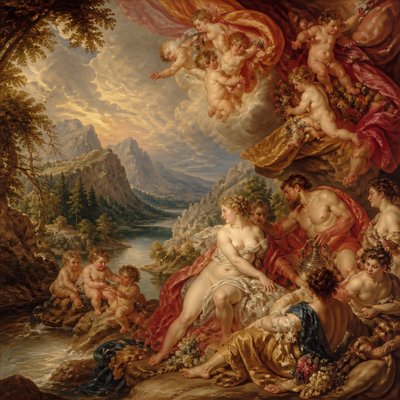
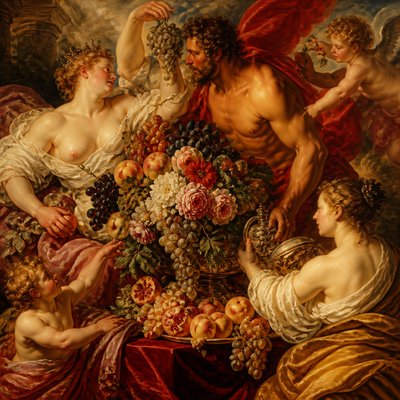
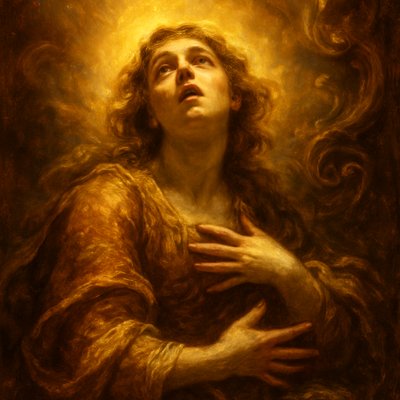
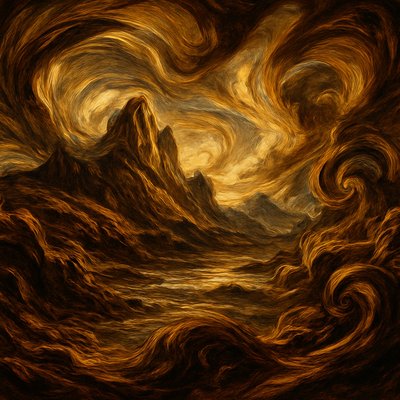
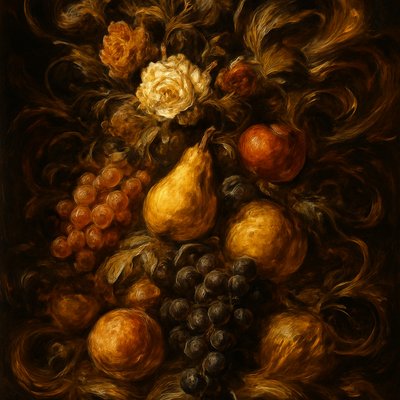
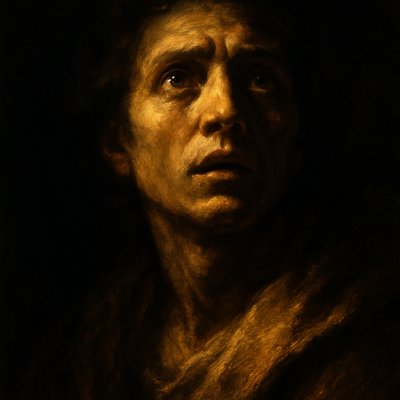
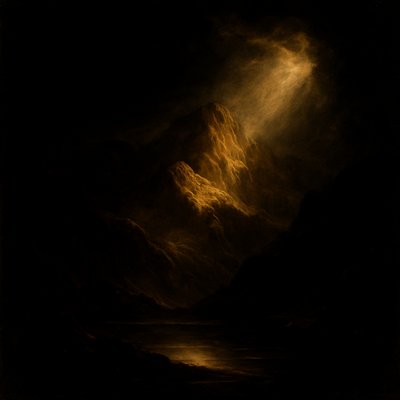
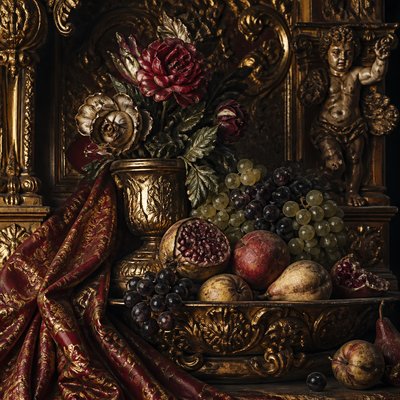
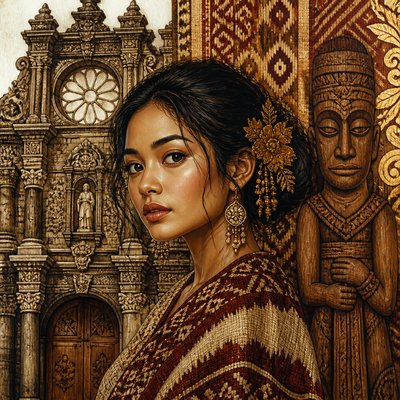
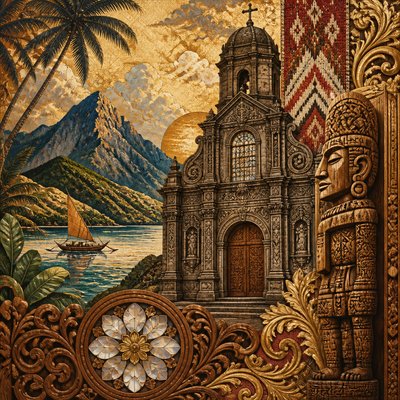
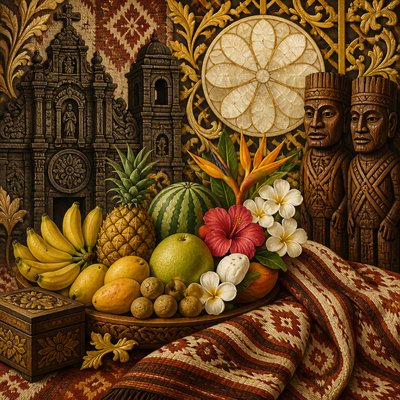
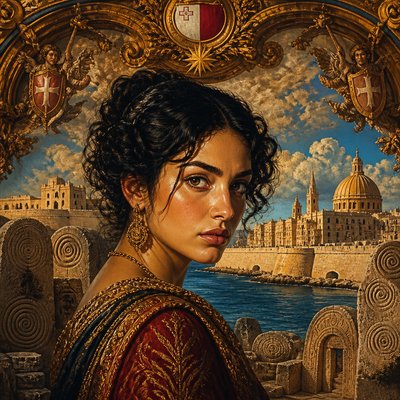
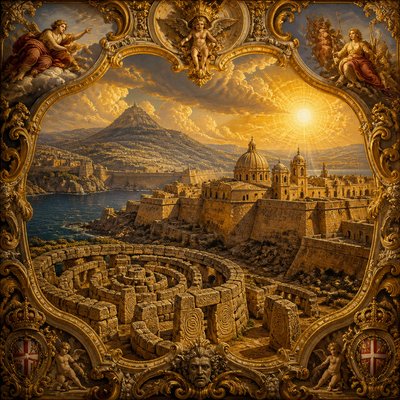
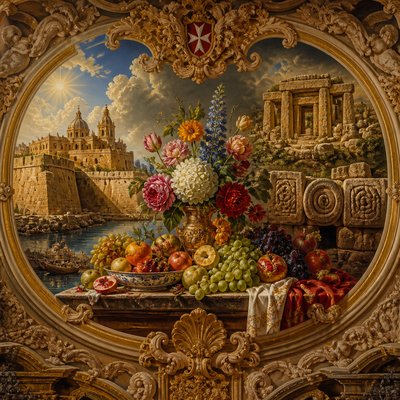
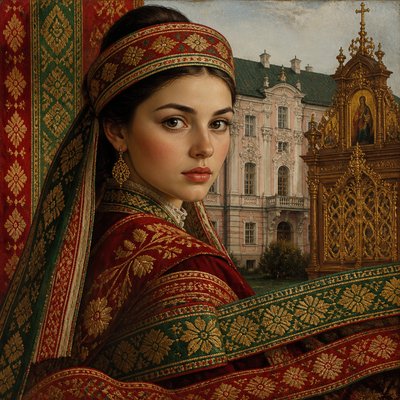
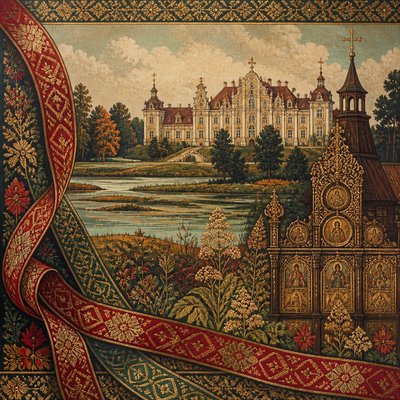
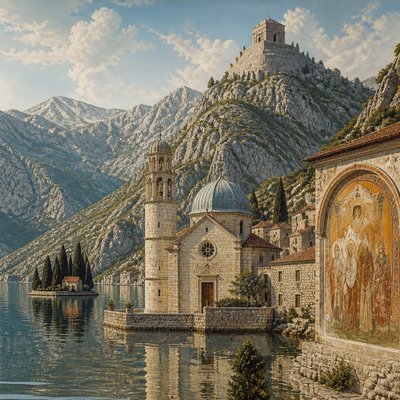
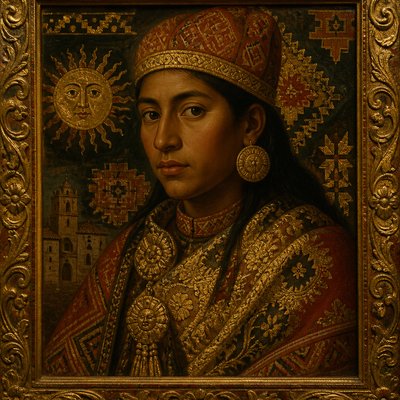
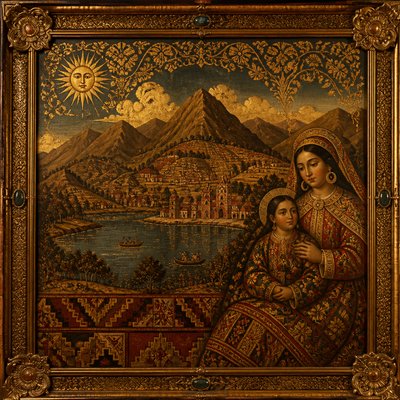
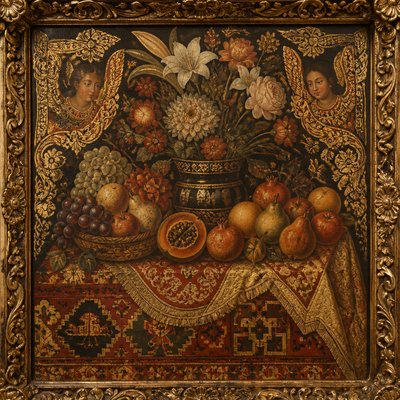
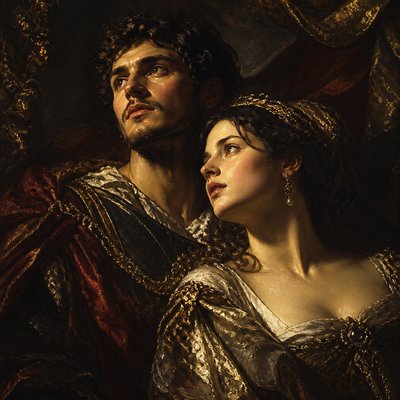
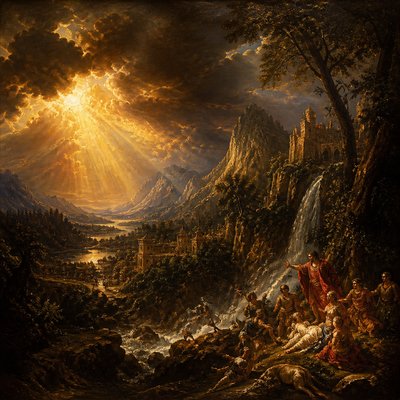
Baroque art is a grand, highly theatrical style that emerged in Europe in the early 17th century and flourished into the early 18th century. It is instantly recognizable for its dramatic contrasts of light and dark, sweeping diagonal compositions, rich color, and intense emotional expression. Baroque painters often used these devices to create scenes that feel immediate, physical, and spiritually charged, whether the subject was religious, historical, mythological, or portraiture.
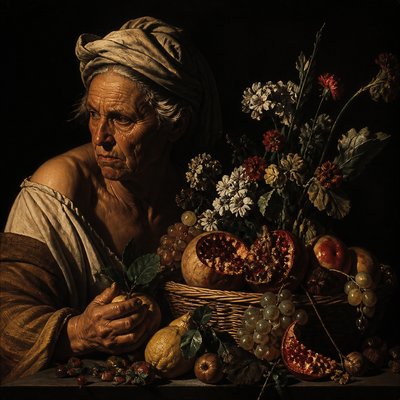
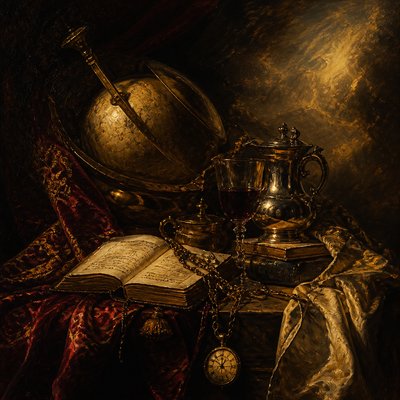
The style looks the way it does because it was designed to move the viewer. Artists used chiaroscuro and tenebrism to direct attention, increase depth, and heighten drama; they arranged figures in dynamic, often unstable compositions; and they rendered fabrics, flesh, metal, and architecture with a tactile richness that reinforces the sense of presence. In Catholic Europe especially, Baroque art was closely tied to the Counter-Reformation, where visual persuasion, awe, and devotion were central goals.
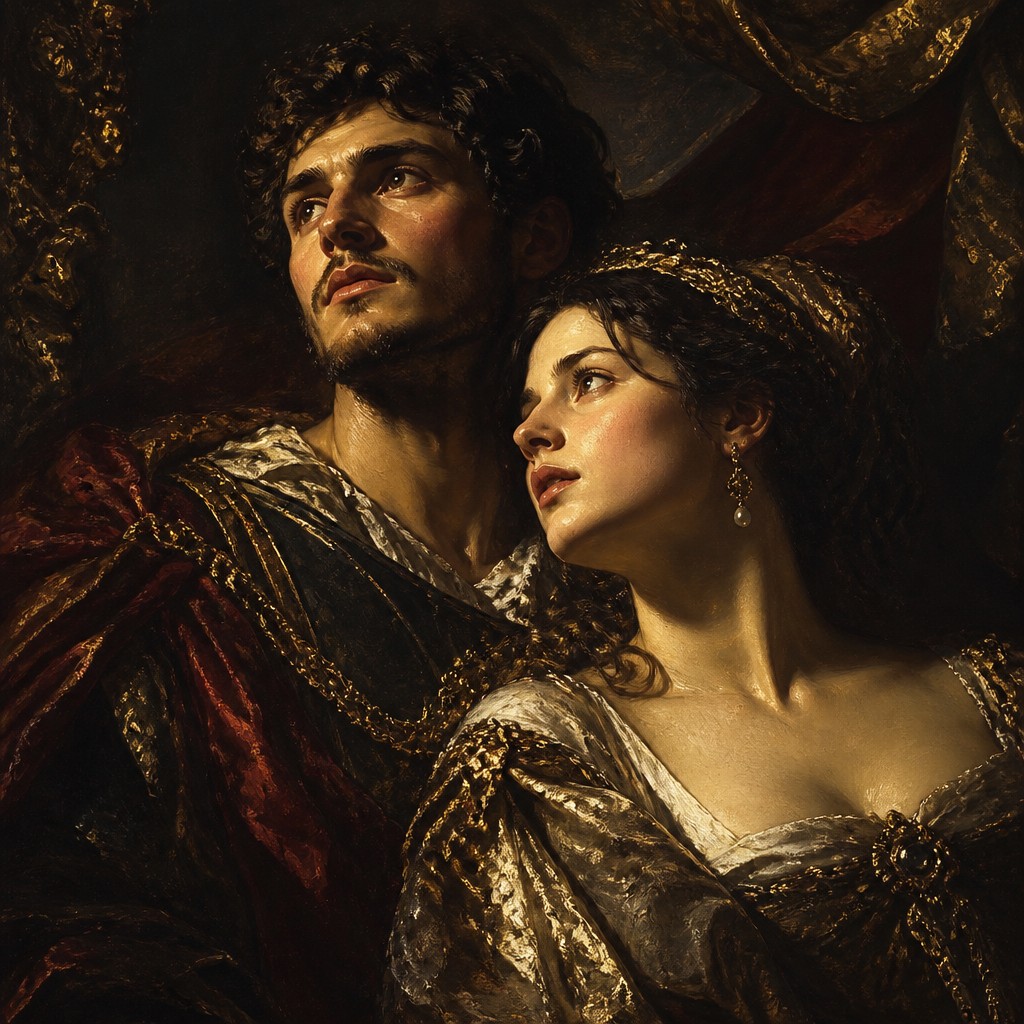
Try It On Your Photos
Upload any photo and convert it into Baroque Art Style — drag the sliders to compare before and after.
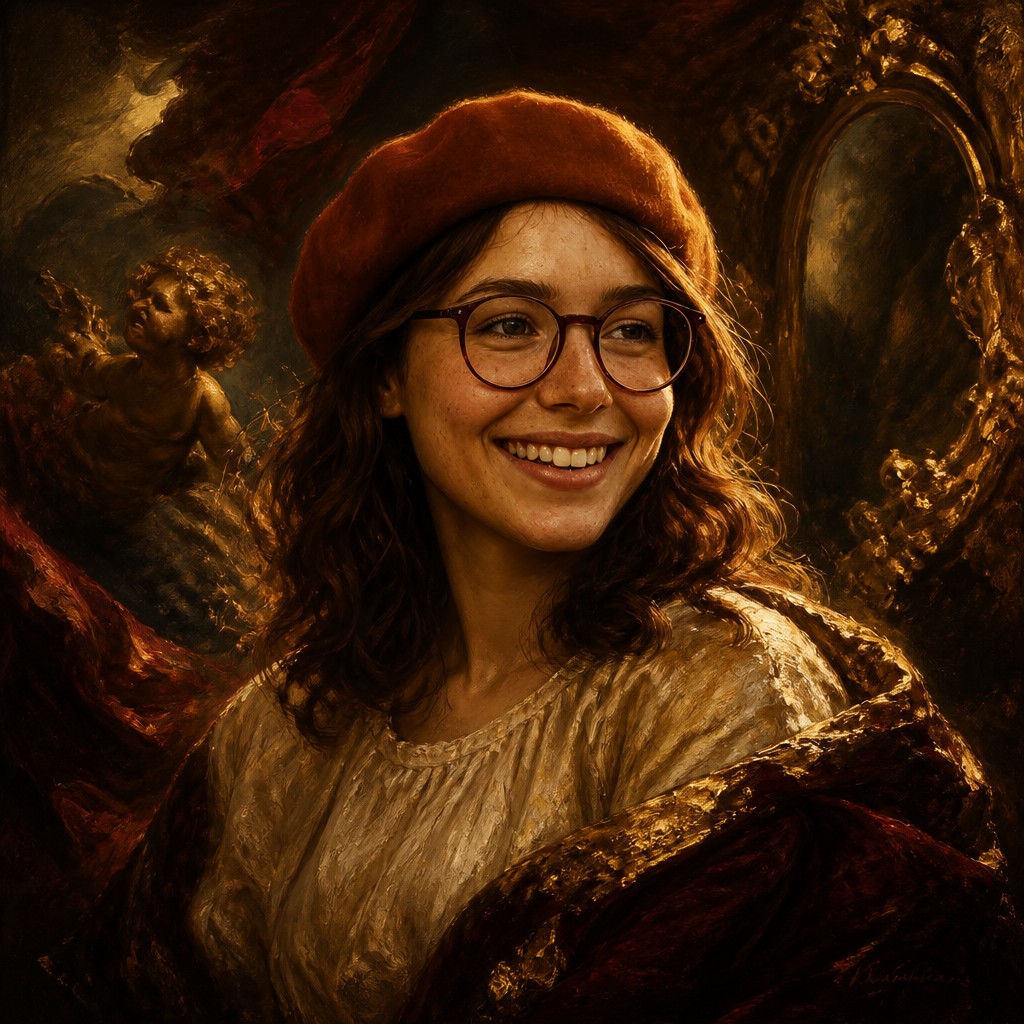

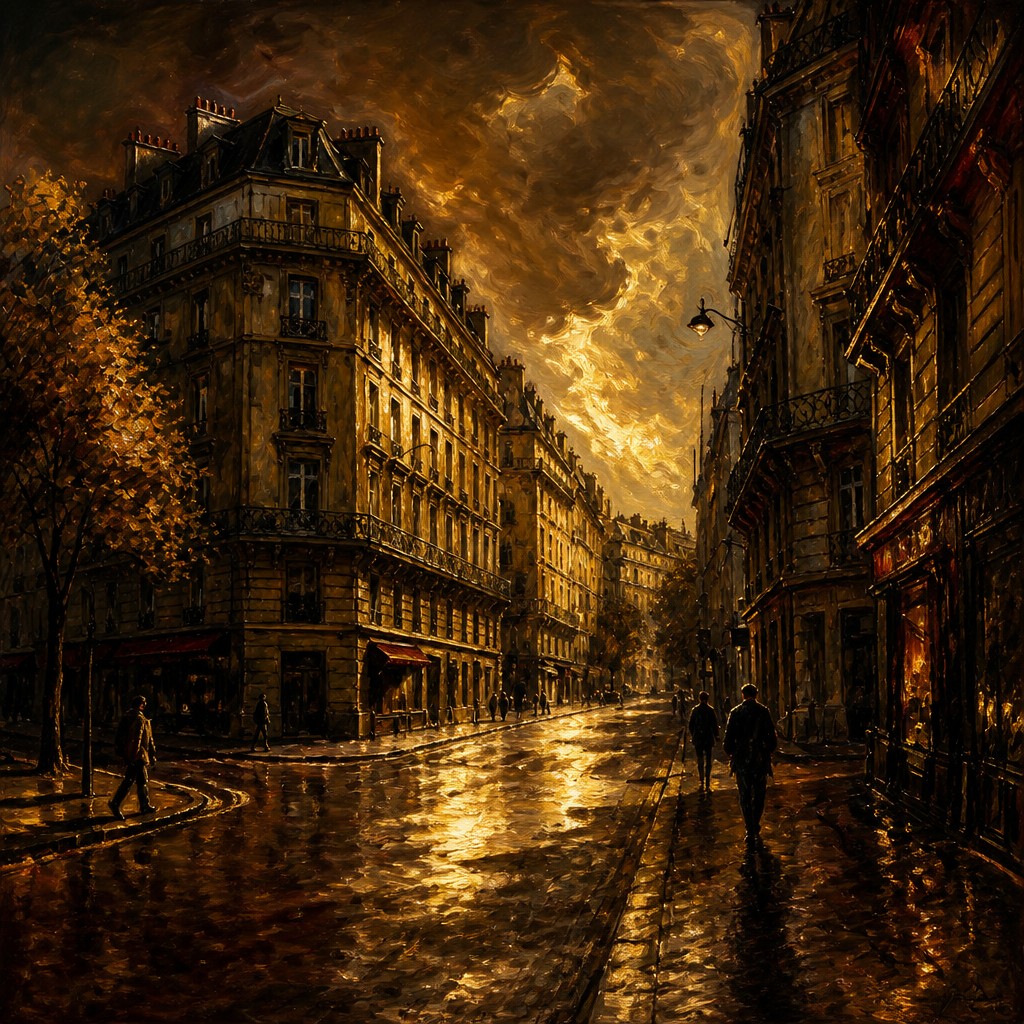

What Defines Baroque Art Style
The signature details, up close
Chiaroscuro and tenebrism
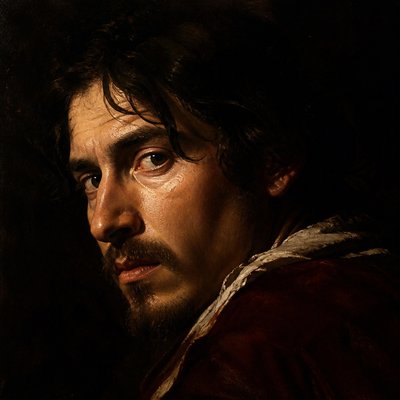
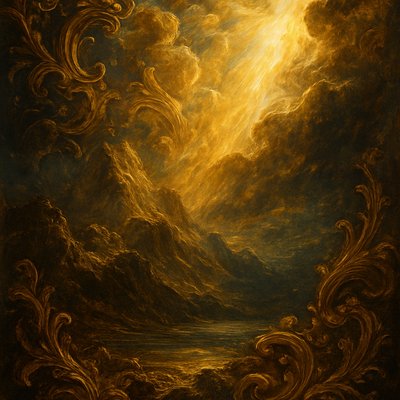
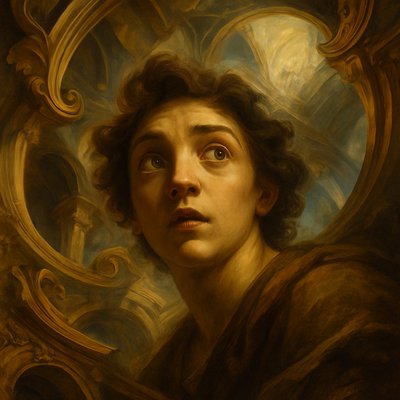
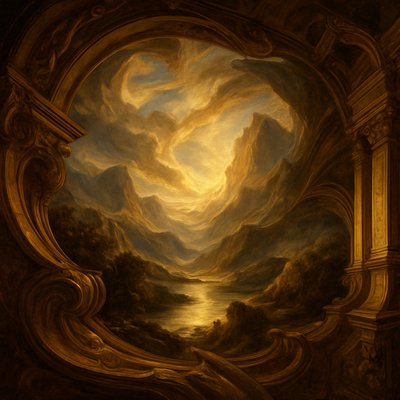
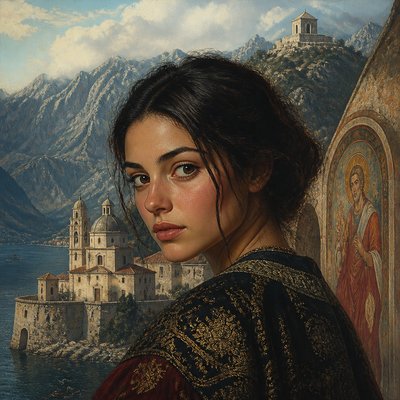
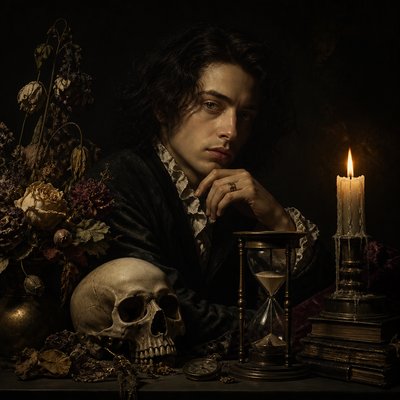
Baroque images often place figures against deep shadow so that light appears to strike them dramatically from a single source. This contrast creates immediacy, volume, and a heightened sense of revelation.
Diagonal, unstable composition
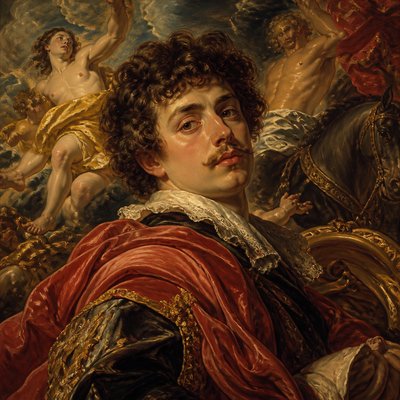
Instead of balanced symmetry, Baroque scenes frequently use diagonals, curves, and overlapping forms. These arrangements make the image feel in motion, as if the action is unfolding in real time.
Theatrical emotion
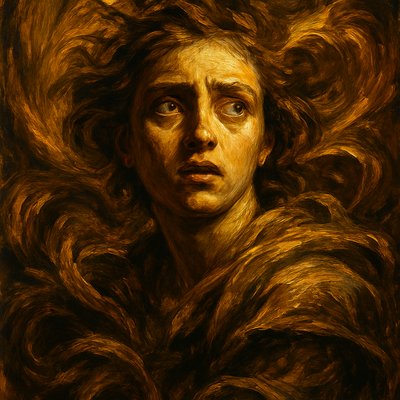
Faces, gestures, and body language are exaggerated enough to be legible from a distance. The result is a style that communicates awe, anguish, ecstasy, triumph, or divine presence with force.
Rich, saturated color
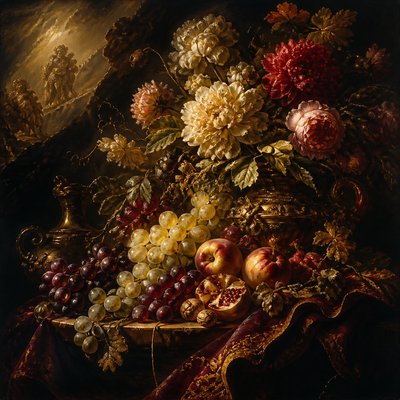
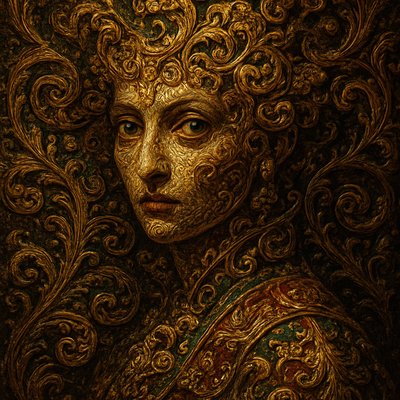
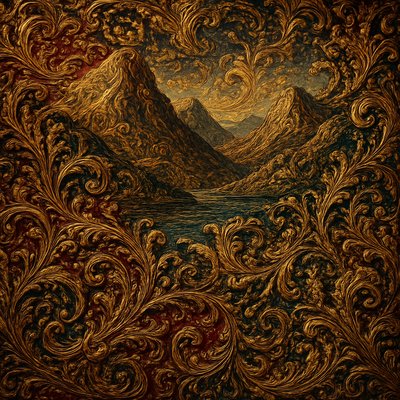
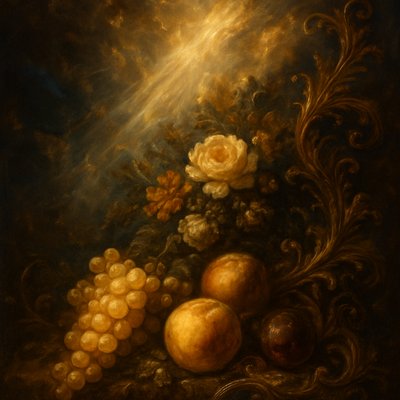
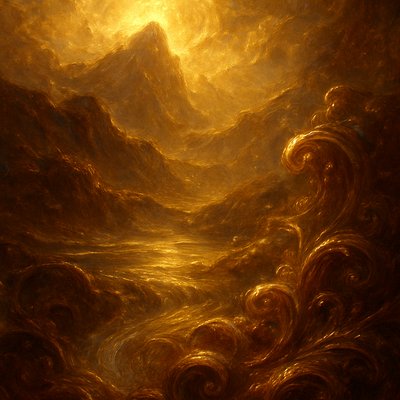
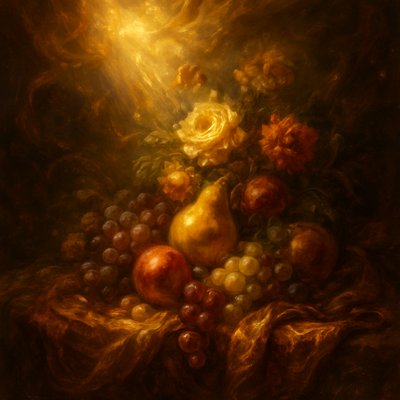
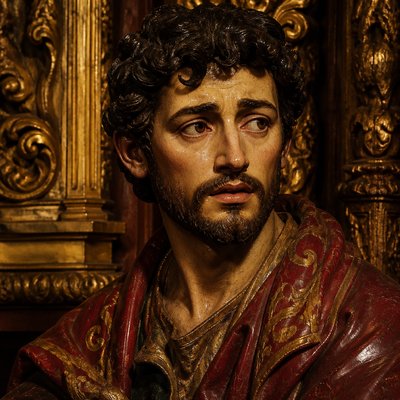
Deep reds, golds, browns, and velvety blacks are common, often balanced by bright highlights. Color is used not only descriptively but also to intensify mood and direct attention.
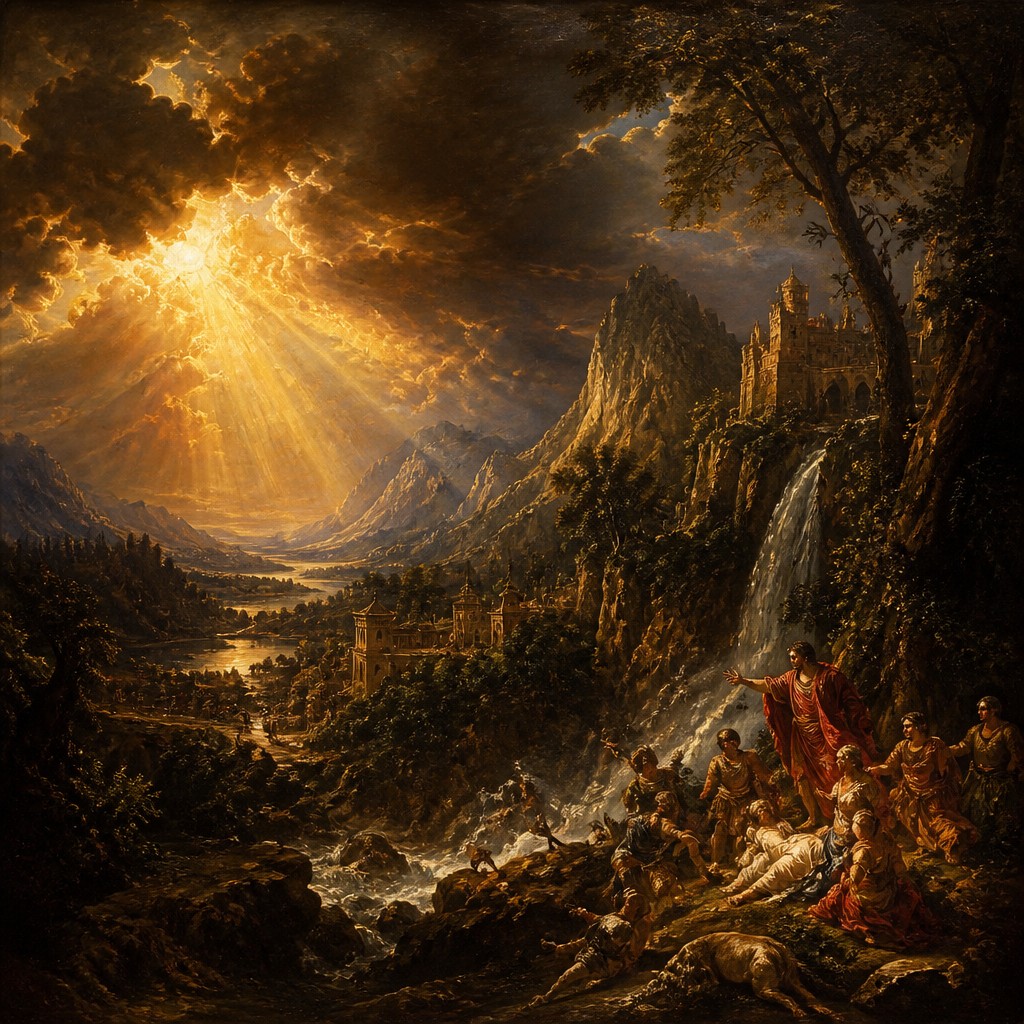
Illusion of physical presence
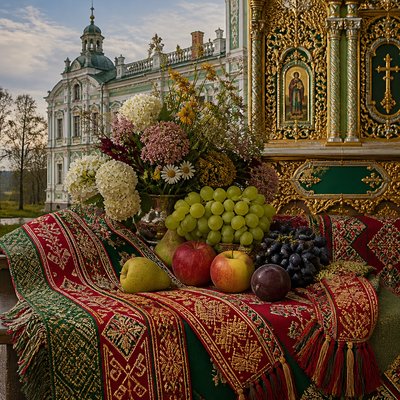
Baroque painters often emphasize texture, weight, and movement in skin, cloth, armor, and drapery. Glazing and layered paint handling help surfaces feel luminous and tangible.
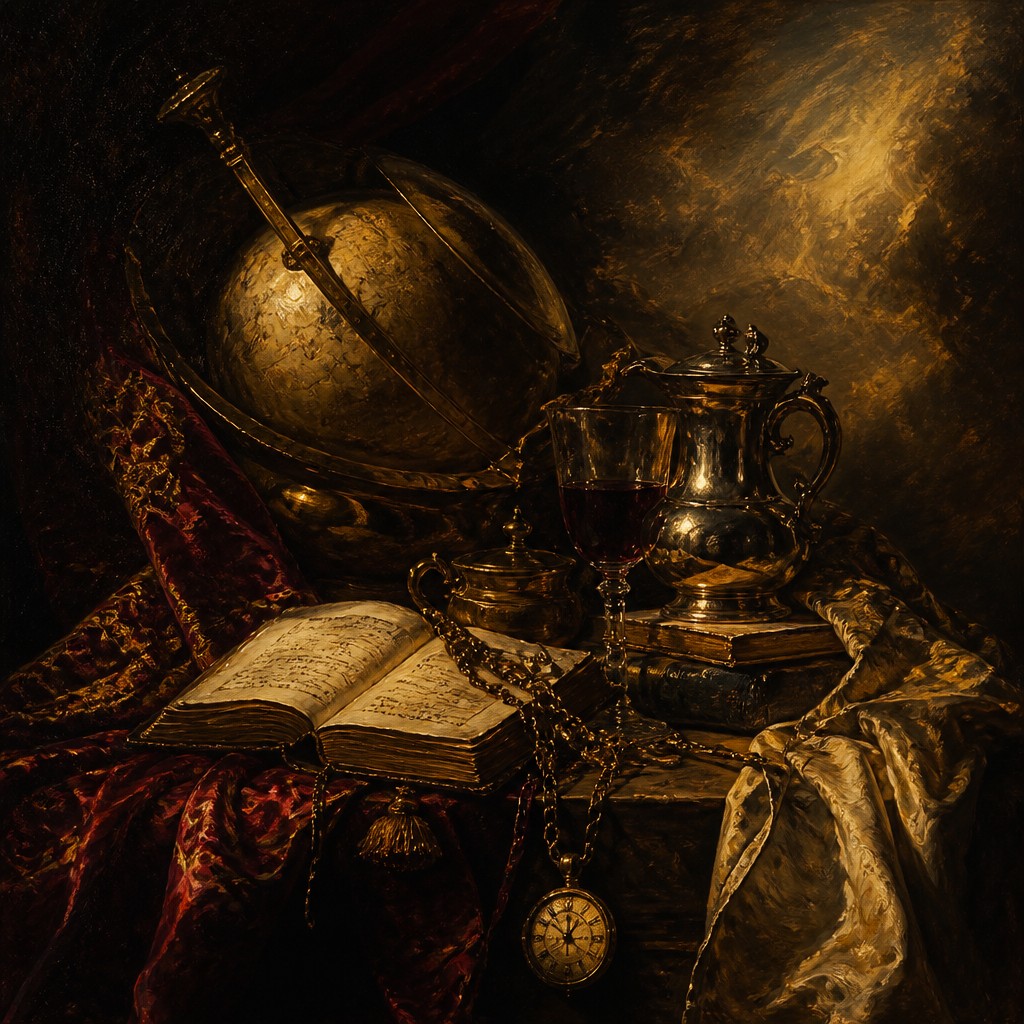
Monumental scale and grandeur
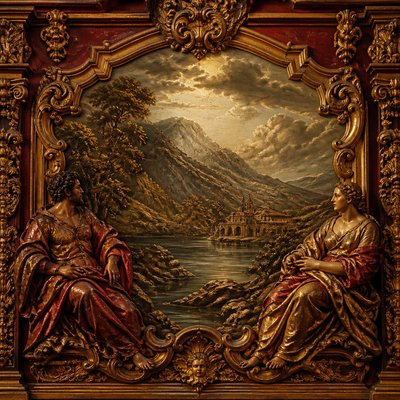
Whether in large altarpieces or intimate canvases, Baroque art aims for a sense of importance. It often frames ordinary bodies and events with the visual language of ceremony, drama, or sacred significance.
Try It
Create Videos in Baroque Art Style
Styles aren't just for stills — describe a scene or animate an image and get a short video rendered in Baroque. Press play to see this pond come to life.
Make a VideoBaroque Prompt Ideas
Start from an idea — each one opens the generator with the style ready to go. See all 40 Baroque prompts →
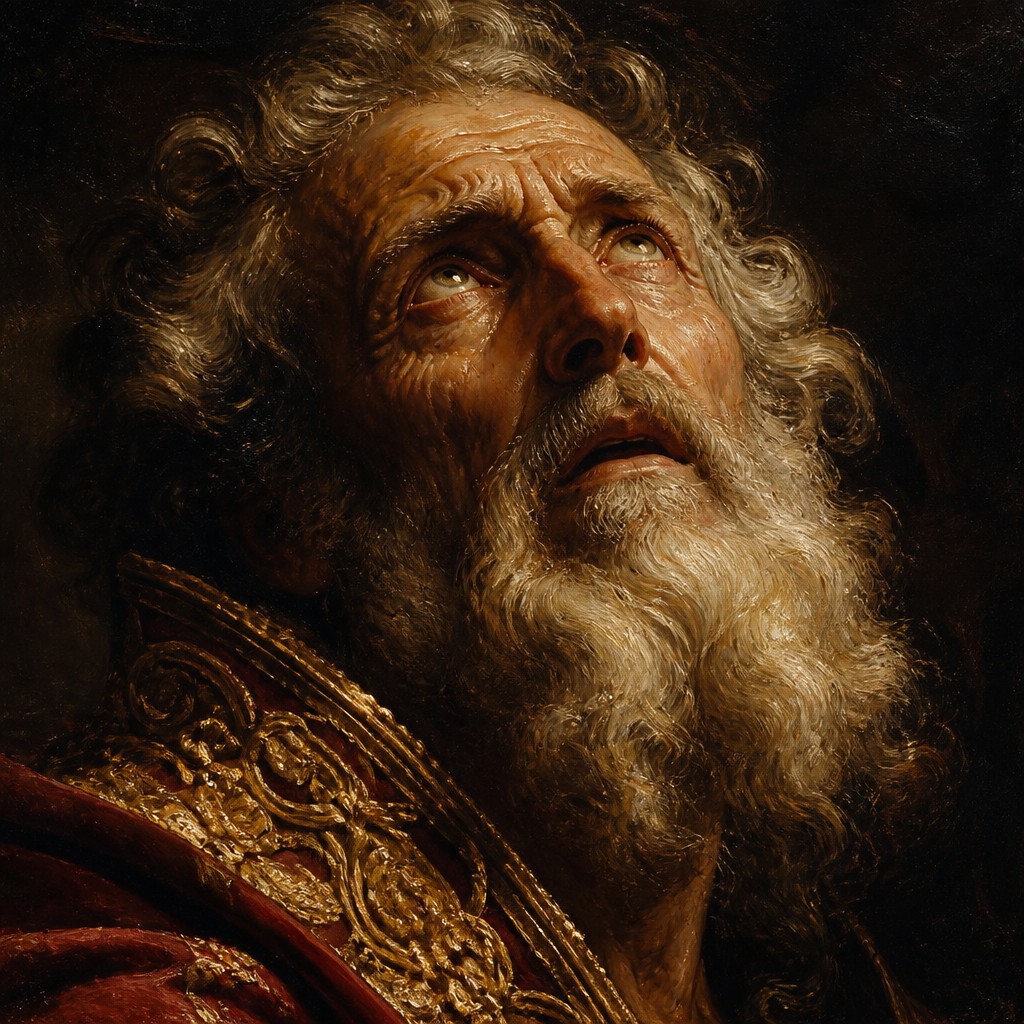
“close-up portrait of an elderly person with expressive weathered features”
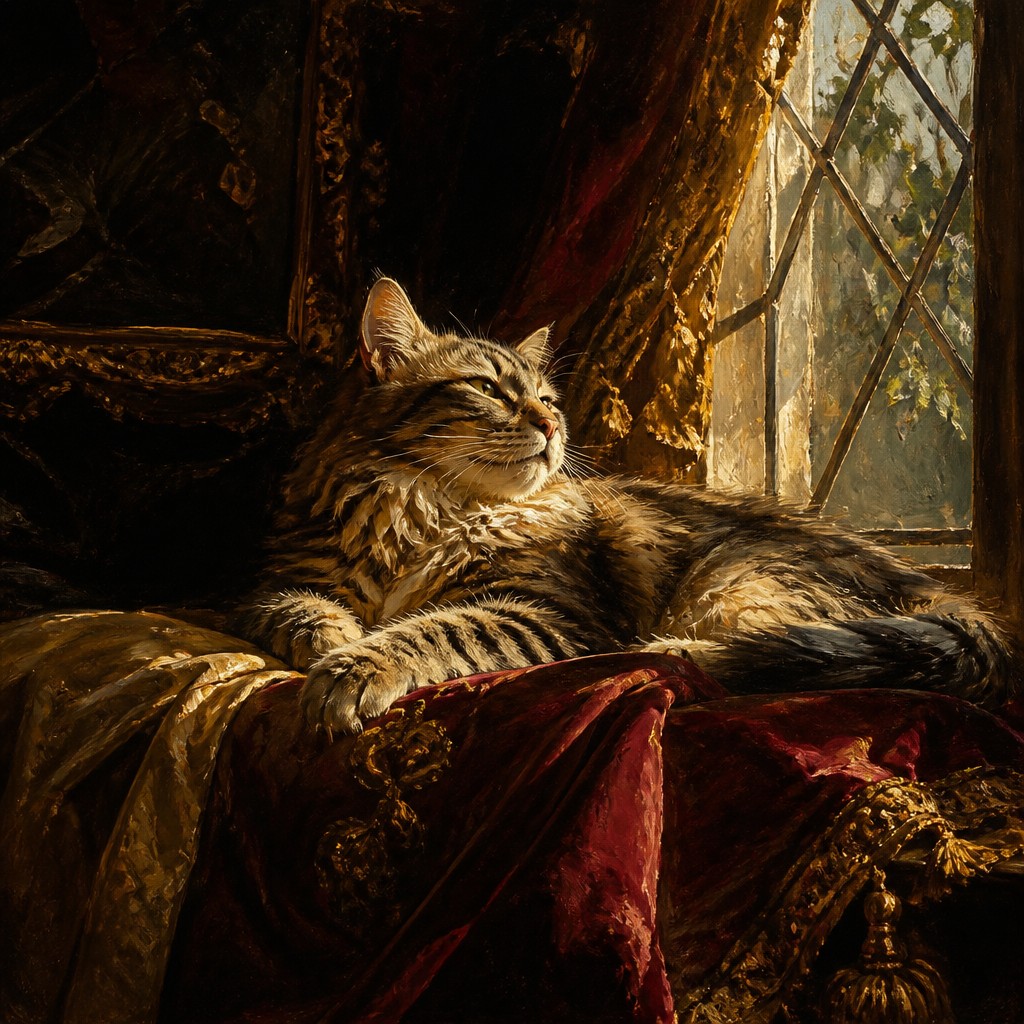
“a cat lounging in a sunlit window”
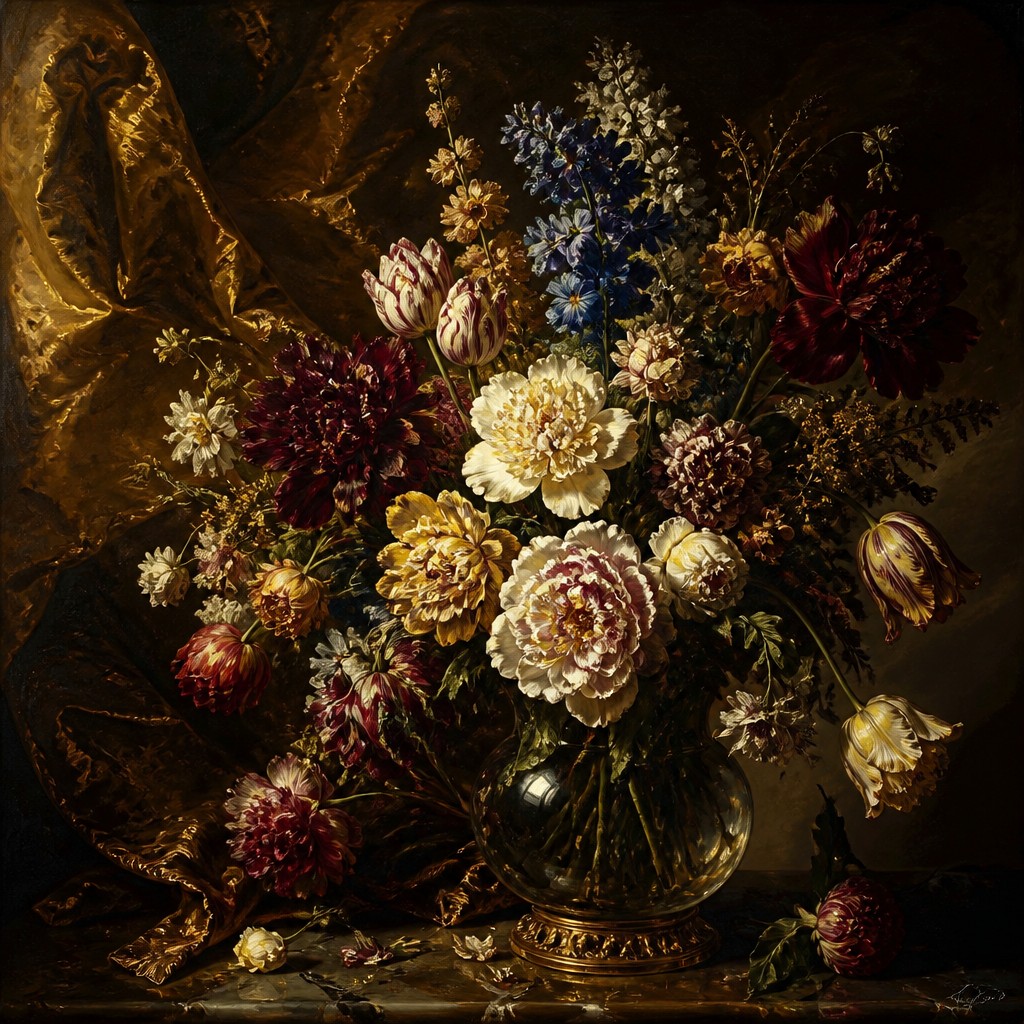
“bouquet of flowers in a glass vase”
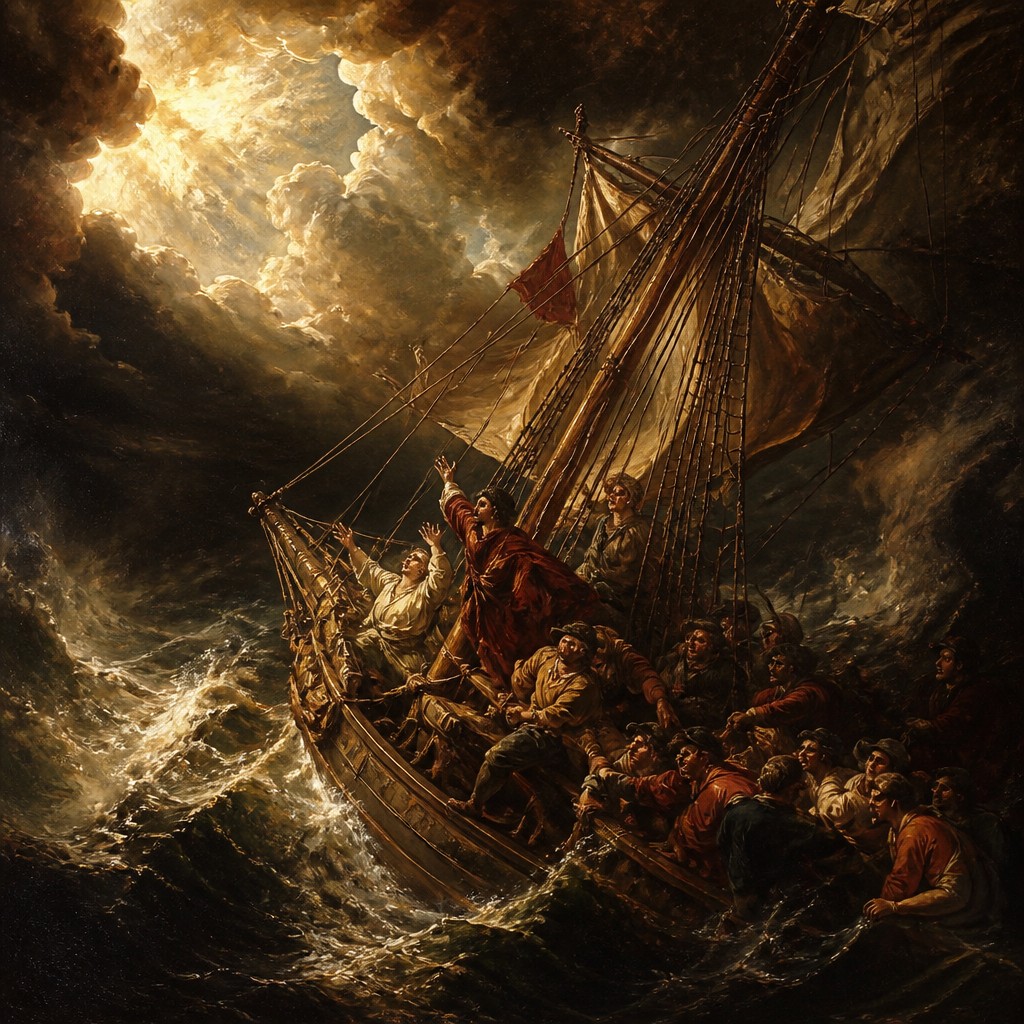
“sailing ship on a stormy sea”
How to Create Baroque Art
Master the craft step by step — or skip straight to creating. Read the full guide →
- 1
Build the scene around a strong light source
In traditional painting, block in a dark ground and place your brightest values where the narrative center should be. In digital work or prompt-based generation, specify a single dramatic light source, deep shadows, and luminous highlights to recreate the classic Baroque effect.
- 2
Use diagonal movement and layered figures
Compose the subject so that lines of action travel across the canvas rather than sit parallel to the frame. Overlap forms, twist poses, and let drapery or architecture reinforce the sense of motion.
- 3
Choose a warm, shadow-rich palette
Favor umbers, burnt siennas, burgundies, ochres, and golds, then reserve small accents of bright white or saturated color for emphasis. This creates the warm glow and visual depth associated with the style.
- 4
Render texture with controlled contrast
Use thin glazes for shadows and thicker paint for highlights if working traditionally. In digital media, combine soft atmospheric shading with crisp, reflective accents on metal, fabric, skin, or stone.
- 5
Emphasize emotion and gesture
Pose figures with clear, expressive movement and avoid neutral stances. For image generation, describe the emotional tone explicitly—devotion, anguish, revelation, triumph, or solemnity—so the composition feels purpose-driven.
- 6
Balance realism with spectacle
Baroque is convincing but not flatly documentary; it heightens reality for dramatic impact. When prompting, include old-master brushwork, ornate detail, and monumental atmosphere rather than sterile realism.
The Story
History & Origins of Baroque
Baroque art originated in Rome around the turn of the 17th century and spread across Italy, Spain, Flanders, France, and other parts of Europe. It grew out of late Renaissance experiments with drama, naturalism, and composition, but pushed them toward greater emotional intensity, stronger light effects, and more active viewer engagement. In Catholic regions, the movement was encouraged by the Counter-Reformation, which valued art that could communicate faith vividly and directly.
Canonical Baroque artists include a pioneering master of dramatic tenebrism, a major Flemish painter known for energetic compositions and sensuous color, a leading Dutch painter whose work brought psychological depth and luminous shadow, and a major Spanish court painter known for portraiture and spatial realism; in sculpture and architecture, a foremost Italian Baroque sculptor-architect helped define the same taste for theatrical motion, illusion, and emotional immediacy. By the late 17th and early 18th centuries, Baroque evolved into regional variants and, in some places, into the lighter and more decorative Rococo.
Influences: Baroque is closely related to the late Renaissance and was shaped by the dramatic naturalism of leading early Baroque painters, the color and movement of a major Flemish Baroque master, the psychological depth of a leading Dutch Golden Age painter, and the poised realism of a major Spanish court painter. In sculpture and architecture, a foremost Italian Baroque sculptor-architect helped define the same taste for theatrical motion, illusion, and emotional immediacy. It also stands in contrast to the more restrained classicism of some French art and later gave way in part to the lighter, decorative Rococo.

Frequently Asked Questions
What defines Baroque art?
Baroque art is defined by dramatic light and shadow, dynamic compositions, rich color, and strong emotional expression. It often aims to create awe, intensity, or spiritual engagement rather than calm balance. The viewer should feel pulled into the scene.
How is Baroque different from Renaissance art?
Renaissance art generally emphasizes harmony, proportion, and balanced composition. Baroque art keeps realism but makes it more theatrical, using stronger contrasts, diagonal movement, and heightened emotion. In short, it is more dramatic and immersive.
What is chiaroscuro in Baroque painting?
Chiaroscuro is the use of strong contrast between light and dark to model forms and create drama. In Baroque art, it often becomes especially intense, with bright illumination emerging from deep shadow. This helps focus attention and intensify mood.
Which artists are most associated with Baroque?
Well-known Baroque artists include a pioneering master of dramatic tenebrism, a major Flemish painter known for energetic compositions and sensuous color, a leading Dutch painter whose work brought psychological depth and luminous shadow, a major Spanish court painter known for realism and portraiture, and a foremost Italian Baroque sculptor-architect. These artists are widely recognized for the style’s major qualities: drama, movement, realism, and emotional force. Their work represents different regional expressions of the movement.
Can Baroque be used for modern images or illustrations?
Yes. The style adapts well to portraits, fantasy scenes, historical scenes, and cinematic imagery because its lighting and composition are so expressive. Modern artists often borrow its chiaroscuro, warm palette, and theatrical staging even when the subject is contemporary.
How do I make something look Baroque?
Start with a dark background, then place a strong light source to create sharp contrast and volume. Use diagonal composition, ornate textures, and expressive gestures, and choose warm, saturated colors to reinforce the mood. If generating digitally, describe those features explicitly in the prompt.
Create your first Baroque artwork
Describe anything — or upload a photo — and see it in Baroque Art Style in seconds.
Make Something with Baroque
Compare Baroque
Related Styles
Discover similar art styles