Baroque vs Renaissance: What's the Difference?
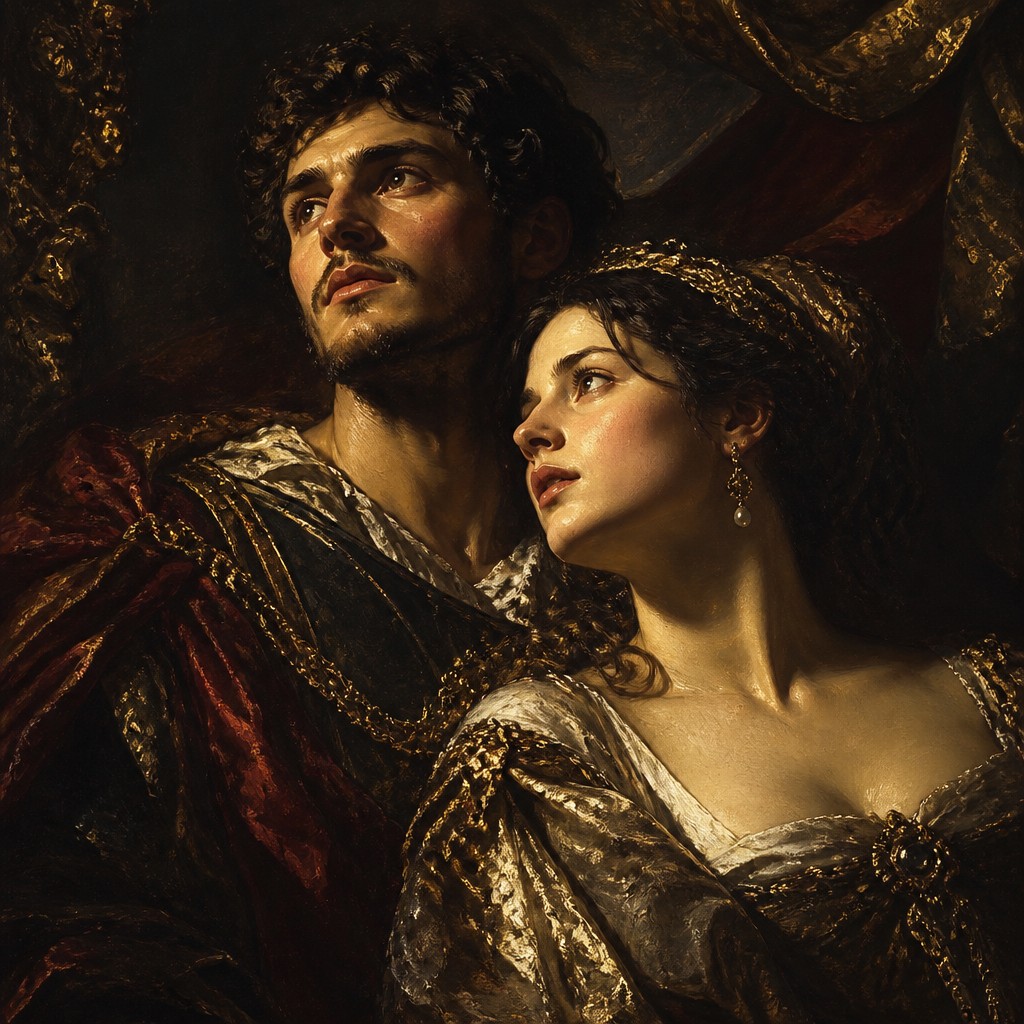
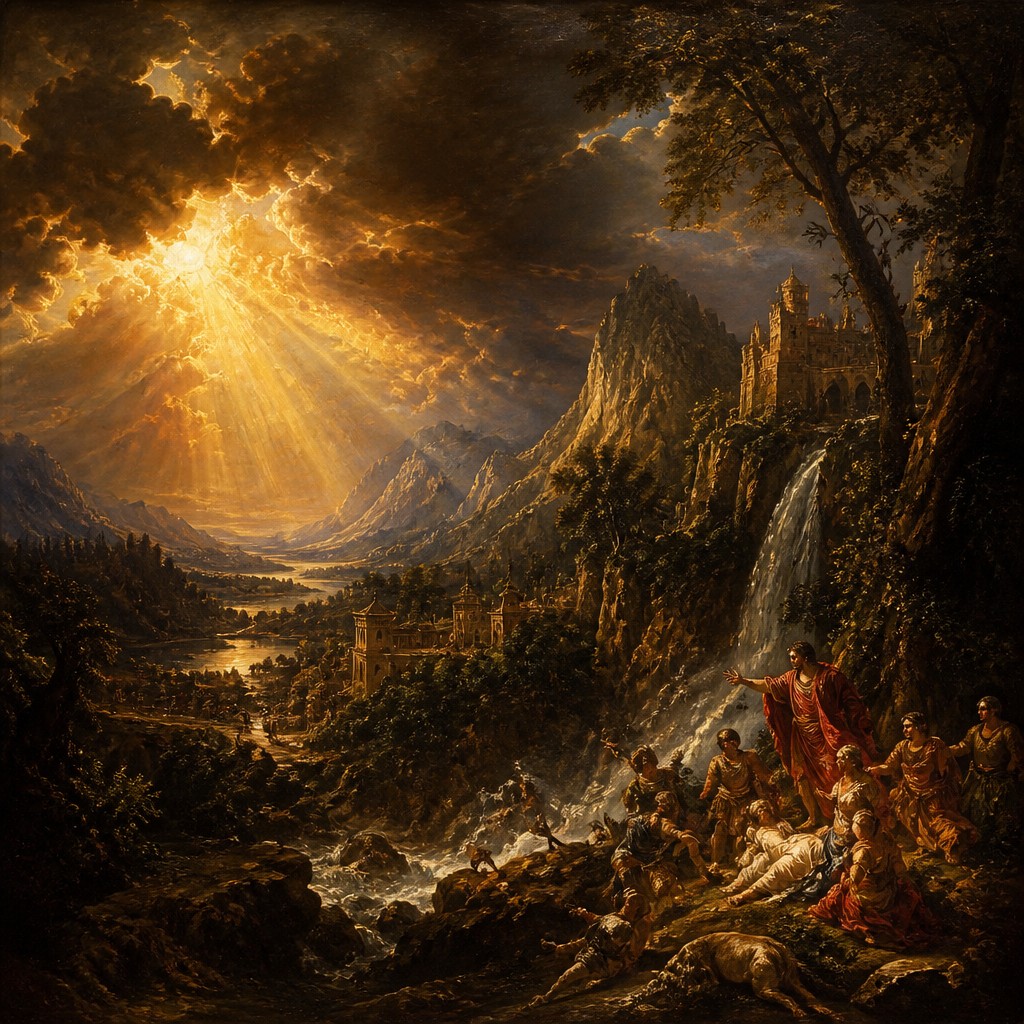
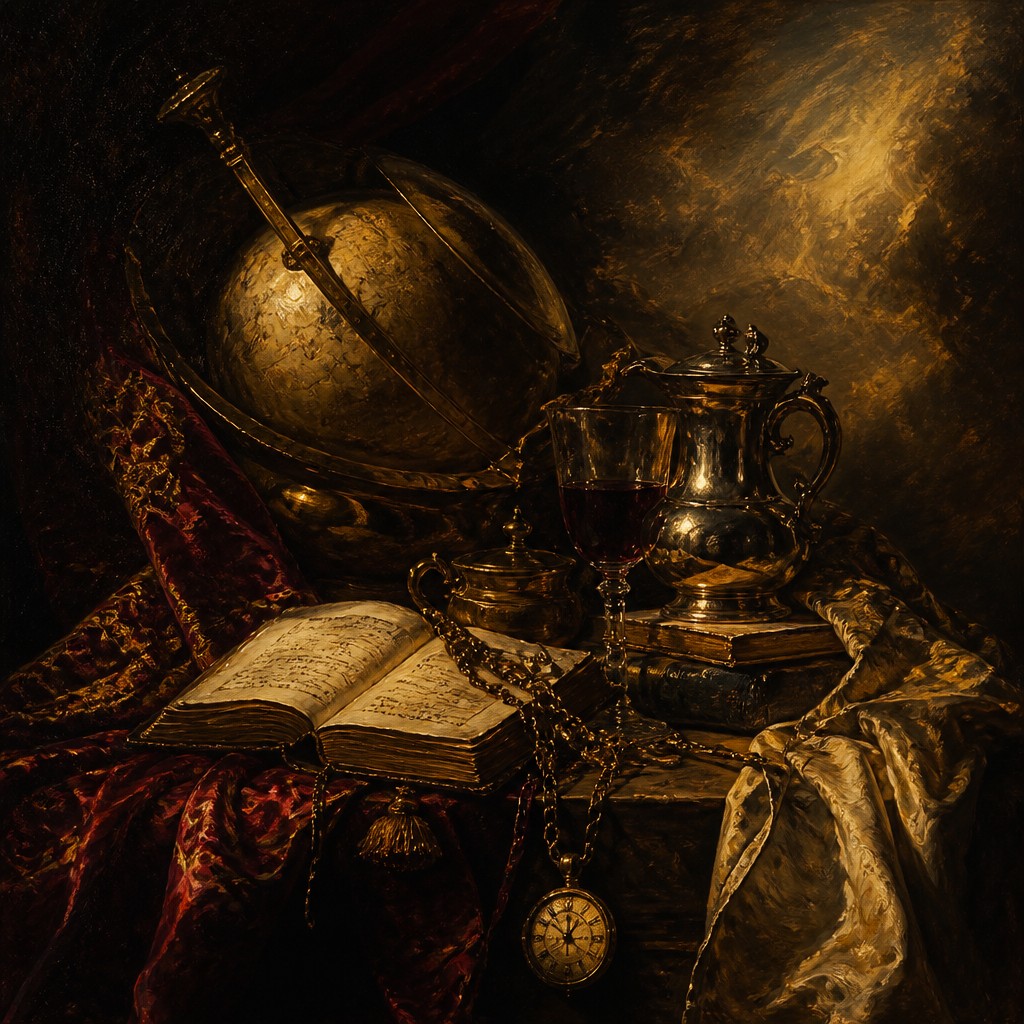
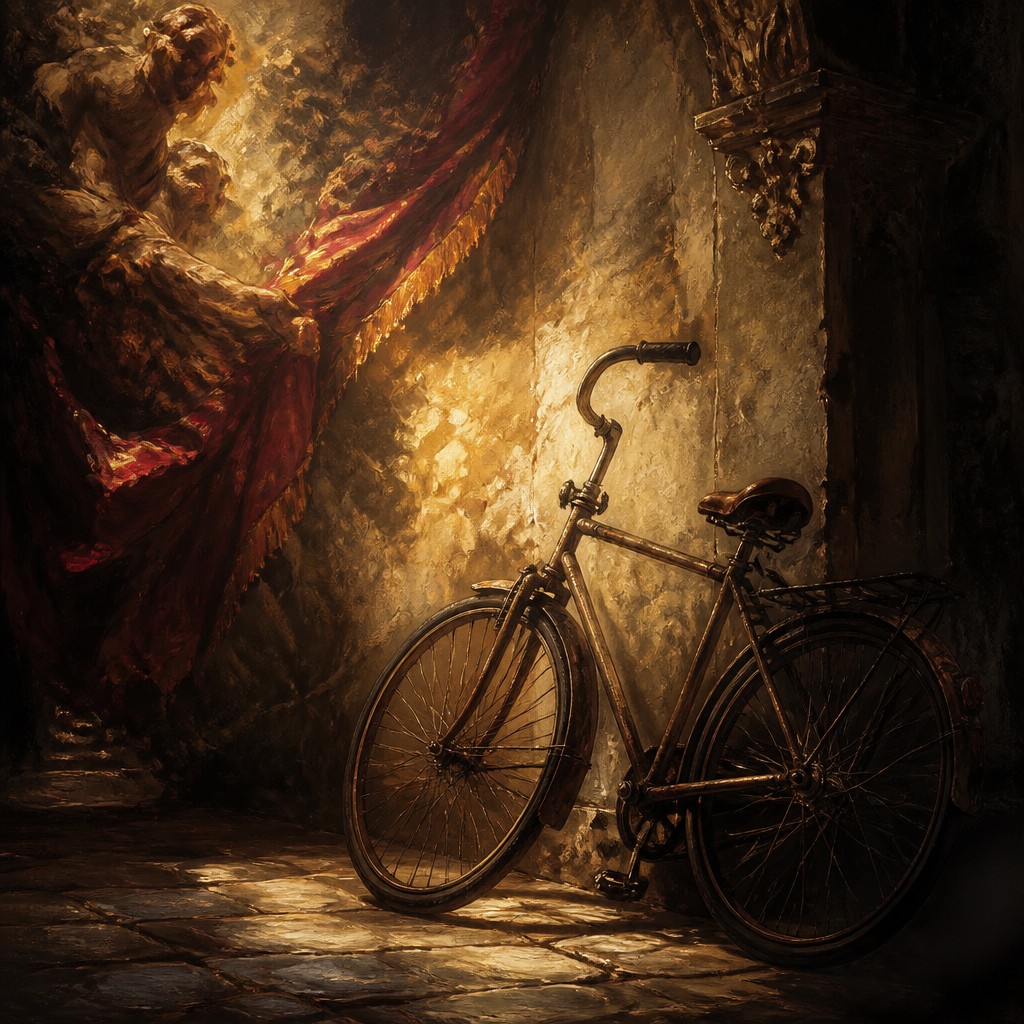
Baroque art is a dramatic 17th-century style known for strong contrasts of light and shadow, dynamic diagonal movement, rich color, and intense emotional scenes. It aims to pull viewers into the action and create a sense of urgency, grandeur, and theatrical realism.
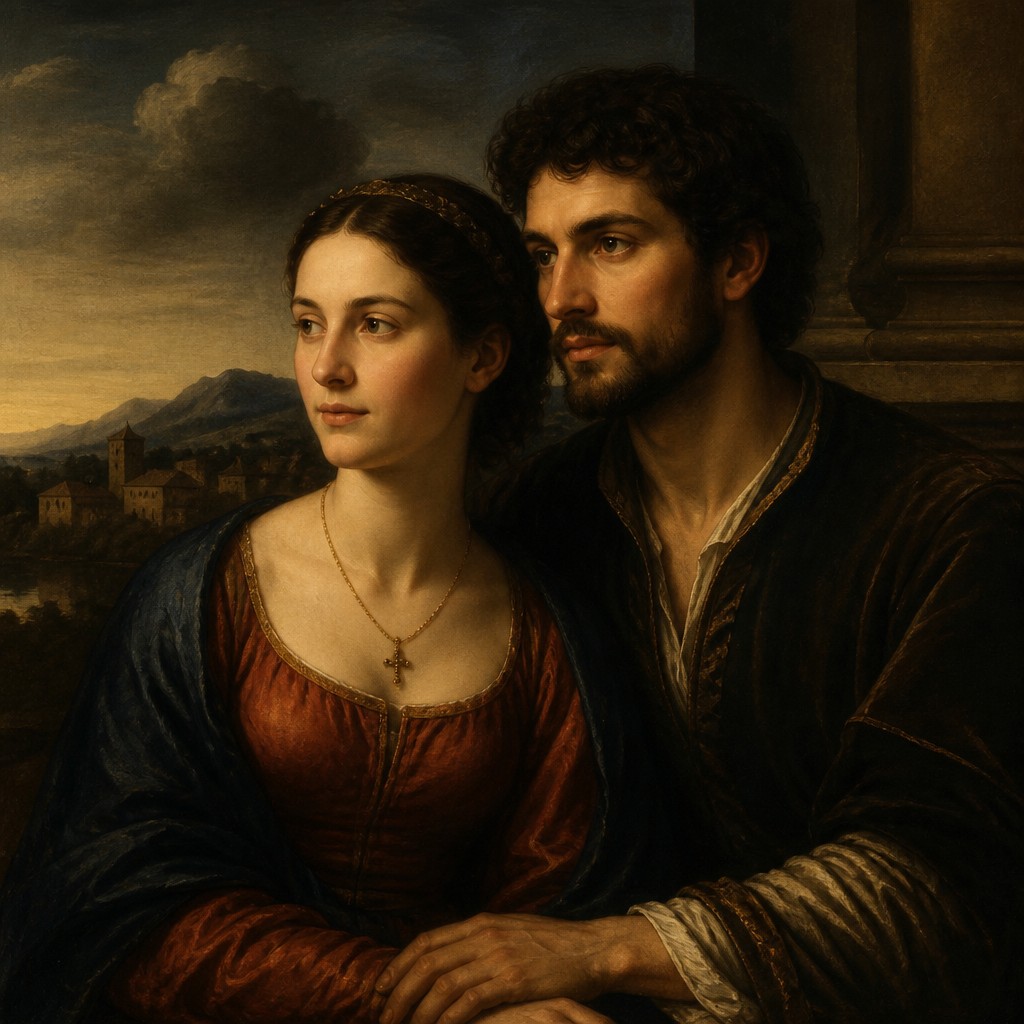
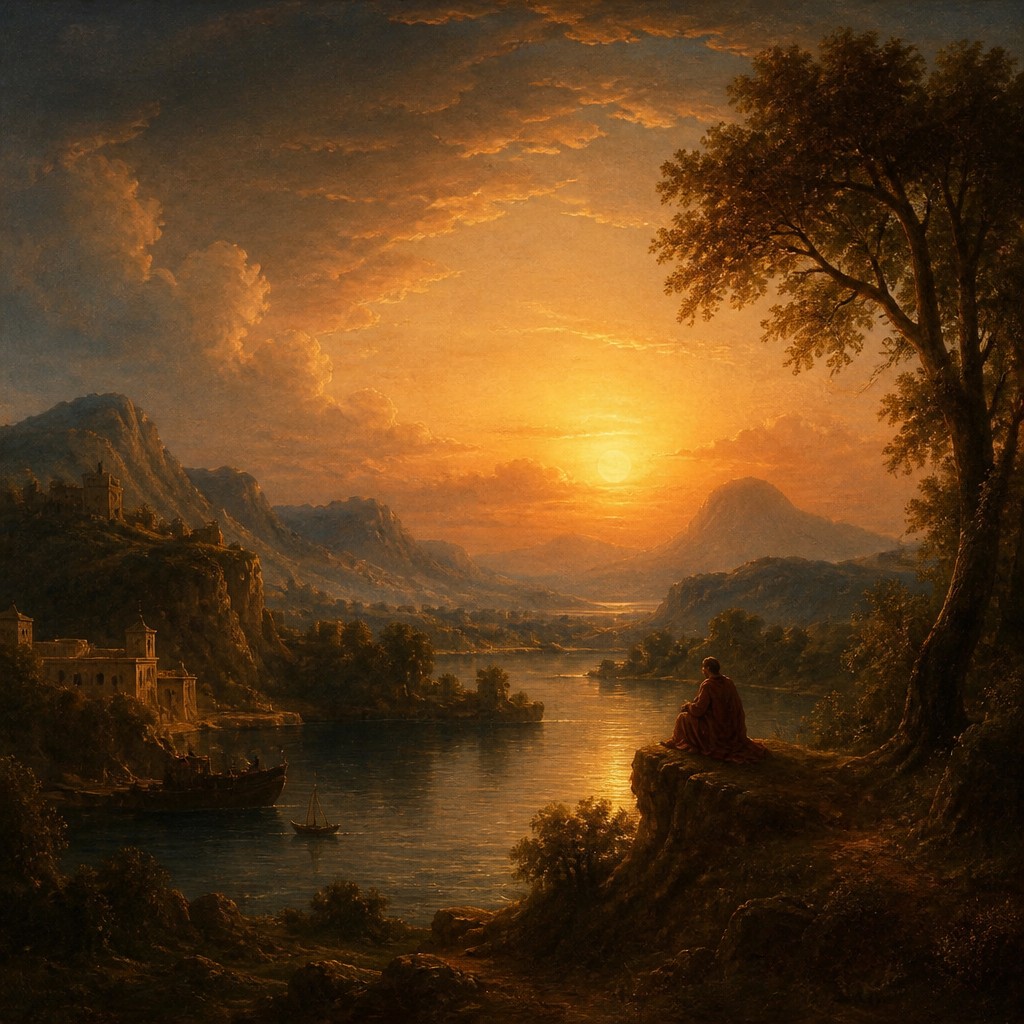
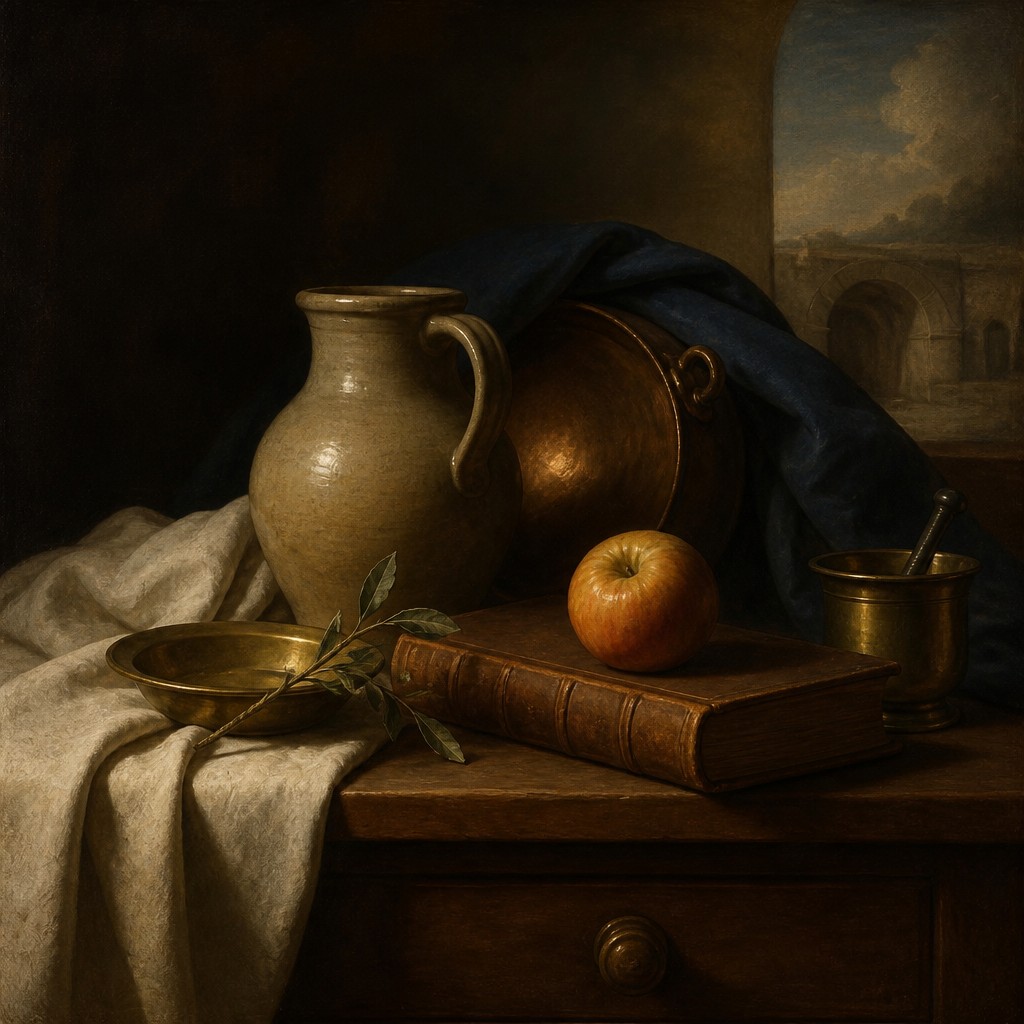
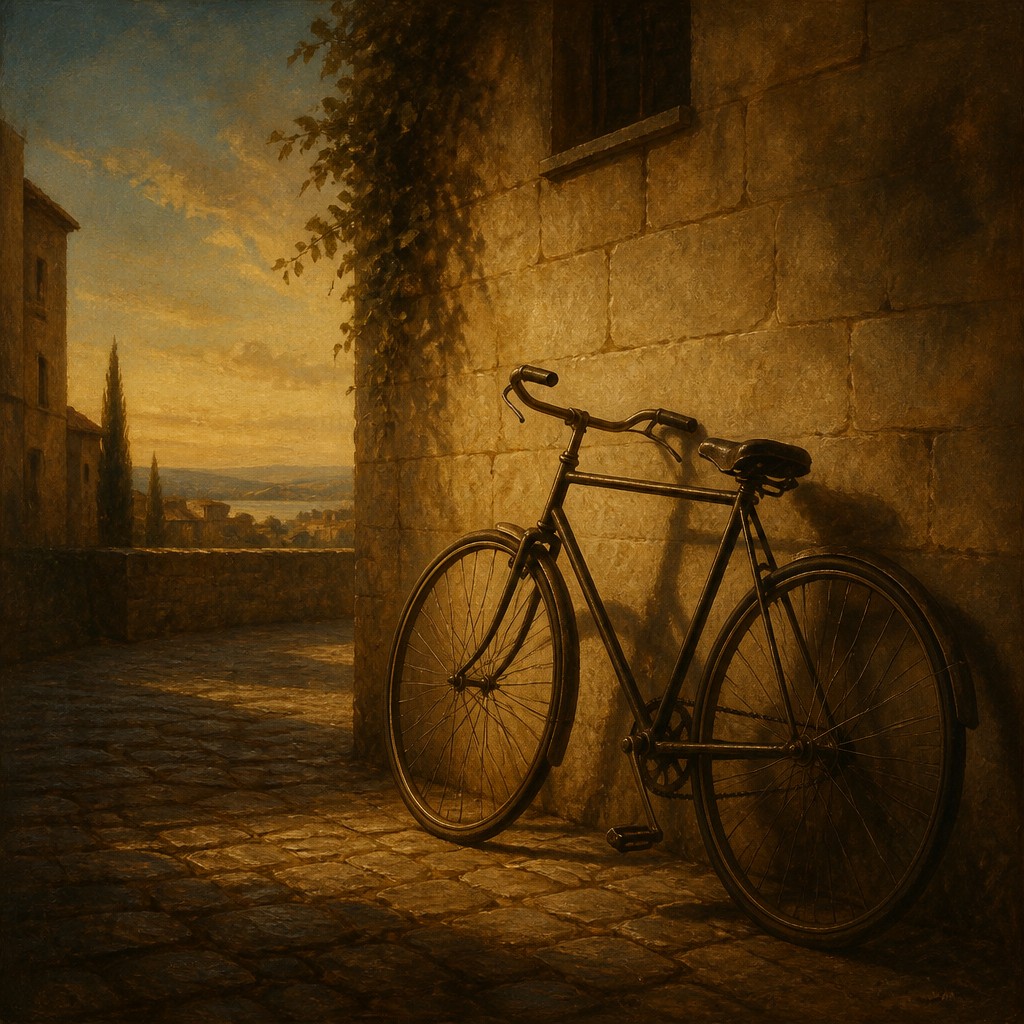
Renaissance art is a classical revival style focused on harmony, balanced proportions, idealized figures, and clear spatial order. People compare the two because both value realism and skillful depiction of the human figure, but they differ in mood, composition, and how they guide the viewer’s attention.
Same Prompt, Both Styles
Each pair below was generated from the identical prompt — only the style changed.
“portrait of two people together”
“wide landscape with natural scenery”
“still life with everyday objects”
“bicyle resting against a wall”
Key Differences
| Baroque | Renaissance | |
|---|---|---|
| Mood | Intense, dramatic, and emotionally charged. | Calm, ordered, and intellectually balanced. |
| Composition | Uses diagonal arrangements and strong movement. | Uses stable, symmetrical, and measured layouts. |
| Light & shadow | Relies on bold chiaroscuro for theatrical contrast. | Uses softer modeling, often with subtle chiaroscuro and sfumato. |
| Figures | Figures feel active, expressive, and immediate. | Figures appear idealized, proportioned, and serene. |
| Space | Space often heightens drama and depth through action. | Space is organized with linear perspective and clarity. |
| Color | Rich, deep, and saturated colors dominate. | Colors are typically harmonious and controlled. |
| Mood | dramatic, theatrical, solemn, emotionally charged, awe-inspiring | harmonious, graceful, elevated, ordered, contemplative |
| Energy | intense | balanced |
| Detail level | intricate | detailed |
| Color | rich, dark, high-contrast warm tones | rich, warm, earth-toned with luminous highlights |
| Texture | lush, painterly, glowing shadowed surfaces | smooth modeling, fine finish, subtle layering |
| Origin | 17th-century Europe | Italy, 14th-16th century |
| Best for | religious scenes, grand portraits, historical dramas, theatrical posters, museum-style illustrations | religious scenes, portraiture, historical illustrations, museum posters, book covers, fine art studies |
| Difficulty | advanced | advanced |
Which Should You Choose?
Choose Baroque art when you want drama, movement, strong emotion, and striking visual contrast. Choose Renaissance art when you want harmony, clarity, ideal beauty, and a sense of measured order. Baroque suits scenes meant to feel immediate and theatrical, while Renaissance suits scenes meant to feel balanced, rational, and timeless.
Frequently Asked Questions
Which style is more dramatic?
Baroque is generally more dramatic because it emphasizes strong contrasts, movement, and heightened emotion. It is designed to create a vivid, theatrical impact on the viewer.
Which style uses more idealized figures?
Renaissance art more often presents figures with idealized proportions and calm poise. Baroque figures can still be realistic, but they usually feel more expressive and physically active.
Do both styles use chiaroscuro?
Yes, both use chiaroscuro, but differently. Renaissance artists often use it more subtly to model form, while Baroque artists use it more boldly for dramatic effect.
Which style is easier to identify at a glance?
Baroque is often easier to spot because of its theatrical lighting and energetic compositions. Renaissance art is usually recognized by its balance, symmetry, and calm, orderly structure.