Baroque vs Rococo: What's the Difference?
Baroque art is a 17th-century style known for drama, strong contrasts of light and shadow, energetic movement, rich color, and emotionally intense scenes. It often aims to impress viewers with grandeur, tension, and a sense of theatrical action, whether in religious, historical, or everyday subjects.
Rococo emerged in the 18th century and favors lightness, elegance, pastel colors, gilded decoration, asymmetrical designs, and playful, refined scenes from aristocratic life. People compare the two because Rococo developed after Baroque and keeps some of its decorative richness, while shifting away from Baroque's seriousness and drama toward intimacy, softness, and pleasure.
Same Prompt, Both Styles
Each pair below was generated from the identical prompt — only the style changed.
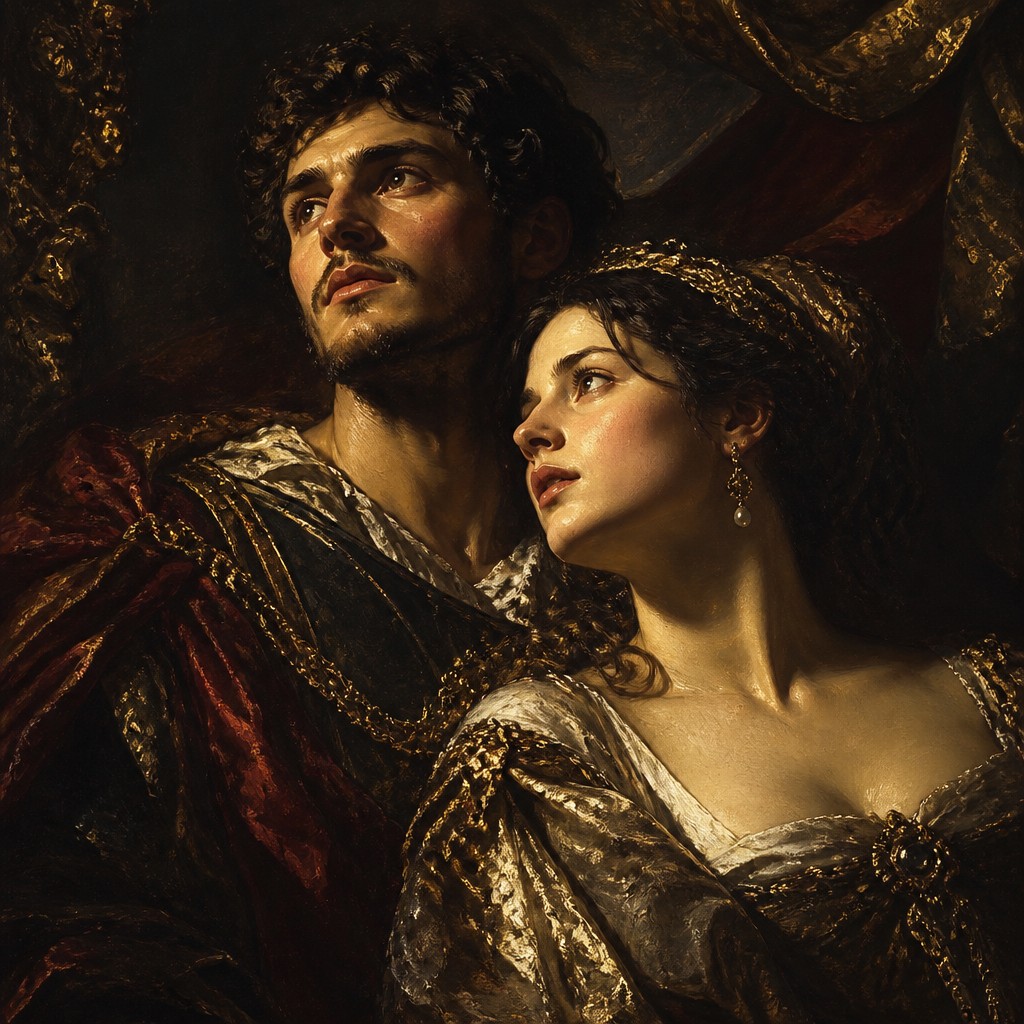
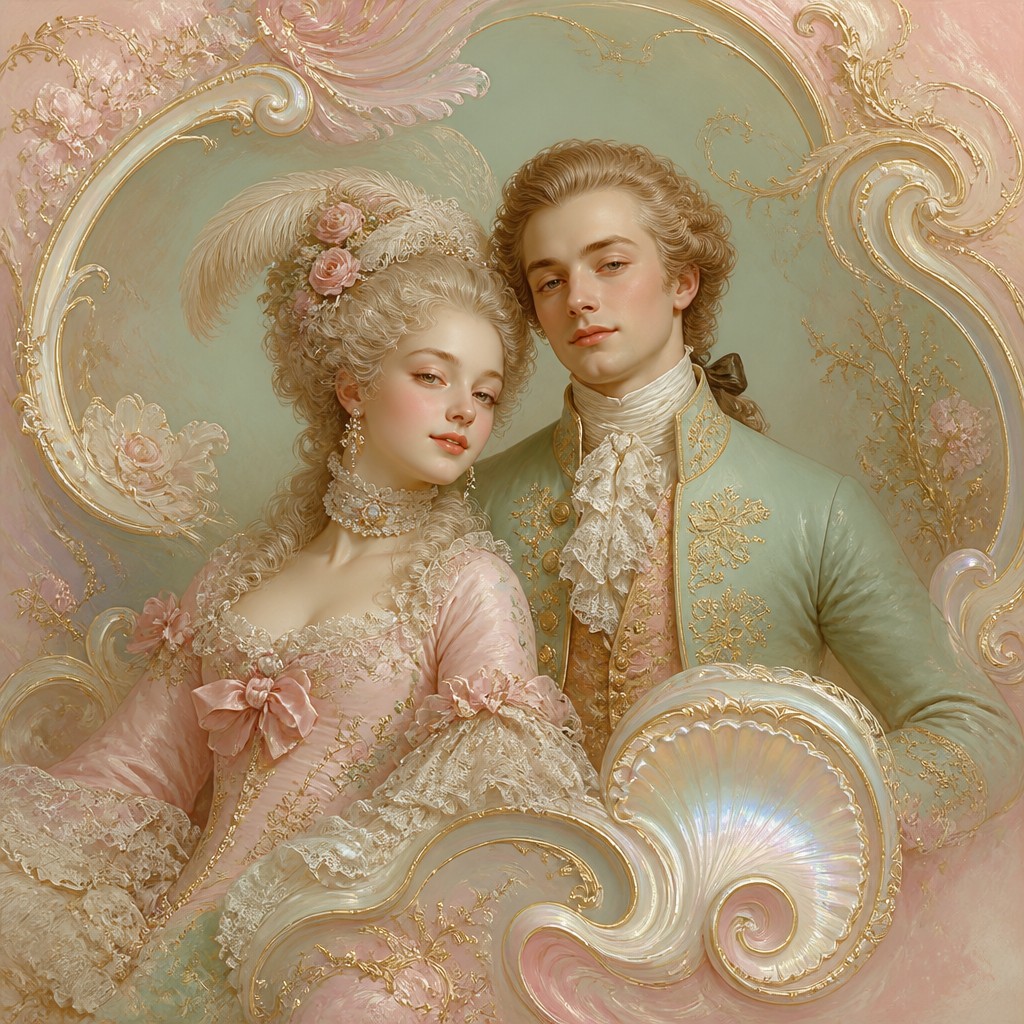
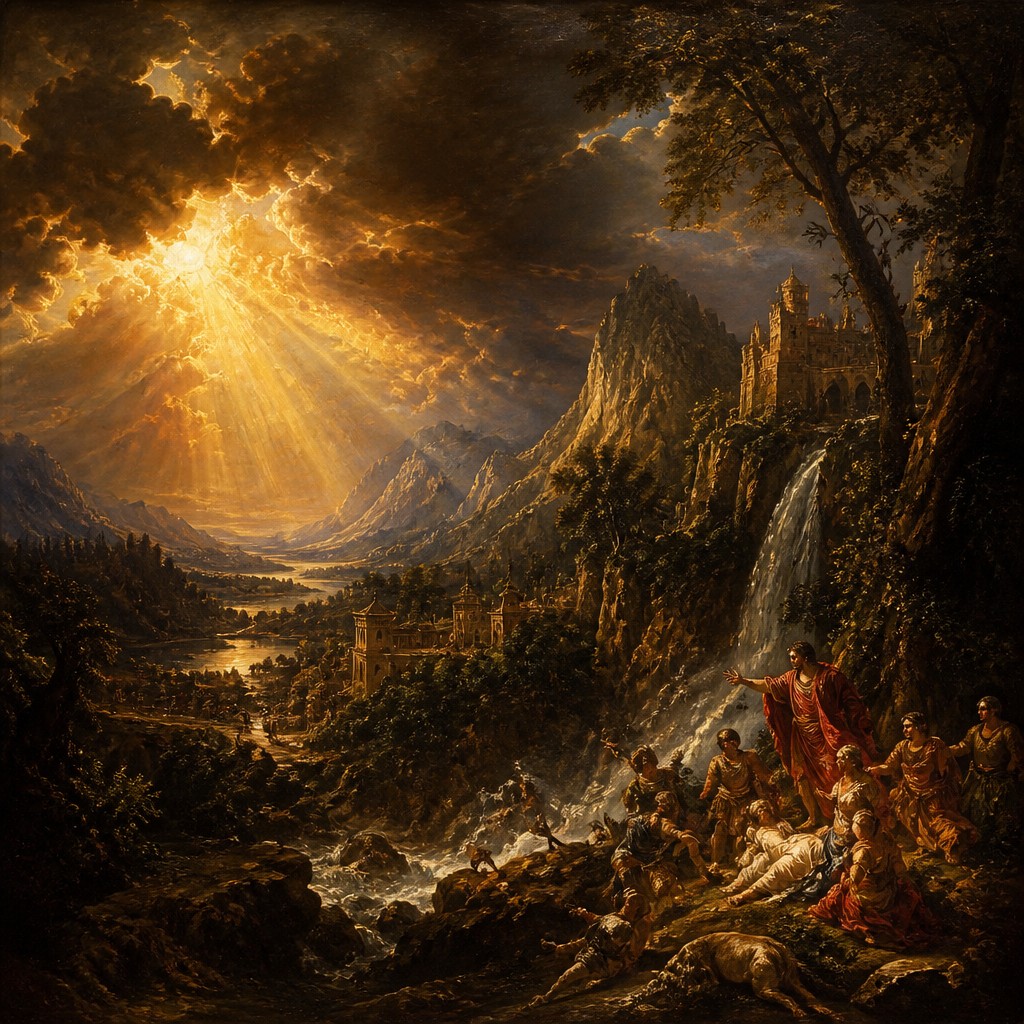
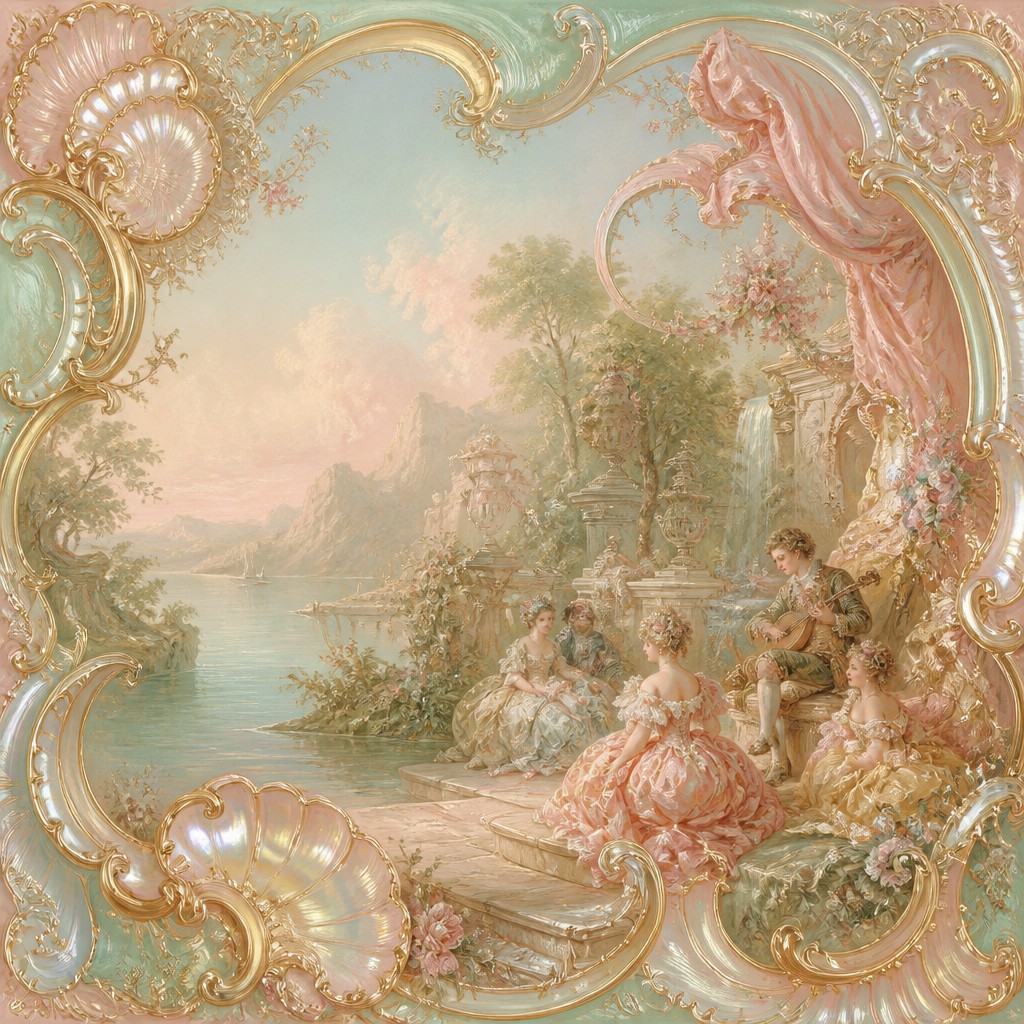
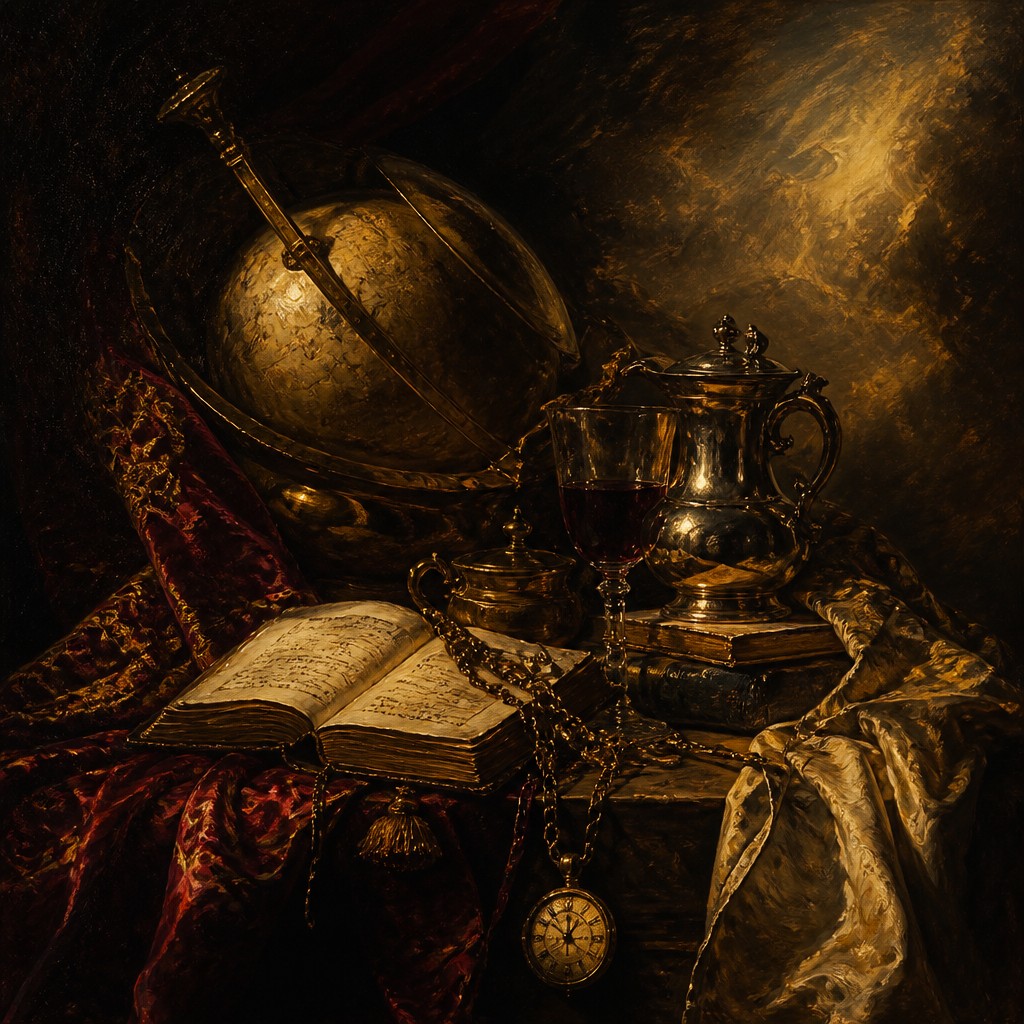
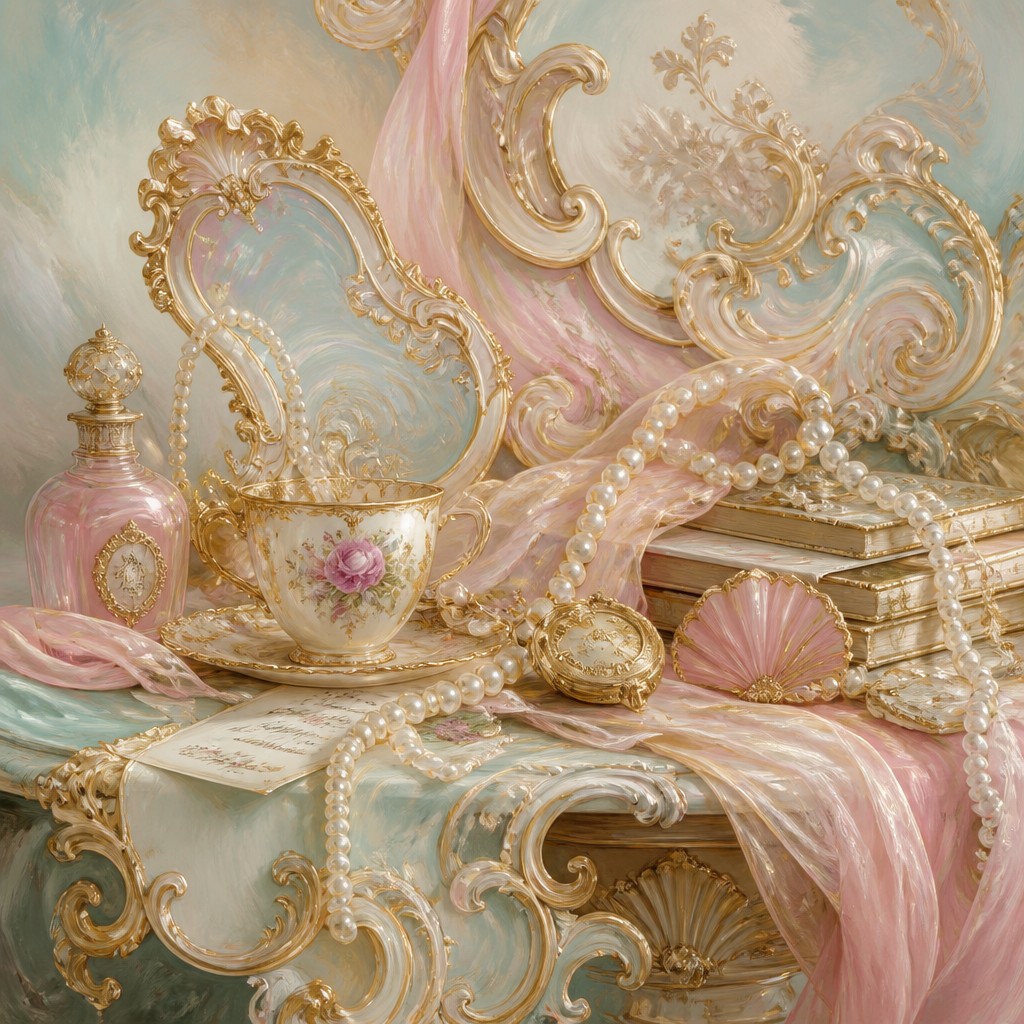
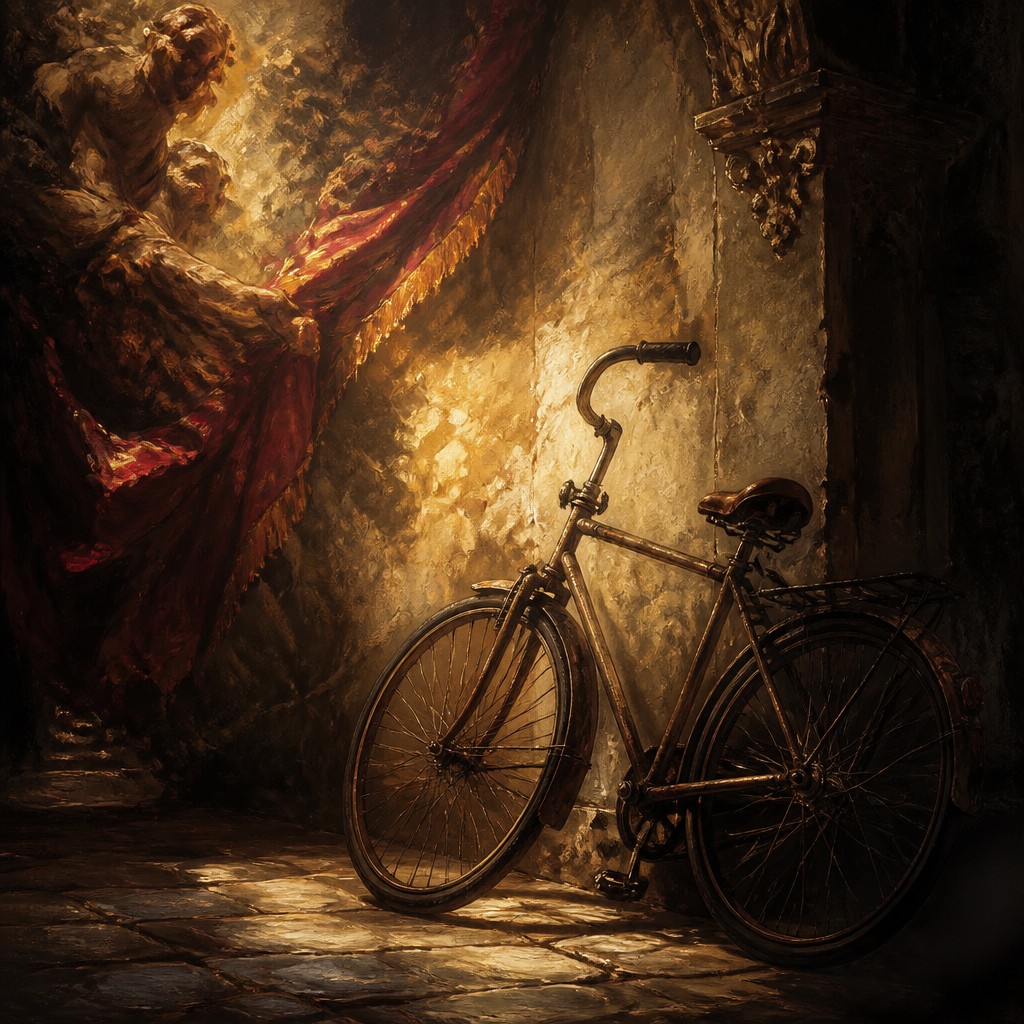
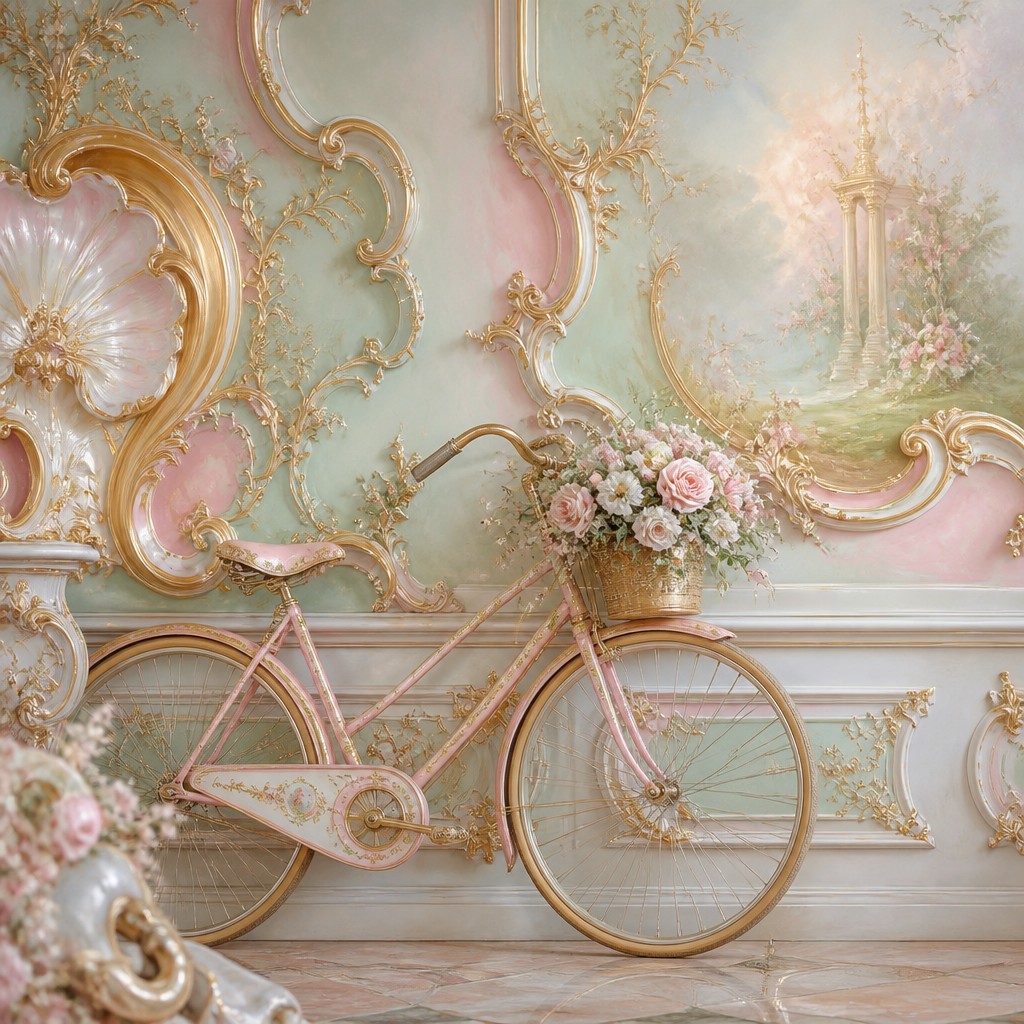
Key Differences
| Baroque | Rococo | |
|---|---|---|
| Mood | Dramatic, intense, and emotionally charged. | Lighthearted, graceful, and playful. |
| Light & shadow | Strong chiaroscuro creates deep contrast. | Soft, even light reduces harsh contrast. |
| Color | Deep, rich, saturated colors dominate. | Pastels, creams, and pale tones are common. |
| Composition | Dynamic diagonals and movement create tension. | Asymmetry and curving forms create delicacy. |
| Surface decoration | Ornament supports drama and grandeur. | Gilded ornament and fine detail are central. |
| Typical subjects | Religious, historical, and heroic scenes. | Leisure, flirtation, and aristocratic social life. |
| Mood | dramatic, theatrical, solemn, emotionally charged, awe-inspiring | elegant, playful, ornamental, romantic, whimsical |
| Energy | intense | lively |
| Detail level | intricate | intricate |
| Color | rich, dark, high-contrast warm tones | soft pastels, pale gold, creamy whites |
| Texture | lush, painterly, glowing shadowed surfaces | delicate, smooth, lavishly embellished |
| Origin | 17th-century Europe | 18th-century France and Europe |
| Best for | religious scenes, grand portraits, historical dramas, theatrical posters, museum-style illustrations | luxury invitations, fashion editorials, theater sets, decorative wallpapers, romantic book covers |
| Difficulty | advanced | advanced |
Which Should You Choose?
Choose Baroque if you want power, drama, emotional weight, and strong visual contrast that feels monumental. Choose Rococo if you want elegance, charm, softness, and decorative refinement with a lighter, more intimate atmosphere. In short, Baroque suits intensity and grandeur, while Rococo suits grace and pleasure.
Frequently Asked Questions
Which style is more dramatic?
Baroque is more dramatic because it uses strong light-dark contrast, movement, and heightened emotion. Rococo is usually gentler and more playful.
Is Rococo just a lighter version of Baroque?
Not exactly. Rococo grew after Baroque and shares an interest in decoration, but it changes the mood from solemn grandeur to elegance and intimacy.
Which style uses more ornament?
Both can be highly decorative, but Rococo usually makes ornament feel more delicate and central to the design. Baroque ornament tends to support a more forceful, monumental effect.
Which style is better for serious subjects?
Baroque is better suited to serious or spiritual subjects because it emphasizes drama and emotional intensity. Rococo is more often associated with leisure, charm, and refined social scenes.