Quattrocento Perspective Renaissance Art Style
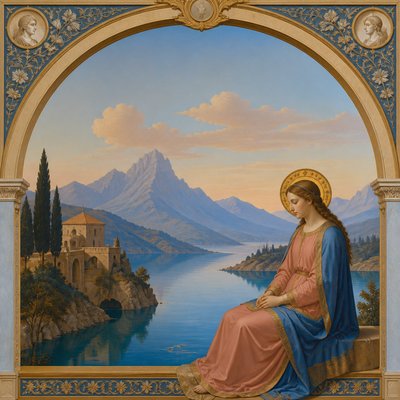
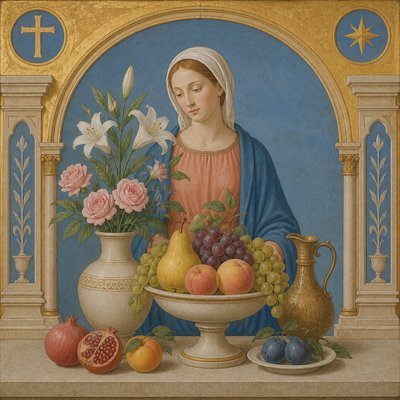
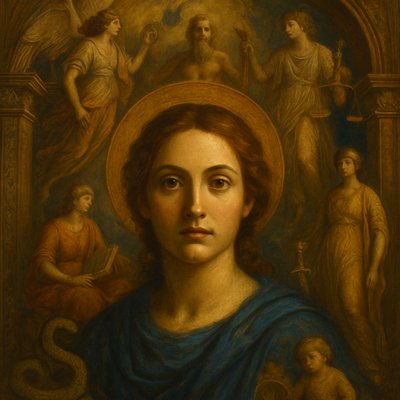
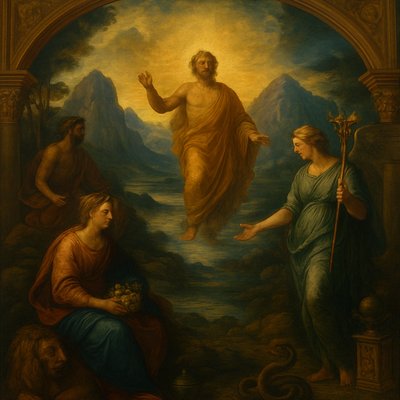
Precise Renaissance art with single-point perspective, architectural order, warm earth tones, and calm spatial clarity.
Instantly rendered in Quattrocento Perspective Renaissance — or transform a photo
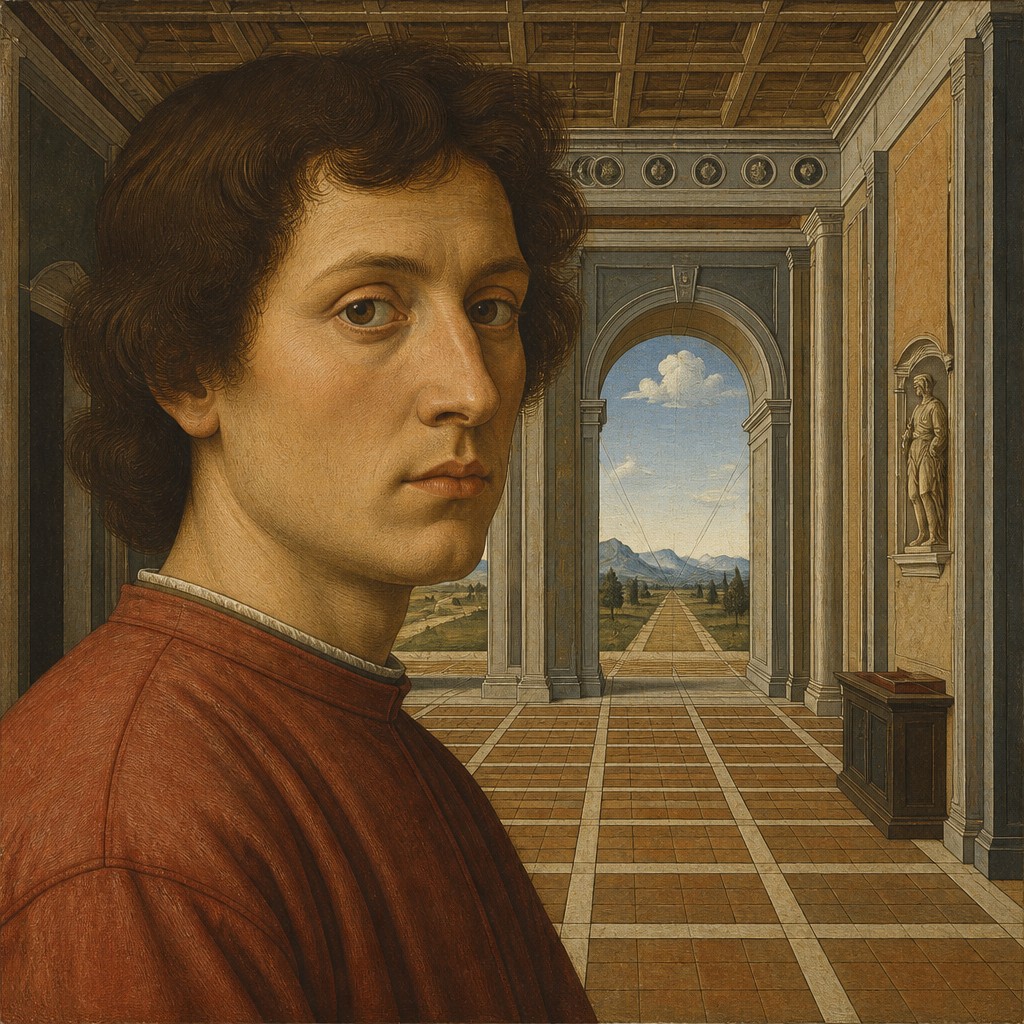
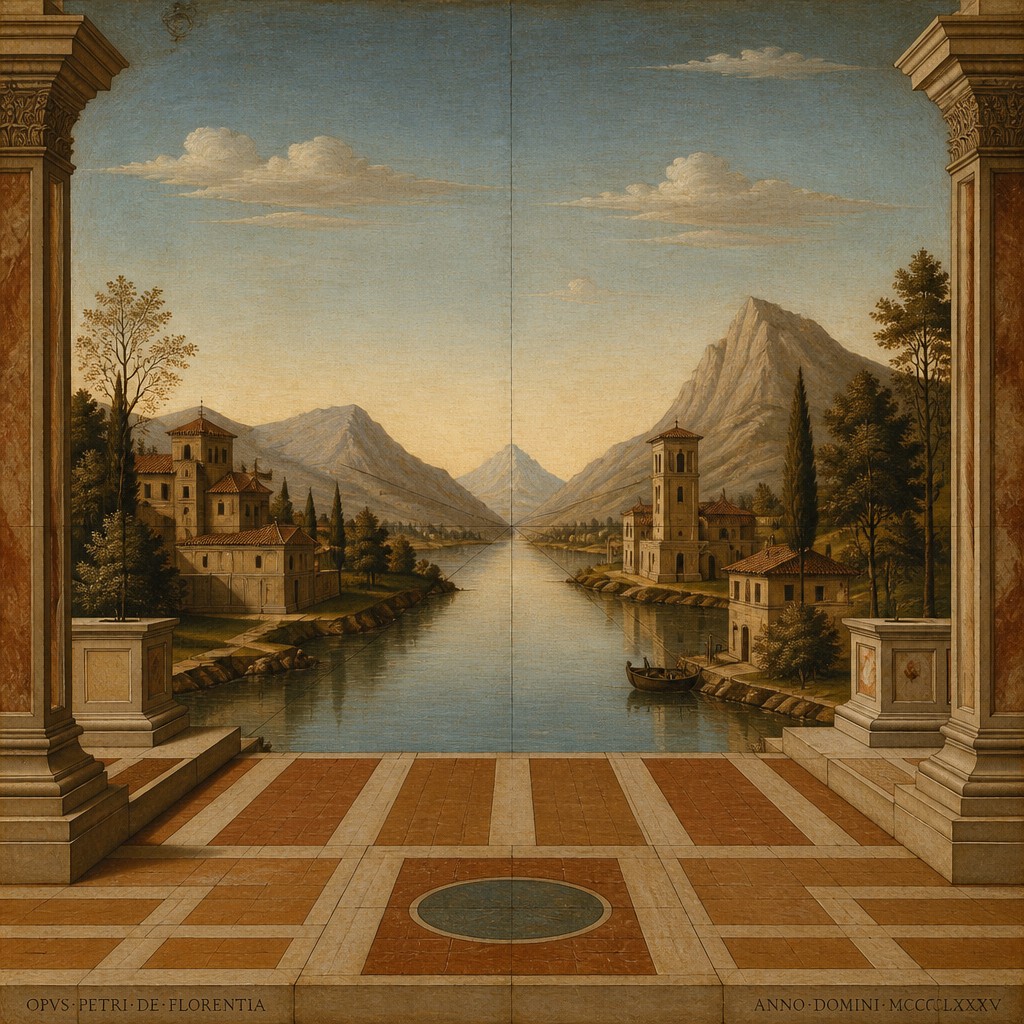
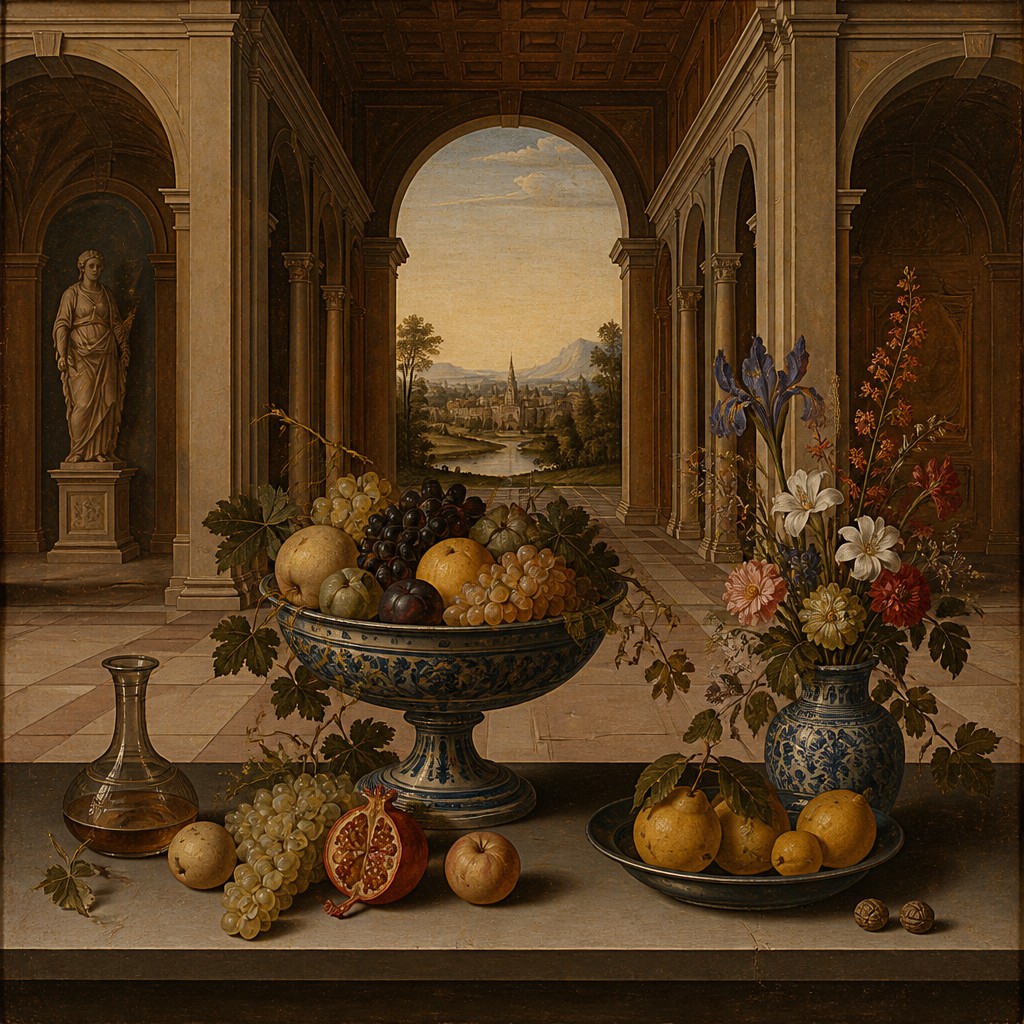
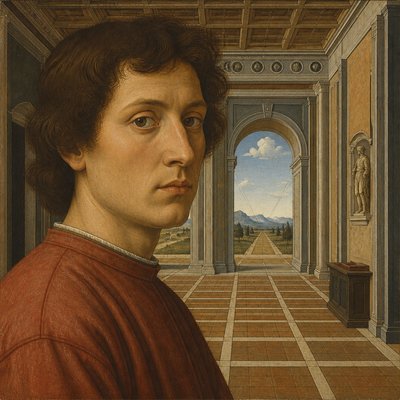
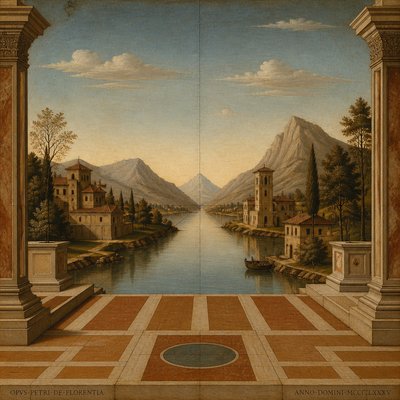
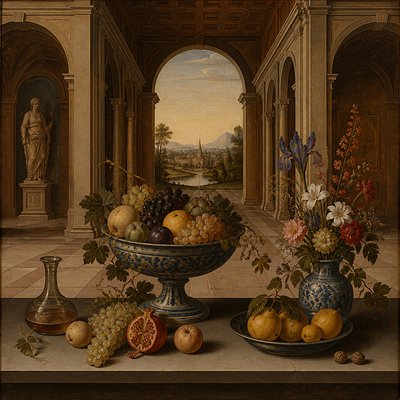
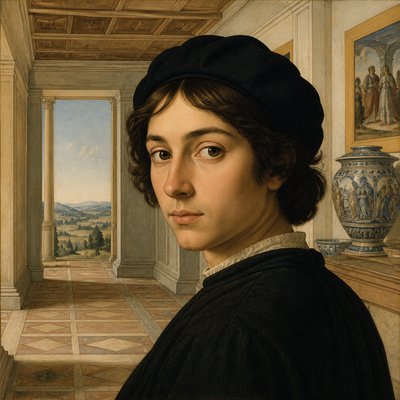
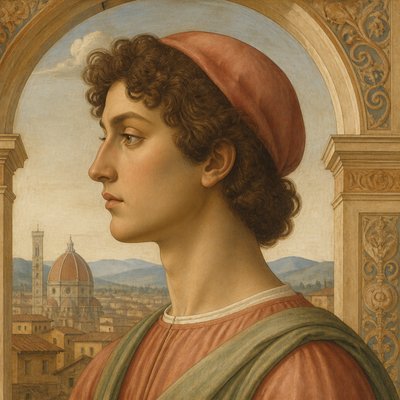
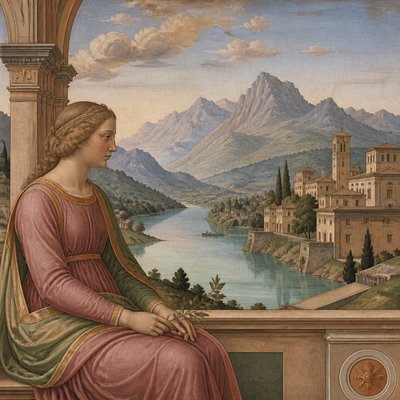
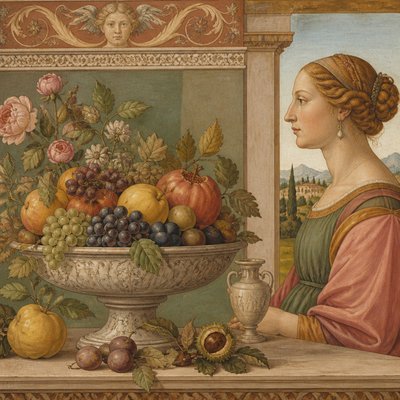
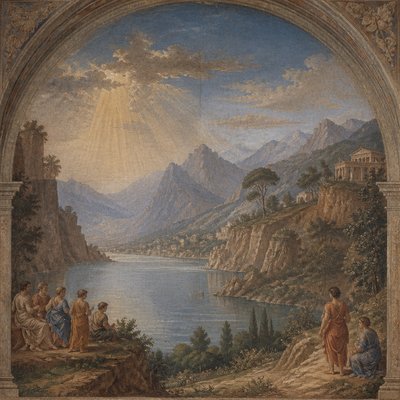
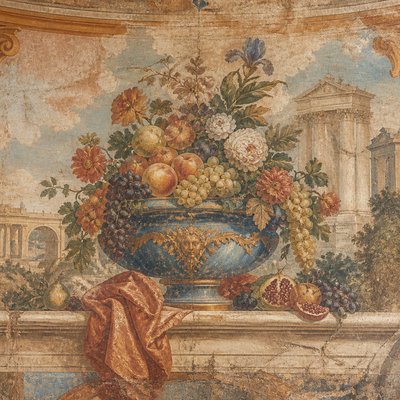
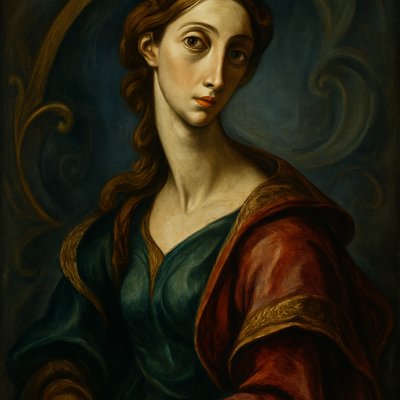
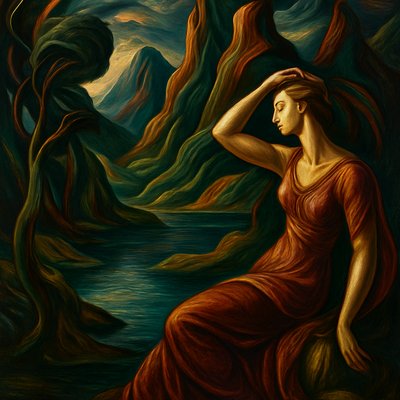
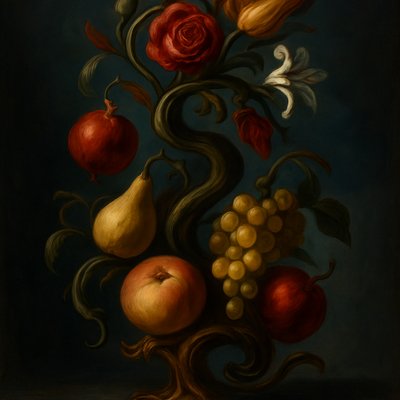
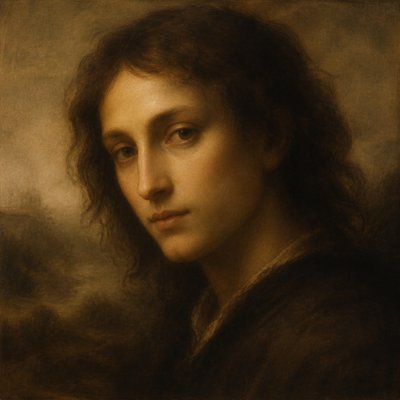
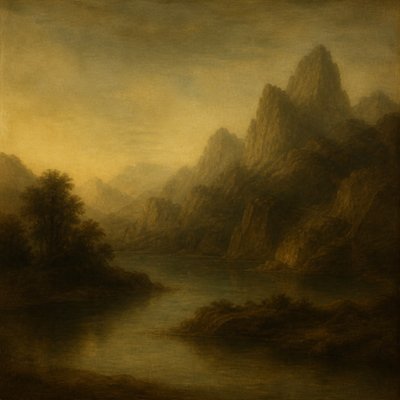
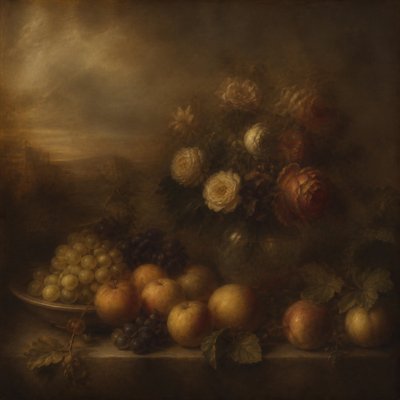
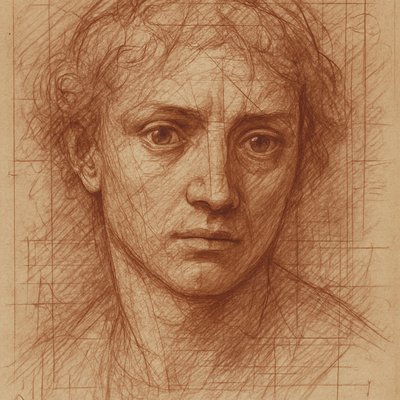
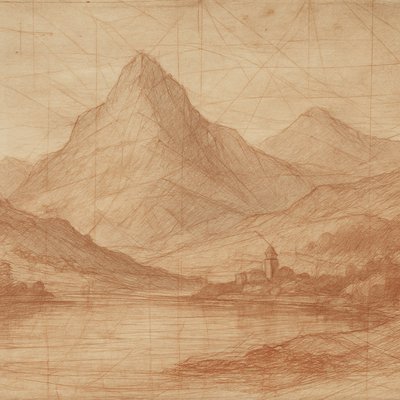
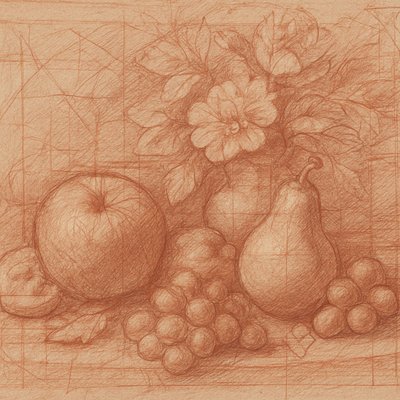
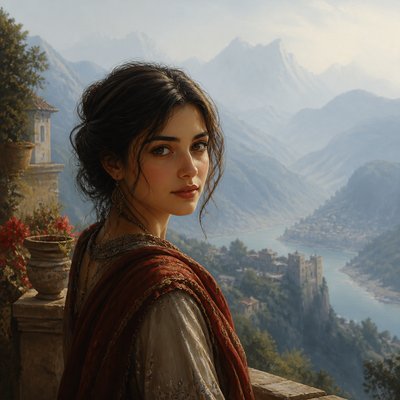
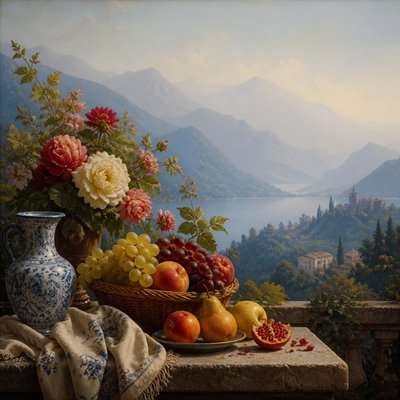
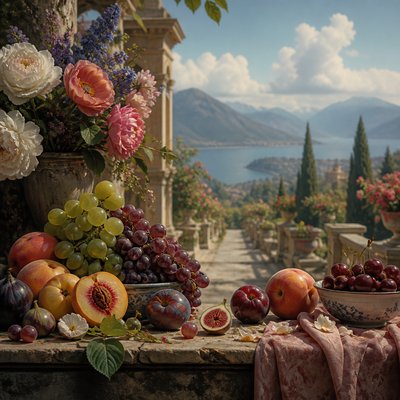
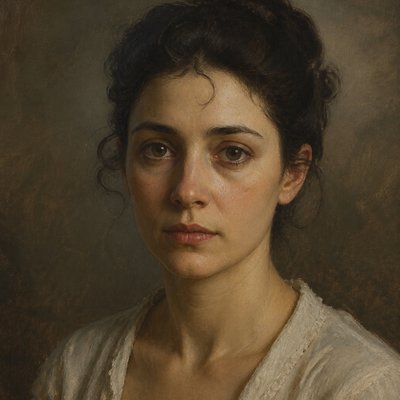
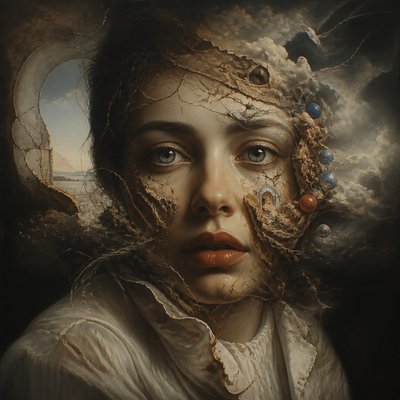
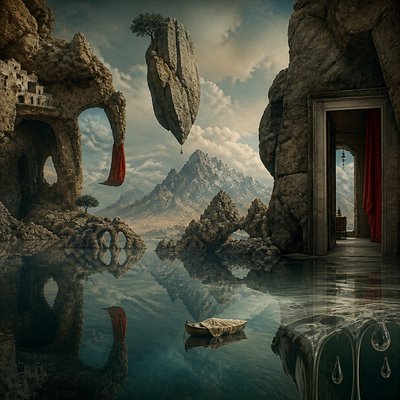
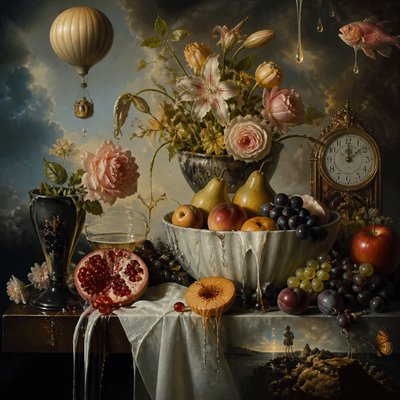
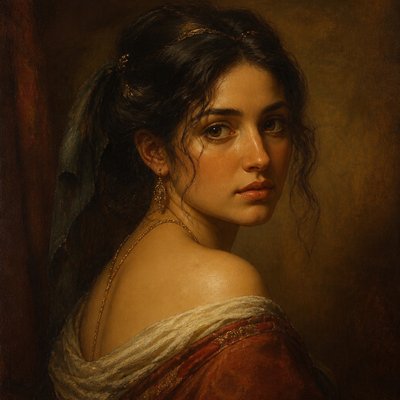
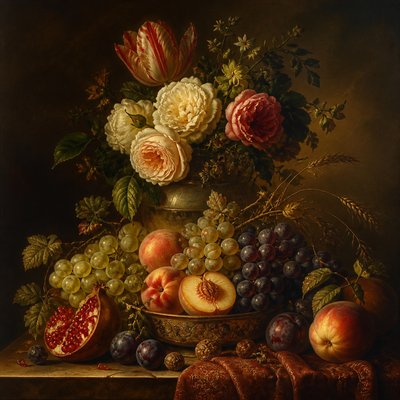
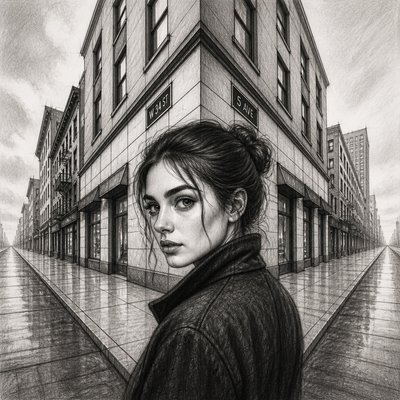
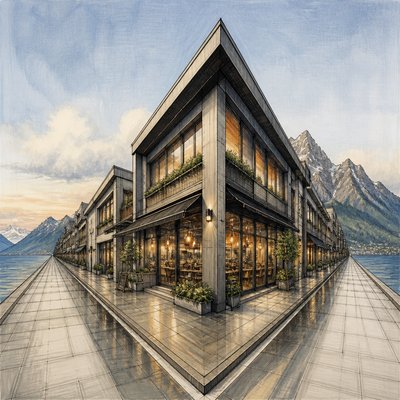
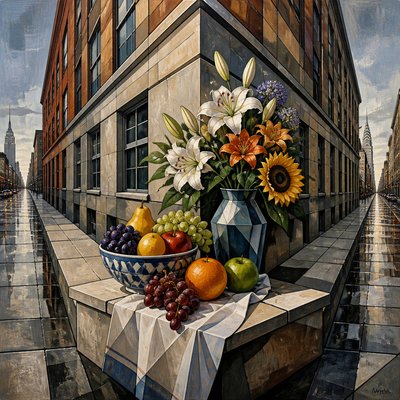
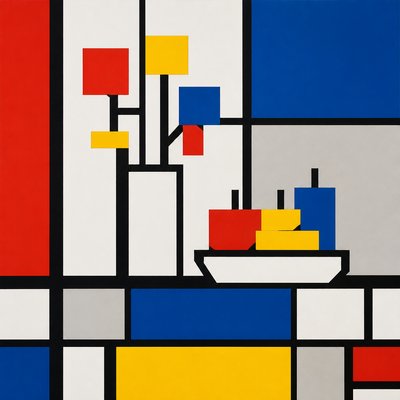
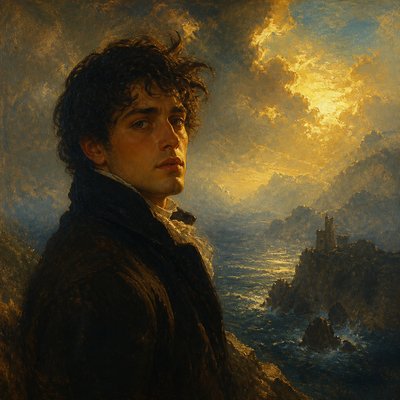
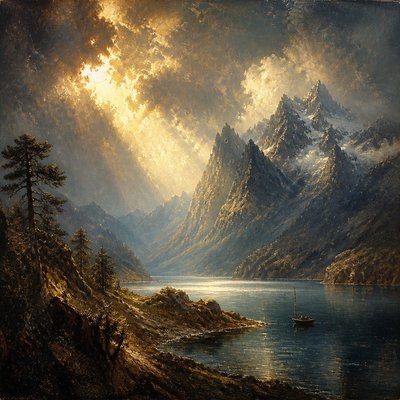
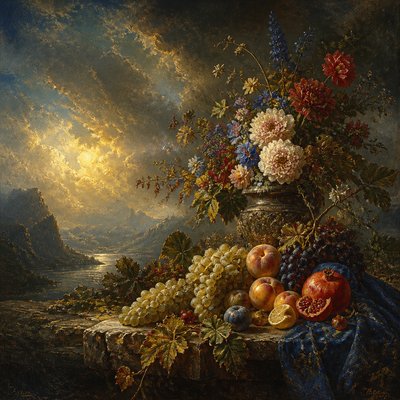
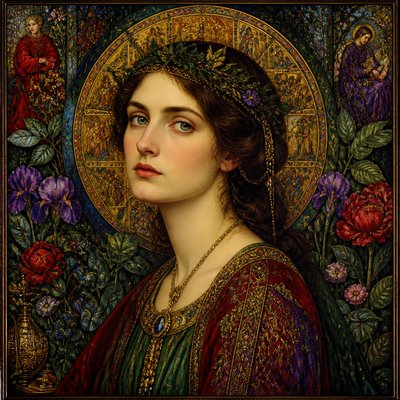
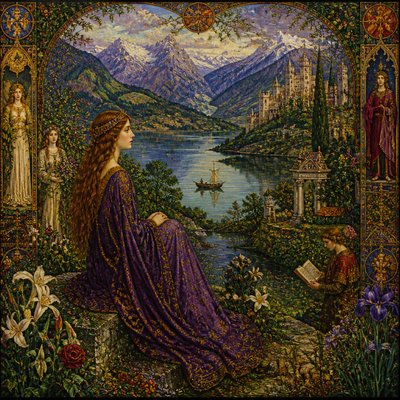
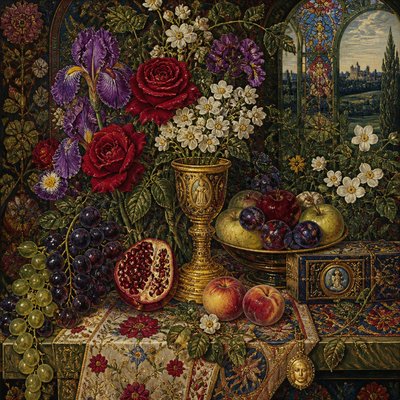
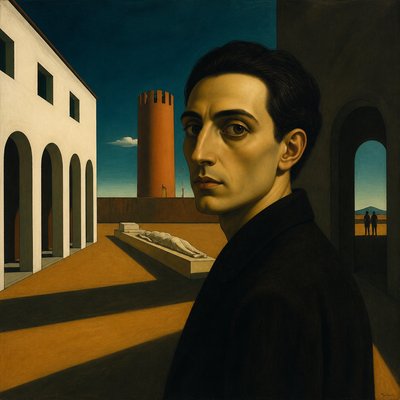
Quattrocento Perspective Renaissance Gallery
Tap any artwork to explore it
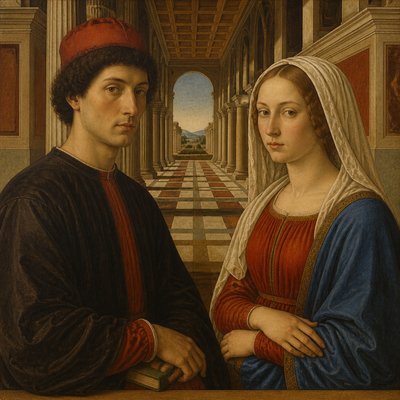
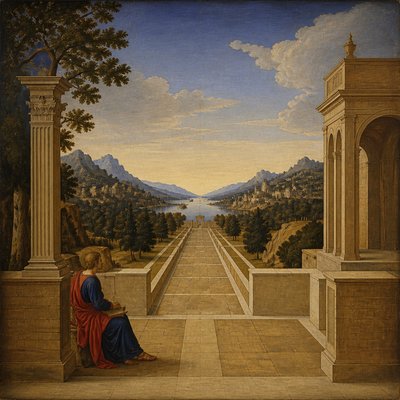
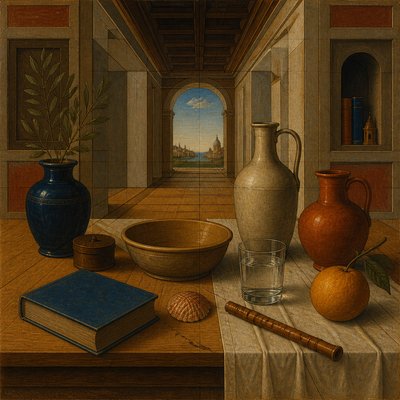
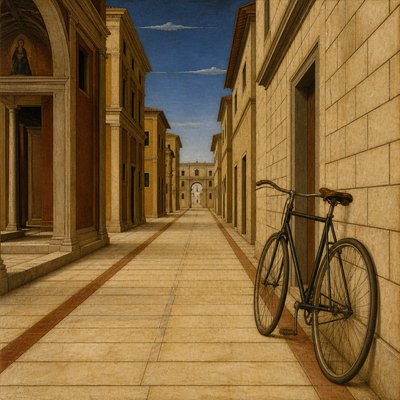
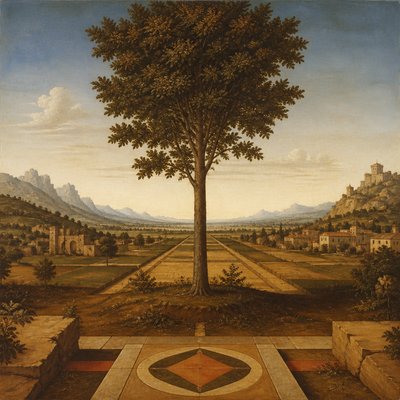
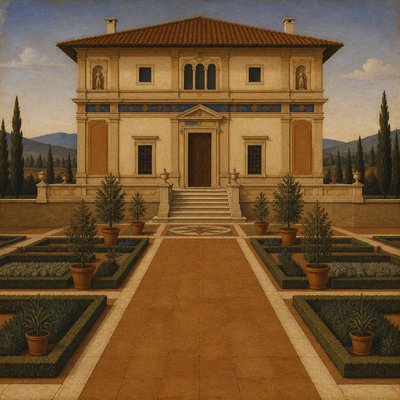

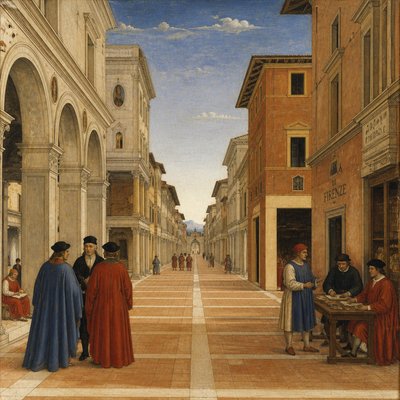
What is Quattrocento Perspective Renaissance Art Style?
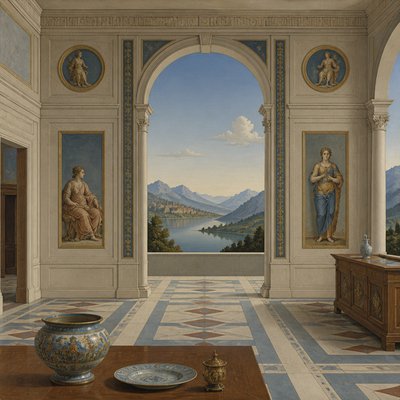
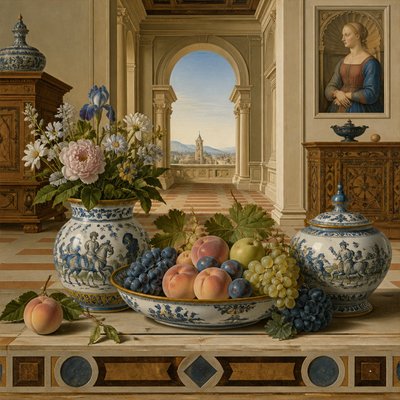
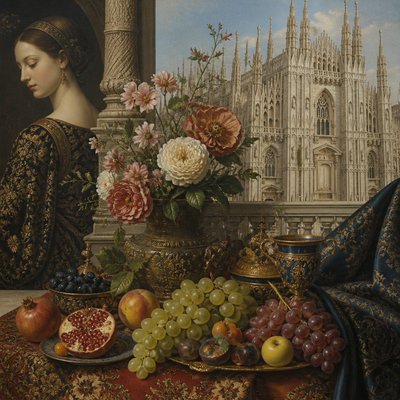
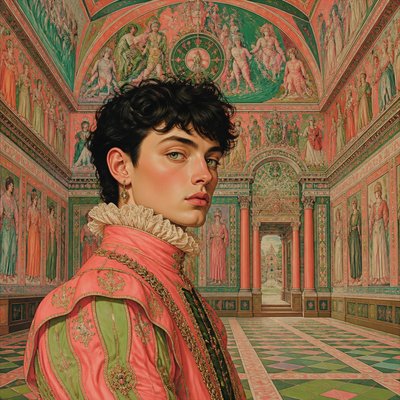
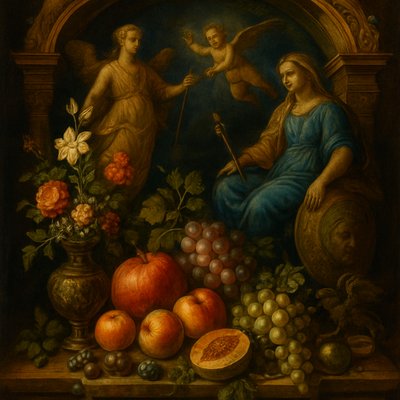
Quattrocento perspective Renaissance art refers to the 15th-century Italian visual language associated with the early Renaissance, especially in Florence and other centers of artistic innovation. Its defining feature is the disciplined construction of space: figures, buildings, and objects are arranged with mathematical order, often using single-point perspective and carefully measured proportions so that the image appears coherent, intelligible, and stable.
The style looks the way it does because Renaissance artists studied geometry, optics, anatomy, and classical architecture in order to represent the visible world more convincingly than in medieval pictorial systems. The result is a calm, organized image space in which architecture frames the action, light clarifies form, and every element contributes to a balanced whole. Even when the subject is religious or narrative, the visual effect is often one of dignity, clarity, and contemplative stillness.
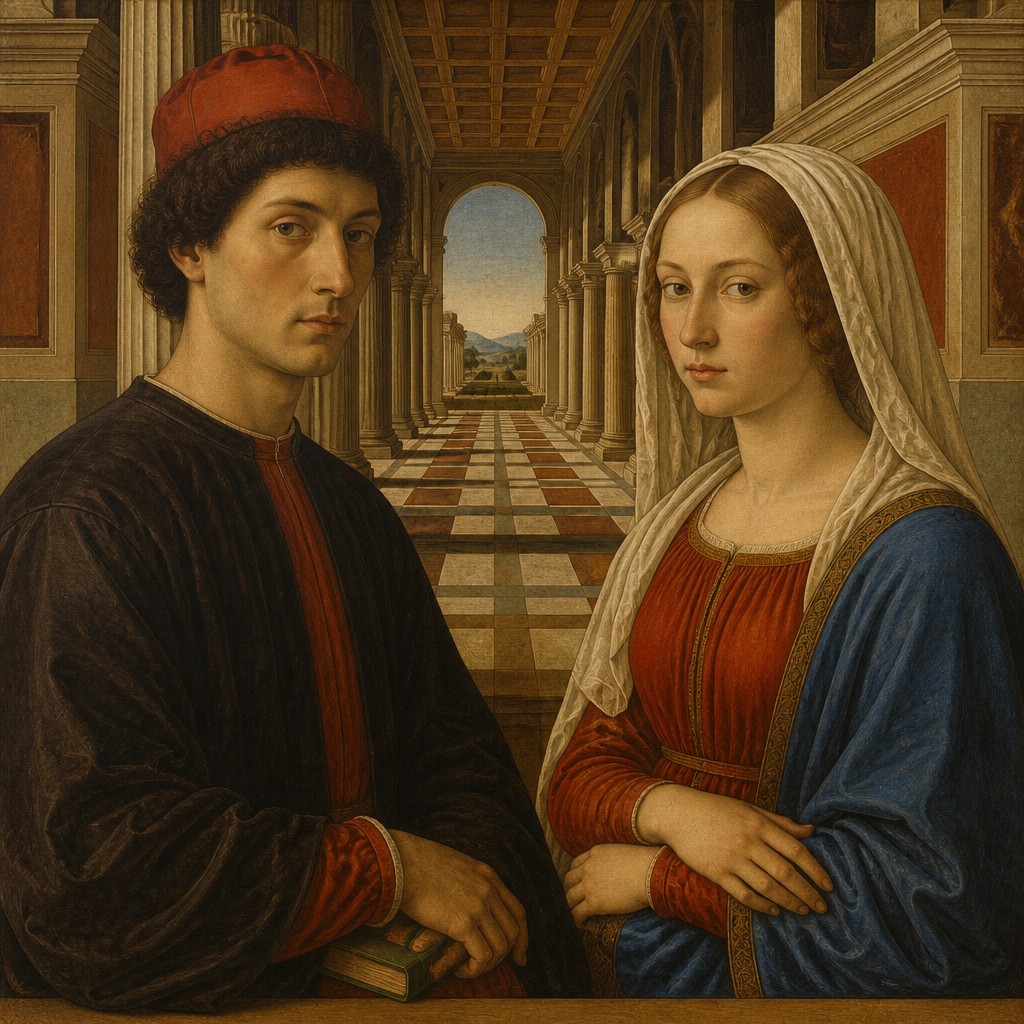
Try It On Your Photos
Upload any photo and convert it into Quattrocento Perspective Renaissance Art Style — drag the sliders to compare before and after.
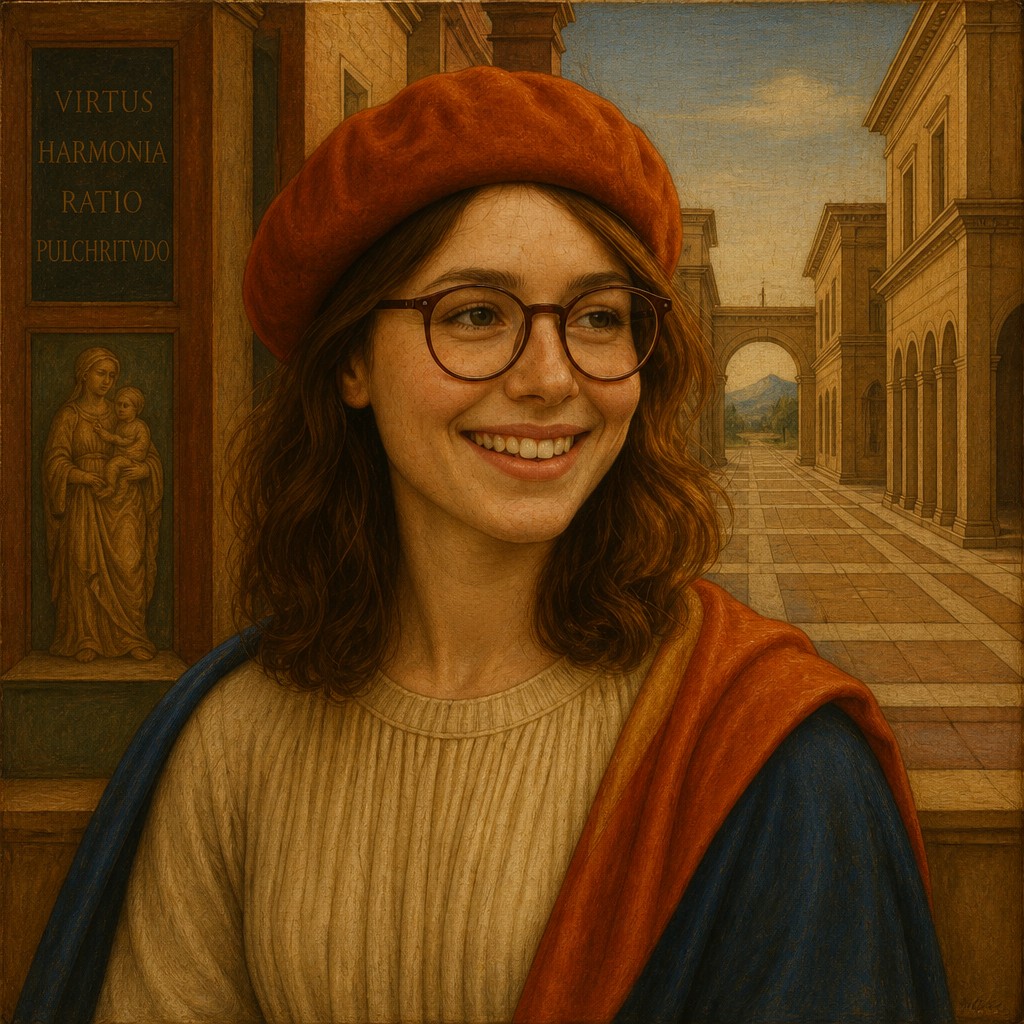

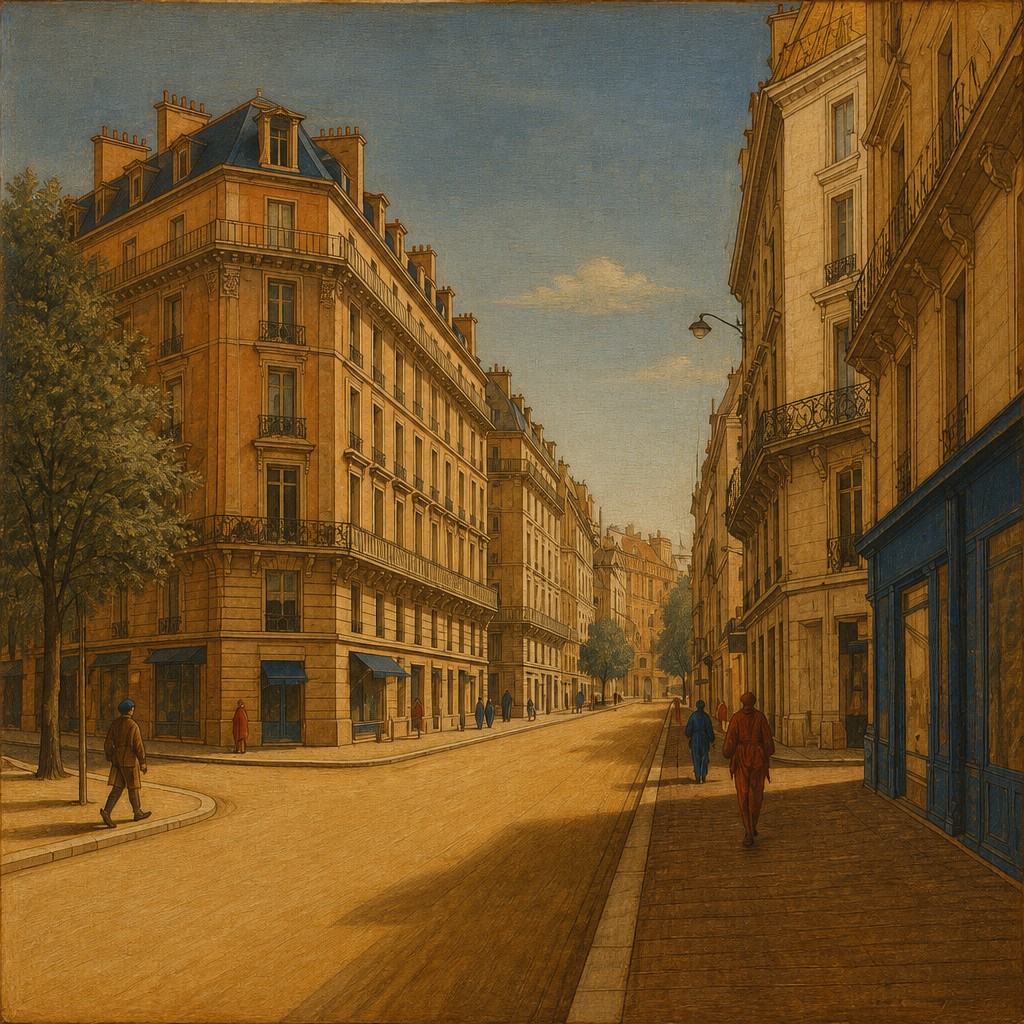

What Defines Quattrocento Perspective Renaissance Art Style
The signature details, up close
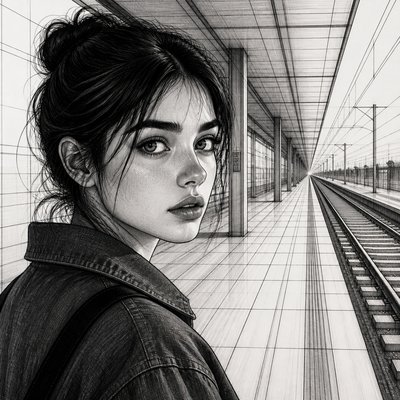
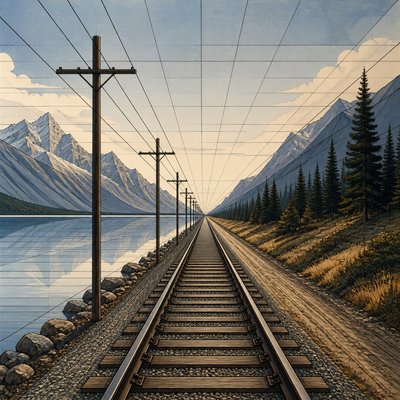
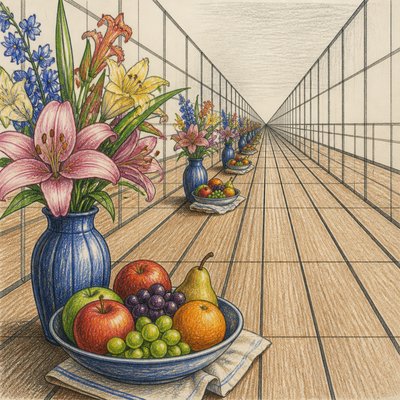
Single-point linear perspective
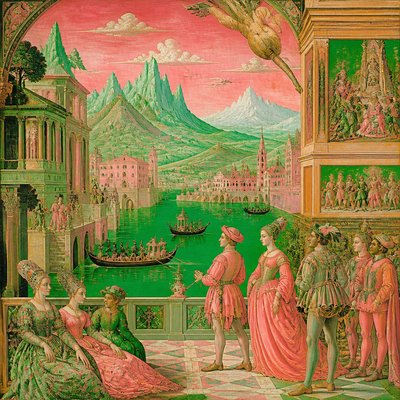
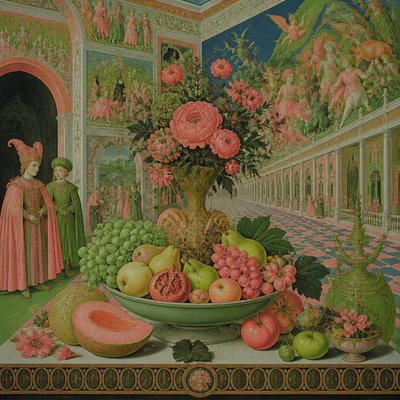
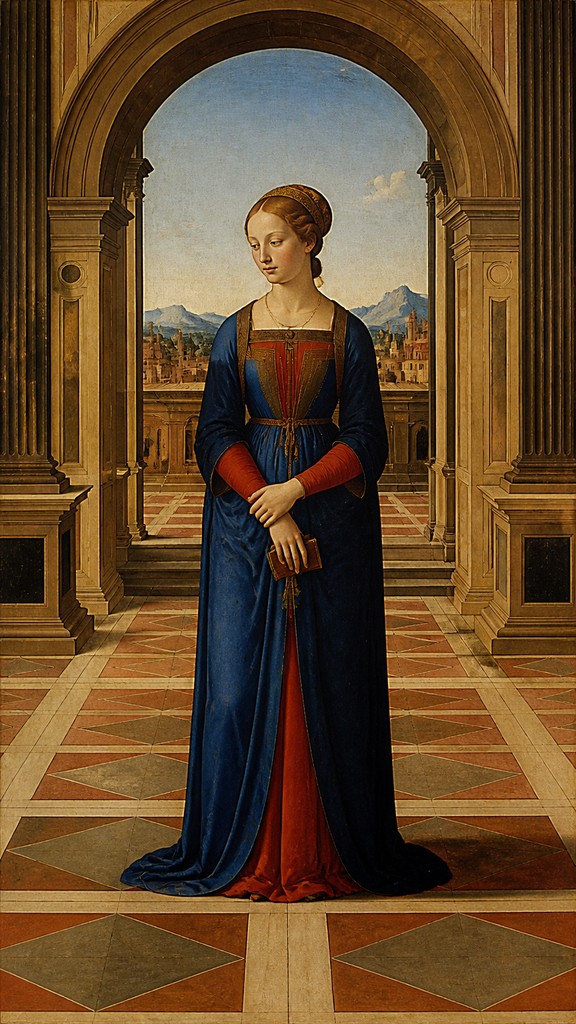
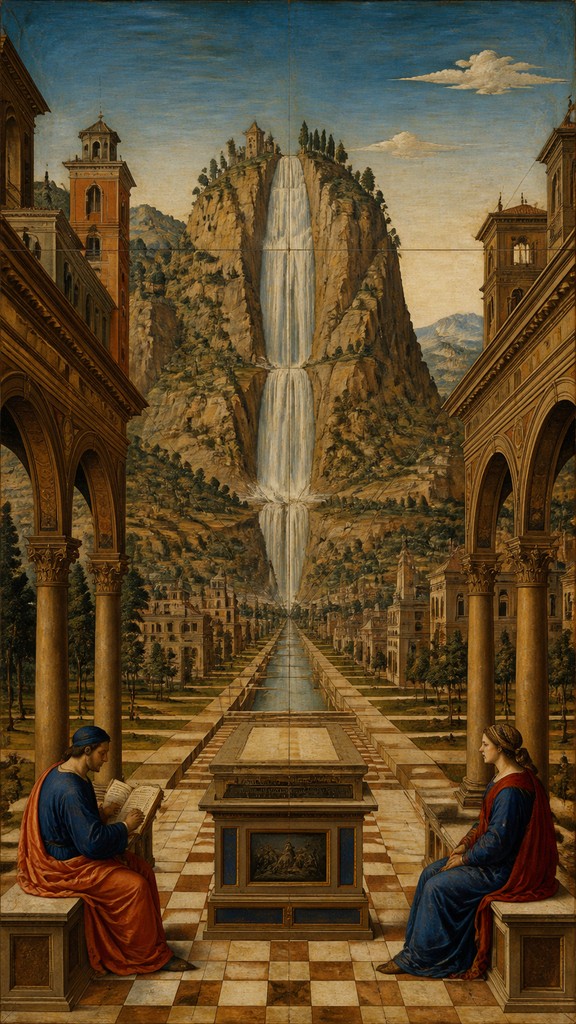
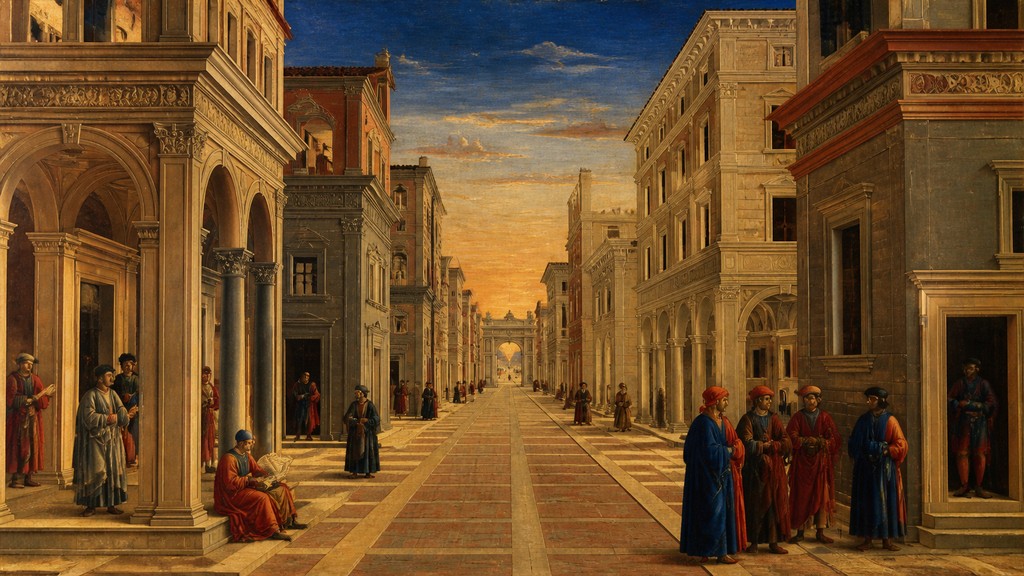
Orthogonals converge toward one central vanishing point, creating a clear spatial hierarchy and a strong sense of depth. This gives the image a rational, constructed structure rather than a loose or atmospheric one.
Architectural framing
Arches, coffered ceilings, colonnades, pavements, and rectilinear rooms often organize the scene. Architecture is not merely background; it is part of the compositional logic.
Balanced geometric composition
Figures and objects are arranged according to stable shapes such as triangles, rectangles, and central axes. The result is poised and harmonious rather than crowded or asymmetrical.
Tempera-like color clarity
Colors are often described in terms of warm earth pigments, with luminous but restrained saturation. The palette favors clarity and separation of forms over painterly blending.
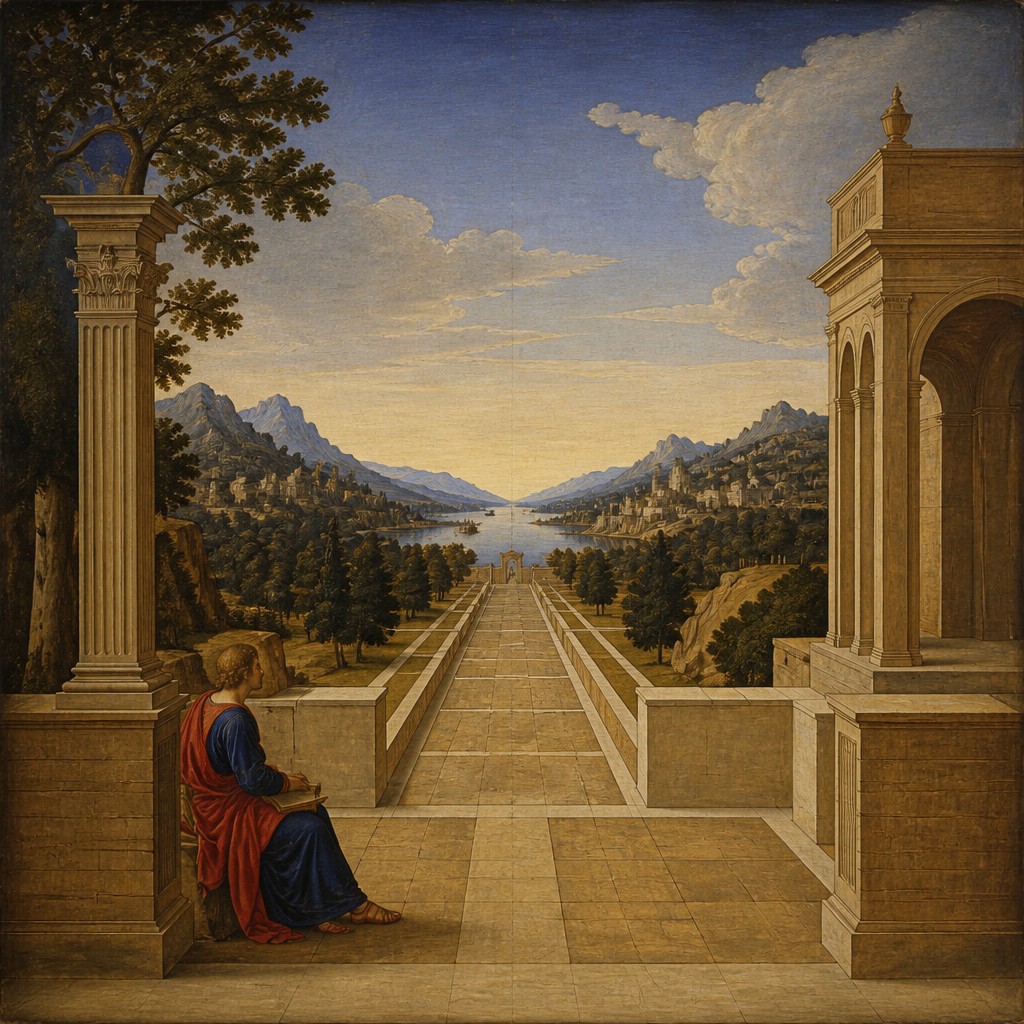
Delicate hatched modeling
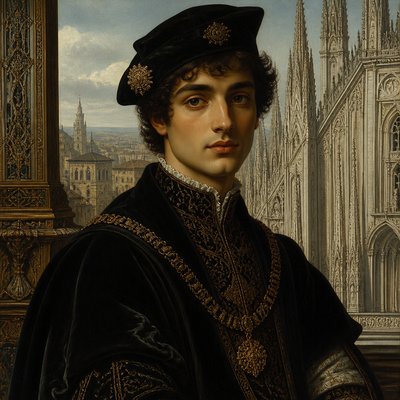
Form is built through fine shading, contour, and controlled tonal transitions. This creates crisp edges and a crystalline legibility in faces, drapery, and architecture.
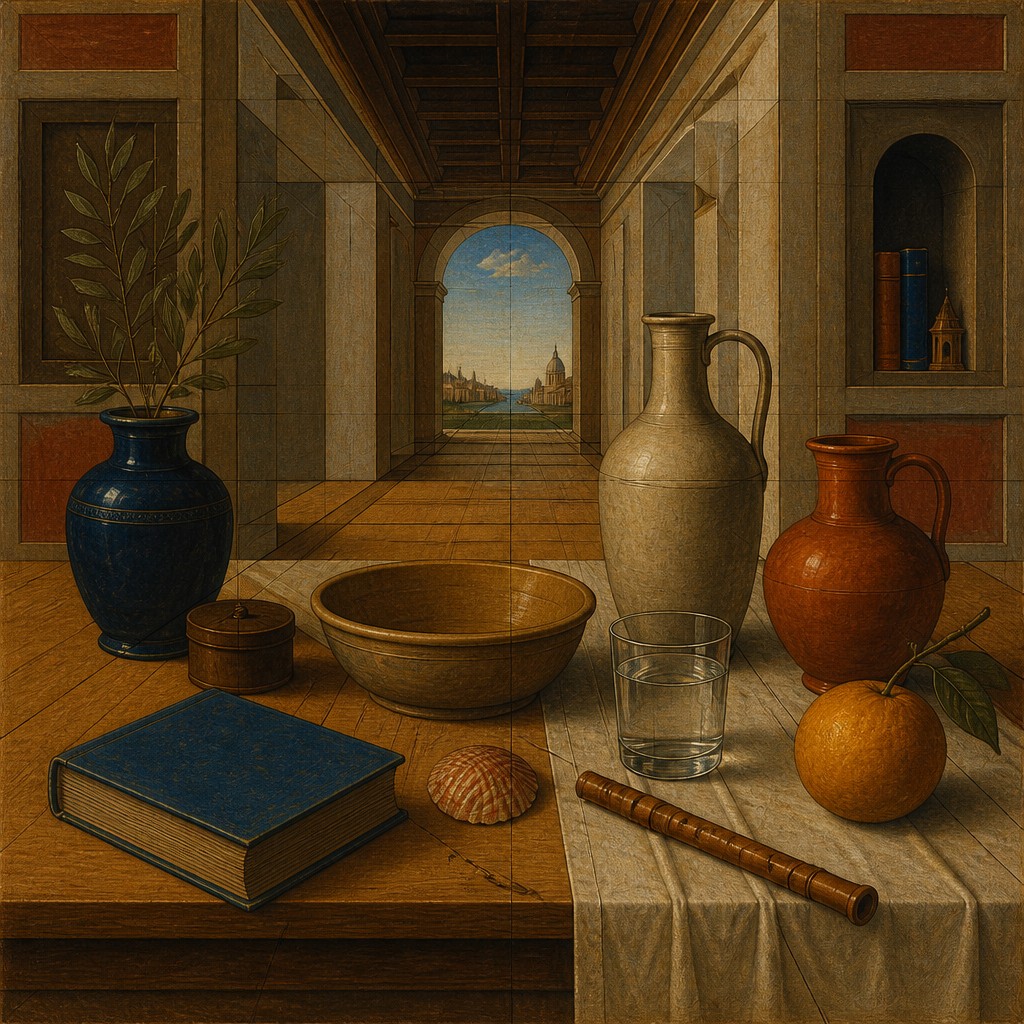
Classical proportion and order
Bodies, buildings, and decorative details are measured against idealized ratios. The overall impression is one of coherence, intelligibility, and disciplined design.
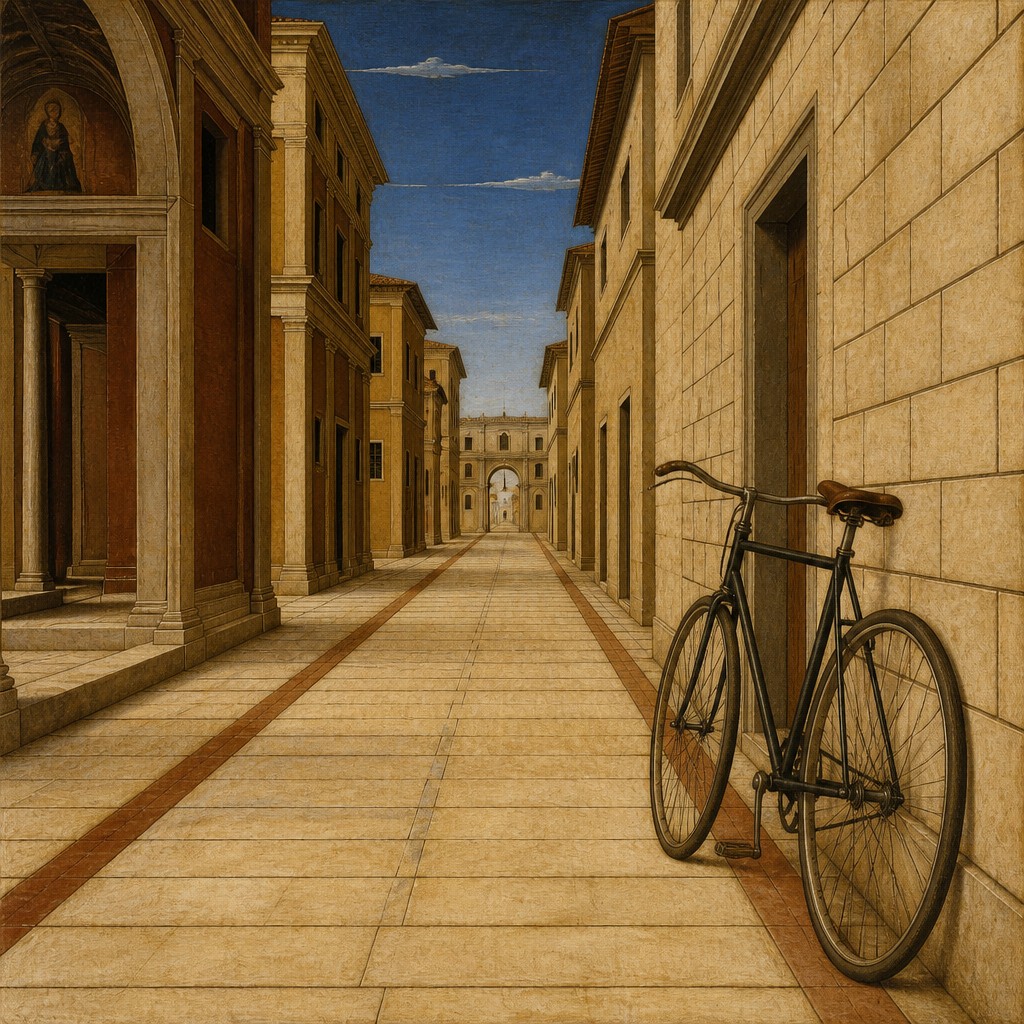
Dignified stillness
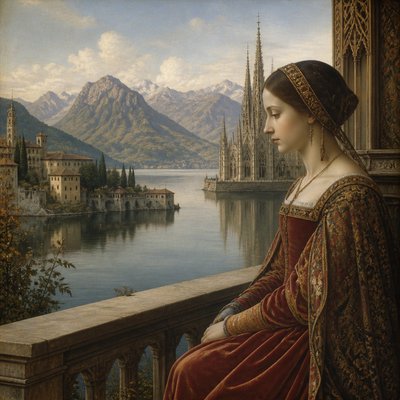
Figures tend to be calm, contained, and contemplative, even in narrative scenes. Motion is present, but it is subordinated to the clarity of the composition.
Try It
Create Videos in Quattrocento Perspective Renaissance Art Style
Styles aren't just for stills — describe a scene or animate an image and get a short video rendered in Quattrocento Perspective Renaissance. Press play to see this pond come to life.
Make a VideoQuattrocento Perspective Renaissance Prompt Ideas
Start from an idea — each one opens the generator with the style ready to go. See all 40 Quattrocento Perspective Renaissance prompts →
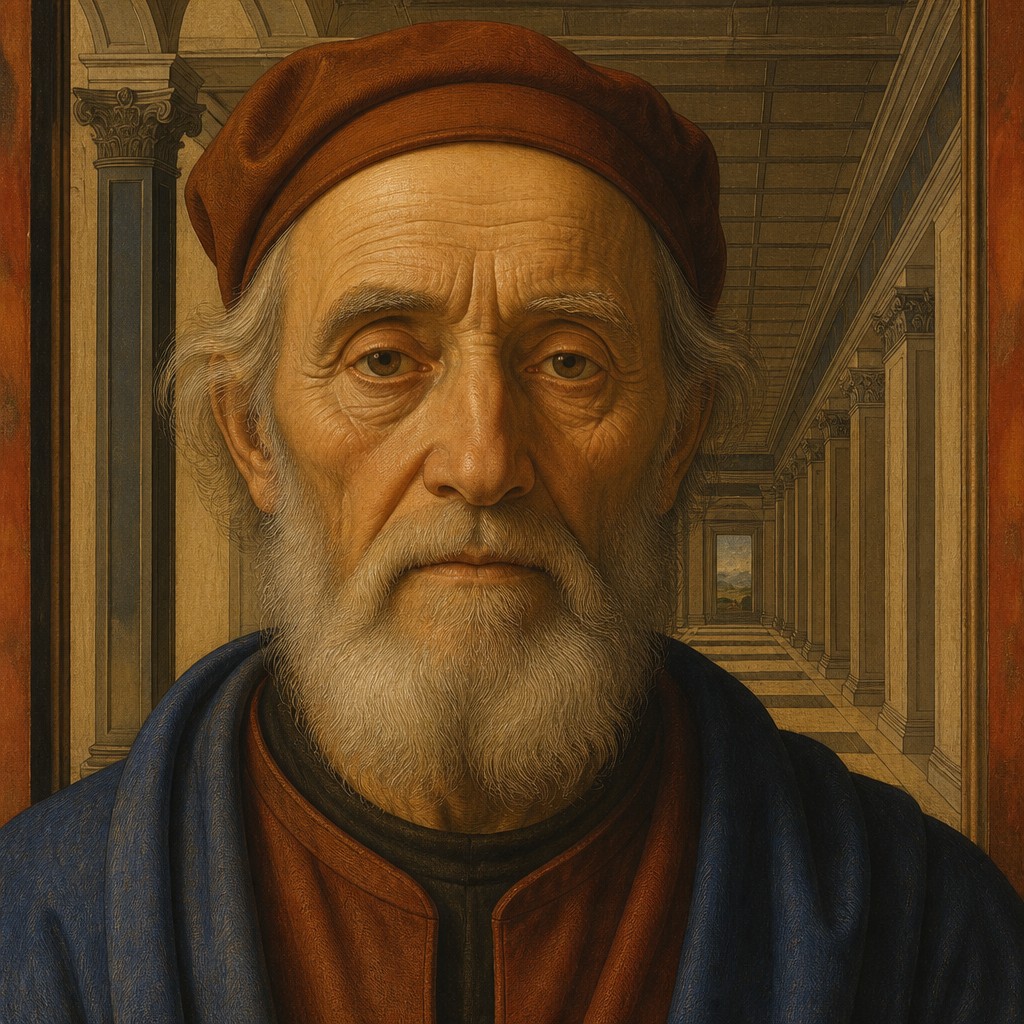
“close-up portrait of an elderly person with expressive weathered features”
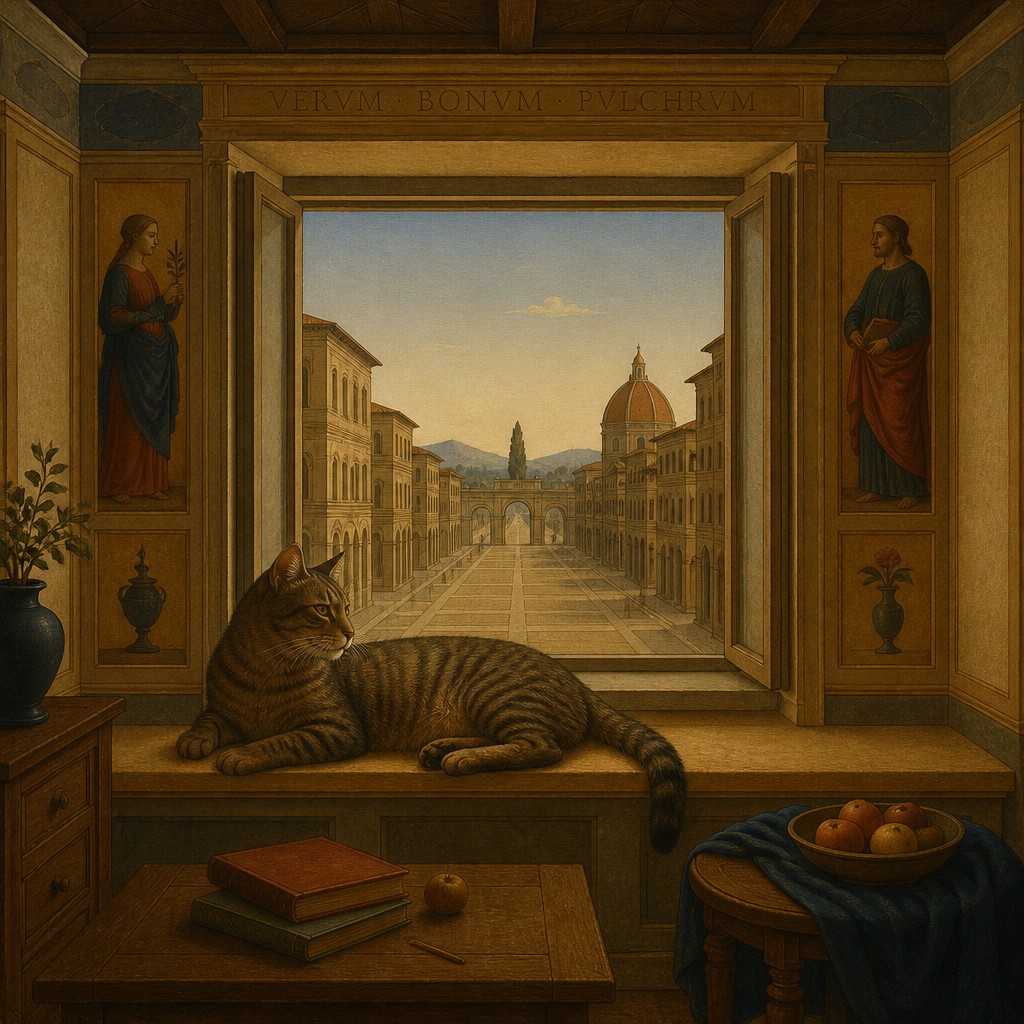
“a cat lounging in a sunlit window”
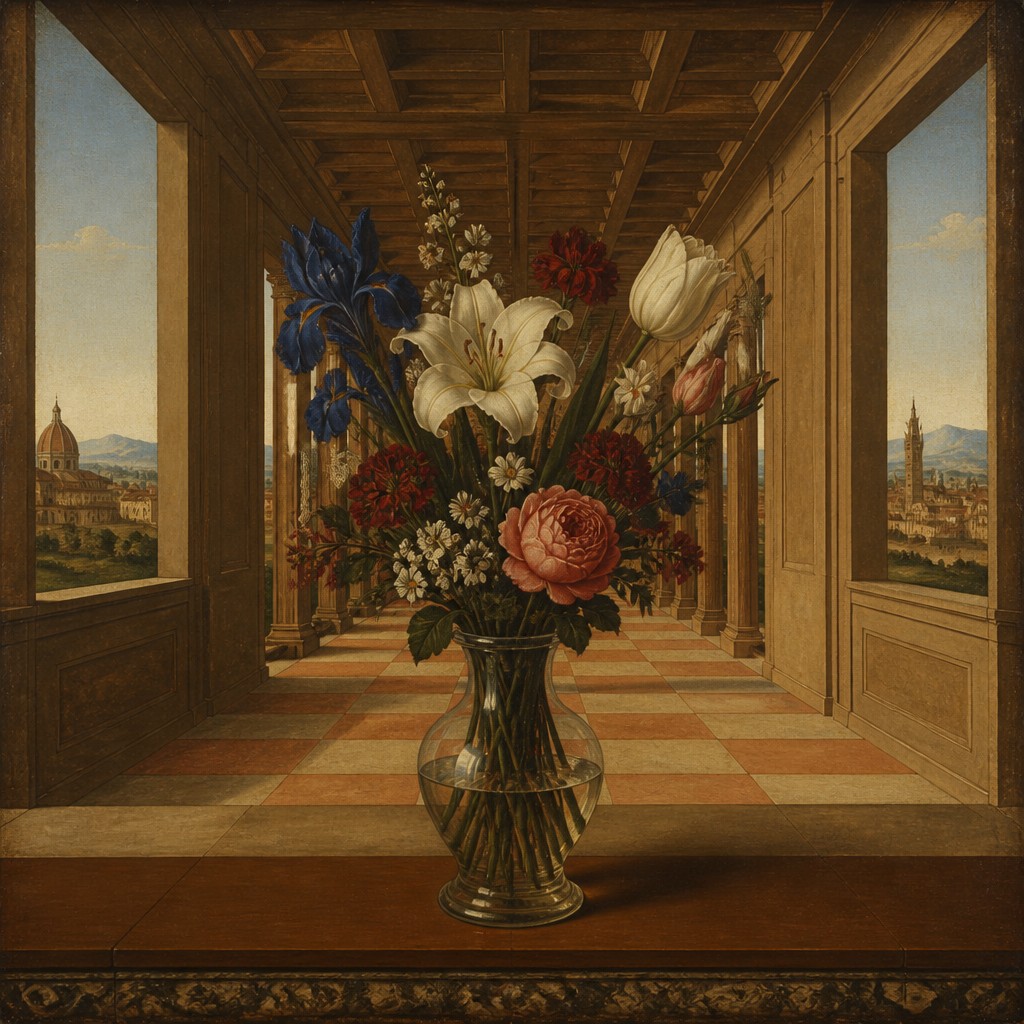
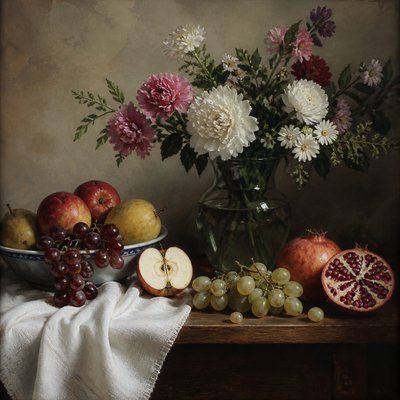
“bouquet of flowers in a glass vase”
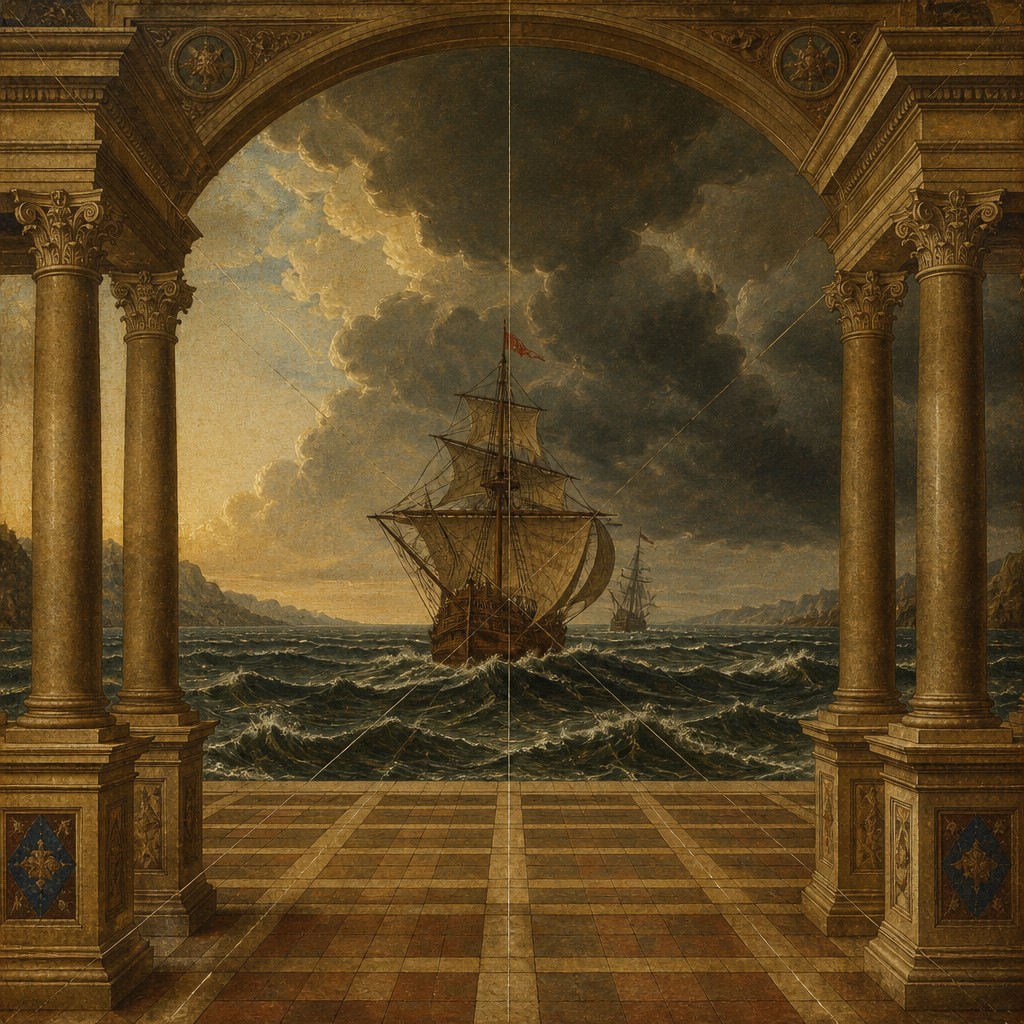
“sailing ship on a stormy sea”
How to Create Quattrocento Perspective Renaissance Art
Master the craft step by step — or skip straight to creating. Read the full guide →
- 1
Build the space first
Start with a horizon line and a single vanishing point, then map orthogonals for floors, walls, and architectural elements. Whether drawing by hand or working digitally, the perspective grid should determine the placement of every major object.
- 2
Use classical compositional structure
Organize figures into stable triangles, arches, or centered groupings so the scene reads as balanced and intentional. Avoid diagonal chaos; the design should feel measured and architectonic.
- 3
Model forms with clarity, not blur
Use controlled shading, hatch marks, and clean transitions to define volume. In digital work, keep edges crisp and use subtle value shifts rather than heavy atmospheric effects.
- 4
Choose a restrained Renaissance palette
Favor warm earth tones such as ochre, umber, and burnt sienna, then accent with deep ultramarine or vermillion. Keep saturation moderate so the image feels luminous and historically grounded.
- 5
Describe the scene in spatial terms for prompt-based generation
When writing a prompt, specify the subject plus the architectural setting, viewpoint, and perspective structure. Phrases like "central vanishing point," "orthogonal lines," "classical interior," and "measured recession" help produce the correct spatial logic.
- 6
Preserve calm, ordered atmosphere
Avoid dramatic distortions, chaotic crowding, or heavy painterly abstraction. The style works best when the scene feels contemplative, legible, and constructed with mathematical precision.
The Story
History & Origins of Quattrocento Perspective Renaissance
The quattrocento is the Italian term for the 1400s, the formative century of the Renaissance in Italy. In this period, painters and architects began to systematize linear perspective and apply classical principles of proportion to pictorial composition. A pioneering early Renaissance architect is traditionally credited with formulating the geometrical principles of perspective, while an influential humanist theorist of architecture codified them in theoretical form; major early Renaissance painters and draftsmen became central figures in developing a convincing spatial order in painting.
This approach grew out of a break with late medieval conventions and a renewed interest in antiquity, mathematics, and the observable world. The quattrocento perspective tradition laid the groundwork for High Renaissance art and later European academic painting, but it remains distinctive for its measured, almost architectural sense of space and its comparatively restrained emotional tone.
Influences: This style is rooted in early Renaissance painting and architecture, especially the perspective innovations associated with pioneering early Renaissance architects and theorists of perspective, and the pictorial achievements of major early Renaissance painters and draftsmen who developed convincing spatial order in painting. It also draws from classical antiquity, particularly Roman architectural order and proportional design, while anticipating the spatial discipline of later Renaissance and academic art.
Frequently Asked Questions
What defines quattrocento perspective Renaissance art?
Its defining feature is the use of linear perspective to build a rational, ordered pictorial space, usually centered on one vanishing point. The style also emphasizes balanced composition, architectural settings, and a restrained, luminous palette.
How is it different from High Renaissance art?
High Renaissance art often feels more monumental, unified, and naturalistic in figure movement and atmospheric cohesion. Quattrocento perspective art is typically more visibly constructed, with a stronger emphasis on geometry, clarity, and the explicit demonstration of spatial order.
How is it different from medieval art?
Medieval art often prioritizes symbolic hierarchy and flattened space, while quattrocento painting aims to represent measurable depth and coherent recession. The Renaissance approach is more concerned with how objects occupy real space and how they relate through perspective.
What subjects work well in this style?
Religious scenes, scholarly interiors, civic architecture, portraits, and idealized landscapes all suit this style. Subjects with clear spatial structure and calm narrative action tend to look especially convincing.
Can I create this style digitally?
Yes. Digital tools are useful for constructing perspective grids, adjusting architectural symmetry, and refining crisp tonal modeling. The key is to preserve the disciplined geometry and restrained color relationships associated with the style.
Why does this style feel so orderly and calm?
Renaissance artists used mathematical perspective and classical proportion to make the image space behave logically. That structural clarity produces the style’s characteristic sense of dignity, balance, and contemplative stillness.
Create your first Quattrocento Perspective Renaissance artwork
Describe anything — or upload a photo — and see it in Quattrocento Perspective Renaissance Art Style in seconds.
Make Something with Quattrocento Perspective Renaissance
Compare Quattrocento Perspective Renaissance
Related Styles
Discover similar art styles