De Stijl Art Style
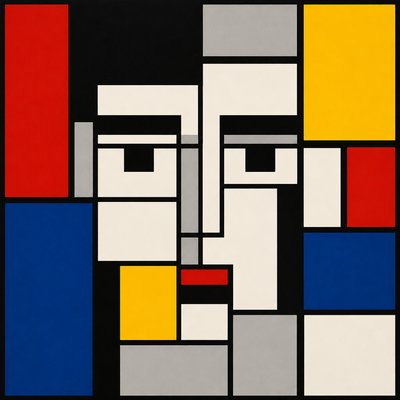
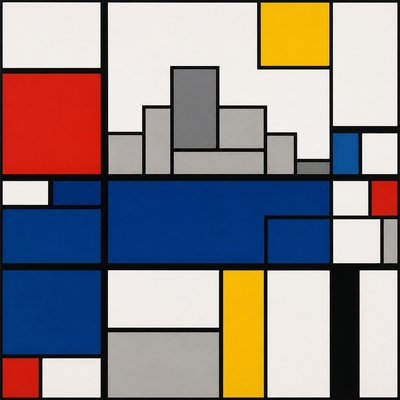
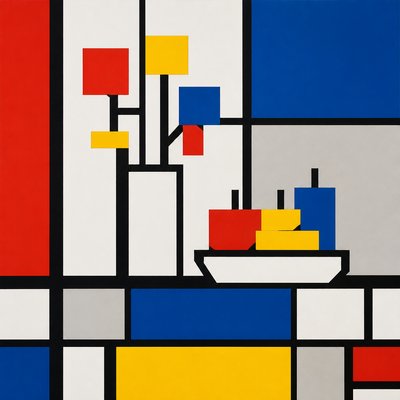
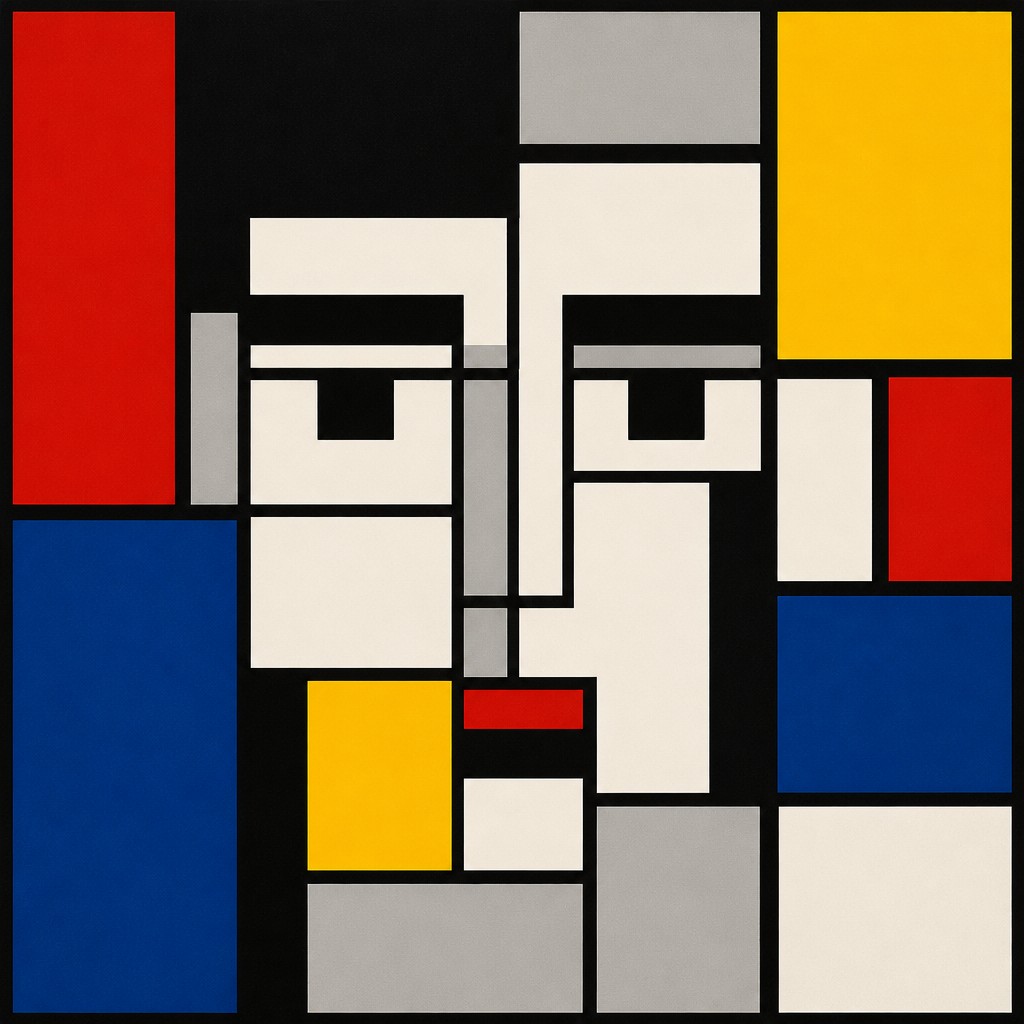
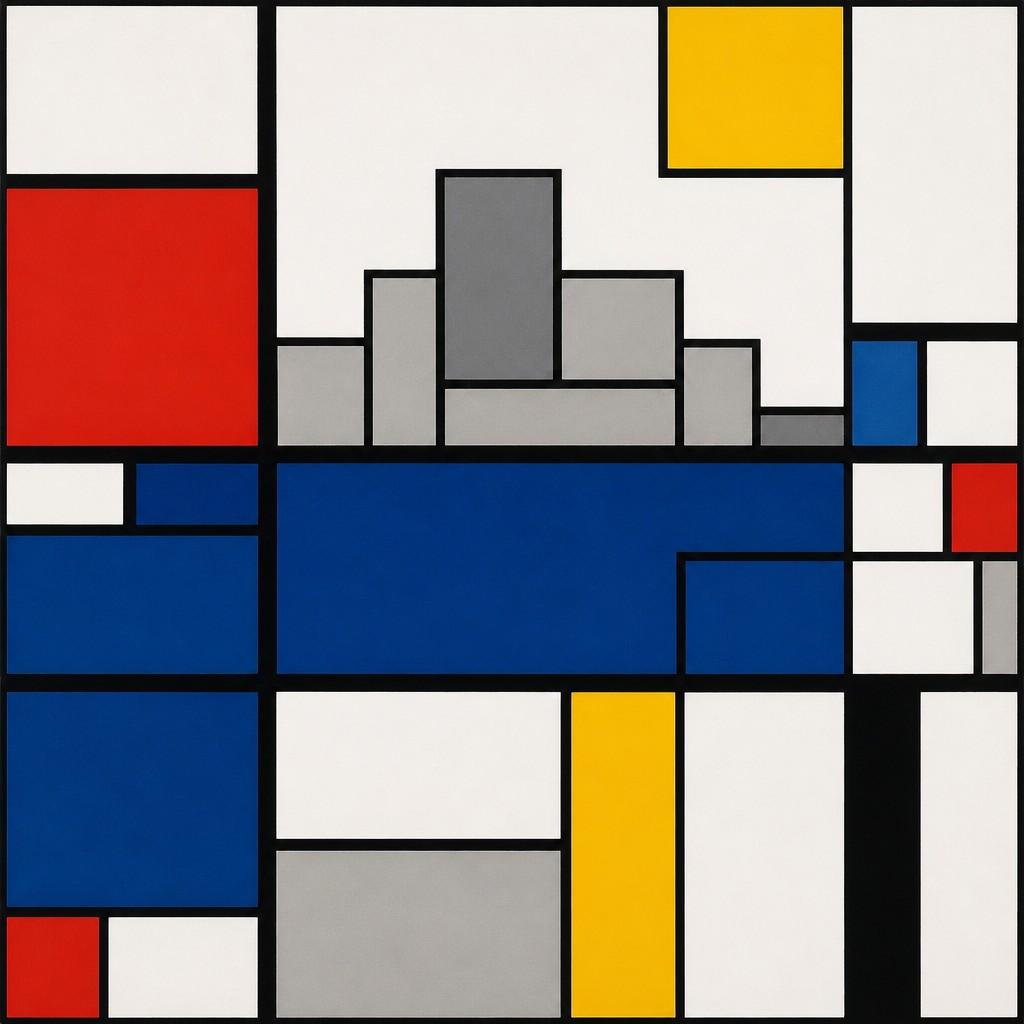
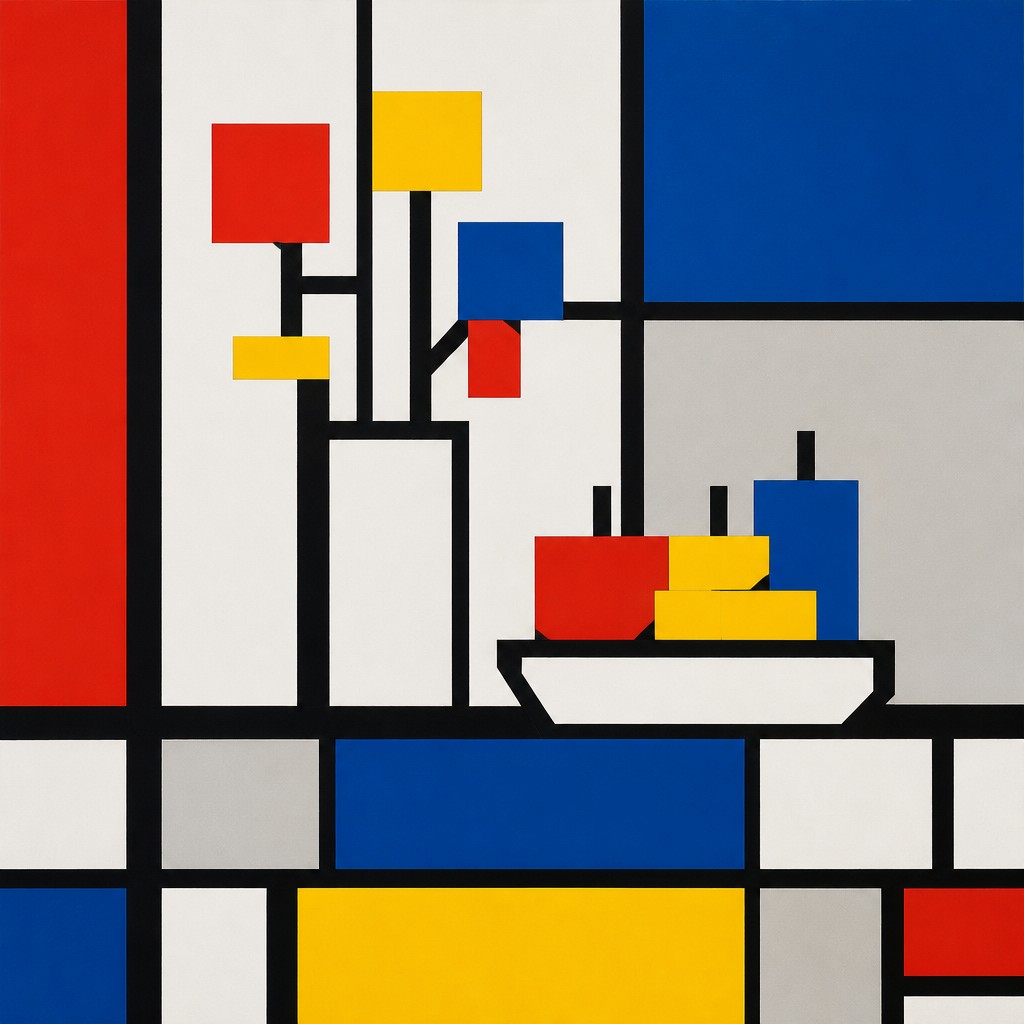
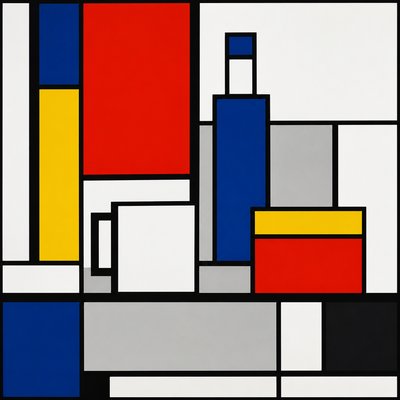
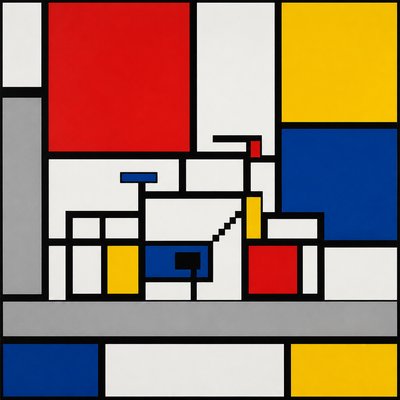
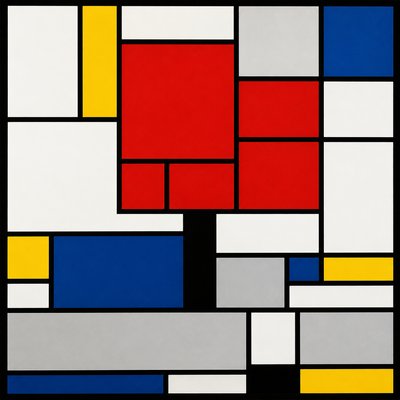
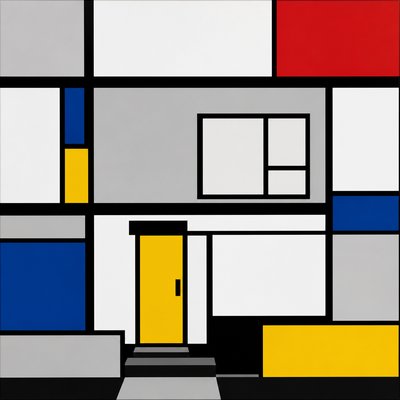
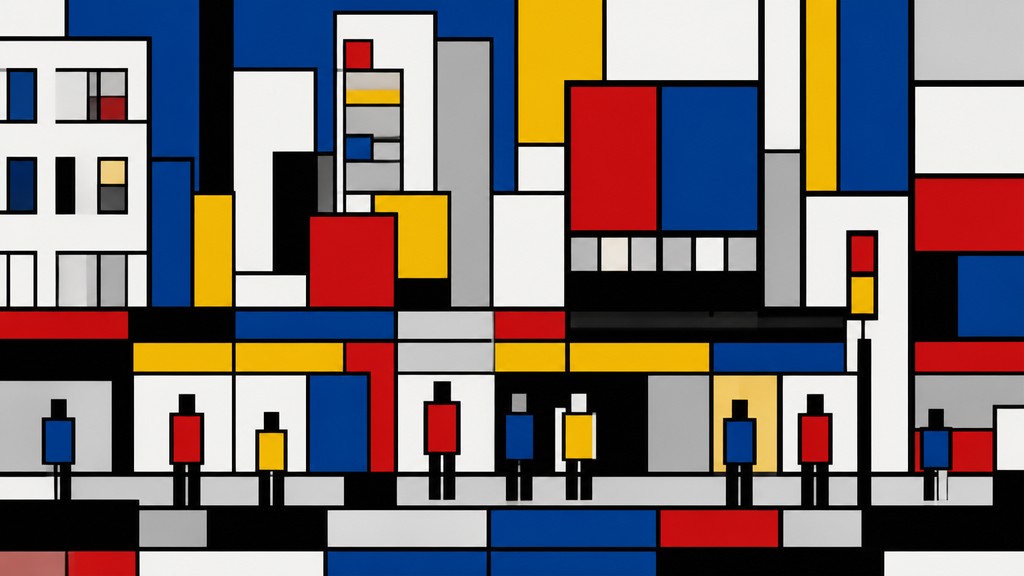
Pure abstraction of vertical and horizontal geometry, primary colors, and black lines inspired by De Stijl principles.
Instantly rendered in De Stijl — or transform a photo
De Stijl Gallery
Tap any artwork to explore it
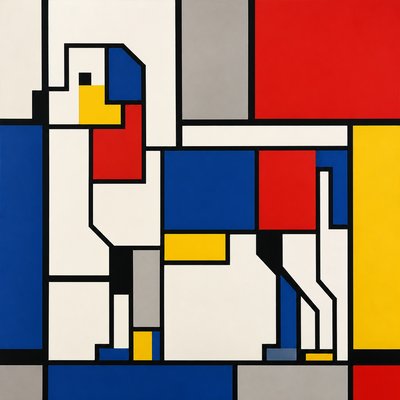
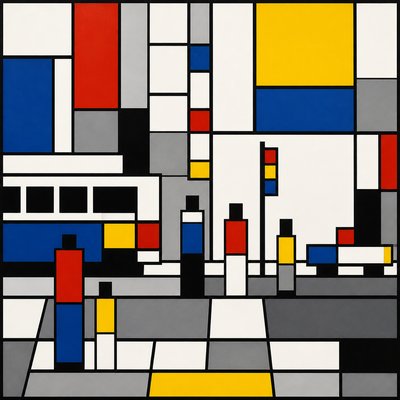
What is De Stijl Art Style?
De Stijl is a Dutch abstract art movement centered on reduction: forms are simplified to vertical and horizontal structure, and color is limited to primary hues with black, white, and gray. Its visual identity is built from crisp rectangular planes, strong black grid lines, and asymmetrical balance, producing compositions that feel carefully ordered rather than decorative.
The style looks the way it does because its goal was not representation but universal clarity. By removing curves, diagonals, texture, and illusionistic depth, De Stijl artists sought an art language they believed could express harmony, rational order, and a modern way of seeing. The result is a severe but elegant geometry in which spacing, proportion, and edge relationships carry the expressive weight.
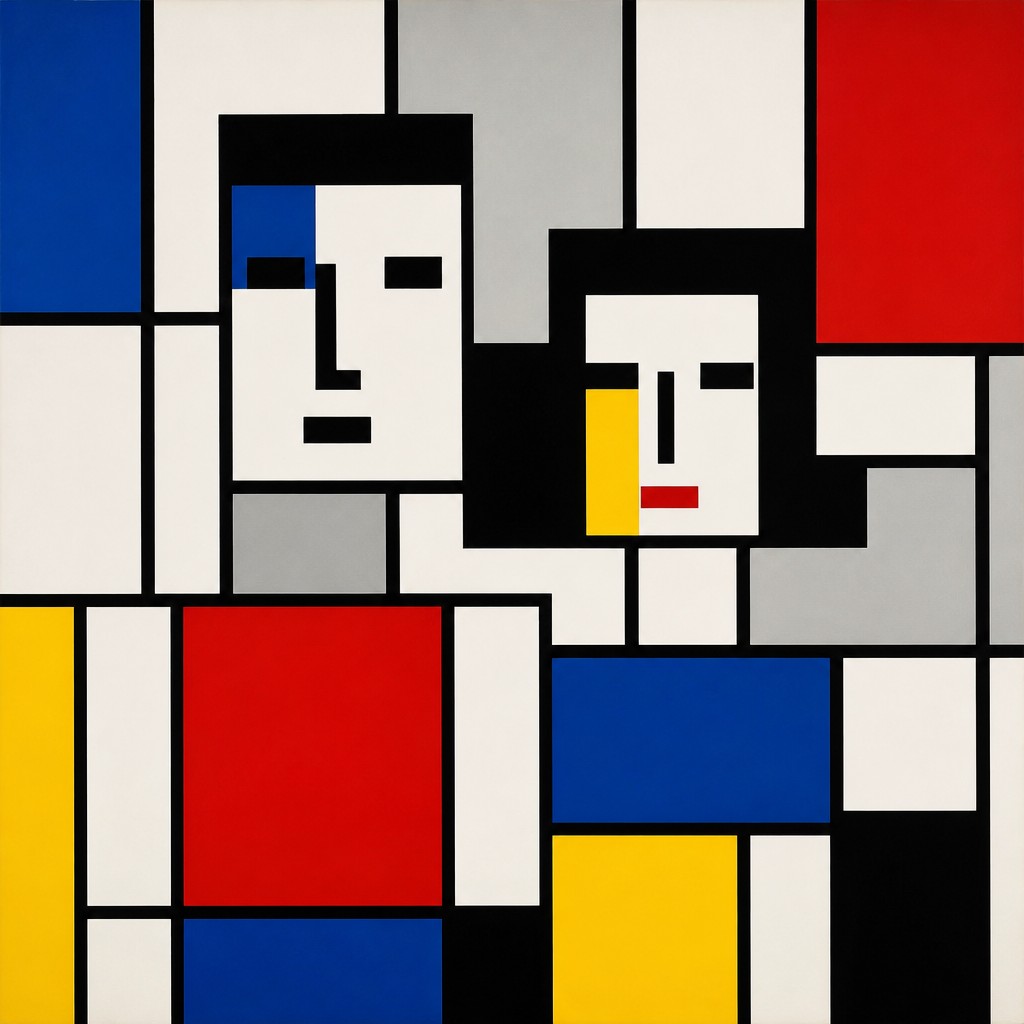
Try It On Your Photos
Upload any photo and convert it into De Stijl Art Style — drag the sliders to compare before and after.
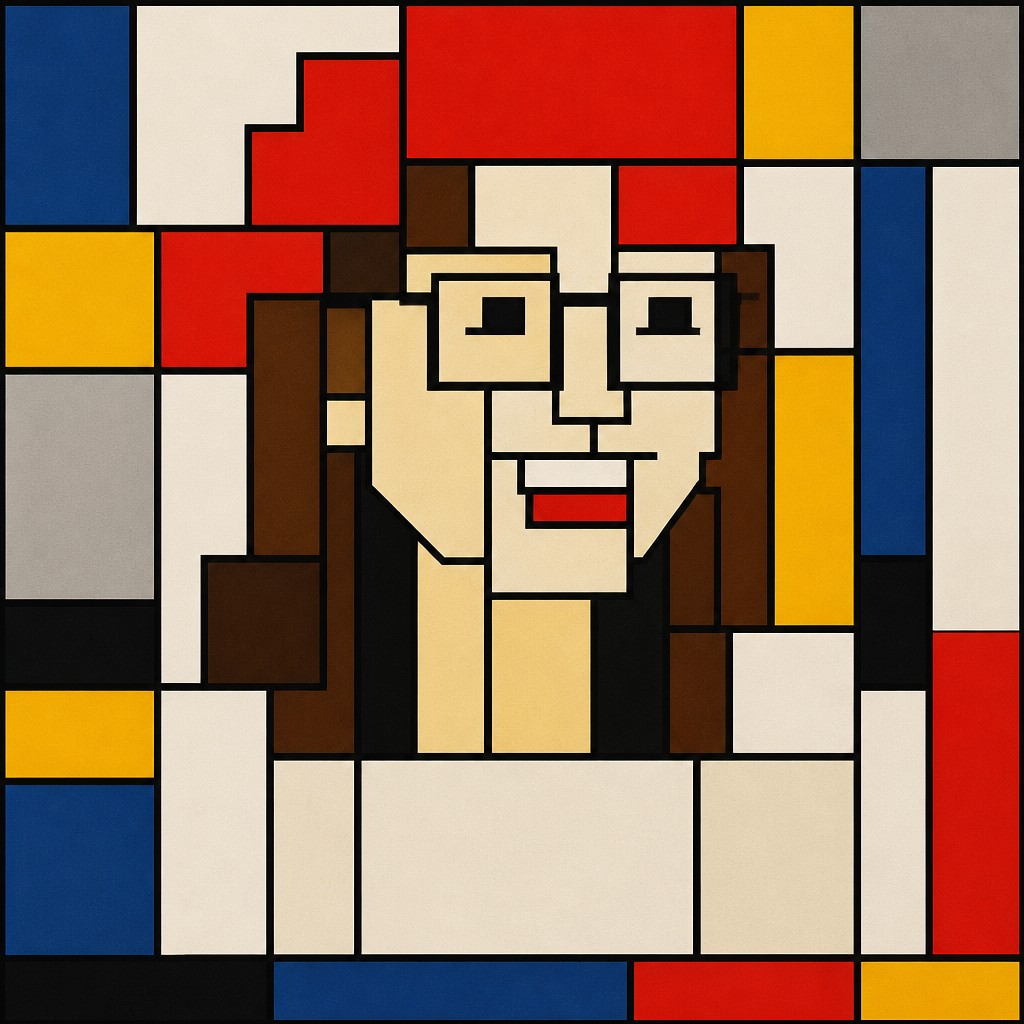

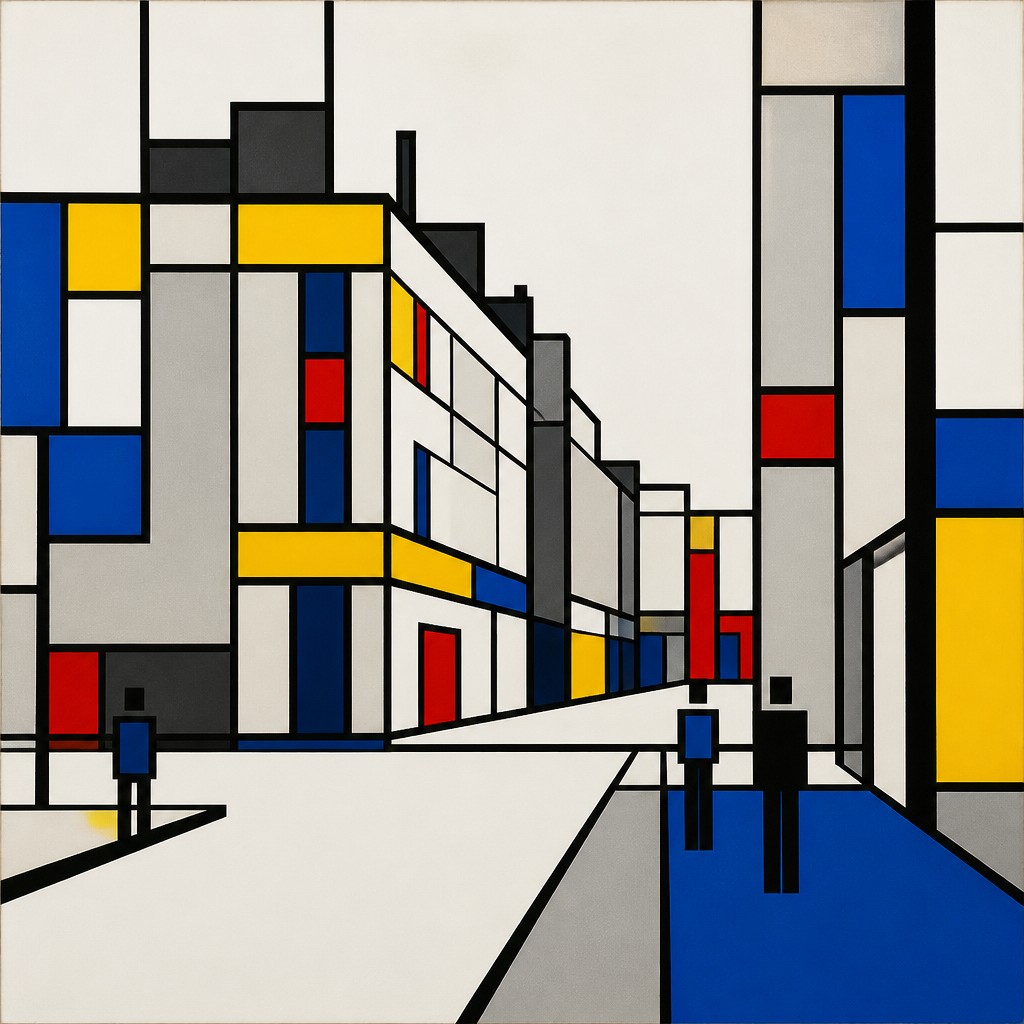

What Defines De Stijl Art Style
The signature details, up close
Orthogonal structure
Compositions rely almost entirely on vertical and horizontal lines. This strict geometry creates a sense of stability and measured rhythm.
Primary-color palette
Pure red, yellow, and blue are used sparingly alongside black, white, and gray. Color is treated as a structural element rather than decorative fill.
Black dividing lines
Thick black lines define boundaries between planes and establish the underlying grid. Line weight often varies to control visual emphasis and balance.
Flat rectangular planes
Forms are reduced to rectangles and squares with hard edges. There is no modeling, shading, or illusion of three-dimensional space.
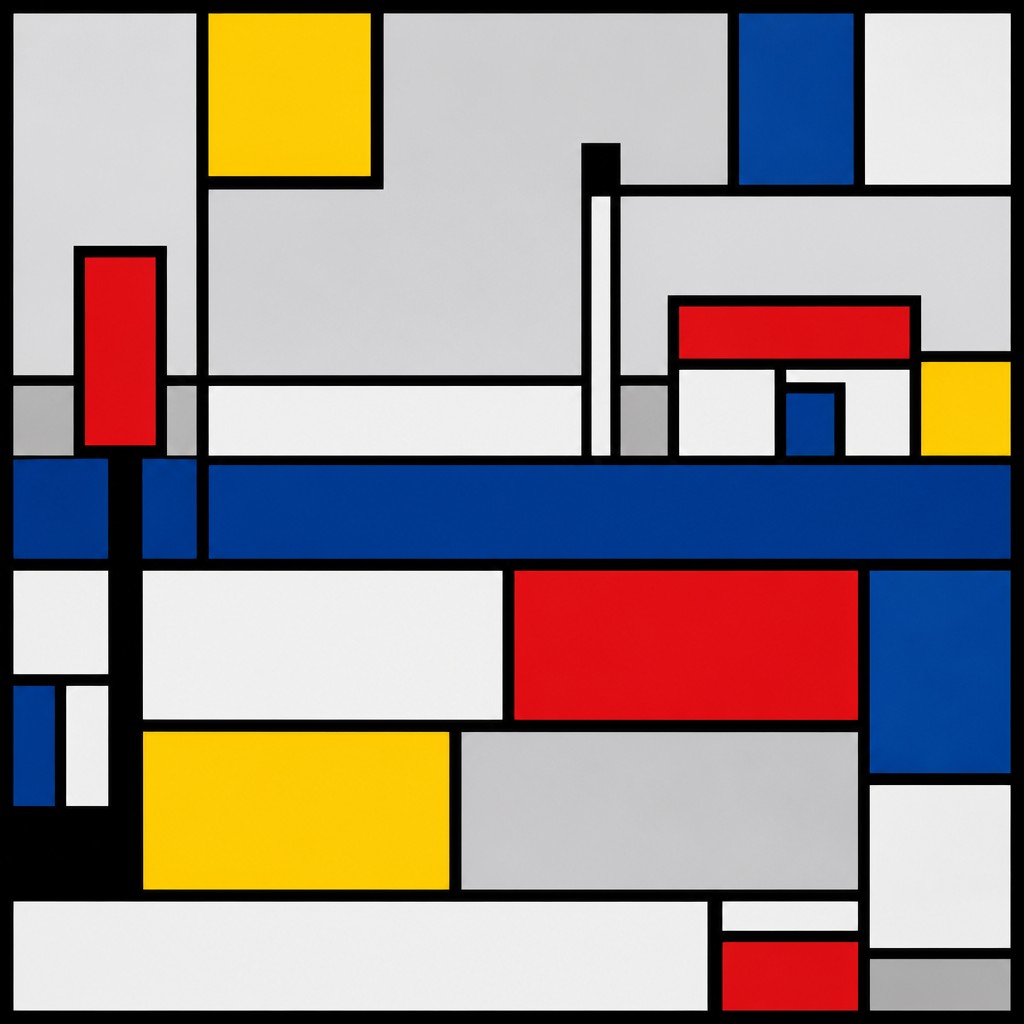
Asymmetrical balance
Rather than mirroring left and right sides, De Stijl uses uneven spacing and proportion to create equilibrium. The composition feels resolved through tension, not symmetry.
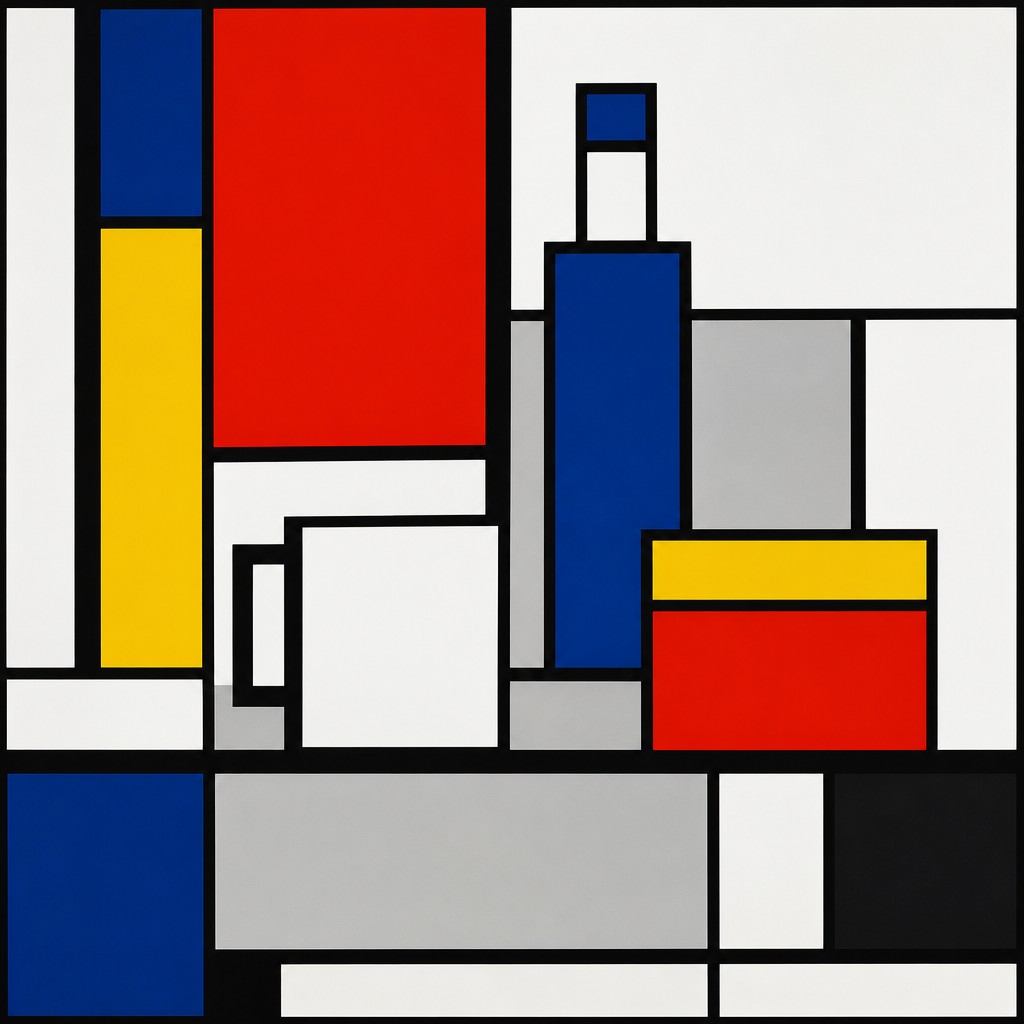
No diagonals or curves
Curved lines, slanted forms, and organic shapes are excluded. This restriction is central to the style’s disciplined, universal aesthetic.
Try It
Create Videos in De Stijl Art Style
Styles aren't just for stills — describe a scene or animate an image and get a short video rendered in De Stijl. Press play to see this pond come to life.
Make a VideoDe Stijl Prompt Ideas
Start from an idea — each one opens the generator with the style ready to go. See all 40 De Stijl prompts →
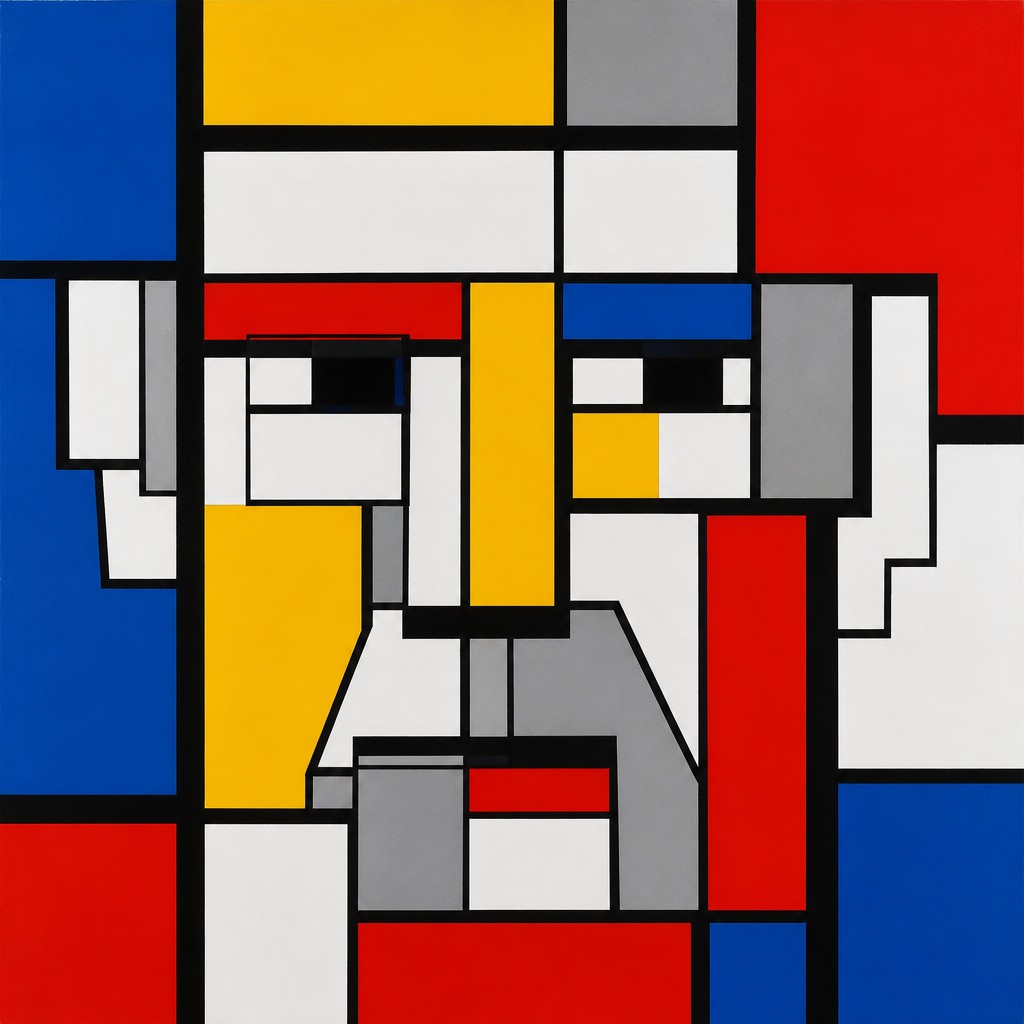
“close-up portrait of an elderly person with expressive weathered features”
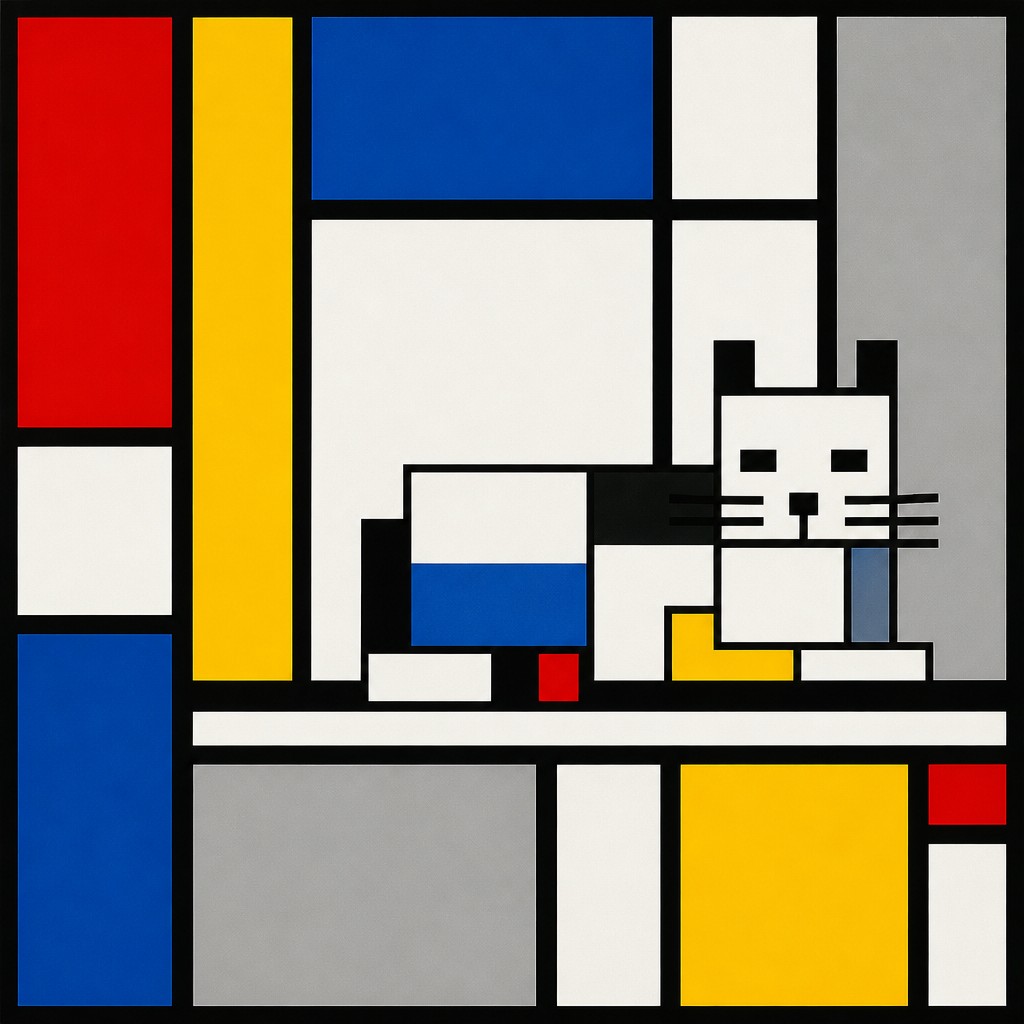
“a cat lounging in a sunlit window”
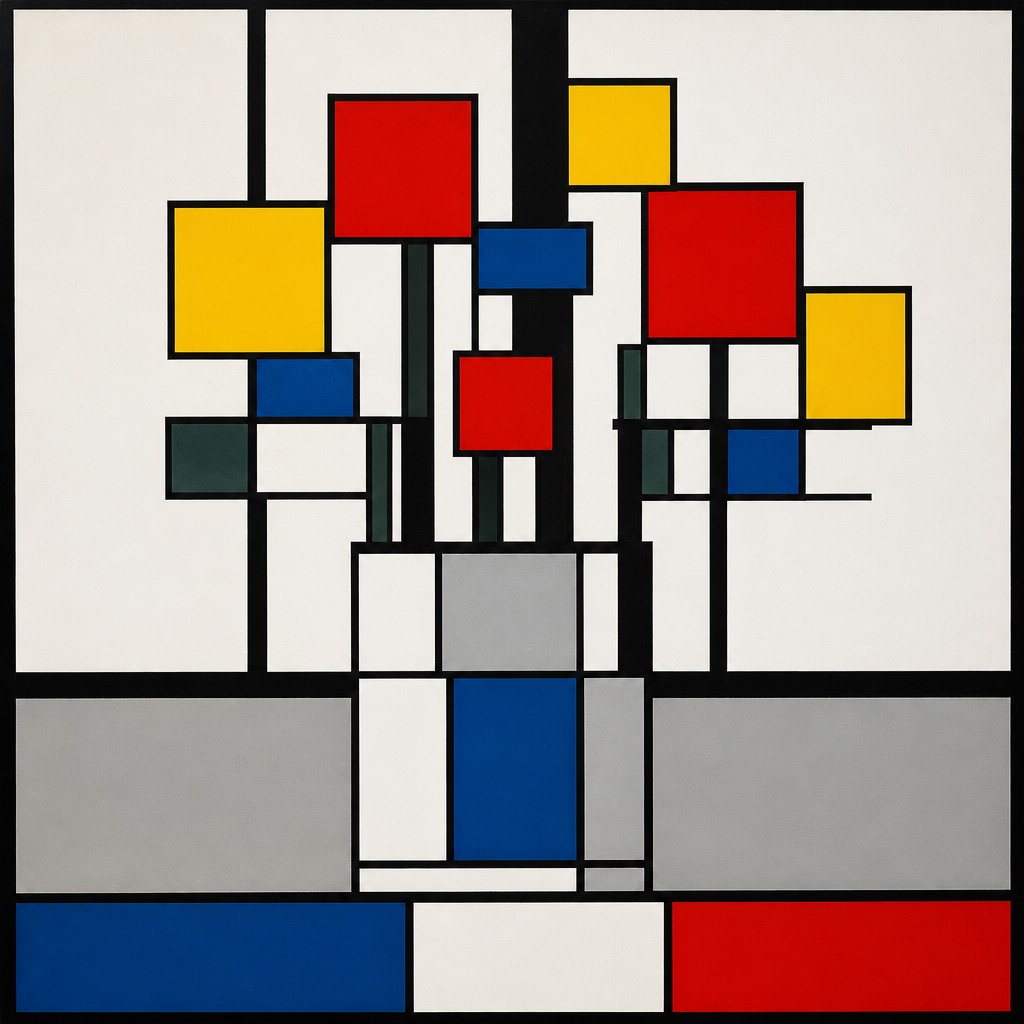
“bouquet of flowers in a glass vase”
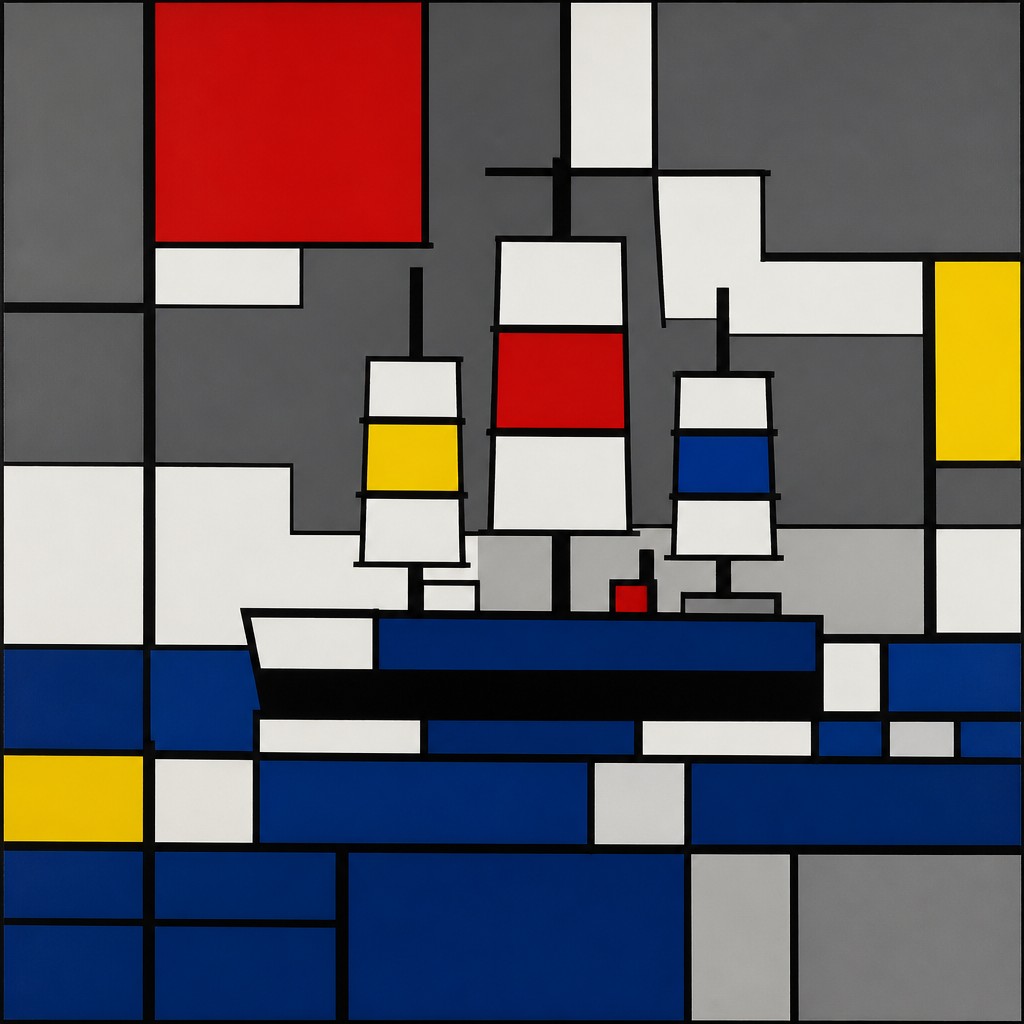
“sailing ship on a stormy sea”
How to Create De Stijl Art
Master the craft step by step — or skip straight to creating. Read the full guide →
- 1
Build from a grid
Start with a simple vertical-and-horizontal framework and assign unequal rectangles of varying size. Let the empty white space be as important as the colored forms.
- 2
Limit the palette strictly
Use only red, yellow, blue, black, white, and neutral gray. Keep colors flat and opaque, with no gradients, texture, or painterly blending.
- 3
Prioritize proportion over detail
Reduce the subject to its most essential geometric relationships. If making a traditional drawing or painting, sketch lightly first so you can adjust spacing until the balance feels intentional.
- 4
Use clean edges and flat fills
Whether working by hand or digitally, keep edges crisp and shapes perfectly planar. Masking tape, rulers, vector tools, and shape layers help achieve the hard-edged finish associated with the style.
- 5
Translate subjects into geometry
For prompt-based generation, describe the subject clearly but ask for it to be transformed into an orthogonal composition of rectangles and grids. Specify the limited palette and the absence of curves, perspective, and shading.

The Story
History & Origins of De Stijl
De Stijl emerged in the Netherlands in 1917 around the magazine De Stijl, founded by a leading Dutch abstract theorist and designer. It developed in the wake of World War I as part of a broader modernist search for renewal through abstraction and order. The movement’s most influential painter became its best-known exponent, while other important Dutch artists, designers, and architects extended its principles into painting, design, furniture, and architecture.
The movement’s aesthetic lineage includes Cubism’s fragmentation of form, but De Stijl pushed abstraction further by eliminating the diagonal and any residual reference to the visible world. The mature neoplastic paintings associated with the style became the canonical expression of its approach, and its principles influenced modern architecture, typography, furniture design, and later minimalist and grid-based graphic design.
Influences: De Stijl is closely related to Cubism in its move toward abstraction, but it is more severe and systematic than the work of major early Cubist painters and their collaborators. Its canonical artist is the leading figure of mature geometric abstraction associated with the movement, whose later paintings defined the style’s rectangular balance and primary-color discipline, while other key De Stijl designers and architects extended the same logic into design and architecture.
Frequently Asked Questions
What defines De Stijl art?
De Stijl is defined by vertical and horizontal geometry, flat rectangular forms, and a restricted palette of primary colors plus black, white, and gray. It avoids curves, diagonals, shading, and perspective in favor of a highly ordered abstract composition.
How is De Stijl different from Cubism?
Cubism fragments objects and often retains multiple viewpoints or faceted references to reality. De Stijl goes further by removing representational remnants almost entirely and reducing the image to a universal grid of colored planes.
Who are the main artists associated with De Stijl?
The central painter associated with the style is the movement’s best-known mature abstract exponent. The founder was a leading Dutch theorist and designer, and other important Dutch artists and designers are also key figures in its development across painting and design.
Can De Stijl be used outside painting?
Yes. The style strongly influenced architecture, furniture, interior design, typography, and graphic design. Its principles of reduction and grid-based order translate naturally into visual communication and modern design systems.
What colors are used in De Stijl?
The classic palette uses pure red, yellow, and blue, along with black, white, and neutral gray. Colors are usually applied flat and separated by bold black lines rather than blended or shaded.
How do I make a subject look like De Stijl?
Reduce the subject to rectangular masses and structural relationships, then rebuild it using only vertical and horizontal divisions. Keep the composition asymmetrical but balanced, and avoid any curved forms, gradients, or realistic depth.
Create your first De Stijl artwork
Describe anything — or upload a photo — and see it in De Stijl Art Style in seconds.
Make Something with De Stijl
Compare De Stijl
Related Styles
Discover similar art styles