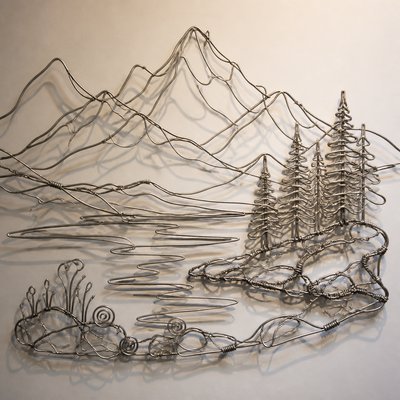
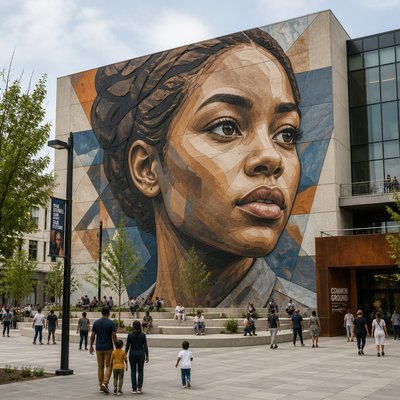
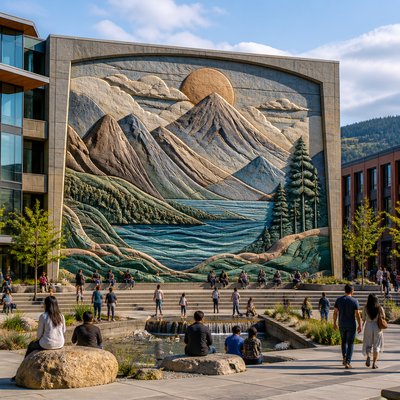
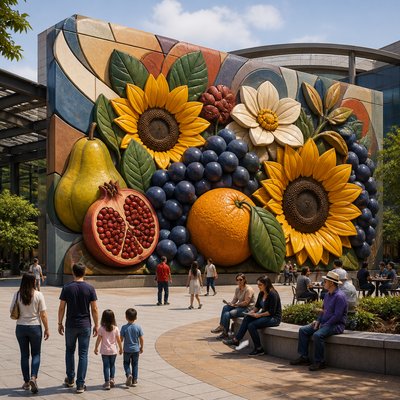
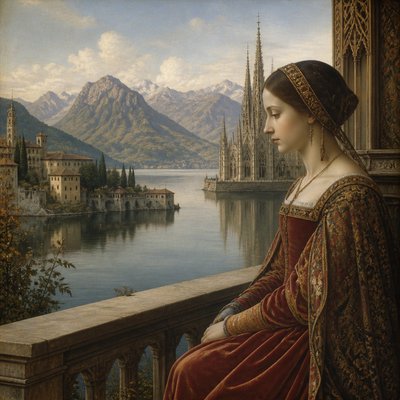
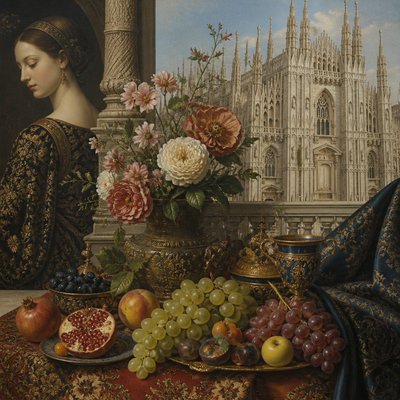
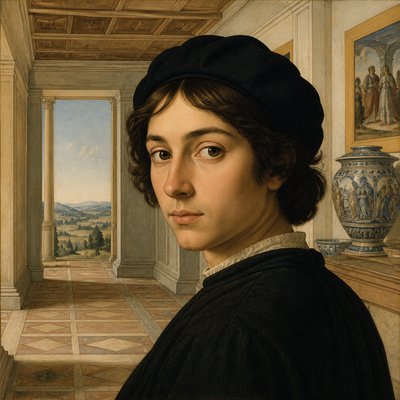
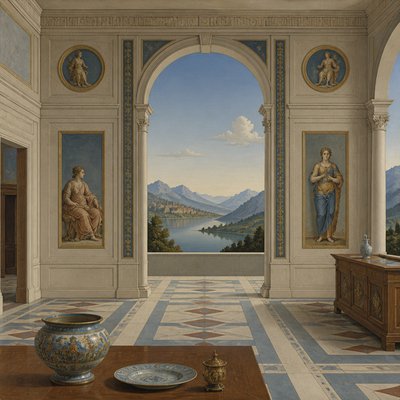
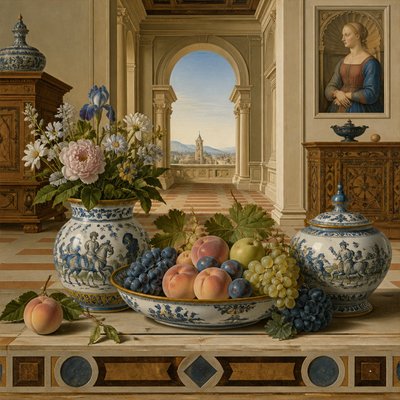
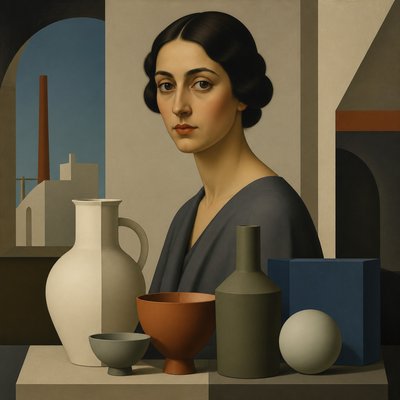
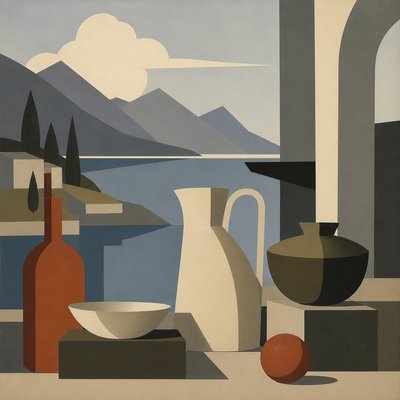
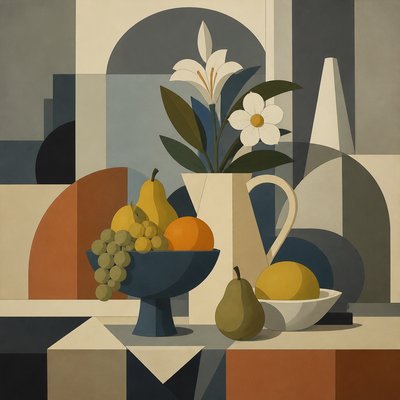
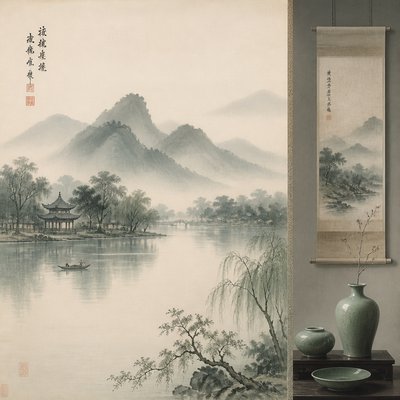
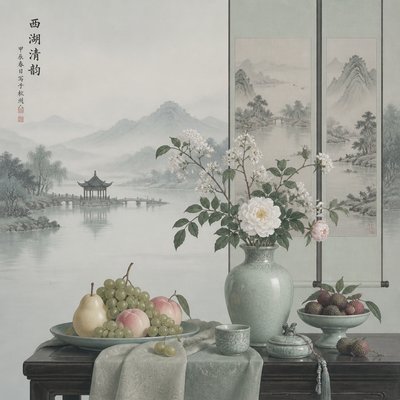
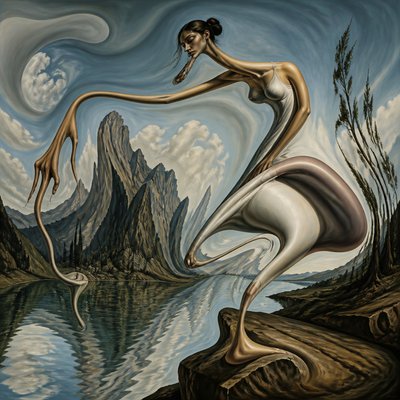
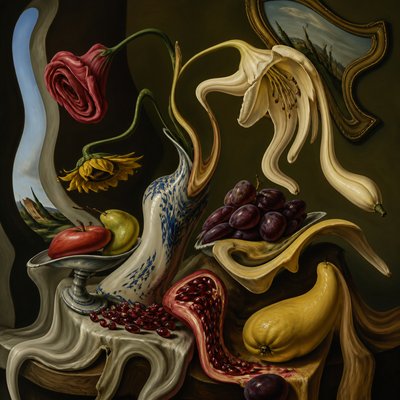
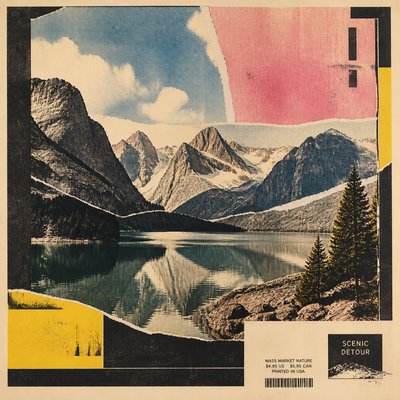
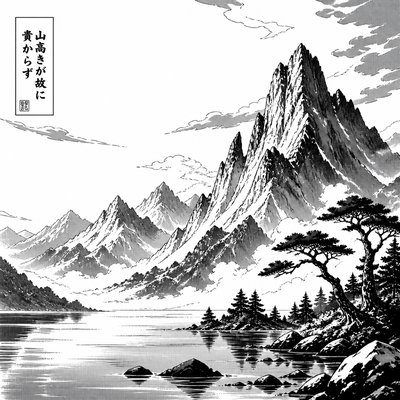
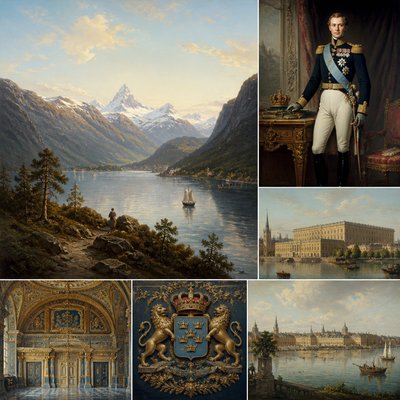
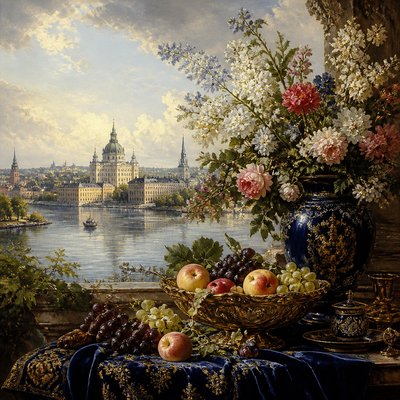
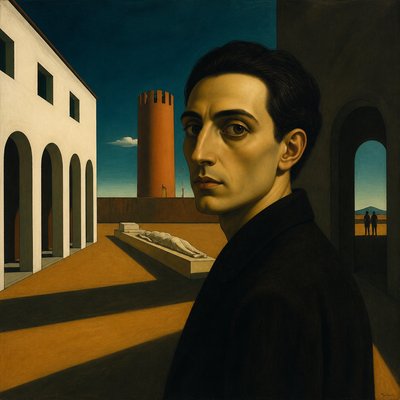
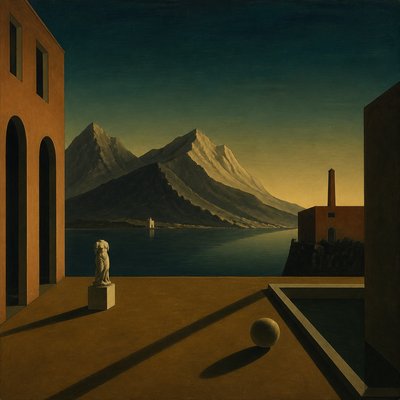
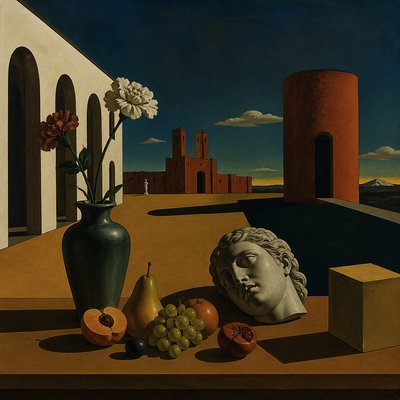
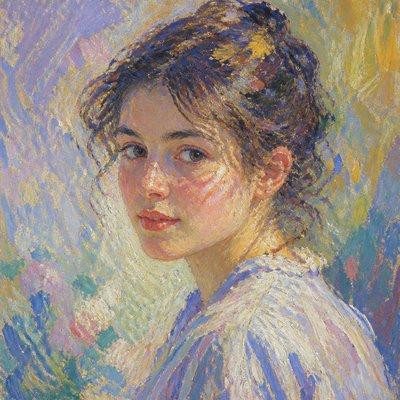
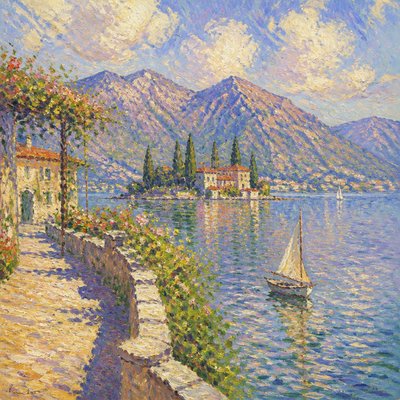
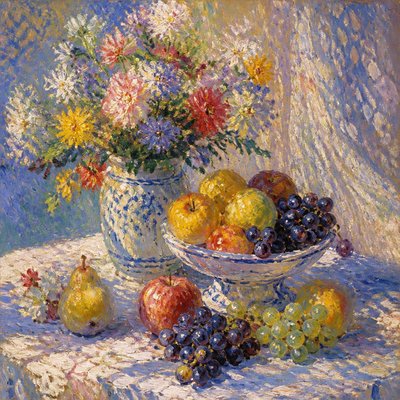
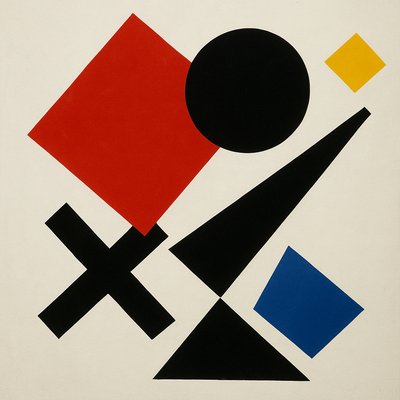
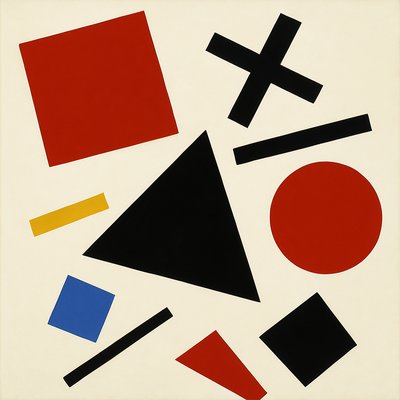
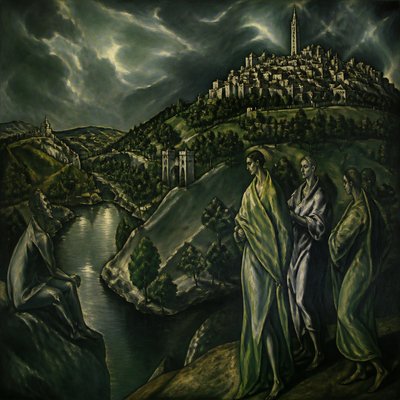
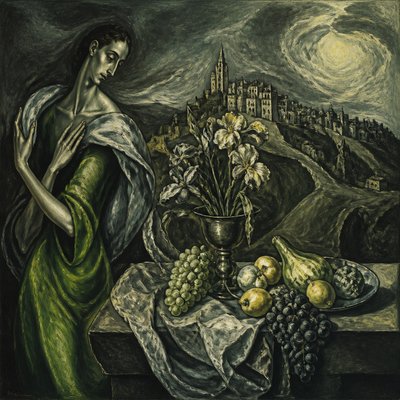
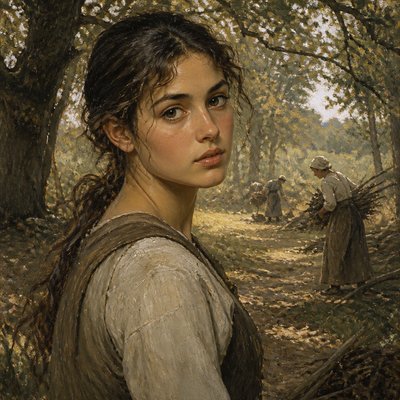
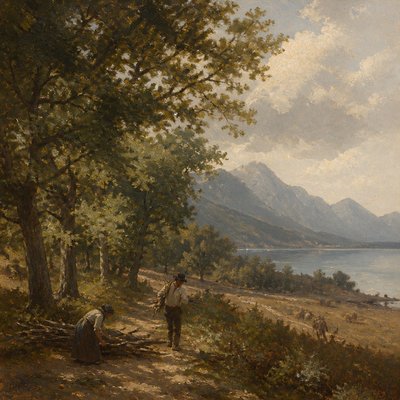
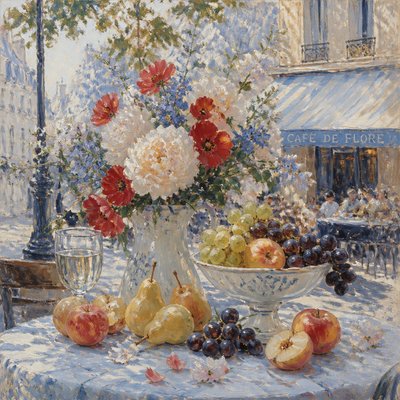
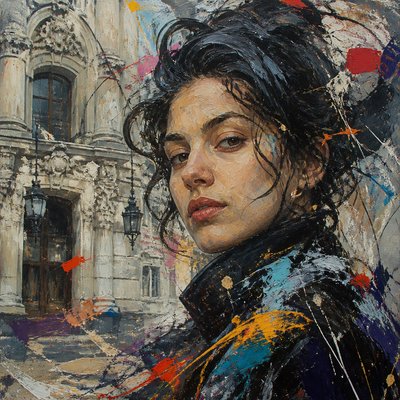
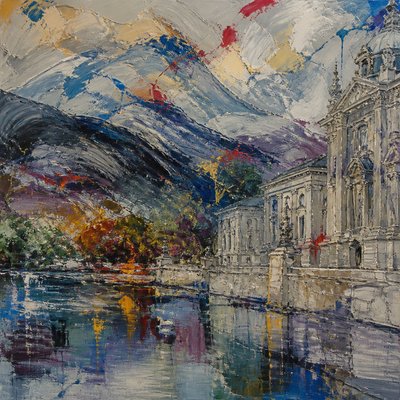
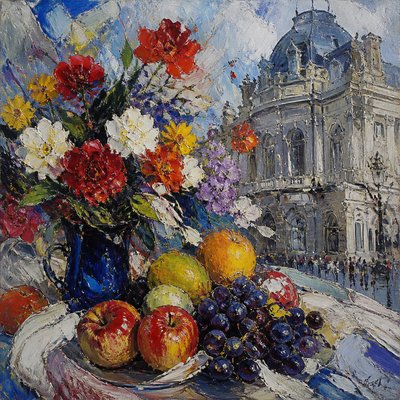
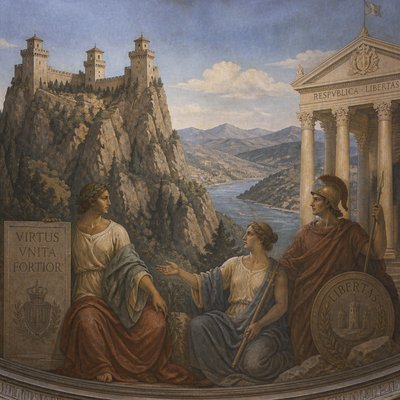
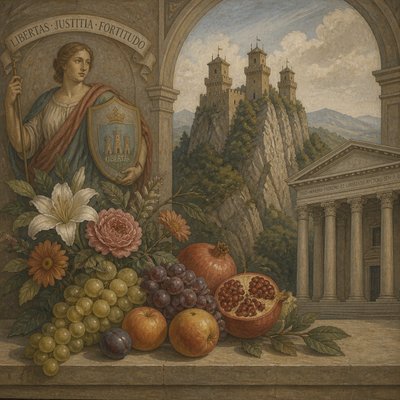
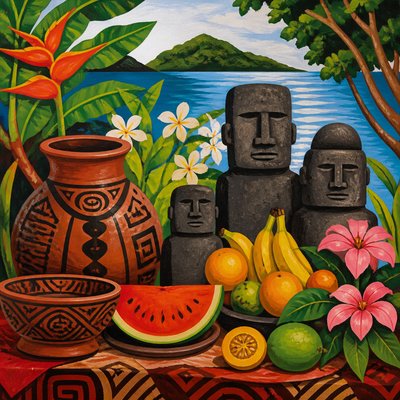
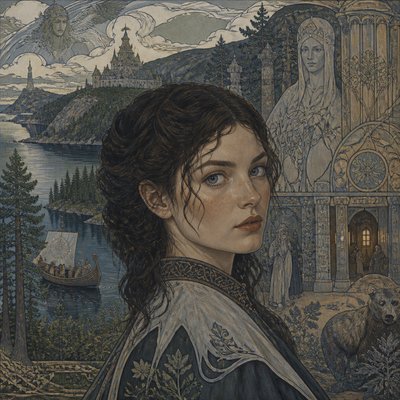
Light and Space Art Style
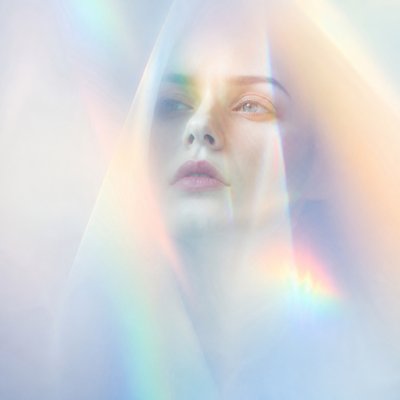
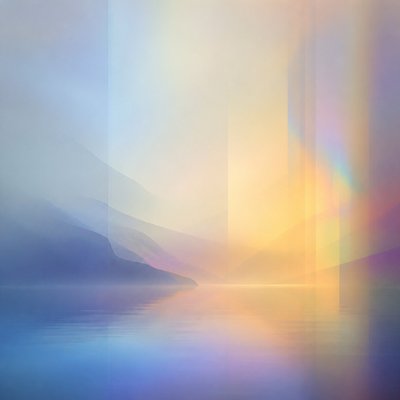
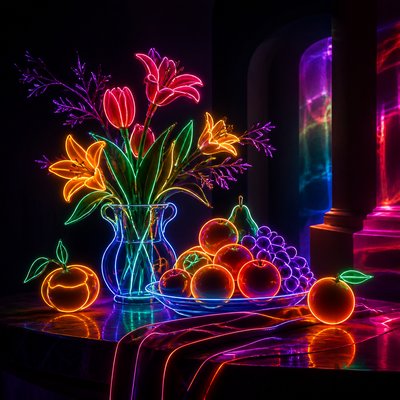
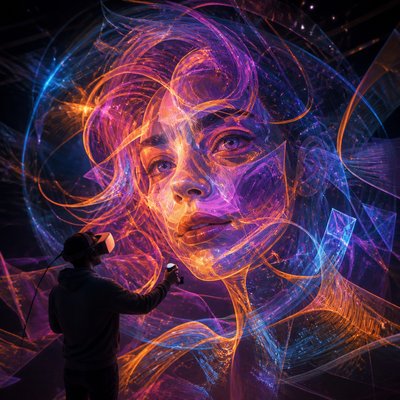
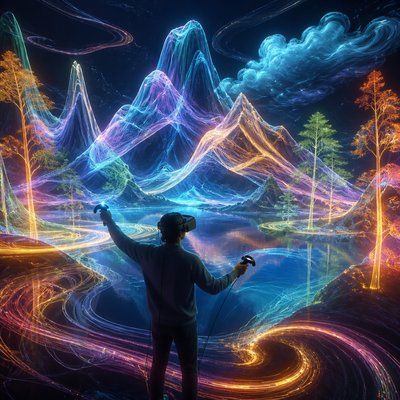
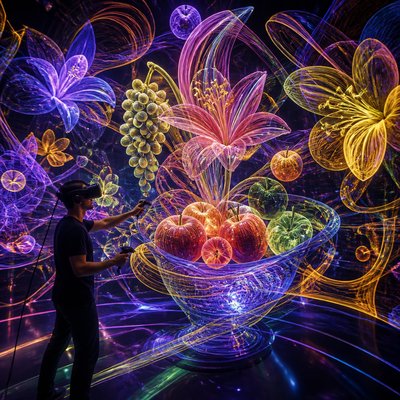
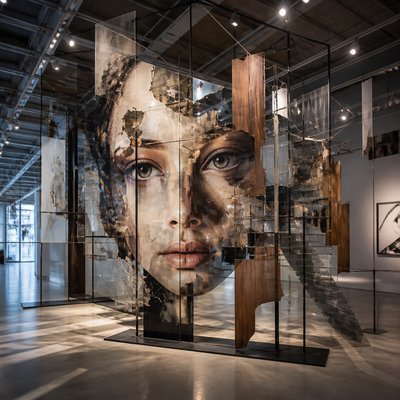
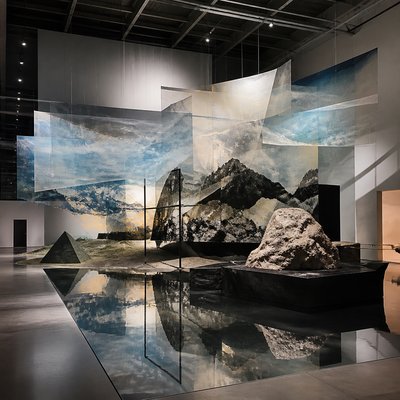
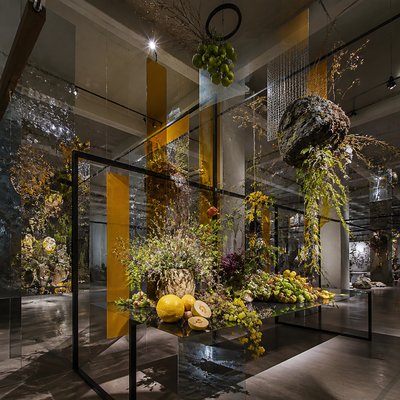
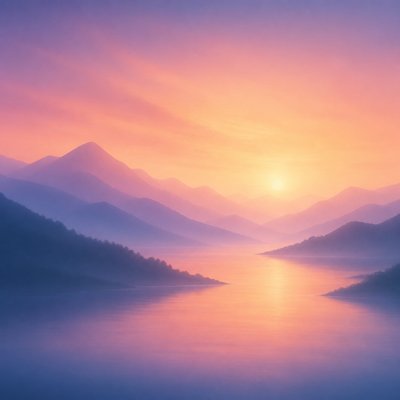
Perceptual art of light, space, and atmosphere, using luminous fields, minimal forms, and viewer movement to alter perception.
Instantly rendered in Light and Space — or transform a photo

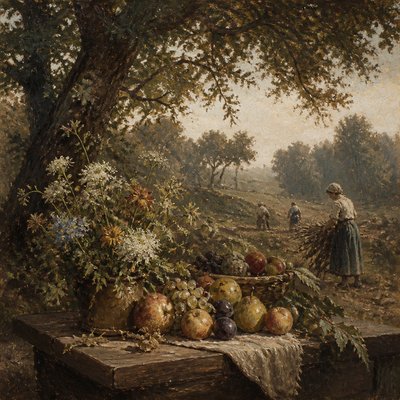
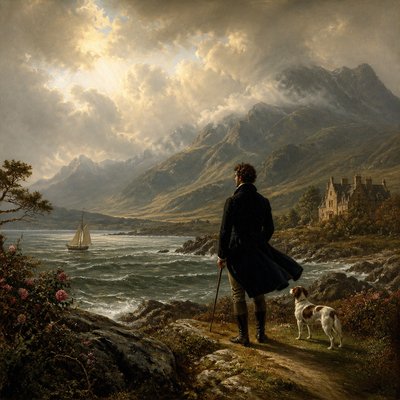
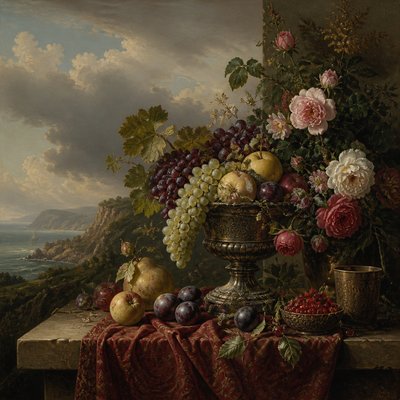
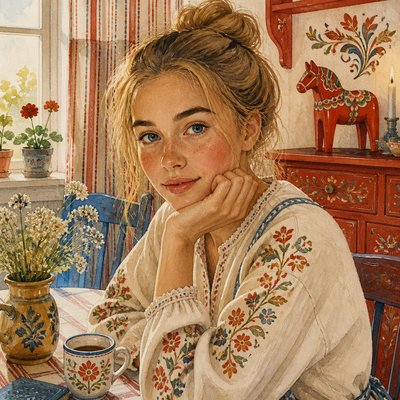
Light and Space Gallery
Tap any artwork to explore it
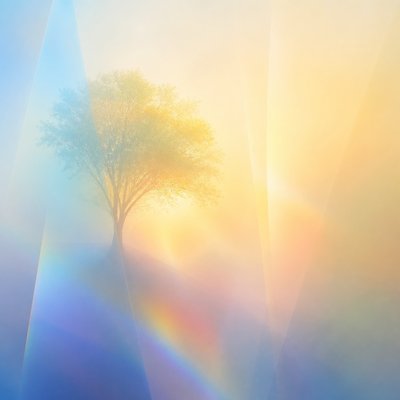
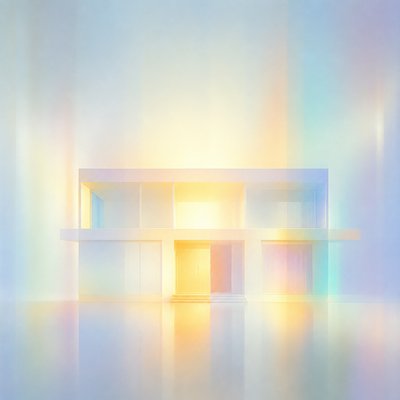
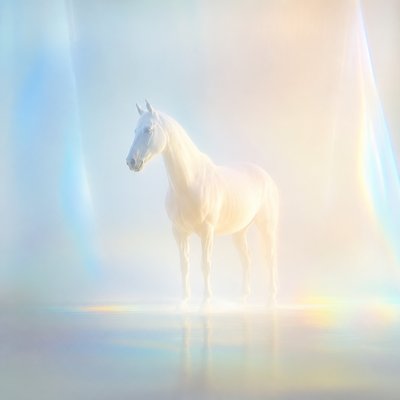
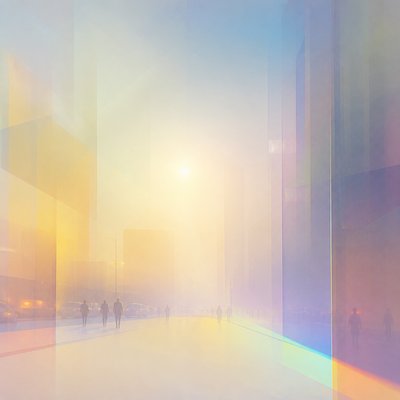
What is Light and Space Art Style?
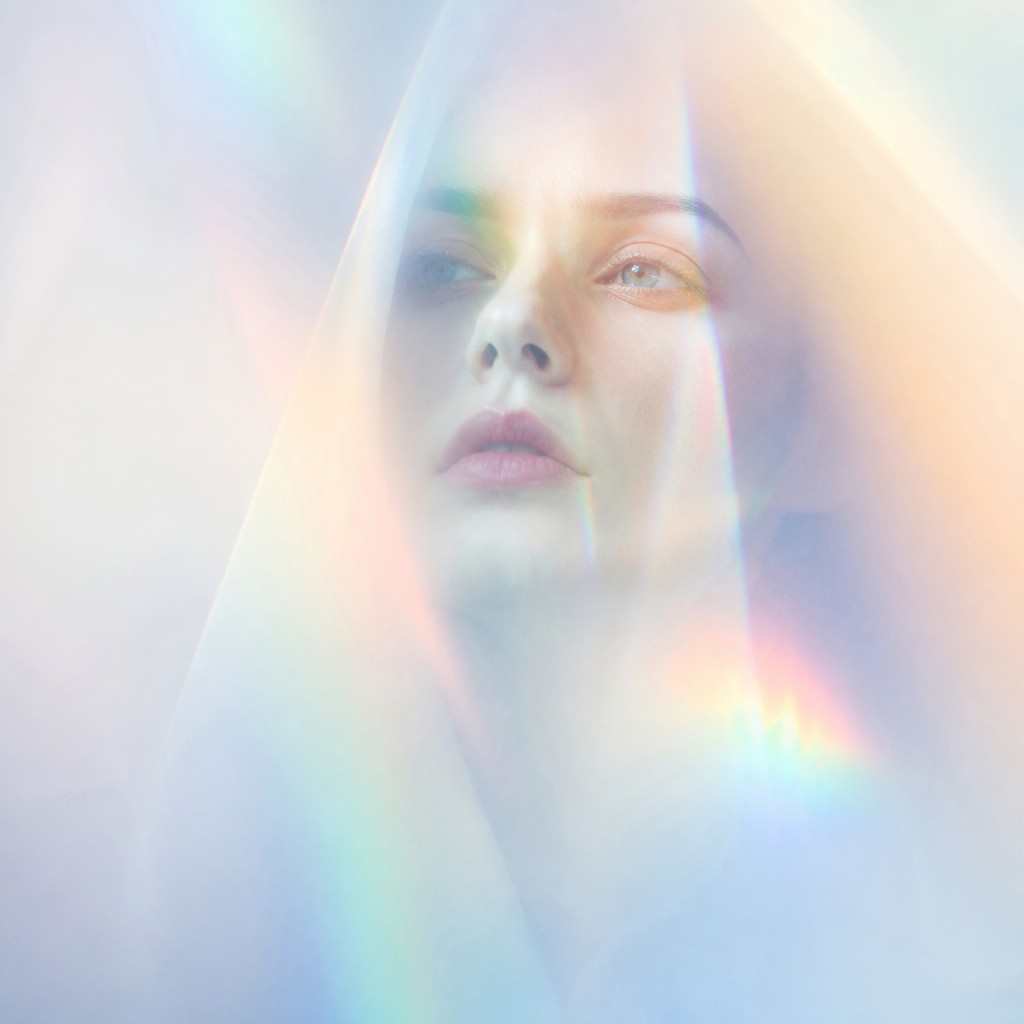
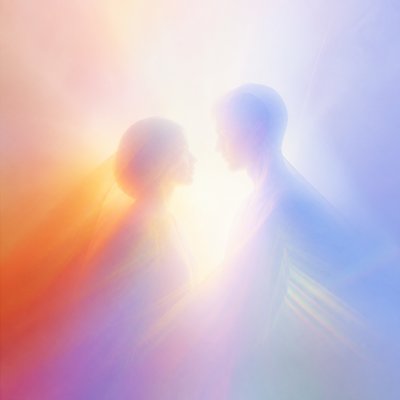
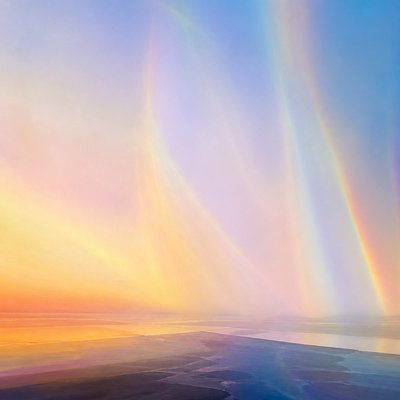
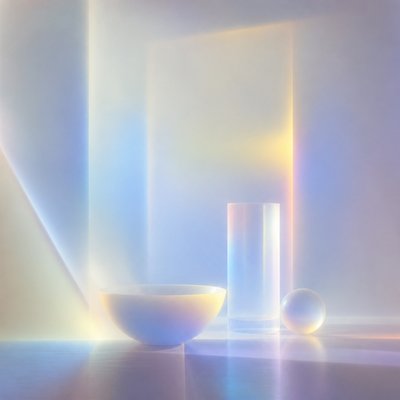
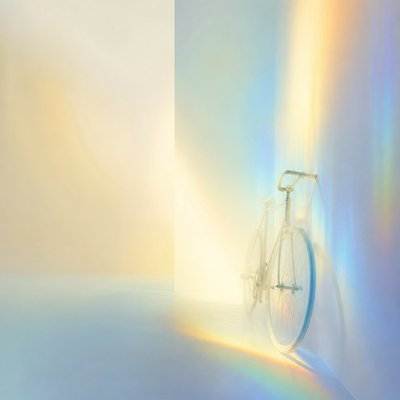
Light and Space art is a West Coast postwar art movement concerned less with objects than with perception itself. Artists working in this vein use light, transparency, reflection, shadow, scale, and environment to create situations that seem to shift as the viewer moves. The work often appears spare or minimalist at first, but its effect depends on subtle changes in color, diffusion, and surrounding conditions.
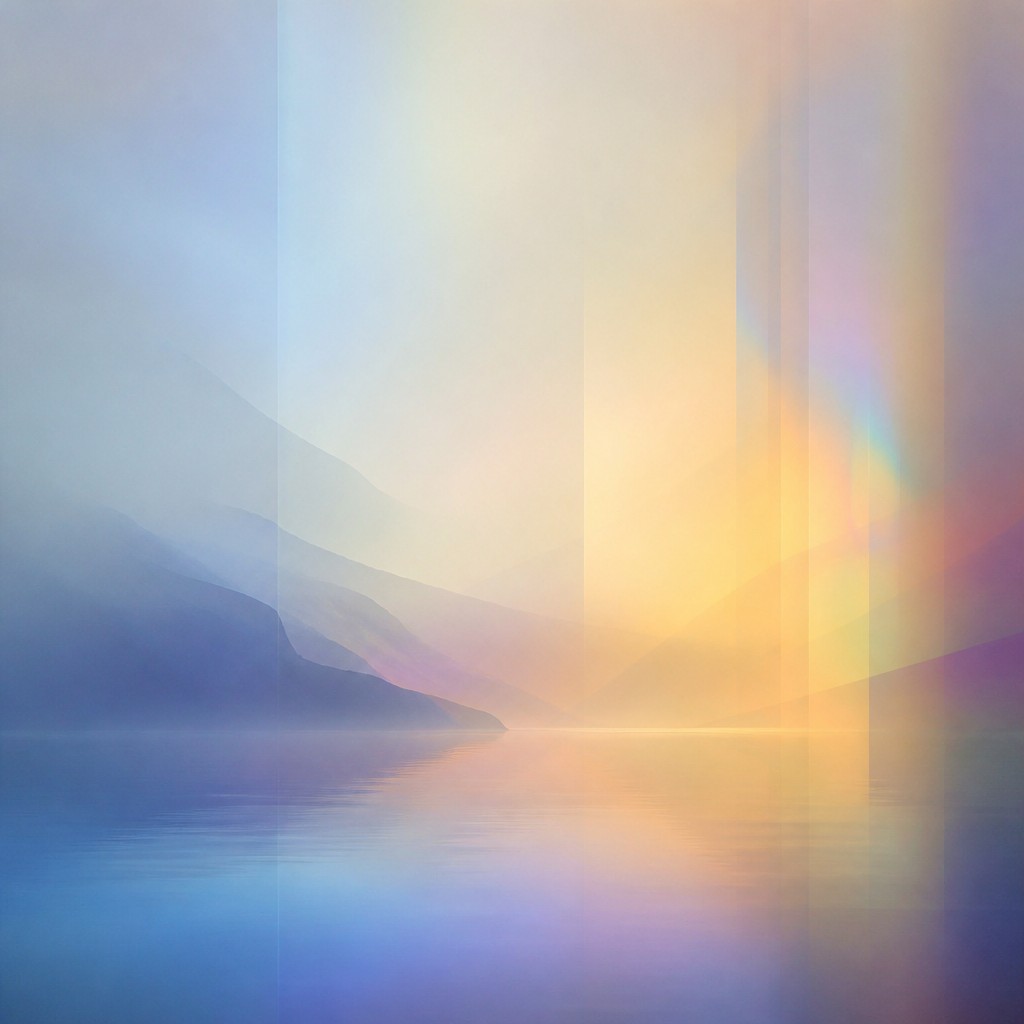
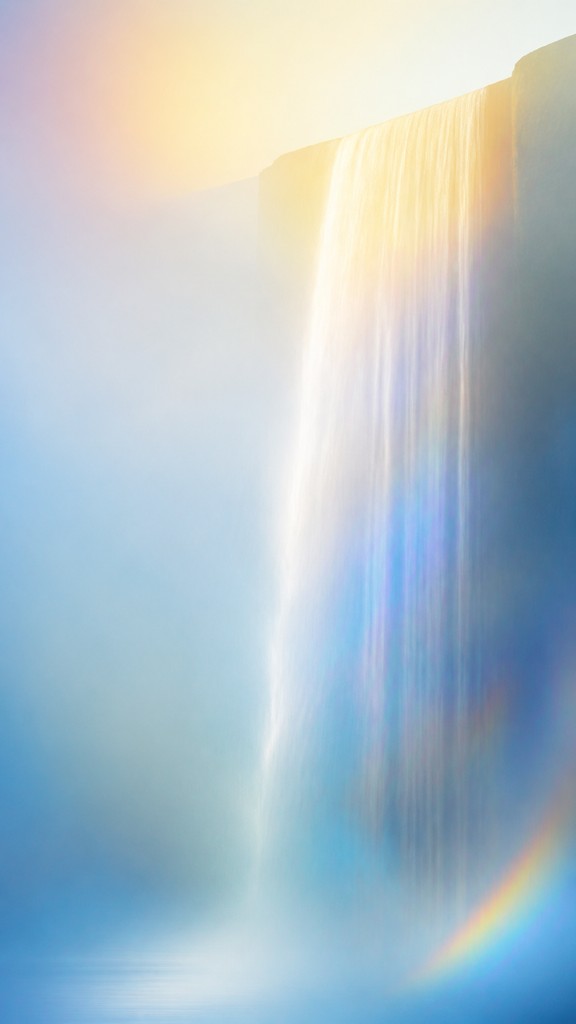
Its visual identity is defined by atmospheric clarity, softness at the edges, and a sense that form is dissolving into radiance or depth. Rather than presenting a fixed image, Light and Space works ask viewers to become aware of seeing: how light fills a room, how surfaces refract, and how boundaries between object and void become uncertain. The result is typically serene, immersive, and spatially expansive, with an emphasis on sensation over narrative.
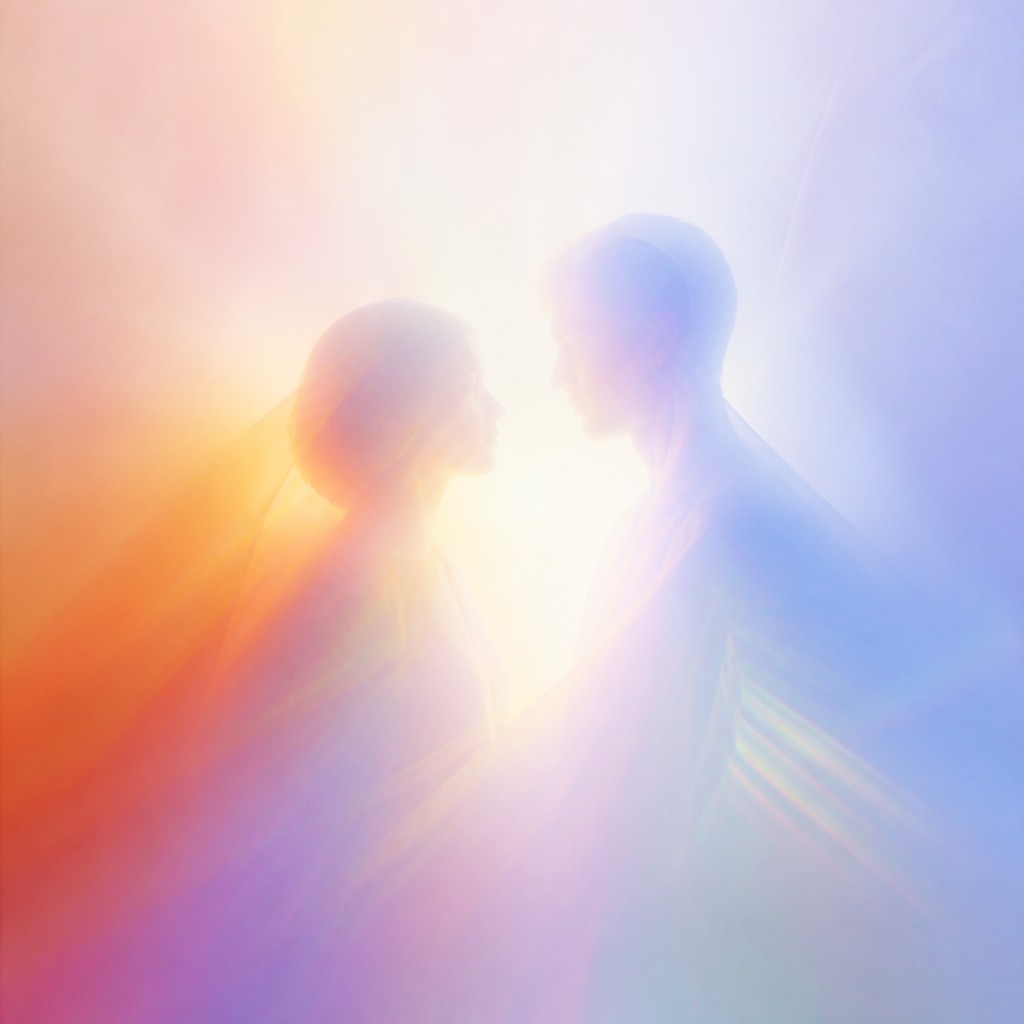
Try It On Your Photos
Upload any photo and convert it into Light and Space Art Style — drag the sliders to compare before and after.


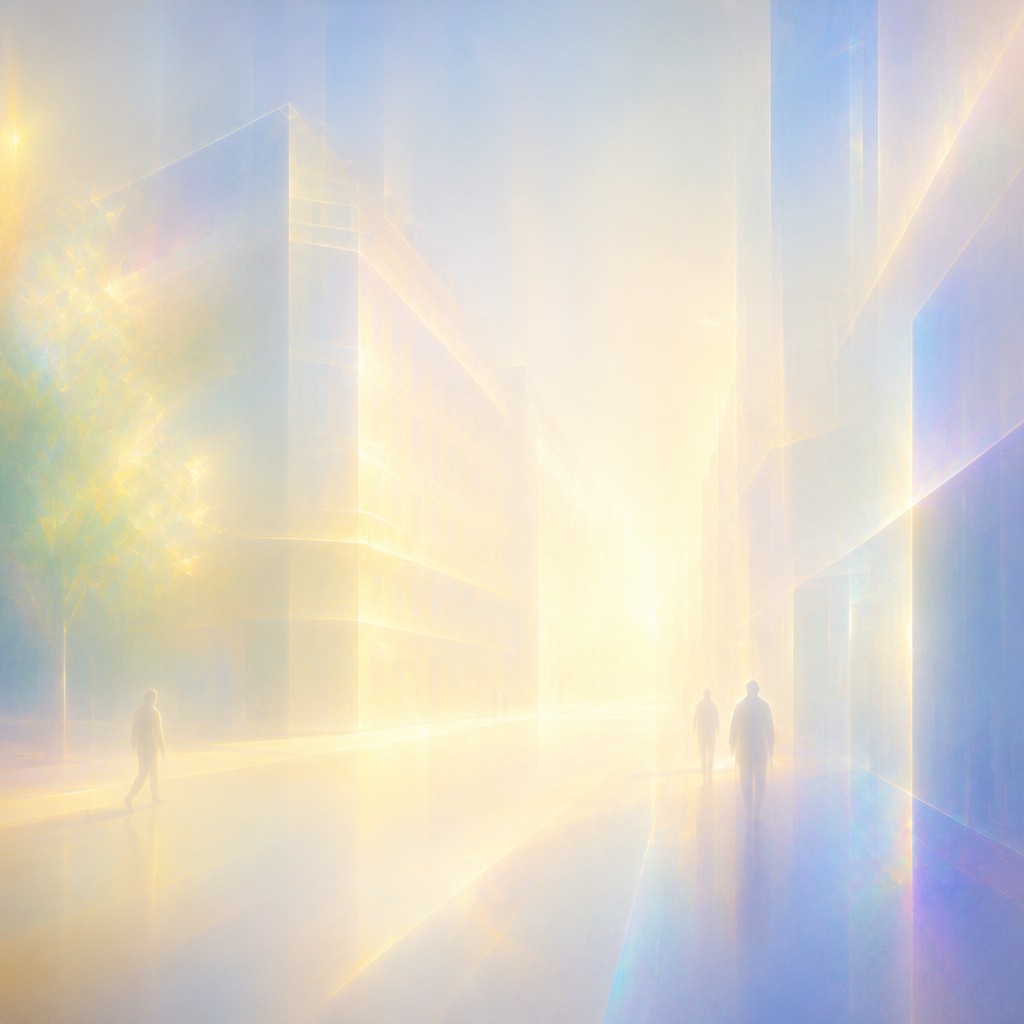

What Defines Light and Space Art Style
The signature details, up close
Luminous atmosphere
Light often appears to emanate from within the work rather than merely illuminate it. This produces a glowing, suspended quality that makes surfaces feel immaterial or backlit.
Minimal forms with perceptual ambiguity
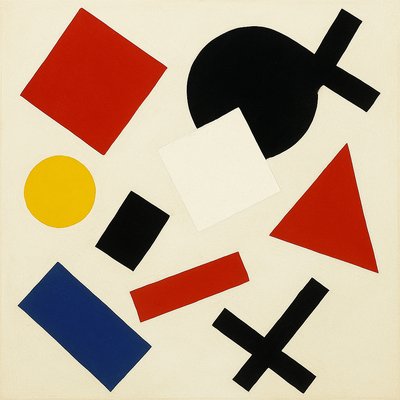
Compositions are usually reduced to simple shapes, planes, or environmental volumes. The simplicity encourages attention to subtle changes in depth, edge, and transparency rather than to representational detail.
Soft gradients and diffusion
Color and brightness often transition gradually, with hazy boundaries and little hard contrast. These transitions create an atmospheric field that seems to extend beyond the image or room.
Transparency and refraction
Clear acrylic, glass, resin, gels, and reflective surfaces are common visual cues in the style. They create chromatic shifts, overlapping layers, and the sense that light is being bent or filtered.
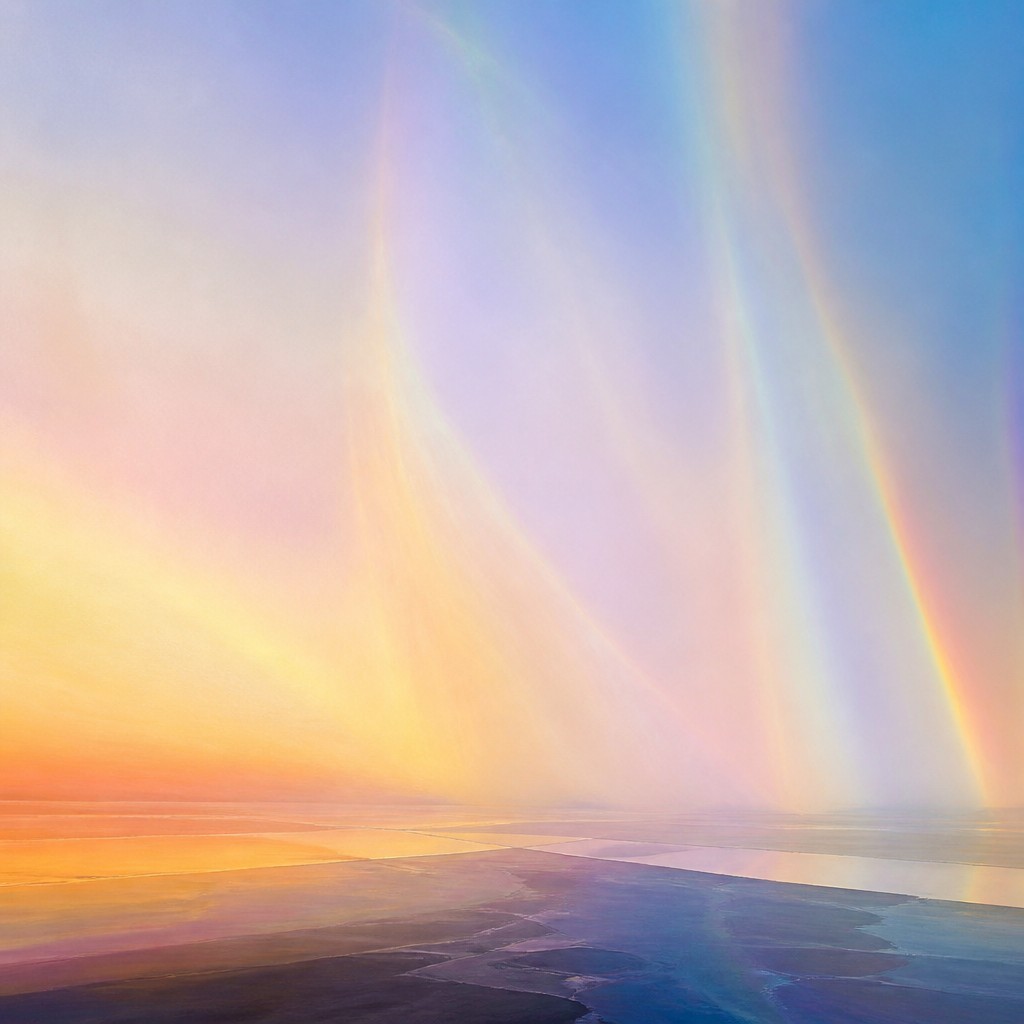
Indeterminate edges
Forms frequently dissolve into space, making it difficult to tell where an object ends and the surrounding environment begins. This ambiguity is central to the style’s perceptual effect.
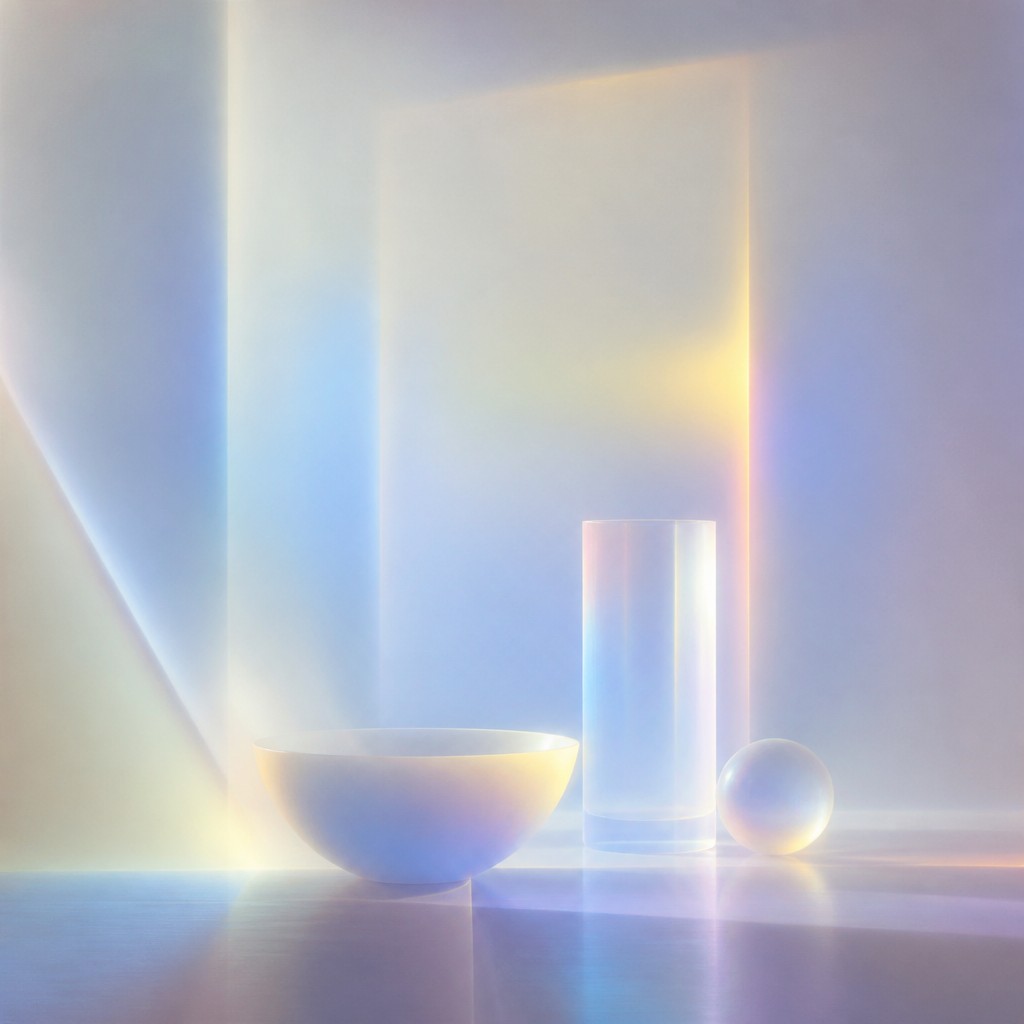
Immersive spatial scale
Works often feel larger than their literal dimensions, either through installation or through composition that suggests deep, open space. The viewer’s body and position become part of the artwork’s meaning.
Try It
Create Videos in Light and Space Art Style
Styles aren't just for stills — describe a scene or animate an image and get a short video rendered in Light and Space. Press play to see this pond come to life.
Make a VideoLight and Space Prompt Ideas
Start from an idea — each one opens the generator with the style ready to go. See all 40 Light and Space prompts →
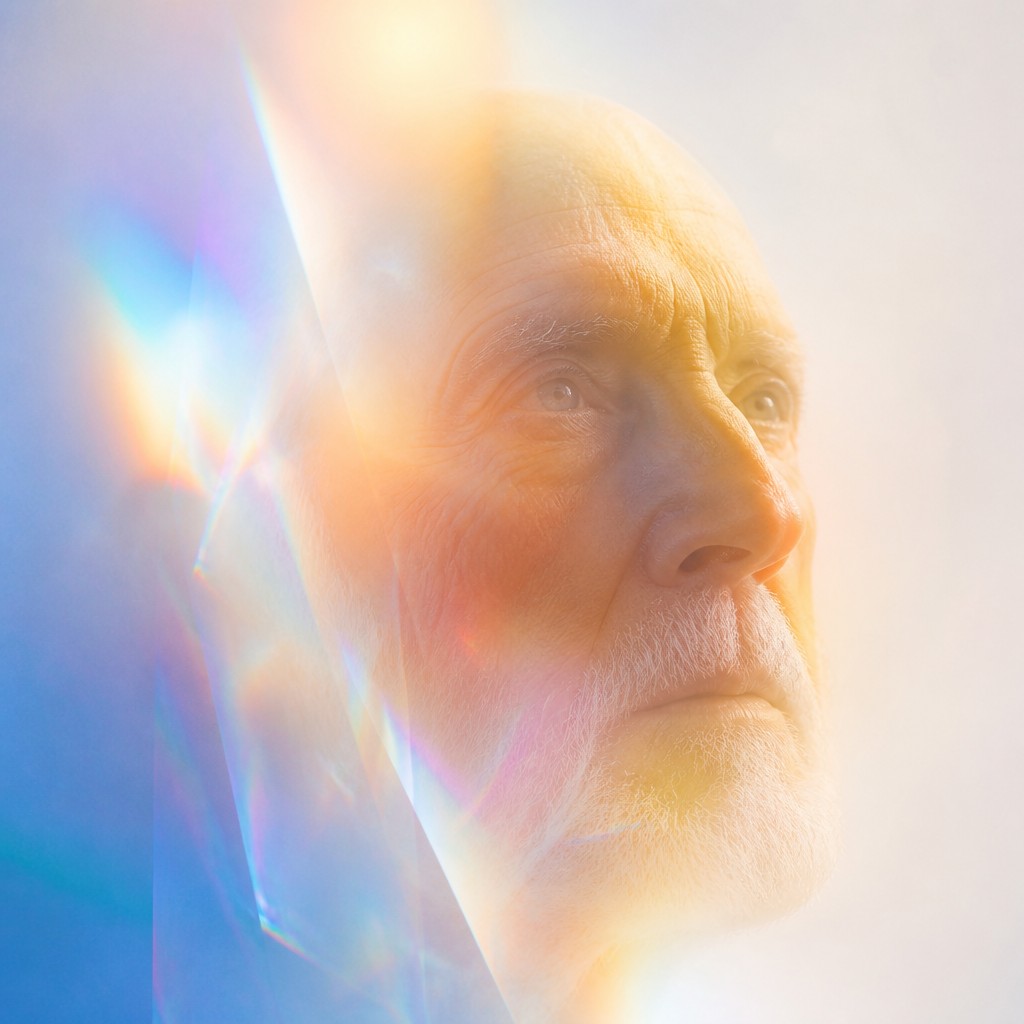
“close-up portrait of an elderly person with expressive weathered features”
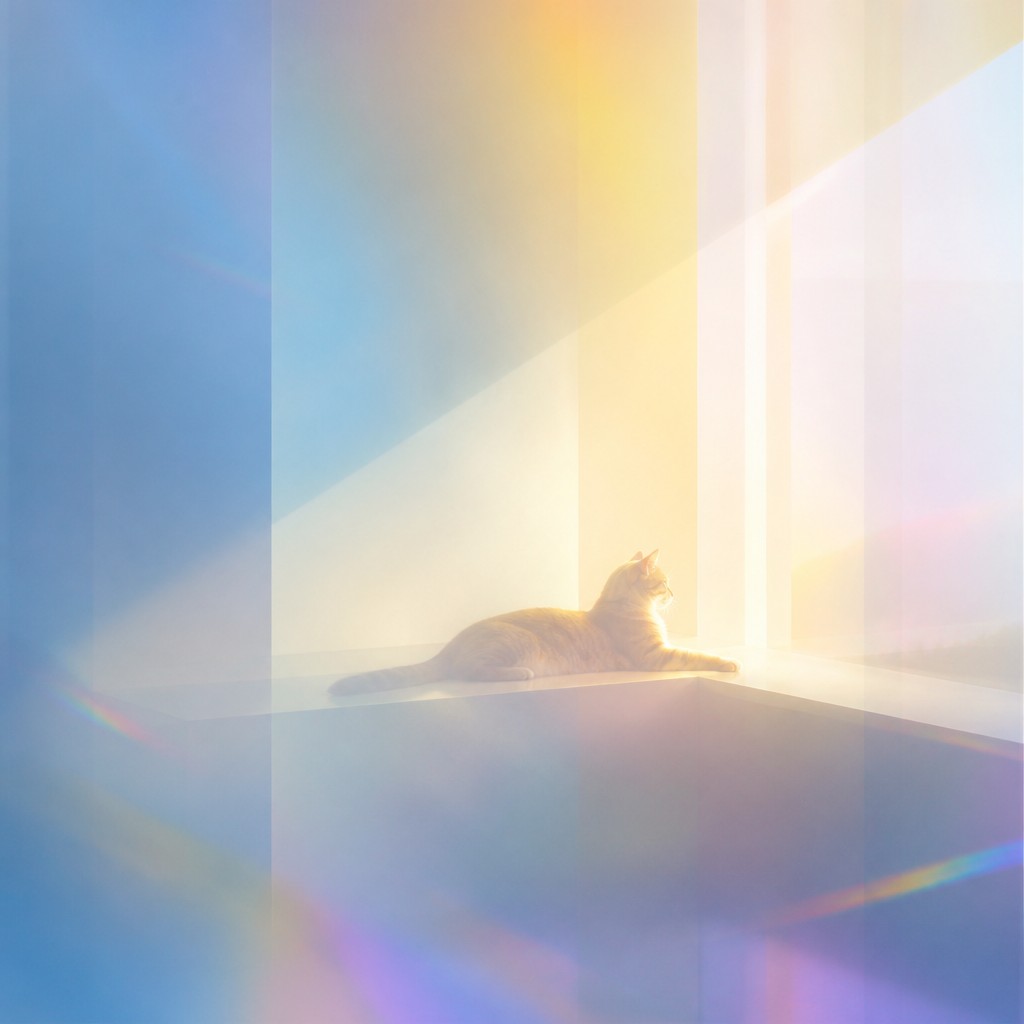
“a cat lounging in a sunlit window”
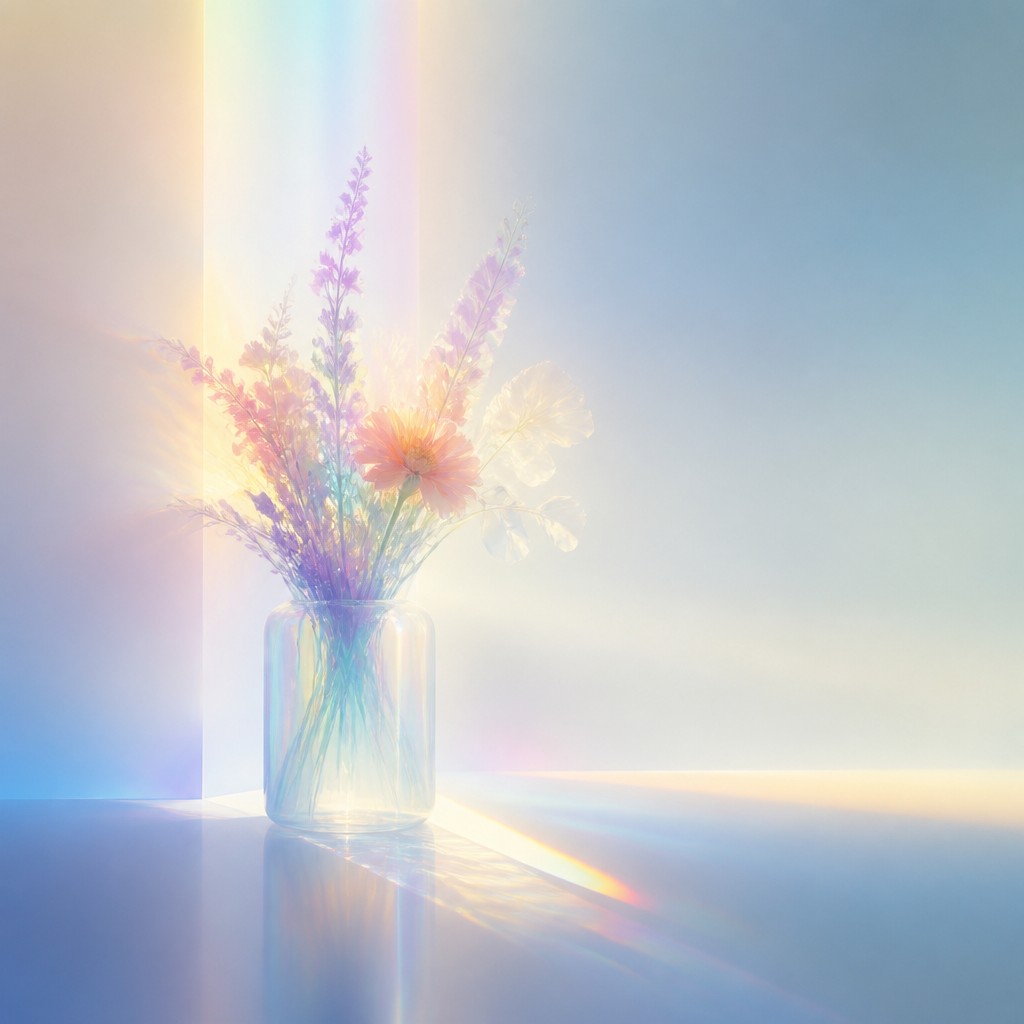
“bouquet of flowers in a glass vase”

“sailing ship on a stormy sea”
How to Create Light and Space Art
Master the craft step by step — or skip straight to creating. Read the full guide →
- 1
Use restrained composition
Begin with a minimal arrangement of planes, arcs, or monolithic forms, then remove any detail that does not affect spatial perception. In digital work, keep negative space generous; in traditional media, reserve areas of unpainted ground or very soft tone.
- 2
Build light through layers
Create the sense of internal glow by layering translucent color or value rather than outlining forms. Glazing, airbrushing, diffusion filters, and soft masks all help produce the suspended, radiant quality associated with the style.
- 3
Prioritize edge behavior
Pay close attention to how edges fade, blur, or refract. Slight chromatic shifts at the boundaries can make a form feel optical and unstable instead of solid and literal.
- 4
Design for viewing movement
If making an installation or environment, vary the experience as the viewer changes position: reflected light, transparency, and angle-dependent color shifts should alter what is visible. The goal is a perceptual event, not a single static viewpoint.
- 5
Translate the effect into prompts
When generating images, specify atmosphere, translucency, soft gradients, and minimal negative space rather than concrete objects. Strong subject descriptions can be kept, but they should be rendered as if dissolving into light, haze, and spatial depth.
The Story
History & Origins of Light and Space
Light and Space emerged in Southern California in the 1960s and 1970s, especially around Los Angeles and the surrounding region, where artists were working outside the dominant New York narratives of Minimalism and Pop. It is associated with several pioneering West Coast practitioners of light, optical effects, and environment-based installations who explored industrial materials and immersive perception. While the movement was contemporary with Minimalism, it differed by focusing less on pure geometry and more on perception, phenomenology, and the mutable qualities of light.
Its development was shaped by local conditions and influences: Southern California’s bright climate, aerospace and surf-culture materials, and a growing interest in phenomenology, environmental art, and the psychology of perception. Over time, the movement expanded from painted and sculptural objects into immersive rooms, translucent structures, and light-based installations that altered the viewer’s spatial awareness. Many later installation and atmospheric practices draw from this lineage, even when they are not directly affiliated with the original movement.
Influences: Light and Space is closely related to Minimalism, but its emphasis on perception, atmosphere, and environment distinguishes it from the harder, more object-centered work of leading minimalist sculptural practitioners or major minimalist light artists. It also shares affinities with phenomenology, West Coast environmental art, and optical abstraction, while anticipating later installation practices and light-based works by prominent contemporary installation artists. In a broader art-historical sense, it can be read alongside color field painting and certain strands of Abstract Expressionism, though its concern is less with gesture or pictorial drama than with the viewer’s embodied experience of light and space.
Frequently Asked Questions
What defines the Light and Space style?
The style is defined by perceptual effects created through light, transparency, reflection, and minimal form. Instead of focusing on narrative or representation, it asks viewers to notice how space changes as they look and move.
Is Light and Space the same as Minimalism?
No. The two share reduction and simplicity, but Light and Space is more atmospheric and experiential, while Minimalism often emphasizes objecthood, structure, and industrial clarity. Light and Space tends to soften edges and dissolve form into environment.
What materials are associated with this style?
Common materials include glass, acrylic, resin, polished surfaces, gels, translucent fabrics, and controlled lighting. Even when the work is painted or digitally made, it usually aims to simulate those effects of diffusion, translucency, and glow.
How do I make an image look like Light and Space art?
Use minimal composition, soft gradients, and a strong sense of luminous atmosphere. Reduce texture and detail, let edges fade, and emphasize subtle color shifts, translucency, and spatial depth.
Where is Light and Space art typically used?
It is most often seen in galleries, museums, site-specific installations, and public art environments. Its visual language also appears in contemporary interior design, album imagery, sci-fi visuals, and experimental digital art.
Why does this style feel so calm or transcendent?
The calm comes from its restrained palette, soft illumination, and lack of visual clutter. The transcendent feeling arises because the work makes space itself feel active, unstable, and larger than the objects within it.

Create your first Light and Space artwork
Describe anything — or upload a photo — and see it in Light and Space Art Style in seconds.
Make Something with Light and Space
Compare Light and Space
Related Styles
Discover similar art styles