Light and Space vs Kinetic: What's the Difference?
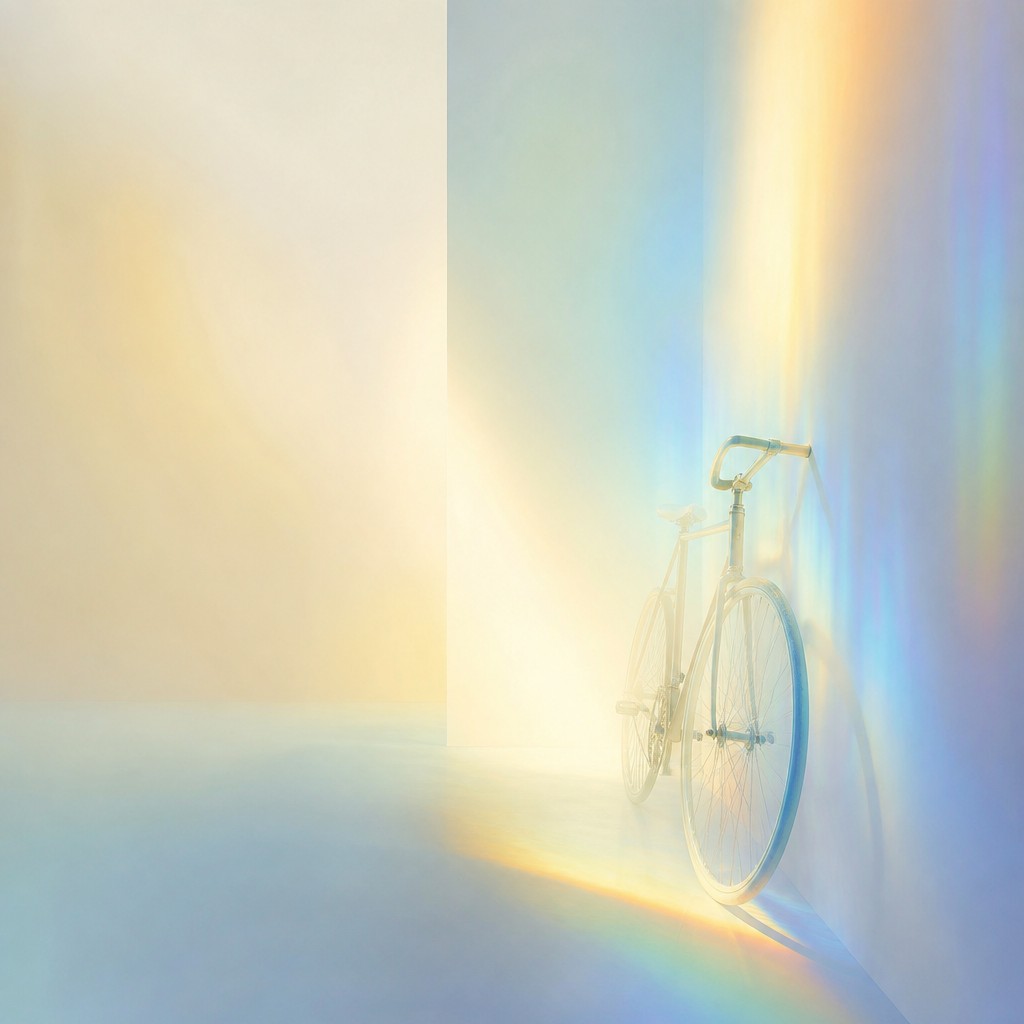
Light and Space art is a perceptual style focused on light, atmosphere, and the viewer’s changing experience of a work. It often uses minimal forms, translucent materials, luminous fields, and subtle spatial effects to make space feel expanded, softened, or immersive.
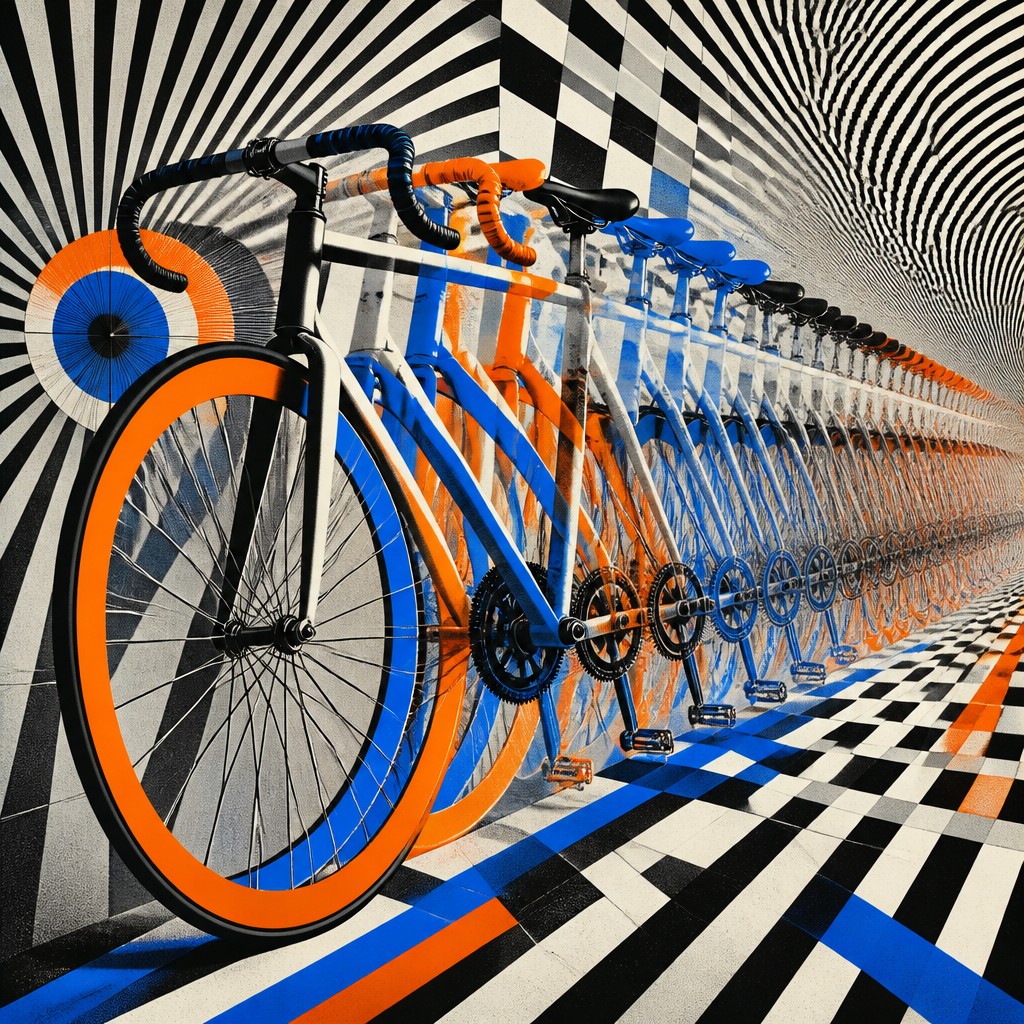
Kinetic art is a dynamic style that uses actual motion, repeated elements, or optical vibration to create a sense of movement through time and space. People compare the two because both rely on perception, light, and viewer participation, yet they achieve those effects in different ways: one through atmospheric stillness, the other through motion or visual energy.
Same Prompt, Both Styles
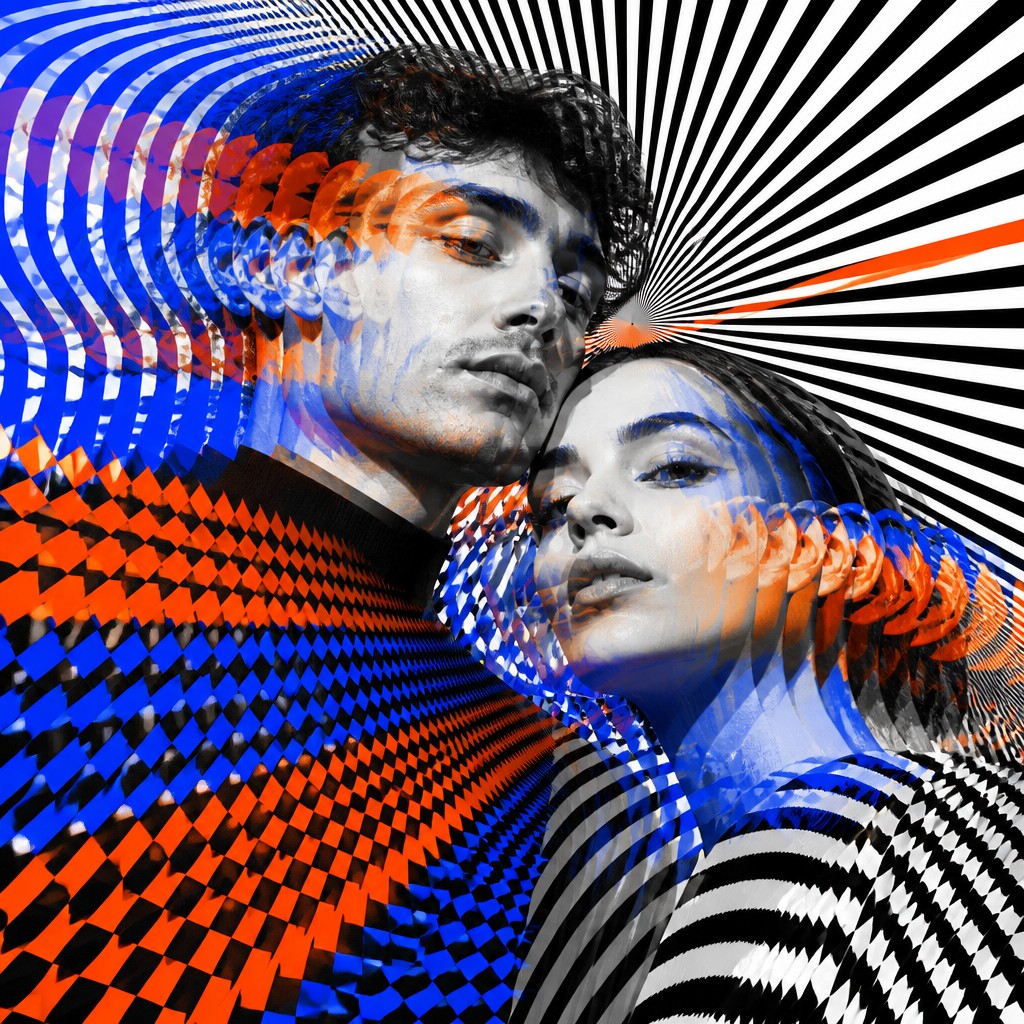
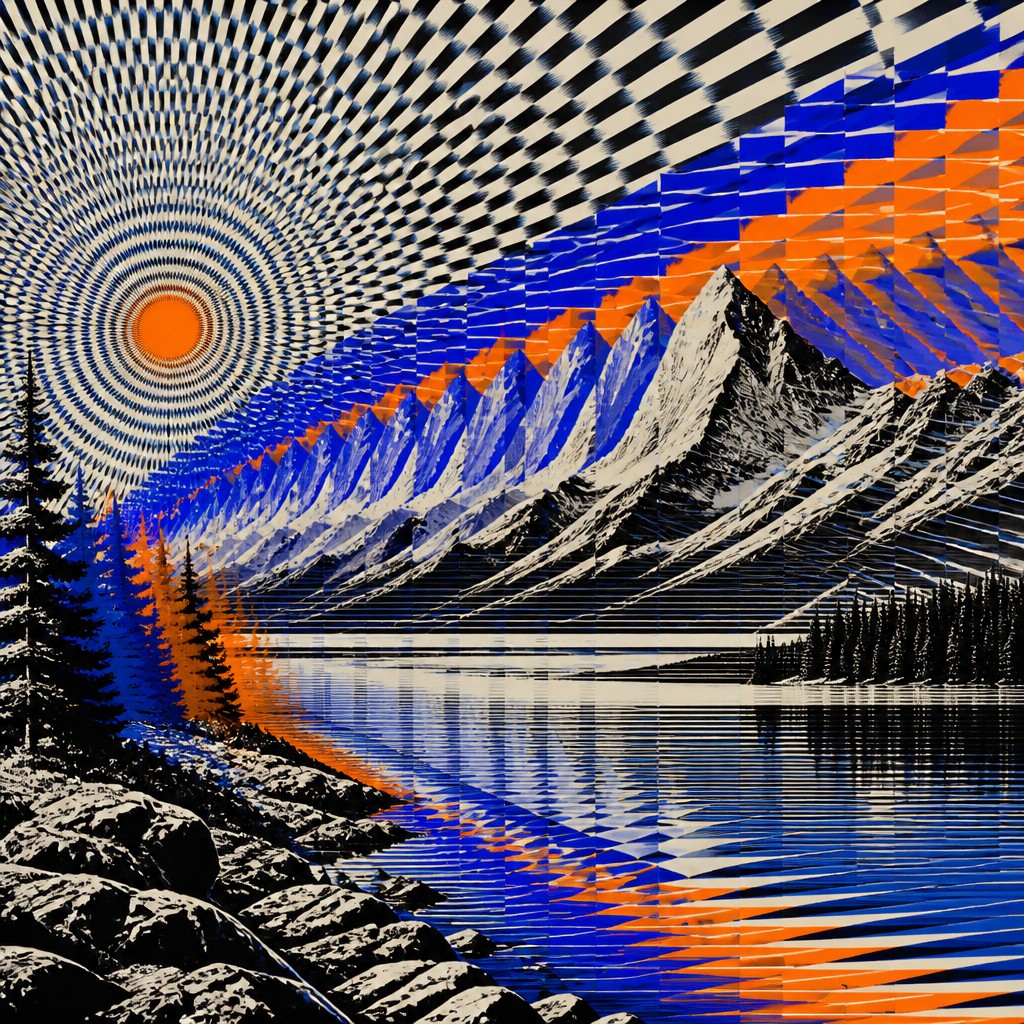
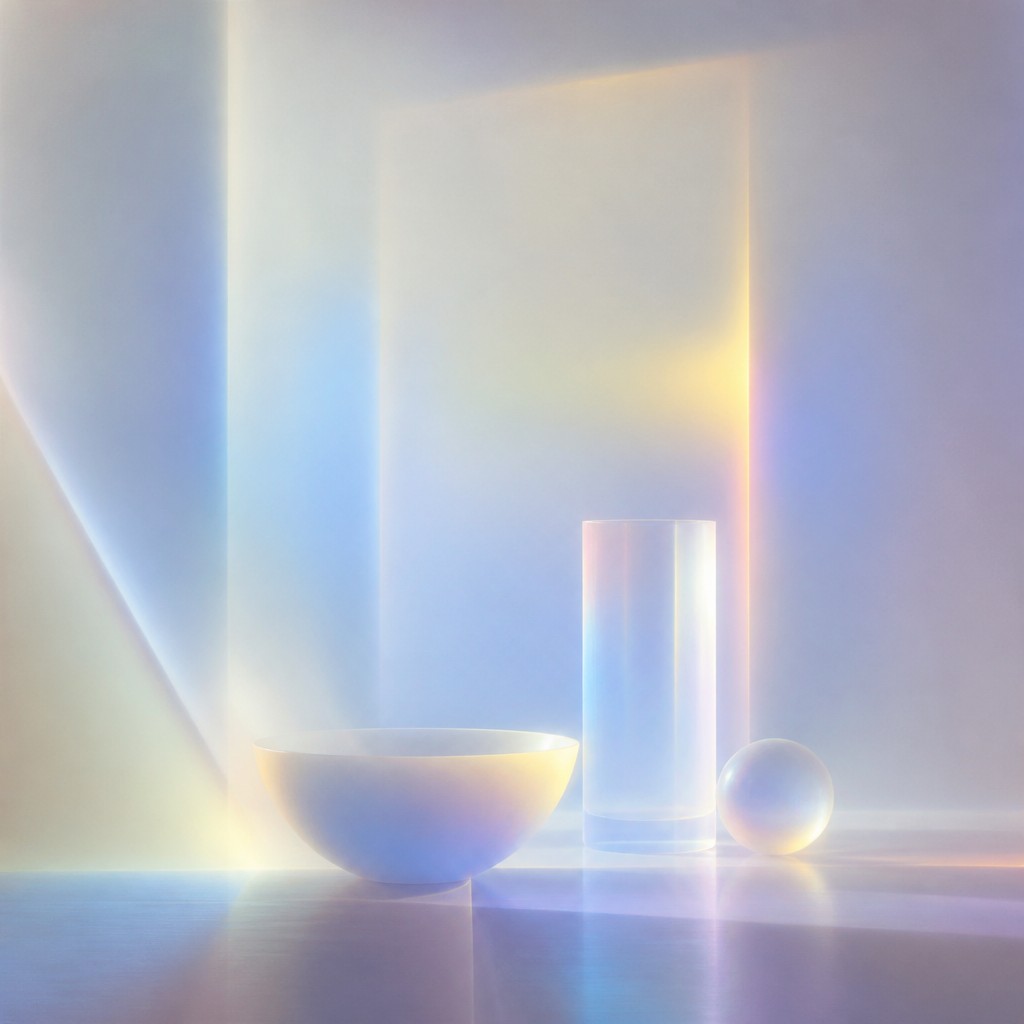
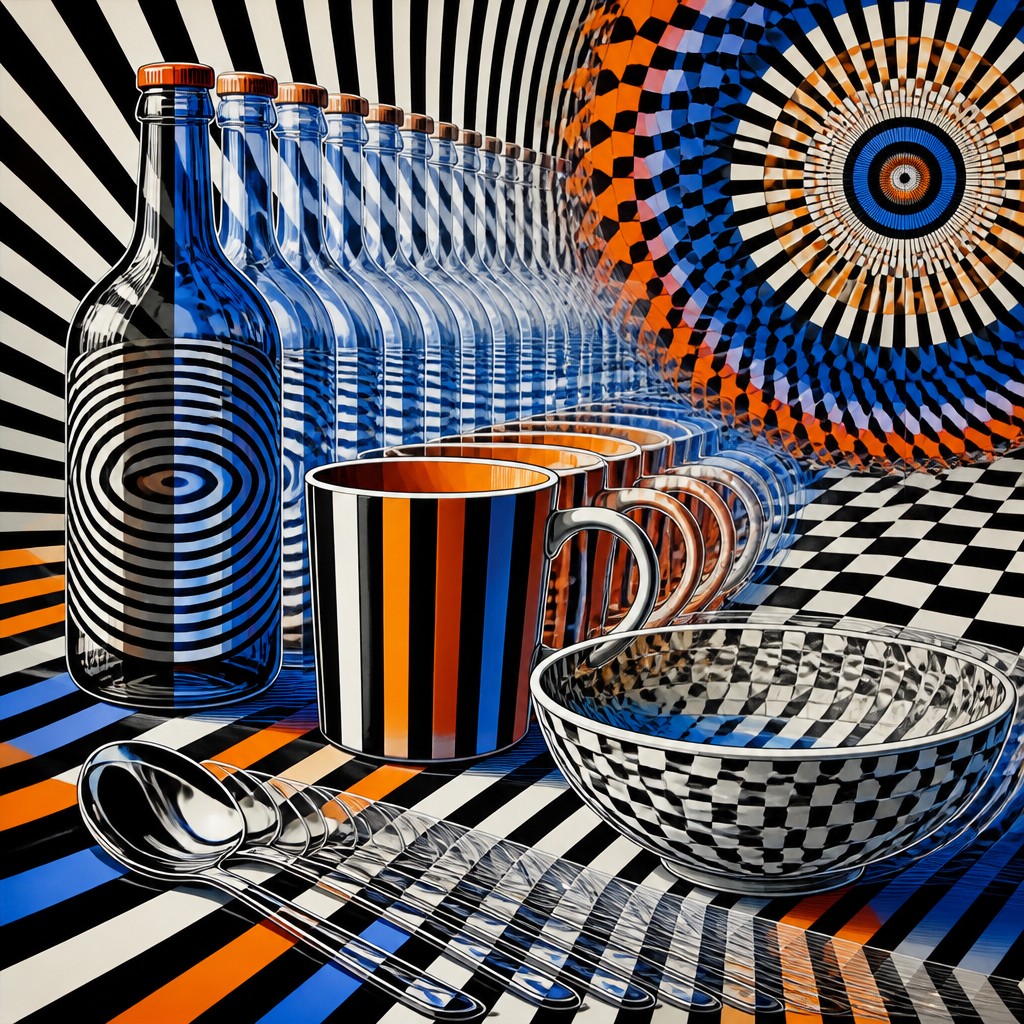
Each pair below was generated from the identical prompt — only the style changed.
“portrait of two people together”

“wide landscape with natural scenery”

“still life with everyday objects”
“bicyle resting against a wall”
Key Differences
| Light and Space | Kinetic | |
|---|---|---|
| Primary effect | Creates immersive atmosphere and perceptual stillness. | Creates motion, rhythm, or visual vibration. |
| Movement | Often static; movement comes from the viewer’s position. | May move physically or imply motion through repeated patterns. |
| Materials | Uses light, translucency, color fields, and subtle surfaces. | Uses mechanisms, modules, repetition, reflective parts, or optical patterns. |
| Form | Minimal forms and expansive open space. | Structured sequences, shifting elements, or patterned units. |
| Viewer experience | Encourages quiet attention and slow perception. | Encourages active viewing and awareness of change. |
| Visual emphasis | Focuses on diffusion, glow, and spatial ambiguity. | Focuses on repetition, contrast, and perceptual motion. |
| Mood | ethereal, meditative, austere, immersive | dynamic, restless, playful, electrical |
| Energy | calm | intense |
| Detail level | minimal | detailed |
| Color | pale neutrals, translucent tints, luminous gradients | high-contrast, metallic, saturated accents |
| Texture | smooth, soft, airy, reflective | smooth, glossy, layered motion effects |
| Origin | 1960s California, United States | mid-20th century Europe and Americas |
| Best for | installation mockups, minimalist posters, museum graphics, album covers, architectural visuals | posters, gallery installations, album covers, motion graphics, interactive displays |
| Difficulty | advanced | advanced |
Which Should You Choose?
Choose Light and Space art if you want a calm, atmospheric work that changes subtly as the viewer moves around it. Choose Kinetic art if you want visible energy, motion, or a strong sense of change over time. In short, A suits contemplative environments, while B suits pieces designed to feel active, animated, or mechanically alive.
Frequently Asked Questions
Are Light and Space art and Kinetic art the same thing?
No. Both can involve viewer perception, but Light and Space art centers on atmosphere and illumination, while Kinetic art centers on motion or the illusion of motion. One feels spatial and meditative; the other feels active and changing.
Can a work belong to both styles?
Yes, some works overlap. A piece may use light and spatial effects while also incorporating movement or optical vibration. In that case, the dominant effect usually determines the main style label.
Which style is more interactive?
Both can be interactive, but in different ways. Light and Space art often responds to where the viewer stands, while Kinetic art may involve physical movement, mechanical systems, or strong optical effects that shift as you look.
Which style is better for a quiet interior space?
Light and Space art is usually better for quiet interiors because it creates a soft, immersive mood. Kinetic art can work well too, but its motion and visual energy may feel more attention-grabbing and active.