Slice of Life Manga Art Style
Quiet everyday manga art with soft tones, natural light, detailed interiors, and subtle emotion in ordinary moments.
Instantly rendered in Slice of Life Manga — or transform a photo
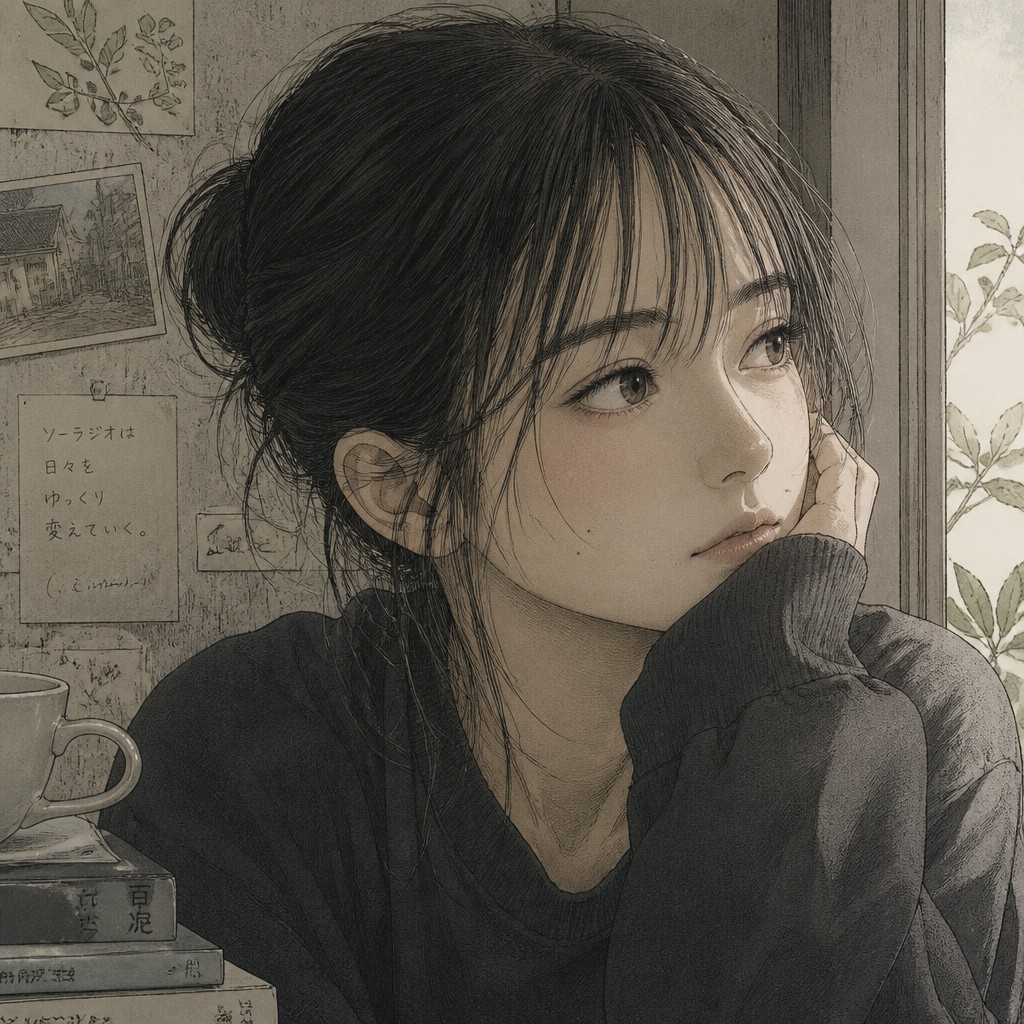
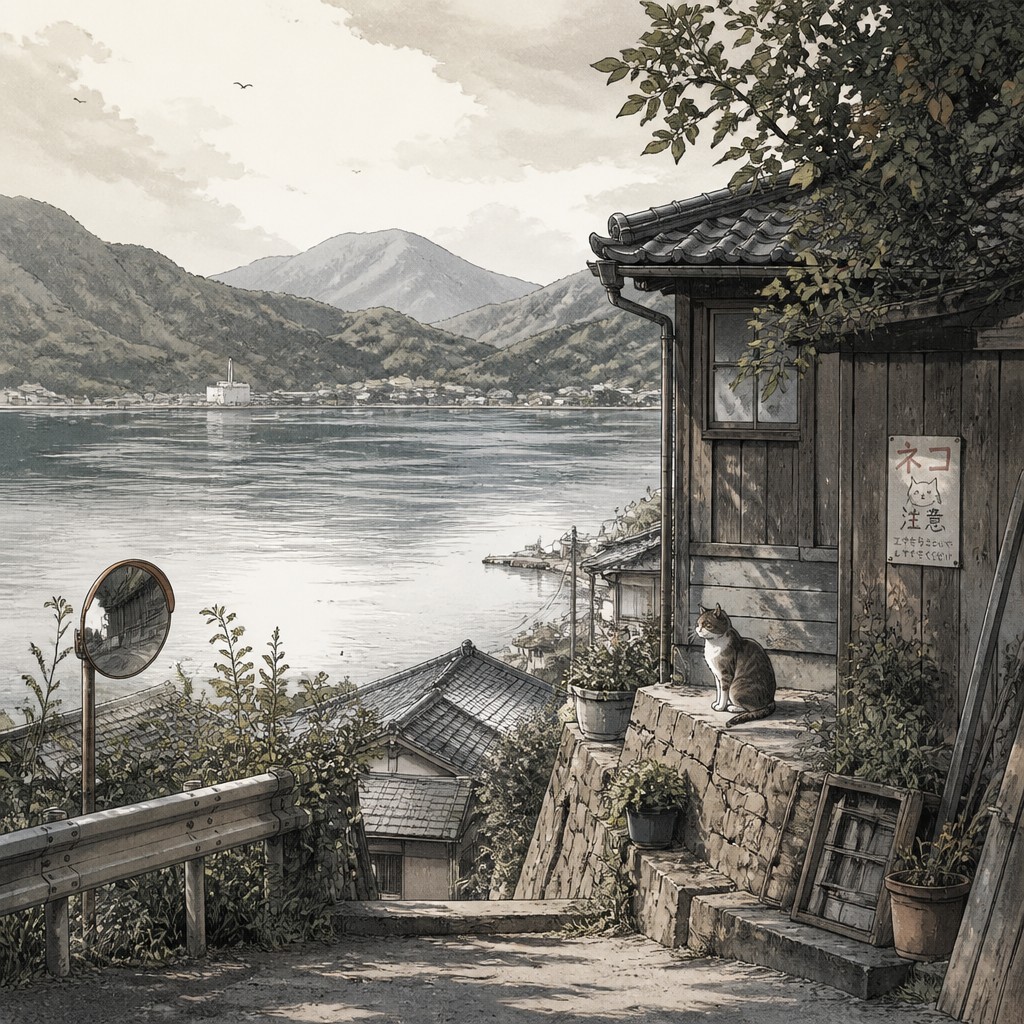
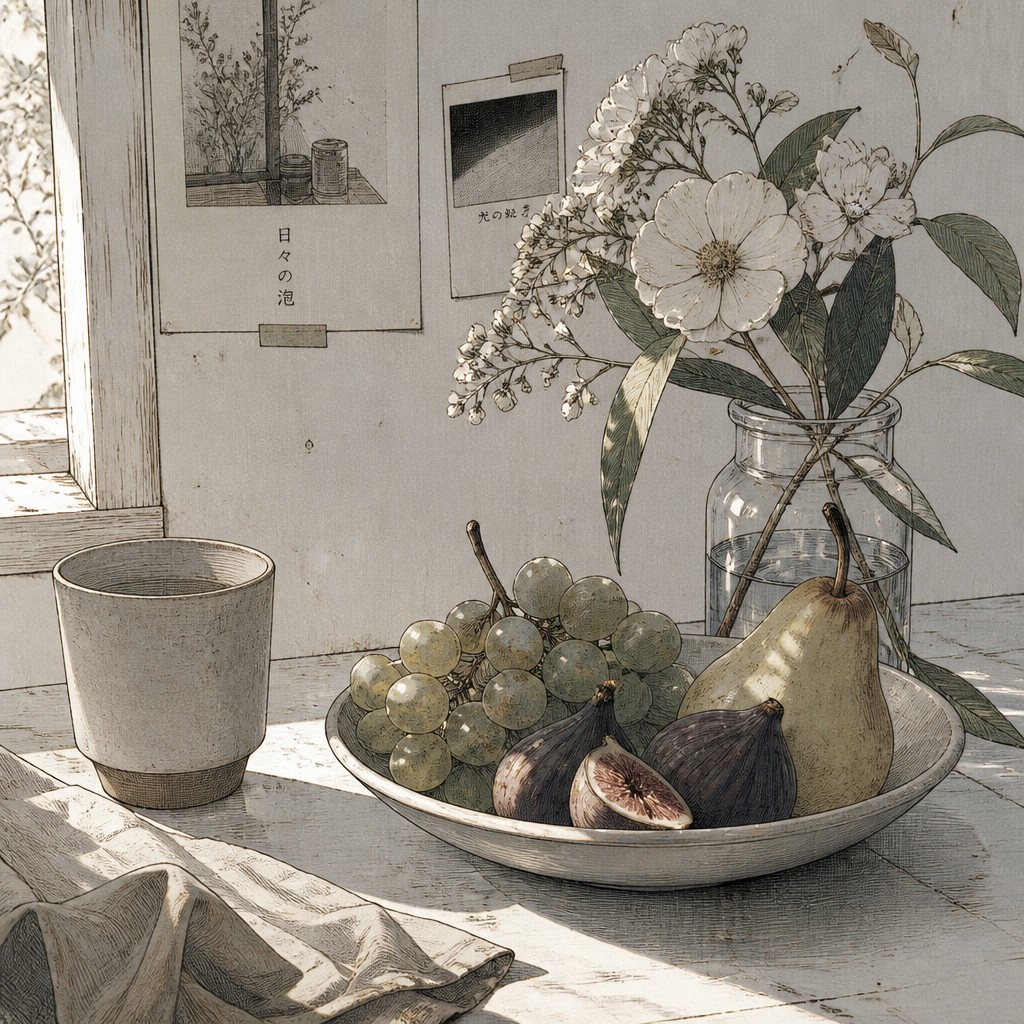
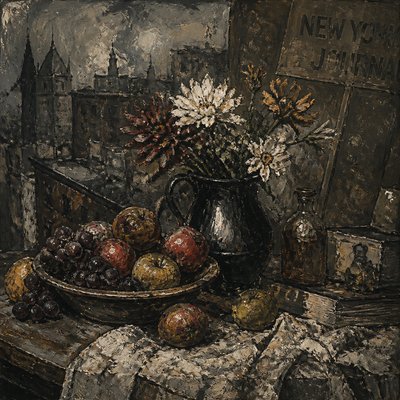
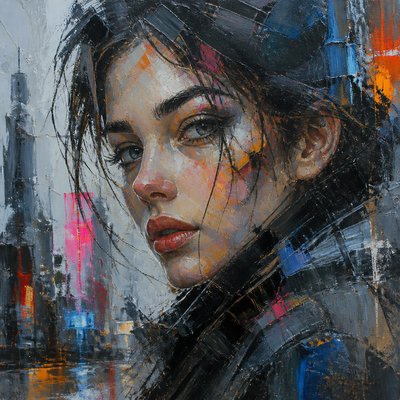
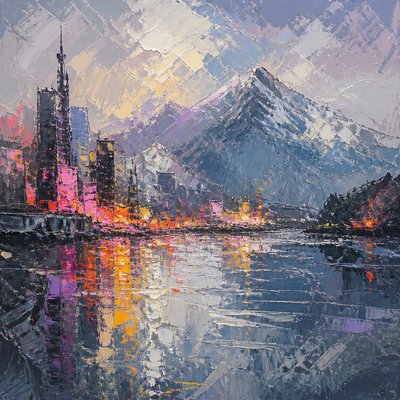
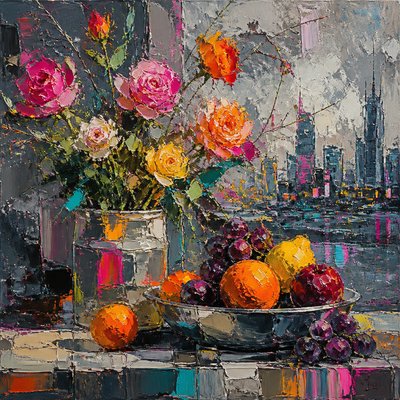
Slice of Life Manga Gallery
Tap any artwork to explore it

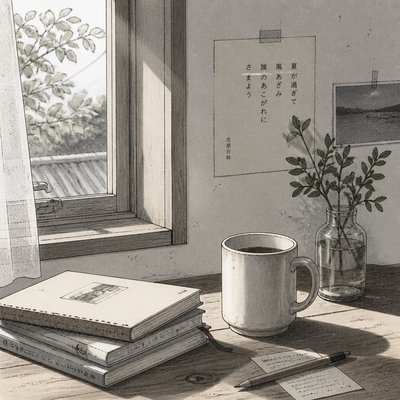
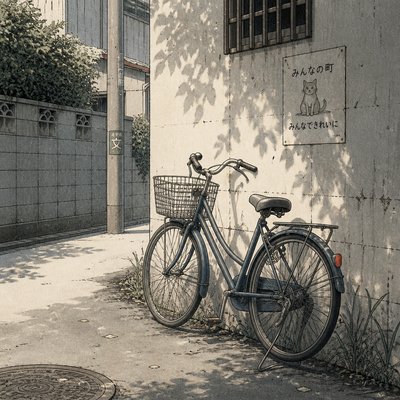

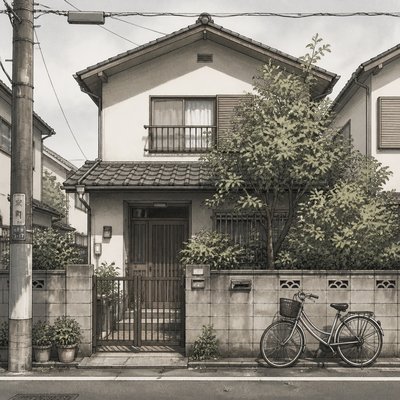
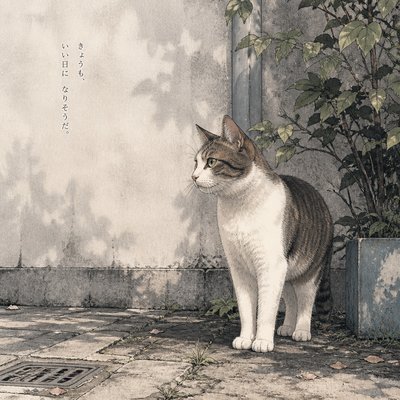
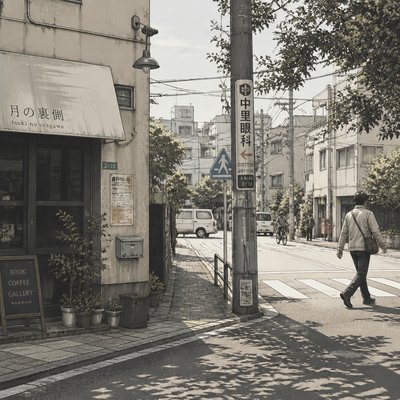
What is Slice of Life Manga Art Style?
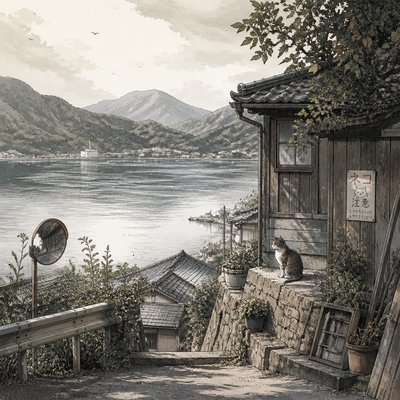
Slice of life manga art is a narrative visual style centered on ordinary moments: a meal shared in a kitchen, a walk home at dusk, a room left in afternoon light, or a pause between conversations. Its power comes from understatement. Rather than emphasizing dramatic action, it uses small gestures, domestic spaces, weather, and silence to reveal character and mood.
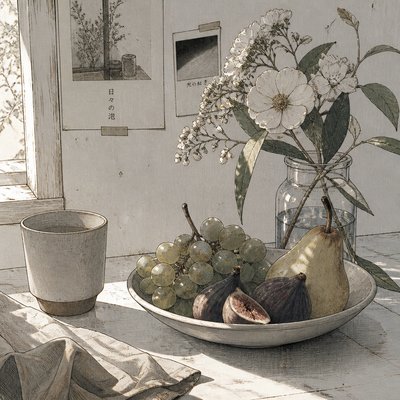
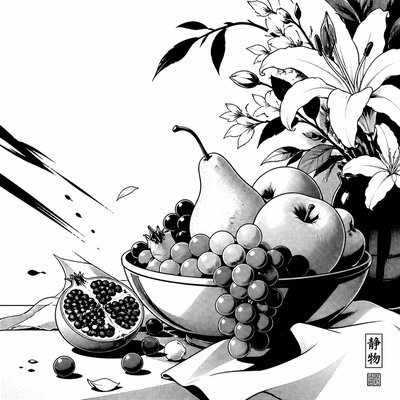
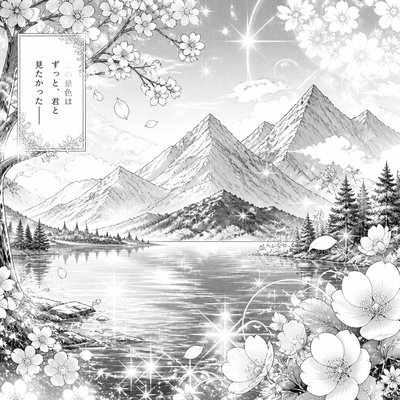
Visually, the style is defined by delicate linework, soft screentones or muted tonal modeling, and a careful balance between detailed environments and restrained character expression. The pacing of the image matters as much as its content: compositions often leave breathing room, use asymmetry, and frame everyday objects with the same attentiveness given to people. The result is quiet, observational, and emotionally specific, finding significance in what is usually overlooked.
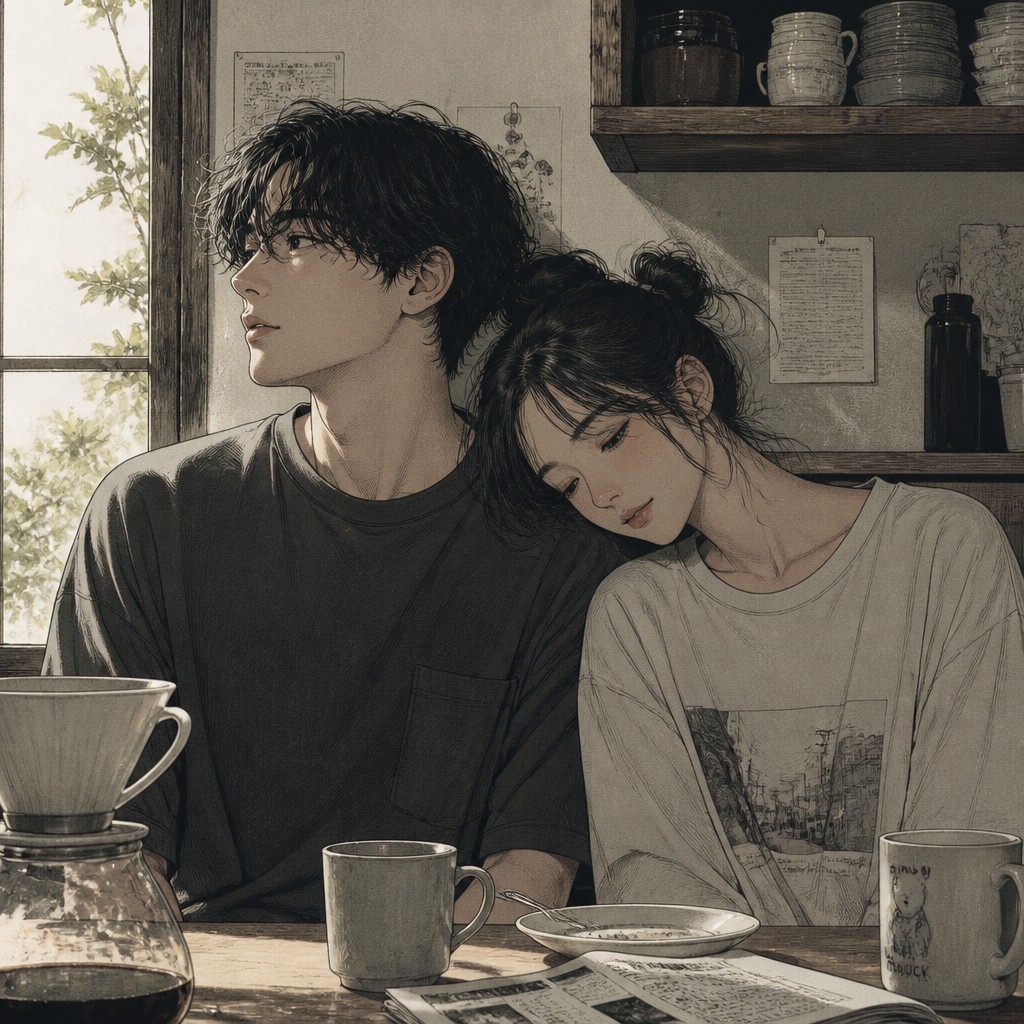
Try It On Your Photos
Upload any photo and convert it into Slice of Life Manga Art Style — drag the sliders to compare before and after.
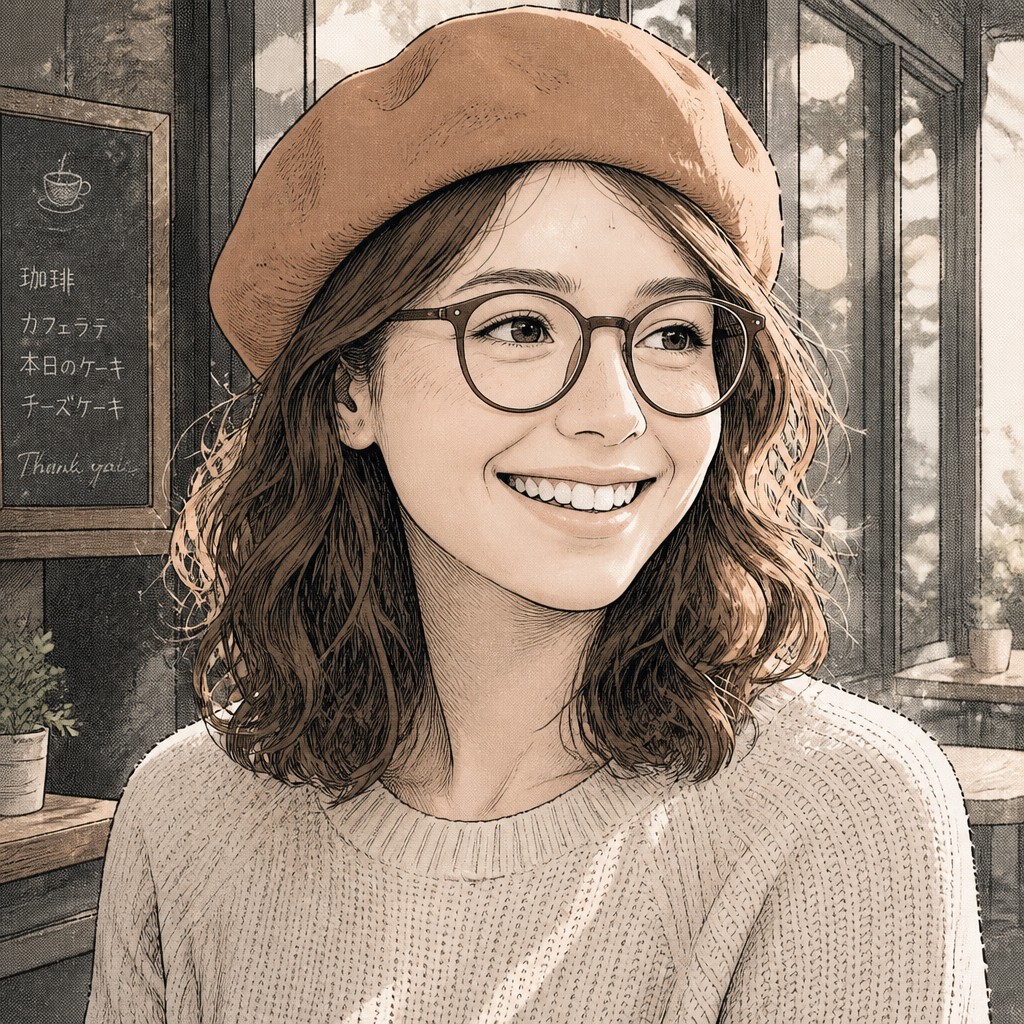

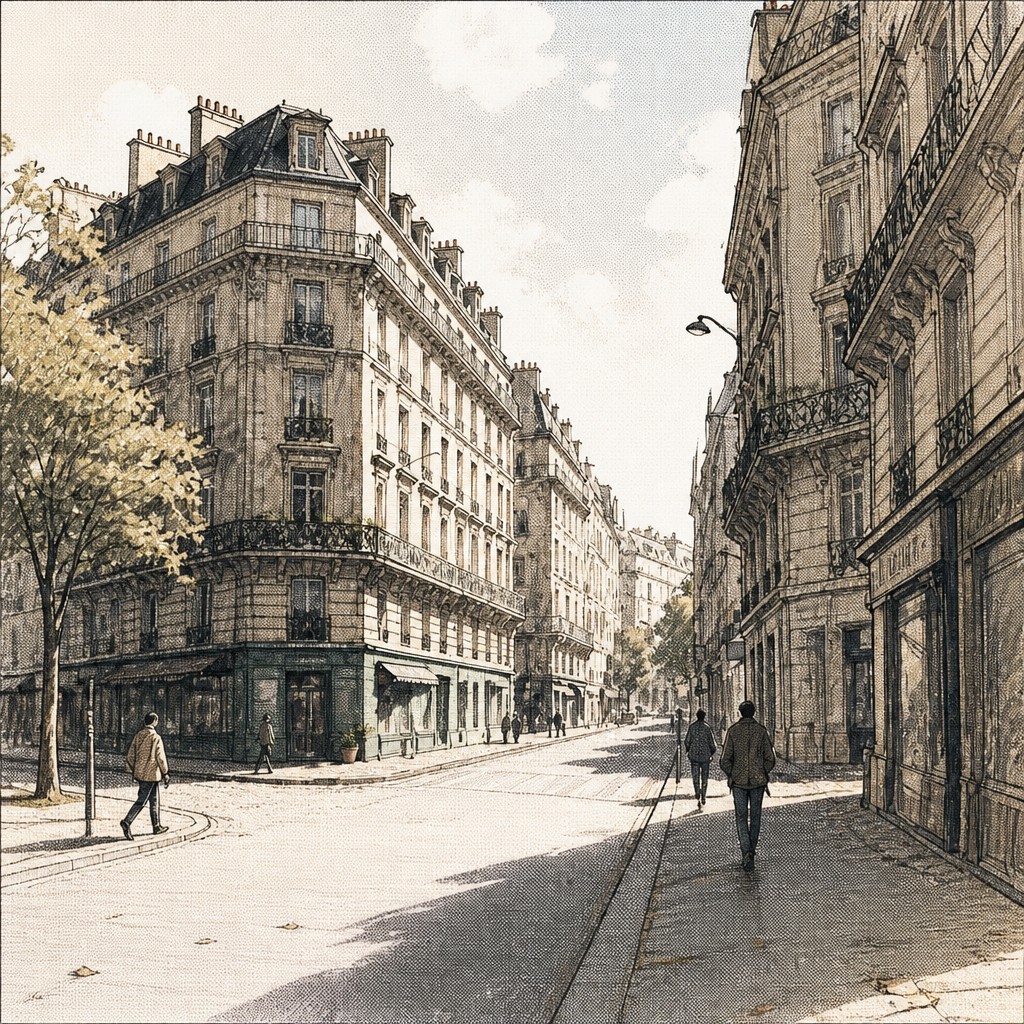

What Defines Slice of Life Manga Art Style
The signature details, up close
Quiet emotional register
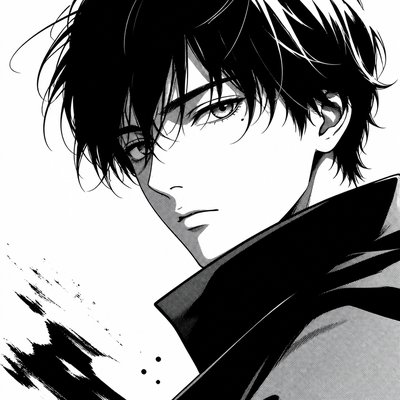
Facial expressions are subdued and believable, often conveyed through small changes in posture, eye shape, or hand placement. The emotional impact comes from implication rather than overt dramatics.
Everyday settings
Interiors, streets, kitchens, classrooms, convenience stores, train platforms, and other familiar spaces are depicted with care. The environment is not just background; it helps establish routine, time of day, and lived experience.
Delicate linework and tonal texture
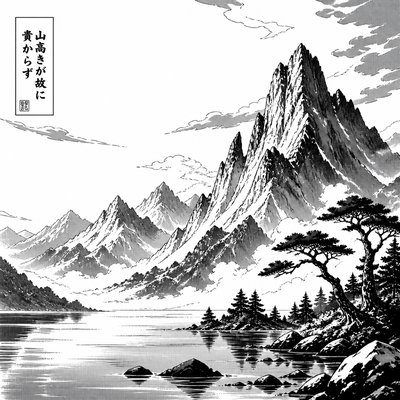
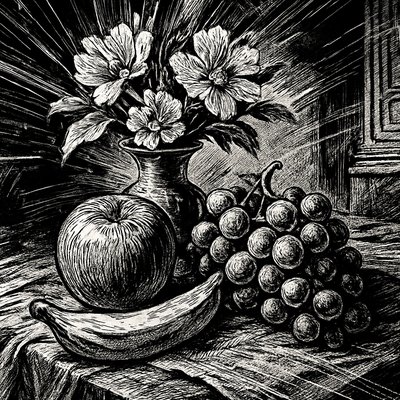
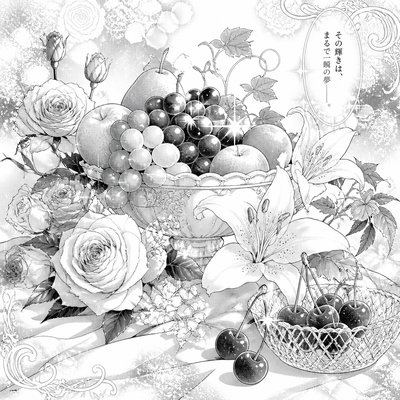
Lines are typically varied in weight and paired with screentones, soft shading, or gentle cross-hatching. These textures create a calm, tactile surface without overpowering the scene.
Muted, natural palette
When color is used, it often favors grays, creams, soft browns, subdued greens, and faded blues. The palette supports a contemplative mood rather than high contrast or saturation.
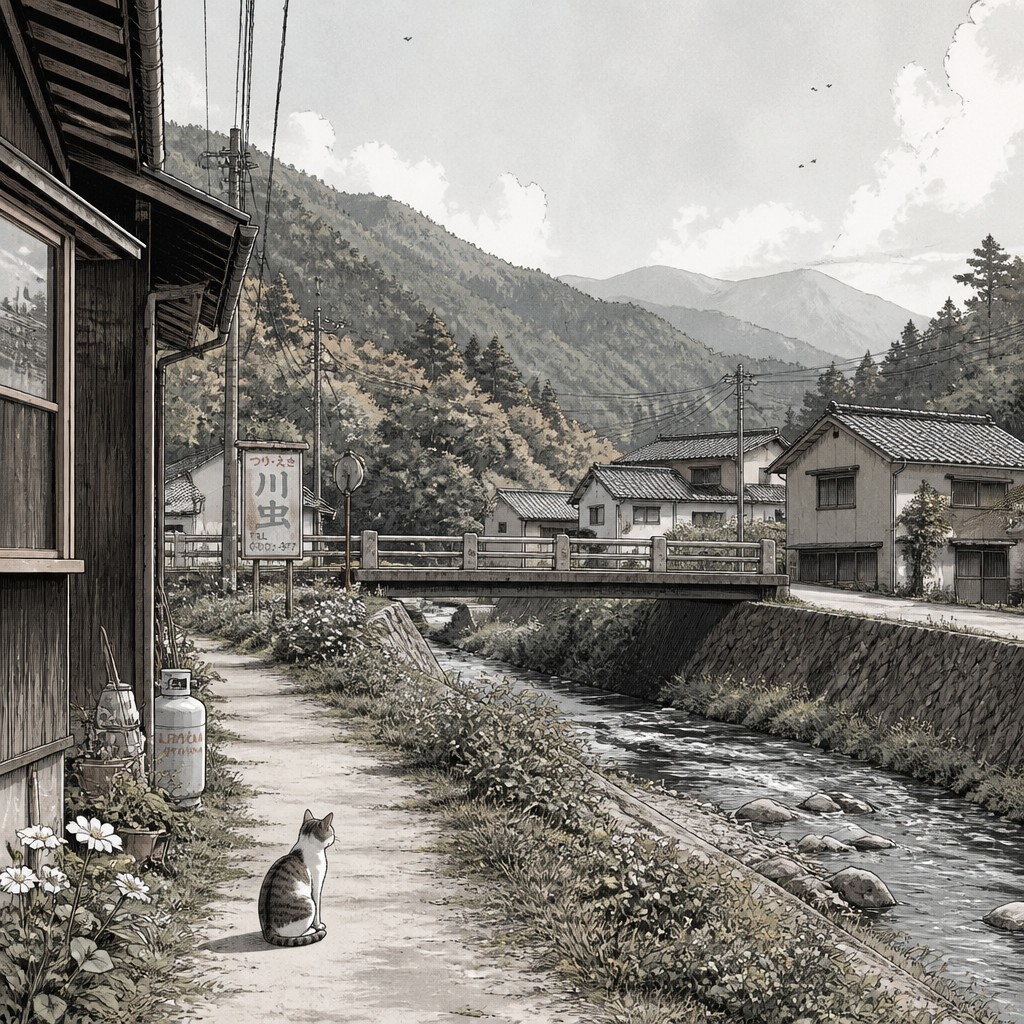
Filtered light and atmosphere
Window light, late afternoon sun, overcast skies, rain, and indoor lamp glow are common. Light is treated subtly, with gradual transitions that help the scene feel lived-in and temporally specific.
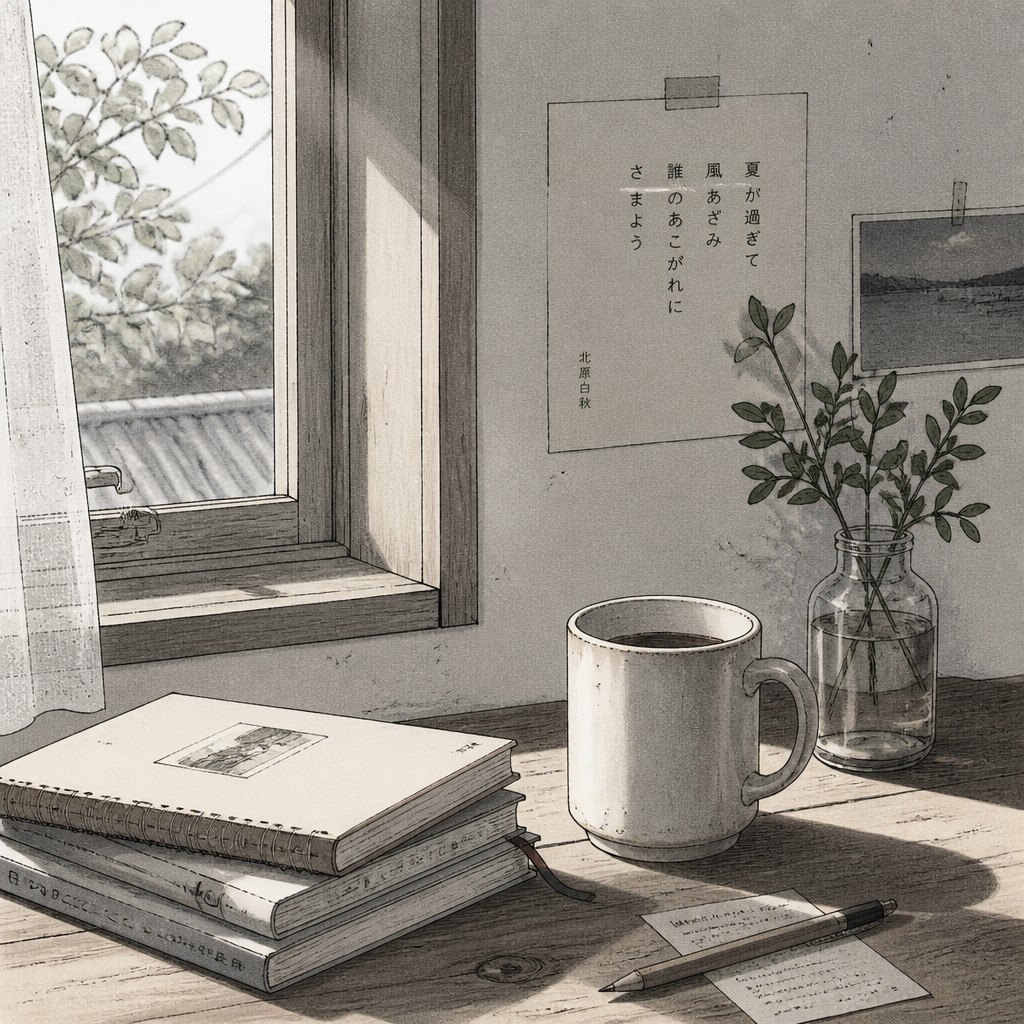
Attention to small objects
Tableware, books, clutter, folded clothes, plants, bicycles, and worn surfaces often receive the same care as the characters. These details suggest habits, routines, and personal history.
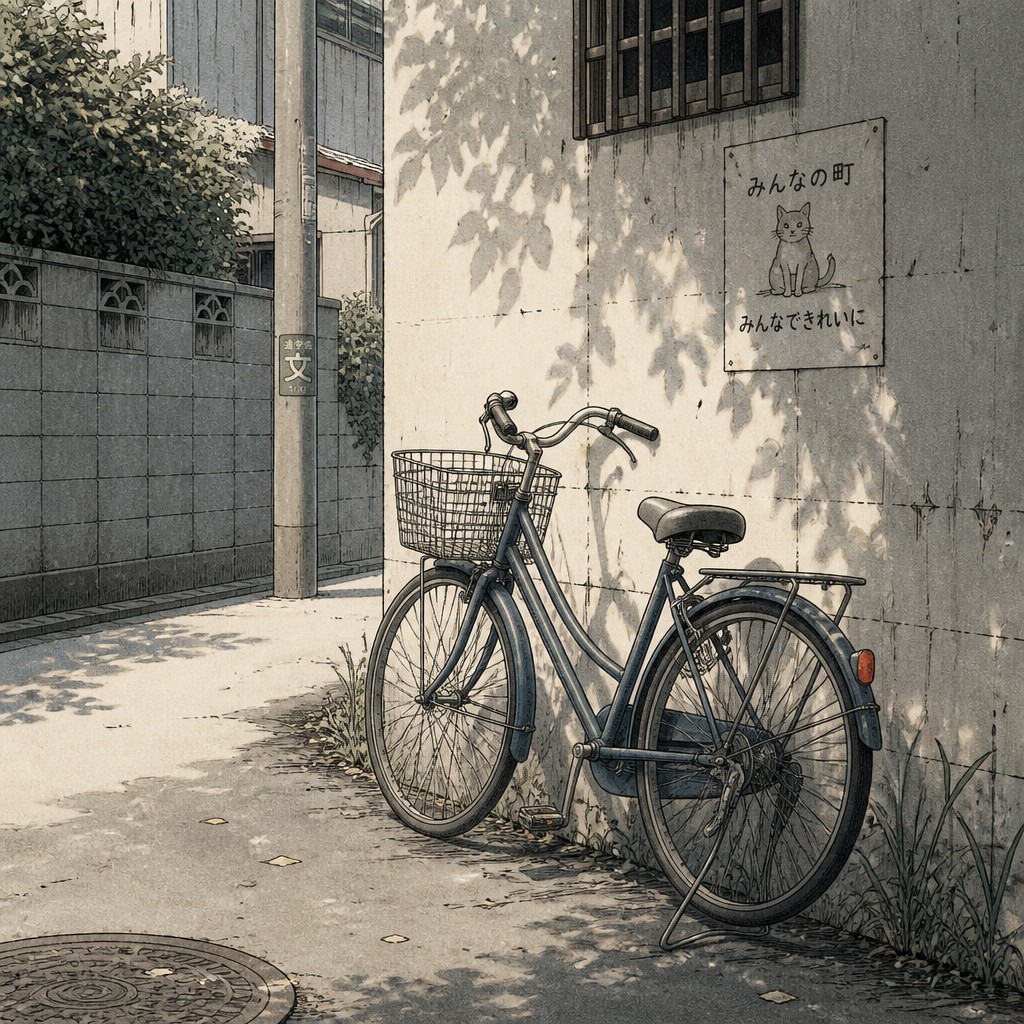
Negative space and stillness
Compositions often leave quiet areas around figures and objects, allowing the image to breathe. The emptiness is meaningful, reinforcing pauses, reflection, and the sense that nothing needs to be rushed.
Try It
Create Videos in Slice of Life Manga Art Style
Styles aren't just for stills — describe a scene or animate an image and get a short video rendered in Slice of Life Manga. Press play to see this pond come to life.
Make a VideoSlice of Life Manga Prompt Ideas
Start from an idea — each one opens the generator with the style ready to go. See all 40 Slice of Life Manga prompts →
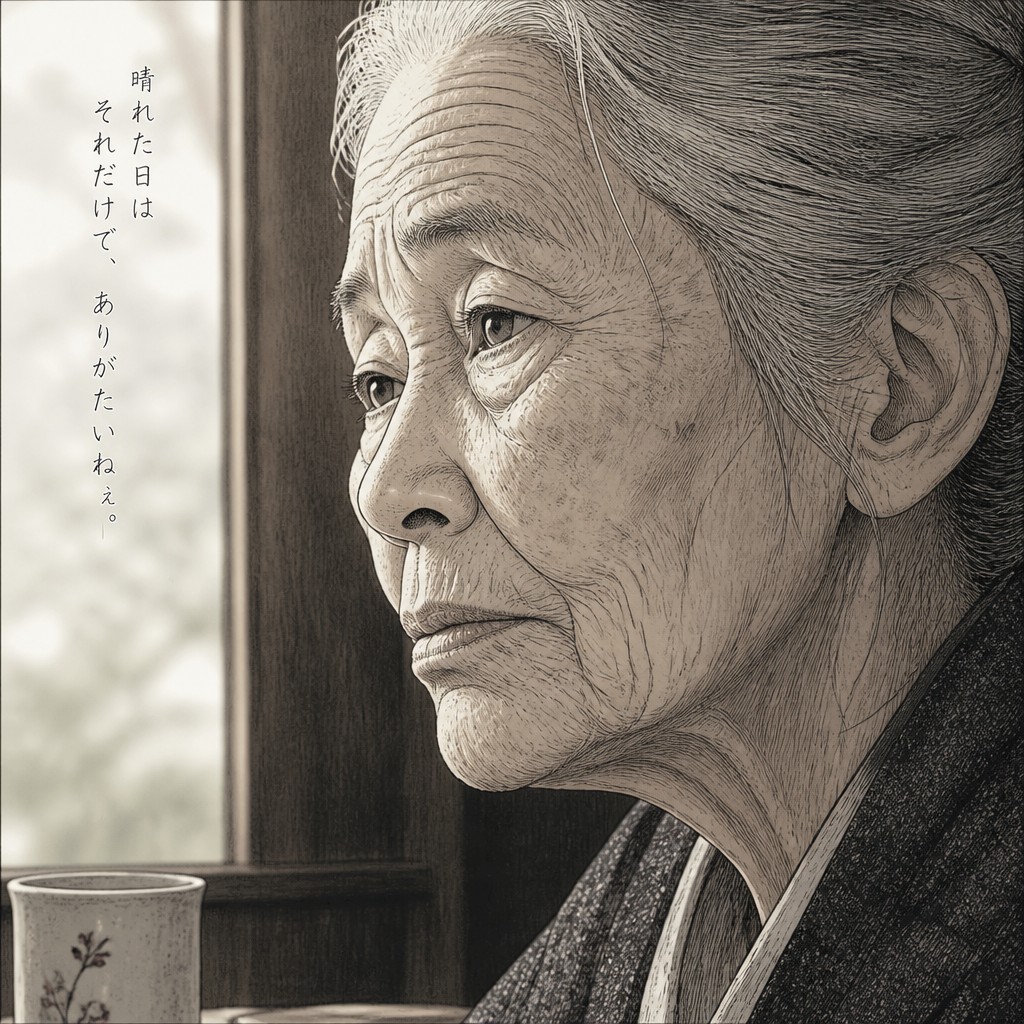
“close-up portrait of an elderly person with expressive weathered features”
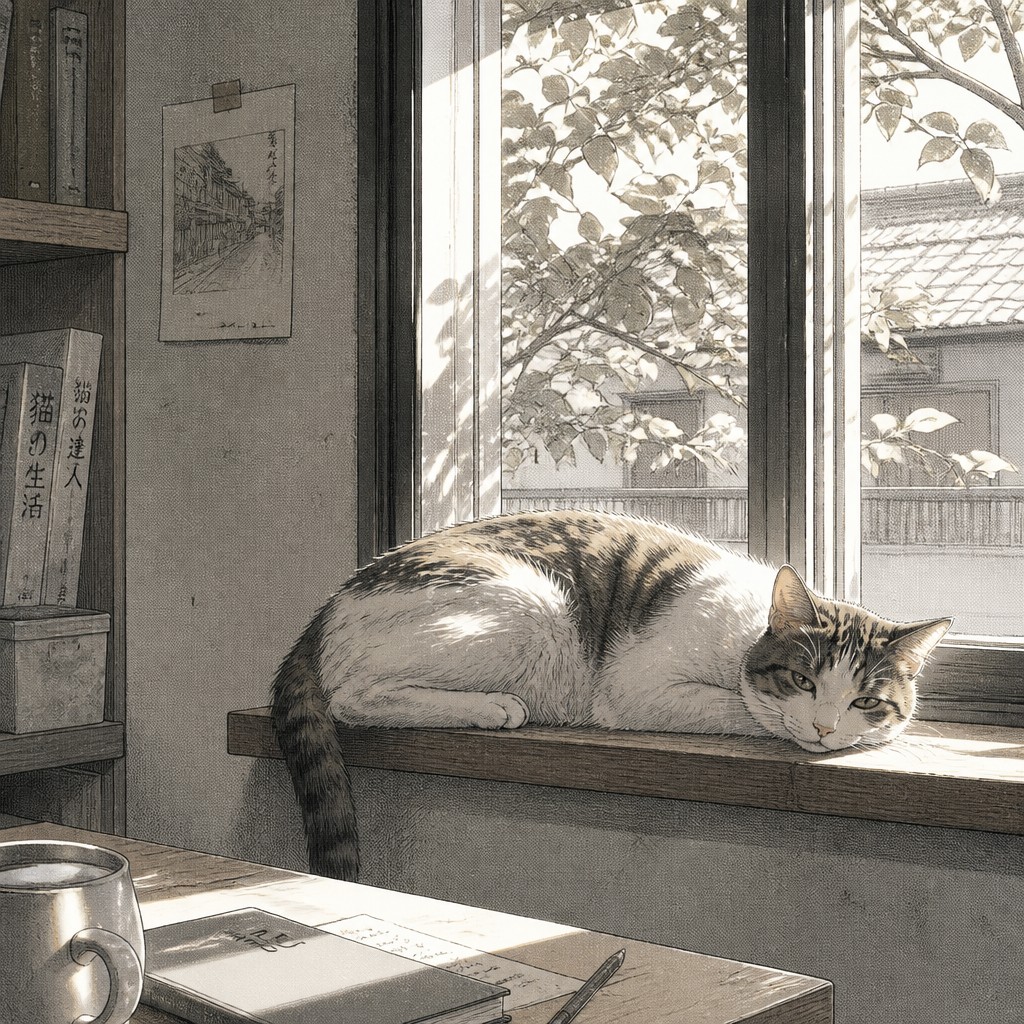
“a cat lounging in a sunlit window”
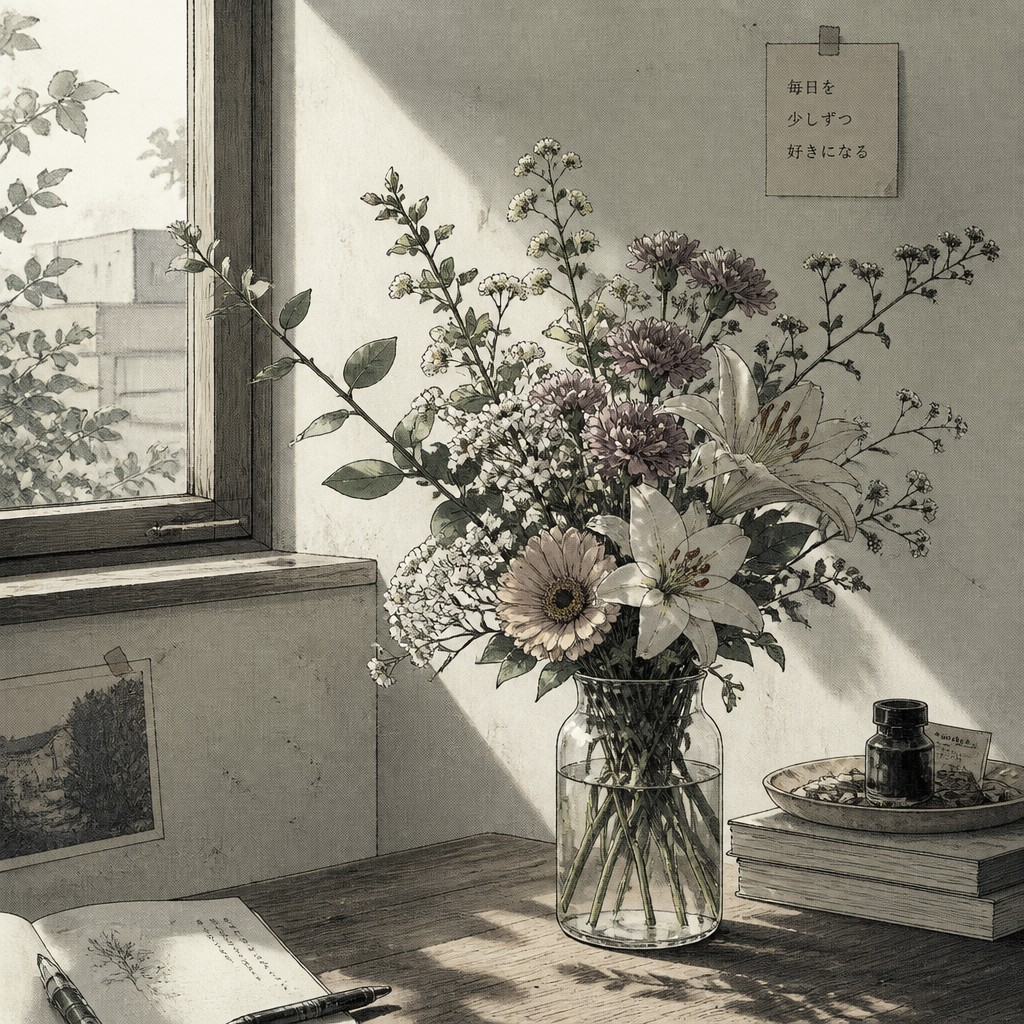
“bouquet of flowers in a glass vase”
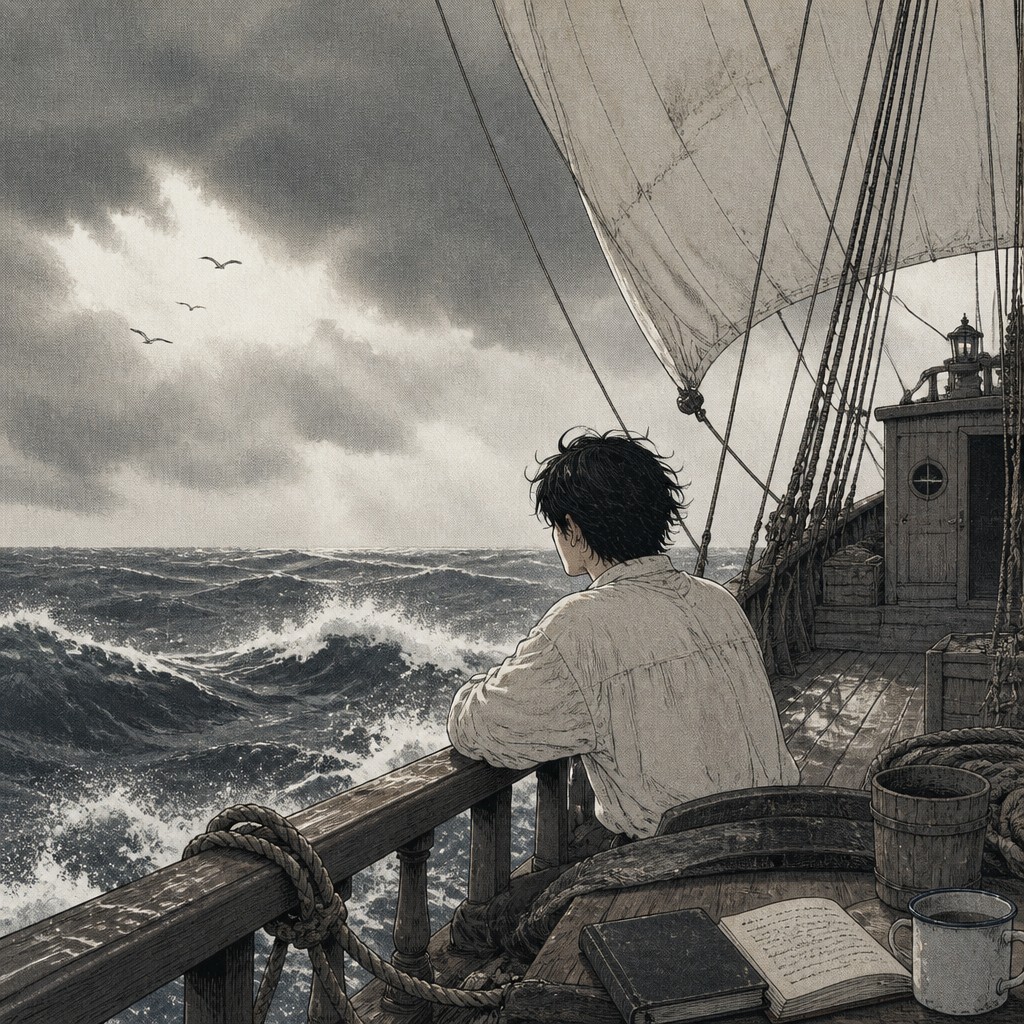
“sailing ship on a stormy sea”
How to Create Slice of Life Manga Art
Master the craft step by step — or skip straight to creating. Read the full guide →
- 1
Build the scene around a routine moment
Choose an ordinary action first—making tea, reading by a window, waiting for a bus, cleaning a desk, or chatting after class—and design everything else around that mood. In traditional drawing, begin with loose composition sketches to preserve the sense of pause; in digital work, prioritize clear staging over visual complexity.
- 2
Use restrained line and soft tonal contrast
Vary line weight to separate foreground, midground, and background, but avoid overly crisp outlines or aggressive rendering. Add screentone, subtle gradients, or light cross-hatching to keep the image gentle and quiet.
- 3
Treat the environment as emotional context
Include details that imply routine: slightly messy desks, warm cups, laundry, rain on windows, or sunlit dust in the room. These elements should feel observed rather than decorative, helping the viewer infer the characters' lives.
- 4
Control pacing through composition
Leave room around the subject, use asymmetry, and let the eye drift naturally across the frame. If creating a prompt, specify stillness, silence, and negative space so the model emphasizes atmosphere instead of action.
- 5
Favor natural light and subdued color grading
Use overcast daylight, late afternoon, or lamplight to create soft transitions and gentle shadows. In image-generation prompts, ask for muted earth tones, soft grays, and filtered light to avoid a glossy or high-contrast look.
- 6
Write prompts around everyday specificity
Include concrete subjects, locations, and times of day, such as 'a student folding laundry in a small apartment at dusk' or 'two coworkers sharing coffee near a rainy station platform.' Specificity helps produce the quiet, grounded quality associated with the style.

The Story
History & Origins of Slice of Life Manga
Slice of life manga is not a single historical school so much as a recurring aesthetic and narrative mode within Japanese comics. It developed alongside the wider growth of postwar manga, especially the expansion of everyday, character-centered storytelling in shōjo, josei, seinen, and alternative manga. Its visual language draws on the broader manga toolkit of expressive panel timing, tonal textures, and economical linework, but redirects those tools toward atmosphere, routine, and interiority rather than spectacle.
Its lineage also extends to Japanese traditions of depicting seasonal change, domestic interiors, and the beauty of transient everyday experience. In contemporary manga, anime, illustration, and visual novels, the style remains popular because it is well suited to stories of school life, family life, work, friendship, and solitary reflection. Digital illustration has amplified the look, but the core aesthetic still depends on observation, restraint, and a sensitivity to ordinary detail.
Influences: This aesthetic draws from Japanese manga and illustration traditions that value atmosphere, interpersonal nuance, and the poetry of ordinary life, while also sharing affinities with shōjo and josei comics, contemporary slice-of-life anime, and the softer end of realist illustration. In broader art history it relates to observational drawing, domestic genre painting, and the Japanese appreciation of transient seasonal mood; however, it is best understood as a manga-based visual language shaped by sequential storytelling, screentone printing, and careful scene-setting rather than by a single canonical movement.
Frequently Asked Questions
What defines slice of life manga art?
It focuses on everyday experiences, subtle emotion, and believable environments rather than dramatic action. The style usually combines delicate linework, soft tonal shading, and quiet compositions that give ordinary moments emotional weight.
How is it different from shonen manga art?
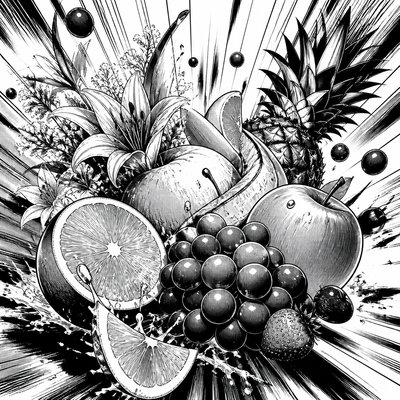
Shonen art often emphasizes motion, strong contrast, dynamic poses, and heightened action. Slice of life manga is usually calmer, with more attention to atmosphere, body language, and the details of daily routine.
Can this style be used for both black-and-white and color art?
Yes. Black-and-white versions often rely on screentones, cross-hatching, and line variation, while color versions usually use muted palettes and soft light. In both cases, the goal is to preserve the quiet, observational feeling.
What subjects work best in this style?
School life, family scenes, quiet friendships, work routines, solo introspection, travel pauses, and domestic interiors all fit well. The style is strongest when the subject is ordinary but emotionally specific.
How do I make a prompt look more authentic to this style?
Specify mundane actions, natural lighting, subdued colors, detailed backgrounds, and a calm atmosphere. Words like 'quiet,' 'still,' 'lived-in,' 'muted,' and 'subtle emotion' help steer the result away from action-heavy anime imagery.
Where is this style commonly used?
It appears in manga, anime backgrounds, character illustrations, visual novel art, and editorial-style scenes of everyday life. It is especially common in stories that prioritize mood, relationships, and the textures of ordinary existence.

Create your first Slice of Life Manga artwork
Describe anything — or upload a photo — and see it in Slice of Life Manga Art Style in seconds.
Make Something with Slice of Life Manga
Compare Slice of Life Manga
Related Styles
Discover similar art styles