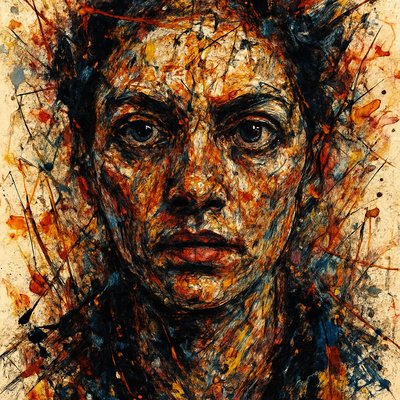
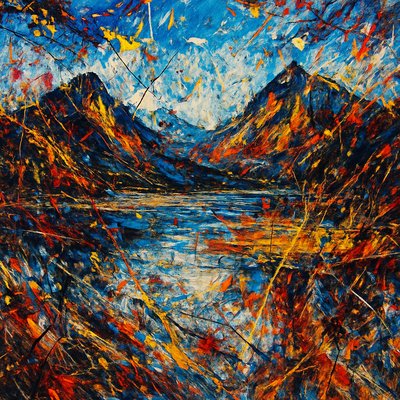
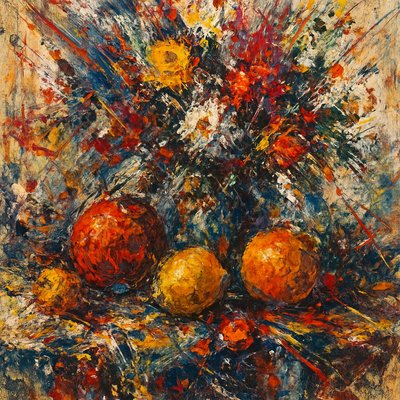
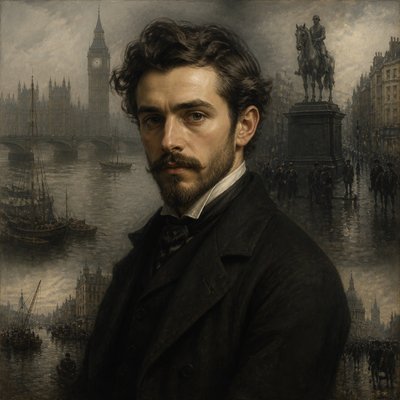
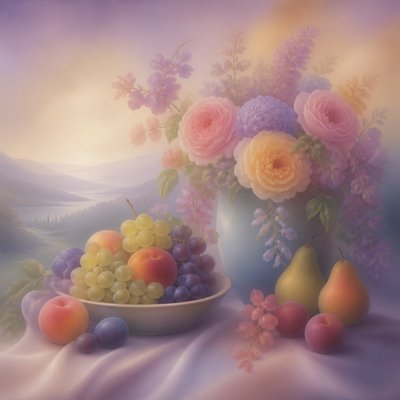
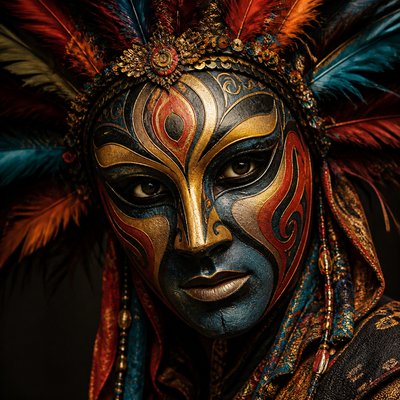
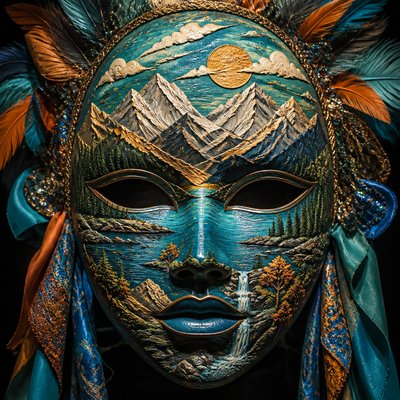
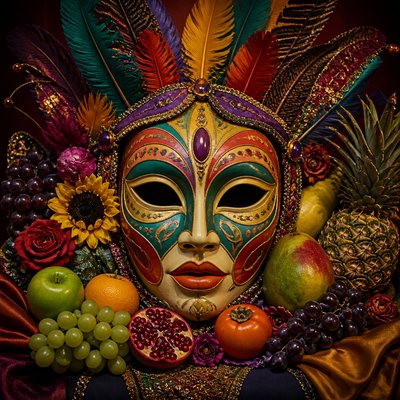
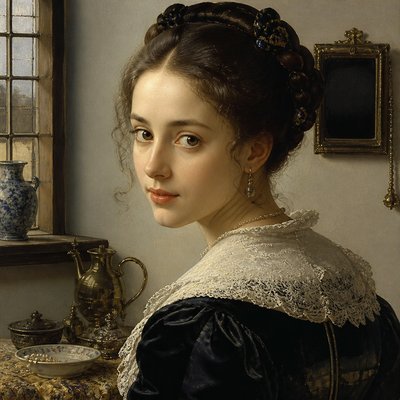
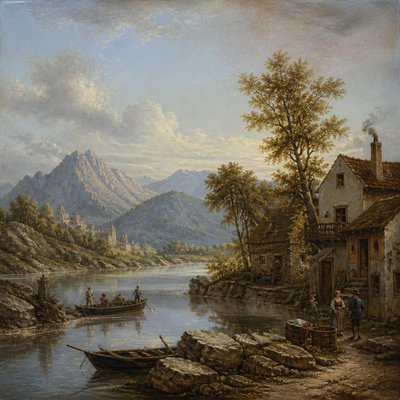
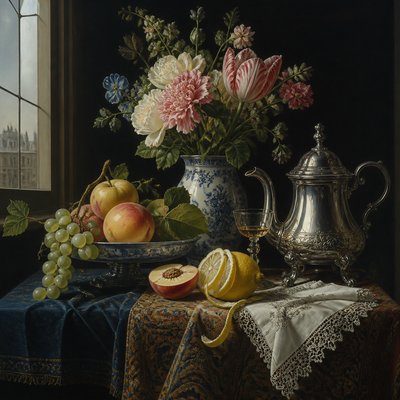
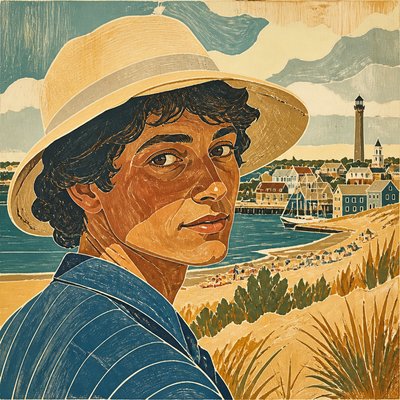
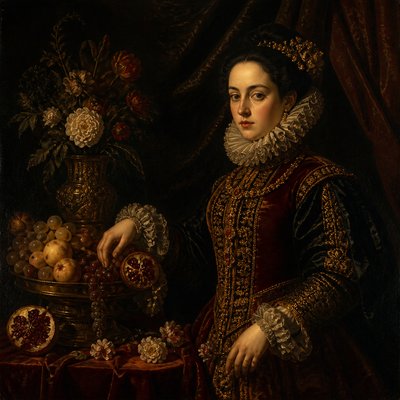
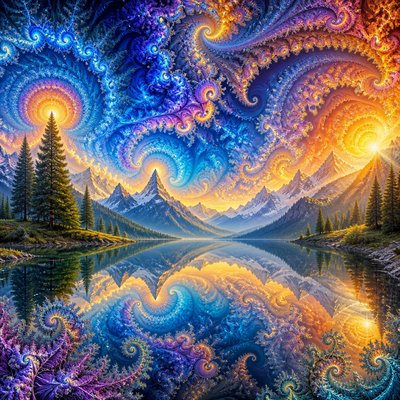
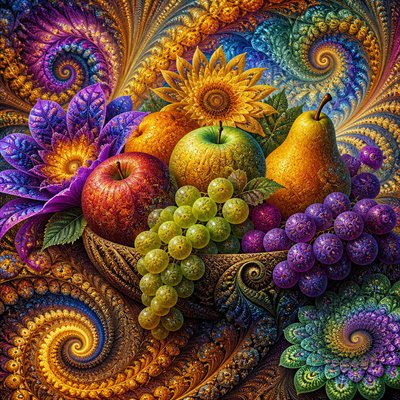
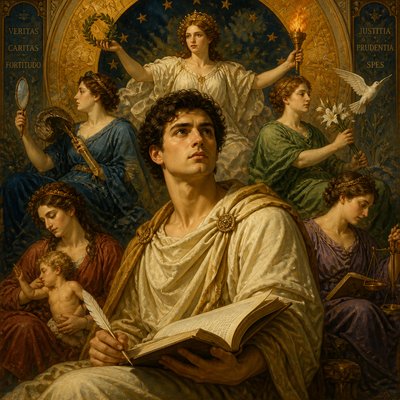
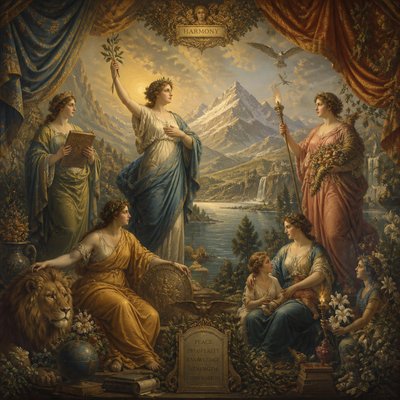
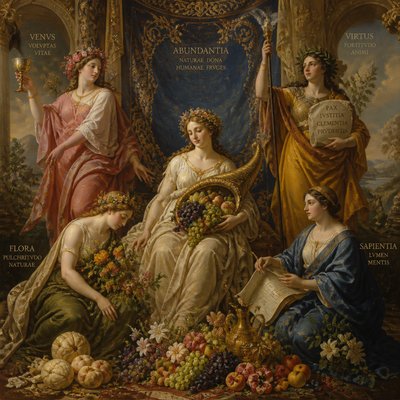
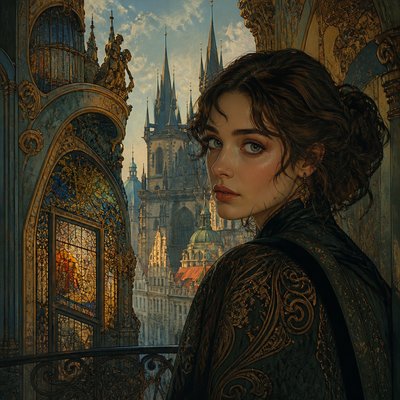
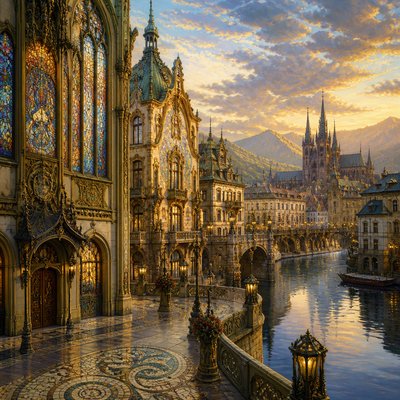
Purism Art Style
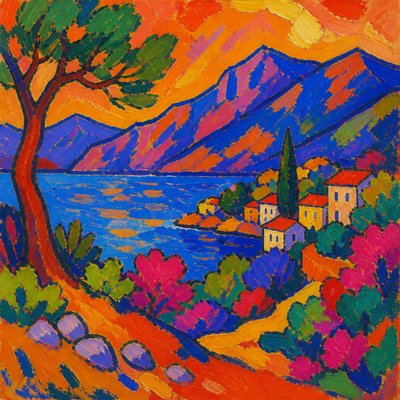
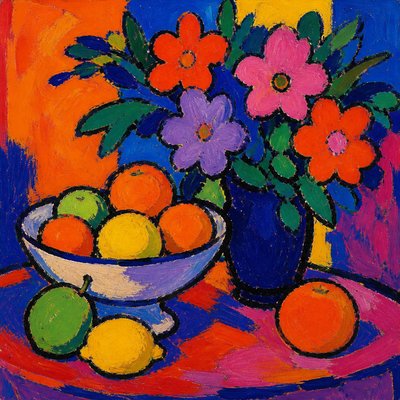
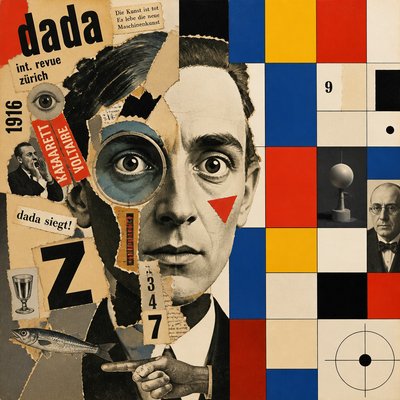
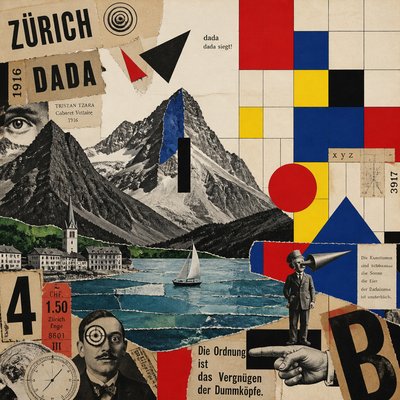
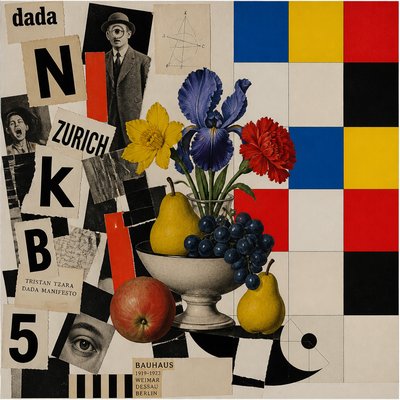
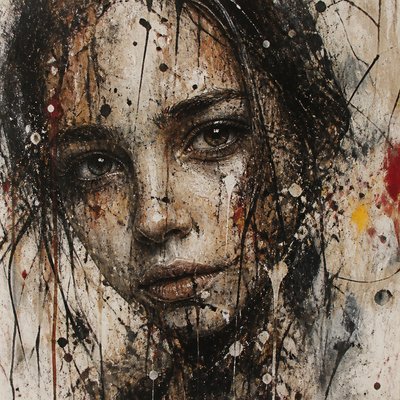
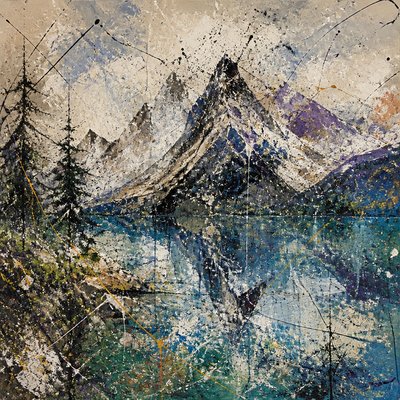
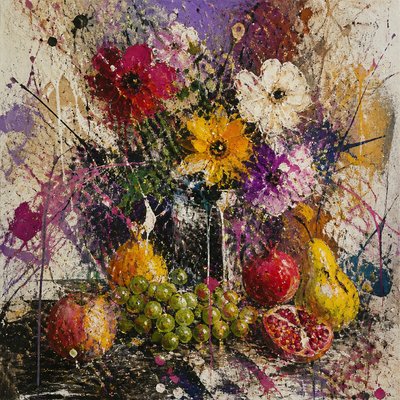
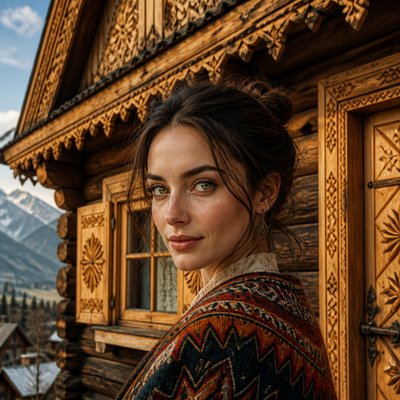
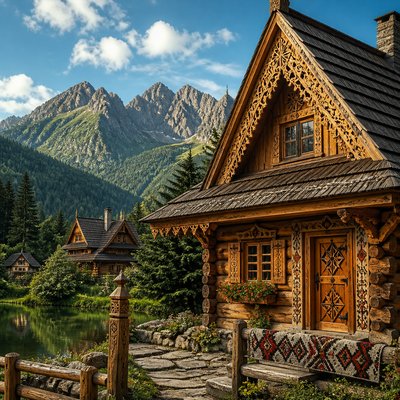
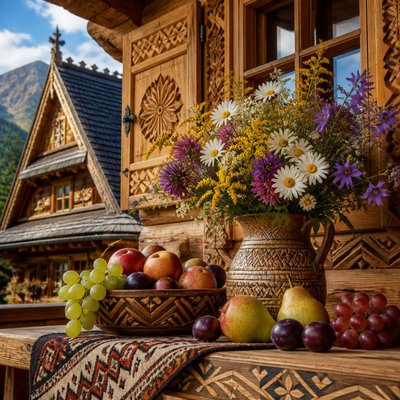
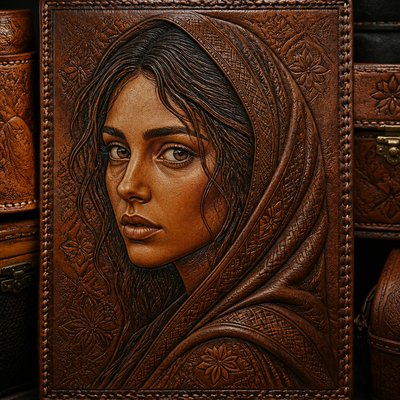
Explore Purism: serene machine-age still lifes built from geometric silhouettes, architectural space, muted color, and precise visual order.
Instantly rendered in Purism — or transform a photo
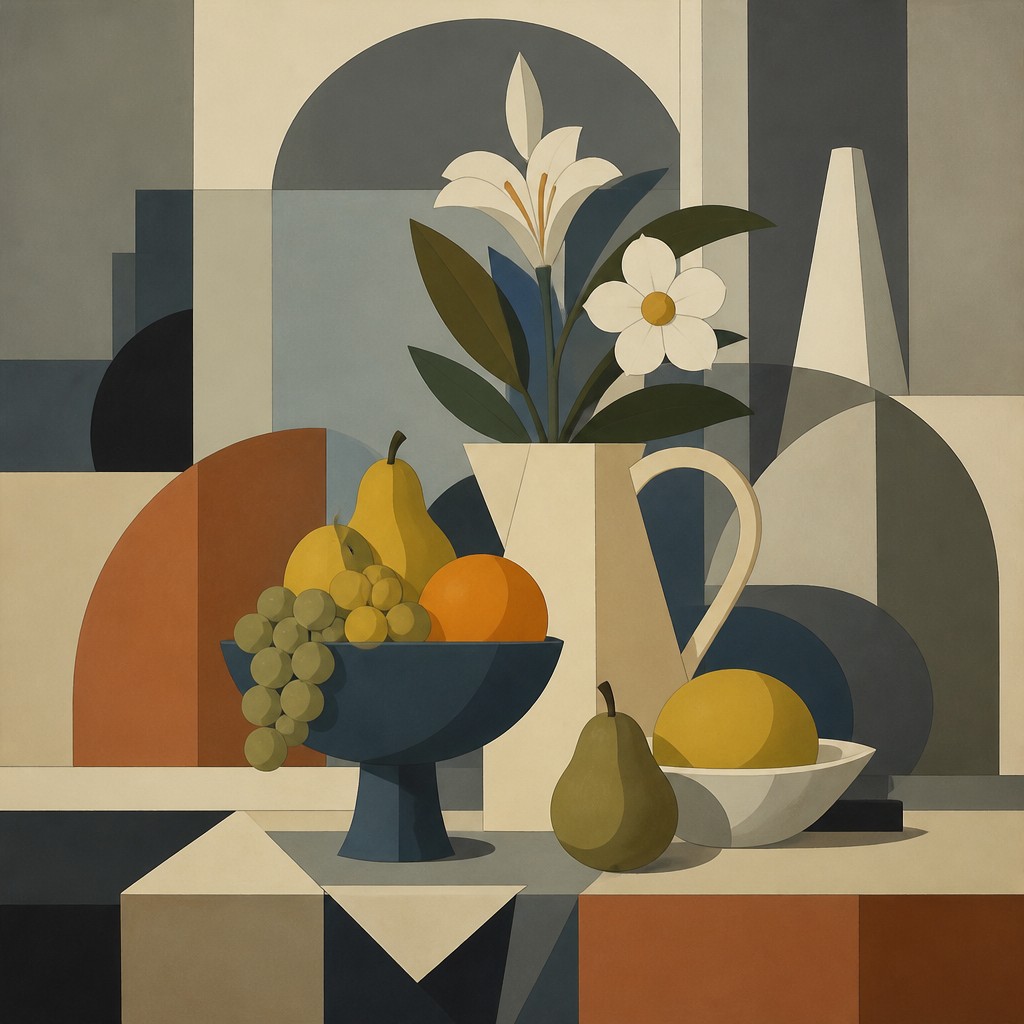
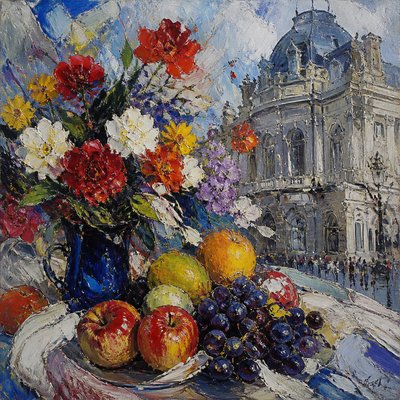
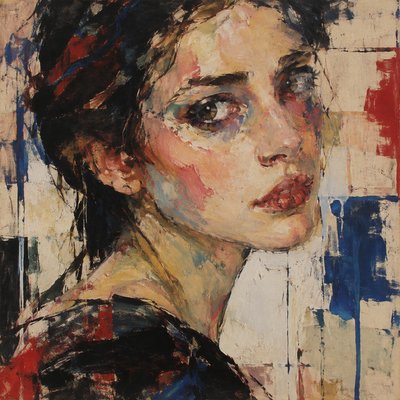
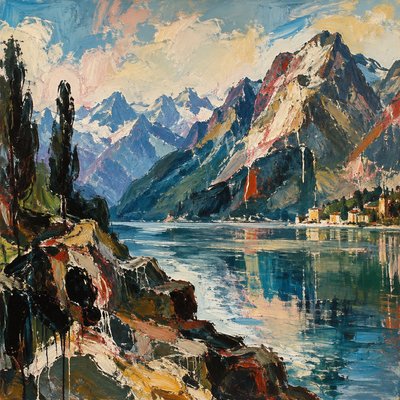
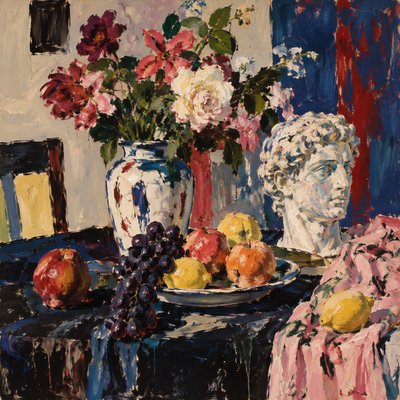
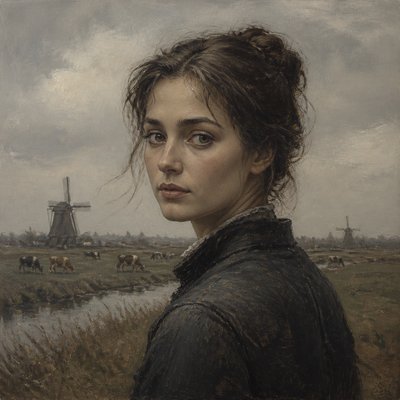
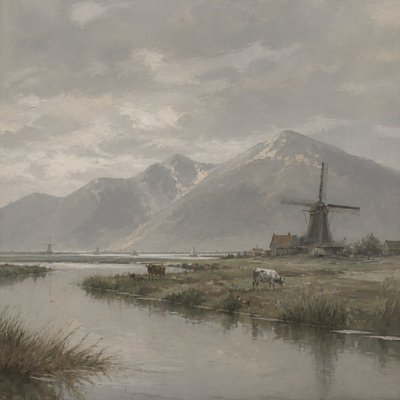
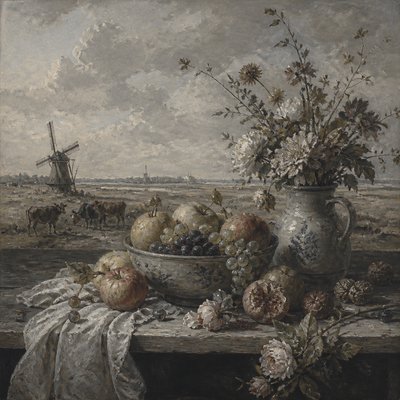
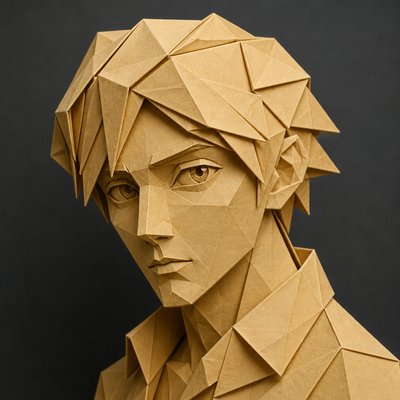
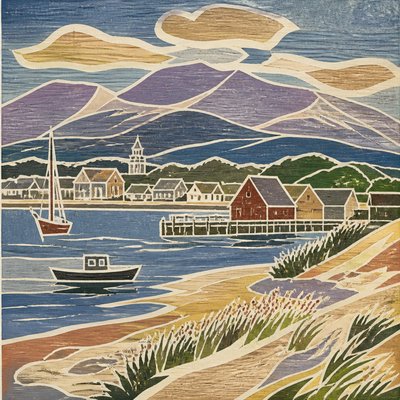
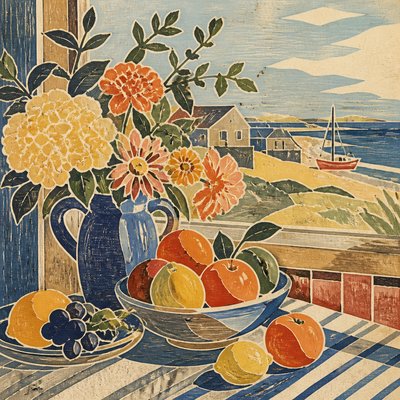
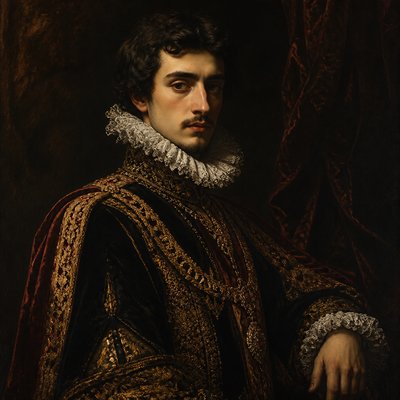
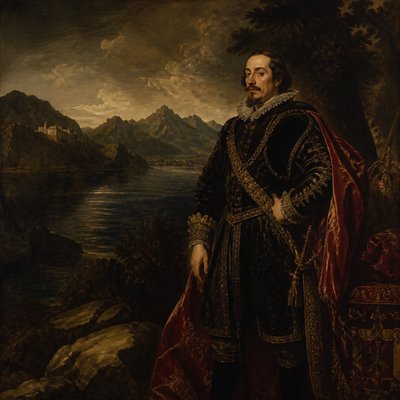
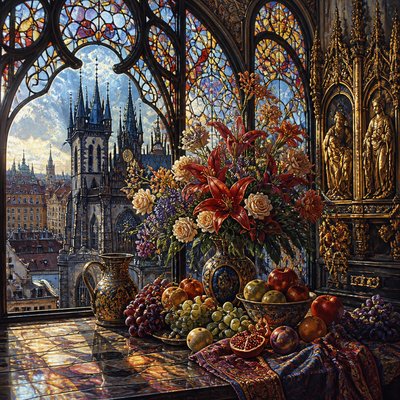
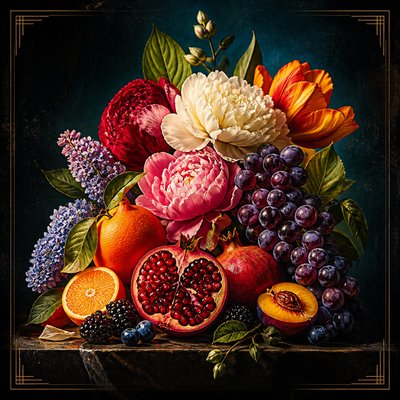
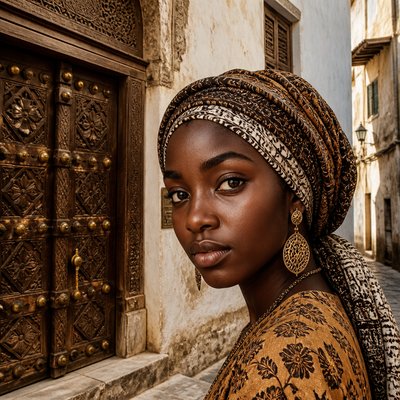
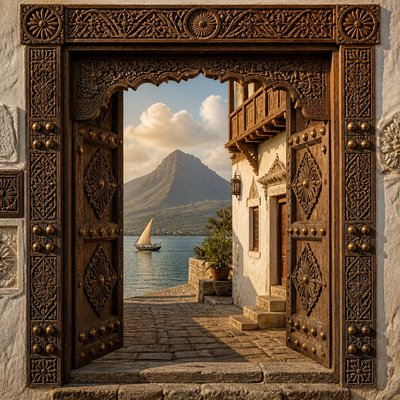
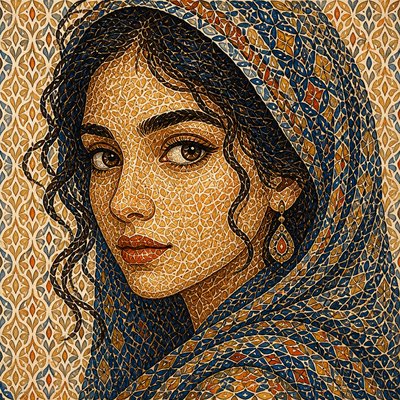
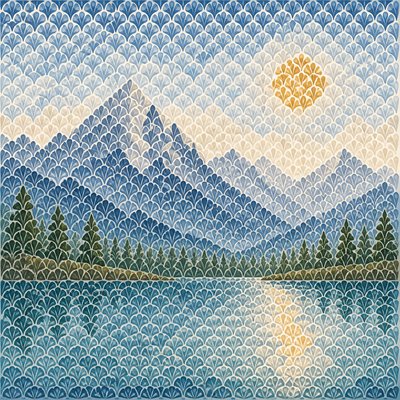
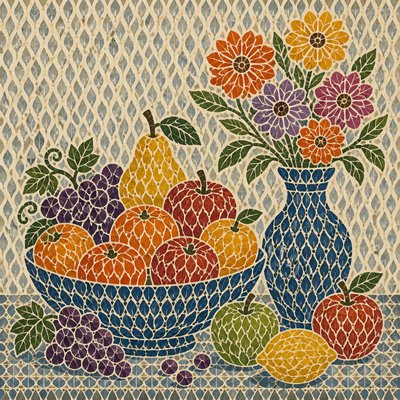
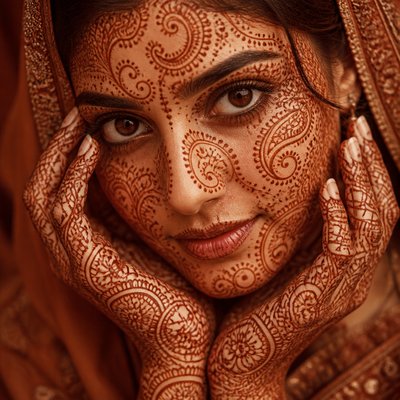
Purism Gallery
Tap any artwork to explore it
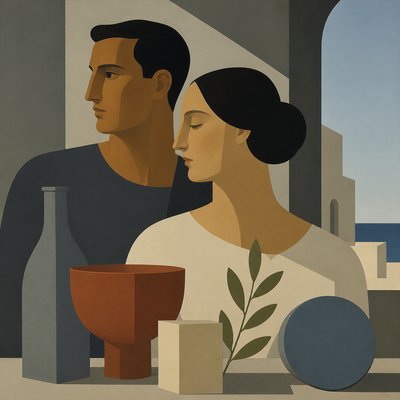
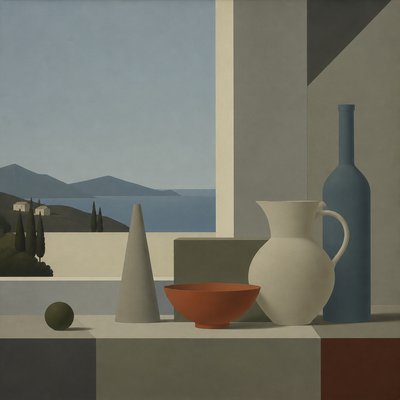
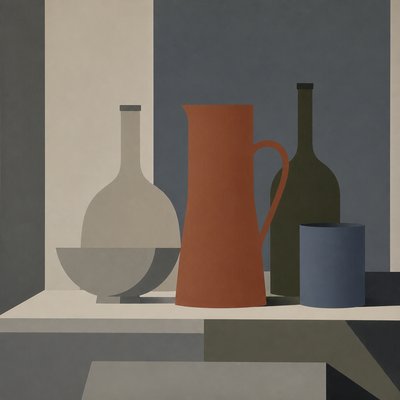
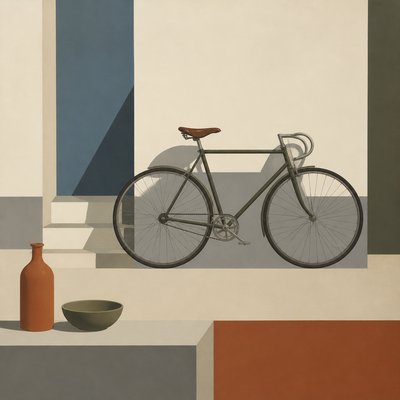
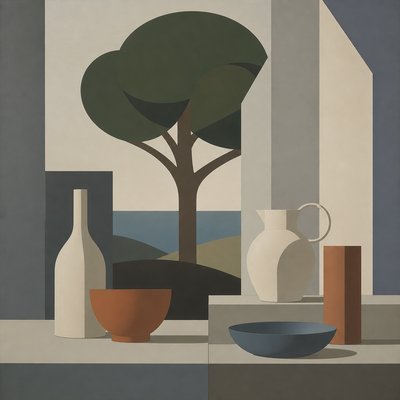
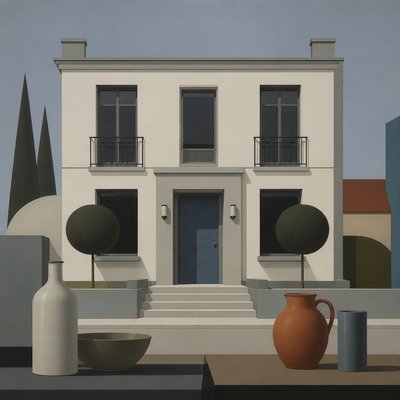
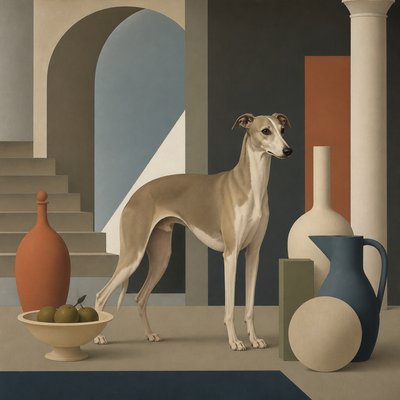
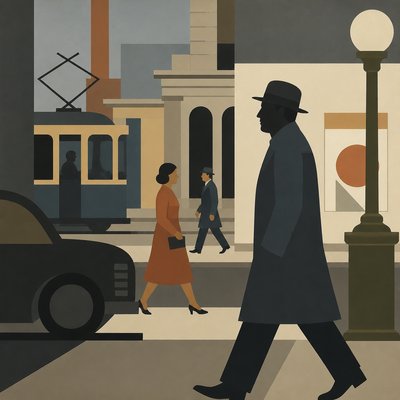
What is Purism Art Style?
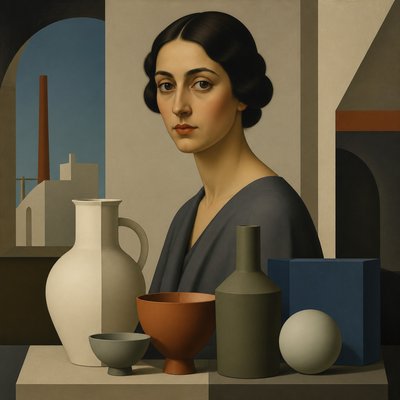
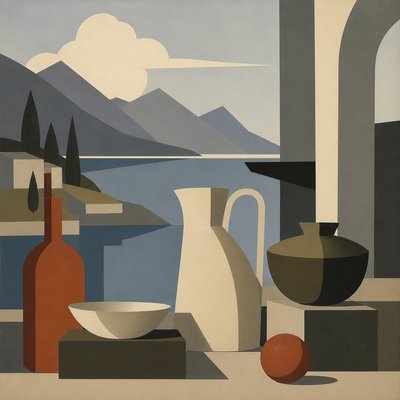
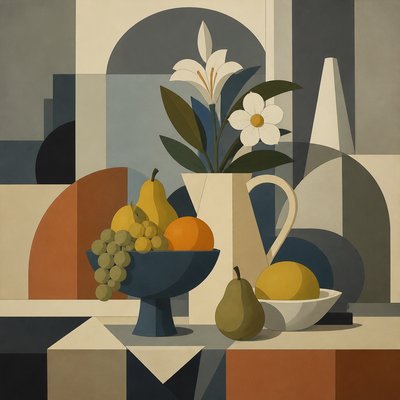
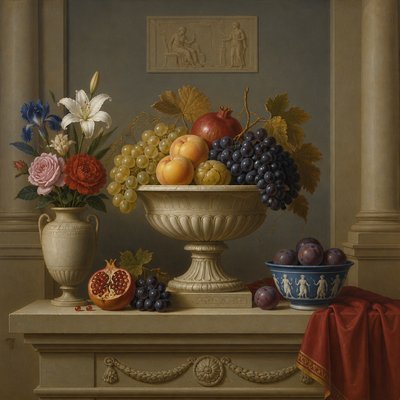
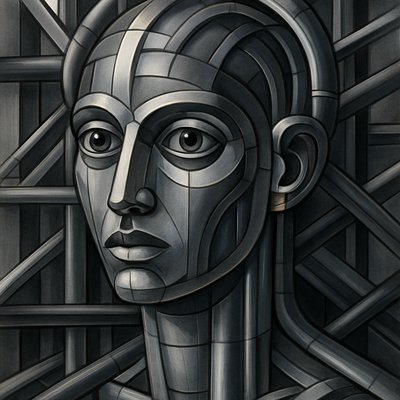
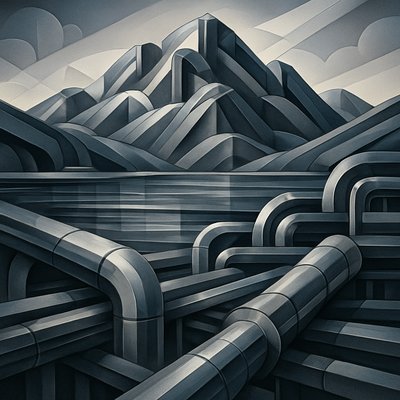
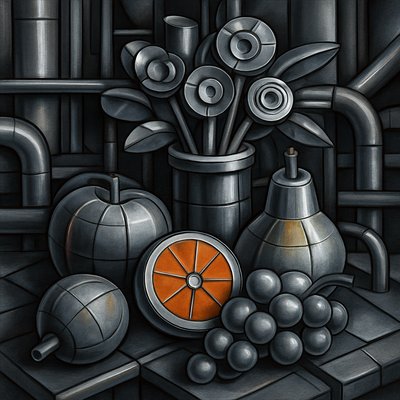
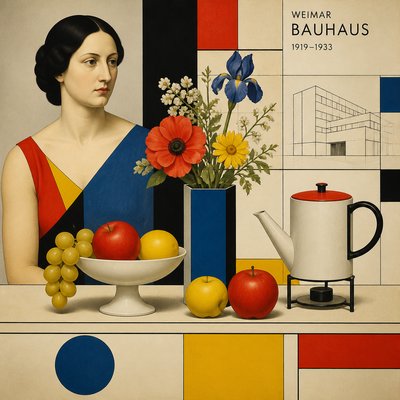
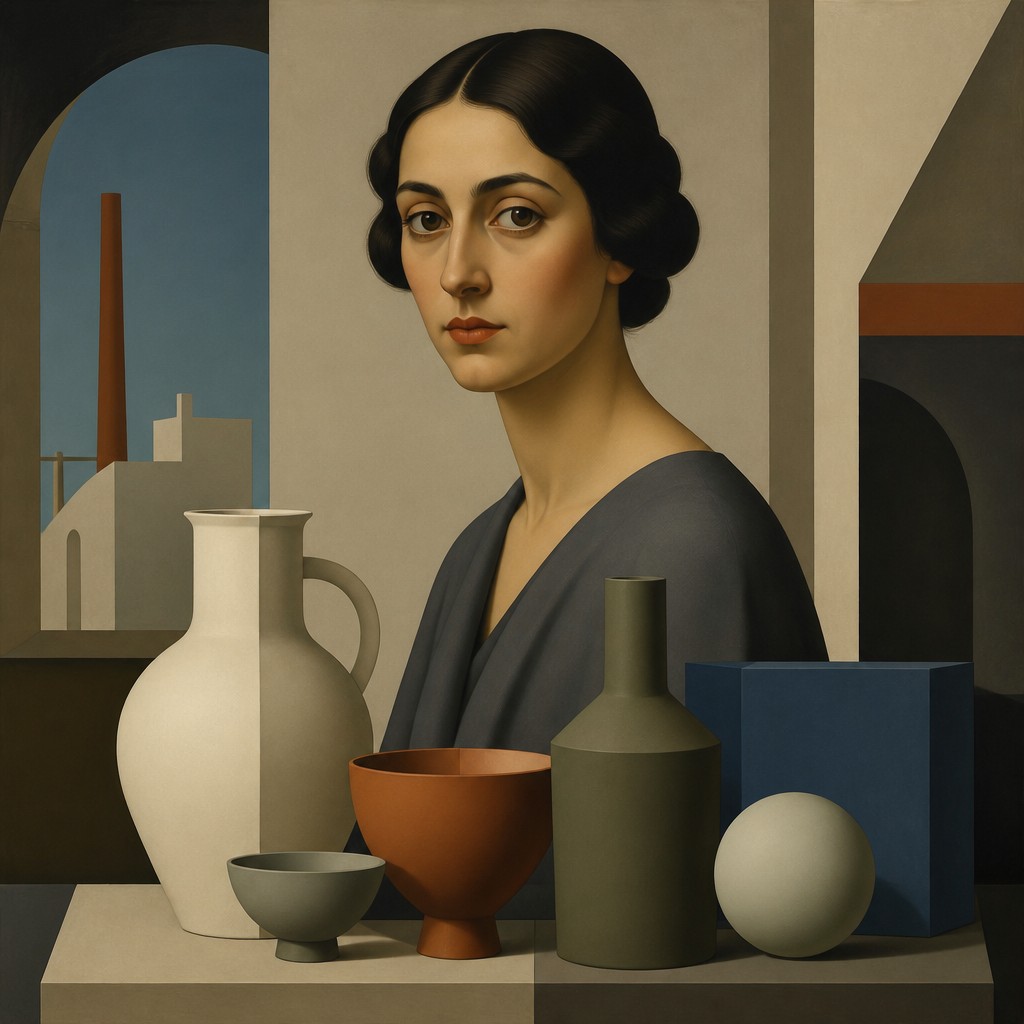
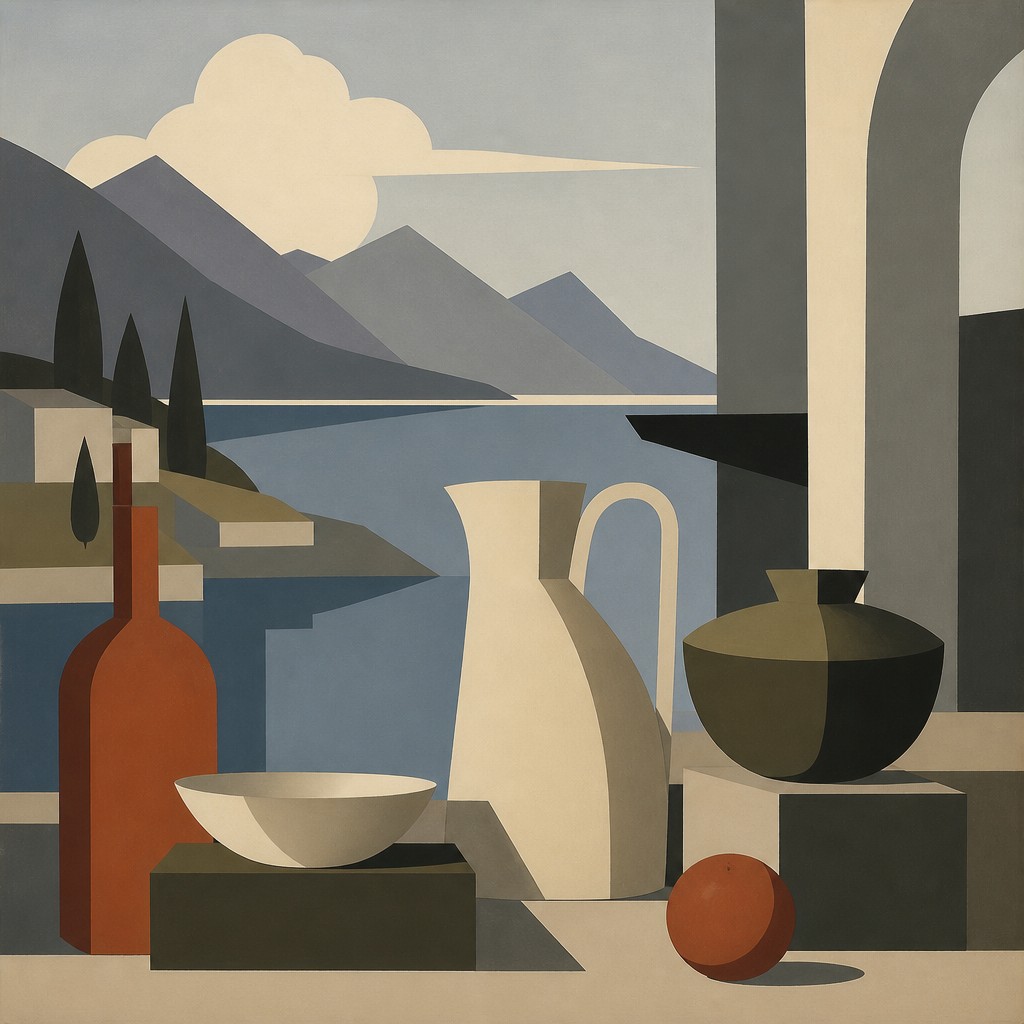
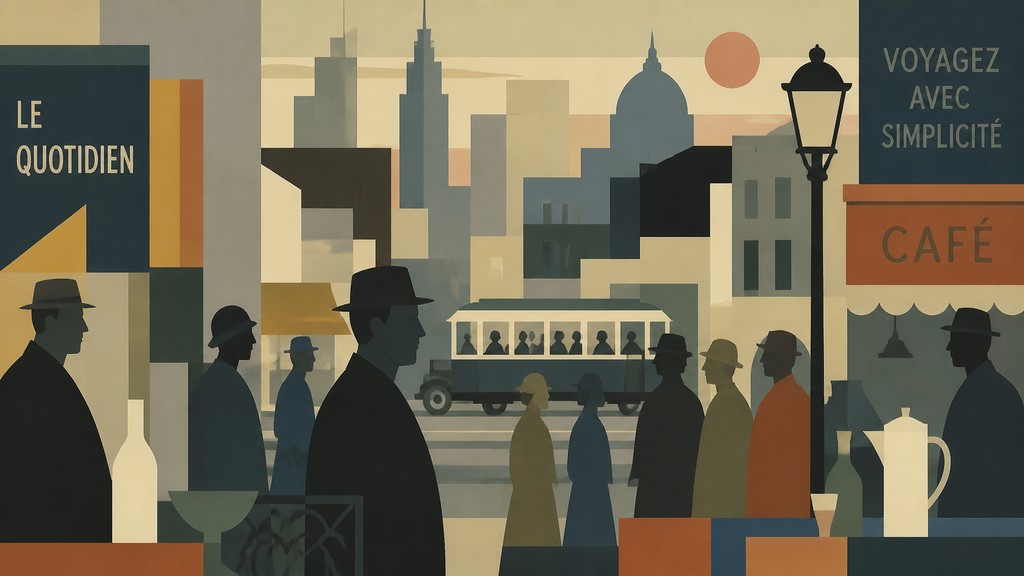
Purism is a restrained modernist approach that presents familiar objects as clear, simplified forms arranged in a stable, almost architectural order. Bottles, guitars, vessels, books, and domestic tools are reduced to smooth silhouettes, interlocking profiles, and carefully measured intervals rather than described through expressive brushwork or incidental detail.
This interpretation emphasizes the quiet clarity of machine-age still life: shallow space, sober color, balanced geometry, and an atmosphere of composed utility. Its calm appearance comes from suppressing texture, dramatic perspective, and visual clutter while preserving the essential identity of each object. The result is neither photorealism nor pure abstraction, but a controlled visual language in which ordinary things become precise structural forms.
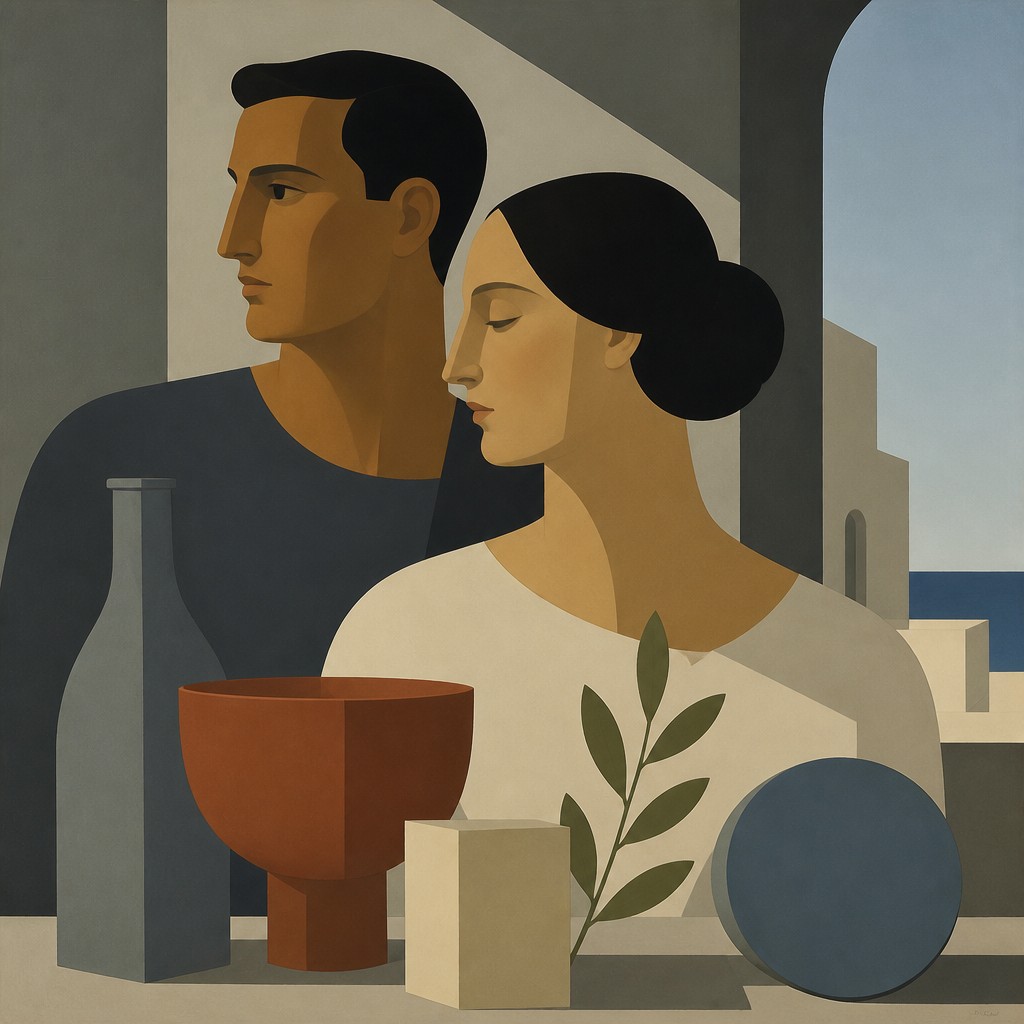
Try It On Your Photos
Upload any photo and convert it into Purism Art Style — drag the sliders to compare before and after.
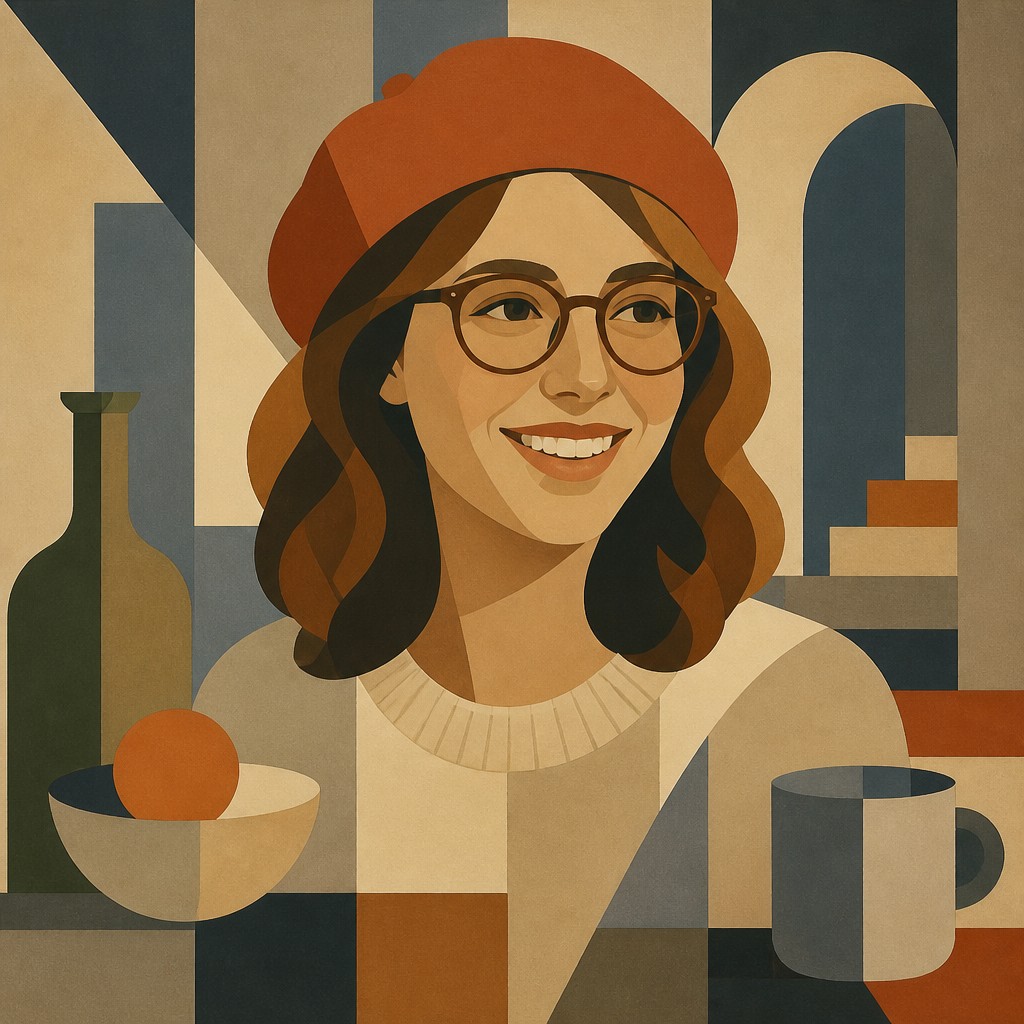

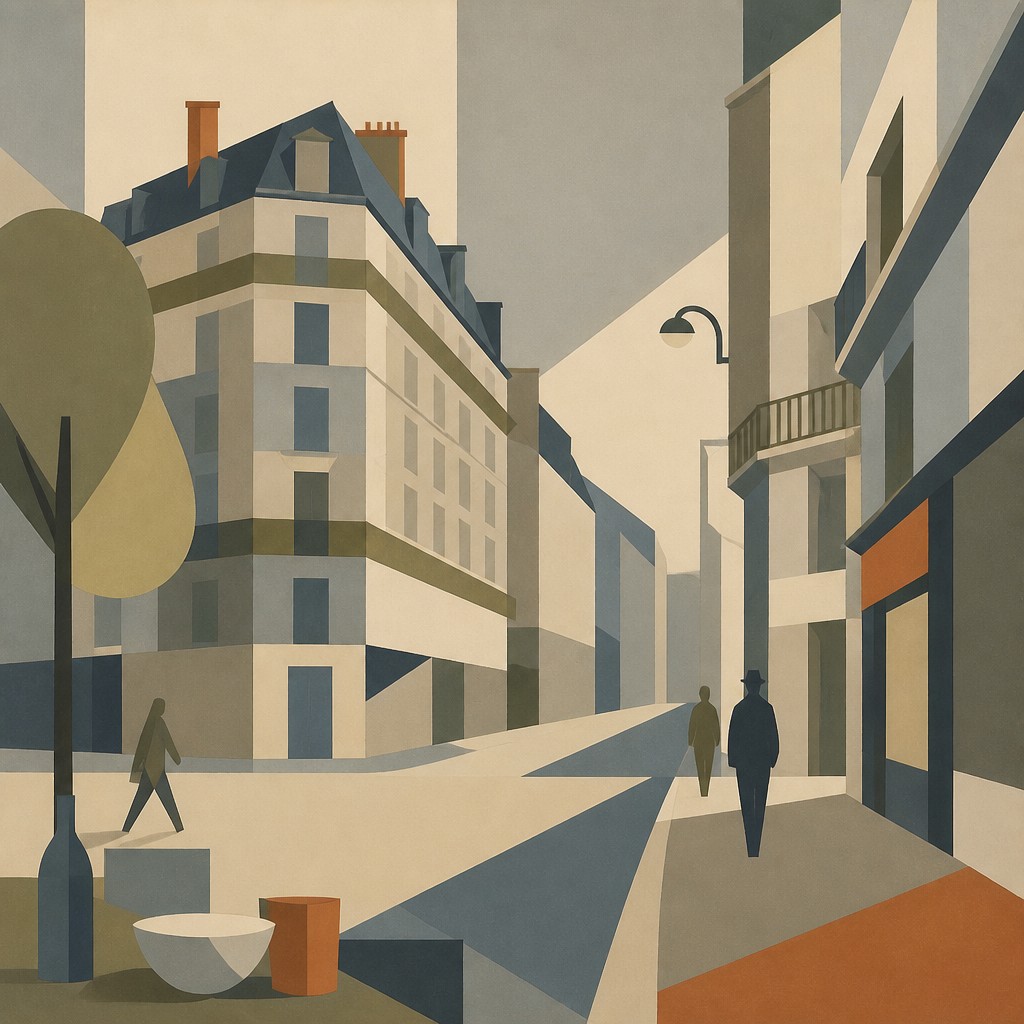

What Defines Purism Art Style
The signature details, up close
Simplified object silhouettes
Objects are reduced to essential contours and recognizable profiles, with secondary details removed. Curves, necks, handles, and edges are treated as deliberate geometric decisions.
Interlocking profiles
Bottles, instruments, vessels, and other forms overlap or nest together in carefully resolved relationships. Their contours create a measured rhythm across the composition.
Shallow architectural space
The setting resembles a quiet tabletop, niche, or simplified interior rather than a deep illusionistic room. Horizontal planes, vertical boundaries, and restrained perspective establish order.
Smooth, even surfaces
Paint or digital color is applied in broad, controlled areas with little visible brushwork. Surface variation is limited so that form, proportion, and negative space remain dominant.
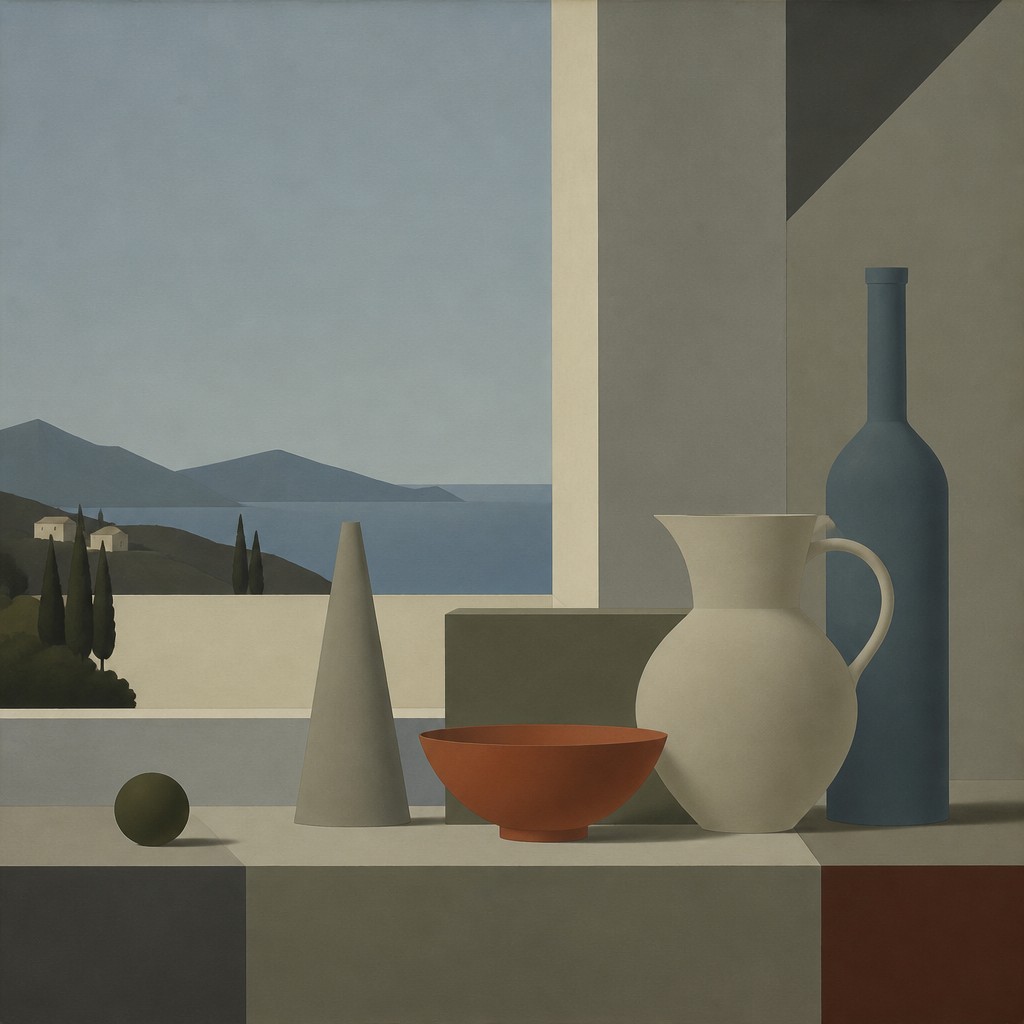
Sober machine-age palette
Typical colors include grey, cream, muted blue, terracotta, olive, and related subdued neutrals. Accents are selective and support compositional balance rather than dramatic atmosphere.
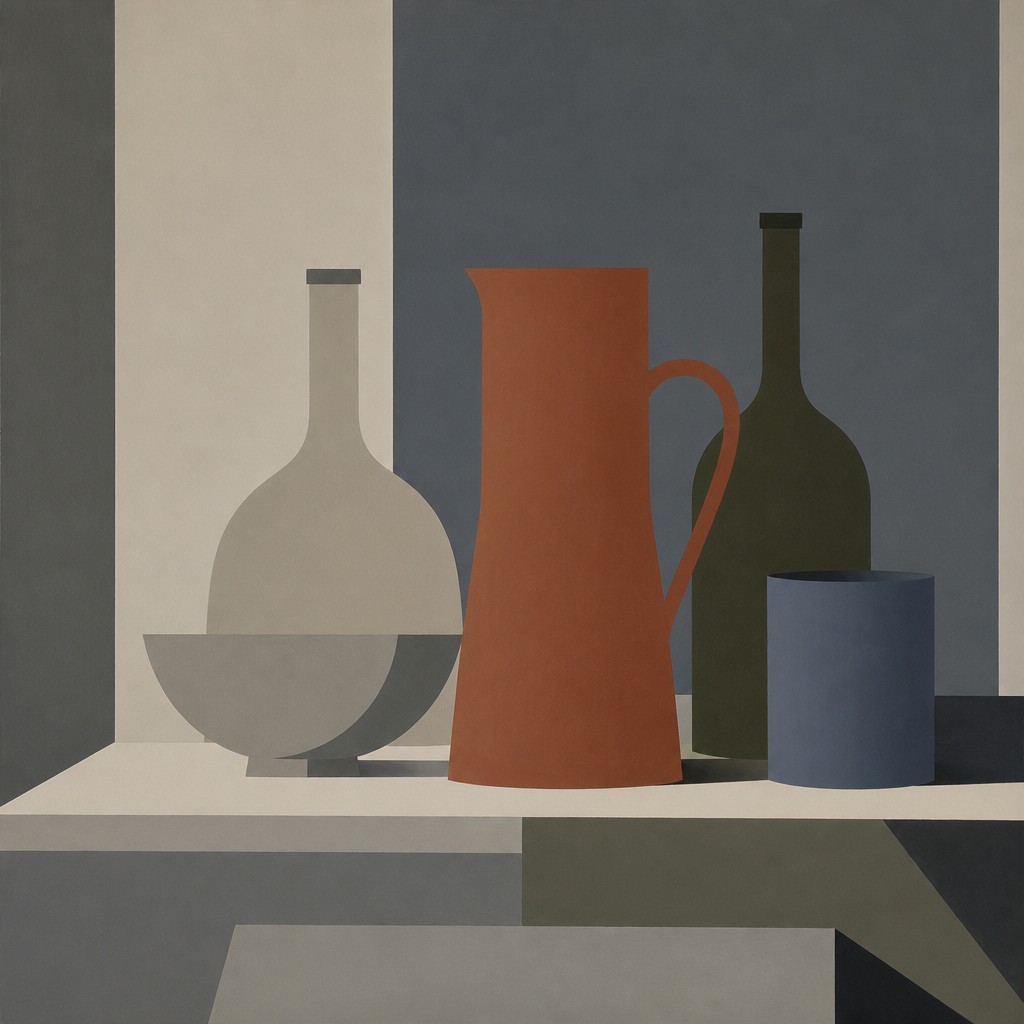
Mathematical balance
The arrangement depends on proportion, spacing, symmetry or near-symmetry, and carefully weighted masses. Even asymmetrical compositions feel stable and intentionally constructed.
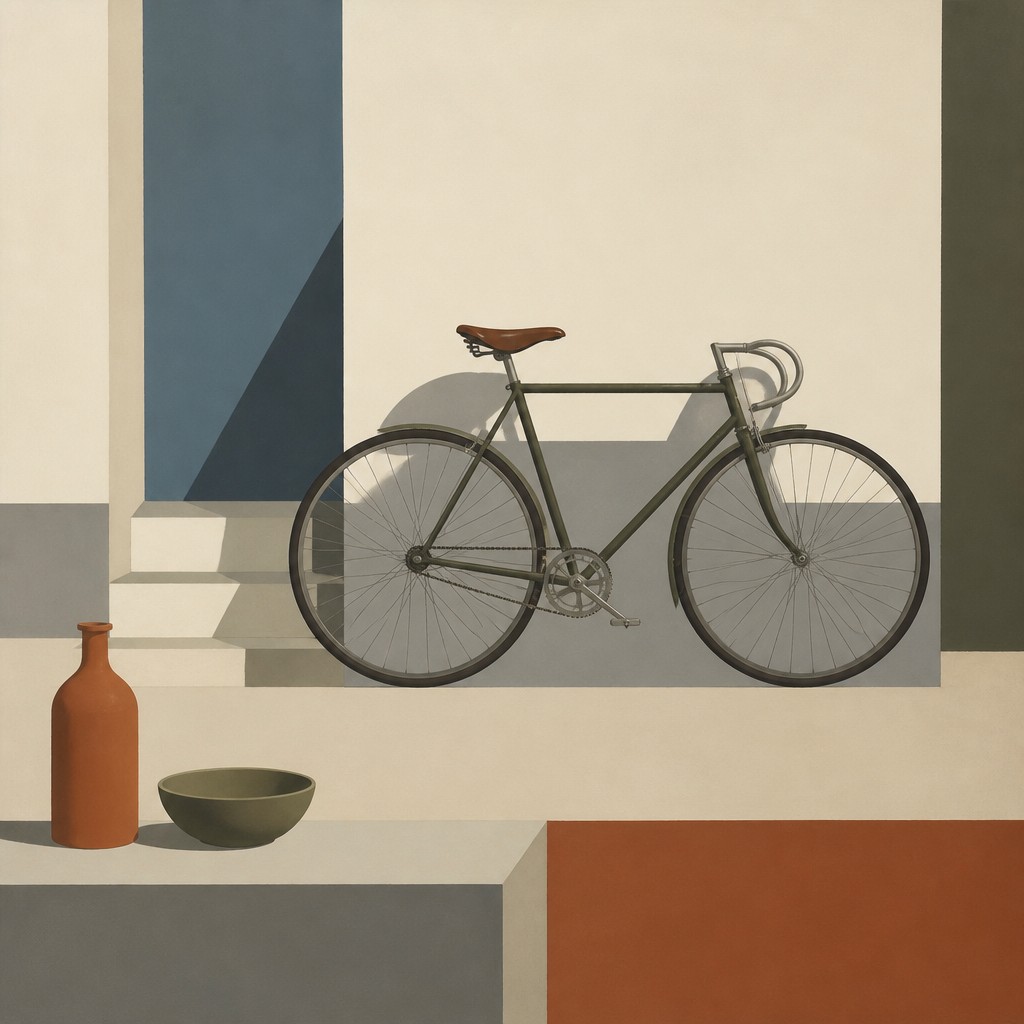
Quiet functional objects
Everyday items are preferred because their practical shapes communicate clarity and structure. A guitar, bottle, pitcher, book, or lamp can serve as both a recognizable object and an abstract volume.
Try It
Create Videos in Purism Art Style
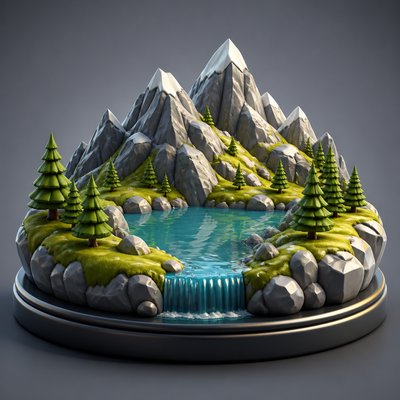
Styles aren't just for stills — describe a scene or animate an image and get a short video rendered in Purism. Press play to see this pond come to life.
Make a VideoPurism Prompt Ideas
Start from an idea — each one opens the generator with the style ready to go. See all 40 Purism prompts →
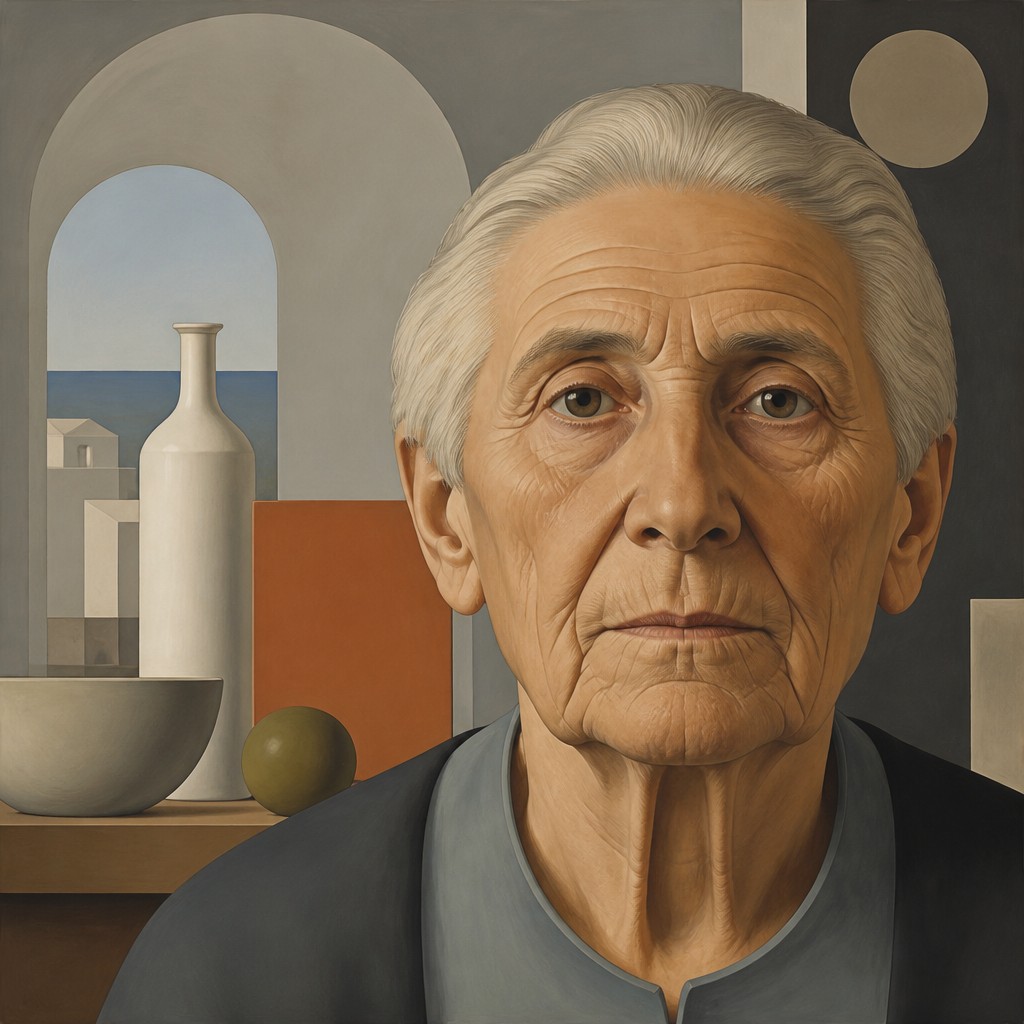
“close-up portrait of an elderly person with expressive weathered features”
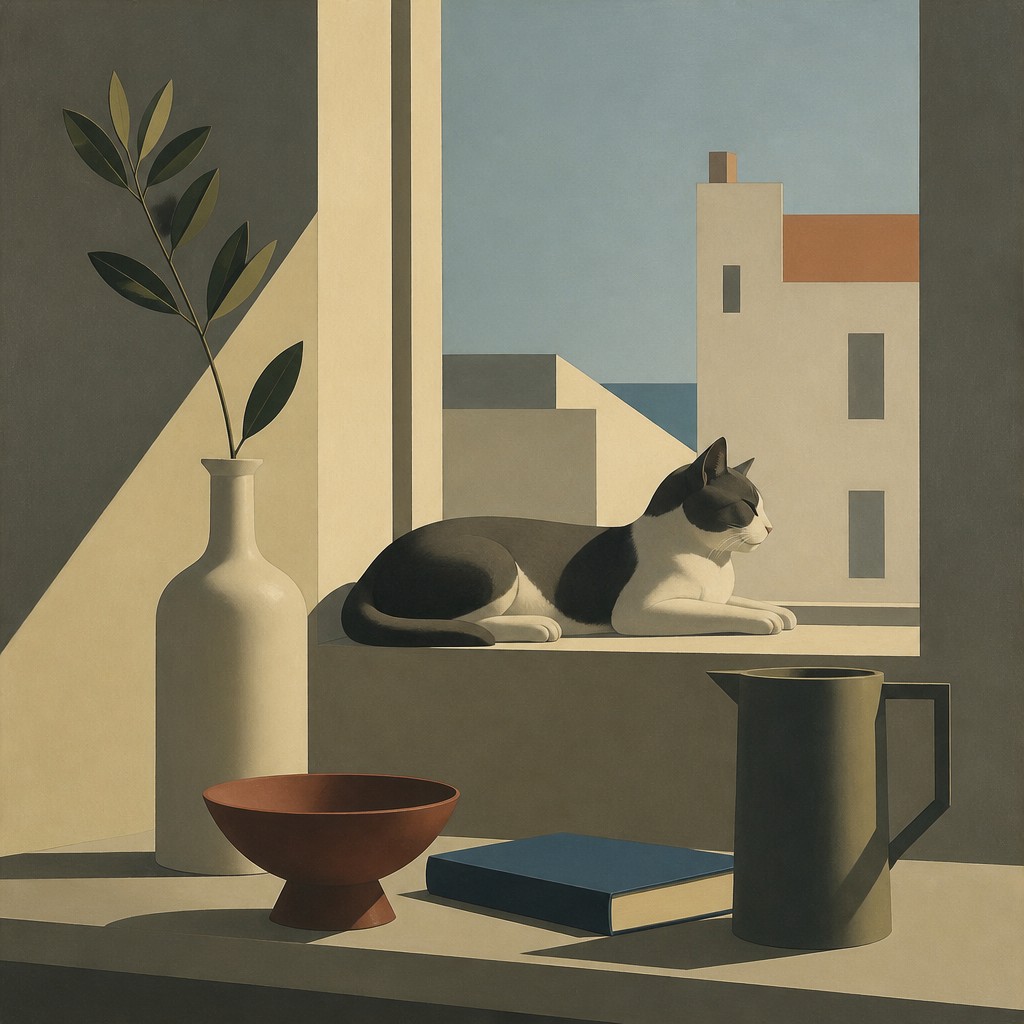
“a cat lounging in a sunlit window”
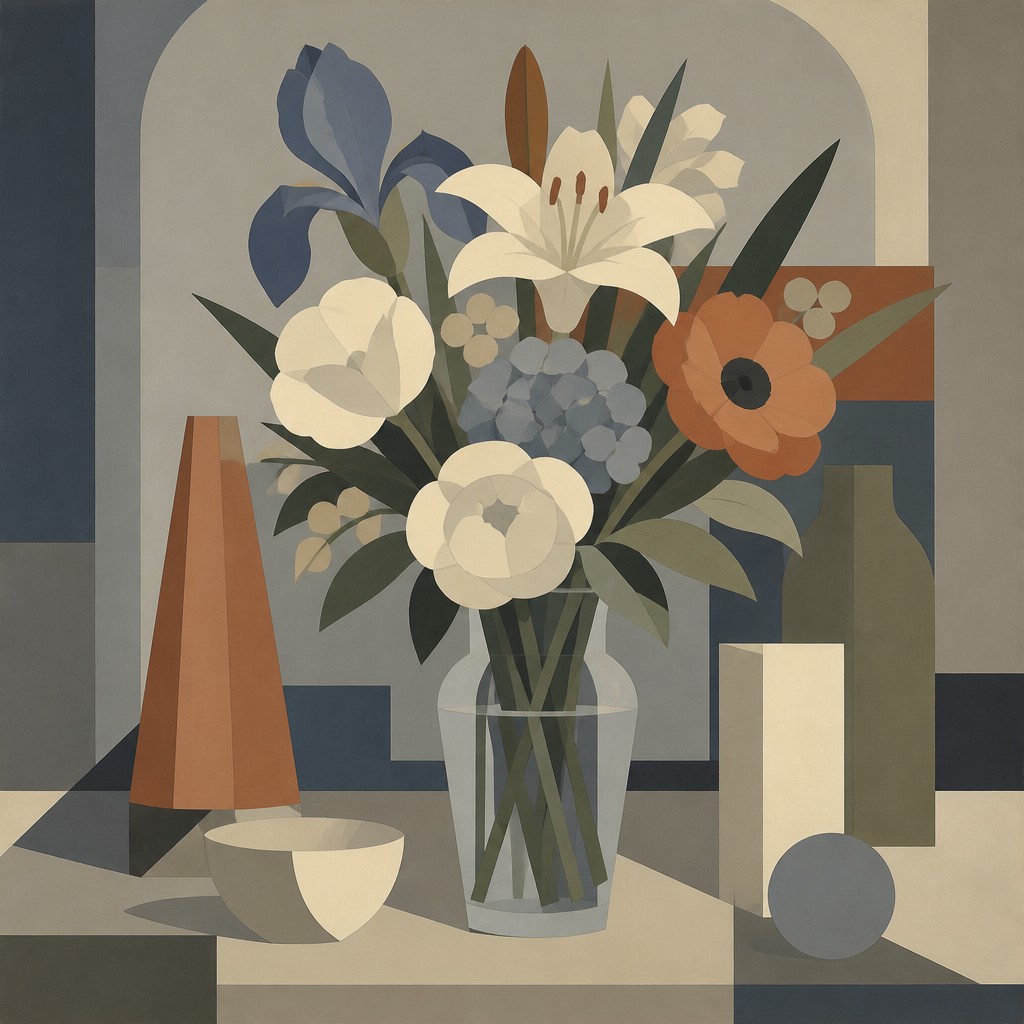
“bouquet of flowers in a glass vase”
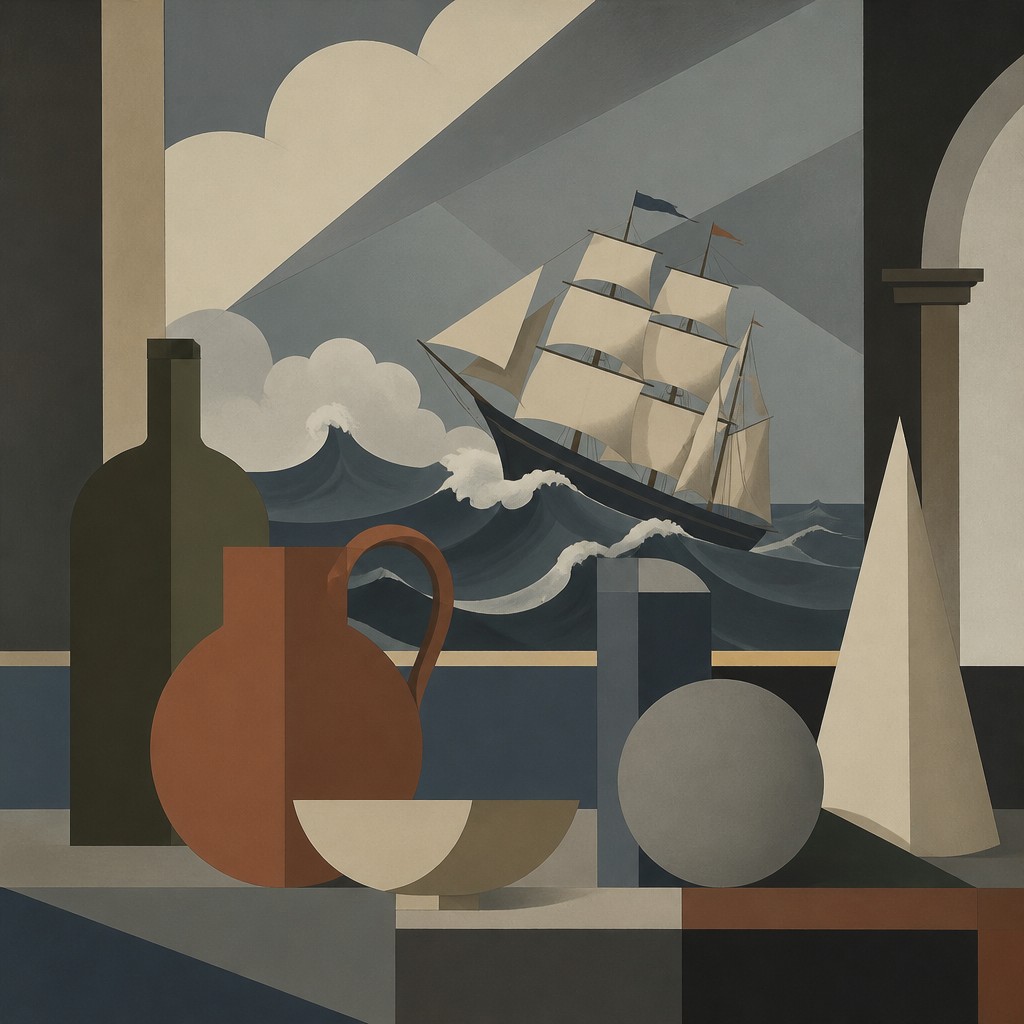
“sailing ship on a stormy sea”
How to Create Purism Art
Master the craft step by step — or skip straight to creating. Read the full guide →
- 1
Choose a small object vocabulary
Begin with three to six familiar objects whose silhouettes are distinct, such as bottles, a guitar, a pitcher, books, or a bowl. Remove decorative details that do not help identification or composition.
- 2
Build the composition geometrically
Block in a shallow tabletop and a few vertical or horizontal architectural divisions before refining the objects. Use measured spacing, overlapping contours, and a stable center of gravity instead of spontaneous placement.
- 3
Limit the palette
Work with cream, grey, muted blue, terracotta, olive, and one or two darker neutrals. Adjust value and saturation carefully so that neighboring forms separate without becoming theatrical.
- 4
Keep surfaces controlled
In traditional painting, use opaque layers, clean edges, and lightly sanded or primed surfaces to minimize expressive texture. Digitally, use flat or softly graded fills, restrained shadows, and crisp masks.
- 5
Prompt for structure, not ornament
Describe the subject, object silhouettes, shallow architectural space, limited palette, smooth paint, and measured balance in that order. For image-to-image work, preserve the source pose or object arrangement while reducing texture and visual clutter.
- 6
Refine by subtraction
Remove reflections, complex backgrounds, excessive perspective, and incidental marks that compete with the main forms. The final image should feel deliberate, calm, and legible at a glance.
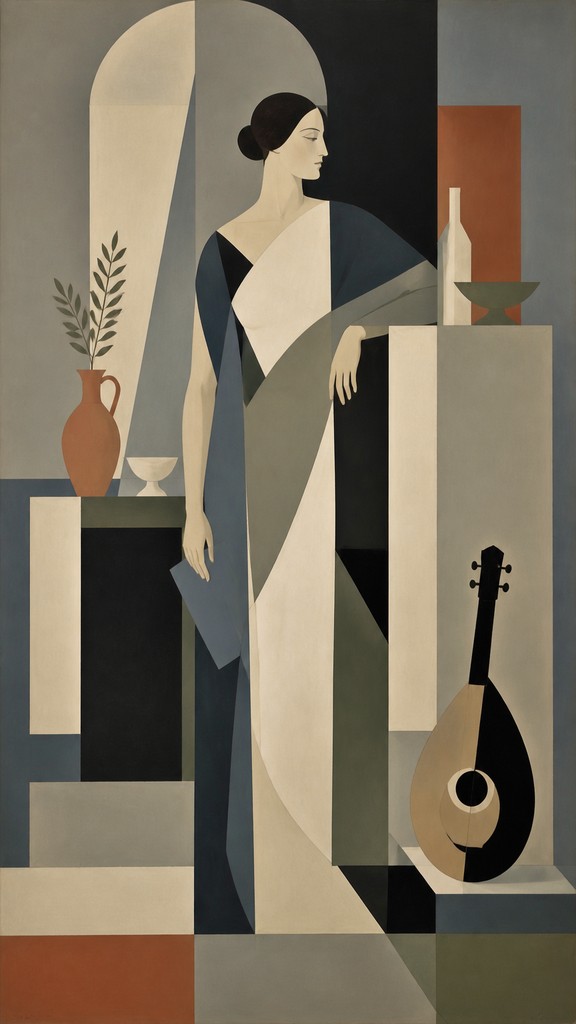
The Story
History & Origins of Purism
Historically, Purism emerged in France after the First World War, especially during the late 1910s and early 1920s, as a reaction against what its proponents saw as the disorder and excess of some avant-garde practices. The movement favored clarity, proportion, simplified objects, and an affinity between painting, modern technology, architecture, and industrial design. Its principal theoretical activity was concentrated in the early 1920s, although its ideas continued to influence modernist visual culture.
The serene bottle-and-guitar interpretation described here is a contemporary stylistic synthesis rather than a narrowly historical reconstruction. It extends the movement's interest in standardized forms and machine-age order with influences from modern still life, geometric abstraction, architectural drafting, and digitally clean illustration. The muted palette and shallow spatial construction preserve the historical lineage while allowing a broader, image-making approach.
Influences: The style draws directly on French Purism of the early twentieth century, particularly its preference for clarity, proportion, simplified objects, and the visual logic of industrial modernity. It also relates to geometric abstraction, modernist still life, Cubist reduction of form, architectural drafting, Bauhaus-era functional design, and the clean planar language of contemporary digital illustration. Unlike strict abstraction, it retains recognizable household objects as anchors for the composition.

Frequently Asked Questions
What defines the Purism art style?
Purism is defined by simplified everyday objects, precise silhouettes, shallow architectural space, limited color, and stable geometric balance. Its surfaces are usually smooth and controlled, with little emphasis on expressive brushwork or dramatic lighting.
Is Purism the same as Cubism?
No. Purism developed partly in dialogue with Cubism but generally sought greater visual order, legibility, and compositional calm. Rather than emphasizing fragmented viewpoints, it tends to present objects as clear, coherent volumes arranged in a measured structure.
What objects work best in a Purist still life?
Objects with strong, recognizable profiles are especially effective: bottles, pitchers, guitars, bowls, books, lamps, radios, and workshop tools. Their simple volumes make it easier to create overlapping contours and balanced negative space.
How can I paint a Purist composition traditionally?
Start with a thumbnail based on rectangles, arcs, and axes, then simplify the objects into clean contour shapes. Apply opaque, even color in a restrained palette and keep perspective, shadows, and surface texture subordinate to the overall geometry.
How should prompts be written for this look?
Specify a modest group of objects, precise simplified silhouettes, shallow architectural space, a sober limited palette, smooth even paint, and mathematical balance. Avoid prompts dominated by photorealistic texture, dramatic chiaroscuro, ornate decoration, or deep cinematic scenery.
Where is this style commonly used?
It suits still-life painting, editorial illustration, posters, book covers, interiors, product-related visual studies, and graphic compositions that need a calm modernist tone. Its clear shapes also adapt well to digital collage, vector-based work, and image transformation.
Create your first Purism artwork
Describe anything — or upload a photo — and see it in Purism Art Style in seconds.
Related Styles
Discover similar art styles