Randomness Art Style
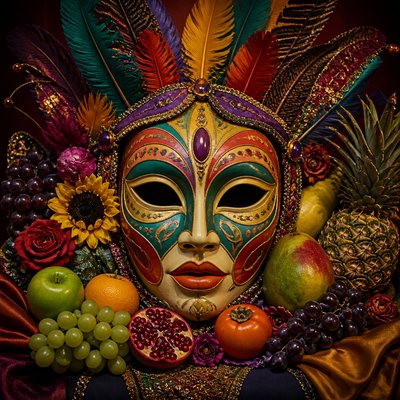
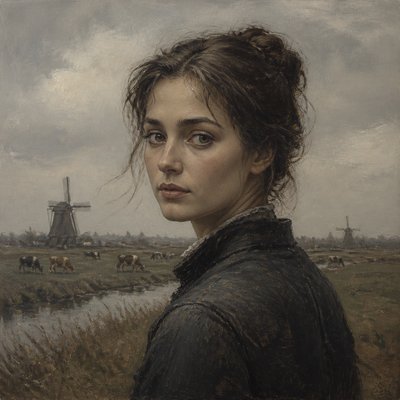
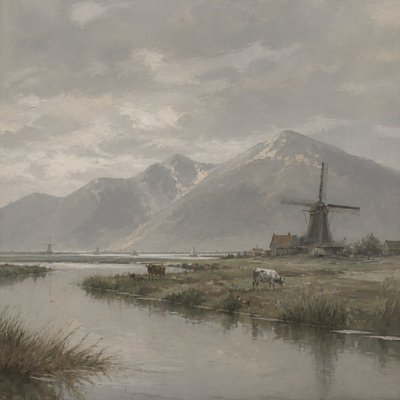
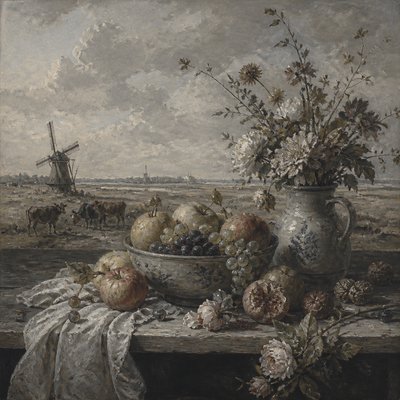
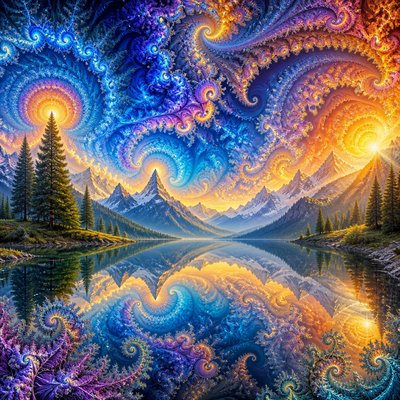
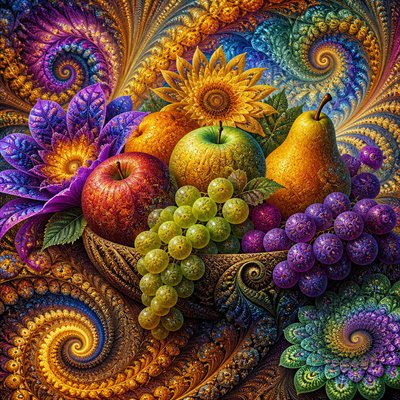
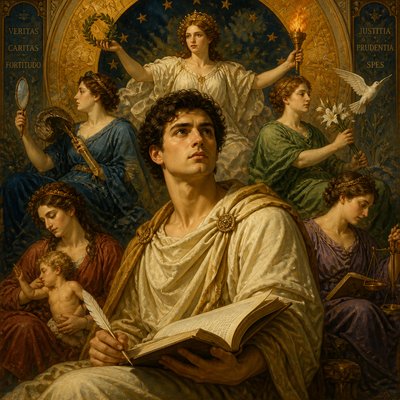
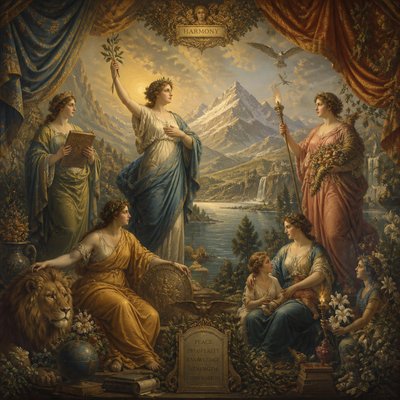
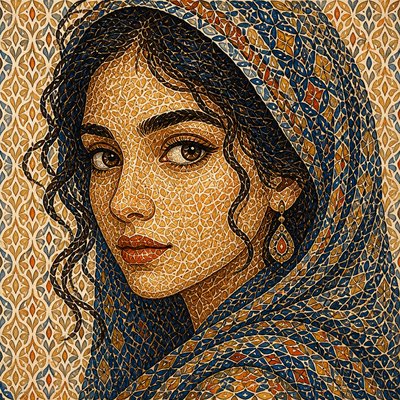
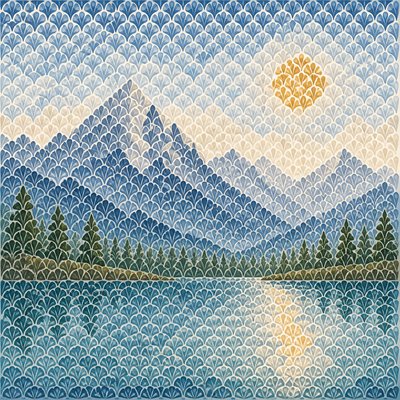
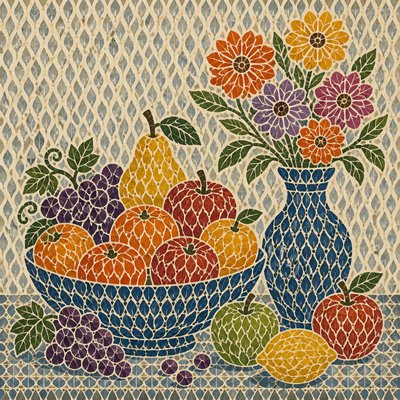
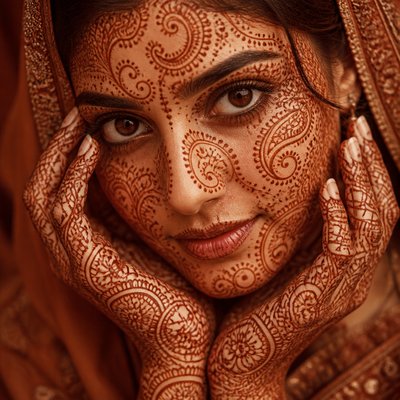
Explore Randomness Art Style: spontaneous splatters, accidental drips, and chance-driven marks arranged in raw, energetic abstract compositions.
Instantly rendered in Randomness — or transform a photo
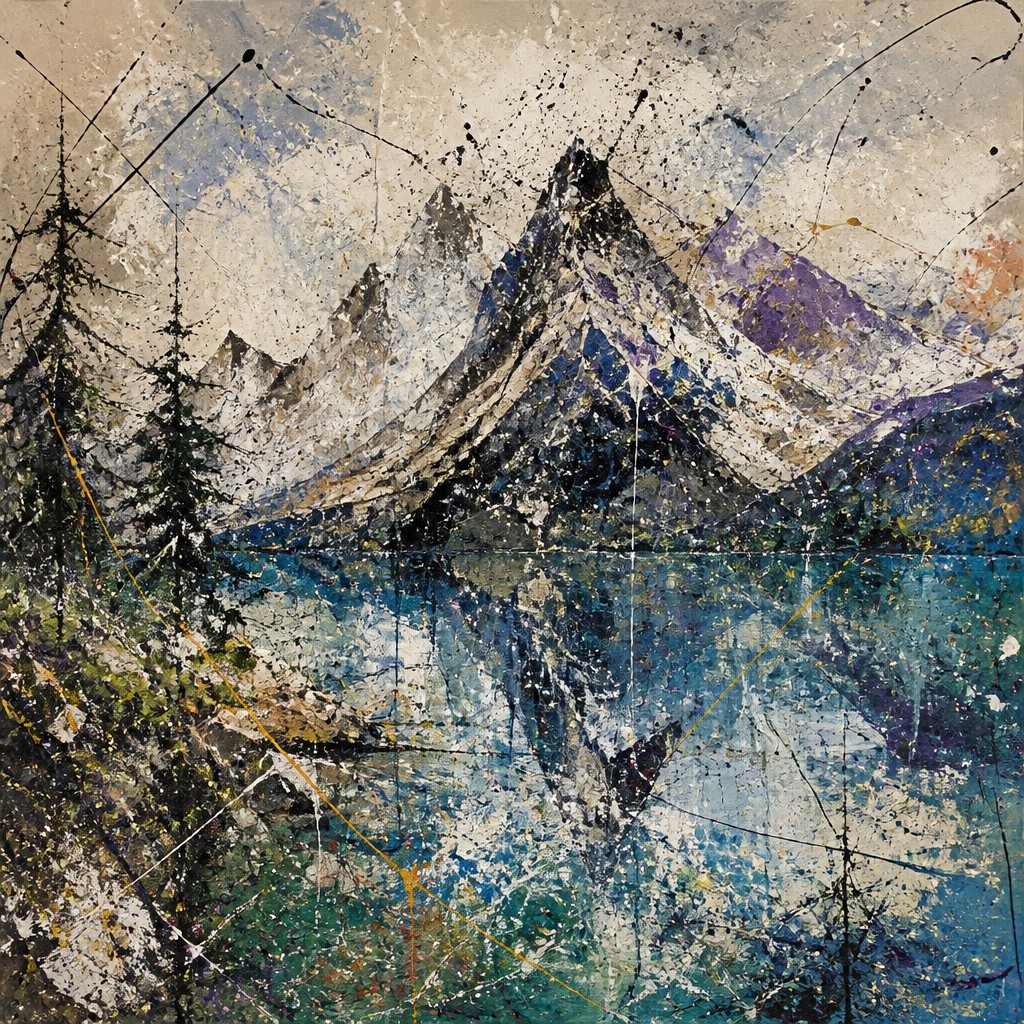
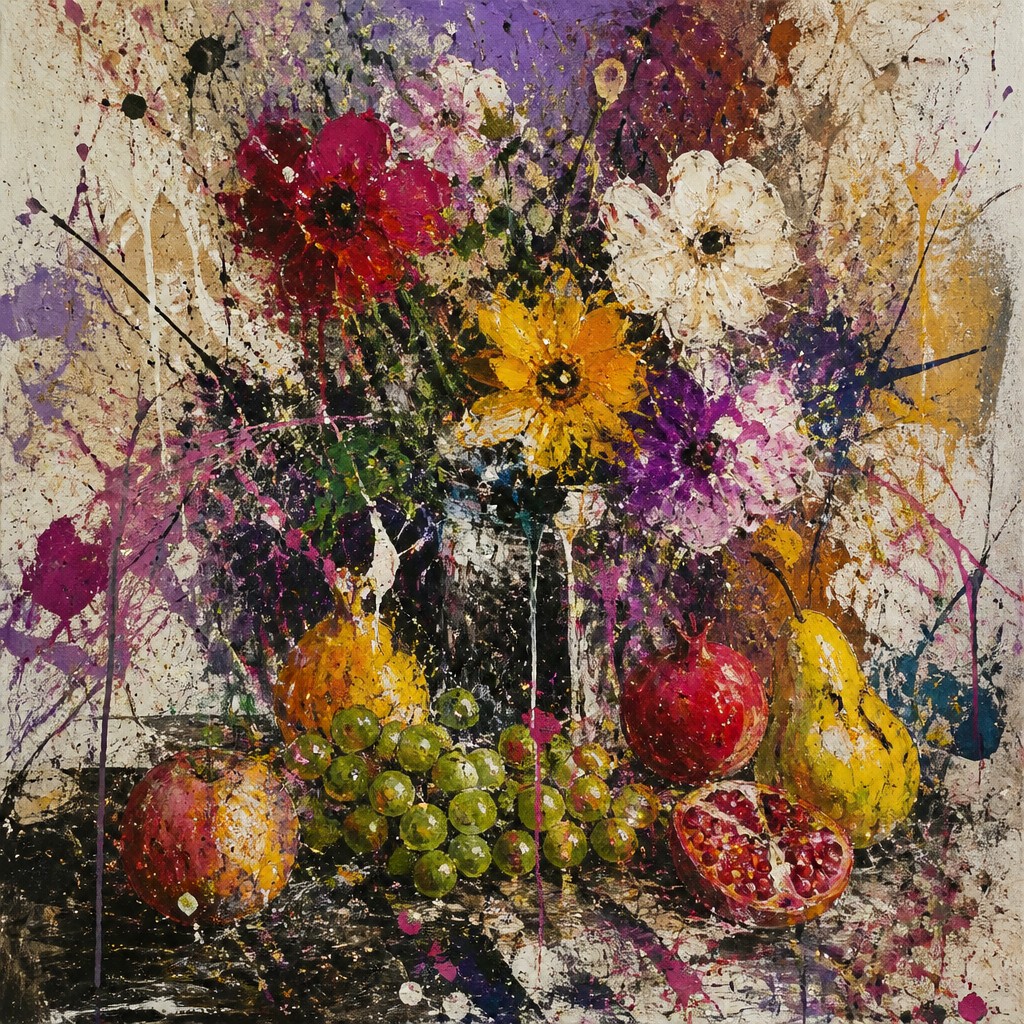
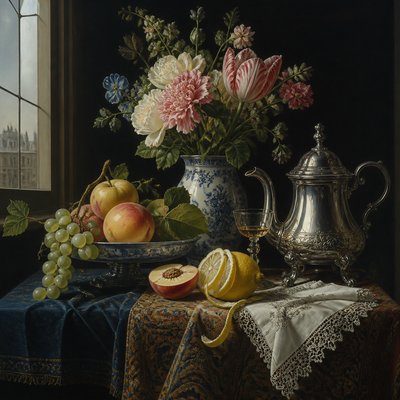
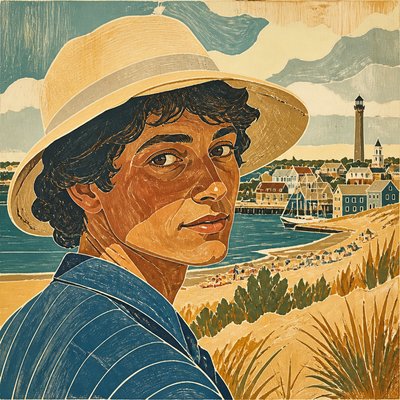
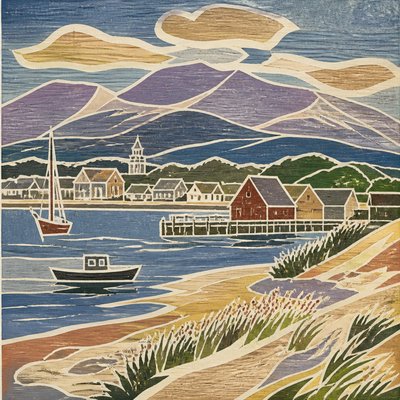
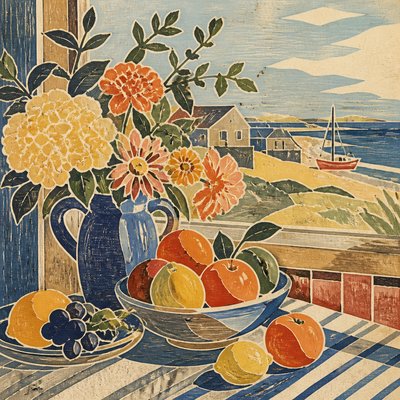
Randomness Gallery
Tap any artwork to explore it
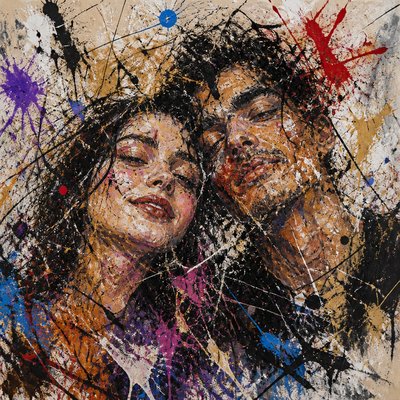
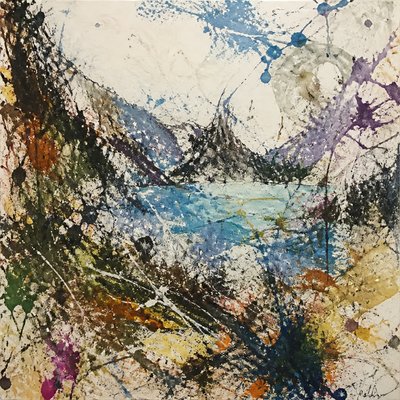
What is Randomness Art Style?
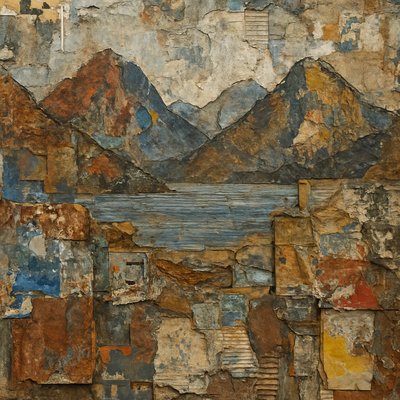
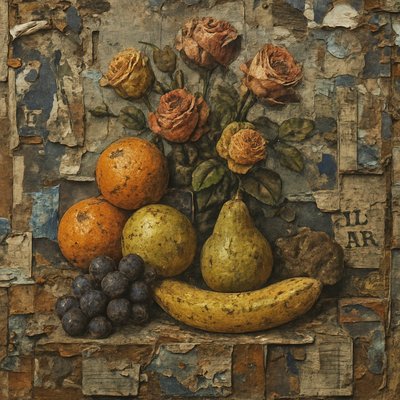
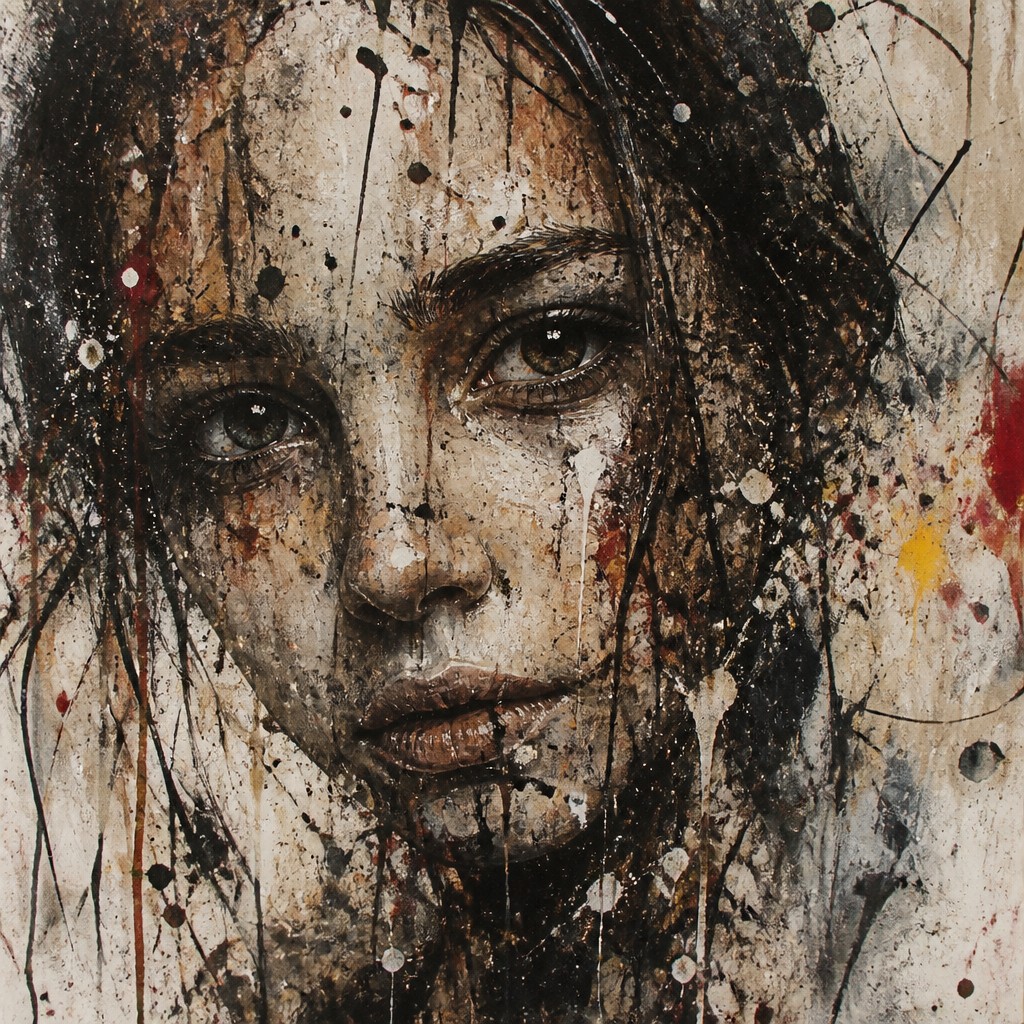
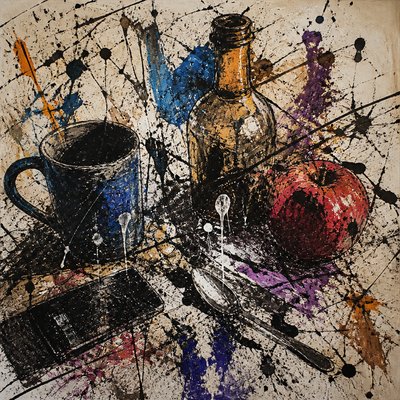
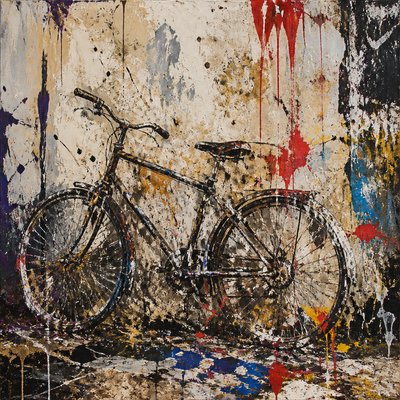
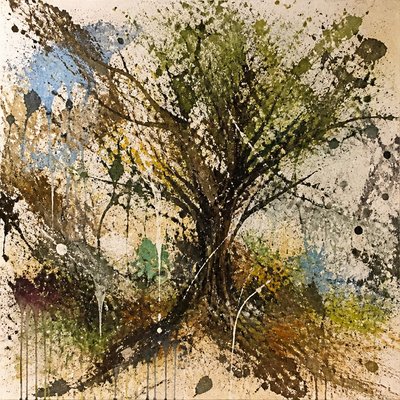
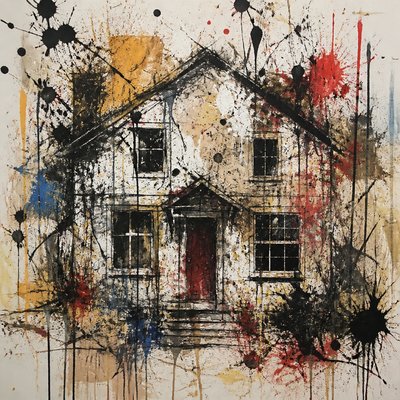
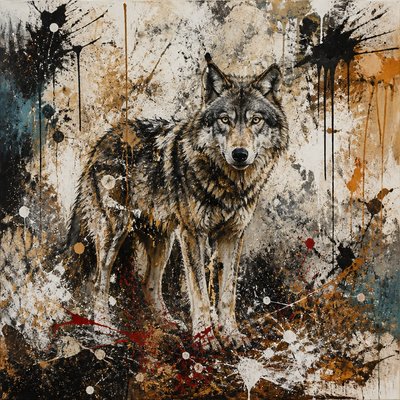
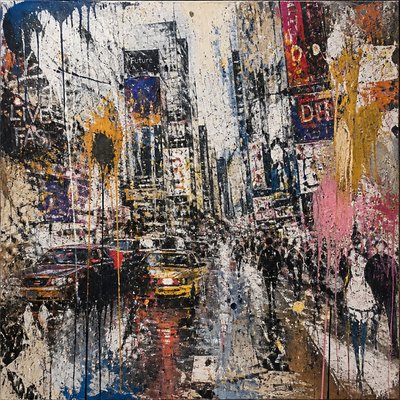
Randomness Art Style is an intentionally unplanned visual language built from chance marks, scattered gestures, accidental drips, splashes, and uncontrolled overlaps. Instead of organizing the image around a regular pattern or carefully balanced composition, it allows unpredictable events to determine the placement, density, and direction of marks.
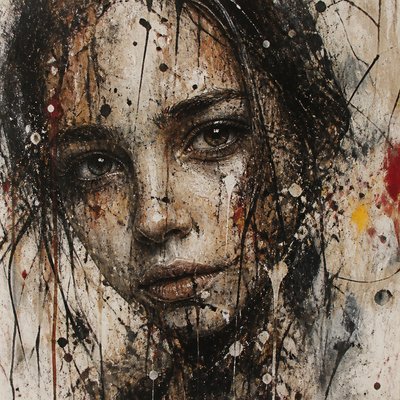
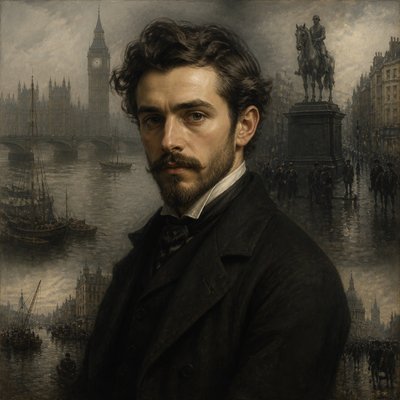
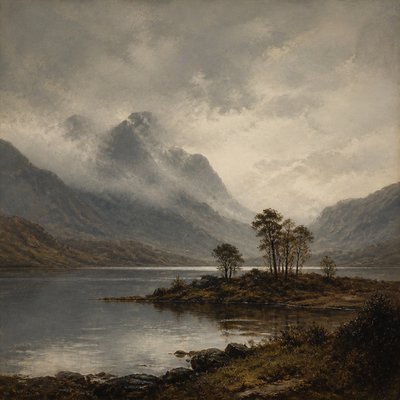
The result is energetic, asymmetrical, and materially expressive. Bare or raw-looking surfaces remain visible between clusters of activity, while irregular stains and collisions create rhythm without repetition. Although the style can be nonrepresentational, recognizable subjects may also emerge beneath or within the disorder, producing a tension between depiction and spontaneous abstraction.
Try It On Your Photos
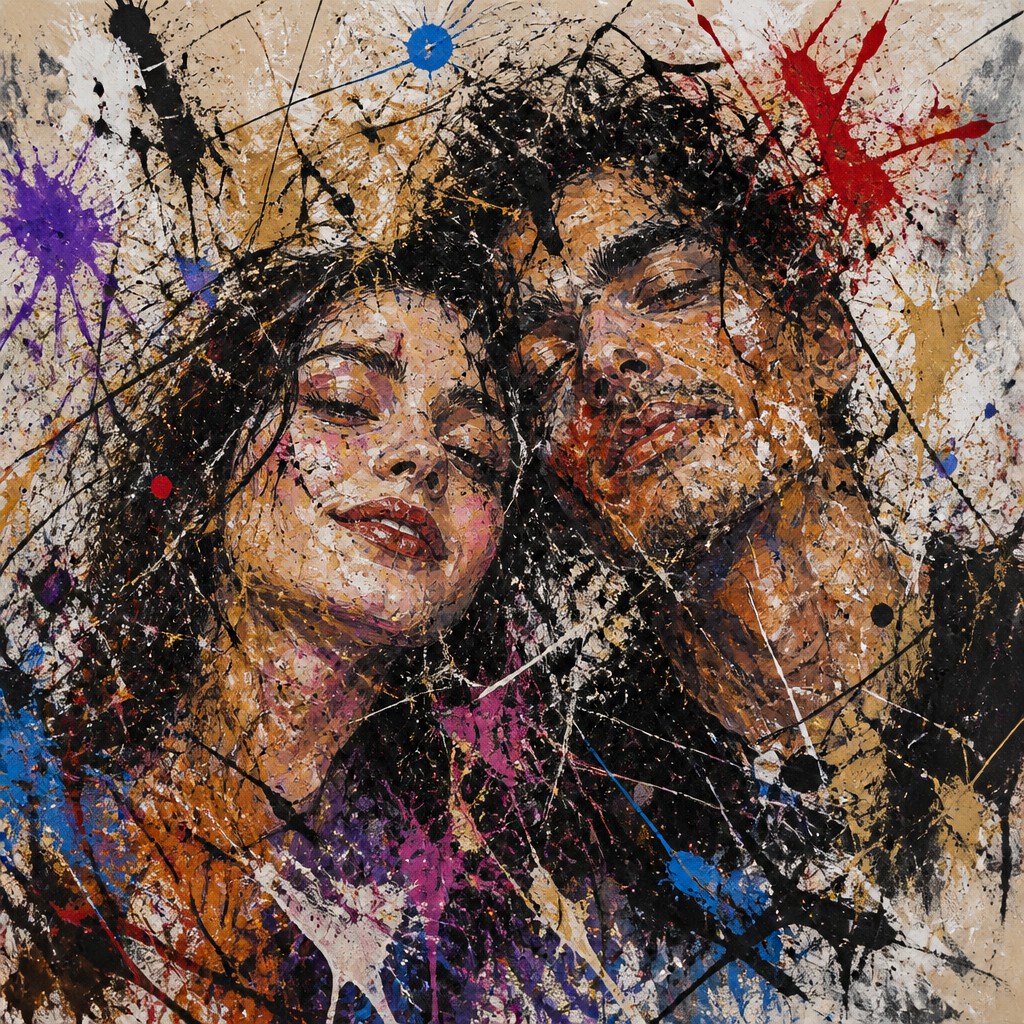
Upload any photo and convert it into Randomness Art Style — drag the sliders to compare before and after.


What Defines Randomness Art Style
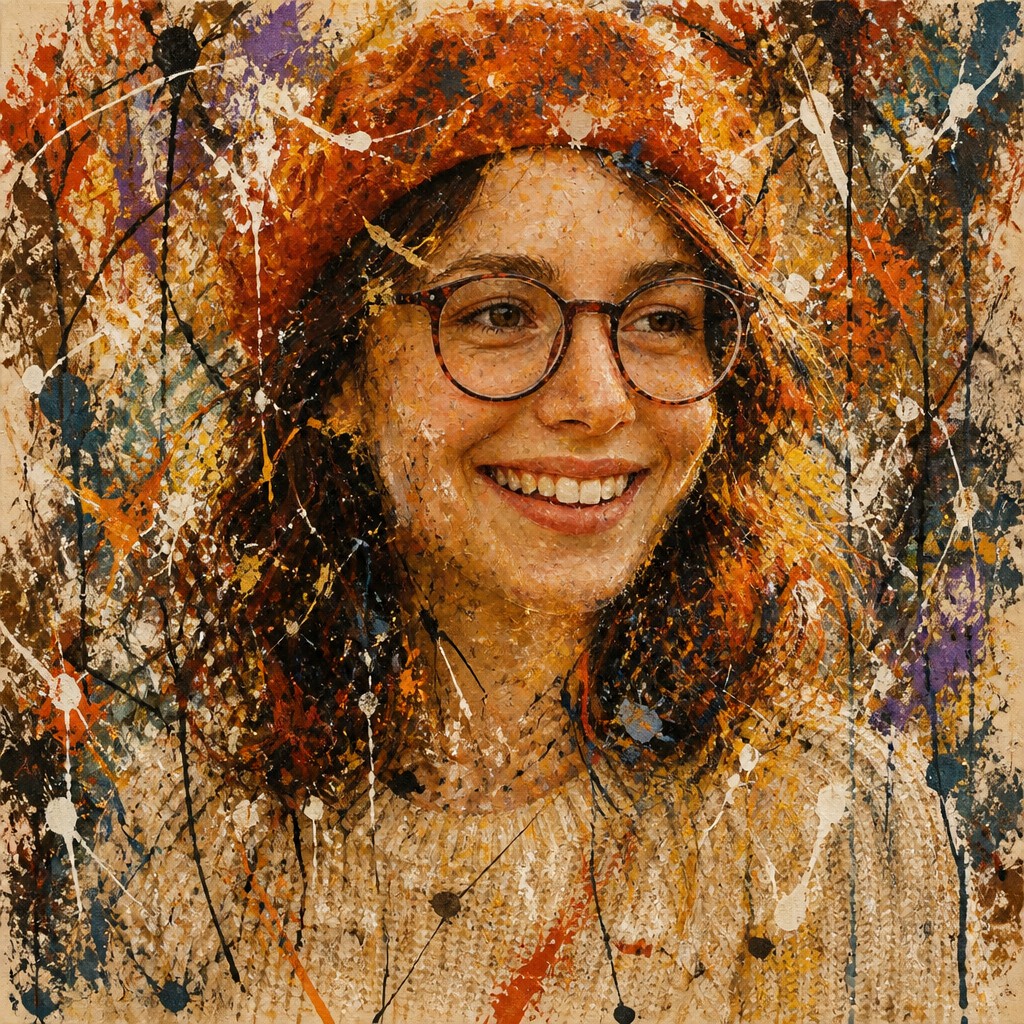
The signature details, up close
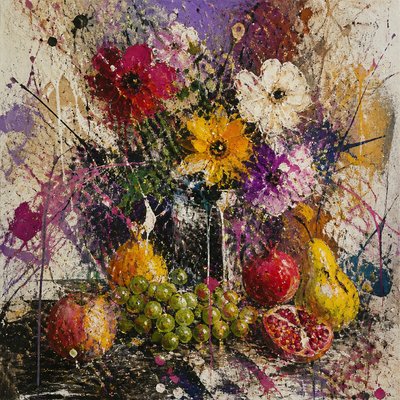
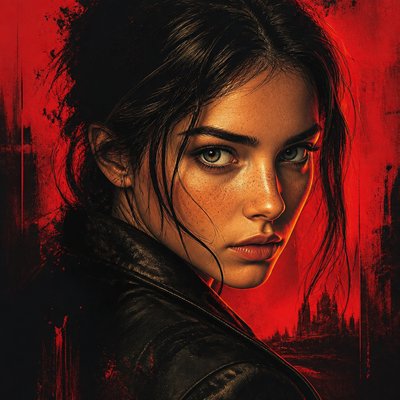
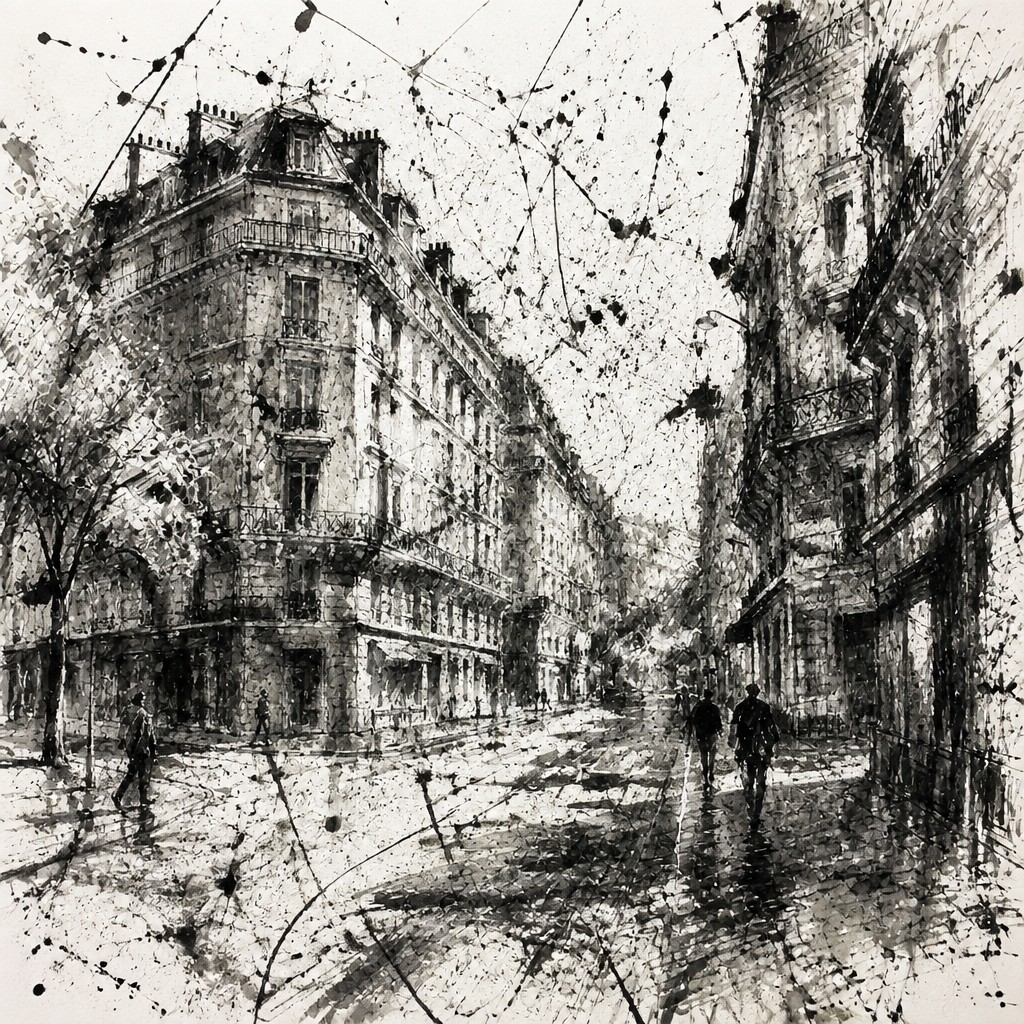
Uncontrolled splatters and drips
Liquid marks spread, break apart, and trail across the surface without being corrected into regular shapes. Their direction and density suggest physical spills, flicks, and gravity-driven movement.
Nonrepeating mark vocabulary
Dots, scratches, smears, stains, and fragments vary in size and form rather than following a visible module or repeating pattern. This variation prevents the image from feeling mechanically decorative.
Asymmetrical composition
Visual weight is distributed unevenly, often leaving exposed areas beside dense clusters of activity. The imbalance gives the work a sense of immediacy and unresolved motion.
Overlapping chance textures
Marks accumulate through accidental intersections, transparent layers, and irregular collisions. These overlaps create depth and visual complexity without relying on conventional perspective.
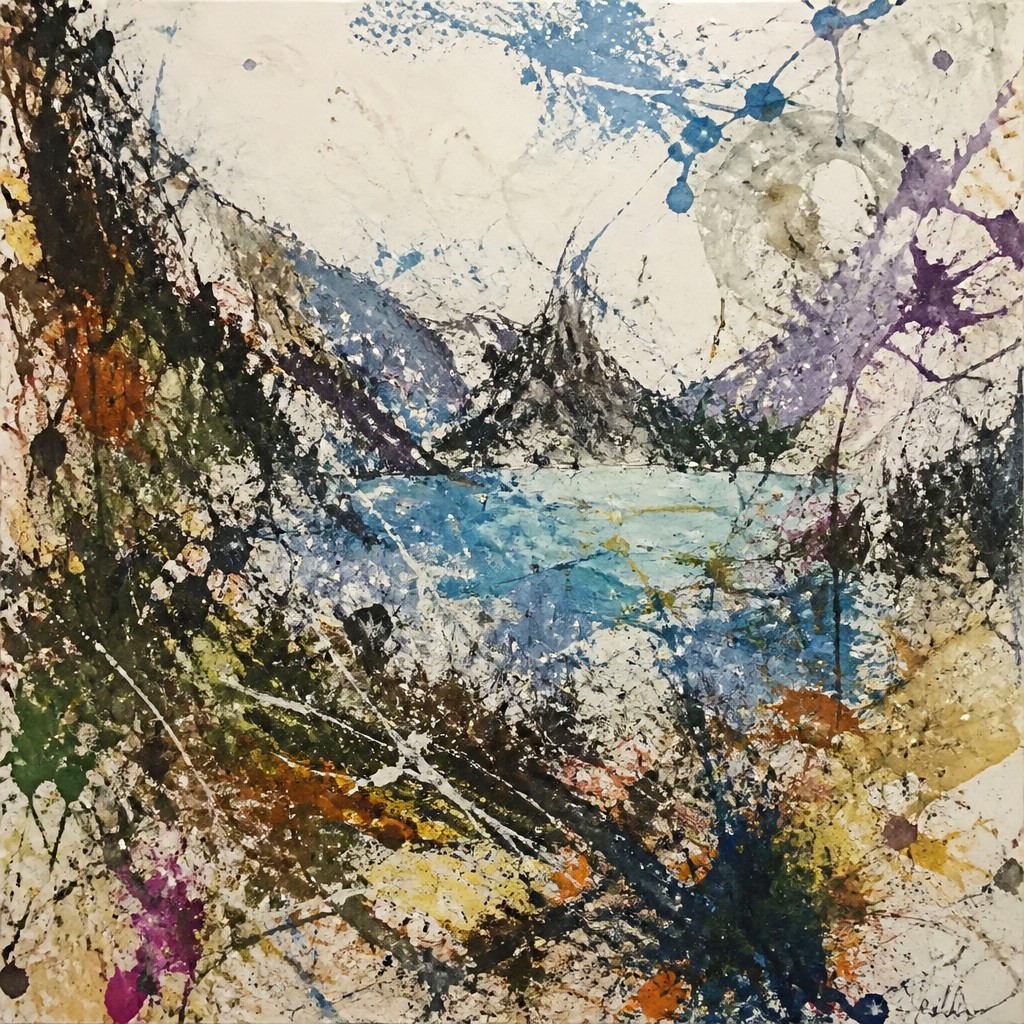
Raw surface presence
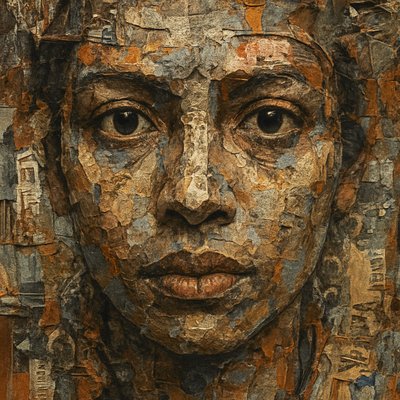
Paper grain, canvas weave, digital noise, stains, and unpainted ground may remain visible. The surface is treated as an active participant rather than a neutral background.
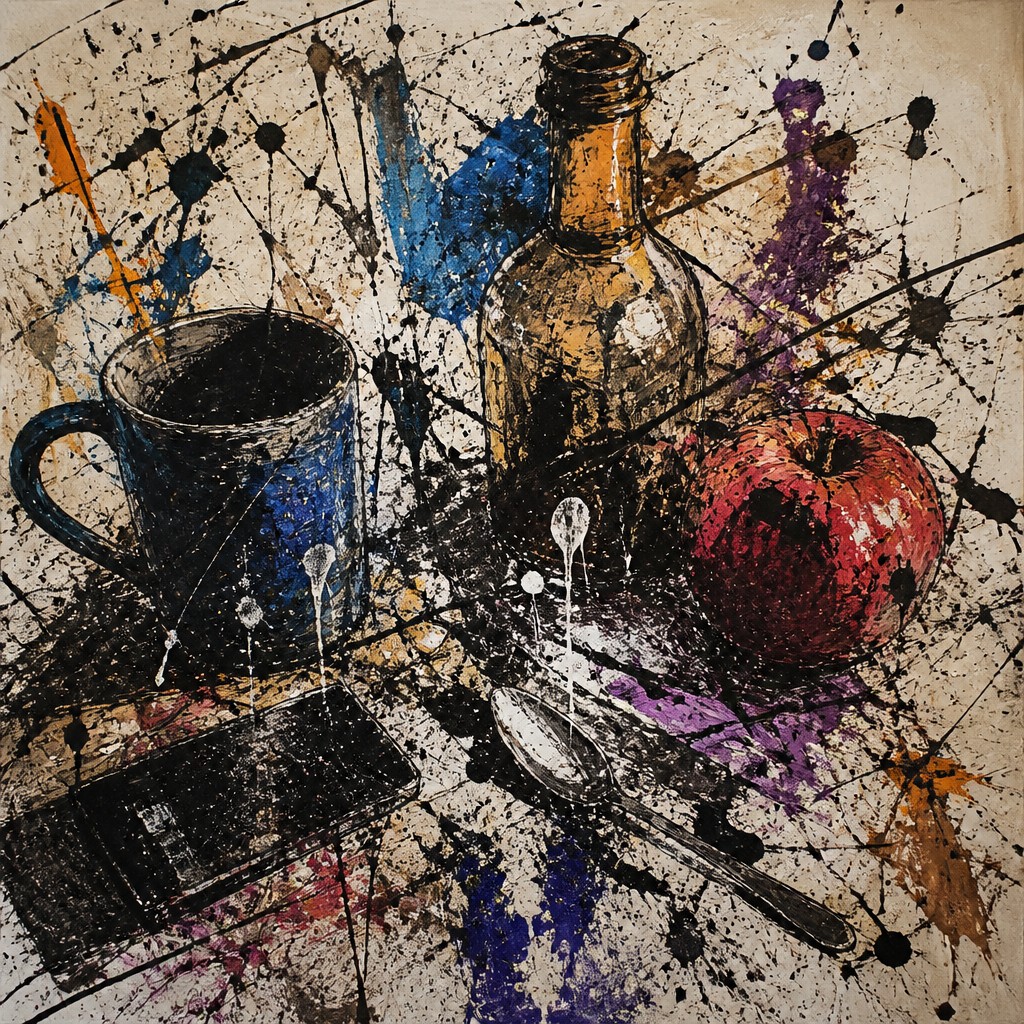
Gestural spontaneity
The marks imply quick, instinctive movements rather than slow, controlled rendering. Even when digitally produced, the image should retain the evidence of hesitation, impact, and physical release.
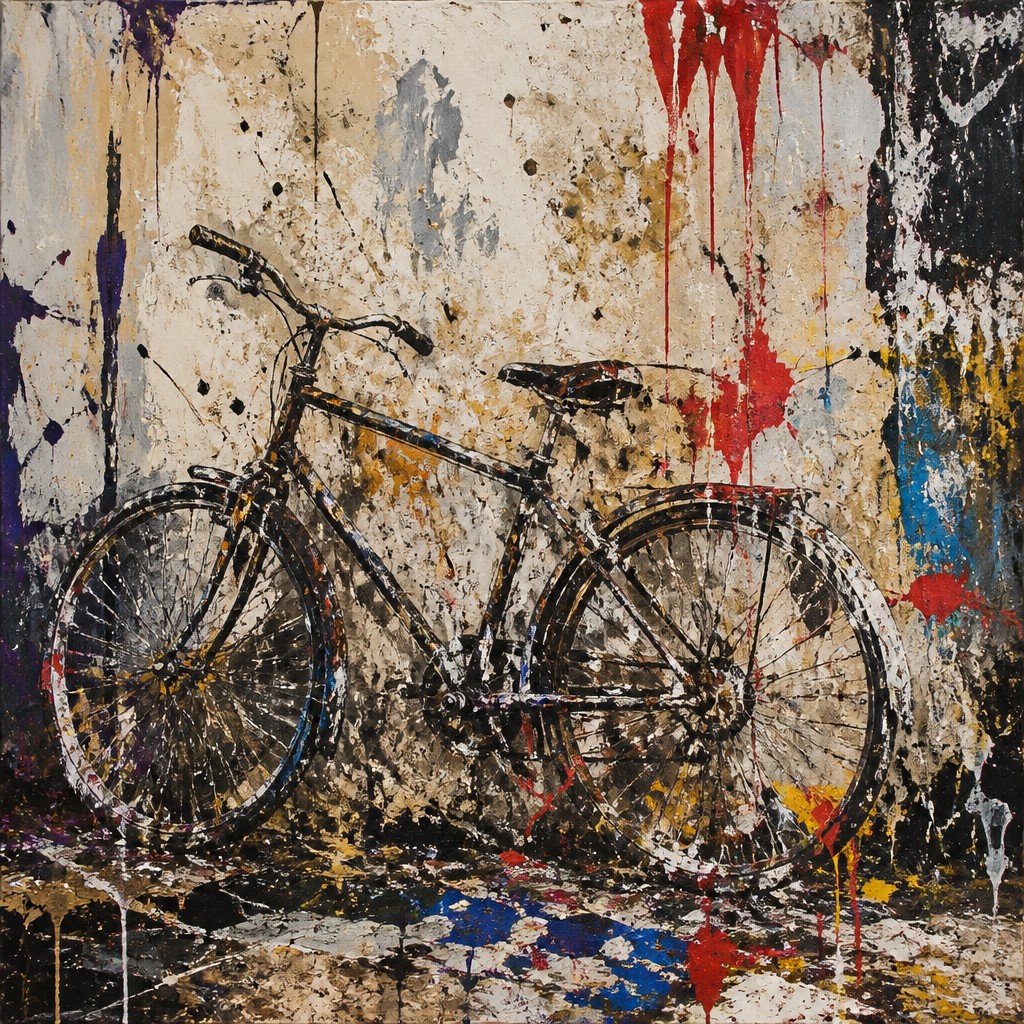
Ambiguous imagery
Figures, landscapes, objects, or symbols may be partly obscured by chance marks. Recognition is often unstable, allowing viewers to shift between reading the subject and reading the texture.
Randomness Prompt Ideas
Start from an idea — each one opens the generator with the style ready to go. See all 40 Randomness prompts →
How to Create Randomness Art
Master the craft step by step — or skip straight to creating. Read the full guide →
- 1
Begin with a permissive ground
Use untreated paper, coarse canvas, or a digitally simulated raw surface, then establish only a few loose color areas. Avoid outlining the entire composition before adding spontaneous marks.
- 2
Introduce physical chance
Try flicking diluted ink, tilting a wet surface, dropping pigment, dragging a dry brush, or printing from irregular textures. Let gravity, viscosity, and contact pressure determine part of the result.
- 3
Vary mark scale and density
Combine tiny specks with broad stains, thin trails, heavy smears, and isolated interruptions. Concentrate activity in some zones while allowing quieter areas to preserve asymmetry and breathing room.
- 4
Layer without fully correcting
Add translucent and opaque passages over earlier accidents, but resist smoothing every collision. The style depends on visible buildup, irregular edges, and traces of decisions that were not planned in advance.
- 5
Use digital or AI-based variation
In digital software, combine randomized brushes, particle systems, masks, displacement, and opacity variation while preserving a raw surface. For prompt-based creation, specify scattered nonrepeating marks, accidental drips, uncontrolled splatters, asymmetry, and chance-driven overlaps.
The Story
History & Origins of Randomness
Randomness Art Style is an invented, contemporary aesthetic rather than a documented historical movement with a fixed period or founding school. Its lineage comes from modern and contemporary experiments with chance, automatic mark-making, gestural abstraction, action-based painting, experimental drawing, and process-oriented art that treats accidents as meaningful visual events.
It also reflects the influence of collage, monoprinting, ink-spill techniques, graffiti-like splashing, and digital systems that introduce controlled unpredictability. In this style, chance is not merely an accident during production; it is the central compositional principle.
Influences: The style is related to gestural abstraction, action-based painting, automatic drawing, experimental printmaking, abstract expressionist mark-making, graffiti splashing, ink painting accidents, and process-oriented art. It shares their interest in bodily movement and material behavior, but places stronger emphasis on nonrepetition, deliberate relinquishment of control, and the visual authority of accidents. Digital randomness, procedural texture, and generative noise extend these traditions into contemporary image-making.
Frequently Asked Questions
What defines Randomness Art Style?
It is defined by chance-driven marks rather than planned geometry, regular pattern, or polished control. Accidental drips, splatters, stains, asymmetrical distribution, and overlapping textures are central to its appearance.
Is Randomness Art Style the same as abstract expressionism?
It overlaps with gestural abstraction and abstract expressionist traditions, especially in its emphasis on movement and energetic mark-making. However, it is a broader invented aesthetic focused specifically on uncontrolled variation and nonrepeating chance effects, whether or not the work is purely abstract.
Does the style have to be completely abstract?
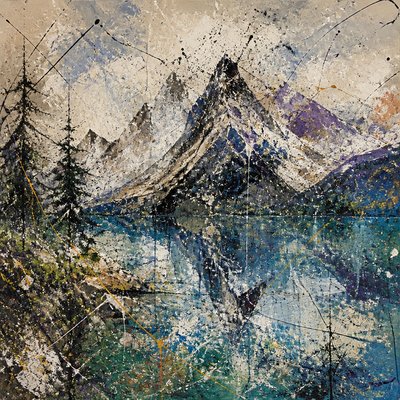
No. A recognizable portrait, animal, building, or landscape can remain visible beneath the random marks. The subject is often partially interrupted or dissolved, creating a balance between visual recognition and material disorder.
How can I make this style with traditional materials?
Use fluid media such as ink, diluted acrylic, watercolor, or thinned paint, and apply them through flicking, dripping, pouring, blotting, dragging, and tilting. Keep some accidents intact instead of editing them into deliberate shapes.
How can I create it digitally?
Use textured brushes, particle brushes, randomized scattering, opacity variation, displacement filters, and layered masks. Preserve irregular edges and varied density, since perfectly uniform noise or repeated stamps can make the result look patterned rather than spontaneous.
Where is this style commonly used?
It can appear in experimental painting, album and poster artwork, editorial illustration, motion graphics, fashion imagery, digital backgrounds, and expressive photo treatments. It is especially useful when a project needs visual energy, material roughness, or a sense of unpredictability.
Create your first Randomness artwork
Describe anything — or upload a photo — and see it in Randomness Art Style in seconds.
Related Styles
Discover similar art styles