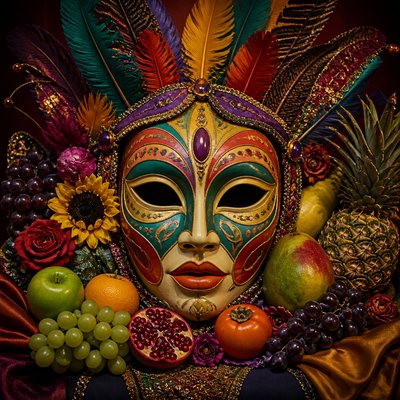
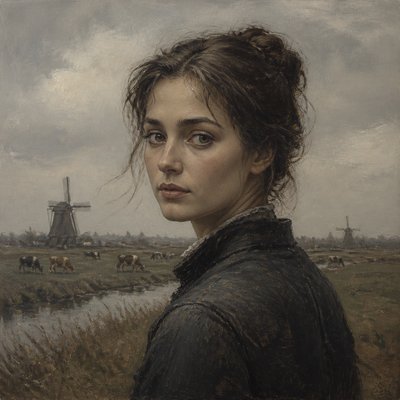
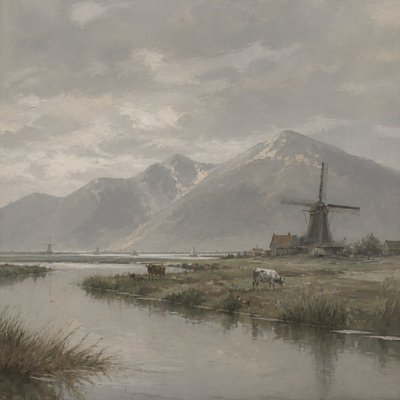
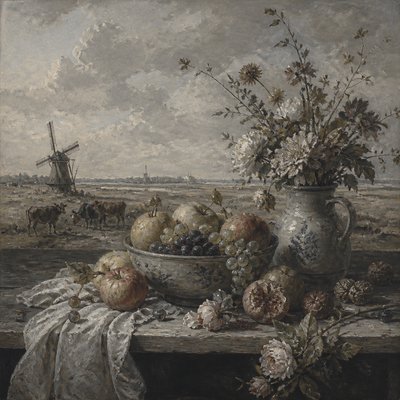
Zurich Art Style
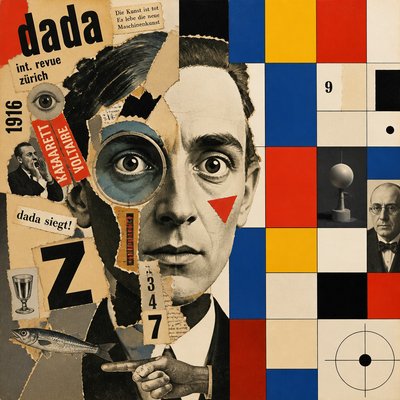
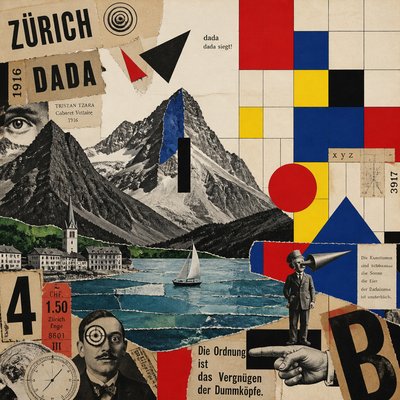
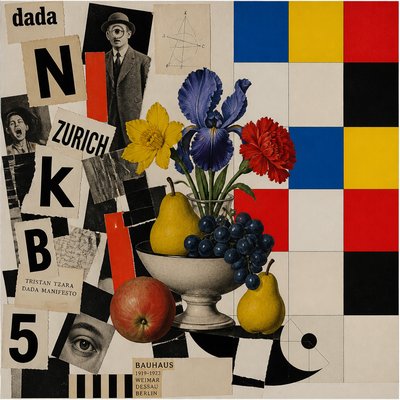
Explore Zurich Art Style: Dada collage disruption fused with precise Concrete geometry, primary colors, torn typography, and structured abstraction.
Instantly rendered in Zurich — or transform a photo
Zurich Gallery
Tap any artwork to explore it
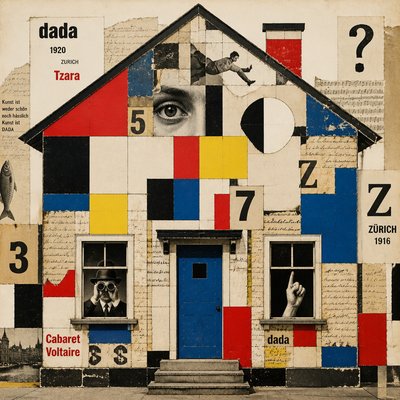
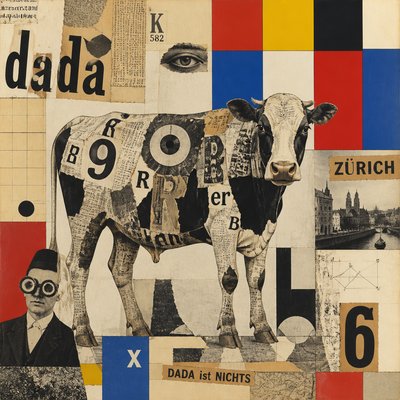
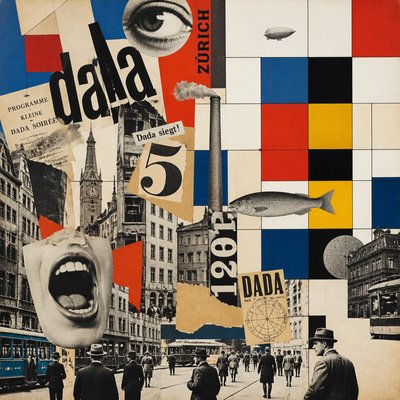
What is Zurich Art Style?
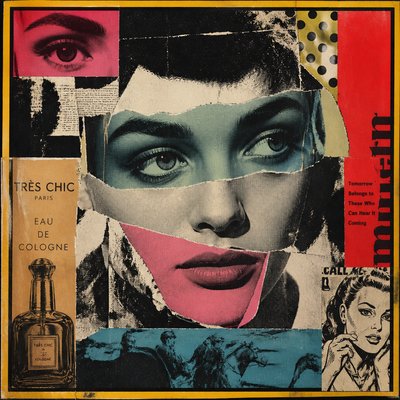
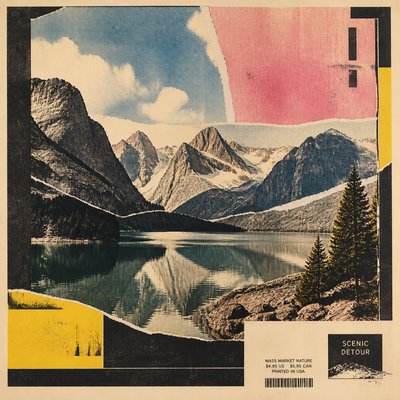
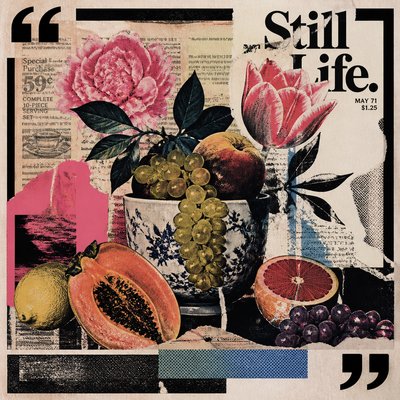
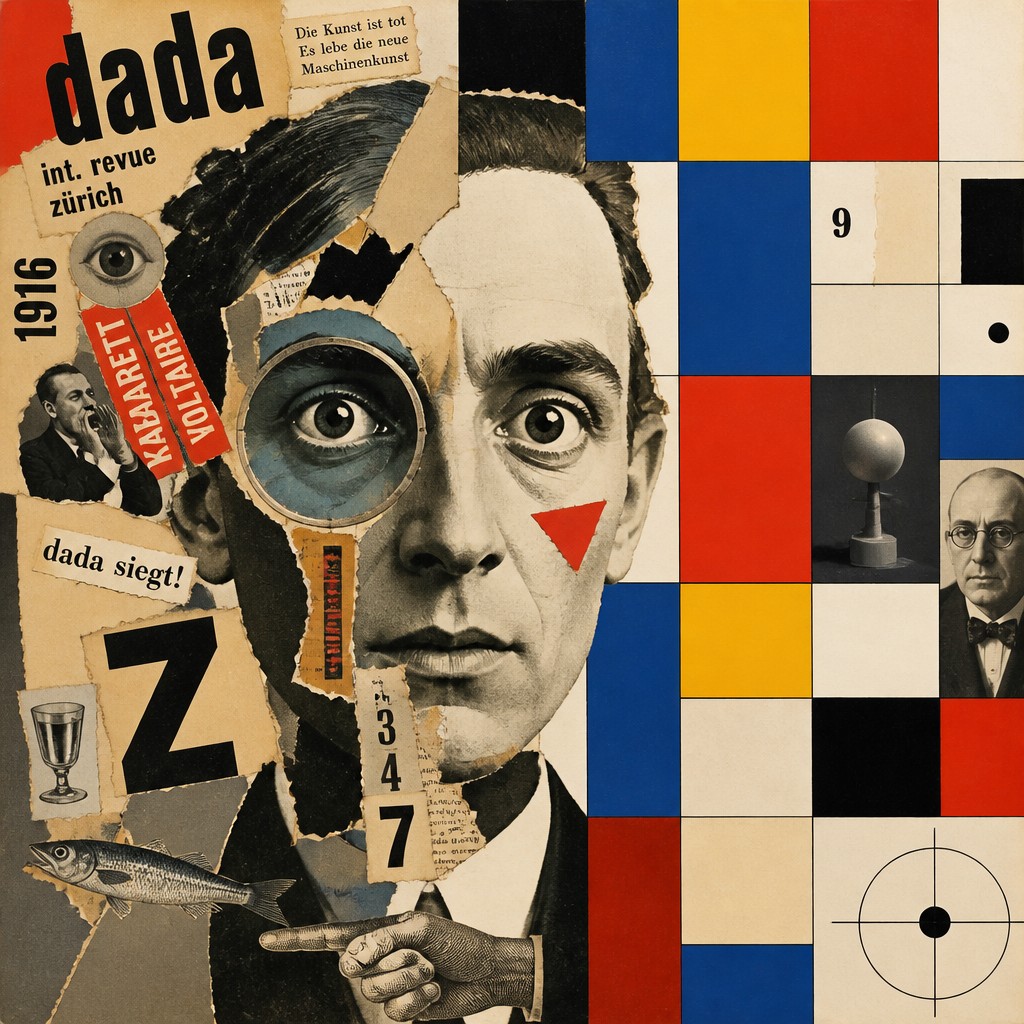
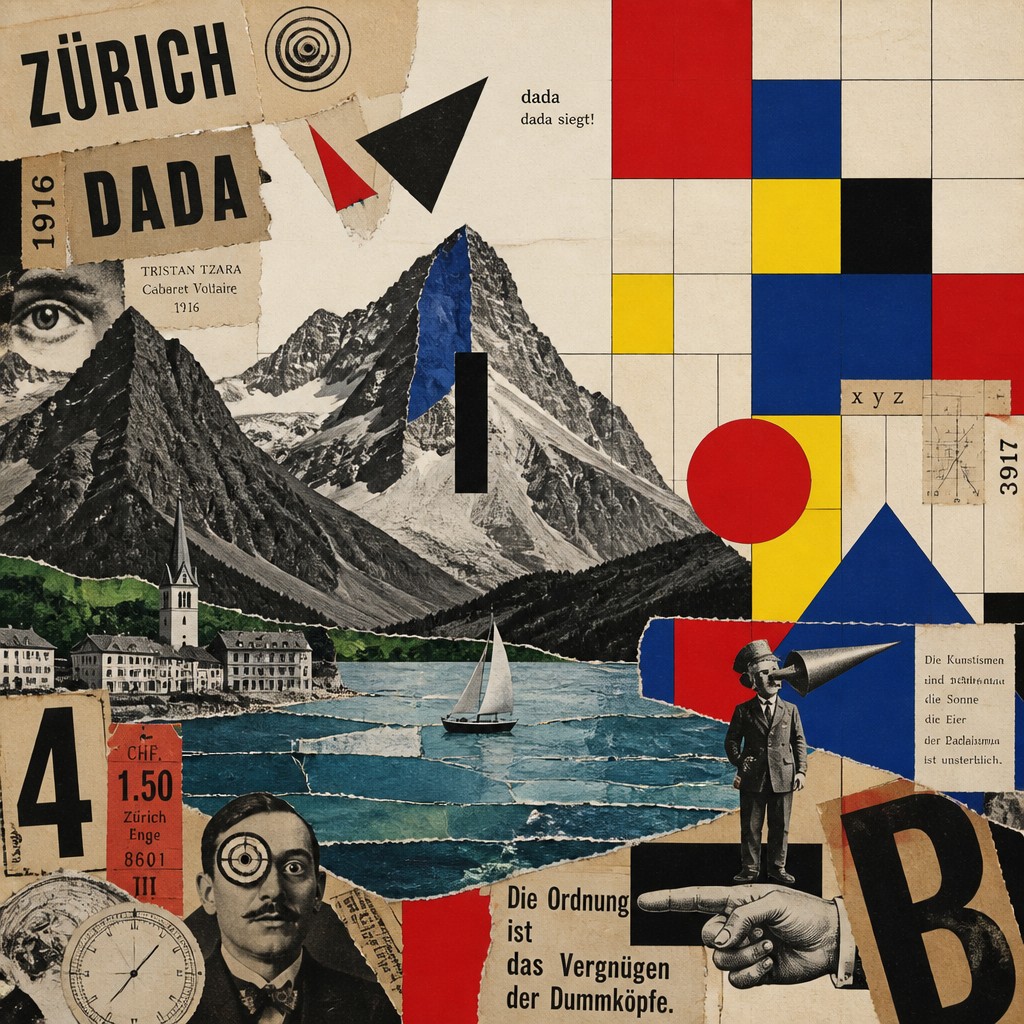
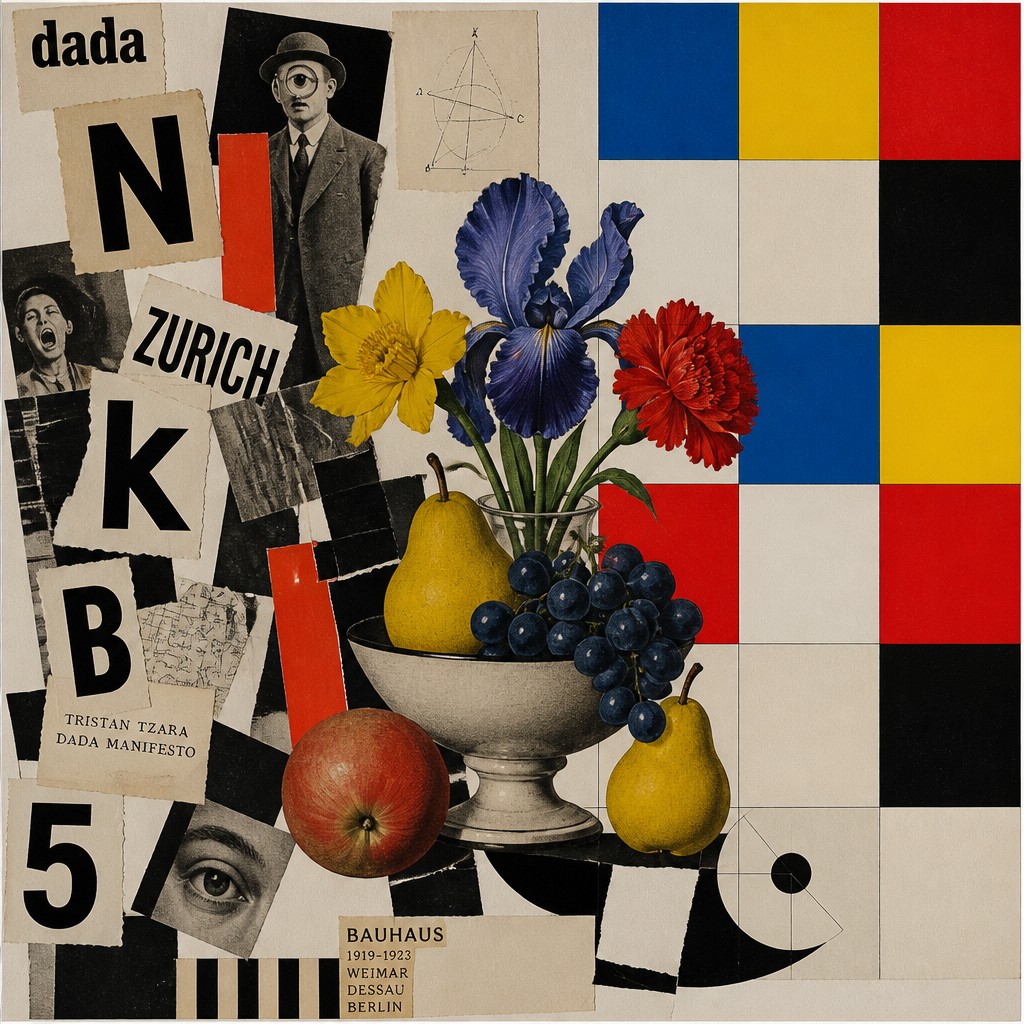
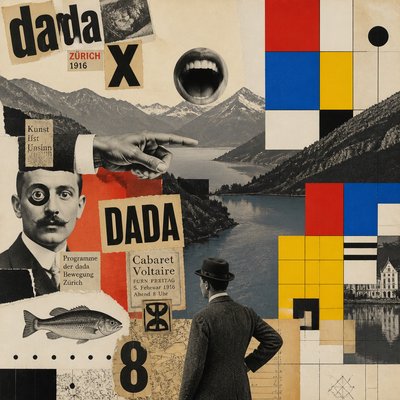
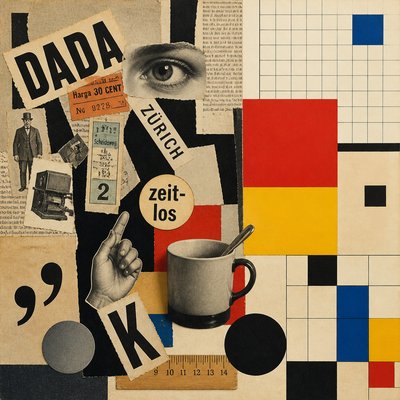
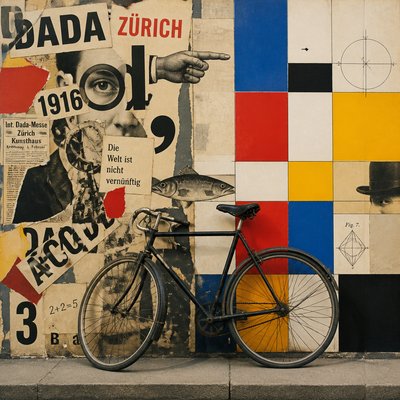
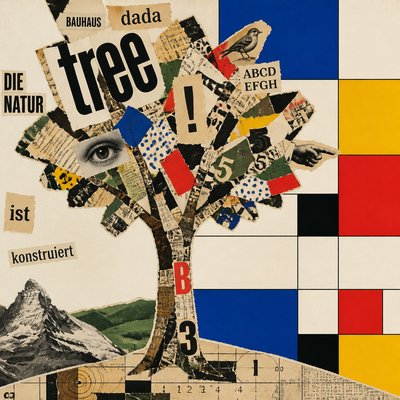
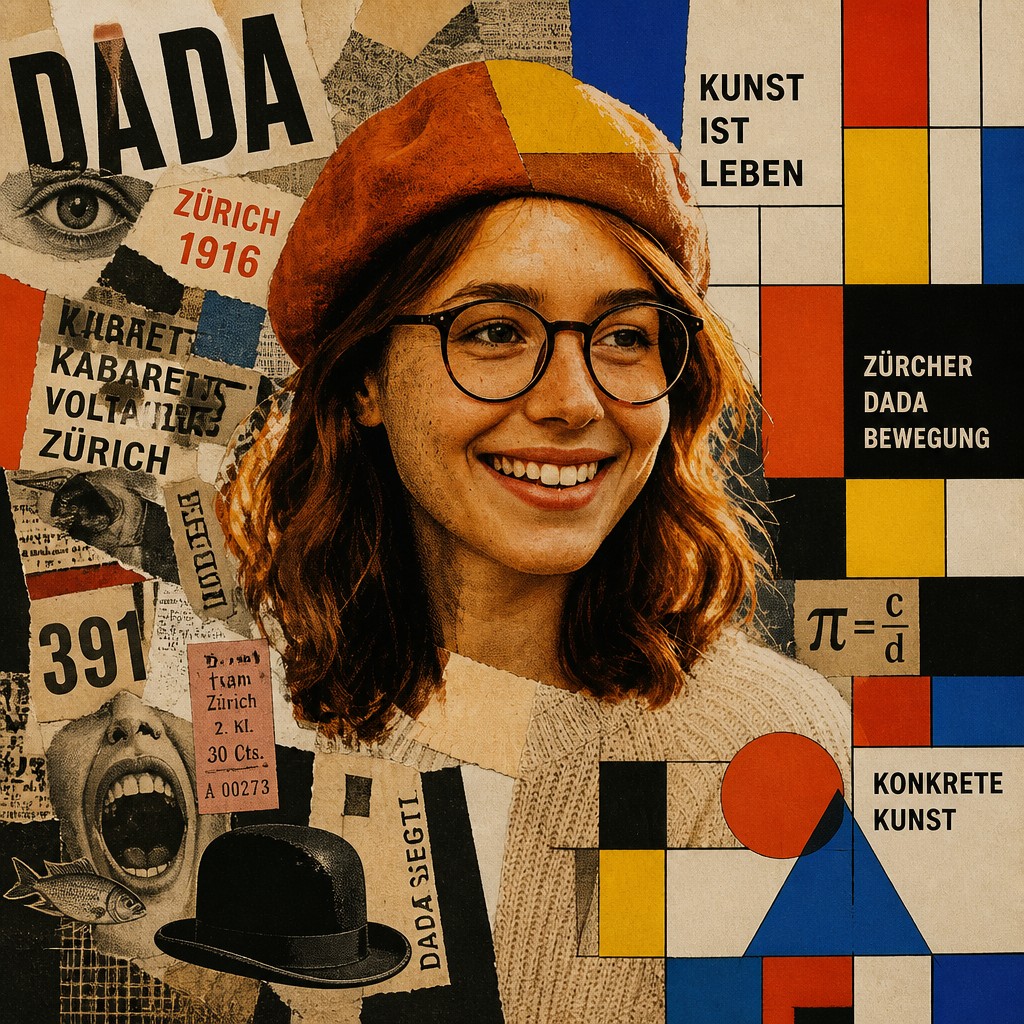
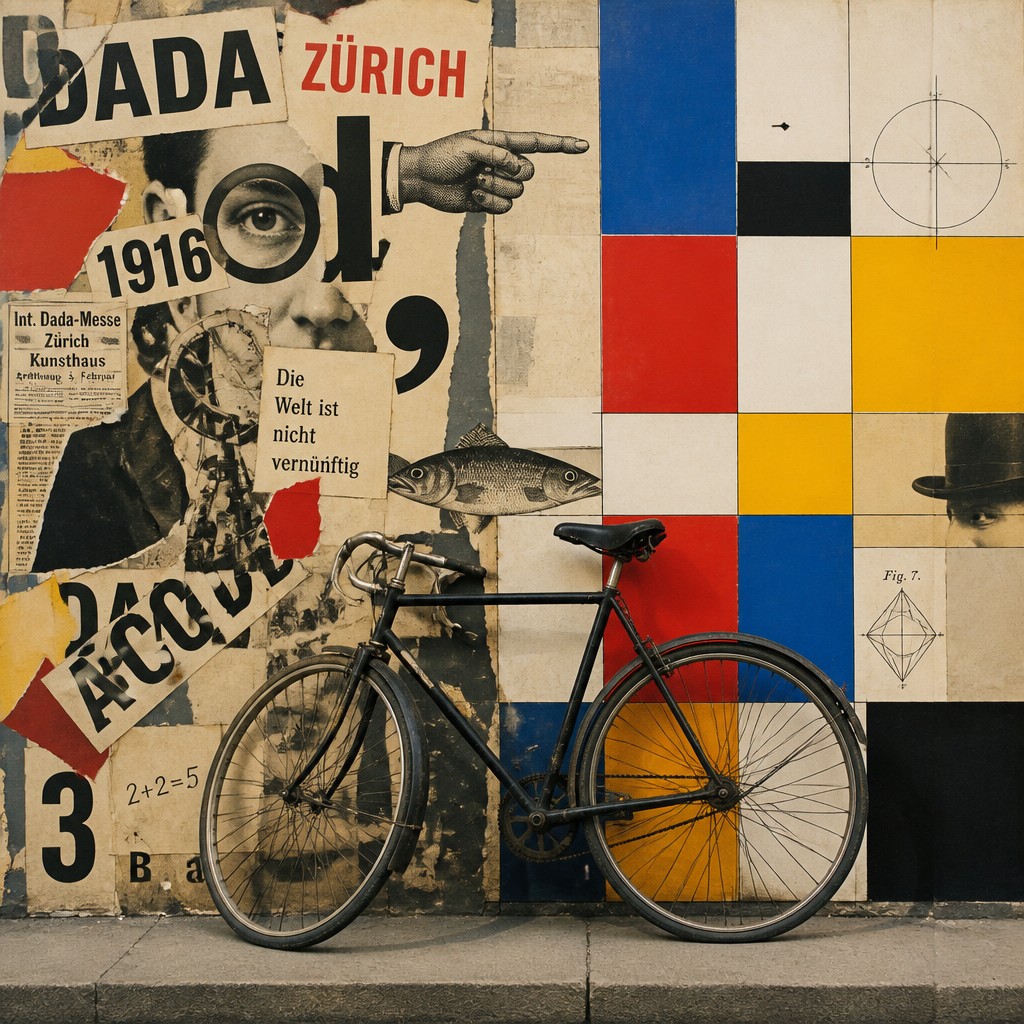
Zurich Art Style is a hybrid visual language that combines the disruptive energy of Dada collage with the disciplined geometry of Concrete art. Its compositions place torn paper, fragmented typography, found images, and absurd juxtapositions beside precise grids, flat color fields, and mathematically ordered forms.
The style is defined by tension rather than visual uniformity. Rough cut-paper edges and playful visual accidents interrupt clean planes of primary color, while structured arrangements give chaotic fragments a deliberate framework. The result is simultaneously anarchic and controlled: a poster-like form of abstract storytelling in which meaning can emerge from contradiction, layering, scale, and visual collision.
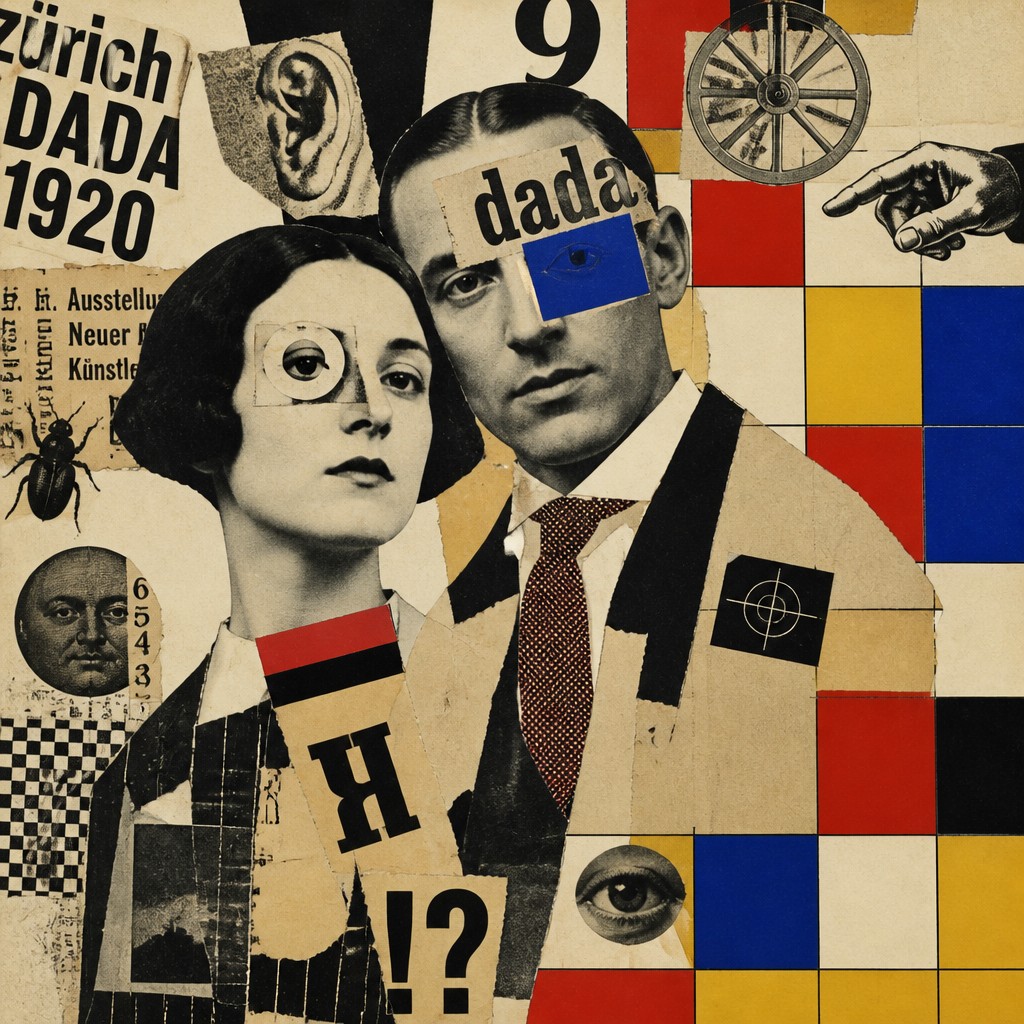
Try It On Your Photos
Upload any photo and convert it into Zurich Art Style — drag the sliders to compare before and after.


What Defines Zurich Art Style
The signature details, up close
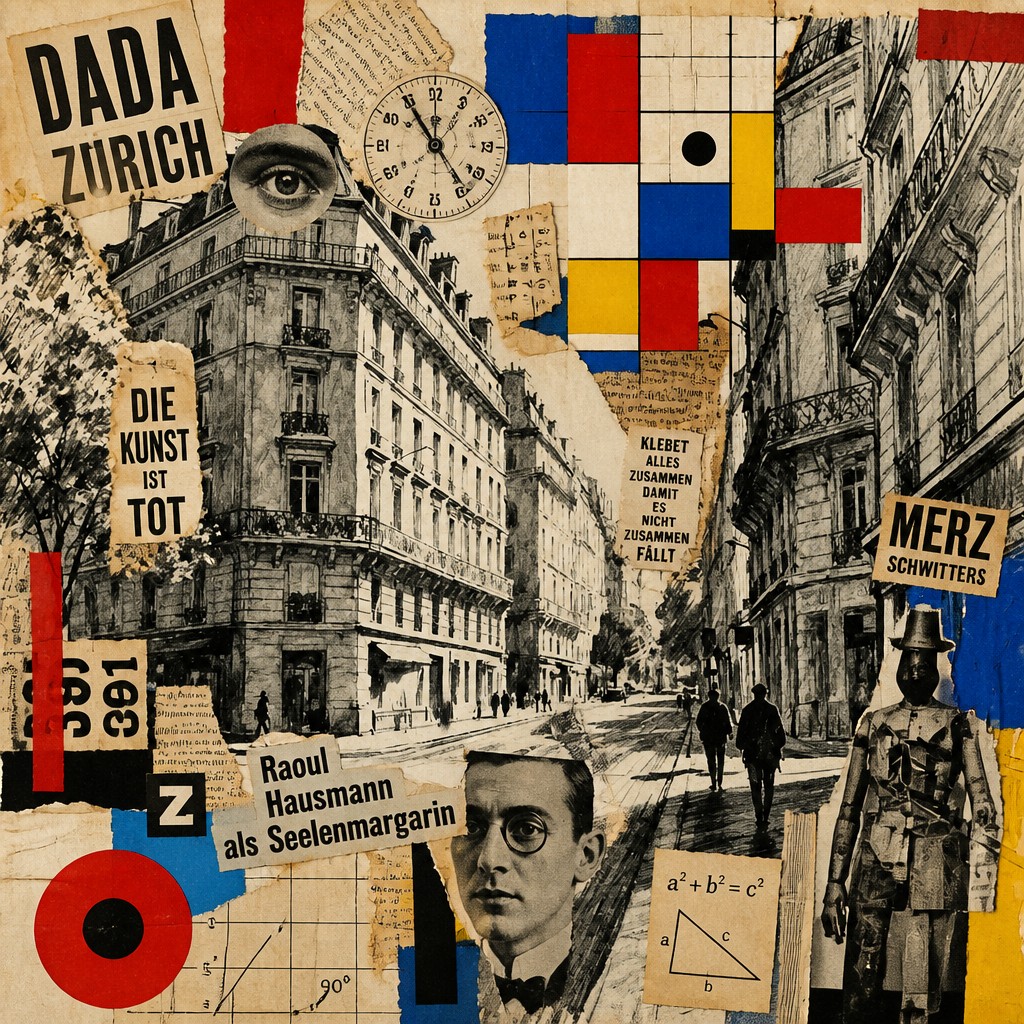
Torn collage fragments
Ripped paper edges, irregular cutouts, pasted scraps, and visible overlaps create a handmade, provisional surface. The fragments may retain fibers, stains, registration errors, or partial images.
Found typography
Letters and words appear as visual objects rather than only readable language. Headlines may be cut apart, rotated, cropped, layered, or mixed across contrasting type sizes and textures.
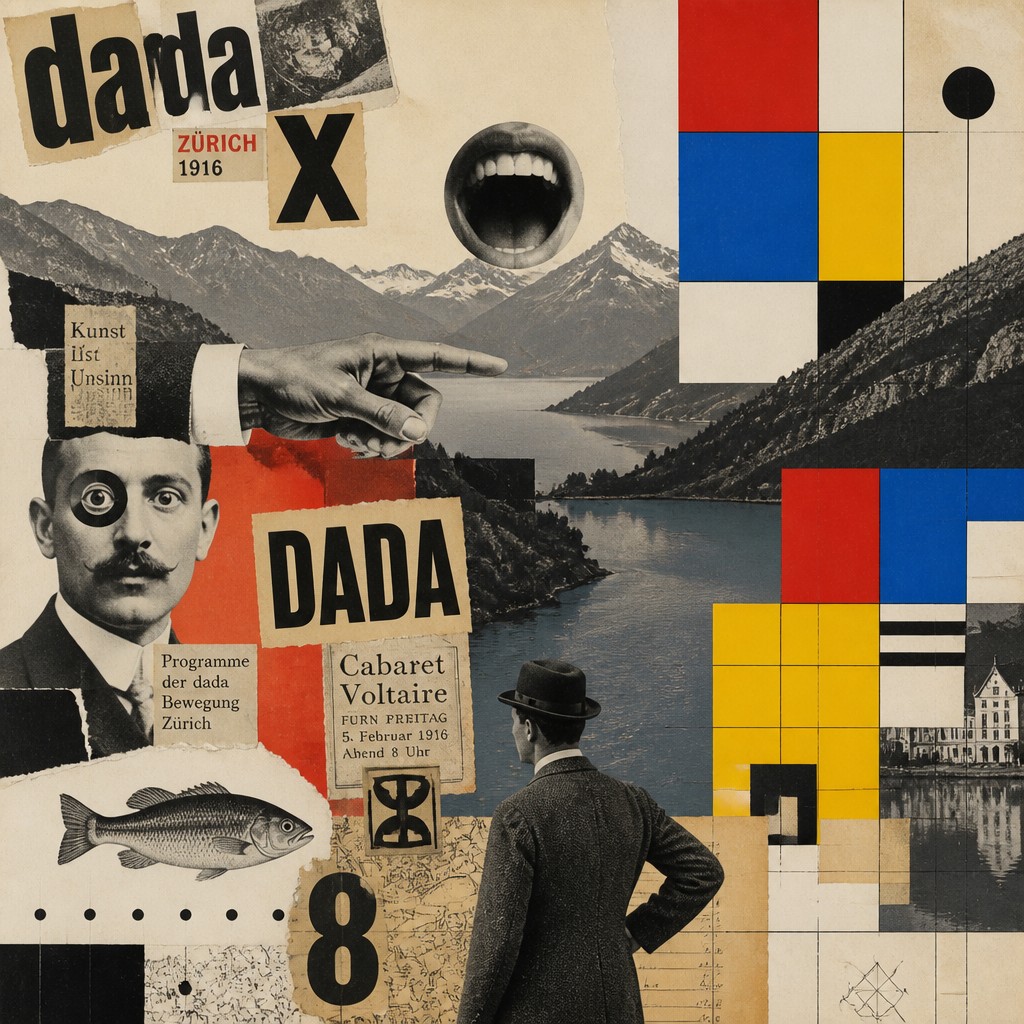
Absurd juxtaposition
Unrelated objects, symbols, photographs, and diagrams are placed together to produce humor, ambiguity, or conceptual friction. Scale and context are intentionally distorted.
Concrete geometry
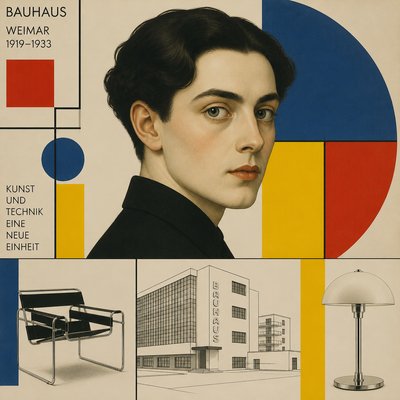
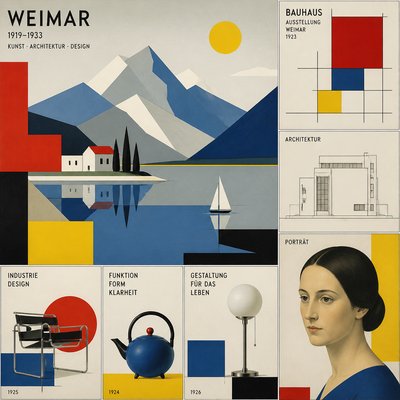
Squares, rectangles, bars, circles, and modular units are arranged through grids, repetition, alignment, and measured spacing. These forms provide an exact structural counterweight to the collage.
Primary color planes
Flat red, yellow, blue, black, and white often dominate, with occasional muted paper tones or a single accent color. Strong color blocking clarifies the composition while intensifying its graphic impact.
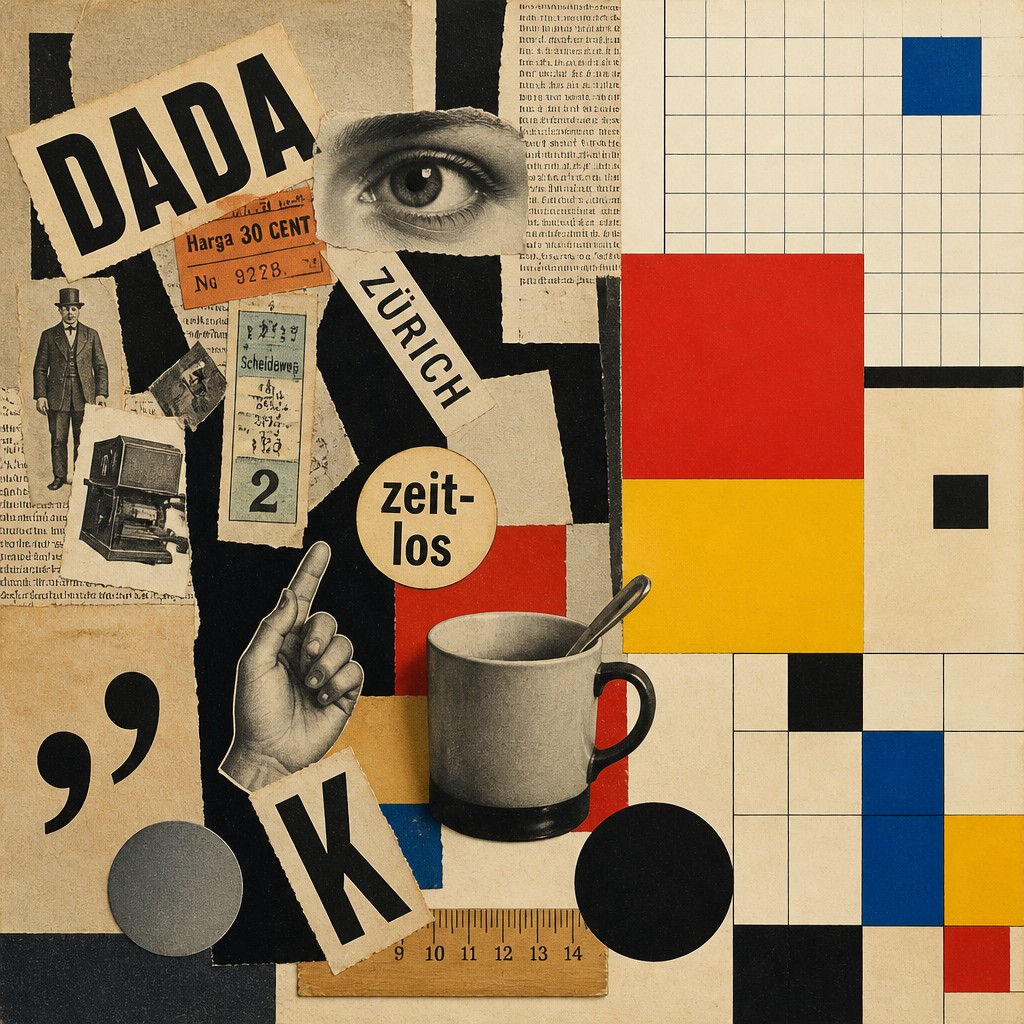
Controlled visual conflict
The style deliberately balances order and disorder, handmade marks and clean surfaces, legibility and fragmentation. A stable underlying grid can make the most chaotic elements feel intentional.
Layered material contrast
Newsprint, photocopy grain, ink, halftone dots, flat vector shapes, and paper shadows may occupy the same image. Differences in texture and finish help separate visual voices within the composition.
Zurich Prompt Ideas
Start from an idea — each one opens the generator with the style ready to go. See all 40 Zurich prompts →
How to Create Zurich Art
Master the craft step by step — or skip straight to creating. Read the full guide →
- 1
Build a modular grid first
Begin with a simple proportional grid and reserve several strong geometric zones for color blocks or empty space. Let the grid establish alignment before introducing disruptive collage elements.
- 2
Collect and cut source material
Use photocopied text, packaging, diagrams, newspaper fragments, tickets, and anonymous photographic details. Tear or cut them at varied scales, preserving rough edges and partial words.
- 3
Create deliberate collisions
Combine unrelated images and interrupt typography with shapes, bars, or overlaps. Keep some fragments legible, but crop or rotate others so that reading competes with visual rhythm.
- 4
Separate texture from structure
In traditional media, layer paper, ink, paint, and transfer textures over or beneath clean painted geometry. Digitally, use separate layers, masks, vector shapes, halftone textures, and controlled opacity to preserve the same contrast.
- 5
Use prompt-based composition instructions
Describe the subject together with torn typography, found ephemera, absurd juxtaposition, primary-color grid modules, flat geometric planes, and a balance between raw collage and mathematical order. Specify composition, palette, texture, and the desired degree of legibility.
- 6
Edit for tension and clarity
After assembling the image, remove fragments that merely add noise and strengthen one or two dominant alignments. The most effective results feel chaotic at first glance but reveal an underlying system on closer inspection.
The Story
History & Origins of Zurich
Zurich Art Style is a contemporary, hybrid designation rather than a documented historical movement with a fixed period or founding group. Its principal lineage comes from Dada, which developed in Zurich during the 1910s and used collage, chance, nonsensical language, found materials, and anti-art strategies to challenge conventional cultural values after the First World War.
Its ordered counterpart derives from Concrete art, an interwar and postwar approach to abstraction centered on autonomous geometric forms, mathematical relationships, and non-representational color. Contemporary graphic design, editorial collage, digital compositing, and generative image practices further shape this synthesis, allowing deliberately damaged textures and precise vector structures to coexist in one image.
Influences: The style draws most directly from Zurich Dada collage, photomontage, experimental typography, and anti-rational visual play, while its ordered structure comes from Concrete art and other traditions of geometric abstraction. It also incorporates modernist poster design, constructivist-like diagonals and color blocking, editorial cut-and-paste graphics, photocopy aesthetics, Swiss grid discipline, and contemporary digital compositing.
Frequently Asked Questions
What defines Zurich Art Style?
It is defined by the contrast between chaotic Dada-derived collage and precise Concrete geometric order. Torn typography, found imagery, absurd combinations, primary-color planes, and modular grids are its most recognizable elements.
Is Zurich Art Style a historical art movement?
No. It is best understood as a contemporary hybrid style or descriptive aesthetic rather than a formally established historical movement. Its imagery draws on documented traditions including Zurich Dada and Concrete art.
How does it differ from ordinary Dada collage?
Dada collage often emphasizes chance, disruption, satire, and the subversion of conventional meaning. Zurich Art Style retains those qualities but places them inside a visibly ordered geometric framework with measured spacing and flat primary-color shapes.
How can I make this style by hand?
Gather printed ephemera, photocopies, labels, and anonymous photographs, then tear or cut them into fragments. Arrange them over a lightly measured grid and add painted or printed squares, bars, and circles to create a deliberate balance between roughness and order.
Can photographs be transformed into this style?
Yes. A photograph can serve as the recognizable subject while collage fragments, cropped typography, halftone textures, and geometric color planes reorganize its surface. Strong silhouettes and simplified tonal areas usually translate more clearly than highly detailed scenes.
Where is this visual language commonly used?
It is well suited to posters, album covers, editorial illustrations, cultural event graphics, book jackets, motion graphics, and experimental interface imagery. Its high contrast and fragmented text can be visually striking, although excessive layering may reduce practical readability.
Create your first Zurich artwork
Describe anything — or upload a photo — and see it in Zurich Art Style in seconds.
Related Styles
Discover similar art styles