Barcelona Art Style
Explore Barcelona Modernisme: organic architecture, trencadís mosaics, stained glass, wrought iron, and vivid Catalan decorative design.
Instantly rendered in Barcelona — or transform a photo
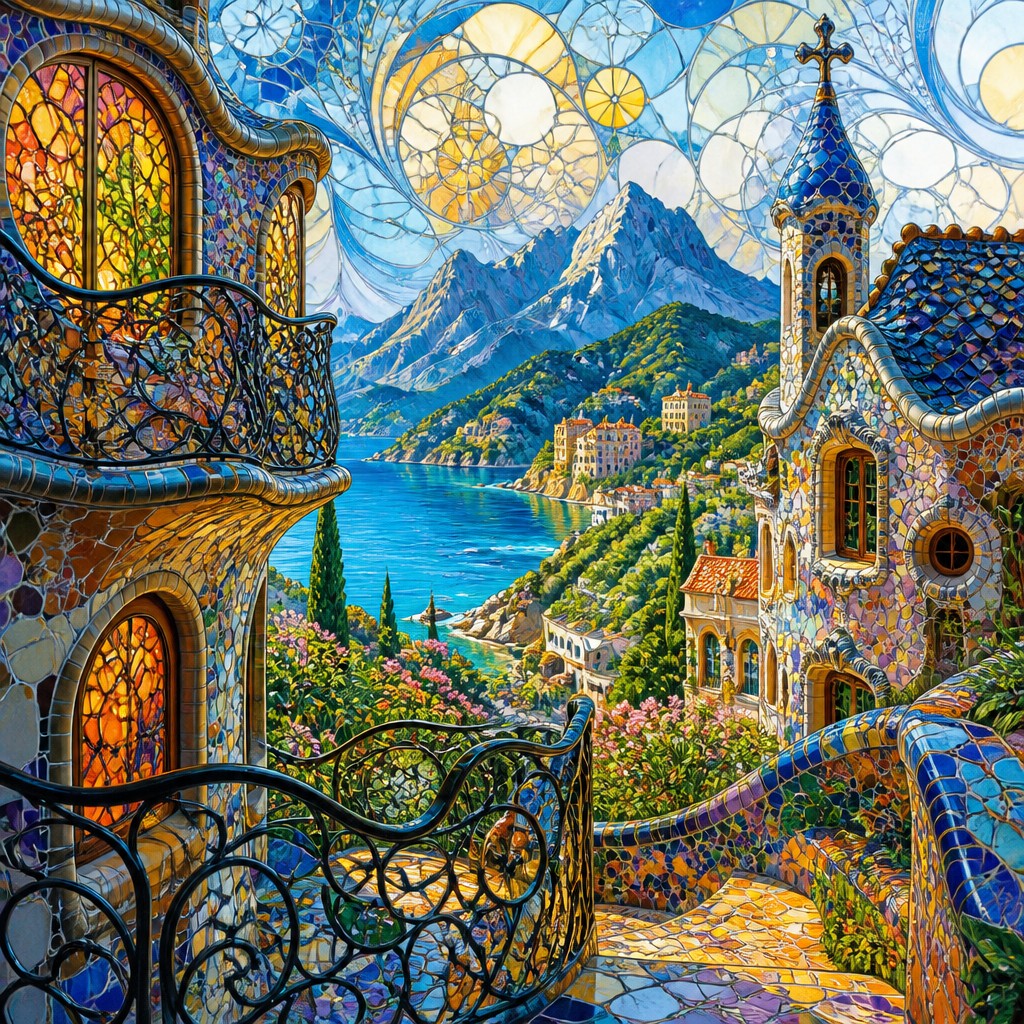
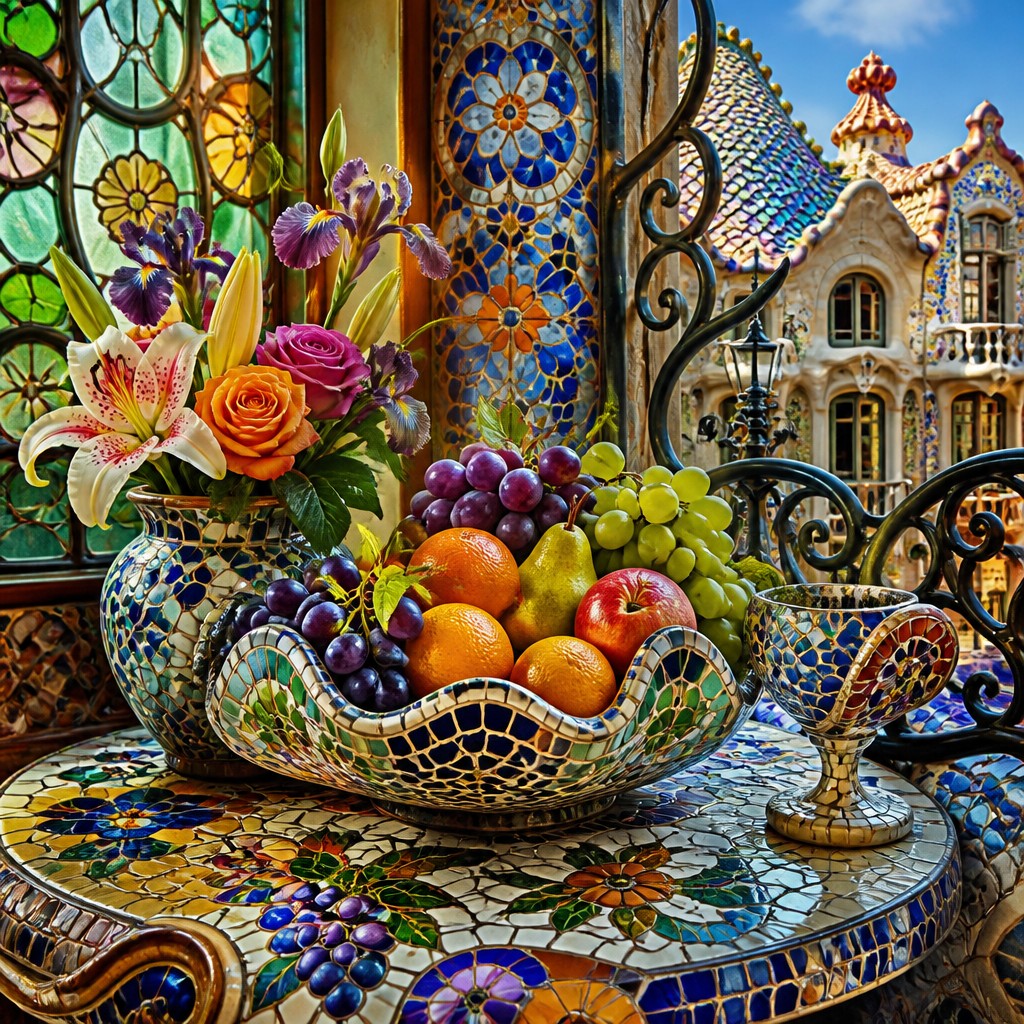
Barcelona Gallery
Tap any artwork to explore it
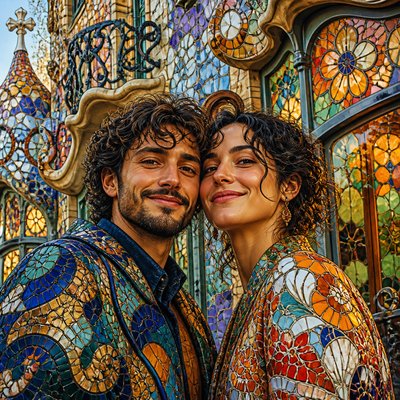
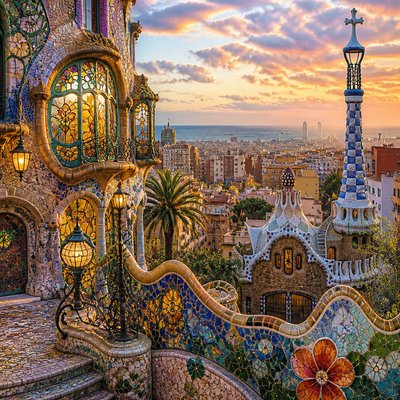
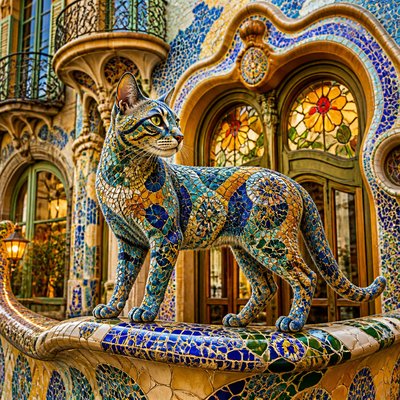
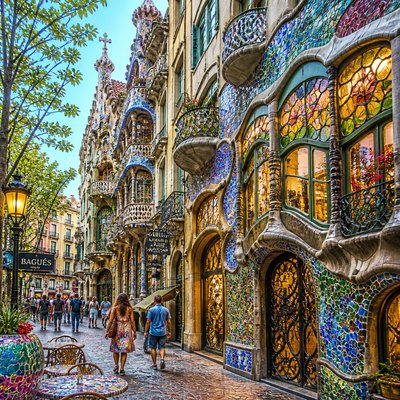
What is Barcelona Art Style?
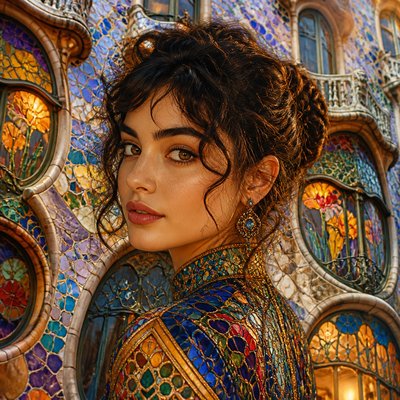
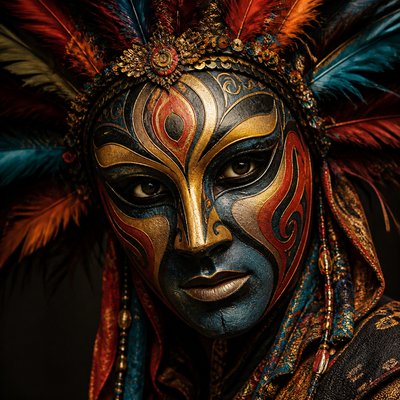
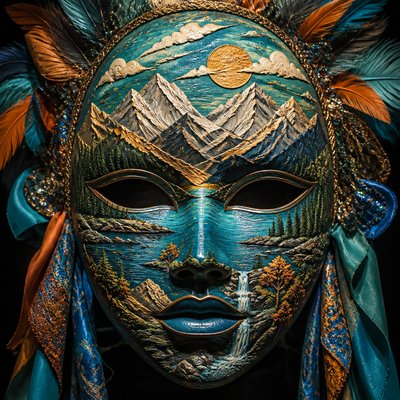
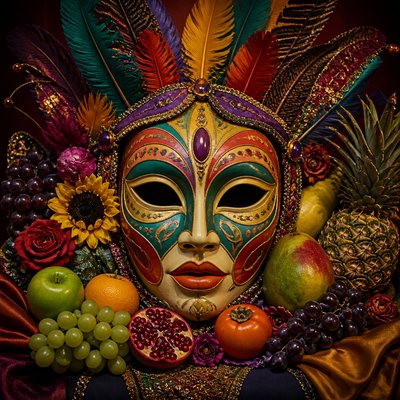
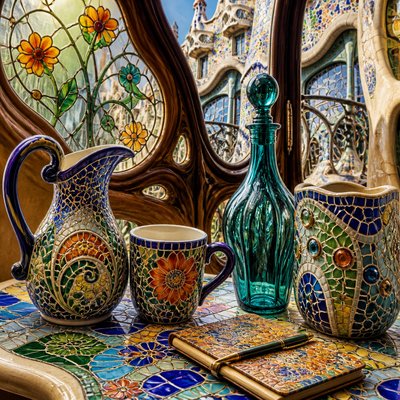
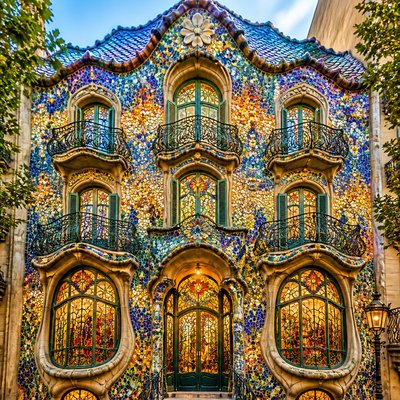
Barcelona Art Style is a decorative architectural aesthetic rooted in Catalan Modernisme, the regional form of Art Nouveau that flourished in Barcelona from the late 19th to early 20th century. It combines sinuous organic contours, asymmetrical ornament, handcrafted surfaces, and an intense palette of ceramic, glass, iron, and stone. Its visual language treats buildings as integrated works of art rather than neutral structures.
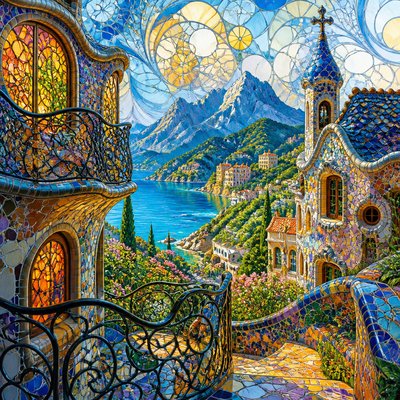
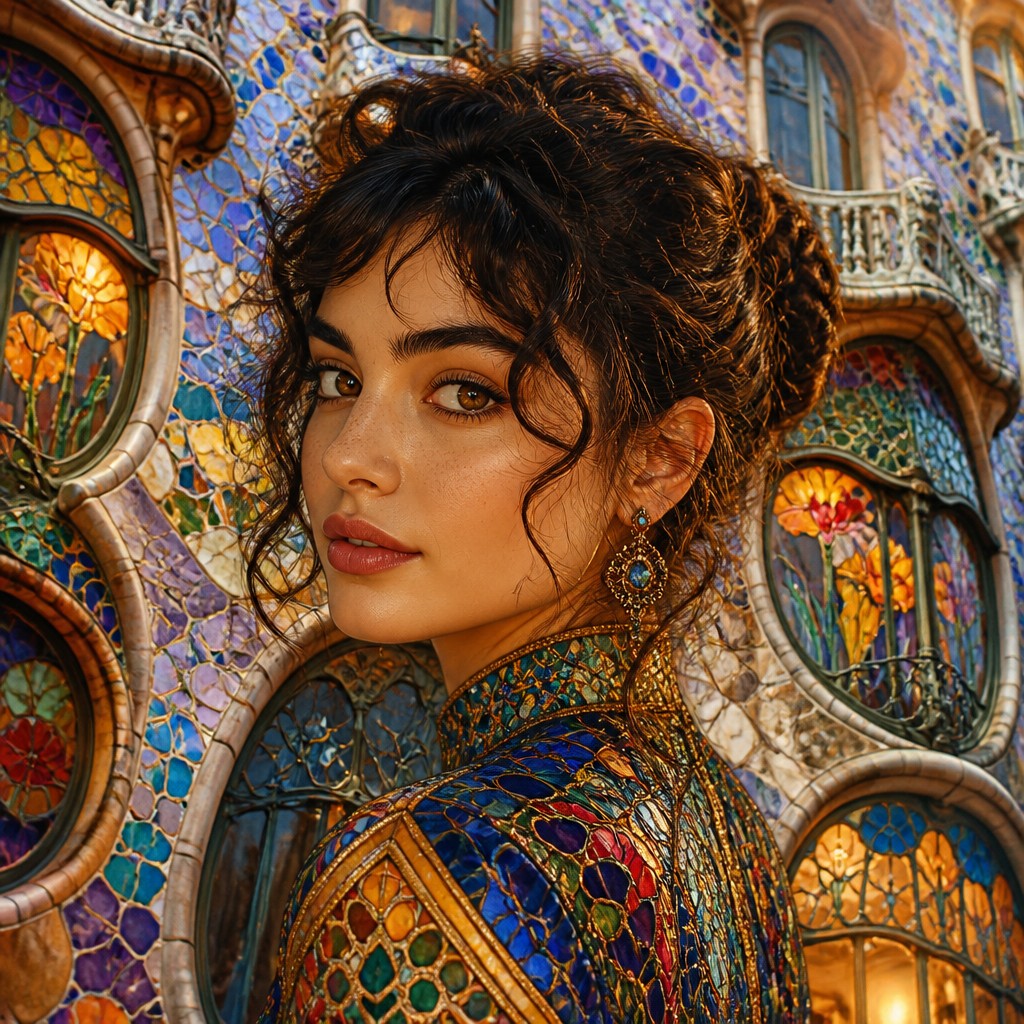
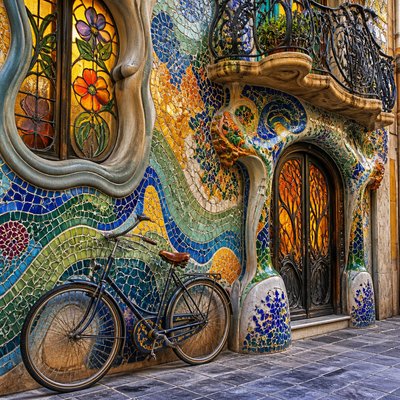
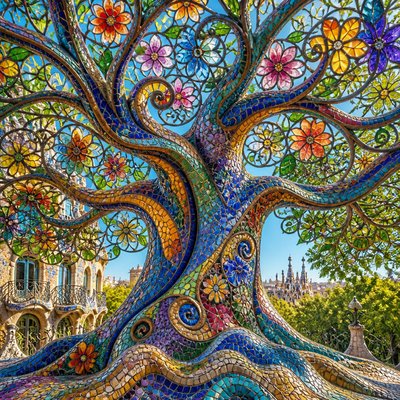
The style is recognized by wrought-iron balconies that curl like vines, facades covered in shimmering trencadís mosaic, floral stained glass, sculptural chimneys, and ceramic surfaces that appear to ripple or grow. Its apparent fantasy comes from translating natural forms—leaves, shells, bones, scales, flowers, and waves—into architecture while embracing the irregularities of handcraft and saturated color.
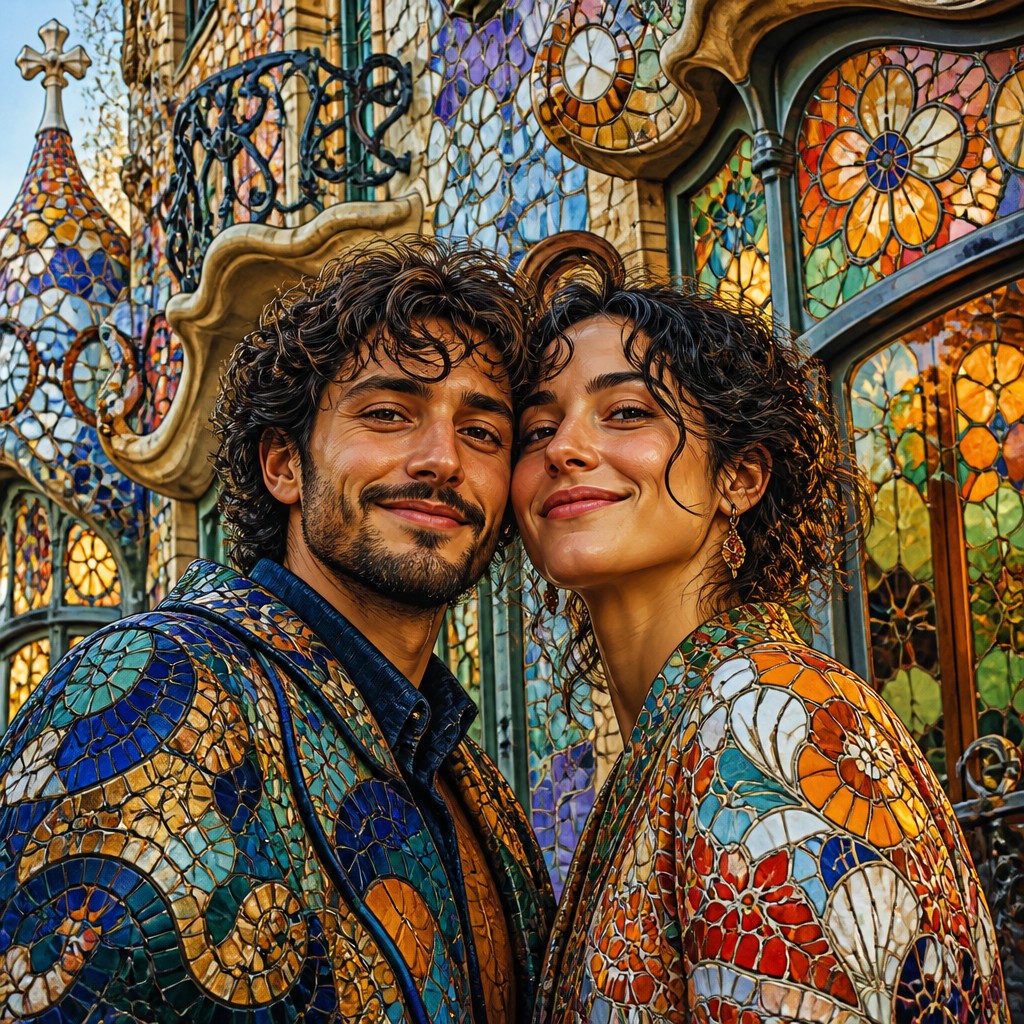
Try It On Your Photos
Upload any photo and convert it into Barcelona Art Style — drag the sliders to compare before and after.
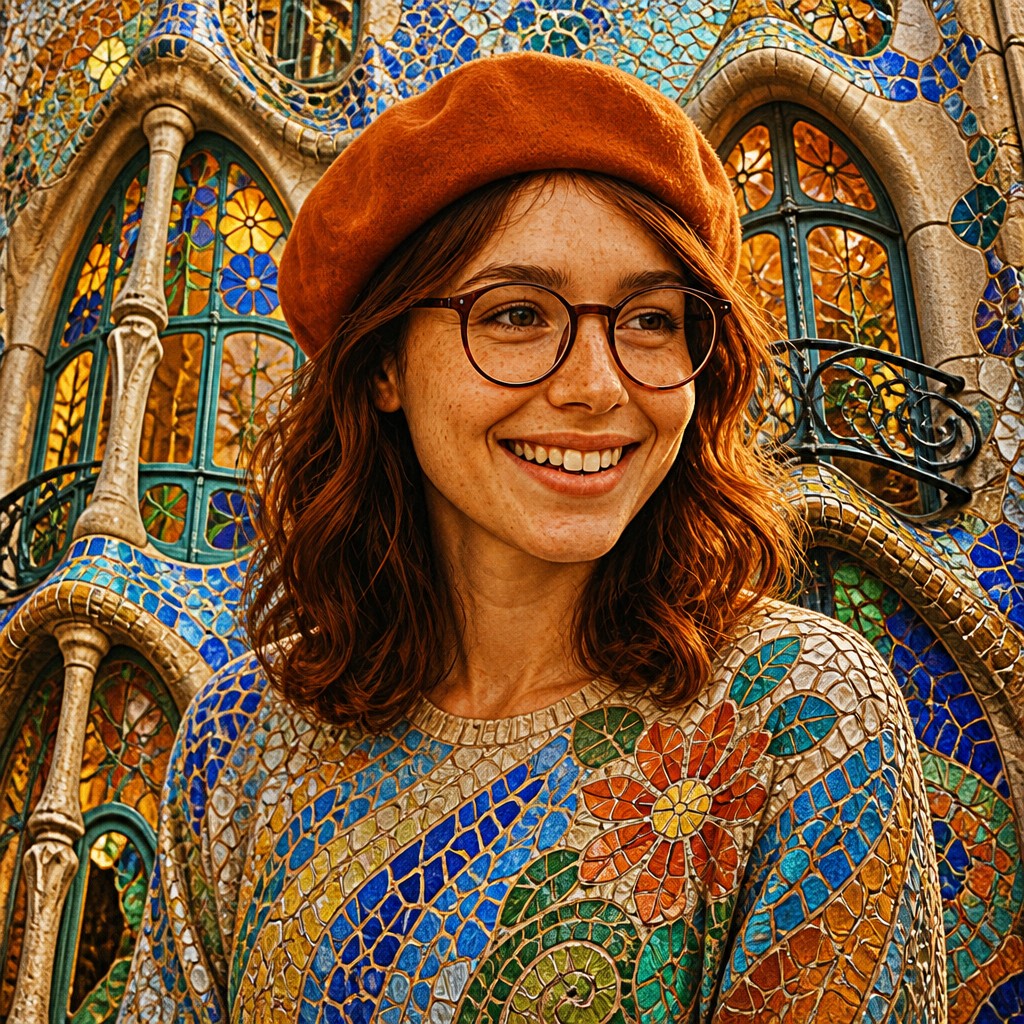

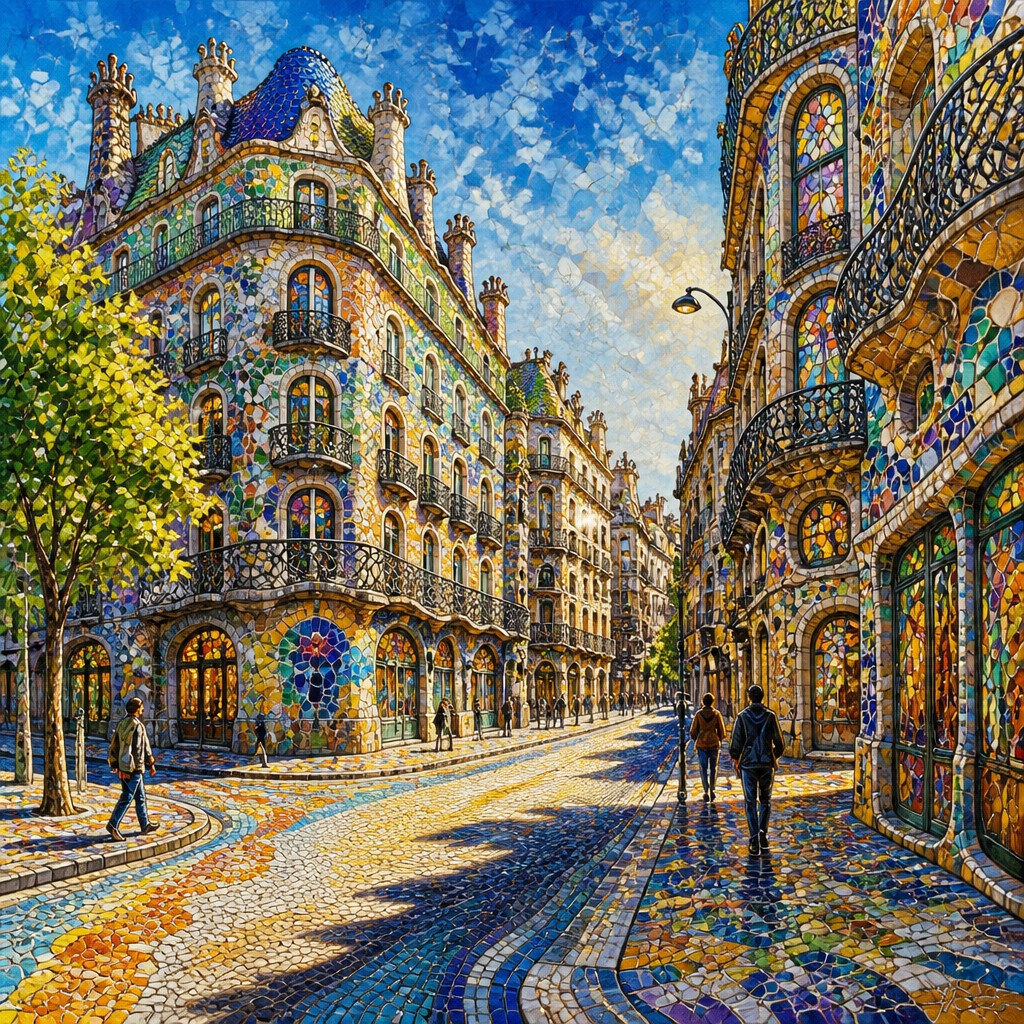

What Defines Barcelona Art Style
The signature details, up close
Sinuous organic curves
Lines bend and flow like stems, waves, bones, or tendrils rather than following strict geometric grids. Curved silhouettes appear in balconies, windows, rooflines, furniture, and decorative borders.
Trencadís mosaic
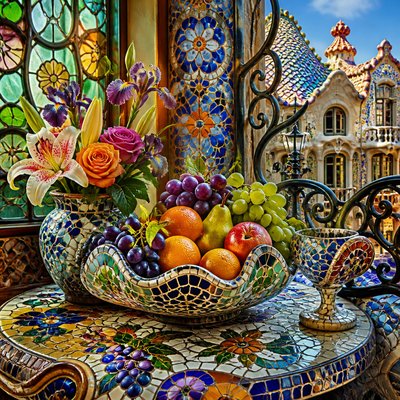
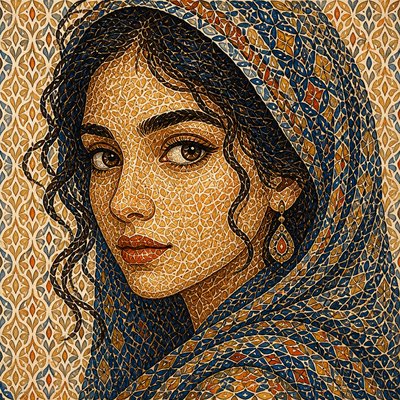
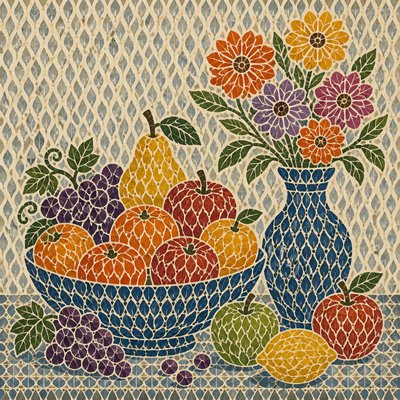
Broken ceramic and glass fragments form irregular, shimmering surfaces with visible grout lines and varied reflective textures. The technique favors tactile imperfection over uniform tessellation.
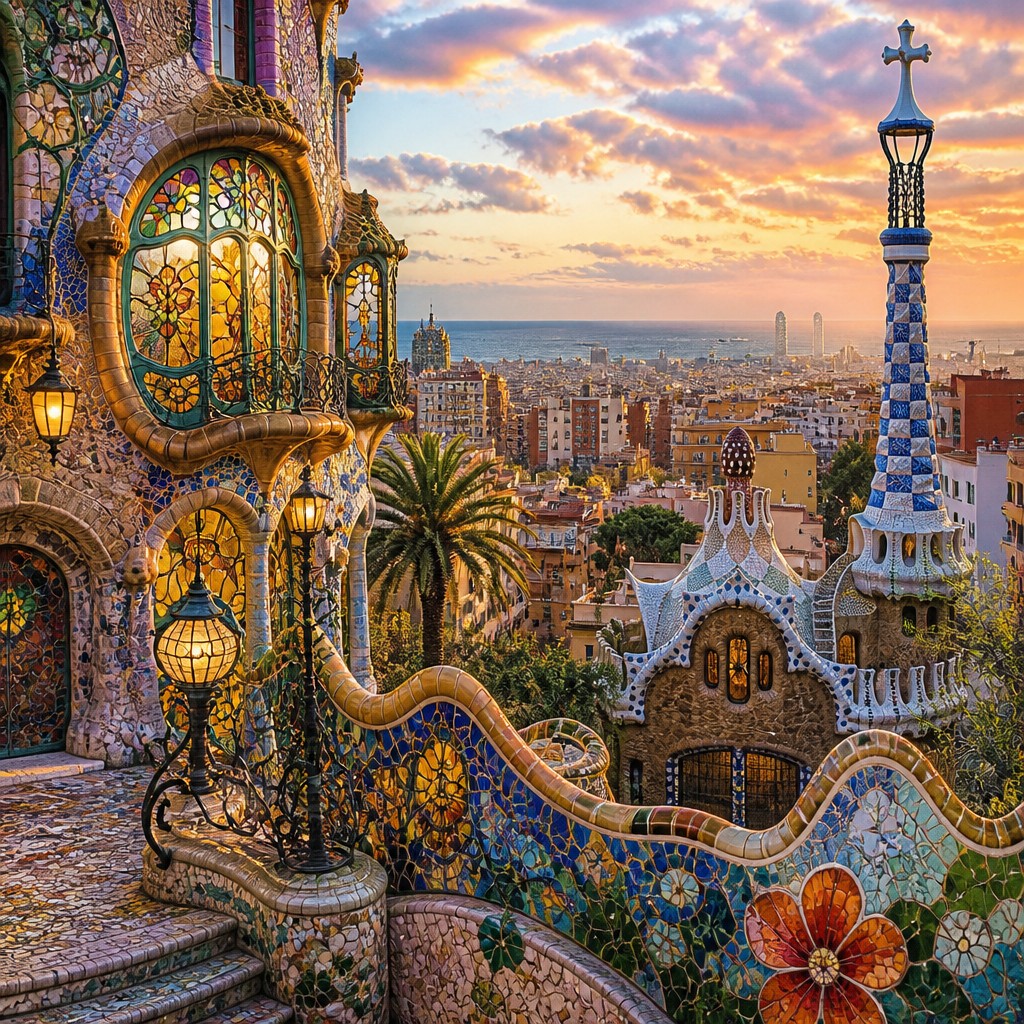
Saturated jewel color
Cobalt, emerald, turquoise, ruby, amber, violet, and warm terracotta create a vivid Mediterranean palette. Color is often distributed in shifting fragments rather than in flat, evenly bounded fields.
Botanical and zoological ornament
Leaves, flowers, shells, scales, insects, and other natural forms are abstracted into architectural patterns. The motifs may be recognizable but are usually enlarged, repeated, or transformed into structural details.
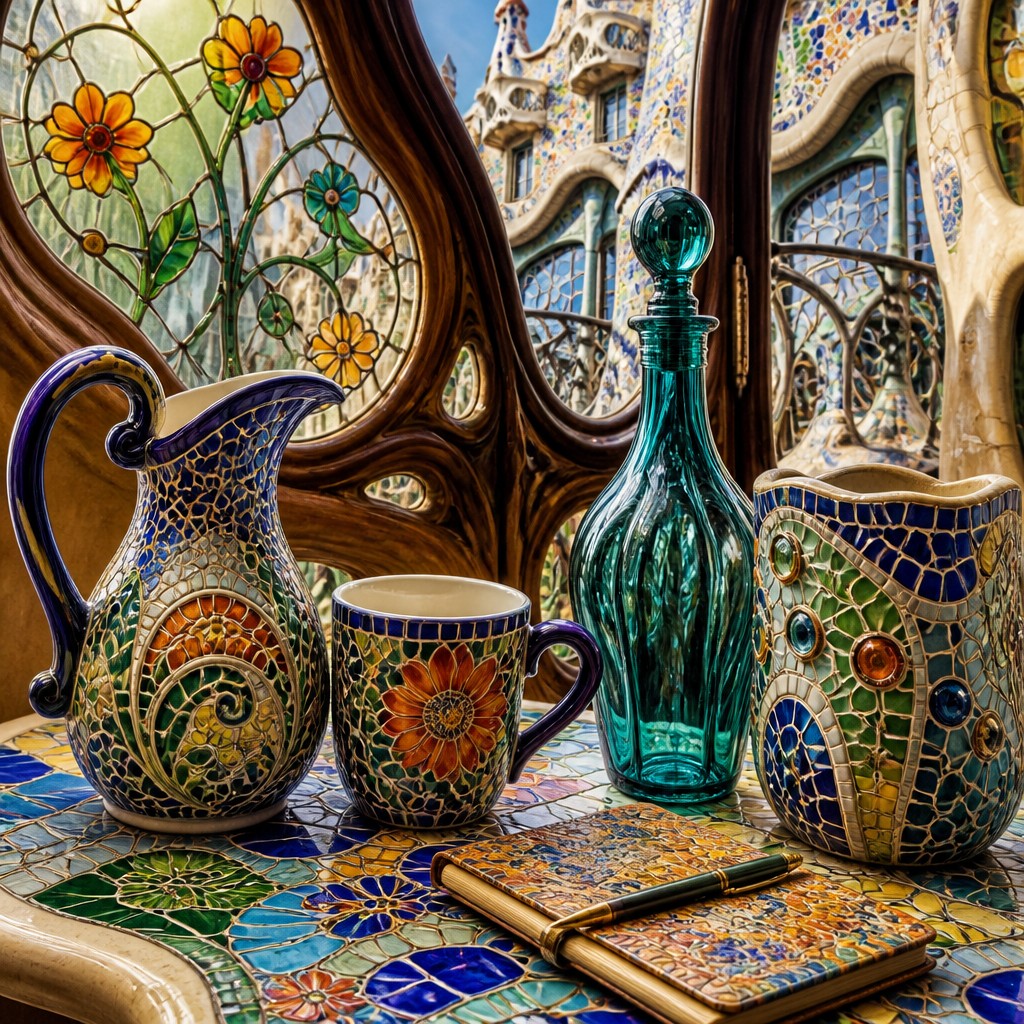
Whimsical wrought iron
Iron railings and gates use looping, thornlike, feathered, or skeletal forms. Their dark outlines provide strong contrast against colorful ceramic, plaster, stone, and glass.
Sculptural architecture
Walls, roofs, chimneys, columns, and openings appear modeled or grown rather than assembled from rigid units. Asymmetry, swelling volumes, irregular edges, and playful ornament create a dreamlike built environment.
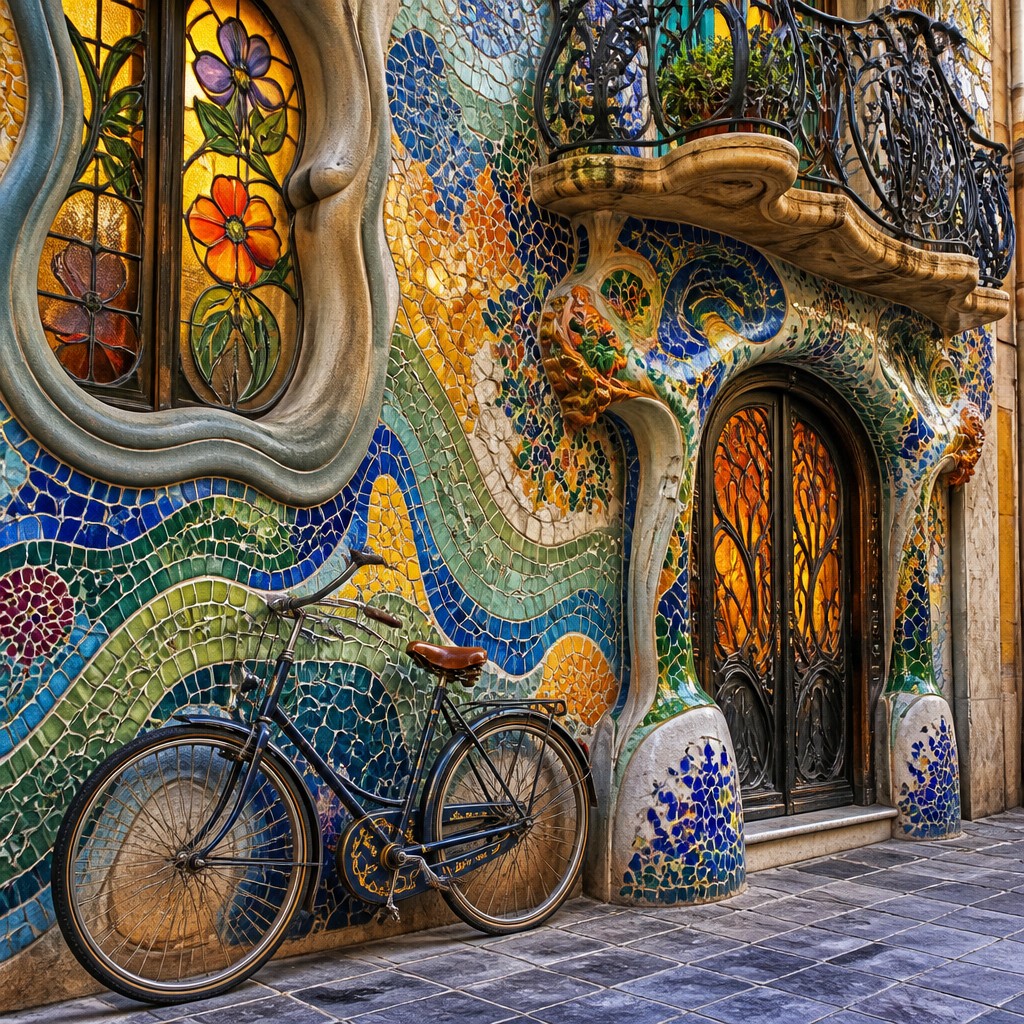
Light-reactive surfaces
Stained glass, glazed tile, polished ceramic, and metallic iron are arranged to catch or filter light. The overall effect shifts between matte stone, translucent color, glossy fragments, and deep shadow.
Barcelona Prompt Ideas
Start from an idea — each one opens the generator with the style ready to go. See all 40 Barcelona prompts →
How to Create Barcelona Art
Master the craft step by step — or skip straight to creating. Read the full guide →
- 1
Build a flowing silhouette
Begin with a strong architectural or object outline based on arcs, waves, and plant growth rather than rectangles. Let windows, openings, railings, and borders follow the same continuous rhythm.
- 2
Design a fragment mosaic
For traditional work, cut or simulate irregular ceramic and glass pieces with varied shapes, orientations, grout widths, and surface reflections. Avoid perfectly repeating tiles if you want an authentic trencadís effect.
- 3
Layer craft materials
Combine glazed ceramic, rough plaster, carved stone, stained glass, and dark wrought iron so each material has a distinct texture. In digital work, use separate texture and lighting layers to preserve these material differences.
- 4
Use nature as structure
Translate leaves, shells, flowers, waves, and scales into railings, columns, roof forms, borders, or furniture rather than adding them as isolated illustrations. Repetition should feel organic and slightly irregular.
- 5
Control the color and light
Use a saturated Mediterranean palette anchored by turquoise, cobalt, green, ochre, red, and violet, then add warm sunlight or stained-glass illumination. Reserve darker iron and shadow areas to keep the composition legible.
- 6
Write precise generation prompts
Specify the subject, viewpoint, architectural materials, mosaic treatment, organic geometry, palette, and lighting separately. For photo transformations, preserve the original composition while requesting ceramic surfaces, curved ornament, stained-glass light, and handcrafted irregularity.
The Story
History & Origins of Barcelona
The style draws primarily from Catalan Modernisme, which developed in Barcelona during the cultural and industrial transformation of the late 1800s and early 1900s. It was related to European Art Nouveau but acquired a distinct local character through Catalan craft traditions, Mediterranean light, historic regional forms, ironworking, ceramics, and the revival of medieval architectural references.
Its characteristic trencadís technique uses irregular fragments of ceramic tile, porcelain, or glass assembled into colorful surfaces. Modernisme declined as architectural tastes shifted toward newer forms of modernism, rationalism, and industrial design, but its organic ornament and mosaic craft remain central to Barcelona’s visual identity and continue to inform illustration, interiors, fashion, set design, and digital imagery.
Influences: The style is closely related to Catalan Modernisme and the broader European Art Nouveau movement, especially their shared interest in organic line, integrated decorative arts, and nature-derived ornament. It also draws on Mediterranean ceramics, medieval Catalan architecture, traditional ironworking, stained-glass craft, Islamic and Moorish geometric decoration, Gothic verticality, and the tactile irregularity of handmade mosaic. In contemporary digital art, these sources are often intensified into a more fantastical, color-saturated architectural language.
Frequently Asked Questions
What defines the Barcelona Art Style?
It is defined by organic architectural curves, colorful trencadís mosaic, expressive wrought iron, stained glass, asymmetrical ornament, and sculptural building forms. The style combines natural motifs with Mediterranean materials and intense jewel-like color.
Is Barcelona Art Style the same as Art Nouveau?
It is best understood as a Barcelona- and Catalonia-centered expression of Art Nouveau, known locally as Modernisme. It shares Art Nouveau’s flowing lines and botanical ornament but has a particularly strong connection to ceramics, medieval regional references, craft traditions, and Mediterranean light.
What is trencadís mosaic?
Trencadís is a mosaic technique made from irregular fragments of ceramic tile, porcelain, or glass. The broken pieces create lively color variation, reflective highlights, and a visibly handcrafted surface rather than a regular grid.
How can I make an image in this style?
Start with a clear subject and add curved structural forms, irregular ceramic fragments, botanical ornament, dark wrought iron, stained glass, and a saturated Mediterranean palette. Whether working traditionally, digitally, or with a prompt-based tool, specify materials and lighting as carefully as the subject.
How does this style differ from minimalist modern architecture?
Barcelona Art Style favors ornament, texture, asymmetry, color, and visual density, while minimalist modern architecture generally emphasizes reduction, geometric clarity, and restrained materials. Its surfaces are meant to be explored through craft detail and changing light.
Where is this style commonly used today?
It is frequently used for architectural visualization, fantasy environments, interiors, public-art concepts, editorial illustration, posters, set design, and decorative product imagery. It is especially effective when a subject needs a sense of handcrafted richness, theatrical color, and organic movement.
Create your first Barcelona artwork
Describe anything — or upload a photo — and see it in Barcelona Art Style in seconds.
Related Styles
Discover similar art styles