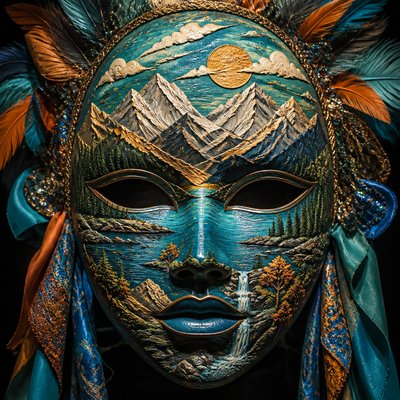
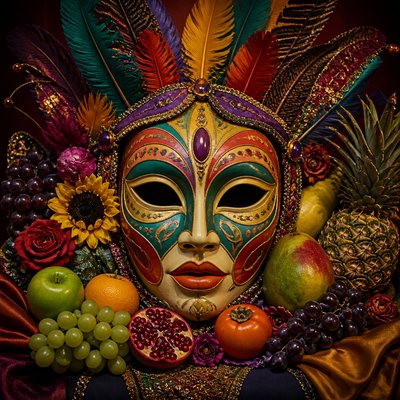
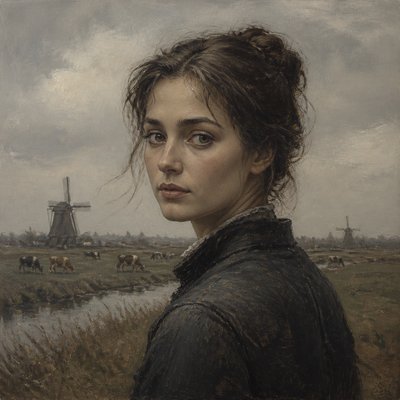
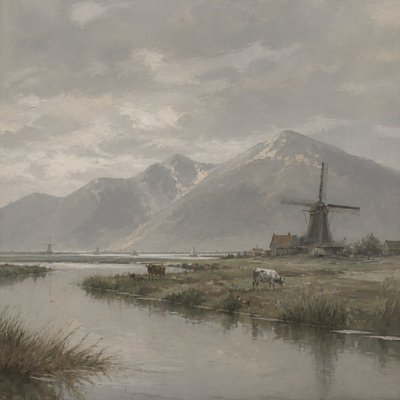
Mauritanian Art Style
Explore Mauritanian art style: Saharan ksour, silver filigree, manuscript calligraphy, rock-engraving lines, and warm desert colors.
Instantly rendered in Mauritanian — or transform a photo
Mauritanian Gallery
Tap any artwork to explore it
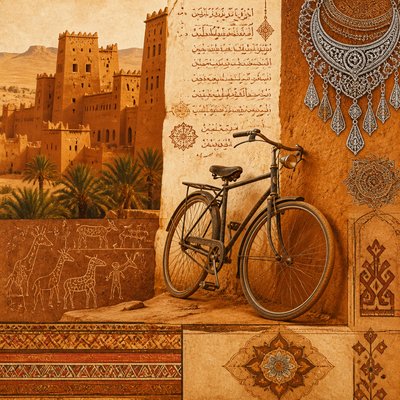
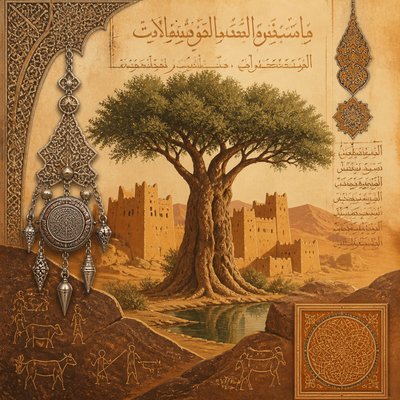
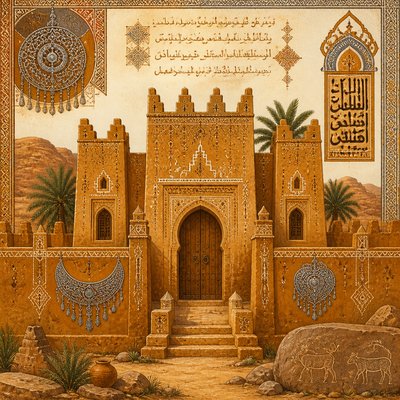
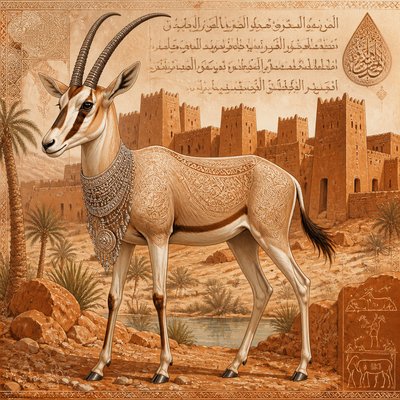
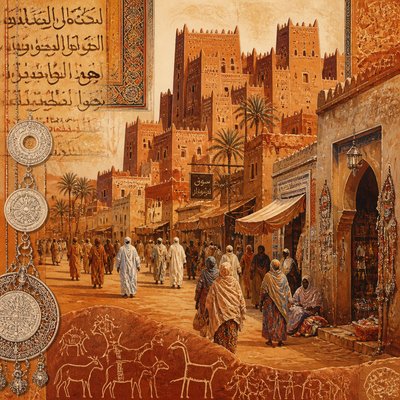
What is Mauritanian Art Style?
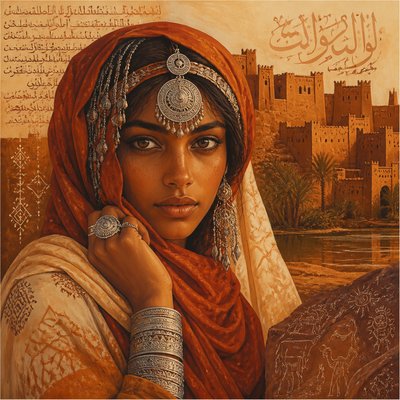
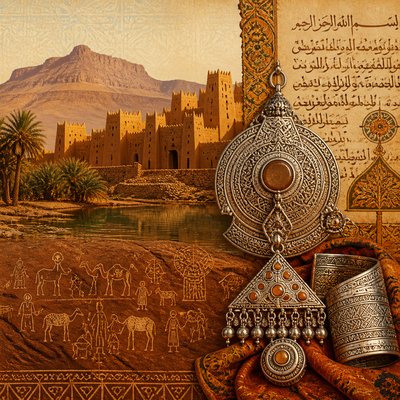
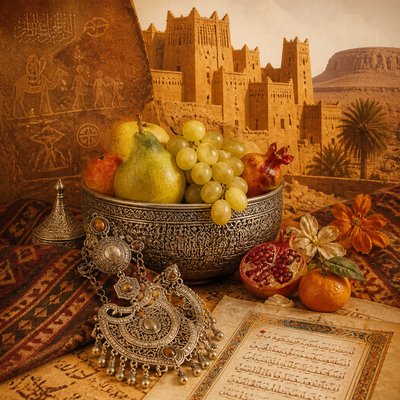
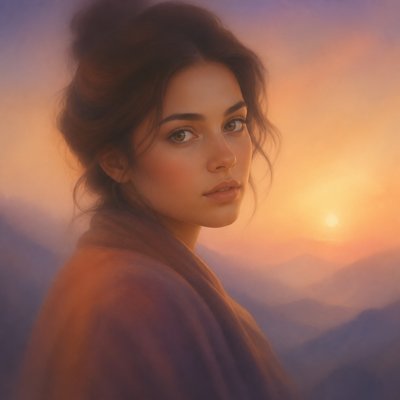
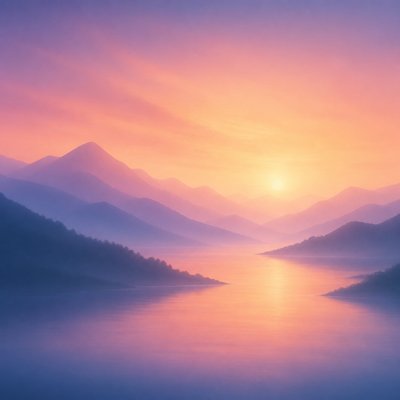
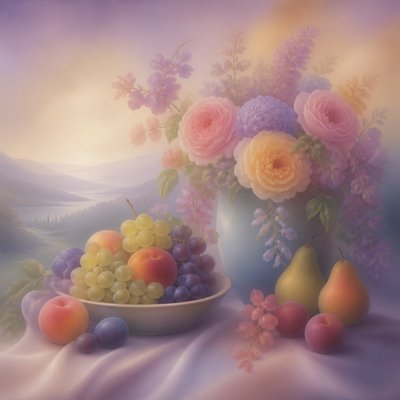
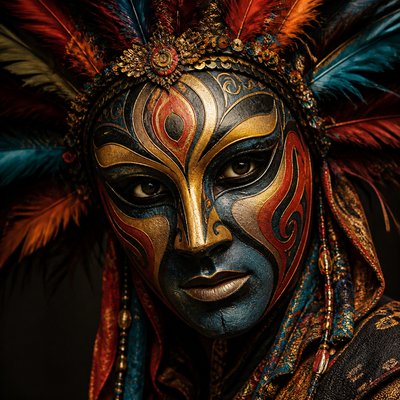
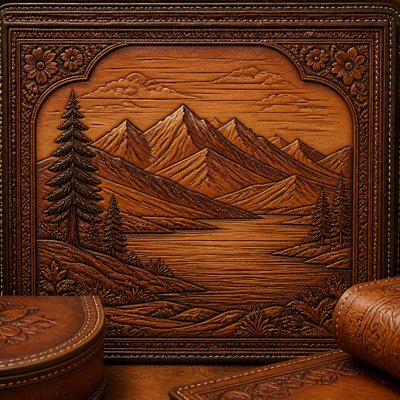
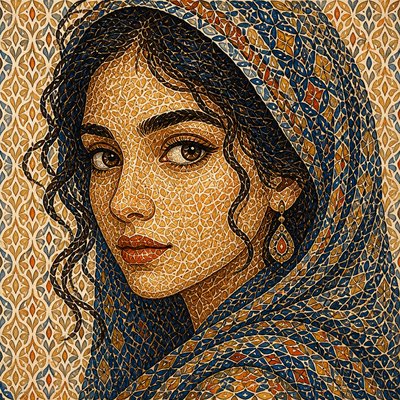
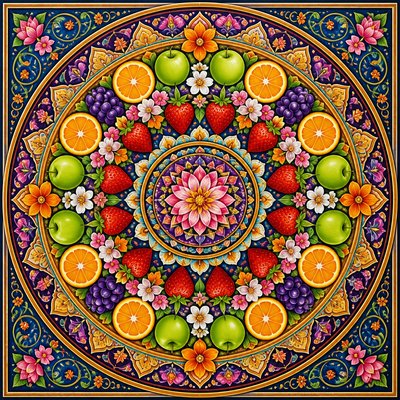
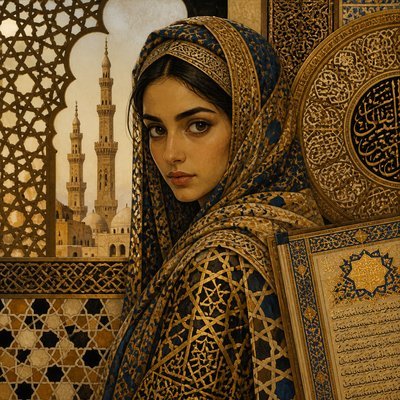
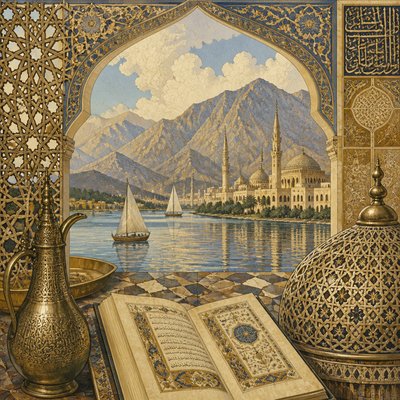
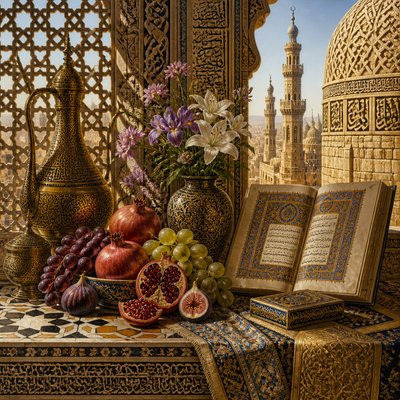
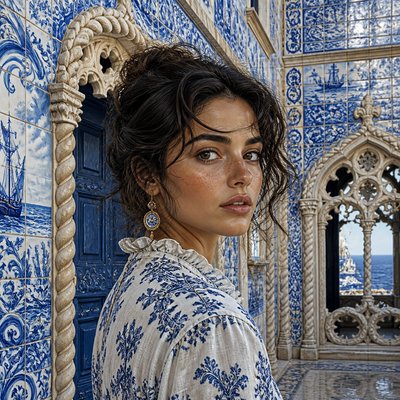
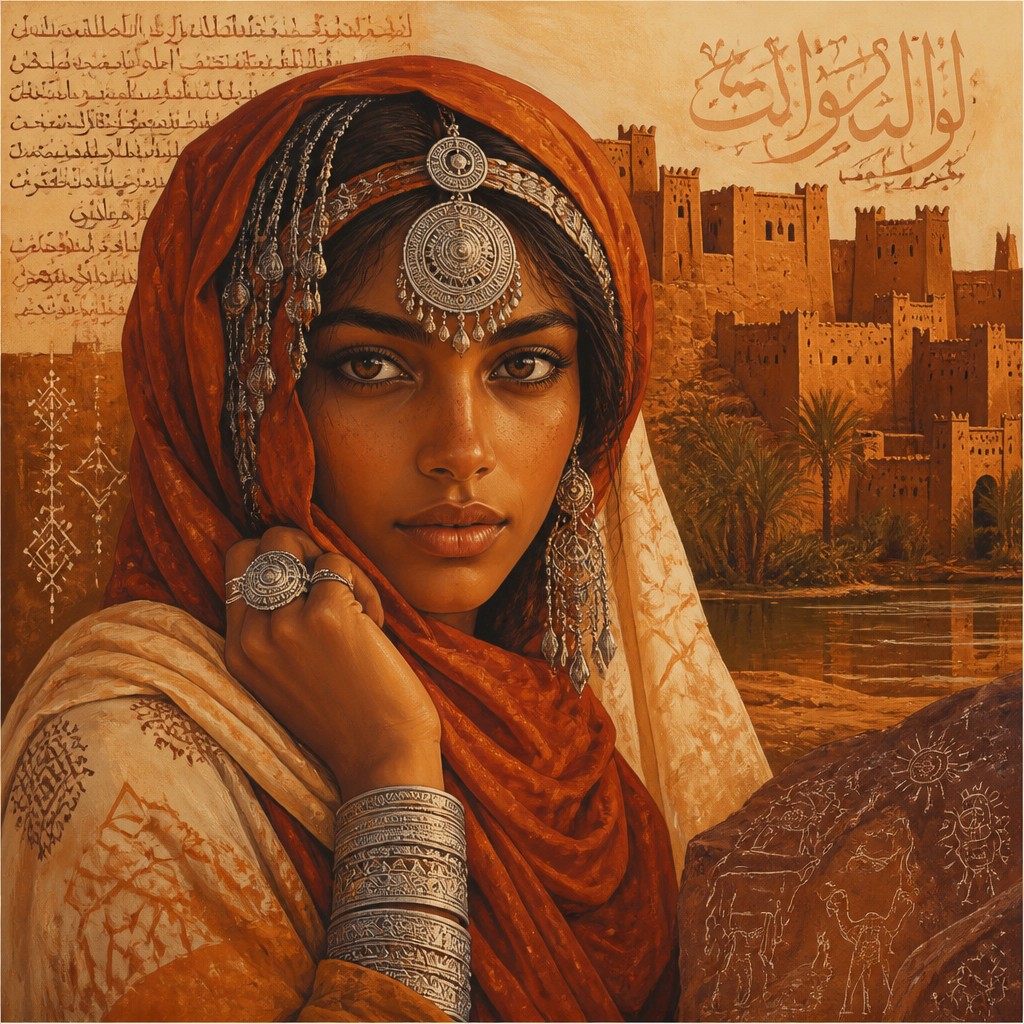
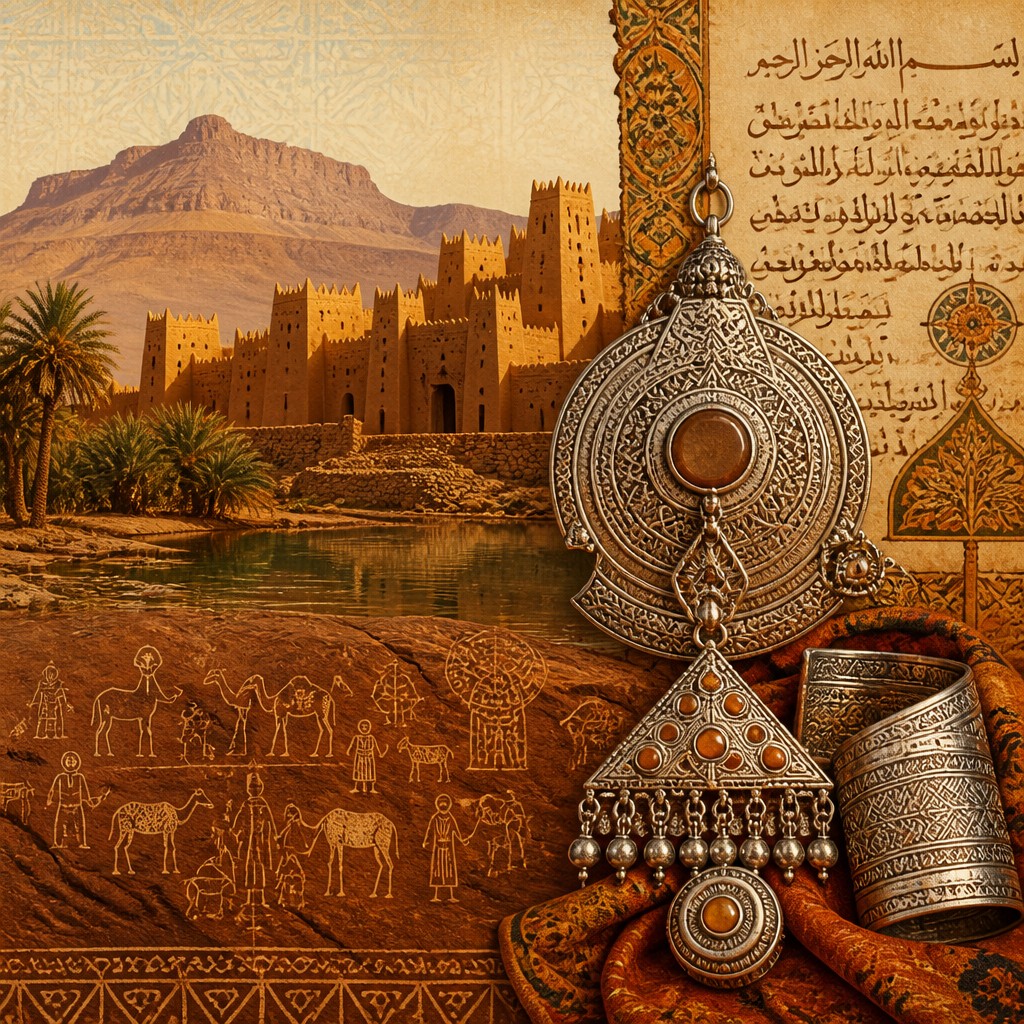
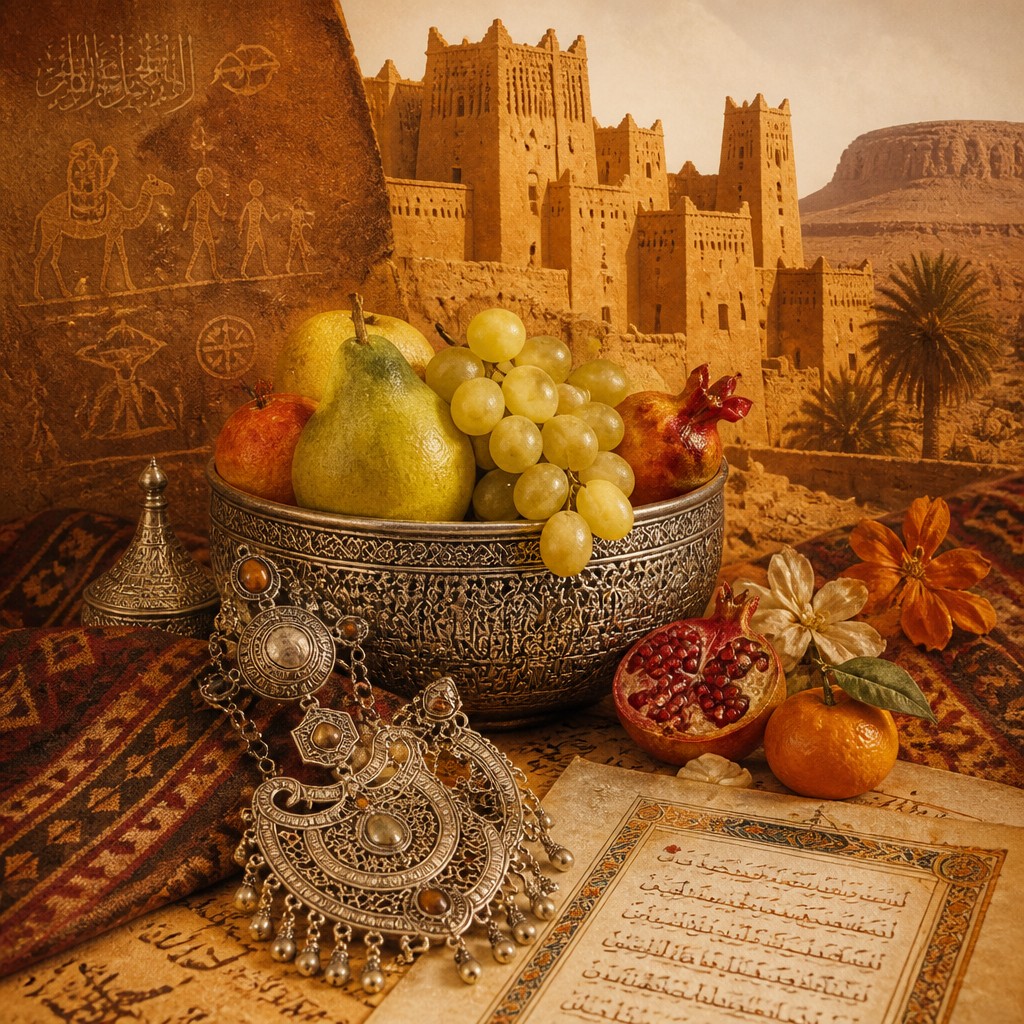
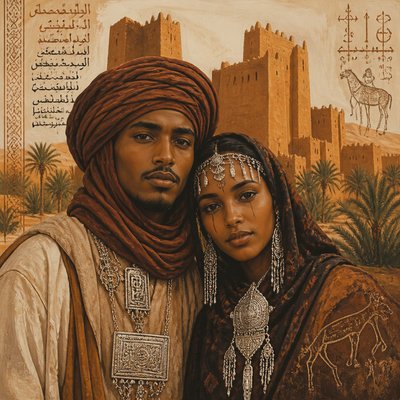
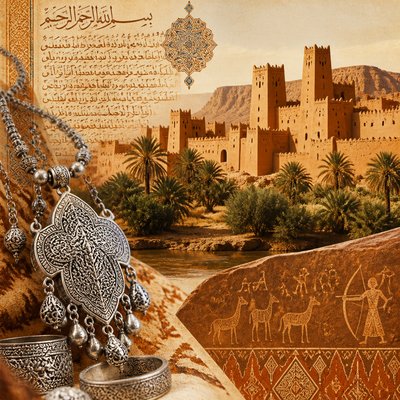
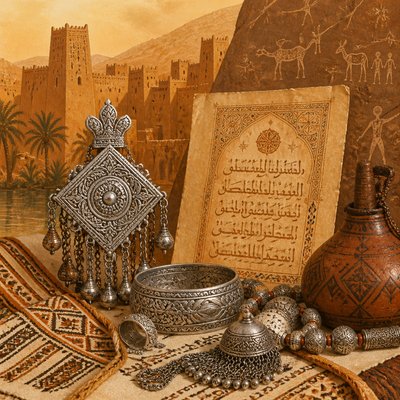
Mauritanian Art Style is a contemporary descriptive style built from the visual traditions of Mauritania and the western Sahara. Its imagery combines sand-gold ksour—fortified earthen settlements—with quiet oases, finely worked silver jewelry, illuminated manuscript pages, and linear motifs recalling ancient Saharan rock engravings. The palette centers on amber, terracotta, ochre, cream, charcoal, and tarnished silver.
The style looks restrained yet richly detailed because its sources balance monumental desert geometry with intimate craftsmanship. Earthen architecture is represented through broad planes, stepped silhouettes, and weathered surfaces, while jewelry and manuscripts introduce delicate line work, borders, engraved patterning, and controlled ornament. The resulting aesthetic is contemplative, tactile, and strongly connected to arid light, scholarly culture, travel, and oasis life.
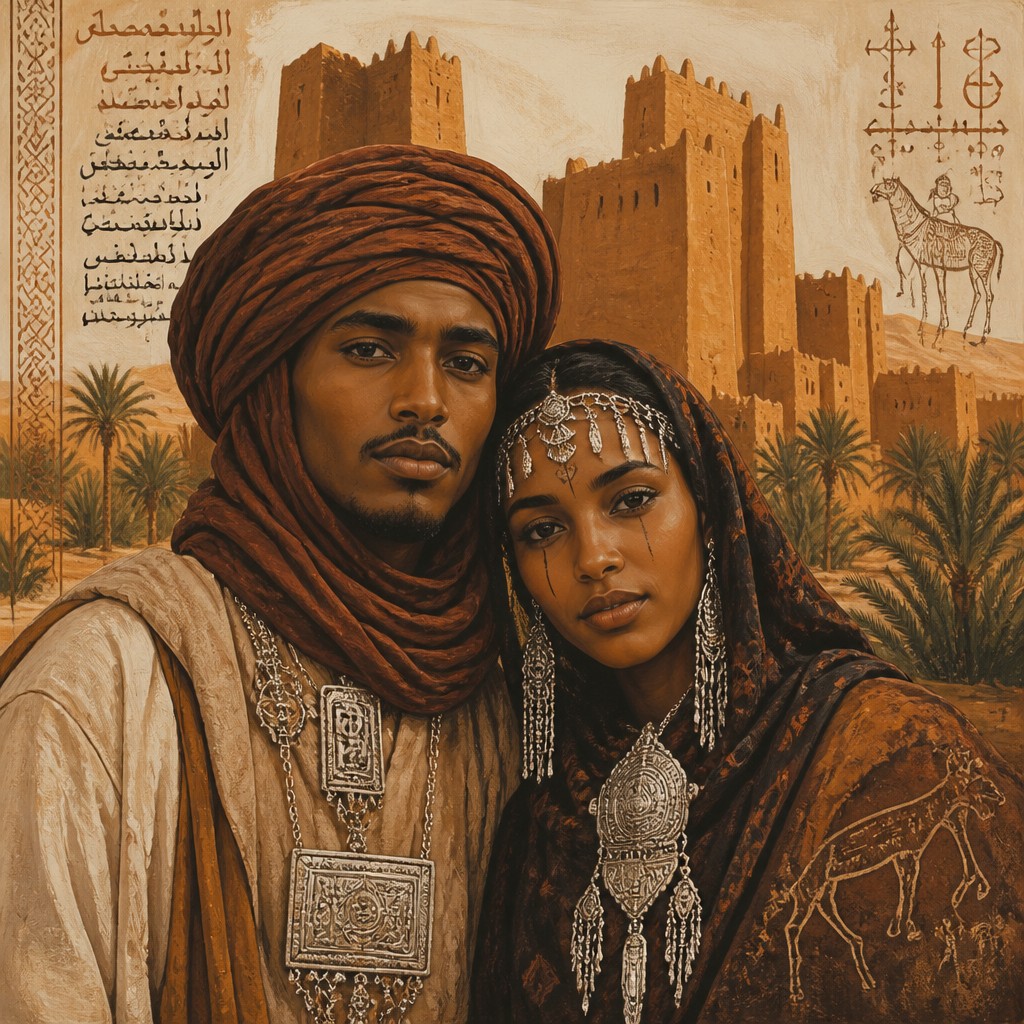
Try It On Your Photos
Upload any photo and convert it into Mauritanian Art Style — drag the sliders to compare before and after.
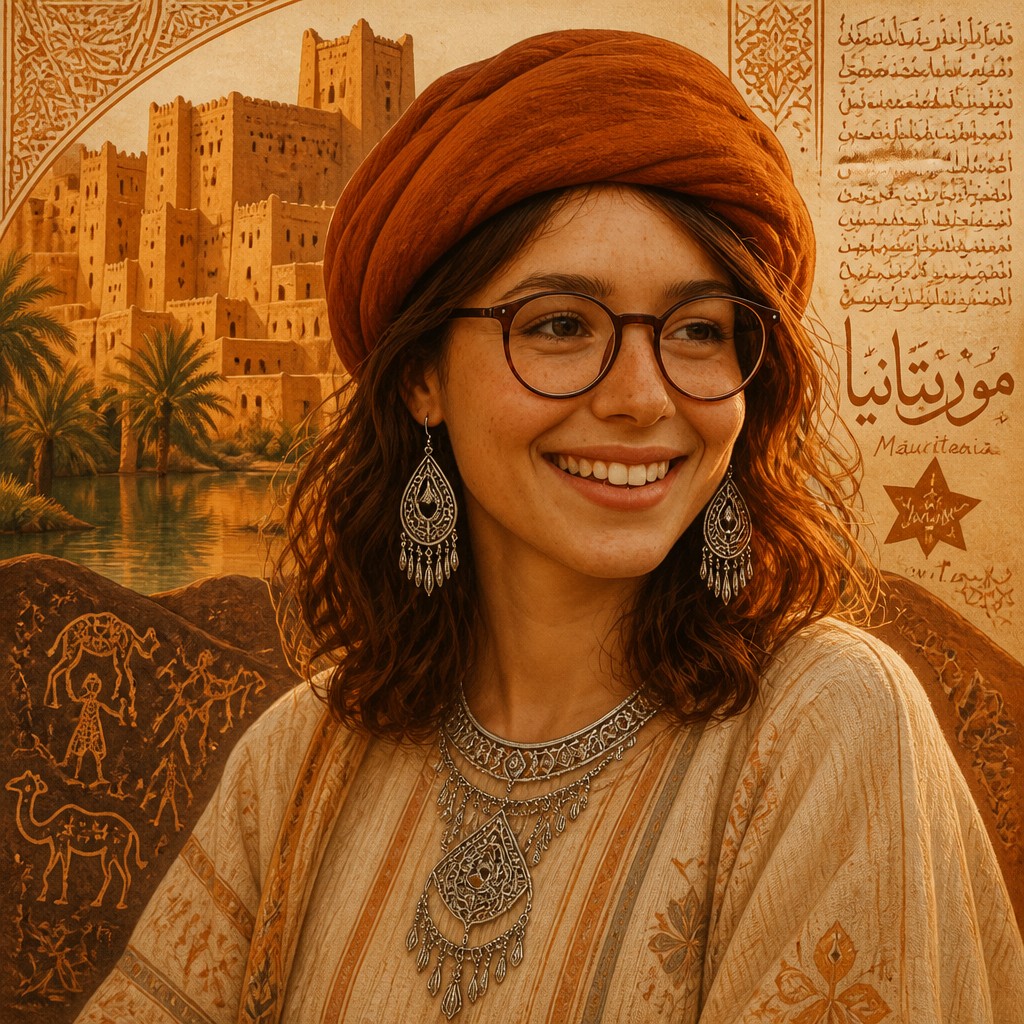

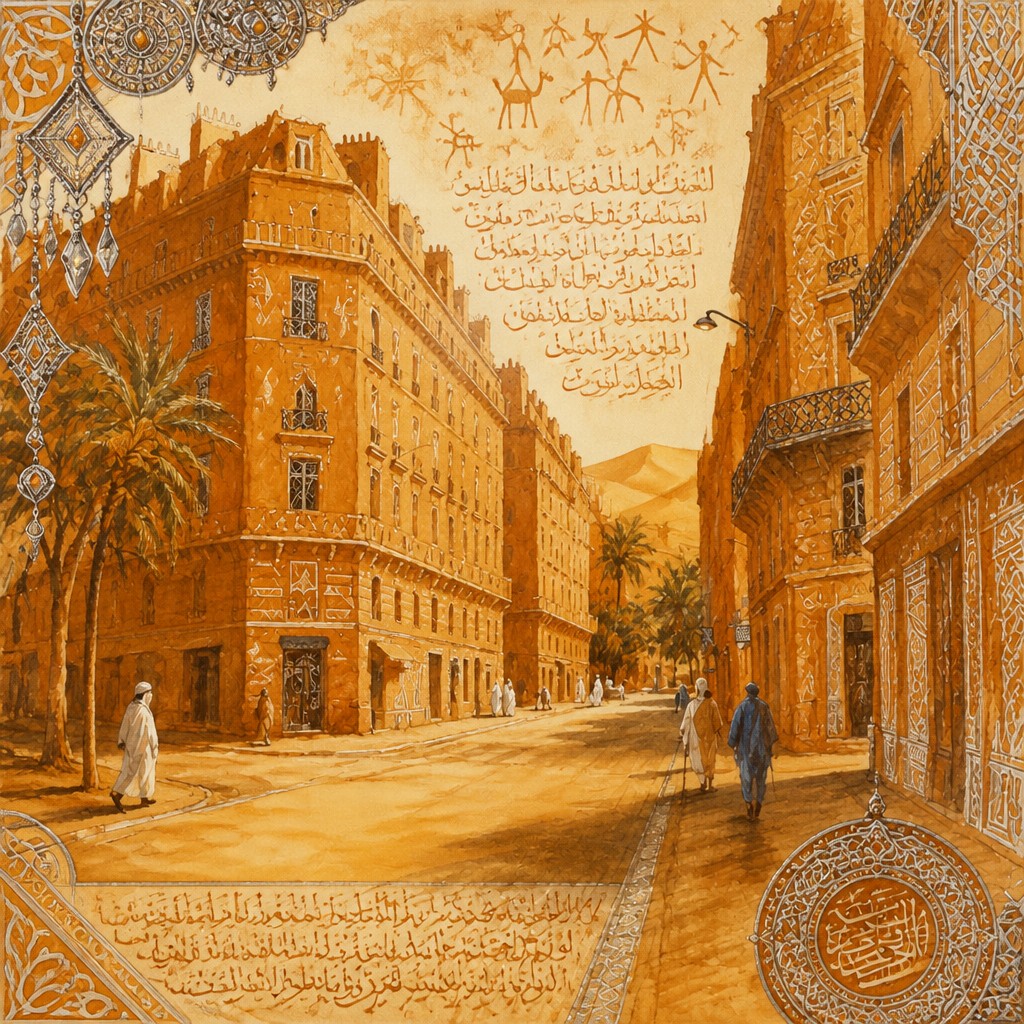

What Defines Mauritanian Art Style
The signature details, up close
Earthen ksour architecture
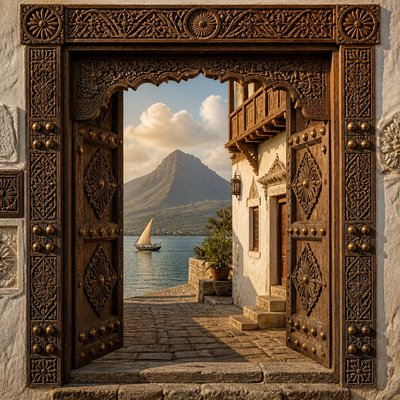
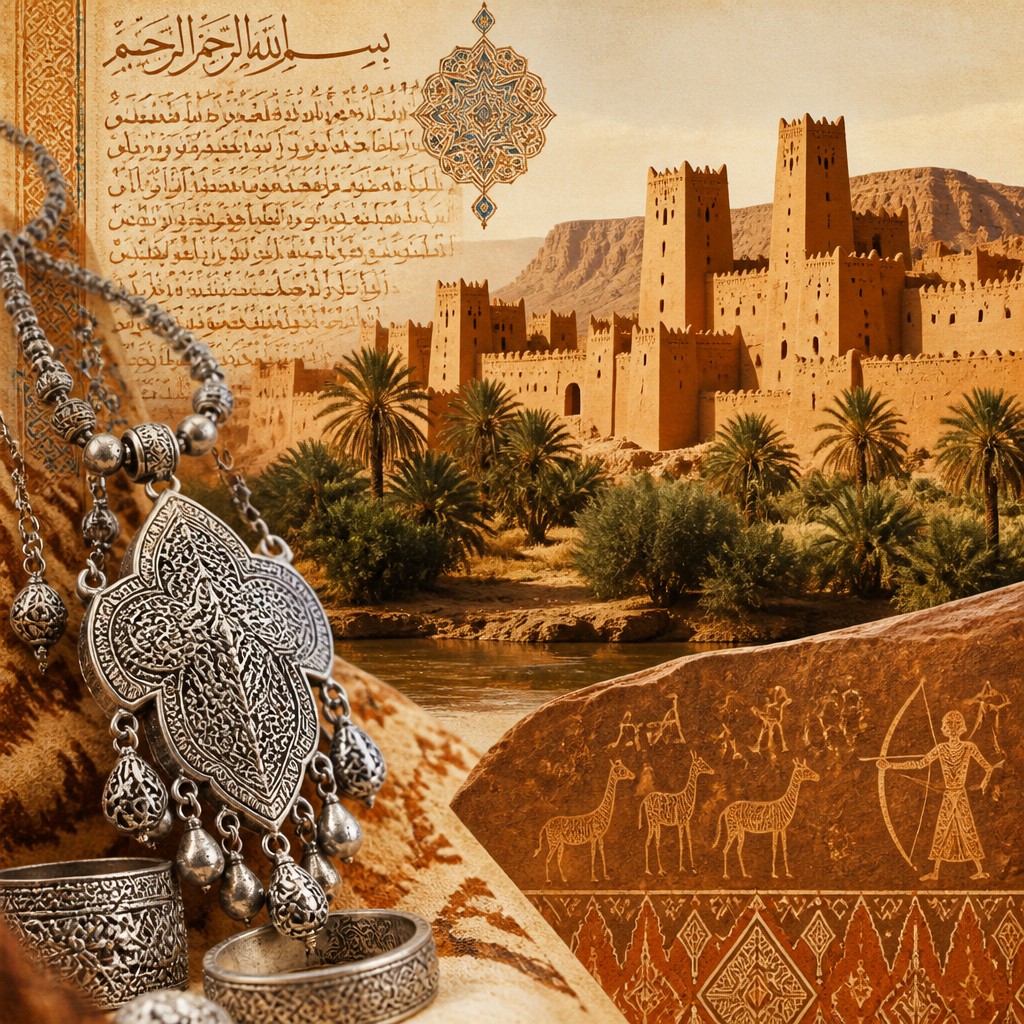
Fortified desert settlements appear as ochre, sand-gold, or terracotta masses with crenellations, narrow openings, stepped forms, and softly eroded walls. Architecture is often framed against expansive dunes or an oasis horizon.
Silver filigree and engraving
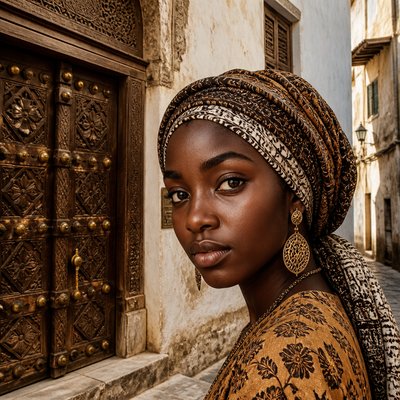
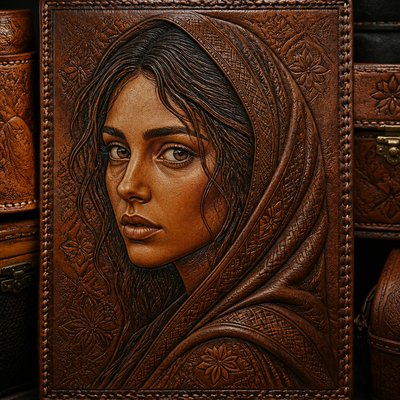
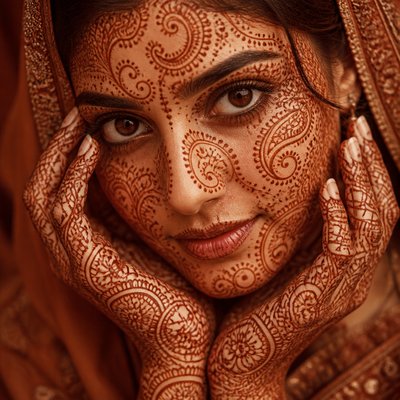
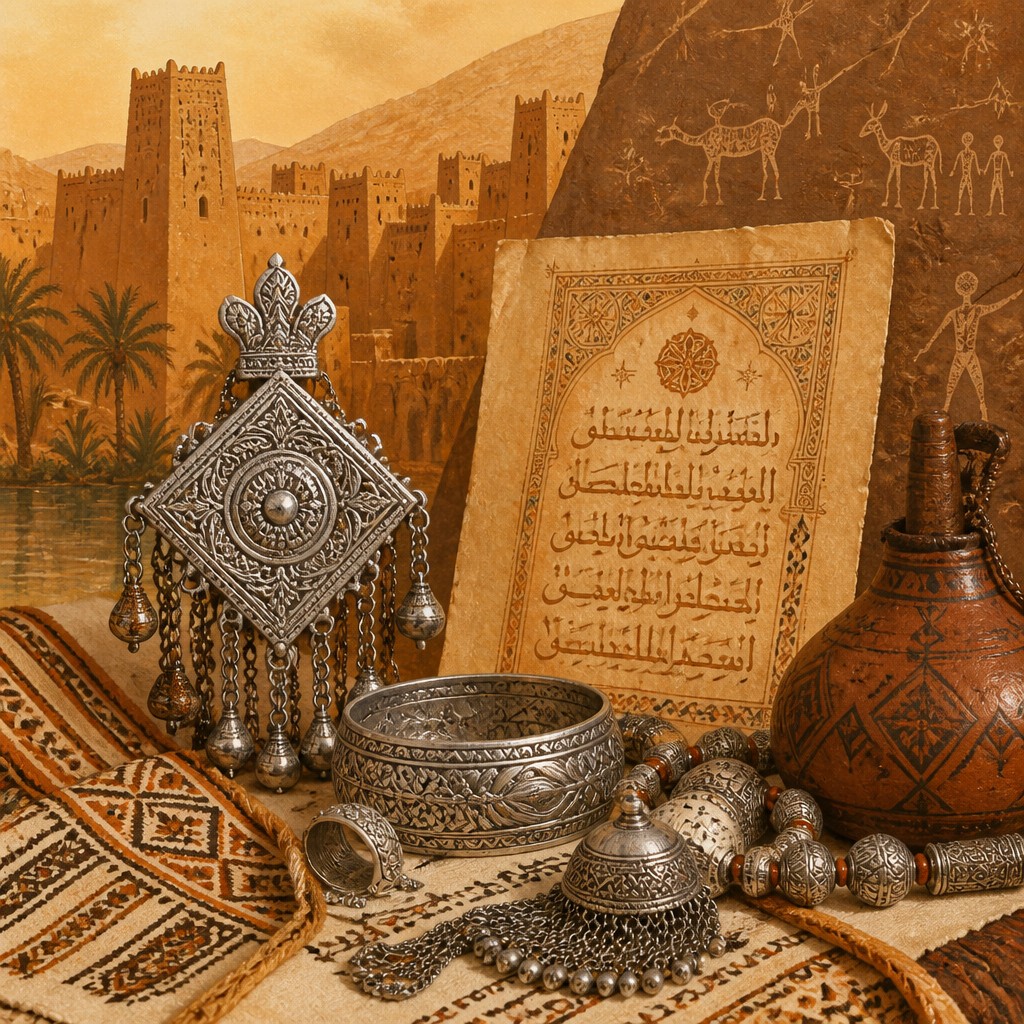
Jewelry motifs use bright or oxidized silver, fine wirework, granulation, pierced surfaces, and engraved geometric patterning. Pendants, bracelets, rings, and amulets provide concentrated areas of detail.
Manuscript calligraphy
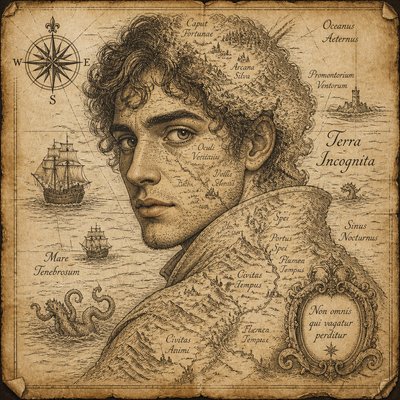
Arabic calligraphic forms are treated as both writing and ornament, often set in ochre, brown, black, or muted red ink. Borders, ruled lines, geometric panels, and restrained illumination suggest hand-produced scholarly manuscripts.
Saharan rock-engraving lines
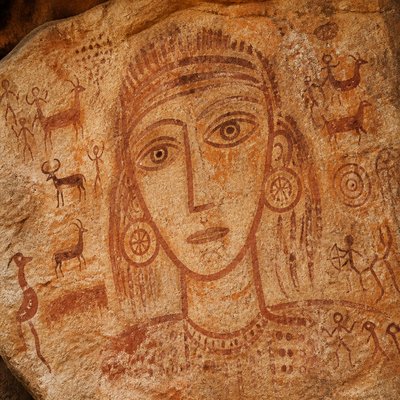
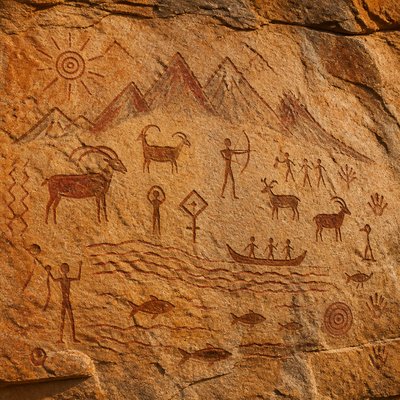
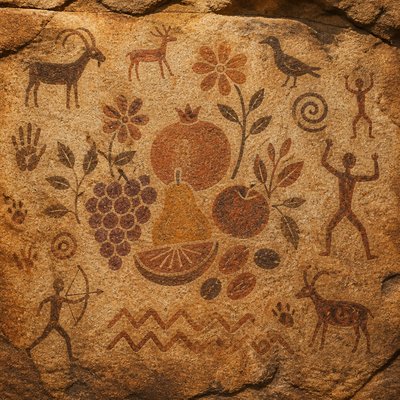
Thin incised contours, simplified animals, human figures, symbols, and repeated marks evoke the linear directness of ancient desert petroglyphs. These elements work best as subtle overlays rather than as indiscriminate archaeological decoration.
Desert and oasis contrast
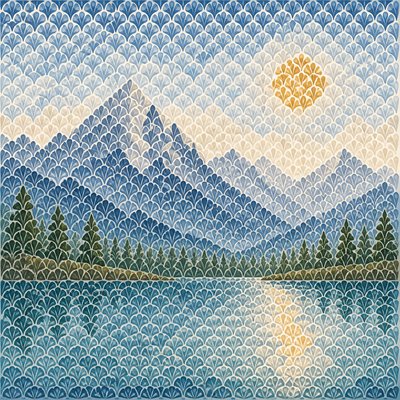
Dry dunes, stone outcrops, palms, wells, and shaded vegetation are arranged in visual tension. Vast empty spaces are balanced by a concentrated architectural, botanical, or ornamental focal point.
Warm mineral palette
Amber, ochre, cream, dune beige, terracotta, umber, and charcoal dominate, with silver used as a cool reflective accent. Low-saturation colors and dusty atmospheric transitions reinforce the Saharan setting.
Tactile, weathered surfaces
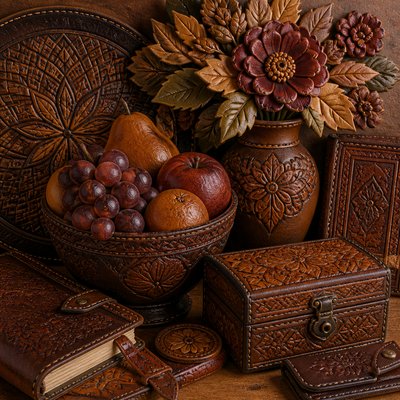
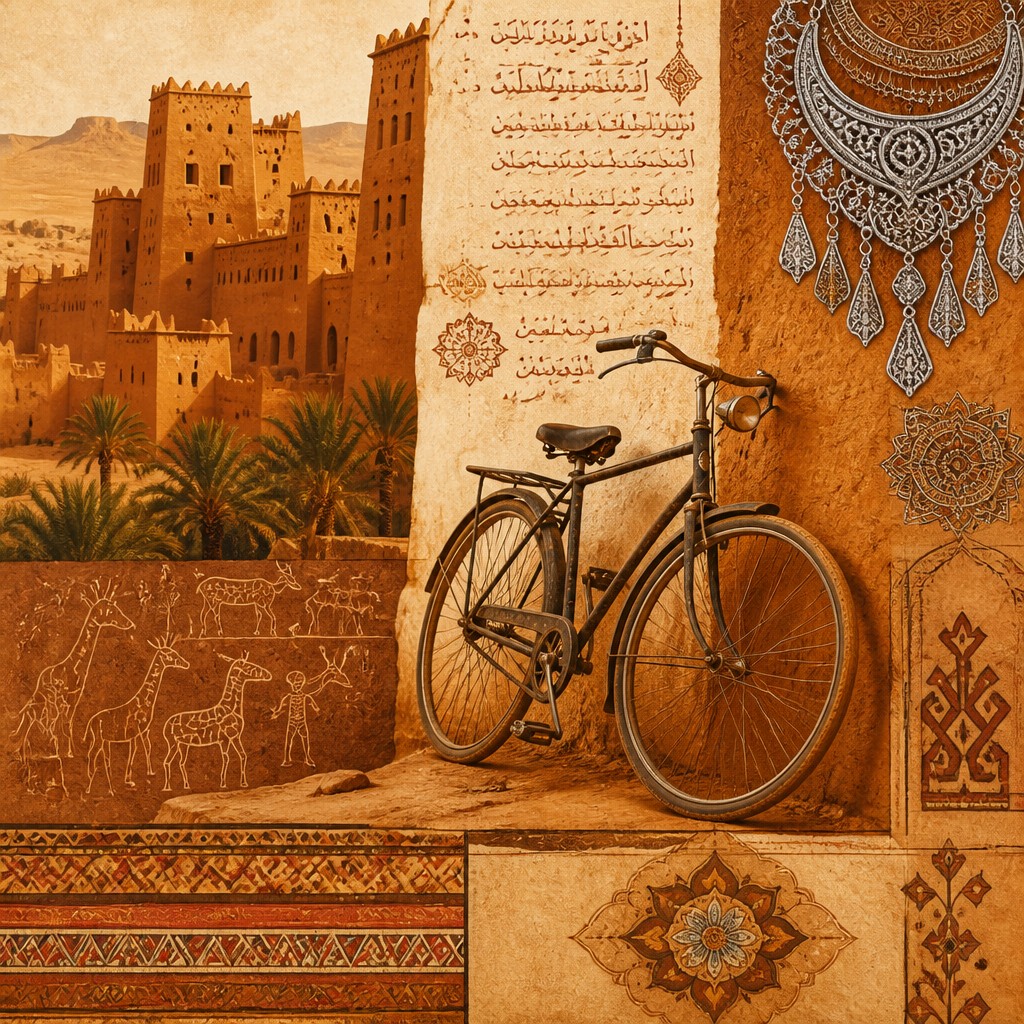
Rendering favors adobe grain, wind-softened stone, parchment fibers, oxidized metal, dry pigment, and faint abrasion. Surface irregularity gives the work the feel of an object shaped by climate, handling, and time.
Mauritanian Prompt Ideas
Start from an idea — each one opens the generator with the style ready to go. See all 40 Mauritanian prompts →
How to Create Mauritanian Art
Master the craft step by step — or skip straight to creating. Read the full guide →
- 1
Build a desert composition
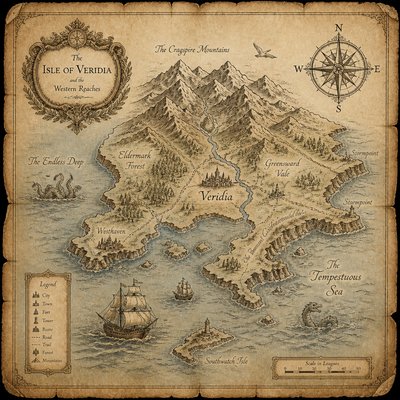
Begin with a broad horizon, an oasis or rock formation, and a simple ksour silhouette. Use large quiet fields of sand and sky before adding architectural or ornamental detail.
- 2
Layer mineral color
Work from cream and dune beige into ochre, amber, terracotta, and umber, reserving charcoal for select contours. In digital media, use textured brushes, low-opacity glazing, and restrained grain rather than high-contrast gradients.
- 3
Design the ornament carefully
Add silver jewelry or manuscript borders through repeated geometric units, fine lines, and small engraved marks. Keep motifs rhythmically organized so the detail reads as craftsmanship rather than visual noise.
- 4
Suggest manuscript material
Use parchment-like backgrounds, ruled margins, ink variation, and compact Arabic calligraphic forms where appropriate. For legible text, use verified Arabic wording or treat the marks as abstract ornamental writing rather than generating misleading pseudo-text.
- 5
Use line work as an archaeological echo
Introduce sparse, incised contours inspired by Saharan rock-art conventions on stone, walls, or borders. Avoid covering every surface, since the style depends on the contrast between open space and concentrated marks.
- 6
Write a focused image prompt
Specify the subject, setting, materials, palette, lighting, and level of ornament, then request weathered adobe, parchment fibers, silver filigree, and fine engraved line work. For image-to-image work, preserve the source composition while applying the palette, surface textures, and decorative vocabulary.
The Story
History & Origins of Mauritanian
This is an invented or synthesized style label rather than a recognized historical movement. Its aesthetic lineage draws on Mauritania's Saharan architectural heritage, including earthen ksour and oasis settlements; Islamic manuscript traditions associated with historic centers of learning such as Chinguetti and Ouadane; regional silverworking; and prehistoric and ancient rock-art traditions found across the Sahara.
These sources belong to different periods and communities and should not be treated as a single unified historical school. The contemporary style brings them together for visual interpretation, emphasizing shared qualities of linear ornament, desert materials, geometric structure, manuscript illumination, and weathered natural color.
Influences: The style relates to Saharan and Sahelian earthen architecture, Islamic manuscript illumination and calligraphy, North and West African metalworking, geometric Moorish ornament, traditional textile patterning, and prehistoric Saharan rock art. It also shares qualities with archaeological illustration, ethnographic photography, material-focused still life, and contemporary cultural illustration that uses limited mineral palettes and highly tactile surfaces.
Frequently Asked Questions
What defines the Mauritanian Art Style?
It is defined by the combination of Saharan architecture, oasis landscapes, silver filigree, manuscript-inspired calligraphy, and sparse rock-engraving line work. Warm mineral colors and weathered textures unify these distinct sources.
Is Mauritanian Art Style a historical art movement?
No. The term is a contemporary synthesis rather than a documented historical movement or named school. It draws respectfully from several Mauritanian and wider Saharan traditions that developed in different contexts and periods.
How is it different from generic desert or Arabian art?
Its focus is specifically Saharan and Mauritanian in emphasis, especially the pairing of ksour architecture, oasis settings, manuscript culture, and regional silver ornament. Generic desert imagery may share dunes and warm colors but lacks this particular material and cultural vocabulary.
How can I make an image in this style?
Choose a clear subject, then describe adobe or stone materials, a warm ochre palette, controlled geometric ornament, and fine engraved or manuscript-like lines. Traditional artists can use dry pigments, ink, textured paper, and metallic leaf or paint; digital artists can reproduce these effects with grain, glazing, and line-work brushes.
Can Arabic calligraphy be included?
Yes, but it should be used thoughtfully. Real Arabic text should be checked for accuracy and cultural context, while decorative marks should be clearly treated as abstract ornament rather than presented as readable scripture or historical writing.
Where is this style useful?
It suits editorial illustration, cultural heritage projects, travel imagery, book covers, pattern and jewelry studies, architectural visualization, museum education, and atmospheric landscape work. It is particularly effective when the composition leaves room for the desert's scale and quiet.
Create your first Mauritanian artwork
Describe anything — or upload a photo — and see it in Mauritanian Art Style in seconds.
Related Styles
Discover similar art styles