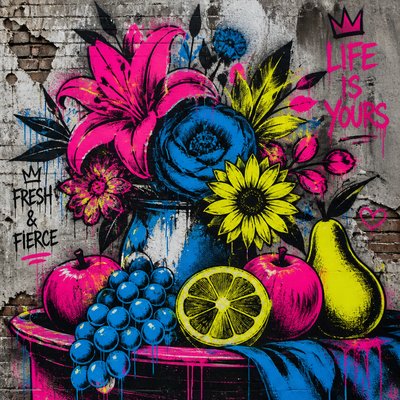
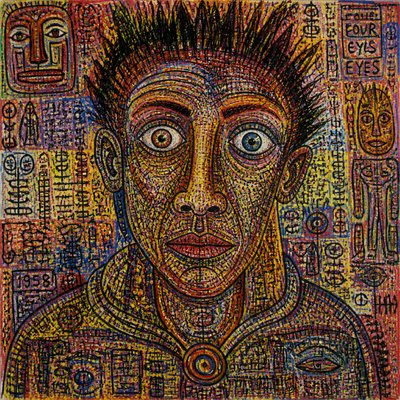
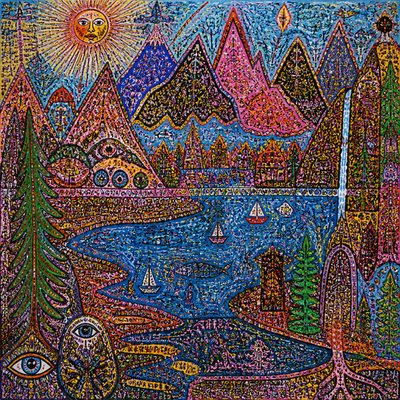
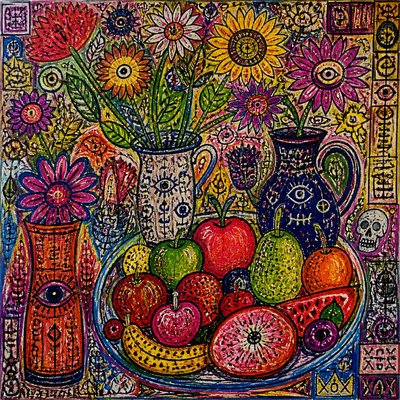
Memento Mori Art Style
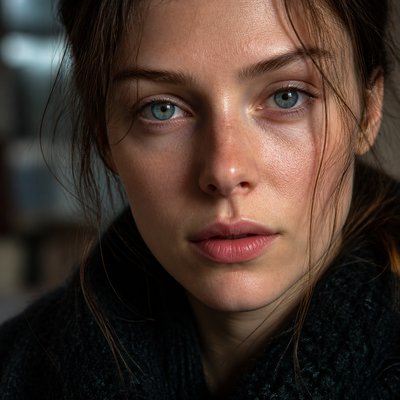
Explore memento mori art: skulls, extinguished candles, hourglasses and fading flowers arranged in solemn, dramatic vanitas compositions.
Instantly rendered in Memento Mori — or transform a photo
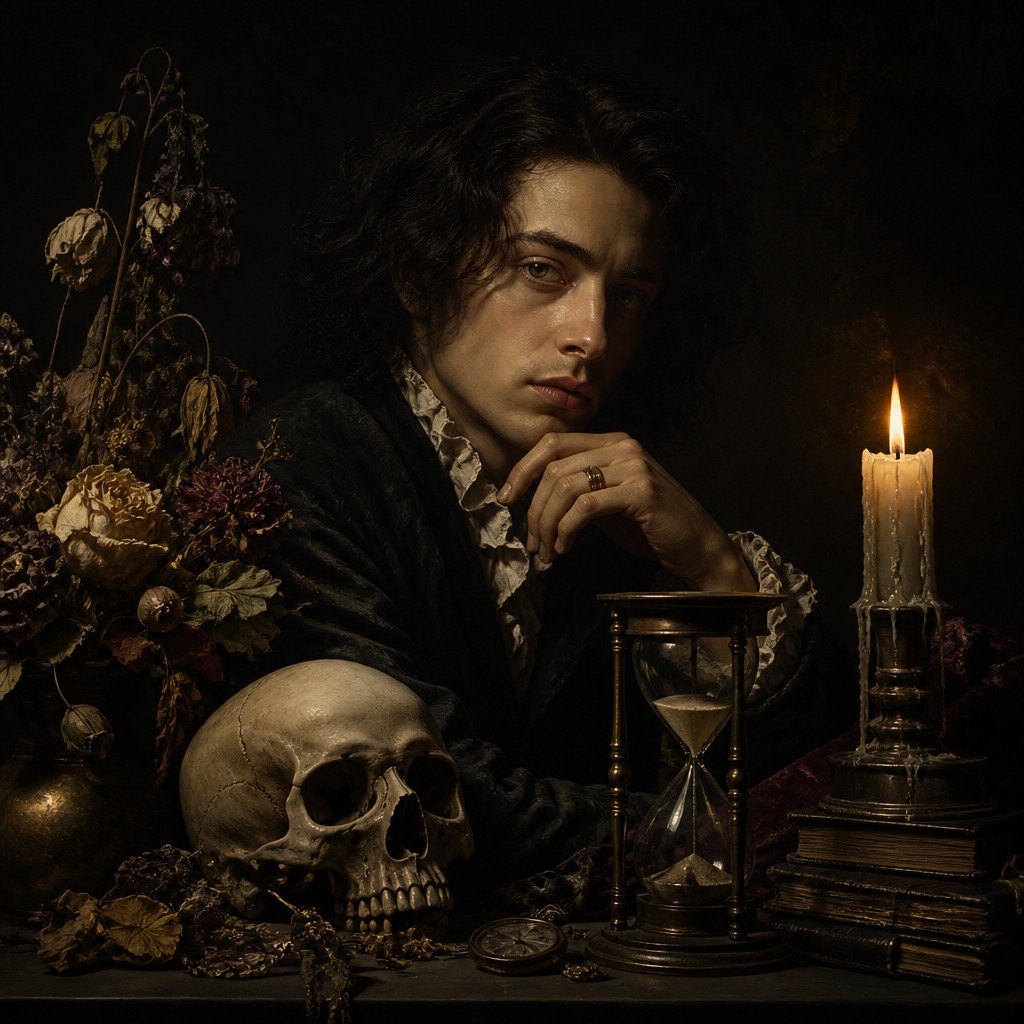
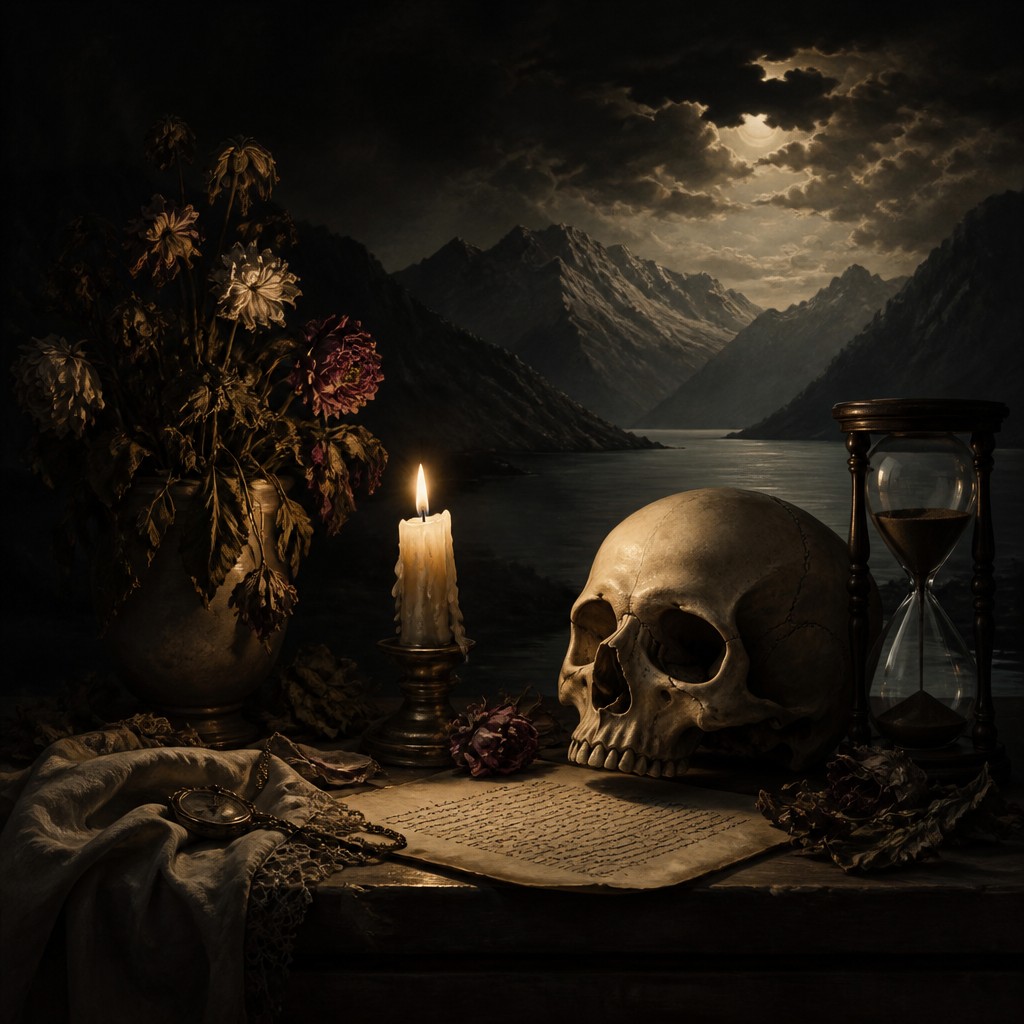
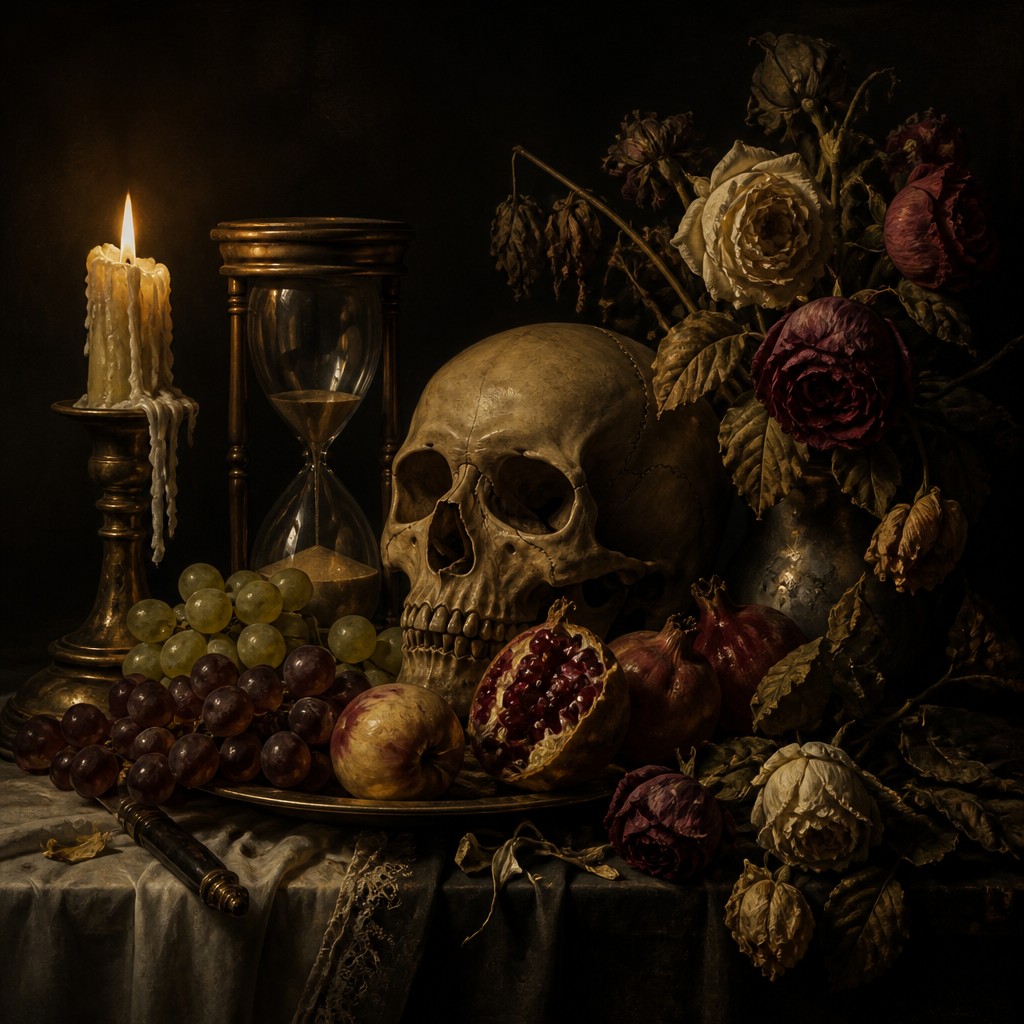
Memento Mori Gallery
Tap any artwork to explore it
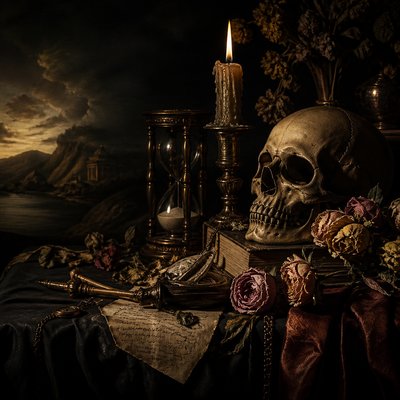
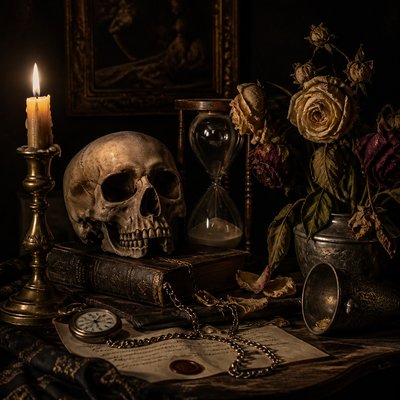
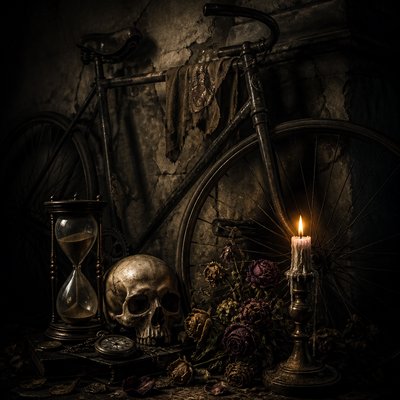
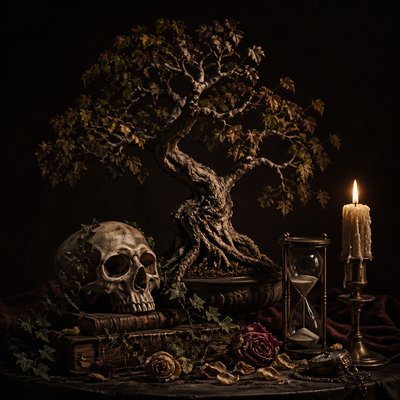
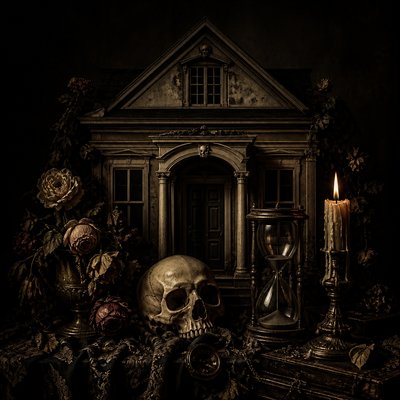
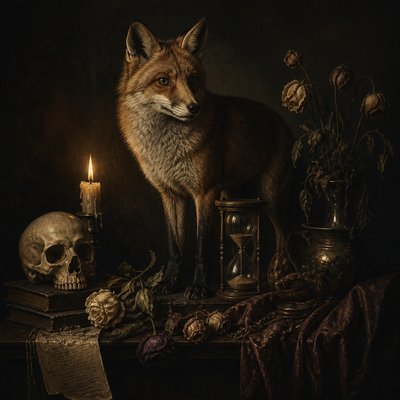
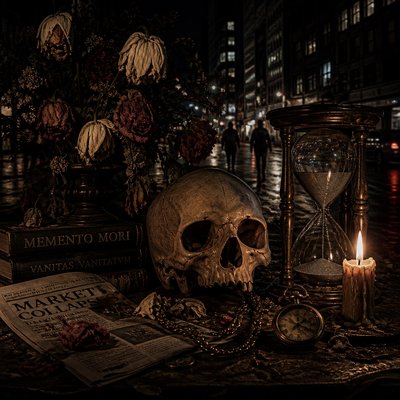
What is Memento Mori Art Style?
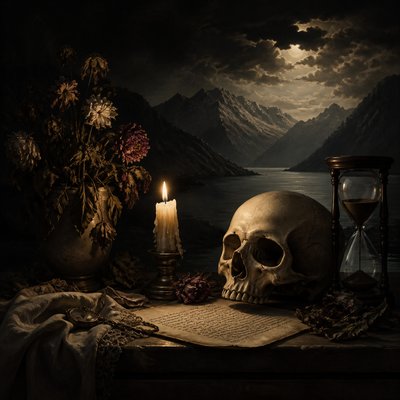
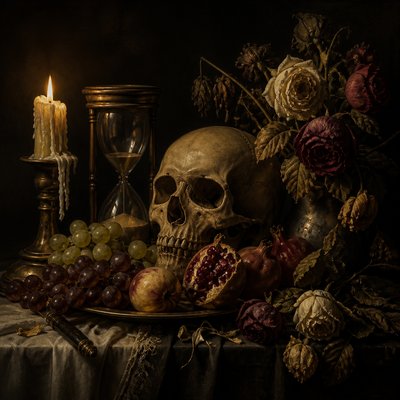
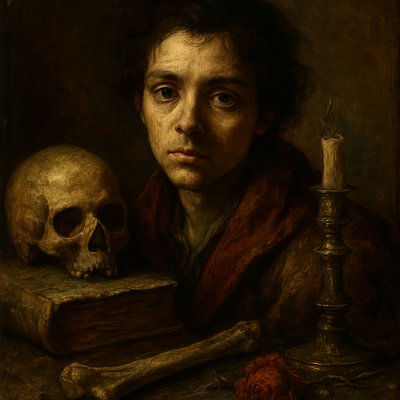
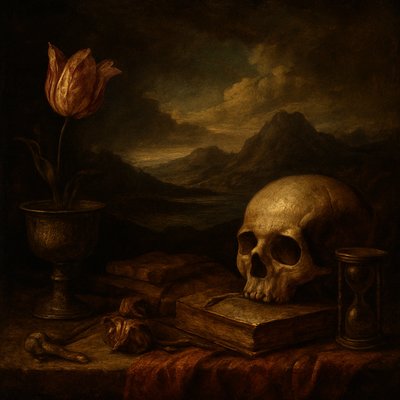
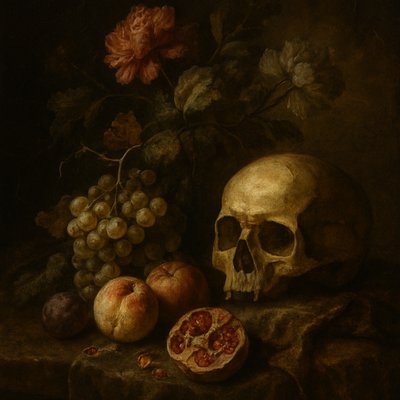
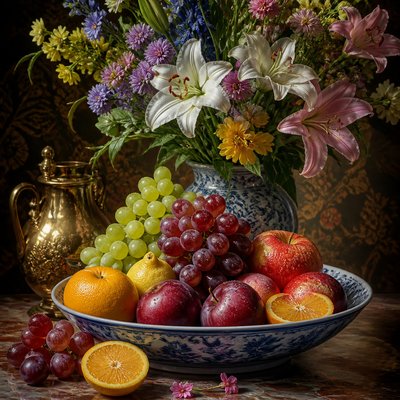
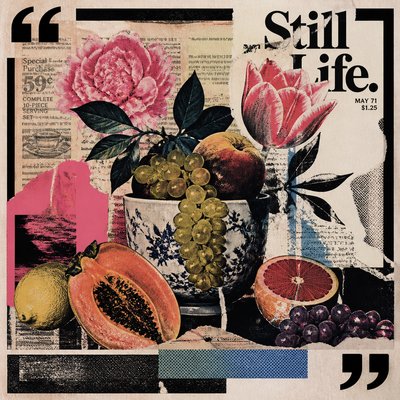
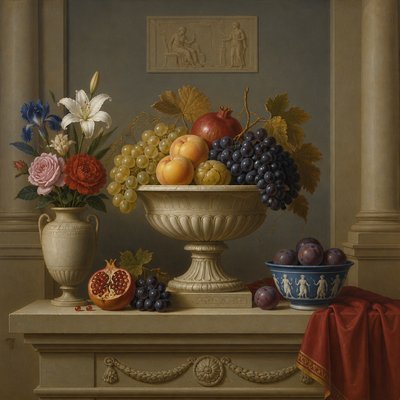
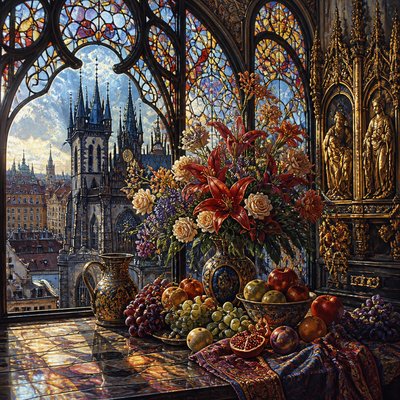
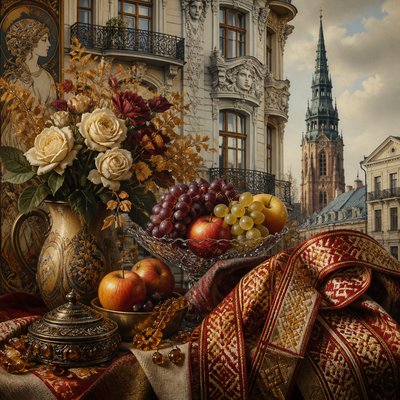
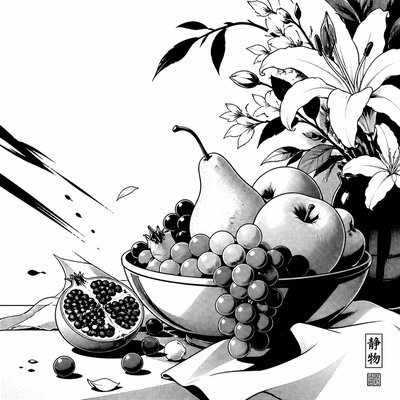
Memento mori art centers on visual reminders of mortality and the temporary nature of worldly life. Its recurring vocabulary includes skulls, hourglasses, extinguished or guttering candles, wilting flowers, rotting fruit, abandoned musical instruments and books whose pages suggest the passage of time. These objects are often arranged as a still life, turning ordinary possessions into symbols of death, impermanence and the limits of human ambition.
The style is recognized by its solemn atmosphere, concentrated symbolism and dramatic lighting. Dark grounds, restricted compositions and candlelit chiaroscuro give the subject a weighty, contemplative presence, while fragile materials—wax, petals, glass, smoke and paper—create a visual contrast between beauty and decay. Memento mori imagery can be devotional, philosophical, moralizing or simply meditative, depending on the surrounding context.
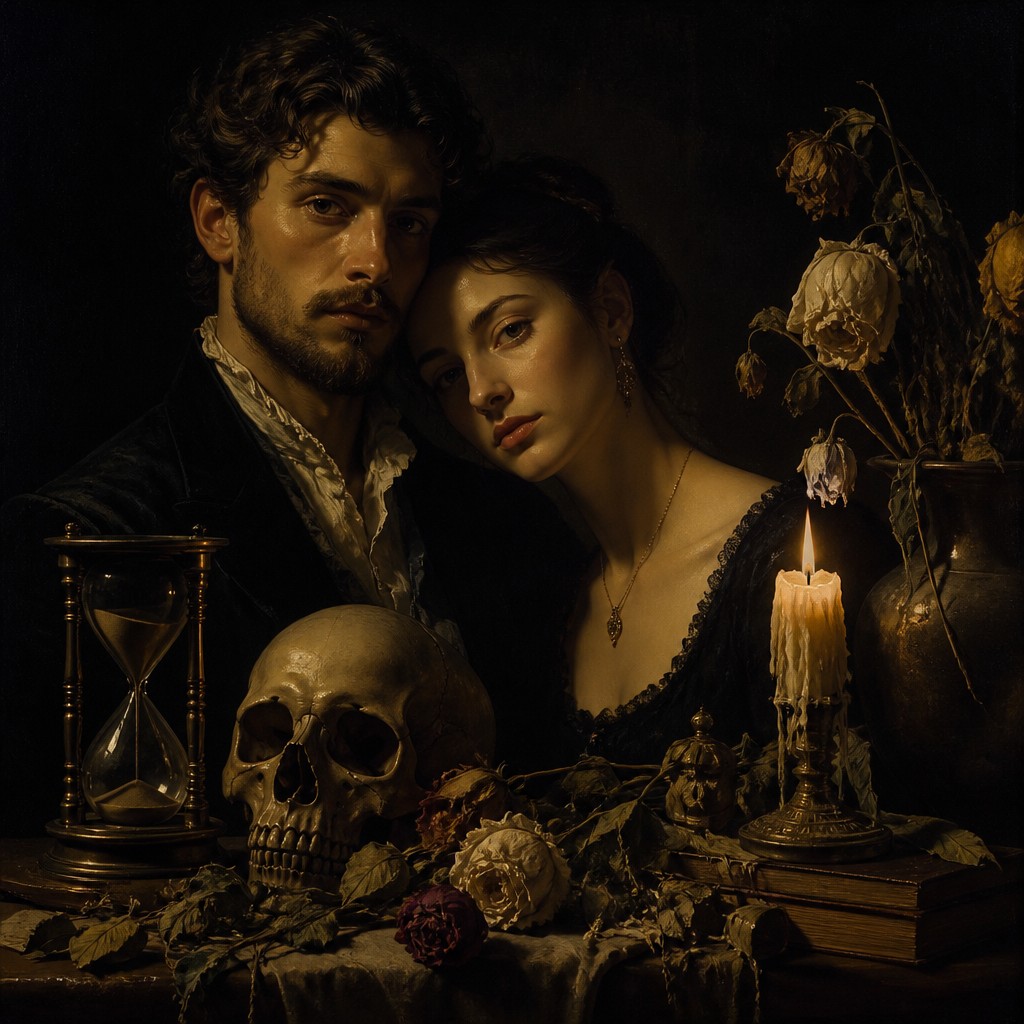
Try It On Your Photos
Upload any photo and convert it into Memento Mori Art Style — drag the sliders to compare before and after.


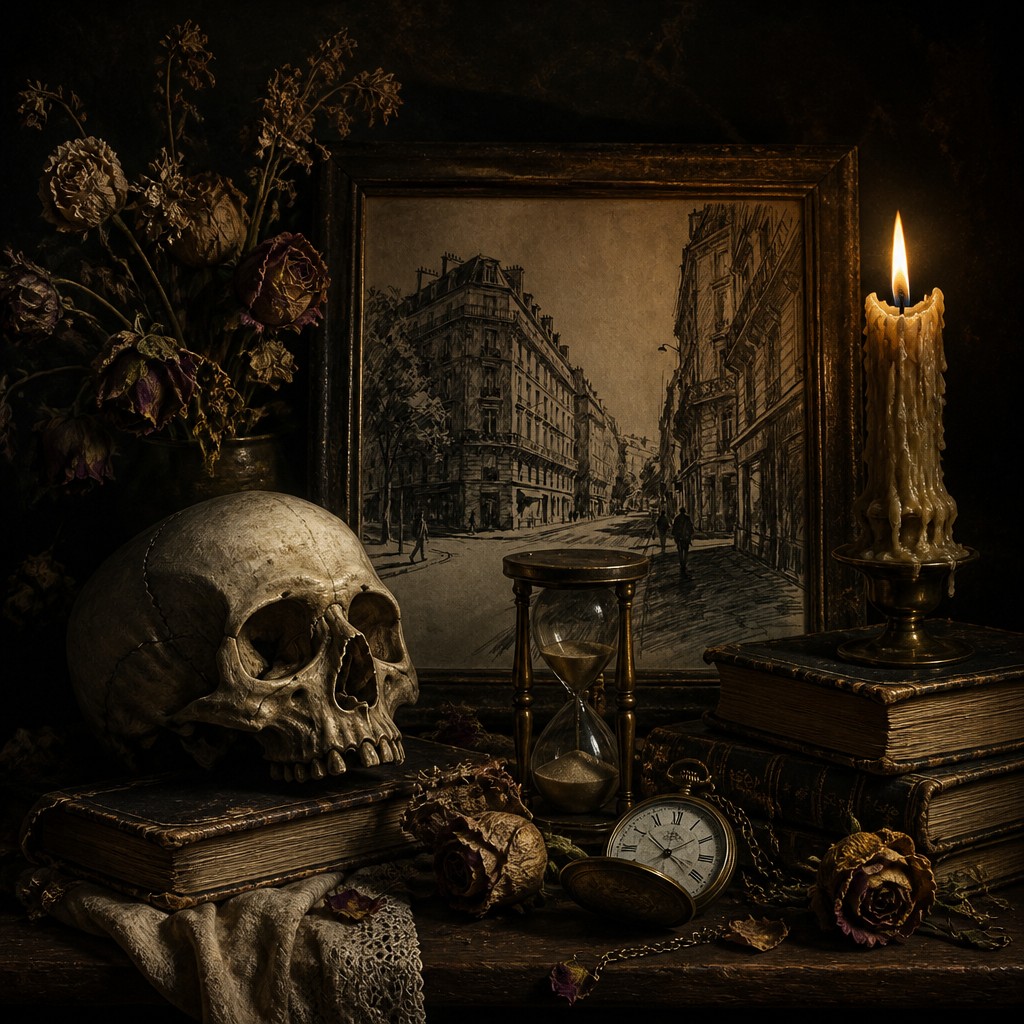

What Defines Memento Mori Art Style
The signature details, up close
Mortality symbols
Skulls, bones, hourglasses, clocks and extinguished candles act as direct reminders that life is finite. Their meaning can be explicit or integrated into a broader meditation on memory and change.
Vanitas objects
Books, coins, jewels, musical instruments, fruit and elaborate vessels suggest knowledge, pleasure, wealth and status that cannot withstand time. The objects are chosen for symbolic associations as much as for their visual appeal.
Chiaroscuro lighting
A concentrated candle, lamp or unseen side light isolates the symbolic objects against a deep shadowed background. Strong transitions between illumination and darkness create drama and encourage slow, reflective viewing.
Beauty in decay
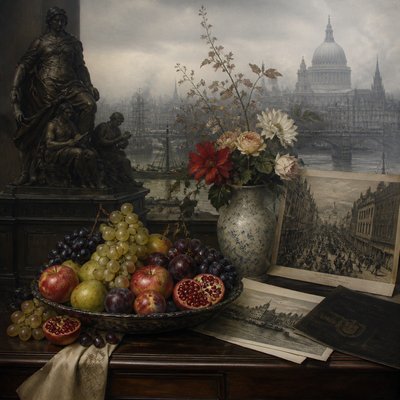
Wilting flowers, bruised fruit, melting wax, smoke and tarnished metal combine visual richness with signs of deterioration. The tension between luxuriant surfaces and inevitable ruin is central to the style.
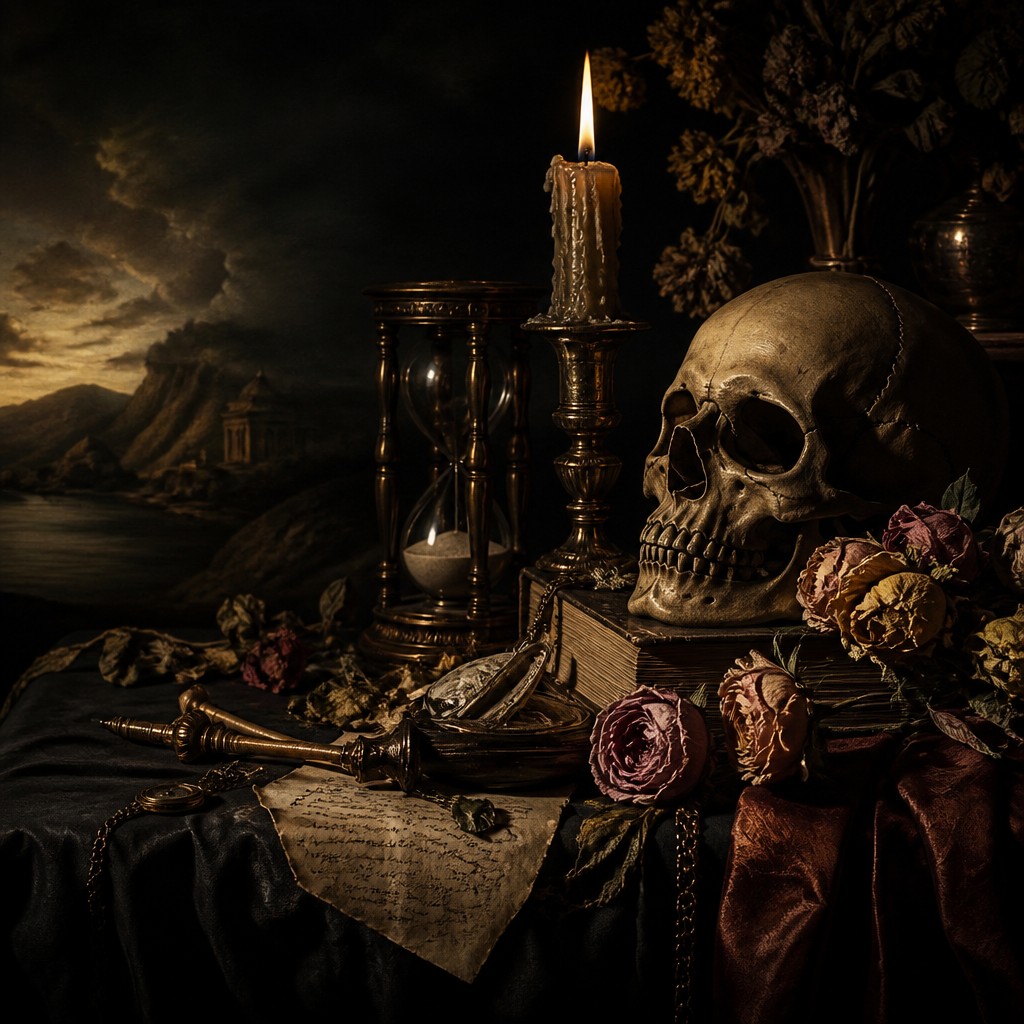
Solemn still-life composition
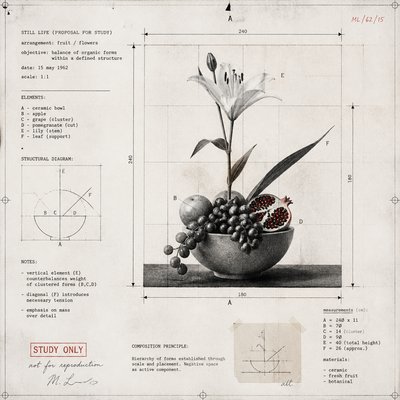
Objects are commonly arranged on a tabletop or within a shallow pictorial space, with deliberate overlaps and a stable visual hierarchy. Empty darkness and controlled spacing give the arrangement a ceremonial gravity.
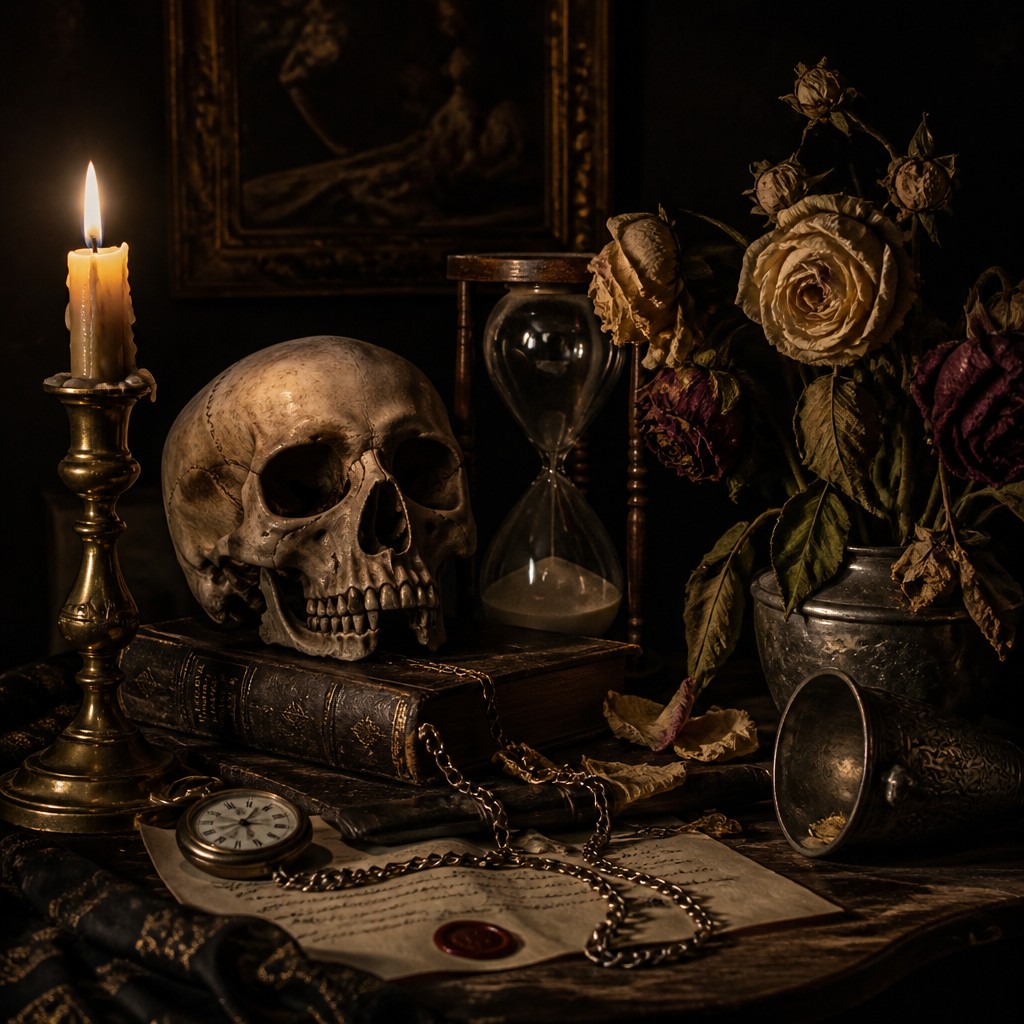
Muted, deep palette
Black, umber, oxblood, ochre, ivory and subdued green are frequently accented by warm candlelight. The limited palette supports the mood while allowing gold, glass, bone and petals to catch selective highlights.
Try It
Create Videos in Memento Mori Art Style
Styles aren't just for stills — describe a scene or animate an image and get a short video rendered in Memento Mori. Press play to see this pond come to life.
Make a VideoMemento Mori Prompt Ideas
Start from an idea — each one opens the generator with the style ready to go. See all 40 Memento Mori prompts →
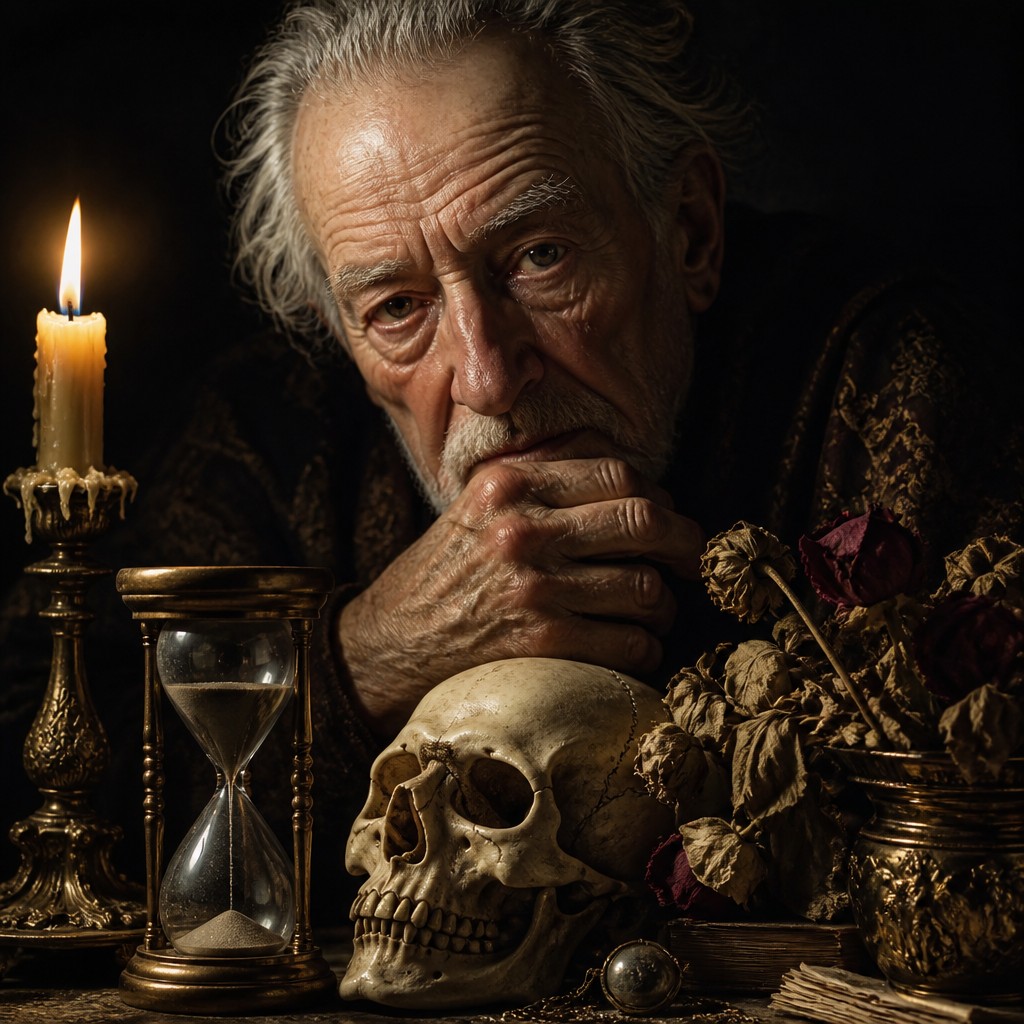
“close-up portrait of an elderly person with expressive weathered features”
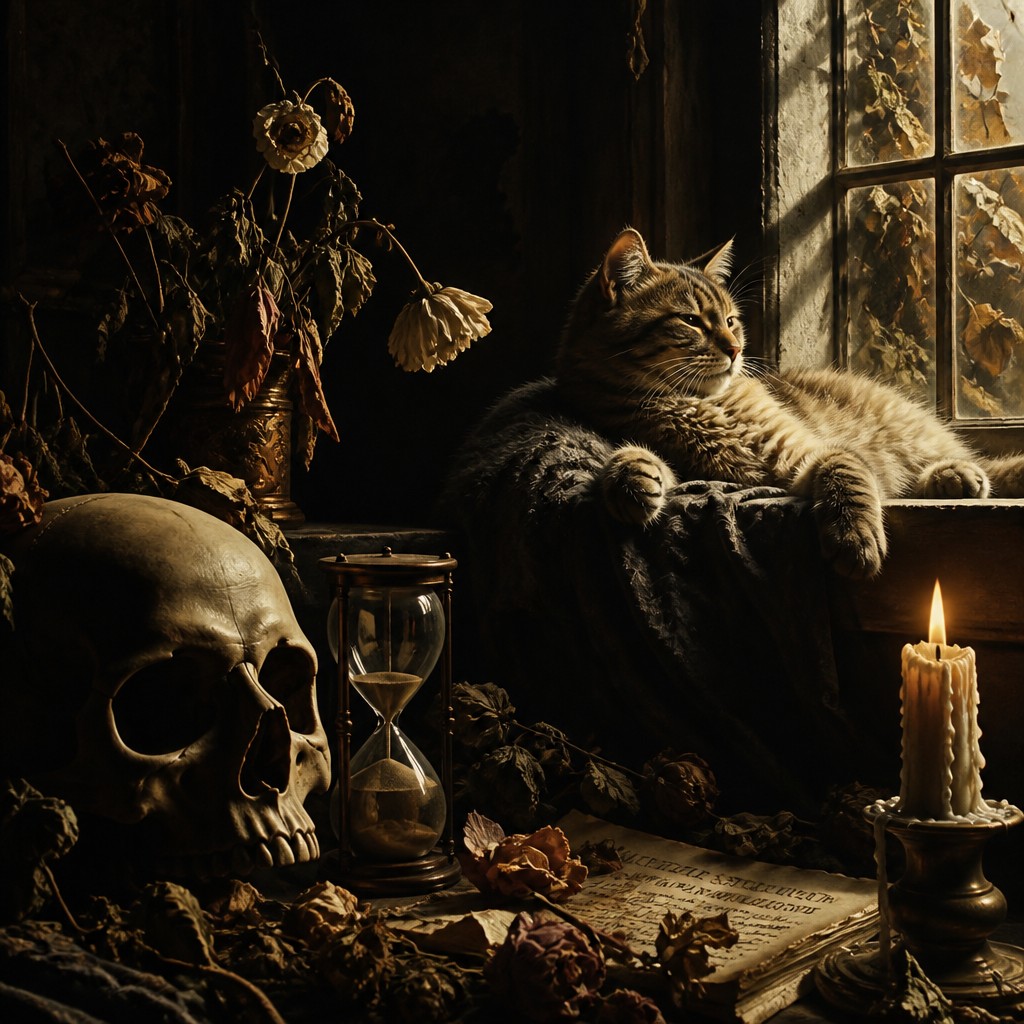
“a cat lounging in a sunlit window”
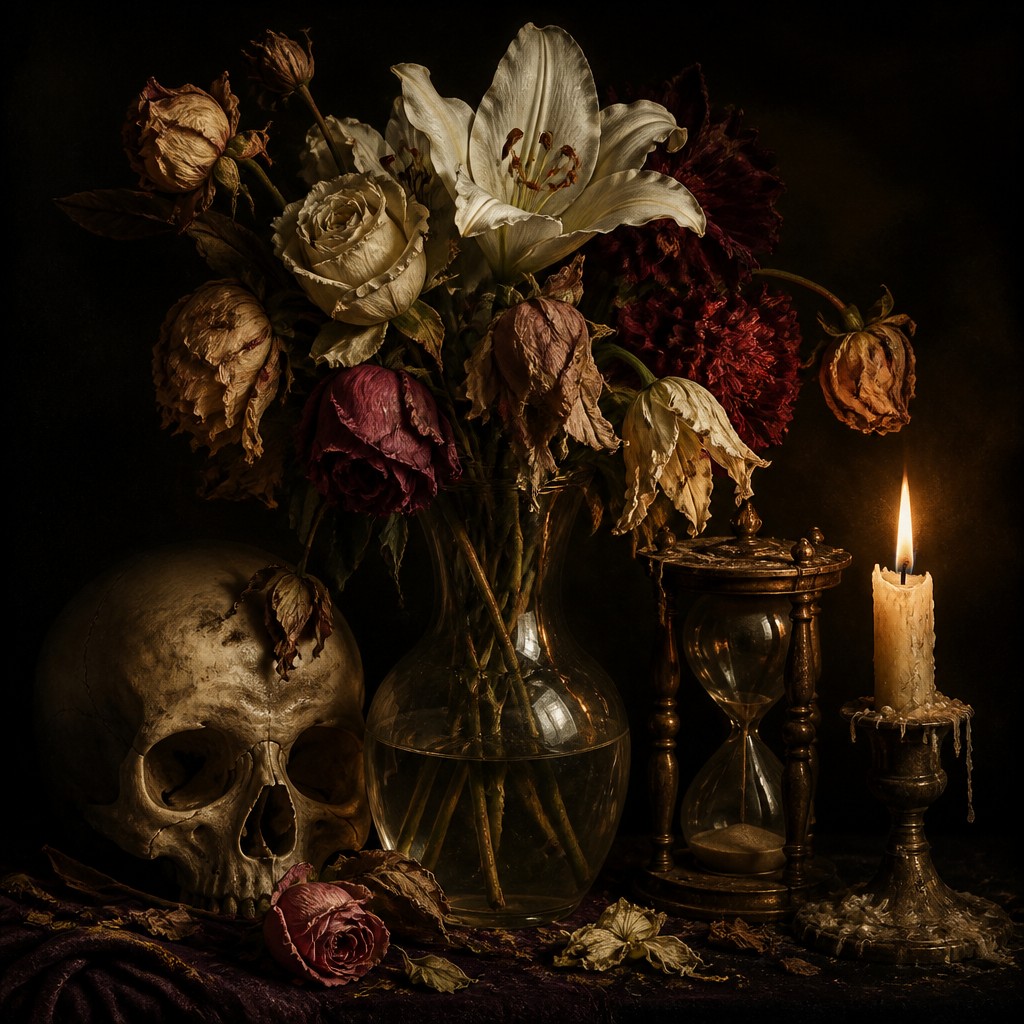
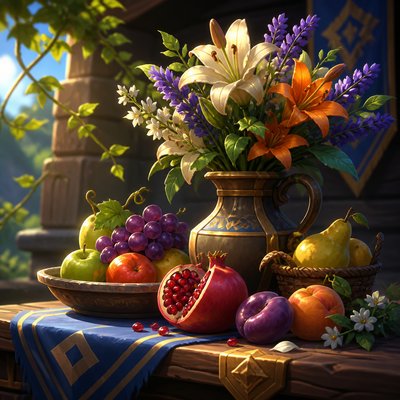
“bouquet of flowers in a glass vase”
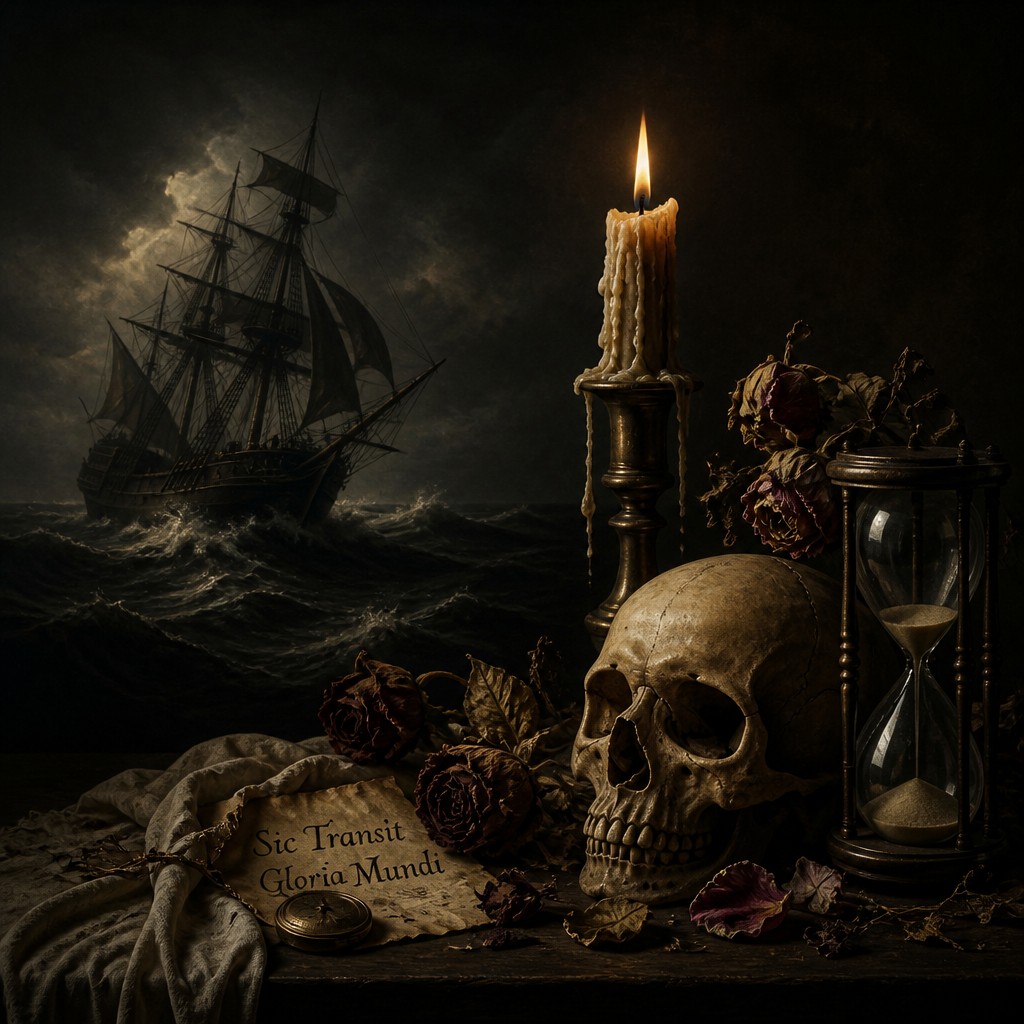
“sailing ship on a stormy sea”
How to Create Memento Mori Art
Master the craft step by step — or skip straight to creating. Read the full guide →
- 1
Build a symbolic still life
Begin with one dominant mortality symbol, then add two or three objects representing pleasure, knowledge, wealth or time. Arrange them so that the viewer can read both the physical forms and their implied relationships.
- 2
Control the light
Use a single low, warm light source from the side or slightly below the subject, with black or brown surroundings. In traditional painting, glaze transparent darks around the focal objects; digitally, use soft shadow layers and restrained highlights.
- 3
Emphasize material contrast
Render hard bone, reflective glass, glossy fruit, soft petals and translucent smoke differently. Accurate surface texture makes the symbolic arrangement feel tangible rather than merely decorative.
- 4
Create temporal transitions
Include a fresh flower beside a wilted one, a full candle beside a spent wick or ripe fruit beside a bruised piece. These paired states communicate change more effectively than a collection of symbols alone.
- 5
Use a focused generation prompt
Specify the subject arrangement, lighting direction, background depth, palette and symbolic mood in that order. For image-to-image work, preserve the source pose or composition while requesting darker chiaroscuro, aged textures and carefully placed vanitas objects.

The Story
History & Origins of Memento Mori
Memento mori is a long-standing Western visual and literary tradition rather than a single historical movement. Its roots reach back to ancient reminders of mortality and developed through medieval Christian meditation on death, judgment and the transience of earthly existence. During the sixteenth and seventeenth centuries, the tradition became closely associated with vanitas imagery, especially in Northern European still-life painting, where carefully selected objects encoded moral and temporal meanings.
Later artists adapted the vocabulary to prints, funerary art, photography, illustration, gothic imagery and contemporary conceptual practice. Modern interpretations often loosen the religious message, using the skull, clock, flower or fading light to address aging, memory, consumer culture, ecological loss and the passage of personal time.
Influences: The style draws on medieval devotional imagery, ancient mortality emblems, Northern European vanitas still life, Baroque chiaroscuro, funerary art, gothic illustration and symbolic photography. It also shares concerns with allegory, dark romanticism and contemporary conceptual art, particularly where ordinary objects are used to represent memory, aging, consumption or impermanence.

Frequently Asked Questions
What defines memento mori art?
Its defining feature is the use of visual reminders that life and worldly achievements are temporary. Skulls, hourglasses, candles, fading flowers and decaying food are common, but the style depends on their symbolic arrangement and reflective mood rather than on any single required object.
Is memento mori a historical art movement?
It is more accurately described as a recurring artistic theme and visual tradition than as a unified movement. Its imagery appears across centuries, with a major development in early modern vanitas still life and continuing adaptations in modern and digital art.
How does it differ from vanitas art?
The terms overlap substantially. Memento mori broadly means a reminder of death, while vanitas usually refers to a more elaborate moral still life emphasizing the futility of pleasure, wealth, knowledge or achievement; many works belong to both traditions.
Does memento mori art have to include a skull?
No. A dying candle, stopped clock, wilted flower, fallen leaf, empty chair or decaying object can communicate mortality without showing human remains. The key is the suggestion of passing time, loss or unavoidable change.
How can I make a convincing work in this style?
Choose a small set of symbols with related meanings, place them in a controlled still-life composition and light them from one strong source. Use deep shadows, restrained colors and detailed material surfaces, then introduce one clear contrast between vitality and decay.
Where is this visual style used today?
It appears in painting, illustration, photography, editorial design, album artwork, tattoo imagery, gothic fashion and conceptual installations. Contemporary artists often use its established symbols to discuss memory, aging, consumerism, grief or environmental decline rather than only religious mortality.
Create your first Memento Mori artwork
Describe anything — or upload a photo — and see it in Memento Mori Art Style in seconds.
Related Styles
Discover similar art styles