Pont-Aven Art Style
Explore the Pont-Aven art style: bold Synthetist color fields, dark contours, Breton subjects, and flattened decorative composition.
Instantly rendered in Pont-Aven — or transform a photo
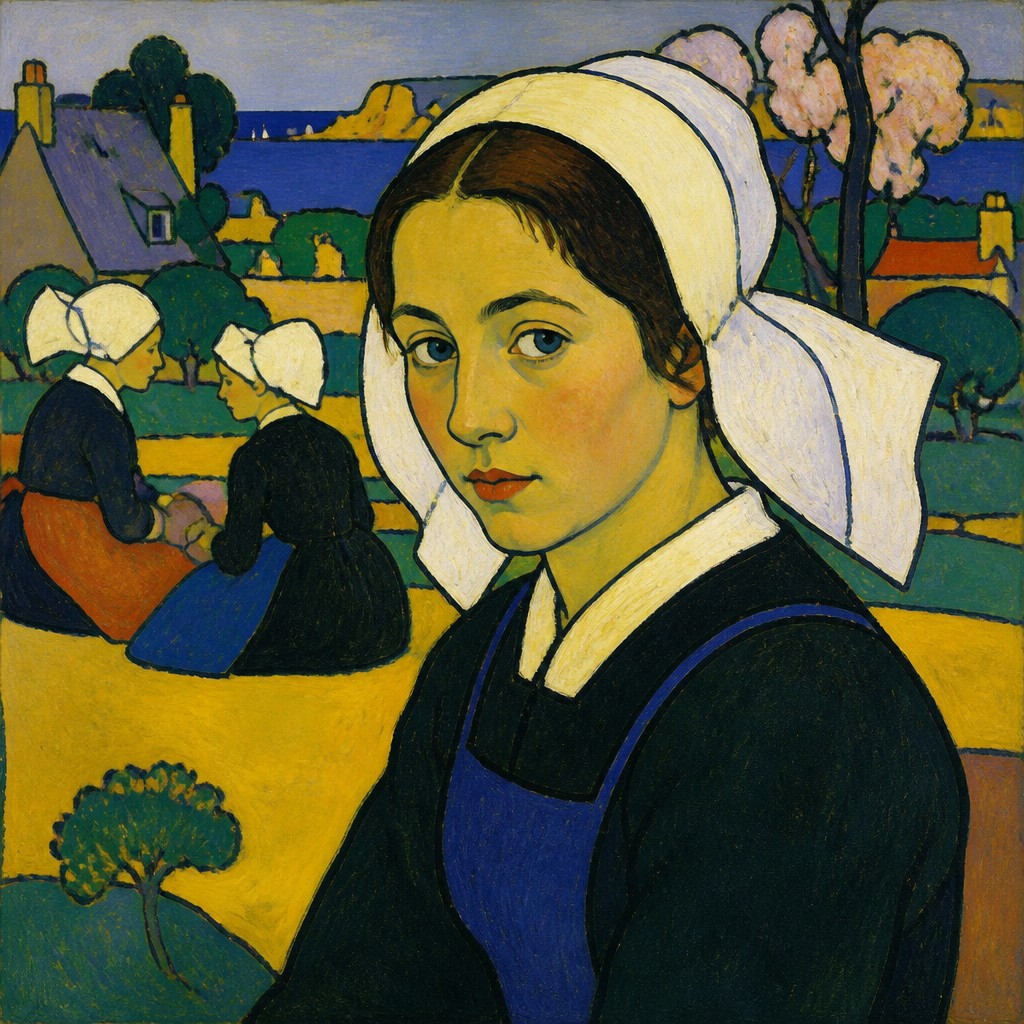
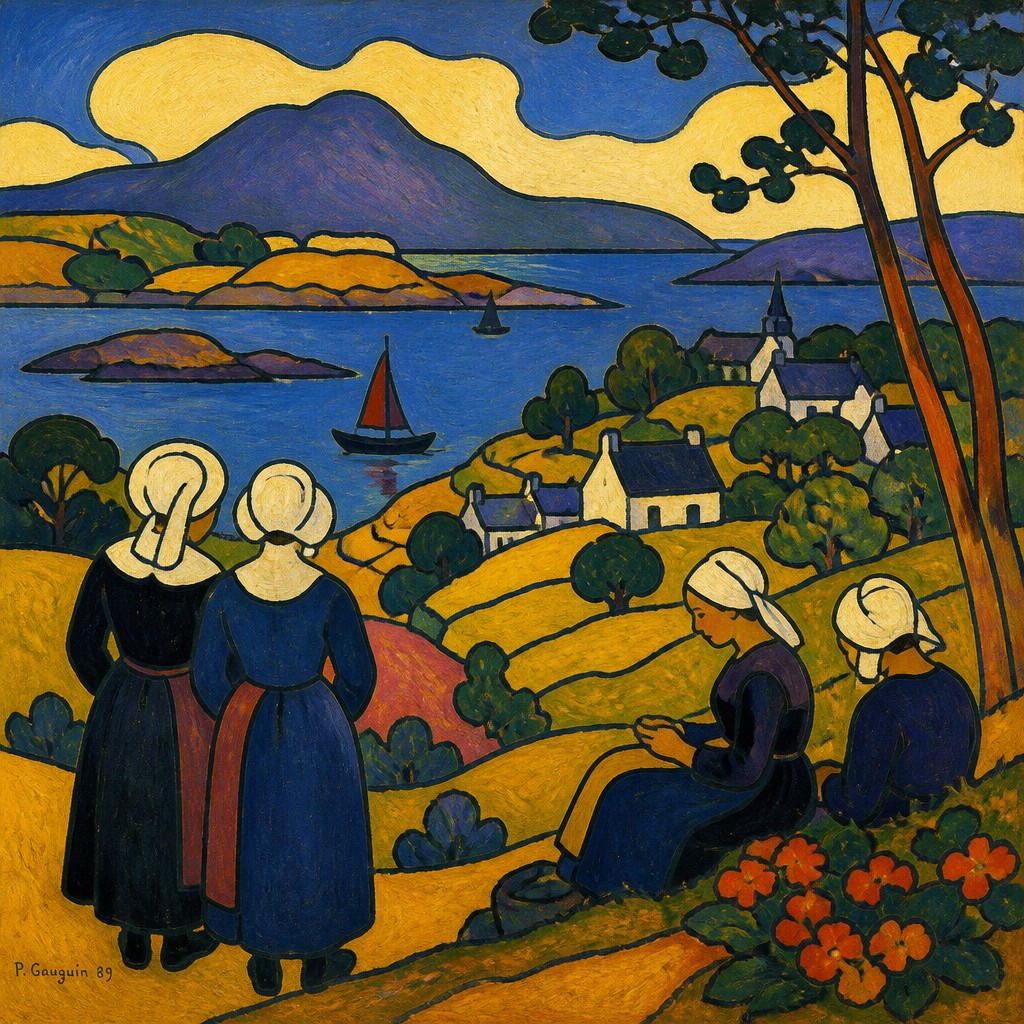
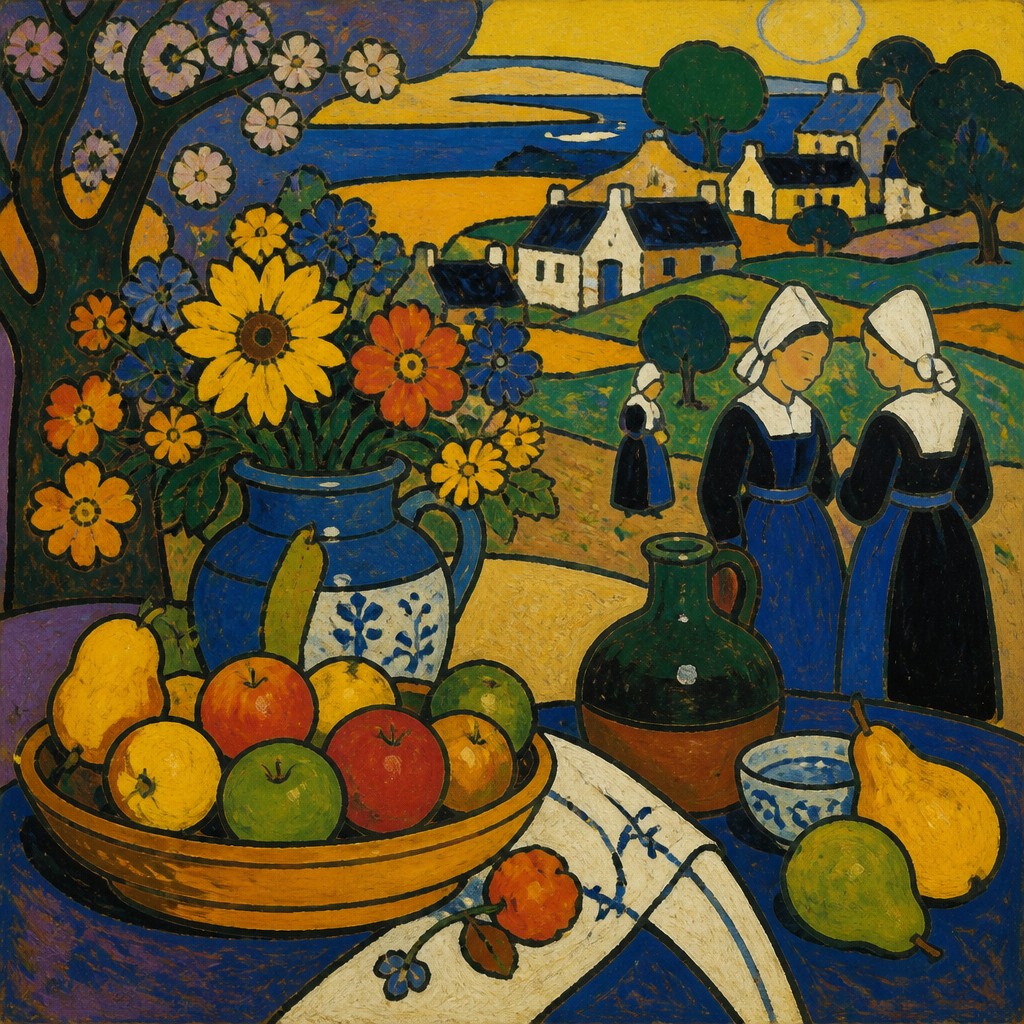
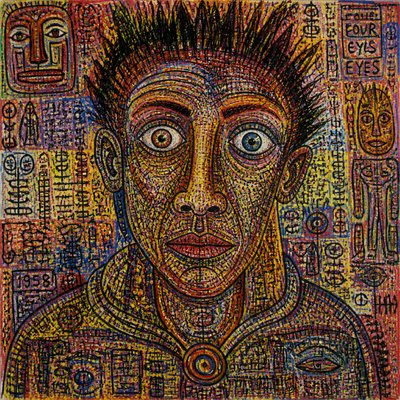
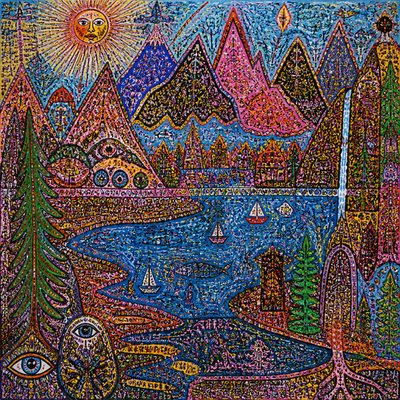
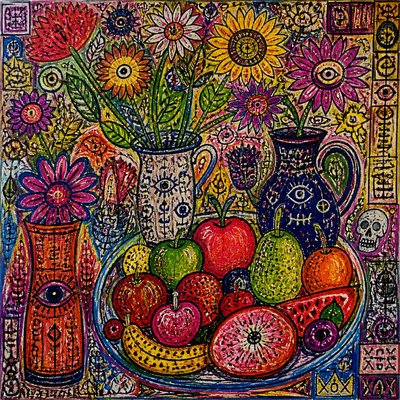
Pont-Aven Gallery
Tap any artwork to explore it
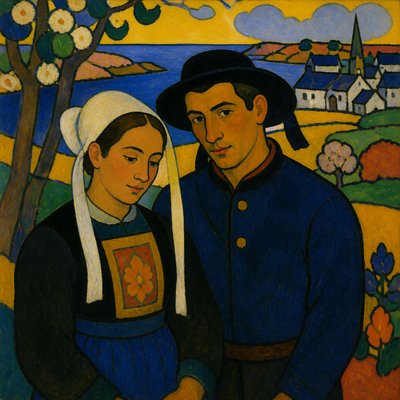
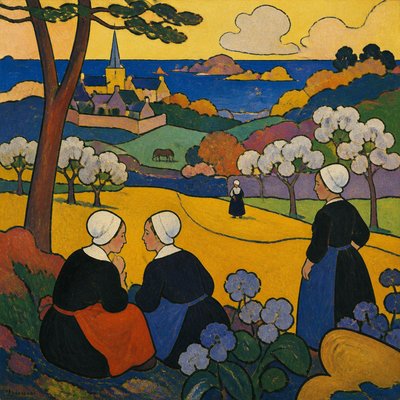
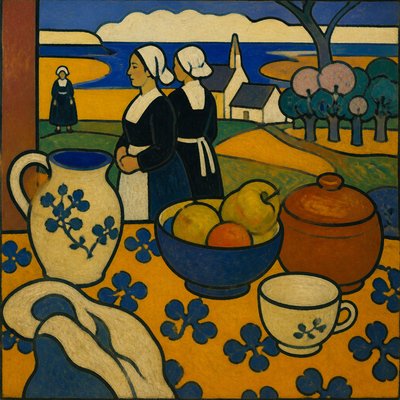
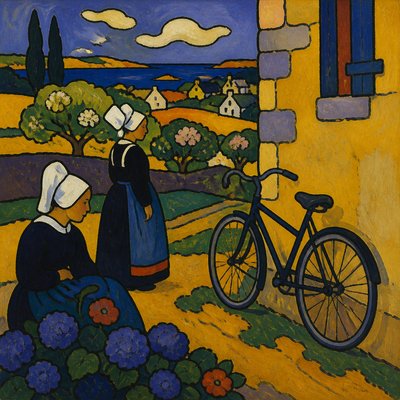
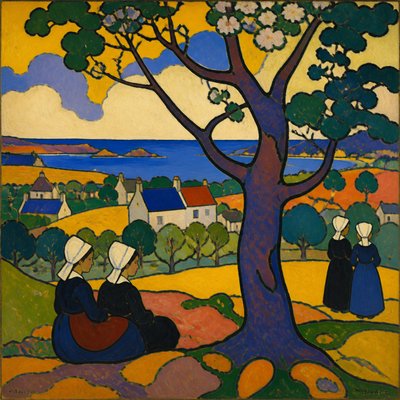
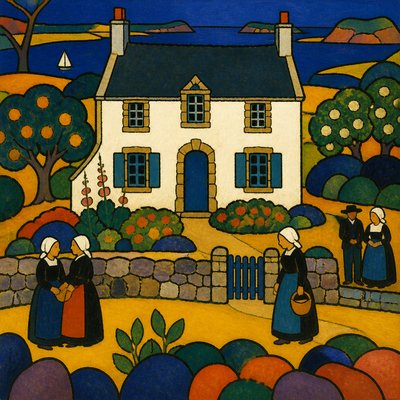
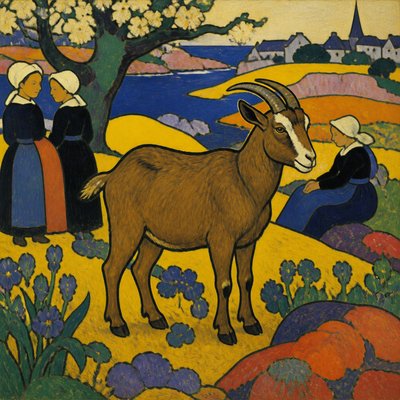
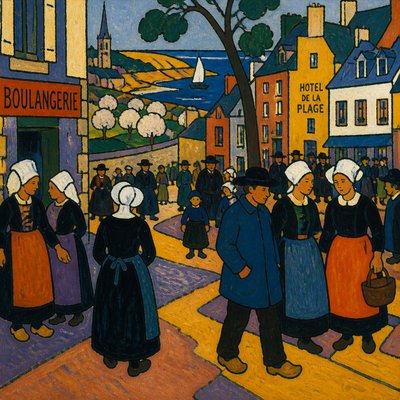
What is Pont-Aven Art Style?
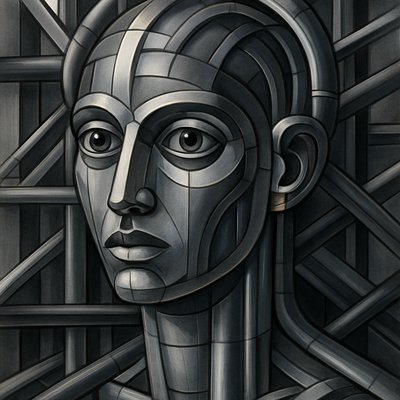
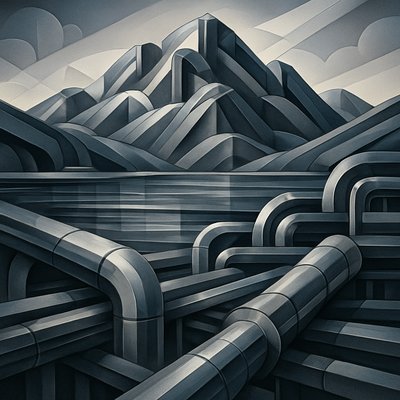
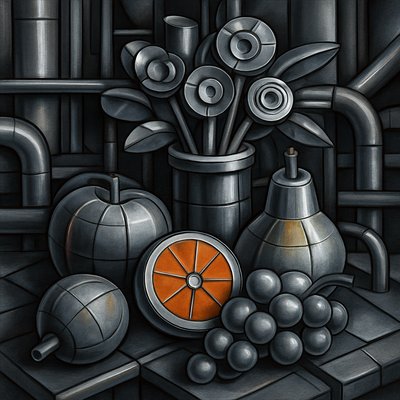
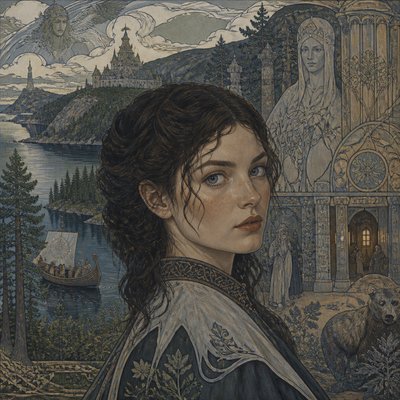
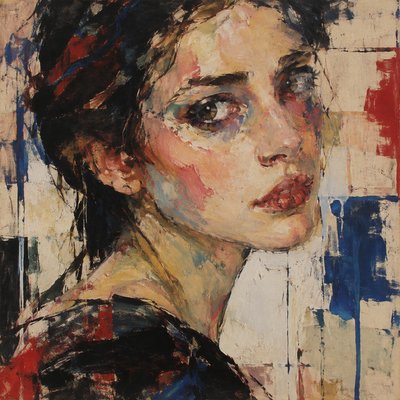
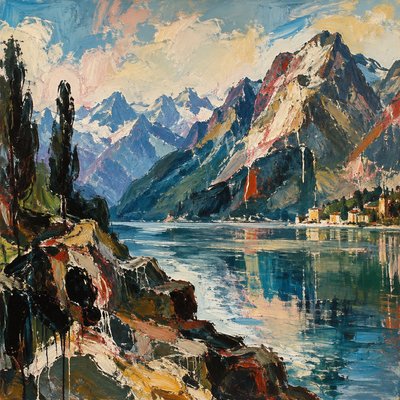
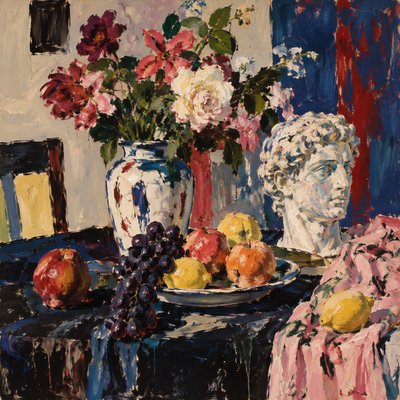
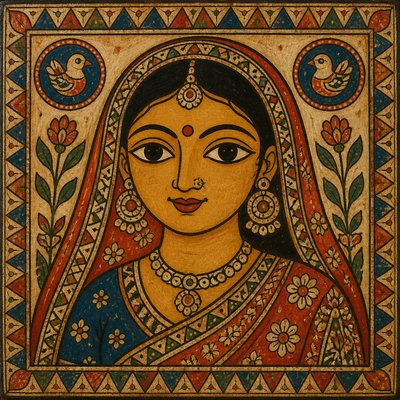
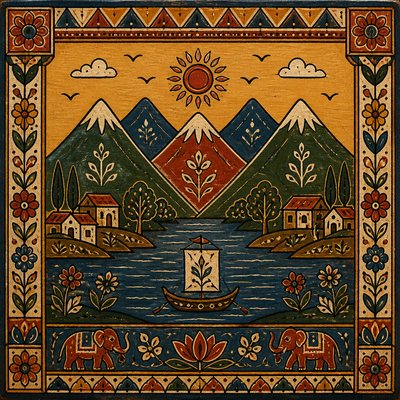
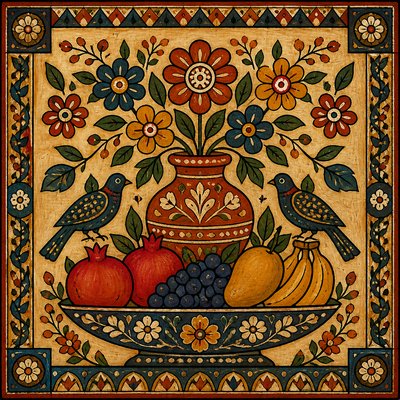
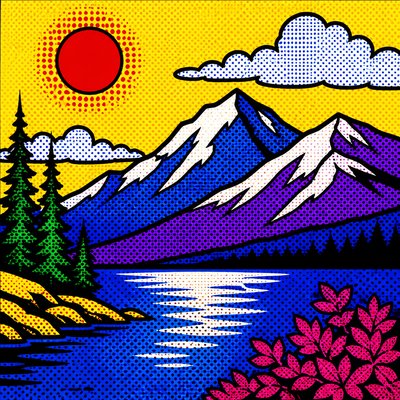
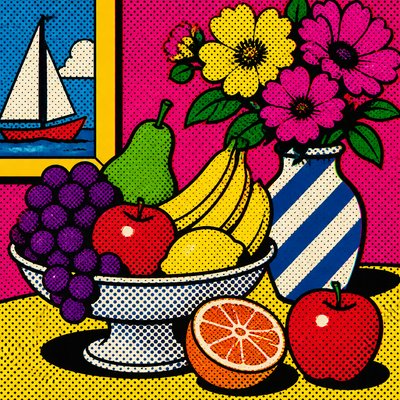
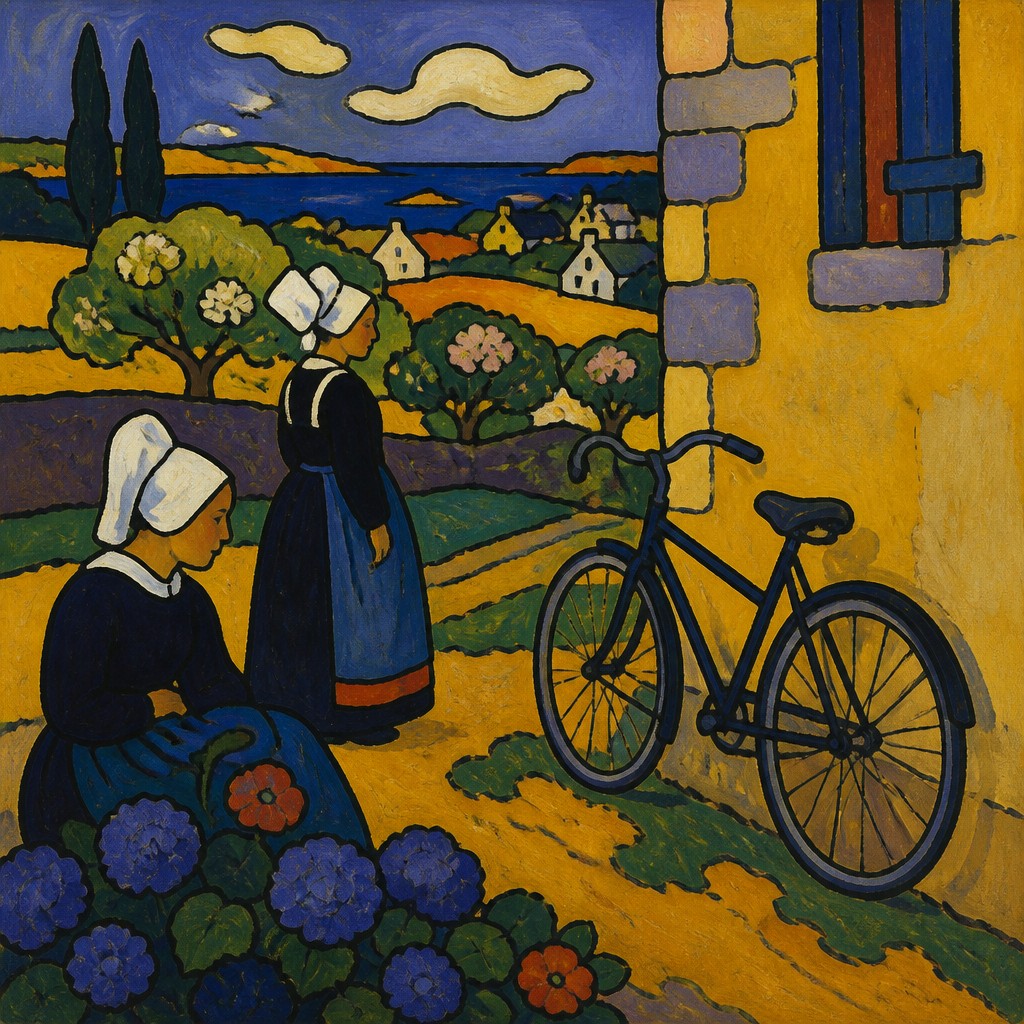
The Pont-Aven art style is a late-19th-century modern painting style associated with the Breton village of Pont-Aven in northwestern France. It is recognized for strong, unmodulated color areas, emphatic dark outlines, simplified forms, and compositions that turn Breton landscapes, rural workers, religious customs, and coastal life into decorative visual symbols.
Rather than reproducing nature literally, Pont-Aven painting organizes what is seen through memory, emotion, and formal design. Depth is often compressed, shading is reduced or omitted, and fields, figures, trees, and buildings are arranged as interlocking areas of saturated color. The result is expressive and deliberately artificial: a rural scene becomes a balanced pattern of shapes, contours, and symbolic hues.
Try It On Your Photos
Upload any photo and convert it into Pont-Aven Art Style — drag the sliders to compare before and after.
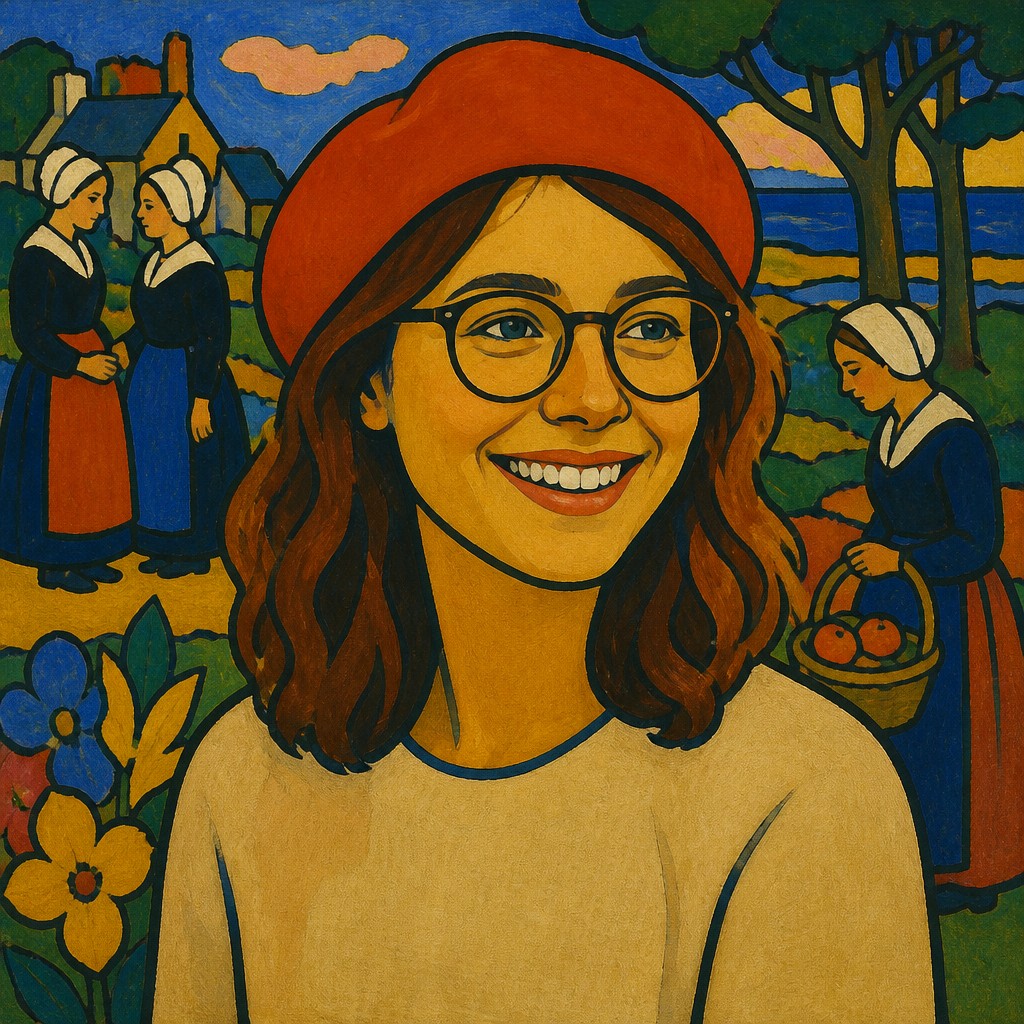

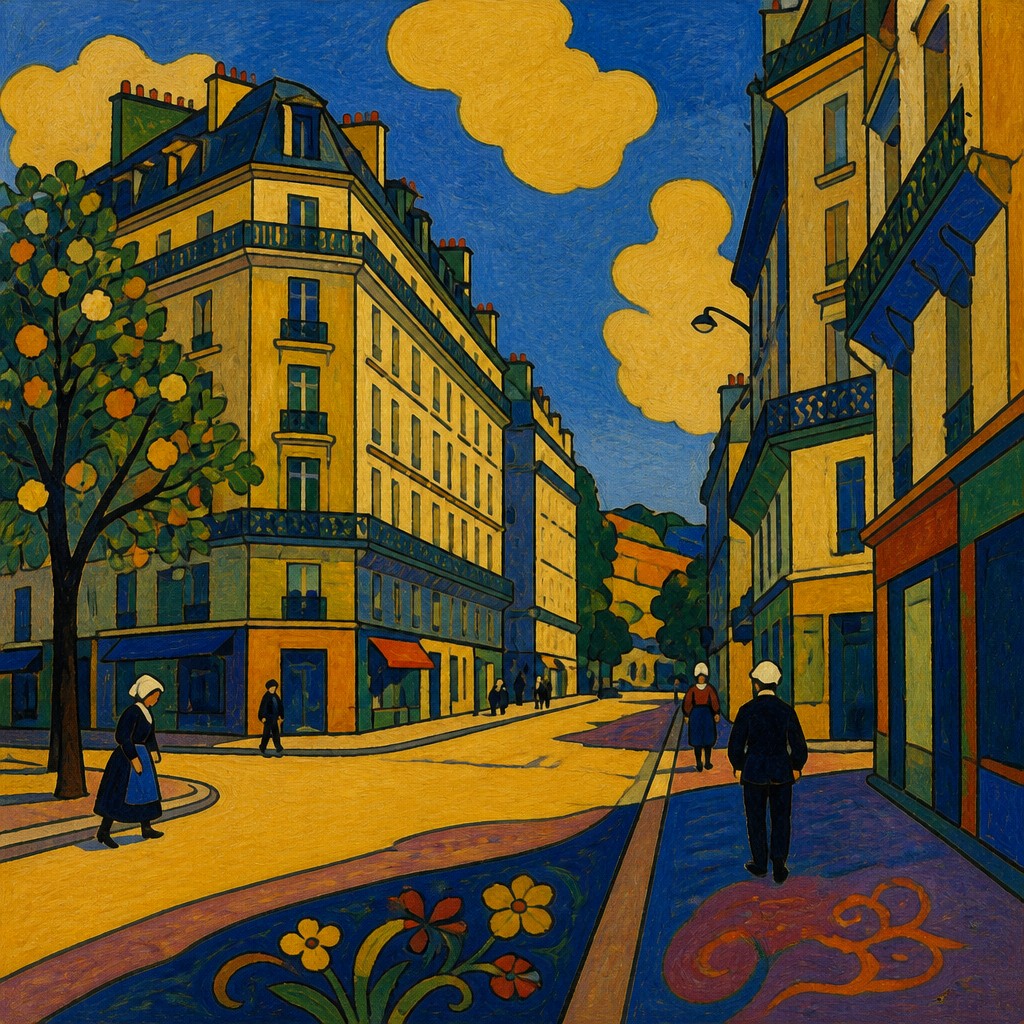

What Defines Pont-Aven Art Style
The signature details, up close
Flat color fields
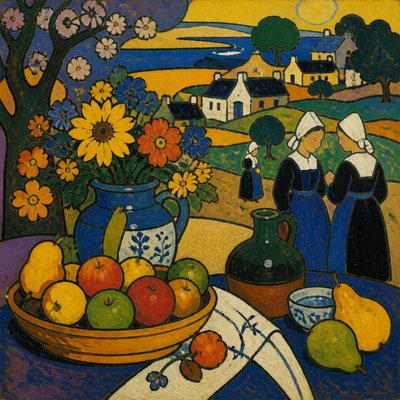
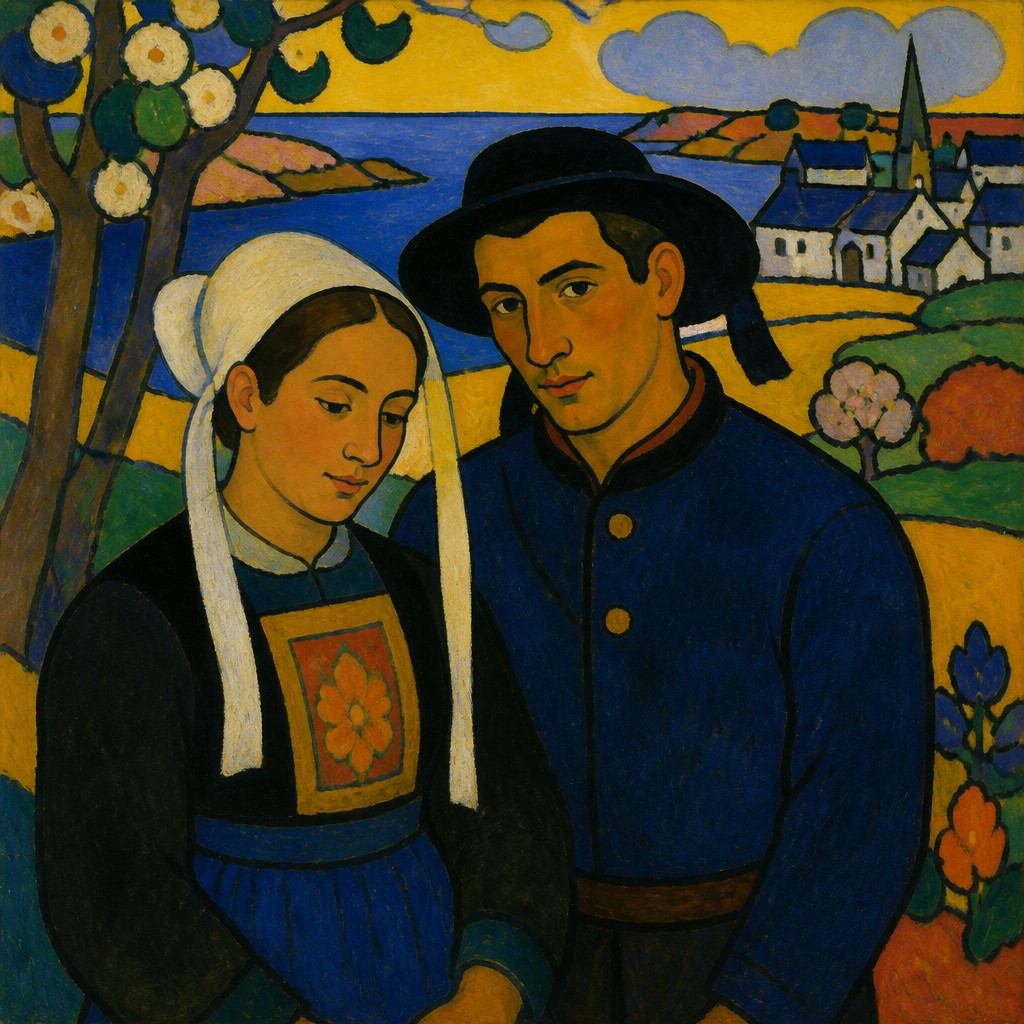
Large areas of saturated yellow, blue, red, green, and white are applied with little tonal modeling. Color functions structurally and emotionally rather than simply describing local reality.
Dark cloisonné contours
Strong lines separate adjacent color zones, recalling the partitioned surfaces of cloisonné enamel and giving figures, trees, fields, and buildings a graphic presence.
Flattened space
Traditional perspective is compressed or intentionally disrupted. Overlapping shapes, high horizons, and stacked bands of land replace deep, naturalistic recession.
Simplified Breton figures
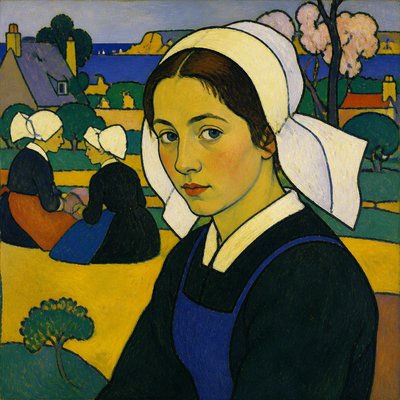
Peasant women and men appear as calm, monumental forms, often wearing white coiffes, dark clothing, aprons, or regional garments. Facial details and anatomy are reduced in favor of silhouette and rhythm.
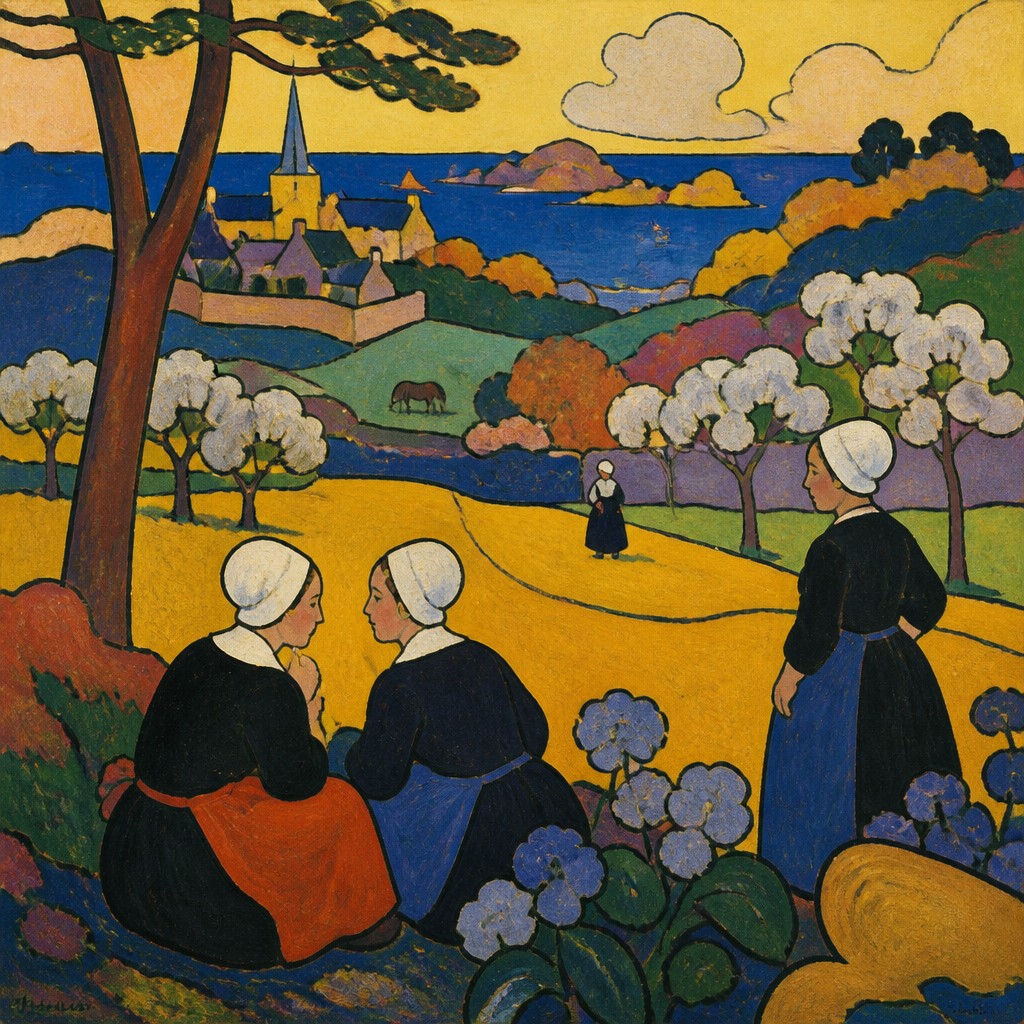
Regional subject matter
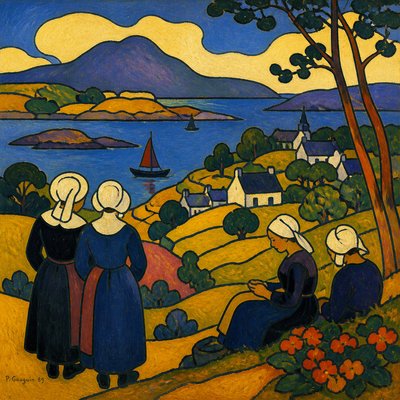
Coastal fields, orchards, village lanes, fishing communities, religious processions, and everyday rural labor provide recurring subjects rooted in Breton life and landscape.
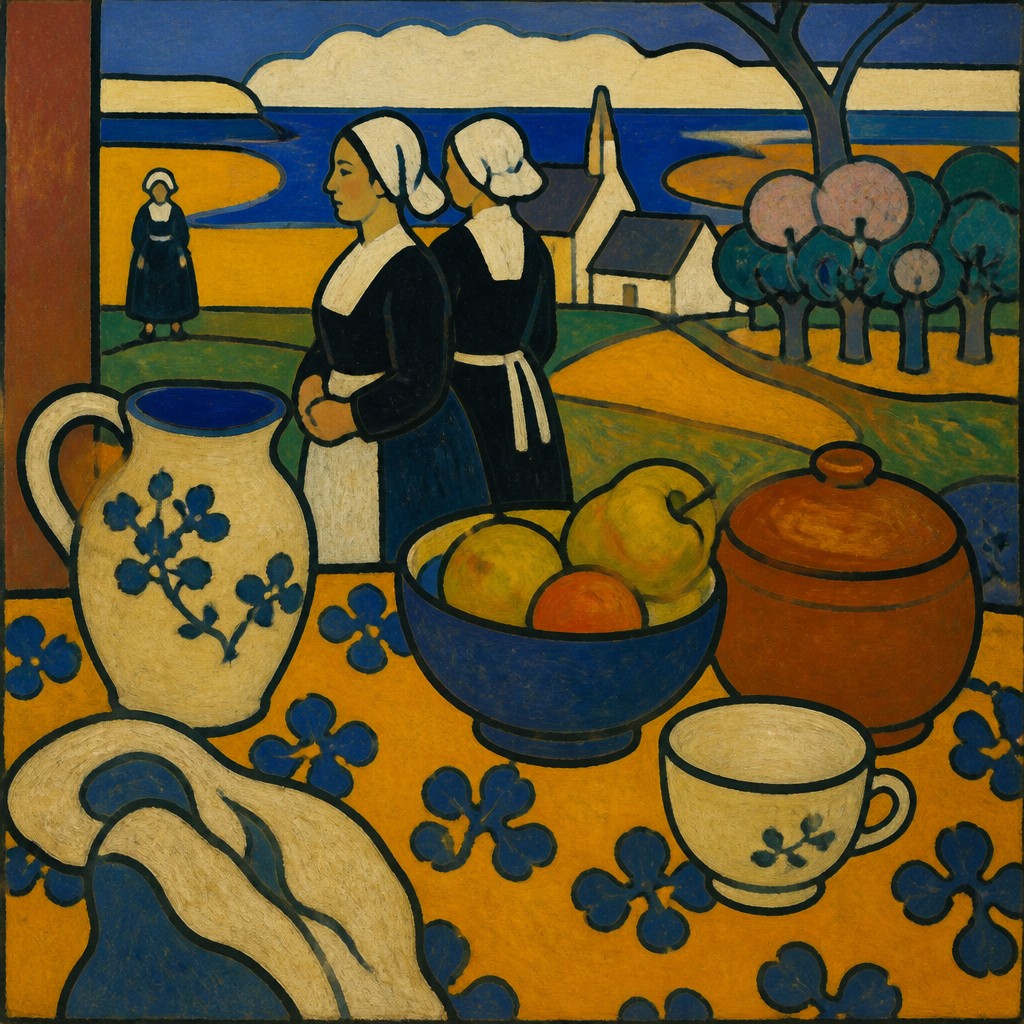
Decorative pattern
Trees, hedges, costumes, rooftops, and cultivated fields may become repeated shapes or rhythmic bands. Pattern takes precedence over incidental detail and naturalistic texture.
Symbolic composition
The arrangement of forms is designed to convey mood, belief, memory, or cultural identity. A scene may be deliberately still, solemn, pastoral, or mysterious rather than optically objective.
Pont-Aven Prompt Ideas
Start from an idea — each one opens the generator with the style ready to go. See all 40 Pont-Aven prompts →
How to Create Pont-Aven Art
Master the craft step by step — or skip straight to creating. Read the full guide →
- 1
Block in the major shapes
Begin with a simple thumbnail dividing the image into a few large areas for sky, land, figures, water, and buildings. Avoid detailed perspective and prioritize a clear, balanced pattern.
- 2
Use unmodulated pigments
Apply opaque, relatively flat passages of color instead of gradual blends. Choose a limited but saturated palette, allowing yellow, cobalt or ultramarine blue, vermilion, white, and deep blue-black to establish the visual structure.
- 3
Enclose forms with line
Add firm dark contours around the principal shapes, varying their weight slightly to prevent mechanical stiffness. The outlines should clarify the composition without becoming a dense network of decorative detail.
- 4
Simplify figures and space
Reduce people to readable silhouettes and broad costume shapes, with particular attention to white coiffes and dark Breton clothing. Flatten distant and near elements into related bands rather than rendering atmospheric depth.
- 5
Build a symbolic palette
Select colors for expressive and compositional reasons, not only for literal accuracy. Repeat key hues across the image so that clothing, vegetation, sky, and architecture form a unified arrangement.
- 6
Guide digital or prompt-based creation
For digital painting, use hard-edged opaque brushes and disable soft airbrush shading. For text-to-image work, specify flat color fields, dark cloisonné contours, simplified Breton subjects, compressed perspective, decorative pattern, and saturated symbolic colors, then refine unwanted gradients or photorealistic details.
The Story
History & Origins of Pont-Aven
The style developed in Brittany during the 1880s and early 1890s, when avant-garde painters gathered in and around Pont-Aven. They responded against academic naturalism and the fleeting optical effects of Impressionism, seeking a more synthetic art built from simplified forms, flat color, and personal interpretation. The local Breton landscape, traditional dress, village rituals, and coastal culture provided both subject matter and a strong regional identity.
Pont-Aven painting overlaps with Synthetism and Cloisonnism, terms used for related approaches that emphasized broad color planes and enclosing contours. Its ideas helped prepare the way for later developments in Post-Impressionism, Symbolism, decorative modernism, and other forms of 20th-century simplified painting.
Influences: Pont-Aven painting draws on Synthetism, Cloisonnism, Post-Impressionism, and Symbolism, while also reflecting the decorative logic of medieval stained glass, enamel partitioning, folk costume, religious imagery, and Breton visual traditions. Its rejection of optical naturalism connects it to Japanese woodblock prints and other flattened pictorial traditions that influenced European modernism in the late 19th century.
Frequently Asked Questions
What defines the Pont-Aven art style?
Its defining features are flat, saturated color areas, strong dark contours, simplified forms, compressed perspective, and Breton rural or coastal subject matter. The style treats a scene as an expressive arrangement of shapes rather than a literal transcription of what the eye sees.
Is Pont-Aven the same as Synthetism?
They are closely related but not identical terms. Pont-Aven refers primarily to a place-based artistic circle and its associated visual language, while Synthetism describes a broader method of combining observation, memory, and imagination through simplified form and symbolic color.
How does Pont-Aven differ from Impressionism?
Impressionism generally emphasizes changing light, visible brushwork, and the immediate optical experience of a scene. Pont-Aven painting typically suppresses atmospheric modeling in favor of flat planes, enclosing lines, stable silhouettes, and a more deliberate decorative composition.
What subjects work well in this style?
Breton coastlines, orchards, fields, village streets, religious ceremonies, fishing communities, and rural workers are especially appropriate. Contemporary subjects can also work if they are simplified into symbolic figures, bold color zones, and a flattened landscape.
How can I paint a Pont-Aven-inspired image traditionally?
Use an opaque medium such as oil, gouache, acrylic, or tempera, and establish large color shapes before adding contour lines. Limit blending, reduce perspective, and repeat a small number of strong colors throughout the composition.
Can photographs or modern scenes be transformed into this style?
Yes, but the strongest results usually come from simplifying the source rather than preserving every photographic detail. Emphasize silhouettes, remove realistic shading, compress the depth, and describe the desired contours, regional atmosphere, palette, and decorative pattern when using digital image tools.
Create your first Pont-Aven artwork
Describe anything — or upload a photo — and see it in Pont-Aven Art Style in seconds.
Related Styles
Discover similar art styles