Framing Art Style
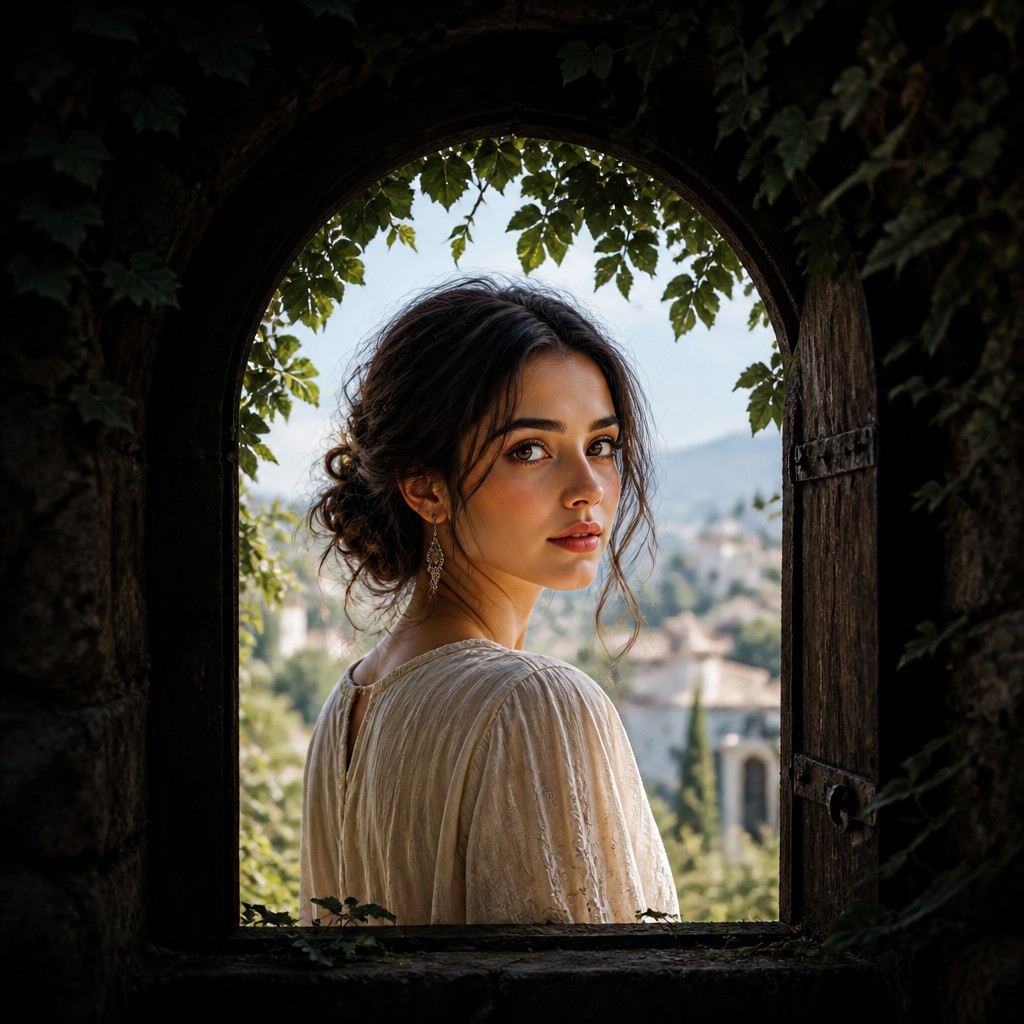
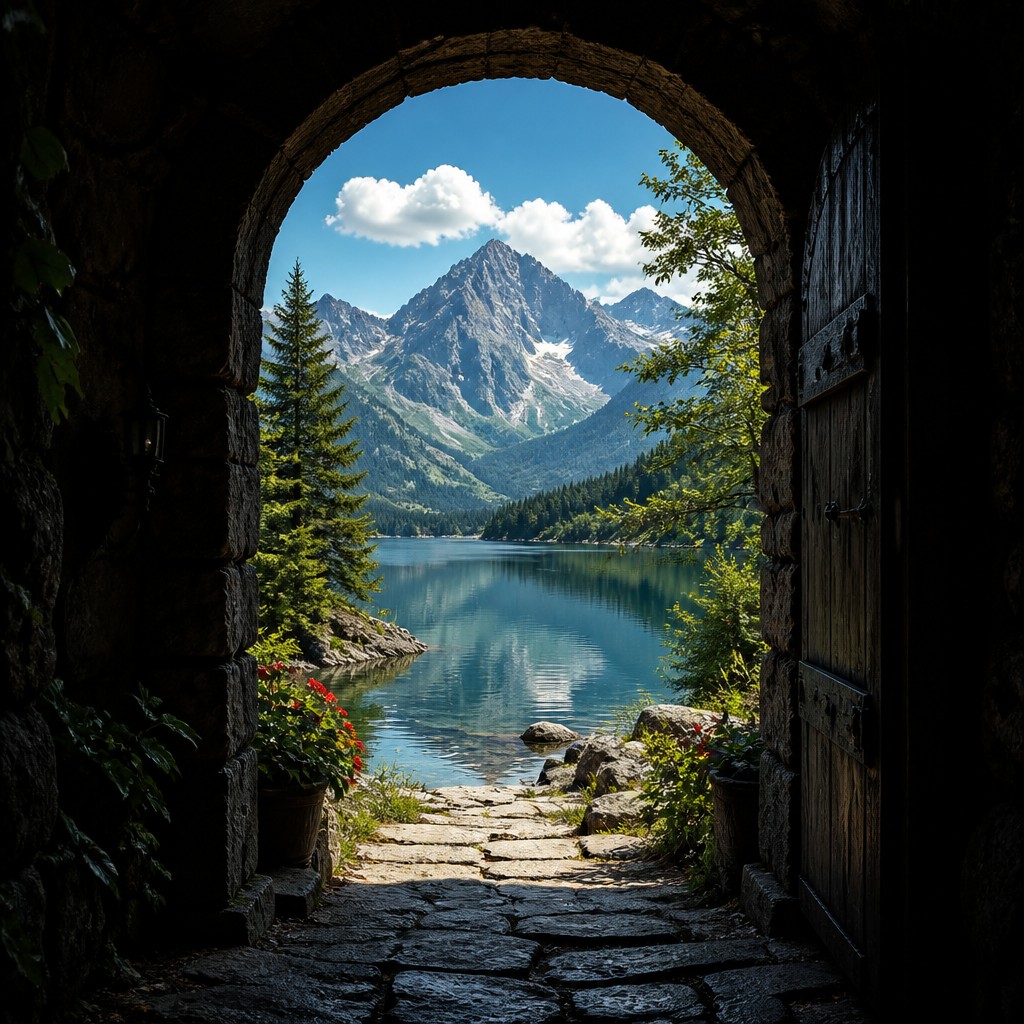
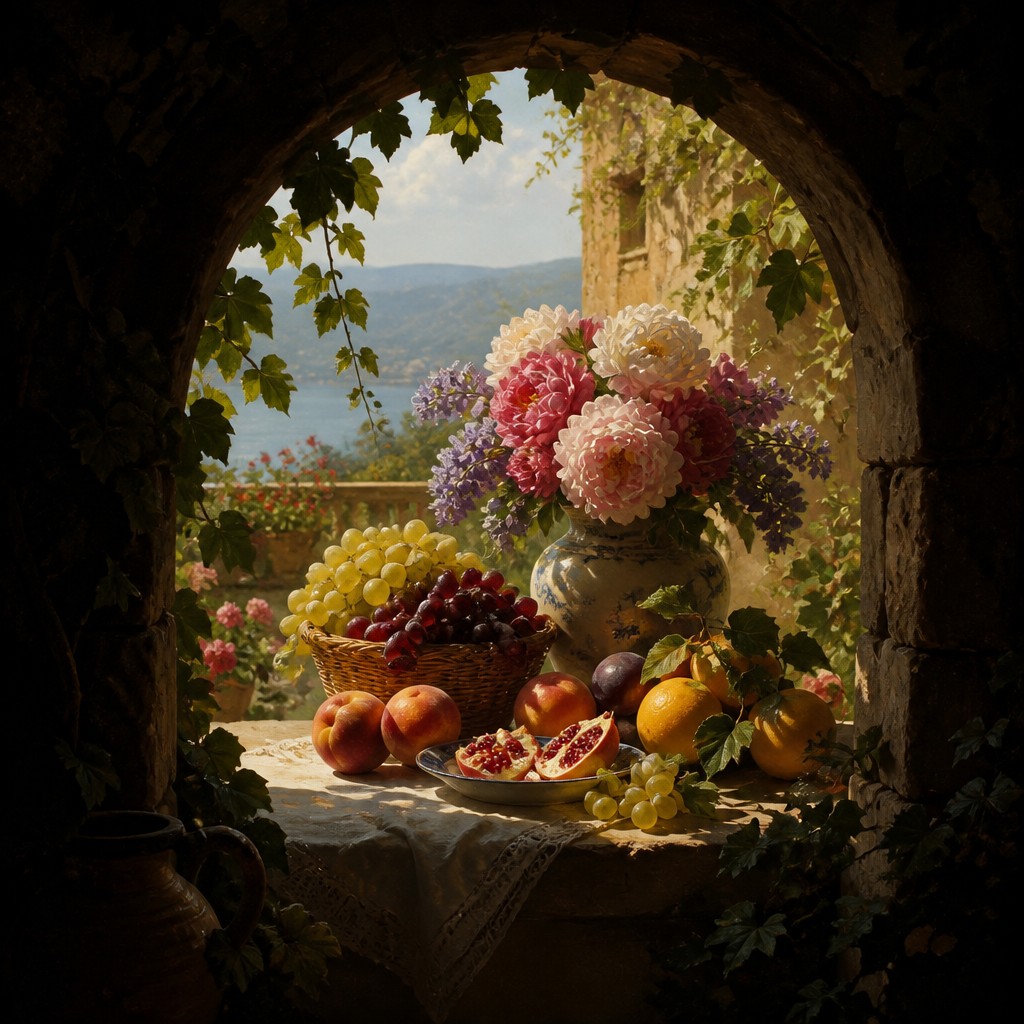
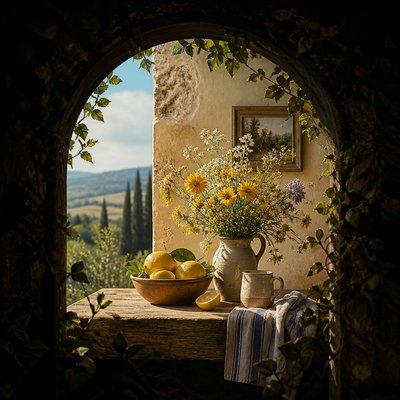
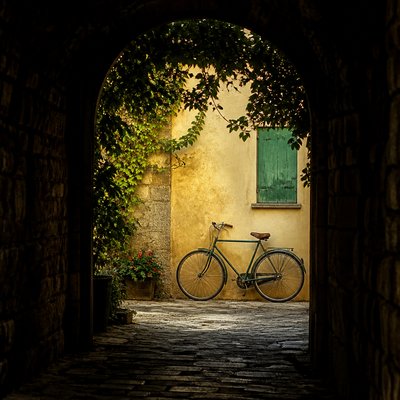
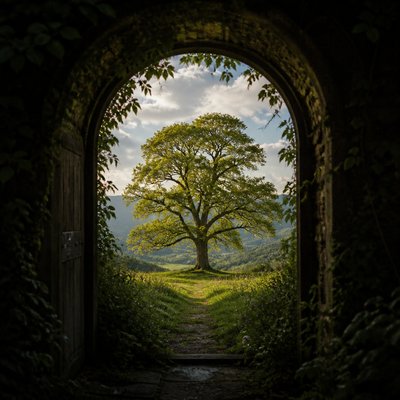
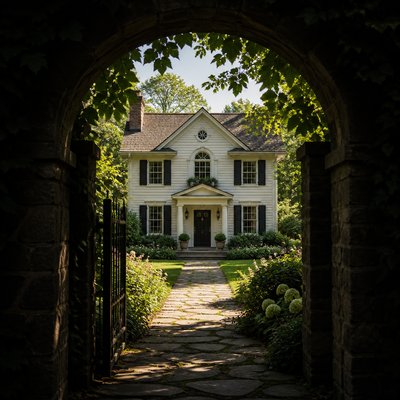
Explore Framing Art Style, where arches, doorways, and branches create shadowed natural borders around a luminous focal subject.
Instantly rendered in Framing — or transform a photo
Framing Gallery
Tap any artwork to explore it
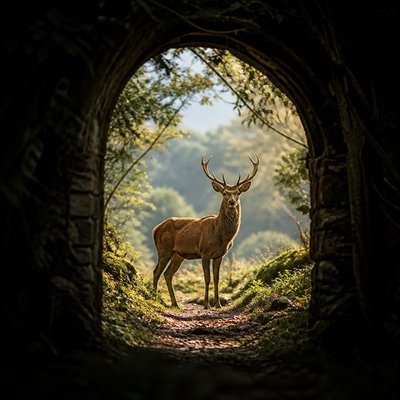
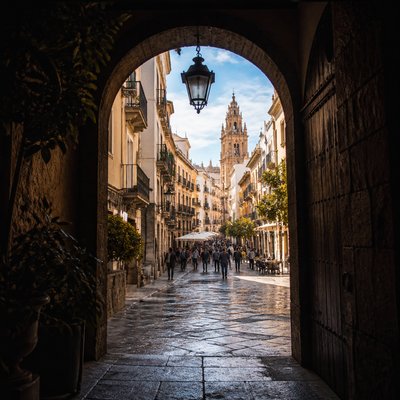
What is Framing Art Style?
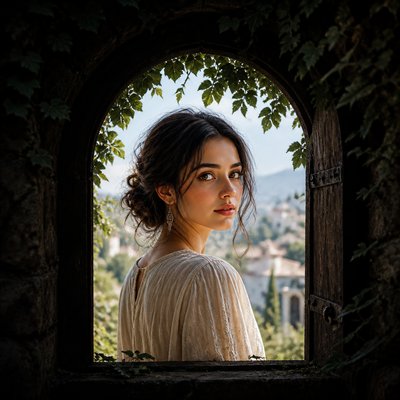
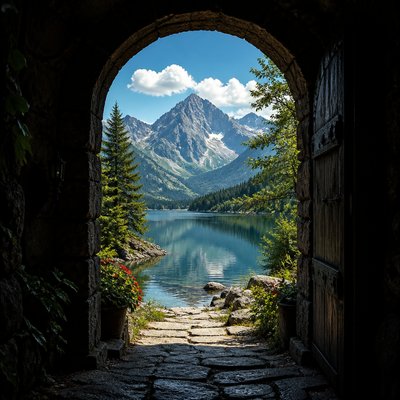
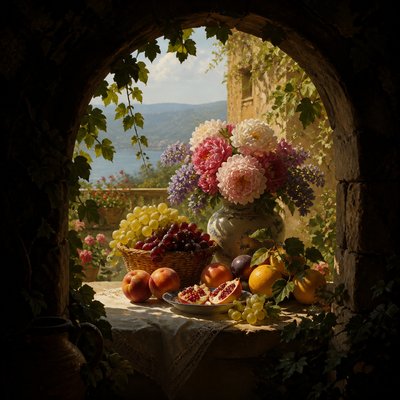
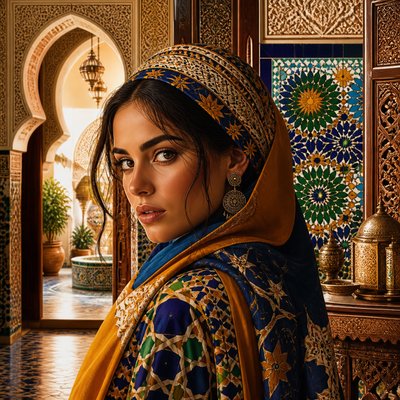
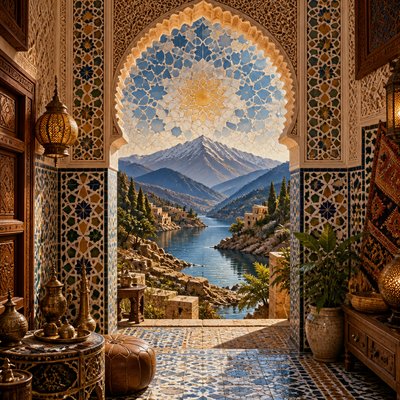
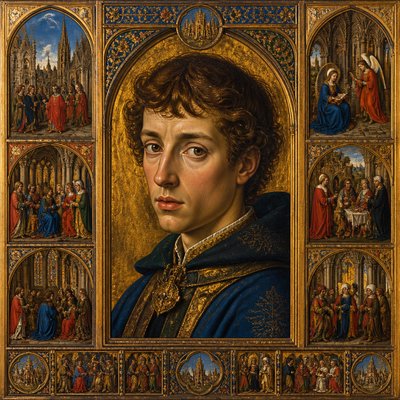
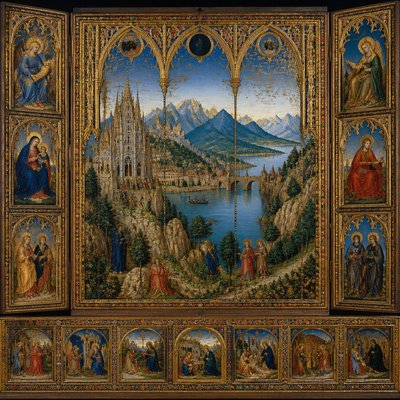
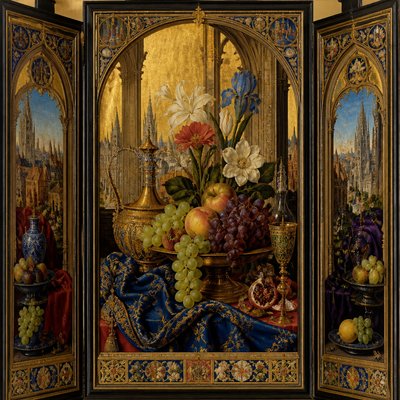
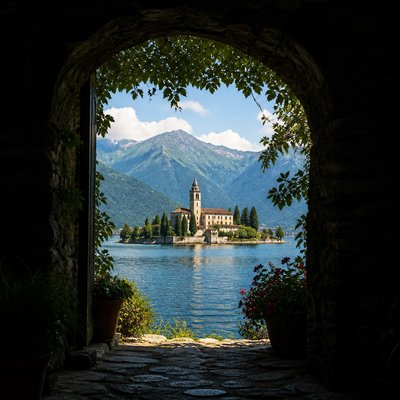
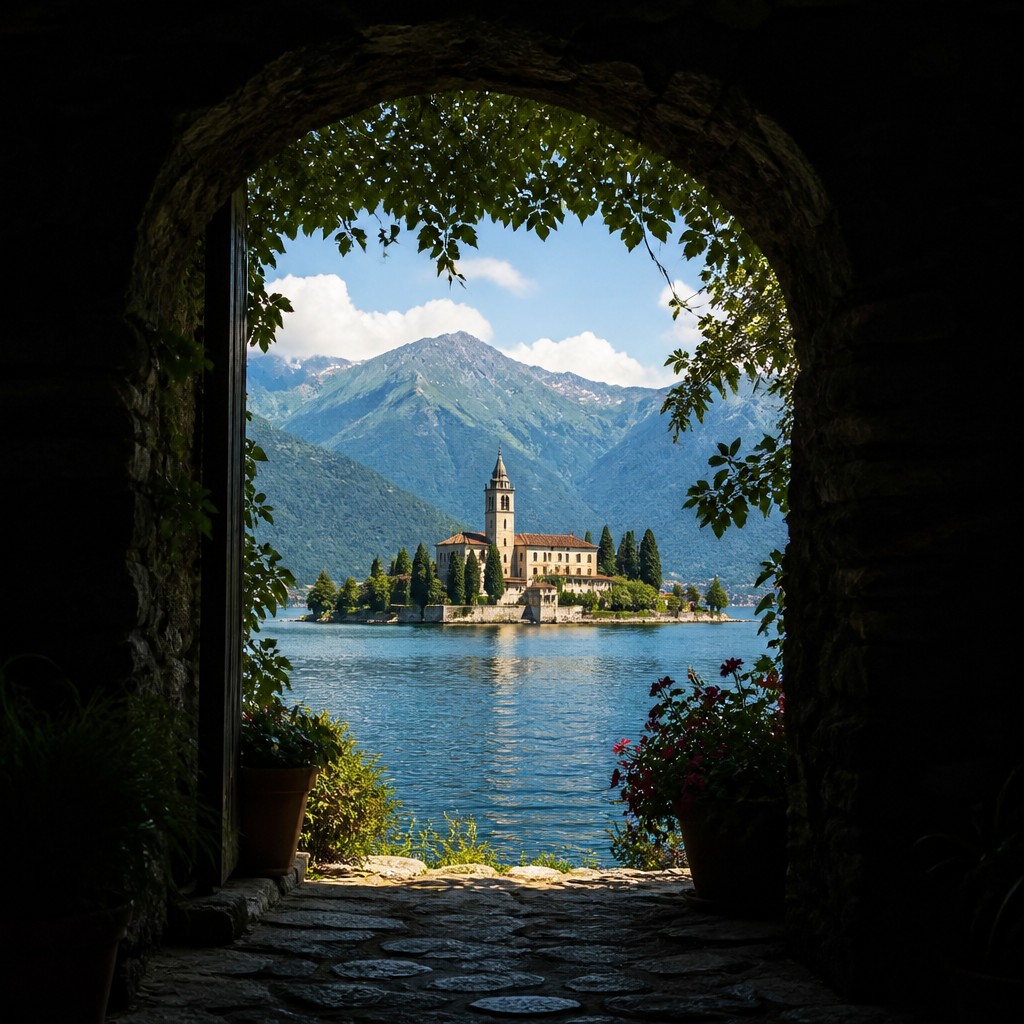
Framing Art Style is a compositional approach in which a foreground arch, doorway, window, rock opening, or cluster of overhanging branches surrounds the main subject. The frame acts as a visual aperture: it partially conceals the surrounding scene while directing attention toward a clearly illuminated person, landscape, object, or event beyond it.
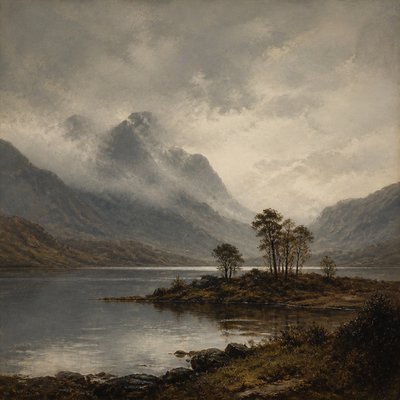
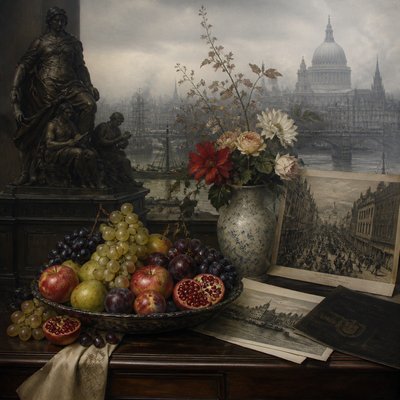
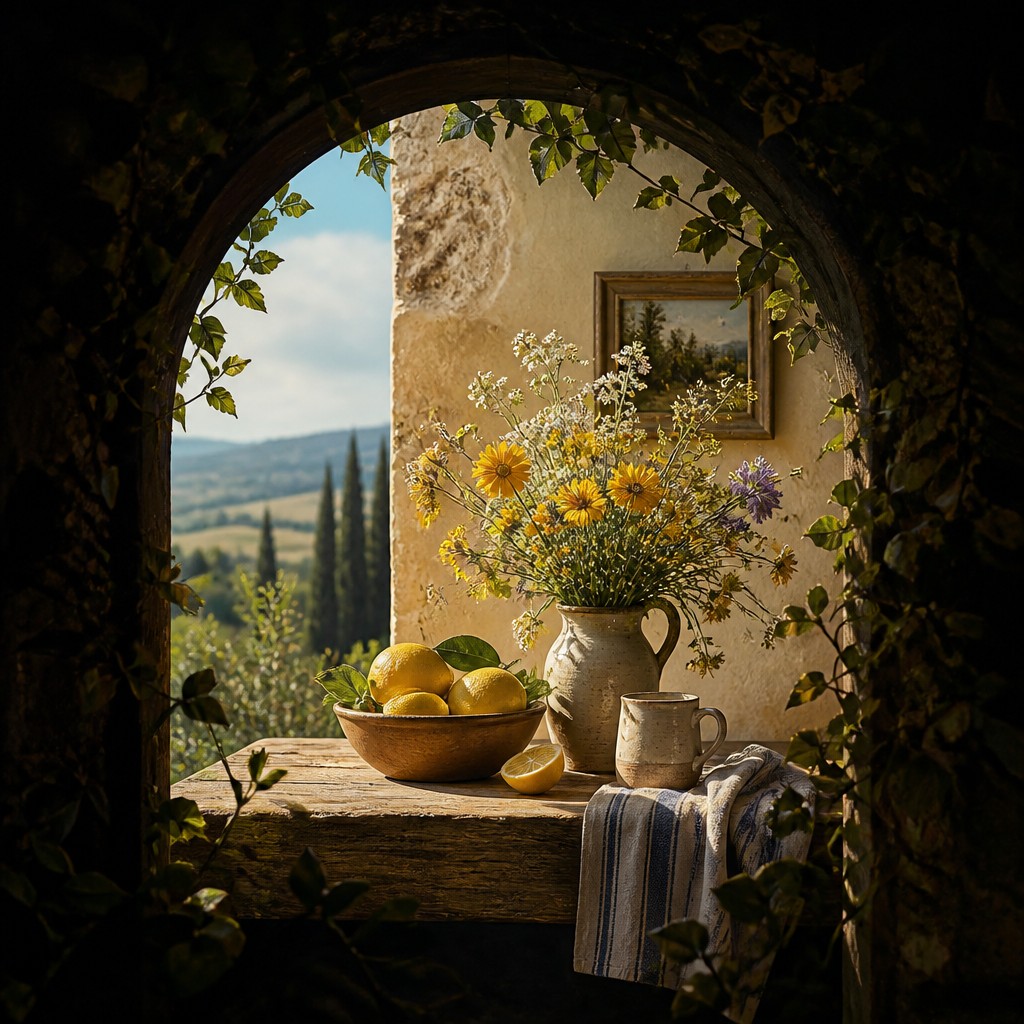
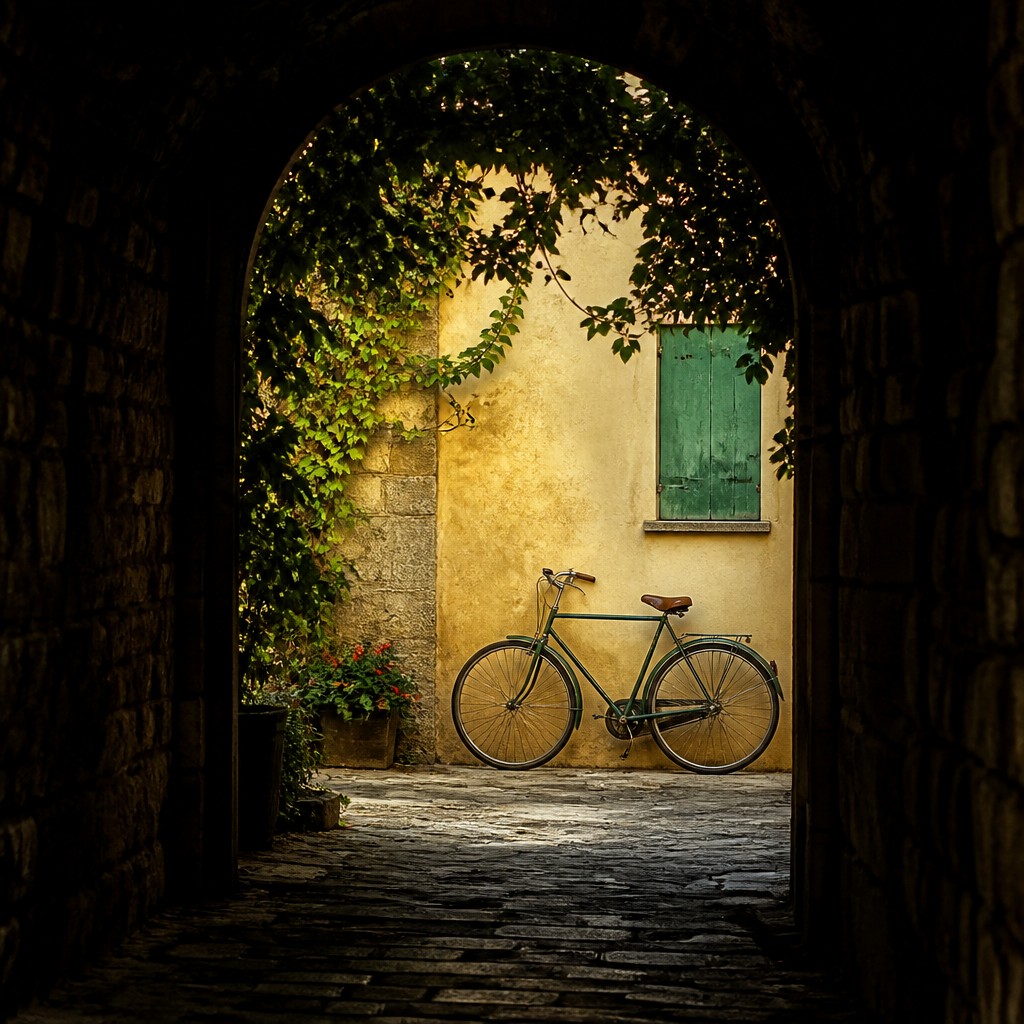
Its characteristic appearance depends on contrast and depth. Dark, sharply defined foreground shapes form a natural vignette around a brighter focal area, while overlapping planes create the impression of looking through space rather than at a flat arrangement. The technique can feel intimate, theatrical, cinematic, mysterious, or contemplative depending on the subject and the shape of the enclosure.
Try It On Your Photos
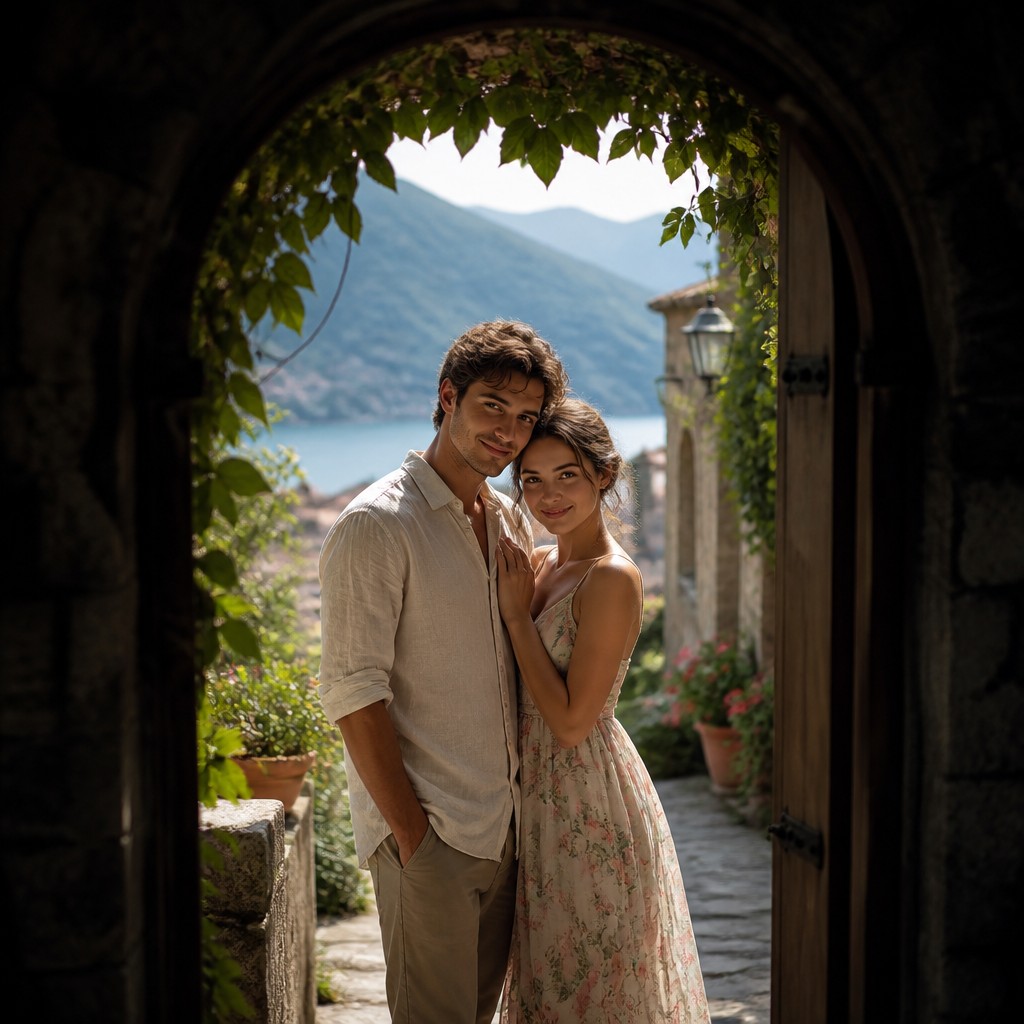
Upload any photo and convert it into Framing Art Style — drag the sliders to compare before and after.



What Defines Framing Art Style
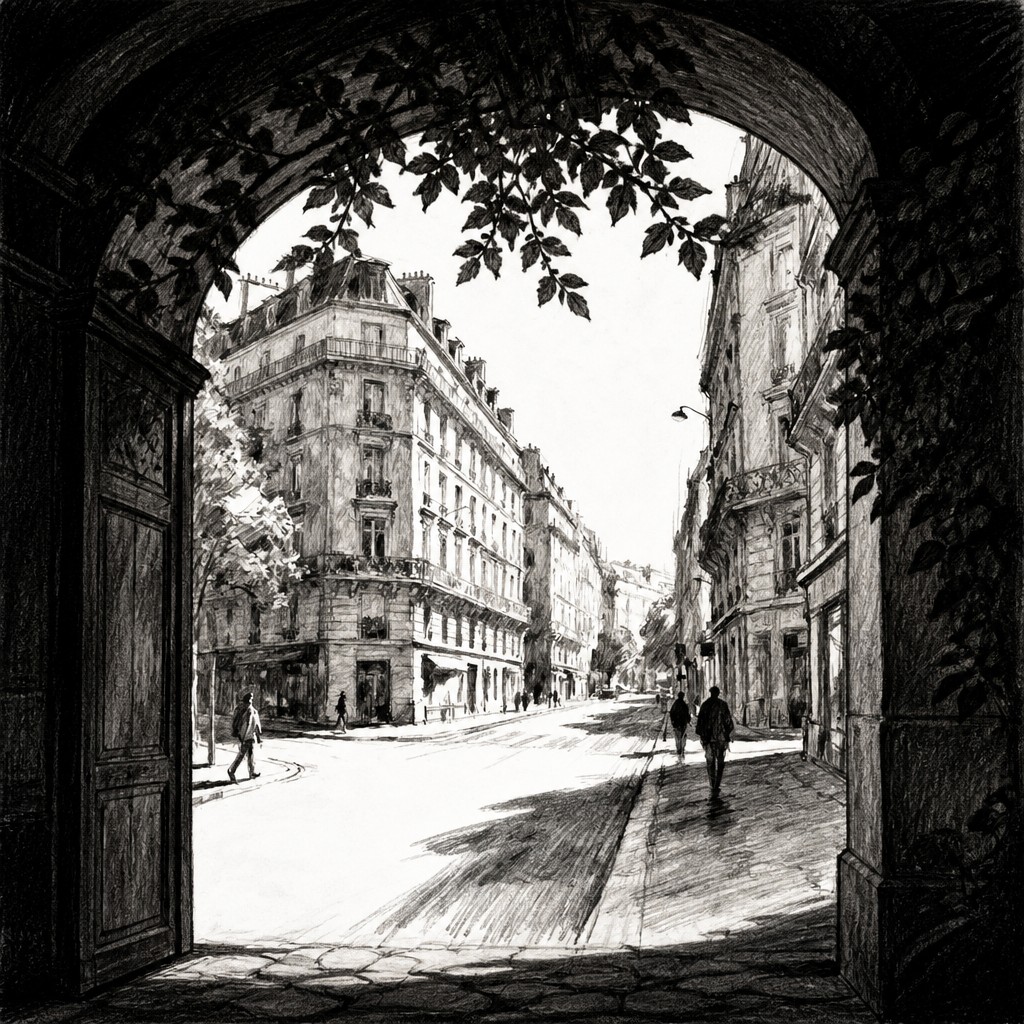
The signature details, up close
Enclosing foreground structure
A dark arch, doorway, window, rock opening, canopy, or group of branches forms a visible border around the scene. The structure should read as a spatial element in front of the subject, not merely as a flat decorative edge.
Natural vignette
The frame concentrates visual attention toward the center or another deliberately placed focal point. Shadowed edges gradually or sharply reduce peripheral detail, producing an inward pull.
Light-versus-shadow contrast
The enclosing foreground is commonly rendered in deep shadow or restrained tones, while the subject beyond it receives stronger illumination. This contrast establishes hierarchy and gives the composition a theatrical clarity.
Layered depth
Foreground framing, middle-distance openings, and a deeper background are separated through scale, overlap, atmospheric perspective, and focus. These layers make the viewer feel positioned just behind the framing device.
Clearly defined aperture
The opening through which the subject is seen has an intentional shape and readable boundaries. Its geometry may be symmetrical and architectural or irregular and organic.
Selective concealment
The frame hides part of the environment and may obscure portions of the subject without making the image confusing. Partial concealment introduces anticipation, privacy, and visual tension.
Central or guided focal placement
The subject is often placed within the opening, although asymmetrical placement can create a more dynamic result. Lines, branches, shadows, and highlights should guide the eye toward the chosen focal area.
Framing Prompt Ideas
Start from an idea — each one opens the generator with the style ready to go. See all 40 Framing prompts →
How to Create Framing Art
Master the craft step by step — or skip straight to creating. Read the full guide →
- 1
Choose a strong foreground frame
In photography or observational drawing, position yourself behind an arch, doorway, window, gate, tree canopy, or rock formation. Select a frame with a recognizable silhouette and enough opening to reveal the subject clearly.
- 2
Control exposure and value
Expose for the illuminated subject so the foreground falls into rich shadow without losing its contour. In painting or digital work, simplify the frame into dark masses and reserve the highest values for the focal area.
- 3
Build three spatial planes
Separate the near frame, the subject’s middle ground, and the distant background with overlapping shapes, size changes, atmospheric haze, or controlled focus. Keep the nearest framing element less detailed when detail would compete with the subject.
- 4
Shape the aperture intentionally
Use the opening to echo or contrast with the subject: a rounded arch can soften a portrait, while angular architecture can add tension to a landscape. Check that branches, edges, or structural lines do not accidentally cut across important facial features or objects.
- 5
Use digital compositing or masking
In digital painting and photo editing, create the foreground frame on a separate layer and adjust its opacity, blur, texture, and edge sharpness independently. A subtle gradient or localized shadow can strengthen the vignette without obscuring the aperture.
- 6
Write precise generation prompts
Specify the subject first, then describe a dark foreground arch, doorway, or overhanging branches, a bright opening, strong shadow-to-light contrast, and layered depth. State that the subject must remain clearly visible through a defined aperture to avoid an overly cluttered frame.
The Story
History & Origins of Framing
Framing Art Style is best understood as a descriptive, cross-media compositional style rather than a formally established historical movement. It draws on long-standing practices in painting, photography, stage design, landscape art, and visual storytelling that use foreground elements to control attention and suggest depth.
Its aesthetic lineage includes the repoussoir device in European landscape painting, architectural views organized through doorways and windows, Romantic landscape compositions with foreground silhouettes, theatrical proscenium framing, and photographic uses of natural frames. Contemporary digital image-making has made the approach especially recognizable as a repeatable visual formula combining a shadowed aperture with a brightly lit subject.
Influences: The style is related to the repoussoir tradition of landscape painting, Renaissance and Baroque architectural perspectives, Romantic landscape art, chiaroscuro, theatrical proscenium design, and photographic natural framing. It also shares compositional strategies with cinematic establishing shots, doorway and window motifs in domestic and architectural imagery, and contemporary digital matte painting.
Frequently Asked Questions
What defines Framing Art Style?
Its defining feature is a foreground element that visibly encloses or borders a brighter subject beyond it. The frame creates a natural vignette, emphasizes contrast, and establishes layered depth through an aperture-like opening.
Is Framing Art Style a historical art movement?
No. The term describes a cross-media compositional approach rather than a documented movement with a fixed period or membership. Its methods come from older traditions of repoussoir, chiaroscuro, architectural perspective, stage framing, and photographic composition.
How is it different from an ordinary vignette?
A conventional vignette usually darkens or softens the edges of an image as a tonal effect. Framing Art Style uses a recognizable object or spatial structure in the foreground, such as an arch, doorway, rock opening, or branches, so the viewer feels positioned behind a real frame.
Can this style be used for portraits?
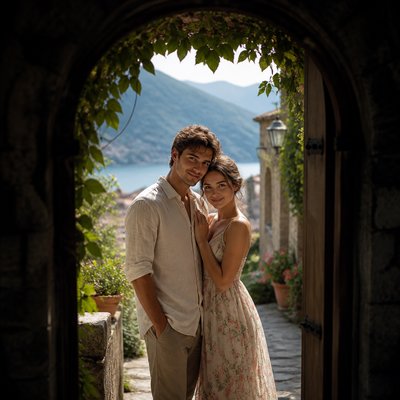
Yes. Doorways, curtains, foliage, windows, and architectural arches can surround a portrait while leaving the face in a clear pool of light. Keep the frame from crossing the eyes or mouth, and use its lines to direct attention toward the expression.
How do I make the frame look three-dimensional?
Give the foreground a distinct scale, overlap, and tonal separation from the subject and background. Add believable contact shadows, perspective convergence, atmospheric distance, and selective sharpness rather than treating the border as a flat graphic outline.
Where is this composition commonly used?
It appears in landscape painting, travel and architectural photography, portraiture, film stills, editorial illustration, fantasy environments, and digital concept art. It is especially useful when an image needs a strong focal hierarchy or a sense of discovery.
Create your first Framing artwork
Describe anything — or upload a photo — and see it in Framing Art Style in seconds.
Related Styles
Discover similar art styles